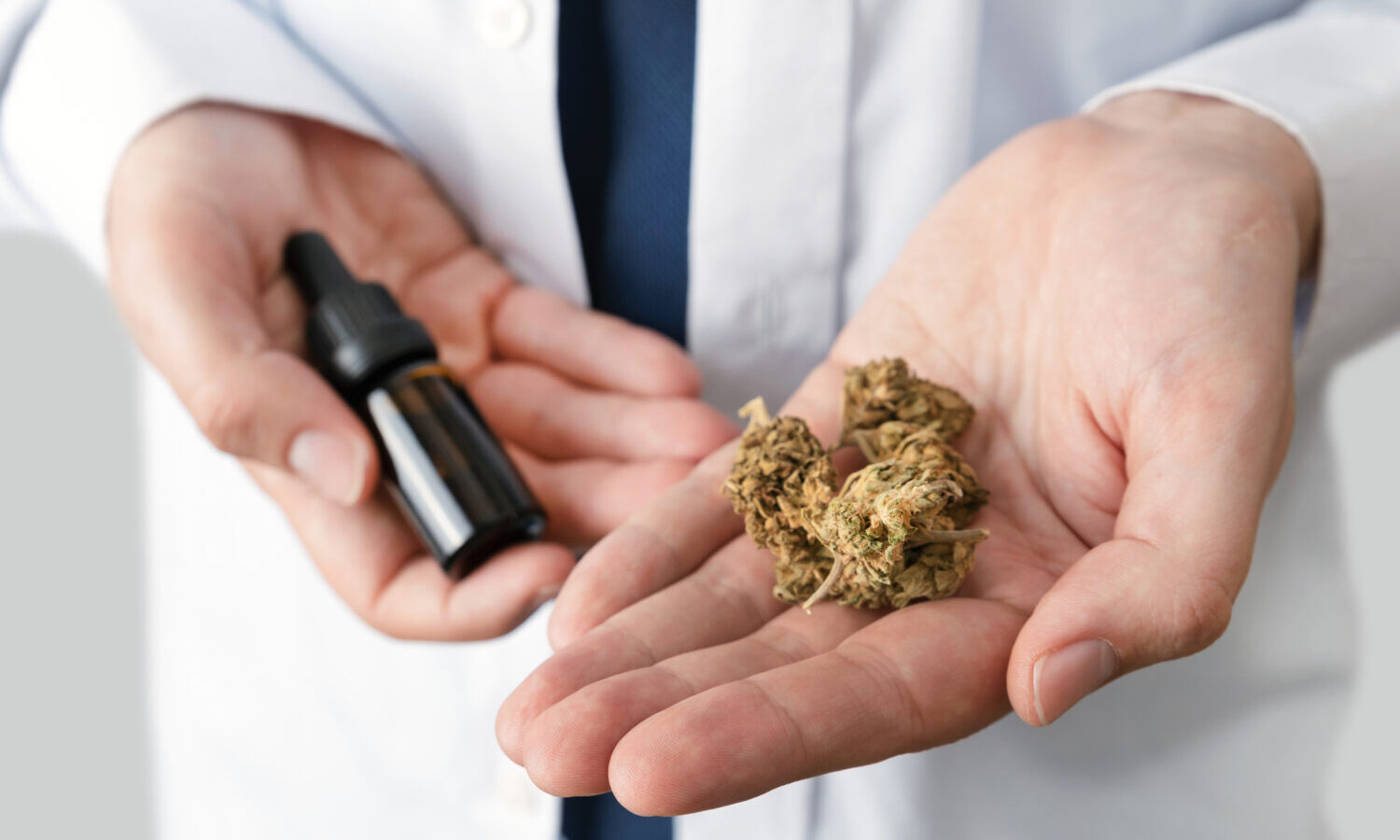
Contrary to what we’ve been told in the past, researchers have now found that CBD inhibits the breakdown (metabolism) of THC, thus increasing its adverse effects.
A new study has unearthed a controversy on the interaction between the psychoactive cannabinoid THC and its mellow counterpart CBD. For the longest time, it’s been believed that combining CBD with THC enhances the therapeutic benefits of both while limiting some of the adverse effects attached to THC. What if CBD amplifies the adverse effects of THC?
The exact mechanisms have been hypothesized with the message being loud and clear: CBD is THC’s perfect complement and antidote. But results from this new study found that this is not entirely the case.
Photo by mikroman6/Getty Images
Details of the study
A group of researchers from the Behavioral Pharmacology Research Unit at Johns Hopkins University conducted a randomized clinical trial to investigate the effects and side effects of cannabis edibles containing both THC and CBD in equal amounts.
The study model was a double blind crossover that included 18 healthy adults. This involved three randomized outpatient test sessions; each session one week apart. The participants were divided into three groups and offered brownies containing either of the three:
No cannabis extract (placebo)
20 mg Δ9-THC with no CBD
20 mg Δ9-THC + 640 mg CBD
The group that received CBD in addition to THC experienced more severe adverse effects compared to the THC only group. Researchers found that CBD inhibits the breakdown (metabolism) of THC, thus increasing its adverse effects by increasing circulating levels and active metabolite.
Contradictory Evidence: Is There an Ideal Way to Mix CBD With THC?
There are a number of studies that contradict the major claim in this article, that CBD worsens the adverse effects of THC. Let’s look at a few:
A 2019 study was conducted by the Western University to investigate how CBD affects the psychiatric side effects of THC. The rats offered THC were more anxious and fearful while the rats that were offered both CBD and THC were less anxious and fearful.
The researchers found that CBD attenuates some of the psychotropic side effects caused by THC by inhibiting THC’s ability “to overstimulate the ERK pathway.” The results of the study were published in the Journal of Neuroscience.
A different systematic review investigated the influence of CBD on the acute effects of THC. The researchers found that in most studies CBD reduced the adverse effects of THC. However, these studies have used different ratios of THC to CBD.
You can consider THC capsules as a good alternative to smoking weed. Still, before you decide on the consumption method, it is worth considering all the risks and disadvantages.
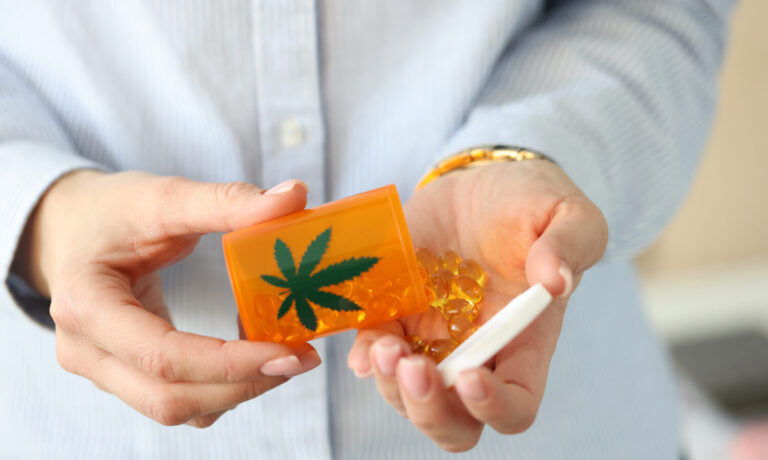
THC tablets and capsules are an excellent alternative to smoking. They do not burn the throat and do not cause coughing. They act like edibles, providing the same potent high. Here is what to know about THC pills and capsules. And what is the advantage of THC and CBD tablets?
Weed pills are a product that is easy to dose. Capsules differ from each other in the number of cannabinoids they contain. Today’s cannabis industry can provide the customer with more than just THC and CBD to choose from. It is an opportunity to try different cannabinoids and choose the one that suits you best.
The principle action of THC tablets and capsules is quite simple. Once the product enters your digestive system, the capsule shell breaks down. Cannabinoids enter the body through the blood and then metabolize in the liver.
Since the process takes time, do not rush to take many pills at once. It is usually worth waiting about an hour (sometimes 90 minutes) for the capsules to take effect. It all depends on the characteristics of your body (for example, your age, your metabolism, whether you are taking other pills, etc.).
Types of Capsules
Capsule types are constantly being improved upon, so there are a lot of them. Sometimes reading more information about a product can be confusing.
Ground Buds
Crushed cannabis flowers can be consumed in capsules if they have undergone a decarboxylation process. The cannabis must be exposed to heat, where the cannabis acids CBDA and THCA become the familiar THC and CBD. Without carboxylation, it makes no sense to use marijuana in capsules because it is not activated.
Distillate
THC distillate is a thick and viscous liquid, somewhat reminiscent of honey in consistence. The distillate is necessarily 80-90% single cannabinoid, often either THC or CBD. You can be sure of the quality of the distillate: when you buy THC oil capsules, you will get 85% or more THC content.
Crystalline
THC capsules may contain crystalline, which is a substance such as salt or sugar. These are pure powdered cannabinoids. You can find different types of crystalline pills, but often the tablets contain only THCA or CBDA, non-activated cannabinoid acids. Thus, patients can consume the weed safely.
CBD to THC Ratio
To achieve a certain effect, the manufacturer can manipulate the components. Thus, 1:1 or 3:1 capsules are popular in the cannabis market.
Broadspectrum
Broad-spectrum capsules are mostly CBD products. This type contains CBD and other components of the cannabis plant except for THC. These tablets contain almost all the molecules of the original plant.
Full Spectrum
Full spectrum products include all terpenes and cannabinoids from the source plant. This type is like a broad-spectrum and contains a small amount of THC. Typically, full spectrum capsules are ground decarboxylated weed or an oil base.
How to Make Cannabis Capsules
Although buying ready-made products is much easier and safer, you can try making cannabis capsules yourself! If you have already prepared cannabis edibles, you will not have any problems with the task at all.
Grind the weed and spread it on a baking sheet lined with baking paper. It is important to properly spread the cannabis over the entire surface, so it heats up evenly;
Preheat the oven to 200 degrees Fahrenheit before placing the baking sheet in the oven;
Warm up marijuana for 30 minutes;
Add the cannabis to a pot of simmering oil (choose coconut or olive oil);
Boil for about an hour;
Cool the mixture;
Using a pipette, fill the gelatin shells with a homemade mixture.
Alternatively, you can just buy casings and weed oil tinctures.
Why do marijuana fans love THC capsules? Here are some of the most popular reasons:
Great Effects
THC capsules do not start working immediately. The expectation is worth it since the effect of the pills and edibles is more potent than that of smoking. The average duration of a buzz is from 5 to 10 hours. You can read more about edibles here.
Dosage
An accurate grammage of each capsule allows you to calculate the correct dose. Smoking is always random because you can’t control how much you end up inhaling. Besides, medical patients should always know their dosage. In order not to guess, you can use THC and CBD capsules.
Convenience
Most marijuana users would like to be able to avoid drawing so much attention to themselves. The smell of weed alone will keep you from smoking your joint unnoticed. But taking medical marijuanas pills will not created any extra attention.
Health
Many users do not want to smoke for personal reasons. After all, weed has strong smell. It is a harsh smoke that harms the lungs and impairs breathing. It is understandable why many people switch to THC oil capsules. This is a much healthier alternative.
Potential Side Effects
Despite these advantages over smoking, THC capsules also have their drawbacks. People don’t see pills as a “potent weed”, and they can go over the top with dosage. The immediate side effects will leave you feeling anxious, panicky, and paranoid. But it is also important to consider the long-term use of capsules. If you experience the following symptoms even when you are not high, then you are most likely experiencing marijuana side effects:
Loss of appetite
Mood changes
Chills
Depression
Stomach problems
High blood pressure
Weight loss
Irritability
Sleep problems
Headache
Difficulties with focusing
Sweating.
However, if you choose CBD capsules, you will save yourself from such side effects. Moreover, CBD is non-psychoactive, and its effects are slow to appear. The effects of CBD are cumulative, like vitamins.
Despite the strong mental impact, THC capsules are also used in medicine. These effects have a positive effect on the central nervous system. For the most part, THC pills for pain reduce or eliminate the pain of different types and muscle spasms. On the other hand, constant weed consumption will greatly affect your perception of the world.
Moreover, patients reported the following positive cannabis capsules effects:
Mood improvement
Reduced social anxiety
Pain relief
Treatment of nausea and vomiting
Increased appetite
Relaxation
Sleep stabilization.
How to Consume THC Caps
THC capsules can be taken with water. If you are a beginner, then it is worth starting with low doses, about 5-10 milligrams. You can speed up the effectiveness of the capsules if you take them on an empty stomach. Food can slow down the absorption of weed tablets.
Give yourself about an hour to appreciate the power of the effects. Capsules take time, and it is important not to take too many capsules at once. It can lead to negative effects.
Conclusion
You can consider THC capsules as a good alternative to smoking weed. Still, before you decide on the consumption method, it is worth considering all the risks and disadvantages.
State stunned as first time in five years cannabis sales drop. The state has seen an 8% dip from last year in the amount of legal marijuana purchased by consumers, the first time the state has seen a downturn in sales since the legal market launched in 2018, SFGate reported. California over taxing and contributing to the healthy black market seems surprise officials when things don’t turn out perfectly.
Consumers bought $5.3 billion worth of cannabis in California last year, according to statistics from the state Department of Tax and Fee Administration. That’s down by $473 million from 2021.
Photo by Olena Ruban/Getty Images
The dip in sales is likely the result of several factors, but the bottom line is that the “legal market is on the brink of collapse,” cannabis consultant Hirsh Jain told SFGate.
In the first year of sales five years ago, California marijuana companies sold $2 billion worth of cannabis. By 2021, that jumped to $5.7 billion.
The state has struggled for years to get a handle on its illicit cannabis market, which is likely the primary factor driving the decrease, since untaxed and unregulated cannabis is far cheaper than legal weed and there’s a vast surplus of both legal and illegal marijuana in the state.
But other hurdles have also played a role, Jain told SFGate, ranging from difficulties in getting new legal stores opened to supply chain hurdles to depressed wholesale prices for licensed cannabis farmers. All of that has also meant severe market contraction in California, alongside ballooning debt across the industry.
The cannamom movement is not just about cannabis, but about creating a society where parents have the tools they need to be the best parents they can be.
Cannabis has long been stigmatized as a drug that’s dangerous, destructive, and meant only for the lazy and unmotivated. However, the legalization of cannabis has given rise to a new generation of parents who use it to help with the challenges of parenthood.
As more and more states legalize cannabis, and social attitudes around the drug continue to shift, the stories of cannamoms offer a new perspective on the benefits of cannabis, and the role it can play in parenting.
Photo by Alexandre Morin-Laprise/Getty
The origin story of cannamoms is rooted in the history of medical cannabis use. Mothers advocating for the use of medical marijuana for their children with disabilities brought the idea of cannabis as a medicine to the mainstream. These mothers saw the benefits of the plant, and soon began to use it themselves. What started as a grassroots movement is now a national conversation, with cannamoms advocating for the legalization of cannabis for all adults.
Cannamoms attest to the benefits of cannabis when it comes to parenting. They use it to become more emotionally available to their kids, to tune in rather than tune out. Danielle Simone Brand, a cannamom and author of the book “Weed Mom,” told Florida’s WESH 2 News that “cannabis has given me back sleep. It is truly a wellness tool, dose-dependent, product dependent, you know, not at all just a one size fits all kind of thing. But with cannabis literacy, with some education, there are all kinds of ways that moms can do this.”
Cannamoms like Brand aren’t using cannabis to escape their responsibilities, but to improve their ability to manage their daily lives and be better parents.
Parenting is a challenging task that comes with its own set of struggles. Dealing with sleepless nights, temper tantrums, and the stress of raising a family can take a toll on one’s mental health. Cannamoms have found that cannabis helps them deal with these challenges by reducing stress and anxiety. It provides a calming effect, allowing them to tackle difficult situations in a more relaxed state. Cannamom Jaygoda notes that “once my family started seeing how relaxed I was, how more present I was, how happier that was, how I was able to maneuver my day, they stopped coming after what I was doing.”
Photo by rez-art/Getty Images
Cannabis isn’t a substitute for dealing with the challenges of being a parent; instead, it’s a means of reducing stress and dealing with the overwhelming situations that come with raising a family. Cannamoms are just like any other parent; they want to do what’s best for their children, and cannabis helps them achieve that goal.
The stigma surrounding cannabis use is still very much alive, and it’s important to address it, particularly when it comes to the impact on children. Kids need to see good examples of cannabis smokers since they model adults. Current education on drugs makes it taboo, which means kids learn by themselves. Therefore, good role models and creating a distinction between “adult activity” and “child activity” will help cement drug education in future generations.
Cannamoms are breaking down the stereotype of the lazy, unproductive stoner and showing their children that responsible cannabis use is not only safe but also beneficial.
While cannamoms may be paving the way for a new era of cannabis acceptance and legalization, it is not without its challenges. Cannabis remains illegal at the federal level, and many states have yet to legalize it for both medical and recreational purposes. The stigma surrounding cannabis use, particularly for parents, is still prevalent.
Cannamoms face criticism from those who view their use of cannabis as an irresponsible choice that can negatively impact their children. This view fails to take into account the many benefits that can come with cannabis use, including improved health and well-being for parents, and ultimately, better parenting.
Photo by LightFieldStudios/Getty Images
Despite these challenges, cannamoms continue to fight for their right to use cannabis, for themselves and their children. By speaking out and sharing their stories, they are helping to shift the cultural narrative around cannabis use and parenting. They are also paving the way for future generations, who may grow up in a world where cannabis use is fully accepted and normalized.
In the end, the cannamom movement is not just about cannabis, but about creating a society where parents have the tools they need to be the best parents they can be. Cannabis may be one of those tools, but it is not the only one. By opening up a dialogue and creating a space for parents to share their experiences, cannamoms are contributing to a larger conversation about what it means to be a good parent, and what resources and support parents need to thrive.
The cannamom movement is about empowering parents to make informed choices about their health and well-being, and about creating a culture where all parents, regardless of their choice to use cannabis or not, are valued and supported.
The cannamom movement is about more than just cannabis. It is about fighting for the right to make informed choices about our health and well-being, and about breaking down the stigma and shame that has long been associated with cannabis use. By sharing their stories and fighting for their rights, cannamoms are creating a more inclusive and accepting society, one where parents can feel empowered to be their best selves and provide the best possible care for their children.
The cannamom movement is a reminder that, in the end, we are all just parents trying to do our best, and that we all deserve the support and resources we need to succeed.
Even if it’s legal in your state, marijuana is still considered a dangerous drug on a federal level. So if you feel like speaking your truth, you have the right to do so, but there may be consequences.
With marijuana legalization spreading, talking about getting high has become more commonplace than taboo in many circles. When it comes to water cooler talk at work, however, cannabis conversations are still confusing to navigate. Is it ever appropriate to discuss your marijuana habits at work?
Some states have laws protecting employees’ off-the-clock marijuana usage, while others do not. Some jobs embrace marijuana legalization while others have HR policies that read as though recreational marijuana isn’t “a thing.” All this uncertainty likely has you wondering if and when you can freely talk to your coworkers about your marijuana use.
Photo by Christina @ wocintechchat.com via Unsplash
Read The Room
Regardless of whether or not your company has specific marijuana policies, it is always best to understand the social climate of the office. Some workplaces promote the open and free spirit communication style of office behavior, while others are more tight lipped.
One thing to consider when you are wondering if it is appropriate to bring up marijuana use is how “getting high” is considered amongst many employers in legal states, according to an article by the Health and Safety Institute (HSI). “There is a parallel with alcohol use here. It is legal for adults over the age of 21 to buy and enjoy alcoholic beverages, but companies still have every right to expect an employee not to show up for work intoxicated, and not to drink while on the job.”
So if marijuana use is often treated the same as drinking, perhaps treat it as such. While staying in and smoking a joint is a different vibe than a night out at the clubs, the two acts are on similar wavelengths in the eyes of some professionals. If you wouldn’t tell your boss about getting drunk at happy hour, perhaps it’s best to keep your after work edible habit to yourself.
Know Your State Rights
Reading the room is important when it comes to not putting your foot in your mouth, but reading your state laws and employee manual can help keep you from losing your job. Some states, like New York, have laws protecting employees and their off-the-clock weed use.
“The DOL says employers are prohibited from discriminating against employees based on the employee’s use of cannabis outside the workplace, outside of work hours, and without use of the employer’s equipment or property,”wrote Forbes, in regards to New York’s new recreational marijuana inspired law.
Photo by Dylan Gillis via Unsplash
Many other states, including California, do not have off-the-clock employee protections in place on a state level. Policy is often created at a local level or within a job’s employee manual. This can be altogether confusing for a marijuana user in a legal state, but it will remain a quagmire and headache until federal lawmakers and state lawmakers speak the same language on the subject.
As Reuter’sput it, “The business community should expect local lawmakers to continue taking a proactive role in providing marijuana-related protections to employees, which will in turn continue to cause tension between the federal framework, and the framework of what is now a majority of the states.”
If you use marijuana regularly, be sure to understand your local laws and your company policies. This is especially true with those who use medical marijuana. Different states have different protections, and it is critical you know what is and is not acceptable at your job.
Use Respect Common Sense
If you work in a relaxed establishment where others talk about dispensaries and getting high at concerts, the odds are it’s safe for you as an employee to join in on the conversation. Still, always remember that just because you get along with your coworkers does not mean you think the same. Don’t forget that although the majority of Americans support marijuana legalization, there is still a large minority who oppose it. The odds are one of those people could work in your office.
You never know if one of your new co-workers is a highly conservative “war on drugs” type. Remember coworkers have all sorts of different views, and marijuana is still a taboo subject for many. If you aren’t sure if it’s a good idea to discuss freely with co-workers, it probably isn’t. Remember that marijuana is still a class I substance on a federal level, which means that even if it is legal in your state, it is still considered a dangerous drug on a federal level.
So if you feel like speaking your truth, you have the right to do so, but there may be consequences. If, for some reason, you can’t decide if talking about your weed use is a good idea at work, it might be better to hold that thought until you clock out and see your friends whom you trust.
Scientists know of about 20,000 different kinds of terpenes in the plant world. However, only around 150 have been found in cannabis plants.
Most people still think that the levels of either the psychoactive compound THC (tetrahydrocannabinol) or anxiety-relieving, relaxing CBD (cannabidiol) in cannabis products are the most important factors to check for. But here is some scientific insight into the therapeutic benefits of terpenes.
However, there is a growing breed of educated cannabis consumers who know that THC and CBD don’t need to hog the spotlight. If you are after certain effects of cannabis, it’s worthwhile to check for the terpene contents in each product or strain before you spend money on it. These terpenes, which are naturally occurring compounds not just in marijuana but in other plants as well, are responsible for the unique flavor profile and aroma in certain strains.
More importantly, terpenes also have medical value and can contribute to the entourage effect, enhancing the therapeutic benefits of other cannabinoids present in the plant. Many terpenes have been found to possess valuable anti-inflammatory properties, treat pain, reduce anxiety, and even treat fungus and bacteria.
Photo by Emilija Manevska/Getty Images
Certain cannabis products such as isolates, are processed enough that there are no longer any terpene content or any other compounds in it. But for medical cannabis patients most especially, there are significant benefits to enjoy when consuming cannabis products with a rich terpene profile.
There are more studies that prove these therapeutic benefits of terpenes.
The latest study was conducted by researchers from the University of New Mexico. They analyzed participants who consumed 633 various types of cannabis flower, and they were asked to rate the efficiency of each. The participants consumed cannabis at home then were tasked to report any changes in their symptoms through a mobile software application. Afterwards, the researchers analyzed these trends.
“Symptom relief was greatest after consumption of plant variants with slightly higher than average levels of the terpenes myrcene and terpinolene and non-detectable levels of CBD. In contrast, chemovars with any detectable levels of CBD provided the least relief, the fewest positive side effects, and the most negative and context-specific side effects. These findings are consistent with previous research showing that naturally abundant CBD in cannabis flower may act as an inhibitor of optimal treatment for certain health conditions,” the researchers wrote.
“The index system described herein enables healthcare providers, patients, scientists, and cannabis retailers to easily categorize cannabis products based on measurable plant characteristics beyond THC and CBD in ways that systemically relate to differing levels of symptoms relief and side effect reporting,” they concluded.
Other Studies
Another study from 2021 reveals that certain terpenes help modulate cannabinoid effects on mice subjects. The researchers, who were from the College of Medicine at the University of Arizona, analyzed the modulatory and functional activity of different terpenes both in vitro and in vivo, alone and with a cannabinoid agonist known as WIN 55,212.
According to the study’s authors, when the terpenes together with the agonist were given to mice, it resulted in an significant analgesic effect compared to when each compound was administered alone. They also added that endogenous cannabinoid receptors were receptive to the terpenes.
The authors reported: “Our findings suggest that these cannabis terpenes are multifunctional cannabimimetic ligands that provide conceptual support for the entourage effect hypothesis and could be used to enhance the therapeutic properties of cannabinoids,” they wrote.
Photo by Zummolo/Getty Images
Which Terpenes Should You Be Looking For?
Scientists know of about 20,000 different kinds of terpenes in the plant world. However, only around 150 have been found in cannabis plants. That said, there are a few important terpenes that can definitely make you feel better:
Myrcene
Myrcene is the most common terpene in cannabis plants. It’s responsible for a clove-like smell, which can also be musky and earthy. Myrcene gives off sedative effects, though this compound is extremely beneficial for treating chronic pain and inflammation.
Individuals struggling with insomnia will also benefit from strains that are high in myrcene. It can also aid with muscle relaxation, anxiety, and stress.
Linalool
Linalool is a terpene that gives off a floral aroma with spicy or woody notes. Like myrcene, it also possesses strong sedative properties and it has long been used for its sleep-inducing properties.
Linalool is beneficial for treating anxiety, depression, seizures, stress, and muscle aches. Studies also show that linalool was effective in strengthening the immune system especially from damage caused by stress.
Limonene
Limonene is another abundant terpene found in most cannabis strains. It gets its name from the lemony, citrusy aroma and flavor it imparts in cannabis. All citrus fruits also possess a great deal of limonene, hence their refreshing aroma.
Limonene is an excellent terpene for improving your overall mood and reducing stress. It also has antibacterial and antifungal properties. There are also some studies suggesting it may have antioxidant and stress relieving benefits.
Photo by Nastasic/Getty Images
Pinene
Pinene is a famous terpene that is known for its refreshing pine smell. In nature, it’s abundant in pine trees, though it’s also found in numerous cannabis strains. When consuming cannabis strains high in pinene, it’s said to increase alertness and can also leave you feeling recharged and more motivated.
Its medical benefits include increasing bronchodilation and airflow, reduced inflammation, and it may also improve your memory. Pinene may also help you combat brain fog and help you work better.
Caryophyllene
Caryophyllene is mostly found in black pepper and cloves, as well as in cannabis. It has a sharp aroma that is peppery and spicy.
Caryophyllene is known for its calming effects but it can also help fight anxiety. More importantly, it’s the only terpene that is known to activate the CB2 receptor, which is why it can provide superior therapeutic benefits. Studies show that caryophyllene can fight inflammation, depression, and bacteria while improving gut health.
Conclusion
THC and CBD aren’t the most important factors when shopping for weed. Why not experiment with cannabis strains that have varying levels of important terpenes to see how it can improve your health?
It’s possible that this case will end up being argued before the US Supreme Court. However, the issue could be moot as Washington lawmakers are considering a bill that would remove the residency requirement from Washington law.
The US District Court for the Western District of Washington (the Court) has upheld the residency requirement set by the Washington Liquor and Cannabis Board (LCB) in the case of Brinkmeyer v. LCB. The residency requirement, which requires individuals owning or controlling a licensed business to establish residency six months prior to applying for a license, prohibited Todd Brinkmeyer, who lived in Idaho, from owning or investing in a cannabis license in Washington.
The Court determined that the Dormant Commerce Clause did not apply to Washington’s residency requirement as cannabis remains illegal under federal law. For background on this case check out our three previous blog posts on the lawsuit:
The Dormant Commerce Clause is a legal doctrine that limits states from passing laws that discriminate against or unduly burden interstate commerce. It is based on the Commerce Clause of the U.S. Constitution, which grants Congress the power to regulate commerce among the states. We wrote about how the Dormant Commerce Clause was recently invoked to prohibit New York from fully implementing its Conditional Adult-Use Retail Dispensary licenses. Here’s a brief summary of Dormant Commerce Clause jurisprudence from that post:
The U.S. Constitution contains a passage, commonly referred to as the “Commerce Clause,” which provides that “Congress shall have Power . . . to regulate Commerce . . . among the several States[.]” The U.S. Supreme Court has long interpreted this clause to include a corollary or “dormant” Commerce Clause which has the effect of prohibiting states from enacting laws inhibiting trade among the states.
In a recent case, Tennessee Wine and Spirits Retailers Association v. Thomas, decided in 2019, SCOTUS invalidated a two-year residency requirement for Tennessee retail liquor stores. In applying the DCC to case at hand, the Court wrote “if a state law discriminates against out-of-state goods or nonresident economic actors, the law can be sustained only on a showing that it is narrowly tailored to advance a legitimate local purpose.” SCOTUS determined that “Tennessee’s 2-year durational-residency requirement plainly favors Tennesseans over nonresidents and found that the law was not “narrowly tailored” to advance a legitimate local purpose and invalidated Tennessee’s residency requirement as unconstitutional.
The Court began its analysis with Tennessee Wine by distinguishing that case from Brinkmeyer because alcohol is legal under federal law while cannabis is not.
The Court also pointed out that many other federal District Courts found that the Dormant Commerce Clause prohibited residency requirements in cannabis, including a decision out of the US Court of Appeals for the First Circuit ruling that Maine’s cannabis residency requirements violated the dormant Commerce Clause. Ne. Patients Grp. v. United Cannabis Patients & Caregivers of Me., 45 F.4th 542 (1st Cir. 2022). In that case, the First Circuit affirmed that Maine’s residency requirement, which is similar to Washington’s, violated the Dormant Commerce Clause of the United States Constitution. However, Maine’s residency requirements applied to only medical cannabis dispensaries.
There are limited protections in place at the federal level that apply to medical cannabis operations but not recreational, specifically, the Rohrabacher-Farr Amendment which prohibits the use of federal funds to go after medical cannabis operators in compliance with state law. The Court found that line of thinking inapplicable to the case at hand because Washington has merged its medical and recreational markets:
[T]he Rohrabacher-Farr Amendment applies only to medical cannabis markets. It is unclear what its application would or should be in Washington, where the recreational and medical markets are consolidated.
The Court ultimately ruled that the Dormant Commerce Clause does not apply to Washington’s cannabis market because that market is illegal under federal law. By finding that the Dormant Commerce Clause did not apply, the Court did not reach the question of whether the residency requirement is narrowly tailored to advance a legitimate local purpose, which means that this question may be analyzed on appeal, if Brinkmeyer decides to take this fight to the US Court of Appeals for the Ninth Circuit.
Photo by jirkaejc/Getty Images
Congressional Intent
The Court reasoned that Congress expressly and unambiguously prohibited interstate commerce of cannabis by listing it in Schedule I of the Controlled Substances Act. The Dormant Commerce Clause cannot apply when Congress expressly has not exercised its Commerce Clause power to regulate the matter at issue. The Court determined that “[t]here is no dispute that Congress exercised its Commerce Clause power in enacting the CSA and criminalizing cannabis.” The Court went on to state:
Although Washington’s “legalization” of cannabis certainly does not align with Congress’s intent, the residency requirements do. The residency requirements attempt to prevent any interstate commerce in cannabis and to prevent cannabis from Washington from moving into states where it remains illegal, like Idaho.
The Court rejected the idea that Congress “substantially legalized” cannabis just because the Department of Justice exercised prosecutorial discussion to not prosecute state-legal operators for cannabis crimes.
Privileges and Immunities Clause
The Court also granted summary judgment on Brinkmeyer’s claim that the residency requirement violated the Privileges and Immunities Clause of the US Constitution. The Privileges and Immunities Clause is a provision in the United States Constitution, found in Article IV, Section 2. It prohibits states from discriminating against citizens of other states by denying them the “Privileges and Immunities” that it affords its own citizens.
Brinkmeyer argued that Washington’s residency requirement for selling cannabis violates the right to pursue a livelihood and the right to travel, which are protected by the Privileges and Immunities Clause. However, the Court determined that that the right to engage in illegal commerce is not an established right under the Privileges and Immunities Clause because the right to engage in commerce that remains federally illegal is not fundamental.
Bottom Line
The Court held that:
The Dormant Commerce Clause did not apply to Washington’s residency requirement as cannabis remains illegal under federal law. The Dormant Commerce Clause cannot apply when Congress has not exercised its Commerce Clause power to regulate the matter at issue.
Restricting interstate commerce of cannabis was in line with Congress’s intent and that the residency requirements attempt to prevent any interstate commerce in cannabis and prevent cannabis from moving into states where it remains illegal.
Citizens do not have any constitutional right to engage in illegal activity.
If this case is appealed, it will go to the US Court of Appeals for the Ninth Circuit. If the 9th Circuit upholds the ruling it will likely create a circuit split with the First Circuit’s holding on the residency issue in its Maine case.
It is possible that this case will end up being argued before the US Supreme Court. However, the issue could be moot as Washington lawmakers are considering a bill that would remove the residency requirement from Washington law. We will continue to monitor the situation.
Daniel Shortt is a corporate and regulatory attorney based in Seattle, Washington who works extensively with entrepreneurs in the cannabis industry. You can contact him at info@gl-lg.com or (206) 430-1336. This article originally appeared on Green Light Law Group and has been reposted with permission.
The numbers are one of the major reasons the state will award new MMJ business licenses starting in April to ensure that the entire patient population is adequately served.
The Sunshine State is full of cannabis fans, apparently. According to state data, the number of registered medical marijuana patients in Florida increased by 71% in just the last two years, skyrocketing to 779,465 at the end of 2022.
The figures came up during a presentation by Christopher Kimball, the director of the Florida Office of Medical Marijuana Use (OMMU), to a state legislature subcommittee, according to The Center Square. Kimball said that not only did patient participation shoot up, but so did the number of physicians registered to issue MMJ certifications, from 107 in 2020 to 1,725 in 2022.
Photo by simpson33/Getty Images
Patient numbers increased even further in the past month and a half to 788,633 as of February 10, and the number of registered physicians shot up to 2,601, according to the latest OMMU report.
The numbers are one of the major reasons the state will award new MMJ business licenses starting in April to ensure that the entire patient population is adequately served. State law triggers more permitting with patient count growth.
The next round will be for 22 new business permits, doubling the existing number of companies in the state (though only 19 yet have operational dispensaries, according to the OMMU).
Kimball said one of the major changes instituted by the OMMU that may have contributed to the increased numbers is same-day approval for patient certifications.
The state also repealed a ban in 2019 that it originally had in place for medical cannabis flower. The early days of the MMJ program only allowed for products such as tinctures and pills to be sold by licensed cannabis companies. That has also likely been a major contributor to the increased popularity of the program, given that smokeable flower has long been the most popular form of medical cannabis among patients.
In March 2019, when the flower ban was repealed, the state had just under 200,000 registered MMJ patients.
The surge in patients could also be a political boost to Trulieve’s ballot measure campaign, which is attempting to get a recreational legalization measure onto the 2024 ballot in Florida and has invested over $25 million so far in the effort.
Sativa strains have long been known to have potent psychedelic effects. This is the strain you would run to if you needed to have a creative breakthrough or if you need to work the graveyard shift. Though the effects of sativa strains are often desirable and helpful, sometimes they can literally cause the opposite effects.
What Is Sativa?
Most pure sativa strains are referred to as “landrace” or “heirloom” strains. What this means is that they are native to specific geographical regions across the world. Because of the conditions of these regions, they have evolved to contain specific physical and chemical properties best suited for the prevailing conditions.
Cannabis sativa strains are often native to tropical regions surrounding the equator. These regions typically have perfect climate, which has over time resulted in sativa strains growing robustly tall. Some strains might even grow to 20 feet.
Sativa plants are characterized by delicate narrow leaves with buds that are less dense than indicas and appear to be almost fluffy.
Photo by whitebalance.oatt/Getty Images
Sativa strains usually contain higher THC:CBD ratios. This, however, is not a rule cast in stone. The THC that often accompanies sativa strains causes intense cerebral highs that could sometimes even get psychedelic.
Sativa strains are often used to treat mental and emotional disorders like depression.
The Classic Sativa High
The sativa high can be described as being a “head high” that has an energizing, invigorating effect. The sativa high increases mental focus and creativity and can greatly assist in reducing stress and fatigue.
The intake of certain cannabis sativa strains has an effect on the release of dopamine in your brain. Dopamine is a hormone that is intricately involved in several bodily functions including digestion and blood flow. Dopamine is often referred to as the “feel good” hormone. This is because when its release is intensified and it floods the system, it might temporarily lead to feelings of euphoria. It also enhances alertness, focus and motivation.
Dopamine increases the emotional connection between the subject and stimulus thus creating good feelings in the anticipation of a reward.
What does “a sativa high” feel like?
As we have previously discussed, the consumption of sativa strains produces a “mind high”. This high is characterized by:
High energy levels
A reduction in anxiety
An increase in productivity
Heightened creativity
Mental stimulation
Social acuity
A high from the sativa plant will ensure you are energized with an increase in productivity and focus. If you have that piled heap of work to do at the office, this is the kind of strain you should use.
When taken in moderation, sativa strains will be of great benefit to you and practically give you a new lease of life (okay, for the duration when you’re high)
However, if taken in excess, it could practically knock you out, as well as have other effects on you.
Sativa highs can also be referred to as a “social high”. This means that once you are high on a sativa strain you can consider yourself to be a social butterfly. Your inhibitions will fall off as well as you being particularly chatty and friendly.
Unlike indica strains, sativa strains will make you feel more stimulated than relaxed. If you are feeling tired and apathetic, a sativa high will act as the infusion of energy you need to complete whatever task is at hand.
Sativa strains also make the user feel serene and have a feeling of well-being. Together with the other positive effects we have described, this makes sativa strains ideal for daytime use.
Photo by Thanasis/Getty Images
Best Sativa Strains
There are many sativa strains as there are breeders, and then some. Sativa strains differ in appearance and effect but we have listed for you the most popular ones:
Jack Herer
Durban Poison
Sour Diesel
Tangie
Super Silver Haze
Green Crack
Strawberry Cough
El Patron
Hulkberry
Shogun
Sativa Vs. Indica
As we discussed at the start of this article, properties of cannabis are determined by how they have evolved mainly due to where they originated from. In this regard, sativa strains differ from indica strains of cannabis mainly by their appearance and effects.
Although both indica and sativa strains happen to be subspecies of Cannabis sativa L., they have very distinct differences.
Sativa strains are known to produce uplifting and energizing highs while indica strains produce relaxing highs that could even have a “couch lock” or sedative effect.
While the high induced by sativa strains is called a “head high”. Those induced by Indica strains are referred to as being “stoned” or having a “body high”.
While sativa strains induce mental focus, creativity, euphoria and social acumen, indica highs are deeply relaxing, enhance the touch, smell and sound and do not inspire any activity.
While sativa strains should ideally be used in the daytime, indica strains are best used at night, just before bed time.
Photo by Westend61/Getty Images
Positive Effects of Sativa
Elevates Mood
Sativa strains usually have the effect of uplifting one’s mood and in some cases even making one deliriously happy. Though this is not a “one size fits all” scenario, and some people might actually be unaffected, it is a pretty common effect. As explained earlier, sativa causes the influx of dopamine which results in feelings of happiness and satisfaction. If you are feeling down in the dumps, you should certainly consider a sativa strain.
Increases Energy
Another positive effect of taking sativa strains that occurs quite commonly is a sharp increase in both energy levels and productivity. Inhaling sativa will increase your focus, spark your creativity and promote your social interactions. If you are feeling apathetic and need that boost of energy to help you clear your desk, this is the direction in which you should be headed.
Improves Appetite
Though cannabis in general is known to improve appetite, sativa strains are particularly potent in this area. Studies conducted over time have shown its efficacy in this area.
As a matter of fact, one scientific publication made note that “…the ability of [C. sativa] to promote eating has been documented for many centuries … [many users report] strong cravings for, and an intensification of, the sensory and hedonic properties of food.” Put in layman’s language, consuming sativa strains will make your appetite go through the roof!
Helps with Depression
Sativa strains are legendary “pick-me-ups”. Given their characteristics of increasing energy levels, lowering apathy, elevating mood and euphoria, they can effectively deal with the symptoms and effects of depression.
Patients who have been diagnosed with depression usually have difficulty in finding joy in the mundane everyday situations. They are constantly overwhelmed by a sense of hopelessness and apathy where nothing seems worthwhile. The effects of sativa can take users into the recesses of their minds where for a moment they get taken out of that situation and break the cycle of dark thoughts. This could eventually lead to the symptoms decreasing as well as users finding better ways to cope and recover.
Promotes Creativity and Focus
As previously discussed, no other strain of cannabis gets the creativity juices flowing as much. Not only will you have a stream of fresh, brilliant ideas, you will also experience better focus and have more tolerance to complete tasks.
Sativa strains are also great for patients suffering from attention disorders like ADHD as it improves their focus enough for them to complete a task.
While consuming sativa strains for their positive effects, it is important to note than the same exact strain and amount could have very different effects on the same person. This could be based on age, weight, metabolism, health and other factors. Therefore, break yourself in by regulating the amount you take until you get to a point where you are most comfortable.
Photo by rez-art/Getty Images
Negative Effects of Sativa
Like with any powerful medicine, ingesting cannabis, especially in the excess can lead to a number of unpleasant side effects. While these effects can be inspired by both indica and sativa strains, they are mostly triggered by the ingestion of sativa strains.
Anxiety and Paranoia
The interaction of THC with the body’s ECS (endocannabinoid system) can have profound positive effects as we have discussed above. However, in excess the same interaction could lead to overstimulation, which could cause anxiety and paranoia.
The ECS is composed of receptors. Chemicals called endocannabinoids are designed to fit into them and trigger certain reactions in the body. Because THC is a similarly shaped molecule, as well as being an endocannabinoid itself, it fits into these receptors and triggers a cascade of reactions.
The action of THC binding with CB1 receptors found in the brain is what causes the feeling of a high. Because many sativa strains are high in THC, powerful effects like sensory changes and a sense of the slowing down of time can be a result of ingesting them. As much as recreational users may enjoy these strains, medical users could get very perplexed and uncomfortable. In some cases they could even get anxious and panicked.
Psychotic episodes and extreme feelings of paranoia are more likely to affect people who already have mental health issues though overdosing would lead you directly down that path.
To avoid being anxious, only use sativa strains when you are in familiar surroundings and in the company of people you are comfortable with. If you feel yourself start to get anxious and panic when high, remind yourself that the feeling is temporary and that it will soon pass.
Another tip to deal with this effect is to take some CBD oil ahead of consuming your ssativa strain to ensure their effects balance out.
Insomnia
Since sativa strains are known to increase your energy and focus, consuming some before bedtime is likely to rob you of your sleep. Though you might at first enjoy relaxing in bed with random thoughts criss crossing your mind, the hope that this will lead to sleep will soon be dashed.
To ensure this doesn’t happen, only use sativa effects during the day and switch to indica strains for nighttime.
Dizziness
Smoking any weed may cause you to feel dizzy. However, a high THC sativa strain is even more likely to induce this effect. The consumption of cannabis lowers your blood pressure. This might lead to you feeling lightheaded, especially if you suddenly stand up.
You can avoid dizzy spells by staying well hydrated and avoiding sudden upward movements.
The Munchies
Though not always considered a negative effect, the munchies are likely to set in with the consumption of a sativa strain of weed. If you are trying to lose weight, this will suit you very well. However, if you are not, this could lead to unhealthy eating that could cause adverse effects on your health.
The best way to deal with this effect is to have healthy snacks around you so that you can eat healthier when the munchies strike.
Dry Mouth
Dry mouth, also known as cottonmouth affects a huge portion of the marijuana population, especially those who smoke high THC strains. THC binds with the receptors in the salivary glands declaring them redundant for a while. Fortunately this is more of a nuisance than a serious side effect.
You could deal with this by taking plenty of fluids or looking for lemon flavored hard candy.
Photo by LanaStock/Getty Images
Do Sativa Headaches Exist?
Though this is a topic that is still quite hotly debated, smoking sativa strains does cause headaches in some people.
A sativa high causes stimulation of the brain by excessive production of dopamine. At some point, your brain will feel the need to rest and recover. If your system is unable to slow down, you might then experience irritability and headaches, which are just a signal from your body alerting you to take the rest you need.
Another explanation of sativa headaches is that the smoke in itself is an irritant to some people, which might trigger a headache.
Sativa strains are most commonly known for their psychedelic, uplifting and energizing effects. These effects are both conducive for having a great recreational time as well as providing a pick-me-up or antidote to fatigue and depression.
When using sativa strains of cannabis, especially because they usually contain significant amounts of THC, it’s always important to consume in moderation as well as ensure you consume only in a safe environment.
We hope we have equipped you to understand the sativa effects and how to both maximize and mitigate them.
The start date for Maryland’s upcoming adult-use cannabis market could be as soon as July 1, under the terms of a new legislative bill introduced by state lawmakers.
Though some industry observers had expected the market launch to take several years following the ballot measure victory in November, lawmakers said they’re feeling pressure to get the recreational market stood up as soon as possession becomes legal in July in order to avoid a massive gray market, WYPR News reported.
Photo by OlegMalyshev/Getty Images
“We’ve seen what’s happened in places like New York where there are over 1,400 unlicensed dispensaries,” State Sen. President Bill Ferguson told WYPR News. “The idea of having a thoughtful marketplace has really evaporated in New York because there’s been such a delay in doing the legal licensing.”
Ferguson, one of the backers of the new Maryland bill, said he hopes it will turn into a “national model.”
Senate Bill 516 was introduced by Democratic Sens. Brian Feldman and Antonio Hayes, and Democrats control both chambers of the legislature and the governor’s mansion, which means that if the party can come to an agreement on how the industry should be structured, there’s no reason a bill to implement recreational sales couldn’t get passed quickly this year.
SB 516 allows for 300 retailers, 100 processors, 75 growers, an undetermined number of “micro-licenses,” and 15 permits for consumption lounges, WYPR News reported. The bill would tax recreational cannabis at 6%.
The bill also creates a new Office of Social Equity to help ensure that entrepreneurs of color get a solid stake in the new industry.
Photo by Ivan-balvan/Getty Images
Existing medical marijuana companies would be allowed to transition directly into recreational sales as long as they pay a fee of between $100,000 and $2.5 million, depending on revenue levels, WYPR reported.
One market estimate shared with lawmakers is that Maryland recreational sales could hit $240 million a month “pretty rapidly” after launching, said Michael Sofis, director of research at Cannabis Public Policy Consulting.

.jpg)
.jpg)
.jpg)