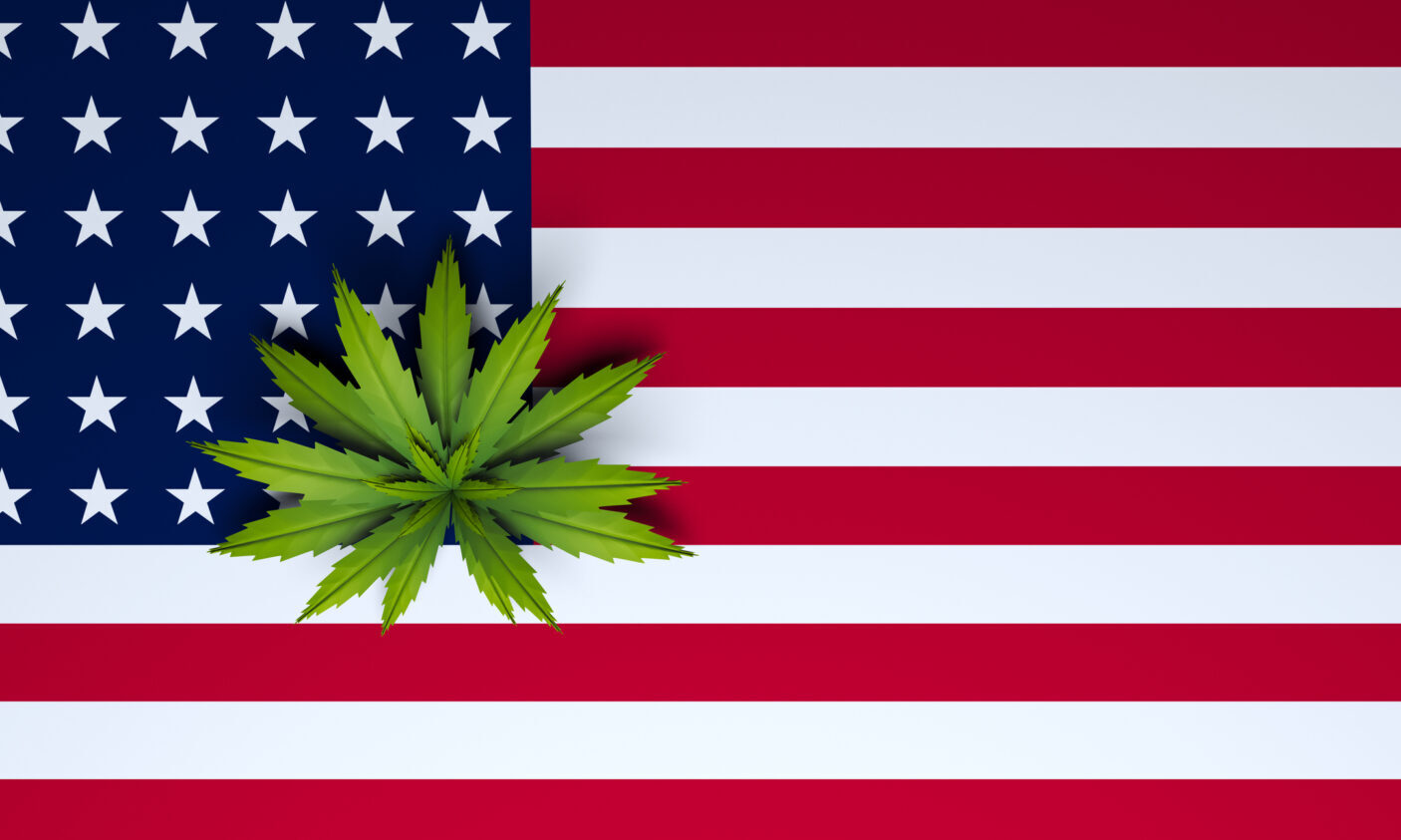
Tuesday, April 28, 2026
Home Blog Page 161

Careful Pot-Loving Parents! This Disease Is On The Rise In Legal Weed States

As cannabis legalization and popularization grow, so does exposure to secondhand smoke, which can lead to pediatric asthma.

By Nina Zdinjak

Is there a relationship between cannabis legalization and the number of children with pediatric asthma? A new study published in Preventive Medicine sheds some light on the question.

Researchers behind an “ecologic analysis” estimated the impact of medical or recreational cannabis legalization on the number of pediatric asthma cases, reported New Medical.

Asthma is considered the most prevalent chronic condition among children in the U.S., with pediatric asthma estimated to affect over 6 million children. At the same time, marijuana use has been increasing among adults, especially in states where it is legal.

So, is there a connection between the two? The study authors seem to think so. They concluded that asthma prevalence increased in states where cannabis was legalized for recreational use in recent years.

According to recent statistics, marijuana was used by 11.9% of parents with minor children in legal recreational marijuana states, followed by states with medical marijuana programs and the lowest (6.1%) in states without legal marijuana laws. As cannabis legalization and popularization grow, so does exposure to secondhand smoke, which can lead to pediatric asthma.

The study revealed that the overall prevalence of asthma in the pediatric population was no longer dropping in recent years (relative to 2016-17). Furthermore, the study discovered no significant difference in asthma prevalence between states with legal medical marijuana and recreational programs.

Omicron 2022: What Parents Should Know About Sending Their Kids Back To School
Photo by Kelly Sikkema via Unsplash

The number of children with asthma aged 12 to 17 grew in states with legal adult-use cannabis markets, compared to states that have not legalized marijuana.

RELATED: Secondhand Bong Smoke Way More Toxic Than Tobacco — Here’s Why

At the same time, previous research has shown that certain cannabinoids found in cannabis such as THC, may act as a bronchodilator, reducing respiratory obstruction and increasing airflow to the lungs. In fact, a 2012 study published in the journal American Review of Respiratory Disease showed that on average, those who used cannabis actually displayed better lung function than their peers who did not smoke at all.

The Dangers Of Secondhand Smoke

On the other hand, the new study refers to secondhand smoke, as did a recent University of California, Berkeley study that revealed secondhand marijuana smoke to be more harmful than secondhand tobacco smoke.

That study, published in JAMA Network Open, found that nonsmokers may be exposed to air pollutants at concentrations equal to twice federal air quality limits.

RELATED: Nicotine, Weed Or Booze? This Is The Most Common Substance Being Used By Teens

An aerosol monitor positioned where a bystander might sit measured the air quality — more precisely, fine particulate matter (PM2.5) — of a bong smoker’s living room where a group of young adults smoked cannabis over the course of two hours. The instrument recorded PM2.5 levels before, during and after eight sessions.

The results showed that cannabis bong smoking increased PM2.5 from background levels by at least 100-fold. Moreover, after the initial 15 minutes of smoking, PM2.5 concentration — which can travel deep into the respiratory tract and impact lung function — significantly exceeded air quality levels considered safe by the Environmental Protection Agency.

This article originally appeared on Benzinga and has been reposted with permission.

Secrets To Growing Great Weed

When all these issues are adequately addressed, you can grow cannabis with the best bud quality and quantity.

In increasingly competitive markets, it is vital to do everything possible to maximize profitability and ensure survival in the face of significant headwinds. High selling prices plus high demand and low production costs result in ideal cannabis business profitability. The difference between the two can mean the difference between the life and death of your company. So what are the secrets to growing great weed?

As a result, establishing high-quality cultivation facilities is critical to running a profitable cannabis enterprise. Cultivators seek new support as they transition from traditional soil or media strategies to more effective growing methods.

One effective technique is aeroponics, which is excellent at growing any plant (cannabis inclusive) in the air in a controlled setting while using less labor, nutrients, and water. Let’s dive deeper into how to set up a successful aeroponics operation!

growing marijuana
Photo by Jordan Siemens/Getty Images

Climate: Environmental Control

We kick off with the environment. Photosynthesis involves a lot more than light, plant, and moisture. You should aim to accomplish more than just cultivate plants. You should want to cultivate highly profitable plants. That implies you need to speed up photosynthesis so your plants can grow faster, bigger, and stronger than your competitors.

As a result, it is critical to understand how much moisture your environment can take from your plants as they break down carbon dioxide and release oxygen and water into the air surrounding them. Hence, the need to be familiar with Vapor Pressure Deficit (VPD).

VPD is the amount of “drying power” available in the airflow around your plants. It also measures how much mineral can be absorbed by the plant roots and converted into potency and size. We advise that you have facilities in your grow rooms to keep your environment within 5% of your temperature and humidity specifications for the best outcomes.

Humidification/Dehumidification

Cultivators often need to pay more attention to the importance of humidification/dehumidification. With cultivation starting at a very humid stage to encourage root initiation, humidity should be gradually reduced from a near 90% to a drier 50% in your end-of-flush flower rooms. You should understand that the critical variables for speeding growth throughout the phases are relative humidity (RH) and the associated VPD. Hence the need for proper humidification/dehumidification.

Cooling

Temperature control may appear simple, but the heat released by HPS lights, LED lights, or the sun varies across spaces, over time, and with the plant’s proximity to the light source. Temperature sensors should be placed throughout rooms to detect and activate temperature resources.

Airflow

It would be best if you used fans with your cooling, heating, humidity, and dehumidification systems to mix the air in the room. This will help break down the boundary layer on the leaf surface and allow for better transpiration. As previously said, VPD is essential to growth success. We recommend 0.5-1.5 meter/second flow rates to match your genetics and the phase of the flowering period.

RELATED: What Is The Best Way To Grow Weed?

Rich, beautiful scents and aromas are produced from good airflow and budding. Every facility must consider aroma management. If you live in a populated region, you will have to deal with ordinances and neighbors. The best way to accomplish this is to reduce the air that leaves a facility. It’sIt’s also the least expensive option.

Emerald Triangle: Does The Best Weed In The World Really Grow There?
Photo by Olena Ruban/Getty Images

Cultivation Media

Because hydroponic and aeroponic systems require no soil, water serves as the media and transport system for nutrition. Start with fresh, clean water that has “nothing” in it. Nothing in this situation indicates no pesticides, heavy metals, microbes, or diseases.

The first step is to test your water supply, whether well, surface, or municipal. This will get you a rough estimate of how “empty” your water is. Water supplies change over time. Thus, it is also an important input to assess water quality with annual or biannual testing. Clean water is essential for aeroponics success and an excellent method to reduce production costs. You can reuse and recycle 95%+ of the water you pump into your facility with the right design and management.

Ultraviolet Light (UV)

Organic particles and bacteria can be removed from water using UV light. The primary application of UV is to purify the water supply. Still, it is also critical for salvaged water that you’ve saved from humidity in your cultivation rooms. A note of warning, though; UV light must be handled with caution. Exposure will result in sunburn and eye damage, so use this resource with extreme caution.

Reverse Osmosis (RO)

RO is currently the standard technique for cleaning your inbound water. The method employs pressure filtration, which involves pushing the water through several meshes or filters that block or extract big particles, organics, and metals. Normally, this is 98% efficient. But these systems require special attention and management because they include filters that must be changed regularly depending on the purity of your water supply and the sort of material screened.

RELATED: Rookie Errors To Avoid When You Are Just Starting To Grow Weed

New York Mayor Suggests Public Housing Rooftops To Grow Marijuana
Photo by Visoot Uthairam/Getty

Dehumidification & Recovery (DEHU)

Capturing the moisture absorbed into the environment as the plants grow is the most effective way to preserve water in a rapid-growth aeroponic cultivation room. While DEHU water is efficiently distilled (or free of particles), it may contain healthy bacteria or pathogens transferred through the air or in the equipment filters. Generally, clearing them with UV light makes this water instantly recyclable in any fertigation system.

Oxygen Reduction Potential (ORP)

An oxidizing agent can be measured by ORP. Oxidizing treatments are a typical and low-cost way to disinfect water during and before usage in hydroponic systems. While in operation, oxidizers can be used to assess and deal with the “”cleanliness”” of a nutrient water solution. There are several oxidizing agents, the most common being hydrogen peroxide, chlorine, ozone, and chlorine dioxide.

Used Fertigation Water, or “Flush”

At the onset of the flowering cycle, take the clean water and mix it in the precise nutrient salt flower mixture before feeding it to your plants. Your plants will use some nutrients over the growth cycle from blossom to harvest. Since the salts and metals in the mixture may be removed by the same process of reverse osmosis that your source water goes through, nutrient-rich “”flush”” water can also be cycled in the source water feed.

Conclusion

When all these topics are adequately addressed, you know the secrets to growing great weed, especially in  quality and quantity. This guarantees maximum returns for a cannabis farmer looking to make a considerable profit margin.

This article was created in partnership with Cannabis.net

Cannabis Industry Faces Sobering 2023

There are reasons for hope, though. New and emerging adult-use markets in the Northeast region, as well as the Florida medical market, should show considerable growth next year.

By Adam Jackson

Without much meaningful development concerning legalization efforts in 2022, many sobering themes likely will carry over into 2023.

Layoffs will persist, and continued price compression and competition from the illicit channels will drive brand share consolidation in mature markets. West Coast legacy operators will continue to be bogged down by legislative limbo, a lack of access to banking services, and an incredibly competitive gray market unbound by onerous tax regulations — which, in turn, will lead to more operators fleeing the troubled market.

cannabis sales
Photo by megaflopp/Getty Images

Additionally, companies will shift toward tighter capital management and budgeting as cash becomes more expensive and harder to grab.

“Painfully, we will see more cannabis businesses fail,” said Poseidon Asset Management managing director Patrick Rea. “This culling will thin the competitive herd and hand more power to the established incumbents — increasingly MSOs — with their lower cost of capital and growing footprint of assets and operations.”

There are reasons for hope, though.

New and emerging adult-use markets in the Northeast region, as well as the Florida medical market, should show considerable growth next year.

That’s bolstered by increasing market access. Half of the U.S. population over the age of 21 now have access or live in a state that has adult-use legal, with more than half recorded as past six-month consumers, according to BDSA analyst Brendan Mitchel-Chesebro.

“Even though there’s still these problems with price compression, even though there’re still regulatory issues — people waiting for SAFE Act to pass, people waiting for 280E reform – there’s still a lot of reasons why we think that there’s going to be huge growth in a lot of these markets,” he said.

Likely Winners

Many in the industry remain bullish on Florida, especially as it gears up for a well-funded adult-use ballot initiative push for 2024. BDSA believes Florida will be the biggest contributor to sales growth nationally through 2026, with $2.7 billion in projected medical sales next year.

New York could also emerge as one of the biggest growth opportunities in 2023, though the state’s ability to get more adult-use retail stores up and running will be the greatest indicator of progress — as looming sticker shock awaits legal enterprises.

“In our opinion, that’s the thing that would effectively cut into the illicit market the most, and that’s why some markets that have been up and running for a few years are still having problems with (the gray market),” Mitchel-Chesebro said.

In the Midwest, Missouri shows promise for MSOs and big vertical out-of-state operators. Friendly state taxes, good product split backed by a maturing retail footprint, and a smooth compliance process could make the difference in the Show-Me State.

cannabis money
Photo by Nikolay Ponomarenko/Getty Images

Additionally, cross-border traffic from Arkansas and Kansas, which have fallen short on their own legalization efforts, should beef up sales in the new market, which is expected to launch in February.

RELATED: Top 5 Cannabis Scandals Of 2022

Cy Scott, CEO of cannabis data firm Headset, expects Missouri’s adult-use rollout to put additional pressure on the Illinois market to accelerate license grants, given the number of already-licensed medical dispensaries converting to adult-use locations.

If the rollout is successful, BDSA predicts around $270 million-$280 million in adult-use sales in 2023. Factoring in the maturing medical market, Missouri could very well reach $730 million in total legal sales.

More Normalization

The New Year also could see additional normalization from consumption lounges and bigger retail shifts to raise foot traffic and basket size, Mitchel-Chesebro said.

Dispensaries could begin to move away from the “deli layout” in favor of a more open retail floorplan similar to Apple stores. The BDSA analyst pointed to places like Planet 13, where employees are on the floor to assist shoppers, yet customers can move and browse around and check out display cases on their own.

RELATED: What Went Right, What Went Wrong, And What Went Sideways: 2022 In Cannabis

“I think that that’s going to be a big shift when we’re talking about storefront retail,” Mitchel-Chesebro said. “I think that a lot of people recognize that it is more approachable, especially for newer consumers.”

Still, convenience is king in the industry, which should see a stronger push toward direct consumer sales utilizing delivery and curbside pickup services.

‘The Missing Component is Capital’

Morgan Paxhia, co-founder and managing partner of Poseidon Asset Management, said this year is poised to be “the most bifurcated trajectories we have seen in the legal cannabis industry.”

Paxhia predicts a year full of the most defaults, wind downs, and state-level bankruptcies the legal cannabis industry has ever seen — especially with the sobering lull in meaningful federal banking legislation.

“We see this cycle finally coming to a head as the tight capital markets have persisted for so long combined with onerous cannabis taxes, deflationary cannabis prices and inflationary costs,” he said. “This cycle was well on its way and COVID interrupted it, like many other industries. We think most of this stress is within smaller companies.”

marijuana money
Photo by OlegMalyshev/Getty Images

However, Paxhia also sees a healthy return of M&A for many areas of cannabis, too, such as operators, ancillary technologies, and hydroponics. “We see this driven by companies continuing to seek operating efficiencies, scale, and stronger competitive footprints.

“We see that inward, digestion period running its course and companies getting back on offense,” he said. “We also wouldn’t rule out activity, not likely M&A activity per se, with mainstream strategies, like alcohol, tobacco, CPG.”

A meaningful return of equity capital flows after a long protracted bear market is also possible, likely benefiting the largest companies first due to lower perceived risk.

“Big picture, we know more now than ever about how to run a successful legal cannabis company. There are more experienced operators than ever. There are more legal states than ever,” Rea noted.

“The missing component is capital.”

This article originally appeared on Green Market Report and has been reposted with permission.

The Most Common Substance Used By Teens

In 2022, 7% of eighth graders had vaped nicotine in the past 30 days as compared with 6% who used alcohol and 5% who used cannabis.

By Maureen Meehan

Vaping nicotine has become the most common type of substance use among young people, according to a long-term national study headed by University of Michigan researchers.

For the past four years, nicotine vaping has surpassed alcohol and cannabis use among eighth-graders, said Richard Miech, principal investigator of the Monitoring the Future Study.

In 2022, 7% of eighth graders had vaped nicotine in the past 30 days as compared with 6% who used alcohol and 5% who used cannabis. In 2021, the numbers were tied between nicotine vaping and alcohol use among 10th graders, said Miech, but in 2022, nicotine vaping grew among that group.

“It’s the first time we’ve seen both eighth and 10th grade where nicotine vaping beats all other forms of substance use,” said Miech.

vaping
Photo by whitebalance.oatt/Getty Images

Vaping Spiked In 2018-09

Nicotine vaping was first added to the Monitoring the Future study, which started nearly a half-century ago, in 2017 and spiked in 2018 and 2019, the most notable increase of any substance use throughout the history of the study.

“These were the largest increases we’ve ever seen in 48 years for any substance that we’ve ever tracked,” Miech said.

In 2019, then Michigan’s Chief Medical Executive declared a public health emergency over the increase in teen e-cigarette use. Gov. Gretchen Whitmer’s administration was the first in the nation to undertake to deal with the increase.

RELATED: Cannabis Vaping Among Teens Higher Than Ever, Especially Among High School Seniors

In 2020, tobacco vaping plateaued among young people and dropped in 2021 and 2022 as did the prevalence of alcohol and cannabis use. The dip occurred during the COVID-19 pandemic when students were attending school remotely, Miech said.

“School is a pretty big risk factor for substance use,” said Miech. “That’s where the older kids are who use substances and encourage the younger kids to use them and that’s where you can get substances from your schoolmates.”

Smoking Marijuana
Photo by Daniel Garzón Herazo / EyeEm/Getty Images

Another explanation is the vaping brand JUUL, which has been accused of marketing to children by making the flavors attractive to young people, such as bubble gum, mint and chocolate.

RELATED: Does Marijuana Legalization Increase Alcohol Use? A New Study Might Surprise You

“The U.S. has banned such flavors in cigarettes, specifically because they attract children,” said Miech. “In 2018 and 2019, no such bans on flavors in vaping devices were in place. Nowadays, the FDA (Food and Drug Administration) is working on enforcing such a ban for vaping products, although you can walk into any gas station or drug store and see all kinds of vaping flavors remain readily available.”

Tips For Consuming Weed Around Others

0

While there are no written rules for smoking weed, common courtesy and respect will go a long way.

Whether you are a guest or a host, there are some important rules of smoking weed that should always be followed. Here, we take a look at the most common rules that should apply when enjoying cannabis in a social setting.

Experienced smokers may already have these rules down pat, but for the new smokers out there, it is important to be aware of weed etiquette. Before joining any smoking circle, be sure to go over these tips so you can enjoy a positive social experience.

smoking marijuana
Photo by Fuse/Getty Images

Share and Share Some More

This is perhaps one of the essential week smoking etiquette tips you should follow. If you are invited into a smoking circle, it is always common to bring some cannabis and contribute. If you take time to consider the cost of marijuana, it can be costly to share with others, and the price can quickly add up. When you join in, be sure you add your own to the mix and share with others. Not only will others appreciate the sharing process, but you will benefit in the long run by not always being the supplier in the circle.

Don’t Push Others

In the weeds culture, peer pressure is not acceptable. Not everyone present will want to take part in the process. If you realize that someone has passed a turn, be sure to avoid putting any pressure on them to smoke. Each individual will have different levels of tolerance, and some may meet their threshold faster. Never push anyone to smoke more or to smoke at all if they are not partaking in the smoking circle.

Rights of the Roller

Rights of the Roller

It is a general rule that the person who rolls a joint or packs a bowl will be the first to hit. This will apply even if the roller is not the owner of the weed. Some will be polite and offer the first puff to another, but generally, the roller gets the first hit.

Avoid Germ Sharing

Even though sharing is caring in a smoking circle, never engage if you are feeling ill or have a cold. The last thing you want to do is spread any germs among your fellow smokers. If you want to still be involved, bring your own stash and avoid sharing with others, explaining that you are not feeling well.

Don’t Be a Sinner

Greed is one of the cardinal sins, and it is frowned upon in a smoking circle. Based on stoner etiquette, it is impolite to be greedy with the weed being shared. When smoking a joint, two or three puffs is acceptable, and one or two when smoking a bowl. More than that will break the basic rules of social smoking.

Ask for Help

Not everyone has the same levels of experience, and new smokers may have difficulty rolling or preparing a bowl. If it is your turn, and you are unsure of what to do, ask your peers for help. People understand that it can take time to learn how to roll properly and will be willing to share their expertise.

Left to Right

One commonly followed weed etiquette when smoking in a circle is to always pass from left to right. There is no particular meaning behind this. It is done to make sure that everyone gets their share equally and that no one is ever let out of the circle.

Be Generous

Be Generous

RELATED: Joint Crutch Guide For Beginners

Joining a social weed-smoking event can be an enjoyable experience, and you should always remember to not just be a taker. If you are unable to bring your own cannabis to the party, bring along something else. Adding beverages and food to the mix will make for an enjoyable evening, and your peers will be very thankful for any contribution.

Be Respectful

Never assume that smoking is acceptable in all situations. If you are new to a circle, be sure to ask if there are any limits, especially when it comes to people’s personal space. If you are entering someone’s home, be respectful of all surroundings. Clean up after yourself and watch for any ashes that may land on the floor. Being respectful goes a long way and is one of the major rules of smoking weed with others.

No Torching!

If you are sharing a bowl, the green hit is always the best. Be sure to share this with others. Instead of burning the entire surface when you light up, try to burn only the edges so that others can enjoy a green hit as well.

Other Considerations

While there are no written rules for smoking weed, common courtesy and respect will go a long way. Smoking with friends can be an enjoyable experience, and many stoners prefer to smoke in the company of others. By learning about weed etiquette, you can be sure you will be accepted into a smoking circle and invited back for more.

RELATED: Long Term Effects Of Daily Marijuana Use

Basic Rules for Smoking WeedSome other basic rules to follow include:

  • Clear the Chamber – If using a bong or pipe, always clear the chamber before passing it along. Stale smoke leaves a bad taste and can cause an awful cough, so clear it out before sharing.
  • No Smoke Blowing – Even if you are among many other smokers, blowing smoke is never accepted. It is general weed etiquette to avoid blowing smoke directly in the face of anyone.
  • Be Informative – If you bring weed to a group, inform others of the strand. Some smokers prefer Indica over Sativa, and vice versa, so always let people know what you have.
  • Welcome All to the Group – Using cannabis can be a fun pastime, but many can feel anxious or nervous. If there are new smokers in the circle, make sure they feel welcome and comfortable. Never pass judgment on newbies or those that prefer to pass.
  • Remove Seeds – If you are bringing weed to the party, be sure it is clean. Take time to remove seeds and any stems. They taste bad when they burn, and they can cause pops and sparks.

Wrapping It Up

By following these tips for weed smoking etiquette, you can reduce any chances of an embarrassing situation and have a great time with your friends. Keep in mind that all circles will be different, and some may have specific rules in place. Be sure you ask about these ahead of time and let others know if you have your own preferences when sharing.

This article originally appeared on AskGrowers.com and has been reposted with permission.

Cannabis Oil For Stroke Patients: What The Latest Medical Studies Reveal

Patients can benefit from the anti-anxiety properties of cannabinoids, as well as its ability to fight depression.

Strokes are one of the top leading causes of death globally. There are three types of strokes: ischemic, hemorrhagic, and transient ischemic. Ischemic strokes are the most common. Stroke survivors are also at risk of suffering long-term disability, though the prognosis and outlook greatly depends on several factors.

Some of the factors that affect the outlook of stroke survivors includes the patient’s age, kind of stroke, treatment, and one’s overall health. Most stroke survivors need to be confined in the hospital for proper rehabilitation and to improve prognosis, and it’s also common for many to require occupational, speech, or physical therapy for some time. Cannabinoids can also help to reduce inflammation in the body to improve healing.

Cannabis And Strokes: Debunking Myths And Misconceptions
Photo by SDI Productions/Getty Images

Now, studies show that cannabis may be beneficial for stroke survivors. Patients can benefit from the anti-anxiety properties of cannabinoids, as well as its ability to fight depression. After all, stroke survivors are prone to suffering from mental health disorders especially depression given the disabilities many of them have to live with.

However, many doubt the safety of cannabis products among stroke survivors.

But a recent study out of Italy revealed that daily consumption of Sativex (nabiximols), a proprietary spray containing THC and CBD, doesn’t result in cardiovascular problems among stroke survivors. Italian researchers analyzed the safety of Sativex among 34 stroke survivors who were suffering from spasticity.

“No cardiovascular treatment-emergent adverse drug effects emerged during nabiximols treatment, namely no significant fluctuation of blood pressure and heart rate, nor ischemic or hemorrhagic events occurred. During nabiximols treatment, self-assessed blood pressure and heart rate did not change compared to the baseline condition,” wrote the researchers. “No patients showed significant acceleration or decrease in heart rate or change in rhythm and none required an additional ECG or cardiological evaluation during the study.”

“These data support the cardiovascular safety of nabiximols,” they concluded.

Meanwhile, another 2022 study revealed that cannabidiol (CBD) is beneficial as post-stroke treatment. “Pretreatment of CBD could ameliorate the stress oxidative in cortex (as center of ischemic damages) and neuronal death in cortex and striatum (as penumbra), which it can be a great achievement,” reads the study.

CBD Might Help Treat Seizures Triggered By Rare Genetic Disorder
Photo by geralt via Pixabay

How CBD Can Help Stroke Survivors

There are many ways CBD can be utilized by stroke survivors to improve their prognosis and quality of life. It helps stroke patients in numerous ways, including:

Antioxidant properties: Cannabidiol has well-known antioxidant benefits, which come in handy for helping the body get rid of poisonous cells while reducing cellular oxidation. In fact, laboratory studies which date back as far as 1998 show that CBD contains higher antioxidant levels than Vitamins C and E. These make CBD an excellent supplement for improving overall cardiovascular health for stroke survivors.

RELATED: Can Cannabis Keep Your Brain Young?

Since oxidative damage is a hallmark feature of stroke patients, supplementing with CBD can help reduce the damage it causes. The human body relies on antioxidants to help stabilize the free radical levels within the body, thus preventing them from causing further damage.

Anti-inflammatory benefits: Several studies point towards the anti-inflammatory properties of CBD. When the body has too many inflammatory cells especially macrophages and monocytes, it can cause ruptures in the cardiovascular plaques and contribute to the formation of thrombus. All of these greatly increase the risk of strokes occurring. In addition, inflammation lingers in the area where blood clots form in a person who has suffered a stroke. Studies show that CBD is a powerful anti-inflammatory and it also helps to reduce oxidative stress.

Reduce high blood pressure: Anyone who has chronic high blood pressure will have an increased risk of stroke. This is why doctors always treat blood pressure, to prevent the risk for stroke. In addition, stroke survivors who have high blood pressure can suffer from another stroke when this isn’t treated.

Studies show that just 600mg of CBD can help decrease resting blood pressure. Another study shows that CBD may help reduce blood pressure because of its vasodilatory properties, and its ability to widen the blood vessels.

RELATED: Is It All in Your Head? Cannabis Vs. The Dreaded Placebo Effect

Protect brain cells: When a stroke occurs, this damages neurons. Without proper treatment, neurons can suffer from a lack of food and oxygen, which can cause damage and eventual neuron death. When this occurs, there is long term damage to the nervous system. CBD has been proven useful for supporting neuron health, most especially in its ability to support calcium ion handling, which nerves need to send electrical impulses, as well as neuron metabolism.

Improve blood flow to the brain: Poor blood flow to the brain causes ischemic strokes. This is why patients of ischemic strokes need to work on improving blood flow to the brain, preventing any more damage or the risk for another stroke. CBD can help with this most especially because of its terpene content. Several terpenes have been shown to improve cerebral blood flow, most especially borneol, eucalyptol, and caryophyllene oxide.

CBD itself can help improve cerebral blood flow because it helps to modulate serotonin receptors, which assist in the regulation of blood that enters the brain.

medical cannabis
Photo by mikroman6/Getty Images

Conclusion

If you or a loved one has suffered from a stroke and would like to explore the benefits of CBD for recovery, be sure to talk to your doctor. There are many ways you can medicate with CBD but it’s important to consume CBD in its most high-quality and pure from to reduce the risk of any contaminations. For example, CBD isolate and hemp oil contains the highest amount of antioxidants.

Talk to your physician to determine the best way to integrate CBD with traditional therapies, which can often be the best way to recover from strokes. CBD is not a cure-all, though it can work best with other remedies.

This article originally appeared on Cannabis.net and has been reposted with permission.

How Many Kids Have Accidentally Gotten High From Edibles

0

Kids and toddlers exposed to cannabis can have adverse reactions to the drug, including trouble walking, talking, and even breathing.

One of the biggest and most unexpected concerns that has appeared in the wake of marijuana legalization is the fact that kids are very into edibles. These products have historically come in packages that are eye-catching and fun, imitating popular brands and becoming the perfect vehicle for kids to get accidentally high.

A new study shows that more and more children are stumbling upon these edibles. So much so, that in only five short years, the number of children exposed to cannabis by way of edibles rose 1,375%! It’s a dangerous thing and one that parents should be on the lookout for. 

edibles
Photo by HighGradeRoots/Getty Images

The study, published in the journal Pediatrics, found that accidental exposure to marijuana made up more than 40% of poison exposure calls to poison centers across the US — just in 2020 alone.

Between 2017 and 2021, there were over 7,040 exposures to cannabis edibles in kids; in 2017 there were 207 cases reported, while in 2021 there were over 3,054.

RELATED: Talking To Your Kids About Cannabis In 2023

While doctors are aware of the rising trend, they were still surprised by the magnitude of the results. CNN spoke with one of the co-authors of the study, Dr. Antonia Nemanich, who shared her opinion and why it’s important for parents to protect their kids from misplaced marijuana products.

“I work in the [emergency department] as well as taking calls for the poison center, and so even though I was seeing more cases coming through the ER, when we looked at the data nationwide, we were definitely surprised,” said Nemanich.

RELATED: How To Keep Your Kids From Getting Into Your Marijuana Stash

She claims that many factors are responsible for these numbers, not just marijuana legalization. Pandemic regulations, and the fact that there are more cannabis products than ever could be influencing these numbers.

It’s also possible that by 2021, doctors had more understanding of cannabis and were more prepared to understand the symptoms of marijuana poisoning in kids.

New Bill Would Allow Edibles To Be Treated As Medial Marijuana In Pennsylvania Dispensaries
Photo by Roberto Machado Noa via Getty

“There was a particular spike during the pandemic years,” said Nemanich, due to the fact that kids spent most of their time at home. “I think all of that plays into this, and the regulations haven’t kept pace with the increased prevalence of the product.”

Kids and toddlers exposed to cannabis can have adverse reactions to the drug, including trouble walking, talking, and even breathing.

States like New York have tried to curb these incidents by preventing marijuana brands from packaging edibles in ways that are appealing to children. While this may curb kids’ interest, it seems like a bandaid. At the end of the day, parents must hide their weed from their kids, stashing it in a location that’s private and difficult to access.

Talking To Your Kids About Cannabis

0

This is a discussion you should have with your child beginning in their pre-teen years and continuing through high school or college.

Increasing marijuana legalization has caused many parents to question what this implies for their kids’ future. Parents are increasingly asking how to approach this subject with their children and how to structure their responses to maintain the health and safety of their kids. For example, should parents use cannabis in front of their children?

Undoubtedly, it is unusual in modern society to see an illicit product become legal and accessible for purchase. Because no generation since the times of prohibition can recollect such a transition from illegal to legal, it’s reasonable that there are concerns and fears about cannabis legalization. Nonetheless, this topic, like most issues that parents are forced to confront, can serve as a wonderful springboard for parents to explain the truth about substance abuse and use in our culture, irrespective of how we feel about it.

How To Talk To Your Kids About Cannabis
Photo by Nikada/Getty Images

First, parents and children must grasp what cannabis legalization entails for everyone. The rules and legislation differ significantly from state to state. Still, it’s vital to recognize that cannabis consumption is considered a substance designated for adults. In states like Colorado, it is unlawful for anyone under the age of 21 to possess or consume cannabis, and it is also prohibited to drive while under the influence of cannabis.

The federal law in the United States remains unchanged, meaning cannabis remains illegal. The minimum age requirement to use cannabis in Canada also varies by province. However, it is likely to be 18 across many places. While this information may appear minor, it is vital to remember when discussing marijuana use with your child.

Discussing With Your Kids

When discussing a complex subject with your kid, the best place to start is by providing them with the best information and facts you can gather. Conducting a web search with your kid to learn about cannabis and its effects on the human body is an excellent place to start. For example, you can learn about how marijuana compounds influence the body, the plant’s effects on the developing brain of an adolescent, sleep, judgement, and overall wellness.

Just as with alcohol, you can explain to your child the dangers of marijuana as a mind-altering substance, particularly for adolescents who are still going through physical and emotional growth. You can give your child the “task” of looking up several articles that go through the consequences of marijuana use on the brain from a medical standpoint. Use these articles as a starting point for a conversation on cannabis.

Talking to your child about cannabis legalization may be simple if you disapprove of it. It may be more challenging to persuade your youngster to understand the adverse effects of marijuana use if you are an advocate for its legalization or currently use it yourself. Remember that even if marijuana is legal in your state and regardless of how you personally feel about its legalization and use, it is still unlawful for anyone under 21. You should use this knowledge to decide what to teach your child.

RELATED: How To Talk To Your Kids About Cannabis, According To These Industry Dads

Next, while talking to your child about marijuana, consider their age. Information can be best provided to younger kids (elementary age) on a need-to-know basis. It can be helpful for older children (middle school or high school age) to assist in separating reality from fiction on what cannabis is and its effects. Even if your child may object and claim that they already know everything about it, don’t let them off the leash that quickly.

Children of this age may believe they already have all the details based on information passed down through peer groups. However, as with alcohol and sex, much of their data is mostly false. Hence, it would help if you started the dialogue. Allow your youngster to speak freely until they have told you everything they know. If some information is inaccurate, ask them follow-up questions and provide the correct information.

RELATED: 8 Facts You Need To Know When Talking To Your Parents About Cannabis

teens
Photo by RODNAE Productions from Pexels

Difficult Questions Your Child May Ask

Your child may ask challenging questions about cannabis use, and you should be prepared to respond as intelligently and honestly as possible. The following are some probable comments/queries you may encounter and some responses you may find beneficial.

Does legal weed mean it’s not dangerous to use?

Clarify to your child that this isn’t always the case. There are various legal substances, such as tobacco, alcohol, and opioids, that can be hazardous or even deadly if used or misused. That also applies to cannabis.

Is weed a safer alternative to alcohol?

Point out that just because the headlines aren’t reporting deaths directly related to marijuana usage doesn’t mean it’s a safer substance to use. Reiterate that using cannabis impairs decision-making skills and lowers inhibitions, which can lead to poor decisions that are potentially deadly.

Have you ever tried cannabis?

First, ensure your response is brief and to the point without going into too much detail. Try not to dwell on the past. But instead, dwell on what you learned and understand now as an adult and why you worry for your child and their future.

What should I do if I am tempted?

You can tell your child, “We expect you to abstain from using any substances since we know their potential health risks. We are always available if anything ever pops up and you require assistance.” In addition to declaring that you would be around for them, improve your child’s confidence by practicing some replies for when this occurs.

Conclusion

A one-time chat with your youngster about this topic will not suffice. This is a discussion you should have with your child beginning in their pre-teen years and continuing through high school or college. Allowing your child to know that you are there for them every moment along the way, and continuing the dialogue at each phase of their growth, will go a long way to keep your kid substance free.

This article was developed in partnership with Cannabis.net

FDA Still Not Happy With CBD Industry: Stricter Controls In 2023

0

The FDA is concerned about the rise in popularity of CBD products in spite of a largely unregulated market and hence has been making efforts to stem the tide.

The U.S Food & Drug Administration (FDA) plans to issue new regulatory recommendations for the CBD industry due to prevailing concerns on consumer safety. In a statement that was provided to the Wall Street Journal, the agency has expressed its intention to regulate CBD in food and supplements in the coming months after it has completed reviewing three petitions from citizens relating to the matter.

The value of the CBD industry is expected to attain a value of $4.6 billion by 2026, according to a recent FDA report. However, CBD is currently neither approved as a food supplement nor as a drug, but some sellers have been marketing CBD products as such.

The FDA has not been happy with the lack of regulation in the industry and has, in the past, issued warning letters to CBD companies using false and unsubstantiated claims to market their products.

CBD oil tincture
Photo by CRYSTALWEED cannabis via Unsplash

“Given what we know about the safety of CBD so far, it raises concerns for FDA about whether these existing regulatory pathways for food and dietary supplements are appropriate for this substance. FDA is currently reviewing three Citizen petitions related to this, and we plan to respond to them soon,” reads in part a statement from the FDA that was issued to the Wall Street Journal.

RELATED: CBD No Better Than Placebo For Cancer Symptoms: Are We Back At It Again?

CBD can be derived from both hemp and marijuana, even though hemp is legal federally while marijuana is not. In fact, the primary difference between hemp and marijuana is the concentration of the intoxicating cannabinoids THC. For hemp to be legal federally it must not exceed a 0.3% concentration of THC. Marijuana strains can have THC amounts exceeding 30%.

Given the poor regulation in the CBD industry, some CBD products usually exceed the recommended THC limit. Some CBD products in the market have been found to be contaminated with high levels of pesticides and heavy metals. Lastly, some CBD sellers make false claims on CBD products to make them more appealing to consumers.

RELATED: Does CBD Minimize The Harmful Effects Of THC? New Study Has Answer

The FDA is concerned about the rise in popularity of CBD products in spite of a largely unregulated market and hence has been making efforts to stem the tide. The new FDA recommendations that will be unveiled soon will help to streamline the CBD industry so it can maintain a steady growth rate in the next coming years.

This article originally appeared on MyCannabis.com and has been reposted with permission.
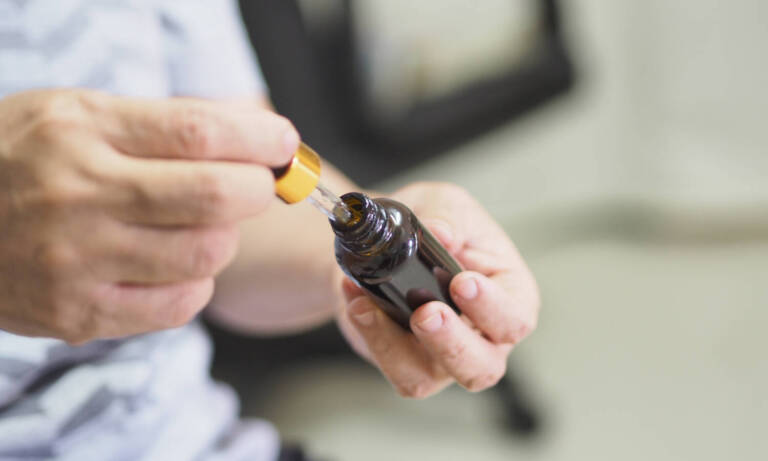
Weed Charges Against Terminally Ill Dropped

“Kansas really needs to legalize medical marijuana and help those who need it,” said Lee Bretz, who added that more needs to be done in Kansas to help terminally ill patients.

By Joana Scopel

In Kansas, marijuana is entirely illegal and penalties for possession are exorbitant. As Benzinga recently reported, 69-year-old Greg Bretz, who was in the final stages of terminal cancer, was visited by police in his room allegedly for possessing a vaping device and edible THC paste earlier this month.

Although Greg was not arrested, he was issued a ticket from the Hays Police Department. Now, a week after the unfortunate event, the charge was dismissed, per a local news outlet.

medical marijuana
Photo by LPETTET/Getty Imagess

However, Greg’s son Lee Bretz said it’s just not enough. “Well, it makes me feel good, but it still doesn’t stop the fact that you know, the damage is done to him.”

In their defense, Hays Police chief Don Scheibler said “that day, the officer emailed the city prosecutor requesting that the charge be dismissed.” Scheibler affirmed that officers “were concerned about the potential fire hazard, but more importantly, they were also concerned about how it made him feel sick.”

RELATED: Study: Medical Cannabis May Result In Less Opioid Dependence For Advanced Cancer Patients

The Hays Police Department and Hays Medical Center are now receiving threats. According to Scheibler, a mischaracterization of this incident as a “raid” resulted in the story spreading worldwide.

Medical Marijuana Legalization Is Needed

“Kansas really needs to legalize medical marijuana and help those who need it,” said Lee, who added that more needs to be done in Kansas to help terminally ill patients. “The chemo hadn’t been too kind to him, so he’s been exploring some other options, and it seemed to be helping him out a little bit, but that all went south when he got turned in by one of the hospital staff.”

RELATED: Smoking Pot Makes You 55% Less Likely To Develop This Deadly Cancer

Scheibler said that while the conversation around medical marijuana should continue, he stressed that the officers involved were acting in accordance with state and city law.
“We shouldn’t have laws on the books that we don’t want enforcing, and if we want to be compassionate, if we want to help people, we have to address this issue in some fashion,” added Scheibler.

Kansas Legalization Efforts

Even though a special committee is preparing a medicinal marijuana legalization bill for the 2023 session, Kansas residents with terminal diseases and other conditions continue to lack access to medical cannabis.

“I think what I’m going to do is — and any member is more than welcome — is to take this information and create the bill,” Sen. Rob Olson, chair of the 2022 Special Committee on Medical Marijuana recently said.

This article originally appeared on Benzinga and has been reposted with permission.

Don't Miss Your Weekly Dose of The Fresh Toast.
Stay informed with exclusive news briefs delivered directly to your inbox every Friday.

We respect your privacy. Unsubscribe anytime.