Don’t be ridiculous, Andrea – there are lots more ways to get high!
Viral trends are exploding – from vodka butter, mushrooms over meat, half proof cocktails, to tinned dinners – so why not start something new in cannabis? Mix it up on how to consumer marijuana with these 5 fresh ideas.
Soup Mix
Bring out the Ina Garten or @dudethatcooksz and make your own spring soup with a kick! Break away from the brownie cliche and embrace other food groups. Celebrity chef and founder of the modern hospitality education company Repertoire, Justin Khanna, shares “incorporating marijuana in soups becomes easy in spring with the already-vegetal-heavy seasonal flavors – asparagus, fava beans, and peas. If you’re looking for depth and richness, add garlic to marry the entire bowl together”. Soups can be sipped in a small amount, stored easily and you can make a variety of flavors.
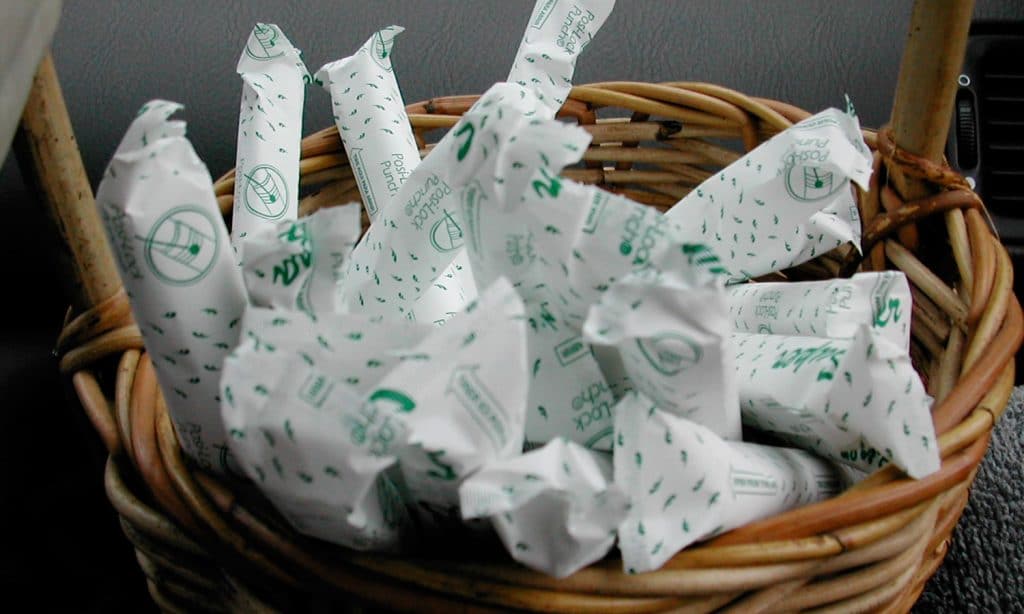
While it may sound a little weird, THC infused suppositories work great for medical patients who are in search for immediate relief. While they take a little while to kick in, the body ends up absorbing around 80% of the cannabis, a much higher amount than when you consume marijuana through smoke or vape. The same goes for marijuana tampons, which are a game changer for women who suffer from endometriosis and seriously painful cramps. Can’t Afford $50 Marijuana Tampons? Here’s How To Make Your Own.
Sublingual Strips
Quick and discreet are the catchwords of sublingual strips. Place the THC under your tongue and you take off for your flight in 5 to 15 minutes. For those who don’t want to smoke or have coughing or esophageal issues – this is a great option. Also a fun way to do something that should have the same impact as smoking or vaping.
Taking a page from the cigarette industry – THC transdermal patches are among the most peculiar cannabis products out there. They deliver strong results IF you place the patch in a veinous area of the body. These patches release THC directly into the bloodstream over a slow period of time, preventing negative side effects and bad highs. It’s a method that’s discreet and beneficial for people who don’t want to inhale or eat any type of cannabis. Here’s Why You Might Want To Try Some Transdermal Cannabis After Your Next Workout.
Gum
Here is something to chew on – cannabis infused gum is another item available. Blend in the flavor of bubble gum, spearmint, and other old school taste with an old fashioned high. The amount of THC varies depending on the brand. JoyGum, for example, has 10mg of weed per serving, providing a kick that’s manageable and that is available in different flavors. Cannabis infused gums make great options for people who are looking for the medicinal and relaxing benefits of the drug. Low dose gum could help those experience increased anxiety.
From flooding in Florida to the Washington, spring doesn’t seem to be near, but allergy season is upon us. It seems cruel to be wearing a heavy cut and dodging the wacky weather while having to endure stuffy nose, runny eyes and more.
There are way to help during this rough transition. First, make sure you don’t have a cold. Cold and allergies are two entirely different things. While the common cold is caused by viruses, seasonal allergies occur when the immune system overreacts to an allergen. Still, colds and allergies can share some symptoms in common, such as a runny nose, sneezing, and congestion. Other symptoms, such as body aches and fever, are not associated with allergies, and the itchy eyes common to an allergic reaction rarely occur with a cold.
If you stock up on CBD now, you may be able to avoid some of your usual issues. It turns out, CBD may prevent your cells from releasing histamines, which means less sneezing, wheezing, all those other pesky symptoms.
A way to go through the blooming season is to explore what CBD can and can’t do for your spring allergies.
As mentioned above, CBD can help suppress your mast cells (the ones that are responsible for allergic reactions) from releasing histamines. Normally, when you are allergic to something outside, like pollen or grass, your body’s immune system activates a chain reaction to release histamines as a form of protection. That unfortunately also results in lots of allergy symptoms. But Allergy medications act as antihistamines, and CBD does essentially the same thing. That means less sneezing, coughing, and watery eyes — even as pollen season gears up.
What does inflammation have to do with allergies, you ask? Well, if you’re allergic to pollen, for example, being near it causes inflammation and swelling of the lining of your nose and the protective layer of your eyes. Thus, why you feel “stuffed up” and why your eyes are watering. CBD is an anti-inflammatory, so it can help you get through the season unharmed.
Adding to the misery of a stuffy head, unsightly body blemishes as it becomes short sleeves season is the worst! Rashes and eczema due to allergies can be downright miserable and tough solve quickly. CBD calms skin, helps with itching, and reduces inflammation. That’s why you see it in so many topical products now. If you live with eczema, or experience rashes or itching due to seasonal weather, you’ll want to look into topical CBD cream to find some relief.
Remember, CBD may do a lot to ease your allergy symptoms. Unfortunately, it’s not a cure, though. Don’t go off your usual allergy medication and make sure to keep up with those allergy shots. Talk to your doctor if you aren’t sure what medications you’ll need to feel better.
And make sure you don’t buy into myths about seasonal allergies. Take trusted advice
and know cut flowers aren’t a trigger, local honey doesn’t fight off allergies and rain doesn’t wash it all away.
Bank failures, Indictment, weather – it has been a week, time to set back and unwind in a healthy way.
Rough weather, indictments and calls for riots, bank failures have dominated the news – all that is missing are murder hornets and an interview from Prince Harry and Meagan. Maybe it is time to unplug, unwind and chill in a healthy way. Relaxation is “a process that decreases the effects of stress on your mind and body.” It Has Been A Wild News Week – Here’s How CBD And Weed Can Help You Relax
According to the Mayo Clinic, nearly everyone can benefit from learning relaxation techniques. Breathwork and meditation are common relaxation techniques, as is drinking herbal tea or using aromatherapy. Consider a long walk, yoga or just turning off the news and turning on some calm music.
In the first set of relaxation techniques, you are interacting with your autonomic nervous system to lower your state of arousal. In the second set of relaxation techniques, you are using natural compounds to promote feelings of relaxation. These natural compounds could be anything from lavender or chamomile, to cannabis or CBD.
Interestingly, the compound in lavender that relaxes you is called linalool, which is a terpene that you can find in various cannabis strains.
What does it look like to use cannabis or CBD to help you relax?
It could be a weekend warrior who uses a 1:1 THC:CBD tincture most nights to relax after working at a high-stress job, taking care of the kids, and maintaining a rigorous training schedule. Or a yoga practitioner staying healthy at 70 by using CBD oil to amplify the relaxation brought on by her yoga nidra meditations. Or a young couple who shares a joint before bowling night to relax and be more present in the moment.
Photo by Fiordaliso/Getty Images
Does Weed Help You Relax?
What is the difference between using weed to relax and using weed to relieve stress? While stress relief and relaxation are interrelated concepts, we are drawing a distinction between these two goals.
When you use weed to relieve stress, you are bringing yourself from a state of mild physical or emotional discomfort, anxiety, or unpleasantness to a normal state. When you use weed to relax, you are in a normal state, and you are using cannabis to banish any remaining tension and sink into a state of deep calm and relaxation. Of course, many Jointly users want to relieve stress and relax at the same time, so these experiences are often chosen together.
So, does weed help you relax? Weed is well-known to produce feelings of calm and relaxation at low doses. According to a joint study from University of Chicago and University of Illinois in Chicago, a low dose of cannabis significantly reduced feelings of stress and promoted feelings of relaxation in healthy subjects. But a slightly higher dose increased feelings of stress.
Higher doses of cannabis may not relax you, as THC has a biphasic response in which low doses relieve stress and promote feelings of relaxation, while high doses may increase stress or even make you paranoid. In general, side effects from cannabis can be mitigated by taking the minimum effective dose you need to get the results you want.
Does Weed Relax Muscles?
Muscle tightness and cramps can be caused by some common medications, by dehydration, or by overexerting yourself. Tight muscles and cramps can be painful and unpleasant, but there is some evidence that weed helps relax tight muscles. Most of the research on how weed affects tight or spasming muscles has been done on multiple sclerosis. While medical marijuana may be part of the treatment plan for multiple sclerosis, we are discussing using weed relax tight muscles from the wear and tear of daily life.
Muscle spasms are thought to originate in areas of the brain that control movement, and several of these sites contain high concentrations of endocannabinoid receptors. While the exact mechanisms by which cannabis alters movement haven’t been teased out, the way cannabis affects these brain areas likely plays a role in why so many people find that weed relaxes tight muscles.
Photo by Kampus Production via Pexels
Why Does Weed Help You Relax?
We have determined that a low dose of cannabis may promote feelings of relaxation and that weed does relax muscles, but why does weed help you relax? Weed is great for relaxing because of the wide variety of psychoactive effects produced by cannabis. Remember that the definition of relaxation is a state in which you are free from negative emotion, which allows you to have greater resilience when you are experiencing stress.
Cannabis promotes feelings of relaxation by decreasing feelings of stress and anxiety, elevating your mood, uplifting and energizing your mind, and keeping you occupied in the present moment. Together, this combination makes cannabis a highly effective relaxation tool. To learn all about the different ways cannabis helps relieve mild daily stress or how weed uplifts and energizes your mind, click those links!
But here is a quick overview of why cannabis helps you relax:
Cannabis produces its effects when molecules called cannabinoids interact with your endocannabinoid system (ECS). The ECS is a “ubiquitous system that provides homeostatic balance to the nervous and immune systems, as well as many other organ systems.” The ECS plays a role in modulating everything from sleep, to mood, to appetite, which is why cannabis can produce such a wide range of effects.
The ECS is composed of the endogenous ligands (AEA and 2-AG) also known as endocannabinoids, their receptors (CB1 and CB2), and the enzymes that degrade and recycle the ligands. Ligands and receptors are like keys and locks. When the ligand binds to the receptor, it produces a signal in the cell. To understand why cannabis has such a relaxing effect, we need to zoom in a little bit on how THC affects the brain.
A Deep Dive On Why Weed Relaxes You
Most psychoactive effects from cannabis come from THC interacting with CB1 receptors in your brain. Within the brain, CB1 receptors are expressed on GABAergic, glutamatergic, serotonergic, noradrenergic, and dopaminergic axon terminals. An axon terminal is the end of a nerve fiber that holds neurotransmitters and releases them across the synapse to the target cell. GABA, glutamate, serotonin, noradrenaline, and dopamine are neurotransmitters.
Neurotransmitters are chemical messengers that are released from the axon terminal of a neuron and trigger changes in the target cell.
When you ingest THC, “activation of these [CB1] receptors results in a robust suppression of neurotransmitter release into the synapse.” In other words, THC interacts with CB1 receptors on axon terminals, which suppresses the release of neurotransmitters. Glutamate is the primary excitatory neurotransmitter and GABA is the primary inhibitory neurotransmitter, and “the equilibrium between GABAergic and glutamatergic transmission provides an appropriate emotional reactivity.” Basically, GABA helps you feel calm, and glutamate stimulates your brain.
CB1 receptors are widely expressed on GABAergic neurons and, to a lesser extent, on glutamatergic neurons. Scientists have proposed that “low THC doses…act preferentially on glutamatergic neurons, whereas high THC doses have been proposed to act also at GABAergic neurons.”
Essentially, a low dose of THC may suppress the release of glutamate in your brain, relaxing you. A higher dose of THC may suppress the release of GABA, leading to anxiety. This reality may explain why cannabis has biphasic effects, promoting relaxation in low doses, but sometimes increasing anxiety in high doses.
Photo by Andrea Piacquadio via Pexels
Meditating While High
One of the best ways to relax is to combine your favorite relaxation technique with cannabis. For example, you could try meditating while high. You might wonder, does weed help with meditation? Can you meditate while high?
As you might expect, the best way to enhance your meditation practice with marijuana is to microdose. High doses of cannabis are more likely to cause anxiety or disorientation, which may make it difficult to meditate while high.
Some people find that weed helps them meditate because it helps them stay present in the moment. When mindfulness practitioners are tuning into their environment, they listen to the sounds around them, they feel the breeze on their skin, they smell the air—they tune in to their sensory perceptions and the world around them.
Cannabis is well-known to increase your sensory perception, possibly amplifying your connection to the present moment. If you want to supercharge your relaxation, try meditating while high.
Does CBD Relax You?
Many people find CBD to be more relaxing than THC. While CBD is a cannabinoid like THC, it exerts its effects through different mechanisms of action.
Research has shown that CBD can affect the serotonin system and the ECS in ways that may promote relaxation. For example, levels of the endocannabinoid AEA are correlated with feelings of relaxation, and CBD has been shown to elevate levels of the AEA by inhibiting the enzymes that break it down.
You can incorporate CBD into your relaxation practice in lots of creative ways. For example, you could massage a CBD balm into your feet before taking a relaxing walk. Or you could take a CBD oil capsule before your meditation session. Or you could take a few puffs of a high CBD strain before taking a bath. Both full-spectrum CBD and isolate CBD bolster your endocannabinoid system and can promote feelings of relaxation. Please note that CBD is not an FDA approved treatment for stress and anxiety disorders and we are discussing using CBD to improve your general well-being.
How Much CBD to Relax?
How much CBD do you need to take to relax? CBD has a good safety profile and is well-tolerated in most people from doses of 5mg to 500mg. Of course, everyone is different. The way CBD affects you might not be the same as another person. The best way to find out how much CBD you need to relax is to experiment with different dosages and CBD products and record your experiences on the Jointly app.
Best Weed Strains to Relax
If you have been inspired to add cannabis to your relaxation toolkit, you might be wondering what is the best marijuana strain to relax and mellow out? If you search online, you will find recommendations about Blue Dream, OG Kush—potent, high-THC strains that have a significant psychoactive effect. But before you choose your relaxing weed strain, we encourage you to look at our article Why Jointly is Better than a Strain Finder. In that article, you will learn what strain names really mean and how to use Jointly to discover the most effective products in your area.
Jointly is a cannabis wellness platform that helps you achieve your wellness goals with cannabis and CBD. Perhaps you will discover that you feel the most relaxed when you eat a 1:1 weed gummy in the afternoon, after a hard workout.
When you use Jointly, you are rating how well a product helped you achieve your wellness goals. Over time, your average ratings should go up as you optimize how you consume cannabis and CBD. Use the Results Tracker feature to make sure your results are improving over time.
How to Find Cannabis and CBD Products for Relaxation
Looking for products that can help relax? Brands and manufacturers have designed a vast range of legal cannabis and CBD products for this exact purpose: lemon balm-infused CBD gummies, vape pens with relaxing blends of terpenes, CBD-rich bath bombs and more. But how do you know if these products actually work? Jointly’s Product Finder feature allows you to look up legal, licensed cannabis and CBD products in your state based on your wellness goals. Select Relaxation and see how other users like you rated a product on a scale from 1-10, based on how well it helped them relax. By reporting your cannabis and CBD consumption, you are contributing important data to the Jointly community and helping Jointly make better product and routine recommendations for you.
Download the Jointly app on the App Store or the Google Play Store to get started on your cannabis wellness journey.
These cannabinoids are intoxicating, and the somewhat questionable regulatory standards surrounding them can result in inconsistent potency.
You may have heard of them, but what are they — and are they really any different from one another? We are here to avoid the confusion and help understand the cannabinoids Delta-8, 9, and 10 THC.
When we talk about cannabis, the THC that is typically referred to is delta-9 THC. Delta-9 THC is the tried and true classic, most often responsible for the high that people associate with cannabis. Where things start to get complicated is when we talk about delta-8, delta-10, and other cannabinoids (the chemical compounds in cannabis that are responsible for its effects).
To understand the difference we can look to the 2018 Farm Bill, which separated hemp from cannabis. The big distinction between the two is that hemp specifically has under 0.3% delta-9 THC (on a dry weight basis). However, as we all quickly found out, delta-9 THC is not the only intoxicating cannabinoid. Using federally legal hemp, operators have been able to convert CBD to delta-8 THC, delta-10 THC, and other intoxicating cannabinoids (usually through a chemical process called isomerization).
Photo by HighGradeRoots/Getty Images
Delta-8 and delta-10 THC have slight differences in their chemical structure as compared to delta-9 THC. By using hemp and keeping delta-9 THC concentration below 0.3%, people have created THC isomers that are technically federallylegal.
As far as their effects, delta-8 and delta-10 THC are generally considered to be similar but slightly less potent than delta-9 THC. Still, these cannabinoids are intoxicating, and the somewhat questionable regulatory standards surrounding them can result in inconsistent potency.
While these are some of the most common, they are not the only intoxicating cannabinoids out there. Others, such as THC-P and HHC, are created through similar chemical processes as delta-8 and delta-10 THC. THC-P and HHC are also intoxicating, with some even claiming THC-P is more potent than the standard delta-9 THC due to more effective binding to your endocannabinoid receptors.
While there are a wide array of intoxicating cannabinoids to choose from, with more to come, customers should still be cautious in their use. Since most of these products are developed without many restrictions or testing requirements, some can be quite harmful.
A similar chemical compound known as THC-O (acetate) has been used for its intoxicating effects, but we now know that heating THC-O can form ketene, a compound that is quite toxic to your lungs. The DEA also recently took the position that most forms of THC-O are not actually found hemp (despite the ability to convert CBD to THC-O), making THC-O as federally illegal as your standard delta-9 THC rich cannabis.
While many of these cannabinoids can be legal federally, that does not mean they are necessarily legal in your state. Additionally, with a 2023 version of the Farm Bill coming this year, the hemp-derived cannabinoid industry could see a significant shake-up.
Over the last couple of weeks, both marijuana advocates and opponents in the Sooner State have raised their voices, with significant opposition from GOP lawmakers.
Oklahomans reject cannabis legalization ballot initiative on Tuesday, some five years later after the state legalized medical marijuana. If it did pass, State Question 820 would have allowed adults 21 and older to purchase weed from licensed retailers and would regulate and tax the sales.
Oklahoma Governor Kevin Stitt (R), who doesn’t support adult-use marijuana legalization by any state, he rather believes the matter should be left to the federal government, was pleased with the voting results. On Tuesday, when the defeat was projected, he said: “I believe this is the best thing to keep our kids safe and for our state as a whole. I remain committed to protecting Oklahomans and my administration will continue to hold bad actors accountable and crack down on illegal marijuana operations,” reported The Washington Post.
Photo by RobinOlimb/Getty Images
Several weeks before the election in an interview published by Tulsa World, he said, “I believe the fed need to make a decision about marijuana,” wrote Cannabis Business Times. Though against a state-by-state marijuana policy, Stitt did allow for Tuesday’s special election, after the petitioners’ failure last fall.
Jeffrey M. Zucker, co-founder and president of Green Lion Partners and the vice chair of the board of the director of the Marijuana Policy Project, commented on the initiative’s failure: “Today’s decision in Oklahoma is heartbreaking, especially considering how many challenges this bill faced before it got to the ballot and how much work advocates put in. We have a long way to go to undo the damage of the war on drugs, especially in a state where more than 4500 people are arrested annually for cannabis possession.”
Advocates & Opponents Crossing Swords
Over the last couple of weeks, both marijuana advocates and opponents in the Sooner State have raised their voices, with significant opposition from GOP lawmakers. In addition to the state Gov. expressing his stance against cannabis legalization, US Sen. James Lankford (R) also recently urged the state resident to vote no on the measure.
One thing that also may have played a role in the outcome of the voting could be a recent report from Oklahoma’s Bureau of Narcotics and Dangerous Drugs (OBN), which revealed there’s a link between sex trafficking, prostitution, and drug trafficking and medical marijuana farms across the state.
Marijuana proponents, on the other hand, were very well familiar with the projected economic benefits that would come from cannabis legalization. Just recently, cannabis law firm, Vicente Sederberg issued a report on the economic impact of adult-use cannabis legalization, projecting that from 2004 to 2028, the state could see $821 million in combined medical and recreational taxes. Out of the total sum, the recreational market alone would account for $434 million. Under the proposed measure there would be a 15% state excise tax, standard state sales tax, and possibly local taxes.
Photo by Prostock-Studio/Getty Images
For cannabis advocates, the battle is far from over. Organizers for Yes on 820 campaign to regulate cannabis in Oklahoma said in an email to The Washington Post that, despite the current failure “legalization is not a question of ‘if,’ it’s a question of ‘when.’”
“Our mission from the very start has been about making a more prosperous, just, and safer state,” said Michelle Tilley, campaign director for Yes on 820. “We are moms and dads who want more revenue in our schools, more resources for law enforcement, and more jobs and investment in communities across the state. Unfortunately, tonight we fell short.”
If women can get the financing, there could be some seriously good deals for them.
While we keep hearing about trouble in the cannabis industry, there are positives. Legal U.S. cannabis sales reached $26 billion in 2021, up from $20 billion in 2020. With this growth, the industry continues to be a source of opportunity for women. Are women the answer to the weed rebound?
According to a 2022 report by MJBizDaily, “Diversity, Equity & Inclusion in the Cannabis Industry,” women holding executive positions in the cannabis industry grew to 23.1%. But this falls short of the greater US business world where women hold 35% of leadership.
Also, the number of cannabis consumers in the U.S. who identify as women is also growing, Arecent report from Headset determined that the rate of growth for female consumers in the U.S. is outpacing that of males — 55% vs. 49%, respectively.
Photo by evrim ertik/Getty Images
To help woman have a bigger impact, Green Market Report has chosen Women’s History Month as the perfect time to host its second annual Women’s Summit. It will be held on March 23 in New York City. Last year’s sold-out event was noted for its diversity among established CEOs and up-and-coming entrepreneurs. In a survey by Peterson Institute for International Economics of 21,980 publicly tradedcompanies in 91 countries demonstrated that the presence of more female leaders in top positions of corporate management correlates with increased profitability of these companies.
Debra Borchardt, founder of Green Market Report, states, “There’s no doubt the industry has faced some tough headwinds, but this current disruption will lead to a stronger industry overall. The get-rich-quick folks will get pushed aside and those that truly perform well will remain. The upheaval creates a buyer’s market in the industry and could create opportunities for new entrants into the market.
“There are numerous cannabis properties for sale at bargain prices. New owners will be able to snap up these businesses with right-sized pricing. If women can get the financing, there could be some seriously good deals for them. Samantha Gleit of Feuerstein Kulick will be speaking at the Summit about the decision on raising capital and debt decisions that come with growing your brand.”
Curt Dalton, the founder of Cannabis.net, one of the leading voices for the stoner consumer, noted that “Debra and GMR has helped give creditability to the industry, lifted up women and called BS on players who have played fast and lose”.
“Leave it to Debra Borchardt and Green Market Report to be the champion of female cannabis entrepreneurs!,” shared Kim Ring, President of Ring Relations. “With the industry starting to catch fire again, it’s great to see that Debra is ensuring women have a seat at the table. By sharing the facts as a journalist, reporting on the good, bad, and ugly, she has helped provide the industry with creditability. Over the course of my cannabis career, not only has GMR has become my go-to woman-run cannabis publication, but I have powerhouse women in media (including Debra) to thank for educating me and helping me grow as a respected publicist in this industry.”
Photo by whitebalance.oatt/Getty Images
Anne Donohoe, Managing Director at KCSA Strategic Communications, echoed those sentiments. “Deb is a true pioneer in this industry. She was among the first financial journalists to see that this was a serious market with incredible potential. There were one off articles, full of puns and innuendo, but no one else was really covering it from a business perspective as a dedicated beat. She took the time to research, talk to everyone she could, and really got to know this industry inside and out — and has provided fair and honest reporting through the highs and the lows. No one knows this industry better than she does.”
Shawna Seldon McGregor, founder of Maverick PR had this to say about the value of the Summit. “This will be the second year in a row that I have attended the Green Market Report Women’s Summit. Last year, the room was packed with women and our male allies. It was one of the most energetic and informative summits of the year. Now I’m coming back and can’t wait to hear the unique perspective of the moment from the female cannabis industry leaders curated by Debra & GMR, while providing outstanding coverage of the expansion of the cannabis industry and ensuring diverse voices from female leaders are heard.”
In the fall of 2021, Green Market Report was acquired by Crains in a deal negotiated by David Feldman of Skip Intro Advisors.
As it is a complex medical intervention, with physical and psychological effects, the use of ibogaine for detoxification requires the presence of qualified doctors and mental health professionals to provide treatment.
Ibogaine is a substance extracted from the root of the iboga, a shrub that grows in West Africa. For thousands of years, it has been used by indigenous cultures for healing rituals. Since the 1960s, a series of studies have been carried out, both in animals and in humans, which have shown its properties to reduce the withdrawal syndrome to opiates and other substances that cause addiction.
Current scientific evidence confirms that ibogaine has potentially useful effects to treat chemical dependency, which is why various clinics worldwide have begun to offer this type of therapy. However, it must be taken into account that it is a drug with a high level of toxicity and that its irresponsible intake carries risks for the patient that can even mean death. It is for this reason that it is essential, to guarantee your safety, that the provision of these treatments is carried out in environments equipped with an infrastructure and a team of suitable professionals, according to the standards of modern medicine.
Photo by Karolina Grabowska via Pexels
Here are five reasons why ibogaine-based addiction treatments should be done in hospital settings.
Need To Perform Intervention In A Safe, Legal Environment, With The Necessary Medical Equipment And Infrastructure
Ibogaine exerts its action directly on the Central Nervous System, causing physical and psychological effects on the body. Its high level of toxicity carries with it some dangers associated with the dose and the context in which it is ingested. It is for this reason that it is essential that the sessions are carried out in a pleasant environment and capable of guaranteeing patient support. This must have adequate infrastructure (spacious and clean facilities), as well as the necessary medical supplies (cardiac monitoring devices and defibrillators) so that the treatment is safe.
It is also of great importance that the center where the session is held adheres to the ethical codes and established medical protocols. Some providers often offer these therapies clandestinely and illegally in unregulated settings, which carries considerable risks. It should be considered that, internationally, the medicinal use of ibogaine is prohibited in several countries.
The therapies assisted by this substance to treat patients with addiction are legal, however, in some Latin American countries. In Mexico, for example, there are several private centers that legally offer this type of therapy, although state regulations in this country do not require that they be carried out in hospital settings. For its part, in Brazil, ibogaine is neither registered nor prohibited, its importation and use being legal since 2013 as long as the patient has a medical prescription. A decree of the state of Sao Paulo in 2016 requires that treatments based on the intake of ibogaine must be carried out under medical supervision and in hospital settings. These types of regulations are essential to ensure the safe and legal use of ibogaine.
Need For Prior Medical And Psychological Examinations To Determine Contraindications
It is highly probable, due to the high toxicity of ibogaine, that its intake may have unwanted effects on the functioning of the organism, mainly the Cardiac System. It is for this reason that it is usually contraindicated in patients with cardiovascular problems. Before carrying out the treatment, it is necessary for the patient to undergo a thorough medical examination to determine if it will be risky or not. Each case must be analyzed by a qualified doctor who determines if the patient meets the necessary physical conditions to start the session.
Photo by Thirdman via Pexels
Ibogaine is also contraindicated in patients with psychiatric disorders such as schizophrenia, psychosis, bipolar disorder, or borderline personality disorder. Carrying out psychological or psychiatric examinations prior to the start of treatment is, therefore, of great importance. The mental health professional in charge of these check-ups must evaluate the presence of these disorders and their severity in order to establish whether the patient is able to resist treatment without complications.
It is from these studies that the professionals in charge will determine whether or not it is risky to carry out the treatment and, if they decide that it is pertinent to do so, they will take the necessary precautions to reduce the possible risks during the session.
The Hospital Environment Contributes To The Physical Preparation Prior To The Session
Ibogaine is a powerful drug whose effects can cause a physically intense experience for the patient. It is for this reason that, the better the physical condition of the latter, the more intervention will be safer and more efficient. Generally, doctors recommend good hydration, a careful diet, based on healthy foods, and the intake of vitamin and mineral supplements. Likewise, it is recommended to stop consuming water and fast a few hours before the session, since it is difficult to have to go to the bathroom during the session due to the ataxia induced by ibogaine intake.
On the other hand, it is essential that weeks before and during the administration of the treatment, the patient avoids the consumption of any type of psychoactive. Indeed, the interaction of certain drugs with ibogaine could increase cardiac risks, even causing death. It is for this reason that many centers tend to carry out a guided detoxification process sometime before ingestion, thus increasing the safety of the session considerably.
Carrying Out The Session In A Hospital Environment Allows Adequate Monitoring By Health Professionals To Avoid Or Reduce The Side Effects of Ibogaine
Therapeutic interventions based on the intake of ibogaine are often controversial due to the risks they entail. Among the most frequent side effects are the presence of dizziness, nausea, vomiting, motor coordination difficulties, and tachyarrhythmias.
It can be inferred, therefore, that it is necessary for the sessions to be monitored by highly qualified health professionals who carry out an adequate follow-up to avoid or reduce possible unwanted damage induced by ibogaine. It is important that, during the sessions, the instructions of the doctor in charge are followed, who must adequately inform the patient about the possible adverse effects and dispel their doubts in the event that there are any. The presence of nurses or caregivers is usually recommended after the end of the experience. Carrying out the intake in a hospital environment will ensure the presence of health professionals for proper follow-up.
Photo by Pornpak Khunatorn/Getty Images
As it is a complex medical intervention, with physical and psychological effects, the use of ibogaine for detoxification requires, in addition to the presence of qualified doctors to provide the treatment, the support of mental health professionals, such as psychiatrists, psychologists, or psychotherapists. This is of great importance because not all patients manage to deal with the introspective experience produced by ibogaine, and may suffer episodes of anxiety and paranoia. Personalized follow-up by these professionals will reduce the side effects of ibogaine on the patient’s psyche and improve the intake experience.
Need For Therapeutic Follow-up After Session To Integrate Treatment And Avoid Relapses
The intake of ibogaine is an instance of a larger therapeutic process. It is for this reason that it is important to maintain the necessary aftercare to carry out the treatment successfully. The design of a care plan after the session constitutes an essential part of the treatment and must be monitored by the team of professionals in charge of it. Generally, it is recommended that the centers in which the treatment is applied offer a plan of continued care after the session or, at least, articulate and collaborate with other therapeutic centers in charge of offering this care.
Psychological support is a key factor in guaranteeing the success of treatment. During the session and the days that follow, patients usually undergo a process of considerable psychological changes and personal redefinition, which is why it is of great importance that they have the support of mental health professionals to gradually return to their daily lives.
Likewise, it is necessary that the post-session follow-up by the medical team focuses on avoiding relapses. It should be considered that once ingested, the tolerance to the substance that generated addiction in the patient tends to be much lower than before. This means that the usual doses that he was used to could have more severe effects on the body and even cause an overdose. Having a relapse does not mean that the therapeutic process itself has been useless; in some cases, professionals evaluate, the application of a second dose to improve the recovery process.
While some states have fully legalized both the medical and recreational use of cannabis, others only allow medical use, and some still have strict prohibition laws.
Despite federal restrictions on cannabis, many states have made significant strides in legalizing and regulating the plant for medical and recreational purposes. While not all Americans have access to cannabis, 41 states, Puerto Rico, and the District of Columbia have established medical marijuana programs, with 23 of those states fully legalizing cannabis for adult use or decriminalizing it. Which states have legal weed now?
As of November 2022, here is a comprehensive and up-to-date list of the legality of cannabis and its products throughout the United States.
Photo by Dmitriy83/Getty Images
Alabama: Approved a medical marijuana program in 2021, but as of June 2022, there were no doctors certified to issue prescriptions, no licensed dispensaries, and no legal farming of cannabis products.
Alaska: Legalized medical marijuana in 1998, and since 2015, it has been legal to possess and sell cannabis in the state.
Arizona: legal medical marijuana since 2010, and recreational marijuana will become legal once a legalization measure overwhelmingly passed in the 2020 elections is certified.
Arkansas: Only allows medical marijuana, and cultivation is not legal.
California: The first state to legalize medical marijuana in 1996, and the sale of recreational marijuana was approved by voters in 2016.
Colorado: Legalized recreational cannabis in 2012, and it is also legal to privately grow up to six marijuana plants in the state.
Connecticut: Legalized recreational cannabis on July 1, 2021, and allows home cultivation beginning on July 1, 2023.
Delaware: Decriminalized marijuana in 2015 and legalized medical marijuana in 2011, but only a bill to legalize recreational marijuana sales cleared its first legislative hurdle in 2019.
Florida: Allows medical marijuana but not recreational, and Georgia only allows low-THC oil as part of its limited medical program.
Hawaii: Decriminalized recreational marijuana in 2019 and legalized medical marijuana.
Illinois: Legalized both medical and recreational cannabis, with the state legislature passing the law rather than a ballot initiative.
Iowa: Limited medical cannabis program with only processed cannabis products allowed for sale, while
Photo by RODNAE Productions via Pexels
Louisiana: Approved medical marijuana, but only allows certain forms of cannabis for purchase. Maine legalized recreational cannabis in 2016, but retail stores have yet to open.
Maryland: Recently became the 20th state to legalize recreational cannabis, with the program set to go into effect in July 2023, while medical marijuana has been legal in the state since 2014.
Massachusetts: Legal for both medical and recreational use; no reciprocity with other states; adults can grow up to 12 plants.
Michigan: Legal for both medical and recreational use; reciprocity with other states; adults can privately grow up to 12 plants.
Minnesota: Legal for medical use only; possession of small amounts is decriminalized; no reciprocity with other states; no home cultivation allowed.
Mississippi: Legal for medical use only; no operational program yet; limited reciprocity with other states; recreational use is illegal; possession of small amounts is decriminalized for first offense only.
Missouri: Legal for both medical and recreational use; no reciprocity with other states; sales for recreational use expected to start in December 2022.
Oregon: Legalized legalized both medical and recreational marijuana and allows residents to grow their plants.
Rhode Island: Legalized both medical and recreational marijuana, and retail sales are expected to begin soon.
South Dakota: Approved medical marijuana but recreational use remains illegal after a challenge from the Governor.
Photo by Baris-Ozer/Getty Images
Texas: Limited medical programs and possession are illegal except for those with medical permits.
Utah: Approved medical marijuana and decriminalized recreational use.
Vermont: Legalized both medical and recreational marijuana and allows residents to cultivate their plants
Virginia: Allows both medical and recreational cannabis use, with a possession limit of up to 1 ounce for adults.
Washington: One of the first states to legalize recreational cannabis, with medical cannabis also legal.
West Virginia: Medical cannabis is legal, but recreational use is not.
Washington DC: Allows medical cannabis and possession of up to 2 ounces of recreational cannabis, but the sale of recreational cannabis is still illegal.
Potential interactions with different drugs could be both good and bad and vary significantly from strain to strain.
All chemical compounds interact with other chemicals in a unique manner. This includes over-the-counter drugs and prescription pharmaceuticals all the way to illicit substances. That’s why it is important to always seek the opinion of a pharmacist before mixing any drugs, and cannabis is no exception. So, how does cannabis interact with pharmaceutical medications?
Cannabis interactions have been identified to be relatively mild in most cases with the interactions being mostly favorable. This however does not mean that one should let their guard down and consume them willy nilly when they are on other medications. While most interactions are positive, others could be negative with adverse effects.
Photo by LattaPictures/Getty Images
Before we dive into a description of some of the most common drugs people have been known to combine with cannabis, let us first explain the difference between “synergistic” and “additive” effects. When a compound has an additive effect, what this means is that the final effect is the sum of their individual effects (I.e. 1+1=2). Synergistic effects on the other hand are altered and mostly greater than the sum of their individual effects (i.e. 1+1=3).
It is also important to keep in mind that the individual composition of each batch of weed might differ significantly from another, therefore triggering different effects.
To answer the question of whether cannabis interacts with other medicines, the answer is yes! Not only are the cannabinoid levels of the cannabis affected by interacting with other medications and drugs, the cannabinoids themselves can influence medication concentrations too.
Here are some ways in which this interaction happens:
Pharmacodynamic interactions: Cannabis can interfere with the way a drug is designed to interact with its target receptors. This interference could either hinder or potentiate the effects of the drug.
Pharmacokinetic interactions: The compounds in cannabis can also change the way in which the drug gets absorbed, metabolized, absorbed by tissue in the body, and excreted. The effect of the cannabis compounds changes the expression of different enzymes which either induces (exhibits higher activity) or inhibits them.
Inhibiting membrane transporters: Cannabis compounds can also have the effect of binding to membrane transporters, thereby inhibiting them.
Effect of drugs on cannabinoid levels: When drugs such as the antifungal ketoconazole are administered, both the levels of THC and CBD shoot up drastically, sometimes to even double the intake. This is because of the inhibitory action ketoconazole has on the enzyme CYP34A. Verapamil and macrolides are other CYP34A inhibitors which would also produce the same effect. Other enzyme inhibitors that affect CYP2C9 are cotrimoxazole, amiodarone, and fluoxetine. This spike not only increases chances of experiencing side effects, it also augments THC’s psychoactive effects.
Effect on cannabinoids on the levels of other drugs: Not only does the presence of some drugs increase cannabinoid levels in the body, the cannabis compounds can also influence the concentration of some medications. For instance, CBD inhibits the action of CYP2C9, which in turn leads to tripling levels in the active metabolite contained in the drug clobazam. THC on the other hand is a CYP1A2 inducer. What this means is that it could theoretically decrease the concentrations of some psychiatric drugs such as haloperidol, olanzapine, and chlorpromazine. CBD is also a potent inhibitor of the enzyme CYP3A4 which is responsible for metabolizing almost a quarter of all drugs.
Photo by megaflopp/Getty Imagess
This effect is also observed in the use of marijuana with the anticoagulant drug, warfarin. In this case, INR, the blood clotting parameter goes very high, which results in the potential for markedly more significant bleeding complications. CYP3A4/5 inhibition after the use of cannabis with tacrolimus has indicated an almost three-fold spike in the tacrolimus levels.
Marijuana inhalation and drug clearance: Marijuana that is smoked accelerates the removal by over 40% of bronchodilators such as theophylline from the body. This is as a result of enhanced CYP1A2 activity. This effect can also be seen in individuals who indulge in smoking more than a couple of joints a week when taking drugs like olanzapine and clozapine. In this instance, smoking marijuana leads to reduced efficacy of the drug.
Marijuana’s additive effects: As we mentioned earlier, marijuana can have additive effects when used with some drugs. For instance, marijuana combined with drugs that stimulate or mimic sympathetic activity, like amphetamines, may cause the patient to experience either symptomatic or even hazardous tachycardia or hypertension. Cannabis used with drugs which inhibit the central nervous system such as opioid drugs or alcohol could depress the central nervous system even more, leading to sleepiness, drowsiness, and ataxia.
When marijuana is used together with drugs which inhibit cholinergic receptors, the tachycardia and confusion which occur with the use of these drugs may worsen.
Marijuana and sedatives: The effect of marijuana on sedatives is also an additive one. Many sedatives like alcohol, benzodiazepines (Valium, Ativan, etc.), as well as some antidepressants and barbiturates like phenobarbital, and narcotics like codeine–influence the GABA neurotransmitters found in the central nervous system, which produces a calming effect. Likewise, cannabinoids (and even terpenes such as myrcene), also have their own sedative effects, depending on strain and concentrations of cannabinoids.
When such cannabinoids are combined with sedatives, an additive effect is created. While it does not have a synergistic effect like say mixing sedatives and alcohol, cannabis does add to the effect and should therefore be used in combination judiciously.
CBD and cytochrome P450: We have already discussed the action of cannabis on some enzymes. Of all the enzymes marijuana affects, its effect on Cytochrome P450 might just be the most prominent yet. P450 is a class of enzymes considered to be essential which play a vital role in drug interactions. Although evidence strongly suggests that CBD is well-tolerated, generally safe, and non-addictive (anti-addictive even), it has been known to interact synergistically (adversely or beneficially) with other medications in some patients. How so?
Most notably is the interplay between cytochrome P450 and CBD in the use of anti-seizure, and epilepsy medications. A small study that was published in 2015 found the intake of CBD elevated the blood concentrations of clobazam (which is an anticonvulsant), in children, at the same time elevating norclobazam (which is an “active metabolite of clobazam”).
The good news here is that the remedy seems to be fairly straightforward: the introduction of CBD can lead to the reduction of the dosage of clobazam, which is beneficial in reducing side effects. The benefits of these combinations even extended to a reduction in seizures, with 9 out of the 13 participants experiencing a 50%+ reduction in seizures. The researchers therefore concluded that “CBD used in combination with clobazam, is a safe and effective treatment of refractory epilepsy.”
Photo by FatCamera/Getty Images
How Does THC Interact With Other Medications?
One of THC’s major properties is that it interacts with both CB1, and CB2 cannabinoid receptors simultaneously. This induces a “cardiovascular stress response” which can raise cardiac oxygen consumption, and at the same time reduce blood flow into the coronary arteries. Though reports of adverse effects are relatively rare, if patients are on blood pressure medication, they should be aware of the compound effects cannabis may have.
As we have seen with CBD, THC could also increase the effect of blood thinning drugs (e.g. warfarin or heparin), or those which are known to carry their own risk of blood thinning such as ibuprofen, and naproxen, etc. This could happen by cannabis slowing down the metabolism of the drugs or to a lesser extent, THC could displace the warfarin from protein binding sites.
Using CBD Safely While Taking Other Medications
CBD has several therapeutic benefits that are being revealed by science. The fact that it has a very wide safety profile has made many people erroneously believe that there’s totally no risk in mixing CBD with pharmaceuticals.
If you are thinking about trying CBD as an “add-on therapy” to ease the symptoms of a medical condition, here are a couple of considerations to have in mind:
First talk to your doctor about your decision. They might be to determine a schedule, CBD product, and dosage that would be appropriate for your medications. In some cases, your doctor may choose to monitor your blood plasma levels depending on the medications you are taking.
Don’t stop any medications you are taking for substitution with CBD unless your doctor says that it is expressly okay to do so.
Topical CBD solutions such as creams, lotions, and salves can be an option. Unlike edibles, vaping solutions, and oils, topicals typically do not get into your bloodstream and would therefore react less. This is especially true for topicals that are not intended to be a transdermal solution.
Look out for the grapefruit warning: Even though studies are still being done to determine the potential interactions between specific medications and CBD, it is a general rule of thumb to avoid CBD if your medications contain a grapefruit warning on their label. If you are taking CBD, you should avoid medications that have a grapefruit warning because chemicals found in grapefruit called furanocoumarins inhibit CYP3A4, much in the same way that CBD does. The result of this inhibition is slowed metabolization of medications.
Some of the medications that commonly have a grapefruit warning are:
Antibiotics and antimicrobials
Anticancer medications
Antihistamines
Antiepileptic drugs (AEDs)
Blood pressure medications
Blood thinners
Cholesterol medications
Corticosteroids
Erectile dysfunction medications
GI medications, like some used to treat nausea or GERD
Heart rhythm medications
Immunosuppressants
Mood medications, used to treat depression, anxiety, or mood disorders
Pain medications
Prostate medications
Photo by LightFieldStudios/Getty Images
Safety and Side Effects
If you have started taking CBD alongside your medications, always remember to look out for changes in how either the CBD or medication affect you. Some side-effects you could watch out for are:
Drowsiness
Sedation
Nausea
Decrease in the effectiveness of the medication like breakthrough seizures
Fatigue
Diarrhea
Changes in appetite
Changes in weight
How Does Cannabis Interact With Thyroid Medications?
Hashimoto’s thyroiditis, which is also called autoimmune or “chronic lymphocytic thyroiditis”, is the most commonly occurring form of thyroiditis. CBD oil has been known to have positive effects in this condition due to its anti-inflammatory properties as well as its ability to be an immunosuppressant.
However, when thyroid medication and CBD oil are taken together, they tend to have an interaction as they are both competing for metabolism. Remember the cytochrome P450 pathways? This competition would lead to hyperthyroidism as thyroxine would end up accumulating in the body before it has a chance to metabolize it. Taking thyroid medication and CBD oil too close together could also lead to mild nausea, as well as anxiety in some patients.
Interestingly, if a few hours are allotted between the time the thyroid medication is taken and the time the CBD oil is taken, the effects seem to be less common. This could indicate that the two treatments can be taken by the same person as they have different benefits, only not at the same time.
Having said this, it is important to remember that there are not many conclusive studies on the subject and therefore it would be wise to tread with a bit of caution.
Should You Take Paracetamol When Stoned?
Absolutely yes! Though the paracetamol might potentiate the effects of the cannabis, it certainly is not harmful. If you feel that you need to take some painkillers before you smoke your weed, you could do so. Take a few tokes and wait a little to observe the effects. If you seem to be tolerating it well, you can go ahead and finish the whole joint.
Conclusion
For most patients, CBD and cannabis are relatively safe. Nonetheless, cannabis happens to be a complex plant that comprises numerous compounds ranging from cannabinoids to terpenes. Influenced by these vast cannabinoid and terpene profiles, potential interactions with different drugs could be both good and bad and vary significantly from strain to strain.
In this regard, though some general conclusions can be made, drawing broad hypotheses to describe how cannabis will interact with cannabis can be inevitably misleading.
Whether you’re looking for new strains to increase your creativity and drive, or help you deal with insomnia and anxiety, here is some of the most potent pot you can buy.
No matter how many strains are created these days, we usually have at least one favorite indica or sativa strain. Sativa strains are known for their energizing and uplifting properties, while indicas are appreciated for their sedating and relaxing effects. But looking for strong weed strains to try, we got you.
For these reasons, sativas make excellent daytime strains while indicas are better used in the evenings or before sleep. Both strain categories can also have terrific medical uses and they aren’t only beneficial for recreational users.
In this post, we’re going to talk about some of the strongest sativa and indica strains that have recently become popular.
Photo by Kosamtu/Getty Images
Sativa
If you are looking for new strains to increase your alertness, motivation, creativity, and drive, sativa strains are highly recommended. Below are some of the most powerful newer strains with high THC levels as well as aromatic and flavorful compounds.
Shogun
Shogun is a potent strain with 25% THC and some CBD. This deliciously stimulating sativa will spark your cognitive powers, making this the perfect choice if you’re serious about getting down to work. Whether it’s artistic and creative work, or you simply need some motivation to go back to your desk job (bills won’t pay themselves!), Shogun might just give you the mental boost you need.
Shogun is a strain named after the ancient Japanese warriors. Choose Shogun if you need a little extra help working long hours, but despite that you can still experience zen-like feelings. The high THC content is good for combating low moods as well as pain, and smoking it will make you feel like you are walking through a dense forest full of pine and earth flavors.
El Patron
El Patron is the result of crossbreeding Shiva and Amnesia Mac Ganja. This sativa-dominant hybrid is great for taking the edge off without putting you to sleep, thanks to a little bit of indica genetics in there. One thing’s for sure: the effects of El Patron go straight to your head but it still produces a high that’s manageable enough for getting things done.
It’s got THC levels of around 22%, and consumers love its deliciously therapeutic effects. This is a good strain for making edibles because of its kush and citrus flavors, both of which result in fantastic brownies or other sweet recipes.
Mother Gorilla
Mother Gorilla was created by the ingenious breeders over at Royal Queen Seeds. It’s basically an upgrade of Royal Madre’s genetics, by combining it with Gorilla Glue #4 for a much better effect. Mother Gorilla has THC levels of 25%, so you can be sure you won’t be needing to smoke a lot in order to appreciate its heady high.
This strain is an excellent choice for both medical and recreational use. Have a few tokes before going to a party, and you’ll find yourself chatting away. This will help you combat social anxiety. It has amazing chocolate and pine aromas, plus a taste of diesel in the background. It’s no wonder why Mother Gorilla bagged awards, such as the High Times World Cup and the High Times Cannabis Cup.
Photo by LanaStock/Getty Images
Indica
Indica strains are the preferred nighttime or evening strain choice for many. These can induce a strong sense of happiness and euphoria when smoked minimally, and in higher doses can lull you into a deep slumber for several hours long. Choose indica strains if you are battling insomnia or anxiety that prevents you from getting decent sleep.
Ice
Ice, which stands for Indica Crystal Extreme, is the result of combining the genetics of world-class indica strains that have been well-loved for many years: Skunk, Afghan, and Northern Lights. As a result, you get a deliciously strong strain that’s a potent sedative. Even if you’re a seasoned cannabis smoker, Ice is sure to give you a deep head and body buzz.
It’s named aptly so because its flavors are a combination of mint and menthol as well as hints of berry, diesel, and pepper. This is a great choice for treating everyday stress, chronic pain, and lack of appetite. Be sure to only smoke this when you’re at home and have nothing to do – or better yet, when it’s an hour away from bed time.
Sherbet Queen
Sherbet is renowned for the couch-locking body high that it gives, but it also stimulates the brain when consumed in low doses. This is an 85% indica that shares genetics with the famous Girl Scout Cookies, so you can expect a tasty, deep antidote to anything in life that is stressing you out. The high THC content of Sherbet Queen will take the edge off and also help to treat any body aches and pain you may be having.
Photo by monkeybusinessimages/Getty Images
It has sweet, candy-like fruit flavors but more importantly, its effects last a long time. Choose Sherbet Queen to treat migraines, anxiety, stress, and headaches for a flavorful evening medication.
Runtz Muffin
If you just want some serious relaxation and downtime, you can’t go wrong with Runtz Muffin. This strain is the result of Gelato and Zkittlez’ genetics, and it’s also a descendant of Cookies – overall, fantastic genetics no matter which way you look at it. Runtz Muffin offers a balanced high, and it’s a delicious smoke filled with fruity flavors most especially an intoxicating orange taste.
Runtz Muffin is great for inflammation and insomnia too. It will deliver you to another mental state where you are totally relaxed and carefree, without a thought in the world.