These are the major cannabis victories and losses that came out of the 2022 midterm elections.
The 2022 midterm elections were unique and historical for all sorts of reasons. Sure, there was the “red wave” that never came, but there were also ballot measures and victories that will change the trajectory of marijuana legalization in several states.
Two states, Missouri and Maryland, both voted to legalize recreational marijuana. Several others, Arkansas, North Dakota and South Dakota, shot down measures that would legalize recreational adult use marijuana in their states.
Photo by JGI/Jamie Grill/Getty Images
There were also some key wins for cannabis legalization advocates, which may help further the hope of cannabis legalization on the federal level.
Maryland Votes Big to Legalize Recreational Cannabis
More than 65% of Maryland voters supported a ballot measure to legalize marijuana in the form of a constitutional amendment on election day. You might be wondering what this means exactly going forward. “The constitutional amendment defines that recreational marijuana would not be legal until July 2023 for people 21 and over, subject to a requirement that the General Assembly pass legislation in its next session regarding distribution, regulation and taxation of cannabis,” according to theAssociated Press.
Cannabis is already legal to the North (New Jersey) and South (Washington D.C.). In fact, much of the North Eastern United States has gone green, with Pennsylvania being the largest exception, but more on the Keystone state later.
Missouri Legalizes Weed and Initiates Automatic Expungement
Missouri citizens voted 53.1% to 46.9% to legalize marijuana on election day. This decision is not only a victory for cannabis enthusiasts, but also for those who support criminal justice reform for non-violent cannabis crimes.
According to The Kansas City Star, “It will legalize recreational marijuana for adults over the age of 21 and create a licensing system for businesses who wish to sell or grow marijuana.” The Star also goes further, explaining that the law “allows for people with past non-violent weed charges to have their criminal records expunged.”
This is a major victory for those looking to destigmatize those convicted of low level marijuana crimes. Missouri also joins Alaska and other Red states in the recreational marijuana family, proving that legalizing cannabis is not as partisan an issue as many once thought.
Photo by FatCamera/Getty Images
North and South Dakota Both Vote Down Cannabis Measures
Both North Dakota and South Dakota had ballot measures that offered citizens the chance to legalize marijuana. Both ballot measures failed. In North Dakota, the measure failed by almost 10 percentage points. The South Dakota Measure to legalize adult use for those 21 or older lost by a much smaller margin of 52.9% voting “No” and 47.1% voting “Yes.”
While many were optimistic that these measures could pass, there are several reasons they couldn’t make it to the finish line. According toTIME, “The failure of three out of five of these marijuana ballot measures this year is largely due to lower voter turnout in a non-presidential election—and opposition from prominent conservative voices who were staunchly against the measures.”
Arkansas
There was high hope that Arkansas could be yet another red state to pass marijuana legalization measures this midterm election, but the Arkansas ballot measure lost 57% to 43%.
There are several possible reasons why this hopeful measure failed fairly considerably. From lower voter turnout (which is standard in a non-presidential election year), to an imperfect bill, there are plenty of places to point the finger. But the bill also received loud and considerable opposition. According to theTIME article,“Legalization efforts in Arkansas faced heavy opposition from groups like the Arkansas Family Council Action Committee, which worked with former Vice President Mike Pence to encourage citizens to vote no on the measure.”
Photo by Nate Smallwood/Getty Images
Cannabis Advocates Win to Fight Another Day for Legalization
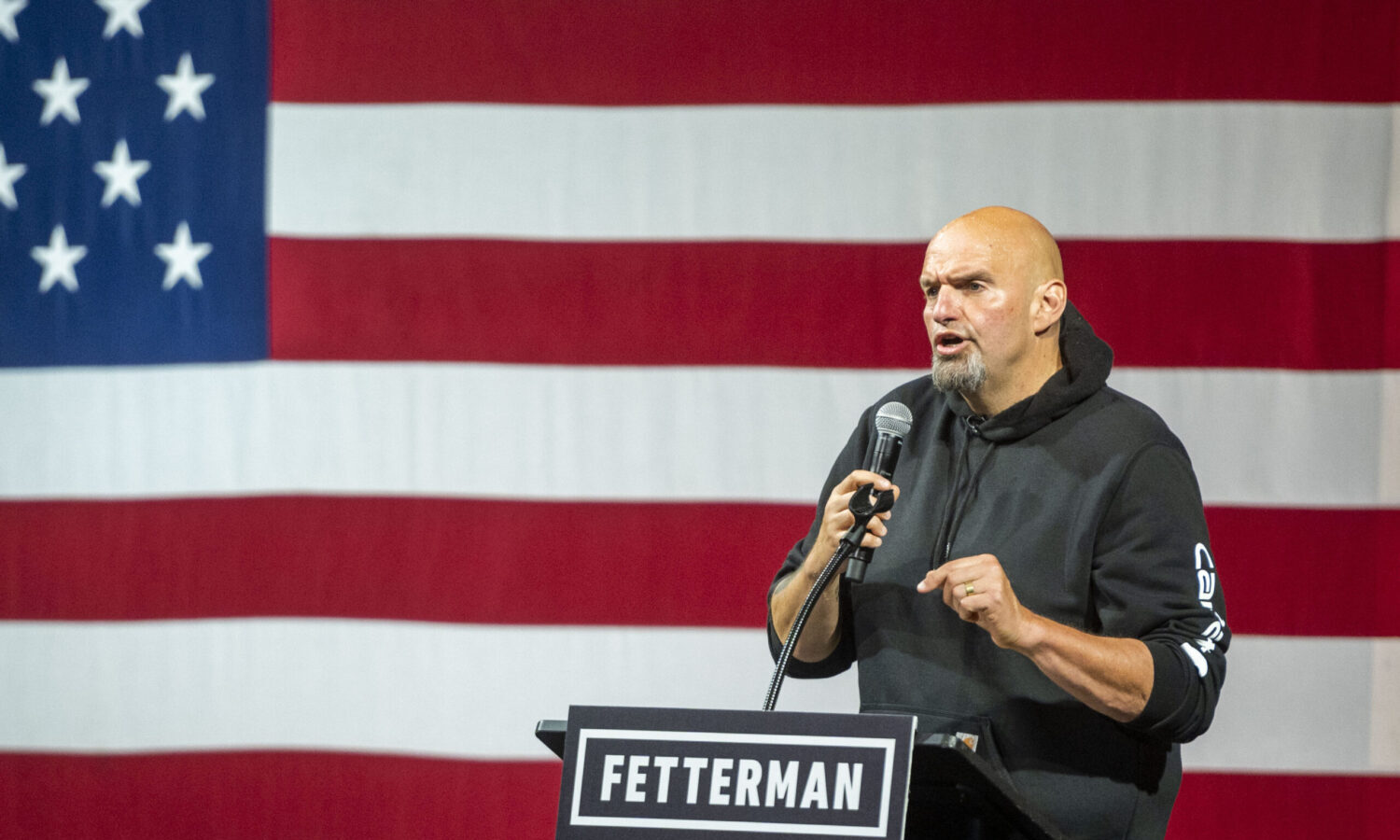
John Fetterman flipped a senate seat in Pennsylvania, where recreational cannabis is still illegal, and marijuana is still criminalized. Fetterman has been an outspoken advocate for marijuana legalization, as we have previouslyreported, so it will be interesting to see what happens with cannabis in the Keystone state over the next four years.
CongresswomanNancy Mace, the republican congresswoman looking to move forward a bi-partisan federal cannabis legalization bill, won re-election in South Carolina. This will give her a chance to move forward with the States Reform Act. Democratic Senator Chuck Schumer, who is sponsoring his ownlegislation on the other side of the aisle, also won reelection.
Researchers found that sexual function in young people who use cannabis and alcohol more frequently was shown to be better than in those who do not use either.
Young marijuana enthusiasts and alcohol consumers have better orgasms and overall sexual function than those who abstain, according to a study undertaken in Spain, reported Marijuana Moment.
Researchers from the University of Almeria were inspired to tackle the controversy swirling around numerous previous studies that looked at the impact of cannabis and alcohol on sexual functioning, which disclosed both positive and negative effects. And so, Spanish researchers created a new observational study that concluded: “Sexual function in young people who use cannabis and alcohol more frequently was shown to be better than in those who do not use either.”
Photo by ChristopherBernard/Getty Images
Study Details – Reduction In Anxiety And Shame
For six months, researchers examined 185 females and 89 males between the ages of 18 to 30 who were either regular cannabis or alcohol users or non-users. The research excluded those who were using opiates or MDMA and those suffering from health conditions like depression and diabetes, as these are known to produce a negative impact on sexual performance.
“Sexual function is improved in young people who are high-risk cannabis consumers with a moderate risk of alcohol use, resulting in increased desire, arousal, and orgasm,” revealed the study, which was published in late December 2021 in the journal Healthcare. “This improvement is usually associated with a reduction in anxiety and shame, which facilitates sexual relationships.”
Cannabis consumers had better scores than non-consumers when it came to both the overall sexual functioning scale and subscales of arousal and orgasm. In addition, frequent cannabis users also had better functioning and arousal scores than those who consumed weed moderately.
There was no significant difference in scores between men and women.
“Our findings indicate that young people who use cannabis frequently, regardless of gender, have better overall sexual function,” according to the Spanish study.
What About Alcohol? Depends On The Amount
Surprisingly, alcohol use showed no notable differences in either overall sex function or any of the subscales examined. There were, however important differences based on levels of alcohol consumption, with heavy drinkers having higher scores on the total sexual function and arousal subscale, compared to those who did not consume booze at all.
Photo by Matthew Micah Wright/Getty Images
“The findings of this study revealed a higher score in sexual function, as well as arousal and orgasm, in subjects at risk of having cannabis-related problems and risk of addiction associated with alcohol consumption,” noted the study.
The researchers reported that they did not focus on the detection and consequences of heavy drinking and/or marijuana use such as the tendency to engage in less safe sex due to them being under the influence of either substance.
In conclusion, considering that these and similar results are often associated with less anxiety and shame in individuals who consume marijuana or alcohol, the study suggested that future sex education methods provide strategies that help people reduce shame and anxiety without placing them at risk of developing potential marijuana and alcohol dependency.
Marijuana can reduce pain and provide some additional benefits, such as relaxation, calmness, improved sleep, and many others.
The definition of a headache is a throbbing or constant pain arising from any region of the head, as well as the face or neck. Headaches can severely aggravate your quality of life. They make you irritated, tired, absent-minded, and unable to engage in your daily activities to the full extent. Even simple tasks such as shopping, watching a TV, typing, driving, etc., can turn out to be a nightmare when you suffer from a headache. But can marijuana help with headaches?
Some types of headaches, such as cluster headaches, migraines, hemicrania continua, thunderclap headaches, and others, may be tough to cope with, as they last longer and have more severe symptoms and intensity.
Photo by fizkes/Getty Images
In many cases, headaches can be relieved by taking an over-the-counter pain killer, resting, or reducing neck tension (a nice massage is always a good option). Unfortunately, common drug and non-drug interventions are not always helpful. Medications may be ineffective and cause side effects in some patients, leaving them one on one with their pain. However, it does not mean that pain is inescapable, as there are effective ways to relieve it through marijuana use.
The use of marijuana for migraine treatment has been widely reported in scientific literature. For example, a 2020 scholarly research by Cuttler and colleagues found that cannabis can reduce headaches and migraines by half. “Yes, even migraines!” confirms Tom Stevenson, CEO of Bonsai Cultivation. According to Stevenson, marijuana has a strong positive effect if used correctly and in appropriate dosages. This article explains why people can use cannabis for migraines and other types of headaches and what types are best for this purpose.
DISCLAIMER: This article is not intended to substitute professional medical advice but serves only for informing the audience. If you have a severe headache accompanied by other symptoms or cannot relieve it with available medications, we strongly recommend consulting with a healthcare professional.
Most Common Types of Headaches
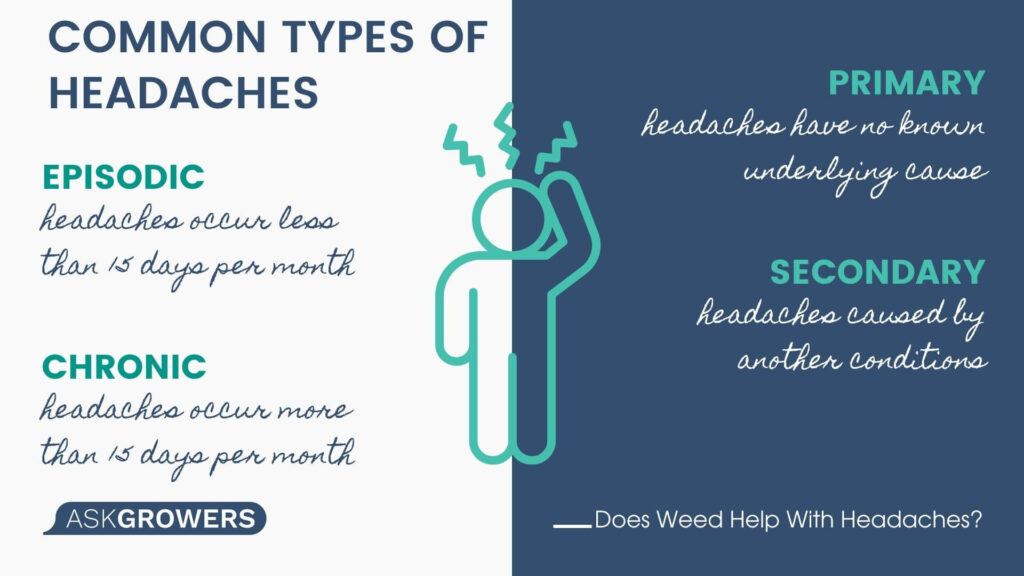
Before we dwell in more detail on the pain-killing properties of weed, let’s discuss the most common types of headaches that can be addressed through marijuana use. Headaches are typically divided into two main groups:
Episodic headaches
Chronic headaches
The former group includes headaches that occur occasionally but no more than 15 days a month. They are usually milder than chronic headaches, which occur more often and are associated with severe pain that is difficult to manage.
Experts from Stanford Health Care explain that all headaches can also be divided into primary and secondary. Primary headaches are not a symptom of a more serious condition or disease. They occur due to the inflammation of pain-sensitive parts of the head and neck caused by unfavorable lifestyle factors (e.g., alcohol abuse, sedentary lifestyle, lack of sleep). Primary headaches can be easily treated with painkillers, including marijuana. According to Sheila Dedenbach from Heavenly Sweet, “Cannabis has anti-inflammatory and analgesic properties that help with headaches and is also a natural neuroprotector (our federal government holds patents for this very use), helping reduce the production of damage-causing compounds.”
Examples of primary headaches reported most often include the following:
Migraine
Tension headache
Cluster headache
Hypnic headache
However, headaches are not limited to these types. They can be caused by different factors (e.g., caffeine use, menstruation, etc.) and affect different brain parts.
Secondary headache signifies some serious problem in the brain. It can be addressed only by treating the underlying cause, such as a tumor, brain injury, aneurism, etc. Secondary headaches are excruciating and sudden, and they often require urgent care. Does marijuana help with headaches of this type? Although using marijuana in the case of secondary headaches to relieve pain may be dangerous and ineffective, someone who is undergoing treatment for a brain tumor can find cannabis to be helpful to alleviate symptoms.
How Exactly Does Weed Help With Headaches?
So, how exactly can weed help headaches? Scientific studies have shown that marijuana helps eliminate pain through inflammatory, glutamine, opiate, and serotonin pathways. Cannabis also possesses dopamine-blocking properties, helping to improve negative mood states in conditions such as anxiety, depression, and recovery from addiction.
How does weed help with headaches on the physiological level? The effects of weed on the human body are better understood if one looks closer at the so-called endocannabinoid system. This system located in the brain and spinal cord regulates numerous physiological processes, such as:
Inflammation
Pain
Stress regulation
Metabolism
Synaptic plasticity
Thermogenesis
Neural development, etc.
Cannabinoid 1 (CB1) and 2 (CB2) receptors constitute the core of this system. Cannabis modulates CB1 and CB2 during weed consumption, resulting in positive health effects such as relaxation and pain relief.
The best thing about all this is that marijuana can be used differently, depending on the severity of pain and personal preferences. The primary use of cannabis is via smoking, but vaporization and dabs are also very popular. Products using edible, oil-based, and topical forms of cannabis are also becoming more popular. They are widely used as first-line methods against headaches. Dried cannabis flowers, cannabinoid-rich oils, and topical products may effectively treat migraines and headache-related pain.
Experts confirm the effectiveness of different cannabis forms. Here are two excerpts illustrating it:
Another vital thing to know about cannabis is that its effects can be maximized when it is combined with other treatments and wellness practices. Sam McAdam from Floravega confirmed that it does not work in isolation: “While cannabis has been reported to aid in headaches, users must also take other factors into consideration such as hydration, nutrition, sleep, etc., and use cannabis in collaboration with overall wellness practices to feel their best.” Luc Krol from the Amsterdam Seed Center agreed and added: “Yes. Weed can help to get rid of a headache, depending on what kind of headache. For a hangover, smoke weed and DRINK WATER 😉”
So, don’t expect cannabis to instantly relieve pain and prevent future headaches because much depends on individual sensitivity, which is not yet fully understood. However, smoking marijuana in appropriate dosages and frequency can bring significant health benefits if you stick to a healthy lifestyle.
CBD Headache Treatment
Not all active ingredients contained in marijuana have the same effect and application for headache treatment. Cannabidiol (CBD), which is mainly used in the form of CBD oil, has been a popular remedy for headaches. This legally available, non-intoxicating ingredient has powerful anti-inflammatory properties and is not habit-forming, so you get all the benefits without health risks.
Research on CBD effects is scarce, but anecdotal evidence shows that rubbing CBD oil for migraines onto your forehead may have a desired calming and pain-killing effect. For example, CBD topical creams or ointments may help with tension headaches caused by tight neck muscles at the base of the skull. CBD may also reduce headaches’ symptoms, such as light and sound sensitivity and nausea.
Does CBD help migraine? Evidence to answer this question is lacking. However, CBD for migraines combined with other treatment options may bring optimal outcomes. For example, Anthony Bear, CEO of Bear Blend, acknowledged the positive effects of CBD on headaches and recommended complementing it with body practices: “It really depends on the person and the cause of the headaches. I would recommend long-term silent meditation to deal with chronic headaches.”
THC Headache Treatment
Tetrahydrocannabinol (THC) is another active ingredient of weed that positively affects headaches. However, it is not generally used for reducing pain on its own. THC and CBD are often combined to both prevent and treat headaches. Combining these components acts as good prophylaxis against headaches and relieves pain in acute headache cases. In fact, scholars found that CBD and THC combined are as effective as amitriptyline.
A word of caution about HTC is required, though. In some people, THC consumption may lead to addiction. Although many people don’t believe this, but it’s a well-established fact. A lot of work is focused on parental THC exposure effects on the offspring of users, which is especially vital for pregnant women who don’t wish to take meds for headaches.
Top 7 Cannabis Strains For Headaches
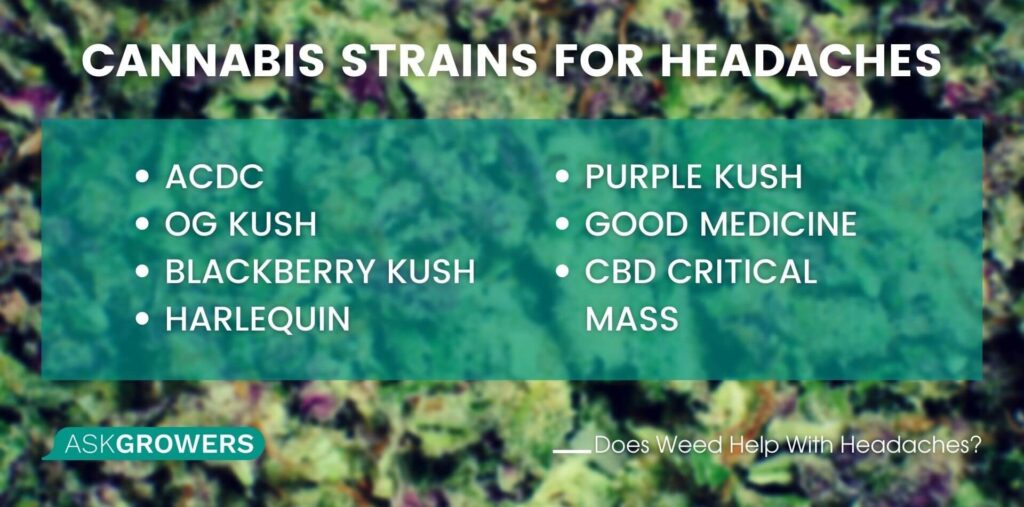
It is difficult to determine which cannabis strains and cannabinoid compounds are more effective for specific headache types. It all depends on multiple factors, so it makes sense to try different strains and dosages to find the option that works for you. Here is the list of cannabis strains that AskGrowers.com recommends to start with:
ACDC
This CBD-based strain has strong anti-inflammation effects, which explain its usefulness as a painkiller during headache episodes. It is widely used for relieving pain because, unlike many other strains, ACDC allows a person to stay focused and productive. So, if you are looking for pain relief and do not need psychoactive effects, ACDC may be the best option for you.
OG Kush
This strain also has enough CBD to reduce pain and inflammation. Accessibility is its main benefit, as you can easily find it in any local dispensary. It would be best to use this strain before the pain becomes full-blown.
Blackberry Kush
This stain contains more THC than CBC. Unlike ACDC, it can cause a powerful feeling of euphoria, which distracts from pain and relieves the muscles.
Harlequin
This weed strain has a balanced THC/CBD ratio, so you can enjoy its calming and pain-relieving effects without having to worry about a foggy mind and sedative effects. If you need to decrease pain to be able to complete your work or study, Harlequin is a good option. It will keep you alert and concentrated and remove the uncomfortable throbbing feeling in your head. Like OG Kush, Harlequin is most beneficial when taken soon after the first symptoms of headache occur.
Purple Kush
People suffering from migraines know how exhausting pain can be and how difficult it is to fall asleep when it is bothering you. Purple Kush is the weed strain most useful for people facing both pain and sleep disturbance. Dominated by THC, Purple Kush makes the body relax, which is crucial for falling asleep. However, this strain won’t take the pain away quickly, so it’s best to use it when you have time to relax and wait for the much-desired relaxation.
Good Medicine
A cross-breed between Appalachian and Harlequin, this strain boasts a perfect balance between CBD and THC. It means that it can both relieve pain effectively and help with sleep. It is excellent for those willing to remain active and focused throughout the day while also enjoying a good rest at night.
CBD Critical Mass
This is another THC/CBD balanced strain reducing inflammation and pain associated with headaches. You will get a gentle euphoria and mild pain relief, just enough to keep you going.
Can Weed Cause Headaches?
Although marijuana has a milder effect on pain than medications, it should not be overused. The problem is that weed consumption may either relieve pain or cause it. James from TJ’s Gardens explained: “I have heard this can go both ways – all dependent on the individual and the particular cultivar.”
Long-term modulation of CB1 receptors in the central nervous system due to regular marijuana use was found to increase the risk of headaches caused by medication overuse and rebound headaches in specific populations. Prolonged periods of exposure to marijuana or weed consumption in high doses may diminish the effectiveness of treatment. Situations causing rebound headaches include but are not limited to the following:
Increasing the dose too fast
Regularly exceeding recommended doses
Discontinuing treatment after prolonged (more than 1-month-long) use
Other scholars doubt that cannabis causes overuse headaches, making it superior to more conventional treatments. However, evidence in this regard is inconsistent. Until more evidence is available, it is better to reduce marijuana use and pay more attention to how pain manifests itself and in what situations. For example, pain occurring or intensifying after cannabis use may point to its overuse or improper use.
Conclusion
Headache pain can be debilitating and exhausting. It drains your energy and makes you feel dizzy and weak. If you do not want to take over-the-counter painkillers for some reason, marijuana may help you relieve pain. Does weed help headaches? Absolutely! It can reduce pain and provide some additional benefits, such as relaxation, calmness, improved sleep, and many others.
Finding the right THC/CBD and a suitable weed strain is important for enjoying the optimal benefits of marijuana. However, we discourage you from experimenting without consulting a healthcare specialist or your physician first. More importantly, if you have excruciating pain and other symptoms, which occur suddenly, it is better to ask for professional help.
It goes without saying moldy Colorado weed is bad for medical patients. The Colorado Department of Revenue (DOR) together with the Colorado Department of Public Health and Environment (CDPHE) has issued a Health and Safety Advisory regarding unsafe cannabis from a Colorado-based dispensary, Living Rose Wellness. Over 200 batches of cannabis were tested and found to have unsafe levels of mold, yeast, and aspergillus and were therefore declared unsafe for human consumption. Thankfully they are quick acting.
The Colorado Springs based dispensary which is registered as SJD, LLC did not adhere to MED Rule series (4-100) standards when submitting the batches of marijuana for testing. When the batches were retested, it was found that the safe limit, for total yeast, mold, and aspergillus, according to Colorado Marijuana Rule 4-115, had been exceeded. Fungus thrive in environments that have a high moisture content. Properly cured cannabis should have a moisture content of about 10%-12% to deter fungus growth.
Photo by 3 Pelos/Getty Images
While most states agree that mycotoxin testing is necessary, the regulatory limits vary significantly from one state to another. States that test for aspergillus include Alaska, California, Michigan, Nevada, and New York. Labs need to use a testing method that is approved by the Association of Official Agricultural Chemists (AOAC® International).
DOR has advised the public against consuming the moldy cannabis products from the affected dispensary. Consumers are to return the products to the dispensary for proper disposal, they also have the option of destroying the cannabis at home. DOR has also directed that any adverse effects associated with the consumption of the moldy cannabis should be reported to Marijuana Enforcement Division.
Marijuana Patients Denied Organ Transplant Due to Risk of Aspergillosis
In 2017, a patient in Maine was removed from the Maine organ transplant list because of previous marijuana use. This story was first highlighted by CNN. The Maine transplant program took this drastic step after two patients (with previous marijuana use) succumbed to aspergillosis after receiving a transplant. In a press release statement, the Maine Transplant program stated that the patients can be put back on the list once they were off marijuana.
The aspergillus is a saprophytic fungus that is frequently found in soil and helps to eliminate carbon and nitrogen from the atmosphere. Aspergillus spores, which are very tiny, are easily spread by strong air currents in a grow room. While aspergillus spores may not cause harm in healthy individuals, they are likely to cause aspergillosis in immuno-compromised patients. Those consuming immunosuppressants are also at a higher risk for developing aspergillosis. Aspergillosis can be fatal when it impairs breathing or causes bleeding in the lungs. The aspergillosis can quickly move from the lungs to the kidney, brain, and even heart.
A study that was published in 2016 demonstrated higher incidence of invasive aspergillosis after kidney transplant. The outcome of patients who developed aspergillosis after kidney transplant was also poor. A different study also showed that aspergillus infection is associated with higher morbidities and poorer outcomes after lung transplant.
Photo by SCIENCE PHOTO LIBRARY/Getty Images
Marijuana Use in Transplant Patients: Clarity Needed
A 2019 survey that was conducted by researchers in conjunction with the Executive Committee of the Infectious Diseases Community of Practice of the American Society of Transplantation sought clarity on marijuana use in transplant patients. The researchers observed a “discordance among transplant centers in their perceived risks of marijuana use as opposed to complications actually observed.”
Reducing the smoke you inhale, as well as controlling your dosage are both ways to ensure your body and brain enjoys the benefits of weed without the potential downsides.
Everyone who enjoys marijuana has their preferred method of consumption. In these advanced and semi-legal times, that can be anything from vaporizing to eating to drinking or even good old fashioned smoking. Each way of consumption has a high that kicks in a little differently and comes with its unique set of benefits and downsides.
While many of the pros and cons associated with how you consume your weed are minor and superficial, others are a bit more serious. In fact, the way you consume your marijuana can even affect how healthy (or unhealthy) the substance is for your body — even your brain. After all, all the organs that interact with THC eventually lead to the brain in one way or another. When it comes to eating or smoking your weed, which is better for your brain health?
Photo by wildpixel/Getty Images
Why Smoking Weed Is Both Better and Worse for Your Brain
People prefer smoking weed instead of eating it for many reasons, but one of the main ones is the speed in which weed hits you when you smoke versus when you eat it. As we previously reported, smoking weed kicks in much faster than edibles. This not only allows you to get high quicker (which is often the goal), but it also prevents you from consuming too much THC at once. It is much easier to control your dosage and prevent overdoing it, which is great since overdoing it can have negative effects on the brain, including memory issues and paranoia.
Smoking weed, however, can do some real damage to your lungs. As we previouslyreported, cannabis can cause all sorts of lung issues over time. While these lung issues might seem bad enough to steer you towards a different consumption method, there is also evidence that suggests poor lung health can even affect your brain. According to the book An Overview and Management of Multiple Chronic Conditions, “Lung disease and impaired lung function were associated with greater risk of dementia and mild cognitive impairment through both Alzheimer’s disease and cerebrovascular aetiologies.”
While it might be easier to dose and get high quickly, the potentially compounding health issues with consistently smoking your weed might be why many consumers prefer to eat their THC.
Photo by rez-art/Getty Images
Edibles Are Smoke Free but Have Their Own Brain Baggage
Perhaps the biggest and most obvious brain and health benefit of eating your weed is that there is no inhaled smoke involved. By ingesting your THC you remove many of the potentially negative health effects that can damage your lungs and, in turn, even your brain. While this is great news for your lungs, consuming edibles comes with its own set of health risk factors that can mess with your brain.
According to the CDC, “edibles, or food and drink products infused with marijuana, have some different risks than smoked marijuana, including a greater risk of poisoning.” The reason for this, according to the CDC, is that because it can take up to two hours to kick in, novice users may consume more and more, resulting in a dangerous overconsumption. While cannabis overdoses (also known as acute cannabinoid overdose) are not a common symptom when consuming cannabis, and not directly life threatening, they can have negative brain effects.
Per Healthline, “The combination of the highly variable THC concentration and the long latency period of edible cannabis products makes them very easy to unintentionally overconsume, which can lead to unwanted symptoms, such as paranoia and impaired motor ability.” Paranoia and other mental problems are never good for your mental state or brain health, not to mention they completely ruin any chance of enjoying your experience.
In the end, careful consumption, regardless of how you consume your marijuana, is best for your brain and body as a whole. Reducing the smoke you inhale, as well as controlling your dosage are both ways to ensure your body and brain enjoys the benefits of weed without the potential downsides.
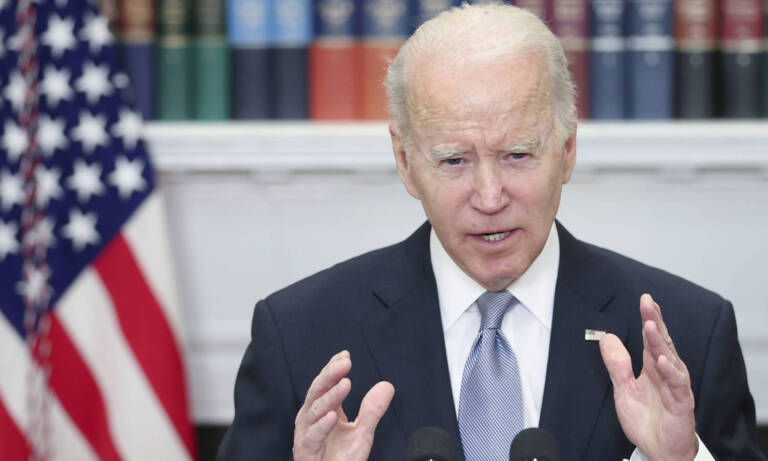
At an election eve campus rally, Joe Biden talked about the importance of students’ votes when it comes to decriminalizing marijuana.
Marijuana reform is in the hands of students, says President Biden and the reason he’s optimistic about this country’s future.
On Monday, President Biden attended a rally at Bowie State University in Maryland, one of the nation’s historically Black schools, where he momentarily broached the topic of marijuana and decriminalization.
“With your vote, I’m keeping my promise [that] no one should be in jail for the mere possession of marijuana, and their record should be expunged,” said Biden.
“Remember, the power is in your hands. You’re one of the reasons why I’ve never been more optimistic about America’s future.”
While the Biden administration hasn’t supported marijuana legalization outright, it is the most pro-cannabis administration in history, issuing pardons for non-violent cannabis convictions and often speaking up about the impact that the war on drugs has had on communities of color.
Biden has made it clear that he hoped to improve the lives of Black Americans with his pardons. While his support for the cause is only a first step, it represents an important moment.
Photo by Element5 Digital via Unsplash
Earlier this month, Senate Majority Leader Chuck Schumer talked about passing a marijuana banking and expungement bill, which will significantly affect the lives of people involved in the cannabis industry and those who have non-violent records with the drug.
“I am working in a bipartisan way with Democrats and Republicans to take the SAFE Banking Act, which allows financial institutions to involve themselves in cannabis companies and lend money to them—but it also does some things for justice, such as expunging a record,” he said in a debate.
The bill is called the SAFE Banking Act and while it has passed the House, it has been stalled by the Senate time and time again.
Visitors to the state have consistently accounted for nearly one-third of all adult-use sales in Illinois, with 31% of sales being to out-of-staters in October.
Recreational cannabis in Illinois continues to boom, with sales in October this year surpassing $131 million, according to state data.
Sales continue to grow annually, and with two months in the year left to go, the state is on track to beat its 2021 sales totals of $1.3 billion. Through October, adult-use sales totaled $1.2 billion, according to the Illinois Department of Financial and Professional Regulation.
Photo by Cappi Thompson/Getty Images
In 2020, the first full year of recreational cannabis sales, Illinois sold $669 million in cannabis products.
Visitors to the state have consistently accounted for nearly one-third of all adult-use sales in Illinois, with 31% of sales being to out-of-staters in October.
In addition, medical marijuana sales in Illinois hit $28.4 million for the month of October, according to data from the state Department of Public Health. Medical sales totals for the year so far are just under $294 million, and overall medical sales since 2015 have reached $1.5 billion.
And there’s likely only more growth on the way, with more retailers and other business types slated to launch in coming months.
Clearly, success across the board is not guaranteed, but recent history has shown that cannabis legalization has enjoyed significant victories at the polls.
Voters in five mostly red states will vote Tuesday on whether or not to legalize cannabis for adult use: Arkansas, Maryland, Missouri, North Dakota and South Dakota. And, despite their conservative leanings, there’s a good chance most of them could say yes to cannabis, which underscores the increasingly bipartisan support for legalization.
Democratic gubernatorial candidate Beto O’Rourke, speaking at 2022 SXSW, said it best: “I’ll let you in on a secret: Republicans like to get high just as much as Democrats.” Naturally, if O’Rourke is elected as Governor of Texas, he says he’ll legalize weed posthaste so as to join “most of the rest of the country, most of the rest of the free world.”
Clearly, success across the board is not guaranteed but recent history has shown that cannabis legalization has enjoyed significant victories at the polls.
Photo by JGI/Jamie Grill/Getty Images
Legal Cannabis Is On The Rise And The Sky Has Not Fallen
If adult-use cannabis legalization indeed passes in these five states, the number of fully legal weed states could jump from 19 to 24, not counting D.C. and two US territories and this could fortify the case for legalizing weed at the federal level. Another 18 states and one US territory have legal medical marijuana programs. That’s quite a broad swath of the United States with legal weed in one form or another and the sky thankfully has not fallen.
All of this begs an important question: why hasn’t the President, who needs every ounce of support he can get, legalized the consumption and possession of cannabis nationwide? The President’s pardon last month of simple federal cannabis violations notwithstanding, full federal decriminalization and across-the-board expungement would do wonders for the country, the economy, the ghastly over-crowded prisons and not to mention the ratings of the current Oval Office resident and his party. After all, national polling suggests that most Americans think marijuana should be legal in some form as well as cannabis banking.
In addition to these five states that will be voting to legalize cannabis, Ohio, Texas and Wisconsin will be voting on local cannabis ballot questions and Colorado is voting on whether or not to legalize psychedelics.
The Czech Republic is the first country in Europe to draw inspiration from Germany by making a plan to legalize marijuana.
The Czech Republic is following in Germany’s footsteps. Forbes reports that the country will soon be legalizing cannabis and will coordinate a plan with Germany in order to share data and make the legal transition as seamless as possible.
The country is currently drafting a bill to be presented in March 2023. Legalization is expected to go into full effect in January 2024.
Photo by Mayara Klingner via Getty
“We are in contact with our German colleagues, and we have repeatedly confirmed that we want to coordinate by consulting each other on our proposals,” shared Jindřich Vobořil, the country’s drug commissioner, in a Facebook post.
“My colleagues in Germany are talking about permitted quantities, and they don’t have the cannabis clubs that we foresee. I certainly want to hold the cannabis clubs until my last breath. This model seems very useful to me, at least for the first few years.”
While the Czech Republic hasn’t legalized cannabis, it’s considered one of the more progressive countries in Europe when it comes to cannabis laws. In 2010, it decriminalized cannabis possession and in 2013 it legalized the drug for medical use. The Czech Republic also cultivates hemp with 1% of THC for industrial purposes; other countries in the EU that allow for this cultivation have much lower tolerances of THC.
Legalizing recreational cannabis will likely produce some revenue, especially since the country has a relaxed attitude towards the drug, with citizens more likely to embrace the change.
Per Vobořil, cannabis will be available to purchase in licensed pharmacies and dispensaries. Municipalities will also play a significant part in this nascent cannabis plan, having the choice to allow or ban cannabis sales in their area. The commissioner has also talked about the importance of preventing smoking, meaning that the government will probably encourage and promote other forms of cannabis consumption.
Last month, Germany announced that they were legalizing marijuana. The bill that’s being drafted will allow adults to purchase cannabis in pharmacies and specialty shops like coffee houses. Cannabis will also be produced domestically, avoiding the possibility of international conflict.
When you’re shopping for a cannabis product, you should definitely take the percentage of TAC into account in addition to the THC in order to make an informed decision. Here’s why.
Have you ever felt overwhelmed by all the information on cannabis labels like THC vs. TAC? After all, there are a lot of acronyms, percentages, and ingestion methods to learn about, and finding the right product may seem tricky at first. The good news is that with a little Canna 101 education, you’ll know exactly what your product label means.
While THC may be the most well-known cannabinoid next to CBD, the TAC number may be the most important figure on a cannabis label. Exactly what does TAC stand for, and why is it relevant? And, does TAC get you higher?
What is TAC?
TAC stands for Total Active Cannabinoids, which refers to the concentration of active cannabinoids present when the cannabis was tested in a lab. In contrast to pharmaceuticals, which typically consist of only one active compound, cannabis consists of a variety of active molecules.
According to estimates, cannabis (hemp and marijuana) contains over 400 compounds, with over 100 of them being cannabinoids. Generally, they can be categorized as follows:
Cannabinoids
Terpenoids
Flavonoids
Alkaloids
Glycoproteins
Cannabis products are measured by their TAC, which measures the concentration of total active cannabinoids. Some key cannabinoids to consider include:
Photo by 3 Pelos/Getty Images
Tetrahydrocannabinol (THC)
Tetrahydrocannabinol is commonly referred to as THC, which is the main constituent of marijuana. Scientifically, it is called delta-9-tetrahydrocannabinol or delta-9-THC in its active state. In addition, this produces the euphoria or “high” associated with marijuana consumption. It is generally believed that a high produced from high concentrations of THC will be more intense than one with low concentrations of the ingredient.
Cannabidiol (CBD)
In terms of popularity and demand, CBD is perhaps the best-known and most in-demand cannabinoid, in addition to THC. CBD has a range of potential health benefits including relieving stress and inflammation. The TAC includes any CBD in your product. Most importantly, CBD is non-intoxicating, in contrast to THC.
Cannabinol (CBN)
CBN is commonly thought of as the sleep cannabinoid. There is a wide range of therapeutic effects associated with non-intoxicating CBN.According to early research, cannabinol may reduce pain and improve sleep.
Cannabigerol (CBG)
As a non-intoxicating compound, CBG may reduce the psychoactive effects of THC, similarly to CBD. By doing so, cannabis users can enjoy the benefits of THC without being impaired by intense highs.
While this effect may be mediated by the endocannabinoid system, this effect could also be due to CBG’s effects on the alpha-2 adrenergic receptors, which dampens sympathetic nervous system activity.
Cannabichromene (CBC)
While this compound was first identified 50 years ago, its benefits remain unclear. Nevertheless,it is known that similarly to THC and CBD, CBC also derives from cannabigerolic acid (CBGA). However, not much is known about how the less common cannabinoids affect human biology.
TAC is often mistakenly referred to as Total Aerobic Count by novices in the industry. It differs from Total Active Cannabinoids in that it refers to a different aspect of the plant’s composition. Using the total aerobic count, you can measure how many microbial cells are present in the cannabis sample.
Photo by Kirill Vasikev / EyeEm/Getty Images
THC vs TAC: Why do they differ?
As the name implies, TAC specifies the chemical composition of any hemp or cannabis plant by providing a list of its active cannabinoids. Therefore, TAC represents the product’s total cannabinoid levels. In contrast to THC, which is just one compound, TAC takes into account the entire spectrum of active cannabinoids contained within the product.
How are THC and TAC related?
There is a significant interaction between THC and TAC components. For example, CBD can potentially decrease anxiety from THC, altering the overall psychoactive experience.
Also, it is worth noting that certain TAC cannabinoids, for example, CBGA, contribute to the production of THC. CBGA, a form of CBG that is acidic, breaks down into CBG and then breaks down further into other cannabinoids, such as THC.
How does TAC influence the entourage effect?
In theory, the entourage effect describes the synergistic interaction of cannabinoids, terpenes, and flavonoids in cannabis. According to the theory, all the cannabis plant’s components, including phytocannabinoids and terpenes, enhance each other’s effects.
The TAC plays a major role in the entourage effect.However, along with cannabinoids, there are other compounds of importance, including fatty acids, terpenes, and flavonoids. And although the majority of the other compounds are not well understood, the entourage effect relies on all of them.
Cannabis strains are characterized by their unique flavors due to terpenes. Cannabis crops are not the only crops that produce terpenes, as every plant, fruit, and flower produces them. Some common terpenes include limonene, pinene, linalool, and eucalyptol. Moreover, terpenes can exert psychoactive effects, which is why some terpenes are sedating.
Flavonoids, however, provide plant pigments, and are particularly noteworthy for their antioxidant properties. Aside from this, the mechanism by which they contribute to the entourage effect must still be explored.
Photo by AYEHAB/Getty Images
THC vs. TAC: key takeaways
So, what’s the verdict? Is THC better than TAC? As we mentioned earlier, that’s not really the point of this comparison. The purpose of comparing TAC vs THC is not to identify which is more beneficial or “better” in terms of purity or potency. Instead, it means that when you’re looking for a cannabinoid product, whether it be for medicinal or recreational use, you should definitely take the percentage of TAC into account in addition to the THC in order to make an informed decision.
The TAC percentage provides a more detailed picture of the entire cannabis product. However, if strength is your main concern, you may want to look for a product that has a higher percentage of THC. Of course, it’s important to remember that everyone reacts differently to cannabinoids, so alwaysstart with a low dose and increase as needed.
Find top-rated products for your goals
Jointly is a new app that makes it easy to discover the best cannabis and CBD products for your specific goals.
If you’re ready to discover your perfect cannabis experience, download the Jointly app today on theApp Store or theGoogle Play Store.
Are you curious about Jointly?
Whether you’re looking toimprove your sleep,relieve daily stress, orrelieve aches and pains, Jointly can match you with a cannabis or CBD product that can help. Jointly’s algorithm helps you discover top-rated products and brands that match your preferences, goals, and unique personality.