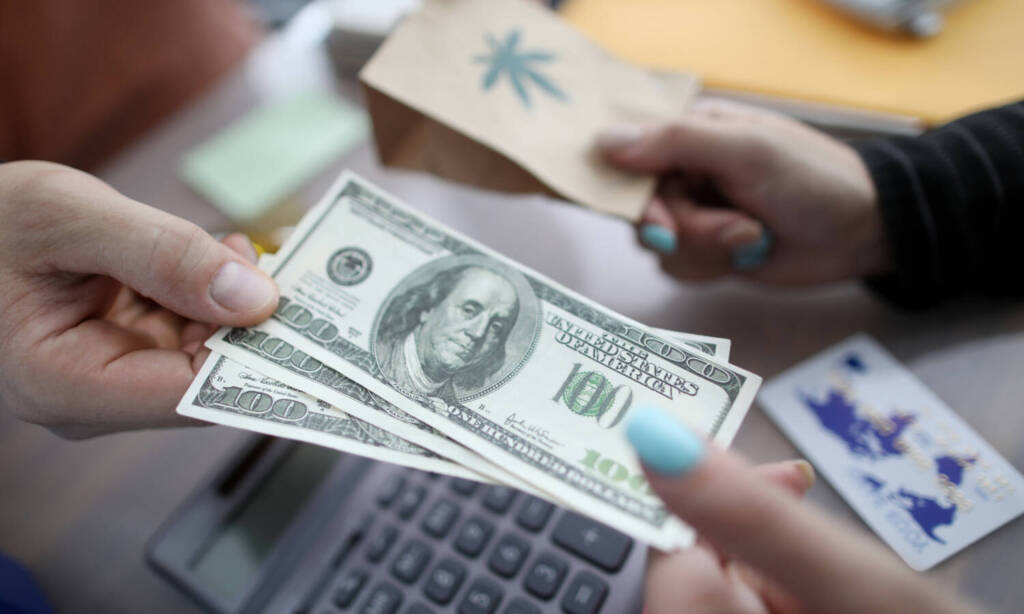
More than 70% of cannabis businesses say that the “lack of access to banking or investment capital” is their top challenge, according to a recent survey.
Members of the NAACP’s Board of Directors have approved a resolution calling upon Congress to enact legislation that explicitly allows banks to provide financial services to state-licensed cannabis businesses.
Federal law discourages banks and other financial institutions from maintaining relationships with marijuana-related businesses because the plant remains classified as a Schedule I controlled substance. According to data provided by the US Treasury Department earlier this year, only about 11% of all US banks and about 4% of all US credit unions are “actively providing banking services to marijuana-related businesses.” Survey data compiled in February by Whitney Economics reported that over 70% of participating cannabis businesses say that the “lack of access to banking or investment capital” is their top challenge.
House members have advanced legislation, the Secure and Fair Enforcement (SAFE) Banking Act, amending federal law on seven separate occasions. Nonetheless, members of the Senate have yet to take up the bill. In recent weeks, however, some Senators have expressed an appetite for advancing an expanded version of the Act immediately following the midterm elections.
Photo by Kindel Media via Pexels
The NAACP resolution states: “The SAFE Banking Act could enable cannabis businesses with social equity licenses, diverse ownership licenses, or other licenses made available by states with medical- and adult-use cannabis laws that aim to foster a diverse and equitable industry, to better compete in the industry if it was coupled with the federal descheduling of marijuana and explicitly provided for fair terms and rates for Black-owned and social equity licensed cannabis businesses.”
According to polling data compiled by Morning Consult in September, 65% of respondents “support allowing cannabis-related businesses to have access to banking services in states where cannabis is legal.” Moreover, 63% of voters agree that allowing cannabis-related businesses to access the banking system will help improve public safety, and 58% say that it is “important” that members of the US Senate vote to establish a safe harbor for licensed cannabis businesses.
In 2019, the NAACP for the first time called upon Congress “to remove cannabis from the list of federal controlled substances and provide federal grants to states seeking to implement entrepreneurship opportunities and job creation in the cannabis industry for low-income individuals and people of color from communities that have been disproportionately impacted by marijuana arrests and prosecutions.”
In written testimony to Congress, NORML previously stressed the need for banking policy reform, stating: “No industry can operate safely, transparently, or effectively without access to banks or other financial institutions and it is self-evident that this industry, and those consumers that are served by it, will remain severely hampered without better access to credit and financing. Ultimately, Congress must amend federal policy so that these growing numbers of state compliant businesses, and those millions of Americans who patronize them, are no longer subject to policies that needlessly place them in harms way.”
NORML’s full Congressional testimony is online here.
Horror movies are stressful experiences in themselves, but they paradoxically make a lot of people feel less stressed out.
For non-horror movie watchers, horror movie fans are strange people. They find it difficult to understand why someone would enjoy watching serial killers stalk teenagers or a girl getting possessed by a demon. But there’s a science to watching horror movies, one that, when understood, comes with comfort and a sense of safety. Watching scary movies is, in the moment, scary. Afterwards it’s cathartic.
Photo via pxhere.com
Dr. Andrew Scahill spoke with Healthline about this popular phenomenon, discussing a little bit of the history of horror and how experts observing the genre have shifted their perspective with the passing of time. While, at first, they thought horror would be a bad influence on people, especially children, nowadays there are other schools of thought that provide different perspectives.
“Today, we have what we would call ‘surrogacy theory,’ which essentially says horror films allow us, in a way, to control our fear of death by giving us a surrogate experience,” explained Scahill. “Our body is telling us we’re in danger, but we know that we’re safe in these cushy theater seats. Allowing yourself to be triggered in a safe environment can actually be a process of therapy.”
In 2022, when there’s a lot to be afraid and anxious about, it might sound crazy that people are watching more horror content, but it’s true. According to Business Insider, in 2020, horror movie sales were up by 194% when compared to the previous year. The most watched movie was “Contagion,” which tells the story of a global pandemic. At the time, many experts reasoned that “Contagion” gave people a blueprint as to how a pandemic would play out in the real world.
Photo by rawpixel.com
For some, horror movies provide a distraction from real world problems. Coltan Scrivner, a pHD candidate from the University of Chicago spoke to CNET and said that many people with anxiety love horror for this reason. “My research finds that, on average, people with anxiety are more likely to be horror fans.”
While the movies are stressful and put our bodies in a fight or flight state, a lot of people feel safe since it’s all happening within a screen, allowing them to use these moments as learning experiences, so their bodies know how to handle stress better when faced with a real world situation.
You can’t force people to enjoy certain types of content, but, if you’ve been finding yourself more anxious and stressed out than usual, it wouldn’t hurt to give horror movies a try. You might discover a new trait about you, and a coping mechanism for your real life problems.
There are various mechanisms by which cannabis could impact creativity and focus. But is there any scientific data that supports the idea that it actually has a positive effect on either?
Many people who consume cannabis for a cognitive boost are seeking to enhance their creativity and their focus at the same time.
It could be a computer programmer who finds that consuming a 1:1 CBD-THC edible in the morning settles her nerves for the day and opens her mind up to new solutions; a 70-year-old triathlete who discovers that a few drops of a sativa tincture allows him to stay focused during grueling bike rides; or a PhD student who breaks up long hours in the lab with a few tokes from a high-CBD joint.
Is cannabis or CBD the right choice for you to enhance your focus and creativity? Jointly can help you find out, but first let’s review what is known about cannabis, focus, and creativity!
Photo by Polina Zimmerman via Pexels
Is Cannabis a Cognitive Booster?
In the popular imagination, cannabis has a much closer link to creativity than it does to focus, but there is also a long tradition of cannabis being used to enhance focus, especially during prolonged physical activities.
Wrestlers in Northern India traditionally took bhang, a cannabis infused drink, “to ensure long term concentration during exhausting all day practice.” Similarly, a survey of adult athletes who use cannabis revealed that 46.3% of athletes who used cannabis in the hour prior to exercising did so to improve focus.
But there is far more scientific research into how cannabis affects creativity, possibly because the link between cannabis and creativity has existed in the popular imagination for at least 160 years.
In 1860, Charles Baudelaire, the French poet who is credited with coining the term “modernity,” wrote a book called Artificial Paradise in which he describes his experiences with hashish: “the simplest words, the most trivial ideas, take on a strange and new physiognomy. You are surprised at yourself for having up to now found them so simple…interminable puns, comic sketches, spout eternally from your brain.”
More recent artists and thinkers also tout marijuana’s creativity-enhancing benefits. Steve Jobs once said, “The best way I could describe the effect of the marijuana and hashish is that it would make me relaxed and creative.” Evidently, people have long used cannabis to spark creativity and enhance focus.
Photo by Jose Luque / EyeEm/Getty Images
What Science Says About Cannabis, Creativity and Focus
Due to federal prohibition on cannabis, there is not enough research into how cannabis impacts focus or creativity to state any firm conclusions.
The limited amount of research has focused far more on how cannabis affects creativity than if or how cannabis affects focus and attention. While focusing and creating are distinct mental states, both are complex cognitive processes that involve dopamine and the frontal cortex of the brain. Creativity is associated with the brain’s frontal lobes, and the prefrontal cortex governs focus and attention. Cannabis has been demonstrated to increase blood flow to the frontal lobes.
Marijuana and Creativity
According to Dr. Alice Flaherty from the Department of Neurology at Harvard Medical School, people with high creativity demonstrate “high baseline frontal lobe activity and greater frontal increase while performing creative tasks.” This observation has led Dr. Flaherty to conclude that in the short term cannabis may boost creative output: “Marijuana is a stimulant. And most stimulants, in the short term anyway, boost output of all kinds.”
Dr. Flaherty explains that cannabis may affect creativity by boosting cerebral blood flow to the frontal lobes, which serves as the control center for “divergent creative thinking.” While creativity is hard to objectively measure, scientists have teased out two cognitive processes that are thought to play a significant role in creative thinking: divergent thinking and convergent thinking.
Brainstorming is divergent thinking, or “being able to explore options through loose associations to generate novel ideas.” Convergent thinking is the opposite: you take various different ideas and find a common thread between them.
Photo by Cappi Thompson/Getty Images
Cannabis, Dopamine and Creativity
Dopamine is a neurotransmitter that helps regulate motor function, learning and emotional responses, but it also plays an important role in the neuroscience of creativity and focus. Experimental studies have shown that “dopamine helps to enhance attention, especially in the context of making sure that you pay attention and shift your focus in a flexible and appropriate manner.”
Authors of a 2010 study exploring the relationship between dopamine and creativity stated, “human creativity has been claimed to rely on the neurotransmitter dopamine, but evidence is still sparse.”
The study found that “dopamine has a negative linear correlation with convergent thinking, whereas an ‘inverted U’ shape correlation with at least one aspect of divergent thinking, where too much or too little [dopamine] harms it, but a middle amount is just right.”
THC is known to stimulate dopamine release in the striatum, which is a part of the brain involved in creative activities. However, chronic marijuana use may lead to decreased dopamine activity in the brain. This data suggests that in long-term cannabis users with depressed dopamine activity, inhaling THC could temporarily improve their divergent thinking. But convergent thinking is “negatively correlated with dopamine activity, so inhaling marijuana should hamper this aspect of creative thinking in anyone.”
Cannabis affects cerebral blood flow and the dopaminergic system, so there are various mechanisms by which cannabis could impact creativity and focus. But is there any data that indicates that cannabis or CBD actually has a positive effect on either?
Photo by Matthew Henry via Burst
Does Weed Make You More Creative?
A 2003 survey revealed that 50% of cannabis users believe cannabis heightens their creativity. Of course, self-reported surveys are not exactly objective. An early clinical trial from 1975 looked at the effect of marijuana on convergent and divergent thinking, and found that a 3mg joint of THC improved divergent thinking, but a 6mg joint worsened it. If your goal is to focus or create, it is probably best to start with a small dose.
In 2011, Dr. Gráinne Schafer and colleagues at the University College London reviewed literature “suggesting that the effects of cannabis on creativity have not been extensively studied nor are the mechanisms by which it stimulates creativity well understood.” In 2012, Schafer et al. published a study demonstrating that people with low creativity demonstrate improved verbal fluency after consuming cannabis. However, people with high creativity were unaffected by consuming cannabis.
The authors speculated that the low creativity group experienced “dopamine release in the mesolimbic pathway which includes the frontal cortex,” while the high creativity group may have already had “some sort of disinhibition of frontal cortex functions.” So there is some evidence that cannabis can boost creativity, but how it affects you seems to vary based on your specific neurochemistry, genetics or personality.
Another study from 2014 looked at the effect of vaporized cannabis on creative thinking in 54 Dutch men and women who regularly used cannabis. The study tested convergent and divergent thinking in three groups: no THC, low THC and high THC.
Convergent thinking was not affected in any of the three groups. The no THC group and the low THC group performed equally well on divergent thinking tasks, but the high THC group performed significantly worse than they did at baseline. This study provides some evidence that cannabis can negatively affect creative thinking.
However, this study has some significant limitations. Creativity was measured using word associations, which may not relate to creativity in other domains such as dance, music or creative problem solving. All the subjects were regular marijuana users, so it is unknown if these results would be mirrored in the general population.
Photo by Fertnig/Getty Images
And the researchers note that they may have given their high THC group too high of a dose, as this group experienced more negative subjective effects than the other groups, leading the researchers to suggest “maybe the participants had to spend their cognitive resources dealing with the bad feelings rather than the task at hand, which fits with the ‘ego depletion’ model of cognitive control.”
This detail is worth singling out: too much THC may negatively impact Focus & Create, because you will have to use your cognitive resources battling the high rather than focusing or creating.
As for why the no THC and low THC groups performed equally well on the divergent thinking tasks, the researchers suggested that possibly the low THC dose was too low. Or the no THC dose may have contained enough THC or other active ingredients to exert an effect on the subjects. Alternately, the smell and taste of the no THC cannabis could have triggered a strong placebo effect “simply based on expectation.” The authors did not provide a possible explanation for why convergent thinking did not differ between groups.
So there is some evidence that low doses of cannabis might stimulate creative thinking, but higher doses seem to have a negative impact on creativity or focus. Despite these findings, many people find that controlled doses of cannabis or CBD boost their creativity and enhance their focus. Why might that be?
Why Might Cannabis Enhance Creativity?
One of the reasons cannabis might enhance creativity is simply because it is psychoactive. As Robert Weiner wrote in his tome Creativity & Beyond: Cultures, Values and Change, many people “have found that the exaggerated emotions and altered perspectives they’ve gained from drugs stimulate their creativity.” Schafer et al. suggested, “Cannabis produces psychotomimetic symptoms, which in turn might lead to connecting seemingly unrelated concepts.”
Of course, while this state may be beneficial for generating new ideas and connections, these ideas should be reviewed and edited the next day. As Gina Beavers, a painter who makes surreal, abstract pieces emphasizes, “A few times, I’ve been mulling over how to solve some issue and weed will give me ideas, but not always the ones I go with. I have to wait and look at the solutions in the light of day.”
What to do with leftover cannabutter weed
Why Might Cannabis Enhance Focus?
Scientists have given much less attention to how cannabis impacts focus. People rarely ask the budtender at their local cannabis dispensary for products that help them focus better. However, many people note that a purposeful dose of cannabis or CBD helps them focus. Perhaps one of the ways that cannabis or CBD helps people focus is by muting distractions like mild anxiety, stress or chronic pain. For example, patients who get a prescription for anxiety or chronic pain from a cannabis doctor at a medical marijuana clinic often find that they can think more clearly after their first dose of cannabis. Additionally, cannabis interacts with the dopaminergic system, and depending on your unique physiology, it may interact with your brain in a beneficial way.
There is evidence that cannabis affects aging brains differently than young brains, so the focus-enhancing effects of cannabis or CBD may vary based on age, as well as various other factors like an individual’s stress levels or unique endocannabinoid system.
People who are chronically stressed may find more focus-enhancing benefits from anti-inflammatory cannabinoids like CBD than people with less stress. Chronic stress often results in chronic inflammation. Research published in November 2019 by Dr. Ali Mazaheri and colleagues at the University of Birmingham showed that “inflammation specifically affected brain activity related to staying alert.”
“These results show quite clearly that there’s a very specific part of the brain network that’s affected by inflammation,” says Dr. Mazaheri. “This could explain ‘brain fog’.” People who find that CBD helps them focus may be benefiting from its anti-inflammatory effects.
Terpenes are another mechanism by which cannabis could potentially enhance focus. Linalool seems to have an anti-inflammatory effect similar to CBD, and could possibly provide similar cognitive benefits.
According to a High Times article, dabs high in pinene should be called “study dabs.” Pinene is a terpene that has been shown to strongly inhibit acetylcholinesterase. Acetylcholine is an important neurochemical in the brain that “enhances attentional focus by modulating neural activity,” and acetylcholinesterase is the enzyme that breaks down acetylcholine.
Photo by wildpixel/Getty Images
Different cannabis strains have different ratios of terpenes, and perhaps this variation explains why Sativa strains are considered good for focusing and creating, while Indica strains are believed to be better for relaxing. But is there any evidence that one strain is better than another for focusing or creating?
An Examine.com article reviewing whether cannabis affects creativity concluded, “the question of whether or not one strain is ‘better’ than another for a given purpose (such as creative thinking) requires more direct testing, or, on the consumer side, some experimentation.” Jointly can help you experiment with different strains and keep track of how well they help you Focus & Create.
Find the Best Strains for Productivity
Want to find the best strains for productivity? Are Sativa strains better for focusing than Indica strains? For help choosing the best weed strain, check out our article Why Jointly is Better than a Strain Finder. In that article, you will learn what strain names really mean, how to find the best weed strains for productivity and creativity, and how to use Jointly to discover the most effective products in your area.
Best Cannabis Products for Creativity
Looking for products to boost your focus and creativity? Brands and manufacturers have designed a vast range of legal cannabis and CBD products for this exact purpose: “study dabs” high in pinene; sativa tinctures; cannabis infused coffees; low THC, high CBD cartridges. But how do you know if these products actually work? Jointly’s Find Product feature allows you to look up legal, licensed cannabis and CBD products in your state based on your wellness goal. Select Focus or Create and see how other users like you rated a product on a scale from 1-10, based on how well it helped them Focus or Create. By reporting your cannabis and CBD consumption, you are contributing important data to the Jointly community and helping Jointly make better product and routine recommendations for you.
“Germany has long been the leader in medical cannabis reform and all the other countries in EU will follow with similar versions once completed,” said Mike Sassano, CEO of Somai Pharmaceuticals.
Germany, the largest economy in Europe, is making plans to legalize and regulate recreational cannabis. On Wednesday, the health minister, Mr. Karl Lauterbach, presented a plan for cannabis legalization to the German cabinet. This move will make Germany among the first countries in Europe to legalize recreational cannabis, said German Chancellor Olaf Scholz. Currently, Malta is the only country in Europe that has made this bold move.
Legalizing cannabis for recreational use was captured in the coalition government’s manifesto. The coalition government is made up of three parties: Social Democrats (SPD), the Greens and liberal Free Democrats.
Photo by SusanneSchulz/Getty Images
How things are unfolding is therefore not surprising. How long the process will take is however not clear. While the Finance Minister Christian Lindner (FDP) believes that this should happen by 2023, the Federal Drug and Addiction Commissioner Burkhard Blienert suggested that it will not be possible to have the law in place before the end of 2024.
According to Lauterbach’s plan, about 4 million Germans used cannabis in 2021. This signifies the existence of a vibrant illicit market which by all means presents a significant public health risk.
The plan presented by Lauterbach made a number of provisions for adult-use cannabis in Germany. Adults will be allowed to use and possess 20 to 30 grams of cannabis. Private cultivation of cannabis will be restricted to 2-3 plants per household, according to reports from the local media. In addition, marijuana-related cases that are ongoing but no longer illegal due to the new laws will be dropped. The coalition government plans to introduce a special tax for marijuana consumption alongside the usual sales tax. The plan also includes rolling out country-wide cannabis education and drug abuse prevention programs.
According to Mike Sassano, CEO of Somai Pharmaceuticals, this move is likely to spark a wildfire across Europe. “Europe is officially moving towards full legalization with the bold moves by the German Health Ministry. The initial proposal is being floated and kicks off the public debate that will shape the rules further.
“Germany has long been the leader in medical cannabis reform and all the other countries in EU will follow with similar versions once completed. As countries position behind Germany, so too will the EU parliament and UN be forced to recognize that their rules need modernizing, which is no surprise to these over-arching bodies. 2023 will be a cannabis wildfire in Europe, and Germany is the leader as the biggest EU economy that generally sets the trend and agendas,” Sassano said.
Germany legalized cannabis for medical use back in 2017. The Netherlands allow for small amounts of cannabis to be sold in coffeeshops, but the market is not regulated. According to Mr. Olaf, Germany will not be trying to emulate the Dutch but instead they will be creating a regulated market that other European countries can benchmark against in the future. Legalizing cannabis for recreational use could potentially generate 4.7 billion euros yearly for the German economy, according to a survey that was conducted last year.
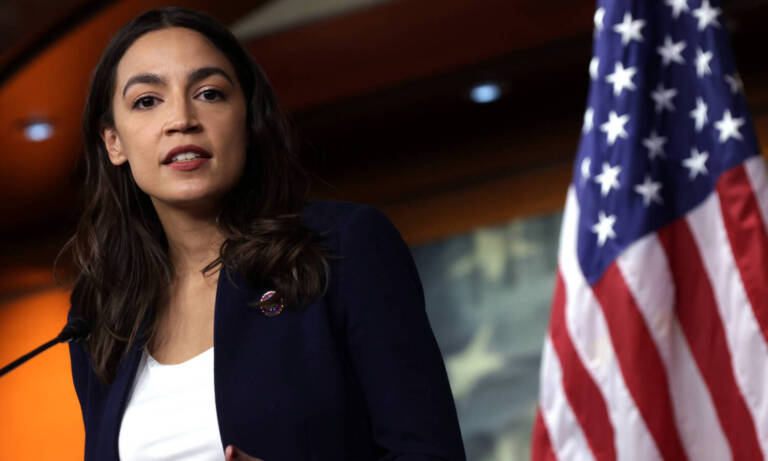
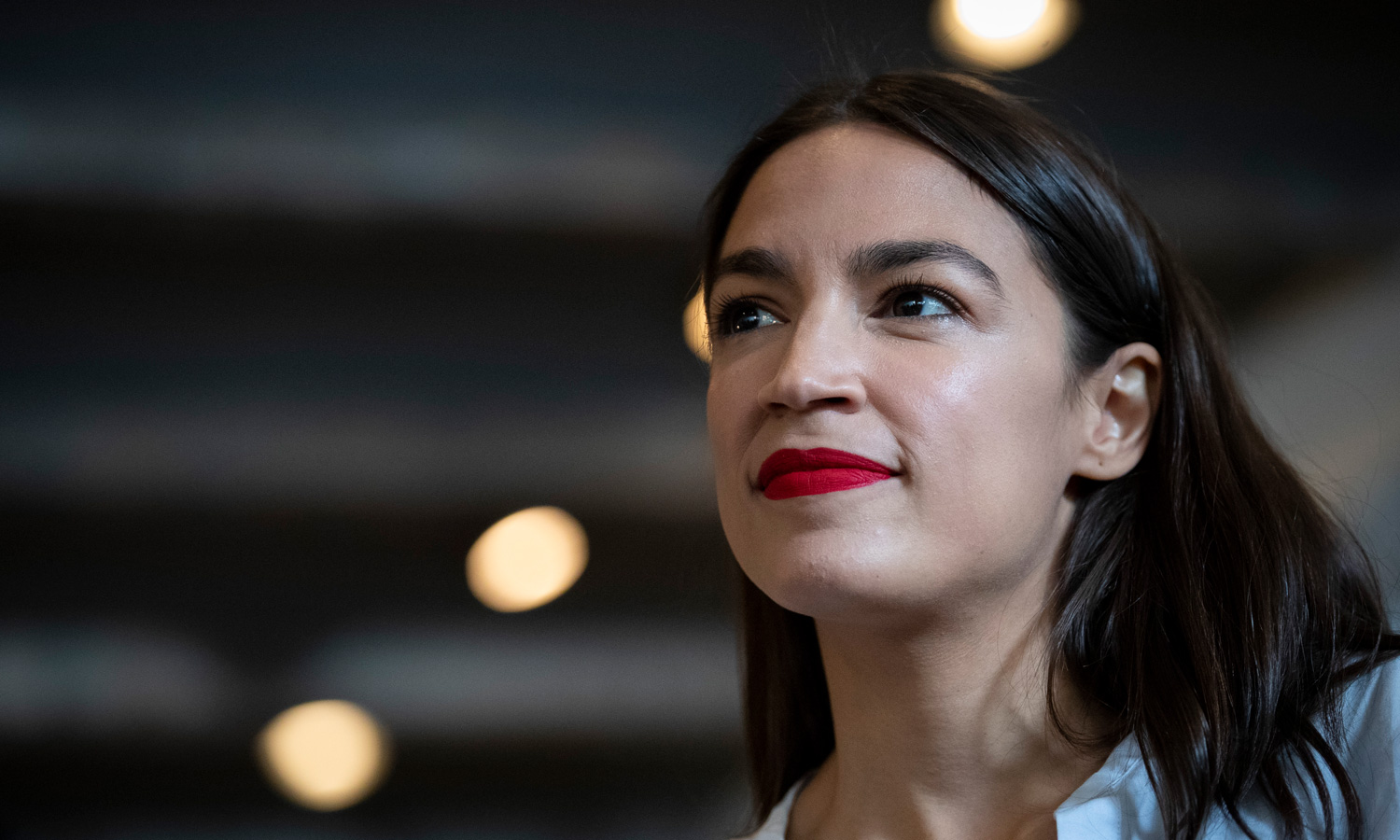
Rep. Alexandria Ocasio-Cortez (D-NY) is once again standing up for immigrants. In a Tuesday interview with Pod Save America, AOC applauded President Biden’s recent cannabis pardons but criticized them for excluding immigrants who were undocumented at the time of their offense.
Photo by Drew Angerer/Staff/Getty Images
She highlighted the importance of having a Democratic Party that fights for Latino communities and immigrants.
“The Democratic Party has not tried in terms of Latino electorates. And I mean, where’s our DREAM Act? Where is our immigration reform? And, even recently with President Biden’s marijuana executive order, I very much applauded that he went there, but he exempted people if they were convicted while they were undocumented,” the congresswoman said.
“That is 90%. We’re looking at the overwhelming majority of people who have been convicted that would benefit from that pardon, they have status complications,” AOC added. “We really need to step up, both in our efforts on campaigning but also our efforts in governance.”
The U.S. Sentencing Commission (USCC) from 2016 noted that 92% of all federal cannabis possession cases in fiscal year 2013 occurred at the southern border and 94% of those arrested were nonresidents, reported Marijuana Moment.
“I see these conversations, and it’s tough because on the other side, they have no qualms about having an anti-immigrant message, but I think we get scared of that,” said the NY representative. “And that segmentation prevents a clear message, and that lack of clarity makes it hard to win people over.”
This is not the first time Ocasio-Cortez has commented on the issue. She raised the question shortly after Biden’s announcement. “If the US is admitting these laws were unjust, then we shouldn’t discriminate pardons based on citizen status. Let’s get that liberty and justice for ALL,” she wrote on Twitter.
This is truly great news.
And for people to truly be freed from having their lives haunted by unjust marijuana convictions, we must work to *expunge* records beyond pardoning.
Between that and descheduling cannabis, we can make huge steps forward for so many communities. https://t.co/cJVAvyOM0n
It is important to note that Biden’s pardons are estimated to benefit approximately 6,500 Americans, while some 40,000 people who were convicted on a state level remain unaffected unless state governors take Biden’s suggestion and do the same. Biden’s cannabis pardons also do not apply to members of the U.S. military, confirmed a White House official.
Taking all these “exemptions” from the pardons, it comes as no surprise that cannabis activists protested outside of the White House on Monday, urging Biden to keep on his promise and release those incarcerated over marijuana-related offenses. The action was organized by Students for Sensible Drug Policy (SSDP) the Last Prisoner Project (LPP) and DC and Maryland Marijuana Justice (DCMJ/MDMJ).
Watch AOC’s interview in which she criticizes Biden’s pardons:
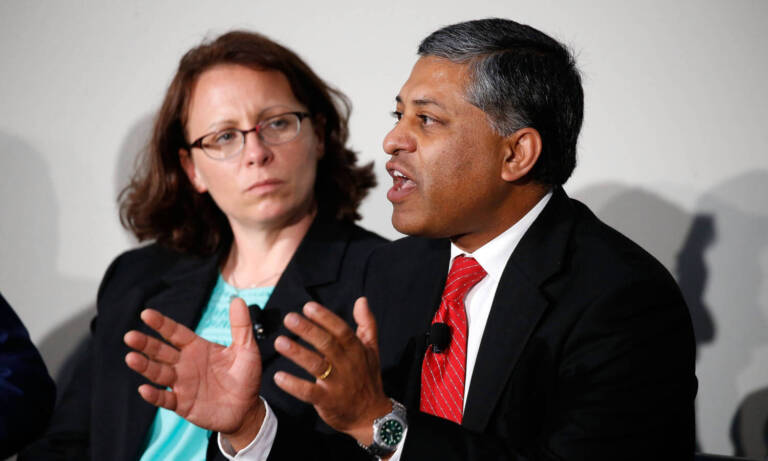
Dr. Rahul Gupta talked to the Washington Post about marijuana’s future, its impact on youth, and its medicinal potential.
The director of the Office of National Drug Control Policy wants to make it clear that teen use of marijuana shouldn’t deter politicians and researchers from exploring the drug’s medical potential.
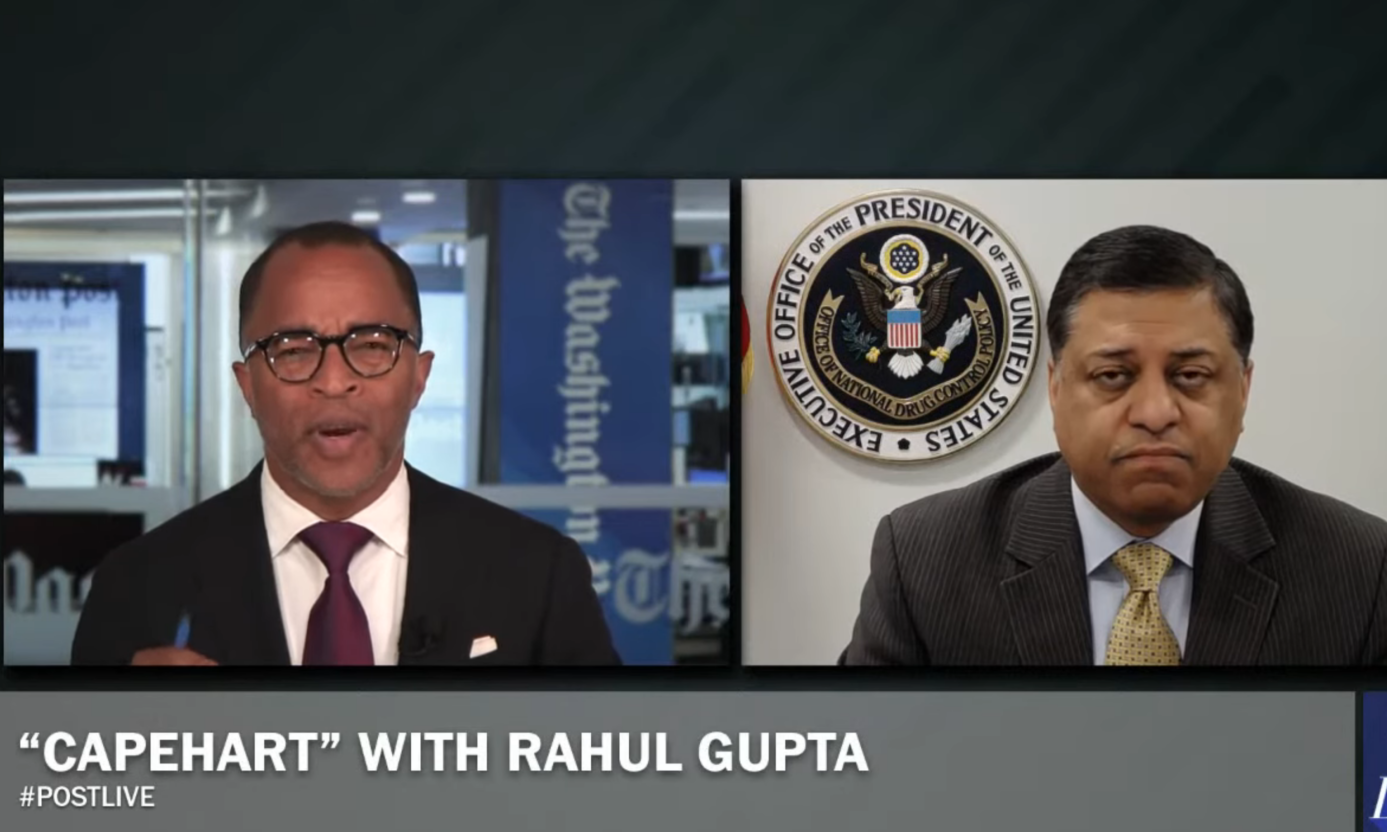
During a recorded interview with The Washington Post, Dr. Rahul Gupta spoke plainly about two of the most pressing issues with marijuana: its medical capabilities and its impact on the developing brain. “We know that there’s data behind supporting medical uses for cannabis. We also know that there’s plenty of evidence that, when we talk about children and the growing brain, the use of marijuana does impact negatively the areas of their emotions and learning,” he said.
Gupta said any substance in the growing brain isn’t good, but that “it doesn’t “nullify the medical benefits that have been documented in science.” He concluded that a lot of science is developing and that there’s been a lot of bans that have prevented researchers from doing a thorough job of studying it.
Earlier in the interview, WP associate editor, Jonathan Capehart, and Gupta talked about Biden’s marijuana pardon and the possible descheduling of the drug. “When do you expect that review to be done?” asked Capehart.
“It will be done expeditiously because the president has asked for it,” said Gupta. “What the president has announced is historic in nature. No one before in the history of the United States has made those proclamations.” Gupta also highlighted the fact that Biden called on governors of states to follow his example, since their decisions will likely affect the bulk of the cases Biden pardoned.
Screenshot via YouTube
“Is this the first step to decriminalization?” asked Capehart.
“Well, this is certainly a step that the president believes deeply in. He believes that people should not be arrested or convicted for sole possession or use of marijuana,” Dr. Gupta said, sharing some stats on marijuana arrests that occur on a yearly basis. He said that Black Americans have nearly four times more arrests when compared to white Americans.
“When you have that ding on your record, you can’t get public housing, you can get government loans, you can’t get employment,” said Gupta. He concludes that looking beyond policy, Biden’s approach will change lives.
Despite the fact that most Americans are on board with legal weed and believe it would help the struggling economy, only 8% consider it the most-pressing social issue in the country.
The majority of Americans (71%) believe that legalizing cannabis improves states’ economies, according to a new report from Real Estate Witch, an online publication that connects readers with expert real estate advice, owned by Clever Real Estate.
A survey of 1,000 Americans found that 9 in 10 (91%) support cannabis legalization in some form, including 67% who support full legalization. 70% would vote in favor of recreational cannabis legalization, and even more (84%) would vote in favor of medical cannabis legalization.
Photo by Olena Ruban/Getty Images
Of those in states where cannabis is not legal, 35% say legalization would impact their use, including 12% who would start using cannabis and 23% who would use it more often.
More than one-quarter (27%) of respondents in states where cannabis is already legal believe legalization helped the economy.
Additionally, 60% of Americans think cannabis legalization will impact the real estate market. Of those, 41% believe more people will flock to states where cannabis is legal.
More than 1 in 4 (27%) Americans believe that legalization improves home values in a state. Data confirms this — home values actually increased $6,338 more in cities where cannabis was legalized, according to a previous study from Real Estate Witch.
In fact, the survey found that most Americans (70%) would pay at market rate or more for a house near a cannabis-related amenity such as a dispensary or weed lounge — including 22% who would pay above market rate.
It follows that Americans are generally unbothered by local cannabis businesses — more than half (52%) say they would even consider buying a home next door to a recreational cannabis dispensary, and 56% would buy a home next door to a medical cannabis dispensary.
Photo by CasarsaGuru/Getty Images
Overall, 70% of respondents have used cannabis for recreational purposes at some point in their lives, including 25% who regularly use it. Most Americans think using cannabis recreationally is safer than tobacco (63%), alcohol (65%), prescription painkillers (72%), and other types of drugs (78%).
Despite the fact that most Americans are on board with cannabis legalization and believe it would help the struggling economy, only 1 in 12 (8%) consider it the most-pressing social issue in the country — suggesting that cannabis legalization is unlikely to weigh heavily on the minds of voting Americans.
A study looked into the supposed risk between liver transplants and marijuana users, an issue that has long prevented these people from getting the organs they need.
Despite the fact that large percentages of the US population are cannabis users, they’re often excluded from receiving liver transplants. This procedure is one that saves lives, and showcases an instance in which cannabis users are discriminated against.
Scientists and experts have historically had concerns regarding cannabis’s role in the body. In the case of liver transplants, there’s a concern that cannabis might create a bigger risk for infections.
Photo by CasarsaGuru/Getty Images
A new study tried to understand why liver transplants and marijuana remains a topic of concern. Published earlier this month in the American Journal of the Medical Sciences, the study surveyed different data in order to paint a picture of the risks of marijuana users who have managed to receive liver transplants.
Researchers analyzed the data from 111 patients who were also marijuana users. Only 32 of them received a liver transplant. Researchers compared the marijuana users who received a liver transplant with non-users who received the same procedure and found no statistical difference between the two.
Salon explains that fungal infections are often a concern when talking about liver transplants, especially in the case of Aspergillus, a fungus that’s also present in the cannabis plant. “The fear is that by ingesting a cannabis product contaminated by Aspergillus, it would complicate the transplant, resulting in failure or death.”
The study analyzed all possible factors and disproved these claims. “Our data indicates that marijuana is not associated with increased risk of postoperative noncompliance, other organ complications, infections, or death,” conclude the researchers. “As a single factor, marijuana may not need to be a contraindication for LT.”
While the study was small, it shows some of the ways in which the law and science discriminate against marijuana consumers, even when vouching for the user’s health. The data demonstrates how important it is for scientists to study the plant fully, especially now, as it gains popularity and is legalized across the country.
The state’s DOH said that they have “never” approved medical marijuana treatment out of Circle K gas stations.
Last week, Circle K made headlines when they shared their plans to sell marijuana out of their gas stations. This week, Florida’s health department is slowing things down.
The Washington Examiner spoke with the state’s Health Department, which made it clear that the partnership between Circle K and Green Thumb Industries has yet to be approved.
Photo by Ivan-balvan/Getty Images
“This project has not been approved by the State,” the department said. “Florida has never approved a Medical Marijuana Treatment Center to operate out of a gas station.”
Last week, Green Thumb shared a press release where they discussed their plans for expansion and their new partnership with Circle K, a convenience store chain headquartered in Canada.
Per the press release, Green Thumb’s marijuana brand, RISE dispensaries, would expand its medical access in Florida. “Starting in 2023, Green Thumb plans to launch its test and learn phase of the rollout with approximately ten “RISE Express” branded dispensaries adjacent to Circle K stores in various Florida locations,” reads the release. While the marijuana sales wouldn’t be operating out of the gas station, it’s the next best thing.
“The opening of RISE Express stores at Circle K locations is a game-changer. Convenience is a strong channel in retail, and people want more access to cannabis,” said Ben Kovler, founder of Green Thumb. “The new RISE Express model is a huge step forward in making it easier and more efficient for patients to purchase high-quality cannabis as part of their everyday routine when stopping by their local convenience store.”
This isn’t the first time Circle K has incorporated cannabis in its business plans. In Canada, its parent company launched a partnership with the marijuana retailer Fire & Flower, launching pick-up spots in various locations.
While Circle K’s marijuana plans may be on hold, the excitement that surrounds the issue is not. This pressure will likely move things along and stir plenty of conversation.
“Consumers are willing to pay more for cannabis products with higher THC content, and expect to pay less for cannabis products with lower THC content,” said the plaintiffs’ attorney.
A cannabis company from California is facing a lawsuit from two disgruntled users. The suit filed by plaintiffs Jasper Centeno and Blake Wilson claims DreamFields mislabeled their products, and ultimately overcharged customers.
The complaint alleges that DreamFields Inc. and Med for America Inc. violated the consumer protection laws of California, including California’s Unfair Competition Law and False Advertising Law, among other violations.
Photo by Los Muertos Crew via Pexels
DreamFields is one of the most popular cannabis brands in California, one that prides itself on selling pre-rolls that have higher than average THC.
But an independent lab test discovered that this wasn’t the case and that DreamFields Jeeter pre-rolls had less THC than they claimed. The packaging of the pre-rolls states that each joint had 46% of cannabis. The third-party test found that the joints had 23% and 27% percent of THC.
The lawsuit also cites an article from Weed Week, which tested the premium cannabis pre-roll brands in California. Among them were Jeeter pre-rolls, which all tested lower THC levels than advertised.
Weed Week found that this problem goes beyond DreamFields. The study found that potency inflation was “close to ubiquitous” in all the brands that were tested.
In a statement, the plaintiff’s attorney, Christin Cho, argued that joint prices are based on THC levels. “Consumers are willing to pay more for cannabis products with higher THC content, and expect to pay less for cannabis products with lower THC content.”
This thought process is also echoed by Weed Week, which explains that in a market as competitive as California, THC levels drive up sales and are the reason why many people choose one brand over the other.
The cannabis plant is made up of various parts, with all of them capable of impacting your high. While THC levels may determine how blasted you get, a variety of elements such as the plant’s terpenes, can determine how much fun you’ll have.