In August, Arkansas state officials announced that a proposed ballot measure to legalize recreational cannabis received enough signatures to qualify for the November ballot.
However, the State Board of Election Commissioners then proceeded to turn down the initiative from Responsible Growth Arkansas. The Arkansas Supreme Court ruled in September that voters can decide whether to legalize recreational cannabis, after all, overturning a decision by the Board of Election Commissioners.
Photo by PromesaArtStudio/Getty Images
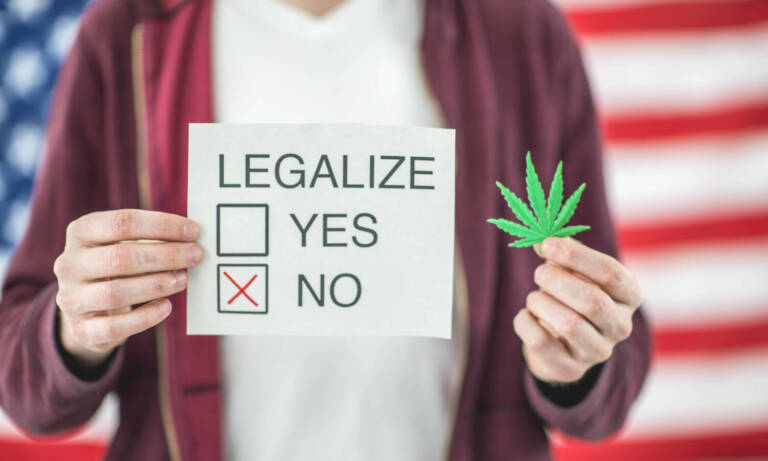
While support among Arkansans was substantial initially despite powerful opposition from the state’s governor and conservative officials who attempt to convince voters to say ‘NO’ to the cannabis legalization initiative, as midterms approach, the sentiment is changing.
A new survey by Talk Business & Politics-Hendrix College revealed that support has dropped, with roughly 51% of those asked saying they support the cannabis measure. On the contrary, the number of those who are against it is on the rise, as evidenced by 37% of poll participants who said they oppose the cannabis policy reform, reported Marijuana Moment.
Meanwhile, in addition to Gov. Asa Hutchinson (R) and U.S. Sens. Tom Cotton (R-AR) and John Boozman (R-AR), who are tireless in urging voters to vote against the legalization measure, David Couch, the attorney behind the state’s medical marijuana amendment, is working to defeat recreational cannabis legalization efforts as well.
Jerry Cox, executive director of the church-based Family Council Action Committee recently revealed that the committee has distributed roughly a half-million flyers undermining the efforts of marijuana activists. Couch is currently touring the state and meeting with church groups, chambers of commerce, as well as other groups and organizations that are against the proposed marijuana policy change.
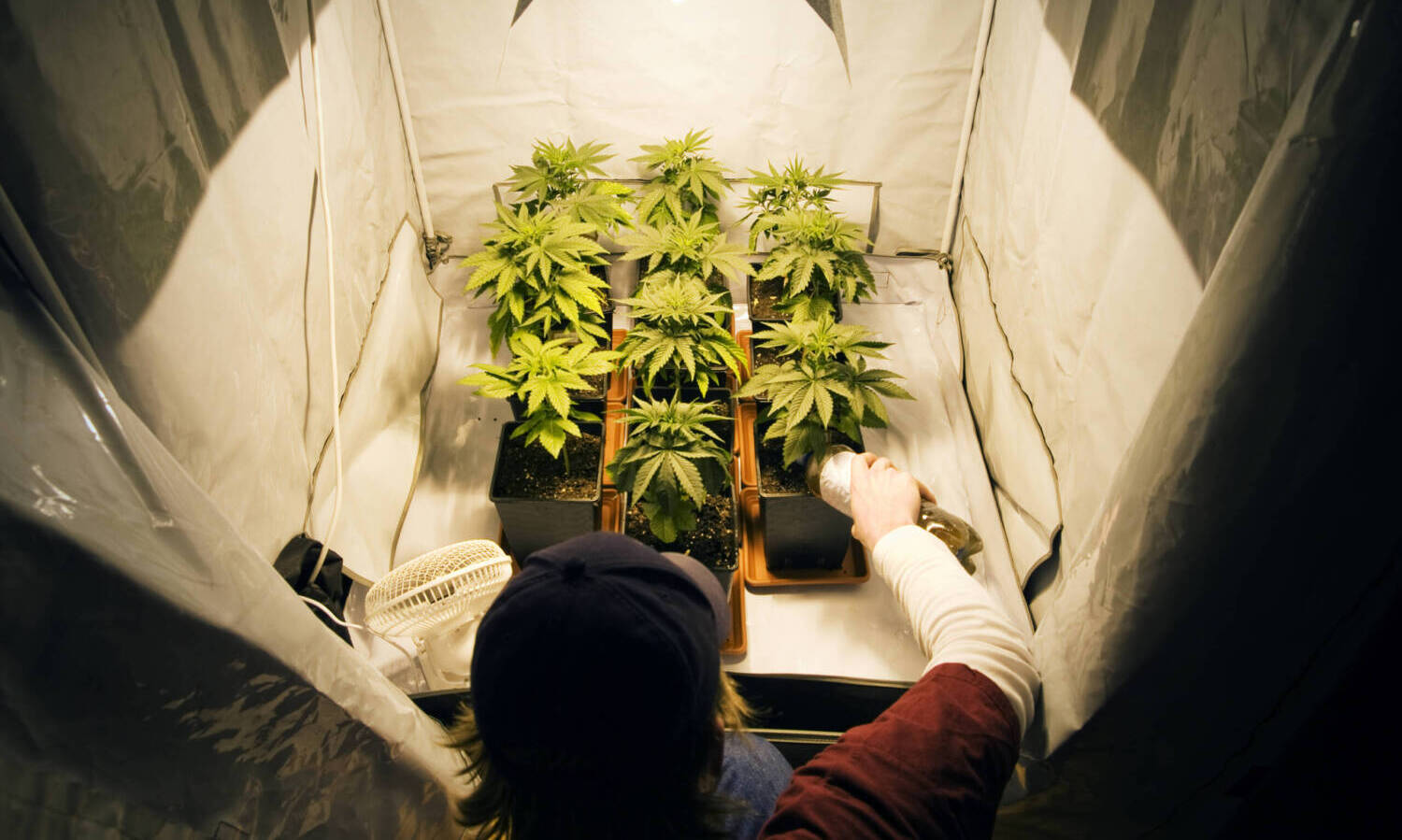
Seasoned cannabis growers know that seaweed is perhaps the best way to increase crop growth and boost the health of marijuana plants.
Seaweed is one of the healthiest and tastiest ingredients used in cuisines around the world. It’s a potent source of many nutrients, including iodine, B vitamins, vitamin K, iron, zinc, and even antioxidants; all of these offer tremendous health benefits for us. But did you know that seaweed is a potent superfood for your marijuana plants too?
In fact, seaweed has been used for agricultural purposes for centuries now. Since ancient times, people have been using seaweed to fertilize the soil and even make infertile soil, fertile. Research into the use of seaweed (as well as kelp) has boomed in modern times, proving the efficacy and usefulness of this humble weed to strengthen the growth of many crops, including marijuana.
Photo by DaveLongMedia/Getty Images
What Is Kelp and Seaweed?
Seaweed, also known as macroalgae or algae, is an umbrella term that refers to thousands of species of plants that grow in water. They can be found in different bodies of water including the ocean, lakes, and even rivers. Some species are microscopic and thus can’t be seen with the human eye, but they still serve an important purpose in marine ecosystems by supporting the food chain.
Kelp is a popular type of seaweed. It’s a large kind of seaweed that commonly grows in sea forests. Many seaweed fertilizers are made from kelp or a combination of other seaweeds.
Seaweeds do not contain internal vessels that transport nutrients around them. Because of this, they are able to absorb everything from the water directly, which is why they need to stay in water in order to survive.
Benefits of Using Seaweed Fertilizers
While there are many tried and tested ways to grow healthy marijuana plants, adding seaweed fertilizer to the mix can make it even better. It’s certainly a much better alternative to conventional fertilizers, and it can help your plants thrive despite being exposed to environmental stress including disease, pests, salinity, and drought.
Seaweed is considered a biostimulant for cannabis and other plants. Biostimulants refer to natural products, not limited to fertilizer, which can help promote the growth of plants when given in small quantities. In agriculture, biostimulants have been used to assist with responsible and sustainable agriculture.
Here’s why you should be adding seaweed as a superfood fertilizer for your cannabis plants:
Excellent nutrition: When seaweed grows in bodies of water, it absorbs many macronutrients, micronutrients, and minerals that it passes on to plants. No other fertilizer can match the nutrition profile of seaweed!
On top of the nutrients mentioned above, it also contains potassium, calcium, magnesium, boron, phytohormones, and fatty acids. When marijuana plants absorb these through fertilizer used, it gives them a serious nutrition boost that helps them grow and tolerate stress efficiently.
Improves moisture: When you add dry seaweed to the topsoil of cannabis in the same way you do with mulching, it’s an effective way to trap moisture within the soil. As a result, you will need to water less but you can have peace of mind that the cannabis roots are thriving.
Germination: Apply seaweed to marijuana plants will promote germination of seeds while also helping regulate the pH levels in the soil. In addition, it will improve marijuana metabolism when it increases the trace minerals within the soil so that the plants and roots can easily absorb the nutrients.
Fights bacteria: Using seaweed fertilizer provides excellent defense against microbes such as bacteria, parasites, and fungi. All of these are detrimental to the growth of any plant including cannabis, so you want to keep them away as much as possible while stimulating the growth of healthy bacteria within the soil.
Photo by Cappi Thompson/Getty Images
How to Use Seaweed as Cannabis Fertilizer
There are many different kinds of seaweed fertilizers already available in the market:
Liquid: Liquid seaweed extracts will likely need to be diluted, but to be sure, check the manufacturer’s guidelines. The dilution ratio will vary from one product to another though it is always best to check because you don’t want to risk overfeeding marijuana plants. Underfeeding is less risky than overfeeding.
Powder: Feeding your plants with a seaweed foliar spray offers numerous benefits. Just add around ½ teaspoon of powder for every 5 liters of water. You only need a small amount to feed the cannabis leaves.
Meal: Kelp meal is best added directly to the soil four months before you plant the seedlings. Doing so in advance will give the soil enough time to break the nutrients down, so that it’s efficiently absorbed by the soil. The typical volume for kelp meal is around 0.5kg / 9 cubic meters.
Below are ways you can use the fertilizer to improve the growth of cannabis plants:
Use seaweed to feed the roots of cannabis plants in all stages of its life cycle;
Soak seeds and cuttings in a seaweed solution;
Add kelp meal into the root zone;
Spray the foliage with seaweed extract – though this is particularly helpful when the plants begin to bloom. This should also be done during the start of the lights-on cycle;
Adding liquid extract or whole seaweed into compost together with other bio feeds;
Conclusion
Seaweed and kelp are wonderful organic fertilizers for all plants including marijuana. Seasoned cannabis growers know that seaweed is perhaps the best way to increase crop growth and boost the health of marijuana plants. Why not give it a try today?
A preliminary study found that marijuana consumers experienced more pain post-surgery, and were less affected by opioids.
A new study claims marijuana users might experience more pain following surgery. The research was presented at the annual meeting of the American Society of Anesthesiologists on Sunday, where researchers expanded on their findings and shared that marijuana users required more prescription drugs when compared to non-users.
The study was conducted with the data of more than 34,000 people who had surgery at the Cleveland Clinic. Within 30 days of surgery, over 1,700 patients had used marijuana.
Photo by Elsa Olofsson via Unsplash
These patients required more medication in order to remain asleep during their surgery, and had different brain waves, vital signs, and breathing patterns when compared to non-users.
“It’s not an enormous amount of additional pain compared to non-users, we found, but we can’t say don’t worry about it because it’s not too much,” said Dr. Elyad Ekrami, the lead researcher of the study. “They needed more opioids to cure their pain, so this is something that is meaningful.”
The study showed that marijuana users experienced 14% more pain during their first hours after surgery. This meant that they also consumed more opioids, approximately 7% more when compared to non-users. While researchers don’t understand why marijuana is affecting people’s pain responses, they have a few theories.
Ekrami shared that marijuana is known to affect pain receptors — in the case of frequent users, this means that the drug could be desensitizing them, making them more likely to experience pain and demand opioids. They also think that marijuana users might be using the drug to treat anxiety, which could then increase their pain reactions.
Photo by Jafar Ahmed via Unsplash
Still, not enough evidence is known on the matter, making it difficult for experts to provide marijuana users with a recommendation. Dr. Shalini Shah, chief of pain medicine at the University of California, Irvine, recommends patients to be drastically honest with their doctors, sharing the drugs they take prior to surgery. “Really have a frank conversation about, ‘Hey, what are my risks? What’s the best evidence? What should I do prior to surgery so I can have a healthy recovery?'” she said.
While the results have yet to be published, the study makes it even more pressing for researchers to have the necessary permits that would allow them to test the drug fully and provide users with accurate information.
A recent Gallup poll found that cannabis use among Americans modestly surpassed cigarettes and that its future use is likely to be shaped based on future legalization efforts and new research data.
A new poll conducted by Monmouth University found that nearly 7 in 10 Americans — fully 68% — support legalizing small amounts of cannabis for personal use, compared with just 26% who oppose it.
The poll comes two weeks after President Biden issued a pardon for those convicted of simple cannabis possession on a federal level and urged governors to do the same at the state level. The president’s move, by the way, received 69% support in the Monmouth survey. At the same time as he announced the pardon, Biden said he’d ask his administration to review marijuana’s classification as a Schedule I drug, a category that includes LSD, cocaine and heroin.
The Washington Post (WAPO) noted, with an air of surprise verging on delight, that when same-sex marriage was legalized nationwide, political and social scientists saw the societal shift as remarkable, even unparalleled…until now, wrote WAPO’s Aaron Blake. He noted that “compared to 25 years ago, poll numbers regarding cannabis legalization have flipped.” A 1997 ABC News poll showed only 22% supported legalizing the possession of small amounts for personal use and three-quarters opposed it.
“You can’t find another issue where attitudes have shifted so rapidly,” a political scientist told WAPO.
Is Weed Consumption More Popular Than Alcohol And Tobacco?
A Gallup poll released in August found that cannabis use among Americans modestly surpassed cigarettes and that its future use is likely to be shaped based on future legalization efforts and new research data.
In March, the endless debate over whether weed is safer and healthier than alcohol got a shot of info via a study published in the journal Scientific Reports that suggested that marijuana is approximately 114 times less deadly than alcohol.
All of this begs a question: what are our illustrious lawmakers and honorable President waiting for?
If conditional cultivators and processors have no outlet to sell their products to the public, the risk of diversion into the legacy market increases substantially.
According to a recent article from Upstate New York, the state of New York is confronting an issue commonly faced in the state-legal cannabis industry: a lack of banking options. The New York regulators need an account for the Seeding Opportunity Initiative fund of $200M which will go to renovations and build-outs for the first waive of Conditional Adult-Use Retail Dispensaries (CAURD). If New York cannot find a bank, it will certainly slow down the roll out of legal cannabis sales.
New York, like many other states, will have a closed loop system for cannabis. That means that only cannabis grown and processed by licensees can be sold by a licensed entity. For the market contemplated by the Marijuana Regulation and Tax Act (MRTA) to take shape, there must be a legal way for customers to buy cannabis.
Up to this point the focus has been on establishing conditional adult-use cultivators, processors, and dispensaries. The conditional cultivators and processors, by all accounts, are up and running. So what happens in the event that conditional dispensaries are not available in the short term? Licensed conditional cultivators and processors will need to sell their products somewhere and if there is no legal way to do that those crops will go to waste or, perhaps, find their way to unregulated markets.
I have no doubt that the Office of Cannabis Management (OCM) will do what they can to ensure that CAURD licenses are operating ASAP. But rumor has it that the regulators are considering other options if the CAURD licenses are not operational soon.
Photo by Anton Petrus/Getty Images
Delivery
New York’s passage of MRTA last year created a temporarily comfortable environment for legacy market operators. Although these businesses operate outside the scope of the law, they do so without much risk of criminal prosecution. Many of these legacy businesses deliver cannabis.
MRTA establishes a class of delivery license, but OCM has yet to open the application process for prospective delivery licensees. We have heard rumors that the OCM may fast track delivery licenses to deliver cannabis from conditional cultivators and processors to customers by partnering with legacy cannabis delivery services. This would take some of the pressure of off the CAURD license process. However, in order for this to happen, OCM will need to set up an application process, review applications, and grant licenses.
Winery Model
Another solution floating around would involve implementing some kind of winery model where customers can purchase cannabis directly from cultivators. This would allow producers, who are authorized to minimally process cannabis, to sell directly to consumers. However, for a winery model to work, it may take a change to the MRTA. Section 68 of MRTA grants cultivators the ability to sell to processors, not the public. The MRTA established the OCM and the OCM’s power derives solely from MRTA. While the MRTA granted the OCM and the Cannabis Control Board wide regulatory authority over New York’s cannabis industry but that does not mean that the regulators can alter what’s in the MRTA. OCM may not be able to establish a winery model for cannabis cultivators without a change in law.
Photo by 3 Pelos/Getty Images
Bottom Line
The OCM and New York lawmakers want MRTA to succeed. If conditional cultivators and processors have no outlet to sell their products to the public, the risk of diversion into the legacy market increases substantially. Although New York has lessened penalties for cannabis crimes, the state surely does not want to strengthen the unregulated legacy market. Hopefully, the CAURD licenses can operate in the near future. If not, OCM may open up other pathways for cannabis distribution. We’ll keep you updated on the Green Light Law Blog.
Daniel Shortt is a corporate and regulatory attorney based in Seattle, Washington who works extensively with entrepreneurs in the cannabis industry. You can contact him at info@gl-lg.com or (206) 430-1336. This article originally appeared on Green Light Law Group and has been reposted with permission.
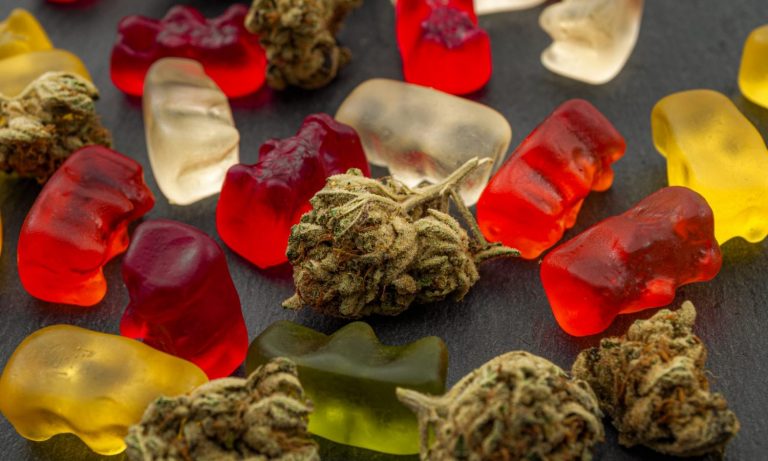
The FDA said THC edibles can be easily mistaken for commonly consumed foods — such as breakfast cereal, candy and cookies — and accidentally ingested, which can lead to adverse events, especially in children.
The Fresh Toast – Mother charged with murder after 4-year-old dies from THC edibles. A case everyone is watching.
Children falling ill from cannabis edibles is happening with more regularity as marijuana becomes mainstream as some adults are irresponsibly careless. And while, most of the time, kids end-up fully recovered, sometimes the things turn to real-life horror story.
Dorothy Annette Clements, a 30-year-old mother from Virginia, has been charged with murder and felony child neglect after her 4-year-old son died as a result of THC poisoning after eating his mom’s edibles, local police reported.
Clements was arrested Wednesday, two days after Spotsylvania County Grand Jury indicted her for the death of her son. Tanner Clements died on May 8 after suffering a medical emergency. The attending physician told detectives from the Child Victims Unit in charge of the case that the boy would still be alive if he’d received medical attention quickly after ingestion.
Clements told police she called poison control after her son ate half of a CBD gummy. She said representatives told her he should be fine. Doctors then confirmed that an autopsy report showed a high level of THC was the cause of death, writes NBC Washington. What’s more, detectives found an empty THC gummy jar in the house where Tanner was found.
Clements faces up to 40 years in prison on murder charges.
Poison Control warned that “serious and sometimes life-threatening side effects can occur in children who consume cannabis edibles,” which is why adults should keep these products out of reach from children.
What Should Individuals Do In Case Of Adverse Effects
The agency said it is engaged in finding the solution to this problem, constantly overseeing the market. It advises consumers to call 911 if someone is having a serious side effect from these products, to keep them out of children’s reach, and to call the local poison control center (1-800-222-1222) if a child has consumed these products without waiting for symptoms to appear.
Cannabis Copycats
More common reports about poisoning from cannabis edibles consumption usually come out around Halloween and are unfounded. At this time of the year, a part of the blame also goes to the companies producing copycat cannabis-infused products that look nearly identical to popular candy products.
In April, researchers at NYU School of Global Public Health revealed that “copycat” edibles can have levels of tetrahydrocannabinol or THC “that far exceed the limits set by state cannabis regulations” and may be easily confused for popular snack foods. Several weeks after, the US Food and Drug Administration (FDA) issued a warning to all consumers about the accidental ingestion by children of food products containing THC.
“Edibles are a popular and growing segment of the cannabis market. In states where cannabis use is legal, more than half (56%) of people who use cannabis consume edibles, with younger people more likely to do so,” reported NYU in a recent press release. “These copycat cannabis products are a public health concern given that people—including children—could mistake them for snacks and accidentally consume them. From 2017 to 2019, U.S. Poison Control Centers handled nearly 2,000 cases of young children ages 0 to 9 consuming edibles.”
The FDA said THC edibles can be easily mistaken for commonly consumed foods such as breakfast cereal, candy and cookies and accidentally ingested, which can lead to adverse events, especially in children.
Image: Courtesy of FDA
The agency further reiterated that some edible products are specifically designed to look like popular branded foods using similar brand names, logos, and package designs.
The FDA is aware of reports of copycat products packaged to look like Cap’n Crunch, Cocoa Pebbles, Cocoa Puffs, Froot Loops, Fruity Pebbles, Nerds Ropes, Starbursts, Sour Patch Kids, and Trix, among others.
From January 2021 to April 2022, the FDA received more than 100 adverse reports of both children and adults who consume THC-infused edibles. Some of those individuals had adverse events like hallucinations, increased heart rate, and vomiting and many needed up in the hospital.
While Washington is often seen as more divided and polarized as ever, Mace still believes it is possible to reach across party lines to get important legislation passed.
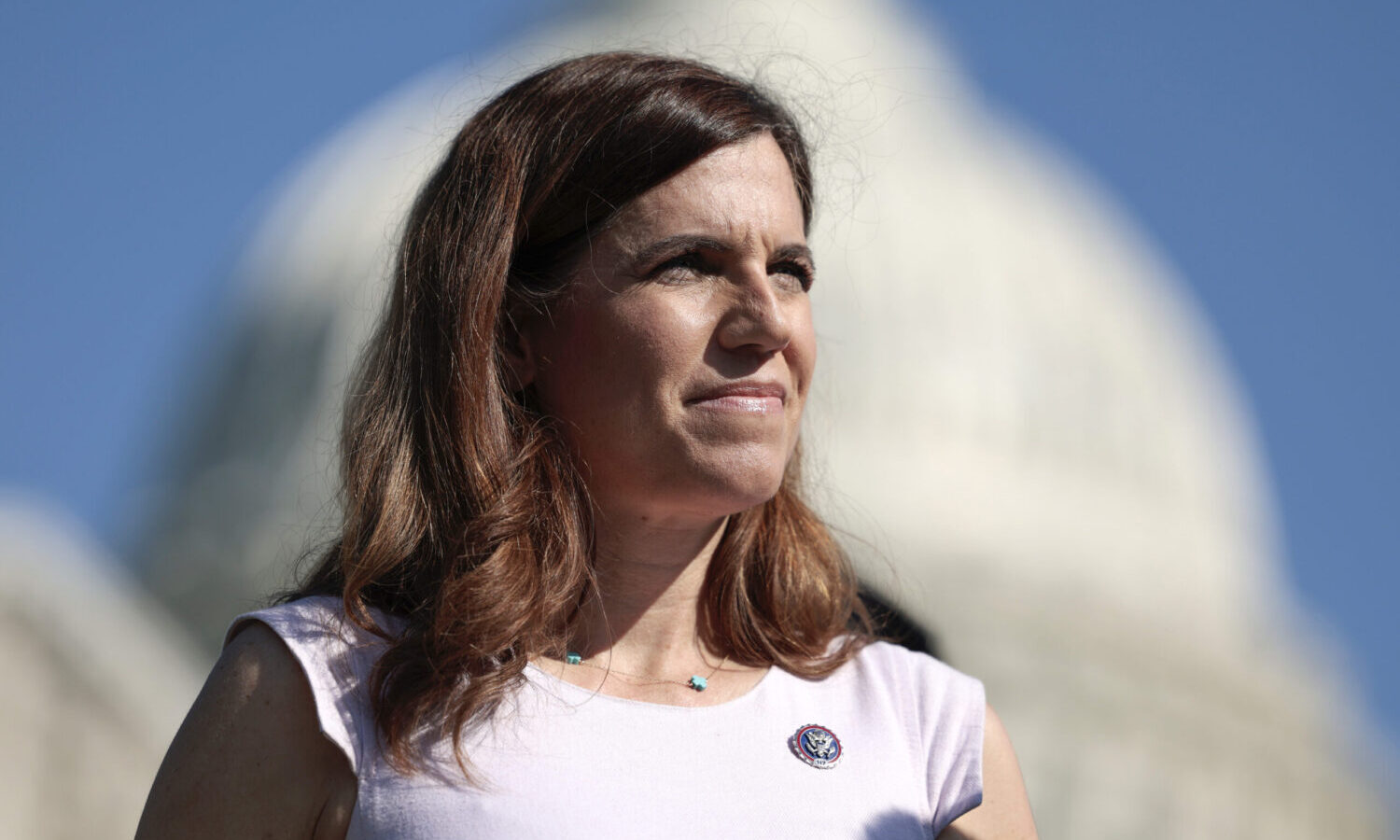
Congresswoman Nancy Mace is in the final stretch of her first re-election campaign as a Republican representative in a district she herself calls a purple swing district. Where many other members of congress who are up for re-election have toted party lines on all subjects, Rep. Mace set herself apart from some of her Republican colleagues once she introduced theStates Reform Act (SRA), a cannabis legalization bill that she says is the bestof its kind and she believes is the only one that has a real shot at becoming law. In a conversation, Rep Mace talks pardons, reclassification, and State Reform Act.
Mace is a unique Republican official in a political climate where it is sometimes considered dangerous to have opinions that vary from those of the powerful party base. In an interview with The Fresh Toast, she described herself as “a republican who is very pro baby, pro gun, pro gay and pro pot.” She recently won her primary by 8 points, where she explained finding common ground on issues as one key to her success.
Rep. Nancy Mace (R-SC) / Photo by Anna Moneymaker/Getty Images
This common ground is something that gave representative Mace some national media attention recently, when she, a Republican, commended President Biden, a Democrat, for pardoning those convicted of federal level for basic marijuana possession, as wereported in October. Saying positive remarks about the leading member of an opposing party is not as commonplace as it once was, but it is this bipartisan spirit, and the need to work together that Rep. Mace sees it as a key to the States Reforms Act’s potential success.
In regards to Biden’s recent pardon declaration of nonviolent marijuana offenders convicted of simple possession, Mace told us, “There’s still more to go yet, but it’s a good first step headed in the right direction, and something I think all of us on both sides need to be supporting.”
Mace expressed that the President’s pardons were a “nod to Federalism” in that these pardons free inmates on a federal level and encourage, but do not force, individual states to do the same. This distinction of creating laws, but allowing states the freedom to shape their own individual marijuana policies they think work best for their constituents is, according to Mace, imperative to finding bipartisan support for a cannabis bill like this.
“When you inject federalism and the rights of states on this particular issue, this is where we can find the most agreement on both sides of the aisle,” said Mace. “Because there is no way that you can do this and get it done if you don’t have republicans on board, and democrats alike.”
Now that Biden has issued these pardons the big question is what will happen next, on a federal level, to marijuana classification and scheduling. Mace, like the rest of America, is awaiting these next steps and written declarations. “What we’re hearing is that he cannot de-schedule but it’s going to be a rescheduling,” she said, “and then, what is congress’ role?”
Once more is known on this anticipated “rescheduling” or cannabis, Mace and other lawmakers can begin to know how the bill, and the legalization effort in general, can move forward. Mace is optimistic that this announcement and further progress can happen by the end of the year. “Whatever they decide, whether it’s 30 or 60 days form now — we are hearing they want to do it before the end of year — when we get the details and the fine print on the executive order and how far it goes on the rescheduling side of it, it’s what role does congress play in the next steps.”
Photo by Baris-Ozer/Getty Images
When it comes to congress’s role, one key element of the SRA that she points out is its bipartisan spirit, and to her, that is crucial if any marijuana bill hopes to be the bill that becomes law. “There are other bills out there that cannot pass both chambers, that cannot get bipartisan support. Where taxes may be too high, or they’re missing a regulatory framework.” One of these “other bills,” as we havereported, is a bill penned by Democratic Sen. Chuck Schumer and Sen. Cory Booker named the Cannabis Administration and Opportunity Act.
While Washington is often seen as more divided and polarized as ever, Mace still believes it is possible to reach across party lines to get important legislation passed. She acknowledged that regardless of the outcome of midterm elections, she will likely need at least 10 republicans to be on board with this bill. According to Mace, it’s about finding Republicans who get it, and “who are the 10 that can make this happen.”
In our conversation, she pointed to herself as an example of how a bill like this can garner the support it needs on both sides of the aisle, and become law. “You’ve got to be able to work together with people,” she said. “I mean I’m a republican from South Carolina putting forth non-partisan legislation that’s reasonable, responsible and fair, and safe.”
When asked if she thinks being anti-legalization or against cannabis in general will eventually make politicians in today’s world less electable, she said, “The longer we wait to do anything at the federal level and the states that are dragging on this issue, the worse it’s going to get. The less support those elected officials are going to have.”
She also mentioned a growing group of voters who are incredibly passionate on this issue. She can even see people voting on this issue just as some groups vote on other major issues like gun control and abortion can sway voters to one side and bring them to the polls with vigor. “There are coalitions that vote on very specific issues,” she said. “And I do believe this is a growing coalition of people who weren’t as vocal maybe in years past but are becoming more vocal, because the frustration is palpable.”
Congresswoman Mace is looking forward to the next steps, including a hearing with the oversight committee. This bipartisan hearing is set to take place in November after the election.
Saying that cannabis is a panacea would imply that cannabis cures all types of diseases. Even in real life, it’s difficult to find one solution that fixes every problem.
The cure-all cannabis narrative has left many rational humans with unsettling feelings about cannabis legalization. Just Google “cannabis -panacea” and what you’re likely to come up with are a number of rebuttals. If anything, the world is just moving from the prohibition era when cannabis was demonized for being one of the greatest ills in society.
“You smoke a joint and you’re likely to kill your brother.”
“Marijuana is an addictive drug which produces in its users insanity, criminality, and death.”
“Some people will fly into a delirious rage, and they are temporarily irresponsible and may commit violent crimes. Other people will laugh uncontrollably. It is impossible to say what the effect will be on any individual.”
“If the hideous monster Frankenstein came face to face with marijuana, he would drop dead of fright.”
With such a past that we are only beginning to recover from, it’s not surprising that any attempt to sanitize the herb is met with the level of fire and fury that it deserves. It doesn’t help that cannabis is still regarded as a compound with “no medical use and a high potential for abuse” under federal law. How then can the same plant be a panacea?
Photo by simpson33/Getty Images
What Is a Panacea?
Merriam-Webster defines panacea as “a remedy for all ills and difficulties.” Saying that cannabis is a panacea would imply that cannabis cures all types of diseases. Even in real life, it’s difficult to find one solution that fixes every problem.
So this panacea narrative automatically comes across as a desperate attempt at marketing snake oils to an unread audience. If anything, such “exaggerated” claims seem to be doing more harm than good to the legal industry, at least superficially. But is cannabis really a “cure-all” remedy and where does such a narrative even come from? Here is a good argument for considering cannabis as the ultimate panacea.
Endocannabinoid System Supports the Panacea Narrative
The Endocannabinoid System (ECS) is a unique system that’s responsible for maintaining a state of physiological balance in the body. In other words, it maintains a state of physiological balance in all bodily systems. The ECS has been implicated in the following vital functions in the body:
Pain
Sleep
Metabolism
Stress
Hormonal control
Immune Function
The endocannabinoid tone refers to the overall state of one’s endocannabinoid system. When the tone is insufficient it causes what’s referred to as clinical endocannabinoid deficiency (CECD) which is basically a state of disease.
Cannabis is the only known plant that produces compounds called cannabinoids that interact directly with the endocannabinoid system. In this way, cannabinoids are able to support a deficient endocannabinoid system and in the process bring healing as physiological hemostasis (balance) is restored.
A highly cited review study that was published in the Febs Journal concluded that “Targeting endocannabinoid system activity may have therapeutic potential in almost all disease affecting humans.” The study was titled, ” Modulating the endocannabinoid system in human health and disease: successes and failures.
Given the far-reaching influence of the ECS, is cannabis not “close enough” to being a panacea of sorts?
Qualifying Conditions Support the Panacea Narrative
Medical cannabis is legal in 37 states. These states have legalized medical marijuana programs and consequently a list of conditions that qualify for medical cannabis treatment. Even as the list of qualifying conditions keeps ballooning, what is there already is quite impressive as it ranges from the most basic to the most complex diseases. Some qualifying conditions include pain, nausea, epilepsy and seizures, multiple sclerosis, HIV/AIDS, cancer, PTSD, ALS, Alzheimer’s disease, and neurodegenerative diseases among others.
With such a list it’s not surprising that cannabis is considered a panacea.
More Clinical Research is Needed
Both preliminary and clinical evidence have proved that cannabis is not hype-up snake oil. Given the relationship with the ECS, cannabis potentially has several therapeutic applications, possibly more than standard drugs. Unfortunately, the schedule 1 status makes it difficult for researchers to explore this plant exhaustively. Not until there’s a change in the status quo will be able to understand the full therapeutic scope of cannabis and rule out every possibility of cannabis being the panacea.
CBD has been attracting more women than ever because of its ability to help with a wide range of women’s health issues.
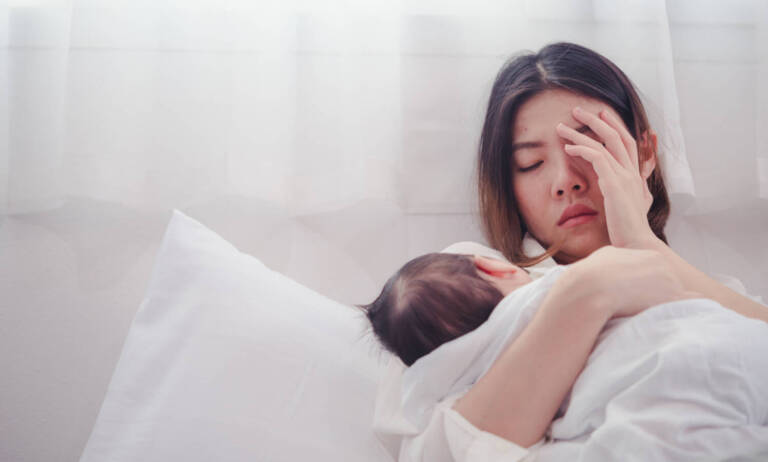
Giving birth to a healthy, beautiful child is the dream of every mother. However, there’s no way to prepare for the darkness that is postpartum depression. It can range in severity from mild baby blues to severe depression. When it’s more serious, it can induce symptoms in new moms such as extreme anxiety, mood swings, crying spells, thinking about hurting someone else including your baby, anger, and much more.
The symptoms of postpartum depression can last anywhere from a few days after labor to as much as a weeks, and even months beyond especially if you haven’t treated it. Untreated postpartum depression can actually be a dangerous situation for both mother and child, which is why medical help is necessary.
Postpartum depression is more common than we think. According to experts, around 85% of mothers will go through some kind of mood swings after giving birth. Despite this, treatment can be tricky because of all the new things a mom is going through especially with physical change, lack of sleep, and the fact that you are breastfeeding so it isn’t advisable to take mood stabilizers when doing so. Ensuring that you get proper self-care and rest is essential for nipping postpartum depression in the bud, and natural treatment.
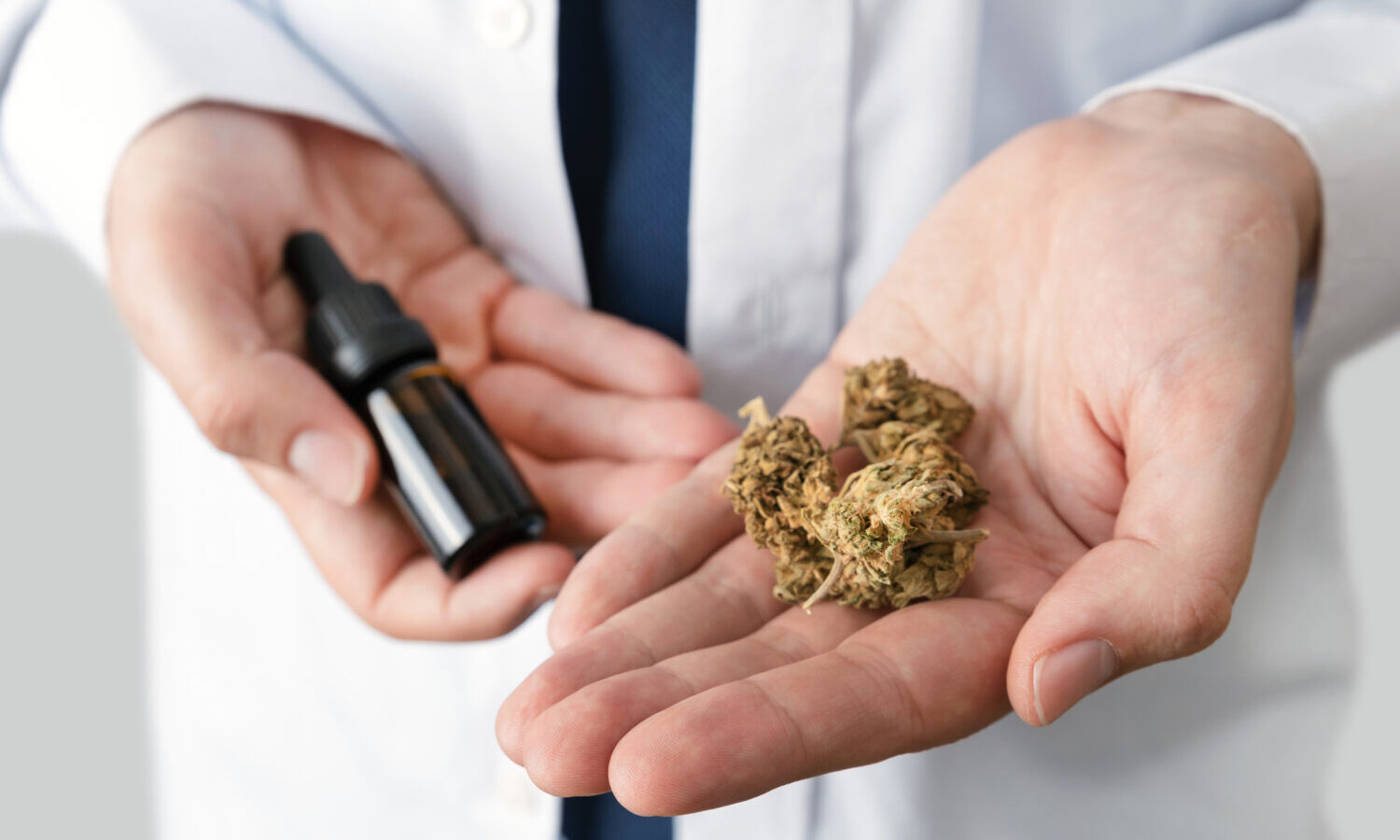
For many moms, cannabidiol (CBD), the non-psychoactive compound in marijuana, has been a lifesaver.
How CBD Can Help Moms Fight Postpartum Depression
CBD has been attracting more women than ever because of its ability to help with a wide range of women’s health issues. Millions of women are now taking CBD, and companies have even created entire lines of product specifically focused on women’s health.
There have been numerous studies backing up CBD’s efficacy in treating depression, anxiety, and mood disorders. In one study from 2021 conducted by Realm of Caring (ROC), individuals who consumed artisanal CBD products were shown to have significant decreases in symptoms of depression and anxiety, as well as better sleep and less pain. The study also clarified how much CBD was effective to treat mood disorders.
“The biggest misconception this study addresses is that CBD doses need to be between 400-600mg before positive psychiatric effects can be achieved,” explains Dr. Nicolas Schlienz, Realm of Caring’s Research Director. “We observed positive effects in people taking an average of only about 60 mg per day, 1/10 of that dose,” he added.
In a 2021 study, researchers analyzed the benefits of laboratory tested CBD over the course of six months on 279 subjects. The participants were suffering from moderate to extreme cases of anxiety, depression, and pain. Those who had more severe cases demonstrated great relief from taking CBD. “This study on CBD-rich products demonstrates the potential of RWE (real-world evidence) for the advancement of medical cannabis research and practice guidelines, especially in a world where CBD use is exponentially increasing but scientific data are limited. It revealed that CBD-rich treatments have a beneficial impact on patients with self-reported moderate or severe symptoms of pain, anxiety, or depression and overall wellbeing but not in patients with mild symptoms,” the authors wrote.
Photo by Fanny Renaud via Unsplash
Unfortunately, as of the time of writing, there is still a lack of studies focused on the effects of CBD on breastfeeding mothers as well as the breastfed baby. Experts are still collecting data to determine if there is any impact. The studies we do have show that THC can be passed down to the baby through breastmilk, even though ancient cultures have been using THC even while breastfeeding (and still do, such as mothers in Jamaica). It’s worth stating that mothers already contain some level of cannabinoids in breast milk which are produced by our very own endocannabinoid system.
The presence of endocannabinoids are important because they contribute to the development of babies. They are vital in stimulating appetite and encouraging babies to suckle, and it’s widely demonstrated that breast-fed babies are clearly much calmer after they feed. It is a known fact that endocannabinoids are present in breastmilk though scientists are still unsure which ones these are.
Mothers who are interested in using CBD for postpartum depression are recommended to talk to their health care providers. It’s also important to do your own research on products and brands, as it’s always recommended to choose CBD products that are made by reputable manufacturers. Using isolate and clean, organic CBD is your best chance to avoid consuming those that may contain harmful contaminants including bacteria, pesticides, and heavy metals. These can cause harm to the baby as they are transmitted through the breast milk. You also want to consume hemp-derived CBD that doesn’t contain any traces of psychoactive THC.
Currently, the FDA still advises against the use of any cannabis product while breastfeeding. But we hope that new research changes that. At the end of the day, this is a choice between breastfeeding moms and their doctor.
Photo by RODNAE Productions via Pexels
For those who want peace of mind, you can opt to use topical CBD products because these don’t enter the bloodstream the way that edibles, inhaled CBD, and drinks do. In fact, many moms also find relief using topical CBD to help with sore nipples and muscles.
In addition, there are other things that moms can do to help speed up healing from postpartum depression. These include getting regular mild exercise, asking for help, working with a therapist, and maintaining relationships with loved ones during your recovery.
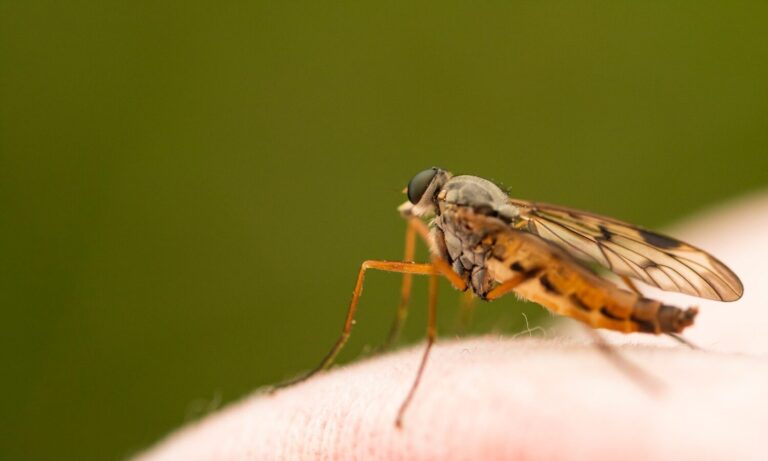
Some people attract more mosquito bites than others. And now researchers think they know why.
Some people attract more mosquitoes than others. Or so they say. But researchers found that this statement might have some merit and that it’s possible for mosquitoes to have some preferences in the humans they bite.
While theories suggest that blood type, clothing and bacteria have parts to play when it comes to mosquitoes’ decision to bite humans, a new study suggests that smell has something to do with this.
Photo by Samantha Gades via Unsplash
The study, published in the journal Cell, suggests that mosquito preference is based on someone’s smell. Sadly, it might be something that’s innate in people and thus something they can’t change or influence over the course of their lives.
The study was conducted over a three year period and involved eight participants who would wear nylon stockings over their arms for six days. Researchers would then take these stockings and expose them to mosquitoes in order to see which stocking they would naturally gravitate towards.
Researchers found that one of the participants in particular was four times more attractive to mosquitos than the runner-up participant. They were also 100 times more attractive than the least attractive participant.
In a statement from Rockefeller University, the study’s lead author, Leslie Vosshall, wrote about carboxylic acid, an element that the subjects that mosquitoes loved produced in larger quantities. “There’s a very, very strong association between having large quantities of these fatty acids on your skin and being a mosquito magnet,” she said.
Researchers said that they wanted to see if mosquitoes would be attracted to different people, but that wasn’t the case. Results showed that mosquito magnets are likely to remain that way throughout their lives, thus being more exposed to various diseases.
“Some subjects were in the study for several years, and we saw that if they were a mosquito magnet, they remained a mosquito magnet,” said Maria Elena De Obaldia, another of the study’s authors. “Many things could have changed about the subject or their behaviors over that time, but this was a very stable property of the person.”
Still, the research could prove useful in the future, especially when it comes to making effective mosquito repellents.