During a recent town meeting, Sanders expressed his concern over teens and their love for weed. Still, he had some encouraging words for cannabis legalization.
Bernie Sanders is pro-marijuana, yet he is still concerned over some of the harms of the drug, especially in reference to teens.
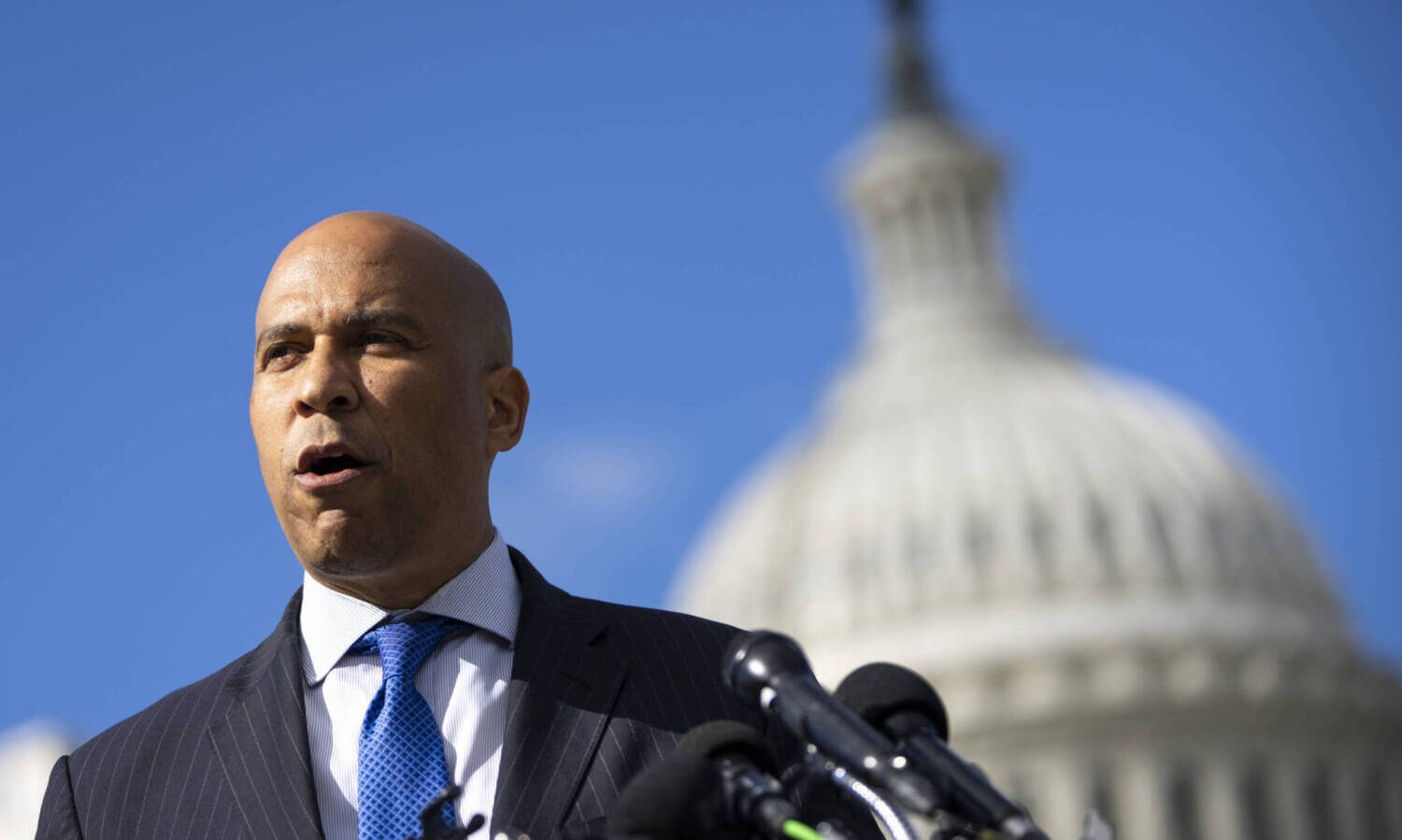
The senator recently stopped by Mount Anthony Union High School in Bennington, Vermont, for a town hall where he spoke about a wide range of topics from climate change and health care to teens smoking marijuana.
“It’s terribly important for me to hear what’s on the minds of young people. They are the future of the country,” said Sanders.
Photo by Joe Raedle/Staff/Getty Images
A member of the audience asked Sanders’ opinion regarding Biden’s marijuana pardons, and the effect that that would have on marijuana charges. Per the Bennington Banner, the question was met with an excited reaction from the audience, which made Sanders frown.
Sanders said that the topic of marijuana is one that often is brought up in high school events. “That worries me, to tell you the truth,” he said. Still, Sanders said that while he’s not a fan of drugs and alcohol, he believes marijuana should be legal in every state in the U.S.
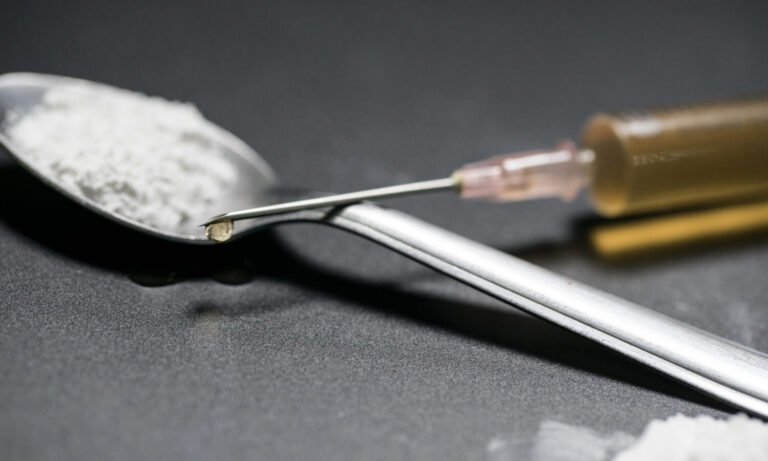
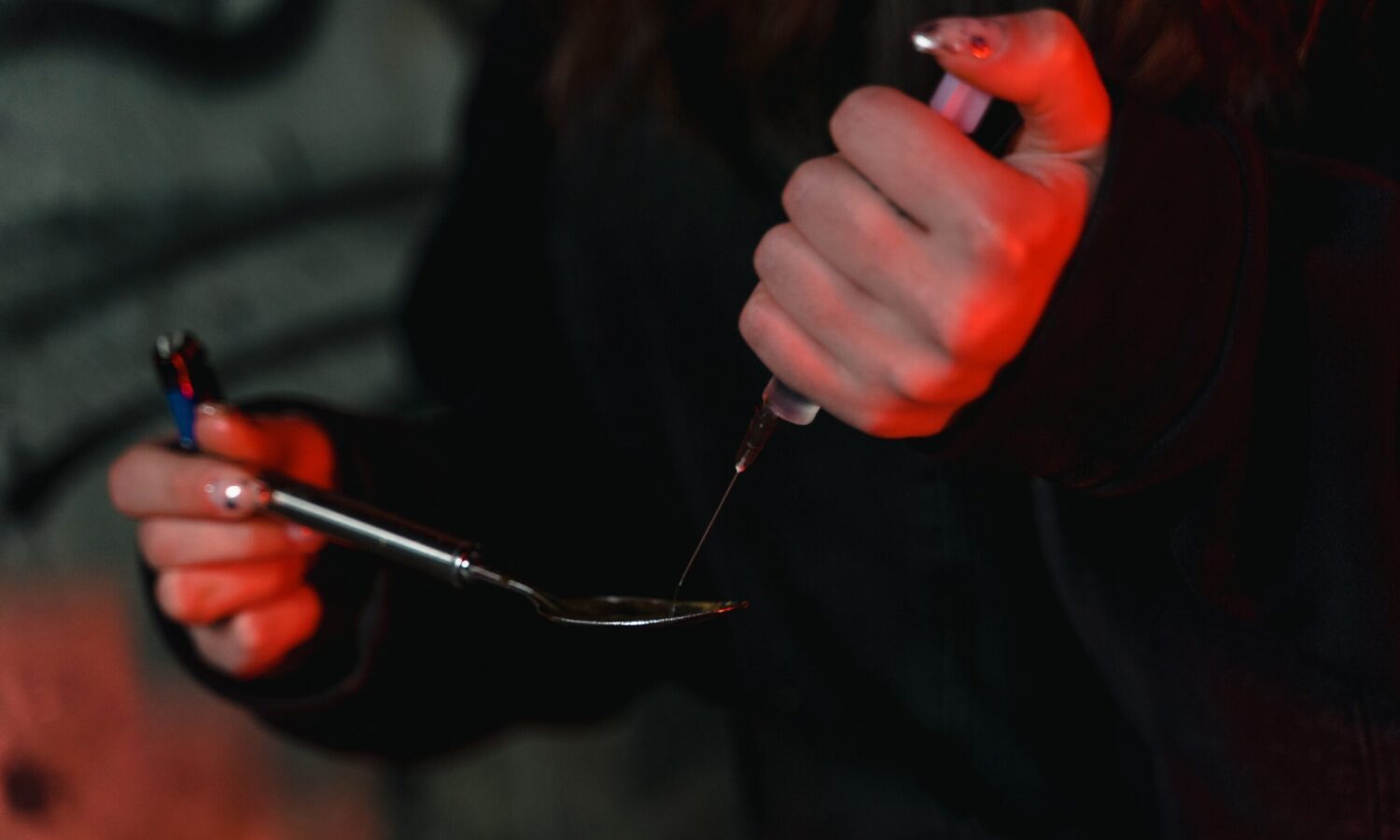
Sanders also made sure to differentiate between marijuana and other drugs that have more serious and dangerous side effects. “Heroin is a killer drug,” he said. “Fentanyl is even worse, and fentanyl sometimes gets mixed in with the heroin. … Marijuana is not heroin, it is not fentanyl, it should be not lumped together.”
Sanders has long been a proponent for the decriminalization of marijuana, and its legalization. When Biden’s pardon was issued, Sanders supported his decision, sharing his approval on Twitter.
I have long believed that marijuana should be legalized and those arrested for possession should be pardoned and have their records expunged. The President’s executive action today is an important step forward, but much more needs to be done.
“I have long believed that marijuana should be legalized and those arrested for possession should be pardoned and have their records expunged. The President’s executive action today is an important step forward, but much more needs to be done,” he wrote.
The main advantage of autoflowers is that you don’t have to worry about the changing seasons, which is excellent for beginner growers.
Autoflowering marijuana is a type of cannabis that doesn’t rely on the change in light cycles to start flowering. Instead, it flowers automatically after a certain time has passed since it’s been germinated.
For growers, this means that you can get two crops in one year, making autoflower marijuana a big business opportunity. For consumers, it means you can get high-quality cannabis with less waiting time.
But that’s not all autoflowers are good for as some strains are resistant to pests and mold, making them an ideal choice for growers who live in humid climates.
What does autoflowering mean?
As a result of its harsh environment and limited sunlight, a type of cannabis often called Cannabis ruderalis emerged centuries ago in very cold northern areas. We say “often called” as there is genetic evidence that suggests these taxonomic classifications are inaccurate. (Want to know more? Check out Cannabis sativa Vs. “Sativa”) Cannabis in this region began flowering after a period of time, thus acquiring the name “autoflower.”
So, what does the autoflowering feature actually do?
Essentially, this type of cannabis automatically flowers under virtually any light condition, which means they don’t need to follow the 12 hour day/night cycle in order to bloom, as they can thrive in 24 hours of light from seedling to harvest. In contrast, this process is not the same in traditional strains, which rely on a consistent pattern of darkness alternating with light.
Cannabis plants reach the flowering stage when fully mature.
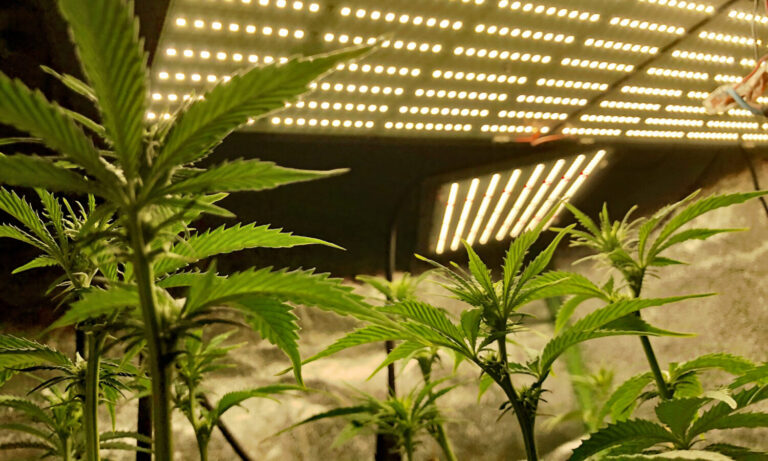
In outdoor cultivation, marijuana plants from traditional seeds begin flowering or growing buds as fall approaches and the sun sets earlier and earlier. As a result of this light reduction, cannabis plants trigger their flowering phase and produce buds. When plants are grown indoors, the flowering cycle can be controlled by reducing the amount of light they receive from 18 hours a day to 12 hours.
Photo by DaveLongMedia/Getty Images
The evolution of autoflowering cannabis plants
The autoflowers that initially hit the marketplace at the beginning of the 2000s weren’t that impressive. They lacked potency, the aroma was weak, and yield was disappointing.
While wild cannabis plants tend to have a low level of THC, breeders worldwide have created some spectacular autoflower strains by crossing them with popular commercial strains. Those breeders perfected the process, resulting in an explosion in the number of autoflowering seeds. These strains are ready to harvest within 60 days from seed, stay between 30 and 100 cm high, and produce between 20 to 30% THC.
What are autoflower pros and cons?
Autoflowers have a number of distinctive features:
Flowering occurs naturally between two and four weeks after planting.
Typically, it takes ten weeks from planting to harvest.
Autoflowering seeds are usually feminized. This means there are typically few male plants.
Plants remain short (30–100cm).
Many popular strains are available in autoflower form. For example, “Blue Dream Auto” combines features of Blue Dream and autoflowering strains, so the plant retains a lot of Blue Dream attributes but makes grows faster.
The main advantage of autoflowers is that you don’t have to worry about the changing seasons, which is excellent for beginner growers. Additionally, autoflowers grow rapidly, so you can usually get two harvests in the same period of time it would take you to get one harvest.
Photo by CasarsaGuru/Getty Images
What are autoflower seeds?
For beginners, autoflowering cannabis seeds are the most suitable seeds because of their small size and ability to grow in small areas. They are also very resilient and strong, so beginner mistakes won’t damage them.
Growing autoflower seeds
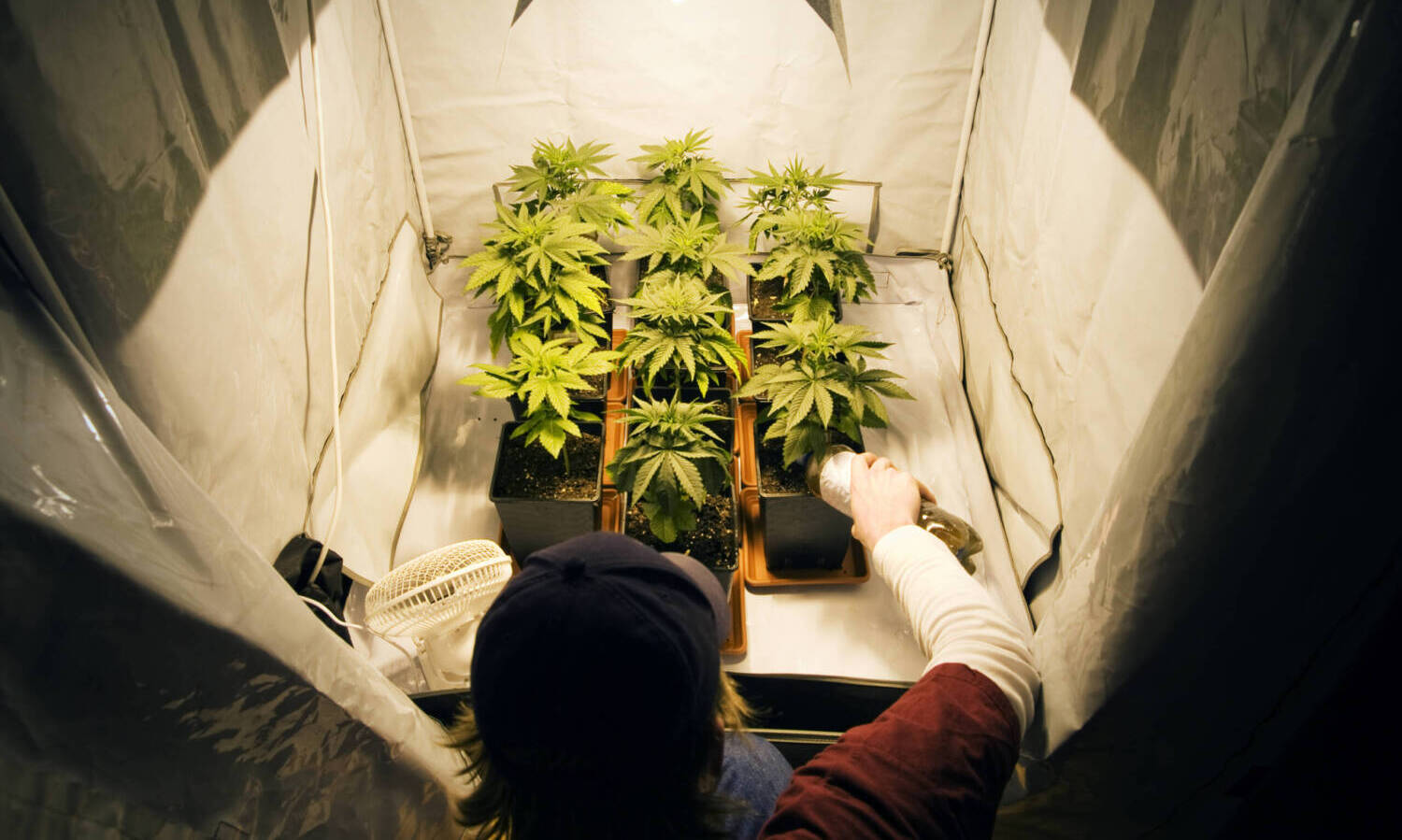
Choose an environment indoors or outdoors for growing autoflower seeds. Providing seeds have at least 18 hours of direct sunlight per day in an indoor environment, you can cultivate the seeds any time of the year. However, the ideal time to grow seeds outdoors is in the spring, when daylight hours are plentiful.
In any growing environment, autoflowering seeds don’t require a high level of nutrients as they work independently. Autoflower seeds also have the advantage of being able to survive in extreme weather conditions, including freezing temperatures.
Plants grown in pots indoors must have drainage holes to ensure adequate oxygen flow. In addition, it’s a good idea to allow your seeds plenty of room for flowering because some autoflowering strains can grow up to four feet tall.
Where to buy autoflower seeds
Autoflower seeds are available for purchase online from cannabis seed retailers.
“I think it has a good chance because our Republican allies also understand that if one of the houses of Congress shifts to Republican, it will be very hard to do anything about marijuana,” said Booker.
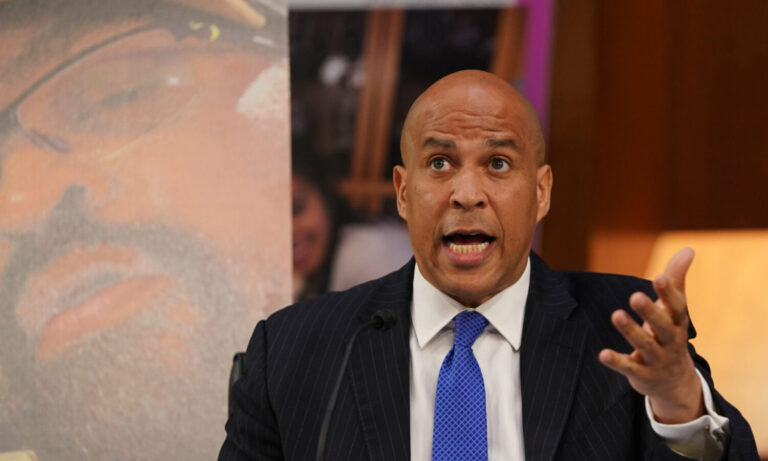
In a recent interview, Sen. Cory Booker (D-NJ) told NJ.com’s Dave D’Alessandro that cannabis reforms are on the right path and that Congress has a “good shot” of passing them during the lame-duck session after the midterm elections.
An Optimistic Perspective
Booker, along with Senate Majority Leader Chuck Schumer (D-NY) and Senator Ron Wyden (D-OR) introduced a marijuana bill in July that would decriminalize and deschedule cannabis on the federal level, said that he recently discussed the legislation with Schumer and he felt they’d made progress.
“It’s very likely that during the lame duck — before the new Congress — we’re going to see a really good bipartisan attempt to move it. Maybe it’s not the bill I wrote with Schumer and (Ron) Wyden, but an effort to tie in restorative justice and some fair banking provisions,” Booker said.
“I think it has a good chance because our Republican allies also understand that if one of the houses of Congress shifts to Republican, it will be very hard to do anything about marijuana. We’ve got a good shot. I wouldn’t say it’s a great shot, but it’s on a good path.”
Photo by Drew Angerer/Getty Images
Social Justice: A Priority
The bill that passes the Senate must address areas such as restorative justice, making the banking industry equally available, investing tax revenues (to help with addiction and create economic opportunities), and deal with “the sins of the past,” Booker said.
With legalization, “the communities most impacted will benefit in three ways,” Booker said. “One is the criminal justice way, which Biden has started to move towards. The second is reinvesting the tax revenue from legal businesses into the communities that were disproportionately impacted (…) And the third area is in business opportunity: I thought it would be equally shared, but there were dramatically fewer minorities with licenses.”
More Steps To Be Taken
Regarding the measure recently announced by Biden, pardoning people convicted for federal cannabis possession and calling on federal agencies to reclassify marijuana, Booker said that the impact of the president’s action “is stunning.”
However, there’s more to be done. “The fact that we are deporting parents of American children for marijuana possession should outrage every American,” he added, referencing one group that was left out of the president’s clemency action. “And obviously, the folks who have been making these low-level sales, we should look as we move closer to a majority of states moving toward legalization.”
Nevertheless, Booker hailed Biden’s action. “He and I had conversations during those debates — off stage — that were meaningful to me. Because he committed to me to do the things he did [last] week. I just think that’s a powerful thing for your elected leader to say he’s gonna do something and then follow through,” Booker said.
Whether you’re 20, 25, 30, or 40, it’s never too early to start using CBD to prevent the detrimental effects of aging. Here’s why.
Realizing that you’re getting old can be a tough process. For some, it comes with cracks and pains with even the slightest movements. For others, it’s the sign of wrinkles where taut skin once was, and the lack of energy. We all want to age as gracefully as possible, but it’s harder than it sounds. After all, how do we fight gravity and time?
While there’s no way to prevent getting old completely, there are certain things we can improve within our lifestyle to ensure that getting older is somewhat less painful on our bodies, minds, and overall appearance. Integrating cannabidiol (CBD) is one of them.
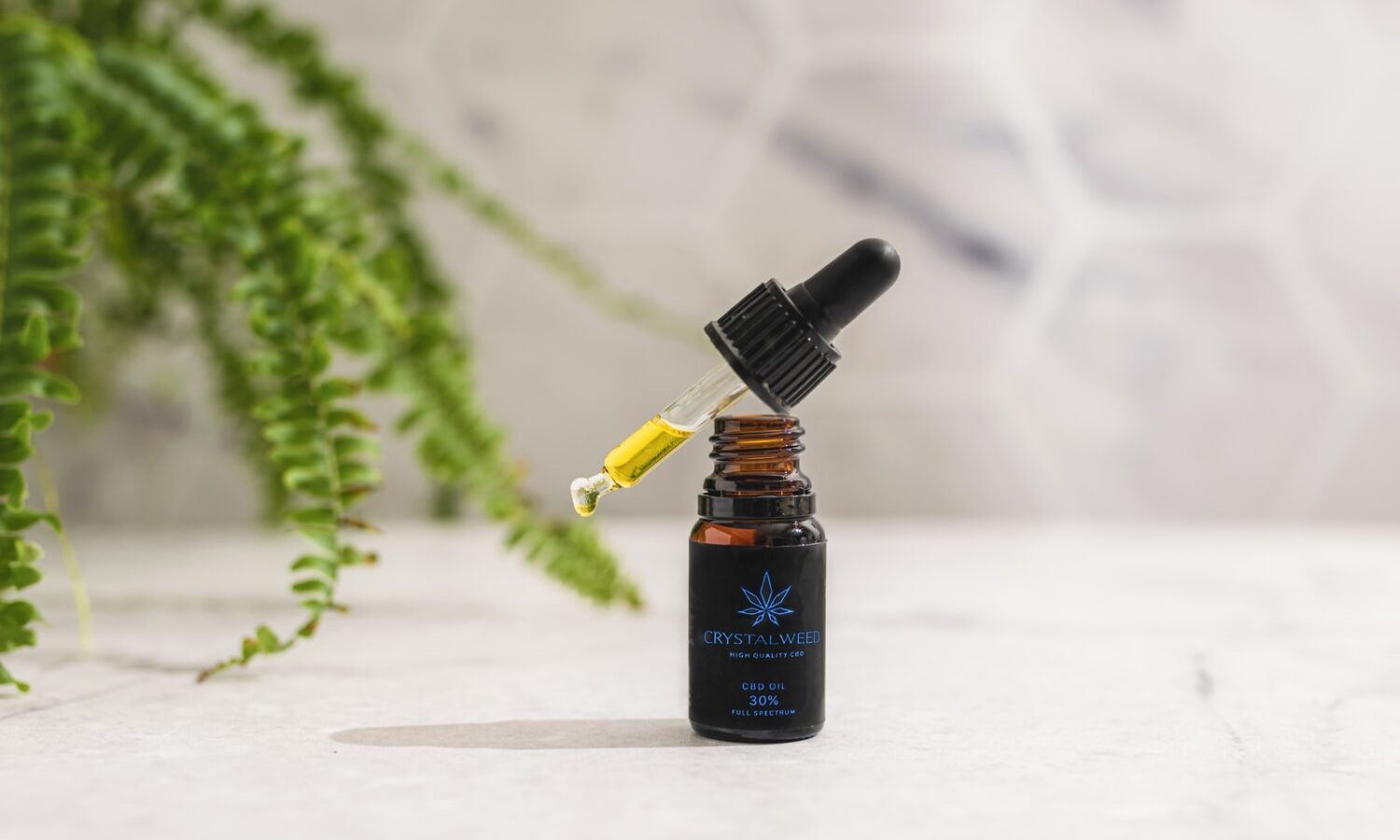
CBD is one of the hundreds of compounds within the cannabis plant which has powerful health benefits. It doesn’t give you any kind of a high or a buzz, making it safe to consume any time of the day even when you need to drive or get things done. Cannabidiol products are everywhere these days: it can be taken in pill, oil, topical, tincture, and edible form to enjoy its health and anti-aging benefits. CBN is also a cannabinoid that has shown anti-aging properties in humans as well!
Whether you’re 20, 25, 30, or even 40, it’s never too early to start using CBD to prevent the detrimental effects of aging. Here’s why.
Photo by CRYSTALWEED cannabis via Unsplash
CBD Protects the Brain From Neurodegenerative Disease
Mental neurodegenerative disorders that cause gradual death of neurons and other parts of the brain over time. As a result, this causes memory loss, agitation, anxiety, and depression. Some of the most common neurodegenerative disorders include dementia, Alzheimer’s, and Parkinson’s Disease.
Millions of aging people worldwide struggle with neurodegenerative disease as they get older. According to experts, 1 in every 10 people around the age of 65 will develop neurodegenerative disease. However, cannabidiol has been shown to help.
The most common neurodegenerative disease is Alzheimer’s; its symptoms are memory loss, aggression, and agitation. This is why it isn’t just the people with the disease that struggle — their loved ones do, too. A 2019 study shows promise for CBD’s ability to suppress the causes of Alzheimer’s disease, though this study showed that it was more effective when paired with THC.
There are also studies demonstrating the efficacy of CBD in treating the aggression caused by dementia. The researchers said that using CBD oil was “mostly safe, with no significant differences in the occurrence of adverse events.”
In addition, studies show that CBD has neuroprotective properties in the brain; it has been found to help reduce inflammation and oxidative stress, both of which contribute to the risk of neurodegenerative disease. Taking CBD early on can help slow down the effects of aging in the brain.
CBD Combats Free Radicals
We are exposed to free radicals in our daily lives. The most notorious sources of free radicals are industrial chemicals, pollutants, the ozone, x-rays, and cigarette smoke among others. Chronic exposure to these unstable atoms contribute to premature aging, sickness, and several diseases.
The best way to combat the side effects of free radical exposure is through antioxidants. These substances prevent oxidation, which is a chemical reaction that occurs within the body, producing more free radicals. Antioxidants also promote electron production within free radicals to stabilize these unstable molecules and prevent their detrimental effects within the human body.
Chemically speaking, the cannabidiol structure contains free oxygen atoms which are then donated to free radicals. In doing so, it neutralizes them. Furthermore, studies show that CBD works in the same way as other antioxidants: by interrupting free radical chain reactions.
Given the many other health benefits of CBD, this is definitely one of the best antioxidants out there.
Photo by Sora Shimazaki from Pexels
CBD Fights Inflammation In the Skin
Exposure to free radicals, the sun, inflammatory compounds in our diet, pollutants, and chemicals combined with aging can all promote premature aging in the skin. This results in wrinkles as well as skin disorders including rashes, red patches, psoriasis, eczema, and so much more.
A study from 2017 demonstrates how CBD protects the skin because of its antioxidant properties which speed up the aging process. In addition, another study revealed that CBD reduces the inflammatory action of sebocytes, ensuring healthy skin texture while another study demonstrates how CBD helps reduce redness, pain, and swelling to minimize irritation from psoriasis and eczema. It can also help reduce dryness experienced by dehydrated skin.
It’s no wonder why so many cannabis companies are creating CBD-infused skincare and anti-aging products and they’re flying off the shelves!
CBD Provides Natural Relief From Stress
Constantly being stressed is one of the quickest ways to age — and it will show in your skin, health, and mental well-being. Whether it’s stress from work, parenthood, or life in general, all kinds of stress is bad for your health and contributes to premature aging.
Instead of coping with stress in unhealthy ways, you can already supplement with CBD, which works in different ways to help the body cope with the stress response. Studies show that CBD engages with the 5-HT1A receptor to decrease symptoms of stress such as increased heart rate, anxiety, heightened blood pressure, and fear expression. It can also help you get deeper, longer sleep — one of the best ways to help your body recover through deep healing.
“If you are one of those people that can sell the drug, maybe you’ll make a buck off of the gullible people who will somehow convince themselves this is absolutely harmless,” said Huckabee.
Arkansas’ former Gov. Mike Huckabee, a former Baptist preacher, laid out the negative aspects of cannabis via a series of videos posted on the Family Council Action Committee website.
Huckabee said that legalizing adult-use cannabis in the state will help drug cartels and make money off “gullible people.”
“Unfortunately, you aren’t the one who is going to be making the money, drug cartels will,” Huckabee said. “And if you are one of those people that can sell the drug, maybe you’ll make a buck off of the gullible people who will somehow convince themselves this is absolutely harmless.”
According to the Arkansas Times, Huckabee said the state Supreme Court may have approved the ballot title but that doesn’t mean the justices agree with the substance of the amendment.
The justices “surely are intelligent people and they know the only people to really benefit from this, other than those who are going to be selling it at a high price and making a lot of money, are going to be the people who maybe sell snack foods to satisfy the munchies for people who are engaged in the use of recreational marijuana,” he continued.
In a second video against Issue 4, AKA the Arkansas Adult Use Cannabis Amendment shows images of homeless people, drug addicts, syringes and statistics on marijuana-legal states.
Huckabee happens to be the father of Arkansas Republican gubernatorial candidate Sarah Huckabee Sanders, who also opposes Issue 4.
Responsible Growth Arkansas, the group behind the ballot initiative to legalize adult-use cannabis has filed an appeal with the Arkansas Supreme Court to overturn a decision by the Arkansas Board of Election Commissioners that prohibits the proposed amendment from getting on the November ballot.
THC-O acetate (THC-O, ATHC) is becoming a popular option among cannabis consumers. According to Google trends, interest in this compound peaked around mid-2021.
Consumers are turning to THC-O for two likely reasons. The first is that delta-8 THC acetate is hemp-derived and therefore legal and accessible in states where marijuana is illegal.
The more exciting reason is that THC-O is supposedly a psychedelic cannabinoid. In other words, you will be taking a trip on cannabis and achieving the highest spiritual experiences and probably even ego death. Some sources claim that THC-O acetate is up to 300 times more potent than THC. More realistic sources claim that THC-O acetate is up to three times more potent, but we are not sure.
But for recreational users craving that “elusive high,” this sounds unimaginable. Is that not the same reason why the naturally occurring opium was ditched on the streets in preference for heroin?
Photo by MART PRODUCTION via Pexels
Opium Versus Heroin
Opium, like cannabis, is a naturally occurring compound that’s derived from the poppy plant. Heroin on the other hand is a semi-synthetic compound that’s made from morphine, which comes from the poppy plant. Because heroin is an enhanced form of opium, the effects are stronger.
Heroin was originally created to be a medical analgesic. However, it was soon discovered that it triggered several adverse effects including dependence, addiction, and overdose-related deaths. Its clinical use was hence stopped but the drug found its way to the illicit market where its use is still rampant. Like marijuana, heroin is classified by the DEA under Schedule I compounds that according to the DEA have no known medical use and a high potential for abuse.
THC-O Acetate Is a Synthetic Cannabinoid
THC-O like heroin is a synthetic cannabinoid that is made through the acetylation of THC (could be D8, D9, or D10) in the lab. Because it’s not a natural product don’t expect to find it in shops that sell natural cannabis products.
How Is THC-O Made?
THC is heated and mixed with acetic anhydride in a lab setting. A chemical reaction occurs that converts the THC to THC-O. This chemical reaction is dangerous and hence should only be carried out by a qualified chemist and only in the right setting.
THC-O Acetate Is a Pro Drug
A prodrug can be defined as any drug that is biologically inactive when ingested but once metabolized it releases a biologically active compound. THC-O acts in this way.
When acetic acid is added to THC it forms a barrier that prevents the breakdown of the THC by enzymes until it gets to the liver where it is deacetylatedated and releases the biologically active THC. Like other pro-drugs, the effects of THC-O take a longer time to kick in (lag time) because of the extra step involved in “activating” the drug. This can be anywhere around 30 minutes for inhaled THC-O or up to 1.5 hours for ingested THC-O.
Is THC-O a Psychedelic?
It is believed that THC-O provides THC that has higher bioavailability. This also means that the body has higher circulating levels of THC and 11-Hydroxy-THC. Though the effects take a longer time to kick in, once they do they are likely to come crashing in and it will be a long while before the effects subside. Higher levels of circulating 11-hydroxy-THC might be responsible for the psychedelic effects that have been reported after the consumption of THC-O.
Is THC-O Legal?
Most of the THC-O Acetate that’s being sold online and in smoke shops is actually the acetate of delta-8-THC and not delta-9-THC. Delta 8 is usually made from hemp-derived CBD and consequently, it can be argued that THC-O made in this way is also legal. However, it should be noted that THC-O is a synthetic cannabinoid. Here’s what the law says about synthetic THC.
“For synthetically derived tetrahydrocannabinols, the concentration of D9 -THC is not a determining factor in whether the material is a controlled substance. All synthetically derived tetrahydrocannabinols remain Schedule I controlled substances.”
Photo by boonchai wedmakawand/Getty Images
THC-O, Ketene Formation, and EVALI
Most THC-O products in the market currently are in the form of vapes. The process of vaping THC-O is likely to produce harmful byproducts such as ketenes. Ketenes are highly reactive and will easily form acetic acid when they react with water in the nasal and oral mucosa.
A study by the Portland State University (PSU) found a link between vaping cannabinoid acetates with the production of the toxic gas Ketene. An earlier study linked ketene production with EVALI as the causative agent.
Safety of THC-O: Dr. Ethan Russo Opines
Dr. Ethan Russo is a notable medical cannabis thought leader and founder and CEO of a medical cannabis research company CReDO science. In an interview with Hemp Grower, Dr. Russo expressed reservations with the safety of THC-O. In his opinion, we don’t need a compound that is three times more potent (putatively) than THC. Known side effects of THC include extreme paranoia and anxiety that may land you in the ER. Vasovagal syncope, which may cause sudden falls and fractures, is also a possibility. THC-O may amplify these adverse effects or trigger off-target effects that we’re not aware of. In his words, as far as THC-O goes, “don’t go there.”
Synthetic Cannabinoids Are a Sham!
Like heroin, THC-O is several times more potent than THC and the risks associated with it are by no means moderate. In addition, there’s the risk of ketene formation when THC-O is vaped. Ketene has been linked to serious and sometimes even fatal lung injuries.
Are synthetics worth the risk?
Maybe not.
As Dr. Russo opines, synthetic cannabinoids and the risks they present are a “byproduct of cannabis prohibition.” And as he goes further to state, they should probably be avoided at all costs.
Due to the ongoing U.S. federal prohibition of cannabis, states must implement their own regulations and various excise and sales taxes. Excise taxes in many Western U.S. states tend to hover 15% while others such as Washington charge 37%.
Additional charges may come in the form of additional municipal taxes, per ounce cultivation rates, potency and other measures, depending on regulations.
Cannabis markets typically see varying success with the revenue they generate, as well as what the money goes towards.
How States Tend To Allocate Cannabis Tax Revenue
“Most states allocate their cannabis tax revenue towards various public health and safety, education and social equity programs,” says Laura Bianchi, a partner at cannabis legal firm Bianchi & Brandt.
Funds also often go toward programs aimed at combating substance abuse and the effects of the drug war.
“Programs that provide transparency to the public, including a clear understanding of the use and application of such revenue is essential,” Bianchi said. “Tax models that track the use and impact of those funds is also important both from a public policy, community support and efficiency perspective.”
States must also balance the benefits of cannabis taxes without making the illicit market appealing to consumers, she says.
In Oregon, funds are allocated towards education, the city, police and government health boards, but not social justice reform.
“You are seeing more states write this in their legislative passing of legalization,” said Kendra Freeman, co-founder and chief product officer of Portland, Oregon-based CBD brand Mendi. Illinois and Michigan have more robust social equity plans, she added.
Photo by Hillary Kladke/Getty Images
Police Funding
Freeman is among those in the cannabis community who say funds should not go towards policing so long as the war on drugs and arrest disparities continue.
“Cannabis was made illegal to keep BIPOC in poverty and to keep them locked up,” Freeman said. “We have a lot of work to do to untangle that.”
Bianchi empathized while stating that the manner isn’t cut and dry.
“Unfortunately, I do not think a simple yes or no is appropriate,” she said. The legal partner noted the unique needs of each state.
“If a state has a population of people who have been disproportionately affected by marijuana criminalization, then it might be worthwhile to allocate a portion of revenue towards police education and training,” said Bianchi.
While understanding the possible need for police funding, Bianchi opined that the process starts with targeted education, training and community involvement.
Photo by Rex_Wholster/Getty Images
Uniform Tax Code Prospects
Often, the fragmented cannabis market leads to calls for standardization, usually via federal legalization.
Such calls for standardization typically back reform legislation, such as the MORE or SAFE Banking Acts. That said, a unified tax code for the market isn’t uniformly well-received or seemingly feasible in the near future.
“Uniformity in the cannabis industry would be great. However, that’s something we won’t likely see until federal legalization and the allowance of interstate commerce,” Bianchi says, adding that a unified code would be needed at that point to avoid double taxation.
New research features the story of a 27-year-old man who would break out in hives and experience flu-like symptoms after orgasm.
There’s a technical term for orgasm allergies. Postorgasmic illness syndrome (POIS) is an affliction that affects mostly men, with less than 1,000 reported cases in the country.
The symptoms of the condition are similar to allergies that occur from other sources, with men experiencing a runny nose, itchy eyes, and even memory problems post-orgasm. There’s a cure though, so not all is lost.
Photo by Thought Catalog via Unsplash
The strange illness was reported in ScienceDirect, with the authors publishing their findings in November’s issue of Urology Case Reports. “All symptoms occur immediately (e.g. second), soon (e.g. minutes), or within a few hours after ejaculation that is initiated by coitus, and/or masturbation, and/or spontaneously (e.g. during sleep),” reads the article.
Study authors shared the case of one particular subject, a 27-year-old healthy male who first began experiencing symptoms of POIS at age 18. After orgasms, the subject would break out in hives and experience flu-like symptoms. He spent years visiting different doctors and found no cure. By the time he met up with the study’s authors, he was abstaining from all forms of sexual activity.
The male in question relayed that his first allergic reaction occurred after he had recovered from acute epididymitis, a condition that causes inflammation in the scrotum. Researchers theorized that the infection that caused the disease might have triggered this immune response, which continued to present itself over the years.
Finally, researchers managed to get the allergy under control by prescribing an antihistamine, which is used to treat the common cold, allergies, and the like. The medication along with the suggestion to increase his frequency of orgasms resulted in a 90% decrease in allergic reactions. A happy ending!
A senator in Puerto Rico commended President Biden’s pardon and filed a bill to pardon marijuana possession.
A senator in Puerto Rico has filed for a bill that would erase charges for low-level marijuana possession. The decision was influenced by President Biden’s marijuana pardon, which was issued last week, and asked fellow governors and lawmakers to take on this mindset when dealing with their residents.
The bill was proposed by Sen. Jose Vargas Vidot, an independent, who commended Biden’s pardon while explaining that these types of marijuana offenses no longer made sense.
Photo by Jeff W via Unsplash
While the bill hasn’t been released, a summary of the new proposals was published on the government’s website, including the marijuana bill. It explains the bill in Spanish, claiming that the amendment would allow for the personal possession of the drug and would eliminate all penalties associated with the personal consumption of the drug.
“President Biden had the bravery that many haven’t had here. Verbalizing that it makes no sense for there to be legal repercussions for the simple possession of cannabis. In Puerto Rico, we made the step to introduce medical cannabis but we lacked the bravery to decriminalize it. If we’re saying that cannabis has medical benefits then it makes no sense to criminalize the person who consumes it. It’s time to change that,” he said.
Sen. Vidot outlined that the new bill would allow people to carry up to 5 grams of marijuana. This number would help lawmakers differentiate between personal use and distribution, which would remain penalized.
He also talked about drug access in prisons, a problem that plagues their institutions and that results in prisoners developing drug problems. “People who report that they weren’t drug users before their convictions start this process of consumption and addiction while incarcerated,” said Vidot, who is the first senator in Puerto Rico to bring the idea of decriminalizing marijuana to the table.
Despite Biden’s marijuana pardon and encouragement for governors to follow through, senators and lawmakers will likely make their decisions based on their political leanings, especially now that we’re weeks away from elections.
If you’re looking to potentially speed up your metabolism and drop a few pounds in the process, marijuana may be a good option for you.
A recent study suggested that marijuana may speed up your metabolism, which could lead to weight loss in the long run. Does that mean that weed helps you lose weight? Or is this just another baseless claim?
In this article, we’ll take a look at the research on marijuana and metabolism to find out if there is any truth to this claim. Spoiler alert: there is!
Does marijuana affect metabolism?
Much of the discussion surrounding weed use for weight loss was prompted by a 2011 review of two national surveys conducted from 2001 to 2003.
According to the review, obesity rates are higher among people who have not used cannabis compared to those who use cannabis three or more times per week.
Similarly, a2010 study published in The American Journal of Drug and Alcohol Abuse examined the association between marijuana use and obesity in young people and came to similar conclusions.
There is some anecdotal evidence that cannabis may help lower obesity rates and improve body mass index (BMI) by:
● Lowering alcohol consumption
● Increasing levels of physical activity in some people
● Helping resolve sleep issues
● Influencing the cortisol/stress response
● Relieving aches and pain that may impede activity
In addition, these findings were further supported according to a2018 review in the peer-reviewed journal Cannabis and Cannabinoid Research, which examined the relationship between cannabis use and body mass index (BMI). It found that cannabis aficionados generally have lower BMIs and obesity rates despite consuming more calories – which suggests some effects on metabolism.
Photo by Annushka Ahuja via Pexels
Does smoking weed help you lose weight?
In short, yes, cannabis does speed up your metabolism. In theory, smoking weed could make you lose weight, although there are many factors involved in weight loss or gain. So, just how does THC boost your metabolism?
In a1978 study, pioneering research explored the link between THC and metabolism. Researchers found that marijuana users increased their metabolic rate as soon as they smoked cannabis, with metabolic rate peaking 15 minutes after ingestion. The researchers found that THC induced immediate “stimulatory effects” in metabolism, ventilation, and respiratory response to carbon dioxide. At least some of these effects were mediated by the beta sympathetic nervous system.
THC influences the gut biome, which can also affect weight gain or loss. For example, a bacteria group called Firmicutes is associated with obesity, but another called Bacteroidetes is not.
In an animal study conducted by the University of Calgary in Canada, overweight mice with high-calorie intake were administered THC. This led to a normalization of their gut bacteria, which contributed to their weight loss.
What are the best strains for boosting metabolism?
Jessica Gerlock, a certified personal trainer, shed over 100 pounds by smoking marijuana and found that Sativa-type strains gave her the most energy and focus. According to Jessica, cannabis helped her moderate her eating, her post-workout recovery, and boosted her performance in strenuous sports. And more research seems to support that Jessica may have indeed been on to something when she added cannabis to her weight loss routine.
In 2013,researchers in the American Journal of Medicine found that marijuana consumers were better able to metabolize carbohydrates than non-consumers, leading to more successful weight loss outcomes.
If you are already familiar with cannabinoids such as THC and CBD, it may be worth getting to know THCV, which has shown promise for controlling appetite. THCV can be found in Girl Scout Cookies, Durban Poison, and THCV capsules or sublingual tabs.
Photo by Shidlovski/Getty Images
Does marijuana slow metabolism in some people?
While some strains of marijuana may make you feel more relaxed, mellow, and chill, there is currently no evidence to support the claim that it slows metabolism in certain people. So, if you’re looking to slow down your active metabolism, you might want to steer clear of high-THC marijuana. But if you’re looking to speed it up, it might be just what you need.
Final thoughts on cannabis and metabolism
So, if you’re looking to potentially speed up your metabolism and drop a few pounds in the process, marijuana may be a good option for you. Of course, we always recommend talking to your doctor before making any significant changes to your diet or exercise routine. But with legalization on the rise, it’s worth considering how marijuana could fit into your wellness plan. And don’t forget — Jointly is here to help you every step of the way! Download our app today and start tracking your progress towards better health and fitness.