Researchers from UCLA have found some promising evidence that could lead to the development of a functioning marijuana breathalyzer.
While drug tests are able to tell if a person has recently consumed marijuana, there’s currently no way of measuring if a person is high, something that’s becoming increasingly important as more and more states legalize the drug. But that may be changing.
Researchers at UCLA and ElectraTect, a UCLA startup, are testing a promising “cannabinoid fuel cell.” They believe further testing will provide them with key understandings on marijuana breathalyzers, facilitating their existence at some point in the future. The findings were published in the journal Organics.
Photo by Cappi Thompson/Getty Images
Researchers explain that the device they’re working on is able to spot THC and measure its concentration in a solution, unlike previous efforts that measure THC in blood, urine, and saliva. While bodily fluids will show traces of the drug after its use, these results are not indicative of current impairment, especially since THC can linger in the body for days.
“As such, there exists a need for a fair forensic tool capable of detecting THC in the short window of impairment,” wrote the scientists.
Researchers are trying to miniaturize their technology, thus extending its reach and becoming a viable option for testing drivers on the go. The technology could be incorporated into a traditional breathalyzer, resulting in a device that could test for both alcohol and THC in the future.
Late last year, a study from Australia claimed that marijuana breathalyzers were inaccurate, at least the ones that measured THC levels in saliva and blood. As we reported back in January, researchers analyzed 28 studies on driving performance and concentrations of THC in blood and saliva and found the connection between the two inconsistent,” we wrote in January.
A marijuana tool that measures THC impairment is pivotal to having a fair and functioning marijuana legal system. It could help manage and reduce the likelihood of accidents, promoting responsible cannabis use, while ensuring that marijuana users are treated fairly.
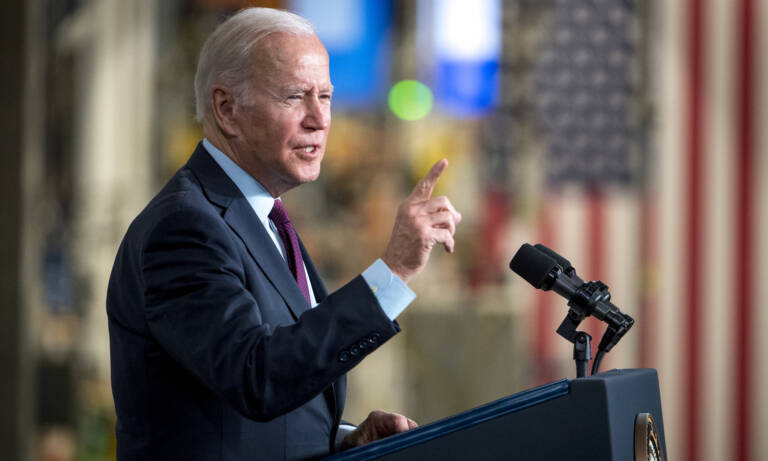
Cannabis stocks across exchanges soared in the late afternoon Thursday after President Biden surprisingly announced to pardon thousands of people convicted in federal courts for simple possession of cannabis and launch a review of the plant’s classification under the Controlled Substances Act.
Here’s a snapshot of how some of those stocks ended the trading day:
WM Technology (Nasdaq: MAPS): Up nearly 64%.
Ayr Wellness (OTCQX: AYRWF): Up 50%.
Green Thumb Industries (OTC: GTBIF) (CSE: GTII): Up 32% after slumping earlier in the day on the news that three of its board members resigned.
“There are thousands of people who were previously convicted of simple possession who may be denied employment, housing, or educational opportunities as a result,” Biden said in a tweet. “My pardon will remove this burden.”
The development came as a surprise to the public, as the Biden administration has been mostly mum on the issue since taking office despite campaigning on a platform that vowed to end the War on Drugs.
Morgan Paxhia, co-founder and managing director of Poseidon Investment Management said that the move was unexpected, though welcomed. “This is a big step forward for American citizens and the global cannabis industry,” he said.
Photo by anankkml/Getty Images
Good news, but work remains
While favorable reaction to the news has been generally widespread, investors and financiers remain vigilant regarding the work ahead.
“Investors should enjoy the victory, but understand that the overall market will still dictate where the price action goes,” notable investor and self-proclaimed cannabis provocateur Jason Spatafora (@WolfOfWeedST) told Green Market Report. “I am not confident a bottom is in and I say that as someone bullish on the sector.”
Investment firm Jefferies Financial Group said in a statement that the descheduling of cannabis is “unlikely,” though rescheduling (depending on where to) alongside SAFE Banking Plus legislation and a unified vision between the fed and state governments would “be enough for uplistings and a significant inflow of new institutional capital.”
George Mancheril, CEO & co-founder of cannabis financier Bespoke Financial thinks that while the move is a “huge step towards undoing the human cost and damage of the unsuccessful war on drugs,” descheduling cannabis will take much longer due to political headwinds.
Trying heirloom cannabis strains should definitely be high on the bucket list of every cannabis enthusiast.
In plain terms, an heirloom refers to a valuable item or artifact that has been passed down from one generation to another through decades and centuries. Heirloom cannabis strains have also been passed down through generations, but instead of being items and artifacts, they refer to cultivars of cannabis that have been around for a long while. These strains are revered and prized for their purity and historical value, hence the name.
This definition does not quite capture everything about heirloom cannabis strains, this is why this article will focus on everything you need to know about these strains, how they differ from landrace strains, as well as their benefits.
Photo by Yash Lucid from Pexels
What are Heirloom Cannabis Strains?
Heirloom cannabis strains are strains that have existed for many generations. However, this is not the only thing that makes them unique. Heirloom cannabis strains are distinct from other cannabis strains because of the purity which they offer. Unlike most strains of cannabis, heirloom cannabis strains have never been crossbred with any strain, only existing in their pure, natural form. This unadulterated and unchanged state gives heirloom cannabis its status as a prized strain.
Heirloom cannabis strains grow through natural pollination by animals, wind, and humans. In order to further understand what heirloom cannabis strains are, we will outline the major properties of heirloom cannabis strains.
Properties of Heirloom Cannabis Strains
Cannabis strains must have these three properties, in order to be referred to as heirloom cannabis strains:
Generations: One property of heirloom cannabis strains is that they have been around for generations. The timeframe of their existence is the major reason why heirloom cannabis strains have their name. Longevity is therefore a very important property of heirloom cannabis strains.
Purity: It is not a heirloom cannabis strain if it has been crossbred with another strain. Heirloom cannabis strains have their pure genetics as one of their most important properties.
Migration: Another important property of heirloom cannabis strains, is that they have been removed from their natural region to grow in another area. Most heirloom cannabis strains were transported from their original locations to a new geographical area by scientists and travelers.
Speaking about geographical location, it is necessary to discuss the difference between landrace strains and heirloom cannabis strains, in order to fully understand what heirloom cannabis strains are.
Heirloom cannabis strains and landrace strains are usually mixed up. Both terms are even used interchangeably sometimes, which is very wrong as they are two different things. Landrace strains are strains that grow without help from humans, usually in the wild. Like heirloom cannabis strains, landrace strains are pure and have not been crossbred with other strains. Landrace strains just like heirloom cannabis strains have also been unchanged through generations.
The major difference between landrace strains and heirloom cannabis strains is geography. Landrace strains grow naturally in certain regions, while heirloom cannabis strains come from seeds taken away from these original regions. This means that certain landrace strains are native to specific regions around the world. Africa, Asia, Latin America and the Middle East, are known to be the early origins of landrace strains.
Going by the explanation above, heirloom cannabis strains can be described as landrace strains that have been removed from their natural region, to be grown in another region.
Why Heirloom Cannabis Strains are Important
In the cannabis culture, there is a lot of speculation that comes with conversations on just how important heirloom cannabis strains are. Below are three reasons why heirloom cannabis strains are very important.
Photo by Zummolo/Getty Images
They are The Closest Thing to Landrace Strains: As it has been explained in this article, landrace strains are among the oldest strains available in the world, being present through different generations. This makes them desirable for their purity and unique flavor. When landrace strains are not available, heirloom cannabis strains are the closest things to them. In the case of extinction of certain landrace strains, through unexpected events like war and natural disasters, heirloom cannabis strains of such strain that have been taken to other regions will still be very much available. Heirloom cannabis strains can therefore be seen as preserving some of the finest indigenous strains that the world has ever seen.
Crossbreeding Cannabis Does Not Always Produce The Best Results: Heirloom cannabis strains alway share similar characteristics with their parents plants. This typically gives them an edge over crossbred strains, whose results are usually unpredictable. In crossbreeding, it is not always certain that a 50/50 offspring will be achieved when an indica-dominant strain is crossed with a sativa-dominant strain. Some offsprings often take sativa-like qualities, while others take indica-like qualities. It will then take years of backcrossing to achieve the desired result. The pure genetics of heirloom cannabis strains make them very stable and predictable when it comes to breeding.
Heirloom Cannabis Strains Might Have More Cannabinoids: It is believed that heirloom cannabis strains contains more beneficial compounds than hybrid strains. This claim can be supported with an argument about the high level of THC that new hybrid strains contain. The more THC content that these hybrid strains has, the better your high feels. However, increased level of THC come at a cost, as it results in reduction of other compounds such as cannabinoids and terpenes. Heirloom cannabis strains are therefore more natural, and contain the best balance of compounds for your consumption.
Bottom line
Heirloom cannabis strains have obvious benefits as they exist just the way nature designed them. Coupled with their rich history, these strains are among the most desirable of all the strains known to man. Their unique and unadulterated formation of compounds also means that you can be sure that you are smoking healthy cannabis.
Trying out heirloom cannabis strains should definitely be high on the bucket list of every cannabis enthusiast!
“This is a huge step forward toward a more just criminal justice system and more rational drug policy. Now it’s time for Congress and states to put an end to our failed policies…”
President Joe Biden announced he will pardon all prior federal offenses for simple marijuana possession, the White House announced Thursday, sending cannabis stocks soaring.
The historic move signals the possibility of broader marijuana reform, something cannabis activists have been seeking for a long time and the majority of U.S. voters support.
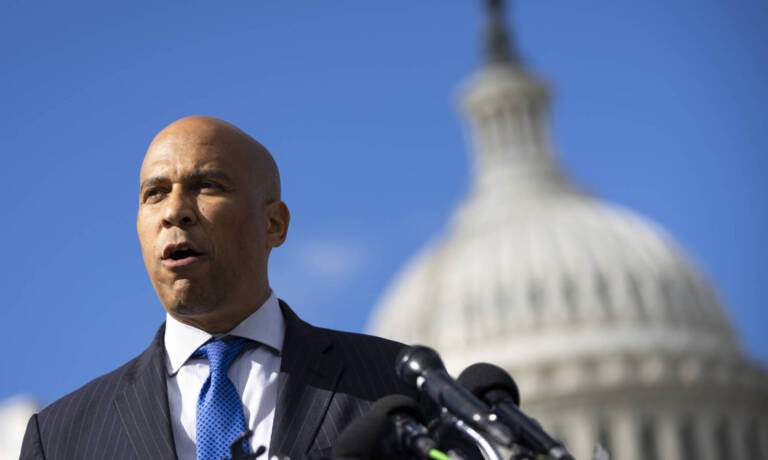
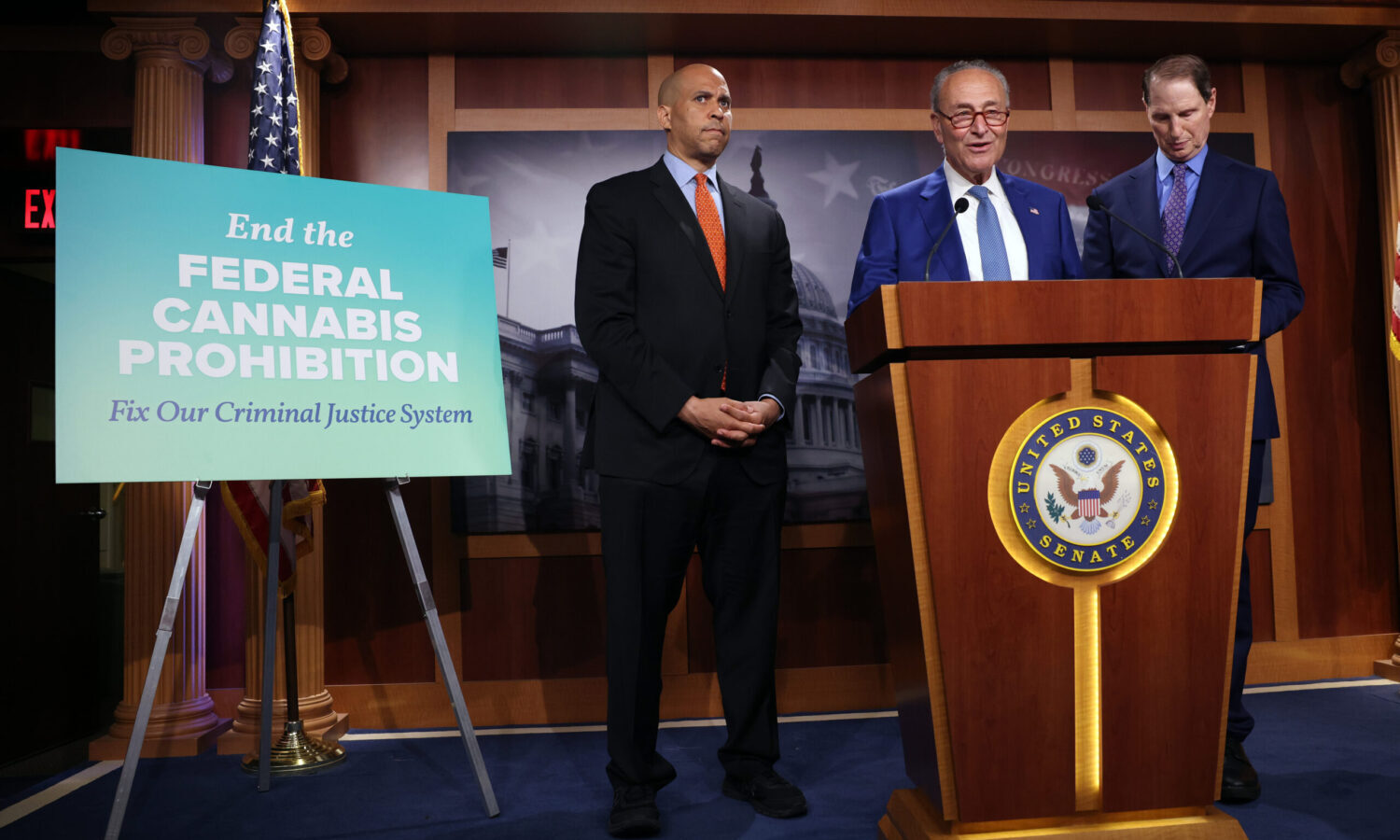
Senator Cory Booker (D-NJ), one of the co-sponsors of the Cannabis Administration and Opportunity Act (CAOA), which would decriminalize and deschedule cannabis on the federal level and promote social equity, praised the news.
“President Biden’s executive order is transformative for the lives of thousands of people and families harmed by our broken cannabis laws,” Booker stated. “This is a huge step forward toward a more just criminal justice system and more rational drug policy.
“Now it’s time for Congress and states to put an end to our failed policies by legalizing and appropriately regulating cannabis, taxing cannabis, reinvesting proceeds in communities disproportionately harmed by the War on Drugs, and expunging criminal records for nonviolent drug offenses.”
A year ago, Booker pushed the Department of Justice (DOJ) to use its power under the Controlled Substance Act of 1970 (CSA) to commence the procedure of removing cannabis from the list of Schedule 1 drugs.
Then again, in July 2022, Booker urged the Biden Administration to use its power to remove cannabis and issue pardons to all individuals convicted of nonviolent marijuana-related offenses.
U.S. Senate Majority Leader Charles Schumer (D-NY) (C), joined by Sen. Cory Booker (D-NJ) (L) and Sen. Ron Wyden (D-OR) / Photo by Kevin Dietsch/Getty Images
Is Federal Marijuana Legalization The Next Step?
Even though many industry experts doubt that federal cannabis legalization will come about quickly, they believe that at least one piece of legislation has the potential to pass the Senate soon. Sponsors of the Secure and Fair Enforcement (SAFE) Banking Act, led by Sen. Jeff Merkley (D-OR), recently discussed the urgency of cannabis reform this session, reiterating the public safety imperative of providing the industry access to the traditional financial system.
The banking reform bill, which the House passed for the sixth time in July as part of the National Defense Authorization Act, has never been voted on in the Senate.
Cantor’s Zuanic recently met with lawmakers in the nation’s capital and said congressional leaders are ready to pass banking legislation for the cannabis industry in the upcoming elections.
He noted that the passage of “SAFE Plus” is likely during the Congressional lame-duck period between the November midterms and the swearing-in of the new Congress in January 2023.
The SAFE Banking Plus Act is an updated version of a bill that contains provisions to protect financial institutions that provide services to state-legal cannabis businesses. It also contains some equity components.
“We think that talk of a SAFE Plus (bill) is something that should be taken seriously,” Zuanic told investors in a Zoom call. “It’s not just a jingle. It’s not a pipe dream. It’s something that’s ongoing. There are discussions at high levels in the Senate between co-sponsors of the SAFE Banking bill on the Republican side with Senate leadership.”
In the end, Biden’s pardons definitely give hope to those who wish to see SAFE Plus pass the Senate and create a positive and more functional environment for the booming cannabis industry.
How long it’ll take for your marijuana to start working is dependent on a few things. Here’s what you should know before you smoke weed, pop an edible, or use a sublingual.
It’s crucial to keep in mind that the length of time it takes weed to kick in varies from person to person due to three primary factors. First, how quickly your body metabolizes cannabinoids such as tetrahydrocannabinol (THC) and cannabidiol (CBD) will dictate the time it takes before the effects become noticeable. This factor is related to your unique endocannabinoid system.
Second, how you consume cannabis (your ingestion method) makes a huge difference in how long it takes for weed to kick in.
Finally, how empty or full your stomach is when you ingest cannabis, as in how much you’ve eaten that day, can also impact the time it takes for weed to kick in.
How long does it take to get high after smoking weed?
When trying to determine how long does it take to get high after smoking weed, you should know that smoking or vaping weed (inhalation) is the quickest way to get high. When you smoke weed, THC travels through your lungs and directly into your bloodstream. From there, the onset of the high comes on nearly instantly, although it can be anywhere from 5 to 15 minutes, and lasts 1–4 hours. While vaping marijuana produces a similar onset and high to smoking, the psychoactive effects from vaping are often stronger.
How long does it take to get high off edibles?
How long does it take to get high off edibles infused with cannabis? For new cannabis users or those who previously only smoked or vaped weed, you may be wondering, “how long does it take edibles to work?” The time it takes edibles to kick in varies much more than if you smoke weed. When you smoke weed, you are primarily feeling the effects of THC.
However, when you eat a cannabis edible, you also get 11-OH-THC (11-hydroxy-THC), which is a metabolite of THC produced when you orally ingest THC products. Since edibles require digestion and being processed by your liver before the active ingredients reach your brain, this process takes much longer. This means you might start to feel effects of edibles within 30 to 60 minutes, but it can take as long as two hours for the high to set in. While THC levels in the blood do not peak until 3 hours later, the high can last more than 8 hours.
Photo by Vanessa Nunes/Getty Images
How long does it take to get high off cannabis sublinguals?
We have discussed edibles and flower, but how long does it take to get high off cannabis sublinguals? THC sublinguals are discreet and perfect for a range of wellness uses. Sublingual simply means something is placed under your tongue, where it dissolves instantly. Our mouth’s mucous membranes are highly permeable, so they’re great for rapidly delivering substances.
If you’ve ever used Listerine strips, you have a general idea of what sublingual means in terms of the rapid dissolvability of a substance that isn’t swallowed. Cannabis sublinguals act similarly. Most often in the form of strips or tablets, this convenient delivery system kicks in faster than edibles and tinctures (most tinctures are not kept in mouth long enough for oromucosal absorption.) Weed sublinguals typically take 15 to 30 minutes to take effect compared to edibles, which take up to 60 to 90 minutes, depending on the ingredients.
Another difference between edible and sublingual consumption is that cannabis sublinguals bypass the gastrointestinal tract. By dissolving in your mouth instead of eating or drinking it, sublingual cannabis strips avoid the effects of “first pass metabolism” in your liver. Generally, if the sublingual product is placed under the tongue (not on top), you should feel the results within 15 minutes.
As for the taste, it varies from brand to brand. They tend to taste fruity or minty, so use caution and take care not to confuse them with your minty mouthwash strips. There is no one-size-fits-all answer to how long it takes for weed to kick in, but we can tell you that the time varies depending on a few varying factors.
So, the next time you and your friends are smoking, vaping, or trying out tasty edibles and someone asks how long it will be before they feel the effects, you can confidently tell them that it depends on many different aspects, including individual metabolism. And if you’re curious about how long it will take for weed to kick in for you specifically, download the Jointly app to track your cannabis experience.
While the marijuana industry wants cannabis to be de-scheduled, some have argued that moving the cannabis plant to a lower Schedule 2 or 3 drug could be even worse as the whole industry could be handed over to pharmaceutical companies.
As my phone lite up with news about President Biden’s big cannabis industry news, I immediately realized politics are a game of give and take, so why right now, Joe? Why did President Biden pick Thursday to announce the pardoning of thousands of cannabis offenders and tell his Attorney General Merrick Garland to expeditiously review the cannabis plant’s listing as a Schedule 1 drug?
Could it be a coincidence that Biden’s marijuana announcement coincides with the Federal government ‘s announcement that they have enough evidence to charge Joe’s son, Biden Hunter, with federal crimes related to tax and gun-purchase charges? Throw up a good will headline to cover the stench coming for Hunter Biden’s laptop?
A group of Republicans just formed an anti-legalization wave in the Senate this week based around family values and “more research is needed” rhetoric. Is the push for “looking at the scheduling listing” a push for Big Pharma to get cannabis as a schedule 2 drug and take control of the industry? Big money and lobbyist tend to get things done.
Inquiring minds want to know!
Let’s break down the winners and loser from Thursday’s announcement from the White House.
“There are thousands of people who have prior Federal convictions for marijuana possession, who may be denied employment, housing, or educational opportunities as a result. My action will help relieve the collateral consequences arising from these convictions,” Biden said in a statement released on Thursday afternoon.
He went on to urge all governors to do the same with regards to state offenses, saying, “Just as no one should be in a Federal prison solely due to the possession of marijuana, no one should be in a local jail or state prison for that reason, either.”
The president also called on the Secretary of Health and Human Services and the Attorney General to begin the administrative process to review how marijuana is scheduled under federal law.
Marijuana is currently classified in Schedule 1 of the Controlled Substances Act under federal law. This classification puts marijuana in the same schedule as for heroin and LSD and even higher than the classification of fentanyl and methamphetamine, two drugs that are fueling the ongoing overdose epidemic across the country.
As ESPN would say, who won and lost yesterday’s trade?
Photo by Gleti/Getty Images
Winners
People with Federal Marijuana Convictions
While they may not get time back in life that simple marijuana chargers destroyed, they will get their records cleaned up for the sake of jobs, housing, voting, and a variety of other avenues that are closed to “convicted felons”. No matter what you think of the rest of the statement, this is the best news in years for the marijuana industry and people convicted of simple marijuana offenses since 1972. Win, win, win!
Outside of the cannabis industry itself, no one really cares about these details of origin around Delta-8 and 9 from hemp and the “real deal” stuff. If the president is starting steps to legalize cannabis, no one is going backwards with a fine-tooth comb and looking to ban hemp products. The wave of federal legalization has begun and no one outside of the industry has the interest or time to start reversing the Farm Act of 2018 and banning hemp products now.
Also, as you will read later in this article, if this is a move by Big Pharma to get control of the cannabis industry as a schedule 2 drug, then Delta-8 from hemp could be the only game left in town!
Websites and Cheap Licenses
Think about what Amazon did to brick and mortar, now transfer that to cannabis. Did all brick-and-mortar stores disappear? No, but did it put thousands of stores out of business.
If you have cannabis traffic on your website and you can get a cheap license in Oklahoma or Colorado, guess what? You are now taking market share from every MSO in America.
The MSO moat built on archaic federal laws is starting to crumble, and you better be ready for the 10 or 20 “Amazon’s of Weed” to pop up and start shipping the with a legal license as soon as the federal law allows it. With a website with traffic and a cheap rec license, all you would need is a room for inventory and a UPS account and you immediately start cutting into Trulieve’s and Cufaleaf’s revenue.
Smartest investment now for MSOs is to buy up every cannabis website they can for their traffic, and then convert that traffic into loyal customers when the moment comes. Start building your digital moats, not the ones with real sidewalks.
The Marijuana Industry
They are going to be listed as both winners and losers, and you will see why in a minute. Obviously, a big headline and tons of people are going to get legal relief that they have needed for decades. This pushes legalization to the forefront of everyone’s morning newsfeed and gets people excited again about legal cannabis.
Photo by FatCamera/Getty Images
Losers
MSOs
Yes, multi-state operators serving mid-grade weed, you are in trouble. To mimic Jeff Bezos, your already shrinking margins are my opportunity. If you think numbers and margins were bad the past 5 months, wait until interstate commerce starts and oversupplied states can ship to undersupplied states, as well as small suppliers who can now ship across America if they know how to get traffic to their website. Your margins are going to get razor thin, and your “legal moat” is starting to get chipped away with yesterdays’ announcement.
Ironic, I know. While letting people get a clean record is a huge win, these programs set up to help those affected by the War on Drugs (Biden a big part of that by the way) are hanging on by a thread in some states. If this is a step toward interstate commerce and full legalization, delivery licenses for SE and EE applicants will lose 90% of their value over time. The moat and laws that protect MSOs are all trying to be used to help SE and EE businesses, but they will get crushed with full federal legalization. That did not happen, but with Merck Garland told to review schedule classification, the wheels are in motion.
The Marijuana Industry
The second part of the announcement from the White House should be very worrisome for weed. While the marijuana industry wants cannabis to be de-scheduled, the likes of Steve DeAngelo have argued that moving the cannabis plant to a lower schedule 2 or 3 drug could be even worse as the whole industry could be handed over to pharmaceutical companies.
Is Big Pharma behind this Biden push? If you believe Biden is not a weed fan at all, and politics is all about money and maneuvering, maybe try reading behind the lines on this one. Class 3 or 4 is better than 1 for sure, but 2 may be awful and deep-pocketed Big Pharma lobbyists may be burning up the phones to the Senate as we speak. A true trojan horse if that is the grand plan.
President Joe Biden announced he will pardon all prior federal offenses of simple marijuana possession, the White House announced Thursday.
The pardons will also apply to anyone in Washington DC convicted of simple possession of marijuana, a senior administration official told reporters.
“No one should be in jail just for using marijuana,” Biden said.
More than 6,500 individuals with prior convictions for simple weed possession will be impacted by the pardons and thousands more will be pardoned under D.C. law.
“As I said when I ran for President, no one should be in jail just for using or possessing marijuana,” Biden said.
“It’s legal in many states, and criminal records for marijuana possession have led to needless barriers to employment, housing, and educational opportunities,” he continued. “And that’s before you address the racial disparities around who suffers the consequences. While white and Black and brown people use marijuana at similar rates, Black and brown people are arrested, prosecuted, and convicted at disproportionate rates.”
Biden also called on all governors to follow his example and said that he would ask the attorney general and the Department of Health and Human Services to review marijuana’s classification under federal law as a schedule one drug, the same classification as heroin and LSD.
A majority of U.S. voters support federal marijuana legalization, a new Morning Consult/Politico survey shows.
The poll, conducted from Sep. 30 to Oct. 2, 2022, asked a representative sample of 2,005 registered voters if they would like to see cannabis legalized on the federal level. The results were as expected and in line with other surveys conducted over the last several years.
Key Highlights
Three in five voters (or 60%) agree recreational cannabis use should be legal versus 27% against it. The remaining 13% are undecided.
Federal cannabis reform is supported by 71% of Democrats, 61% of independents and some 47% of Republicans. It is important to note that, at the same time, 41% of Republicans are against it, compared to only 16% of Democrats and 24% of independents.
As many as 72% of Black and 67% of Hispanic voters favor legalizing weed, compared to 58% of white voters.
The most support (71%) for legalization comes from voters aged 35-44, followed by the 18-34 age group with 69%.
One of the most recent cannabis-related surveys by Rasmussen Reports revealed that the majority of Americans don’t think cannabis is dangerous.
While the Rasmussen Reports poll focused mostly on people’s perception of marijuana, another from an April YouGov survey looked at how many Americans would like to see cannabis legal. The results revealed that 60% wanted legalization and 27% did not.
All this data confirms the results of a 2021 Gallup poll, which showed as high as 68% support for cannabis legalization.
Photo by FatCamera/Getty Images
How Close Is Federal Reform?
In July, long-awaited U.S. Senate legislation that would decriminalize and deschedule cannabis on the federal level and promote social equity was unveiled. Known as the Cannabis Administration And Opportunity Act (CAOA), by Senators Chuck Schumer, Ron Wyden and Cory Booker, the bill proposes comprehensive marijuana reform.
Since then, however, CAOA has come under criticism. It’s too complex, critics say, and many cannabis industry experts such as Cantor Fitzgerald’s Pablo Zuanic and Emily Paxhia, co-founder of cannabis investment fund Poseidon Asset Management agree that chances of the bill passing the Senate are slim.
“There is too much packed into CAOA for this to get through,” Paxhia recently told Benzinga. “This was a Hail Mary bill put forth by Schumer and the supporting democrats.”
In the meantime, Sen. Wyden noted how challenging it will be to get CAOA passed the Senate.
“A 50-50 majority in the Senate will make passing our bill a difficult feat, but I hope we can, at minimum, pass some key reforms this Congress,” Wyden told The American Prospect.
Biden Still Not There
During the 2020 presidential campaign, Biden repeatedly said he wanted to see marijuana decriminalization as well as automatic expungement of prior cannabis convictions. After nearly two years in the Oval Office, the President has granted clemency to dozens of individuals with non-violent federal drug convictions and commuted the sentences of 75 people who were serving time at home because of the pandemic. He also issued three pardons.
The Biden Administration has been avoiding meaningful steps while dodging questions on marijuana decriminalization for months. It seems likely he’ll continue to remain silent on the issue, at least until after the midterms.
Photo by Baris-Ozer/Getty Images
There’s Still Hope For One Bill
Fortunately, though, many experts believe that at least one piece of legislation has the potential to pass the Senate. Sponsors of the Secure and Fair Enforcement (SAFE) Banking Act, led by Sen. Jeff Merkley (D-OR), recently discussed the urgency of cannabis reform this session, reiterating the public safety imperative of providing the industry access to the traditional financial system.
The banking reform bill, which the House passed for the sixth time in July as part of the National Defense Authorization Act, has never been voted on in the Senate.
Cantor’s Zuanic recently met with lawmakers in the nation’s capital and said congressional leaders are ready to pass banking legislation for the cannabis industry in the upcoming elections.
He noted that the passage of “SAFE Plus” is likely during the Congressional lame-duck period between the November midterms and the swearing-in of the new Congress in January 2023.
The SAFE Banking Plus’Act is an updated version of a bill that contains provisions to protect financial institutions that provide services to state-legal cannabis businesses. It also contains some equity components.
“We think that talk of a SAFE Plus (bill) is something that should be taken seriously,” Zuanic told investors in a Zoom call. “It’s not just a jingle. It’s not a pipe dream. It’s something that’s ongoing. There are discussions at high levels in the Senate between co-sponsors of the SAFE Banking bill on the Republican side with Senate leadership.”
A new study published in the medical journal Neuropharmacology reveals that low-dose THC plus specific types of therapy can work to help people manage PTSD symptoms.
Post-traumatic stress disorder (PTSD) is a serious mental condition that affects some people after they have experienced or witness an event that is shocking, traumatizing, or dangerous.
While most people can recover from the intense emotions that come with facing a traumatic situation, other people struggle with recovery and thus develop PTSD. It’s more common for war veterans and anyone who has served in the military to have PTSD because of the many different types of traumas that the role exposes you to such as deployment to war zones, accidents in training, seeing and hearing gun shots, bombs, and so much more. However, regular civilians can also suffer from PTSD after experiencing mental, physical, or sexual assault, a serious accident, miscarriages, domestic abuse, and much more.
PTSD is one of the more difficult conditions to treat especially when the traumatic event experienced is severe. This painful memory becomes deeply embedded in the brain, making it difficult to forget. There are varying degrees of PTSD though: some with mild conditions can get better right away after a few sessions of psychotherapy, while others will need medication, psychotherapy, and a lot of time to feel much better.
Thankfully, there is hope for traumatized individuals in the form of marijuana.
A new study published in the medical journal Neuropharmacology reveals that low-dose THC plus specific types of therapy can work to help people manage PTSD symptoms. The researchers from Wayne State University utilized double-blind trials on 51 individuals who were either given doses of 7.5mg of THC, or a placebo pill. They were then made to undergo functional magnetic resonance imaging (fMRI), a medical procedure that analyzes even minimal changes in the brain’s blood flow, enabling the researchers to assess the mental state of participants.
They were given emotional regulation tasks after they were given THC or the pills. These tasks included making them face triggering images, which were done repeatedly, so that the participants could analyze the images and give them the opportunity to regulate their emotions. This process is referred to as cognitive reappraisal.
“Cognitive reappraisal is one therapeutic emotion regulation strategy that has been widely studied among individuals with mood and anxiety disorders, and numerous differences in brain activation patterns have been shown between individuals with and without PTSD during tasks of cognitive reappraisal,” they wrote.
The researchers found that those given THC were successfully able to manage any negative emotions. THC was also found to activate parts of the brain among which are normally known to be deactivated in people who have PTSD. “THC may prove to be a beneficial pharmacological adjunct to cognitive reappraisal therapy in the treatment of PTSD,” wrote the study authors.
Photo by Kilito Chan/Getty Images
Other Studies
There have been many other studies documenting the efficacy of cannabinoids for treating PTSD.
In a 2021 study, the FDA regulated a study for the first time to analyze the benefits of inhaled cannabis among people with this condition. The double-blind, placebo-controlled study was peer-reviewed. Participants were given either 11% CBD, 9% THC, or a blend with both 8% THC and CBD.
“This study served as the first randomized placebo-controlled trial comparing the therapeutic potential of varying ratios of THC and CBD for treating symptoms of PTSD,” explains the study’s lead author, Dr. Marcel O. Bonn-Miller. They specifically found that those who consumed 9% THC experienced the most significant improvements though they note that more research is needed to determine the most effective doses. “It would help to determine the minimally-effective doses of THC needed to safely treat individuals suffering from PTSD,” said Bonn-Miller. “It will also mitigate risks of cannabis dependence in this vulnerable population,” he adds.
Then in 2020, an observational study which was published in Cannabis and Cannabinoid Research analyzed 150 PTSD patients over the course of a year. The researchers wanted to examine the difference among people who medicated with cannabis and those who did not. The study did not make use of controls though patients were analyzed every 3 months using self-administered tests that helped researchers understand the frequency of cannabis use and consumption methods.
The researchers discovered that patients who medicated with cannabis demonstrated a significant reduction in PTSD symptoms throughout the year. They were also more than twice as much likely to no longer meet the clinical criteria for post-traumatic stress disorder.
Photo by LanaStock/Getty Images
Why Cannabis Works
It’s extremely common for people with PTSD to turn to substances such as alcohol and drugs to distract them from the nightmares and negative emotions. However, other booze and other drugs can only make it worse. On the other hand, cannabis and CBD products are the safest substances to medicate with for PTSD.
The human body’s endocannabinoid system helps to regulate bodily processes including those that are imbalanced due to trauma. These include the hormones responsible for sleep, memory, and fear. Consuming THC and CBD interact with your very own healing endocannabinoid system, thus influencing processes that can help you recover from PTSD. Many people can already access PTSD in states that have made it a qualifying condition for medical marijuana. Determining how much to take to help mitigate your symptoms may require some trial and error process since everyone reacts differently.
More research is ongoing to determine how we can maximize the cannabis plant to recover from PTSD. In the meantime, you can reach out to a marijuana-informed doctor to learn more about using cannabis for managing PTSD symptoms.
“I don’t think that with the drug epidemic that we have across this state… that adding and giving more access to that does anything to benefit Arkansas, so I certainly wouldn’t be supportive of [marijuana],” Sanders toldreporters this week.
Jerry Cox, Family Council Action Committee’s executive director, said on Tuesday that Arkansas “does not need another drug problem.”
The anti-marijuana campaign will feature social media graphics and videos. The organizers are also planning a two-week city tour around the state, reported KARK.
If approved, the measure would allow adults 21 and over to possess and use marijuana without a medical use card.
Responsible Growth Arkansas, the group behind Issue 4, is firm in its push to legalize the plant.
“Recent polling shows statewide support is nearly twice as high as the opposition,” Responsible Growth spokesperson Eddie Armstrong said. “We plan to continue getting the message out and ask people to make their own choices at the ballot box in November.”
The Talk Business & Politics-Hendrix College’s recent survey showed that 59% of likely voters in Arkansas are in favor of the ballot measure, with just 29% opposed and 13% undecided.
Photo by ChrisSteer/Getty Images
Gov Says No On Marijuana Legalization, Supreme Court To Decide On Whether The Vote Will Count
Meanwhile, Gov. Asa Hutchinson (R), U.S. Sens. Tom Cotton (R-AR), and John Boozman (R-AR) are among the conservative voices asking voters to oppose the initiative.
“This November, I’m voting NO on Issue 4 to legalize recreational marijuana in Arkansas, and I hope you’ll join me,” Hutchinson said, linking to a website for an anti-legalization advocacy group called “Safe and Secure Communities.”
Sarah Huckabee Sanders (R), who is running for governor, has the same stance on the issue.
“I don’t think that with the drug epidemic that we have across this state, frankly across the country, that adding and giving more access to that does anything to benefit Arkansas, so I certainly wouldn’t be supportive of that [marijuana],” she told reporters this week.
Safe and Secure Communities recently filed a motion in the Arkansas Supreme Court arguing that a proposed constitutional amendment to present to voters was “misleading, fraudulent, and illegal” under state law because the ballot measure’s title did not preserve the state’s medical THC limit.