Despite the fact that supporters of the measure submitted more than enough signatures for the issue to move on to the election ballot, it needed final approval from the board.
The Arkansas Supreme Court has ruled that voters will be able to legalize recreational marijuana come November elections. Thursday’s decision overturns an earlier ban from the Board of Election Commissioners.
“The people will decide whether to approve the proposed amendment in November,” wrote Justice Robin Wynne in the court’s ruling.
“We’re extremely grateful to the Supreme Court that they agreed with us and felt like it was a complete validation of everything we’ve done,” said Steve Lancaster, an attorney from Responsible Growth Arkansas, which had raised over $4 million in support of the measure. “We’re excited and moving on to November.”
In August, the State Board of Election Commissioners rejected the proposed amendment. Despite the fact that supporters of the measure submitted more than enough signatures for the issue to move on to the election ballot, it needed final approval from the board.
Commissioners claimed that the ballot’s title didn’t explain to voters the amendment’s true impact. One of the examples listed was the concern that the amendment would eliminate the state’s THC limit that was established when medical marijuana was approved.
Photo by FatCamera/Getty Images
“The type of detail that the board expected, or demanded in this case, would make our ballot title thousands and thousands of words long,” said Lancaster after the vote. “That just simply is not workable for a ballot.”
Conservative governors in the state supported the decision from the Board of Elections, with some of them voicing their approval and reaffirming their stance on marijuana. “Marijuana is a harmful drug,” said Governor Asa Hutchinson.
Arkansas legalized medical marijuana in 2016. If the state were to approve recreational marijuana, adults 21 an older would be able to possess up to an ounce of cannabis. They would also be able to purchase recreational products from the state’s dispensaries.
The Wichita City Council recently green-lighted marijuana possession within the city limits, making the largest city in Kansas the least restrictive on cannabis possession statewide. Now Kansas AG Candidates criticize marijuana decriminalization. The decriminalization measure seeks to cut down on arrests and prosecutions of marijuana users without legalizing it. Starting today (Friday), the city will no longer prosecute cannabis cases, reported The Wichita Eagle.
While Wichita police could still arrest people for cannabis possession or use it as a reason to search their property, criminal charges would have to be filed by Sedgwick County District Attorney Marc Bennett.
Attorney general candidate Kris Kobach’s stance on marijuana legalization is clear — he wants to keep it illegal.
The GOP official recently said that the Wichita City Council’s recent move “sends a message that, well, marijuana is OK,” adding that it’s not the “message I want to send to my kids.”
Kobach’s Democratic opponent, AG candidate Chris Mann, was not too fond of the council’s move either. He said lawmakers need to address the issue statewide, not locally.
“I don’t think that a patchwork of local rules is going to be helpful because it just moves the problem from municipal court to district court,” Mann said. “I think that we need to have a statewide solution if there’s going to be one.”
The two candidates crossed paths on Thursday as they attended their first one-on-one forum hosted by the Wichita Metro Crime Commission.
Photo by FatCamera/Getty Images
Opposing Views On MMJ Legalization
While they agreed on the issue of marijuana legalization, the two Kansas officials have opposing views on medical cannabis, given that Kansas is one of the few states that does not have a comprehensive MMJ law.
Kobach’s anti-legalization stance is based on the fear that medical access to cannabis would be “automatically abused.”
He’s staunchly against it because “then you end up legalizing something that becomes Pandora’s box because no state that has a law that allows medical marijuana has been able to confine it to purely medical cases.”
On the other hand, Mann would prefer “well-regulated medical marijuana at the state level.”
“The Legislature hasn’t decided to do that yet, but if they were to decide to do that, we need to put up some safeguards,” Mann said. “We need to ensure that we’re protecting vulnerable populations and our children. We need to have more drug addiction help, and we need money to go to law enforcement.”
Photo by Olena Ruban/Getty Images
Gov. Laura Kelly Wants MMJ Legalized
Meanwhile, Governor Laura Kelly (D) continues to push for policy reform. Earlier this year, she signed legislation allowing Kansans to obtain prescription medications derived from cannabis-related products.
“I think [MMJ legalizaition] is a good place for us to start,” Kelly said in Louisburg after an event celebrating a highway expansion. “Get that infrastructure built so that we can regulate it the way it needs to be regulated, ensure that we implement it in a way that’s productive.”
This new finding could provide a simple way for people to be healthier while doing something that brings them a little bit of joy.
Tea has long been linked with a variety of health benefits, but with type 2 diabetes? Now, a new study claims drinking four cups of tea a day could lower risk of this disease.
The study, conducted in China and presented at this year’s European Association for the Study of Diabetes (EASD) Annual Meeting in Stockholm, Sweden, was based on a review of 19 cohort studies that included the data of a million people.
While tea has been linked with anti-oxidating properties, for the purposes of this study, researchers wanted to know if the drink had an effect on type 2 diabetes, conducting a cohort study and a dose-response analysis to get a full picture of tea’s effects.
Photo by Kira auf der Heide via Unsplash
Participants filled out a questionnaire where they listed out their tea drinking habits while also including information on their daily routines, including their exercise schedule, and whether they drank alcohol or smoked. This part of the study provided no clear answers. Researchers then turned to cohort studies, which showed a fuller picture of patient’s health over a decade. Here, they found that patients who consumed tea regularly were associated with a 17% decrease in type 2 diabetes.
“Our results are exciting because they suggest that people can do something as simple as drinking four cups of tea a day to potentially lessen their risk of developing type 2 diabetes”, said the study’s lead author Xiaying Li.
No matter the type of tea, the gender of the person drinking it, or the area where they lived, the effects were the same. At least four cups of tea a day equaled fewer odds of developing type 2 diabetes.
While researchers need to study the situation more clearly in order to be fully sure of their results, the study is promising. It could provide a simple way for people to be healthier while they do something that brings them a little bit of joy.
Instead of reasonably regulating legal sales, it’s increasingly common for leaders to opt out of legalized sales entirely, with unintended consequences.
Leafly released a first-of-its-kind report detailing the unintended and harmful consequences that occur when local municipalities choose to opt out of legal and regulated cannabis sales.
The report, developed in partnership with Whitney Economics, a global leader in cannabis and hemp business consulting, data, and economic research, reveals the adverse consequences of opting out and explores why local regulation, not local prohibition is the right way to handle cannabis.
Opting In To Legalized Sales Would Benefit The Entire Community
After legal cannabis is approved in a state, numerous legalization laws enable local municipalities to establish specific regulations within cities and counties. That is, they can choose to sell cannabis or not to sell cannabis.
According to the Leafly report, “instead of reasonably regulating legal sales, it is increasingly common for leaders to opt out of legalized sales entirely, with unintended consequences that effectively create an economic protection zone for illegal street sellers to continue the business.”
Leafly’s Opt-Out Report found that local leaders who choose to opt out of cannabis sales are hurting their communities by:
Indirectly encouraging adult consumers to purchase illegal products
Putting public health at risk by allowing the circulation of untested products
Sustaining illegal sales to local teens
Turning away local jobs and tax revenue
Continuing the losing War on Drugs
Bruce Barcott, the report’s lead author and Leafly’s senior editor, said “this report demonstrates that legal, regulated cannabis stores put illicit marijuana dealers out of business.
“Fears surrounding local cannabis stores may prompt elected officials to prohibit cannabis companies in their towns. But adults in every community already purchase and enjoy cannabis, legal or not,”he said. “The cities and counties that skip out on cannabis are essentially voting to keep their local illegal marijuana markets in business.”
Photo by Ozge Yagmur / EyeEm/Getty Images
The Opt-Out Cannabis Sales Situation In Some U.S. States
After four years oflegal cannabis in California, illegal street sellers still satisfy more than 50% of the state’s adult consumer marijuana demand, and it’s no coincidence that 62% of the state’s municipalities have opted out of regulated retail sales.
More recently in New Jersey, which launched legal cannabis sales this past April, 71% of local municipalities have prohibited the sale of legal, state-regulated cannabis. “That has left the state’s adult consumers with few legal options. With only one store for every 358,000 residents, illegal street sellers still command more than 80% of the marijuana market,” according to Leafly.
In New York, which will begin legal recreational cannabis sales soon, 50% of all municipalities have chosen to opt out. New York’s Cannabis Control Board (CCB) recently adopted regulations allowing home cultivation for card-carrying MMJ patients and caregivers.
“Today, nearly 45% of Americans live in a legal, adult-use state. If pending legalization measures gain approval on the November ballot, half of all Americans could live in a legal cannabis state by 2023,” continued the Leafly report. “In every newly legal state, local officials will be called upon to regulate cannabis in ways appropriate for their community. Opting out isn’t a vote against marijuana—it’s a vote in favor of illegal dealers.”
Photo by OlegMalyshev/Getty Images
Report Methodology
The data in Leafly’s 2022 Opt-In Report “derives from a variety of public and private sources. Unless otherwise noted, data cited by Leafly and Whitney Economics represents market conditions as of July 1, 2022. Cannabis sales figures and active license numbers are dynamic. We chose July 1, 2022, as a firm point-in-time mark to ensure data completeness from all states under review.”
According to the report:
The number of legal cannabis stores per capita was derived using public licensing data released by state cannabis regulatory agencies. The state population is current as of the 2020 US Census.
The percentage of cannabis sales captured by the legal market “was derived by comparing each legal state’s annual cannabis sales with that state’s Total Market Estimation,” the authors said.
TME is defined as the value of total cannabis sales in a calendar year, regardless of the legal status of the product.
Finally, Beau Whitney, co-author of the report and founder of Whitney Economics said: “Access and taxes, those are the keys to customer migration to the legal market (…) And right now we’re seeing illegal cannabis sales propped up by opt-out cities and counties.”
While societal rules are changing, people’s personal norms aren’t because if it’s acceptable to smoke weed outside, how do parents set ground rules at home?
As of the time of writing, 18 states and the District of Columbia have already legalized marijuana for recreational use. A majority of US states have also approved it for medicinal use. In these areas, it’s legal for adults over the age of 18 — parents included — to consume marijuana the way they would a bottle of beer.
However, the stigma is still there. The cultural bias can still be astounding especially for parents who need marijuana the most. Each state has its own specific laws regarding cannabis use though in many cases, it’s far too easy to charge a parent for endangerment or even child neglect if they consume marijuana and others suspect that their children are being put at risk.
While we’re living in terrific times — legal marijuana and all — parents must still think carefully and strategize around cannabis consumption. Whether or not your cannabis use puts your child at risk, it will depend on many things such as how conservative your social circle is, whether you act impaired around your child or not, and what your lawyer thinks. Unfortunately, there are many gray areas still at this time when it comes to parenting, child safety, and marijuana use.
There are many parents who have no problem consuming responsibly. After all, what ‘harm’ is being done when you smoke a few puffs when your kid is in bed? Then there again, there are also those who abuse it, and they give the rest of the responsible parents a bad rap.
Photo by Juliane Liebermann via Unsplash
Impact of Cannabis Legalization on Foster Care
Cannabis law can have a direct impact on child welfare, though there must also be laws in place that would protect parents. Several studies have shown that cannabis use actually reduces domestic violence at home, and can even have a positive impact on child welfare.
Earlier this year, a study appeared in the journal Economic Inquiry which shed hopeful light on the possible benefits that cannabis may have on foster care admissions. According to researchers, cannabis legalization led to a 10% reduction in foster care placement. They expect that this number could increase should the United States legalize marijuana on a national level.
The researchers hypothesized a few factors that could have contributed to the decrease in foster care placements. For one, cannabis law reform pushes states to update foster care policies to be relevant to the drug laws. As a result, amendments lead to a drop in incarceration since the antiquated cannabis laws state that children should be removed from homes if parents are charged with some marijuana possession laws.
Governments can save a tremendous amount of money from child welfare interventions if cannabis is legalized nationally. The study’s researchers estimate that the cost for one foster care placement is around $25,000, and a 10% decrease in foster care placements mean that 27,000 less kids would have to enter the system. This can save the government as much as $675 million.
More importantly, this means that children can grow up in safe, happier homes – no different than one of a sober parent provided that parents do so responsibly. Reasonable cannabis laws for parents would mean that households are more stable while parents still have access to the medicine that they need to function efficiently as both a human and a parent.
We can only hope that our state government can be on the side of parents. In California, for example, Governor Gavin Newsom just signed bills that would protect cannabis consuming parents.
Photo by cottonbro via Pexels
Assembly Bill 2595, which was introduced by Bill Quirk (D-Hayward), mandates that California’s Department of Social Services (DSS) must update “all regulations, all-county letters, and other instructions relating to the investigation of a minor”. It goes on to add that if a social worker has to investigate an alleged case involving child abuse or neglect, the child’s guardian or parents’ use of marijuana should be treated in the same way that they would if the guardian or parent possessed alcohol or other legally prescribed drugs.
“As is the case with alcohol and prescription medication, parents and guardians should be allowed to safely and legally use cannabis without fear of having their children permanently removed from their care, provided there are no other concerns regarding the child’s safety,” says Assemblymember Reggie Jones-Sawyer (D), who sponsored the bill.
Higher Risk in Prohibition States
Parents who live in states where cannabis isn’t legal yet will have to face more serious risks. Child Protective Services (CPS) in these states are much stricter when it comes to parents consuming cannabis. The risk grows in proportion to how relaxed cannabis laws are in your state, but parents also have to comply with any state laws.
For example, even if you live in a state that has decriminalized marijuana, laws may not do much to protect parents if you consume recreationally and without a medical marijuana card. Again, it depends on the specific state: some legal protections exist in certain states.
It’s the job of family courts to make sure that the best interest of kids are always protected. Make sure that your kids can’t access marijuana in your home, and don’t accidentally see gummies lying around and ensure that you don’t blow smoke in their face. But you already knew this.
There are still blurred lines when it comes to what’s deemed as acceptable and what’s not; while societal rules are changing, people’s personal norms aren’t because if it’s acceptable to smoke weed outside, how do parents set ground rules at home?
The gray area is challenging at best though it would help if parents have more scientific and factual information about how to discuss marijuana with children at home — and specific guidelines to consume it when they need it.
Indiana lawmakers divided over marijuana legalization. Earlier this year, regulators in the Hoosier state agreed that more research on the potential health benefits and decriminalization of cannabis is required before taking any legislative action. Now, lawmakers have moved from words to deeds.
On Tuesday, the Interim Study Committee on Public Health, Behavioral Health and Human Services hosted a discussion on whether the state should consider legalizing medical or recreational marijuana. Lawmakers from both chambers and parties as well as health officials joined the meeting which saw roughly four hours of testimony on various aspects of marijuana policy, reported FOX59.
“This seems to be an issue that we’ve kind of demonized,” said Sen. Ed Charbonneau (R-Valparaiso), vice chair of the summer study committee. “And by doing that, we’ve never had a real discussion.”
While cannabis advocates made a strong case when laying out arguments for cannabis reform, most criticisms came from the Indiana Prosecuting Attorneys Council, reported WISH-TV.
Photo by Prostock-Studio/Getty Images
“There was a comment made that legalized states are seeing lower overdose rates. That’s just not the case,” Legislative Counsel Brock Pattersonsaid. “So my point is if you want it regulated, give me an example of where it’s been done right and I can’t find one where, wholesale, it’s done right.”
Mike Ripley, a vice president for health care policy and employment law at the Indiana Chamber of Commerce, had a similar take on marijuana legalization.
“Pre-COVID, post-COVID, the highest priority for Indiana employers is identifying individuals to fill vacant positions, and secondly, finding candidates that can pass a drug test,” Ripley said.
Bryan Hannon of the American Cancer Society wants to see smoking marijuana in public banned, as it “unnecessarily exposes non-marijuana users to health risks.”
Meanwhile, lawmakers did not decide on any legislative action, which is more likely to happen during the 2023 session. Until then, lawmakers plan to consult experts and take public testimony on THC issues.
New York cannabis regulators approved a rule that would allow medical marijuana patients to grow and harvest their own plants, making for a cheaper and more accessible alternative.
The New York State Office of Cannabis Management (OCM) has voted to adopt home grow rules that would allow medical marijuana patients and caregivers to grow and harvest their own cannabis plants. Tuesday’s ruling will go into effect on October 5.
BREAKING: Medical Home Grow has been approved!
✅Certified medical cannabis patients and designated caregivers in New York will now be able to harvest immature and mature cannabis plants. #NYCCB
The rule will allow registered medical marijuana patients and caregivers to grow and harvest up to six cannabis plants at a time. They would be able to possess up to five pounds of that cannabis, complying with the state’s cannabis laws.
According to Marijuana Moment, the OCM’s Executive Director, Chris Alexander, said that their office has prioritized medical marijuana patients and that this focus will “continue to be a priority.”
“I’m just really excited that we’re able to provide this more affordable option to patients to get access to that medicine,” said Alexander.
The state of New York started accepting applications for cannabis dispensaries on August 25th. These licenses, known as Conditional Adult-Use Retail Dispensaries (CAURD), will be awarded to applicants that have been “justice-involved,” meaning that they’ve been negatively impacted by anti-cannabis legislations.
Photo by RODNAE Productions via Pexels
The goal of the OCM is to have some dispensaries up and running by the end of the year. “CAURD licensees are positioned to make New York’s first legal cannabis sales before the end of 2022, speeding the delivery of investments into communities across New York State that were impacted by the disproportionate enforcement of cannabis prohibition,” reads the official website.
In the meantime, New York is working hard to make the transition into a cannabis state as seamless as possible. While the drug was legalized in March of last year, it’s taken some time for the state to get all of the pieces in order and establish a functioning legal market.
How can you stop the pizza and junk food cravings after a smoke session? You can either stop smoking entirely, or try some of these tricks.
Cannabis has so many benefits, from pain whether emotional or physical, to spiritual exploration. However, for people who may be plagued with a few extra pounds – there is one downside to cannabis: the munchies! So how to beat the munchies, is it even possible?
But how do you stop them?
Smoke before meals
This approach combats the munchies by not fighting it at all but rather to use it to your favor. It simply means that you have to plan when you decide to smoke in order to use this natural side effect to your benefit.
I personally like to smoke while I’m cooking a good meal for two reasons:
It helps me enjoy the experience of cooking
I have an appetite after cooking. If I don’t smoke, I’m typically not interested in eating after I cook for at least an hour. This way, I can smoke and eat with my family. Yum!
This is definitely a smart way to deal with unhealthy munchies, but you’re still giving into the munchies.
Going cold turkey
“I broke this habit cold turkey, I just stopped one day, it wasn’t that difficult.
The key is to not eat even a little, because once you start it’s hard to stop.” – Some dude on Reddit
I personally don’t think you need to be so drastic, but some people find that the challenge of denying yourself these short-lived pleasure is the way of breaking the habit. If it works it works!
The person is right, though. Munchies is somewhat of a compulsive behavior you begin with one doughnut and suddenly you’re snarfing down a few more for good measure.
If you’re going to go Cold Turkey and test your resolve, I’d recommend being as religious about this as possible. However, this may begin to deteriorate your high since you’ll always be starving yourself post-toke.
There’s no fun in that!
Healthy munchies
One of the best ways to “beat the munchies” is to properly plan for the munchies. The biggest issues with the munchies isn’t that you’re hungry but rather that you don’t want to be munching down on sugary caloric filled garbage.
Instead, you can prepare for the munchies by getting healthy foods in your fridge — prepared for consumption at a second’s notice.
Photo by Irina Iriser via Unsplash
For example, make a bowl of toasted peanuts with dried cranberries. Cut up pieces of carrot, celery stalks, jicama and put them in little Tupperware containers in the fridge.
You can also make nutritional treats like cacao with a bit of organic peanut butter, ground nuts, and shredded coconut, roll it into balls and put it into the freezer. That stuff is amazing!
These super foods will help you beat the munchies by simply giving your body super-nutritious snacks which will stoke your energy levels with all the essentials you need.
There was a season where I drank smoothies daily for my munchies, just raw organic stuff — I felt AMAZING. I should totally get back into that!
Smoke away from the source
Another option is to simply make it more difficult for you to comply. After all, a compulsion can be reduced if you increase the effort to comply.
For example, only smoking in the woods, away from people and away from stores. Or to lock the fridge. Or put your favorite snacks out of reach — anything to increase the degree of difficulty.
This does work for procrastination, but I personally think this is too much effort to be a sustainable practice. What if it rains? Are you going to run into the woods to toke up? Of course not, you’re probably going to be toking at home, meaning that you’ll be faced with the same problem. Do women get munchies more than men after using cannabis, check this science out!
Photo by Christopher Williams via Unsplash
Wait for 10-minutes and be mindful
This is one of my personal tricks that have worked for me in the past. Since munching can be a compulsive habit, you can use this little trick to hack your mind.
In essence, when you want to munch, simply stop what you’re doing, set an alarm for 10-minutes and simply observe your state.
See what it is you are craving and question it: Will this help me or not? Do I really need it? Is there something better I can do? Usually, by the end of the 10-minutes you would have reduced the intensity of the compulsion and then can take a mindful decision to engage or not.
The trick is not to deny yourself, but to become aware of your compulsions. When you do this, you are able to release yourself from “automated responses” and stop becoming a slave to the body. Leptin levels in the body is one reason some people may get munchies more than others.
Sometimes you’ll f*** up — and that’s totally okay! But the more you practice “mindful munching,” the better you’ll get at identifying the underlying programs that dictate a lot of your behavior.
However, this is not limited to weed alone; you can use this trick for everything from gaming to porn, smoking tobacco or any other issue you may have. A bit of mindfulness goes a long way!
Bottom line
At the end of the day, you only have a few options when it comes to dealing with the munchies:
Smoke and eat (meals)
Get healthier snacks
Deny yourself via the “Cold Turkey” method
Make it harder to comply
Be mindful of your behavior
Beyond that, the only other way to deal with munchies is to not have them, which means not smoking weed. Others have suggested that high CBD strains of weed reduces the munchies. I’m not too sure about that, but it could be an additional option.
While many popular religions are still figuring out their modern day policy on marijuana, some religions have been cannabis friendly all along.
Some people describe marijuana as a spiritual experience. It certainly has the ability to expand the mind and help you relax at the same time, which can allow you to accept all sorts of positive vibrations. Unfortunately, not all religions and religious leaders see it that way. What are the most cannabis friendly religions?
Many religions, including most Christianity sects, still have a long way to go before they have fully embraced marijuana. Even the “cool” Pope Francis isn’t a supporter of weed yet.
But while many popular religions are still figuring out their modern day policy on marijuana, some religions have been cannabis friendly all along. Here is a list of some of the most cannabis-friendly religions on the planet.
Rastafarianism
If you have ever gotten high and listened to Bob Marley, you are most likely familiar with the Rastafari religion, at least on a basic level. Rastafarianism is a newer religion that came to fruition in Jamaica in the 1930s. This religion has a specific interpretation of the Bible and it became known worldwide through the music of Bob Marley. Marley was an avid marijuana enthusiast, brilliant musician and Rastafarian.
According to theBBC, “Marijuana is used by Rastafarians to heighten feelings of community and to produce visions of a religious and calming nature.” Additionally, according to the article, Rastas rarely referred to the plant as marijuana, but rather as “wisdom weed” or “the holy herb.” It doesn’t get much more accepting than that.
Hinduism
Marijuana dates back to some of the earliest days of Hinduism, in the form of the Vedas. The Vedas were sacred Hindu texts that date back as old as 2000 B.C. They expressed that cannabis was one of five sacred plants and that a guardian angel lived in its leaves. The Vedas call cannabis a source of happiness, joy-giver, liberator that was compassionately given to humans to help us attain delight and lose fear.” To this day, many Hindus gather at certain festivals to honor Shiva, a God associated with this magical plant. This deep rooted history and continued tradition makes Hinduism’s relationship with cannabis very unique.
As we have reported, spiritual meditation and marijuana go hadn’t in hand, but Buddhism frowns on substances seen as drugs, or things that alter the mind or body. However, the Dalai Lama himself, the Buddhist spiritual leader, vocalized his support of medical marijuana.
According to The Atlantic, “he supports legal, medicinal marijuana when the drug has been shown to have value.” He did mention, however, this does not extend to someone using the substance to have “a crazy mind.”
So while the religious leader may not be able to get behind recreational marijuana quite yet, it seems like he has seen the light in regards to medical cannabis.
Atheism and Agnosticism
Atheism and agnosticism are not exactly religions, more the absence of belief and a philosophical practice, but they are both worth mentioning in this context. Atheists and agnostics often poll as the religious (or non-religious as the case may be) group that support cannabis legalization more than any other polled organized religion.
Take the recent Pew Researchpoll that asked a variety of Americans with different beliefs about cannabis legalization. The poll found that “those who describe themselves religiously as atheist, agnostic or “nothing in particular” — about three-quarters (76%) say marijuana should be legal for both medical and recreational purposes.”
Photo by Tetra Images/Getty Images
What is striking about those numbers is that not only are they much higher than the percent of those who identify as religious who believe cannabis should be legal for recreational and medical purposes (54%, according to the poll). Additionally, 76% is higher than the national average as a whole (60% according toPew), meaning an atheist is more likely to support recreational and medical cannabis legalization than a non-atheist.
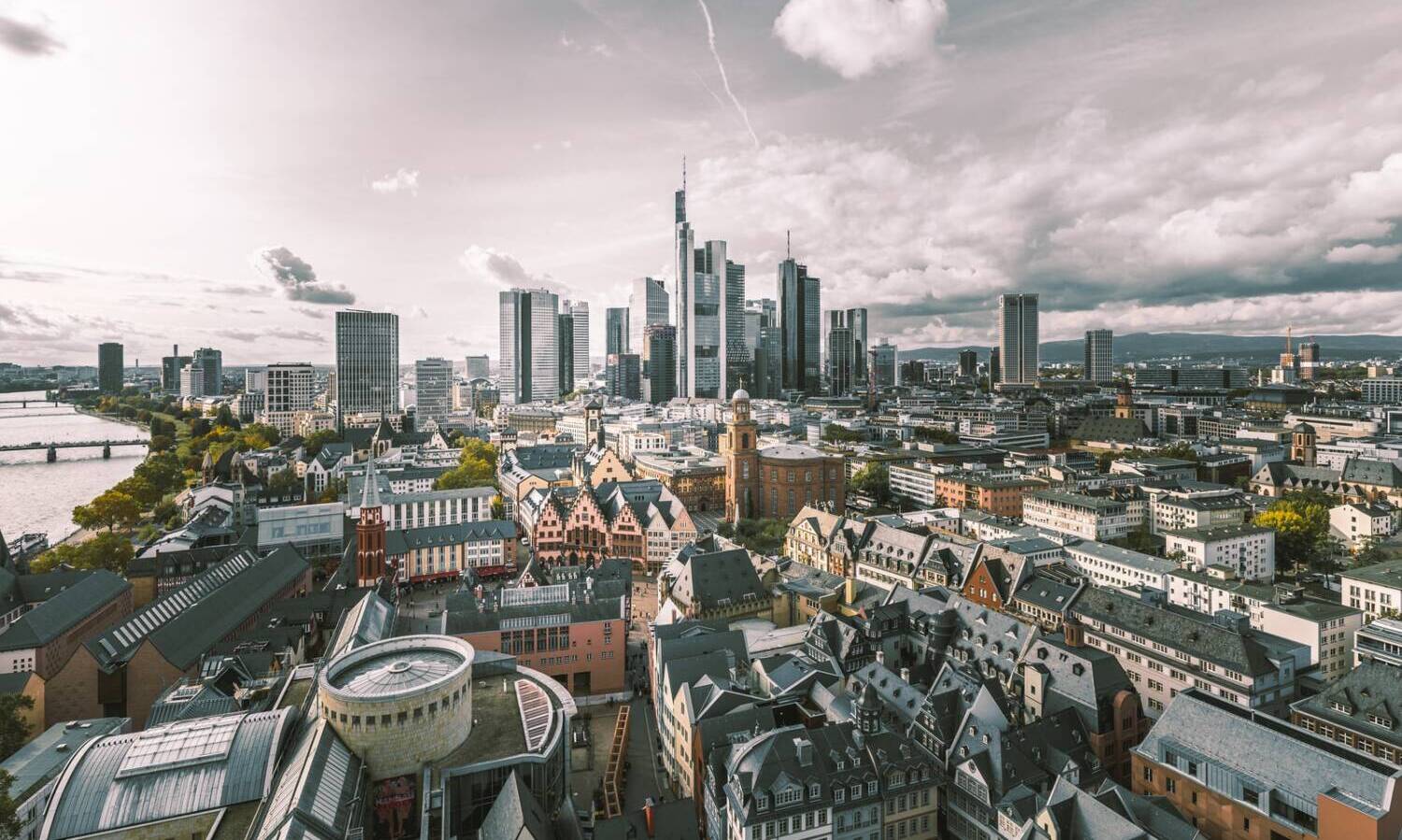
With Germany located in the heart of Europe, there is strong potential for tourism growth and expansion to an audience of EU travelers and other international visitors.
By Niklas Kouparanis, CEO and Co-founder, Bloomwell Group
Tourism has become a profitable and ever-growing asset of the licensed cannabis industries within the U.S. and Canada, as well as the Netherlands, despite the country’s lack of formal adult-use cannabis legalization. With Germany on the cusp of legalizing adult-use cannabis amid a profitable medical-only market, businesses, investors and travelers alike are gearing up to embrace new cannabis tourism opportunities on the horizon.
Since 2013, Amsterdam has welcomed residents and tourists to its coffee shops. These social cannabis consumption lounges were even declared “essential businesses” as part of the Dutch lockdowns during the COVID-19 pandemic.
Over in the States, adult-use markets have attracted both in-state and out-of-state cannabis connoisseurs. Forbes recently cited data from a 2022 Harris Poll survey which found that half of Millennial respondents said that access to legal cannabis is a factor in planning a vacation. In addition, 43% said that they’ve specifically chosen a destination with a legalized adult-use market. Colorado, which has legalized adult use since 2020, has noted that dispensary visits are common amongst travelers to the Centennial State.
According to research released from the Colorado Tourism Office, 16% of those who traveled to Colorado in winter and 15% who traveled to the state in summer visited a cannabis dispensary or retail store while they were there. Also, according to the report, visitors who participated in cannabis-related activities were more likely to stay longer in the state versus those who did not partake.
Photo by Maheshkumar Painam via Unsplash
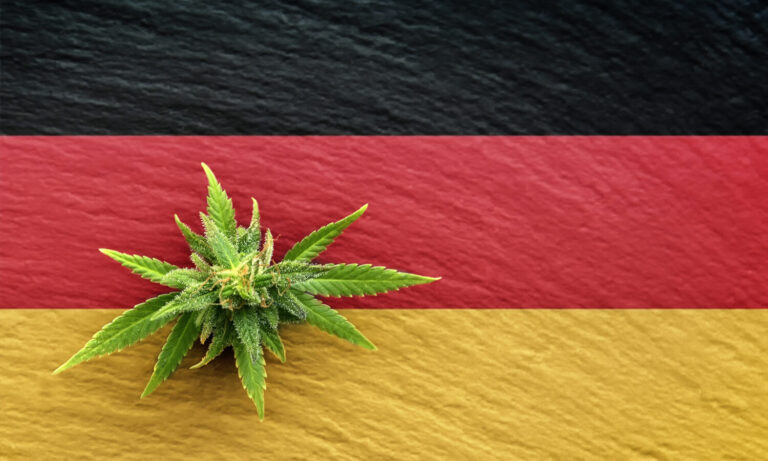
Germany is set to legalize adult-use cannabis by 2024 and will be the world’s largest recreational cannabis market due to the country’s population size. In June 2022, the German government held five hearings to discuss the framework of adult-use cannabis legalization. Representatives from the German government and more than 200 people from medical, legal and business verticals as well as international experts participated in these critical discussions.
Adult-use legalization in Germany will induce a “tourist demand,” particularly from its nine neighboring countries. The criteria of what adult-use legalization will entail, including whether visitors from other European Union (EU) countries and other parts of the world would be able to purchase and use cannabis within the country, has yet to be determined. In addition, the EU’s non-discrimination laws would make it difficult to forbid EU residents from purchasing cannabis even if they are not German citizens. However, if tourists can purchase and use cannabis while visiting Germany, it would open up more opportunities for growth and expansion within the new market.
While the guidelines have yet to be declared, overall cannabis demand in Germany will still inevitably increase. For example, even if tourists do not have permission to purchase cannabis in Germany once adult-use cannabis comes into focus, economists must take into account that they would be able to purchase legal cannabis through local friends and acquaintances. Considering this factor, the total market demand would be increased by a flat-rate tourism demand of 10%, according to renowned economist Justus Haucap. This 10% corresponds roughly to the magnitude of tourism demand in Colorado (source: Leeds School of Business and MPG Consulting, 2020).
According to the 2022 “European Cannabis Market Survey” conducted by Bloomwell Group, more than 66 percent of American cannabis users surveyed said they “would visit a cannabis dispensary or social consumption lounge” in Germany. In addition, 44 percent said that they would travel to Germany specifically for cannabis tourism. Fun fact, nearly 75 percent polled said Pretzels, a Deutschland specialty, are a “satisfying ‘munchies’ food.” There’s a bonus for those who make the trek!
Photo by Igor Flek via Unsplash
Other countries with adult-use markets have shown that the attractiveness of these industries for tourists also depends on the sales infrastructure. For example, here are a few options that may be considered as part of Germany’s future adult-use cannabis legalization policies:
Dispensaries
Cannabis dispensaries are the norm in adult-use markets like Colorado and California. These are local government-regulated retail storefronts in which people can purchase cannabis flower and other types of cannabis products. Most of these dispensaries have budtenders – a person who can suggest recommendations to customers based on their functional needs and desires – answer questions, handle products and showcase the products that are being sold. Although consumers can purchase cannabis and cannabis products within dispensaries, it is yet to be determined whether German law will allow personal consumption or smoking on site.
Coffee Shops / Social Consumption Lounges
Amsterdam’s social consumption lounges known as “coffee shops” have already gained international interest and popularity among travelers. In the Netherlands, although cannabis production is illegal, there is a “backdoor policy” that allows coffee shops to sell cannabis for personal consumption. Although the sale of cannabis is a criminal offense, individual sales of small amounts of cannabis within these establishments are tolerated by local authorities.
While it has yet to be determined if adult-use cannabis legalization in Germany will include policies for public consumption of cannabis, it would be unlikely these establishments will resemble Dutch coffee shops. Instead, they are more likely to follow the model of social consumption lounges that have started to populate within the U.S.
Similar to a bar that serves alcohol, social consumption lounges allow consumers at least 21 years of age to purchase cannabis flower, edibles and other products and consume them in a social gathering place. Social consumption lounges are gaining popularity in mature adult-use markets like California and Alaska. A total of seven states have policies in place for social consumption lounges, and New Jersey, New York, Pennsylvania and Illinois are forging ahead with their plans to allow for consumption lounges this year. Similar to dispensaries, these consumption lounges often have budtenders that help consumers through the purchase process.
Photo by Goodboy Picture Company/Getty
Pharmacies
The current German medical marijuana market operates using pharmacies to distribute cannabis to patients. Through this process, medical cannabis of pharmaceutical quality is distributed to pharmacies on behalf of the German Cannabis Agency. Under the law, it is mandated that a special relationship is maintained between patient and pharmacist who serve as the front-line of patient care, ultimately allowing the free flow of information, education and one-on-one medical patient care.
With adult-use legalization likely to come into fruition for Germany sooner rather than later, the prospect of expanded cannabis and related product distribution, whether in the form of dispensaries, consumption lounges or pharmacies, have resident consumers, business operators and investors salivating and eager to take a bite into the potential of its expanding market. Business owners within the current medical-only market spectate that Germany will likely implement a dispensary model with educated salespersons or budtenders, as well as the potential to also offer e-commerce. However, the government has not yet determined if public and social consumption will be allowed.
With Germany located in the heart of Europe, there is strong potential for tourism growth and expansion to an audience of EU travelers and other international visitors. Making cannabis accessible for both local adult users and tourists alike is key to driving the profitability of a burgeoning market. For this reason, now is the time for German legislators to start mapping out what adult-use cannabis legalization would look like, taking into account the overall foals to protect minors and product security, while determining how best to capitalize on the tourism aspects of the future market.