Your gut and your sex drive are more intimately connected than you think. Here’s what you should know.
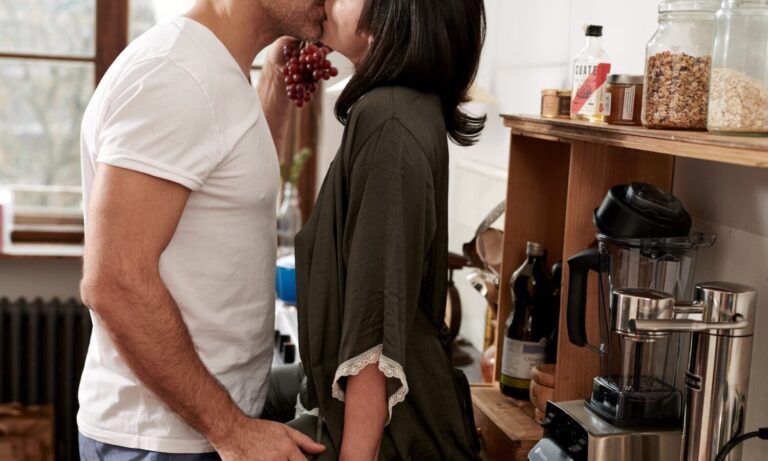
Gut health is one of those things that affects much more than one area of your body. While your stomach is probably not the first thing you think about when you hear the word sex, it’s an important factor.
Studies have found links between probiotics and better sex, meaning that by improving people’s microbiome, people are often in a better mood for sex. Here’s what you should know about the link between sex and gut health.
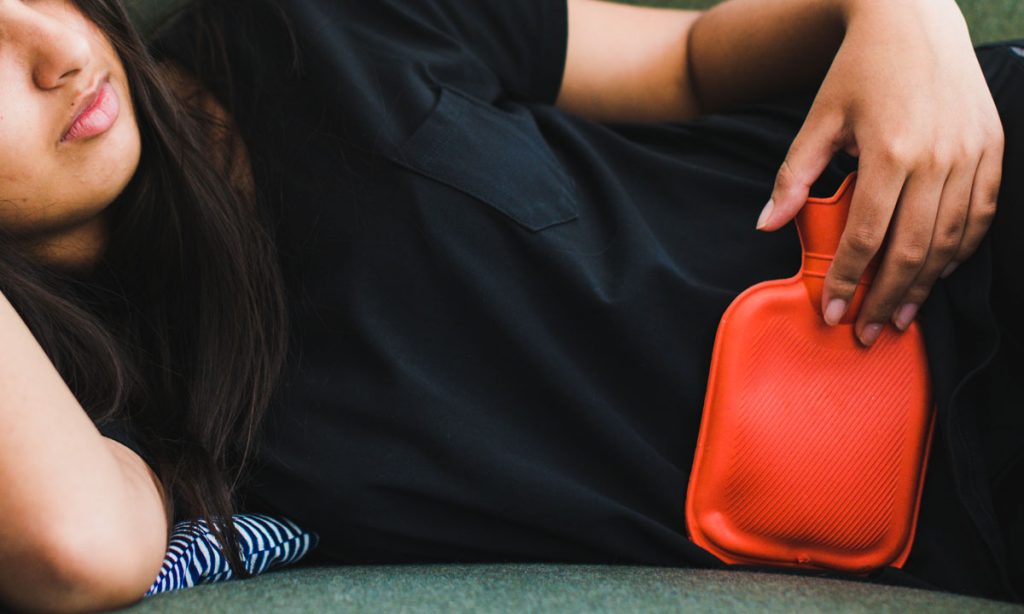
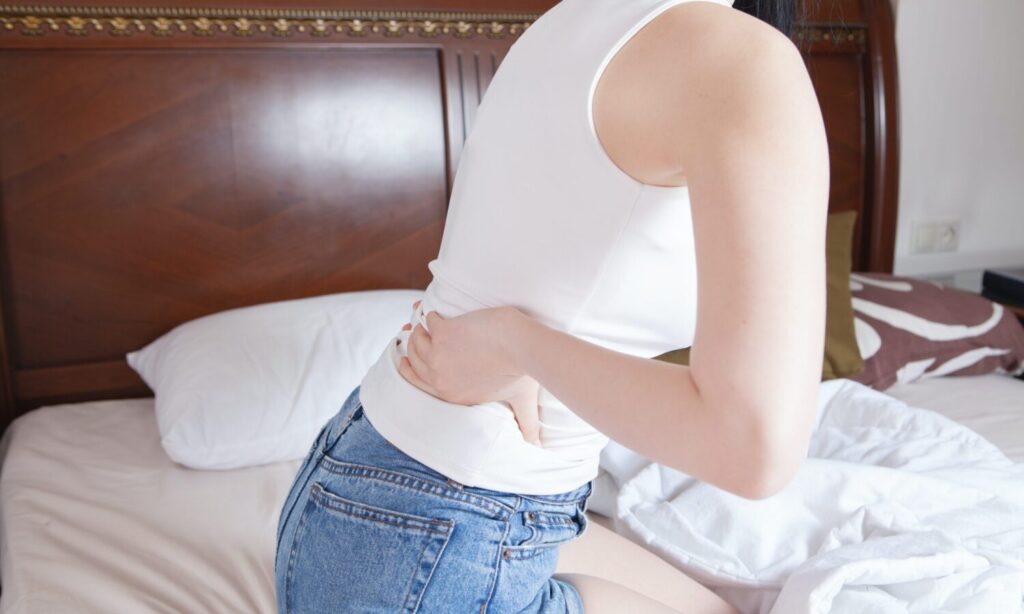
For starters, it’s pretty difficult to focus on having sex and good time if your stomach feels off. It’s tough to have pleasant sex when you’ve eaten too much, or are feeling bloated and with cramps. Conditions like IBS negatively affect people’s sex lives and libidos.
Higher odds of lower serotonin levels and higher risk of UTIs
Photo by Sasun Bughdaryan via Unsplash
Your serotonin levels, which regulate your mood and can help you feel happy and relaxed, are affected by what’s going on in your stomach. These levels can be altered by IBS, nausea, and more, making it more difficult for you to have fun while having sex.
In the case of UTIs, an unchecked gut microbiome could cause bacterial growth that results in vaginal infections.
Your stomach has a strong connection with your brain. When people are hungry or experiencing indigestion, the feeling can be similar to that of anxiety, causing your brain to produce more cortisol and increase their stress levels.
Once your stress levels are increased, a variety of factors make it tough for people to have good sex. “During times of stress, we need to survive, not procreate,” Alicia H. Clark, Psy.D., told SELF. Stress puts your body in a different mindset, increasing blood flow for survival activities — like a faster heart rate — and putting sex in the back burner.
Several politicians have become quite conservative since smoking weed, and a few even condemn its use and existence on American soil.
Politicians’ personal experiences with marijuana have a long and evolving history in America. From Bill Clinton’s famous claim that he smoked marijuana but didn’t inhale, to George W. Bush admitting to smoking weed in his youth in a private (recorded) conversation, the examples are plentiful.
Regardless of how the information becomes public, marijuana in politicians’ personal lives can be a tricky path to navigate. This is understandable, as these politicians either currently or have previously had a hand in setting public policy, which as it stands still upholds a federal prohibition on marijuana. So the idea of someone who has experimented with marijuana but upholds its illegal status is, well, curious to say the least.
Barack Obama was open about his past marijuana use in his memoir, but many other politicians have been vague and apologetic about their past run-ins with Mary Jane. In fact, several politicians have become quite conservative since smoking weed, and a few even condemn its use and existence on American soil.
While many political figures have admitted to smoking weed, here are a few that have admitted to marijuana use while opposing its use for others.
Sarah Palin
Photo by Flickr user Gage Skidmore
Sarah Palin is back in the news these days, as she is running for an open seat in the House of Representatives this midterm election. Years before this current election cycle, Palin admitted to smoking marijuana. She dismissed the action by saying she did not care for it, but admitted to inhaling (unlike Clinton). Her reasoning for not supporting marijuana legalization back when she ran for Vice President, even after smoking herself was, “she doesn’t support legalizing the drug, fearing the message it would send to her five children,” according toCBS News.
Ted Cruz
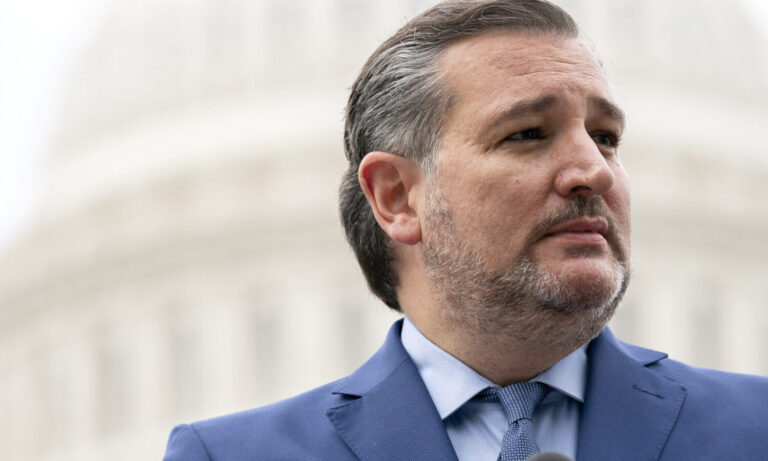
Ted Cruz is used to being accused of hypocrisy at this point in his career. From comments on gun violence to a trip to tropical Mexico when his state had frozen over, this man is no stranger to controversy. Still, his stance on marijuana and his own history with it are nothing short of contradictory.
In regards to his marijuana use in his youth, a spokesman for Cruz blamed it on lack of judgment as a youth and said, “When he was a teenager, he foolishly experimented with marijuana. It was a mistake, and he’s never tried it since.’Teenagers are often known for their lack of judgment, and Sen. Cruz was no exception,” according toThe Daily Mail.
As a politician, Cruz has not made any attempts to legalize marijuana in Texas in his nearly 10 years as Senator.
In fact, according to Forbes, he has “failed to sponsor any of the bills that would allow states to set their own marijuana policies, from the CARERS Act to the aptly-named STATES Act.”
Michael Bloomberg
Photo by Drew Angerer/Staff/Getty Images
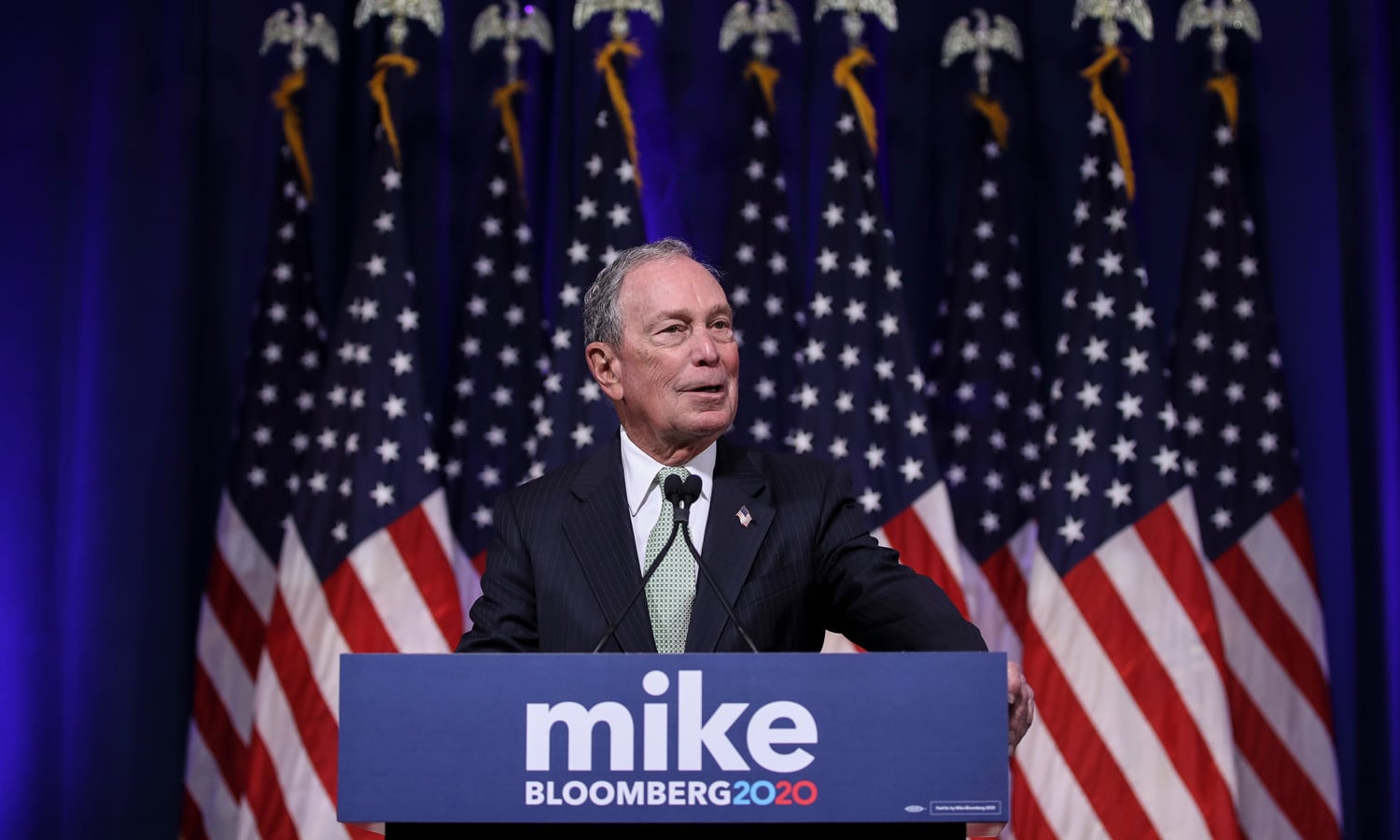
Former Mayor and Presidential candidate Michael Bloomberg has admitted to smoking marijuana, but was very vocal about his views about legalization. Not only did Bloomberg oppose legalizing recreational marijuana for fear of its consequences on New York, but also went so far as to call medical marijuana “one of the greatest hoaxes of all time,” on a WOR-AM radio show, as reported byThe New York Post.
Newt Gingrich
Few politicians have had as hard a line on drugs like marijuana as Newt Gingrich. In fact, at one point he championed the “Drug Importer Death Penalty Act of 1996.” If thisbill had passed, those convicted of importing drugs (just a few ounces of marijuana for example) could get life in prison, or the death penalty if they were repeat offenders. Just when you think the idea of this bill is already crazy enough, prepare to have your mind blown by his history with marijuana.
“What makes the bill even more amazing is that Gingrich himself is a confessed pot smoker. When he was young, he said, experimenting with drugs “was a sign we were alive and in graduate school in that era.” Wrote Ezra Klien forThe Washington Post. One could argue it is a bit dangerous for a man to want to execute people for smuggling in a substance he himself had partaken in. Perhaps this is why he never had a successful presidential bid.
One staffing head feels companies aren’t raising wages to meet the cost of living increases, and says companies are replacing higher-paid employees with lower-wage individuals.
Cannabis professionals are divided over whether the industry is paying a living wage. With a range of points to consider, opinions are formed by various market metrics. From base salary to cost of living to P&L sheets, sources made cases for both sides of the argument. Like much of cannabis, the answer remains far from definitive at this time.
Opinions Split Over Living Wage
Using data and first-hand experience, cannabis staffing company heads split on if the industry paid a living wage.
Kelsea Appelbaum, VP of Partnerships at Vangst, feels wages are meeting the standard. Using company data, she said average hourly salaries for roles such as budtenders, warehouse workers, extractors and cultivators range from $14 to around $30 per hour.
Applebaum pointed toward the company’s 2021 salary guide, highlighting roles like lab worker ($16 to $21 per hour), production techs ($14 to $30) and budtender ($14 to $25 per hour plus tips) as examples of the varied pay scales.
Liesl Bernard, CEO at temporary staffing firm CannabizTeam, cited her company’s annual salary report to conclude that most temp workers made above minimum wage.
The company’s report noted that industry salaries rose 4% in 2021, with senior executives increasing upwards of 10%.
“Close to 40% of these workers are also offered full-time positions within their first six months on the job,” said Bernard. She did not elaborate on full-time salaries but did report most offers included insurance and possibly additional benefits.
Photo by Kindel Media via Pexels
Opposing viewpoints didn’t offer data but anecdotes to reach their conclusions.
Danielle Schumacher, co-founder and CEO of THC Staffing Group, feels companies aren’t raising wages to meet the cost of living increases.
She reported seeing hourly and salary rates decrease in 2022, with companies replacing higher-paid employees with lower-wage individuals.
“I’m seeing cannabis companies no longer offering benefits or less than they used to,” Schumacher said, saying public companies and ones in ownership transitions seemed most likely to do so.
On the other hand, Appelbaum said that an upcoming Vangst white paper of unpublished data from their 2021 report would indicate that respondents felt cannabis benefits packages met or exceeded their previous non-cannabis position.
In the report, 20% of respondents felt industry benefits were better than their last job, with 40% feeling benefits matched their previous positions.
In either case, companies should consider if employees can make ends meet.
Jojo Benje, VP of People and Strategy at cannabis payroll and HR platform Wurk did not offer data but reported that employees at production, cultivation and dispensary roles aren’t receiving wages that match ongoing inflation concerns.
He warns companies that employees not making a living wage could upend company progress.
“Can’t run a business without happy people,” Benje said.
Photo by Olena Ruban/Getty Images
Numerous Points Considered
Marketplace and industry comparisons drove much of the sources’ rationales.
“While $14 per hour may not be a living wage in Denver or Los Angeles, it is in other low-cost legal states,” Vangst’s Applebaum said.
CannabizTeam’s report touched on several factors shaping pay, including company size and candidate experience. Location served as a prime factor as well.
The report dove into various markets and pay changes over the past year. San Francisco, CA (+64%), Stamford, CT (46.9%) and Washington, DC (40.1%) topped the list for industry salary increases.
Springfield, IL (-14.2%), Tulsa, OK (-11.6%) and St. Louis, MO (-9.6%) led in salary decreases during the period.
Nico Pento, Esq. of the firm Bianchi & Brandt agreed that regional cost of living is critical.
“There’s a common misconception about wages in the cannabis industry that is being perpetuated by groups like the United Food and Commercial Workers International Union and other unions looking to exploit the industry while it is in its infancy,” said Pento.
In September 2021, UFCW International called on federal and state lawmakers to ensure the nascent space created “high-quality, better-paying jobs” for employees. The group cited an Economic Policy Institute report that estimates unionized cannabis workers could make between $2,810 to $8,690 more per year than non-union professionals.
Photo by Jeremy Poland/Getty Images
Pento added that the cost of operations is a prime concern, noting that cannabis operators have higher risks associated with compliance, licensing, regulations and taxes.
“The cost of doing business as a cannabis operator is significantly higher than in any other business sector,” he said.
Kara Bradford, CEO and co-founder of Viridian Staffing, agreed, noting that brands face additional taxes and costs than other industries. While P&L sheets have to remain positive, she encourages brands to look beyond the bottom line.
“It would be really nice for companies to make sure they are keeping in mind cost of living when looking at the cost of labor,” she said.
To help companies ensure they are considering living wages in their region, Bradford points clients toward Massachusetts Institute of Technology’s (MIT) living wage calculator.
The free online resource breaks livable wages down by US county, household sizes and up to two working adults in the home. Bradford feels the calculator benefits brands looking to shape a compensation plan or company pay philosophy.
She directs clients to the tool, “To at least have this as a data point and hopefully a baseline instead of just looking at minimum wages.”
“Clean weed” is becoming more popular on the West Coast. But is it better than regular weed?
Clean products are nothing new. But “clean weed” is a different thing altogether, a new phenomenon that will likely grow more common, at least according to some experts.
The Los Angeles Times reports that clean weed has been making its rounds in San Francisco, becoming one of the most in-demand items in dozens of dispensaries. The product takes its name like many other “clean” products, known for their environmentally friendly processes and for the transparency in their components.
Photo by Volodymyr Bondarenko / EyeEm/Getty Images
“Clean weed” depends on the maker, but it suggests that the cannabis in question is grown organically, with the least amount of pesticides used. These products shouldn’t need the help of chemicals to be grown.
This label matters more when discussing vape products. Traditionally, vapes are extracted by submitting the THC to a chemical material like butane, ethanol, or CO2. Completing this process without these elements is not easy, but it’s possible, in a more complicated yet cleaner method that submits the cannabis to “a combination of mechanical agitation and changes in temperature.”
When discussing the perks of “clean weed” vs “traditional weed,” the LA Times spoke to Dr. Peter Grinspoon, a primary care physician and cannabis specialist at Massachusetts General Hospital, who compared clean cannabis to organic foods, using fruits as an example.
“The regular piece of fruit has a little bit of pesticide on it, but at a level where if it gets through, the government says, ‘This is not going to harm you,’” said Dr. Grinspoon. “I haven’t seen any studies that show you’re less likely to get cancer if you eat organic vegetables, but everybody thinks intuitively they’re healthier. And everybody will pay more for [them], and I think it’s sort of the same situation.”
Now more than ever, consumers seem to be concerned with their health and the things that they put into their bodies. The cannabis industry in particular has been the recipient of a lot of criticism, especially in the case of vapes, which have been linked with a variety of health conditions, most pressingly EVALI, a disease that affects people’s lungs due to chemicals present in some vape cartridges.
It makes sense then for the cannabis industry to try to get ahead of the competition by using any means at their disposal, including the more laborious process of labeling and making “clean weed.” More than making a product that is good for customers, this trend is smart marketing.
When THC and CBD are combined in equal ratios, they provide a safer and more effective treatment for neuropathic pain compared to the traditional treatments.
Are cannabis-derived cannabinoids the ultimate panacea to the opioid crisis? A new study that was published recently in Cannabis and Cannabinoid Research has made interesting revelations on the safety and effectiveness of cannabinoids versus opioids in treating chronic pain. Is seems the cannabinoids (THC/CBD) are better than opioids in managing chronic pain.
From the study, it emerged that cannabinoids (THC and CBD) have a greater benefit-safety profile compared to opioids used to manage chronic neuropathic pain.
Neuropathic pain, simply known as nerve pain, is termed chronic when it persists for more than three months. The pain is usually sharp and burning and is likely to be debilitating. The causes vary and include diabetes and cystitis among others. Traditional treatment for neuropathic pain includes the use of anticonvulsants, antidepressants, and opioids.
The study was conducted by a team of pain specialists and psychiatrists, patient representatives, and scientists. 12 different pharmacological treatments including THC and CBD were considered for the study. The researchers sought to compare the safety and benefits of the drug compounds. The researchers created a model (multicriterion decision analysis) to score the performance of each drug in terms of safety and clinical benefits.
Here’s what the research revealed:
Photo by LPETTET/Getty Imagess
A combination of THC and CBD in a ratio of 1:1 had the highest score (79)
CBD dominant treatment followed with a score of 74
THC dominant treatment came third with a score of 72
Duloxetine and Gabapentin’s scored in the 60s
Amitriptyline, Tramadol, and Ibuprofen scored in the 50s
Methadone and Oxycodone scored in the 40s
Morphine and Fentanyl scored in the 30s
An analysis of the results showed that a THC and CBD combination provided significantly higher safety benefits so much so that even if the pain reduction and quality of life score was halved it wouldn’t change the result.
What does this mean?
When THC and CBD are combined in equal ratios, they provide a safer and more effective treatment for neuropathic pain compared to the traditional treatments. While the combination had a score of 79, opioids had a score that ranged between the 30s- 60s. This supports previous research that suggests that cannabinoids can help with the opioid epidemic crisis that’s ravaging millions in its wake.
Cannabis is such an effective recovery aid that many professional athletes have secretly used cannabis to help them recover, even when it might have cost them their career.
We all know exercise is good for us. But sometimes we forget recovery is just as important. To get back to the activity you love, you need to recover in an optimal amount of time. The body has natural mechanisms of recovery, but with work, kids and social obligations, sometimes life gets in the way and recovery takes a backseat to training. But if you repeatedly exercise without letting your body recover, you can put yourself in a state of overreaching that can negatively affect your mood and energy levels.
Many people use cannabis and CBD products to help them recover quickly from the wear and tear of exercise or daily life.
What Does Using Cannabis to Recover From Exercise Look Like?
It could be an ICU nurse finishing a grueling shift and taking a puff from a CBD cartridge to ease her aching feet; a martial artist massaging a 1:1 salve into his battered joints to get back into the dojo as soon as possible; or an active mother juggling workouts, kids and a new business who uses cannabis tinctures to relax, improve her appetite, and sleep soundly through the night. Regardless of how you use it, cannabis and CBD can aid many of your body’s natural healing mechanisms.
Does Cannabis Speed Up Recovery?
Cannabis is such an effective recovery aid that many professional athletes have secretly used cannabis to help them recover, even when it might have cost them their career. Why? Because cannabis has pain relieving, appetite enhancing, stress relieving, sleep enhancing and mood boosting effects—all factors that contribute to a timely recovery.
Photo by anton5146/Getty Images
Nate Jackson, the former tight end for the Denver Broncos, wrote an opinion piece in 2017 for the Los Angeles Times, discussing his cannabis use while playing in the NFL—during a time when team doctors rampantly over-prescribed opiates. Jackson wrote:
“By the time I tore my groin off the bone, in 2007, I was medicating only with cannabis. The team doctors cheered the speed at which I was healing, but I couldn’t disclose to them all that I was experiencing — no pain, no inflammation, restful sleep, vigorous appetite, a clear head. Despite the positive results that I and many others were getting from our own regimens, we had to remain generally mum about cannabis.”
Many casual athletes have also recognized the recovery-enhancing benefits of cannabis. According to a 2019 survey that Jointly discussed in Can Adult Athletes Benefit From Cannabis, over 75% of adults who use cannabis after exercising do so to improve recovery.
A separate survey from 2019 conducted by social psychologist Angela Bryan assessed how cannabis users consumed marijuana in relation to exercise, and found that 77% of people who used cannabis with exercise agreed or strongly agreed that “cannabis enhances recovery from exercise.”
People certainly feel that cannabis helps them recover better and faster, but what does the science say? Unfortunately, due to federal prohibition on cannabis, researchers have not done controlled studies looking at how cannabis affects physical recovery. However, there are various mechanisms by which cannabis or CBD could aid recovery.
What Is Recovery?
Exercise, particularly high-intensity and resistance exercise, creates damage in the form of “perturbations of the skeletal muscle,” which results in a loss of strength that continues until your body repairs itself. This damage is called exercise-induced muscle damage (EIMD), and is characterized by a complex process involving delayed onset muscle soreness, swelling and inflammation. These symptoms generally peak around 24-48 hours after exercise, and are recovered in about 7 days.
Researchers have stated, “Precisely defining ‘recovery from exercise’ is a challenging task due to the varied means of recovery.” For example, are you recovered when you are fully healed back to baseline, or simply ready for additional training stress?
Despite the debate over the term, recovery is generally considered to be the resolution of pain, soreness, swelling and inflammation, paired with the adaption of the tissue and a return to normal strength. In the context of physical recovery, inflammation is not the enemy, but rather “a key process underlying muscular repair and regeneration.”
When you use cannabis or CBD to recover, the goal is to aid and accelerate your body’s natural repair mechanisms with cannabis or CBD to get you back on the trail, the court or the slopes.
Photo by Caley Vanular via Unsplash
What Does the Science Say?
The body has natural mechanisms of recovery, so what gets in the way?
Time seems to be a limiting factor, but no one can get more hours in the day, so sports medicine scientists have indicated that using additional therapies to alleviate symptoms of muscle damage “may be advantageous to individuals who require rapid recovery between bouts of physical activity.” And there is ample anecdotal evidence that cannabis is one of the most effective natural therapies for accelerating physical recovery.
Why Might Cannabis Help People Recover?
Dr. Michael Gleeson, a professor of exercise biochemistry at Loughborough University, discussed six factors that can decrease recovery from exercise: muscle soreness; poor exercise performance; decrease in appetite; infection; quality and quantity of sleep; gastrointestinal abnormalities.
One factor that Dr. Gleeson does not mention is psychological stress, which research has shown adversely affects muscle recovery in the short term after exercise-induced damage.
While the effects of cannabis on exercise recovery have not been directly studied, there is evidence that cannabis and CBD can benefit several of these conditions that inhibit recovery, specifically muscle soreness, appetite, sleep, and psychological stress.
Inflammation
Intense exercise “triggers a flood of chemicals known as cytokines, some of which inflame muscles, that manifests as soreness the next day.” As discussed in Can Athletes Benefit from CBD, numerous studies have demonstrated that CBD exerts an anti-inflammatory effect. In preclinical trials, CBD inhibited production of “pro-inflammatory cytokines and reactive oxygen species” and stimulated production of anti-inflammatory cytokines.
Pain and Soreness
Exercise-induced muscle damage is associated with significant muscle pain and soreness. Specifically for exercise induced muscle damage, the conventional methods of treating pain seem to actually negatively affect muscle adaption. Non-steroidal anti-inflammatory drugs (NSAIDs) are usually the first-line of defense against pain and soreness after a vigorous workout, but these drugs “have been reported to attenuate exercise-induced skeletal muscle adaption.” That means that Ibuprofen may actually limit the ability of your muscle to recover from training.
In elite sporting contexts, players are often overprescribed opiates to treat their persistent pain and soreness. However, opiates are lethal in high doses and profoundly addictive, whereas it is physically impossible to ingest a lethal dose of cannabis, and cannabis products have far lower potential for abuse.
This reality forced the NFL to change their rules in 2020 such that the League will not suspend players if they test positive for cannabis. Many people have found great success in treating their muscle pain and soreness with CBD or cannabis.
The endocannabinoid system “has been shown to play an important role in the modulation of a wide range of physiological processes including neurotransmission, pain perception and inflammation.” According to researchers who study cannabis and pain, “it is not an exaggeration to state that all experimentation using animal models of pain” have suggested that cannabis exerts a significant analgesic effect.
Photo by Alexander Redl via Unsplash
Eating
With all of the stress of modern life, sometimes it can be challenging to work up an appetite even if you have worked out. However, eating is one of the most important parts of recovery. In the sports science world, it is well known that “negative energy balance will interfere with wound healing,” which means that if you eat too few calories, your body will not have the building blocks to recover. Cannabis makes most people want to eat, which is great in the context of physical recovery.
As far back as 300 C.E., physicians in India recommended cannabis “to treat loss of appetite.” Scientists consider THC and other CB1 receptor agonists to “reliably induce hyperphagia.” As a result, many athletes and active individuals use the appetite enhancing aspect of cannabis to boost their recovery. For example, an anonymous former college basketball player said, “You could be smoking as like an appetite enhancer. I’d be putting on more weight and more muscle in the gym.”
Sleep
Whether it is work stress, caffeine, kids, light pollution or your downstairs neighbor, sometimes you just can’t get the sleep you need to recover. Many people use cannabis and CBD to fall asleep and stay asleep longer. According to strength coach Anthony Ricciuto, “Muscle damage from a workout gets repaired during the sleep cycle—the body’s cells are recycled and a cascade of different hormones is activated to produce muscle growth.”
As we explored in Can Cannabis Help Seniors Sleep, researchers have found that daily cannabis use led to greater total sleep time in older adults. For an in-depth look at how you can use cannabis to improve your sleep, head over to Cannabis, CBD and Improving Sleep.
Psychological Stress
While Gleeson et al. does not discuss psychological stress as a factor that can inhibit recovery, there is evidence that “life event stress” decreases short term muscle recovery, even when controlling for physical fitness, workload and training experience.
While there is no research specifically looking at the way cannabis impacts psychological stress and how that relates to physical recovery from exercise, perhaps the acute psychological benefits of consuming cannabis or CBD contribute to its usefulness as a recovery aid.
There are many ways cannabis and CBD can help you recover, so how can you find out if cannabis or CBD is the right choice for you?
Use Jointly to Recover with Cannabis and CBD
Use Jointly, a brand-new cannabis wellness app, to learn if cannabis and CBD can help you achieve your wellness goals. Jointly is a free tool that allows you to track and record your CBD and cannabis consumption, including the dose, time of use, composition of the cannabis product and various other factors that can influence your experience.
As you track your cannabis consumption on Jointly, you will learn about the factors that can impact your cannabis experience and how to eliminate side effects. You will also gain important insights from the Jointly community. For example, in general Jointly users find better results with physical recovery when consuming tinctures or topicals versus flower or edibles. To learn why we might be seeing these data, head over to Jointly Product Type Report Volume 1.
Perhaps you will discover that you recover best when you take a tincture after you have worked out, and with some food in your stomach. You need to track and record your cannabis consumption on Jointly to learn that about yourself. As you use the app, Jointly will build a personalized recommendation engine that suggests actionable advice like new routines and better products. When you use Jointly, you are actually rating how well a product helped you achieve your wellness goal. Over time, your average ratings should go up as you optimize how you consume cannabis and CBD. Use the Monitor Your Progress feature to make sure your results are improving over time.
Finding Cannabis and CBD Products for Physical Recovery
Looking for products to help you recover faster and get back to the activity you love? Brands and manufacturers have designed a vast range of legal cannabis and CBD products for this exact purpose: CBD-infused protein bars; full-spectrum Indica tinctures; 1:1 CBD:THC roll-on topicals. But how do you know if these products actually work? Jointly’s Product Finder (a cannabis and CBD catalog) allows you to look up legal, licensed cannabis and CBD products in your state based on your wellness goals. Select Physical Recovery and see how other users like you rated a product on a scale from 1-10, based on how well it helped them recover. That is why we like to think of Jointly like a cannabis social network.
By reporting your cannabis and CBD consumption, you are contributing important data to the Jointly community and helping Jointly make better product and routine recommendations for you.
Download the Jointly app on the App Store or the Google Play Store to get started on your cannabis wellness journey.
In order to find the solution, you need to first identify the problem. Unfortunately, the author of a new USA Today article only managed to identify a symptom of the problem, and failed to see the root of the problem.
It seems that every other week I’m here needing to cannasplain to people who have no idea about cannabis, potency, or any subjective experience with any real drug usage. Recently, USA Today opinion contributor Peg O’Connor wrote an article titled, “Not your grandma’s weed: Why potency limits must be part of any push to legalize cannabis.”
As one would expect, this article is riddled with assumptions, erroneous data, and faulty conclusions. It is my duty as a defendant of sanity to dismantle this hit piece by Peg and teach her the errors of her ways. Let’s jump into it!
The Three Assumptions
Peg starts off by telling us how cannabis has transformed in the public eye and claims that “no drug” had undergone such a transformation. But I’d like to point out that “alcohol” is a drug that had undergone such a transformation not even a hundred years earlier.
There was a time when alcohol was illegal in the United States mainly due to a puritanical movement spearheaded by women – but once prohibition stepped in and regulations went out the door — bootleg liquor became a dangerous thing. In fact, it because so dangerous that it was women who fought to legalize alcohol again. In many cases, the same women who fought to prohibit it years earlier!
Photo by LightFieldStudios/Getty Images
Therefore, right off the bat we know that Peg’s knowledge of drug history is probably weak and that she’d be drawing all her data from official sources.
Nonetheless, she argues that there are three main reasons why legalization has happened at such a scale:
Based on anecdotal evidence with moving testimony by patients and their families, state legislators became convinced of marijuana’s salutary effects. The federal government had instituted a near-categorical prohibition on marijuana research, so the absence of studies helped the case for medical marijuana because of limited evidence about whether it was harmful.
Marijuana has enjoyed a reputation of being harmless. Many assume that marijuana is not addictive like drugs that have been culturally and morally coded as “bad” or “dangerous,” such as heroin or methamphetamine.
Many recognize that the Controlled Substances Act and its enforcement through the war on drugs were conceived and implemented in racialized and racist ways. There’s no denying the fact that Black Americans have been disproportionately arrested, charged, convicted and sentenced for drug crimes.
According to Peg, these were the only reasons why or at the very least, the “main reasons” why people wanted to opt out of cannabis prohibition.
Before we continue, allow me to clarify.
There are and were more than anecdotal evidence to support cannabis legalization. In fact, while most of the studies on cannabis was commissioned to find its “negative effects”, that research also revealed plenty of medical bonuses. For example, we’ve known that cannabinoids had anti-cancer properties for many decades now. We also knew that cannabis helped stimulate the appetite of patients who were going through chemo. We also knew from studies that it helped against Wasting Syndrome, a side effect from HIV/AIDS. The fact of the matter is that there were many studies that illustrated the medical benefits of cannabis despite the obvious attempt to smear it with scientific literature.
Marijuana is “less harmful” than the vast majority of legal drugs on the market. This is the argument, not that it’s “harmless”. Hell, even drinking water in excess isn’t “harmless”, so why would one think that cannabis is the exception. It’s certainly NOT as addictive as heroin or meth and has a far lower physical effect on the users. For example, one can abuse an ounce of cannabis per day for the next 80 years and have minimal physical side effects compared to abusing a bottle of Jack Daniels daily. You’d probably not make it past 50-years old in the latter. Once again, this is an assumption from the prohibition camp – not cannabis users.
I agree, the CSA is racist, but more importantly, it is a document that gave the pharmaceutical community a monopoly over all the drugs on the planet and then gave them the police to be their enforcers. They are essentially “legal drug lords” and the state is its “arm of enforcement” which all was dreamt up by Nixon in the 1970s.
Photo by PhotoAlto/Katarina Sundelin/Getty Images
Now that we have cleared the three assumptions, we see what Peg has to say about legalization:
I am in favor of the provisions that would establish a trust fund for communities impacted by the war on drugs and an expungement process for individuals with marijuana convictions. I have deep reservations, however, about the push to decriminalize cannabis without restrictions on the potency of the products.
Obviously, within a regulated market there would be certain “norms” to follow, however to restrict potency on cannabis would do nothing to stop the flow of high potency cannabis. The past 80-years of prohibition has taught us as much. Therefore, creating a trust fund (social justice) does nothing to undo the damage of the drug war. Only by removing those laws do you decentralize the power and remove the enforcement wing of the pharmaceutical industry to go after brown-skinned people.
Making Comparisons to the Tobacco Industry
Something that I hear a lot from prohibitionists is that they compare cannabis to tobacco. While both are plants, the process of each crop is widely different. Tobacco gets sprayed with fertilizers and contain more than 7000 chemicals with 69 of them known to be causing cancer.
Cannabis on the other hand, have strict limits on the type fertilizers used and while burning any plant material does generate carcinogens, the cannabinoids in cannabis essentially “deactivates” the receptors in the body of these carcinogens. It’s why there are not many cases of lung cancer with cannabis smokers.
This could be the potential reason. According to a study published in the Harm Reduction Journal:
Smoke from tobacco and cannabis contains many of the same carcinogens and tumor promoters. However, cannabis and tobacco have additional pharmacological activities, both receptor-dependent and independent, that result in different biological endpoints. Polycyclic aromatic hydrocarbons found in smoke are pro-carcinogens that are converted to carcinogens by the enzymatic activity of the cytochrome P4501A1 oxidase protein (CYP1A1 gene product). Benzo [a] pyrene is converted to its carcinogenic metabolite diol epoxide, which binds to specific hyper-mutable nucleotide sequences in the K-ras oncogene and p53 tumor suppressor.
Recent work by Roth et al. demonstrates that THC treatment of murine hepatoma cells caused a dose dependent increase in CYP1A1 gene transcription, while at the same time directly inhibiting the enzymatic activity of the gene product. Thus, despite potentially higher levels of polycyclic aromatic hydrocarbons found in cannabis smoke compared to tobacco smoke (dependent on what part of the plant is smoked), the THC present in cannabis smoke should exert a protective effect against pro-carcinogens that require activation. In contrast, nicotine activates some CYP1A1 activities, thus potentially increasing the carcinogenic effects of tobacco smoke.
Photo by Cavan Images/Getty Images
Of course, there is still a lot about cannabis and cannabinoids we don’t know – however comparing cannabis to tobacco is not an “Apples to Apples” comparison. They are wildly different drugs and commercial tobacco is different than natural tobacco mainly due to the industrial pesticides – some of which are radioactive!
There is a possibility of “Commercial Cannabis” going that route, especially with Wall Street Cannabis enterprises who like to maximize profits at the expense of everyone and everything else – but within the context of “home grown” or “locally sourced” cannabis, this would not be the case.
Why Capping the Potency of Weed Is a Dumb Idea
In the conclusion of Peg’s opinion piece, there is a call for legislators to cap cannabis potency:
We still do not know the risks of marijuana, though physicians are starting to get a much clearer picture. Chronic vomiting, psychosis, addiction, and increased anxiety and depression follow from the regular use of high-potency marijuana in teenagers.
Legislators on the state and federal levels have an opportunity to make better laws about marijuana than they ever had with tobacco products. They need to cap the potency of pot.
While there are potential risks for some people when it comes to smoking cannabis, the vast majority of users will have no problem. They won’t have an issue with addiction, they won’t start chronically vomiting, they won’t have psychosis (other than temporary induced psychosis aka being high), and in fact, would reduce their depression and anxiety.
Bringing up teenagers is a classic “Won’t anyone think about the children!” argument. This argument believes that by “capping the freedoms of adults, we can deter children from consuming,” which is an idiotic idea.
If this was true, then the outright prohibition of cannabis should have completely stopped kids from smoking weed…except, it didn’t, and in fact possibly more kids started doing other drugs as a result from prohibition since the illicit market cares not for what you buy, as long as you buy it.
Secondly, by capping cannabis in your state, you make high-potency products a highly sought after commodity that now has an inflated value due to the artificial scarcity created by the regulations. All this means is that now, instead of having high-potency products in stores that are 100% compliant with marijuana laws – you’ll instead put them in the hands of illicit vendors who don’t pay tax and can mark up the product significantly more.
Since they are vape cartridges, you can store more of it while taking up less space. Every other market that has higher potency products, will now have people incentivized to purchase these products in other markets, drive a few hours, and sell them at a higher price in an unregulated manner.
If we’re talking about “smart ideas” — capping cannabis ain’t one of them.
Photo by Erin_Hinterland/Pixabay
The Actual Solution
In order to find the solution, you need to first identify the problem. Unfortunately, Peg only managed to identify a “symptom” of the problem, and failed to see the root of the problem.
And what is the root of the problem?
Simple — drug education!
Since the 70s, governments around the world have been banging on the “DON’T DO DRUGS!” while subsidizing the pharmaceutical industry that drugged you and your kids for record profits. Instead of suggesting physical activity, the pharmaceutical industry incentivized physicians to prescribe you Ritalin (a related drug to methamphetamines), they gave you opioids to treat sprained ankles, etc.
More people die each year from the pharmaceutical industry than all illicit drug overdoses combined.
The problem isn’t “putting a cap” on anything. It’s about growing up and becoming mature about our drug use. To recognize that it’s a fundamental part of the human experience and that with the proper set and setting, you can enjoy drugs and have immense benefit in your life.
What Peg is actually suggesting is to “transform prohibition”, to “modify it, yet remains faithful as a prohibitionist.
But then again, her PhD is related to “philosophy and gender, women and sexuality studies at Gustavus Adolphus College in St. Peter, Minnesota.”
In other words, she knows absolutely nothing about cannabis, cannabis laws, cannabis policy, the user experience etc. Yet for some reason, she was merited an opinion piece in USA Today.
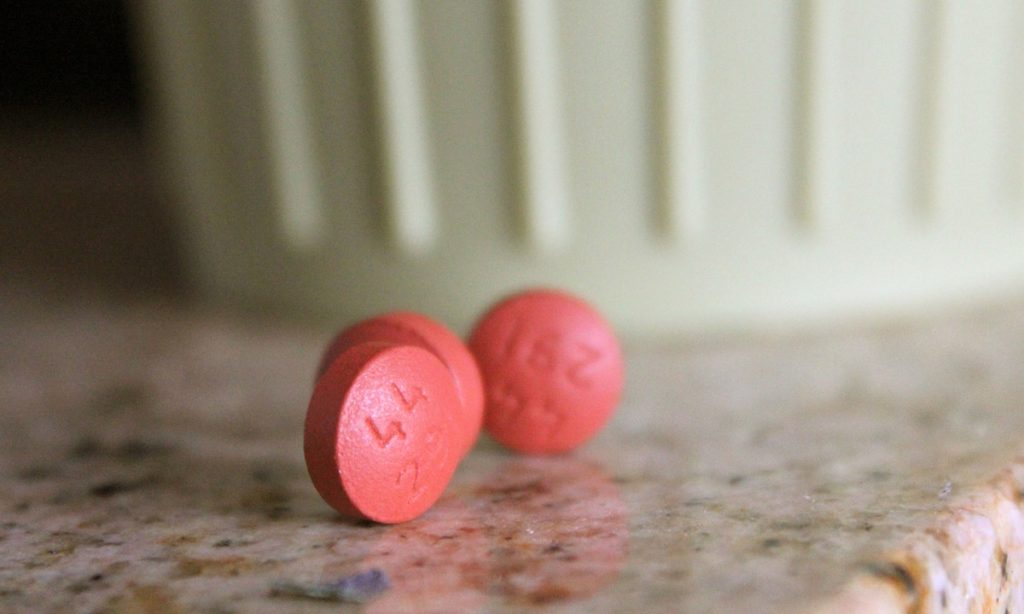
While ibuprofen is very effective, it carries several risk factors that affect quite a significant number of users. Side effects after using CBD, however, are rare.
Pain is a natural and unavoidable occurrence in the human body. It is one of the body’s responses to self-healing. But, sometimes it gets too much and painkillers have to come into the picture.
Ibuprofen is one of the most effective drugs for alleviating chronic pain symptoms from things like headaches, toothaches, and backaches. More than 50% of the American population has used ibuprofen at one point or another. Unfortunately, it sometimes comes with side effects like ulcers, etc.
Now, with the newly tested and proven therapeutic qualities of the cannabidiol (CBD) compound, one is left to assume that it may be an effective alternative to treating pain. But, CBD has not been approved for medical use yet.
The fascinating effects of CBD as a natural supplement have gained popularity and what makes it more appealing is that it does not seem to have severe side effects based on the research carried out.
Photo by Elsa Olofsson via Unsplash
CBD VS Ibuprofen
Here we’ll be comparing both compounds to check if the all-natural panacea called CBD is effective enough to replace ibuprofen as the go-to medication for pain.
Source of CBD
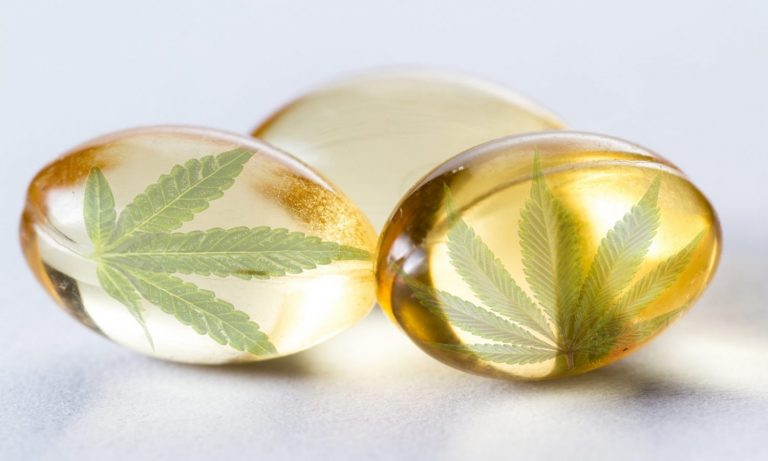
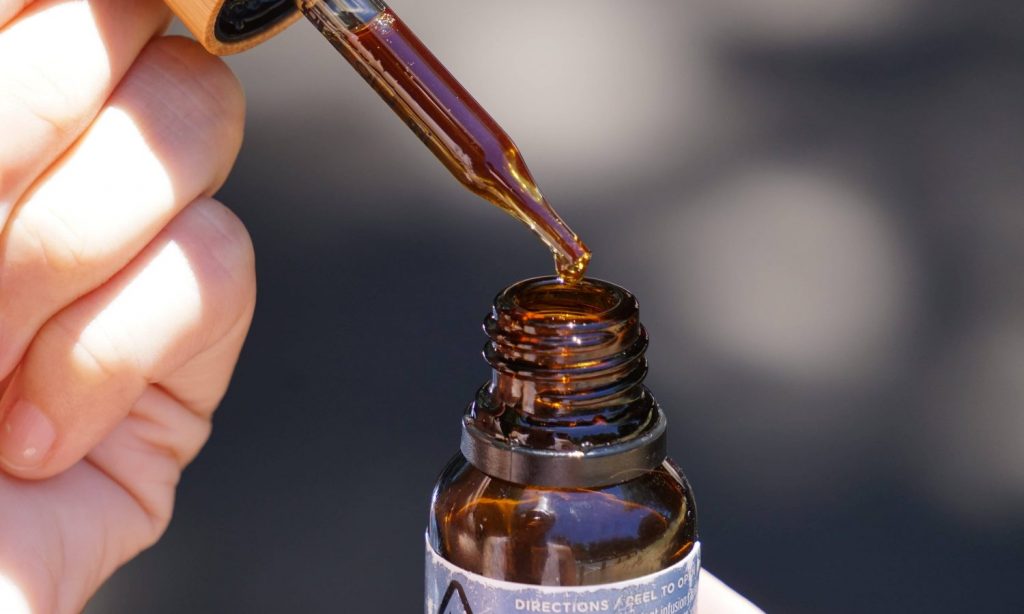
The cannabinoid is extracted from hemp. There are different extraction methods, but the commonly used safe method is extraction using solvents like ethanol or carbon dioxide. After extraction, the CBD molecules are converted into topical, oil, or capsule gel form.
Source of ibuprofen
This drug is developed from propionic acid. This fatty acid is used for its antibacterial qualities in the lab, and it is also used to repel the onset of mold.
How CBD works
When ingested, CBD enhances the natural endocannabinoid levels, the EndoCannabinoid System (ECS) is its primary contact in the body. This system is a network of receptors found around the body and the brain. It is accountable for homeostasis functions like immune response, sleep, appetite, and pain.
CBD relieves pain by activating and encouraging the production of the CB2 receptors in the ECS.
Some researchers say that several conditions like migraines, irritable bowel, and fibromyalgia result from an endocannabinoid deficiency.
Cannabinoids work in conjunction with other body organs to manage pain, modulate pain thresholds and slow down the production of inflammatory particles.
Photo by Flickr user Quinn Dombrowski
How ibuprofen works
When a body sustains an injury, internal or external, Nonsteroidal Anti-Inflammatory Drugs (NSAIDs) like ibuprofen work by slowing down the production of prostaglandin.
Prostaglandin is the hormone that causes pain and swelling in response to the release of prostanoids.
The prostaglandin hormone is produced by the enzymes called cyclooxygenase, otherwise called COX.
Ibuprofen inhibits the production of enzymes COX-1 and COX-2. Also, recent studies show that ibuprofen also stimulates the endocannabinoid called anandamide to alleviate pain and boost endocannabinoid levels.
Simply put, ibuprofen acts like other NSAIDs by reducing the activity of the chemicals produced by the body to fight off an infection, or injury.
One thing to note is that ibuprofen is a non-selective COX inhibitor; the implication of this is that it elicits more side effects than other NSAIDs.
Benefits of CBD
According to researchers, CBD has the needed characteristics to help relieve pain associated with conditions like joint, muscle, and nerve pains, inflammation, chronic migraine, old injuries, cancer, back pain, rheumatoid arthritis, and osteoarthritis.
In addition to this, cannabinoids also have the potential to manage insomnia, mental disorders, psoriasis, seizures, acne, and other conditions.
Benefits of ibuprofen
Ibuprofen is an FDA-approved drug that is used to treat mild to intense pains, swelling, inflammation, and fever.
It is affordable and widely available; all pharmacies have ibuprofen in stock at all times. The smallest dose of this NSAID can provide relief to the user.
Not only is it often prescribed as a pain killer, it also helps prevent the formation of blood clots in certain diseases. Medical doctors also prescribe it to patients with musculoskeletal injuries, as well as fever.
Photo by Elsa Olofsson via Unsplash
Side effects of CBD
Side effects after using CBD are rare. It is generally safe due to its non-psychoactive nature. The chances of you getting high or overdosing on CBD products are very little.
Researchers have not established a recommended dosage for CBD products primarily because it is yet to be approved by the Food and Drugs Administration.
If you fall into the tiny percent of consumers that may experience side effects, they include: difficulty staying awake, dry mouth, dizziness, heartburn, and nausea.
However, these side-effects can only be experienced if the product is used in excess. More reason for you to start slow with a low dose.
Side effects of ibuprofen
While ibuprofen is very effective, it carries several risk factors that affect quite a significant number of users. The FDA says even the short-term use of ibuprofen is enough to increase a user’s risk of cardiac arrests and strokes. Some of the side effects include:
Dizziness
Nausea
Vomiting
Headaches
Diarrhea
Bloating
Heartburn
Rash
Constipation
Ringing in ears
Blistering
Blurred vision
In extreme cases due to prolonged use of the drug in high doses, it could result in;
Stomach bleeding
Ulcers
Stroke
Kidney or Liver failure
High blood pressure
Asthma attacks
Heart attacks
I must point out that the recommended dose of ibuprofen is 1200mg per day. It is oftentimes not encouraged for use among senior citizens. Statistically, ibuprofen is responsible for at least 3,000 deaths per year in this age group.
Photo by stevepb via Pixaba
Is combining the two a bad idea?
Combining CBD with ibuprofen according to research is not a bad idea. Studies show that both compounds can be mixed without the risk of adverse effects. It depends on the user’s tolerance and sensitivity to both drugs.
To be safe, make sure you consult your doctor before mixing ibuprofen and CBD. This is because while there has been no proven interaction between both drugs, your body could have a personal reaction.
Final thoughts
For the FDA to approve CBD as a pain reliever, more research will be carried out to fully understand the complexity of the ECS and its interaction with CBD.
Until then, proceed with caution— purchase your products from only trusted sources.
Dubbed THCNYC, the new cultural institution will feature LED light shows, sound technology and digital journeys, as well as marijuana-related artwork and artifacts.
The Big Apple is getting its very own cannabis museum this coming winter, thanks to the former Las Vegas nightclub owner Robert Frey.
The businessman is said to have signed a 10-year lease for a historic SoHo building at 427 Broadway and Howard Street, which he plans to turn into a 30,000-square-foot marijuana museum dubbed The House of Cannabis, reported The Real Deal.
The museum’s exhibit will include marijuana-related artwork and artifacts.
“We’re just excited because New Yorkers are true cannabis enthusiasts,” said Frey, who is backed by cannabis venture capital firm Merida Capital Holdings. “We thought it’d be a great place to launch our museum exhibit. We want it to be kind of the beacon for people to learn about cannabis.”
For now, Frey plans to convert the three floors of the building into a gallery that will tell the story of marijuana’s history and feature weed-inspired artwork.
“We wanted to combine a lot of topics under one roof and put it in an environment where people can really explore, educate themselves and understand what cannabis is about, and the impact on New York,” said Frey, who also helped create the star-studded clubs the Pussycat Dolls Lounge and Pure Nightclub in Las Vegas.
Also dubbed THCNYC, the new cultural institution will feature LED light shows, sound technology and digital journeys as well, he added.
Photo by Anton Petrus/Getty Images
Frey highlighted that the museum will not sell cannabis. “We want to really help all the dispensaries, whether they want to use us to launch brands or however they see that we can help their programs.”
Meanwhile, the NY Office of Cannabis Management recently announced it will begin accepting applications for Conditional Adult-Use Retail Dispensary (CAURD) licenses starting on August 25, 2022. The application window will close on September 26, 2022.
One of the most striking things about the entourage effect is that it reinforces the idea that cannabis has a lot of potential.
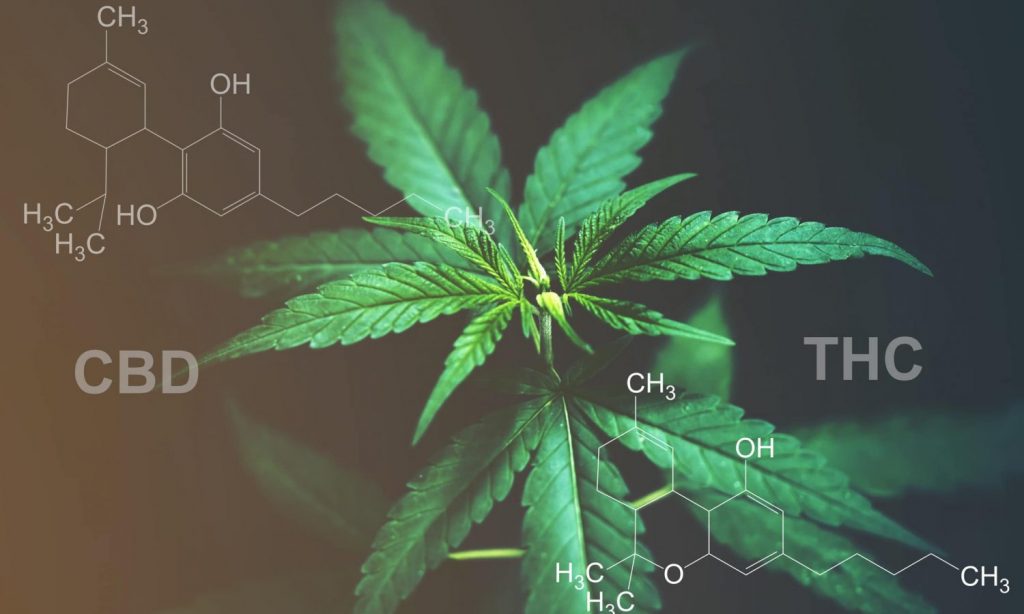
The term “entourage effect” is commonly used in cannabis news articles, and it doesn’t mean a group of people who love weed or those who are cannabis enthusiasts. The term is used to describe the synergy between the combination of different chemical combinations in cannabis. The entourage effect is about the interaction between THC/CBD as well as other terpenes and cannabinoids.
The basic terms
Cannabinoids
Cannabinoids interact with the body’s endocannabinoid system (ECS): a system made up of chemical parts called endocannabinoid and receptors in the body. These endocannabinoids and receptors aid with regulating the different body functions that include appetite, sleep, and pain.
THC is intoxicating. This is the cannabinoid that causes a ‘high” that many users feel after ingesting or inhaling cannabis. But CBD is not intoxicating, which explains why it is gaining a lot of popularity in the medical world. Many patients want to use cannabis for medicinal purposes but don’t want to feel high.
Photo by anankkml/Getty Images
Now the question is: do THC and CBD offer a more extensive range of therapeutic applications? In some cases, they work well together, and you are about to discover why as this is the core of the entourage effect.
Terpenes
One of the things cannabis enthusiasts find exciting with weed is how flavorful it is; the aroma that hits your face and warms you up when you open a cannabis container is just blissful. Do you know what is responsible for the fragrance? Its terpenes!! Good old terpenes.
Terpenes are the aromatic, flavorful compounds found in cannabis and other plants and spices, fruits, and herbs. From a hint of pepper to lavender and even pine terpenes offer a burst of flavors and aromas like no other compound will do.
Photo by Christina Winter via Unsplash
In cannabis plants, terpenes grow inside the resinous glands of the plant (this is called trichomes). The terpenes use their scents to protect the cannabis plant from predators, as most plant cannabis cannot handle the scent and flavor from the plant.
Terpenes also embody therapeutic properties, which explains why users feel a sense of calm and almost sleepy after taking a cannabis shot. An excellent example of this is the pinene terpenes found in pine trees: it reduces inflammation. The linalool terpenes found in lavender also provide anti-anxiety effects, and these are just examples of the therapeutic value of terpenes.
How the entourage effect works
We know that terpenes and cannabinoids offer particular effects on the human body, but what happens when you mix different cannabinoids or combine terpenes and cannabinoids?
As easy as the question sounds, the answer is not so easy, which means combining CBD and THC doesn’t mix the effects of both compounds. Instead, CBD and THC can interact with each other and other cannabinoids and terpenes to produce a synergy called the entourage effect.
Some people wonder which mixture of terpenes and cannabinoids is best for treating some health conditions. Cannabis had a much slower start because of many years of the stigma it received from societies, which led to prohibitions. These years of stigma delayed the research into the entourage effects.
Therefore, not much is known about cannabinoids and terpenes that will be a good pair and produce excellent results. Recently, some groundbreaking studies provide insight into how the entourage affects both cannabinoids and terpenes. We will consider both chemicals separately.
Entourage effects with terpenes
Dr. Ethan Russo presented a seminal research paper titled Taming THC: Potential cannabis synergy and phytocannabinoid-terpenoid entourage effects.
His paper is critical in understanding the entourage effect, and the summaries from his studies showed the therapeutic effects of cannabinoids and terpenes.
Photo by Kirill Vasikev/EyeEm/Getty Images
Every terpene is distinct with its chemical composition, with every one of them offering something different. Some cannabis strains also contain various terpenes, making it complicated to know which cannabinoid-terpenes mix will elicit an entourage effect.
For instance, Dr. Russo also argues that the data shows that myrcene is the main sedative terpenoid in cannabis and, when combined with THC, will produce a form of the entourage effect. So if THC, when mixed with myrcene, has some potential for an entourage effect, one can only wonder what other kinds of combinations are possible.
Entourage effects with cannabis
A study into the effectiveness of THC on how it reduces cancer-related pain versus when CBD and THC are combined discovered something interesting. The results show that THC and CBD combination displayed good effectiveness, unlike THC used in isolation.
The results are exciting and promising because they provide additional evidence of how the entourage effect can combine different cannabinoids.
Aside from amplifying the analgesic properties in THC, CBD also produces another very fun cannabinoid entourage effect. The results are shown through how it reduces the psychoactive effects of THC.
The process for how it works is also complex because CBD interacts indirectly with your body’s CB1 receptors in a way that also affects THC’s ability to bind with receptors.
Photo by Kelly Sikkema via Unsplash
It is also important to remember some examples of the entourage effect when cannabinoid is combined. But most cannabis strains that are selectively bred are made to optimize THC and CBD content. So very little is known about the other cannabinoid (there are more than 118 cannabinoids). Which means there are much more potentials for the study of cannabinoid and terpenes if research continues on a large scale.
One of the most striking things about the entourage effect is that it reinforces the idea that cannabis has a lot of potential. In the future, and as we learn more about the cannabis plant, we will know if it provides additional and impressive benefits for users.
We have discovered the value of CBD and THC separately, but now the world is eager to know, “How much more is there to discover with a combination of CBD and THC?” The question will hopefully drive the extent of future research and test trials that will boost the positive impact of the entourage effect.
People want more and it is evident with the enormous amount of interest vested in cannabis.