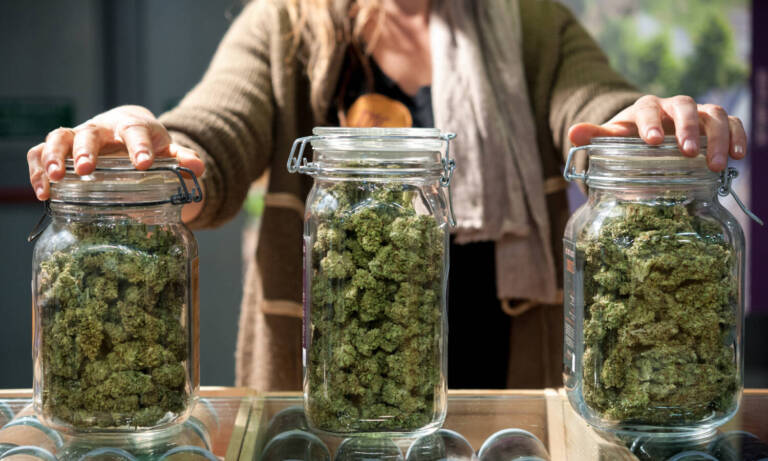
Consumer attitudes show that consumption occasions for alcohol and cannabis differ enough that the supposed threat to alcohol sales posed by legal cannabis is minor.
With the U.S. legal cannabis industry on track to pull in upwards of $46 billion by 2026, many in the alcohol and beverage space are eyeing the cannabis industry as a unique opportunity to expand and reach new consumers although there are just as many who are ill at ease over the impact this could have on alcohol sales.
Roy Bingham, co-founder and CEO of BDSA, said there’s no need for anyone to worry, that coexistence is where it’s at these days. BDSA is the leading provider of market research solutions for the global cannabinoid industry.
“Today, more consumers are pairing cannabis with alcohol than ever before, especially when relaxing or hanging out with friends,” Bingham said.
Consumption of cannabis by alcohol consumers is on the rise per BDSA’s Consumer Insights data, but consumer attitudes also show that consumption occasions for alcohol and cannabis differ enough that the supposed threat to alcohol sales posed by legal cannabis is minor. The number of cannabis consumers who report co-consuming cannabis with certain types of alcohol has seen an appreciable rise.
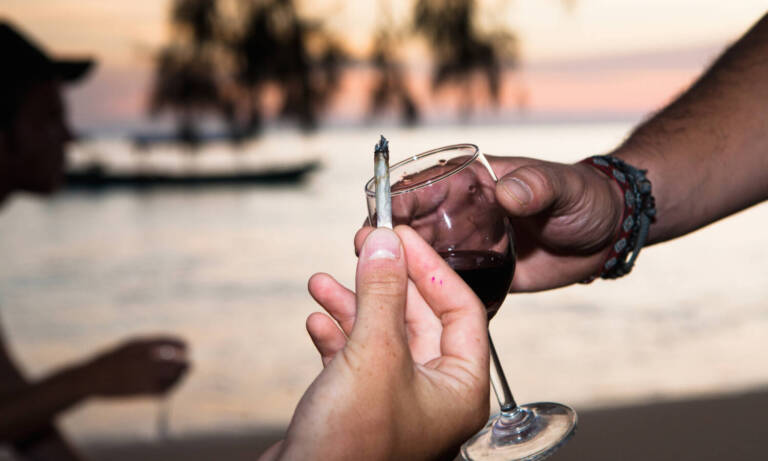
Photo by Adam Jaime via Unsplash
“We’ve also seen a rise in more unexpected use occasions as consumers branch out and use cannabis in new ways, such as while indulging in fine dining or working out. This shift offers a unique opportunity for brands to focus on innovation and create new products to meet these varied use occasions,” Bingham told Benzinga.
Additional BDSA insights show that cannabis and alcohol are doing just fine together:
The share of consumers in adult-use markets who report pairing cannabis with spirits or liquor rose from 12% in Spring 2018 to 22% in Spring 2022, while the share who report cannabis with cocktails doubled to total 20% in Spring 2022.
High energy social occasions such as bar nights, special events, and date nights present a lower risk of cannabis impact to alcohol sales, while consumption for health/wellness, creative endeavors, and certain outdoor activities are more often cannabis-specific.
Continued growth in the cannabis space will create opportunities for brands to produce products with targeted formulations designed to meet the varied needs and use occasions for consumers.
BDSA’s newest wave of Consumer Insights data demonstrates that more than 50% of those surveyed in cannabis-legal states have consumed cannabis in the past six months. Diving deeper into the data clearly shows that the cannabis consumer base is knowledgeable, open to trying new product formats and willing to experiment with incorporating cannabis into more occasions throughout their lives.
In just a few short years, BDSA noted that attitudes towards cannabis across the country have shifted rapidly, with the share of those who have “bought in” to cannabis consumption skyrocketing while fewer and fewer report not being open to consuming cannabis.
Overall consumer participation is lower in medical markets, but BDSA data suggest that consumer participation is growing at a similar rate.
What is CBDA? Cannabidiolic acid is a minor cannabinoid with significant medicinal promise. Recent research suggests it could be an alternative treatment for managing or curing inflammation, anxiety, cancer, and seizures. The therapeutic potential of CBDA is the newest discovery of cannabinoid-based drugs.
Introduction to CBDA
Although research is still in the infant stage, researchers believe it could be the next big medication for treating and maintaining overall mental and physical well-being. Many cannabis-based scientists are optimistic CBDA would reduce the need for conventional drugs with long-term side effects.
Photo by Bloomberg Creative Photos/Getty Images
CBDA is mainly found in cannabis plant material. Like other major and minor cannabinoids, it reacts with the body’s endocannabinoid system and receptors in the central nervous system and immune system.
This less-famous cannabinoid exists as cannabigerolic acid (CBGA) before it is converted to its true form. The mother cannabinoid CBGA is not only a precursor to CBDA, but also to Tetrahydrocannabinolic (THCA) and Cannabicheomenic acid (CBCA)
Conversion of CBGA to CBDA
CBGA is converted into CBDA by an enzymatic process. Once formed, it remains this way until the decarboxylation process takes place. Decarboxylation is the conversion of acidic cannabinoids to their decarboxylated forms. CBDA is converted to CBD, THCA to THC, and CBCA to CBC. When cannabis is heated, the decarboxylation process takes place. Cannabinoids’ molecular structure changes when they are heated, dried, or treated. The method alters the substance’s chemical structure by removing one acidic carboxyl group.
While certain cannabis plants have been cultivated to contain balanced quantities of CBDA and THCA, CBDA is often only found in very small concentrations in cannabis plants. Mainly hemp plants are well-known for having significant levels of CBDA and traces of THCA.
The cannabinoids found in hemp plants can be concentrated through an extraction procedure. These cannabinoids alter how cells communicate response signals, which can have a variety of positive impacts on the body and mind.
First discovered and isolated in 1965 by Israeli scientist Rafael Mechoulam. It was subsequently activated to CBD for its medical benefits. New studies suggest that CBDA could be more effective in its acidic state than CBD for curing or treating some medical conditions.
Is CBDA psychoactive?
CBDA does not induce any form of psychoactivity. Like CBD, it is unable to cause intoxication. It is often used for medical patients that do not want to feel impaired, couch-locked, or lose focus. CBDA does not bind to the CB1 and CB2 receptors because it is acidic. Instead, it inhibits the Cox-2 enzyme without impacting the CNS.
CBDA is perceived as an effective treatment for certain medical illnesses. Its affinity to bind to serotonin receptors allows it to affect most symptoms, including mood swings, nausea, fatigue, and inflammation.
Compared to CBD, CBDA has been found to have a stronger activation of 5-HT1A serotonin receptors. Numerous physiological processes, including the control of mood, motion sickness, migraine, and intestinal movement, are influenced by serotonin.
According to the available studies, the potential as a medication is still in question. Clinical investigations have mainly utilized animal models up until now. We won’t fully understand its potential until clinical trials focus on people’s health and its mechanism of action.
Anti-inflammatory effect of CBDA
Due to its features as a specific Cox-2 inhibitor, CBDA has anti-inflammatory properties and may be effective in lessening inflammation. The functions of cyclooxygenase (Cox) enzymes 1 and 2 vary.
The stomach and intestinal walls are maintained by Cox-1. Cox-2 causes inflammation. Ibuprofen and aspirin are examples of nonsteroidal anti-inflammatory medicines (NSAIDs) that function by obstructing the actions of these enzymes. The gastrointestinal tract may be harmed by long-term reliance on certain medications.
Because of this, scientists have been working to develop selective Cox-2 inhibitors that don’t block Cox-1 enzymes without running the danger of seriously harming the stomach lining and intestines. It functions similarly to NSAIDs but without the adverse effects on the digestive system.
The study discovered it was particularly fantastic at lowering anticipatory nausea. This happens when a patient has nausea just before receiving chemotherapy. Since there are no recognized cures for this type of nausea, CBDA is an up-and-coming alternative.
The study team also examined the interactions between the anti-nausea medication ondansetron and the CBDA. The researchers discovered that even a minimal amount of CBDA enhances the medication’s antiemetic effects.
Epidiolex, a CBD-based medication, became the first prescription medicine product to receive FDA approval for treating treatment-resistant epilepsy, launching CBD into the public eye. It suggests that its acidic counterpart may lessen the severity and duration of seizures in some cases.
The manufacturer of Epidiolex, GW Pharma, has conducted tests contrasting the effects of CBDA and CBD. According to research, it can have a quicker-acting effect than its parent molecule and higher bioavailability.
Their research showed that smaller doses were needed for effectiveness, reducing the possibility of harmful side effects. In several instances, CBDA outperformed CBD in terms of lowering seizure frequency.
Last words: How to use CBDA
There are natural and synthetic versions. However, CBDA extract is more prevalent in the budding CBD market. What is CBDA, another tool in the belt to help you combat some nasty issues.
It cannot be inhaled in its natural form since doing so would cause the cannabinoid acid to transform into CBD. You can use uncooked cannabis blossoms and leaves in recipes. To get your greens without getting high, try eating the leaves raw in a salad, blending them into a smoothie, or producing natural cannabis juice.
You can also create tea from raw flower buds high in CBDA. Simply put, you have to put them in a cup and let them steep. It will be partially decarbed by the water instead of infused into your beverage. It is including in many cannabis products. Customers can purchase raw hemp oil items like tinctures, capsules, and raw CBD oil.
Millions of people suffer from high blood pressure, so it’s no wonder that many want to know if their cannabis habit has the potential to make it better or worse. Can marijuana lower blood pressure? What do you have to do it?
Blood pressure refers to the force of blood pushing against the walls of arteries while the heart pumps. Blood pressure is measured using two numbers: systolic blood pressure and diastolic blood pressure.
Systolic blood pressure is “the pressure caused by your heart contracting and pushing out blood” and diastolic blood pressure is “the pressure when your heart relaxes and fills with blood.” In other words, systolic blood pressure is the force exerted against your arteries when your heart contracts, and diastolic blood pressure is the pressure against your arteries between heartbeats.
Photo by Marcelo Leal via Unsplash
Healthy blood pressure for a typical adult is a systolic pressure of less than 120 and a diastolic pressure of less than 80. High blood pressure is a systolic pressure of more than 120 and a diastolic pressure of 80 or more.
High blood pressure, also known ashypertension, can lead to serious health problems when not treated. Untreated high blood pressure can lead to heart disease, stroke, kidney failure, and death. That’s why it’s critically important to keep your blood pressure under control. Doctors prescribemedications such as ACE inhibitors, ALPHA blockers, beta-blockers, diuretics, and more to help lower blood pressure. Cannabis should not be viewed as a replacement for prescription medications.
To answer the question, “does marijuana lower blood pressure?” we need to be more specific. What we should ask is, “what type of marijuana lowers blood pressure?” This question will help us get a better answer because cannabis can vary significantly in:
Cannabinoids
Terpenes
Flavonoids
Anthocyanins
These bioactive compounds synergize and produce complex biological effects.
There are three categories of marijuana: Indica, Sativa, and Hybrid. Indica strains are thought to be more relaxing while Sativa strains are thought to be more uplifting. Hybrid strains have a mix of Indica and Sativa effects. These classifications are subjective rather than taxonomical. (Want to learn the truth about cannabis strains? Check out: Why Jointly is Better than a Strain Finder)
Indica vs Sativa for high blood pressure
Let’s take a look at Indica vs Sativa for blood pressure. Indica strains are known for their sedative effects, while Sativa strains are known for their energizing effects. While Indica strains are better at overall relaxation, Sativa strains can help to relieve stress – and stress is one of the leading causes of high blood pressure.
It is commonly believed that the type of marijuana that is most likely to lower blood pressure is Indica. This is because Indica strains are known for their relaxing and sedative effects.
Does smoking weed lower blood pressure?
There is some research to suggest that smoking weed can lower blood pressure. Astudy looking at the Cardiovascular Pharmacology of Cannabinoids found that “chronic use of cannabis in man, as well as both acute and prolonged administration of THC to experimental animals, elicit a long-lasting decrease in blood pressure and heart rate.”
Anotherstudy designed to look at the Effects of Tetrahydrocannabinol on Arterial and Intraocular Hypertension found that the inhalation of 2.8% THC resulted in an initial increase in heart rate followed by a decrease in systolic pressure, diastolic pressure, and intraocular pressure.
Photo by Volodymyr Bondarenko / EyeEm/Getty Images
THC and blood pressure
Researchers have found that natural “cannabinoids and their synthetic and endogenous analogs” induce “profound hypotension.” Hypotension is the opposite of hypertension, so cannabinoids like THC induce low blood pressure. But how does THC affect blood pressure?
Cannabinoids exert complex effects in the central nervous system and periphery, but scientists have teased out some of the mechanisms involved. As we discussed in Your Unique Endocannabinoid System:
The primary function of the ECS in organisms is to maintain homeostasis, or to maintain stability in an organism’s internal environment in response to changes in the external environment.
So, it makes sense that the ECS would play a role in maintaining homeostasis of the cardiovascular system.
The cardiovascular effects of cannabis have been documented since the 1960s. We now know that administration of cannabinoids leads to “a profound decrease in arterial blood pressure, cardiac contractility, and heart rate.”
According to a 2008 study, “several lines of evidence indicate that the cardiovascular depressive effects of cannabinoids are mediated” by CB1 receptors in the periphery. The central nervous system is the brain and spinal cord, while the peripheral nervous system is all of the nerves that branch out from the central nervous system. Cannabinoids are also thought to induce vasodilation, based on animal studies.
Endocannabinoid system and blood pressure
Cannabis affects blood pressure through the ECS, which plays an interesting role in maintaining healthy cardiovascular function.
For example, recent findings indicate that the ECS is involved in the “pathomechanism of hypotension associated with various forms of shock.” Additional research highlights the protective role of endocannabinoids in myocardial ischemia. That’s why researchers have entertained the possibility that cannabinoids could be used as “novel hypertensive agents” for at least 50 years.
Anandamide (the bliss molecule) is an endocannabinoid found in mammals that is responsible for the “runner’s high.” Anandamide induces similar cardiovascular effects to THC — a triphasic blood pressure response and slow heartbeat — but the effects last only for a few seconds. These effects are mediated by the vagal nerve, as they are eliminated in animals with a transected vagal nerve.
Anandamide has also been found to induce vasodilation, or the widening of blood vessels. Vasodilation helps to lower blood pressure by making it easier for blood to flow through arteries and veins.
Does smoking marijuana raise blood pressure?
While cannabinoids may have hypotensive effects, smoking cannabis that contains THC may also raise your blood pressure. THC can cause an increase in heart rate, which leads to an increase in blood pressure.
Does CBD lower blood pressure?
Cannabidiol (CBD) is known to have many health benefits, including the ability to reduce stress and anxiety levels. This is beneficial for people with high blood pressure because stress and anxiety can contribute to higher blood pressure levels.
One researchstudy administered 600mg of CBD to nine healthy men and found that this dose of CBD decreased blood pressure. Anotherstudy conducted on rats found that CBD caused vasodilation. While more research is needed, there is some early evidence that CBD lowers blood pressure.
Please note that none of the information in this article is meant to suggest that cannabis or CBD can replace prescription blood pressure medications.
Sam Anderson is the content Director at Jointly, a cannabis wellness company powered by a proprietary data platform to help people reach their full potential. The company was created on the premise that purposeful cannabis consumption is the key to unlocking a better you.
Cannabis oil is majorly preferred for recreational reasons. People use it to get high because of its considerable levels of THC.
The traditional joint has been the most popular way to use cannabis for ages, but with legalization things are changing. Today, marijuana is more on the go and around lots of people. For now, flower (joints, bongs, bowls) are still the most popular, but vaping is a close number two, and oils are on the way up. Which begs a question, what is the difference between cannabis oil and cbd oil?
Cannabis plants have various derivatives, a host of psychoactive compounds, 100s of cannabinoids, and various forms of terpenes. This gives users a wide basket to choose their infused oil from, it also makes selecting one a very hard task.
The commonly used oils are hemp oil, cannabis oil, CBD oil, weed stem oil, CBD tinctures, hemp seed oil, etc. These oils are popular for their medicinal and recreational value. They are generally considered to be very safe to ingest with no combustion-attached risks.
Recently, there has been a wide debate on the potential benefits of CBD oil and cannabis oil. Other oils derived from cannabis have been extensively discussed in the last year. This post will majorly focus on discussing the variations between CBD oil and cannabis oils.
Photo by Iryna Veklich/Getty Images
General Overview of CBD Oil and Cannabis Oil
First off, while both oils are far from being the same, they have a common source; they can both be extracted from cannabis sativa plants.
CBD oil and cannabis oil are produced and packaged in varieties, however, both forms are consumed for very different reasons and they’re regulated by entirely different laws ( which you’ll come to know as you read on).
This oil is made from industrial hemp. Hemp is a variety of cannabis Sativa plants.
The unique feature of this oil is that it only has trace amounts of THC, often less than 1%. This renders the oil non-psychotropic.
However, other cannabinoids are contained in hemp, some of which include CBD, CBC, CBGA, CBN, and CBDA. These cannabinoids have their own added effects but none of it is psychoactive. CBD oil is one of the safest cannabis extract oil to ingest.
Commercial companies make use of hemp seed oil or olive oil carriers to boost the bioavailability of CBD oil. Appeals to more customers.
If you do not fancy CBD oils with other cannabinoid compounds, you’re in luck. There are two forms of CBD oils. They are Full spectrum CBD oil and CBD isolate oil.
If you come across a product with this phrase, it implies that the oil contains other cannabinoids like CBG, CBN, CBC, etc. In addition to this, it also contains flavonoids and terpenes.
The addition of these “not-so-active” cannabinoids work in conjunction with the CBD molecule to produce the famous “entourage effect”. Meaning that they all come together to induce an effect that is greater than each effect.
If you’re looking to experience the entourage effect, then this CBD oil is your best bet.
As the name implies, this CBD oil does not contain any other compound besides cannabidiol. Other compounds like cannabinoids, flavonoids, or terpenes are absent; if they are present, their content level is less than 0.2% of the total compound. Due to this, the oil is tasteless and odorless.
This is the purest form of CBD oil, which makes it more preferable to use it as an ingredient in meal recipes.
It is up to the user to select which CBD oil is preferred.
What is Cannabis Oil?
This is also referred to as marijuana oil or THC oil.
Cannabis oil is an oil infused with a high amount of cannabis extract high in THC. This oil contains a significantly higher amount of THC than CBD oil. It can be extracted from any form of the cannabis plant, be it one for recreational or medicinal purposes. This is in contrast to CBD oil that is most times extracted from industrial hemp.
Due to regulatory guidelines, rouge manufacturers often mislabel their CBD oil as cannabis oil to appeal to new customers.
Cannabis oil is majorly preferred for recreational reasons. People use it to get high because of its considerable levels of THC. A few use it for its medical purpose.
Benefits and Risks
CBD Oil
CBD oils are used to treat medical conditions like:
Insomnia
Fatigue
Cancer
Alzheimer’s disease
Parkinson’s disease
Allergies
Asthma
Migraine
Arthritis
Chronic pain
Epilepsy
Post-traumatic stress disorder
Multiple sclerosis
Lung diseases
And others.
Risks: CBD oil has minimal side effects when it is used in the recommended dosage.
Note that the oil may interact with other drugs, or supplements added to your diet.
Cannabis Oil
Some of the benefits of using cannabis oil include:
Cannabis oil can also be used to treat a higher level of pain, due to the presence of both THC and CBD molecules. Having both major cannabinoids increases the effectiveness of this oil to treat certain disease conditions.
Risks: If used excessively, users might experience some of the side effects of consuming THC high weed. Some of which include paranoia, dizziness, couch-lock, nausea, loss of appetite, etc.
Laws Regulating the Use of CBD and Cannabis Oils
CBD Oil
In Europe, industrial hemp must contain no more than 0.2% THC for it to be approved. While in the United States of America, the limit for THC content is 0.3%.This THC content reduces as the hemp is processed into CBD oil, hence CBD oils have no psychoactive effects and cannot make the user high.
It is legally sold in across Europe and in most states in the U.S
Cannabis Oil
Legally cannabis oil cannot be sold in most nations for recreational use. It can only be recommended to patients with medical conditions that can be treated with it. Most times, before cannabis oil is prescribed, other treatments must have been tried out.
For this reason, you cannot find cannabis oil being sold on eBay, Etsy, or other online stores and dispensaries.
There you have it! Now, you only have to decide which of these products to get and remember that finding the right product is never easy.
When you find the right product, stick to your source. Enjoy!
Massachusetts Gov. Charlie Baker signed into law a marijuana compromise bill addressing social equity and taxes. The Thursday move comes nearly six years after The Bay State legalized recreational cannabis use.
Senate Bill 3096 is aimed at advancing diversity in the sector and regulating the host community agreement (HCA) between cannabis companies and municipalities. It proposes allocating 15% of the money in the Marijuana Regulation Fund, which is fueled by the state’s cannabis excise tax, various operational fees, and industry penalties to a new Social Equity Trust Fund. The task of the new fund will be to provide grants and loans to people from communities most affected by the drug war who are now interested in joining the cannabis industry.
One part of the bill also offers guidelines on a process for cities to allow on-site marijuana consumption establishments or cannabis cafes.
According to Sonia Chang-Díaz, Senate chair of the Cannabis Policy Committee, the compromise bill “takes on some of the industry’s biggest issues.”
The Republican cover only removed one controversial section from the bill – the proposal to conduct a study on medical marijuana use in students during school days reported State House News. The American Academy of Pediatrics had already expressed its opposition to the proposed study on medical marijuana consumption in schools.
No Medical Marijuana In Schools
While Sen. Michael Rodrigues, Ways and Means committee chairman and lead Senate conferee, said earlier that the study could help students who would largely benefit from medical cannabis, the American Academy of Pediatrics (AAP) didn’t agree.
“The AAP opposes medical marijuana outside the regulatory process of the US Food and Drug Administration,” an academy spokesperson told the Boston Herald.
The association of pediatricians says there is not enough data on proper dosing and side effects to make a decision.
“There are no research studies on the use of medical marijuana in teens, so actual indications, appropriate dosing, effects, and side effects are unknown. The only data available on medical marijuana in the pediatric population are limited to its use in children with severe refractory seizures,” the organization advised parents.
The governor agreed with the AAP on this proposition, deciding to leave it out of the marijuana compromise bill.
Baker said the measure as written “is highly prescriptive — making it clear that the agencies charged with producing the study must identify ways to make medical marijuana widely available within schools, rather than considering whether such an allowance is advisable.
“The voter initiatives that legalized medical marijuana in 2012 and 2016 included strong measures to keep marijuana away from K-12 schools and school children. Both laws explicitly stated that marijuana would in no circumstance be permitted on school grounds,” the governor wrote in a letter to lawmakers. “Because the study proposed in section 26 clearly works against these important and well-established protections and disregards the clear intentions of the voters in legalizing marijuana use, I cannot approve this part of the bill.”
Photo by FatCamera/Getty Images
Monumental Step
At a Cannabis Control Commission meeting, several hours before the governor signed the bill, commissioner Ava Callender Concepcion urged her colleagues to take a minute to “recognize the significance of this moment and the magnitude of this impact. By no means am I saying that this single piece of legislation will solve every issue that’s facing the cannabis industry, but it is a massive step,” she said. “This is monumental.”
Chang-Díaz, commented, “This law will rebalance the playing field, where so far wealthy corporations have been able to buy their way through the licensing process and too many local, small business owners and Black and brown entrepreneurs have been locked out. The reforms and funding we fought so hard for will be game changers, putting Massachusetts back among the leading states for racial justice in our economic policy on cannabis. I’m so grateful to the many community members and grassroots leaders who came together and held the state’s feet to the fire to make this happen.”
Shanel Lindsay, a marijuana advocate who took part in the 2016 initiative petitions said that the governor and lawmakers “have made history with this vital — and overdue — grant and loan fund.
“This bill is an important step forward in undoing the harms of prohibition and over-policing and will provide an important path for families of color to create jobs in their community and generate generational wealth,” stated Lindsay, who is also co-founder of Equitable Opportunities Now.
Summer sex can get sticky pretty fast. Here’s what you can do to prepare ahead of time.
This summer sure has been sweaty. While the season is usually linked with longer days and more fun, sometimes it’s too hot out to do anything but lounge in bed with your AC on, if you’re lucky enough to even have AC.
While there’s not a lot you can do when it comes to the weather, there are some things you can do about summer sex. Preparedness is key and a few steps can make your whole experience sexier and more pleasant, resulting in more sex. Here are some things you can do to be ready for summer sex no matter the heat.
Turn on the AC ahead of time
Photo by Sinitta Leunen via Unsplash
While the electric bill is a concern during the summertime, it’s key if you’re looking for some romance. No one wants to have sex in a sticky and humid room. Some good airflow will make your room seem nicer and will provide some much refuge from the heat.
Use your shades
Photo by Matt Moloney via Unsplash
Your shades are very important during the summer, keeping the sun out and the cool in. When thinking about summer sex, this should be one of your priorities.
Try out new things
If it’s too hot out, try out new things, like ice cubes and minimizing full body contact. Try your best to avoid unnecessary warmth.
Protect yourself from UTIs
Photo by Kampus Production from Pexels
The summer months are popular for UTIs, vaginal infections, and other painful inconveniences due to sweaty clothes, wet bathing suits, etc. Pay special attention to your body during these months, bringing a change of underwear to super hot days and beach days. Also, avoid beach sex, which is pretty rough on your body and provides the perfect opportunity for infections.
Be extra safe
The summertime is perfect for dating, which means that you should be extra careful when having sex with other people. Have fun but remember to use protection, and avoiding unwanted pregnancies and all sorts of STIs. Also, a piece of timeless and seasonless advice: pee after sex!
“I recently got deleted off Instagram, again. I had about 4.1 million followers. My Snapchat was number two in the country, not just for cannabis, but in general: It was Kylie Jenner, me and Cardi B. And then they deleted that also. But in terms of sheer numbers online, my watch time is roughly 70 million watch time minutes a month. So I get in a day what some of the biggest cannabis websites get in a month,” explains Thomas Araujo, better known as Dope As Yola, when asked what makes him (probably) the most popular cannabis content creator in the world.
To understand how he got there, we need to go back a decade because, as they say, it takes 10 years to become an overnight celebrity.
The Real Grinder
Thomas “fell in love” with weed at a very young age, even though he recommends people wait until the legal age in their respective jurisdictions to commence their cannabis journey. He remembers first trying the herb the day before the Raiders lost the Super Bowl to the Bucks.
“My relationship with weed is a friend that never moved out,” he states.
In 2012, at age 22, Thomas made his debut as Dope as Yola. He’d put out product reviews and other fun videos. “I was showing my face with weed on Instagram before anybody else, so I got a huge following.” Among fan favorites were his recreations of famous movie scenes, but with cannabis buds.
Around that time, he met John Castaldi, a guy who traveled with him, joined him at cannabis cups, and would ultimately become his business partner. John was already a fan of Thomas’ “Story Time” segment, which would go on to become one of the most popular “story time” segments in the internet, often garnering more than 1 million views each on YouTube alone.
“When I look back I realize the amount of stupid things I’ve done. And I think people can relate to it,” he voices. “Right now I have the biggest cannabis audience in the world and it’s taken 10 years, but it’s an organic following. Every single person there follows because they feel identified… My fans are more than fans: We’re like friends who haven’t met yet.”
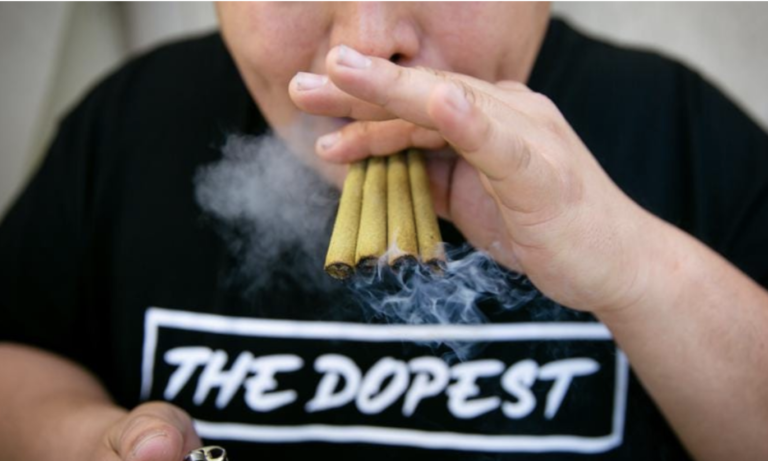
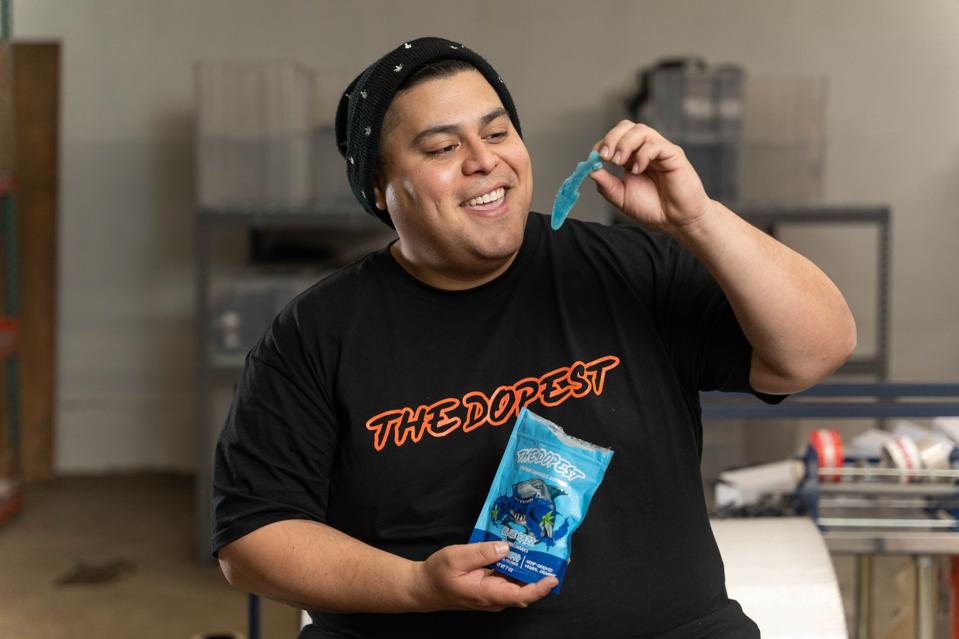
Nowadays, Thomas does live streams, videos, podcasts and much more. He also started a brand of his own quite recently, The Dopest Shop.
Despite his busy schedule, he still smokes “a ton” of weed daily – albeit about half of what he used to smoke. “People always ask, ‘Why do you smoke so much?’ And I answer, ‘For all the time I didn’t have enough weed.’ However, my relationship with weed is more mature nowadays, because I have too much to do, I’m too busy to be frivolous. During the day I just smoke a bit and do work; it’s more like drinking water or coffee.”
Contrary to popular belief, Thomas doesn’t think cannabis makes you lazy at all. And he feels he’s living proof of this.
In his view, it’s people who are or aren’t lazy. Weed will not make you lazy, but I can emphasize that trait, if it’s already part of your personality: “Weed can be used as an excuse, but I will do nothing to you, it won’t make you lazy… It’s a stereotype I think people like to fall back on so they can have an excuse on why their life isn’t going as well as it should be going… It’s not about smoking, but about caring and having a purpose. Weed is just there to be a friend and just chill. That’s how I see it.”
The Dopest Shop
The Dopest Shop was born from a desire to make safe cannabis products available across all 50 states in the U.S. Thomas and John partnered with Claudio Hand and started selling HHC products – disposable vapes, vape cartridges, edibles, concentrates and pre-rolls.
“HHC is a naturally occurring cannabinoid found in cannabis that provides extremely similar effects as THC,” Claudio explains. However, unlike THC, HHC is federally permitted, as it is derived from hemp, which was legalized by the passing of the 2018 United States Farm Bill. The brand has filled a long-time unattended niche in states and rural areas where THC is illegal.”
“A lot of people in states where weed isn’t legal were saying ‘I wish I could smoke what you smoke.’ HHC allowed us to do this legally,” Thomas adds.
For the YouTube star, the partnership is like a match made in heaven. “All of us play a perfect part and it links like a well-oiled machine. John makes what I think is the best hash in the world under a company called Hash House. Claudio is so organized and professional, plus he knows the CBD business inside out. And I’m over here with the content.”
Authenticity was key for this project to work and take off within just a month of its launch. “Thomas has a huge, cult following, he never sells anything, he’s so careful with everything. Before this, he was strictly making money off of his clothing,” John says. “And I knew he could sell massive amounts of weed. But he would never do anything illegal. So we came up with this idea of HHC.”
“What I didn’t expect is to go this big this fast,” he continues. “Thomas’ people are great supporters, man. And as long as we get out the good stuff, they’re going to keep coming despite the marketing limitations we might face.”
Thomas confirms this. “I got paid for my first anything for weed content in 2019. So from 2012 to 2019, I was just poor and struggling. And I think it made it better; my fans really saw that I really was not getting paid. I’m making this content for free, I’m putting in 60 hours a week because I love it so much. And I think that’s what elevated us to where we are. And then the cult following of people going, ‘I know your whole story from start to finish. I can watch it online.’”
According to Claudio, The Dopest Shop was getting between 7,000 to 13,000 daily sessions on Shopify four months into the business. And the number would go as high as 30,000 sessions per day when a new drop was announced. While not all of these sessions convert into sales, Claudio assures the brand’s conversion rate is among the top 1% on the famed online retail platform.
The Seal Of Approval
Another important aspect for Thomas and his partners is quality. “I wanted to make everybody feel included on things that I approve of. For the past eight years, I have been doing extensively detailed product reviews for all the brands in the world, doing everything you can think of. And now it’s for us, so I critique it even harder. I want people to feel exactly how I feel when I’m doing a video about the product,” he says.
Dope as Yola – Barry Hackett
In fact, whenever Thomas doesn’t fully love one of The Dopest Shop’s new products, he has it fully remade.
This was also one of the main reasons why they created HHC products, versus the more popular Delta-8-THC, another hemp-derived cannabinoid that has become insanely popular in the last year or two. They simply don’t like the feeling, the high, that Delta-8-THC products give you. And consumers seem to concur.
Thomas explicates, “When I got everything from Claudio, he gave us an extensive and overly detailed list of what was in each product, each terpene. Me and John are snobs, so we went through them one by one and picked only the ones we loved. When I tried this, and I’ve done 5000 milligrams of THC videos and been obliterated for two days… I ate 1400 milligrams of our Dopest edibles and I was so high I couldn’t process it. When I asked Claudio how he had gotten me so high, he told me it was a proprietary blend, HHC, CBD and CBN. The reason you feel the effect is because they’re blended perfectly. So when I smoke this, it’s shocking to me. It’s this unexpected punch in the face; you do not expect to feel like that.”
For Claudio and John, the creative process is all about overwhelming Thomas. “Thomas has been reviewing top-of-the-line cannabis products for a very, very long time. So, when we give him things and he’s like, ‘Wow, this is amazing,’ it makes us feel really good,” John assures.
Some Good Old Reefer
Going back to lighter topics, Thomas reminisces about the best joint he ever smoked.
It was in Denver, Colorado. During a cannabis cup, a fan of his who’d driven all the way from San Francisco, California, just to meet him, shared a joint packed with one pound of pot. It took 32 hours to smoke it, but they did it.
“We walked downtown Denver smoking this thing and it was obnoxious, truly obnoxious,” he says. “I think it was the wildest thing I ever did, but the most memorable one too.”
Also quite unforgettable was the experience of smoking a 40-gram joint on camera. “I smoked all of it without moving, I didn’t get up, no water breaks. I just smoked it down for two-and-a-half hours. And it was the most memorable thing because that is what started my YouTube. That’s what had people going, ‘I’ve never seen anybody do this in my life.’ I was coughing up tar for weeks. But I still have that roach, I’m going to frame it in a shadow box.”
Without hesitation, Yola moves on to the next question: If you could share a joint with anyone, dead or alive, who would that be?
Before the question is even fully worded, he responds: Adam Sandler and Chris Farley, two of his favorite funny guys.
Thomas already got a chance to smoke with another one of his idols, Tommy Chong.
“I’ve had a lot of celebrities in the podcast smoking joints. My first big break was with Tommy Chong. I rolled a joint for Tommy Chong to smoke in 2015, and I think that was the most memorable one, just sitting there unable to believe this was were weed had brought me.”
– If you can stand in front of Congress and testify, explain why you think we should be legal in America, what would you say?
– I think they kick me out because it be so blunt. But it always comes down to, I never got in a fight with somebody who was smoking a joint. I’ve never seen a pot fight, but I’ve seen bar fights. I’ve seen people get killed and shot, drunk. I’ve never once met anybody smoke a bowl and go, “let’s box.”
I think if everybody smoked a joint and forgot about religious beliefs and political beliefs and laws, I think a lot of people would change their perspective on life. And they [lawmakers] are not going to try to hear that, that’s why I would be escorted out of the building.
Looking Ahead
In the coming months, Thomas and his team will be doing a national tour to present the brand and expand it even further, reach new consumers and find the right partners.
“We want to try to include everyone, but on a more personal level. So the more we can connect the fans with Thomas and then to bring more people on to like the whole fan bases is the goal is.”
The Dopest Shop will also be launching a subscription service soon. This is a big bet for them. Fans love it, they assure.
“I’ve worked with all the largest subscription boxes providers in America and I know, just from our retail and our numbers, that the second we step into that space, it’s going to be a whole other conversation. This is just the start,” Thomas concludes. “The Dopest Shop is a community and it’s super engaged. They inform our decisions.”
Cannabis farmers tend to aim for high THC content cultivars of weed when they’re creating a new strain, without giving much thought to the effect these compounds have on the user’s body.
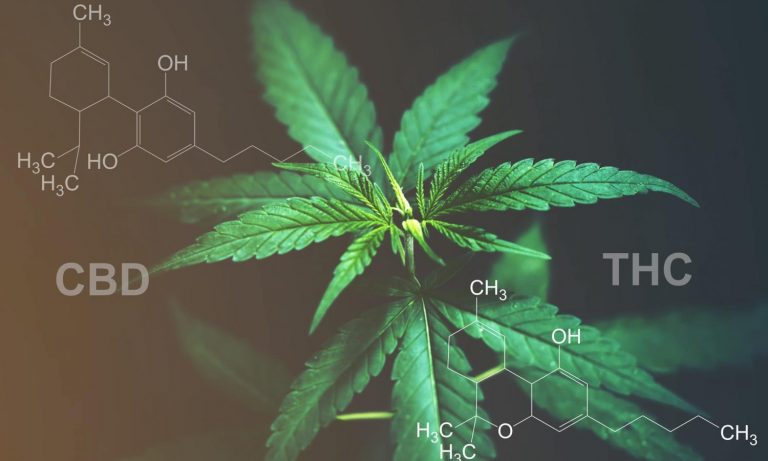
The potency of cannabis is determined by the content level of CBD and THC compounds present in the plant. So, it is normal to be curious about the exact amount of THC and CBD present in a cannabis product before smoking.
In the last decade, hundreds of new strains of cannabis have been created giving smokers a wide range of options to choose from. No two strains of weed can offer exactly the same characteristics. The taste and aftereffects of each cultivar will be distinct from one another.
This has caused a deviation from the normal cannabis culture practiced in the ’70s and ’80s. Back then there were fewer cannabis cultivars and everyone had an idea of the amount of THC and CBD present in them.
Photo by Anastassiya Bezhekeneva/Getty Images
Now, THC and CBD content levels have risen and can be as high as 30% in a weed product, with extracts having very high levels of CBD or THC compounds.
Most of the experienced cannabis smokers have very little idea of how much THC they’re taking into their system— especially when these products are purchased from unlicensed stores.
Licensed dispensaries have the product’s data. Information like THC and CBD content level, as well as the other compounds present in the products, can be provided by these dispensaries. Seed banks also offer this information to customers.
You must understand that these figures even though they are given by these stores are subject to change. The change may occur due to the duration spent on the shelf, or reactions occurring between the compounds in the weed, etc.
Why You Should Test The THC & CBD Content In Your Weed
Testing your weed before consuming it helps to assuage the fears you might have over the absence of information about a particular weed product.
Cannabis farmers tend to aim for high THC content cultivars of weed when they’re creating a new strain, without giving much thought to the effect of these compounds once they enter the body of the user.
When you test your weed before consuming it, you know;
what effects to expect.
the right time to use it.
the right dosage to consume.
whether or not to maximize the cannabinoids levels if you’re a grower.
THC & CBD Testing
This can be done in three ways.
If you have a product procured from a licensed dispensary, you can use the approximate figures provided by the retailer. This way you substitute the figures into a few equations to get the content level of the THC and CBD compounds in the weed.
If you live in a state with approved cannabis laws, you’ll have access to records of hundreds of lab-tested weed samples. Almost all weed products are labeled with approximate percentages of individual cannabinoid compound levels, so far they’re stocked by a licensed store.
The second method is by grabbing a test kit and running the test in the privacy of your home.
The third is through third-party testing, which is a licensed laboratory.
Are Home Tests Up To Par With Third-Party Testing?
Sure, there’s nothing like third-party testing— they make use of expensive equipment for high-performance liquid chromatography and gas chromatography, however, home testing of your weed is also a viable option.
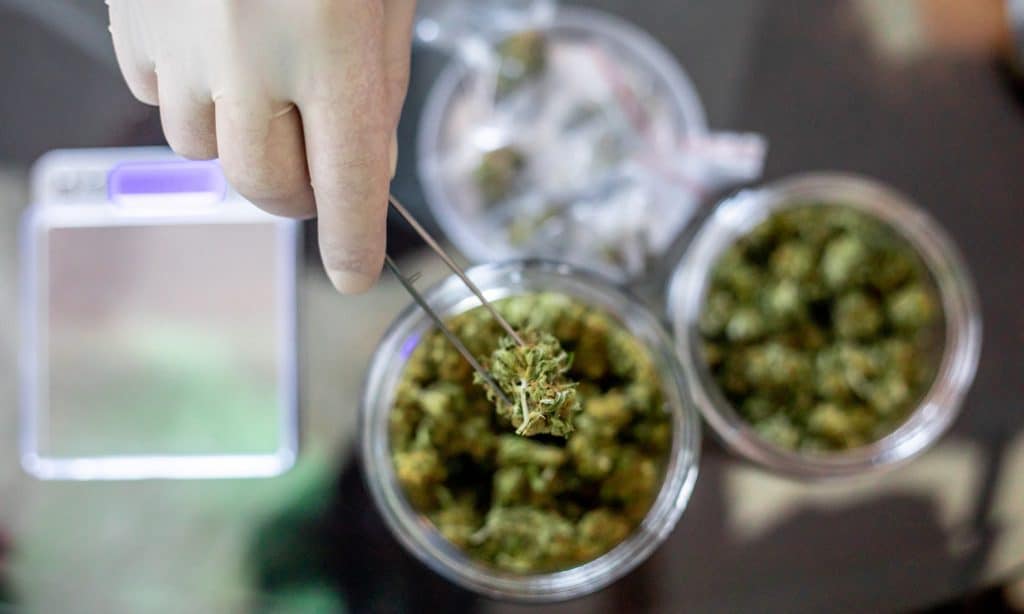
Home tests are DIY ways of determining the accurate potency of your weed before having some puffs. Depending on your adherence to the steps on how to test your weed at home, you would be able to judge the amount of THC, CBD, and even other compounds like terpenes in the weed.
How To Test The THC & CBD Content Of Your Weed At Home
Cannabis users in most parts of the world do not have access to accurately labeled products, nor do they have records of measured and tested weed samples to reference. So you cannot always use the formula method to determine the content level. You either choose to send samples to a lab or do it yourself.
There are several options to choose from when testing your flowers at home. Some options cost more than the others, however, they give you more detailed results. The cheaper options often give limiting results.
Color Chart Test Kits
These kits test for both THC and CBD. They can be used to test flowers, extracts, and oils. These tests require only a minute amount of material to determine the content reading.
Mix a small sample of the weed with the test fluid. Mix well and when the solution changes color, compare the color with the colors on the chart to determine where it falls.
The Colour chart test kit method is the cheapest method that can be used at home. They also do not give detailed results. Most charts only show readings for THC levels that do not exceed 20% and CBD content of less than 2.5%.
Thin Layer Chromatography (TLC) Test Kits
These kits produce more accurate readings. They can also be used to test for not only THC and CBD but other minor cannabinoids like CBN, CBG, and THCV.
Simply mix 0.1g of the weed sample with the test fluid. With the provided pipette, stain the coated glass plate with little quantities of the mixture.
Here, the various cannabinoid compounds present are detected and separated. To find out the content level of each, stain the glass with the dye. Then you can now compare it with the template provided.
Testing Gadgets
This is the most expensive option that can be used to test CBD and THC levels at home. It is used by growers, breeders, and other weed smokers that are so much invested in knowing the cannabinoid content of their weed.
It can determine the level of THC, CBD, and CBN. It can also detect the presence of various terpenes.
Conclusion
To save yourself the cost and stress of carrying out these tests yourself, you can depend on the figures given by the retailers. This will give you an idea of what your weed contains.
Laboratories provide the most accurate and detailed information while home test kits give you basic or in-depth information about your weed, depending on the kit purchased.
New York’s Office of Cannabis Management announced that they’d soon start taking applications, explaining how the process worked and which people could apply for these licenses.
Marijuana regulators in New York announced Thursday that they would accept dispensary applications starting August 25. These applications will be reserved for people and families that have been directly impacted by the war on drugs.
The announcement was made through the NYS Office of Cannabis Management’s social media platforms.
Did you hear? Cannabis in NY is here and in just 2 weeks, you will have the chance to apply for your own cannabis adult-use retail dispensary license, CAURD.
— NYS Office of Cannabis Management (@nys_cannabis) August 11, 2022
The office clarifies what it means to have been impacted by the war on drugs, claiming that applicants must be “justice-involved,” meaning anyone that has been arrested or convicted for a marijuana offense. This initiative is called the Seeding Opportunity Initiative, with New York being the first state to implement it.
“We’re writing a new playbook for what an equitable launch of a cannabis industry looks like, and hope future states follow our lead,” said Cannabis Control Board (CCB) Chair Tremaine Wright in a press release.
The application portal will remain open until September 26th, a short period of time, with authorities suggesting that interested parties start compiling their documents as soon as possible. People involved with the design of the portal and the new rulings in place claim the application process is designed to be as smooth and straightforward as possible, requiring no outside help.
New York is currently in a confusing moment when it comes to cannabis. While the drug is legal to consume, carry and gift for anyone over the age of 21, the sale of it remains illegal. All through the year, dozens of cannabis shops have appeared and the marijuana market has boomed, leaving many who wish to be involved in the business confused and like they’ve already missed their opening. To mitigate this, the government has sent out dozens of cease and desist letters.
“Sale of untested products put lives at risk,” said Wright when addressing these sales. “I implore these illegal store operators, and any other stores pretending to be legal operations, to stop selling cannabis products immediately.”
The businesses that received these notices were issued a warning, with no threats of arrests or any police involvement.
In order to understand why tobacco prices steadily increase while marijuana prices fluctuate, it is important to understand the differences between why and how these two products are taxed.
If you are a frequent cannabis purchaser you have likely noticed that some of your favorite cannabis products have stayed the same price, or even decreased over the last year. When prices on your favorite cannabis go down you likely don’t want to ask too many questions. Instead you are more likely to buy as much as you can and leave with a bag full of savings.
Marijuana prices have indeed decreased or at least stayed stable recently. While this may not prompt suspicion, you have to wonder why a highly-taxed product like marijuana is not going up in price while tobacco, another taxed and regulated substance, continues to climb in price.
In order to understand why tobacco prices steadily increase while marijuana prices fluctuate, it is important to understand the differences between why and how these two products are taxed.
Tobacco is taxed on a federal and state level. One main reason tobacco is taxed on a federal level is to offset the mounting cost tobacco has on preventable medical costs. According to theCDC, cigarette smoking cost the United States more than $600 billion in 2018 alone. The money to cover these costs has to come from somewhere.
Photo by Cappi Thompson/Getty Images
The other reason taxes in tobacco steadily increase, without dipping, is that increasing price is linked to smoking cessation (especially in young people). “Tax increases are the most reliable policy tool to encourage smokers to quit, discourage young people from trying cigarettes, and generate revenue to offset the public health costs of tobacco use,” according toTobacconomics, an economic research group on tobacco control policy.
Marijuana is taxed heavily as well, but in a different manner than tobacco and with different goals. For one, marijuana is not taxed on a federal level, as it is not legal on a federal level. Instead it is taxed on state and local levels. Since marijuana is not linked to terminal disease like tobacco products are, the tax collected from marijuana is used for programs that often tend to benefit the state the marijuana is purchased in.
Most states use the collected tax revenue to support educational and treatment programs, law enforcement and even boost their state’s general fund. Colorado, for example, uses 71.85% of the tax revenue collected for “health care, health education, substance abuse prevention and treatment programs, and law enforcement,” according to the Colorado General Assembly. More than 15% (15.56%) of the revenue goes to the state’s general fund.
This shows that while both products are taxed highly, tobacco tax is aimed to stop people purchasing the product and decrease federal cost of healthcare issues caused by smoking. Marijuana tax is used to benefit the state it is purchased in, meaning there is likely no desire to decrease marijuana sales in states where it is legal, so keeping the product affordable is a wise idea. Overtaxing could hurt sales, and in turn hurt the state’s economy.
Another reason marijuana prices are going down while tobacco prices are going up has to do with how established (or unestablished) these two markets are. Tobacco and its leading companies have established their markets, brands and customers. This means while they can spend money on advertising and promotional offers to entice customers, the price is fairly established.
Marijuana, on the other hand, is a very new market, especially the legal market. It is so new that major players are only just beginning to rise, and sometimes fall, as the industry grows. While this is an exciting time for the industry and those who support it, it is also an economically volatile time for those who are invested in it. There is a lot of competition in many states. The new cannabis boom has prompted a rush of entrepreneurs to enter this growing market.
Photo by Hugo Cattelain / EyeEm/Getty Images
This growth, however, has led to a bit of an over-saturation in some places, and also an over-abundance of product. “In some states, there’s simply too much product, leading to plunging prices. In California, for example, wholesale cannabis prices plummeted by about 50% last year,” according toPolitico, which mentioned that Colorado, Washington and Oregon all saw significant declines as well. This is a major reason you have likely noticed those decreased prices lately.
Marijuana is slowly growing in acceptance among lawmakers and the general population, which in turn will likely lead to it being accessible and affordable for years to come. Since it is a new market, prices are bound to fluctuate, but when they eventually settle the odds are they will not break your bank account.
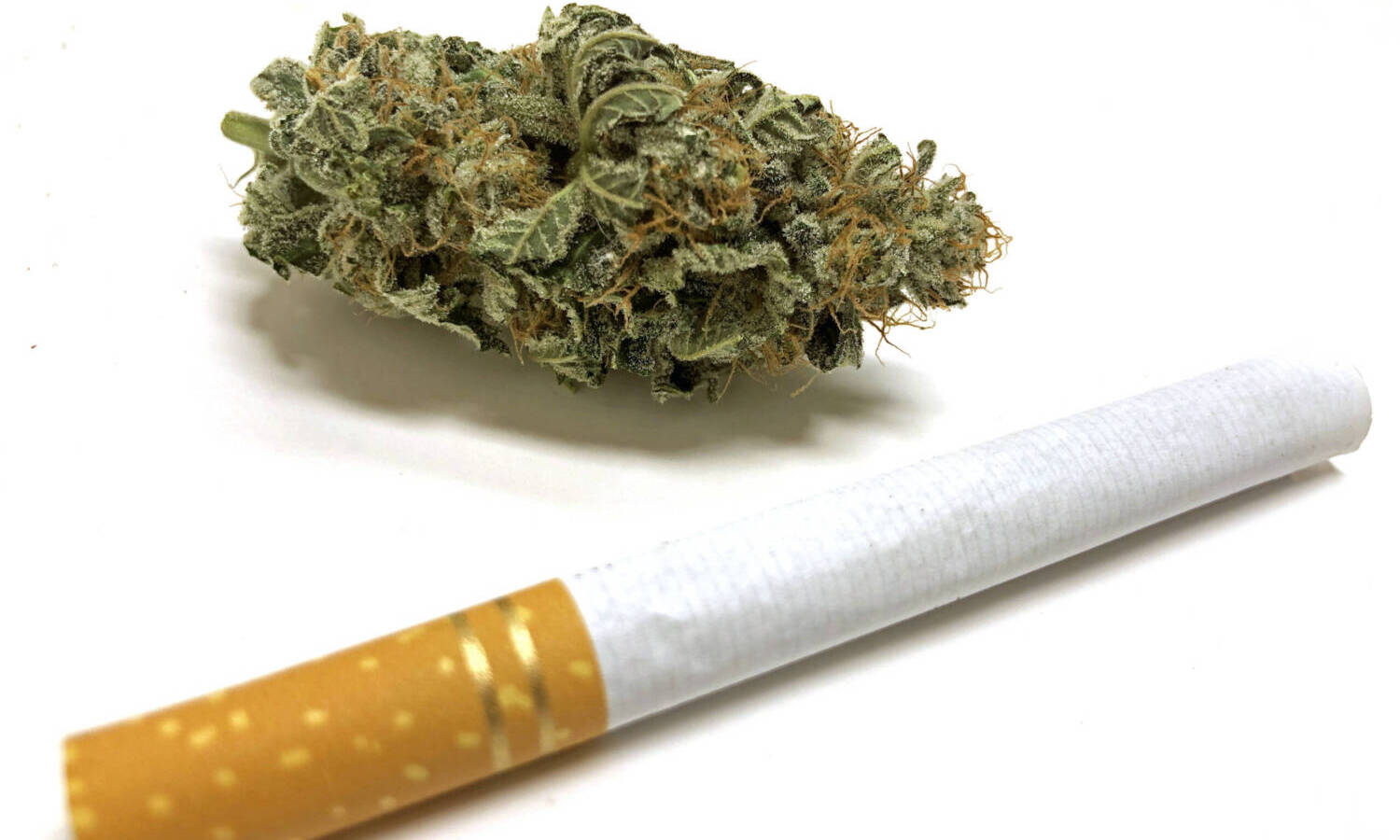
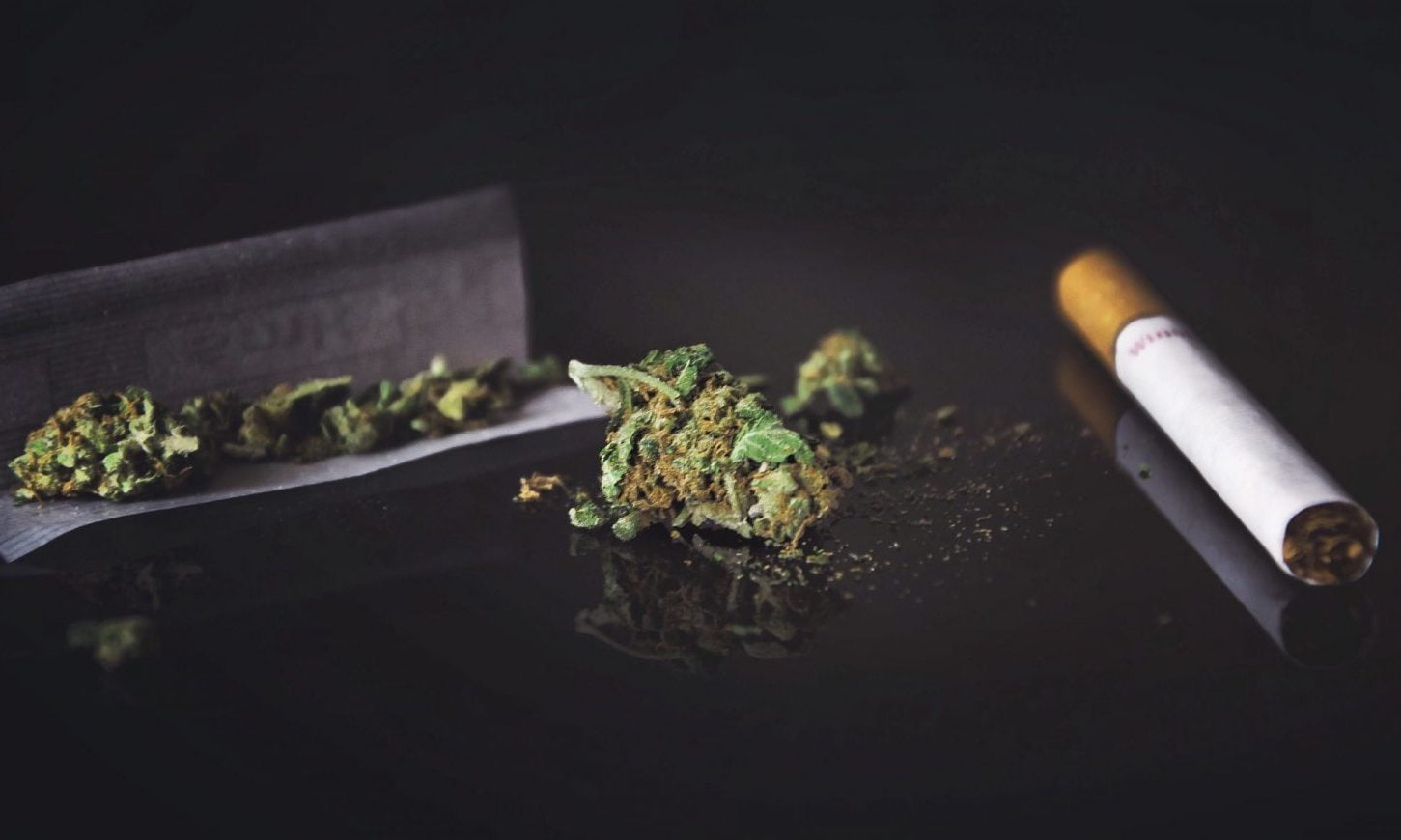
While cigarettes and joints might look the same, the political and public acceptance of tobacco continues to decline. As more people want to see an end to nicotine addiction and the preventable death associated with it, there will likely only be further taxation and higher prices in the future.