Wednesday, July 1, 2026
Home Blog Page 215

Medical Cannabis Businesses In Arkansas Sued For Inflating THC Levels

“Plaintiffs independently tested products purchased from licensed dispensaries and found that THC levels were inflated by an average of 25%,” states the lawsuit.

By Joana Scopel

Three Arkansas residents have filed a federal lawsuit against four licensed medical marijuana companies operating in the state, accusing them of altering the THC levels on the labels of cannabis products they sell to medical cannabis users.

“Each Plaintiff files this suit to vindicate the federal laws prohibiting the cultivation and sale of marijuana and their rights under the Racketeer Influenced and Corrupt Organizations Act (“RICO”). Each Plaintiff is in “chronic pain and has been prescribed medical marijuana by a physician,” reads the Plumlee et al. v. Steep Hill Inc. et al. lawsuit.
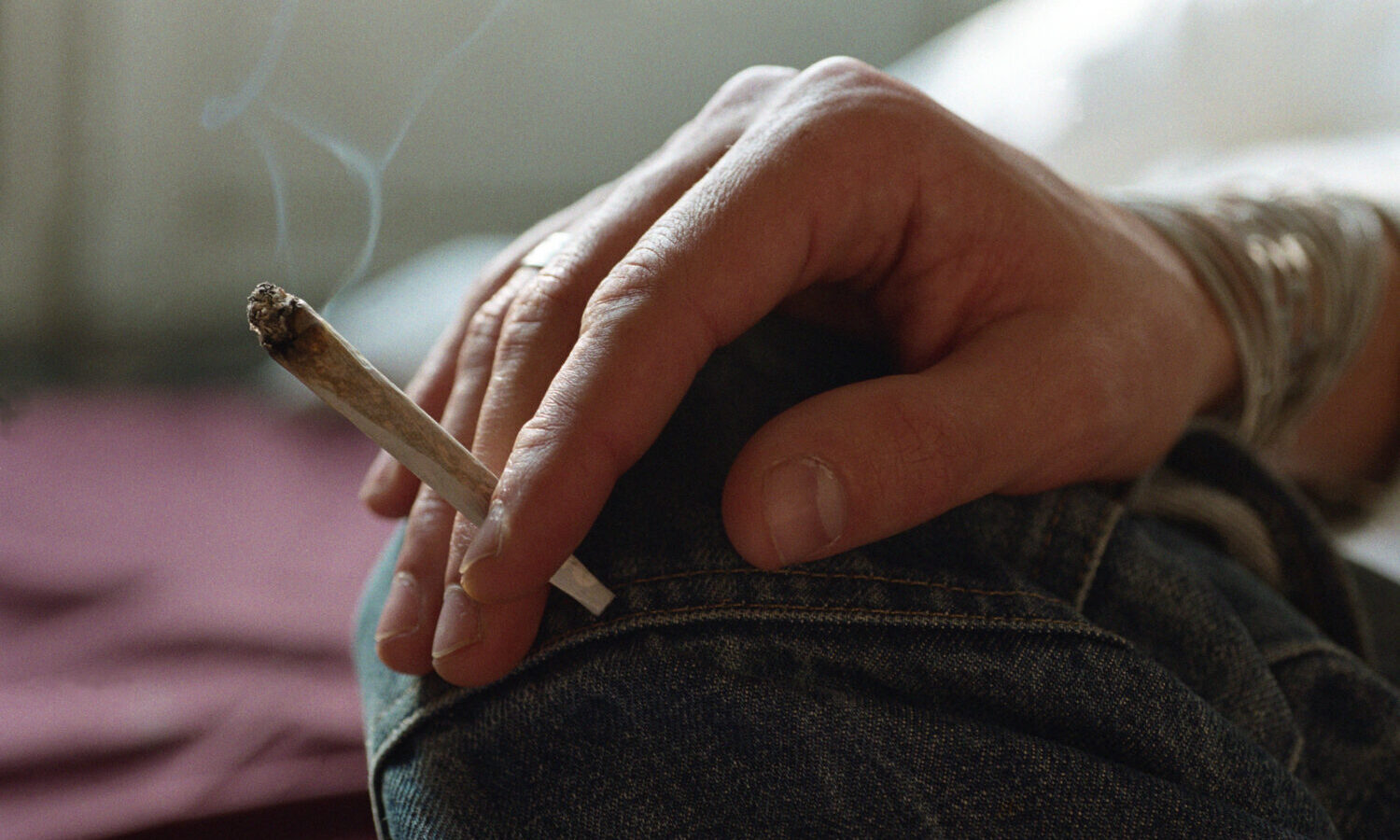
marijuana joint
Photo by PhotoAlto/Katarina Sundelin/Getty Images

Among the companies sued are Bold, Osage Cultivation, Natural State Medicinal, and primarily Steep Hill Arkansas by Steep Hill Inc. “Plaintiffs independently tested products purchased from licensed dispensaries and found that THC levels were inflated by an average of 25%,” states the lawsuit.

RELATED: Pros And Cons Of Growing Your Own Marijuana

“We noted over time that some marijuana was more potent than others, despite being labeled with similar amounts of THC,” expressed Don Plumlee, Jakie Hanan, and Pete Edwards, which are the plaintiffs. “RICO works with Steep Hill Arkansas, to generate labels with higher THC results (…) Defendants used a telephone, email, or other communication facilities to take action in support of their efforts to illegally sell marijuana that had been mislabeled hundreds of times,” the plaintiffs alleged.

“The RICO Defendants together formed an open-ended partnership business for the purpose of growing marijuana in Arkansas and selling it to dispensaries in Arkansas for purchase by Plaintiff,” the lawsuit continued. “To that end, they pooled their resources, knowledge, skills, and work to achieve through the company efficiencies in the cultivation and distribution of marijuana that none of them could have achieved individually.”

In addition, the plaintiffs’ argument added that “if higher THC levels equate to higher sales, then a concerted effort to mark those THC levels on Certificates of Analysis will lead to consistently higher sales.”

RELATED: 3 Marijuana Myths Which Have Been Debunked

The plaintiffs even argued that this type of activity in the state’s medical cannabis market would violate the Controlled Substances Act (CSA) when CSA stated that, ”the large-scale manufacture and distribution of marijuana is a serious felony.”
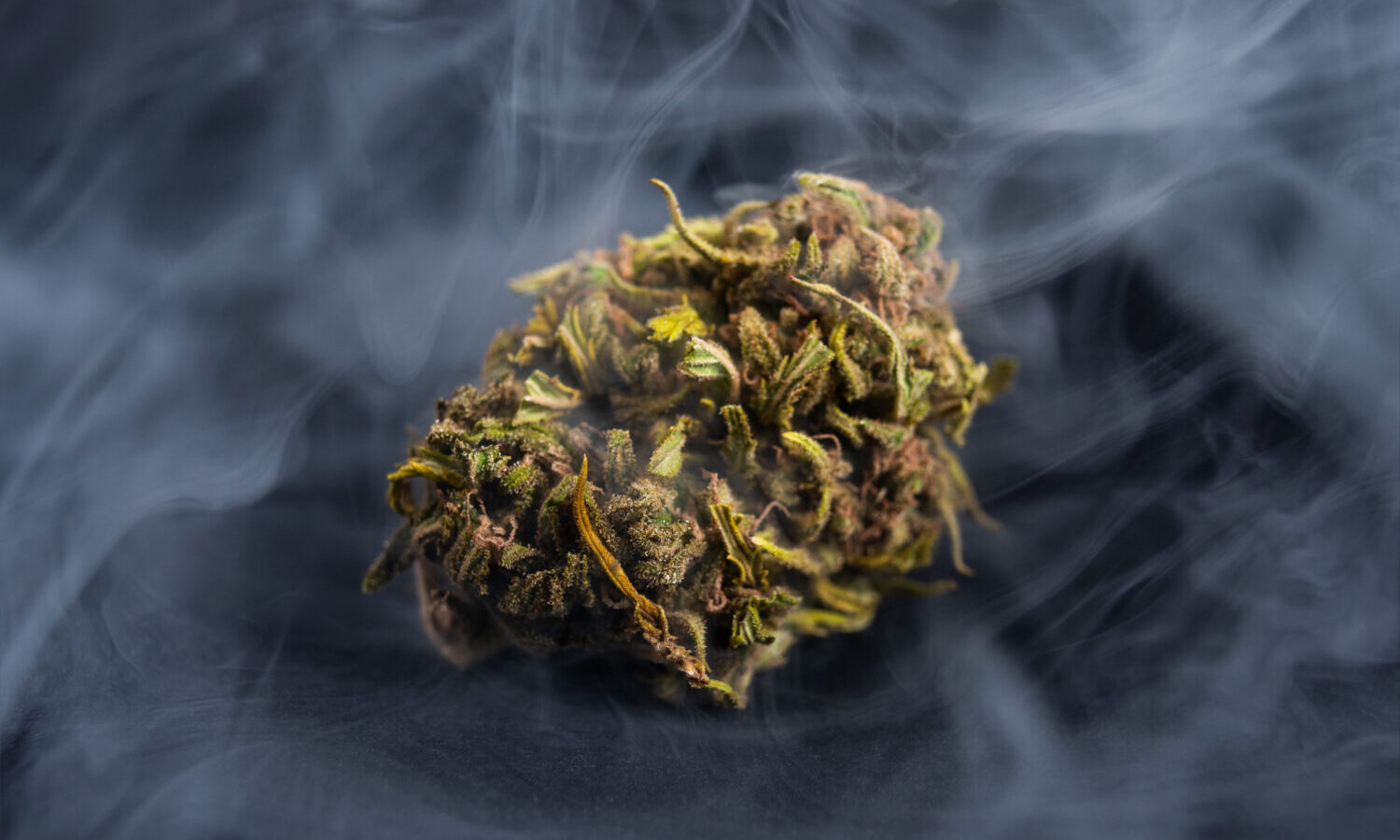
cannabis marijuana flower
Photo by Yarygin/Getty Images

What Do The Scientists Say About THC Effects?

According to a new study published in the Journal of Psychopharmacology, CBD can minimize some of the negative effects THC has on the brain. “THC is the major psychoactive, addiction-promoting, and psychotomimetic compound, while CBD may have opposite effects,” reads the study.

“Cannabis is a very popular recreational drug and is also starting to be used medically for some purposes, but we still don’t know a great deal about how different cannabinoids affect the brain,” said Matt Wall, the study author, and a senior imaging scientist at Invicro.

This article originally appeared on Benzinga and has been reposted with permission.

All Forms Of Alcohol Are Bad For People This Age, Finds Study

0

A study conducted on a global sample of people found that alcohol consumption is not good for anyone under this age.

Alcohol isn’t the healthiest of vices, but many claim that there are certain benefits of consuming with moderation. But a new study has shut down all of our hopes, at least for those under the age of 40, finding that alcohol provided no health benefits for this rather large age group.

The study, published on the Lancet Medical Journal, is a global one and the first of its kind, accounting for factors like geographic locations, sex, ages, and more. It found that males between the ages of 15 and 39 are at highest risk of alcohol’s damage.

Here's Why Young And Healthy People Should Get Their COVID-19 Vaccine
Photo by Priscilla Du Preez via Unsplash

RELATED: New Survey Shows Gen Z Prefers Weed Over Alcohol — Why Is This?

“Using estimates of alcohol use in 204 countries, researchers calculated that 1.34 billion people consumed harmful amounts in 2020,” reads the study’s press release. “In every region, the largest segment of the population drinking unsafe amounts of alcohol were males aged 15–39 and for this age group, drinking alcohol does not provide any health benefits and presents many health risks, with 60% of alcohol-related injuries occurring among people in this age group, including motor vehicle accidents, suicides, and homicides.”

In the case of people over the age of 40, drinking small amounts of alcohol was linked with some benefits, like less risk of heart disease, particularly if these people lived in places where there was a lot of heart disease. There was one caveat: for these people to experience benefits, they had to not have any underlying health conditions.

RELATED: Alcohol-Related Deaths Increased By This Much During The First Year Of The Pandemic

“Our message is simple: young people should not drink, but older people may benefit from drinking small amounts. While it may not be realistic to think young adults will abstain from drinking, we do think it’s important to communicate the latest evidence so that everyone can make informed decisions about their health,” said senior author Dr. Emmanuela Gakidou, who is also a professor at the University of Washington.

So, drinking is bad for you, but also, the world is on fire. Researchers should cut us all some slack.

Evidence Of Mass Mislabeling Of CBD Products

Only 89 of the 105 tested products listed the total amount of CBD in milligrams on the label. Of the 89 products, 16 contained less CBD than advertised, 52 contained more CBD than advertised, and 21 were accurately labeled.

By Joana Scopel

In a new study, Johns Hopkins Medicine researchers tested more than a hundred topical cannabidiol (CBD) products, that are available online and at retail stores and found “significant evidence of inaccurate and misleading labeling of CBD content.”

In addition, some of these products claimed to be free of THC, the main active ingredient in cannabis that can cause a “high.” However, the study showed that some of these nonprescription products actually contained amounts of THC (delta-9 tetrahydrocannabinol).

CBD
Photo by Erin_Hinterland via Pixabay

RELATED: Report: CBD Content On Labels Differs From Levels Found In Actual Products

Moreover, researchers found that some CBD products made therapeutic claims not approved by the U.S. Food and Drug Administration (FDA).

“To date, the FDA has only approved one prescription CBD product to treat seizures associated with rare epilepsy disorders, and two prescription THC products for nausea and vomiting associated with chemotherapy and for loss of appetite and weight loss associated with HIV/AIDS,” reads the study published July 20 in JAMA Network Open, and supported by the Substance Abuse and Mental Health Services Administration (SAMHSA).

Tory Spindle, Ph.D., assistant professor of psychiatry and behavioral sciences at the Johns Hopkins University School of Medicine, and lead author of the study expressed that “misleading labels can result in people using poorly regulated and expensive CBD products instead of FDA-approved products that are established as safe and effective for a given health condition.”

“Recent research has shown that people who use CBD products containing even small amounts of THC could potentially test positive for cannabis using a conventional drug test,” Spindle added. However, that has not been determined yet for topical CBD products.

Study Results

Researchers purchased 105 CBD topical products, including lotions, creams, and patches, to begin the study. Those products were tested using a technology called “gas chromatography-mass spectrometry” to identify the actual amount of CBD and THC they contained.

“Only 89 (85%) of the 105 tested products listed the total amount of CBD in milligrams on the label. Of the 89 products, 16 (18%) contained less CBD than advertised, 52 (58%) contained more CBD than advertised, and 21 (24%) were accurately labeled,” stated the study.

Not All CBD Topicals Are Treated Equal
Photo by Sora Shimazaki from Pexels

RELATED: CBD Is Expensive: How The Industry Can Re-Think Its Pricing For Consumers

“On average, the in-store products contained 21% more CBD than advertised and the online products contained 10% more CBD than advertised, though CBD label accuracy varied widely across products.”

THC was detected in 37 (35%) of the 105 products, though all were within the legal limit of 0.3%. Four (11%) of those 37 were labeled as “THC free,” 14 (38%) stated they contained less than 0.3% THC and 19 (51%) did not reference THC on the label.

“Of the 105 products, 29 (28%) made a therapeutic claim, mostly about pain/inflammation, 15 (14%) made a cosmetic/beauty claim (e.g., that they alleviate wrinkles or nourish/improve skin) and 49 (47%) noted they were not FDA approved. The other 56 (53%) products made no reference to the FDA,” expressed the researchers.

“It’s important to note that the FDA has not approved CBD products to treat any of the conditions advertised on the products we tested,” added Spindle, who also is a faculty member at the Johns Hopkins Cannabis Science Laboratory.

Ryan Vandrey, Ph.D., professor of psychiatry and behavioral sciences at the Johns Hopkins University School of Medicine and the study’s senior author said that “the variability in the chemical content and labeling found in our study highlights the need for better regulatory oversight of CBD products to ensure consumer safety.”

The study’s authors understood that “such regulation would ensure CBD products meet established standards for quality assurance so consumers can make informed decisions about product selection and are not misled by unproven therapeutic or cosmetic claims.”

The researchers concluded the study by saying that people should consult with their doctor before starting any CBD regimen.

CBD
Photo by CRYSTALWEED cannabis via Unsplash

Is The Labeling Of Cannabis Products Assertive?

According to another study that examined almost 90,000 samples across six states, labels on cannabis products are not very useful since researchers found that “commercial labels do not consistently align with the observed chemical diversity,” of cannabis products.

Researchers asked for a labeling system similar to the FDA’s “nutrition fact panel” for food. “Our findings suggest that the prevailing labeling system is not an effective or safe way to provide information about these products,” said co-author Brian Keegan, an assistant professor of Information Science at CU Boulder. “This is a real challenge for an industry that is trying to professionalize itself.”

This article originally appeared on Benzinga and has been reposted with permission.

A Federal Standards Handbook For Marijuana is Out

The incorporation of the marijuana language in the federal handbook is another sign of the normalization of the cannabis industry in states across the country.

By Joana Scopel

As a result of a vote that state and local officials took at a conference last week, a federal government handbook on weights and measures which mentions marijuana standards in a new section has been made available. The exemplary contains a “cannabis potency measurement, packaging, labeling,” section, among other issues related to cannabis products.

At the annual meeting of the National Conference on Weights and Measures (NCWM), which took place early in January, members of the conference have already considered a series of cannabis proposals, three to be exact.

marijuana
Photo by Kindel Media via Pexels

NCWM’s Laws and Regulations Committee was who put forward all three of the measures, which then received votes from the bicameral conference’s House of Representatives and House of Delegates, reported Marijuana Moment.

Finally, last week, two of these three measures that had advanced to voting status were rejected but one will now be incorporated into federal guidance from the National Institute of Standards and Technology (NIST).

Standards For Measuring The Potency Of Cannabis Products, Packaging, And Labeling

The measure approved says that “state regulators are empowered to start rulemaking to create standards for measuring the potency of cannabis products, packaging, and labeling requirements, and reasonable variations in levels of cannabinoid content.” In addition, it includes “authorities on setting allowable variations in marijuana or hemp quantity due to the loss or gain of moisture.”

The two failed measures concerned “establishing a uniform, federal definition for cannabis and cannabis-containing products and developing a policy for the water activity range for marijuana.” However, a separate approved measure recommends that “state officials overseeing commercial weighing and measuring apparatuses have the authority to establish individual cannabis standards for their respective jurisdictions.”

Those measures received enough votes in the House of Delegates, which is also integrated by NCWM-affiliated regulators, however, it was not enough to be incorporated in the handbook, “measures came up just shy of passage in the separate House of Representatives, which consists of 52 voting members representing all 50 states and two U.S. territories,” reads a statement.

However, the measures have now been returned to the committee, which means they could be taken up again at the 2023 January meeting. If members decide to reconsider them, likely they could be enacted next July and adopted into NIST’s 2024 handbook.

With respect to the above, the section on giving officials cannabis-related authority will be adopted into the next edition. of the NIST handbook, which will be released in January 2023.

marijuana nug
Photo by Kirill Vasikev / EyeEm/Getty Images

This Is Just The Beginning

The state departments overseeing weights and measures are not obligated to incorporate the cannabis standardization policies. Besides, some states have already vested that responsibility in statute to other agencies.

“There was a pattern with respect to states that chose to abstain from voting on the failed cannabis standardization proposals,” stated Charlie Rutherford, a co-chair of the NCWM cannabis task force. “The CBD-only states, or the states that don’t allow flower, were the primary ones to abstain.”

However, the incorporation of the marijuana language in the federal handbook is another sign of the normalization of the cannabis industry in states across the country.

This article originally appeared on Benzinga and has been reposted with permission.
Study: Weed Vapes Send A Toxic Gas To Lungs

0

A new study conducted on weed vapes suggests they’re inherently harmful to our bodies.

A new study shows further evidence of the harms of vaping.

Conducted by researchers from Portland State University and published in the journal of Chemical Research in Toxicology, the study claims that the process of heating up cannabinoid acetates creates a toxic gas called ketene that’s harmful to the lungs.

Will The Juul Ban Affect The Marijuana Vape Market?
Photo by Romain Blu via Unsplash

RELATED: Is Vaping Cannabis Really Worse For Teen Lungs Than Vaping Tobacco? 

Researchers tested different cannabinoid acetates and tried to measure how much ketene was produced in a single vape puff. They measured acetates like delta-8 THC, a compound that’s currently unregulated by the FDA and that’s potent, crossing the blood-brain barrier more easily.

Researchers found that ketene is formed at lower settings of heat than anticipated and that each puff releases an amount of toxin that’s dangerous to people’s health. Ketene is supposedly so toxic to humans that it’s dangerous to even test it, thus, becoming difficult to measure its impact on the human body.

“The thing we’re most concerned about is prolonged exposure, we don’t know what that is,” said Kaelas Munger, a doctoral student and one of the authors of the study. “That’s why papers like ours are needed. Otherwise people would be exposed to this really toxic substance and it’s really impossible to look for the evidence.”

RELATED: Is Your Vaping Device Leaching Heavy Metals Into Your Lungs?

Ketene was previously linked to EVALI disease, a condition that led to nearly 3,000 hospitalizations and deaths in 2019. The condition was ultimately linked to Vitamin E acetate, which caused an uproar in the industry and led to the banning of several vape products and ongoing conversations regarding the risks of these items, especially since they’re used by a young demographic.

More and more evidence and controversies continue to show vapes in a bad light. While some will continue to use these products for their convenience and comfortability, many will think twice before purchasing a vape, considering flower or edibles instead.

DEA Sued Over Delays To Open Records For Psychedelics And Cannabis

For its part, the DEA has said that the requests raise “unusual circumstances” that exempt them from the statutorily imposed timeline for responding.

By Joana Scopel

The Drug Enforcement Administration (DEA) has been sued over a failure to respond in due time to requests for psychedelics and cannabis records, reported Marijuana Moment.

This new suit centers on the DEA’s alleged “unlawful policy of delaying responses to Freedom of Information Act (FOIA) requests, specifically pertaining to psychedelics and marijuana documents that advocates say they’ve sought for legal and journalistic purposes.”

It’s Time To Disband The DEA
Photo by Mark Wilson/Staff/Getty Images

RELATED: DEA Reports Uptick In Marijuana-Related Seizures & Arrests: Why Is This Happening? NORML Has An Idea

DEA “flouts these principles of transparency and good government,” reads the lawsuit. Attorney General Merrick Garland issued a Justice Department FOIA guidance on policy, emphasizing that “agencies should be responsive to requests in an open and timely manner.”

Among the sues, a Texas doctor cited in Texas federal district court the erroneous DEA interpretation of “right to try” laws as it concerns psilocybin. Attorneys Matt Zorn and Kathryn Tuckerboth worked on that case as well.

Plaintiffs have laid out the reasons why they are impacted by DEA’s refractoriness on FOIA requests, “the agency has adopted an unlawful policy and pattern or practice of designating requests as “complex,” regardless of the actual complexity of the documents sought,” reads the lawsuit.

For its part, the DEA has said that the requests raise “unusual circumstances” that exempt them from the statutorily imposed timeline for responding. Also, the DEA defense says that “assigning the FOIA inquiries is “complex” because retrieving the documents in question might involve coordinating with outside offices.”

legal marijuana
Photo by Olena Ruban/Getty Images

RELATED: DEA Sued By Rhode Island Lab Over ‘Foot Dragging’ On Marijuana Pharmaceutical Licensing

“This policy and pattern or practice rest on a perversion of FOIA’s plain language,” stated the suit. “Plaintiffs are attorneys and their clients who have submitted FOIA requests to DEA only to have the agency unlawfully ignore the statute’s processing deadlines merely because the requested records were not present at DEA’s FOIA office.”

Now, the plaintiffs are asking the court to enjoin the Justice Department and DEA “from applying the unlawful policy and pattern or practice and directing defendants to take immediate corrective action to prevent future FOIA violations.”

This article originally appeared on Benzinga and has been reposted with permission.
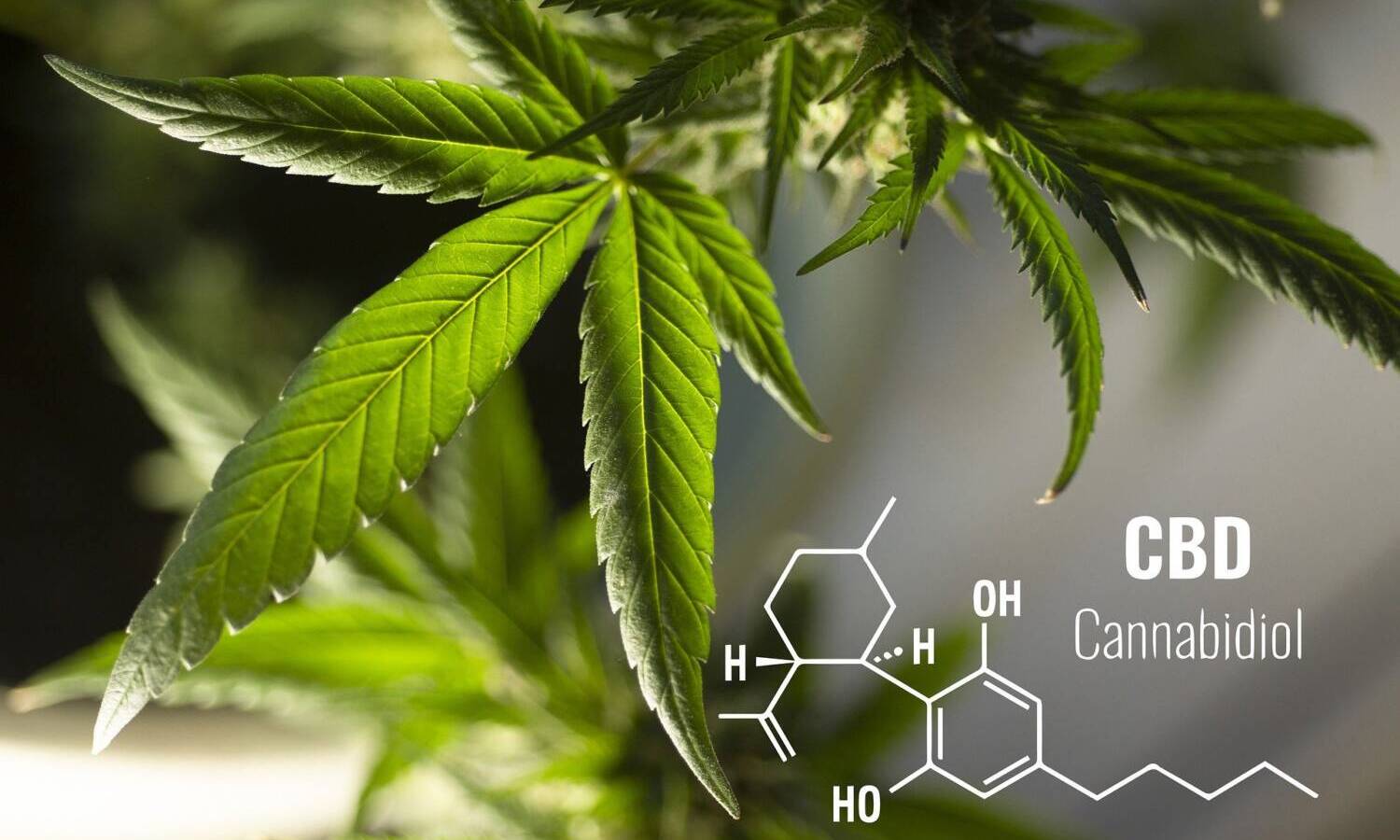
Schumer, Booker And Wyden Unveil Cannabis Legalization Bill — Here’s What’s In It

While most industry experts doubt that the measure would reach President Joe Biden’s desk, as it faces strong opposition from Republican Senators, they do agree that this is an important step for major reform.

By Nina Zdinjak

A long-awaited U.S. Senate legislation that would decriminalize and deschedule cannabis on the federal level, while also promoting social equity, has finally been unveiled.

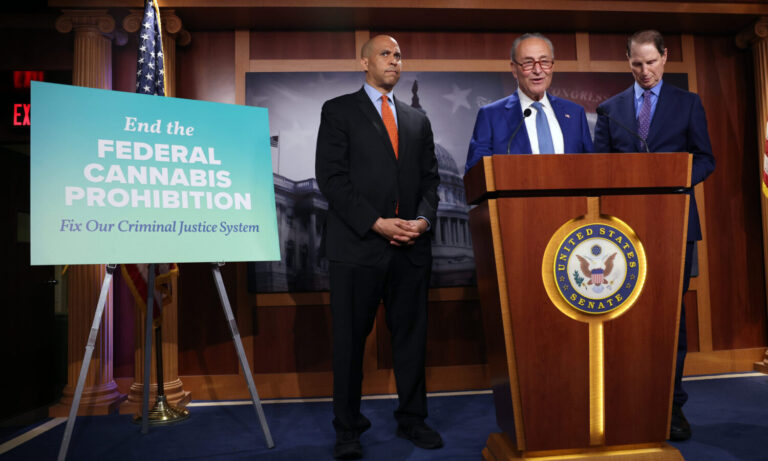
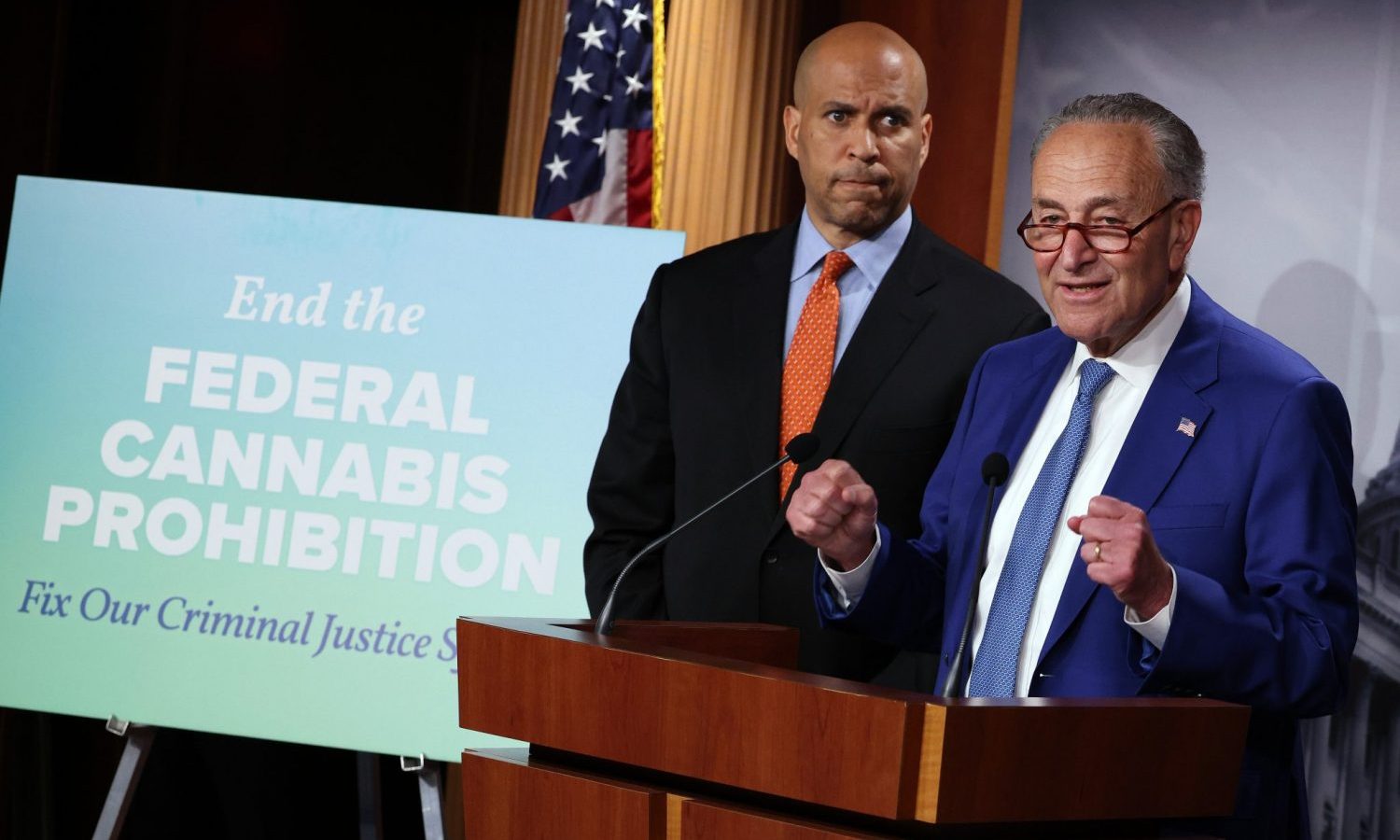
What Happened: The bill from Senate Majority Leader Chuck Schumer, Senators Ron Wyden, and Cory Booker — titled the Cannabis Administration And Opportunity Act (CAOA) — was presented Thursday. Here are the highlights from the nearly 300 pages:

Chuck Schumer's Long-Awaited Federal Marijuana Legalization Bill Unveiled
Photo by Kevin Dietsch / Getty Images
  • The Attorney General should complete the rules removing marijuana and tetrahydrocannabinol in cannabis from the Controlled Substance Act within 180 days of the law enactment.
  • Set a 5% federal excise tax on small to mid-sized marijuana producers that would be gradually raised to 12.5% after five years.
  • For larger businesses, the tax would start at 10% to reach a maximum of 25%.
  • Recreational marijuana products would be legal only to adults 21 and older.
  • Expungement of records of individuals with low-level, federal cannabis convictions within one year of enactment.
  • Establish a federal regulatory framework for the cannabis industry with the Food and Drug Administration (FDA), the Bureau of Alcohol, Tobacco, Firearms, and Explosives (ATF), and the Alcohol and Tobacco Tax and Trade Bureau (TTB) having the most important roles.
  • Under FDA, there would be a Center for Cannabis Products in charge of “the production, labeling, distribution, sales, and other manufacturing and retail elements of the cannabis industry.”

Why It Matters: Schumer and fellow Sens. Booker and Wyden introduced the outline of the CAOA in July 2021. The proposal included plans to remove marijuana from the Controlled Substances Act, expunge prior convictions and allow people who are serving time for applicable crimes to petition for resentencing. The timeline for filing the final version of the comprehensive marijuana reform proposal was postponed several times, with Schumer promising to file it sometime before the August recess, and apparently, fulfilling the promise.

RELATED: These Are The Senators Pushing Biden To Legalize Cannabis

The U.S. Cannabis Council welcomed the presentation of CAOA. “The introduction of comprehensive cannabis reform legislation in the Senate, by none less than the Majority Leader himself, is the strongest sign yet that cannabis prohibition in America is nearing its end,” U.S. Cannabis Council CEO Steven Hawkins stated.

“We applaud the authors of the CAO Act for their leadership and vision. We are reviewing the updated legislative text and look forward to having substantive discussions on how to best transition away from the illicit market to a fully regulated, national market with opportunities for all,” Hawking continued.

“The detailed policy conversations happening around the CAO Act should not distract us from its historic nature. At the same time, the ambitious and sweeping nature of the bill should not distract Congress from advancing limited yet critical reforms, such as expungement and the SAFE Banking Act, that are immediately within reach.”

RELATED: Why Chuck Schumer Might Act On Cannabis Banking Sooner Rather Than Later

What’s Next: While most industry experts doubt that the measure would reach President Joe Biden’s desk, as it faces strong opposition from Republican Senators, they do agree that this is an important step for major reform.

Also, reports that the long-awaited legislation would be introduced this week sent cannabis stocks soaring on Monday. Thursday’s introduction of the bill could potentially have the same effect.

SAFE Banking Seems To Have Broader Support 

The bill was presented ahead of the Senate Judiciary Subcommittee on Crime and Terrorism, chaired by Booker being scheduled a meeting for July 26, with the title “Decriminalizing Cannabis at the Federal Level: Necessary Steps to Address Past Harms.”

Currently, most industry experts agree that the SAFE Banking Act, a bill that would enable marijuana businesses to access banking services has the most chances of passing the Senate and ending up on Biden’s desk.

So far, the SAFE Banking Act has managed to pass the U.S. House six times in the last three years, and lately, Senate has been under a lot of pressure to approve it.

This article originally appeared on Benzinga and has been reposted with permission.

Missouri Stuck On Legalizing Adult Use Cannabis

Local elections officials will have until July 26 to complete the review of signatures from their counties.

By Joana Scopel

Missouri’s ballot initiative to legalize marijuana for adult use in 2022 is currently short of the necessary signatures in four of the six Congressional districts necessary to make the ballot. However, the effort to bring recreational marijuana to legalization next November in the state is still very much in play.

“We’re very confident we’re going to make the ballot,” Alan Zagier, a spokesperson for Legal Missouri 2022, told Benzinga.

illegal marijuana
Photo by ChrisSteer/Getty Images

Approaching Deadlines

John Payne, the Legal Missouri 2022 campaign manager, has also expressed faith that the initiative will make the ballot.

“Having turned in nearly 400,000 signatures from Missourians who want to become the 20th state to regulate, tax, and legalize cannabis, we are confident about being on this November’s ballot,” he said.

RELATED: Terminally Ill Patients In Missouri Can Seek Psychedelic Treatments Under ‘Right To Try’ Law

The Legal Missouri 2022 initiative would “expand the current medical marijuana business program by allowing existing licensees to serve both medical and non-medical purchasers.”

RELATED: Minorities In Missouri Worried About Being Excluded From Potential State Cannabis Market

Moreover, 144 licenses would be given for what will be known as “microbusiness facilities,” with six dispensaries and 12 wholesale facilities in each congressional district. Also, it would require expungement of marijuana offenses from criminal records.

Local elections officials will have until July 26 to complete the review of signatures from their counties. If it’s enough, Secretary of State Jay Ashcroft will have until Aug. 9 to issue a statement certifying that recreational marijuana will be added to the ballot.

This article originally appeared on Benzinga and has been reposted with permission.
States With Legal Marijuana Experience More Of These, Finds New Study

0

A new study finds a link between states with legal cannabis and more car crashes.

While data regarding marijuana’s effect on driving has been analyzed, results haven’t been conclusive. But now a new study claims to have found a link between legal marijuana and car crashes.

Published in the Journal of Studies on Alcohol and Drugs, researchers saw an uptick of 6% in states with legal marijuana. States that hadn’t legalized marijuana didn’t see an uptick in car accidents.

New York To Begin Accepting Cannabis Applications From People Harmed By War On Drugs
Photo by Raul Ortin/Getty

RELATED: Does Cannabis Legalization Increase Impaired Driving Rates? New Study Has Answer

The study’s data shows that fatal car crashes experienced an increase of 2%, making researchers believe that marijuana may cause more accidents but doesn’t make for a deadlier driving environment. They theorize that this is due to marijuana’s effect of slowing down people’s reaction time, something that may cause them to drive more slowly and thus be involved in accidents that are less deadly.

In a press release, lead researcher Charles Farmer argued that while legalizing marijuana provided some benefits, it also came with a cost. “Legalization removes the stigma of marijuana use, while the onset of retail sales merely increases access,” he said. “But access to marijuana isn’t difficult, even in places without retail sales. Users who previously avoided driving high may feel that it’s okay after legalization.”

Still, with the data that’s available, researchers can’t prove that marijuana consumption causes more car accidents. “Studies looking for a direct causal link between marijuana use and crash risk have been inconclusive,” says the study’s lead author. “Unlike alcohol, there is no good objective measure of just how impaired a marijuana user has become. Until we can accurately measure marijuana impairment, we won’t be able to link it to crash risk.”

RELATED: Legalizing Medical Marijuana Reduces Drunk Driving, New Data Shows

Over the years, different companies have tried to come up with an accurate technology that measures cannabis impairment. There hasn’t been any luck yet, with marijuana affecting people in vastly different ways than alcohol, and providing for a highly individualized experience. While two people may consume the same amount of cannabis, their bodies could experience vastly different reactions.

Plastic Waste From Cannabis Packaging Is Becoming A Problem In The US And Canada

In 2019, the environmental company Re Waste estimated that between 12.7 and 14.1 million pounds of plastic from cannabis packaging ended up in landfills between October 2018 and August 2019.

By Joana Scopel

Since cannabis became legal in Canada, sustainability still leaves room for improvement, mitigating the millions of pounds of plastic packaging that legal marijuana produces every year.

According to reporting by Leafly, in 2018—the first year of cannabis legalization in Canada—solid black plastic containers were the most visible containers on the market. Additionally, several brands have opted to package their cannabis products in fancy-looking but non-recyclable packaging.

recycling
Photo by ready made from Pexels

RELATED: NY Senator Files ‘Cannabis Container Bill of Rights’ To Address 150M Tons Of Plastic Waste

Also, jars, which are common for selling flowers, take decades to decompose, which pump toxins into the soil and eventually make their way into the nearest ocean. It is difficult to quantify the market plastic waste problem, but the overall impact has been negative.

In 2019, the environmental company Re Waste estimated that “between 5.8 and 6.4 million kilograms (or between 12.7 and 14.1 million pounds) of plastic from cannabis packaging ended up in landfills between October 2018 and August 2019.”

“Plastic waste and the cannabis industry tend to go hand in hand, but our specialized process works to mitigate the impact of this plastic waste on the environment,” Re Waste said on its website.

In the meantime, cannabis sales and the variety of products available have only increased. A CBC report found that “for every gram of cannabis sold legally, up to 70 grams of plastic waste was generated.”

“It’s really shameful,” said Remi Robichaud of Moncton, Canada. “Being a coastal province, they should do something about the amount of plastic that goes into our ocean.”

What Are The Sustainable Measures Taken In The US Cannabis Market?

Marijuana packaging waste is an issue that involves the incipient industry—extending from regulators and producers to consumers. However, industry-wide efforts to promote the implementation of the use of recycled materials and encourage consumers to recycle packaging are visible.

As an example,Vermont’s Cannabis Control Board recently released its “Guidance on Packaging,” to reduce the amount of plastic waste being generated by the industry in the state.

According to the guidance, “packaging intended for consumer purchase at retail locations needs to be reusable and not plastic. All packaging should be capable of repeated recovery, sanitation, and reissue into the supply chain for repeated use.”

Examples of reusable, non-plastic packaging materials mentioned in the document include glass, tin, cardboard, and bamboo.

This article originally appeared on Benzinga and has been reposted with permission.
Don't Miss Your Weekly Dose of The Fresh Toast.

Stay informed with exclusive news briefs delivered directly to your inbox every Friday.

We respect your privacy. Unsubscribe anytime.