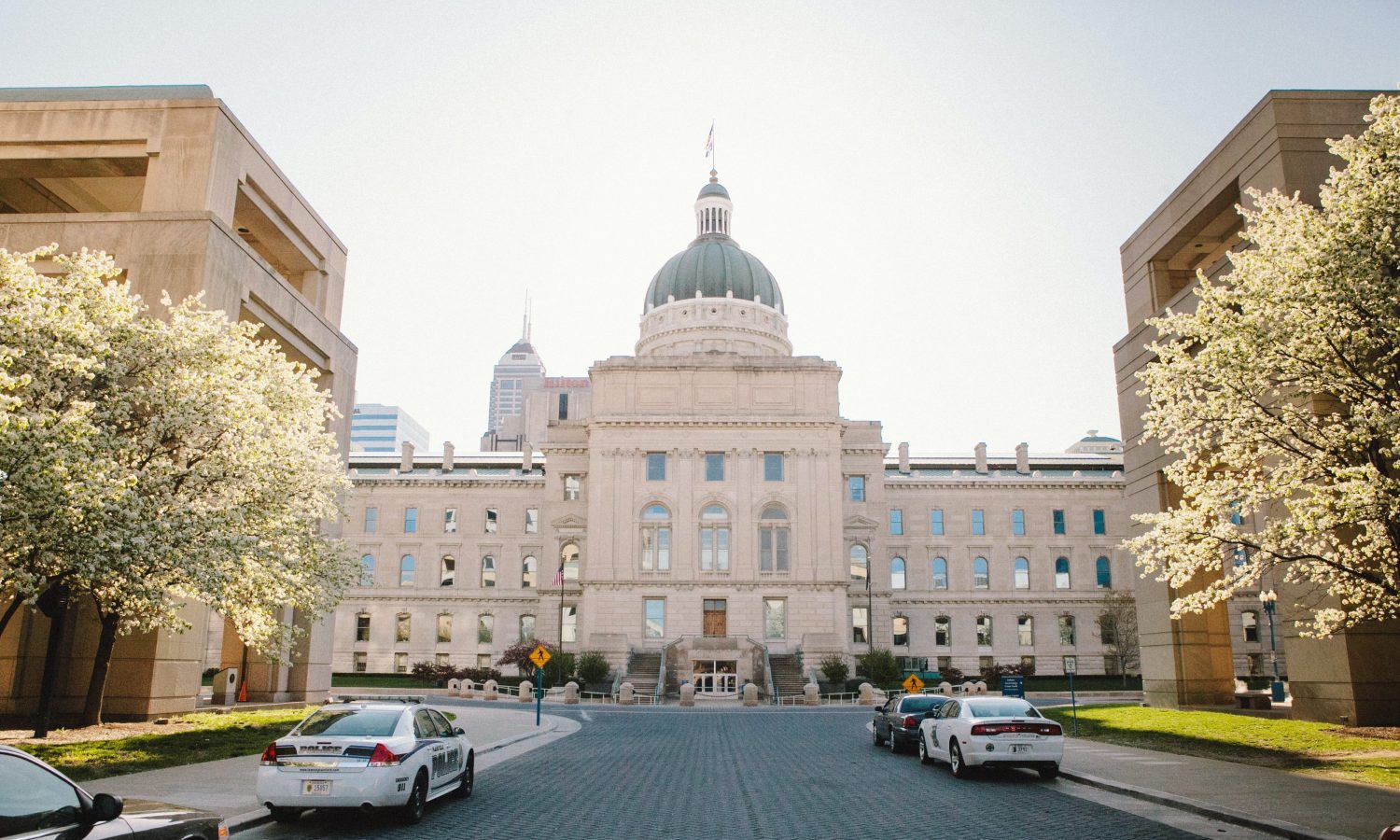
The city council passed a bill that protects marijuana users in the workplace. All that’s left is for the bill to be approved by the Mayor.
The city council in D.C. took a step forward in protecting employees from marijuana restrictions. On Tuesday, lawmakers unanimously approved a bill that would stop employers from firing employees who fail marijuana tests. In order to come to fruition, the bill would have to be approved by Mayor Muriel Bowser.
The bill, known as the Cannabis Employment Protections Amendment Act of 2022, protects employees from discrimination against marijuana use, with some exceptions.
If it were to be enacted, employers would have 60 days to notify employees and prospective employees about their new rights.
While the bill protects most workers, there are a few parameters. The bill doesn’t protect employees working in safety-sensitive occupations and people who work at courts and the federal government. It also prohibits “possession, storage, delivery, transfer, display, transportation, sale, purchase, or growing of cannabis at the employee’s place of employment.”
Marijuana use in the workplace is an issue that has caused problems in a variety of states where there are legal marijuana programs in place. Since the drug remains illegal on a federal level, the majority of workplaces adhere to their own rules and judgment when it comes to their employees and marijuana use. This has resulted in firings and complicated legal issues brought up in court.
Legal marijuana was approved in D.C. in 2015. While it’s still illegal to sell or use marijuana in public places or to operate vehicles while under the influence of the drug, anyone over the age of 21 can grow marijuana in their homes, own rolling papers and bongs, and possess up to two ounces of marijuana without fear of repercussions.
Gov. Carney cited his decision to veto due to questions surrounding the “long-term health and economic impacts” of marijuana and “serious law enforcement concerns.”
The Delaware House failed to override Gov. John Carney’s veto on the marijuana legalization bill. The cannabis bill that managed to reach the governor’s desk would have removed all penalties for adults over 21 for possessing less than an ounce of weed. Unfortunately, the House didn’t manage to gather enough votes on Tuesday to override Governor’s veto.
Why did Carney veto the bill in the first place?
While Carney has expressed an openness to support medical marijuana over the years, he’s also stated that he does not “believe that promoting or expanding the use of recreational marijuana is in the best interests of the state of Delaware, especially our young people.”
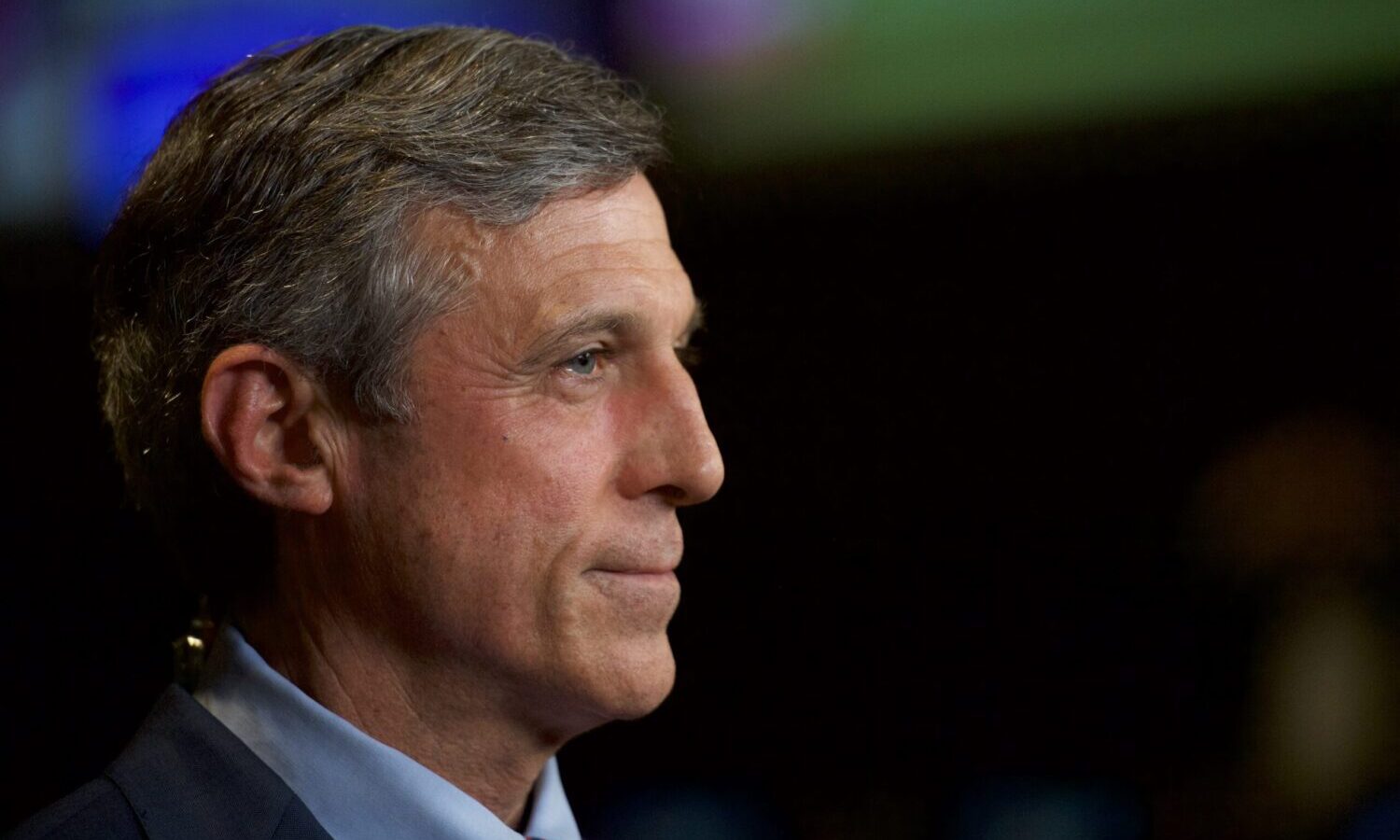
Gov. John Carney / Photo by Mark Makela/Getty Images
He cited his decision to veto due to questions surrounding the “long-term health and economic impacts” of marijuana and “serious law enforcement concerns.”
Rep. Ed Osienski who sponsored the bill was hoping to gather enough votes to override the veto, but he fell five votes short, garnering 20 instead of the minimum of 25. In May, the bill had 26 votes, which send it to the Senate. So, what happened this time? Four Democrats, Majority Leader Valerie Longhurst, Sean Matthews, Bill Carson and Andria Bennett in addition to Republicans Mike Ramone and Jeffrey Spiegelman, changed their votes, reported WHYY.
Osienski urged his colleagues to stand by their initial votes and respect the will of Delawareans and override Gov. Carney who leaves office in January 2025 after two terms.
“We need legalization,’’ Osienski said on the House floor minutes prior to the roll call vote. “So I beg of my colleagues not to wait until 2025 to do this.”
He added that “we need to fix this problem instead of just denying the freedom and the liberty of Delawareans to be able to purchase this product.”
Though disappointed with the results, Osienski said he was pleased to be “working for Delawareans.”
Emily David, the governor’s spokesperson, said Carney “thanks the House for today’s vote and respects the role of the General Assembly and all of its members in this process. He looks forward to working with them on the important issues that remain this session.”
We’re only halfway through the year, and there has been over 200 mass shootings all around the United States already.
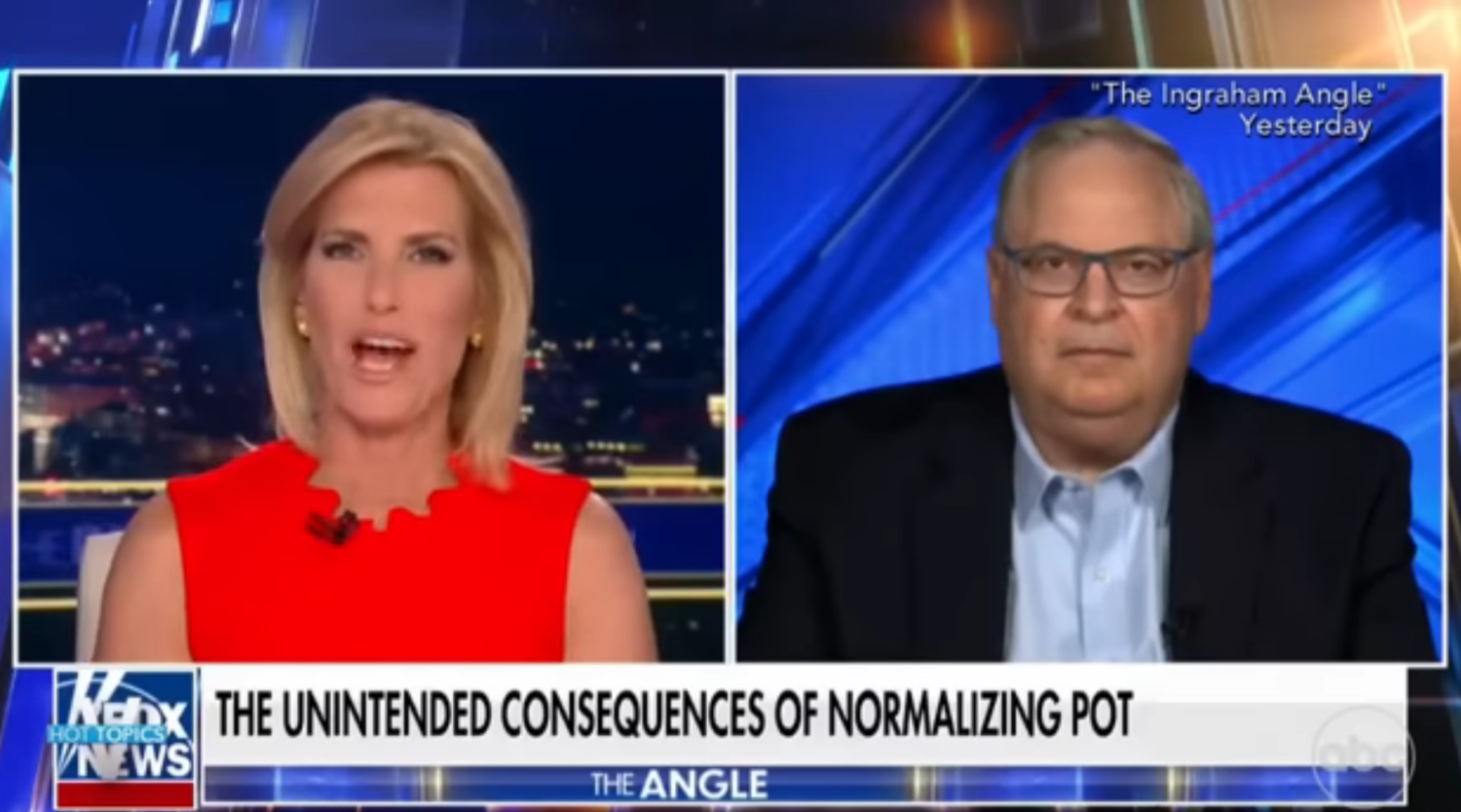
The deadliest of these, the Uvalde school shooting targeting a fourth grade elementary class, was considered the worst since Sandy Hook. This is clearly a systemic problem within the United States, but Fox News host Laura Ingraham doesn’t think so: she made it clear that she’s anti-marijuana legalization by blaming the mass shootings on cannabis laws.
During her talk at The Ingraham Angle last week on Fox News, she said: “This is something that the medical community is well aware of. Yet, you get the sense that billions of dollars on the line are more important than our kids,” she said. “And what’s happening especially to young men in the United States, who are frequent users of the high-potency THC that’s now in marijuana products sold legally in dispensaries across the United States. I mean, this at the very least needs a serious national conversation.”
We’re in shock that someone in this day and age still actually believes pot psychosis is a thing. I mean, that’s so Reefer Madness. Did Laura Ingraham get her research from watching the 1936 propaganda film and nothing more? Because that sounds like it, and she makes herself sound so detached from reality.
There are just so many ways her irrational statement didn’t have any legs. She said that she heard about some vague reports the shooter was smoking weed, but Ingraham thinks that the issue really all lies in the legalization of marijuana and the lax laws surrounding it.
Fact Check
Here are just some reasons why Laura Ingraham’s statement is absolutely absurd. Leave marijuana legalization out of it!
Lax gun laws: According to the Small Arms Survey as reported by BBC, back in 2018 there were around 390 million firearms circulating in the United States, making the ratio of gun ownership 120.5 guns for every 100 residents. The report also states that gun ownership has increased significantly in the last few years, resulting in 11 million people exposed to guns within their homes.
In addition, the Small Arms Survey states that Americans are the #1 country whose citizens own guns. And Harvard researchers correlate this with their findings that when this many people own guns in a developed country, this will lead to many more gun homicides. And of course so many Americans own guns – it’s far too easy to get your hands on one! No matter where you live, you will come across dozens, maybe even hundreds of shops that sell guns. There are gun shows that take place almost every weekend, and you can buy a gun from a friend or family member.
Only store gun purchases require a background check, if any. That’s where firearm buyers have to fill out a form either from the ATF or the Bureau of Alcohol, Tobacco, Firearms, and Explosives. Such a background check only takes a few minutes and denials for gun ownership are rare. In fact, cannabis users can’t even own guns.
However, there are states with stricter gun laws such as in Washington DC, Chicago, and New York.
Marijuana legalization has been linked to a reduction in violent crime: There have been several studies documenting how legalizing marijuana has led to a reduction in violent crime rates. In one study in June 2020 conducted by the National Institute of Justice on the Effects of Marijuana Legalization on Law Enforcement, they said that “legalization has apparently coincided with an increase in crime clearance rates in several areas, suggesting that legalization may result in a net positive redistribution in police human resource allocation. In addition, fewer persons are being processed by the criminal justice system on nonviolent marijuana possession offenses.”
In Washington State, for example, the Drug Policy Alliance reports that since they have legalized marijuana in 2012, there has been a reduction in violent crime rates while overall crime rates have stayed at a 40-year low. The National Incident-Based Reporting System also says that violent crime continues to significantly decrease in Washington.
Shooter profiling: Scientific American released a profiling compiled by criminologists, looking at the life histories of mass shooters in the United States. Entitled, The Violence Project, one can find similarities among the shooters, and there is nothing that points to cannabis use. Some notable points here are the fact that almost half of all the shooters were able to get their guns legally from a licensed dealer, private sale, or other form of legal means while others borrowed guns and the rest have unknown origins.
The Violence Project also identified that the most common motivation for the mass shootings was psychosis, which is a type of mental disorder wherein the person can no longer identify what’s real or what isn’t. They also tend to have difficulties with employment, interpersonal conflict with family, friends, or coworkers. More than half of the shooters already had a criminal record, while a great deal of them suffered from a history of trauma or had some form of domestic abuse.
These are the facts, and there’s nothing that links to marijuana use, not even close. Sure, individuals with psychosis shouldn’t use cannabis, but that isn’t even discussed in the profiling. The two issues here are strikingly clear and worrisome: our gun laws are far too lax, while psychiatric care is declining rapidly. Given that the average age of shooters is 18, we need to start paying closer attention to the children we’re raising, look for cues, and find a way to stop exposing them to guns.
“There’s no data to support that” medical marijuana can help PTSD sufferers, said Gov. Pete Ricketts at a recent press conference in a roomful of veterans.
In 2019, 6,261 veterans in the United States took their own lives, according to the most recent data retrieved from the 2021 National Veteran Suicide Prevention Annual Report.
The staggering statistics showed that on average 17 veterans per day succumbed to suicide. The report noted that veterans take their own lives at a rate that’s twice as high as non-veteran civilians.
Photo by Bumblee_Dee/Getty Images
Knowing that suicide is a preventable cause of death, many states are coming up with a variety of strategies to deal with the issue.
Cannabis As A Solution
For veterans diagnosed with post-traumatic stress disorder (PTSD) and other physical and mental health symptoms who are looking for alternative treatments, medical marijuana arises as a solution, as seen in the case of Kansas veteran David Auble. He recentlysent a letter to members of the Kansas Senate explaining how some cancer patients like himself are in desperate need of cannabis.
Hal Wortzel, a VA forensic neuropsychiatrist and researcher said earlier in a new post by the agency that cannabis helps those with PTSD experience fewer symptoms and recover more quickly compared to people who don’t use cannabis,reported Marijuana Moment.
Conflicting studies continue to arise with opposing conclusions on marijuana’s safety and uses. As such it remains a controversial topic. In addition, many military veterans are prohibited from accessing medical cannabis since it is illegal at the federal level.
Who’s Opposing It?
To that end, words from some officials like Nebraska Gov. Pete Ricketts give a clearer picture as to why the issue is stalled.
At a recent press conference in a roomful of veterans, Ricketts said there’s no evidence that medical cannabis works for PTSD, reported KMTV 3 News Now.
“There’s no data to support that” medical marijuana can help PTSD sufferers, he said, after announcing that Nebraska will join 35 other states in a Governor’s Challenge to Prevent Suicide.
Nebraska’s veterans have been working with mental health officials to set up a program that would improve the state’s outreach and treatment.
However, it seems that cannabis legalization will not be considered at all, given that Ricketts is not too keen on the idea, unlike his predecessor Bob Kerrey, now a U.S. Senator.
Kerrey is known for joining fellow veteran Montel Williams in 2010 and calling for medical marijuana to be dispensed at VA hospitals to treat PTSD.
There’s Still Hope
On the bright side, according to a recent post on the VA website, even though marijuana use is still considered federally illegal, “veteran participation in state marijuana programs does not affect eligibility for VA care and services.”
Moreover, veterans are encouraged to speak with their VA providers about medicinal cannabis though they cannot prescribe or recommend it for medicinal use.
In the meantime, lawmakers have been taking legislative steps and have made gradual breakthroughs with the most recent one being a bill sponsored by Rep. Seth Moulton (D-MA), which would allow VA physicians to discuss MMJ treatment with military veterans as patients and would protect those who are honest about their marijuana therapy history.
Under the bill, vets would no longer have to fear losing federal benefits for using medical marijuana and would be “encouraged” to talk about these types of treatments.
A new study conducted on patients with a specific type of cancer concluded with all participants in remission.
A new study on cancer did something that has never been done before. It left every participant cancer-free.
The study, published in the New England Journal of Medicine, was conducted by researchers from Yale University and Memorial Sloan Kettering, who examined patients in advanced stages of rectal cancer. It was a small study, comprised of 18 participants, and concluded with all of them in remission.
All of the patients had a specific type of cancer, caused by a deficiency in mismatch repair, which is, according to the National Cancer Institute (NIH), cells that have mutations in genes involved in correcting mistakes when DNA is copied in a cell.
Researchers devised a special treatment for this affliction, creating a lab-made antibody called dostarlimab, an immunotherapy drug used in the treatment of endometrial cancer. However, according to Science Alert, this was the first clinical investigation of whether it was also effective against rectal cancer tumors.
Patients received a dose of the drug every three weeks for six months. And according to Memorial Sloan Kettering, “In every case, the rectal cancer disappeared after immunotherapy — without the need for the standard treatments of radiation, surgery, or chemotherapy — and the cancer has not returned in any of the patients, who have been cancer-free for up to two years.”
While the study was small and in its early stages, the results are unprecedented. While the study was narrowed down to a specific type of cancer, it could extend to other types. More research could result in new treatments and could help people recover from cancer while experiencing treatments that are less invasive and affecting.
The study’s results show how important it is for the government to encourage cannabis research in any way they can, providing users with the information they need to stay safe and informed.
A federally funded review on cannabis products highlighted the small number of studies that exist on medicinal cannabis, something that surprised researchers. Despite this, the study found some evidence of the plant’s impact on pain management.
Conducted by researchers at Oregon Health & Science University and published in the Annals of Internal Medicine, the review used data from scientifically valid studies that included randomized controlled studies and observational studies. Researchers examined over 3,000 studies conducted since January of this year, finding that only 25 studies had scientifically valid evidence.
While the evidence that researchers found on cannabis-supporting pain management was thin, there were some products that were associated with short-term pain management, particularly on neuropathic pain. These medications are dronabinol and nabilone (which contain THC), and nabiximols (a mix of THC and CBD), with the first two having FDA approval.
Researchers discussed their results, sharing how surprised they were by the limited amount of research that there is available. “With so much buzz around cannabis-related products, and the easy availability of recreational and medical marijuana in many states, consumers and patients might assume there would be more evidence about the benefits and side effects,” said lead author Marian S. McDonagh. “Unfortunately, there is very little scientifically valid research into most these products.”
“We saw only a small group of observational cohort studies on cannabis products that would be easily available in states that allow it, and these were not designed to answer the important questions on treating chronic pain,” McDonagh added.
The study’s results show how important it is for the government to encourage cannabis research in any way they can, providing users with the information they need to stay safe and informed.
“Honestly, the best advice is to talk to your primary care physician about possible treatments for chronic pain,” said McDonagh. “If you want to consider cannabis, you need to talk to your doctor.”
Researchers asked 145 couples in which a least one of the partners used cannabis to share how regularly they used it and how satisfied they are with their relationships.
Cannabis might have more to do with your love life than you think, according to a new study that examined its associations with couple functioning.
Researchers from Rutgers University and Mount Holyoke College may be on to something. They found that marijuana users appear to present more negative behaviors as they approach managing conflict with their partners.
Moreover, those who use cannabis seemed to be less aware of an unhealthy relationship, as per the results published in the journal Drug and Alcohol Dependence.
“We looked at different indicators of relationship functioning: how satisfied and committed people felt about their relationship, their behavior, and physiology during a laboratory-based conflict interaction and their perceptions about their conflict discussion and relationship afterward,” said study author Jessica Salvatore, an associate professor in the department of psychiatry at Rutgers Robert Wood Johnson Medical School.
The Study
Researchers asked 145 couples in which a least one of the partners used cannabis to share how regularly they used it and how satisfied they are with their relationships.
A 10-minute conversation followed between the partners discussing a topic that usually causes a conflict was videotaped to get a grasp of their physiological stress responses by measuring their heart rate and respiration.
A five-minute discussion on a topic upon which the couples agree followed. The videos were then reviewed by two sets of trained raters who found that cannabis users showed less parasympathetic withdrawal during conversations with their partners, resulting in being less flexible in their responses to stress.
Photo by Elly Fairytale via Pexels
While a recent study conducted by the University Of New Mexico found that marijuana can cause changes in ego-centric concepts, increasing a sense of selflessness, participants in the Rutgers University study who consumed marijuana were more critical and demanding, showing less ability to discuss and see the positive aspects of their relationships, as they sought to avoid conflict.
Interestingly, they reported greater satisfaction on the subject of how the conflict discussion went.
“It is important to note that this study’s findings do not mean that cannabis use is wholesale good or bad for relationships,” Salvatore said. “Rather, it gives insight into how couples can better navigate conflict and come to a resolution. When you don’t see problems, you can’t solve them.”
Marijuana may not only increase pleasure, but by removing elements that hinder sexual enjoyment it can make the overall experience much more enjoyable.
Since the dawn of medicine, people have sought elixers, pills and countless other remedies to improve intimacy and sexual performance. Pharmaceutical companies have made leaps and bounds in this field, with several major achievements, most famously Viagra in the 1990s.
While pharmaceuticals undergo significant tests and trials, herbal and natural remedies like cannabis often spread by word of mouth and personal recommendation. Cannabis, in fact, has been used to improve intimacy and sexual pleasure for generations.
As marijuana popularity increases and it becomes legal in more locations, tests and studies of marijuana’s benefits are slowly becoming more available. Does marijuana really improve your sex life, and if so, how?
Before looking at how marijuana improves sex, it is best to understand what the root of sexual problems are first. “A lot of the understanding that needs to go into a discussion around cannabis and sexuality has less to do with cannabis and more to do with sexuality,” Jordan Tishler, a leading expert on cannabinoid therapeutics, told SELF. When you understand sexuality, desire and the mental and physical blockages that can occur, it is easier to see how and why cannabis can improve intimacy.
What can often keep sex from being enjoyable are mental blocks. Anxiety and tension both factor in to lack of sexual desire. When these sexual pleasure inhibitors are removed, intimacy can improve. In other words, marijuana may not only increase pleasure, but by removing elements that hinder sexual enjoyment it can make the overall experience much more enjoyable.
As we’ve reported before, researchers have found that it’s not anandamide that’s released during orgasm, rather it’s 2-Arachidonoylglycerol (2-AG), an endocannabinoid that plays a role in the reward aspect of sexual arousal and orgasm. Also, while under the influence of THC, a person’s senses are enhanced and they’re less likely to experience anxiety or other negative feelings surrounding sex.
Marijuana, it seems, can help the mind and body relax, simply allowing a person to enjoy the moment.
More and more, studies are finding that cannabis is leading many to have improved sexual function and better sex in general. According to one recently releasedstudy, “the effects of cannabis on heightened perceptions, time distortion, relaxation, and decreased inhibition were hypothesized as explanations for this improvement in sexual function.”
While marijuana has shown it can improve intimacy for many, it is critical you consider your dosage and how you get high. Over-consumption of marijuana can lead to lethargy and a lack of desire to perform any task, sex included. If you plan to get high with your partner, be sure to consider the right method of ingesting cannabis to ensure you are both on the same wavelength.
The general consensus is that if you are trying to enjoy the experience with your partner, edibles are not the best bet. ”Edibles are too slow and unpredictable to be very helpful for sex involving two or more people who need to be ready at the same time,” Dr. Tishler told Insider. Edibles take anywhere from 45 minutes to 2 hours to take effect, which makes planning intimate time with your partner a bit difficult.
Instead, maybe opt for a few puffs of a joint or a vape – something that has rapid effects, but is not so potent that you cannot control your dosage. Keep in mind that although these recent studies have shown cannabis can improve intimacy, other studies have shown the sluggish and negative effects of consuming too much THC.
Cannabis is by no means the cure for all intimacy issues. In fact, it is not currently prescribed by doctors to assist in that department. It is, however, legal in many states. So if couples therapy or other routes don’t sound appealing or aren’t working, you may want to take a trip with your partner to visit your local budtender.
Regulators in Indiana recently agreed that more research on the potential health benefits and decriminalization of cannabis is required before taking any legislative action. The General Assembly’s Legislative Council overwhelmingly supported the idea to task the interim study committee on public health, behavioral health and human services with reviewing the issue further.
Until the legislative session in 2023, the task force will consult industry experts and take public testimony on cannabis issues. Several meetings are planned for this summer or fall.
Photo by Esther Kelleter/Getty
Health Benefits First
Speaking about legalization efforts, former state Senator Jim Merritt told IN Focus that the summer committee in the Hoosier State is concentrated on the health benefits, more than economic, writes Fox 59.
“The overwhelming feeling in Indiana, as far as I know, is cannabis in a health situation,” Merritt said. “I think the idea of cannabis coming into the state… if we can just legalize and regulate it, I think we would have more of a control over it.”
He also stressed that Delta-8 THC requires increased regulation and that the state should learn from other states that already have legal marijuana programs, what are the best, but also what are the worst practices.
According to Merritt, Indiana will have to wait “a couple of years” before seeing the state reform. He is, however, more optimistic about medical marijuana legalization, and thinks it will be seriously considered in the next legislative session.
“I think you’ll see a medical cannabis in the legislature next year,” Merritt said. “Ohio has had a good experience with it, they have a good model.”
On the topic, state Rep. Terri Austin (D – Anderson) said she plans to examine all the potential benefits both economically and socially and to research the impacts in other states that have already gone through the legalization process.
“What we really want to know is: Is it a wise move for Indiana in the long run?” Austin said. “What can we learn from those states that have passed legalization or decriminalization efforts?”
Senate President Pro Tempore Rodric Bray (R-Martinsville) added that the committee has a crucial task to guide the state further on the issue.
“We have to figure out where we are and this is going to be an important conversation to have this summer for where Indiana moves,” Bray said.
Indiana Senate Candidate Smokes Joint In Video For Cannabis Legalization Campaign
Other politicians in Indiana seem to be on the same legalization page. For example, just one day before the cannabis holiday (4/20), Indiana Senate candidate Thomas McDermott released his marijuana legalization ad online.
The video starts with McDermott lighting something that looks like a joint and smoking it. To promote the ad, the mayor of Hammond tweeted the following:
Even on #420day not many Senate candidates admit to having smoked weed. I’m not most Senate candidates. I’ve been thinking a lot about whether to launch this video where I light up. It’s an issue that’s personal & important to me & so many. #LegalizeIt ➡️ https://t.co/V7VA5PhQpipic.twitter.com/WaNq01yH49
With the increasing awareness of the health benefits of cannabis for treating a multitude of ailments, it would be normal for a healthy person to wonder if there are any advantages for them using cannabis.
The truth is that cannabis can still be therapeutic and help even the healthiest of people. You don’t have to be sick or ill to enjoy its health benefits. This plant medicine is extremely powerful for helping mitigate even the most minor occurrences in our daily lives that can build up over time and make us sick — either mentally, emotionally, or physically.
Photo by ArtistGNDphotography via Getty
Understanding The Endocannabinoid System
Before you get to know how cannabis works in the human body, whether for sick or healthy people, it’s essential to understand the endocannabinoid system (ECS).
As humans, we have another system that biology classes of the past did not teach us about: the endocannabinoid system. This complex system as first identified back in the early 1990’s, and while much of it is still mysterious, experts do know that it’s vital for helping regulate many processes that keep us healthy. These include regulating our appetite, mood, sleep, fertility, reproduction, memory, inflammation, and much more. It does so through the massive network of cellular receptors and chemical signals within the ECS.
Meanwhile, the CB1 and CB2 receptors which can be found in the brain as well as other parts of the body, work to regulate other neurotransmitters. This is how cannabis helps to increase or decrease functions in the body such as sleep or hunger in order to achieve homeostasis. These receptors are further stimulated through endocannabinoids, which are compounds similar to the cannabinoids in the cannabis plant except that our human bodies produce our own. While we have our own endocannabinoids in the body, the cannabinoids in the plant help the endocannabinoid system work more effectively and address even minor ailments to promote balance all throughout.
Since the endocannabinoid system helps to regulate so many complex functions in the body, it doesn’t require sickness or illness for us to benefit from cannabis. Instead, think of cannabis as a vitamin or supplement that helps to keep us even healthier in the absence of disease with its ability to address problems such as endocannabinoid deficiencies, nipping any potential sicknesses in the bud.
How Cannabis Benefits Healthy People
Even the healthiest people are prone to certain things such as stress from work, occasional anxiety, and vitamin deficiencies to name a few. Here’s how cannabis can help keep you healthier:
Stress: Everyone is prone to stress in varying levels. Whether stress is caused by work, pressures of parenthood, family life, or anything else, it has been scientifically proven that constant exposure to stress can kill you. That’s why millions of people count on cannabis during stressful moments in life – it simply makes you feel better immediately but more importantly, it addresses internal processes that are impacted by stress.
These can include fatigue, high blood pressure, migraines, headaches, abnormal heart rhythms, insomnia, and more. stress can also cause anxiety and depression. Studies show that microdosing cannabis is the most effective way to benefit from its stress-fighting properties, so you don’t need to smoke a whole joint to benefit from it when you’re having a tough day.
Muscle recovery: Regular exercise is critical for health, but with fitness programs, it’s also important to pay attention to muscle recovery. Working out at the gym, trying a new yoga flow, or experimenting with a new workout – no matter what your fitness regimen is comprised of, muscles are prone to soreness, pain, and spasms.
It’s no secret that even elite athletes rely on cannabidiol (CBD) as well as THC to help with muscle repair and recovery after intense or mild workouts. Delayed onset muscle soreness, also known as DOMS, is a common side effect of workout regimen. Athlete or not, people who exercise regularly are prone to this but lighting up with a toke or taking CBD orally can greatly reduce the inflammation and pain associated with exercising.
Mental health: Sure, your tests show that you are physically fit and healthy. But how about your mental health? If you find yourself vulnerable to the occasional anxiety, mood swings, depressive episodes, or other mental ailments, cannabis is here to help.
People who suffer from these ailments turn to cannabis not just because it makes them happier or makes them feel better. Studies show that THC plays an important role in regulating emotions, suggesting that the endocannabinoid system does help us process our emotions in a healthier manner. Regularly dosing with cannabis can thus help us manage negative emotions so as to not affect interpersonal relationships or increase our stress levels.
Mindfulness: It can get too easy to be caught up in the trivialities of day to day life, so much so that we forget to live in the present moment, especially with most people becoming addicted to their mobile phones. This is why the practice of mindfulness has grown increasingly attractive for people for all walks of life. The American Psychological Association (APA) says that current research points to mindfulness practices as beneficial for improving cognitive processes that could otherwise lead to problems down the road such as heart disease and stress.
Various forms of cannabis can already help address the stress and anxiety that prevents us from achieving a mindful state. Whether with the relaxation offered by CBD or the mild psychoactivity of THC, a little is all it takes to feel more blissed out and centered no matter how busy or stressful our day would be without cannabis. Use it as a tool for your meditation and yoga sessions, or to reflect at the start or end of your day.
Conclusion
With these tremendous benefits offered, there’s no reason that even healthy people can’t take advantage of the impact of cannabis for the human body.