While recreational cannabis remains illegal in Ukraine, the country is slowly moving towards legalizing the plant’s medicinal use.
The Russian war has affected the mental health of many Ukrainians, something that might push the country to legalize medical marijuana.
On Tuesday, Ukraine’s Minister of Healthcare, Viktor Liashko, wrote on Facebook that the cabinet had approved a bill to legalize medical cannabis, allowing the drug to treat a variety of conditions, among them, the trauma enacted by the war.
“We understand the negative effects of war on mental health. We understand the number of people who will need medical treatment due to this exposure. And we understand that there is no time to wait,” reads the post.
Per NPR, the bill will regulate “the circulation of cannabis plants for medical, industrial purposes, scientific and scientific-technical activities to create the conditions for expanding the access of patients to the necessary treatment of cancer and post-traumatic stress disorder resulting from war.”
Liashko’s post explains some of the benefits of cannabis use, including that it can help treat and prevent a variety of conditions, among them, PTSD, sleep disorders and neurological diseases.
According to The Kyiv Post, the draft bill will now move on to Parliament where it’ll have to earn at least 226 votes in order to be approved. The bill is a reworked version of a previous bill that was denied last year, one that lawmakers believe will have more now support due to the country’s ongoing struggle with Russia.
While recreational cannabis remains illegal in Ukraine, the country is slowly moving towards legalizing the plant’s medicinal use. According to a 2020 poll, 65% of the Ukrainian population supports the use of medical cannabis and President Volodymyr Zelensky campaigned while openly supporting cannabis legislation.
Despite the fact that the bill regulating medical cannabis was denied in the near past, the country did legalize the use of certain medical cannabis products.
Benzinga recently reported that cannabis tourism was a $17 billion industry. Now, Moffat, population 120, is aiming to cash in this opportunity. To that end, the southern Colorado town in the San Luis Valley is seriously thinking of changing its name to “Kush” in a rebranding effort to ride the wave of cannabis tourism.
Mike Biggio, who co-founded Area 420, precisely a 420-acre Cannabis Business Park (zoned for licensed commercial grows) is behind the initiative. “I’m looking to establish this as a world-renowned cannabis region,” Biggio told the Denver Post.
Photo by Yarygin/Getty Images
What Is Kush?
The proposed name “Kush” refers to a landrace strain of marijuana originating from the Amu Darya River Valley, located on the border between Tajikistan and Uzbekistan. According to Weedmaps, this variety of weed grew in the wild for centuries and stabilized its genetic profile through continuous natural selection.
In the 1960s and 1970s, when Afghanistan was still part of the “Hippie Trail,” countless pot smokers and fellow travelers visited the country and enjoyed one of the most potent marijuana strains on record at the time. Many of them brought these landrace seeds back to their home countries where they formed the origin of the Kush strains we know today.
‘The Napa Valley For Bud’
According to Biggio, Moffat “could be the next Humboldt County. The Napa Valley for bud,” he said. “This would show the town has both feet in on this and reflect the new culture here.”
Biggio will meet the local Board of Trustees in mid-June to discuss his proposal. The meeting is informational, an “opening salvo” before any votes are taken.
Building Momentum
Cassandra Foxx, Moffat’s mayor, says she’d vote for “Kush,” noting that “change is always good.”
Particularly in light of the fiscal benefits that Area 420 and the cannabis industry are bringing to town. As a cannabis hub or “cluster,” Area 420 has the potential to attract companies of all sizes that could work together, compete and cooperate, to promote cannabis innovation and stimulate the local economy.
Mayor Foxx explained that in the past five years since Area 420 started, town revenues skyrocketed from $80,000 to ~$400,000 in excise taxes, most of it from the marijuana industry. The money has gone toward funding schools, roads and housing development.
“This town was able to just exist(…) Then Area 420 came and brought us industry. It’s been exponential growth,” Foxx said.
However, not everyone agrees. Trustee Ken Skoglund said calling the town Kush was an overreach. “It’s not about money. It’s about right and wrong and we represent the people,” he said.
Temporomandibular joint (TMJ) disorders affect the jaw as well as the muscles responsible for controlling movement in the jaw. The temporomandibular joint functions similarly to a sliding hinge and connects the skull and jawbone. The human body has one of these jaws on each side.
The symptoms of TMJ include tenderness or pain in the jaw, pain in the left, right, or both jaws, clicking sound when you open your mouth, pain around the ear and face, muscle spasms, joint locking, difficulty chewing, and more. These can be caused by various factors such as damage in the joint or the joint cartilage due to impact, eroding of the disk, or misalignment of the jaw disk. In most cases of people with TMJ, the exact cause is unclear.
According to the National Institutes of Health, there are some 10 million Americans that have temporomandibular joint disorders. They tend to affect people between the ages of 20 to 40, and it’s more common in women compared to men. Most cases of TMJ disorders are mild and when diagnosed early, they are not expected to worsen over time.
Lifestyle changes such as eating soft food, application of ice packs, avoiding extreme jaw movements as well as relaxation techniques are recommended. If this is not enough, pain medications and NSAIDS may be recommended by doctors and in severe cases, the use of a stabilization splint, a type of oral appliance, may be needed. In rare cases, botox and surgery may be required.
Millions of people with TMJ struggle with the severe pain and discomfort brought on by this condition.
How Cannabis Helps TMJ Disorders
While there are only a few studies focusing on cannabis exclusively for TMJ disorders compared to other illnesses, their results have been promising. In one study, low cannabis doses were shown to be effective in treating the pain associated with this disease, which is wonderful especially for people who don’t want to take NSAIDS due to the side effects.
In another study, researchers analyzed the impact of CBD oil on 60 patients who had symptoms of TMJ. The participants were grouped into two; one of these groups were given CBD oil for topical application while the second group were given a placebo. The researchers also analyzed muscle tension among these patients before and after treatment which lasted for 14 days. Electromyography was used to measure muscle tension, and the participants were also asked to rate the intensity of their pain through a 10-point scale.
The group who was given CBD oil had 11% less tension on the left side and 13% less muscle tension on the right side, while the placebo group reported 0.2% and 3.3% improvement, respectively. With a reduction in muscle tension, the participants also had less pain. Those in the CBD oil treatment group reported that they had 70$ less pain while it was only 10% for those given placebo. The researchers concluded that applying CBD transdermally was effective in decreasing activity in the jaw muscles and was particularly helpful for patients who suffered from myofascial pain.
There is also another study revealing that a synthetic cannabinoid agonist, which is a chemical designed to bind with the same receptors that cannabis does, provided TMJ patients with relief equal to what they would get from taking morphine.
However, the research on the analgesic and anti-inflammatory properties of cannabis is strong, with dozens of studies backing up its use for treating pain. In fact, according to Harvard, the number one reason people use medical marijuana is for pain. Scientists continue looking for explanations as to how it does, and to date, we have numerous hypotheses.
Both CBD and THC work differently in the human body via cannabinoid receptors that can help change how we perceive pain. “We know a lot more about how THC works in terms of the molecular mechanism than CBD,” explains Steve Alexander, a University of Nottingham Medical School associate professor of pharmacology. “THC activates certain cannabinoid receptors, one of which is in the nerve cells and the other is in the immune cells. When it activates the one in the nerve cells, it reduces the sensation of pain,” he adds.
CBD has also been making waves within the medical community for its ability to treat inflammation and pain. Some studies show that CBD works to alleviate pain by working on the pain sensing systems in the body, known as nociceptive. As the human body’s endocannabinoid system helps to regulate many important functions in the body including pain management, it makes sense why cannabis can work so well.
Using Cannabis For TMJ
There are many ways patients can administer cannabis for treating TMJ, though some people may find that one method works better for them than others. For those who need immediate relief, smoking or vaporizing cannabis is recommended. Oral consumption of oils and sublingual application are also recommended. For TMJ patients who suffer from chronic pain due to TMJ, taking edibles with THC, CBD, or a ratio of both are effective for long-lasting relief though its effects can take 1-2 hours.
Using cannabis topicals can also provide fast-acting relief for TMJ. Simply apply the topical on the affected area outside the jaw or around the face and neck. This will enable the therapeutic cannabinoids to be absorbed by the skin and provide localized relief. Just be sure not to medicate with cannabis without consulting with your doctor if you are taking other medications due to potential harmful interactions.
Thailand became the first South-East Asian country to decriminalize marijuana on Thursday, reported CNN Travel.
Now that cannabis is removed from the banned Category 5 narcotics list, Thais can legally grow cannabis plants at home and sell the crop, a move that the government hopes will boost agriculture and tourism.
In 2018, Thailand became the first Southeast Asian country to legalize cannabis for medical use. However, with recreational use of cannabis still being prohibited in the country, penalties for those who use the plant to get high will remain, said Thai Health Minister Anutin Charnvirakul.
Those caught smoking in public will still face up to three months in jail and an $800 fine. However, according to the Office of the Narcotics Control Board (ONCB), cannabis possession will not result in arrest as of Friday.
Recreational Use Is Still ‘A No’
Charnvirakul, who is also a deputy prime minister, warned recently that recreational use is still “a no.”
“We still have regulations under the law that control the consumption, smoking, or use of cannabis products in non-productive ways,” he said. “There has never once been a moment that we would think about advocating people to use cannabis in terms of recreation — or use it in a way that it could irritate others.”
Interestingly, Charnvirakul, recently announced that his ministry plans to give away a million marijuana plants.
Now that cannabis decriminalization is enacted, one thousand cannabis plants will be distributed for free to people in Buri Ram starting on Friday, reported the Bangkok Post. The giveaway will last until Sunday, Charnvirakul added.
While Health Ministry deputy permanent secretary Dr. Thongchai Keeratihattayakorn recently said even smoke and odor can be a reason for officials to order people to stop smoking cannabis, under decriminalization, using parts of the plant to treat an illness is allowed. Moreover, cafes and restaurants are also free to serve cannabis-infused food and drinks containing less than 0.2% tetrahydrocannabinol (THC).
“The ministry has submitted a letter to the Office of the Consumer Protection Board [OCPB] to issue laws preventing people from using cannabis and hemp for recreational activities,” Keeratihattayakorn said, reported Nation Thailand.
To get permission to grow cannabis or hemp at home, cultivators are obliged to notify the country’s FDA about their intentions. They can apply in two ways, either via the ‘Plook Ganja’ (‘Grow Cannabis’) mobile application – for IOS and Android users – or through the ‘Plook Ganja’ website.
Earlier this week, the Thai FDA released guidelines for the cultivation, import and possession of marijuana.
In addition, over 3,000 of those convicted of cannabis-related drug offenses will be released from prisons nationwide. The Office of the Judiciary recently said that cannabis-related trials and detention that are in motion will be canceled now that plant is decriminalized.
A new study found links between skin cancer and a food traditionally thought of as healthy.
While many people consider fish to be a healthy meal option, a new study shows that it can actually increase the odds of skin cancer.
The study, published in the journal Cancer Causes & Control, examined data on nearly 500,000 adults with an average age of 62. Researchers highlighted details of participants’ fish consumption habits, indicating how they ate it and how often, and compared them with their frequency of melanoma cases over a period of 15 years.
A breakdown of results showed a link between fish intake and melanoma. People who consumed the most fish had 22% more cases of malignant melanoma than those who didn’t consume fish at all.
“Our findings have identified an association that requires further investigation,” said Eunyoung Cho, the study’s author. “We speculate that our findings could possibly be attributed to contaminants in fish, such as polychlorinated biphenyls, dioxins, arsenic, and mercury.”
Previous studies have found links between fish consumption and cancer, with researchers theorizing that fish exposes people to harmful elements. Still, researchers don’t fully understand the link and say that the study isn’t sufficient for choosing to quit fish.
The New York Times explains that while there are connections between different types of food and cancers, these tend to fade when the results are looked at as a whole. “Don’t get overwhelmed by this incomplete data that is yet to be proven,” said Dr. Sancy Leachman, director of the Melanoma Research Program at Oregon Health & Science University. “Hold on to the tried and true things: Eat well, sleep well, exercise well, all in the moderation. That gives you the most resilience you can possibly have against any kind of disease, including cancer.”
When it comes to melanoma, it’s very important to protect the skin from sun exposure and UV rays, having the best benefits if started from a young age. Experts recommend keeping an eye on new marks and spots.
With the cannabis industry booming and expanding, there are several roles to fill in various companies to ensure the smooth running of the business. For many who are looking to join a company and fill certain roles, the first question in mind is the salary expectations of the roles within a cannabis firm.
So, here’s our review of the employee structure in a cannabis retail form and how compensations should be rolled out.
Functions: Budtenders are one of the top contributors to the growth of the cannabis business. They assist individuals to identify the best ways to use marijuana. While Budtendering is not a simple job, it can be quite rewarding and fulfilling. Budtenders usually have the skill and experience around customer service and interacting with customers. Budtenders get to answer a lot of questions and must also be willing and ready to learn to add to/her wealth of experience.
Salary: Budtenders usually earn a few dollars just above the minimum wage. This is especially true if the firm is located in a local area. The hourly wage is between the local minimum wage plus $3 to $8.
Assistant Manager
Applicable titles: Retail supervisor, assistant store manager, assistant general manager, and assistant dispensary manager.
Functions: After the budtender comes to the assistant manager who is usually employed from within the firm. A person who fills this role often starts as a budtender who has proven his/her worthwhile showing strong leadership qualities. Responsibilities include:
Training new employees
Implementing processes and SOPs
Handling customer complaints
Keeping track of inventory
Overseeing employee relations
Communicating with customers when in need
Salary: Between $22-$30 per hour or $50,000-$60,000 annually.
The premium for assistant managers: If salaried, bonuses are often included in the contract. At an hourly rate, the assistant manager is not rewarded with bonuses or benefits.
Applicable titles: Store manager, retail general manager, or ‘pharmacists’
Function : The general manager is in charge of operating the store, ensuring all targets are met. They are influential in the implementation of the firm’s operating procedures and policies to effectively achieve set goals. Looking at open cannabis industry jobs, the general manager is charged with various goals which include:
Establish a top-performing dispensary with increased sales and customers
Work with a small footprint to make the best use of a small space
Attend to either recreation or medical customer base
Attend to more white-collar or blue-collar customer base
Be asked to communicate with the average number of customers each day
Attend to every number of tickets each day
Monitor the firm’s improvement against past achievements
Be able to retain staff
Salary: Between $55,000-$100,000. The range of salary for a general manager varies greatly depending on the storage volume and the size of the firm.
Rewards for General Manager: 10% target bonus: the position of the general manager is highly poached, making it have a rate of turnover Cannabis firms are now beginning to offer rewards at this position to hold onto an efficient general manager. Eligibility for the bonus depends on if the general manager reaches the target yearly or quarterly.
Applicable titles: Retail district manager, district manager, or retail area manager.
Functions: The regional manager is a retail leader that manages and controls around 5 stores. They are charged with people management and staff retention including training, mentoring, and supervising general managers.Regional managers in the cannabis industry motivate and lead their region to reach set goals and targets for that region. Cannabis firms need a program work with solid experience in leadership roles and previous experience in cannabis retail sales. For a lot of new cannabis companies experience is highly valued.However, several cannabis firms are still open to individuals without previous cannabis experience. Although such individuals who have been employed have experience from working in stores such as Ulta Beauty, Starbucks, or Victoria’s Secret. This is because individuals from mainstream industries usually have vast business insight and are good with numbers. In several cases, a regional manager is hired from within the firm even when lacking previous multi-store experience.
Basic salary: Between $110,000-$150,000
Rewards for regional managers: 20% target bonus which could be earned yearly or quarterly. In some cases, regional managers earn equities as bonuses
Applicable titles: Senior vice president (SVP) of retail, Vice president (VP) of retail, national head of retail, SVP or VP or SVP of retail operations.
Functions: The vice president of retail set up the entire strategy and plan for regional stores. The position is usually in charge of more than 100 stores for an operator overseeing various states. Or it could be in charge of more than 10 stores for a state. They design promotional strategies and carry out retail marketing, e-commerce, merchandising, and store-based SOPs.Individuals with adequate experience in innovating an unregulated operation to apply to the present, regulated cannabis sector suits well for the position. The individuals should be great at turning around poor-performing stores. Such individuals must also have experience with rapidly growing firms or CPG (Consumer Packaged Goods).The Vice President of retail must be very comfortable with holding board meetings and communicating with executives. They must be skilled at designing presentations and highlighting numbers, goals, and forecasts, to effectively communicate the company’s information.
Basic salary: Between $180,000-$250,000. Top-performing VPs of retail at leading companies in the industry make about $350,000.
Bonuses: 30% target bonus
Conclusion
As you can see, being an employee in the cannabis industry is definitely not a bad idea. You could monetize your love for cannabis by applying to one of these roles. You get to do what you love and get paid for it. Besides, the cannabis industry is still relatively young so many opportunities abound being an employee in the industry.
The bill approved on Wednesday will now move to Democrat Gov. Roy Cooper’s desk, where he can decide to sign it, veto it, or let it become law with no action.
The North Carolina House passed Senate Bill 448, legalizing FDA-approved THC medications in a 92-9 vote, reported The Carolina Journal.
The move came on the heels of the Senate’s approval of a medical marijuana bill known as N.C. Compassionate Care Act, which would also legalize non-FDA-approved medical cannabis.
While it was expected that N.C. Compassionate Care Act would receive opposition and possibly be stalled in the House, with the approval of Senate Bill 448, its chances of passing the House now look even slimmer.
The bill approved on Wednesday will now move to Democrat Gov. Roy Cooper’s desk, where he can decide to sign it, veto it, or let it become law with no action.
Senate Bill 448 discloses changes to Schedule VI of the Controlled Substances Act that would enable prescription drugs containing cannabis and THC to be sold and consumed in North Carolina if the FDA approves the drug.
During Wednesday’s House debate, Rep. Larry Pitman (R) tried to add an amendment to the Controlled Substances Act that no matter the actions by the FDA or federal government, cannabis would remain illegal in the state. Fortunately for medical marijuana patients, the amendment was ruled out of order.
“The first sentence in the title of this is an act to in the absence of the objection from the commission for mental health, developmental disabilities, and substance abuse services, this would be automatic,” McElraft said. “They still have a right to do exactly what they were doing before in that commission. They can still object if they have an FDA-cleared drug that they don’t want to come to North Carolina. I have to remind you these are FDA-cleared drugs. This is not marijuana legalization.”
Rep. Carla Cunningham (D) was also among lawmakers who urged a vote against the amendment saying some children and their families have been forced to go to Colorado for years to obtain FDA-approved treatment for uncontrollable seizures.
Sen. Jim Burgin (R), one of the original co-sponsors of S.B. 448 in the Senate, was in Denver at the time of the bill’s passage. “We can get FDA-approved drugs out to the public sooner with this bill,” Burgin told Carolina Journal in a phone interview.
Earlier this month, Kansas approved similar legislation with Governor Laura Kelly (D) signing a measure that would allow Kansans to obtain FDA-approved prescription drugs derived from cannabis-related products.
When consumers shop around for cannabis flower, there are thousands of strain names to choose from. These cultivars are said to be unique in their chemical and genetic makeup, with a special terpene and flavonoid content as well as THC or CBD. That should make things easier, right?
Then again, when we’re out buying marijuana products, we also encounter labels such as sativa (energizing, uplifting), indica (relaxing, sedating), or hybrid (a combination of both). It should be simple enough. But the truth is that we can no longer rely on these names.
Photo by 2H Media via Unsplash
Cannabis Strains Are Now Irrelevant
In a recent study published in the journal PLOS One, researchers shared the findings of the biggest current analysis about the chemical composition in cannabis products. They analyzed around 90,000 cannabis samples taken from six states, checked their terpene content, cannabinoid makeup, and other chemical analysis from Leafly and other sites. They found that most of the cannabinoids available in recreational cannabis is nothing more than just THC.
The authors stated that labels “do not consistently align with the observed chemical diversity”. In fact, the study’s authors recommend that cannabis products have a proper labeling system just like what we have for the nutrition facts label with food.
“Our findings suggest that the prevailing labeling system is not an effective or safe way to provide information about these products,” says Brian Keegan, co-author of the study. “This is a real challenge for an industry that is trying to professionalize itself,” says the assistant professor of Information Science at CU Boulder, reports the CU Boulder Today.
This is revealing, given the countless names that marijuana growers and marketers have had to come up with over the past few years especially with the explosion of strains that has made the mainstream market. Memorable names are a must: think about Maui Wowie, Stinky Pinky, Han Solo Burger, Alaskan Thunder Fuck are just some of the few famous strain names.
After all, a strain name referring to one that you had an enjoyable experience with while high will stick around. It’s what you will ask your budtender for next time, and it’s a strain you’ll tell your friends about. Clever names are memorable and will pique more interest.
However, as this and other studies show, a name is pretty much all you get. Cannabis genetics change depending on who breeds it and how, so it can be rare to find 100% of the exact same kind of toke experience, genetics, terpenes, chemical makeup, and other factors if you buy your weed of the same strain elsewhere.
The study also says that identifying strains by sativa, indica, and hybrid has nothing to do with the cannabis’s chemical reality. However, they did say that there were three types of terpene combinations that were prominent in specific strains: cannabis strains high in limonene and caryophyllene, pinene and myrcene, and then those with rich myrcene and terpinolene content. These have nothing to do with their current classifications, as the researchers said, they “do not neatly correspond to the indica, sativa and hybrid labeling scheme.”
“In other words, it is likely that a sample with the label indica will have an indistinguishable terpene composition as samples labelled sativa or hybrid,” they say.
Currently, cannabis product marketers have to disclose how much THC and CBD are in a product but there is no regulation that requires them to share what other compounds are in the plant, such as what terpenes or flavonoids there are. On top of that, they can call the strain or product whatever they want. “A farmer can’t just pick up an apple and decide to call it a Golden Delicious. A beer manufacturer can’t just arbitrarily label their product a Double IPA. There are standards. But that is not the case for the cannabis industry,” explains Nick Jikomes, co-author of the study, who is also a director of science and innovation for Leafly.
Genetic Differences, Lab Tests More Important
There have been other studies that share the same results. An older study from 2015, also published in PLoS One, was conducted by researchers from Dalhousie University in Nova Scotia. They wanted to understand the genetic differences in cannabis so they analyzed around 14,031 single-point factors in DNA of 81 cannabis samples as well as 43 hemp samples.
Then another study from 2021 involved researchers analyzing thousands of marijuana samples that represented around 396 strain names in a lab. What was shocking was that these samples represented to be nothing more than 3 chemical varieties of pot, leaving the scientists to conclude that strain names don’t mean anything at all. “The very limited variability in chemical profiles shows that most of these chemovars, while named differently, are almost the same or at least very similar,” they wrote.
The researchers also discussed the absence of standardization in the cannabis industry especially for strain names, adding that they were “poorly or not at all defined.” For us consumers, this leaves us feeling confused, with the lack of information on packaging, consistency, chemical phenotype, genotype, and more.
For these reasons, recreational and medical users are better off buying cannabis products that have a Certificate of Analysis (COA). The COA is a document provided by a third-party laboratory that shows you exactly what’s in your cannabis, and this is the closest thing we can get to a “nutrition facts panel” for cannabis as of the moment. It acts as a quality check of sorts, and depending on the test results or laboratory, can provide consumers with a range of information including microbiological testing, cannabinoid concentrates, terpene profile, residual solvents, and heavy metals if any.
“Prior drug use including marijuana, regardless of whether the marijuana use was permitted under state law,” could affect an applicant’s eligibility, according to the White House.
The Biden administration clarified that people applying as White House interns will be required to fill out a standard form to disclose prior drug use including marijuana, reported Marijuana Moment.
According to a FAQ of the White House Internship Program, “prior drug use including marijuana, regardless of whether the marijuana use was permitted under state law,” could affect an applicant’s eligibility.
Is Cannabis Changing The Workplace?
As many Americans begin their return to office life, how cannabis fits into the equation is coming into play. The same can be said for companies working in a digital workplace.
In September 2021, Amazon announced that it was lobbying Congress in favor of legalizing cannabis at the federal level in part to promote equitable hiring practices.
In a blog post, Beth Galetti, Amazon’s senior vice president of human resources, said that the company had “reinstated the employment eligibility for former employees and applicants who were previously terminated or deferred during random or pre-employment marijuana screenings.”
In January 2022, Cecile V. Munoz, president of U.S. Executive Search and Consulting told Benzinga that it is never wise to keep workplace policies static.
In Colorado, for example, employers would be prohibited from denying employment or firing workers because of their off-the-clock cannabis use and on-the-job medical marijuana consumption under a measure introduced in early February.
Last April, a memo from acting New Jersey Attorney General Matthew Platkin to police chiefs telling them that they “may not take any adverse action against any officers because they do or do not use cannabis off duty.” In April 2022, began New Jersey adult-use cannabis sales so now, officers can do what they like regarding the consumption of legal cannabis so long as they are 21 or above.
With so many cannabis products on the market, it would be a pity not to take advantage of the variety of methods in which it can be consumed.
Cannabis has been a debatable subject for a long time, and people are still wondering about its use and safety. The truth is that the hemp plant has a long history, being used for its multiple benefits since ancient times.
More and more people worldwide have started to consume cannabis. According to Forbes, U.S. cannabis sales are estimated to reach $72 billion by 2030. Various cannabis products, from tinctures, oils, and vapes to toothpaste and gummies, abound on the market.
But since there are so many ways to consume marijuana, it can be challenging to figure out which one would be the best for you. Remember that different methods also imply different kinds of experience. So, if you’re a newbie to cannabis consumption, you may want to get more insight into what each method has to offer.
Photo by RODNAE Productions via Pexels
Smoking
Perhaps the most widespread consumption method, smoking remains the favorite of many users. Smoking weed implies lighting the cannabis flower and inhaling the smoke, which is quite simple compared to other consumption methods. Depending on the strength of the cannabis, you can feel its effects within 5-10 minutes. The “high” feeling can last up to 3 hours, which is maybe one of the most significant advantages of this intake method.
Some of the most popular ways to smoke the cannabis flower include pipes, joints, and blunts. Each method comes with its particularities so that joints are made by rolling cannabis into rolling papers, while pipes come in a specially designed form that allows smoke to travel from that bowl-shaped area to the mouthpiece so that you can make the most of the experience.
These are probably the most popular options when it comes to cannabis smoking, thanks to their compactness, but there are also worth-trying methods like water pipes, also known as bongs. They filter and cool the smoke through water, the reason why many people believe this method to be the healthiest smoking option.
You can also grow your own cannabis and forget about always buying it. As long as you comply with the law and plant your cannabis flowers in a space that is not visible from a public place, you can grow cannabis at home. Make sure you use autoflower cannabis seeds, especially if you’re a beginner, because you don’t have to adjust lighting with seasonal changes.
Vaping
Photo by Christian Wiediger via Unsplash
Although some people mistake vaping for smoking, they’re very different concepts. While smoking, as its name also suggests, produces smoke that then reaches your lungs, vaping consists of heating cannabis below the point of combustion, which can reach 370 degrees Fahrenheit. This way, the smoke is transformed into vapors that are inhaled and distributed to the bloodstream. This method is believed to be more lung-friendly and have stronger effects because less THC (tetrahydrocannabinol) is lost in the process.
As in the case of smoking, there are several ways to vape cannabis, some of the most popular being vape pens, vaporizers, and dab rigs. Vape pens are the last innovation in terms of cannabis inhalation-related devices, being one of the top choices among consumers. And there’s no wonder why: they come in the size of discrete items that can easily fit in your pocket without drawing too much attention.
Moving from smoking and vaping to oral methods might seem a little too much, but you need to know that more and more people opt for this kind of consumption method. With so many cannabis products released on the market lately, it would be a pity not to take advantage of the variety of forms in which cannabis can be taken.
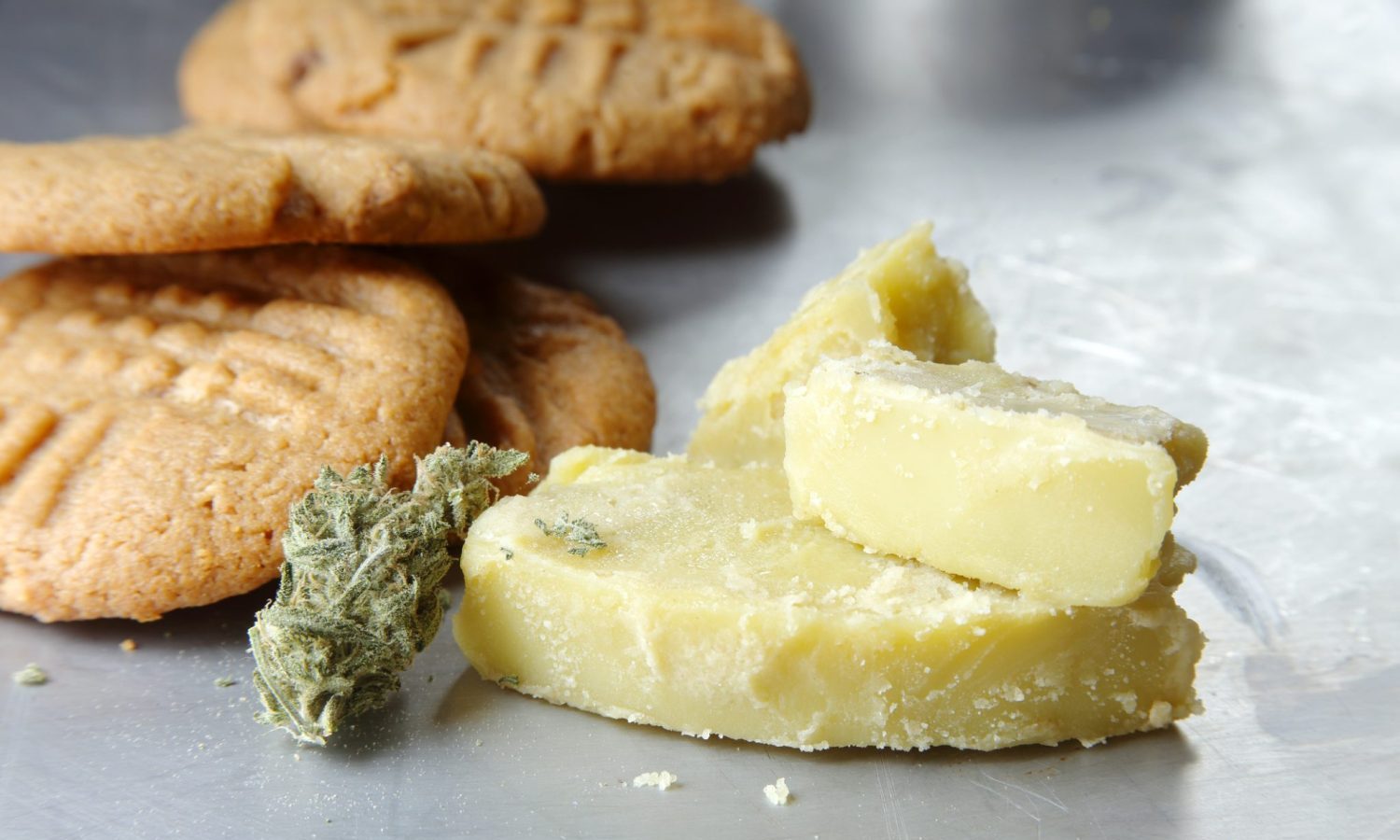
Ingesting cannabis in the form of edibles has gained ground due to various products you can choose from. From baked goods and beverage shots to chips and gummies, you can opt for the option that best suits your needs. Don’t forget that ingestion is different from smoking and vaping in the sense that the active phytochemicals responsible for the “high” take the digestive tract to reach the brain and bloodstream, not the respiratory one. That means the cannabis effects have a delayed onset, taking up to 3 hours to appear, but the good news is that you can enjoy them for up to 12 hours.
With so many cannabis seeds on the market, you can grow your own marijuana and prepare delicious recipes like cannabis-infused chocolate cookies and brownies, cannabutter, and pasta. You can find various cannabis seeds on the market, including autoflowering, feminized, and regular seeds. If you’re a collector, that’s great because now you have the possibility to grow your own mini plantation.
Tinctures
Photo by Rocky89/Getty Images
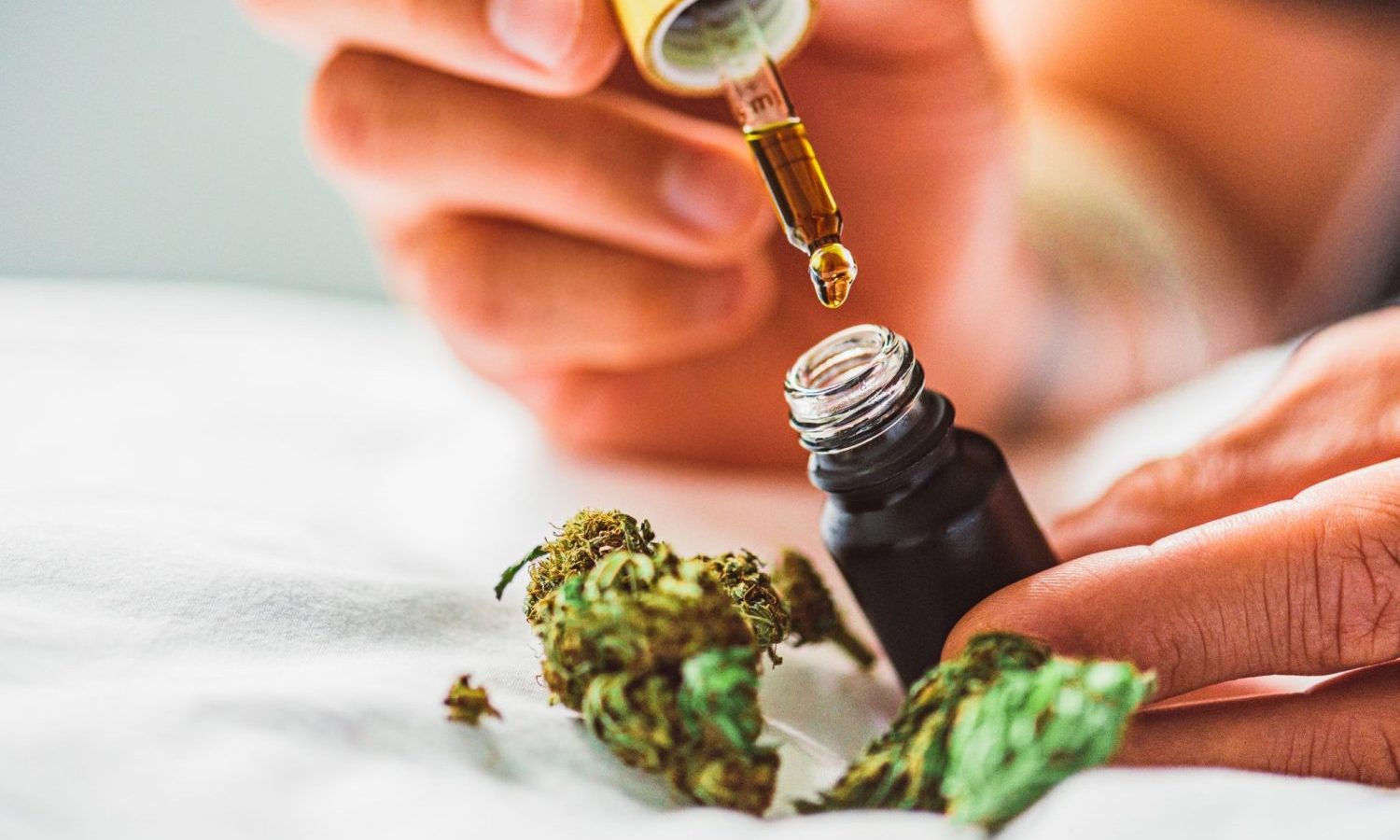
Tinctures are made by soaking the cannabis flower or leaves in alcohol, which makes their absorption through the blood vessels better take place sublingually. Now, how many drops you’re going to use is only up to you. We recommend putting 2 or 3 drops and then waiting for the cannabis to be absorbed to get the full effect. If there will remain cannabis extract under your tongue, don’t worry; the rest is going to be ingested so that no drop is wasted.
Cannabis oils are also widely used, and for a good reason: they help with unmanageable pain, psychological issues (for example, PTSD) , arthritis symptoms, and epilepsy syndromes.
Topicals
Photo by vadimguzhva/Getty Images
Being rather a delivery method than a consumption one, topical cannabis is also worth trying. You’ve probably heard that cannabis helps with issues like anxiety, but did you know that it’s also a great pain reliever? It helps with inflammation and muscle soreness, thus making pain more manageable.
When it comes to topicals, you have a myriad of variants to choose from: creams, oils, lotions, balms, sprays, and salves. If you decide on this method of using cannabis, there are plenty of choices. You can also reap this popular plant’s skincare benefits, choosing products containing cannabis as one of the main active ingredients.
However, it’s worth knowing that you won’t get “high” when using cannabis topicals because this is only possible when it’s ingested, smoked, or vaped, which means it has to reach your bloodstream. By topical application, you only absorb cannabis through the skin.