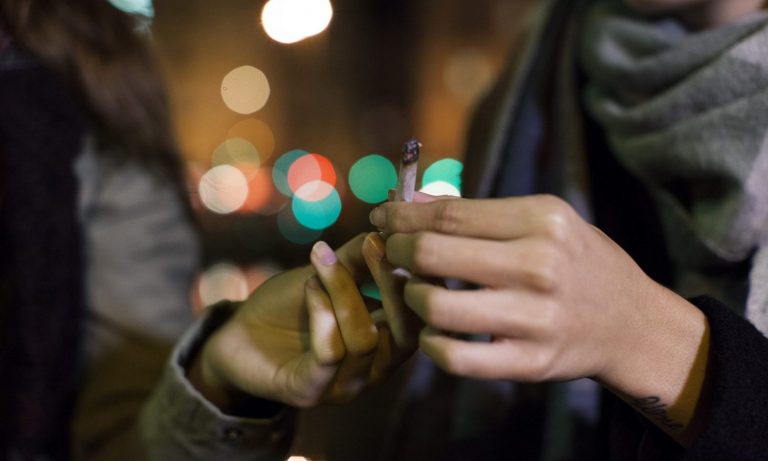
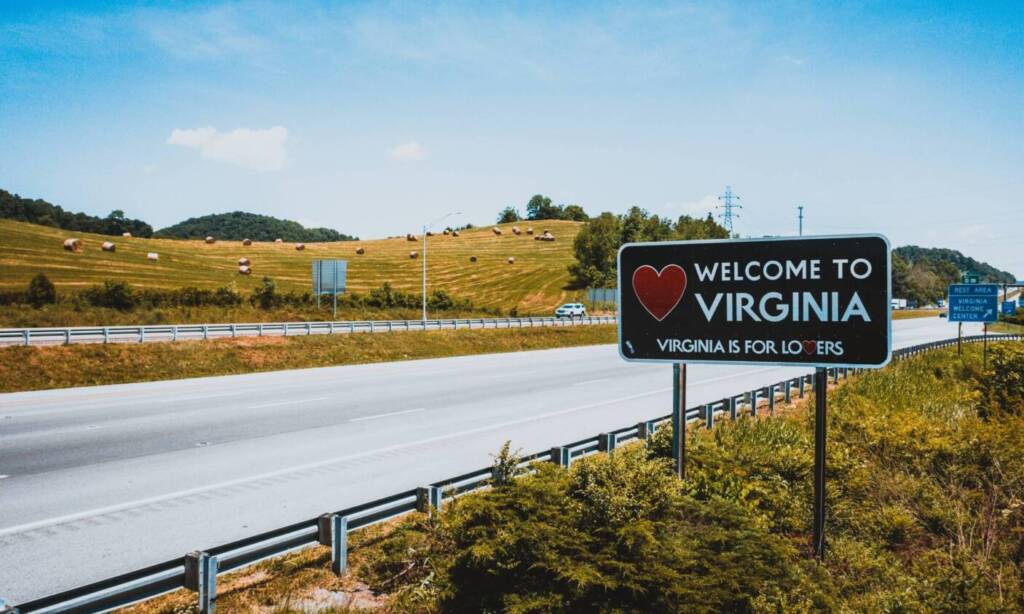
It seems that Virginians won’t be able to legally buy cannabis just yet, as a House of Delegates subcommittee voted down legislation that would allow recreational marijuana sales that were meant to begin this September.
Earlier in February, the Senate passed a 451-page bill that would allow current medical cannabis and hemp businesses to enter the adult-use market.
Under the bill from Sen. Adam Ebbin (D-Alexandria), the three companies that currently control Virginia’s medical marijuana market (MMJ) as well as up to ten registered industrial hemp processors would be allowed to sell recreational cannabis, while other retailers would have to wait nearly 15 months, until January of 2024.
With a GOP-controlled committee opposing it, that legislation was killed on a party-line vote, Marijuana Moment reported.
“I think this is a bigger issue than we can correct in two weeks’ time,” Del. Jay Leftwich, R-Chesapeake, said.
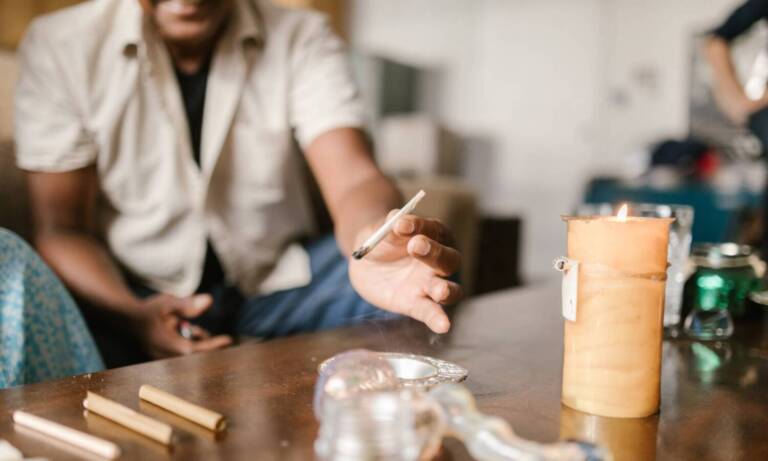
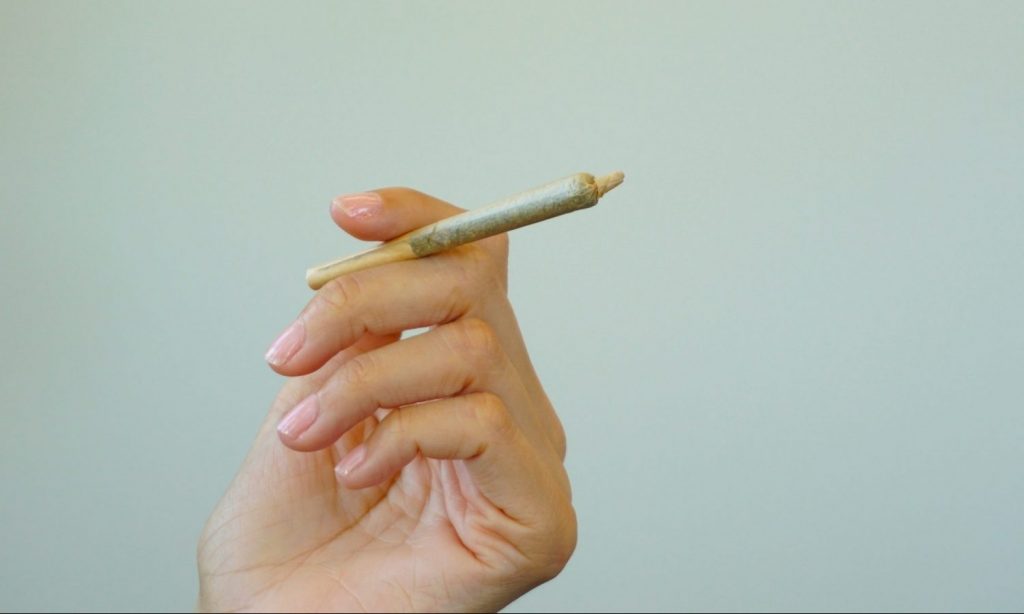
Photo by Kelly L from Pexels
While the General Assembly voted last year to allow people to possess and grow cannabis, to this day lawmakers have been unable to come to an understanding.
Democrats, whose initial goal was to launch sales in 2024, but later decided that waiting that long is not an option, are now urging their GOP colleagues to reconsider.
Hair loss in women is not often discussed. But a new study shows how prevalent it is, and how it relates to age and hormones.
Hair loss is not often discussed as a cause of concern for most women, who are affected by hair loss just as much as men. Moments like pregnancy and menopause are common triggers of hair loss episodes. Here are some reason why is hair prevalent for women post-menopause.
A new study published in the journal Menopause found that hair loss is common in women, appearing as they grow older. The study found that half of women over the age of 50 experience thinning hair. Conducted in Thailand, the study analyzed 200 women between the ages of 50 and 65, tracking their hair loss patterns and measuring a variety of factors that could have had an influence, like hormones levels and body mass indexes.
Out of the women that experienced hair loss, 73% of them experienced mild hair loss, 22% experienced moderate hair loss and only 4% experienced severe hair loss. Researchers found links between older age and higher body mass indexes with higher odds of hair loss.
Hair loss in women looks different than it does in men. While men face issues like receding hairlines, women tend to experience “female pattern hair loss,” which is hair loss that leaves their hairline intact but affects the top of the scalp.
“In postmenopausal women, hair loss is typically caused by general aging and hormonal changes. As anyone ages, hair loss and thinning start to become more common,” explained Dr. Jessica Shepherd to Prevention magazine. “This is also when estrogen levels start to drop which makes hair grow slower and appear thinner. Lowered levels of estrogen and progesterone also contribute to hair loss as these hormones are what typically make hair grow faster and stay on the head longer.”
Hair loss in women is rarely discussed and can be triggered by a variety of issues, from age to switching birth control brands. Due to its cosmetic nature, hair loss is a topic that often goes unaddressed. Still, there are dermatologists that specialize in the issue and that can provide the necessary help depending on the situation.
While there are many ways you can enhance the taste and flavor of your weed, there are some things that you should avoid.
Sometimes, cannabis just doesn’t taste great.
Maybe you don’t have access to top shelf product, find it too expensive, or are trying to grow your own and still haven’t figured out how to improve taste and flavor. Or perhaps you’ve already got delicious bud but want to experiment with flavor enhancing tips and tricks. No matter what your reason is, there’s a handful of effective ways you can improve the flavor and taste of cannabis.
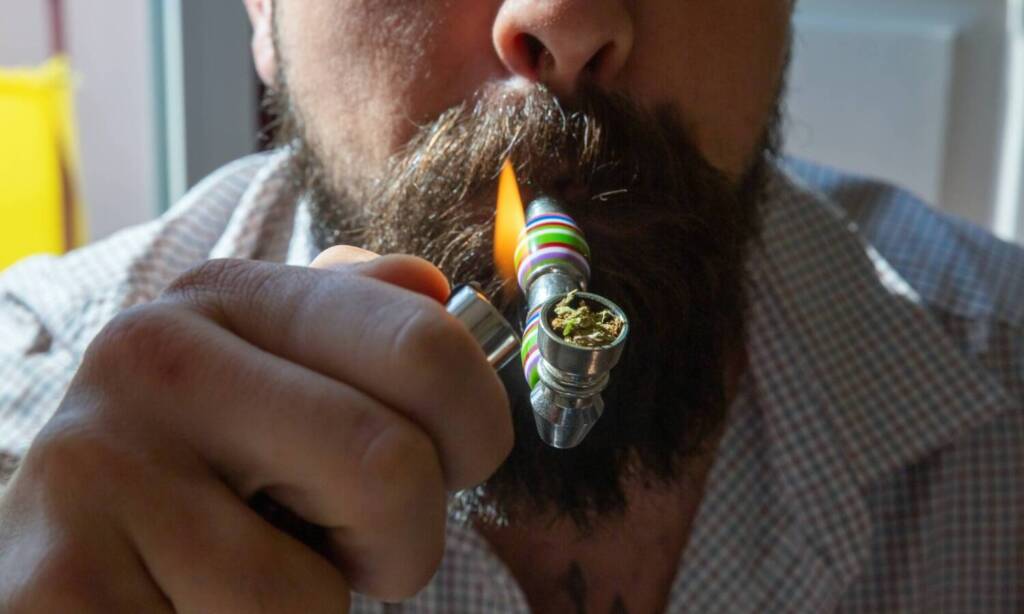
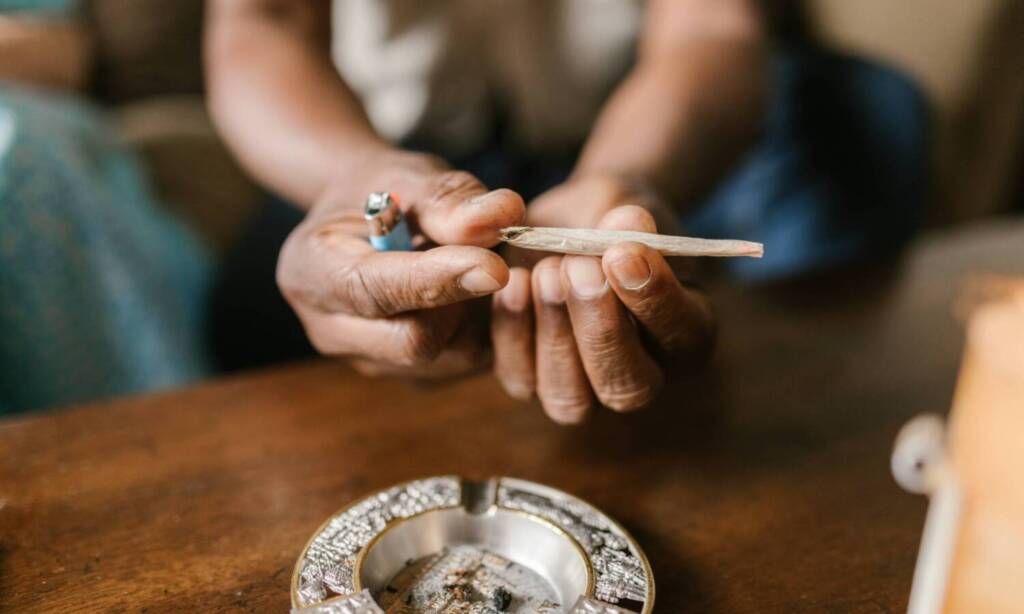
Photo by Kampus Production from Pexels
Making Your Pot Taste Better
After cannabis has been harvested, there’s still a couple of things you can do to improve its taste. (You’ll need an air-tight glass jar such as a mason jar to carry out some of these tips.)
Food-grade essential oils: If you want to try using essential oils, be sure that you are using only high-quality essential oils or food-grade essential oils that were made to be consumed by humans. Others are only meant to be diluted or applied topically. When it comes to flavor, look for lemon, peppermint, lavender, chamomile, eucalyptus, or orange.
With a quality essential oil, you can place a few drops on a cotton ball then stick it on the lid of the jar. Place your stalks in the jar and leave it there for a few hours, ensuring that the ball will not touch the flower at all. Check the jar occasionally for signs of condensation or moisture since this can cause the bud to rot, though it is best practice to also air the jar once in a while during this process to reduce the risk of mold.
Food extracts: Convenience stores will usually already carry some type of food-grade extracts, which are a great and inexpensive way to make your weed taste better. Vanilla extract is one of the most popular and widely used extracts out there, though you can also try strawberry, rum, and almond extracts.
Alcohol: If you have a favorite alcoholic beverage, perhaps a great-tasting whiskey or wine, you can also try to imitate its flavor in your bud. Soak up a cotton ball with your favorite drink and then stick it to the cover of a mason jar for a few hours.
Fruit peels: For those who want to infuse pot with a taste of fruits or spices, the good news is that it’s so easy to do. Lemon, orange, or grapefruit rinds can lend a delicious flavor to cannabis when you smoke it, but it’s best to dehydrate the peels first. Doing so would reduce the risk for the growth of mold.
Other dehydrated aromatics: There are a variety of other dried aromatics you can add to the jar, such as flower petals, dried spices including cloves, cinnamon, and rosemary. The best way to do this is to fill the loose material into an unused tea bag that has been emptied out of its contents. This way, the flavorings and the cannabis are separated.
Flavored drops: If your favorite neighborhood dispensary sells flavored drops, go check them out. These drops were formulated specifically to add a great flavor and taste to cannabis when smoked. Just add a few drops either to the rolling paper or directly to the cannabis. There are so many delicious options out there including blueberry, chocolate, cinnamons sugar, and so much more. This is the easiest way to add flavor!
Tea leaves: Tea lovers, rejoice! You can infuse cannabis with the flavor of your favorite teas. Make a tea joint by emptying out a tea bag and putting some of them into your joint or bowl. Tea leaves are a fantastic flavoring alternative since the tea leaves are usually uniformly cut, so it will burn at around the same time your weed does.
However, keep in mind when experimenting with flavorings on cannabis that various strains will have a different absorption rate for these enhancers. We recommend experimenting with small amounts first until the outcomes are more predictable and easier for you.
While there are many ways you can enhance the taste and flavor of your cannabis, there are some things that you should avoid, such as using sugary ingredients. Sugar is not an ideal companion for anything smokeable including pot. So stay away from flavorings that have a lot of it. Not only does it smell bad, but sugar burns extremely easily. Other sugary ingredients to avoid include molasses, soda, maple syrup, and honey.
Additionally, avoid leaving your newly flavored cannabis exposed to open air for long periods of time. These new aromas can easily fade, and if you won’t be consuming them all after the process has bene done, keep the bud in an air tight jar.
Other Ways To Improve The Taste Of Cannabis
If you are growing your own marijuana, be sure to slowly dry the buds. When cannabis is dried too quickly, this can contribute to a sharp, unpleasant taste and smell.
Cannabis taste usually improves from being exposed to consistent temperatures. It will always do well in temperatures of around 70F when it’s being dried but in any case, they shouldn’t go beyond 60F to 75F. These temperatures will prevent terpene burn off, while slightly higher temperatures protect from mold growth. This is why most cannabis growers ensure that the temperatures are always at 70F while drying cannabis.
Also, remember that you should avoid touching your plant at all during the growth process, or even when you are storing it. When you touch your cannabis bud, it will compromise its trichomes content, which are also responsible for storing the terpenes that give it the aroma, among other important functions.
Check out this article to learn more about how to grow cannabis by influencing its terpene production.
The NCAA is loosening its policies as they pertain to THC levels and positive marijuana tests for student-athletes, according to a statement the organization released on Friday.
The current amount of allowable THC has been 35 nanograms per milliliter. Effective immediately, that will be raised to 150 nanograms per milliliter, per the release.
An NCAA student-athlete may test positive for marijuana three times and not lose eligibility. Though if a student-athlete tests positive, the school must provide a “management plan and education” for the player.
In addition, and perhaps more importantly, student-athletes who are part of the NCAA would no longer automatically lose their eligibility to play following a positive marijuana test under rules that are being recommended by a key committee, according to the statement, reported by Saturday Tradition.
If the student-athlete continues to follow the plan and is in compliance, they may test positive two more times without repercussions of lost eligibility. If the student-athlete is not in compliance and tests positive, a consequence of lost eligibility for a portion of the season is possible.
“Reconsidering the NCAA approach to cannabis testing and management is consistent with feedback from membership on how to better support and educate student-athletes in a society with rapidly evolving public health and cultural views regarding cannabis use,” NCAA chief medical officer Dr. Brian Hainline said in a statement.
“Marijuana is not considered a performance-enhancing substance, but it remains important for member schools to engage student-athletes regarding substance use prevention and provide management and support when appropriate.”
These new policies are the latest in a wave of changes the NCAA has made since the 2020-21 academic and athletic seasons.
There’s an opportunity for businesses and entrepreneurs to navigate this rapidly changing industry and work to create an array of wellness spaces that incorporate cannabis.
As cannabis legalization pushes forward throughout the United States, there is a parallel and growing effort to organically integrate the wellness community, including areas such as fitness, yoga, meditation, Ayurvedic treatment and acupuncture, with the evolving cannabis landscape.
The Global Wellness Institute defines wellness as “a modern word with ancient roots, and it’s the active pursuit of activities, choices and lifestyles that lead to a state of holistic health.”
Maybe cannabis is infused within the practice or treatment. Maybe it is incorporated apart from when the specific practice or treatment takes place, and rather it’s part of an entire wellness regimen or program.
And maybe there is no infusion, but rather a focus on education around cannabis. Perhaps as a caregiver, family member or friend, there is a genuine desire and commitment to learn about the many benefits that cannabis can afford to those in need — from a medicinal, physical and/or mental approach.
This change in the legal environment along with this curiosity in the wellness community has altered the landscape. There’s an opportunity for businesses and entrepreneurs to navigate this rapidly changing industry and work to create an array of wellness spaces that incorporate the types of treatments and modalities discussed above with cannabis products, usage and/or education.
The window of opportunity has opened, most recently on the East Coast, as states continue to legalize adult-use and regulations roll out. Now is the time to look to authentically shift into that space as either an existing business that seeks to restructure and reframe itself, or a new business eager to pursue opportunities in the cannabis/wellness space from the ground up.
The following are some of the considerations to keep in mind if you are considering opening or adding a cannabis and/or wellness business, whether as a fitness facility, a yoga studio, or an “all-encompassing” wellness center:
Corporate structure and business plan
Founding documents for the business and its founders, investors and employees
Agreements between the business and its clients including cannabis-specific provisions
Waivers, privacy policy, disclaimers, and the like
Assessing potential liability concerns associated with owning and operating a business in the wellness space and/or the cannabis space and determine best practices and strategies to mitigate risks
Ensure proper state licensing for any cannabis-related activities
Determine what type(s) of insurance are necessary to obtain for yourself and the business
Social media management
While combining cannabis and wellness is certainly not a novel concept, what is new is building and maintaining the types of businesses discussed above as cannabis legalization continues to sweep through the country on a state-by-state (and, hopefully, eventually federal) level. We are at the precipice of change in the wellness space, where operators have the opportunity to help bring their business to the next level with the potential incorporation of cannabis into their operations.
Thailand, the first Asian country to decriminalize recreational cannabis, may soon experience a boom in its tourism industry. Many experts from the travel industry believe the market will blossom like the marijuana plant itself.
After Thailand became the first Southeast Asian country to legalize medical cannabis in 2018, this January, it became the first in Asia to legally allow marijuana. Under the new regulation, its residents are allowed to cultivate cannabis for personal use.
Nevertheless, the guidelines are not completely clear. It seems there is a prohibition on extracts with THC content higher than 0.2%, but what about smoking weed? Many argue that the low THC content applies only to extracts, while smoking high THC pot should be legally allowed.
While the gray area around these rules needs official clarification, many hope that relaxing cannabis regulation will spur medical and wellness tourism, reported TTG Asia.
“Thailand is well known as a destination for medical tourism and wellness travel. So, these sectors will surely benefit from the latest developments,” commented Dirk De Cuyper, CEO of S Hotels and Resorts.
Spa And Wellness Centers Jump On The Opportunity
Scientific researchers have found that cannabis can help with many health issues, such as sleep and appetite problems, stress and fatigue and many more. Some say the plant can help vitalize the intestines and reduce skin inflammation. Taking these claims into account, it’s no wonder that numerous wellness brands are looking to take advantage of this new opportunity in Thailand.
For example, luxury spa and wellness center Panpuri Wellness has already launched its Holistic Cannabis Wellness Experience, which promises a “soothing journey” from an Onsen pool to a sauna room, as well as marijuana-infused food and beverages.
Another luxury spa, Anantara, offers various cannabis-infused treatments. The spas three “journeys,” which feature CBD oil, include Cannabis Stress-Release, Head to Toe Calming and Cannabis Stress-Release Journey.
“There is growing interest in the therapeutic benefits of CBD,” said Chunxia Gao, group director of spa & wellness at MSpa International for the Asia region. “With CBD safety guidelines ensuring the quality of the products, we can only foresee great success in CBD infused products, superfood choices, and CBD spa and wellness experiences.”
Several new studies show that there’s no link between lack of motivation in teens and young adults.
Lazy stoners have existed forever. Depicted heavily in pop culture, the stereotype is perhaps the most popular of all, one that has been harmful to a lot of people. A couple of new studies show that this isn’t true, not even when applied to teens and young adults.
The most recent study, published in the journal Experimental and Clinical Psychopharmacology, examined 47 college students split into two groups: one comprised of non-users and another of recurrent cannabis users. Both groups were asked to complete behavioral assessment tasks called Effort Expenditure for Rewards Task. Results showed that cannabis consumers were more likely to choose tasks associated with higher motivations.
The second study, published in the Journal of the International Neuropsychological Society, in July of last year, was conducted by researchers of the Florida International University and took two years to complete.They recruited over 400 participants from ages 14 to 17, and asked them to complete five biannual assessments over the course of the study. These assessments consisted of two motivational questionnaires — the Apathy Evaluation Scale and the Motivation and Engagement Scale — and questions about the participants’ use of alcohol, tobacco, and marijuana.
While results showed that higher cannabis use correlates with a higher loss of motivation, once factors like tobacco and alcohol use, and age, sex and levels of depression were accounted for, there was little evidence that suggested marijuana alone had an impact on motivation.
“Our findings do not support a relationship between cannabis use and reductions in motivation over time in a sample of adolescents at risk for escalation in cannabis use,” wrote the study’s authors. “The current study contributes to the extant literature by examining these associations longitudinally in a large sample of adolescent cannabis users while controlling for important and often overlooked confounds, including sex and depression.”
Motivation in teens and young adults is a complex issue, one that’s influenced by a lot of factors. According to Psychology Today, teenagers are more difficult to motivate since they’re growing out of their childhood mindsets. “External factors are typically reliable as sources of motivation for children, but after 12, the factors, such as the desire for parental and social approval, start to diminish as core sources of motivation.” Outside distractions like social life, home life and substances like marijuana and alcohol, can all impact their levels of motivation.
Scientific data on cannabis and its effects on people is important for debunking myths that have long tampered with the plant. Having this knowledge and providing it to people makes it harder for legislators to continue the war on drugs by spreading fear and misinformation.
Whether you are an athlete or not, recovery and healing as soon as possible is critical. Here’s how cannabis can help.
Using ice or a cold compress is one of the most common first-aid treatments we know for an injury or sprain. It’s usually best used right after the injury happens. This involves an ice pack or ice compress placed on the affected area, designed to reduce inflammation and numb out any pain while reducing swelling. Exposure to the cold has been known to decrease circulation and constrict the blood vessels. But in today’s world, there are newer options, here is why you should be using cannabis instead of ice for injuries.
Photo by peterschreiber.media/Getty Images
However, using cannabidiol (CBD), the non-psychoactive component of marijuana, may be more effective (and practical) for treating sprains and injuries. In fact, it can take the place of ice completely. CBD is simply more convenient since you can carry topicals for spot treatment as well as oral CBD products for when you have an accident. It also has the added benefit of being free from THC, which is an advantage for athletes.
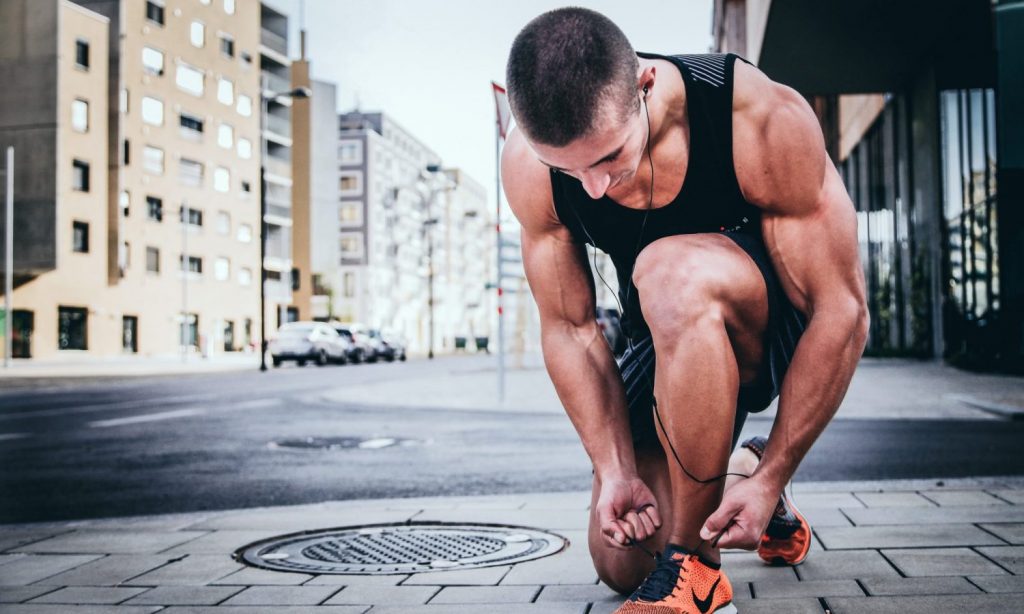
Sports injuries can also happen when running or jumping on hard surfaces, wearing improper shoes, doing the wrong exercise techniques, poor flexibility, old injuries, or doing the same sport all year round among others.
Common Sports Injuries
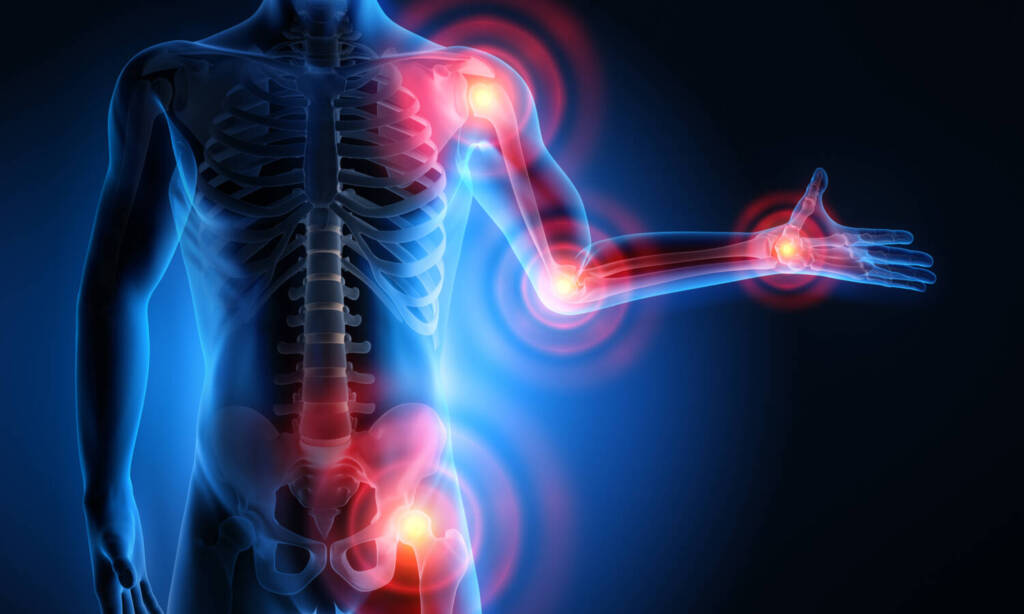
There are many different types of sports injuries where ice is usually used as first aid. We can experience them when doing a fitness routine though they are more common among athletes, but the truth is that they don’t choose — these can happen to anyone. In these cases, CBD can replace ice.
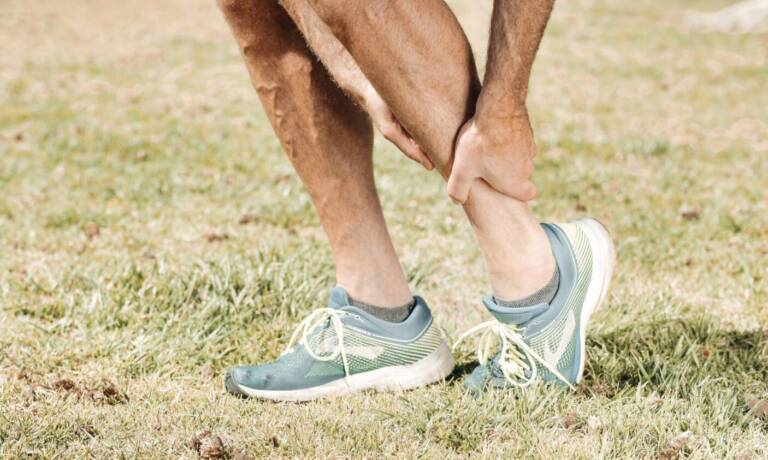
Sprains: Anyone who does sports can be prone to sprains. It occurs when a ligament (in some cases, two ligaments) is torn, stretched, or twisted. Ligaments are long tissue bands that wrap around joints or link bones to one another. The most common site for sprains is in the ankle and knee, which leaves the patient in pain and suffering from limited movements.
Strains: Strains are muscle injuries. This can happen when muscles are over extended or overstretched during exercise. Strains most commonly occur when one changes directly abruptly, while jumping, running, or lifting.
Tennis elbow: For golf and tennis enthusiasts, tennis elbows are common. This affects the outside of the elbows, resulting in inflammation and in some cases, chronic pain.
Runner’s knee: Individuals who do marathons or triathlons involving running and biking may suffer from runner’s knee. This injury is caused by repetitive motions, resulting in pain and swelling under the kneecap area which is known as the patella.
Photo by Alexander Redl via Unsplash
Achilles tendon injury: The Achilles tendon, which connects the heel to the calf muscle, is the biggest tendon in the human body. Injuries here can occur during periods of extensive running, and pain is felt when the patient stands on their heel or toes, or when the ankle is being stretched.
Why CBD For Sports-Related Injuries Works
A sprain or injury is a major inconvenience every time it happens. Whether you are an athlete or not, recovery and healing as soon as possible is critical, not to mention painful.
For athletes, the reliance of opioids, ice and other treatment mechanisms were used at the first sign of pain and injury, though opioids are never recommended because they’re addicting and have seriously negative side effects which can also be fatal. Using topical CBD for pain relief and for fighting inflammation is a better option since it activates the endocannabinoid receptors in the affected area to help control stiffness and pain. In addition, CBD interacts with the CB1 and CB2 receptors that can reduce the inflammation and pain caused by irritations and sports injuries.
This is important for anyone who frequently exercises, does sports, or simply is prone to more injuries because CBD shortens the recovery period while ensuring you are still comfortable.
“Sports injuries most often involve either significant inflammation response or mild micro-traumas,” Dr. Andrew Kerklaan of Dr. Kerklaan Therapeutics explained to Aaptiv. “Because of CBD’s anti-inflammatory potential, it may be useful in a myriad of symptoms — from mild everyday aches and pains to minor injuries.” He also explains that CBD can help individuals recover from common injuries caused by exercise. “These will all trigger inflammatory responses and therefore CBD may have potential to help in the recovery process,” he says.
Photo by Cristi Ursea via Unsplash
There are dozens of studies too, which tout the analgesic benefits of CBD. One study in 2020 revealed that CBD is beneficial for chronic pain while improving inflammation and sleep. In a 2018 review published in the journal Frontiers in Neurology, researchers discovered that CBD was effective in treating inflammation, reducing pain, and improving mobility in individuals with multiple sclerosis. “It is anti-inflammatory, antioxidative, antiemetic, antipsychotic, and neuroprotective,” wrote the study authors.
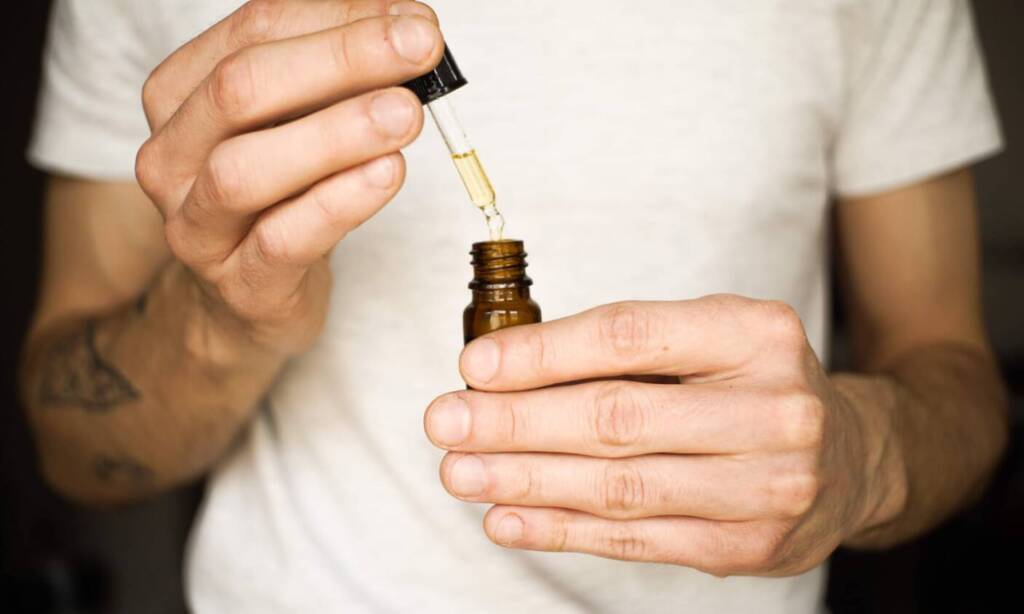
There are many CBD products on the market that work well for injuries. For muscle and tissue-related injuries, using topicals is a fast-acting and effective way to enjoy localized relief. Topical products act faster than edibles. However, for those in serious pain, tinctures and sublingual drops are recommended since they are the quickest of all consumption methods.
CBD can also be used before and after an exercise for preventive care.
2021 was the fifth year in a row the cannabis industry saw an annual job growth rate higher than 27%, with a 33% increase in cannabis jobs in just a single year.
Can you guess how many people are employed by the U.S. cannabis industry? The numbers might surprise you. Data shows cannabis is a major economic driver.
Whitney Economics, a global leader in cannabis and hemp business consulting and economic research released their Cannabis Jobs Report, Data shows that America’s cannabis industry sold nearly $25 billion in products and created more than 100,000 new jobs in 2021.
Photo by DisobeyArt/Getty Imagess
According to the report, there are 428,059 full-time equivalent jobs supported by the legal cannabis industry in the U.S. Furthermore, America’s 11 operating adult-use markets and 27 medical marijuana states combined sold just under $25 billion worth of cannabis products — more than $6 billion from the previous year.
The report forecasts total employment potential in a mature US legal cannabis market could potentially reach 1.5 to 1.75 million workers, nearly 4 times as many workers as in this year’s report.
Since 2014, when the nation’s first adult-use cannabis stores opened, the industry has created hundreds of thousands of new American jobs. And with more states and a growing consumer base, there are still plenty more yet to be created. The potential cannabis has as both an economic driver and force for good and strong growth.
This year’s 2021 report demonstrates that cannabis continues to be the most powerful job creator in America. 2021 was the fifth year in a row the cannabis industry saw an annual job growth rate higher than 27%, with a 33% increase in cannabis jobs in just a single year.
Employment in business and financial occupations are projected to grow only 8% through the decade. With states like New Mexico, New Jersey, New York, and Connecticut expected to open their first adult-use cannabis stores within the next 18 months, America’s cannabis job creation boom is expected to continue through at least 2025.
Nationwide cannabis sales increased 33% in 2021, while “the investment capital that fled the cannabis space in early 2020 has largely returned, giving companies the money needed to increase payroll.
Key Findings From The Jobs Report
2021 marked the first year that cannabis job creation hit six figures. After adding 32,700 jobs in 2019 and 77,300 jobs in 2020, the industry added 107,059 new jobs in 2021.
The United States now has three times as many cannabis workers as dentists.
There are more people employed in the cannabis industry than there are hairstylists, barbers and cosmetologists combined.
As of 2022, three out of four Americans now live in a state where medical cannabis is legal.
The total cannabis sales figure in this year’s report—$25 billion—represents only about 25% of the total potential US cannabis market.
By 2025, America’s total annual legal cannabis revenue is forecast to be closer to $45 billion, which is still less than half the total potential market.
Last year, America’s legal cannabis industry created more than 280 new jobs per day.
A new study found that people who cut this out of their diet had less odds of developing cancer.
Food influences everything we do, from our weight to the functioning of our systems. And now, a new study reveals that vegetarians are 14% less likely to have cancer than meat-eaters.
A study was conducted by Oxford University researchers who analyzed data from over 470,00 people from Britain, finding differences in cancer risks according to their diets.
Researchers found that meat-eaters had higher odds of having cancer, with those who ate meat less than five times a week experiencing 2% less risk of developing cancer. Pescatarians had 10% less risk and vegetarians lead the pack with 14%.
While the results sound damming for meat and its influence on cancer and poor overall health, the study authors made it clear that their findings did not conclusively prove that eating meat resulted in cancer. These health differences could be due to body mass, whether the person smoked cigarettes or not, and their lifestyle. It could also be due to the fact that vegetarians tend to be a smaller group, one that’s more concerned with their lifestyle when compared to meat-eaters.
Still, the study joins a significant body of work that suggests that cutting back on meat is a good idea, keeping people healthier in the long run. In 2022, U.S. News & World Report voted the Mediterranean diet as the best in the world, being the best suited for weight loss and for maintaining people healthy and feeling good.
The Mediterranean diet is based on eating large amounts of vegetables, fruits, nuts, fish, legumes, and more, limiting their meat and dairy intake. It’s a diet that has amassed a large number of followers across the world despite its limitations, being flexible and easy to adapt to.