The New York Senate passed a bill Tuesday that would provide provisional marijuana cultivator and processor licenses to existing hemp businesses that take specific steps to promote equity in the emerging industry, Marijuana Moment reported.
The bill, sponsored by Sen. Michelle Hinchey (D) and approved in a 50-13 vote, seeks to both speed up the process of starting New York’s adult-use market, and support efforts to reach equity goals with respect to cannabis business participation.
“I’m proud to sponsor legislation to help them obtain conditional licenses, which will allow New York to implement its cannabis program faster,” Senator Hinchey said. “Our existing hemp growers, who have been some of the hardest hit by market fluctuations, already have the knowledge base to meet this need, and I’m proud to sponsor legislation to help them obtain conditional licenses, which will allow New York to implement its cannabis program faster.”
Hinchey pointed out that New York state’s cannabis program aims to create an industry predicated on social equity, inclusion and one that ensures local economic success. “To achieve these goals and create a truly circular economy, we need New York farmers to begin the growing process now so that when cannabis dispensaries open, we can fill shelves with quality New York-grown products.”
The Assembly is taking up an identical companion measure on Wednesday, which could result in legislation being sent to the governor’s desk. Assembly Majority Leader Crystal Peoples-Stokes (D) is sponsoring the chamber’s version of the licensing bill.
While regulators are still finalizing licensing rules, and with no retailers yet authorized to sell recreational marijuana, adults 21 and older can legally possess and publicly consume cannabis and gift it to other adults, without compensation.
While hemp stakeholders in the Bluegrass State claim that delta-8 THC is legal under the legislation’s provisions, regulators emphasize that the compound is not naturally derived from the hemp plant.
The Kentucky legislature is seeking to ban all forms of “intoxicating products” made from industrial hemp, such as delta-8 THC, a form of THC distinguished from the more common delta-9 THC found in cannabis plants, Hemp Today writes.
According to a bill proposed this week, smokable hemp would also be prohibited by the law — in the form of cigarettes or cigars — as well as smokeless products including chew or dip, whole hemp buds, hemp teas and ground hemp flowers and leaves.
The legislation, which expands existing language in the state’s law, is also designed to outlaw other hemp-derived minor cannabinoids like delta-10 THC, THC-O, and THC-P, as per an unofficial copy of the proposal.
While hemp stakeholders in the Bluegrass State have been interpreting the 2018 Farm Bill to their favor, claiming that delta-8 THC is legal under the legislation’s provisions, regulators have pushed back, emphasizing that the compound is not naturally derived from the hemp plant.
The Kentucky Hemp Association highlighted that a ban on delta-8 THC would result in the loss of potentially billions of dollars by Kentucky’s cannabis economy, including growers, producers and retail operators.
New surveys show that sex and relationships are facing an all-time low.
On Valentine’s Day, it seems the country is at a 30 year low for sex and living together, with marriages and partnerships decreasing the younger people are. The finding is from a published General Social Survey, which uncovered some curious findings showing a generational change when it comes to dating and romance.
The survey’s results show the low numbers aren’t due to the pandemic. This trend has been ongoing for years, with every new survey reinforcing it. In 2021, 26% of Americans over the age of 18 hadn’t had sex over the past year. While this percentage was higher than previous years, surveys in 2016 and 2018 came in at 23%.
CNN argues that this phenomenon isn’t limited to sex. Numbers from Pew Research Center say that 62% of Americans between the ages of 25 to 54 were married or living with a partner, a lower number than in previous years. According to Pew polling, it appears the economy is impacting people’s decision to marry, with a lot of them saying that they won’t get married if it’s not financially feasible.
Lastly, results show that this trend has more to do with people’s mindsets than their ages. People over the age of 55 continue to have the same partnership and sex trends as they did 30 years ago. It’s younger people whose interests have waned.
While news like this tends to cause alarm for a lot of people, particularly those who are older, maybe we shouldn’t start calling for the end of humanity just yet.
A lot of single people today are happier and more empowered than they were before, shifting their priorities until the time is right for them or they have fulfilled their professional achievements. Maybe the prospect of marriage and kids is less enticing when the economy is falling, we’re in the middle of a pandemic and the threat of global warming lurks around the corner.
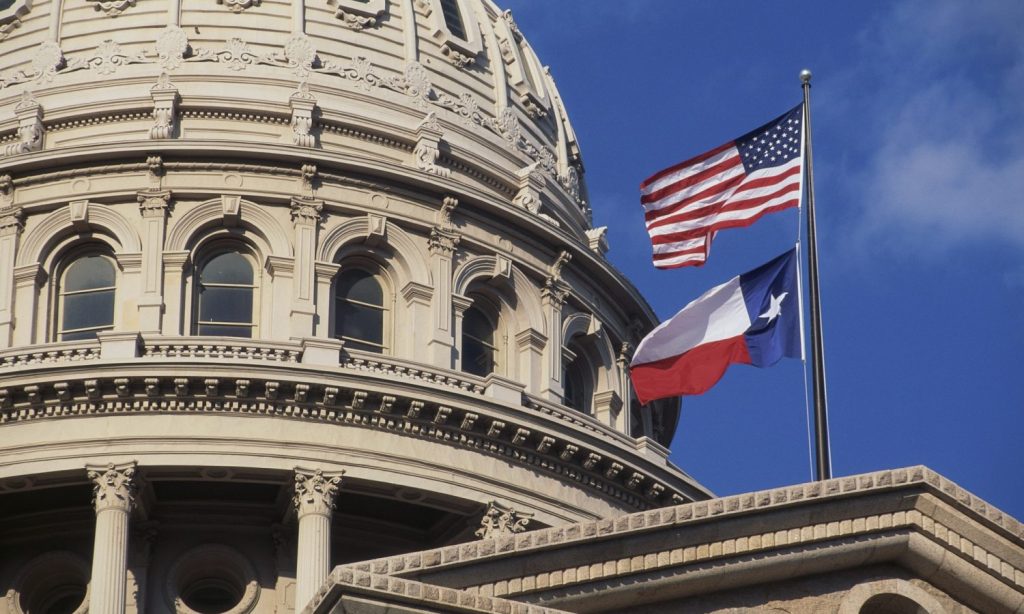
In Texas, only three companies are authorized to supply cannabis for the state’s medical program, while state officials in Oklahoma have licensed some 12,000 marijuana-related businesses.
Texas’ Compassionate Use Program remains one of the most restrictive in the U.S. Through the program, the Department of Public Safety operates a secure online registry of qualified physicians who can prescribe low tetrahydrocannabinol (THC) to patients with specific medical conditions.
The Compassionate Use Registry of Texas (CURT) is designed to prevent more than one qualified physician from registering as the prescriber for a single patient, and is accessible to law enforcement agencies and dispensing organizations to verify patients of low-THC cannabis.
Photo by Bo Zaunders/Getty Images
Meanwhile, across state lines in Oklahoma, where voters legalized medical marijuana in 2018, is experiencing a weed-industry boom, reported NBC News. The medical cannabis market in the Sooner State generated about $150 million in 2021 revenue.
In Texas, only three companies are authorized to supply cannabis for the state’s medical program. However, in Oklahoma, state officials have licensed some 12,000 marijuana-related businesses, and about 1 in 10 people has medical marijuana cards.
Oklahoma’s Republican Governor Kevin Stitt pointed to the relatively low cost of obtaining a cannabis business license, noting that without a cap on marijuana operators, the market has expanded at an unsustainable rate.
“Oklahoma charges just $2,500 for a commercial license,” Stitt said, noting that California charges far more, in fact up to 72 times more. “As a result, we have seven times the growers in California with just 10 percent of the people.
Next door in Arkansas, they have eight growers. We have 8,300,” the governor said. “You know as well as I do that not all of that product is being sold legally. This is a perfect example of why we need to make sure initiative petitions represent Oklahomans and not out-of-state special interest groups,” added the Governor.
Photo by LPETTET/Getty Images
Morgan Fox, political director of NORML, said the system rightly favors small businesses.
“This is a system that is set up to basically create opportunities for small businesses,” Fox said. “There’s a lot of room for people to start up businesses without a tremendous amount of capital.”
Paulie Wood, a former California grower and the CEO of Kannabiz Monkeeyz told NBC that he decided to close his West Coast operations because of the “insane over-taxation” and headed for Oklahoma.
“In Oklahoma, you can literally start a grow for under $10,000, whereas in California you’re going to be out hundreds of thousands of dollars to just getting started,” Wood added. “They call it the wild west of cannabis. It’s the nicest, friendliest state we could ever want to be in.”
Oklahoma grower Josh Blevins told NBC that he and other growers regularly serve Texas customers who make the drive to purchase legal cannabis.
Want to make the most of your weed? Here’s how compact discs, honey, pennies, and other common objects can help.
By the time you’ve become a seasoned marijuana consumer, you’ll likely learn all of the little tricks you need to help make the most of your weed. From extending the life of your stash, grinding your own flower when you’re in a pinch, and enhancing your experience in general, here are some hacks that will improve your smoking significantly.
When the munchies strike, there’s very little you can do except indulge. Seasoned cannabis users usually learn to curb their urges, but for newcomers, mints are a good option. Mints can help you focus on something else, distracting you from the urge of eating food. Just like people who stop smoking tend to chew gum, mints can help keep your mind off blowing your diet.
A Penny
Photo by Elsa Olofsson via Unsplash
While you should always invest in a grinder, there are ways of cutting your marijuana neatly and evenly when in a bind. Take a penny and clean it thoroughly, then put your marijuana in a pillbox, drop the penny inside, close it up, and shake. Keep on shaking. After a vigorous workout, you’ll be left with some evenly cut marijuana.
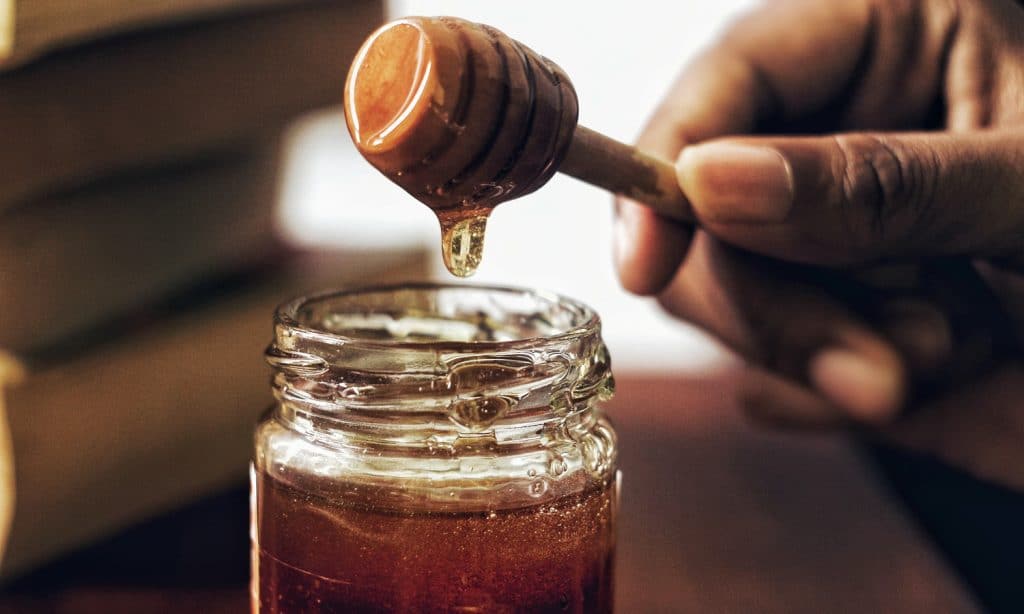
Honey is a great companion for marijuana. After you’ve finished rolling up a joint or a blunt, be sure to coat it with a small amount of honey. This will ensure that your joint/blunt burns more slowly and evenly while also adding some sweetness.
Compact and Floppy Discs
Photo by Sharon McCutcheon via Unsplash
If you’re visiting your parents’ house, you’ll probably run into some floppy discs. These can be used to neatly pack bowls by using the middle hole of the discs. Easy, fast, and you’ll give use to something that is otherwise trash.
While there are many studies that exist pointing to the ability of cannabis compounds to aid in COVID recovery, we have to keep in mind that many of them are still in their infancy.
COVID-19 has taken countless lives worldwide, but thankfully with the vaccine, many have also been able to survive it.
However, surviving COVID-19 is not an easy feat. In many cases, the dreaded virus leaves damage in the bodies which we can feel for far long after we have tested negative. There are the usual symptoms such as dry cough, fever, colds, and shortness of breath.
Photo by engin akyurt via Unsplash
The duration and severity of symptoms differs from one person to another, but there are also some people who will experience symptoms that will linger for a longer period of time. Depending on the case, the fatigue, shortness of breath, difficulty breathing, chest pains, stomach pains, brain fog, muscle pain, headaches, and heart palpitations among others.
When the symptoms persist for as long as 12 weeks after the infection, this is known as long COVID, and these conditions are not yet well understood. Doctors and researchers don’t know why it happens, who it will happen to, and how to prevent it. Of course, getting your vaccine helps reduce any complications, and a booster shot even if you have gotten COVID will also help.
There is not much you can do to help treat it other than rest as much as you can, and for as long as it takes. Additionally, seeing your doctor to check for any complications will also help. These can prevent us from going back to a normal, healthy life. But what else can we do?
How Cannabis Can Aid In COVID Recovery
The compounds in cannabis, tetrahydrocannabinol (THC) and cannabidiol (CBD), have both shown to be promising in earlier studies for preventing and treating COVID. There are also hundreds of other compounds within the cannabis plant called cannabinoids that can help, like aiding in quicker recovery.
A 2021 study found that CBD, as well as another cannabinoid known as cannabivarin (CVN), can help treat long COVID. Researchers for the study found that when CBD and CVN are taken together, they work to down-regulate the proteins known as ACE2, TSP, NRP1, and IL-6, which COVID up-regulates or damages during the infection.
Another 2021 study, conducted by researchers at the Rabin Medical Center, analyzed the impact of CBD on 11 patients with serious COVID. Eight patients reported improvements in the infections. However, Dr. Moshe Yeshurun, who heads the hospital’s bone marrow unit, said that the findings required more research with a larger group of participants.
“After giving the cannabis oil we saw a drop in signs of the infection and this is definitely encouraging and gives a foundation to continue the research,” said Dr. Iliya Kagan, who oversees the Intensive Care Unit of the hospital. Kagan explains that once the CBD oil was given to the patients, it seemed to stop “although it is still premature to determine with certainty that it is a result of the cannabis.”
Another study from Austria, where doctors were using cannabis to treat COVID patients, found that CBD was promising as a treatment. “We administered CBD to 50 patients and observed that the infection levels disappeared more quickly,” said Dr. Rudolf Likar, who oversees the Department of Anesthesiology and Intensive Medicine at the Klagenfurt Hospital, the only clinic in Austria that uses CBD to treat COVID-19 patients.
Photo by Yarygin/Getty Images
He and his team began administering 200mg of CBD to ICU patients, then eventually increased the dosage up to 300MG, for three weeks. They found that the patient group who was given CBD healed from the COVID virus much faster compared to those who were given other medications.
They explained that CBD could be helpful in boosting the immune system because of its anti-inflammatory compounds. Their objective with COVID-19 therapy was to prevent other complications and even death.
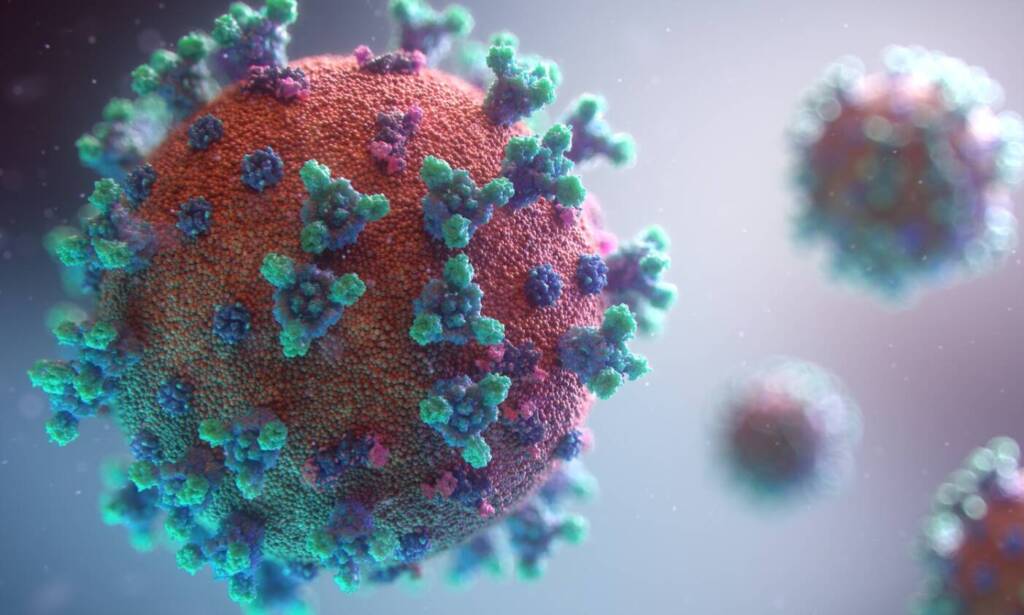
The researchers at Oregon State University utilized a screening tool to discover these compounds, which had possessed the molecular properties they were looking for, which had the potential for blocking the spike protein of the virus from binding to a human cell.
The compounds were first tested in a petri dish with human cells. They used epithelial cells which are the cells that are found to line the walls of tissues including the lungs. Both the cannabinoids were found to reduce the ability of the protein to bind to epithelial cells which works the same way that monoclonal antibodies do, which are found in known COVID-19 treatments.
Photo by Fusion Medical Animation via Unsplash
“CBDA and CBGA are produced by the hemp plant as precursors to CBD and CBG, which are familiar to many consumers. however, they are different from the acids and are not contained in hemp products,” said Richard van Breemen, lead researcher for the study. “These compounds can be taken orally and have a long history of safe use in humans,” he adds. “They have the potential to prevent as well as treat infection by SARS-CoV-2.”
Conclusion
While there are many studies that exist pointing to the ability of cannabis compounds to aid in COVID recovery, we have to keep in mind that many of them are still in their infancy.
There’s still a lot we don’t know about how COVID mutates and reacts, but if you are interested in using CBD to aid in your recovery, it can be done under the supervision of your doctor who can advise you with the proper consumption methods for this.
“[The bill] will ensure the little guy — especially those most disadvantaged by the prohibition on cannabis — receive the seed funding and startup support necessary to slingshot small Virginia businesses into economic success,” said Sen. Adam Ebbin.
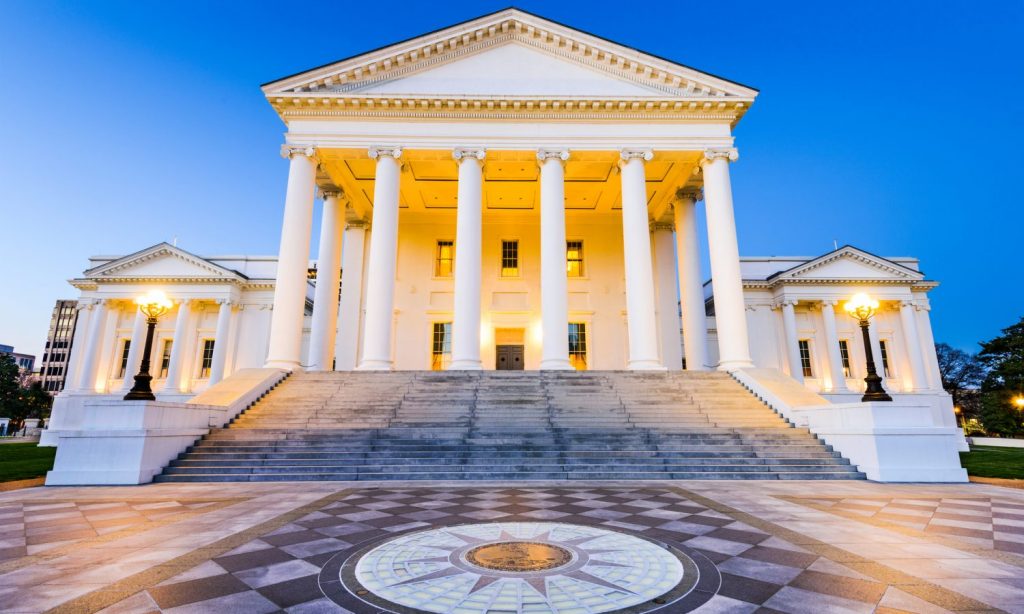
Adults in Virginia will be able to legally buy cannabis starting on Sept. 15 if a 451-page bill passed by the state Senate on Tuesday afternoon becomes law. Though its path remains uncertain in the House of Delegates, where the GOP-controlled committees have so far avoided taking up the issue, the bill would launch recreational marijuana sales early by letting current medical cannabis and hemp businesses enter the adult-use market.
A handful of companies would be able to begin selling cannabis in September under the bill from Sen. Adam Ebbin (D-Alexandria): the three companies that currently control Virginia’s medical marijuana market (MMJ) as well as up to ten registered, industrial hemp processors, reported the local public radio network VPM.
Under current law, medical marijuana processors in Virginia are allowed to open five additional retail sites aside from the place where they grow and process cannabis. Those stores would also be allowed to sell to all adult customers under Ebbin’s bill. The industrial hemp sites would be allowed to open up two additional retail sites aside from the place where they grow marijuana.
Other retailers would have to wait nearly 15 months, until January of 2024, to begin sales. Ebbin says the transition period will help curb the black market. Ebbin’s bill requires medical marijuana companies to “incubate five qualified social equity applicant retailers for a period of six months or support and educate qualified social equity applicants that wish to participate in the cannabis market.”
“It will ensure the little guy — especially those most disadvantaged by the prohibition on cannabis — receive the seed funding and startup support necessary to slingshot small Virginia businesses into economic success,” Ebbin said.
Equity and free-market advocates have pushed for everyone to start at the same time, arguing that the headstart gives big players an unfair advantage. In a report published last week, the Minority Cannabis Business Association noted similar arrangements in other states have resulted in “a lack of diversity and the proliferation of the legacy market.”
Despite its complexity, the Senate spent less than 20 minutes debating Ebbin’s bill. Three Republicans voted in favor of the bill and one Democrat sat out the vote.
A pair of studies show that while boosters provide protection from the virus, their effectiveness wanes over time.
COVID-19 boosters extend the protection granted by COVID-19 shots. But for how long? Two new studies found that while boosters protect a significant amount, their benefits wane after a certain amount of time.
Researchers examined the records of more than 200,000 visits to the emergency room and urgent care and over 90,000 hospitalizations, all taking place between August 2021 and January 2022. Researchers were able to notice more protection after patients had their third dose but were also able to pinpoint the moment where protection waned.
Two months after the third dose, there was 87% protection in emergency and urgent care visits, and 91% protection against hospitalizations. By the fourth month, these numbers fell to 66% and 78% respectively.
Evidence of waning immunity was not only present in Omicron cases. Previous data, from the time when Delta was the dominant strain, also showed that patients lost their immunity with the passage of time.
The CDC concluded their findings by stating that the “underscore the importance of receiving a third dose of mRNA COVID-19 vaccine to prevent both COVID-19-associated ED/UC encounters and COVID-19 hospitalizations among adults.”
Veterans are encouraged to speak with their VA providers about medicinal cannabis, but clinicians in the VA cannot prescribe or recommend marijuana for medicinal use.
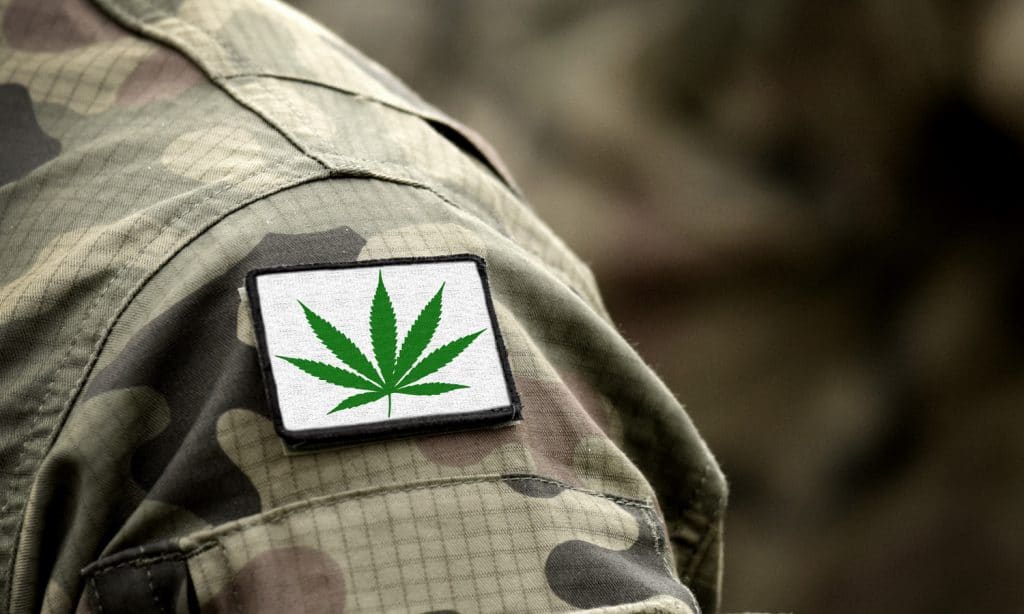
Veterans can use medical marijuana without losing their eligibility for care and services, according to the Department of Veterans Affairs, reported KVIA.com
In a post on the department’s website, the VA clarified that although marijuana use is still considered federally illegal, “Veteran participation in state marijuana programs does not affect eligibility for VA care and services. VA providers can and do discuss marijuana use with Veterans as part of comprehensive care planning, and adjust treatment plans as necessary”.
Veterans are encouraged to speak with their VA providers about medicinal cannabis, but clinicians in the VA cannot prescribe or recommend marijuana for medicinal use.
In the post, the department included a list of recommendations about marijuana and the VA.
Marijuana And The VA
VA health care providers will record marijuana use in the Veteran’s VA medical record in order to have the information available in treatment planning. As with all clinical information, this is part of the confidential medical record and protected under patient privacy and confidentiality laws and regulations.
VA clinicians may not recommend medical marijuana.
VA clinicians may only prescribe medications that have been approved by the FDA for medical use.
VA clinicians may not complete paperwork/forms required for Veteran patients to participate in state-approved marijuana programs.
VA pharmacies may not fill prescriptions for medical marijuana.
VA will not pay for medical marijuana prescriptions from any source.
The use or possession of marijuana is prohibited at all VA grounds. When you are on VA grounds federal law is in force, not the laws of the state.
Veterans who are VA employees are subject to drug testing under the terms of employment.
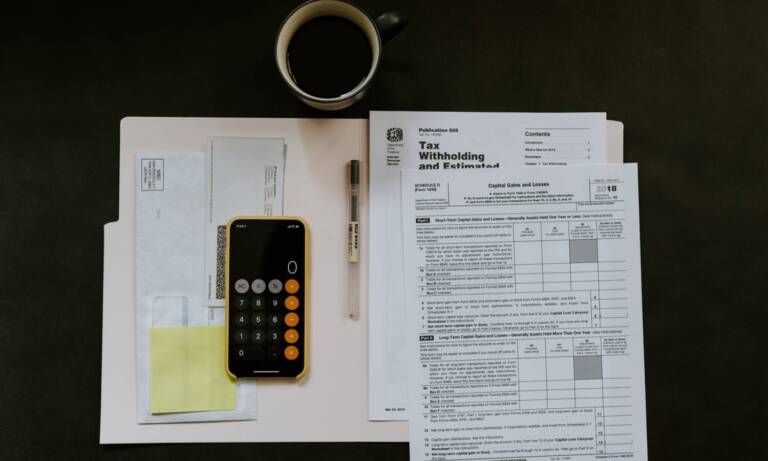
The IRS clarified that it does not have discretionary authority to adopt policies that would allow cannabis-related deductions while the plant remains illegal under federal law.
As we all know, the marijuana industry has grown substantially in recent years, with sales expected to hit $25 billion by 2025.
Revenue growth has been driven by more and more states legalizing the plant. In states like Illinois, cannabis sales pulled in nearly $1.4 billion in 2021, exceeding liquor taxes by nearly $100 million over the same period, after outpacing it for the first time in February.
Photo by Scott Graham via Unsplash
However, with the plant still illegal under federal law — something that might change when/if Senate Majority Leader Chuck Schumer (D-N.Y.) and his colleagues file the long-awaited bill this April — conflict and ambiguity regarding the tax policy persist, creating “significant problems” for IRS and financial regulators, not to mention cannabis operators and companies.
With tax season upon us, confusion over whether medical marijuana is tax-deductible has come up, writes Marijuana Moment.
In an interview with C-SPAN’s Washington Journal, IRS taxpayer advocate Erin Collins was asked by a caller from Nevada, where cannabis is fully legal, why he couldn’t find an option on TurboTax to deduct his cannabis purchases.
Collins, appointed during the Trump administration, said she’d have to “plead ignorance on the marijuana” question “unless you’re saying it’s a medical deduction. If it is a medical expense, and then you have an option on your Schedule A, you could potentially put it there.”
“If it is a medical expense, and then you have an option on your Schedule A, you could potentially put it there,” she continued.
She was not exaggerating when she pled ignorance.
Photo by Rex_Wholster/Getty Images
Not Deductible After All
In a statement to Marijuana Moment, Collins said medical marijuana purchases are not deductible after all.
“I had not previously studied the federal tax treatment of marijuana, and I speculated that marijuana might ‘potentially’ be deductible as a medical expense in certain circumstances,” Collins said. “After the program, I checked the law. To clarify, medical marijuana is not tax-deductible for federal purposes under current rules.”
The IRS clarified that it does not have discretionary authority to adopt policies that would allow cannabis-related deductions while the plant remains illegal under federal law.