Veterans are encouraged to speak with their VA providers about medicinal cannabis, but clinicians in the VA cannot prescribe or recommend marijuana for medicinal use.
Veterans can use medical marijuana without losing their eligibility for care and services, according to the Department of Veterans Affairs, reported KVIA.com
In a post on the department’s website, the VA clarified that although marijuana use is still considered federally illegal, “Veteran participation in state marijuana programs does not affect eligibility for VA care and services. VA providers can and do discuss marijuana use with Veterans as part of comprehensive care planning, and adjust treatment plans as necessary”.
Veterans are encouraged to speak with their VA providers about medicinal cannabis, but clinicians in the VA cannot prescribe or recommend marijuana for medicinal use.
In the post, the department included a list of recommendations about marijuana and the VA.
Marijuana And The VA
VA health care providers will record marijuana use in the Veteran’s VA medical record in order to have the information available in treatment planning. As with all clinical information, this is part of the confidential medical record and protected under patient privacy and confidentiality laws and regulations.
VA clinicians may not recommend medical marijuana.
VA clinicians may only prescribe medications that have been approved by the FDA for medical use.
VA clinicians may not complete paperwork/forms required for Veteran patients to participate in state-approved marijuana programs.
VA pharmacies may not fill prescriptions for medical marijuana.
VA will not pay for medical marijuana prescriptions from any source.
The use or possession of marijuana is prohibited at all VA grounds. When you are on VA grounds federal law is in force, not the laws of the state.
Veterans who are VA employees are subject to drug testing under the terms of employment.
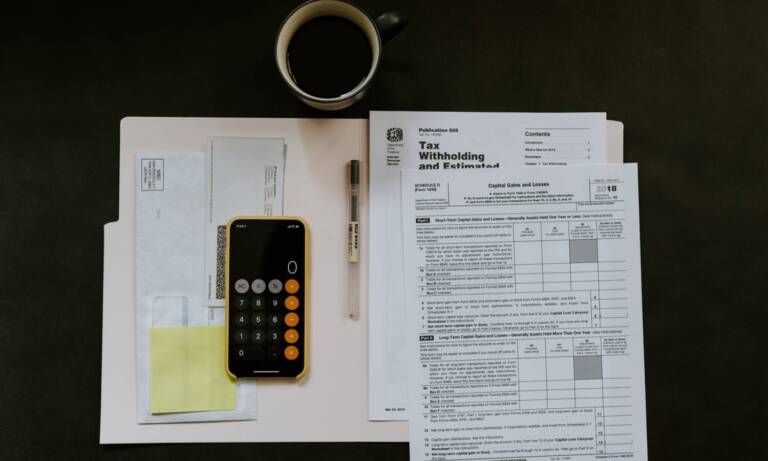
The IRS clarified that it does not have discretionary authority to adopt policies that would allow cannabis-related deductions while the plant remains illegal under federal law.
As we all know, the marijuana industry has grown substantially in recent years, with sales expected to hit $25 billion by 2025.
Revenue growth has been driven by more and more states legalizing the plant. In states like Illinois, cannabis sales pulled in nearly $1.4 billion in 2021, exceeding liquor taxes by nearly $100 million over the same period, after outpacing it for the first time in February.
Photo by Scott Graham via Unsplash
However, with the plant still illegal under federal law — something that might change when/if Senate Majority Leader Chuck Schumer (D-N.Y.) and his colleagues file the long-awaited bill this April — conflict and ambiguity regarding the tax policy persist, creating “significant problems” for IRS and financial regulators, not to mention cannabis operators and companies.
With tax season upon us, confusion over whether medical marijuana is tax-deductible has come up, writes Marijuana Moment.
In an interview with C-SPAN’s Washington Journal, IRS taxpayer advocate Erin Collins was asked by a caller from Nevada, where cannabis is fully legal, why he couldn’t find an option on TurboTax to deduct his cannabis purchases.
Collins, appointed during the Trump administration, said she’d have to “plead ignorance on the marijuana” question “unless you’re saying it’s a medical deduction. If it is a medical expense, and then you have an option on your Schedule A, you could potentially put it there.”
“If it is a medical expense, and then you have an option on your Schedule A, you could potentially put it there,” she continued.
She was not exaggerating when she pled ignorance.
Photo by Rex_Wholster/Getty Images
Not Deductible After All
In a statement to Marijuana Moment, Collins said medical marijuana purchases are not deductible after all.
“I had not previously studied the federal tax treatment of marijuana, and I speculated that marijuana might ‘potentially’ be deductible as a medical expense in certain circumstances,” Collins said. “After the program, I checked the law. To clarify, medical marijuana is not tax-deductible for federal purposes under current rules.”
The IRS clarified that it does not have discretionary authority to adopt policies that would allow cannabis-related deductions while the plant remains illegal under federal law.
Keep in mind that you should go with your tolerance. Mixing cannabis strains is usually a practice done by individuals who are already seasoned cannabis consumers.
Everyone has their favorite cannabis strain. Or maybe two, three, or even more. Then there are those strains that you like, but aren’t super stoked on. After all, with the hundreds of cannabis strains out in the world today, it really is crazy to choose just one.
You could have one strain that you like waking and baking with, and another one for winding down after work. But have you ever thought about combining strains and smoking them up together?
Photo by msk.nina/Getty Images
The Practice Of Mixing Cannabis Strains
Many cannasseurs know that smoking two or more strains together is a simple and easy way to experience the effects of multiple strains at once. Also known as a ‘salad’, this is a great way to sample multiple strains in one go. Whether you’re a recreational or medical user, you can benefit from trying this out.
What you’ll get is not just an entirely new high, but also amazing health benefits thanks to the terpenes and cannabinoids in both strains that you’re smoking. It will also give you a one-of-a-kind experience in both the flavor and aroma departments. This is essentially what breeders do when they create new strains except that you don’t have to go through the complicated process of breeding and growing a completely new strain on your own. It could, however, give you a peek into what a hybrid strain would feel and taste like. Given that there are thousands of cannabis strains in the market, there are virtually limitless ways you could combine strains.
Benefits Of A Salad
Aside from a unique taste, there are many other benefits to experimenting with a salad. For one, a different high. You can look forward to a better high when smoking multiple strains. There are so many cannabinoids and terpenes involved that make this experience so much better.
For example, you can try two energizing strains at once to amplify your brain power before you head out into work. Similarly, you could also try two strong indica strains for a more potent insomnia-killer right before bed. There is also the possibility that using a higher CBD strain with a strong THC strain will help reduce paranoia and anxiety caused by the THC, taking the edge off and giving you a more balanced hit.
There’s also the flavor and taste aspect to consider. The terpene profile in each cannabis strain is responsible for the delicious smells and tastes, so imagine combining several? You could try a sweet strain with a lemony strain to give you a candy-like taste.
Photo by Christina Winter via Unsplash
In addition, mixing cannabis strains can be a breath of fresh air. You might be tired of smoking the same old strains for the past few weeks, but you happen to have so much of it at home. Simply buy a smaller amount of a new strain and then try a new combo out.
Overall, perhaps the most important point, is that you might just end up loving what you come up with. So many cannabis lovers out there already mix some of their favorite strains after discovering that many simply pair so well together.
How To Mix Cannabis Strains
There’s no right or wrong way to mix cannabis strains. Some prefer to mix those with opposing effects and different qualities, like a strong sativa balanced out by some indica. However, what you should be paying careful attention to is the ratio. If you are after a perfectly balanced high, you should be combining half and half of each.
What you shouldn’t be doing is mixing different types of products, such as flower and edible. This part requires some common sense to navigate, because you could end up with an extremely strong high that would leave you couch locked for several hours. Stick to the same type of product when mixing strains.
Also, keep in mind that you should go with your tolerance. Mixing cannabis strains is usually a practice done by individuals who are already seasoned cannabis consumers.
If you are pairing two high-THC strains, you might end up getting very stoned and it could be a negative experience. Trying something new with pot requires caution so as to avoid injuries, so this is best done when you are at home and don’t have to operate any machinery. You might also want to do this on a weekend or when you don’t have to work. The idea is to have some fun but also, don’t throw safety out the window.
Furthermore, remember to take care of your flower if you’re mixing bud. When it’s time to divide your stash to combine strains, use sharp scissors or a grinder so that you can efficiently cut the herb instead of using your fingers. Keep the terpenes in good condition by always storing your weed in a place that is free from air, heat, and light for the best effects — and this is a practice that you should be doing at all times, not just when you’re mixing them up.
Photo by Elsa Olofsson via Unsplash
Here are other tips to try when mixing strains:
Start with the strains you like the most, and experiment pairing them up with others that have opposing or similar flavors.
Fuels should go with fuels. This would give you a top-of-the-line pungent experience because the terpenes would complement each other.
Mix strains in the same family, or have the same parents / grandparents. Their flavors would definitely complement each other for a delicious smoke.
Mix fruity flavors together. For example, Tangie with a Strawberry Banana would be a delicious one!
Pair based on the sought effects. As we discussed earlier, study the known effects of the strains you want to mix to see if the end results are something that you’re after.
Given these tips, we hope you can have a fun time trying out new combinations.
Earlier this month, the U.S. House of Representatives formally attached a cannabis banking reform amendment to large-scale legislation dealing with innovation and manufacturing.
Following the approval of the amendment from sponsor Rep. Ed Perlmutter (D-CO) on a voice vote as part of an ‘en bloc group’ with other amendments, the chamber passed the package on Feb. 3 in a 262-168 vote.
Photo by mekcar/Getty Images
One Way Or Another
On the heels of its latest and sixth attempt to get the Secure and Fair Enforcement (SAFE) Banking Act across the finish line, Perlmutter discussed some of the prospects of his proposal in an interview with Yahoo Finance on Friday.
While Senate leadership has pushed to pass comprehensive legalization first, the congressman is optimistic regarding his bipartisan incremental reform, Marijuana Moment writes.
“Every [House] Democrat and at least half the Republicans have supported SAFE Banking, and I am confident that the Senate will take it up,” Perlmutter said.
Commenting on efforts of Senate Majority Leader Chuck Schumer (D-N.Y.) and his colleagues to legalize the plant and their prioritization of the broad legalization legislation, which they plan to officially file in April, he said that he’s “questioned whether they have the votes to get something of that magnitude through the Senate, which has not even had a hearing really on marijuana in 50 plus years.”
Nevertheless, Perlmutter, who is retiring at the end of the session, said that he intends to “keep working with the Senate, working with Schumer’s office, working with [Sen. Cory Booker’s (D-NJ)] office working with [Sen. Steve Daines (R-MT)], a Republican who is championing this bill in the Senate, and we’re going to get it across the finish line.
“I am really pretty confident about it, whether it’s with the [the America COMPETES Act] or something else, we’re going to get it done,” Perlmutter continued.
Photo by krisanapong detraphiphat/Getty Images
What’s Next?
Looking ahead, the congressmen said that the proposal might be further amended now that Democratic leadership is suggesting that it’s too narrow.
“They’re in support of it, but they just want to try to get some bigger pieces to it,” Perlmutter said. “If they can add research, if they can add some criminal justice reform, if they can add some taxation components, I’m all for it. But we need to get something passed and on to the president this year.”
A New Hampshire ruling shows some support for medicinal cannabis use in the work place.
Cannabis use in the workplace is a complex issue with many layers. While some states may have cannabis programs in place, workplace laws are a different thing entirely. In a recent case, New Hampshire voted in favor of a plaintiff, who sued a company that fired him for his medical cannabis use.
The plaintiff, Scott Paine, used cannabis as prescription medication for his PTSD. Paine worked at Ride-Away, and had to be tested for drugs regularly. He requested an exemption of drug tests when off-duty, never asking to consume cannabis on the job. Ride-Away denied Paine’s request and terminated his employment.
Paine sued the company, claiming that they failed to accommodate the treatment of his disability. Ride-Away claimed that they didn’t need to accommodate his treatment since cannabis remains a controlled substance. Surprisingly, the court disagreed with Ride-Away; they said that while illegal drug use is not a protected disability, the law does not prevent the treatment of conditions with cannabis.
New Hampshire’s decision is a small step, yet a significant one, setting precedent for medicinal cannabis and its use in the work place. While it doesn’t argue that people can smoke on the job, it supports cannabis’ standing as medicine and will likely be used as reference for a variety of workers who use therapeutic cannabis while off duty and have found themselves in trouble at their jobs. It also puts an emphasis on a case by case review when it comes to situations that involve medicinal cannabis use.
While Paine’s case is a good step forward, it still doesn’t provide any clarification for medical cannabis and drug testing in the work place, which doesn’t mean that someone is using cannabis while on the job.
Despite the fact that cannabis is earning legal status in a variety of states, employers can still stick to their personal drug policies, terminating employees if they consider their cannabis use inappropriate. Even in legal states, cannabis remains a federally illegal drug, meaning that drug use in the work place is a risk, no matter which way you look at it. A medical marijuana card may provide some protection and leeway, but courts will approach each case on an individual basis.
Heart disease is the leading cause of death in the U.S. This factor can triple your odds of developing it.
Heart health is impacted by most things you do. Your eating habits, how much you sleep and your level of activity are key factors that will have a hand in shaping your cardiovascular health. And now, a new study shows that poor sleep can increase your odds of heart disease by a significant margin.
The study, published in the journal Scientific Reports and conducted by researchers from the University of South Florida, reviewed sleep data of over 6,000 adults with a median age of 53. These subjects provided reports on their sleep habits and cardiovascular history. A group of around 600 people wore a device on their wrist that captured their rhythms more precisely.
Researchers explained they selected subjects that were primarily middle-aged since this subgroup tends to have more stressful life experiences. Participants were asked different questions about their health, whether they had any heart conditions, and whether there was cardiovascular disease in their family history. They were also asked about smoking practices, physical activity, depression, and other matters that could affect their heart health.
Researchers measured a variety of factors related to sleep, like satisfaction, regularity, and more. They found that the more issues a person had, the likelier it was for them to experience adverse heart health side effects. Subjects who wore sleep monitors and reported sleep problems showed a 141%of increase in heart disease probability, tripling their odds of heart disease.
“These findings show the importance of assessing ‘co-existing sleep health problems’ within an individual to capture the risk of heart disease,” said lead author Soomi Lee. “This is one of the first studies showing that, among well-functioning adults in midlife, having more sleep health problems may increase the risk of heart disease.”
“The higher estimated risk in those who provided both self-report and actigraphy sleep data suggests that measuring sleep health accurately and comprehensively is important to increase the prediction of heart disease,” he continued.
Heart disease is the leading cause of death in the United States, affecting over 30 million people in the year 2018. Studies like this one can provide new parameters for the treatment and prevention of the disease, especially since sleep is a factor that can be regulated and improved upon.
Three years after it was formed, the Michigan Marijuana Regulatory Agency is getting a new name. The agency will be renamed the Cannabis Regulatory Agency and take up the task of overseeing hemp processing, distribution and sales in addition to its current regulation of the marijuana industry.
Governor Gretchen Whitmer said in a press statement that these administrative changes will help the state continue growing the hemp and marijuana economy, create jobs and invest in local communities.
“Consolidating multiple government functions into the newly named Cannabis Regulatory Agency will help us continue growing our economy and creating jobs,” Gov. Whitmer said. “And to be blunt-safe, legal cannabis entrepreneurship, farming, and consumption helps us put Michiganders first by directing the large windfall of tax revenue from this new industry to make bigger, bolder investments in local schools, roads, and first responders.”
The change, made under executive order and set to take effect in 60 days, “will allow for a more effective, efficient administration and enforcement of Michigan laws regulating cannabis in all its forms,” Whitmer’s office said in the statement. Michigan is the home state of Benzinga.
The Marijuana Regulatory Agency was formed by executive order in spring of 2019 to oversee the regulation of medical and recreational marijuana following the legalization of adult-use cannabis via ballot initiative in 2018.
Michigan’s Cannabis Industry
Since legalization, Michigan’s cannabis industry has grown by leaps and bounds, experiencing a few growing pains along the way.
Despite all the bumps in the road, Michigan’s recreational marijuana market has grown into a nearly $2 billion-per-year industry, if medical marijuana sales and recreational are combined.
Twitch, the popular streaming site owned by Amazon announced new updates for its username policy in an effort to put an end to inappropriate names, highlighting that those with cannabis hinting handles will be allowed.
“We want to make Twitch the kind of place where everybody feels at home,” the company pointed out, adding that “curbing hateful conduct and harassment is a vital part of making Twitch a safe and fun place to spend your time.”
Photo by Fredrick Tendong via Unsplash
This move seems to be part of Amazon’s support for cannabis legalization, made public last June when the company announced it will stop testing for workplace cannabis use in most positions. Amazon is the parent company of Twitch since it acquired it in 2014 for $970 million, during which time Alphabet was also in talks.
New Policy Highlights
Twitch clarified in updated guidelines that usernames and names created on its platform cannot contain the following:
Breaking the Law, including Terrorism and Child Exploitation
Violence and Threats
Hateful Conduct
Harassment and Sexual Harassment
Unauthorized Sharing of Private Information
Impersonation
Glorification of natural or violent tragedies
Self-Destructive Behavior
References to recreational drugs, hard drugs, and drug abuse, with exceptions for alcohol, tobacco, and marijuana
References to sexual acts, genital, or sexual fluids
Usernames Matter
“They’re your textual avatar in chat and a crucial piece of channel branding for Creators. Usernames are searchable and have site-wide visibility. Given their usage across Twitch channels, we believe they must be held to a universal and higher standard than other places people express themselves — like chat, for instance,” the company pointed out.
Twitch is giving existing members a chance to adjust to the new standards.
“We want Twitch to be safe. We want Twitch to be inclusive. We want Twitch to be a place for positivity,” the company concluded.
The available (anecdotal) data suggests that THC-O offers higher therapeutic benefits to users, primarily when it is used as an alternative to edible tinctures.
Over the years, chemists all around the globe have tried to create a perfect synthetic product with the precise effects offered by cannabis plants. To do this, cannabis compounds have been modified into various chemical structures, some of which are not naturally produced in the plant. There are currently dozens of cannabis variants, each with its own unique qualities and side effects. Some of these cannabinoids have been extensively modified for specific uses, while the rest can be extracted from hemp and cannabis plants.
What Is THC-O?
THC-O is a synthetic cannabinoid with higher potency than most synthetic products. The compound was developed to give users a more intense high, although, like natural cannabis, the level of reception in users varies. But most of the time, the product offers users a magical and enchanting experience.
Photo by Wavebreakmedia/Getty Images
Bay Smokes, a well-known cannabis brand that produces pre-rolled joints, revealed that some of its products are filled with premium THC-O flowers and concentrates. The company cultivates hybrid THC-O buds indoors and works hand-in-hand with licensed labs to test the potency and general features of the cannabinoid before they are infused into regular cannabis products and dispensed to the public. The company has most of these test results on its website for consumers to confirm that the products are fit for consumption.
Cannabis lovers who have tried THC-O and other THC forms claim that the first is more potent than the latter. They pointed out that THC acetate ester induces more relaxing effects, accompanied by a trippy high. The Feds are yet to acknowledge the existence of this form of THC because it was prepared in a laboratory. Some scientists have also clarified that the drug has yet to undergo standard drug-identifying procedures.
How THC-O Is Prepared
This new cannabinoid is a synthetic analog of natural THC. It was first produced in a lab by chemists but is now mass-produced through unusual cannabis tech.
To generate THC-O, a series of extractions must occur. Cannabidiol (CBD) is first extracted from hemp plants (most prefer to use hemp plants because they are federally legal). Delta-8 THC is then extracted from the CBD. Once this is done, the extract is combined with the organic solvent acetic anhydride to give the THC acetate ester. This new extract is flavorless and odorless but has an extremely high potency level. Further actions to metabolize or activate THC-O will result in a bioavailable form of delta-9 THC. This means that when this acetate ester enters the body, it transforms into a highly potent delta-9 THC with no other effects other than its night potency.
Companies like Bay Smokes cultivate their hemp plants in isolated indoor spaces because the conditions are far more easily controlled. Most of these plants are grown without any lighting to ensure they are ideal for THC-O infusions. This results in strains that are high in CBD and THC-O, with a potency of about 22%.
How Safe Is THC-O?
In the early 2000s, when Spice and K2 (both synthetic forms of THC) became mainstream, tests showed that they induced no similar effects as natural cannabinoids. They were labeled as unsafe and non-classical variants of THC. This begs the question of the safety of THC-O, mainly because there is limited information about the substance.
THC acetate ester has been observed to possess a chemical profile identical to delta-9 and delta-8 THC variants. Unlike the unhealthy smoke products produced in the 2000s, THC-O can be traced to natural cannabis plants.
For now, there is no data that points to THC acetate ester being dangerous or unfit for consumption. Instead, the available (anecdotal) data suggests that THC-O offers higher therapeutic benefits to users, primarily when it is used as an alternative to edible tinctures. It is best suited for patients who have an increasingly high tolerance for THC. With THC-O, patients suffering from chronic pain management will fare better with THC-O than with conventional cannabis products. It is important to note that users claim it is best not to smoke THC. They suggest that the “prodrug” nature of THC-O makes it essential for the drug to be activated before consumption.
Consumption Methods And Effects
THC-O can be infused into any product. It can be produced in oil or concentrate form. After ingesting THC-O, the effects do not spring up immediately; the user begins to feel the results of the cannabinoid about five minutes after it has been consumed. This delayed effect is more pronounced in products made with no cutting agents, giving them an unmistakable look. The taste is similar to that of neutral CO2 oil.
Photo by 2H Media via Unsplash
THC-O products make users feel calm and mellow, but it also leaves them with enough energy and motivation to carry out other activities. Lovers of THC-O products mention that each dose comes with a unique experience. When a person consumes a standard edible dose for a week or more consecutively, the daily effects will be different from the last. In addition to this, users usually report distinct feelings; some use it as a sleeping or relaxing aid, while others use it to rev their creative juices.
Can Anyone Use THC-O?
THC-O is best used by patients with a high tolerance for natural THC (the product serves as a panacea for patients who rely on heavy doses of THC). Inexperienced or novice cannabis users derive the most minor enjoyment from these products, as they do not have the fanciful feel, taste, and aromas usually associated with natural cannabinoids.
Last Words
According to studies carried out by the Honest Marijuana Company, THC-O has exciting potential. Its ability to deceive the system while delivering THC ingredients is something to watch out for; the drug can be modified to induce other psychedelic effects.
As long as the origin of THC-O can be traced back to federally legal hemp, you can classify it as legal. The duration of its legality is still uncertain, as the federal agencies are yet to clear the gray area in which it exists.
A new study shows instances of COVID-19 harming pregnant women and their fetuses.
There’s been a lot of talk about the risk of COVID-19 vaccines in pregnant women, but a new study found a tragic risk for moms-to-be who are not vaccinated. Although rare, the virus can increase the odds of stillbirths.
Published in the journal Archives of Pathology & Laboratory Medicine, the study found that COVID-19 can attack and destroy the placenta, resulting in asphyxiation and stillbirth.
“We have never seen this level of destruction from an infectious illness before. It rendered the placenta unfit to carry out its duties,” study lead Dr. David Schwartz told NBC News. “These fetuses and newborns died from asphyxiation due to lack of oxygen.”
While other viruses attack the fetus directly, COVID-19 appears to attack the placenta, thus limiting the oxygen that babies are meant to have. Researchers are calling this phenomenon “SARS-CoV-2 placentitis,” and it’s described by three factors: A build-up of the protein fibrin, the death of cells in the placenta’s protective layer, and unusual inflammation in the organ.
More and more studies continue to prove the importance of COVID-19 vaccinations. While this research was conducted on a small sample of women, it’s important for a variety of reasons. Pregnant women are more susceptible to infections due to their state, and thus should try their best to avoid the virus.
The study’s results are also important since they can help prevent more of these situations and instruct obstetricians to be on the lookout for this particular condition.