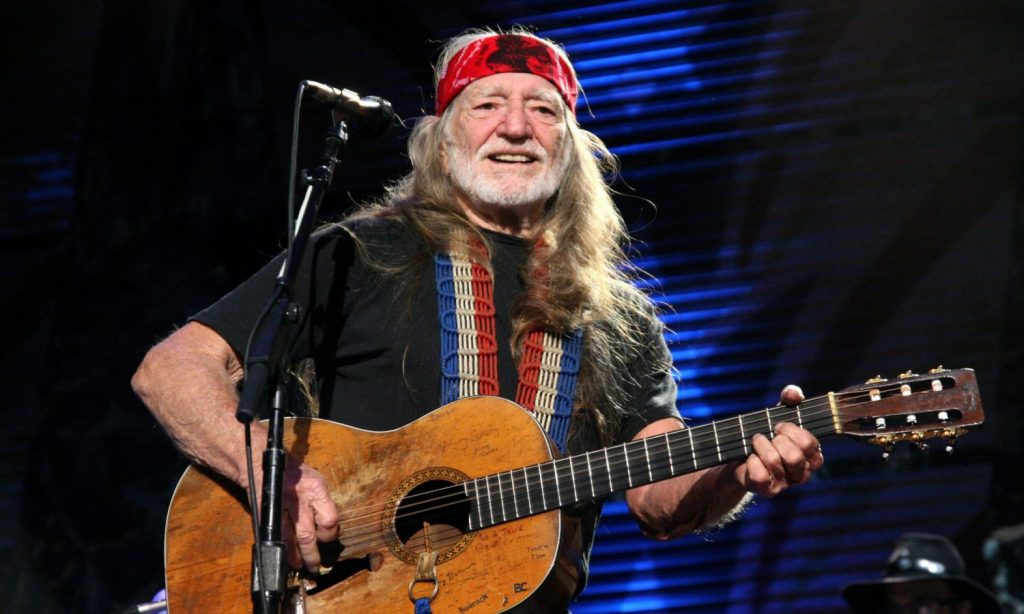
Willie Nelson and Skechers partnered up for a Super Bowl ad that’s about shoes, but really, it’s about legal cannabis.
If you weren’t already aware, Willie Nelson wants to legalize marijuana. That’s the message of his Super Bowl ad, only he can’t say it outright, so instead, he’s promoting legalizing comfort with Skechers.
While never mentioning the word cannabis, the Skechers commercial is still a significant marijuana moment. Using a weed icon to air a message of legalization during the Super Bowl in the midst of this current wave of legalization doesn’t ask much of viewers to put two and two together, while also being able to skirt the NFL’s rules for their ads.
The commercial is called “Skechers Legalized Comfort,” and it features and exchange between Nelson and the commercial’s director.
While wearing a black tee that reads Legalize, Willie introduces himself, saying, “I fought for the legalization of the one thing that can bring comfort to millions. Sketchers.” At this point, the commercial cuts to the director, who looks down at the script in confusion. “You see, Skechers should be legal,” says Nelson. The director interrupts him. “Willie, I don’t think Skechers are illegal anywhere.” Willie shrugs. “But they feel so good I just assumed the man made them illegal.”
In a statement, Nelson explained everyone’s right to feel comfortable, sending another pro-legalization message in disguise. “I can’t resist making an appearance during the Super Bowl. And I’m doing this because of a message we can all agree on—everyone deserves the right to feel comfortable. From the bus to the stage to a jog around the ranch, staying healthy and feeling good is how I can keep doing what I love.”
Skechers also released a statement. “We know featuring Willie’s genuine personality and well-known passions in a pair of commercials will make an impression for the millions watching the game.”
Marijuana ads and the Super Bowl have a little bit of history. While a variety of weed companies have tried to run cannabis ads in the country’s most important televised event, the NFL has restricted cannabis use, which means weed ads are a no-no.
One thing is certain. While more and more states continue to legalize marijuana, cannabis legislation continues to advance at a snail pace.
Getting paranoid is unfortunately, one of the more common side effects of smoking cannabis. The chances that you could feel paranoid is usually more when you consume high-THC pot. Though not everyone is prone to it, there are just some people who can’t seem to escape it, and it can make the experience of getting high unpleasant.
Why This Happens
There are many reasons why some people are more vulnerable to paranoia on pot than others.
In a 2019 animal study, researchers discovered that some people’s brains are wired to be more sensitive to THC in the back area of the brain. On the other hand, those people who feel relaxation from high THC have a more active front part of the brain, which is responsible for our reward mechanisms.
Photo by Sonja Punz via Unsplash
There’s another explanation: the biphasic response. To say it simply, when you microdose or consume THC in smaller amounts, it will result in a relaxing effect but the more you smoke, the more anxious or paranoid you’ll be. In a 2017 study conducted by researchers at the University of Chicago, they analyzed the effects of THC on 42 consumers who were tasked to undergo stressful situations. They discovered that the participants who consumed 7.5mg of THC felt much less stress compared to those administered with a placebo. However, those who were given 12.5mg of THC said that they experienced negative emotions, and they were also more likely to report a task as threatening or challenging.
Another possible reason why some get paranoid when high and others don’t boils down to our tolerance. Everyone reacts to cannabis and its compounds differently especially THC – some people simply have a much higher tolerance and can consume more of it without responding negatively, while others can’t.
Black Pepper as an Antidote
If you’re one of those people who gets paranoid from THC, the answer may lie in your kitchen: black pepper. For those who are surprised by this news, it’s actually been known for a while now.
In fact, it was none other than Neil Young who made it famous when, during a 2014 interview he had with Howard Stern, he mentioned: “Try black pepper balls if you get paranoid. Just chew two or three pieces,” he said, about paranoia and anxiety caused by THC.
He isn’t wrong.
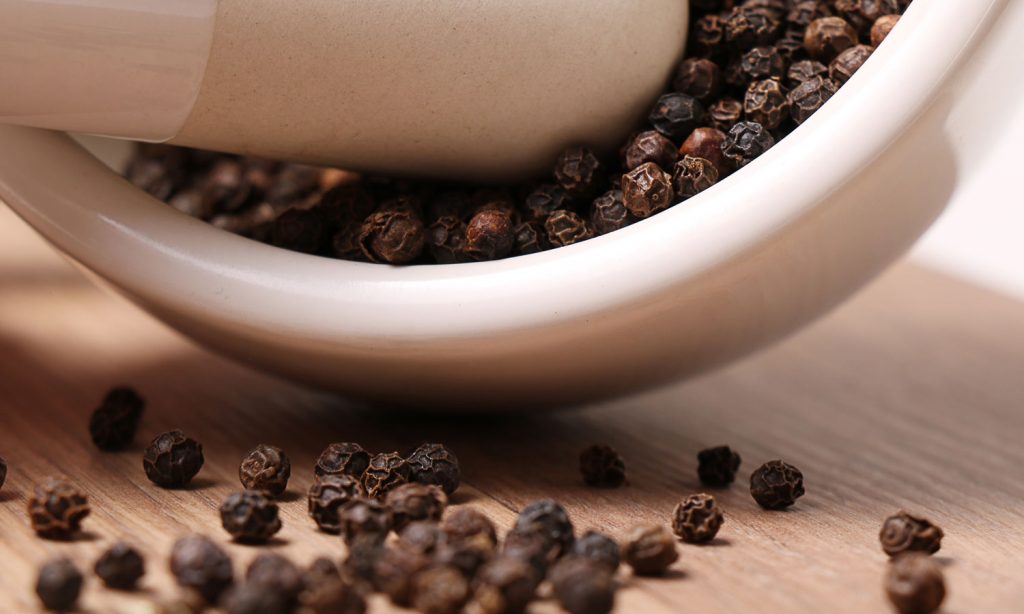
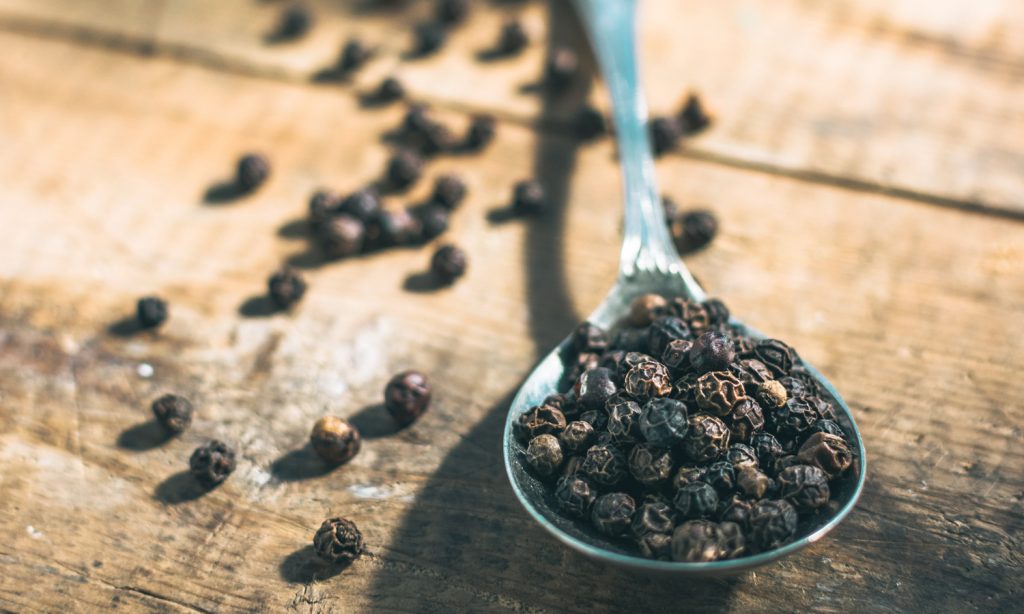
Black peppercorns, when chewed or smelled, can actually help provide relief from paranoia and anxiety. How? Well, black pepper, just like cannabis and other plants, contain terpenes. In cannabis, we know around a few hundred different terpenes that have its own special properties and therapeutic effects, though they also contribute to its unique aroma. Terpenes also play a role in the cannabis strain’s effects on the individual user.
Black pepper contains caryophyllene and pinene, two terpenes that have been proven to have calming effects and can particularly negate the highs brought about by THC.
If you aren’t a fan of eating black pepper straight up, then you can also of course just add it to certain foods so that you can enjoy its therapeutic benefits. We understand that not everyone can take the strong taste of consuming black pepper straight or even chewing it up.
Photo by Calum Lewis via Unsplash
Dr. Ethan Russo, the Director of Research and Development of the International Cannabis and Cannabinoids Institute, has authored many books about cannabis. He has also touched on this topic in a study entitled, “Taming THC: Potential Cannabis Synergy and Phytocannabinoid-Terpenoid Entourage Effect,” where he explains how the terpenes in peppercorn “tame the intoxicating effects of THC.”
Here’s a little bit more about these helpful terpenes:
Pinene: Pinene is a terpene that is associated with the smell of pine trees or pine forests. Of course, it’s extremely abundant in pines but it’s also found in many other herbs and plants, such as dill, parsley, and cannabis. Pinene has a woodsy and earthy smell.
When it comes to effects, pinene is known to be lightly energizing, and can induce calmness and tranquility. Some people report pinene to enhance creativity and even uplift your mood. Medicinal benefits include bronchodilation, which is why it’s beneficial for people who suffer from respiratory conditions including asthma. Pinene also has anti-inflammatory properties, and it can aid in memory retention.
Caryophyllene: Caryophyllene is found in concentrated amounts in black pepper as well as cotton and cloves. It has a unique spicy, peppery, and woodsy aroma which contributes to the smell of black pepper.
Caryophyllene is famous in the terpene world for its sedative and calming effects. It also does a terrific job at calming anxiety, and it probably does a lot of the heavy lifting when it comes to why people can report significant relief from chewing peppercorns to come down from THC-induced paranoia. It’s also interesting that caryophyllene and THC bind to the exact same receptors within the brain. Researchers have found that when people consume them both, it results in a relaxing, calming effect — another reason why we feel so much calmer when we consume pepper after getting too high on THC.
Conclusion
Consuming or smelling black pepper is just one of the many safe ways that you can easily come down from a high. Other techniques include eating food, going for a walk, taking a nap, or focusing your energies on something else.
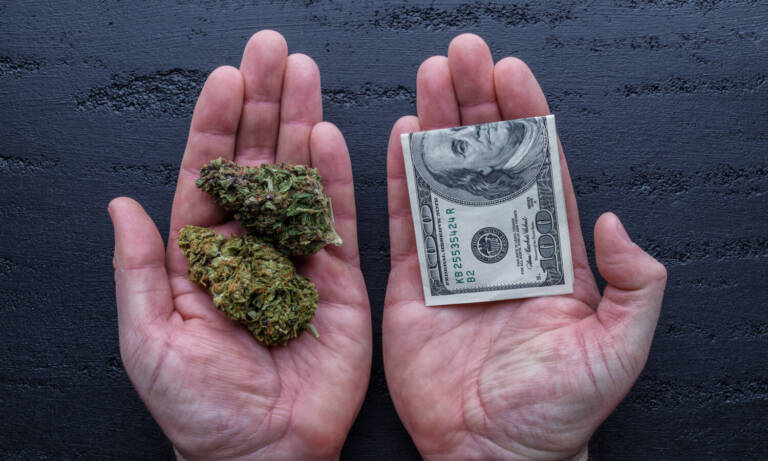
More than half of respondents to a recent survey cited either fear of theft or employee security as their top concern, yet nearly 6 in 10 said they operate entirely in cash.
Dama Financial recently conducted a survey of operators across all cannabis-legal states regarding their concerns and struggles.
When asked what business issues or challenges keep them up at night, more than half of respondents cited either robbery or employee safety as their top concern, while a quarter said the looming threat of a bank account shutdown is their main source of worry.
“More than half of respondents to our survey cited either fear of theft or employee security as their top concern, yet nearly 6 in 10 said they operate entirely in cash, and close to 7 in 10 say they haven’t opened a bank account,” Anh Hatzopoulos, co-founder and chief executive officer at Dama, said. “The risk of crime will never be entirely avoidable, but it can be reduced significantly by engaging transparently with the banking system, utilizing cash management tools, and implementing consumer payments products that remove cash from operations.”
Compliance also emerged as a concern among operators, with 70% of respondents stating they have a hard time navigating their state’s regulations around operating a cannabis business.
“The results confirm that cannabis owners need help navigating the rules not only around banking, but around operations at every step of the supply chain,” Hatzopoulos continued. “CRBs that don’t implement systems and technologies to maximize both operational and regulatory efficiencies are going to have a hard time surviving as the industry becomes more competitive.”
Photo by Darren415/Getty Images
Dama recently announced plans to acquire GrowFlow, whose business management and compliance tools have processed more than $3.3 billion for cannabis retailers, cultivators, processors, and distributors.
The combinations of Dama’s fintech and payment solutions and GrowFlow’s software platform will offer operators a comprehensive platform that fulfills the business needs and regulatory obligations of any licensed cannabis business — across all verticals — everywhere cannabis is legal.
Mississippi’s main supplier of electricity, Tennessee Valley Authority (TVA), recently announced plans to stop providing power to any and all cannabis-related sites.
On Thursday, however, things changed when the TVA announced it would not turn off the lights and was planning to ask for federal guidance.
What happened?
First things first. The reason behind the decision to cut the lights was simple: the TVA was following federal law as it is a federally-owned utility. According to a document obtained by the Daily Journal and confirmed by the TVA, which stated the following: “Given this important point, TVA will not direct any federal resources or funds to the cultivation and/or distribution of marijuana.”
Photo by Kindel Media from Pexels
It was, however, unclear at the time if municipal companies that receive TVA power would be allowed to provide it to legal marijuana facilities.
“We want to be clear about TVA’s position on the implications to our energy service to Mississippi customers: TVA has an obligation to serve our customers with safe, reliable, low-cost energy and we will continue to do so. There will be no interruption in service because of this newly signed law,” TVA stated. “The broader issue is a complex one and represents a conflict between state and federal law. We are looking to the appropriate federal agencies for further clarification and have requested additional guidance.”
Simply put: “Our service to our customers remains unchanged and we will continue to carry out our mission.”
Consequences?
On Thursday, the North Mississippi utility regulator also noted that the TVA can’t block local utility companies from providing electricity to medical cannabis facilities, reported the Daily Journal.
Public Service Commissioner Brandon Presley confirmed that local utilities in North Mississippi that acquire wholesale power from TVA are in fact under obligation by state law to serve all customers.
“It is a long-held principle in state law that electric utilities have an obligation to serve customers without discrimination,” Presley stated. “A licensed medical marijuana facility under Mississippi law is no different.”
He further added that TVA’s previous statement may have made some medical cannabis facilities think about relocating.
The largest study conducted on the effects of COVID-19 shows that the disease has serious implications for cardiovascular health.
The impact of long COVID-19 has been documented in thousands of people. Still, since the disease is still new, researchers have only been able to provide estimates and rough numbers, unable to see the big picture. The first large study to assess health one year after a COVID-19 infection found some disturbing results, particularly within the cardiovascular health area.
The study, published in the Nature Journal, analyzed more than 11 million records of U.S. veterans who experienced COVID-19 the previous year.
Researchers found connections between patients who struggled with COVID-19 and over 20 different cardiovascular disease issues. The risk and damage rose with the severity of the disease, but even patients who didn’t need to attend the hospital to treat their COVID-19 symptoms still experienced more risks than people who were never infected.
Science magazine spoke with cardiologist Eric Topol, who said these numbers were “worse than I expected.” “All of these are very serious disorders,” said. “If anybody ever thought that COVID was like the flu, this should be one of the most powerful data sets to point out it’s not.”
Other experts say that, in the future, COVID-19 might become the biggest risk factor for heart disease, outperforming smoking, obesity, and more.
While researchers only looked into cardiovascular health, they speculate that other organs affected by long COVID might show these types of results. “Similar things could be happening in the brain and other organs resulting in symptoms characteristic of Long COVID, including brain fog,” said the study’s senior author, Ziyad Al-Aly.
When it comes to caveats to the research, there are a few. The study was conducted on veterans who sought medical help between 2020 and 2021, for reasons other than COVID-19. Ninety-percent of these subjects were white, male, and elderly.
Researchers make it clear that these results were surprising for all, and that they should encourage unvaccinated people to get their COVID-19 vaccines as soon as possible. While the pandemic may pass, heart disease is something that will linger, and that must be monitored for the remainder of people’s lives.
The Calgary Police Department in Alberta, Canada, lifted the ban on cannabis use for its officers.
According to Industria 420, the consumption of psychoactive cannabis will only be allowed during free time as long as it does not interfere with the duties of police personnel.
Speaking to the Calgary Herald, Andrea Urquhat, Director of Human Resources, explained, “We analyzed the substance use policy and transitioned to fitness for work policy instead of zero-tolerance. There is no evidence that this particular change is detrimental to our fundamental goal of serving and protecting.”
Photo by rgbspace/Getty Images
In 2018, following a raid on an illegal Toronto dispensary, two police officers ate cannabis-laced chocolate while on duty. What happened? One of the police officers, Vittorio Dominelli, 36, stole three chocolate bars from the raid, ate one while on duty, and encouraged his lower-ranking partner to do the same.
As reported by the National Post, when the marijuana-infused chocolate took effect, Dominelli thought he was going to die and called for help over the radio.
One of the officers who rushed to the scene to help slipped on ice and suffered a serious head injury, affecting his speech and vision.
From a public interest perspective, the impact was profound. “This conduct cannot be described as anything other than stupid… he is just a complete idiot, ” said Judge Mary Misener, during the hearing. Dominelli pleaded guilty to attempting to obstruct justice and faced a suspended supervised sentence of nine months and 60 hours of community service.
Recently, Const. Jamie Young read an apology in court: “In doing so, I caused great embarrassment and damage to the reputation of the service and my fellow officers, and for that, I am deeply sorry.”
The officer’s attorney requested an 18-month demotion to constable fourth class, followed by a 12-month demotion to constable third class. In addition, according to The Growth Op, Young proposed to attend the Toronto Police Service university for training once she is reinstated.
However, the court has not yet officially ruled on that joint offer.
Many dispensaries already offer concierge services through one-on-one consultations with expert budtenders. However, other services take the concierge concept up a notch.
If you live in a cannabis-friendly state, you may have come across the term cannabis concierge. Cannabis concierges represent a new wave of customer service in the marijuana industry. Inspired by the humble hotel concierge, whose sole job is to make the guest happy by providing them with a customized itinerary or organize a VIP trip, cannabis concierges do pretty much the same thing.
Depending on the company, cannabis concierges can provide any range of services from 420-friendly travel to organizing special events and social gatherings, sourcing premium cannabis for you in a new city, custom cannabis advice on products, and so much more.
Photo by Helen King/Getty Images
Benefits of a Cannabis Concierge
No matter what kind of cannabis concierge it is, there is one thing they all have in common: personalized service. Many dispensaries already offer concierge services through one-on-one consultations with expert budtenders. However, other services take the concierge concept up a notch.
There are many scenarios when you could make use of a cannabis concierge. Traveling, for one; if you are visiting a new city and want to know where it’s safe to smoke, seek out some cannabis social clubs, and want some help in sourcing weed, these are some of the services they can do for you. While you can also find this information on Google, what makes them so special (and worth the extra cash) is that they go the distance to give you personalized information, most of which is only known to locals.
Some concierge services also take care of organizing special events such as weddings, when couples and the guests want to put marijuana in the middle of it all. We all know that planning big events can be a daunting task especially if you don’t have the experience, connections, and knowledge. That’s definitely where a concierge can come in handy: they make sure that you will have an unforgettable event while staying classy. They know the cannabis-friendly venues in town, where to look for smoke-friendly limos, locate caterers who can design cannabis-infused wedding and party menus, and so much more.
These services are a step up for discerning cannabis connoisseurs, for people who want to pay to experience something special, unique, and made just for them. Concierge clientele are willing to pay a little more to get something you can’t get anywhere else.
In short, we think cannabis concierge services are totally worth the money if you can afford it, and it makes a certain experience more special for you. Whether it’s an upcoming holiday or travel, putting together an event, or simply just getting an extra hand to pick out premium cannabis products in your area, the expertise is there so take advantage of it.
Cannabis Concierge Services To Check Out
There are many cannabis concierge services popping up in adult-friendly states. Here are some that are worth checking out:
MedMen Cannasseur: MedMen Enterpises Inc. is a nationwide leading marijuana retailer, with presence all over the United States. They have just announced the launch of Cannasseur, a personal cannabis concierge service which specializes in personal shopping.
The service is available in California, Florida, Arizona, and Nevada. It’s led by experts, providing customers with one-on-one consultations with professional budtenders who are equipped to handle everything from product and strain recommendations to advice on responsible use and even education. All Cannasseurs are given expert trainings through seminars and workshops, so that they have the skills necessary to answer customer questions about consumption methods, effects, and more.
Photo by mikroman6/Getty Images
Hawaiian Cannabis Concierge: Ever dreamed of visiting the Aloha State while high? Well, the Hawaiian Cannabis Concierge can do that for you. Based in Kauai, they specialize in taking care of everything you need for the ultimate cannabis vacation for that special aloha feeling.
You can customize your trip with a personal driver, staying at excellent cannabis-friendly accommodations, 420 tours, and so much more. Hawaiian Cannabis Concierge provides all-inclusive travels with luxury hotels, daily infused dining experiences, medical cannabis vouchers, island excursions, and access to premium smoking accessories. Talk about the ultimate getaway to paradise!
Cultivated Travel: For the best in cannabis-friendly holidays, get in touch with Cultivated Travel. They are experts in organizing cannabis tours around Colorado as well as other cities around the world. You can be assured that you will be getting the best 420-friendly travel, as it’s founded by a keen traveler who is also passionate about premium cannabis.
Cultivated Travel takes the guesswork out of the complicated cannabis laws wherever you are going, to ensure that you have a safe, smooth, and hassle-free experience. Clients can choose from a range of services including VIP Travel, Peace of Mind, and Easy Access.
Cali Concierge: Cali Concierge takes pride in offering exclusive cannabis services for discerning clientele with varying needs. Their strong areas of focus are CBD White Label Services, which enable them to connect you to specialized technicians and companies who can create and customize products for you so that you can launch your own dream CBD brand with high-quality products.
They also do Retreats + Events, helping event organizers and retreat planners curate the most incredible high vibe experiences. They can help you navigate the legal obstacles while also ensuring your event gets the exposure that it needs to be lucrative. Additionally, they can also do Cannabiz Consulting, since their team already has years of experience within the cannabis industry, and can help you build the cannabis business of your dreams.
Cali Concierge can also connect you with wholesale CBD suppliers, which is such a great help for retailers, online businesses, and brick and mortar shops who want to get started being successful. Their team is ready to help in any way they can, and with these available avenues, they make it easy for anyone to get a foot into the industry.
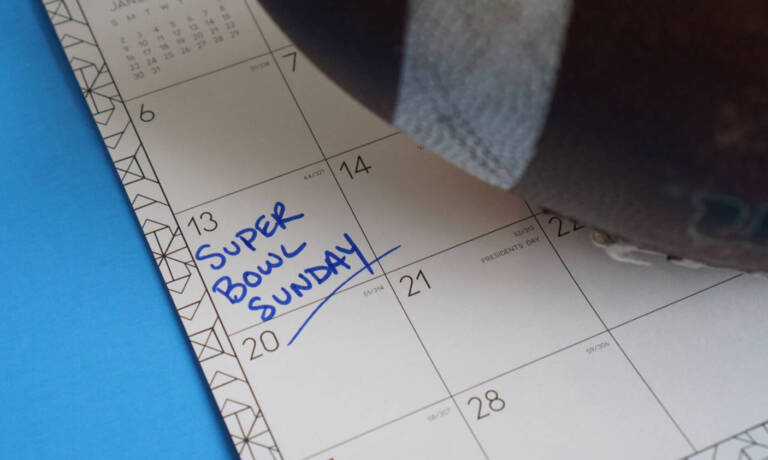
This year, consumer experts predict high demand for marijuana products ahead of Super Bowl Sunday.
In not surprising news, cannabis experts expect product sales to rise by a significant bump ahead of Super Bowl Sunday.
MarketWatch reports that last year, cannabis sales jumped 33% the Friday before the Super Bowl and increased 22% that Saturday. Interestingly, cannabis sales dropped by 28% on Sunday, becoming the day of worst sales during the months of February and March, likely because people already has their stash by the time Sunday rolled around.
These numbers were gathered by Surfside, a New York-based tech company that spoke with MarketWatch and provided their predictions for this year’s cannabis sales, expecting an uptick now that more people will likely gather.
Photo by Nico De Pasquale Photography/Getty Images
“The Super Bowl being in California may help as well. We tend to see that when events are held in a state with recreational cannabis, you get a large influx of tourists that may be from other states that aren’t fully recreational and we see an uplift from that,” said Jon Lowen, Surfside CEO.
Weed isn’t the only thing people are stocking up on ahead of the Super Bowl. MarketWatch reports that consumers are planning on buying snacks, team apparel, TV and home theater gear, and even grills, coolers, and chairs for gatherings with friends.
A trend you’ll likely notice if you have a Super Bowl party is that items will be much more expensive. According to the Consumer Price Index, goods and services surged 7.5% in January due to inflation. This is due in large part to labor shortages, supply-chain problems, product shortages, and increasing consumer demand.
It’s expected that shoppers will spend $14.6 billion on food, drinks, apparel, and decorations.
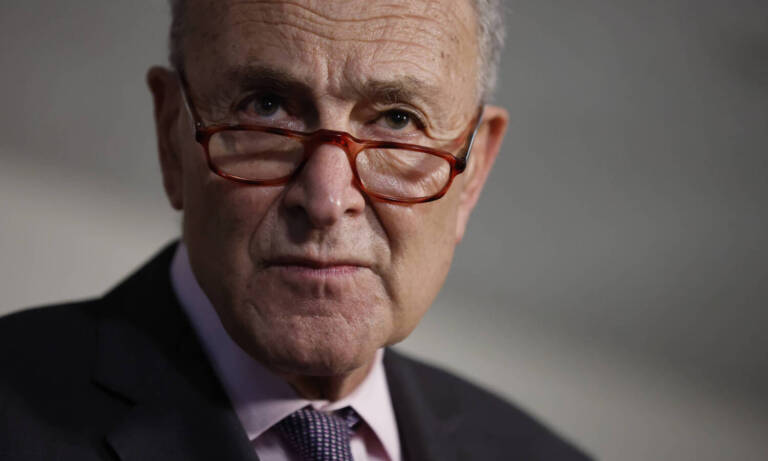
Senate Majority Leader Chuck Schumer (D-N.Y.), Finance Committee Chairman Ron Wyden (D-Ore.) and Sen. Cory Booker (D-N.J.) asked senators to help them complete the marijuana legalization bill expected to be filed in April. To that end, the top Senate Democrats sent letters to their colleagues encouraging them to get into the drafting process and help finalize this legislation.
“In order to appropriately address such a nuanced issue, we respectfully request the input, advice, and guidance of Chairs and Ranking Members of relevant committees as well as senators who have dealt with the challenges and realities of legalization in their own states,” the three senators wrote. “We would deeply appreciate your willingness to share your expertise on the intersections between your committees’ jurisdictions, your states’ experiences, and comprehensive cannabis reform and invite you to join the process of perfecting this legislation. We would welcome the opportunity to discuss this issue with you in the weeks ahead.”
Photo by Alex Wong/Getty Images
The letter comes nearly a week after Schumer told a press conference in New York City, that in April he plans to officially file the long-awaited bill to federally legalize cannabis.
At the same NYC press conference, House Judiciary Committee Chairman Jerrold Nadler (D-NY), talked about the advancements on his separate legalization measure. The event also included House Small Business Committee Chairwoman Nydia Velazquez (D-NY), New York lawmakers, advocates with the Drug Policy Alliance and other organizations.
“In the coming weeks, we’re ramping up our outreach—and we expect to introduce final legislation. Our goal is to do it in April,” Schumer said. “Then we begin the nationwide push, spearheaded by New York, to get the federal law done. As majority leader, I can set priorities. This is a priority for me.”
“Right now, we’re taking those comments [on the draft version] and reaching out to Democratic and Republican senators,” said Schumer, adding that “we have some Republican support.”
It was not clear if Schumer was referring to having GOP cosponsors of the legislation or general support from voters.
“If any senators have other ideas that they want to add to the bill, as long as it keeps social and economic justice as the spearhead, we’re happy and willing to listen,” he said.
Record Legalization Support
The number of Americans who think marijuana should be legally obtainable hit a record high in 2021 for the second year in a row, according to a November Gallup poll, which showed that as many as 68% of American adults support cannabis legalization. The figure is the same as in 2020, which is the highest percentage of support ever revealed in a national Gallup poll.
“Hundreds of millions of Americans live in states that have legalized cannabis in some form while it remains illegal at the federal level,” the three senators highlighted on Thursday. “This discrepancy leads to confusion and uncertainty and raises significant questions around criminal justice reform, economic development and small business growth, and public health and safety, all of which we believe require some type of federal answer.”
Cannabis companies have long tried to make their mark on Super Bowl Sunday. Is this the year it’s finally happening?
If there’s an important moment for advertisers, it’s the Super Bowl. The ads played during the game tend to reflect cultural milestones and moments, whether that means a new technology or the trendiest actors. This year, Snoop Dogg is among the night’s entertainers. Does this mean weed companies finally get a chance to run some ads?
The Verge reports that despite the fact that products as varied as cryptocurrencies and all sorts of liquors are getting their chance to run ads, cannabis is once again shut out of the game.
The NFL has a list of restricted products, which no ads can reference. “Cannabis falls within that restricted category,” said Alex Riethmiller, spokesperson for the league.
The NFL is picky with the ads they play during the Super Bowl, following their own set of rules. For example, antidepressants, birth control pills, and gambling ads are fair game while ads for condoms and cannabis are not allowed. This year’s list of banned products is not available, but in 2017 it included products like fireworks, social cause, and issue advocacy, tobacco products, male enhancements products, and more.
This isn’t the first year where a cannabis business has tried to air an ad during the most viewed TV program of the year. In 2019, Acreage Holdings, a medical marijuana company, tried to air an ad highlighting their products. They were denied. This year, Weedmaps, a company from California, tried to broach the topic with the NFL but was swiftly shut down. “It was a blanket ‘no,'” said the company’s COO.
Cannabis ads remain a controversial topic. As is the case with most things in this industry, while a majority of people long for the drug’s normalization, policies and guidelines remain leagues behind.