As schools start welcoming students, many parents have unanswered questions about safety protocols and protective measures.
Omicron cases are higher than ever, just in time for kids to go back to school following their holiday break. While some states and schools are taking aggressive measures in order to control the spread of the virus, the majority of experts have mixed opinions on how to move forward.
Here’s what parents should know about this back-to-school season, keeping in mind that advice varies depending on the state where your kid goes to school.
Is it too soon to go back to school?
Photo: Drug Policy Alliance
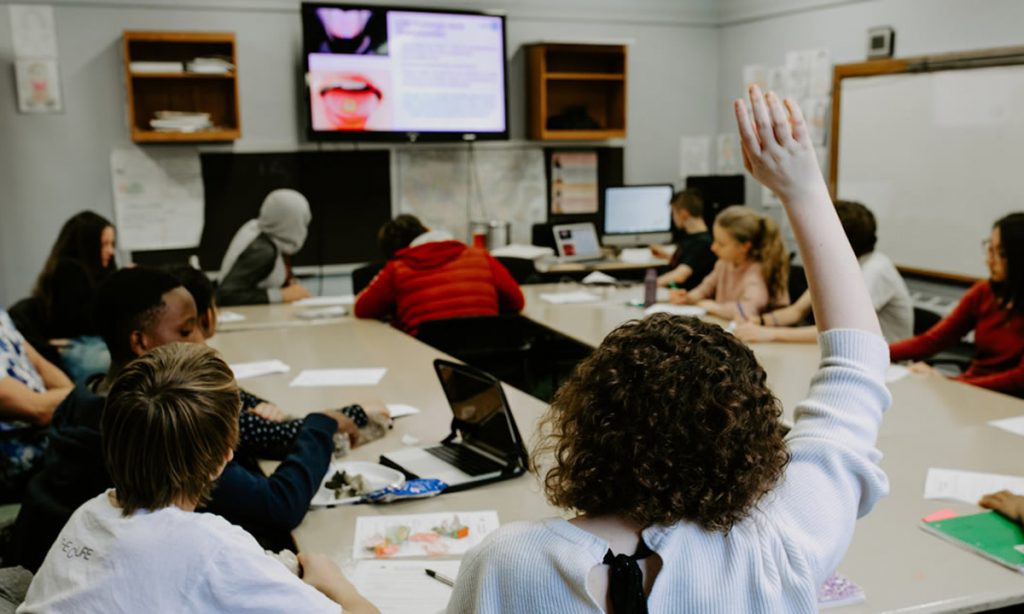
While this answer depends largely on your community, in areas of high transmission rates, the best option for kids might be to go remote for some time, particularly if located in areas like New York and Washington D.C., which currently have very high levels of transmission. Still, many kids benefit from in-school learning, not only because of their brains but also due to socialization and for the meals that these locations provide.
Should kids get tested before heading back to school?
Photo by cicerocastro/Getty Images
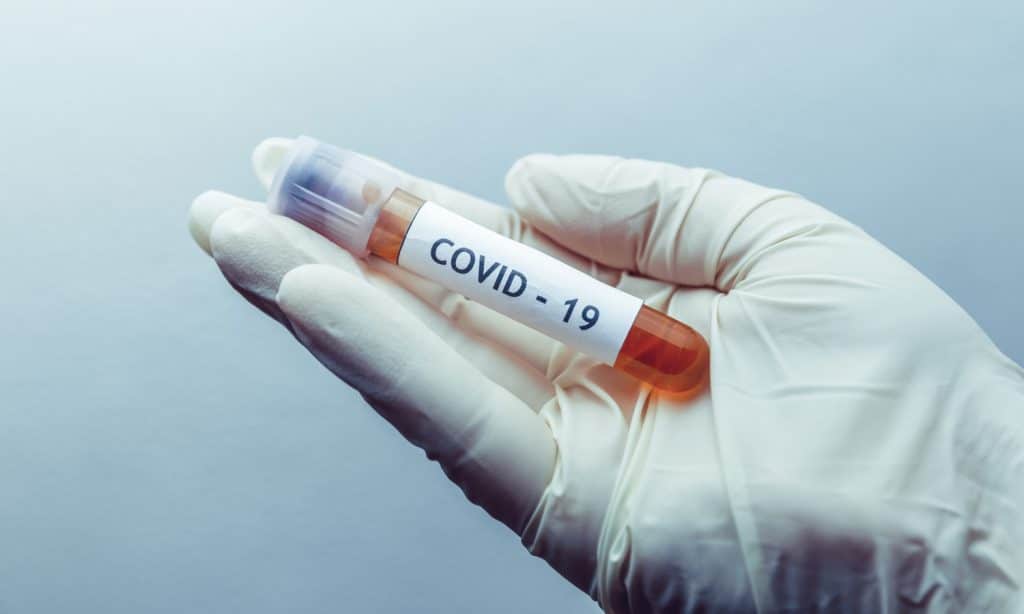
Many schools are requiring negative tests for kids to go back to school. These mandates are necessary, keeping infections in check and guaranteeing the safety of teachers and students alike. “I think all those things put together, it’s safe enough to get those kids back to school, balanced against the deleterious effects of keeping them out,” Dr. Anthony Fauci told ABC News.
While some schools might provide at-home test kids for kids, others might not afford to, and might not ask for a negative test result. If kids haven’t had contact with someone with COVID-19 and are feeling fine, there shouldn’t be a need for a test unless the school is requiring one.
What are the vaccine and mask mandates?
Photo by MI PHAM via Unsplash
Despite the new variant, kids and parents should be reassured that getting vaccinated has a positive impact. While pediatric hospitalizations for COVID-19 have hit new highs, a large majority of these kids haven’t been vaccinated, making it very important for parents to take their kids to get their vaccines as soon as they can.
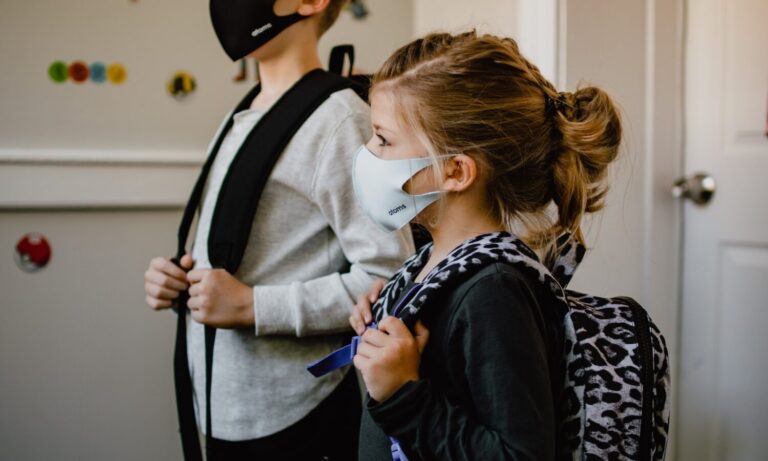
When it comes to face masks, it appears like these are necessary for school settings, no matter the kid’s vaccination status. Three-ply surgical and KN95s masks are the ones that are currently being recommended for kids and people of all ages.
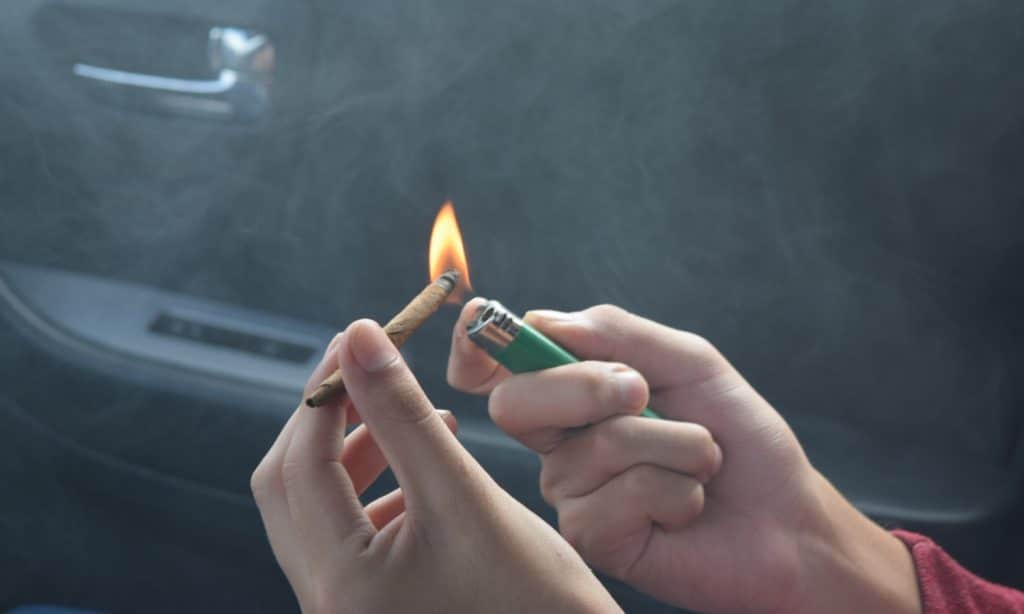
Plugs, or cannabis suppliers, are getting more local, more geo-centric as people prefer to receive legal packages in the mail and feel more comfortable buying local.
Interesting story out of California last week where the marijuana industry is sending an SOS letter to the state government saying their legal industry is on the verge of collapse. The gist of the story is that higher taxes, not enough locations, too many fees, and too many consumers going to the illicit market are causing a financial firestorm for legal marijuana businesses.
This is bad for legal businesses. No taxes are paid on illegal sales, no revenue is created to pay for those state marijuana licenses, no 280E tax code relief, and a whole lot of fees for software, banking, and technology. The state has pledged $100 million to help figure out the legal cannabis industry. But that just tells half the story of why the cannabis industry may have just hit its first maturity point as an industry as a whole.
For consumers it was never about legalization; it was about accessibility.
What, what does that mean?
As the drama playing out in California proves, consumers are not worried about the legality of their transaction, they are worried about price and accessibility. Yes, lab testing is nice, but not for the 50% markup in prices legal shops have to charge to pay for all those things like licenses, storefronts, technology, tracking, security, taxes, etc.
In a recent survey on Cannabis.net’s social network, The WeedFeed, illicit growers, when asked about how business is going as we enter 2022, answered with the following type of quips:
It is fine, but not nearly as crazy as the past few years, everyone seems to have a weed guy now.
Not as busy as before, people now have plugs that are local and I am not shipping as much.
Steady but not the crazy demand from previous years, there is just so much weed around now.
Everyone has a plug.
That is a fascinating turning point in the supply/demand curve of the cannabis industry. Yes, everyone loves cannabis from the legal and illicit market, but supply is now starting to keep up with demand in many areas. Supply as a whole, including both legal and illicit suppliers, seem to be filling the overall demand curve of local cliental. Plugs, or cannabis suppliers, are getting more local, more geo-centric as people don’t want to get illegal packages in the mail and feel more comfortable buying local.
Photo by athima tongloom/Getty Images
As access continues to expand for millions of people, and they get a “weed guy”, prices will come under pressure. As consumers have more choices and offerings, competition has to heat up from suppliers in order to create sales. Price points and quality will now be the king of the jungle in the consumer’s world.
Remember, every cannabis consumer survey so far has shown consumers don’t really care, or remember, anything about branding or packaging, but they do know how much they paid for a product and if the product delivered the desired results. Consumers in highly developed markets like California and Colorado has massive access to a wide variety of products and prices, both legal and illicit, and getting some product is as simple as clicking a few buttons on an app or making a phone call.
The more mature the market, especially if it has legal recreational and medical sales, the more access there is to products for the WHOLE population of that area. Need a pre-roll? Your nephew has a card, or your son knows a guy. Want some great edibles? Swing in the dispensary on the corner, or my corner store guy sells edibles on the side. Need it fast? Plenty of delivery options from both the legal market and illicit market online so you can order off a website or app. Can wait a day or two? You can still order, and have it sent in the mail to you, but who wants to wait these days when there are so many local plugs to get you your weed in a few hours?
Does that mean everyone in America has access to affordable marijuana? No, states that do not have any type of legal marijuana program will have the LEAST accessible product. As states add medical programs and growing licenses, whether caregiver or industrial, more product leaks into mainstream society. If a state has legalized both recreational and medical marijuana, then the odds are overwhelming that market saturation will start to show within 2 years. The supply eventually catches up with demand because supplying the demand generally makes someone money.
California = the laughing stock of the cannabis world; the poster child for how not to legalize. Corporations be warned: if u don’t welcome legacy to legal, we will just stay outside the system— and outcompete you for another
80 years. https://t.co/1ExOIfRJOW
California voted on legal recreational marijuana in 2016, on the same ballot Trump/Pence was on at the time. In 2022, the legal industry is on the verge of collapsing for a variety of reasons, one of them being consumers don’t mind buying on the illicit market at all, as 73% of them do. The reason they can do it is that so much product is accessible, albeit not legal, per se. If people have access to quality products at 33% off the legal price, they will look to save their wallet over the benefits of having lab-tested bud. Ten-percent off? Maybe people still pay more for that lab test, but 35 to 45% off the legal prices, load up the hookah pipe and lab testing be damned.
As California’s letter and the Cannabis.net survey shows, accessibility is starting to reach its first tipping point in America. States like Illinois and Oklahoma have vibrant illegal markets that can supply the Midwest. No longer to people have to risk years in jail driving from the Emerald Triangle to New York City. The trip is a lot shorter from illegal grows in upstate New York and Ohio vs. from San Francisco.
The scariest part going forward for the legal weed industry is that accessibility will increase forever, or until it is no longer economically viable to be an illegal cannabis grower and seller. When we get to the point where illegal growers are throwing in the towel, what happens to the legal version of those businesses that have to pay taxes, overhead, fees, licenses, etc.? They will be gone before the illicit guys as margin compression will force only the lean businesses models to survive.
It is just too dang expensive to sell weed legally in America when everyone has a plug.
For the fifth year in a row, this diet was ranked number overall one for its effect on weight loss, heart health, and more.
Diets come and go, with many taking the world by storm and then vanishing without much fuss. According to the U.S. News & World Report, the Mediterranean diet is an exception to this rule, continuing to reign supreme for the fifth year in a row, earning the top spot for best diet.
The magazine’s rankings feature a list of the 40 best diets, while also splitting them up in categories, like best diets for diabetes and best diets for weight loss. When it comes to best diets overall, the top three rankings included the Mediterranean diet, the DASH diet, and the Flexitarian diet, which all give the user a sense of choice and freedom.
“I think it’s important to note that the top three diets — Mediterranean, DASH and flexitarian — all offer variety, flexibility and few, if any, rules,” Gretel Schueller, the Health managing editor of the U.S. News & World Report, told CNN. “All the diets that perform well are safe, sensible and backed by sound science. The diet winners also all provide adequate calories with a focus on vegetables, fruits and whole grains; a modest amount of lean protein, dairy; and an occasional treat.”
The diets were selected according to criteria developed by experts, including how easy they were to follow, their effects on weight, whether the diet helped prevent conditions like heart disease or diabetes, its long-term functioning, and more.
Diets that land high up on the list tend to approach the concept of diet in a modern way, focusing on what people are eating instead of what they’re depriving themselves of. These diets tend to recommend meal plans that are healthy, delicious, filling, and that support a change of lifestyle instead of a diet that you’ll quit after you’ve lost the pounds that you initially wanted to get rid of.
Photo by Jamie Brown via Unsplash
The Mediterranean diet is based on the types of food consumed in countries like Greece, Spain, and Italy, which are all located near the Mediterranean sea. People who live in these countries usually have better heart health and more stable body weight. These diets consist in consuming large amounts of fruits, vegetables, fish, nuts, seeds, legumes and more, while still consuming cheese, yogurts, poultry, and dairy in smaller amounts. The foods that this diet limits include red meat, added sugars, processed foods, and the like, something that includes a lot of foods, especially for Americans.
Despite some limitations, it’s a healthy diet that has amassed followers from all over the world, while also helping them discover new dishes and approaches to foods that are delicious and filling.
Could the United Kingdom be next to join the cannabis legalization trend that is moving across Europe? Anything is possible.
Although there are no confirmed or announced plans for the U.K. to take this road anytime soon, news from London signals possible changes along those lines. Namely, London’s mayor Sadiq Khan has said he plans to stop prosecuting adolescents and young adults caught with marijuana, reported Metro.
Photo by Mayara Klingner / EyeEm/Getty Images
New Scheme As Positive Intervention
While medical use of cannabis was legalized in England in 2018, Khan now seeks to introduce a new scheme in which people under 25 caught with marijuana in their possession will be offered certain classes or counseling instead of being arrested.
The goal is to address illegal drug use by providing more positive interventions. While Mayor Khan does not have the authority to decriminalize or change the classification of cannabis, or any other drug for that matter, the newly announced measures would essentially decriminalize cannabis possession for adolescents and young adults.
A similar scheme was introduced in Ireland and a recent report noted that it rendered positive results. In 2021 fewer people were charged or issued a summons for possessing drugs and those caught with cannabis were issued a warning.
Initially, Khan’s scheme will be introduced in the London boroughs of Lewisham, Greenwich and Bexley, with plans to reach other areas if it is successful.
A spokesperson for the mayor said that Khan believes that drug use and connected crimes are preventable and not inevitable, which is why he decided to try with deterrence and early intervention.
“A core focus of this work is investigating various ways in which young people can be diverted away from low-level drug use by being better informed about its harm, and the Mayor’s Office for Policing and Crime is actively involved in discussions around this scheme,” the spokesperson added. “We know that we’ll never be able to simply arrest our way out of the problem, which is why we continue to work on schemes that provide young people with support and education, rather than simply putting them through the criminal justice system – with the aim of diverting them away from drug use and crime for good.”
Photo by Dejan Marjanovic/Getty Images
The spokesperson further pointed out that funding for the pilot has not yet received final approval from the Mayor’s Office for Policing and Crime.
Kahn’s initiative comes on the heels of British Prime Minister Boris Johnson’s announced crackdown on illegal substances all the while the police discovered traces of cocaine in 11 of the 12 toilets of the UK Parliament, signaling hypocrisy in the U.K. government.
Medical and cannabis professionals wouldn’t confirm that teen use was in the downturn, however, 2021 offered substantial studies to suggest that may be the case.
The possible effects of cannabis on young people will continue to be of the utmost concern as the legal marketplace takes shape. Throughout 2021, several studies helped further comprehension of an area that still suffers from a significant education gap.
While nothing became definitive in 2021, research helped advance understanding for several critical areas.
Photo by cottonbro from Pexels
Legalization Seemingly Not Increasing Teen Use
Minors don’t appear to be using cannabis more as states legalize — or at all in some cases.
Medical and cannabis professionals wouldn’t confirm that teen use was in the downturn, however, 2021 offered substantial studies and additional comments to suggest that may be the case.
A September 2021 study of high school use between 1993 and 2019 used the Youth Risk Behavior Survey (YRBS) to determine that adult-use laws did not increase teen use. After two years, states with adult-use laws saw decreases in usage.
Substance Abuse and Mental Health Services Administration (SAMHSA) released its annual health and drug use survey from the National Survey on Drug Use and Health (NSDUH). The October 2021 report saw usage among minors aged 12-17 drop from 13% to 10% in 2020–however, the decline could be associated with research methodology changes due to the pandemic. Nearly 50 million (49.6 million) Americans in the age group reported using cannabis during the analysis period.
Nicolas Schlienz, Ph.D., research director at cannabis education platform Realm of Caring, was encouraged by the results but urges additional analysis.
“A lot of the literature on cannabis legalization is difficult to compare due to differences in state policies, the states included in each paper’s analysis, the time periods that researchers are examining, the way use is defined, and other issues,” Schlienz said.
Still, optimism is high with more encouragement rolling in. Several sources also pointed towards August comments from National Institute on Drug Abuse (NIDA) Director Nora Volkow, who admitted to being wrong about the usage hypothesis.
Photo by Elsa Olofsson via Unsplash
Vaping Concerns Remain
Teen vaping is on the rise, regardless of the content being vaporized. A September 2021 survey from the Center for Disease Control (CDC) and Food and Drug Administration (FDA) reported that 2 million teens use e-cigarettes.
An October 2021 study of U.S. and Canadian vaping showed trends upward, with teens starting to prefer higher potency cannabis products over lower dosed products and nicotine options.
Codi Peterson is a pediatric pharmacist and educator with an M.S. in medical cannabis science from the University of Maryland. Peterson said the discretion of a vape pen allows it to be used in most places, increasing the risk of an unhealthy relationship consisting of overuse and possible addiction.
“As far as I can tell, little has been done to curb the problem of teen vape use,” Peterson said.
Lo Friesen, CEO of cannabis extracts processor Heylo, agrees that teen use should be curtailed. She said that efforts need to come from more than the cannabis industry.
She added that the 2019 EVALI lung crisis heightened industry needs to combat the unregulated market by further restricting non-medical access to minors and highlighting concerns on glycol and glycerin additives.
“We still have a lot of work to do with respect to better regulations and education for consumers, but reducing teen cannabis vaping is not exclusively the responsibility of the cannabis industry,” Friesen said, urging additional outside action.
Impact On Developing Brains Remains
Concerns over the impact of cannabis on neuro-development continues, with adults up to 25 potentially impacted. A June investigation using neuroimaging and behavioral data found that cannabis was associated with cortical thinning in predominantly prefrontal regions in ages 14 to 19. The findings suggest that use could affect development in parts of the brain, particularly those rich in CB1 receptors.
Photo by Dejan Marjanovic/Getty Images
In September, a study of alcohol and cannabis use on developing brains resulted in “small to moderate” disruptions in the brain’s structure and function while also creating neurocognitive impairments.
Physicians noted concern, but Peterson eased those to some degree.
“At this time, the therapeutic use of medical cannabis has never been associated with adverse effects on brain development–only unmonitored recreational use has,” he stated.
Additional Education Needed
Cannabis often has education gaps, and youth consumption may be the most concerning at this time.
Adryan Corcione, a journalist with a background in teen drug use, said comprehensive drug education is needed.
“Rather than a fear-mongering abstinence-only curriculum, youth need to understand the risks that come with teen cannabis consumption, including the very real punitive consequences for possessing and distributing cannabis,” said Corcione, who also called for an end of youth cannabis-based incarcerations.
A good dispensary should be a welcoming place for everyone. Here are some things to keep in mind before you patronize one.
Legal marijuana comes with a lot of perks. One of the main ones is its often convenient dispensaries. These spaces can be fun and informative, providing information for newcomers and seasoned consumers alike about every question they could possibly have, from the types of cannabis that work best for them, to new products that can best suit their lifestyle.
No matter a budtender’s level of expertise or how welcome they make their customers feel, it helps a lot to reach your dispensary having some basic knowledge down. Here are seven things you should know before visiting your marijuana dispensary.
Learn the legal status of cannabis in your state
Photo by Nathan Griffith/Getty Images
Basic stuff, yet something that has become an increasingly complex topic the more that states in the U.S. earn legal status. As of this writing, recreational marijuana is legal in 18 states, allowing adults over 21 to enter their marijuana dispensaries and purchase products. Here’s a handy list that’s updated regularly to keep you in the loop on our nation’s state-by-state marijuana laws.
Do some research on the type of cannabis you want to consume
Now that you know if your state is legal or not, it’s time to do some research and see which type of marijuana you’re interested in consuming. You can smoke flower, soak in some cannabis-infused bath salts, dab, vape, eat an edible, and more. Know the answer to this question or ask your budtender for more information on each method, learning which one suits your needs best.
Ask yourself about cannabis effects
Photo by Darrin Harris Frisby/Drug Policy Alliance
Most methods have specific strengths and weaknesses. If you’re looking into medical marijuana, you might find better information by contacting a doctor who’s educated in the area versus a budtender who may or may not know your ailment and what you’re looking for. If you need some orientation, here’s a doctor’s general guide to help you find the best method of consuming medical marijuana.
Depending on your tolerance, strain, and method of consumption, marijuana’s effects on the mind and body can shift drastically. You should be clear with your budtender about your level of experience with the plant so that they can provide you with the proper product and dosage. It’s also important to be clear about the experience you’re seeking, whether you want some pain relief or are just looking for a fun experience with friends.
While some are able to openly use dab rigs in their living room, others prefer to have something on them that’s less conspicuous. For these types of users, a dispensary is a perfect place to learn, having someone who can show them different options for edibles, disposable vape pens, patches, and more.
Even if you’re a seasoned weed user, visiting a dispensary is a completely different experience than hanging out with your weed dealer. Don’t be afraid to ask questions, no matter how silly they might seem. Budtenders are there to help you, and it’s better to ask questions than to purchase an item you’re not sure about just because you didn’t have all of the necessary information.
If you live in a legal state, you might have several dispensaries at your disposal. Check out their websites and get a feel of their vibes, maybe trying out different places before you decide to become a regular. Most dispensaries have an online menu, which you can check out and call ahead of time to see if they still have that particular strain of weed on the menu.
“This rigorous study is an important first demonstration that the simultaneous administration of psilocybin is worth exploring further,” said the study’s lead author.
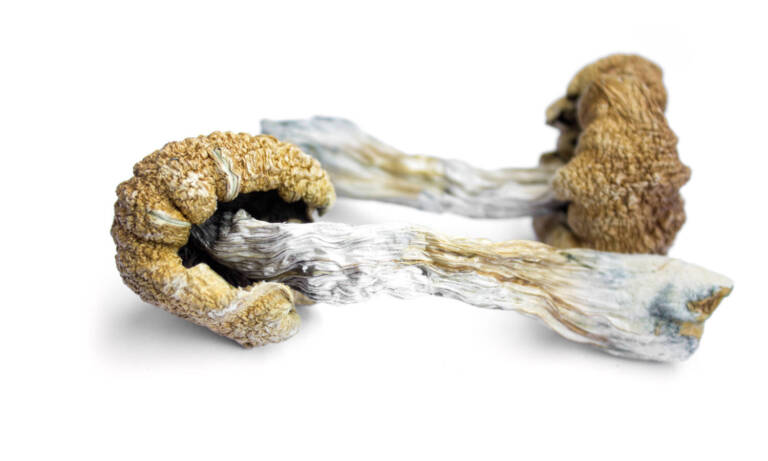
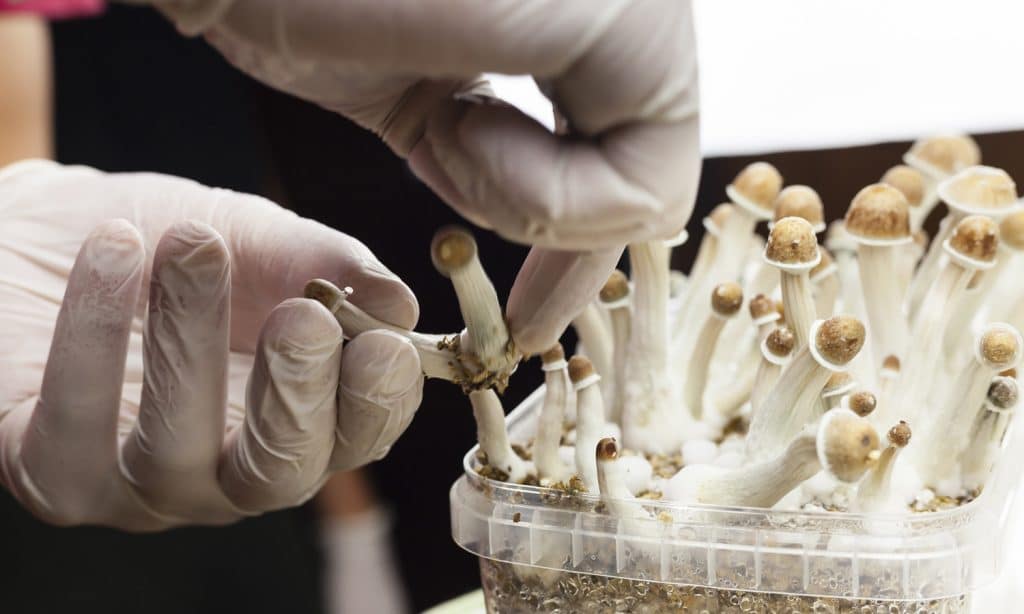
A new study is shedding light on the safety profile of psilocybin, the active ingredient in so-called “magic mushrooms.”
Published on Tuesday in the Journal of Psychopharmacology, the study looks at the effects of psilocybin in the cognitive and emotional functions of healthy volunteers. While psilocybin is known for its ability to reduce depression in the long term, its effects on cognitive function remain understudied.
Conducted at King’s College London in 2019, the study showed there were no short or long-term detrimental effects on cognitive functioning or emotional processing with psilocybin.
The Details
The study looked at the effects of two doses of COMP360 psilocybin compared with placebo in 89 healthy male and female adult volunteers. Participants received either a 10mg dose, a 25mg dose or a placebo.
The drug was administered simultaneously to up to six participants, who all received one-to-one psychological support from trained therapists throughout the session, which lasted about six hours. The study involved a 12 week follow-up period.
The Results
There were no serious adverse events and COMP360 psilocybin was found to be well-tolerated with no clinically-relevant negative effects on cognitive function.
“This rigorous study is an important first demonstration that the simultaneous administration of psilocybin is worth exploring further,” said Dr. James Rucker, the study’s lead author. “If we think about how psilocybin therapy (if approved) may be delivered in the future, it’s important to demonstrate the feasibility and the safety of giving it to more than one person at the same time, so we can think about how we scale the treatment up.”
O’Rourke’s advocacy dates back at least to his time on the El Paso City Council in 2009 when he pushed for a resolution calling on Congress to have “an honest, open national debate on ending the prohibition” of marijuana.
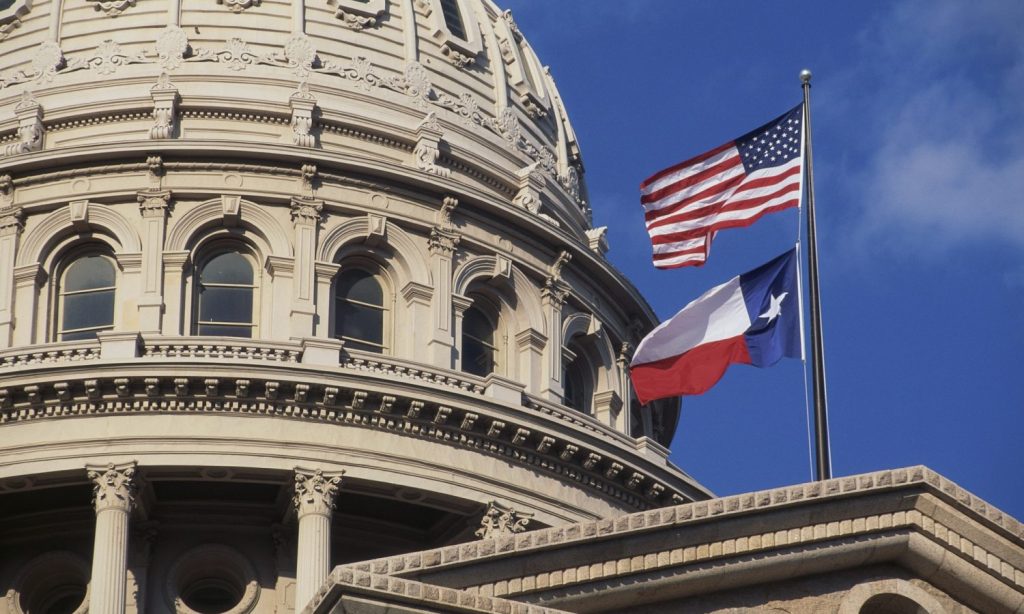
At a crowded late December rally in downtown Austin, Democratic gubernatorial candidate Beto O’Rourke received some of the loudest cheers when he promised to legalize marijuana in Texas, something he said “most of us, regardless of party, actually agree on,” reported James Polland for the Texas Tribune.
“I’ve been warned that this may or may not be a popular thing to say in Austin, Texas,” O’Rourke told the crowd gathered in Republic Square Park. “But when I am governor, we are going to legalize marijuana.”
O’Rourke’s advocacy dates back at least to his time on the El Paso City Council in 2009 when he pushed for a resolution calling on Congress to have “an honest, open national debate on ending the prohibition” of marijuana. And in 2017, he introduced a bill repealing a rule that prevented federal funds from going to states that don’t enforce a law revoking or suspending drivers’ licenses over drug offense convictions.
While O’Rourke did not campaign on the policy throughout that race, advocates at the time pointed to his victory as a sign of changing attitudes around marijuana legalization. The hope now is that increased attention will give momentum to legalization efforts in a state with some of the harshest penalties and highest arrest rates for marijuana possession.
“Hopefully with Beto O’Rourke presumably being the Democratic nominee, we can push the other candidates in the race to talk about this issue more, to come to the table and have a conversation about how these policies are having negative impacts on our state,” said Heather Fazio, director of Texans for Responsible Marijuana Policy.
Research that analyzed past studies on THC levels and impairment found that cannabis breathalyzers may never work.
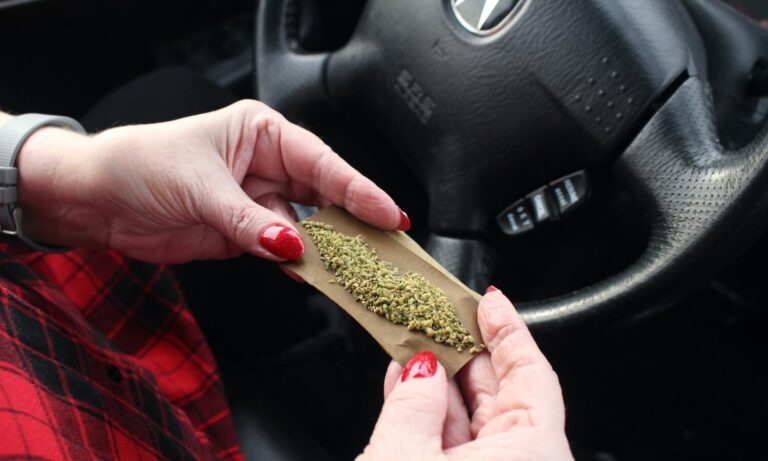
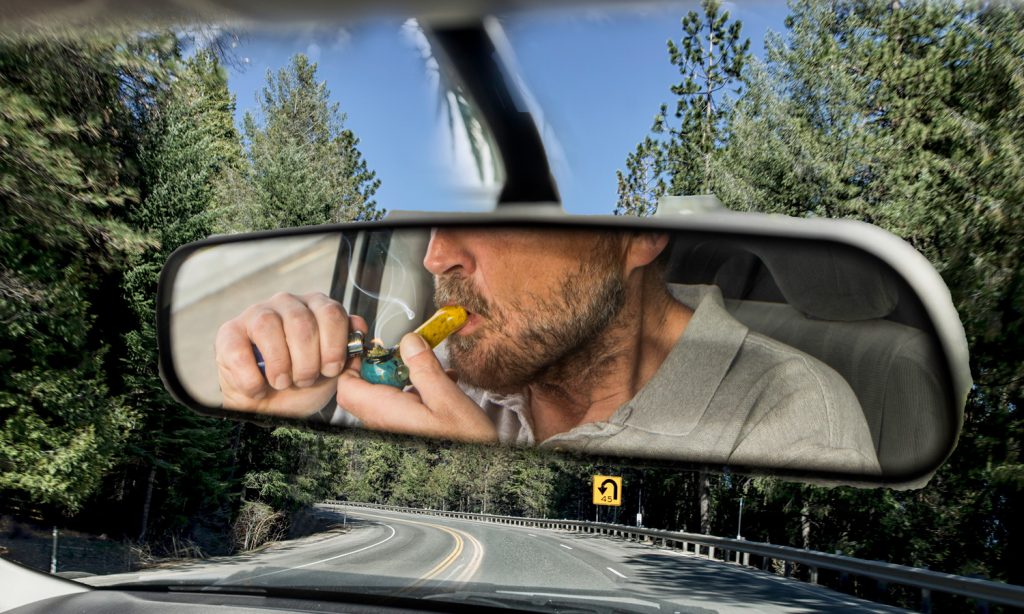
Marijuana breathalyzers have been in development for years. These mythical tools could solve one of the main issues associated with the legalization of marijuana: measuring THC impairment in drivers. But a new study reveals that current breathalyzers are nowhere near that goal.
The study, conducted in Australia by researchers at the University of Sydney, found that marijuana breathalyzers were inconsistent in measuring impairment from THC. Researchers analyzed 28 studies on driving performance and concentrations of THC in blood and saliva and found the connection between the two inconsistent.
The idea of marijuana breathalyzers is based on alcohol breathalyzers, which are administered on the road and provide an accurate assessment of people’s blood alcohol levels. This has been efficient over the years in providing a relatively accurate take on people’s intoxication levels and how it affects driving skills. This doesn’t appear to be the case with THC.
This new study analyzed a variety of older studies that focused on how THC affected people’s reaction time and divided attention, skills that are necessary for driving safely. While the study found some strong connections between THC levels and impairment in inexperienced cannabis users, once cannabis users were seasoned (using the drug several times a week), these connections disappeared.
“Higher blood THC concentrations were only weakly associated with increased impairment in occasional cannabis users while no significant relationship was detected in regular cannabis users,” said Dr. Danielle McCartney, lead author of the study. “This suggests that blood and oral fluid THC concentrations are relatively poor indicators of cannabis-THC-induced impairment.”
Photo by R+R Medicinals via Unsplash
While THC intoxication can impair people’s driving skills, it presents itself very differently depending on the person consuming THC. Someone who’s experienced with cannabis might show the same levels of THC in their blood as someone who’s inexperienced with it. These two people will likely have completely different responses to the drug and how impaired they are by it.
Marijuana breathalyzers were people’s go-to response for solving driving while under the influence of THC. Now, it appears that these devices should measure a different biomarker for success, something that proves not only that someone consumed THC recently, but that they’re impaired by it. While the idea of a device that can measure THC sounds safe enough for providing an accurate assessment of intoxication and for discouraging this type of behavior, marijuana is too complex a drug to be reduced by a number.
In 2021, fewer people in Ireland were charged or issued a summons for possessing drugs following the introduction of a new scheme that allows for cannabis possession to be treated with a warning, reported The Irish Times.
According to Garda Press Office’s figures, as of December 14, 2021, up to 5,957 people were either charged or issued a summons in connection to drug possession for personal use compared to 11,127 in 2020 and 9,923 in 2019. This means that the number of people charged was nearly halved.
Photo by Elsa Olofsson via Unsplash
The expansion of the Adult Cautioning Scheme covering section 3 of the Misuse of Drugs Act (regarding possession of illegal drugs) only covered simple marijuana possession. The cautioning scheme is run by An Garda Síochána (the Irish police dept.) along with the Office of the Director of Public Prosecutions was extended across possession of cannabis for personal use, trespassing, trading without permission and laws relating to specific events, according to the Times.
These changes in the number of people charged for possessing marijuana come “against an international trend towards legalization, but also warnings from the psychiatric profession as to the harmful effects of the drug.”
In 2021, the College of Psychiatrists in Ireland warned that increasingly high potency of marijuana and widespread belief the plant is harmless was generating “devastating effects.”
According to the college, some 45,000 people between the ages of 15 and 34 meet the criteria for marijuana dependence.
“As many as one in three young people who use cannabis weekly or more often will likely become addicted,” Dr. Gerry McCarney, a child and adolescent addiction psychiatrist told The Irish Times.
Photo by Dương Nhân via Pexels
“When you consider how potent the drug has become in recent years, it is obvious we are facing a perfect storm which has the potential to overrun our psychiatric services.”
The Garda figures for 2021 show that, up to December 14, there were only 60 charges issued in relation to the cultivation of cannabis or opium poppy plants — down from 178 the previous year.
There were less than 10 summonses issued for this category of offense in 2021, compared with 132 in 2020.