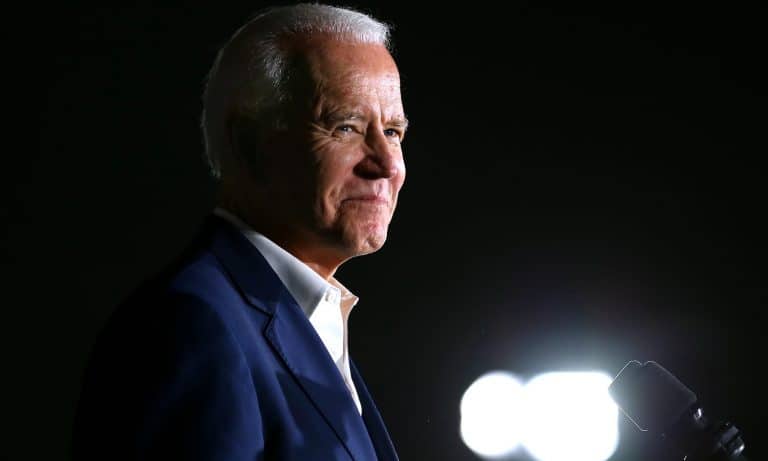
President Joe Biden is considering using his executive authority to grant clemency to people serving federal prison sentences for certain non-violent drug convictions, White House Press Secretary Jen Psaki said on Wednesday.
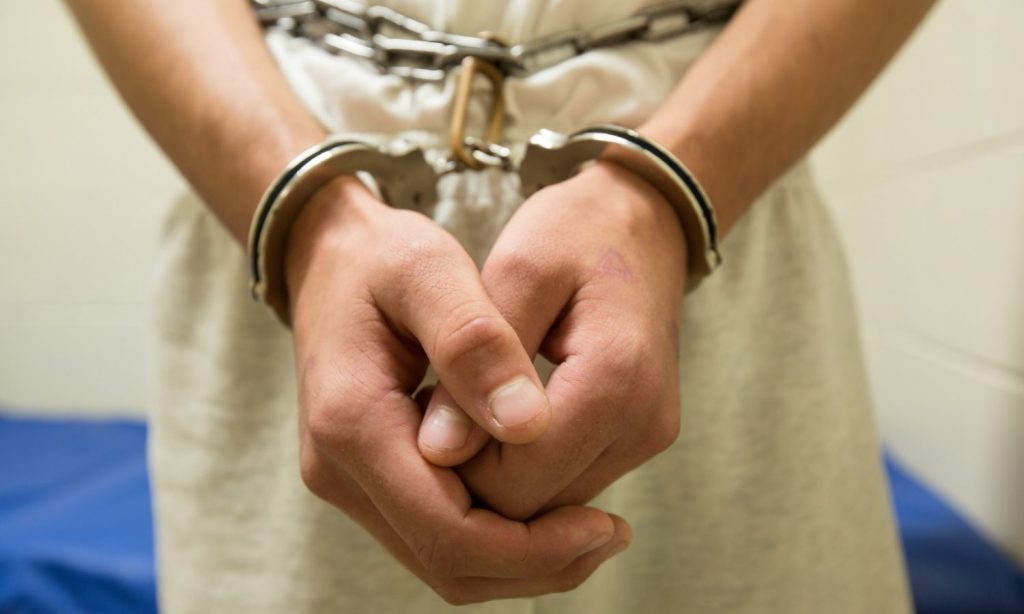
The question came up when Psaki was asked about plans for federal inmates who were released to home confinement during the pandemic and are now expected to return back to prison. Some 4,000 federal offenders could soon be obliged to return to prison.
Photo by Richard Ross/Getty Images
“We are working hard every day to reform our justice system in order to strengthen families, boost our economy and give people a chance at a better future,” Psaki said.
Biden: Reduce Mass Incarceration And Racial Disparity In Drug Arrests
“As part of this, the president is deeply committed to reducing incarceration, helping people successfully reenter society. And he has said too many people are incarcerated—too many are black and brown,” Psaki told reporters. “And he is therefore exploring multiple avenues to provide relief to certain nonviolent drug offenders, including through the use of his clemency power.”
Weldon Angelos, a leading criminal justice advocate andmusic producer who served nearly 13 years in federal prison after being sentenced to 55 years in a high-profile marijuana case involving possession of less than one ounce of weed, said the President should issue pardons for cannabis prisoners as promised.
“Candidate Biden promised he would take action and use his pardon power to release those serving prison time for marijuana and pardon their felony convictions. Based on our conversations with the administration and the White House counsel, we feel confident that there will be action here soon,” Angelos told Benzinga.
Biden, as Angelos pointed out, campaigned on expunging prior cannabis records and respecting the rights of states to set their own laws on cannabis legalization. Although there are at least five White House staffers fired from their jobs over marijuana usage in April who might beg to differ that the President has changed much from the days when he supported some of the country’s harshest drug laws.
But Angelos says he’s cautiously optimistic that the administration is heading in the right direction, although sending people back to prison after they’ve been at home during COVID seems unreasonable.
“Those serving time on home confinement shouldn’t have to worry about going back to prison after they have already rebuilt their lives and were already deemed fit for release. Biden should grant clemency to all of them without delay,” Angelos concluded.
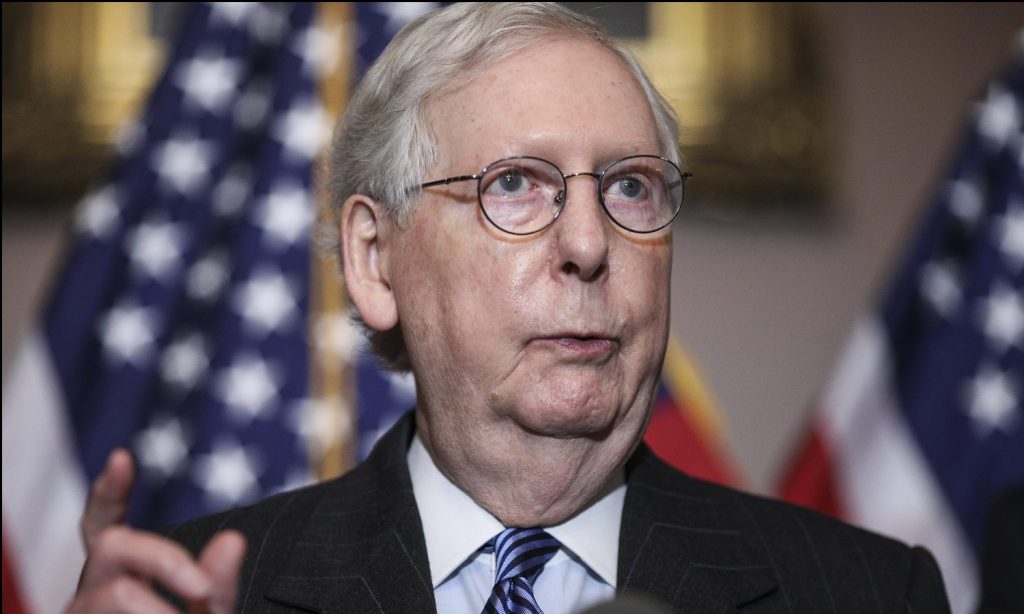
McConnell’s bipartisan tendencies seem to have ended with infrastructure. He recently told the Wall Street Journal that he doesn’t see Republicans working with Democrats again.
Although it was like pulling teeth out of the mouth of a fierce great white shark at depths that would give most humans the bends, the Senate just passed a massive, $1 trillion infrastructure bill designed to repair roads, expand Internet technology, finance green energy, etc. It’s something that President Joe Biden has wanted to get on the books since he took office. Yet, getting it done has proved tricky since Congress is equally split.
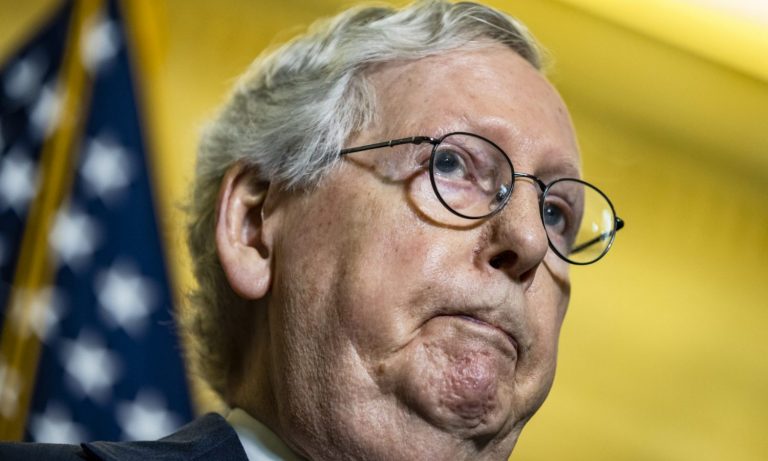
The Democrats needed some Republican support or else it was doomed. But then something miraculous happened over the past week: Senate Minority Leader Mitch McConnell seemingly let down his guard and went bipartisan. He voted in favor of the infrastructure plan, proving that he isn’t trying to sabotage the Democratic agenda after all and that maybe — just maybe — he’s in a place to better the course of America.
Photo by Chip Somodevilla/Getty Images
“I was proud to support today’s historic bipartisan infrastructure deal and prove that both sides of the political aisle can still come together around common sense solutions,” McConnell said in a statement on Tuesday. “By promoting sensible, collaborative legislation, we have shown that the Senate still works as an institution. This is an important achievement for Kentucky and the American people.”
McConnell’s willingness to go against his Republican DNA for a moment is encouraging. After all, it was just months ago that he said he is “100%” focused on stopping the Biden Administration. The Kentucky Republican is undoubtedly a problem when it comes to passing Democratic legislation. Anything that’s been proposed so far this year that he’s been able to kill, McConnell has come for blood. He’s also indicated that any and all wins by the Democrats celebrated in filibuster-proof moves will be met with a vengeance once the Republicans come back to power.
But where is the self-proclaimed Grim Reaper of Capitol Hill in his head right now with other issues? What about legal weed?
Last month, Senate Majority Leader Chuck Schumer finally introduced his long-awaited cannabis legalization bill, attempting to put weed on the map of U.S. commerce just like alcohol and tobacco. Schumer needs at least 60 votes in the upper chamber to get it passed. By his own admission, he doesn’t have them. “We don’t have the votes necessary at this point,” Schumer said. However, if McConnell is finally prepared to work with Democrats, he could help rally the missing votes.
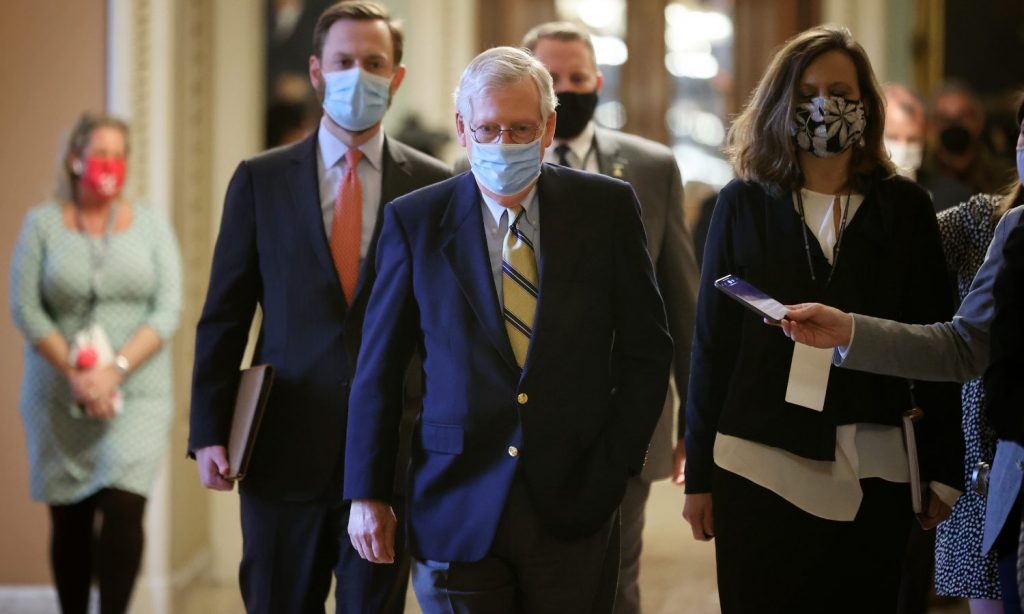
The only problem is McConnell’s bipartisan tendencies seem to have ended with infrastructure. He recently told the Wall Street Journal that he doesn’t see Republicans working with Democrats again.
Photo by Tom Brenner-Pool/Getty Images
“Infrastructure is popular with both Republicans and Democrats,” McConnell said. “The American people, divided, sent us a 50-50 Senate and a narrowly divided House. I don’t think the message from that was, ‘Do absolutely nothing.’ And if you’re going to find an area of potential agreement, I can’t think of a better one than infrastructure, which is desperately needed.”
Still, while the American people might be divided, the majority think that legal marijuana is a good idea. National polls have consistently turned out over 60% in favor of taxing and regulating cannabis like alcohol, which is precisely what Schumer’s proposal stands to do. McConnell is not in favor of legalization and has no plans to support it. Still, as McConnell previously stated, he doesn’t think the American voting public wants Congress to do absolutely nothing.
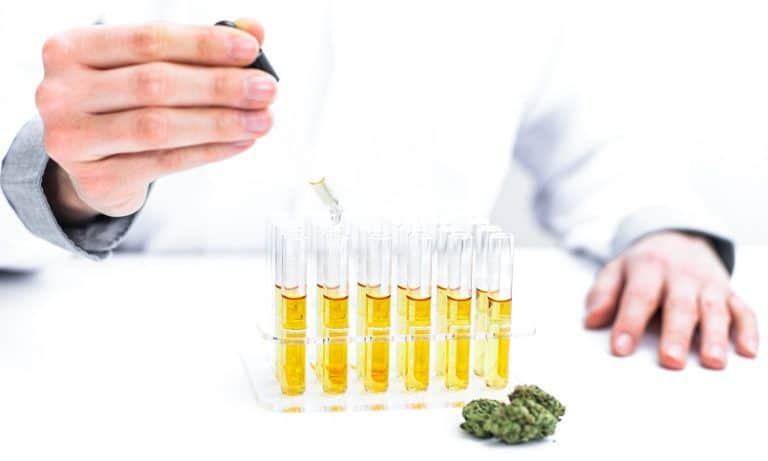
Interestingly, McConnell may have unwittingly supported a cannabis provision by throwing his support behind the new infrastructure deal. Tucked inside the infrastructure bill is a provision designed to expand medical marijuana research opportunities in the U.S. It would allow researchers to use the same retail-grade weed purchased by consumers in legal states rather than constantly relying on the low-grade stuff grown by the University of Mississippi.
For years, the quality of research marijuana has been a subject of contention among the scientific community. Researchers have complained that they cannot properly uncover the true magic of the cannabis plant because the products they get are vastly inferior to what is being sold on the legal markets.
It’s a small victory for weed, but considering decades of ignorance, ridicule, and inaction, we’ll take it — for now. Unfortunately, it might be the best advocates can expect this year.
Art and cannabis go hand in hand, and recent collaborations have been mutually beneficial during a time when artists, in particular, are struggling.
Being declared an essential business at the onset of pandemic-related quarantines around the country saved the cannabis industry. It also allowed the countless lives of people who depend on cannabis as medicine and quality of life to keep accessing it as the vaccines were developed and distributed. With cases, deaths and hospitalizations dropping, it seemed like we were on track to normal again.
But as news of the Delta and more recent Lambda variants circulate, it’s possible we may have to resume the mandates of 2020, and many industries and communities that were just starting to recover will be financially hit once again.
Photo courtesy of Damien Gilley
One of the hardest hit sectors of our society has been the performing arts and the thousands of artists who wake up every day ready to convey art to the masses. An almost year-long survey conducted by Americans for the Arts received feedback from over 19,000 arts organizations across the country, each of which estimated their financial losses due to the pandemic — it totaled over $1.7 billion. The national projection is $15.2 billion and 488 million attendees in losses.
Some cities, like San Francisco, have stepped up to launch pilot programs that would guarantee selected artists monthly income while their livelihoods remain up in the air, but spots are limited. It could be up to the cannabis industry to fill in the gaps.
In Portland, Oregon, Creative Director Diane Sillan of the vertically integrated cannabis brand Chalice felt the lack of community and artistic exchange acutely as the pandemic unfolded. In such a vibrant, artistic city, where could people go to find each other and experience art?
Photo courtesy of Damien Gilley
“It’s a portal,” she says. “The pandemic certainly did shut down our sense of social interaction, and [people] saw that our dispensary was still a place where people could go and still take care of their business. We wanted to give it more of a destination, a place for them to gather and experience something together, and art is that.”
So Chalice started a semi-monthly artist series, pairing their looming dispensary exterior with an artist’s vision. Their second and most recent collaboration is with Damien Gilley, a multi-disciplinary artist based in Portland whose work creates intersections between architecture, murals, installations and museum exhibits. In the early days of the pandemic, most of Gilley’s large-scale projects, including a show in Berlin, which required a venue, were put on hold.
Photo courtesy of Damien Gilley
“Opportunities fizzled away very quickly,” he says, and “to adapt, I did a couple less projects. And honestly, I couldn’t use the time to relax. My mind has been hustling pretty fast for like, solid decade on this thing.”
Sillan found his work, which raises philosophical questions and incorporates dogma from Buddhism, compelling and reached out; having extensive personal experience with cannabis, the project was, per Gilley, “right up my alley.”
He was given creative license under the theme “Expand Your Universe” to design a mural not only for the exterior of Chalice’s downtown dispensary location, but according to Sillan, they also implemented the design on the dispensary interior and selected merchandise. Gilley’s geometric design was inspired by the crystal structures of cannabis concentrates under a microscope that represent a universe we can’t see with the naked eye.
Photo courtesy of Damien Gilley
“The hidden nature and hidden architecture of nature is perfect. So I mean, I didn’t have to change my lifestyle too much to fit perfectly and build this crystal, abstract kind of structural world. And that’s what the image became,” Gilley says.
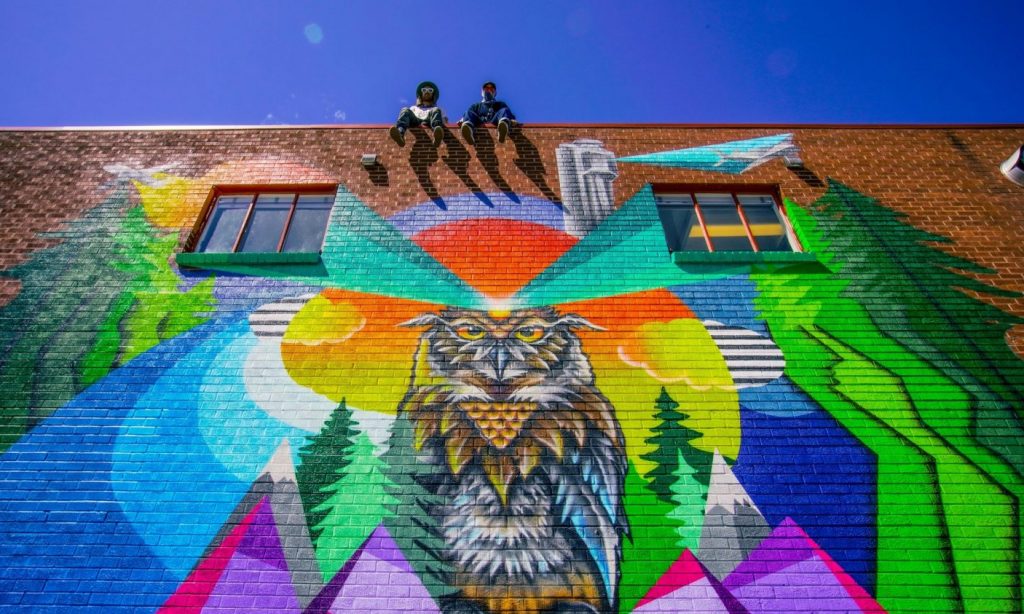
Farther East in Aurora, Colorado, a mural on the side of The Green Solution dispensary has been rocking for over a year, bringing cannabis patrons a burst of rainbow hues and local history courtesy of local artist Pat Milbery.
Like Sillan, Green Solution’s CEO, Steve Lopez, knew that art and cannabis went hand in hand, and that a collaboration could be mutually beneficial. As the facilitator of the first recreational cannabis sale in the United States, they wanted to start something new. Lopez approached Pat in the early days of the pandemic, and the vibrant mural has helped keep spirits up since.
“We’ve had different things throughout the years, or we brought in artists and had them do things on our walls, but Pat was the first one where we got it outside,” Lopez says. “And he knocked it out of the park because we were really looking at something to compliment the history of the neighborhood. And we’ve had a lot of folks that stopped by the neighborhood and tell us thank you for beautifying this area.”
Milbery initially came to Colorado for the mountains, and spent years as a snowboarding instructor before focusing full-time on his art, which draws from murals and graffiti. His piece on the multi-story dispensary exterior features an owl emitting light from its third eye amidst some colorful mountains, in a nod to the nearby Rocky Mountain Arsenal National Wildlife Refuge, and other local history landmarks.
Mural by Pat Milbery, photo courtesy of The Green Solution
Despite the success of these endeavors, large-scale collaborations between the cannabis industry and the artists who seek inspiration from it are lacking. Milbery is also working on curating a music festival in California later in the summer, pandemic permitting, and hopefully scope out a cannabis-related sponsor. In his eyes, the possibilities between the two communities are only just beginning to form.
“It’s a massive industry but at the same time, it’s growing. It’s an alternative way of looking at life being in life. And, to me, I’ve always felt like I’ve been alternative on a lot of levels since I was 11 or 12 years old, and I’ve chosen that path.”
When voters approved legalizing recreational marijuana in November 2018, at least $40 million in tax revenue was slated to study marijuana’s effect on PTSD.
The state of Michigan is funding two major medical cannabis research projects to the tune of $20 million with tax revenue from the state’s recreational marijuana program, announced Michigan’s Marijuana Regulatory Agency (MRA).
And there’s no shortage of cannabis cash in Michigan. Cannabis sales for the month of June alone hit $149 million. Actually, April and May were about the same.
Photo by Bumblee_Dee/Getty Images
PTSD Research
The money for the Veteran Marijuana Research (VMR) Grant Program is earmarked for clinical trials that will focus on cannabis as a treatment for military vets who are suffering from post-traumatic stress disorder (PTSD).
The MRA stated that the research grant has been recommended to be used by Wayne State University and the Multidisciplinary Association for Psychedelic Studies (MAPS). The latter is currently undertaking the first-ever controlled trial of cannabis for the treatment of PTSD among military veterans.
When Michigan voters passed the ballot measure legalizing recreational marijuana with a 63% majority in November 2018, at least $40 million in tax revenue was slated to be used for marijuana research grants with the intention of helping reduce veteran suicides.
The first half of the money is expected to be awarded by mid-August, Marijuana Regulatory Agency spokesman David Harns said, per MLive.com.
Photo by 400tmax/Getty Images
More Good News For Michigan – No More Reefer Madness
A person should be allowed to collect unemployment benefits even if they were fired for using cannabis while off the clock, Michigan Attorney General Dana Nessel argued in an amicus brief filed Monday, reported Detroit’s Metro Times.
“The People reserved for themselves the personal freedom to consume and cultivate marijuana, and the State cannot deprive an individual of unemployment benefits for simply engaging in this legal activity,” Nessel writes in the brief. “Employers still generally retain their ability to hire and fire at will, but Michigan employees need not question whether their legal, off-duty conduct will leave them without unemployment benefits should an employer exercise that ability. Arguments to the contrary hinge on outmoded understandings of marijuana that the People of Michigan have rejected, once and for all.”
Firearms remain out-of-reach for medical cannabis patients and recreational users, even if your state has legalized cannabis for either purpose.
Technically, if you own a firearm and use marijuana for recreational or medical purposes, you are in violation of federal law. It is unlawful for an unauthorized user of a controlled substance, including marijuana, to possess, ship, transport, or receive firearms or ammunition. It is also unlawful to sell a firearm or ammunition to any person if the seller knows or has reasonable cause to believe that such person is an unlawful user of marijuana. In this context, unlawful use is based on federal law. Therefore, any person who uses marijuana, even if legal under state law, is prohibited from possessing or purchasing firearms or ammunition.
This prohibition does not apply to users of hemp-derived cannabidiol (CBD) or hemp products because these are not controlled substances for purposes of federal law, thanks to the 2018 Agricultural Improvement Act, known as the 2018 Farm Bill.
Photo by Lumppini/Getty Images
In order to purchase a firearm from a federally licensed dealer, an individual must complete Bureau of Alcohol, Tobacco, and Firearms (ATF) Form 4473, which asks if you are an “unlawful user of, or addicted to, marijuana,” and includes a warning that the recreational and medical use of cannabis under state law does not alter the federal Controlled Substances Act which makes it illegal to possess, manufacture, or distribute marijuana. It is a separate crime to lie about your marijuana use on the form. You can also be subject to heightened criminal penalties if found in possession of a firearm and marijuana at the same time.
If you are a medical marijuana user, it may be possible for law enforcement to obtain this information from a medical marijuana patient registry or state database to confirm your use of marijuana. Several states, including Maryland, have tried to protect medical marijuana patients by preventing state police from accessing the medical cannabis patient registry to verify whether a firearm applicant uses medical marijuana. However, some states, like Hawaii, explicitly grant law enforcement access to the state’s medical cannabis patient registry to evaluate whether an individual can legally possess a firearm.
Regardless of whether a state grants access to patient databases, the possession of a firearm and ammunition remains illegal federally if you are a cannabis user. Restricting access to medical marijuana databases simply makes it harder to determine whether a firearm applicant uses marijuana.
BOTTOM LINE
Firearms remain out-of-reach for medical cannabis patients and recreational users, even if your state has legalized cannabis for either purpose. States cannot change the federal requirements for gun ownership and have no authority to supersede the ATF Form 4473 guidance documents that addresses marijuana use and gun ownership. Therefore, until marijuana is fully legalized on the federal level, it’s important to remember to keep your hands off those firearms.
Emily Burns is a recognized expert on cannabis-related legal, regulatory, and policy issues, having worked with a wide range of individuals and entities in both the public and private sector. You can contact Emily at info@gl-lg.com or (503) 488-5424.
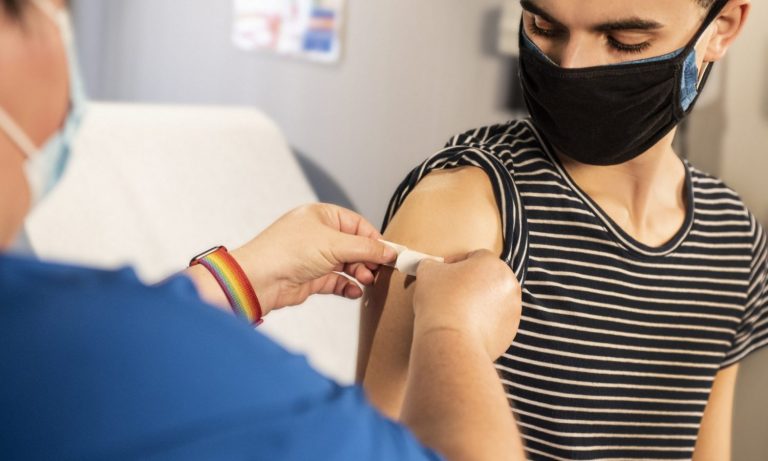
Cases of breakthrough COVID-19 are rare, but they’re going to become more popular as long as the Delta variant spreads.
The threat of breakthrough COVID-19 is keeping us all on edge, especially those who are most susceptible of getting sick. While all vaccines that are currently circulating in the U.S. provide sufficient protection from the virus, there’s one vaccine that provides less protection and leaves people more exposed to the disease.
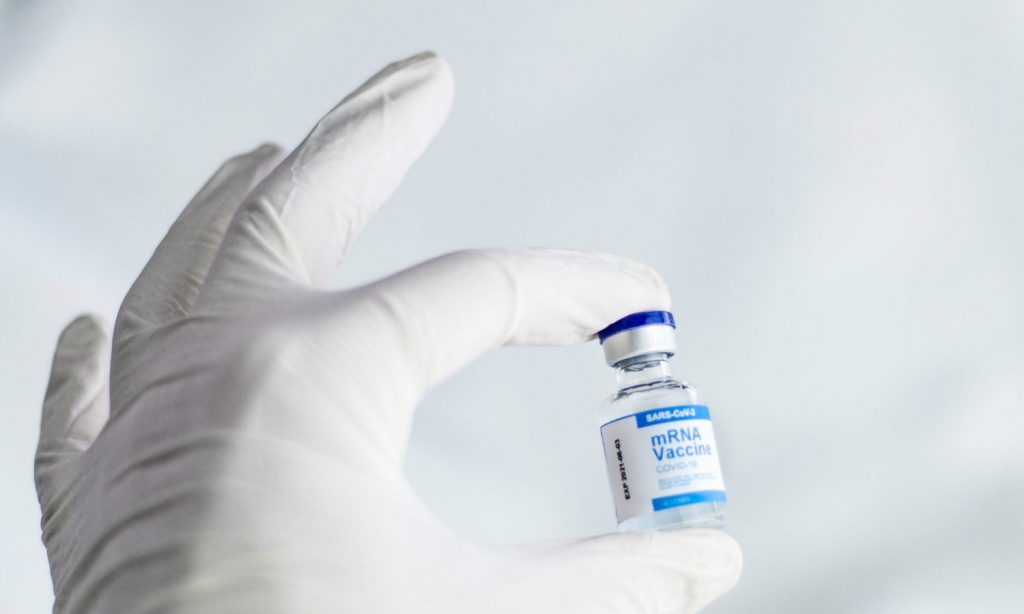
Data collected by the Centers for Disease Control and Prevention (CDC) reveals that the Johnson & Johnson vaccine showed the highest case of post-vaccination COVID. Still, it’s important to know that any vaccine can’t completely protect people from COVID-19.
Stats show that in D.C., 151,000 people received two doses of Pfizer, 124,700 received two doses of Moderna, and 24,000 had Johnson & Johnson (viaLive Science). Recipients of the Johnson & Johnson vaccine had 0.32 of breakthrough COVID-19 infections compared to 0.2% and 0.13% of Pfizer and Moderna respectively. While there are different rates of vaccinations per state, they have reflected these same stats.
“No vaccines are 100 percent effective at preventing illness in vaccinated people. There will be a small percentage of fully vaccinated people who still get sick, are hospitalized, or die from COVID-19,” according to the CDC. Still, this happens in all manner of diseases, especially with one as spreadable as COVID-19.
While breakthrough COVID-19 is scary, vaccines were never intended to be 100% effective. As the virus mutates and continues to change into more spreadable variants, it’s important for people to get vaccinated and not take breakthrough COVID-19 as license to disregard vaccinations altogether. The more people get vaccinated, the fewer odds the virus has to mutate and the sooner the pandemic can truly end.
The psychedelics space is heating up, and major players have taken notice.
The market is bolstered by a growing number of decriminalization movements across the United States, as well as an increasing number of market participants, including names like COMPASS Pathways PLC (NASDAQ:CMPS), Field Trip Health Ltd (NASDAQ:FTRP), Cybin (NYSE:CYBN), Enveric Biosciences Inc (NASDAQ:ENVB), Hollister Biosciences (OTC:HSTRF) and Revive Therapeutics (OTC:RVVTF).
Photo by krencin via Pixabay
Cannabis companies are joining the market, as are notable leaders from the marijuana space. Notable names include former Canopy Growth Corp (NYSE:CGC) CEO Bruce Linton, now a director for Toronto’s Mind Medicine (MindMed) Inc (NASDAQ:MNMD) and chairman of the advisory board for Red Light Holland (OTC:TRUFF), a brand focused on truffles.
In June of 2020, Aurora Cannabis (NYSE:ACB) co-founder Terry Booth left his cannabis venture. In doing so, Booth has shifted attention towards psychedelics, investing in Red Light Holland. Booth also joined Psyched Wellness Corp.’s board in May.
What’s The Appeal Of Psychedelics?
Those who spoke to Benzinga for this article believe that the interest in the emerging space stems from creating a medical impact as well as cannabis regulatory frustrations.
Linton told Benzinga his interest in the market was two-fold.
One, the decision was driven by a belief that Linton could provide a more significant medical impact with psychedelic substances.
The other reason “was cannabis had really stupid rules and policies around it for quite a long time,” said Linton, who prefers proper regulation over decriminalization.
Ronan Levy, executive chairman of psychedelics therapy company Field Trip, elaborated on cannabis and psychedelics’ regulatory appeal.
“For entrepreneurs in the cannabis industry, with the regulatory, reputational and legal risks inherent to cannabis, one’s appetite for uncertainty has to be even greater,” said Levy.
He touched on why psychedelics have a clearer legal understanding than cannabis.
“The legal environment for psychedelics is much more transparent than cannabis, with psychedelics being driven by scientific and academic research seeking regulatory approvals, rather than grassroots political efforts as in the case of cannabis,” said Levy, noting how the situation allows for easier market participation.
Photo by Nathaniel Paluga, Wikimedia user Drpaluga
While not downplaying marijuana findings, Levy stated that psychedelics research is more persuasive due to a currently larger body of lab studies.
The executive chairman discussed the medical impact as well, positing that cannabis entrepreneurs have likely been inspired by seeing the change marijuana and psychedelics have had on patients.
“It would seem natural for cannabis entrepreneurs to see past the stigma of psychedelics to the potential for creating real, meaningful impact and change,” Levy said.
What To Consider
Operators and company leaders tend to agree that the psychedelics demographic could equal or surpass the wide stretch of cannabis and stated that the segment is just taking shape.
“I don’t think there’s a specific demographic that can benefit but more-so specific ailments that we know these substances can be effective for,” said Josh Bartch, president and CEO of Mydecine Innovations Group Inc (OTC:MYCOF).
Bartch, who said his company considers consumers patients, said those receiving treatment could include those with terminal illnesses as well as those living with PTSD.
With such a wide range of potential patients, psychedelics operators believe the market is just picking up, with a lot to learn and more coming.
“Even though there is an incredible amount of excitement today, the game hasn’t even started yet,” said Field Trip’s Levy.
Noting that regulations are still largely uncertain, like cannabis, Levy advised, “Make sure that whatever business opportunity you are pursuing in psychedelics, that you are playing the long game.”
Mydecine’s Bartch noted that a wide range of treatments could create confusion for newcomers. Offering up a solution, the president and CEO said, “Make sure you have a specific focus on what you’re ultimately trying to accomplish.”
Bartch added, “Evaluate the other players in the space that are also trying to accomplish that or similar goals and make sure that your team drastically outperforms them.”
A new survey shows how cannabis has impacted our workouts during the pandemic. Here’s the breakdown of THC and CBD users.
COVID-19 has affected a big part of our lives. Even though 2021 has been, in many ways, a return back to normal, the pandemic is still ongoing, and we’ve learned a few habits that we’ll incorporate into our new normal, including the way in which we consume our cannabis. While the pandemic clearly facilitated more weed smoking, a new study found that it also made it more common to work out while high.
The study, conducted by fitness review website FitRated, surveyed over 1,000 people who incorporate cannabis in their workouts. The survey, taken between April 22-28, 2021, specifically asked participants about cannabis-fueled workouts during the height of the pandemic and how their usage has changed since the pandemic began. Depending on whether it was THC or CBD, those surveyed used cannabis in different ways.
Results show that THC users consume cannabis before or during their workouts, using it as a stimulant or tool to focus. CBD users consume cannabis after their workouts, taking advantage of the compound’s restorative properties.
When asked about cannabis use before workouts, the majority of people said they discovered a method that works best for accomplishing their workout routine. When asked whether cannabis made them too lethargic to work out, 46% of participants said that it didn’t. Forty-one percent of THC users said that cannabis helped them get motivated enough to exercise.
Photo by Luke Chesser via Unsplash
When speaking about breaking personal records, 62% of THC users said they broke personal records after using cannabis. Half (50%) of CBD users said the same. By a small margin, CBD users were able to workout for longer periods of time (48 minutes vs 45 minutes from THC users). When it comes to workout intensity, 62% of cannabis users of all types said that their workouts with cannabis were more intense than if they were working out with it.
While being an enlightening read, the study crystalizes some of the main differences between working out with CBD and working out with THC. Both are motivators, but THC seems to make workouts more intense and focused, while CBD helps with recovery.
Cannabis could be just the thing to get you motivated to get back to moving.
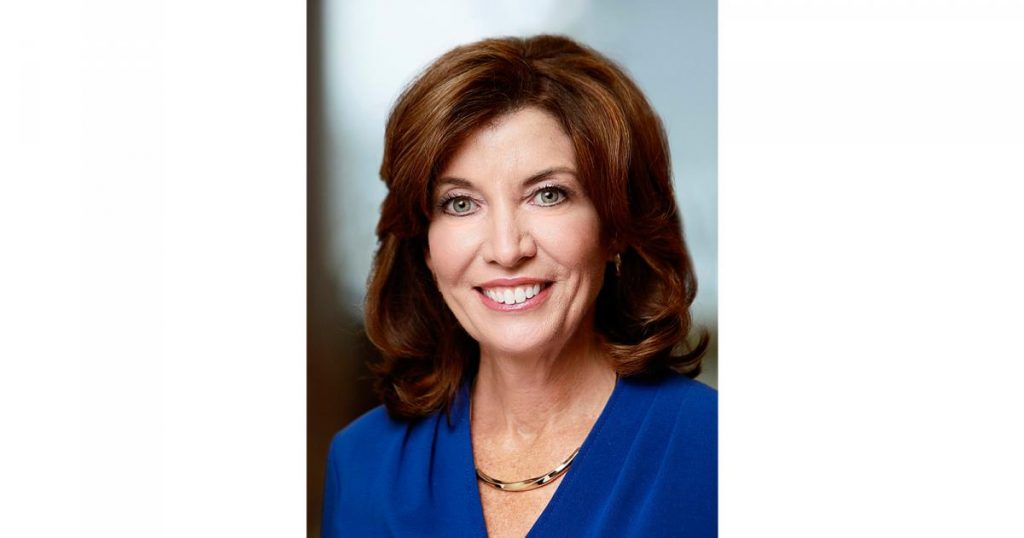
We believe Kathy Hochul may view cannabis as a popular initial (or near term) issue to champion at the start of her term thus gaining an initial win under her belt.
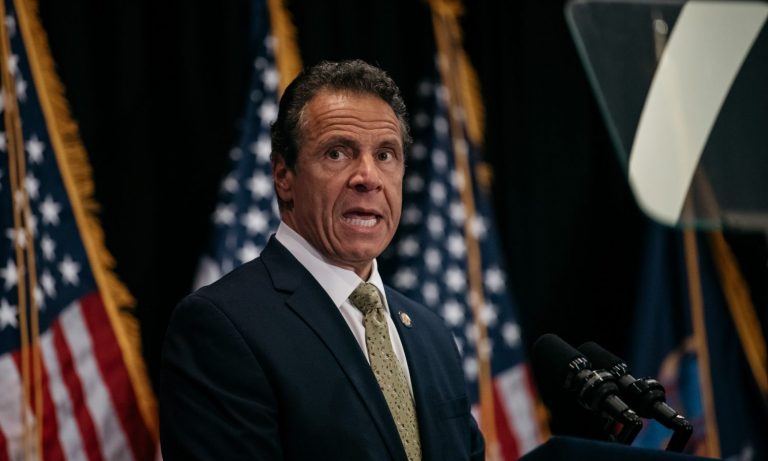
New York Governor Andrew Cuomo announced plans to step down as of August 24. Mr. Cuomo will be replaced by Kathy Hochul, the Lt. Governor of New York. We believe this transition likely puts the New York rollout of recreational cannabis back on track and may even accelerate the time line of initial sales from the original summer 2H/22 targets. Prior to the Governor Cuomo news, many industry participants were beginning to believe a 2023 start was most likely.
Despite passing legislation in March, Mr. Cuomo has always been a reluctant supporter of cannabis legislation and in recent months, the timing of a rollout became uncertain as he and other state leaders politicized the issue leveraging cannabis to get other topics prioritized. Most recently, the Governor and Senate leaders have jockeyed over who will be appointed to lead the Office of Cannabis Management and the Cannabis Control Board. Both sides supposedly are looking to win favor for other issues with appointees. Meanwhile the two state offices are integral in setting legislation and giving operators sufficient transparency to fund the build-out of assets and future capacity.
Photo by KC Kratt via WikiMedia Commons
For her part, Ms. Hochul has historically not been an avid supporter of cannabis legislation but appears to be a realist and this winter, endorsed the law highlighting the New York’s budget deficit and social equity causes as motivation. Ms. Hochul is expected to be more cooperative than Governor Cuomo and we believe the new Governor may view cannabis as a popular initial (or near term) issue to champion at the start of her term thus gaining an initial win under her belt.
As for operators, we believe any fast tracking of legislation will be positive particularly for the ten companies with existing medical licenses. As we have previously noted, the 10 existing medical license holders get significant and sustainable competitive advantages under New York’s law including vertical integration and the permitting of additional dispensaries beyond the state quota. Given that New York is expected to quickly become one of the largest cannabis markets in the U.S. (we estimate ~$2B by 2025) and the fact that in almost all new markets existing operators benefit from early mover advantages, we expect each of the 10 license holders to generate outperforming revenues and profits in the near term if they buildout assets.
Meanwhile, if any of the licenses are put up for sale we expect these to be some of the most sought-after assets in U.S. cannabis and to garner a premium takeout price well-beyond the valuation of current operators. We expect any new licenses issued to also be highly sought after particularly anything permitting New York City access or cultivation/production at scale and believe all MSOs will look to quickly enter the market.
Photo by Alex Azabache from Pexels
Investment Highlights:
Governor Cuomo departure may accelerate cannabis roll-out or at least steady the timeline.
• NY cannabis legislation passed in March however recent progress has stalled.
• State expected to quickly be one of largest markets in US. Within the law there are significant competitive advantages for existing operators.
• 10 existing operators. Publics: Acreage, Columbia Care, Cresco, Curaleaf, iAnthus, Goodness Growth, Green Thumb, Medmen/Ascend.
• Expect advantages to translate to outperforming results and premium valuations.
• Continue to believe new licenses will be sought after even as less valuable.
It challenges the conventional wisdom that the federal ban on marijuana gives legalization states free rein to discriminate against outsiders in their local cannabis markets.
A Vanderbilt legal paper published in the Boston University Law Review called “Interstate Commerce in Cannabis” shows that shipping cannabis to other states may already be legal and more plot twists lie ahead for the cannabis industry.
The day the earth stood still is how science fiction may classify the new legal review from Robert Mikos of Vanderbilt Law. To sum up the legal review of the current marijuana industry, Mikos concludes a few things, per say:
Photo by Khwanchai Phanthong from Pexels
Interstate commerce is probably already legal due to the Dormant Commerce Clause (DCC) in the US Constitution.
From the abstract:
It challenges the conventional wisdom that the federal ban on marijuana gives legalization states free rein to discriminate against outsiders in their local cannabis markets. It also debunks the justifications states have proffered to defend such discrimination, including the notion that barring interstate commerce is necessary to forestall a federal crackdown on state-licensed cannabis industries. The Essay concludes that the restrictions legalization states now impose on interstate commerce in cannabis likely violate the Dormant Commerce Clause (DCC). The Essay also examines the ramifications of this legal conclusion for the future of the cannabis market in the United States.
Full legalization will create an industry with a few dominant players due to economies of scale and bulk prices.
Areas that have lower costs of labor and electricity will see an uptick in job creation and business volume, whereas areas with higher labor costs and fixed costs will see growing and harvesting jobs to cheaper states. From the abstract:
It suggests that without the barriers that states have erected to protect local firms, a new breed of large, national cannabis firms concentrated in a handful of cannabis-friendly states is likely to dominate the cannabis market. This development could dampen the incentive for new states to legalize cannabis and further diminish minority participation in the cannabis industry. To address these concerns, congressional legislation may be necessary, because individual states have only limited capacity to shape the national market and the firms that compete therein.
Photo by Cavan Images/Getty Images
Full legalization will be a step backwards for social equity and economic empowerment movements as states have only so much power to create “protective” businesses avenues for these applicants…
…and the Federal government would have to step in and help if real growth is to be seen for SE and EE applicants.
State decisions to ban outsiders from owning or participating in cannabis industries would most likely not stand up to legal challenges…
…as we have already seen this in states like Maine. The discriminatory actions by the state to limit licenses to residents only will be overturned by Federal fair-trade practices and interstate commerce rules. From the conclusion of the paper:
The state laws that maintain these local industries, however, are legally questionable. The discriminatory restrictions states have imposed on interstatecommerce in cannabis are likely unconstitutional under the DCC. For one thing,Congress has not suspended the operation of the DCC’s nondiscrimination default rules. The federal ban on all marijuana commerce simply does not give legalization states license to discriminate against outside cannabis firms and investors. In addition, states lack a credible legitimate rationale for quashing interstate commerce in cannabis when they permit intrastate commerce in the same. In short, to the extent that states allow any commerce in cannabis, they likely must put outside firms and investors on an equal footing with locals.
If you are in the industry, some of the paper’s conclusions about large MSO’s and economies of scale taking over are well discussed points. State rules for local ownership have already been challenged in court and overturned. Yes, social equity and economic empowerment candidates may be left in the dust with full legalization unless the federal government steps in.
Photo via pxhere
One curious argument not looked in the paper is that if cannabis’s margins have a “race to the bottom,” where grow operations will move to cheaper areas based on labor costs, electricity, and water, what happens when U.S. federal legalization hits the U.N.? Yes, areas with lower labor and production costs may gain marijuana jobs, but what happens when much cheaper places like Mexico, Brazil, Colombia, and Costa Rica begin to export their cannabis production? It won’t be a U.S. race to the lowest costs, but an international race to the bottom. Based on how fruits, vegetables, car parts, lumber, and other international businesses work, the U.S. may not be the biggest or best cannabis producer on the planet.
Once the U.S. federally legalizes the plant, then the U.N. will have to change its drug treaties and now 163 other countries will be able to grow cannabis and export it without fear from the U.S. judicial or financial system.
Can cannabis farmers in the Emerald Triangle grow cheaper marijuana than Mexican farms just south of San Diego? Conventional wisdom says, no.
Will a cannabis company willfully ship cannabis across a state line and document it in order to challenge the legal standing that marijuana, although a Schedule 1 drug, cannot gross state lines under the Schedule 1 CSA rules? Probably not because of Schumer’s recent introduction of the CACO legalization bill. The industry will wait and see how the voting and lobbying goes for that bill, many are hoping for a pleasant surprise with the likes of Amazon and conservative billionaire Charles Koch now supporting cannabis legalization.
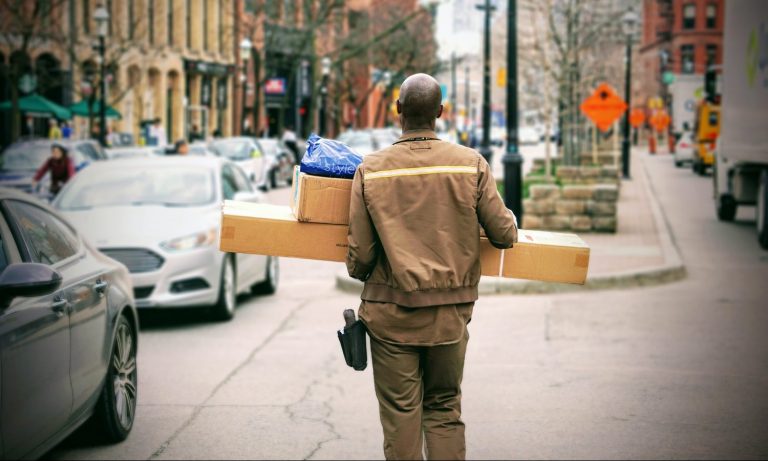
Time will tell if anyone ships cannabis with the intent to get caught and challenged the Schedule 1 rules with the Dormant Commerce Clause, but if you are caught selling cannabis and sending it through the mail or UPS, I would certainly show this legal paper to my lawyers.
The paper is an easy 40-page read that you can check out here, and it is written for non-lawyers to understand as well. It is a must read for cannabis enthusiasts and pro-cannabis legal advocates.