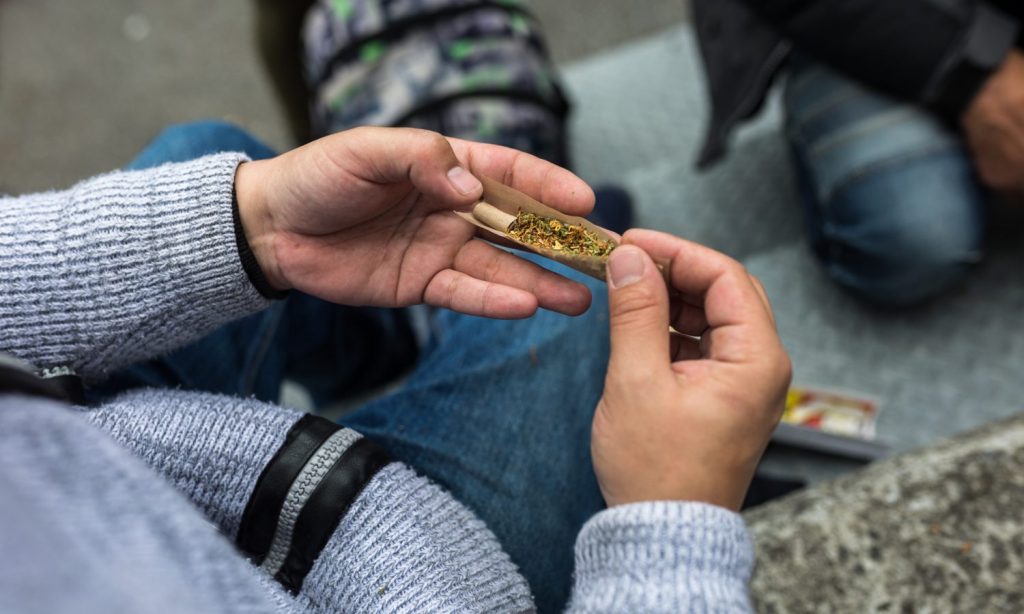
New York is poised to legalize recreational cannabis after lawmakers released a new bill that would tax and regulate marijuana for people over 21.
The text of the proposed legislation, which has been negotiated for weeks, was introduced Saturday, Marijuana Momentreports.
What Happened: The Marijuana Regulation and Taxation Act (MRTA) will “legalize adult-use cannabis in a way that foregrounds racial justice, while balancing safety with economic growth, encouraging new small businesses, and significantly diminishing the illegal market,” Sen. Liz Krueger, a Democrat and the lead Senate sponsor of the bill, said in a statement.
Lawmakers are to vote on the bill early this week after months of talks between the Senate, Assembly and Gov. Andrew Cuomo’s office.
Why It’s Important: Besides allowing adults 21 and older to possess up to 3 ounces of cannabis or 24 grams of marijuana concentrates and buy recreational cannabis from licensed retailers, the legislation also allows the cultivation of up to three mature and three immature plants for personal use.
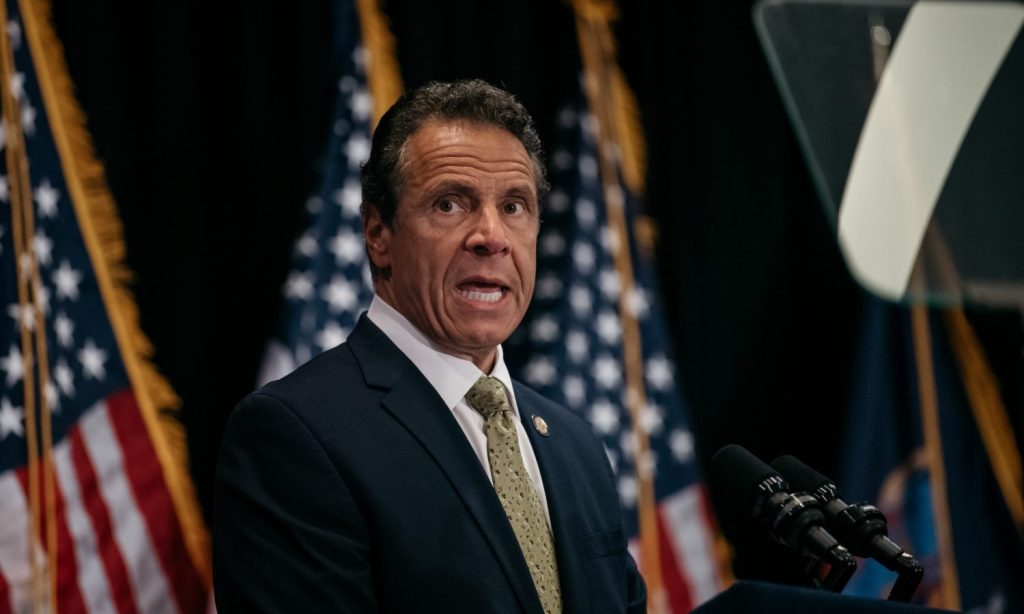
Photo by Scott Heins/Getty Images
In addition, it also allows for people convicted for marijuana-related activity that would now be legal to have their criminal records expunged.
“For generations, too many New Yorkers have been unfairly penalized for the use and sale of adult-use cannabis, arbitrarily arrested and jailed with harsh mandatory minimum sentences,” Cuomo said.
Assembly Majority Leader Peoples-Stokes said the bill “provides long-awaited marijuana justice for New Yorkers, and makes significant steps and investments to begin to address the generational devastation caused by marijuana prohibition and mass incarceration.”
What’s Next: The bill would take effect immediately upon passing, and sales would launch when New York sets up rules as well as a cannabis board.
Peoples-Stokes said the process could take from 18 months to two years, according to the Associated Press.
It is very unlikely that these problems were caused by cannabinoids, or they would not be confined to vaping.
Disclaimer:The views expressed in this article solely belong to the author and do not necessarily represent those of The Fresh Toast.
Whenever I critique a study that purports to show some danger related to marijuana I always make clear that the arguments against marijuana prohibition are not based on the assumption that marijuana is harmless. Nothing is harmless for everyone under all circumstances, and harmlessness cannot be a criterion for anything to be legal.
The first problem is simply that the teens were not vaping “pot”. They were vaping some unknown liquids that supposedly contained THC and perhaps other cannabinoids.
Second, the sample for the study was based on national data, which would normally be a good thing, but in much of the country, marijuana was and still is still illegal, so the vaping devices and their content may well have been contraband.
Third, the data was based on sampling from “between December 2016 and January 2018 — prior to the wave of lung injuries among young people that occurred in 2019. It was given the name EVALI, or e-cigarette or vaping use-associated lung injury.”
That timeframe increases the uncertainty about whether the products were contraband, and the study acknowledges that their findings may include individuals who were using products contaminated with vitamin E.
Finally, it is very unlikely that these problems were caused by cannabinoids, or they would not be confined to “vaping”.
For millennia most cannabis users have only had bud or hashish which they had to burn in a joint or a pipe of some sort. Not always the coolest source of smoke (vapor).
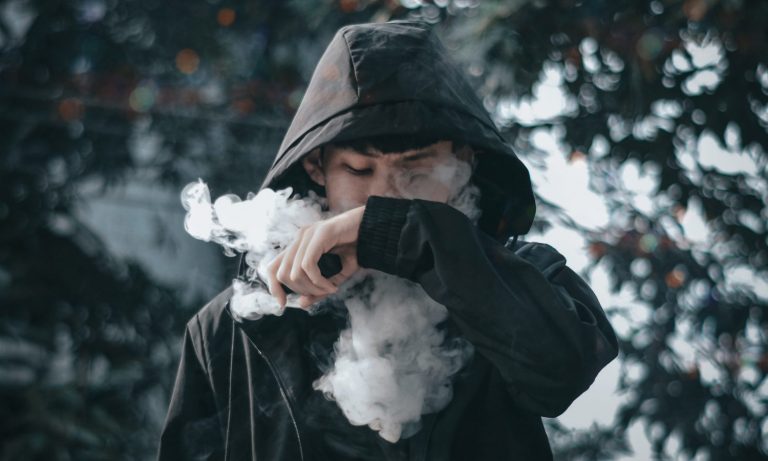
Photo by Parker Gibbons via Unsplash
It should also be noted that “vape pen” is not a standardized device, especially in what may still have been contraband markets. The “vape” that is produced may simply be too hot, so some of the problems may be independent of whatever is being “vaped.”
Vape pens are very handy, but bongs and tabletop vaporizers, like the Volcano, maybe much better, especially for heavy users.
Sadly, the pandemic may have finally ended the custom of sharing hits on joints, etc., with friends and/or friendly strangers. The end of the pandemic will coincide with a demand for social venues for cannabis users, so we will be looking at healthy ways of sharing. Some of the “coffeeshops” in Amsterdam have bongs designed for multiple users. They may be popular in the new “cannabis bistros.” (A term borrowed from Haarlem, the beautiful little city 15 minutes from Amsterdam.)
Well, so much for the “latest research.” We learned something anyway.
While edibles takes some people over the moon, others don’t get high at all…and you are about to understand why.
Cannabis edibles are pretty tasty and are an absolute delight. It gets people high in a manner different from when they smoke or vape weed. But, sometimes in a gathering of different people enjoying edibles infused with weed, there is always that one person who doesn’t get high like the others in the room. If you are in this position, it may feel awkward because everyone else expects you to get high like them. But you don’t have to feel weird, as you are not the first to have this experience and you certainly won’t be the last. Always remember that the effectiveness of cannabis varies based on several factors, of which your DNA is an important one.
In this article, I’ll talk about marijuana edibles, how the varying methods of consumption affect your body and the role of genetics. Please sit back and relax as we consider the several factors that prevent you from reaching the highest form of satisfaction with marijuana edibles.
How cannabis edibles work
Eating marijuana is an entirely different experience from smoking or vaping it, and it has a different impact on your body as well. To understand how to get high from taking THC, we must know how the decarboxylation process works.
When in its raw, natural form, cannabis plants contain THCA, a precursor to THC, the cannabinoid responsible for getting us high. THCA doesn’t have psychoactive properties, which means eating raw marijuana will do very little to make you high.
But when exposed to heat, THCA will be converted to THC. The heat gets rid of the carboxylic acid attached to THCA that prevents it from getting into a person’s cannabinoid receptors such that it doesn’t reach its psychoactive potentials to get you high.
Those who smoke or vape cannabis need this step because the heat naturally decarbs the marijuana when it is smoked. With marijuana edibles, the decarbing process is also crucial in ensuring that they have an intoxicating effect. This is among the reasons why cannabis edibles have a longer duration of action. It’s also why users get a more potent high than what they’d have gotten if they smoked or vaped the same amount of weed.
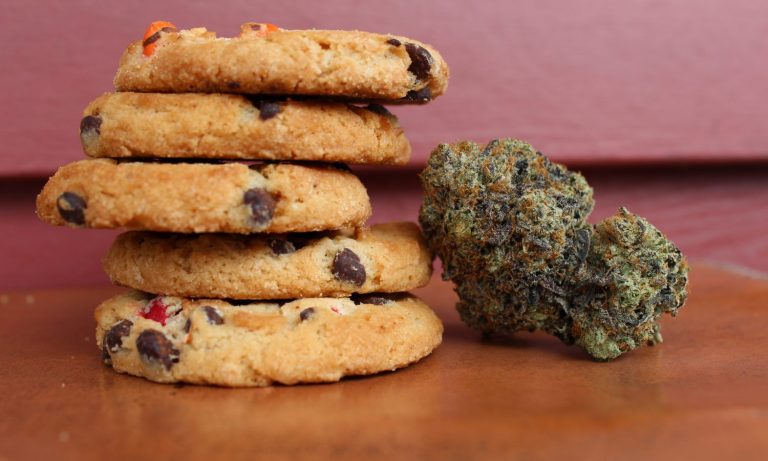
Photo by Vyshnavi Bisani via Unsplash
When you smoke cannabis, the THC gets into your body through the lungs or blood barriers into the bloodstream and settles in your brain (the cannabinoid receptors). This process is what gets people high within a short time.
A stronger high is experienced if the THC gets to your system via the digestion pathway, which is what happens with edibles. When THC is eaten and passed through the digestive tracts it gets to the stomach and liver. When inside the digestive system, the THC is processed by the body’s metabolic system. This enables the THC to be fully absorbed into the body’s system hence the potent effects.
It should be noted that these processes takes time, thus accounting for the longer onset of action, and long duration of action of cannabis edibles. However, some people are wired differently and that’s the beauty of humans, we’re all different so what works for a person won’t necessarily work for another person.
Why cannabis edibles doesn’t get you high
You are not getting enough cannabis
You may not be getting high from cannabis edibles because you are not getting enough cannabis into your system. By “enough,” I am referring to your body’s cannabis needs per dose.
Maybe your friend requires a single dose to get high, which is great but does that also apply to you? You’ve got to monitor the amount of weed that gets you high and use that amount to determine the number of edibles you should eat.
Your body metabolizes THC too swiftly
Cannabis edibles work differently compared to other methods of consumption. With smoking, tinctures, and vaping, you get to absorb the marijuana directly into your bloodstream. Edibles will need to be digested first with the THC metabolized in your liver before getting into your bloodstream.
Photo by SageElyse/Getty Images
If you have very high or deficient CYP enzymes, it could alter your metabolism, which means THC wouldn’t metabolize. Our metabolic enzymes are responsible for breaking down these substances, and they exist and function based on our DNA blueprint which means your enzymes function differently than that of someone else.
These differences in our DNA affect how things work inside our bodies. If you don’t have the enzymes that can break down these substances or if you’ve got prolonged ones, then you wouldn’t get high with cannabis edibles.
If you take the cannabis edible on an empty stomach
In some cases, instead of feeling high after taking cannabis edibles, you may feel anxious and restless. With this situation, you may have eaten the edible on an empty stomach.
Eating cannabis edibles on an empty stomach slows the absorption process and prevents you from getting high on THC. If this has happened to you, please ensure to eat before taking the edibles.
It may not be suitable for you
For some people, cannabis edibles just don’t work on them. Just as certain medications work for some people and don’t work for some. You may have to consider enjoying the edibles but relying on smoking or vaping to get high.
How to make edibles more effective
Here are some steps to make your cannabis edible more effective;
Eating food rich in caffeine, such as coffee which speeds up your metabolism.
Try taking cannabis sublingually which entails allowing it to pass your GI tract and getting directly into your system through your mouth tissues.
Try eating cannabis edibles with lower amounts of carbohydrates and fats.
A healthy and fit lifestyle with exercises and a diet rich in protein will increase your body’s metabolism making it easier for the body to absorb the THC from cannabis.
There are numerous reasons for not getting high after taking cannabis edibles. While there are solutions to some of them, if your genetic build-up doesn’t allow for it, you may have to give up marijuana edibles. Of course, you can still eat it if you still like to, but now you will be consuming it with an understanding that it wouldn’t get you high. So your new approach will be to enjoy the edibles but then smoke the weed to get high.
The rise of online shopping has been a boon for subscription boxes. There’s really something out there for everyone, including weed.
While it’s always great to order something and get it delivered while in the comfort of your home, subscription boxes have really managed to capitalize on this experience, providing us with a constant stream of gifts we love and giving us something to look forward to.
Whether you’re into cheese, books, weed or socks, you can have the utmost certainty that there is a subscription box out there for you, waiting. Here are 5 of the best subscription boxes you can sign up for:
While with Cannabox you won’t get weed delivered straight to your home, you will get a box filled with extremely useful smoking accessories. Each month you’ll get a themed box with glass pipes, bongs, rolling paper, trays, snacks, gear and more, all put together by cannabis lovers and experts.
If you’re a cheese fan, there’s Curdbox, which delivers cheese and appropriate pairings right to your door. Each box has three types of cheeses along with three appropriate pairings, which can range from crackers, to jams, to hams.
Real Oyster Cult is the rare subscription box that tackles something as delicate as oysters. These boxes are shipped overnight and can stay in your fridge for up to 10 days. These oysters are selected by oyster farmers from all over the country, delivering a surprise every month that starts at less than $50.
Eater Wine Club delivers 2 to 4 wine bottles of restaurant level quality per month, each curated by a wine professional who takes inspiration in the flavors, regions and trends that are going on at the moment. Prices start at $70 a month.
If you’re a reader who’s also craving a trip around the world, The Wordy Traveler is the subscription box for you. With themed boxes made up of books, teas, and some kind of item from the country it’s inspired in, The Wordy Traveler is a box with a little bit of everything.
Explains their website: “Every three months count on The Wordy Traveler for a carefully handpicked selection of books that have been discovered, curated, and approved by our team of world travelers to ensure wanderlust fulfillment. In addition, each box will include ethically-sourced premium tea evocative of the region and a limited-edition fine art print that captures the beauty of travel.”
Cannabis helps to mitigate some of the symptoms associated with chemotherapy while helping the body fight back cancerous cell growth.
Yes, it is possible to combine cannabis with chemo and radiation, but you must speak with your oncologists first before taking this step. Cancer is a life-threatening illness that scares many people; it’s why several works of research and scientific tests on potential medicinal solutions are being conducted.
Many cancer patients get excited when they discover that a particular plant or drug holds the promise of relieving them of chemotherapy’s pain — particularly with cannabis because there have been studies that show the positive impact of cannabis on severe ailments.
The idea here is not that cannabis cures cancer. The discussion here is on combining cannabis with chemo to minimize radiation’s impact on a cancer patient. So let’s discover why it is possible to combine both treatment options.
Cannabis and chemo
During chemotherapy, cancer patients experience a range of unpleasant side effects and symptoms ranging from dizziness to nausea and vomiting. These patients need chemotherapy because it is a powerful treatment that kills the body’s growing cancerous cells, however, these side effects often make it a gruesome experience.
Patients need something that can help them combat those side effects and symptoms so they can go through chemo without feeling extremely sick.
Aside from the fact that cannabis helps to mitigate some of the symptoms associated with chemotherapy, it also plays a supportive role in helping the body fight back cancerous cell growth when they get into chemotherapy and radiation.
Several patients are often concerned about the “method of application” of cannabis when they are in chemo: they wonder if they should smoke it, chew it or consume it via other means. Read on to find out the best method of consumption for patients in chemo.
How to use cannabis while on chemo
Smoking
Well, some oncologists do not want their cancer patients smoking cannabis if the patient has lung cancer or severe lung disease. But some oncologists still prefer that their patients smoke cannabis because the cannabinoids gets into the body and makes it impact on the spot.
Interestingly cannabis is a bronchodilator which means rather than constrict the lungs, it expands them, which means it won’t cause any more harm to the patient’s lungs. Nevertheless, if you have an underlying lung issue, you will have to discuss it with your oncologist before taking the smoking pathway.
Vaporization
The vaporizing option enables the patient to inhale the cannabis through a vaporizer heat pot without breathing in the smoke. You don’t burn the weed; you only heat it to a specific temperature, with the heat activating the cannabinoids.
Photo by Martina Paraninfi/Getty Images
Patients who do not like to “smoke” cannabis will enjoy this method better as it is a lung-healthy, cost-effective, and very convenient option. One could be using this vaporizing option without others knowing they are taking cannabis (it is a very discreet method).
Sublingually
Chemotherapy patients can also take cannabis sublingually which happens when the medication is absorbed from under the tongue. This subliminal approach is faster with results, but you must ensure you have the correct dosage from your doctor before taking this approach.
Chewing
Cannabis can also be chewed directly in peculiar cases when the patient doesn’t want to smoke or vape. People have been chewing marijuana for centuries as a medicine, so this is not a new idea. Don’t worry; you wouldn’t get high from chewing raw marijuana; you may want to consider eating it in its other forms, such as other edible products, tinctures, and gummies.
Cannabis, chemo, and other cancer treatment
You may feel exhausted when combining cannabis or any other medication with chemotherapy. It can be an overwhelming experience if it isn’t done right. Here are some pointers to help you derive the best from using cannabis:
Always start low and go slow: don’t take so much cannabis at the same time.
Always consult your doctor or oncologist if you feel like you need to take more or lessen your dosage
Avoid using too many products simultaneously: sometimes, you may not get the best out of cannabis because you are taking too much medicine.
Cannabis is very safe when used with a doctor’s guidance.
Photo by Caiaimage/Sam Edwards/Getty Images
The benefits of cannabis when combined with chemo
Note that the benefits outlined below are based on actual cancer patients experience with cannabis while in chemotherapy:
You wouldn’t feel nauseous or sick
One of the earliest side effects of chemotherapy is feeling nauseous and sick, which is a major discouraging factor for cancer patients. A lot of patients undergoing chemo complain of feeling excessively tired, headaches, high body temperatures and so on. By incorporating cannabis with chemotherapy you can significantly reduce the bulk of these side effects.
It should be noted that most of the patients agree that they had to take cannabis over a certain period instead of a one-time dosage.
Revived appetite
Medical cannabis also boosts the patient’s appetite. A lot of patients in chemo say that they couldn’t eat a lot of meals or feel hungry after the chemo session. When they started taking cannabis, they noticed their appetite returned with an increased craving for food and an urge to snack more. Chemo patients need to eat well to stay strong enough for the treatment and cannabis can help.
Photo by rawpixel.com
You will feel energized
Another side effect of chemotherapy is exhaustion! Patients feel entirely overwhelmed by the treatment process that they end up shutting down mentally afterward. Fatigue during chemo means they are also vulnerable to mental and physical breakdowns.
But patients who combined cannabis with chemo testify that they felt energized. CBD and THC posess properties that can keep patients alert and active throughout the chemo treatment process.
It fights insomnia
Some chemotherapy patients complain about insomnia during chemo such that no matter how they force themselves to sleep, they just can’t. Since chemo patients are given steroids beforehand to help with the side effects, the majority also experience insomnia.
Combining cannabis can help patients feel well-rested throughout the day, thus making it easier to sleep.
Some argue that without cannabis, it would be next to impossible to bounce back from difficult workouts and make strides in becoming a faster, stronger racer.
The concept of smoking marijuana before going on a run might sound misaligned to some, but many who engage in this popular form of exercise claim the herb allows them to be “more present,” and makes the miles of roadwork more enjoyable. Others say that cannabis products are essential in the recovery process. Some even argue that without them, it would be next to impossible to bounce back from difficult workouts and make strides in becoming a faster, stronger racer.
“You have two different reasons potentially for using cannabinoids,” Dr. Marcel Bonn-Miller, an adjunct assistant professor of psychology in psychiatry at the University of Pennsylvania Perelman School of Medicine, told The New York Times. “One is to enhance your ability to train. The other is recovery oriented.”
Although marijuana is now fully legal in a number of states for recreational use, the therapeutic benefits of the cannabis plant are still not appreciated by the majority of the nation. As it stands, the federal government considers weed to be one of the most dangerous drugs in the world, despite the fact that loads of anecdotal and scientific data exists proving otherwise. It is this snag with Uncle Sam that makes it difficult for athletes to use the herb for any reason. No professional sports leagues allow their players to smoking marijuana. If they do, they run the risk of being fined and suspended.
But it is not that strict across the board. The World Anti-Doping Agency, which is the organization responsible for doling out drug tests to Olympians, doesn’t automatically disqualify an athlete for submitting a positive test for marijuana. In 2013, the agency increased the threshold for THC-metabolites from 15 nanograms to 150. This is ten times higher than what is allowed by the National Basketball Association. Essentially, the agency has developed a policy that makes it difficult to eliminate athletes from competition.
Photo by rawpixel.com
There is not a lot of research available on marijuana and sports. What is known, however, is cannabinoids do not seem to provide athletes with a competitive edge. This is just one of the reasons the World Doping Agency has very little issue with runners and jumpers smoking weed. There is even some question about the claims of marijuana assisting in muscle recovery.
Yet cannabinoids are known for their anti-inflammatory properties. More athletes have emerged over the years, including former NBA player Al Harrington, who claim that cannabidiol (CBD), the non-psychoactive component of the cannabis plant, is a saving grace in terms of healing. Medical experts, like Dr. Orrin Devinsky, director of the Comprehensive Epilepsy Center at NYU Langone Health, say the claim is real. CBD “lowers the amount of many, many pro-inflammatory cytokines — things that our body makes naturally in response to any inflammation response,” he told the Times.
While it is up to the individual whether cannabis is consumed as part of a pre or post workout regimen, Dr. Bonn-Miller believes that cannabis and running were meant to go together.
“There’s a lot of overlap in terms of the pathways that are activated between what’s known as a runner’s high and the high that comes from THC,” he said. “Both of those involve activation of the endocannabinoid system, so it’s not too surprising that THC might be used to enhance the runner’s high that’s gained from endurance exercise.
If you’re marred by sleepless nights, here are some tricks to help yourself fall back asleep quickly.
Waking up in the middle of the night is not fun. It’s one of the quickest indicators of a terrible morning, often ignited by stress, anxiety and too much alcohol.
While being awaken by pets or babies is easier to recover from, waking up for seemingly no reason is more difficult to deal with. Often what happens when our sleep is disrupted in the middle of the night, our minds begin to race until we can finally fall back asleep, which can sometimes take hours. This can be frustrating when we have to function for work in the morning.
Our sleep goes through stages. We fluctuate between light and deep sleep as the night goes on, making it easier to wake up and stay up if we’re in one of the lighter stages. Waking up and then going back to bed is not a problem; the real issue is waking up and being unable to fall back asleep. This could be a sign of sleep disorders or an underlying issue, like stress, pain or asthma.
Here are some tips that can help you get back to sleep:
Developing a bed time routine is one of the most efficient ways of creating a smooth bedtime. Try to get your body ready for bed by putting together a routine that works for you and is easy for you to remember, whether that’s brushing your teeth, putting your phone away, or listening to meditation. Limit the amount of blue light (iPhone, laptop, etc.) you expose yourself to and avoid caffeine in the evenings and afternoons. While there’s no way to ensure that you’ll get a full night’s sleep, you can improve your odds by creating and sticking to new habits.
Do your best to not stress out in bed
Photo by Christian Erfurt via Unsplash
One of the most harmful parts of sleepless nights is how easy it is for them to become recurring. When we lie in bed without sleeping, enduring anxious spirals, we create a precedent, making it more likely for us to keep repeating this behavior. If you wake up and can’t go back to sleep, get up from bed and do something soothing, associating the moment with something positive. Read a book or fold laundry. This prevents anxiety, keeps you busy and might put you back to sleep.
Talk to an expert if it’s becoming a recurring problem
If insomnia continues to bug you, it’s important to talk to someone about it, preferably a sleep expert or psychologist who can help you resolve the problem. Sleep issues are too common, often going unaddressed. They can easily seep into the rest of our lives, affecting our productivity, moods and relationships. More concretely, lack of sleep can also have larger health implications, being correlated with heart disease, diabetes, depression and more.
Taking cannabis in the correct dose and under necessary supervision can transform the state of your immunity.
For centuries, human beings have been using cannabis for healing and recreational purposes. In fact, extensive works of research show that cannabis has an intense impact on the human body and its immune system. Here are 5 ways marijuana helps to strengthen immunity.
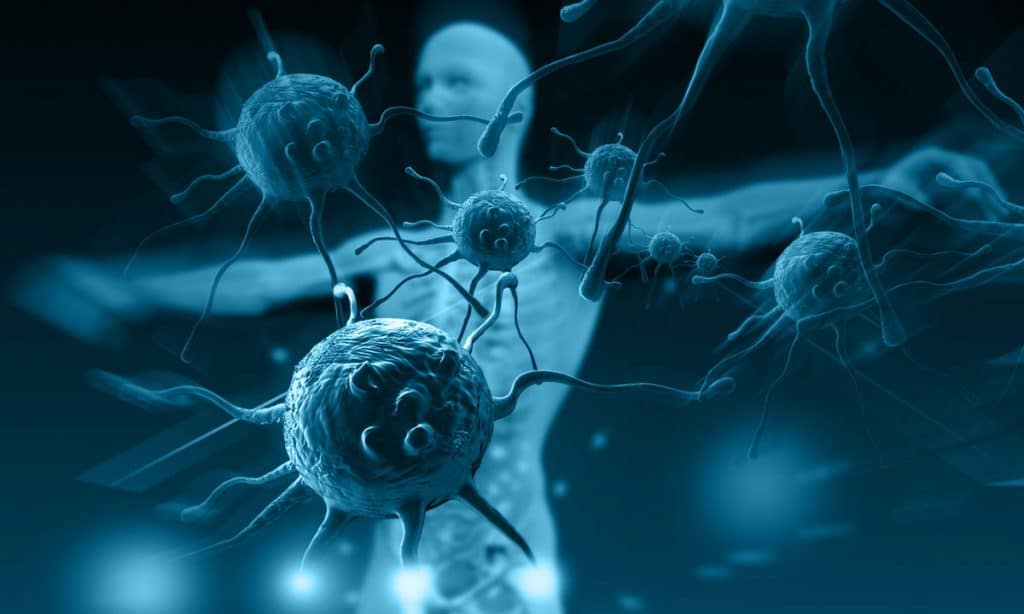
The immune system is comprised of a network of cells consisting of antibodies, white blood cells, the bone marrow, and the lymphatic system. If the immune system starts to function at a lower or overactive level, you will experience immune system disorders.
Immune system disorders lead to a complete breakdown of your health, which cannabis can help combat. However, as an intelligent cannabis user, you want to be sure that you know how cannabis helps. Below are the top five ways through which cannabis helps in building your immunity.
Medical practitioners often recommend cannabis because of its potent anti-inflammatory properties. These properties aid with pain relief and protects your immune system from major vulnerabilities.
Cannabis also helps suppress the secretion of cytokines in the immune system. Whenever there is pain somewhere in your body caused by inflammation, cannabis regulates your immune responses such that the pain starts to lessen.
Some people don’t know that there is a connection between their mental health and the immune system. If you don’t sleep well, if you don’t eat well and are excessively stressed, your immune system will become weak.
Cannabis helps alleviate stress, combats various mental disorders, boosts brain function, and has soothing properties that can help you sleep well; when you start eating and sleeping well, when you feel strengthened, and without stress, you will have a stronger immune system.
To boost mental health, you will need to realign your nervous system, improve your brain function, improve your mood, reduce insomnia and get rid of anxiety. All of which cannabis plays one role or the other in. Your mental health is essential to your body’s immunity, so you shouldn’t ignore it.
It wouldn’t help if you focus on every other part of your body and ignore your mental health. Life can be very fast-paced such that you may ignore your mental health, but with cannabis, you can achieve the balance you need.
Now the fact that cannabis offers relief doesn’t mean you should become complacent with your life. Please take care of your mental and physical health, get plenty of sleep, and most importantly try to avoid stress.
Note that you can add cannabis seeds to your smoothies, salads, or energy bars to improve your mental health — your immune system will be better for it!
Neuro-inflammatory conditions occur when the brain doesn’t get enough blood supply. Now, if your brain isn’t getting enough blood, you will face serious health challenges such as stroke, head injuries, and cerebral ischemia.
Neuro-inflammatory conditions prevent the immune system from being active, and this leads to neurodegenerative disorders. This situation explains why numerous people with weak immune systems experience all kinds of diseases.
Interestingly, one of the primary functions of CBD in the body is to help it achieve neurogenesis in the brain. Neurogenesis reduces neuroinflammatory conditions such as Parkinson’s disease, lateral sclerosis, and Alzheimer’s disease.
The immune system fights infections in two ways: humoral immunity and cell-mediated immunity. To achieve optimum immunity and excellent health, the body needs the right balance of these two processes.
These two processes are enabled through endocannabinoid found in cannabis and other CBD products such as CBD oil. The result you get from cannabis against neuro-inflammatory disease is the optimal immune system that kicks off all infections.
Another disease that ravages the body’s immune system is cancer. Cancer cells depreciate the body’s immunity by targeting the body’s bone marrow which is an essential aspect of your immune system.
Your bone marrow is needed to produce blood cells that have the ability to fight diseases. If the cancer cell spreads the tumor to the bone marrow, it will stop the body from building blood cells. This will cause the body’s immune system to experience a decline in its white blood cell production which is bad news for the immune system.
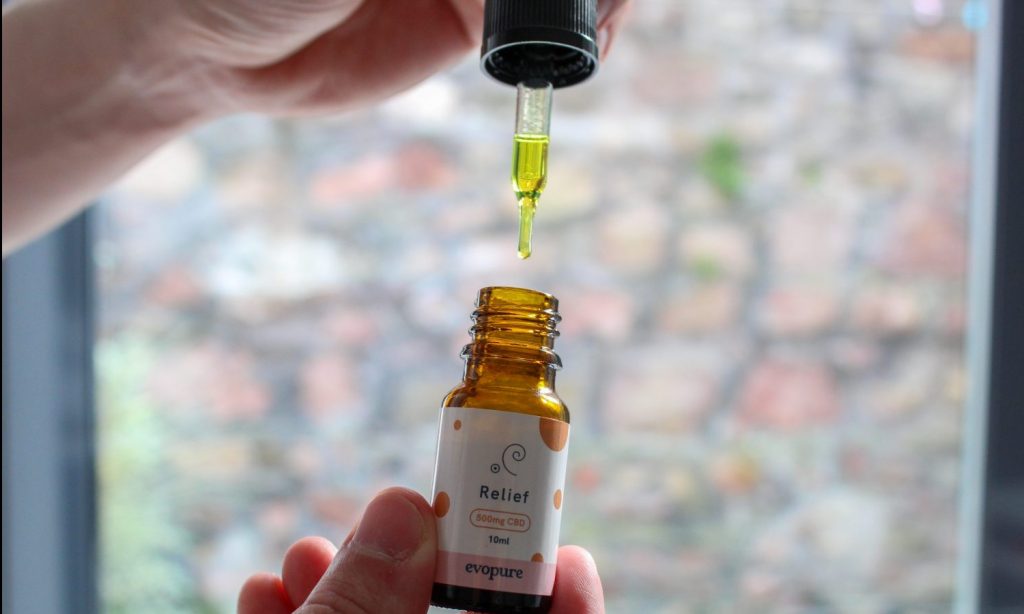
Photo by Evopure CBD via Unsplash
Several studies conducted show that taking cannabis helps cancer patients experience relief. Cannabis plays a significant role in helping patients deal with symptoms such as vomiting, nausea, fatigue, etc all of which further strengthens the body’s immune system. Cancer does a lot of damage to the human body, but cannabis can help to repair some of these defects and energize the patient.
HIV is an example of a disease that completely shatters the immune system. People who are diagnosed with HIV are vulnerable to illnesses and infections because their immune system is weak. So they vomit, lose appetite, and experience weight loss as the virus ravages their body.
Studies show that cannabis alleviates some of the symptoms and signs of HIV, as evidenced through HIV patients who got an increase in white blood cells. It should be noted that the reports also claim that the patients felt stronger after consistently taking a cannabis based regimen which repels the symptoms they previously experienced.
White blood cells fight and wade off all foreign elements that seek to pull down the immune system. The white blood cells also protect your body from infections.
Your body needs a robust immune system to tackle opposing health challenges, which is why the importance of paying attention to boosting your immune system cannot be stressed enough.
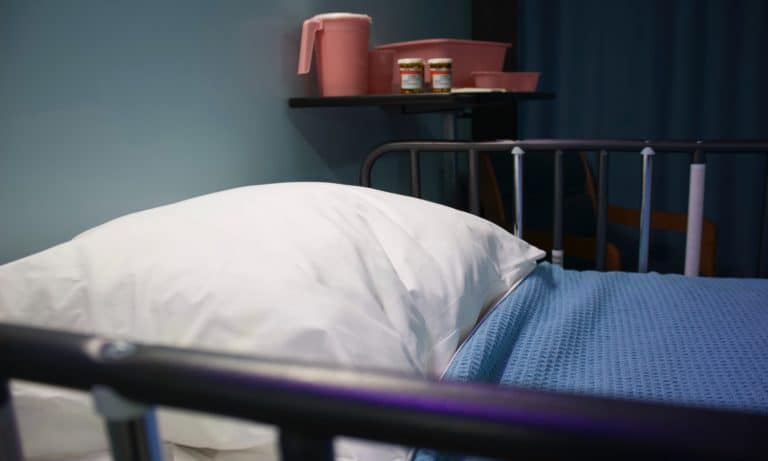
Marijuana is used in hospice care to ease spiritual and existential suffering, with some studies showing an important therapeutic role for patients faced with the despair of a terminal illness.
As Americans continue to age, hospices are exploring new ways to bring peace and calm to the often slow and painful process of end-of-life care. According to the CDC, in 2015, an estimated 1.4 million individuals on Medicare were patients in a hospice setting.
Quadrupling in size in the last 20 years, hospices are investing in creating a patient-centric approach that dismantles beliefs that hospices are cold, and unfeeling institutions. From massage to aromatherapy, some hospices are offering new additions to their programs including music and integrating family into meaningful experiences. While many hospices are focused on offering a thoughtful quality of care, many end-of-life-care specialists are also advocating for marijuana.
A MorseLife Hospice and Palliative Care study focused on advances in hospice care found changing attitudes on medical marijuana. They cited that, “87% of Americans support the use of medical marijuana as a treatment option for terminally ill patients, with nearly three in five Americans (58%) expressing strong support.”
The American Academy of Hospice and Palliative Medicine recently shared a video on how hospices can integrate medical marijuana into care, heralding more change in the market to accepting marijuana as a part of a patient’s care plan.
“Marijuana is used in the hospice care setting to ease spiritual and existential suffering, with some studies showing an important therapeutic role for patients faced with the despair of a terminal illness, as well as the loss of function that accompanies it. A mild euphoria or sense of well-being can ease a patient’s mind, body and spirit as they come to terms with their fate.”
Photo by Parentingupstream via Pixabay
Stuck in political limbo
While some hospice programs are embracing medical cannabis, some are facing uncertainty about whether or not to allow medical marijuana, even when it’s legal inside their particular state. With an ever-expanding list of states that allow marijuana both medically and recreationally, hospices are taking an evidence-based, risk-management-forward approach to ensure they comply legally and ethically.
Changing attitudes are allowing for researchers to gain more insight and information regarding the role cannabis and CBD can both play in hospice and palliative care settings. Published in the Journal of Palliative Medicine, an October 2019 study focused on the responses of over 300 palliative care professionals from over 40 states on the use of medical cannabis. The study found “overwhelming support” for the use of medical cannabis in a hospice setting:
Regardless of legal status, hospice staff members were overwhelmingly in agreement that MC (medical cannabis) is appropriate for hospice patients to have access to and use.
Citing barriers such as legal status, clinical safety, and societal influence, the study believes opportunities exist to better support hospice providers and patients with education, research and policies that elevate the use of medical cannabis.
With new patients entering hospice every day and both clinicians and doctors looking to supplement old pain medicines with newer more effective treatments, marijuana will remain a top topic for years to come.
Data gathered from 46 states over more than two decades, show unequivocally that medical cannabis access can be legally regulated in a manner that is safe and effective.
Each year there seems to be a new study focused on teens and cannabis use, and whether or not legal marijuana leads to more young adults getting high. The most recent study followed in the footsteps of several previous studies and came to the sam conclusion: there is no correlation between states with legal weed and teen marijuana use.
Published in the journal Substance Abuse, researchers from Harvard University, John Hopkins and the Massachusetts Cannabis Control Commission reviewed data from 46 states collected over a 24-year period.
The study found that there is no evidence that suggests medical marijuana programs resulted in more cannabis consumption in teens. Overall, states with legal medical marijuana had fewer instances of teens consuming cannabis.
“This study found no evidence between 1991 and 2015 of increases in adolescents reporting past 30-day marijuana use or heavy marijuana use associated with state MML [medical marijuana law] enactment or operational MML dispensaries,” cited researchers.
Marijuana use in young adults has long been a concern for opponents of medical and recreational marijuana, who believe that the herb’s acceptance could make teens more interested in trying these substances during a time in their lives when their brains are not fully formed and they’re more malleable. Still, heaping amounts of studies suggest that this isn’t the case.
Paul Armentano, Deputy Director of NORML, said in a statement: “This data, gathered from 46 states over more than two decades, show unequivocally that medical cannabis access can be legally regulated in a manner that is safe, effective, and that does not inadvertently impact young people’s habits. These findings should reassure politicians and others that states’ real-world experience with medical cannabis is a success from both a public health and a public safety perspective.”
While marijuana use in teens has many unknown factors and is something worth monitoring, studies like this continue to show that legal medical marijuana is a safe way of providing a service to people who need it, while also boosting the economy and creating jobs.