Hash is a concentrated form of cannabis resin that’s increasing in popularity. Here are some of the basics you should know.
It’s a great time for cannabis in the United States. Following the November elections, marijuana was decriminalized in some states and different medical and recreational programs were put in motion. With this new wave of acceptance hitting the country, you can expect more curiosity about the plant, including its different parts and the ways in which it can be consumed. Here is a quick and easy primer on hash.
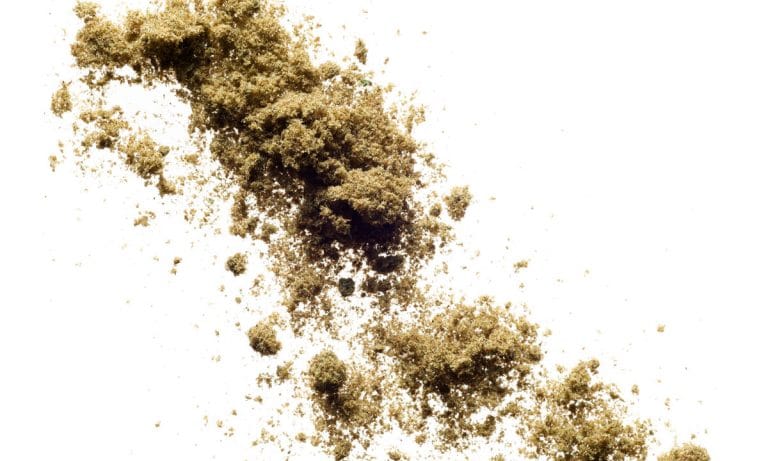
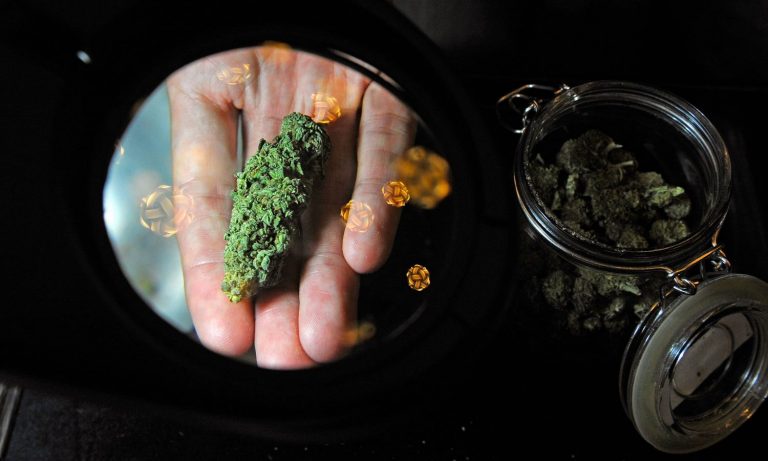
Hash is a concentrated form of cannabis resin. Also known as hashish, it’s the wax or liquid form of kief. The compound comes from the trichomes of unpollinated female cannabis. In less complicated words, in its natural form, hash is the sticky coating you can see on cannabis buds. It can be diluted into a butter or oil and used for cooking or for concentrates. It can also be smoked.
Hash is one of the most concentrated form of cannabis, featuring no other components aside from raw cannabinoids. While traditional weed has a THC potency of up to 25%-30%, hash has levels that range from 20%-70%. If there’s one thing you get out of reading all of this, it should be that hash will get you much higher than your average joint, and it should be approached carefully.
Photo by Wild0ne via Pixabay
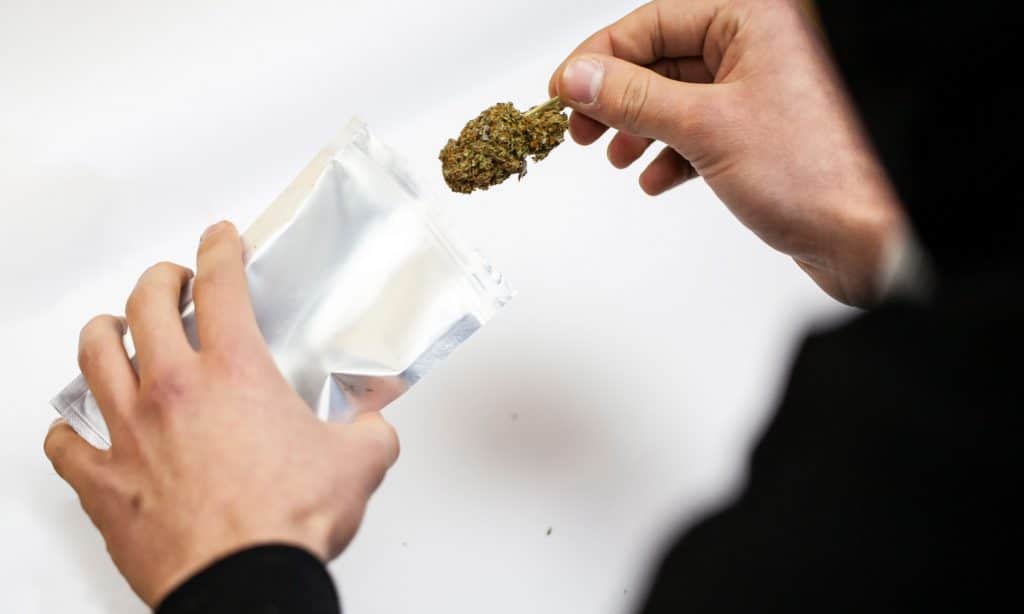
According to industry experts, hash has been on the rise in the U.S. These types of extracts are claiming bigger shares of the market, representing about 6% of sales. Hash can be found in different forms at dispensaries, including dry sift, bubble and wax. It can also be made at home through different process, including the use of dry ice and CO2.
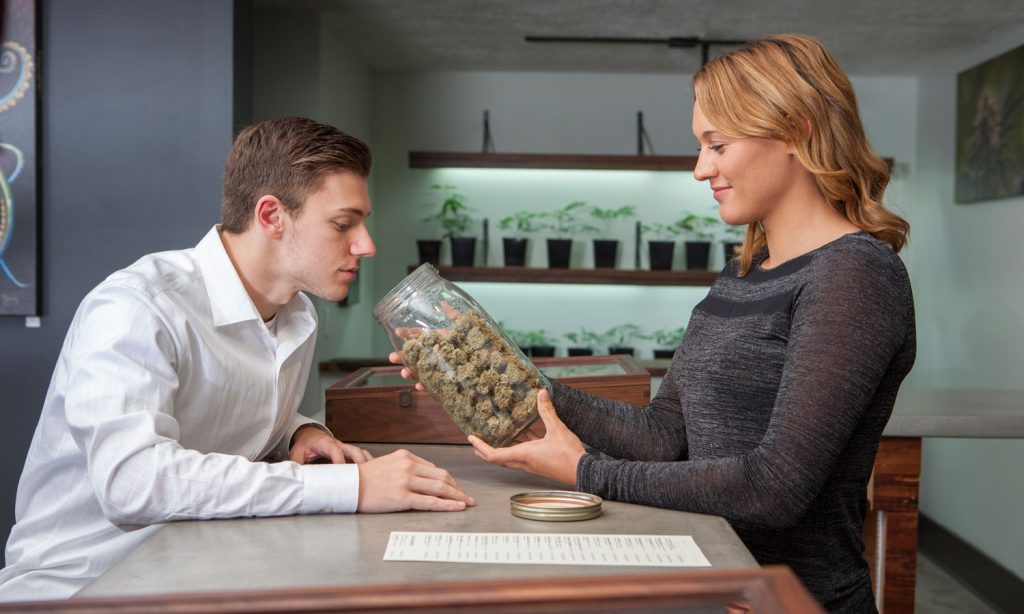
For those users who have not tried hash before and are curious about its effects, we suggest steering clear of black market purchases or home made recipes. Visit a trusted dispensary and ask your budtender for some recommendations of hash products, preferably something manageable. For your first time, your safest bet will be a traditional product made by a popular and trusted brand that has the appropriate certifications and quality assurances.
As more research finds that CBD can be a useful medicine for dogs and cats, the compound has become one alternative medicine that’s being considered much more now than ever before.
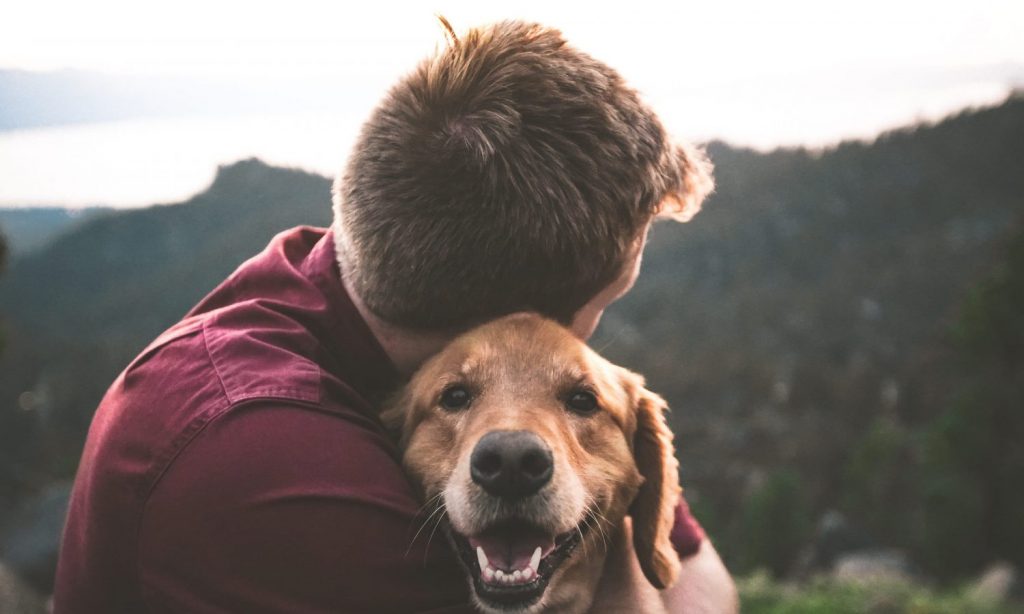
In the U.S. and many other countries, dogs and cats alike are adored as loving family members. The ASPCA has estimated that in the U.S. alone, 78 million dogs and 85.8 million cats are owned and treated as pets. Similarly, 44% of all American households have a dog as a pet, and 35% have a cat. Due to the abundance of pet dogs and cats, the demand for medical and veterinary services is significantly high, and it keeps growing. So what is the relationship between cannabis and veterinary medicine?
For decades, pharmaceutical medications and traditional treatment methods tended to be the norm. However, in recent years, cannabidiol (CBD) has been making a large splash within the veterinary medicine industry. So, stick around to learn about the unique relationship between cannabis, but specifically CBD and modern-day veterinary medicine.
CBD Usage and Pet Mammals—What the Research Says
As more research findings are released about CBD’s medicinal properties that can be reaped by mammals including dogs and cats, the compound has become one alternative medicine that’s being discussed and/or considered much more now than ever before.
To date, publications from Colorado State University (CSU) and Cornell University have documented the pharmacokinetics of CBD in dog subjects. The study reported that orally administered CBD (by mouth) is absorbed more effectively than transdermally administered CBD (applied on the skin’s surface). The study also found that orally administered CBD was well tolerated, which supports CBD’s solid safety profile.
Furthermore, a 2018 double-blind study was conducted by neurologist Stephanie McGrath from CSU to determine CBD’s ability to help treat seizures and epilepsy in dogs. It turns out that 89% of the dogs that received CBD experienced a reduction in seizure frequency. On a similar note, the cannabis-derived product called Epidiolex can be used by humans, but it can also be used in an extra label manner by veterinarians in accord with the Animal Medicinal Drug Use Clarification Act (AMDUCA).
To learn more about the relationship between cannabinoids like CBD and animals, especially dogs, American Kennel Club (the nation’s largest and oldest purebred dog registry) awarded a $350,000 grant for a three-year crossover study to focus on CBD administration for epileptic dogs.
Photo by Eric Ward via Unsplash
How Do Veterinarians View CBD?
In a 2018 nationwide study published in the journal Frontiers in Veterinary Science, numerous veterinarians shared their views about CBD in their industry. When asked about which medical ailments they’d potentially treat with CBD products, the most common replies were for pain management, anxiety relief, and seizure relief. And when vets were asked about the potential benefits of CBD for treating various health issues, they reported witnessing (either first-hand or via pet owner reports) that CBD was the most helpful for treating chronic and acute pain, anxiety, and reducing seizure frequency/severity.
The Progressive Growth of the Veterinary CBD Market
Not only is the global veterinary CBD market projected to reach $125 million USD by 2022, the number of companies within this space are accumulating and launching their own therapeutic-grade, food-grade, and/or personal care CBD products. For example, True Leaf Brands Inc. launched their own veterinarian-formulated CBD supplements, and this is only the beginning!
Can Veterinarians Recommend or Prescribe CBD to Pet Owners?
Although cannabis is legal in more than half of the country, this doesn’t mean that veterinarians can legally prescribe or dispense cannabis. However, within Colorado and California (via Assembly Bill #2215), cannabis-derived veterinary CBD is deemed legal and can be discussed with pet owners and recommended. Whereas, in New York, a bill was proposed to legalize medical cannabis for pets, but it’s still in the early stages.
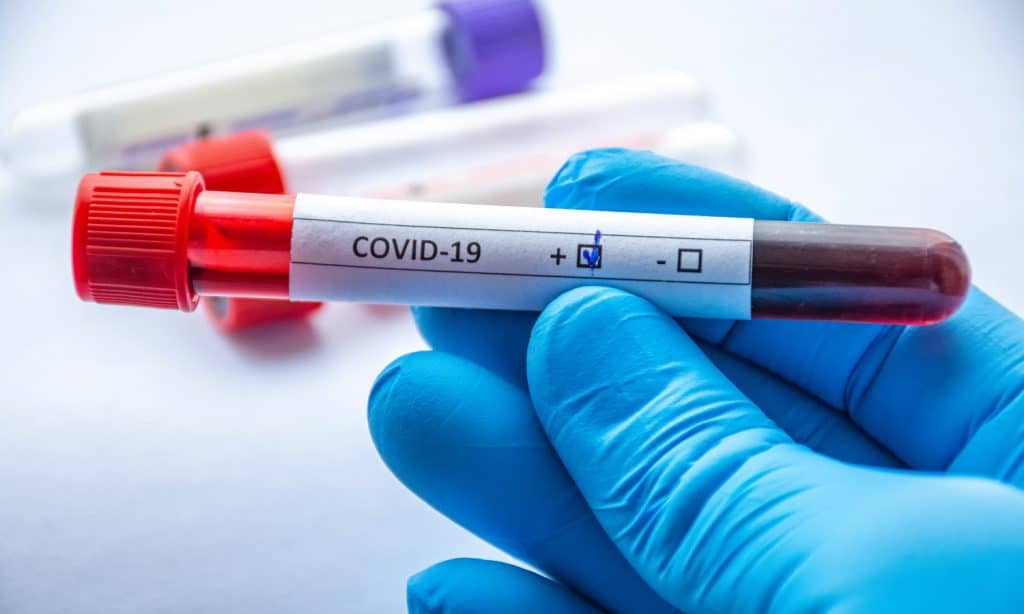
COVID-19 tests are improving in volume and accuracy, increasing the ways in which people can stay safe. But does this mean you should get them more often?
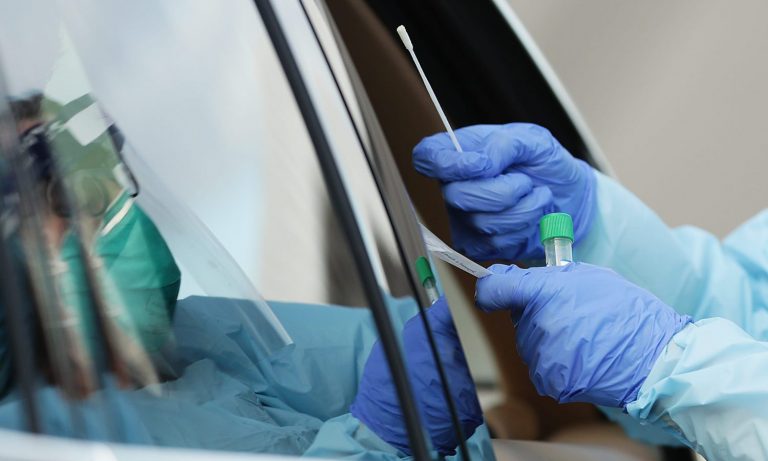
Across the U.S., COVID-19 tests are becoming more and more common. People take them if they think they’ve been exposed to COVID, out of curiosity, or if they want some peace of mind before meeting up with friends and family. Now that we’re going through a third wave of the pandemic, how often should you be getting tested? And would continual testing strain your city’s health system?
While testing capabilities have vastly improved throughout the year, it’s still too early for there to be unlimited and completely accurate testing methods. It’s unknown if hospitals and emergency centers would be able to cope with large amounts of testing while also dealing with large amounts of COVID-19 patients.
When discussing people whose health is compromised or who are in close contact with someone who is severely ill, regular testing could be another tool in their belts, another method used to stay safe. Despite this, experts warn that testing doesn’t replace mask wearing and proper social distancing guidelines.
Photo by Shidlovski/Getty Images
Dr. Suzanne Pham, medical director of the COVID-19 response team at Weiss Memorial Hospital in Chicago, explains to Health how timing plays a role in testing and why other measures are needed in order to stay safe and prevent the spread of the virus.
“Timing is an important factor when it comes to testing accuracy. If you were exposed an hour prior to getting tested, well, it’s highly unlikely that test is going to pick it up. It may take three, four, or five days for you to test positive.”
Photo by Medakit Ltd via Unsplash
People who get a test when their viral load is too low and before they develop symptoms have then a couple of days of thinking that they’re safe when they’re not, spreading the virus unintentionally.
Testing is improving all over the country, with every new batch of tests increasing in speed and accuracy. Still, we’re not at the point where we can rely solely on them to stay safe. Other measures such as mask wearing, hand washing and social distancing, although annoying and disruptive of the flow of everyday life, remain the most accurate way of staying safe.
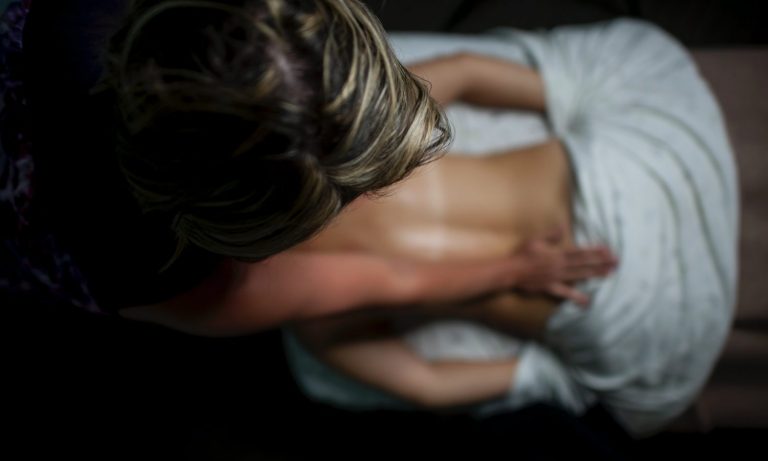
Massages are great anxiety killers, but what is your risk level of contracting COVID-19 during a session?
Many relaxing activities have been put on indefinite hold due to the pandemic. While nail and hair salons have been slowly crawling out of the woods, enforcing protective screens and measuring the temperature of clients, massage parlors haven’t been labeled as that high of a priority.
As is the case with most things COVID, it’s all up to your situation and personal circumstances. While a massage is not something you need, it is nice when you’re feeling stressed out. And, have you ever been more stressed out? It’s doubtful.
Here’s what you should know about getting a massage while there’s the coronavirus to consider:
When going out and exposing yourself, it’s important to evaluate your situation and level of risk. Keep in mind your age and whether you’re coping with pre-existing conditions. The person who is at lowest risk of the virus are those who are young and healthy. You should be aware of these risks before you choose to visit one of these establishments.
Be sure to look into different massage places and how they’re responding to COVID; how often they’re sanitizing, changing their sheets, whether they’re staggering costumers and if their employees are wearing masks. Give them a call ahead of time so you can plan it out and make an educated decision.
Masks should be worn at all times
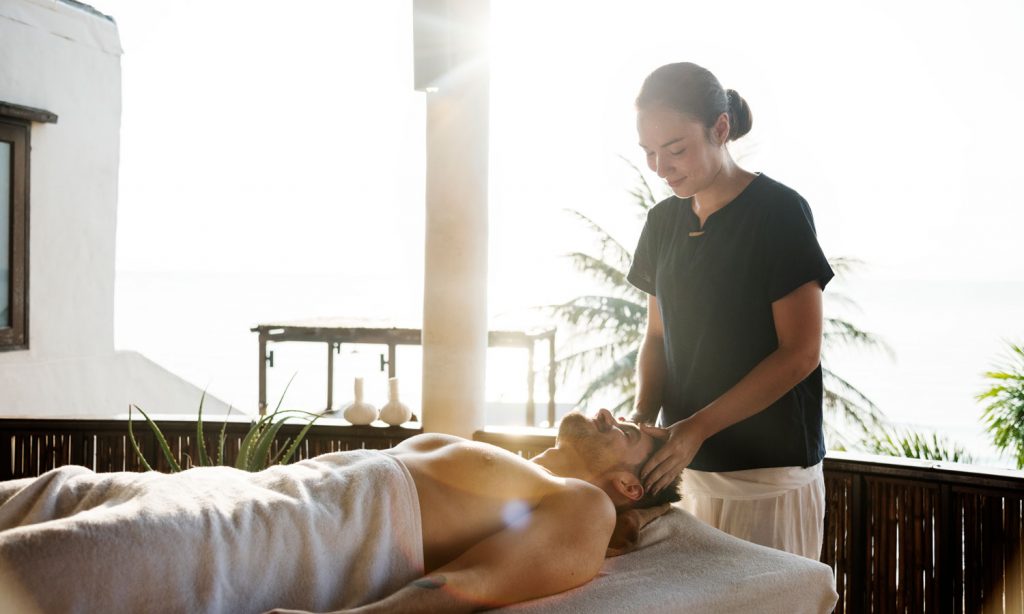
Once you’ve made your choice, it’s important to wear your mask throughout the massage and to ensure that whomever is doing your massage is wearing a mask also. Even if you’re facing down, your mask relatively controls your respiratory droplets, keeping the area and the person you’re with safe.
Not all spas are equal, which is why you should be careful and do your research ahead of time. Although bigger spas might be more fancy, they’re more likely to have more clients. The less people there are around, the better, with the establishment’s ventilation also playing an important part in keeping the air fresh and virus free.
You can also ask to see if you can schedule a masseuse to make a house call. While you’re still exposing yourself to a stranger, the variables will be under your control; make sure to get your massage somewhere near an open window, with good airflow, or, if you can, somewhere outdoors.
Some officials believe decriminalization only makes the drug problem worse, and that without harsh penalties, more people will use drugs recreationally and eventually become full blown addicts.
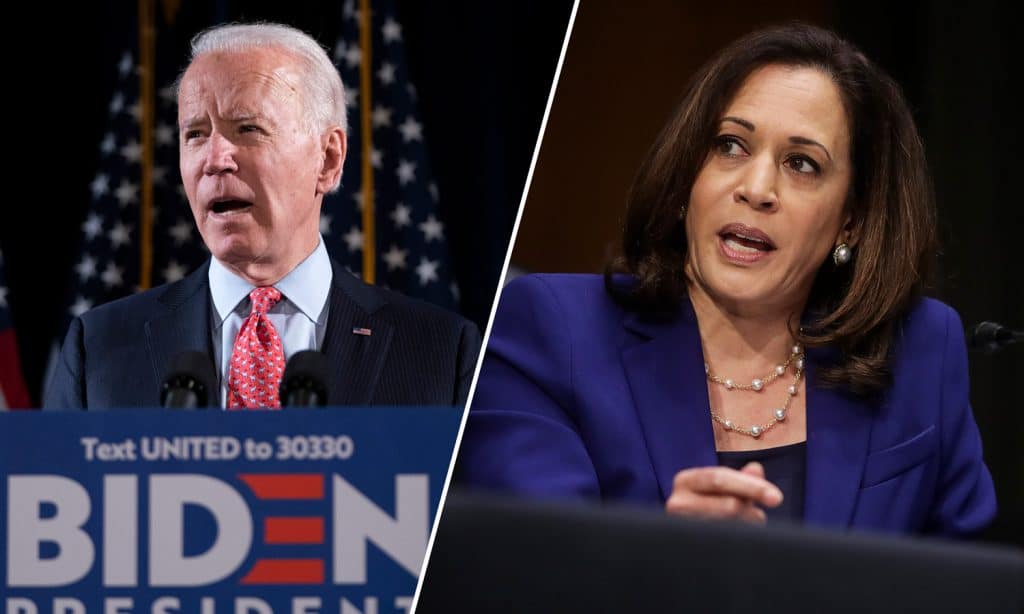
There is a lot of buzz right now on drug decriminalization. Not only did Oregon recently become the first state to decriminalize the possession of all illegal substances, but President-elect Joe Biden and VP-elect Kamala Harris have made it their mission to do this at the national level with marijuana. What is the difference between marijuana decriminalization and legalization.
Some Americans believe this means the new administration plans to legalize the leaf in a manner similar to alcohol. Only they would be dead wrong. There are some subtle differences between decriminalization and legalization. What are they? The devil is in the details.
When Oregon voters approved a measure to decriminalize the possession of heroin, methamphetamine, cocaine, and other hard drugs, they weren’t doing it so that people could get their hands on this stuff easier. It was a stab at decades of failed drug war policies, dictating that people caught holding this stuff should rot in jail. However, the new decriminalization law strips away these old school law enforcement practices, making it so that minor drug offenders (those caught in possession of small amounts of these substances) are simply issued a fine and entered into a drug recovery program rather than being thrown to the wolves of criminal justice.
However, there is a preconceived notion about what Oregon is preparing to do. Some believe the state is about to launch a fully legal drug market, making every dangerous substance is more accessible to addicts and first-time users. But that’s not what is happening. Not even close. There’s not going to be a legal system in place where a person can just walk into their local Heroin Store and buy whatever he or she wants. The new law simply prevents drug users from going to jail. Anyone busted for dealing drugs of any kind will still suffer the same prosecutorial wrath.
That’s decriminalization.
When a drug is legalized, like marijuana has been done in a slew of states, the law typically opens up a taxed and regulated market in which the substance can be manufactured and sold to adults 21 and older. Legalization is the guy who walks into a liquor store and walks out with a six-pack of beer. It’s the lady who enters a cannabis dispensary and buys an ounce of Blue Dream. Sure, there are often possession limits—you can’t just buy a pound of pot—but as long as a person doesn’t exceed the legal limit, there is never any risk of law enforcement hassles. There are no drug rehabilitation classes, no fines, and definitely no jail. Again, as long as the law is obeyed.
What the upcoming Biden administration is looking to do with marijuana is decriminalize it nationwide. Although we have yet to see any details of the plan, it will likely serve to eliminate the criminal penalties for those caught in possession of small amounts of weed and ensure that none of these people are being incarcerated. It will probably take it a step further by allowing those with minor pot convictions to have their criminal records expunged.
The measure would not legalize marijuana at the federal level—there wouldn’t be a retail system in place—nor would it apply to any other drug. That means if a person gets caught with small amounts of heroin, chances are they are going to be arrested and charged with a felony. Unless they are caught in Oregon.
Biden, who is against legalization and used to believe that pot was a gateway drug, now thinks the country should give consumers the benefit of the doubt. Only he wants them to continue answering to their indiscretions to some degree, like attending mandatory drug rehab if they are caught.
“I don’t believe anybody should be going to jail for drug use. They should be going into mandatory rehabilitation,” Biden said earlier this year. “We should be building rehab centers to have these people housed.”
Some officials believe decriminalization only makes the drug problem worse, and that without harsh penalties, more people will use drugs recreationally and eventually become full blown addicts. But that hasn’t been the case in places that have implemented this policy. Portugal decriminalized the possession of all illegal drugs in 2001, and the country still isn’t having the problems it once had. Instead, HIV-infections and drug-related deaths are down, and drug use has not suffered an increase. In fact, Portugal’s drug-use rates are well below the European average.
You need to know more about your cannabis…about what you’re putting into your body, why that matters, and if your dispensary is really doing their due diligence with what they’re selling you.
Dispensaries selling both adult use and medical cannabis have come a long way since 2014, when both product lines were regulated to be sold in cities such as Denver.
Back then, the budtender was a guy off the streets who thought selling marijuana sounded cool and most customers were just looking for strains with the highest THC content. That’s it.
A lot has changed.
Today, you, the cannabis consumer, have so many choices for how and where you shop for cannabis. That includes the classic mom and pop dispensary around the corner, the middling limited new-and-big brand carrier, all the way up to the high-end so-called luxury shops. The 40,000 square foot Planet 13 superstore in Las Vegas, with a selection of 500-plus cannabis products sold to over 1,600 customers a day who spent on average $124 each, can make you forget what you actually came to buy.
But what are you really purchasing from your friendly neighborhood dispensary? Labels are supposed to tell you more than just the THC and CBD content split. And chances are, even as the industry continues cracking down on mislabeling, you are getting more than you bargained for—and it’s not just more or less of THC or CBD than the label says you are getting.
Studies report that cannabis can be contaminated with pesticides, heavy metals, microbial pathogens, and carcinogenic compounds during the cultivation, manufacturing, and packaging processes.
Cannabis is a phytoremediator, which means it naturally draws up heavy metals like chromium and nickel from the soil. Though most of the heavy metals it sucks up stay in the roots, there have been instances of it drawn up into the leaves of the plant.
So now you have to wonder if that cannabis you are buying was grown in soil that may have contained some of these heavy metals. Didn’t think about that? Why would you. The plant is supposed to be your friend. Did your dispensary test for the metals? Likely so. States like California have strict testing rules with a list of allowable levels of pesticides and other contaminants for which the cannabis producer provides a small sample of a dispensary’s cannabis. They also have allowable levels for heavy metals like lead, arsenic and mercury.
Photo by mikroman6/Getty Images
But how much of a product that goes for up to $500 an ounce is your dispensary willing to give up for this required testing? Maybe the tiny bit they submit wasn’t from the batch that had the bud(s) you purchased. And if a little bit of an ounce tests okay, does that also mean the whole ounce is okay? Hmmm.
Other studies have identified several fungal organisms in dispensary-produced cannabis, including Penicillium, used in the production of blue and white cheeses; Aspergillus, a common indoor/outdoor fungus; and the mysterious Fusarium, a common worldwide crop plant infection.
Both Penicillium and Aspergillus have been known to produce aflatoxins, which are deadly molds that move from dead and decaying vegetation onto cannabis plants.
Aspergillus is particularly devastating. It’s found in the soil as naturally occurring organic soil debris. But its spores fly around indoors and outdoors, getting onto the leaves of the growing cannabis plant and eventually, into a consumer’s lungs when smoked. Smoking the cannabis product isn’t hot enough to kill the spores. It can infect the lungs, and quickly spread to the heart, kidneys and brain.
Photo by Heath Korvola / Getty Images
So why not just test for and remove these dangerous contaminants out of the all of the plant before it’s okay to sell it? It’s sort of expensive and time consuming. Maybe your dispensary does that, maybe it doesn’t. But are there standards to follow?
Well, not just yet. The United States Pharmacopeia (USP) says that the standards for cannabis should include laboratory verification of an identity as cannabis, including any distinctions from hemp depending on the jurisdiction; quantitative composition of cannabinoids; and tests to help ensure minimal exposure to contaminants such as pathogenic microorganisms, toxic elemental contaminants, mycotoxins, and pesticide residues.
Will that be happening soon? Nope. The Feds won’t allow it. Hah—that old Catch 22 again.
In 2016, USP published a Stimuli article analyzing the advisability and feasibility of developing public quality standards for cannabis for medical purposes, and USP’s potential role in developing such standards.
On the basis of public feedback, USP concluded that the development of quality standards for cannabis was “feasible and necessary,” but that inclusion of such standards in a legally recognized official compendium was “not advisable given the current legal status of cannabis at the U.S. federal level.”
Oh, okay. So you and your budtender probably never venture beyond the usual dialogue: “How do you want to feel?” “What terpenes do you like?” “Do you want to be buzzed for hours, or have a slow rise and slow decline in the effect?”
But you need to know more about your cannabis…about what you are putting into your body, why that matters, and if your dispensary is really doing their due diligence on all aspects of the agriculture product they are selling you.
Getting high is one thing. Getting dead is another.
Need a hit first thing in the morning? Here’s how to do it without ruining the rest of your day.
“Wake and bake” is one of those expressions that will never go out of style. While not every cannabis consumer actively practices it, we all know what it means, whether we smoke marijuana or not.
Wake and bake is a practice that a lot of people believe in. Who doesn’t like a toke first thing in the morning? Incorporating marijuana early in your routine can add a shimmer to your day, making its challenges more manageable. In a way, it’s kind of like coffee, but stronger.
Like most things cannabis, wake and bake depends on the user. There’s no science behind it, but cannabis users believe that the plant produces a much stronger buzz when enjoyed in the morning, perhaps because the body isn’t fully awake and your brain can process things more intensely.
While there are people out there who can do just abut everything after smoking weed, whether attending work meetings or having a vigorous workout, for those who are curious and have not yet practiced it, the best way to approach wake and bake would be to do it on a lazy Saturday or Sunday. Here are a few tips on how to wake and bake successfully.
Before getting an early high, be sure to stock your pantry and fridge with all the snacks you want. Make sure your schedule is clear, and prepare a relaxing playlist or choose a movie to watch so you can focus on relaxing when you wake up.
Pace yourself
Photo by rawpixel.com
If you’ve never smoked in the morning before, pace yourself. While there won’t be much difference when compared to smoking at night, if you smoke too much you might end up sleeping all day, which might not be in your plans. Still, not such a bad way to spend a day off.
One of the great things about smoking marijuana is eating, so order in something you love or prepare a filling breakfast. Try to eat soon after the first hit, that way you keep your body energized and your mood lifted.
Stay hydrated
Photo by TapisRouge via Pixabay
Dry eyes and dry mouth are not the most comfortable, especially when you’re experiencing them in the morning. Remember to drink water throughout the day, before and after your session. Aside from being a great habit, drinking water regularly will keep your body hydrated and will also make you feel less groggy once the THC leaves your body.
NBA star and cannabis entrepreneur Al Harrington took some time to discuss what’s next for pot pros post-Election Day.
Last week, marijuana legalization initiatives passed in five states: Arizona, Mississippi, New Jersey, Montana, and South Dakota. Stocks such as Aurora Cannabis and Tilray absolutely surged in the days that followed.
Many cannabis pros also rejoiced, including NBA star and cannabis entrepreneur Al Harrington.
The Viola founder has championed the industry in more ways than one. For Harrington, the nation’s leading Black-owned MSO chief and cannabis licensee holder, raising awareness on social equity and minority representation in the cannabis space is just as important as producing high-quality products.
And mass incarceration of Black and Brown communities for non-violent drug crimes is “one major issue” that continues to “plague” the industry, he told Benzinga.
Social justice and equality is a core component of the Viola mission, as evidenced by the launching of programs like Viola Cares, which advocates for folks disproportionately affected by the war on drugs, and a startup incubator focused on creating 10,000 cannabis jobs.
Harrington took some time to discuss what’s next for pot pros post-Election Day, and the “one major issue” professionals and regulators need to address.
BZ: I recall your appearance on a Benzinga Cannabis Hour episode where you said “California is an example of what not to do.” How do New Jersey and Arizona, for example, avoid those same pitfalls?
A.H.: With the current state of cannabis legislative and regulatory initiatives being so sporadic across the United States, one of the major barriers to entry that Black and other minorities face within the industry, is proper access to capital and overall support that will set individuals and small businesses up for success. Without these typical financing channels, there is an uneven starting line for folks trying to start a business, and disproportionately, minorities bear more of a burden.
Ideally, there needs to be more financial resources and access to capital folded into social equity programs. The complicated bureaucracy has deterred a lot of Californians from obtaining licenses, and this issue has been further compounded by the pandemic, with the formation of the Department of Cannabis Control now on hold. Folks, especially of low-income, put so much at stake just for the chance at obtaining a license and prolonging this approval process really ostracizes the working class who can’t afford to simply “wait it out.” Both New Jersey and Arizona would benefit from a fully staffed, and streamlined regulatory system from the start.
What are the implications of new cannabis legalization: decriminalization, war on drugs reparations, etc.?
With more legalization unfolding in the country, there still remains the one major issue that has been plaguing minority communities over the decades: the mass incarceration of Black and Brown communities for non-violent drug crimes. It’s a necessary conversation to have when we talk about the decriminalization of marijuana because so much of the plant’s history in our country is rooted in its disproportionate criminalization and over-policing.
I’ve seen it in my childhood and it is still happening today. I think the new legislation passed needs to address and challenge this hard truth that’s destroying our communities and families. For me, legalization is a great step but to truly move forward means folding expungement into supporting policy and assuring war on drugs reparations is factored into who these fundraising mechanisms prioritize.
What are the necessary steps to drive cannabis’ expansion into an equitable landscape?
There’s a whole universe of steps to get us to an equitable cannabis landscape. What I continue to fall on are the pillars that are a constant for the Viola family: Education, Incubation, Employment, Community Outreach. All these factors are the basic elements to achieve equity. In my experience within the industry, the leading barriers minorities face in entering the cannabis space is basic access to capital, lack of knowledge and lack of influence in a regulatory environment. When we provide resources to address the root of these obstacles, not only do we give disenfranchised communities the tools to be successful in the space, but open up the floodgates to generational wealth.
Were you surprised by the way the five states voted on Election Night?
I wasn’t surprised. These wins in the cannabis space were to be expected. We’ve seen the success of the business grow over time, but this year has really reinforced how important the marijuana industry is. When we are categorizing cannabis dispensaries as an essential business, and seeing companies in this sector being one of the few that weathers the pandemic well, these are key indicators that really spell out how necessary and viable this industry truly is.
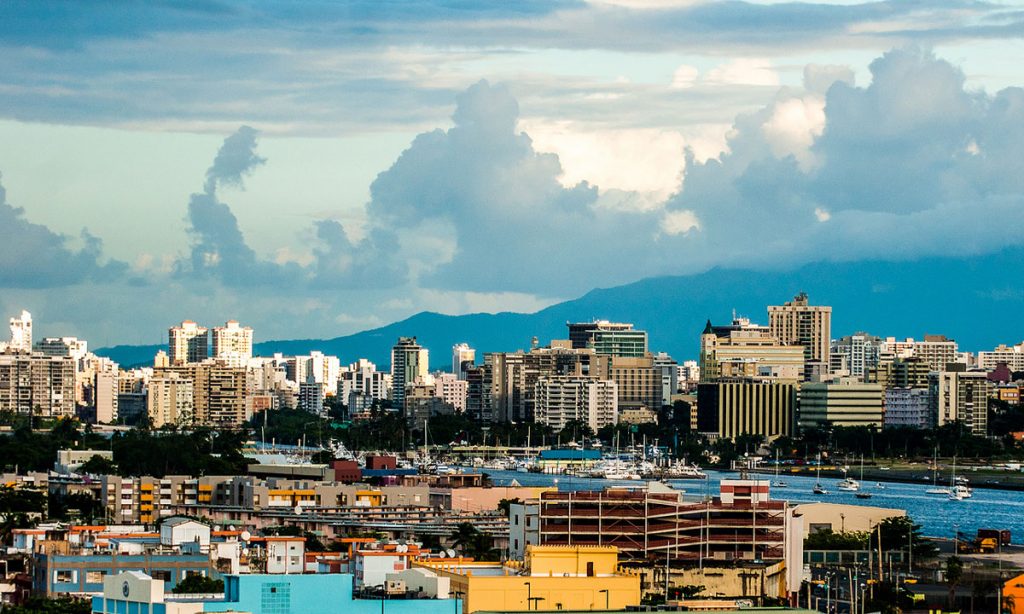
As more U.S. states—even highly conservative ones—welcome recreational cannabis, the pro-statehood party may increasingly warm up to legalization.
Last month, in Puerto Rico: November Surprise for Recreational Cannabis?, we proposed that a victory by opposition candidate Charlie Delgado “might be Puerto Rico’s best shot at recreational cannabis legalization.” As of 2:00 PM local time on November 5, Delgado has not conceded the race. However, the results so far suggest that the island’s next governor will be Pedro Pierluisi, who previously served as Puerto Rico’s congressional delegate. While in Congress, Pierluisi caucused with the Democrats, but his main affiliation is with the pro-statehood New Progressive Party (PNP).
At first glance, a Pierluisi administration does not appear to bode well for cannabis legalization. Back in 2015, Pierluisi expressed “concern” over then-Gov. Alejandro García Padilla’s executive order legalizing medical cannabis. In 2013, he plainly stated he was against cannabis decriminalization.
Of course, five or seven years is a long time in politics, especially when it comes to issues where public opinion is fast-shifting. It is therefore possible Pierluisi’s views on cannabis have evolved since then. However, there is no indication of such a shift in the public record.
At this stage, it is hard to envision any impetus for cannabis reform from the governor’s mansion. The legislature, however, might be a different story. Delgado’s party, the Popular Democratic Party (PPD) appears set to take a greater number of seats than the PNP in both chambers, plus there will be a greater third-party presence than in years past; the PPD may need to work together with these parties to achieve working majorities.
Alexandra Lúgaro, the leader of one of the newly represented parties, is openly in favor of cannabis legalization, as is the leader of the Puerto Rican Independence Party (PIP), Juan Dalmau (the PIP has been around since 1946, but under Dalmau its gubernatorial vote grew sixfold).
Photo by Fickr user Ricardo’s Photography (Thanks to all the fans!!!)
Overall, forces outside the traditional PNP-PPD duopoly had an unprecedentedly strong showing in this year’s elections. Pierluisi will surely be aware of the fact he was elected with around 33% of the vote, compared to the 42% received by former Gov. Ricardo Rosselló in 2016. Lúgaro took over 14% of the vote and Dalmau was not far behind, while another third-party candidate won a further 7% of the vote, showing a growing desire for nontraditional political alternatives. It is reasonable to expect Pierluisi will look for ways to counter this rising tide. At a minimum, it may give him pause before opposing measures seeking to legalize recreational cannabis.
Even within the PNP there might be changes. As more U.S. states—even highly conservative ones—welcome recreational cannabis, the pro-statehood party may increasingly warm up to legalization.
Fred Rocafort is a former diplomat who joined Harris Bricken after more than a decade of international legal experience, primarily in China, Vietnam, and Thailand. This article originally appeared on the Canna Law Blog and has been reposted with permission.
Disclaimer:The views expressed in this article solely belong to the author and do not necessarily represent those of The Fresh Toast.
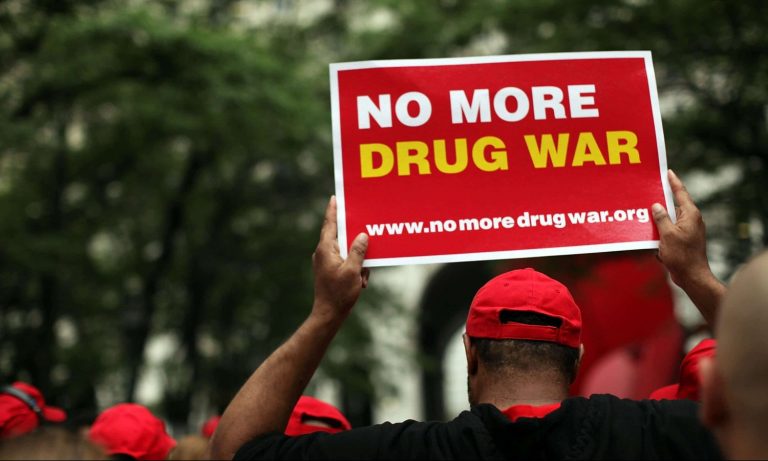
There are many other factors involved in influencing levels of violence, but clearly the Drug War does not contribute to social peace, and we need to learn from other countries.
While I am deeply sympathetic with the slogan “No Justice! No Peace!” I’m afraid they have it backwards.
The United States, the self-proclaimed “leader of the Free World” has less than 5% of the world population, but almost 25% of the world’s prison population. We are indeed, Number One! USA! USA! We even have more prisoners than China.
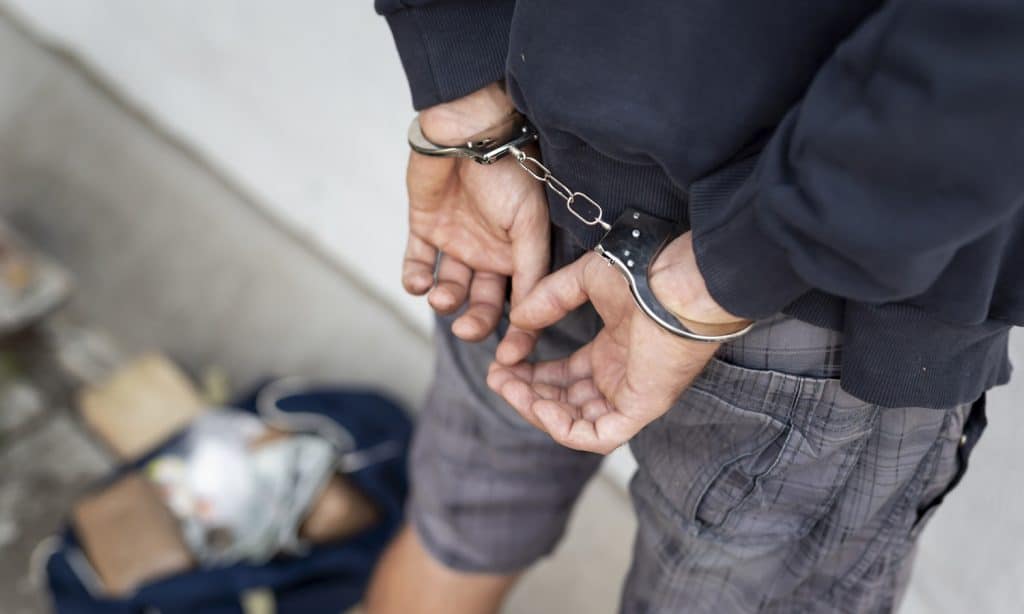
The violence of the Drug War manifests itself in several ways, but the major part of “law enforcement” violence does not involve police shootings that provoke violent demonstrations, but rather the peaceful arrests of over half a million marijuana users who go quietly because they do not have any choice.
These “non-violent” arrests exceed the total number of arrests for all violent crimes combined. They also represent a huge waste of law enforcement resources that could have been much better utilized in dealing with actual violent crimes.
According to Statistica, “There were 101,120 strong-arm robberies in the United States in 2019. A strong-arm robbery involves the perpetrator using a weapon (either real or fake) in combination with a threat of force…”
Of course, those numbers only include those robberies reported to the police, so they do not include robberies committed within the contraband drug markets.
Now consider Portugal’s experience. Twenty years ago, it “decriminalized” possession of all drugs.
“Decriminalization does not mean no penalties, just no incarceration. People caught possessing or using illicit drugs may be penalized by regional panels made up of social workers, medical professionals and drug experts. The panels can refer people to drug treatment programs, hand out fines or impose community service.
“A lot of the benefits over the years from Portugal’s policy shift have come not from decriminalization per se, but in the expansion of substance-use disorder treatment. Such a move might bring the most tangible benefit to the United States.”
“In turn, the country made financial investments in harm reduction and treatment services. Research in the United States shows a dollar spent on treatment saves more than a dollar in crime reduction.
“Opioid overdose deaths fell after Portugal’s policy change. So did new cases of diseases associated with injection drug use, such as hepatitis C and H.I.V. This latter change could also be a result of increases in needle exchange programs in the country. Those programs often meet opposition in the United States, but a cost-effectiveness analysis published in 2014 replicated the research of others in finding that a dollar invested in syringe exchange programs in the United States saves at least six dollars in avoided costs associated with H.I.V. alone.
“Harm reduction through needle exchanges and greater treatment availability are among the reasons for the wide disparity in drug overdose deaths between the United States (with a rising and staggering total of nearly 72,000 last year) and European countries like Portugal (which typically has well below 100 such deaths a year). These reflect a different mind-set on addiction; in Portugal, it’s treated strictly as a disease.”
It is also important to note that Portugal ranks third on the “Global Peace Index” among all countries. The United States ranks 128th, just ahead of Saudi Arabia! Mexico is 140th. The Netherlands, where cannabis has been sold over-the-counter for decades, ranks 17th.
Of course, there are many other factors involved in influencing levels of violence, but clearly the Drug War does not contribute to social peace, and we need to learn from other countries.