Monday, June 22, 2026
Home Blog Page 559

You Should Reconsider Using Store-Bought CBD To Treat Seizures

Among patients with rare forms of epilepsy, artisanal CBD increased seizures while pharmaceutical CBD caused seizure reduction.

When cannabidiol (CBD) became a recommended wellness product for balancing aches, moods, and inflammation, it created a multi-billion-dollar industry designed at capturing this suddenly booming market. Multiple brands blossomed, wrapping their goods in artisanal packaging and approachable design to uninformed consumers. Not all these companies acted in bad faith, but just as many viewed it as product to be sold, complicating the matter for those who needed it as medicine.

If you are using CBD to treat illnesses like epilepsy, you should reconsider where you’re getting your goods from. According to new research, children and teenagers using pharmaceutical-grade CBD experienced higher levels of seizure control than those using artisanal CBD goods. A couple years ago, the Food and Drug Administration approved using marijuana-derived medication to treat two rare forms of childhood epilepsy, Dravet syndrome and Lennox-Gastaut syndrome, because patients didn’t respond to traditional medicine.

Some have mistaken this news to mean all CBD goods will treats epileptic patients equally, but this new study shows how artisanal CBD often contains unreliable CBD levels. Artisanal CBD can mistakenly contain THC, the psychoactive cannabinoid in marijuana, even when labels declare the product “THC-free.” Pharmaceutical-grade CBD does not have any THC, according to researchers.

RELATED: Marijuana’s CBD Can Help Sufferers Of Lennox–Gastaut Syndrome

“The use of medical cannabis to treat various medical conditions has grown in recent years. While not always legal, artisanal CBD has been available longer, so some people have been using it to treat epilepsy for years,” study author Nathan T. Cohen said in a statement. “They may want to reconsider because our research indicates that pharmaceutical CBD may indeed be more effective than artisanal CBD.”

CBD Might Help Treat Seizures Triggered By Rare Genetic Disorder
Photo by geralt via Pixabay

In the small study, which will be published later this year, scientists followed 31 children and teens with an average age of 10 for about a year. Each of the participants had some form of epilepsy, including 32% with Lennox-Gastaut syndrome and 6% with Dravet syndrome. Among this group, 22 patients were using pharmaceutical CBD while the other nine took artisanal CBD. Scientists then recorded variables like seizure history, doses of CBD, CBD levels in the blood, reduction in seizures, and whether anyone experienced any side effects.

Most striking in the small sample size is how CBD treated the number of seizures in patients. At around the year mark, researchers reported that patients taking artisanal CBD had a 70% increase in seizures while those using pharmaceutical CBD had a 39% decrease. In addition, pharmaceutical CBD resulted in around four times the CBD serum levels in a patients blood when compared to artisanal CBD.

RELATED: The Truth About CBD: What’s Real And What’s Hype?

It’s worth adding that 11 patients taking pharmaceutical CBD experienced adverse side effects, including appetite loss, nausea, drowsiness, and diarrhea. These side effects caused six participants to stop taking CBD. Researchers added the sample size was too small to draw definitive conclusions, but hopes the information will help patients and physicians.

“It’s our practice, when appropriate, to encourage transition from artisanal to pharmaceutical CBD,” Cohen told MedPage Today. “We hope that physicians—and patients and their families—can use this data to help make better-informed decisions about cannabidiol-based products to treat pharmaco-resistant epilepsy.
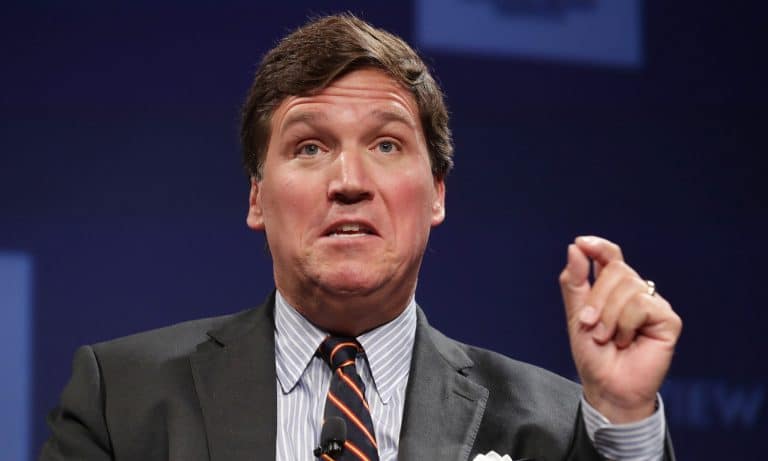
Tucker Carlson Is High On Reefer Madness

The FOX News host has an obsession with marijuana, and his reefer madness is becoming unhealthy for everyone involved.

Apparently, this is Tucker Carlson’s schtick now. Incite decades-old and debunked reefer madness to enrage conservative listeners about the secret, evil plan to legalize marijuana and brainwash Americans. It seems Tucker Carlson is high on Reefer Madness.

He told viewers last November Democrats supported cannabis reform so they could dumb down young voters and numb them out. The House, Carlson said the month prior, passed the SAFE Banking Act so it would “be easier to sell drugs to Americans.” (Marijuana companies aren’t afforded same financial advantages as small business across the country, meaning if they fail, bankruptcy isn’t an option.) He also blamed the tragic mass shootings on cannabis, using widely discredited science to link chronic marijuana use to acts of violence.

You would think viewers would catch on to the act by now. But Tucker Carlson saw Donald Trump doubling down on his anti-marijuana rhetoric, and said, watch what I can do. In a recent segment, Carlson dismissed the War on Drugs as not that serious and characterized Bernie Sanders’ intention to legalize cannabis through executive order as a conspiracy against the underemployed middle class.

RELATED: Do The Feds Really Think Marijuana Is As Dangerous As Heroin?

“Oh, the war on drugs! Bernie Sanders talks about that in every speech he gives,” Carlson said, as captured by Mediate. “A declining country with a sad underemployed middle class obviously needs to smoke a ton more weed. That’s Bernie’s solution…Fire up a bowl. Numb out. Maybe you won’t notice.”

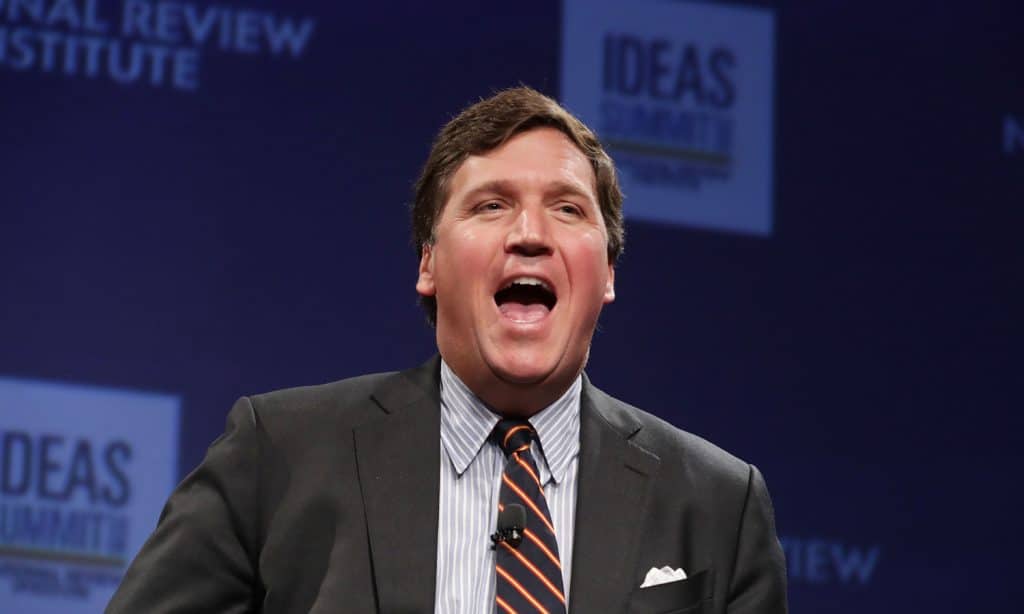
Tucker Carlson- Dems Support Marijuana, With Hopes You'll Be Too High To Pay Student Loans
Photo by Chip Somodevilla/Staff/Getty Images

But Carlson revealed his more sinister opinions when discussing social equality in the cannabis industry. Under Sanders’ plan, communities of color disproportionately affected by the War on Drugs will be given funding and opportunity to launch marijuana businesses. As Sanders said at a recent debate, this will allow small-time as well as minority-owned “businesses to sell legal marijuana rather than let a few corporations…control the legalized marijuana market.”

Carlson took this as an opportunity to incite moral panic in white, conservative audiences.

“Where is this weed going to come from? Bernie has a plan for that, too. Black people are going to sell it to you,” he said.

RELATED: Bernie Sanders Says He’ll Legalize Marijuana First Day As President — Is That Possible?

“So first, they fill black neighborhoods with abortion clinics. Now the frontrunner is encouraging more black kids to sell drugs, but somehow this is the party that loves black America.”

Who is this racist prohibitionist rhetoric playing to? The majority of Americans now support marijuana legalization, according to the latest polling data. Every generation except those ages 73 and older, otherwise known as The Silent Generation, believe in ending cannabis prohibition. If this schtick is working on anyone, perhaps there’s your demographic.

Coronavirus Fears Abating In China As Vape Production Fires Back Up

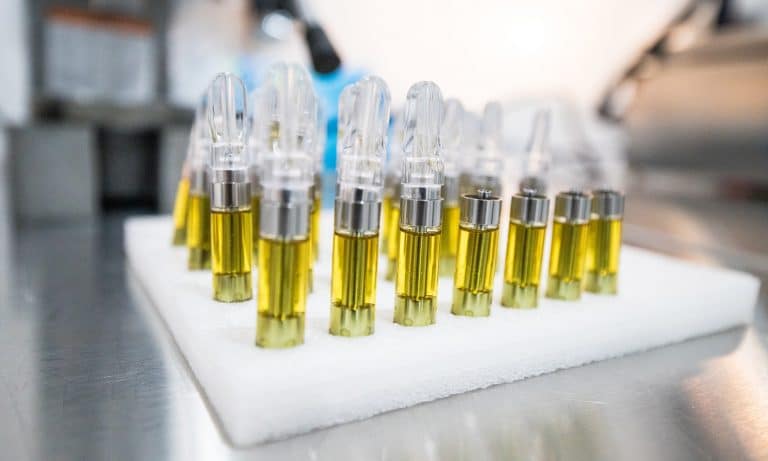
Vape pens are still the second biggest cannabis category behind flower. In the U.S., sales rose from 21% of the market in 2018 to 23% of the market in 2019.

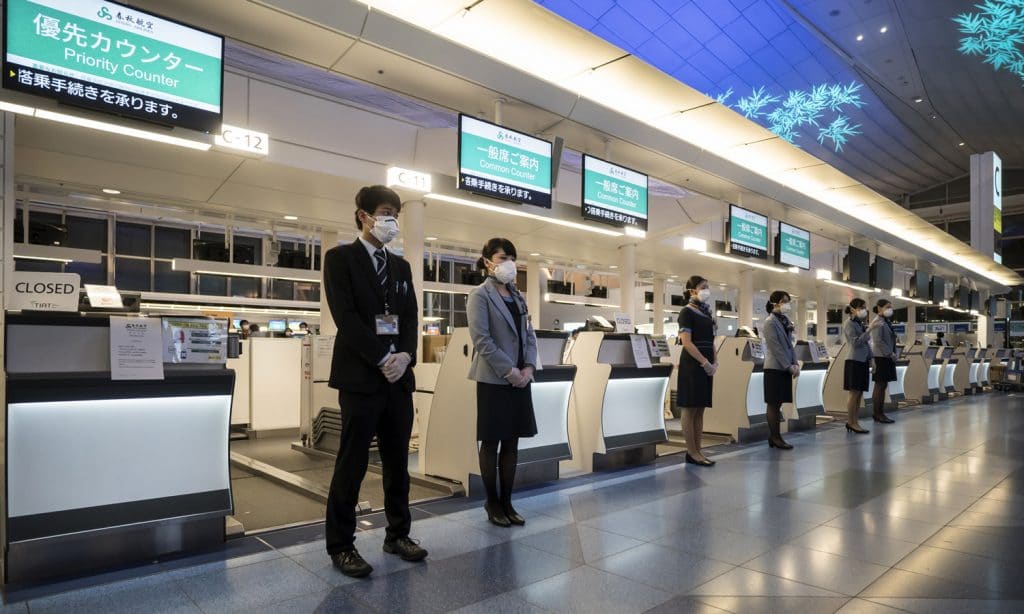
TILT Holdings Inc.  (CSE: TILT) (OTCQB: TLLTF) vape subsidiary Jupiter Research said it was back online following Chinese New Year and minor delays associated with the novel coronavirus COVID-19. The virus caused many parts of the country to impose strict quarantines on its residents. This resulted in several factories having to shut down as employees stayed home.

“We are proud to report that manufacturing lines have been open since February 17, 2020, and can confirm our first post-Chinese New Year ocean and air shipments are en route,” stated Mark Scatterday, CEO of TILT and founder/CEO of Jupiter Research. “Each year, Jupiter strategically forecasts inventory positions for the Chinese New Year holiday and beyond, which aims to navigate our customers’ needs when production is halted for a variety of reasons. With the product on hand stateside, our sales team has been actively receiving orders and fulfilling customer requests, along with our in-house print operations increasing capacity for domestic fulfillment.”

The vape industry struggled throughout 2019 as the vape crisis caused numerous deaths and multiple hospitalizations. The FDA ultimately determined that it was illicit market vape products that had caused the crisis. These companies were adding in fillers like Vitamin E which had disastrous results. Consumers have now learned to only purchase products from reputable sources.

RELATED: As China’s Hemp Industry Suffers, US Hemp Growers Prepare To Pounce

“The Coronavirus outbreak in China has caused production delays across all industries, including ours, which produce products in Shenzhen and other manufacturing hubs along the China coast. Jupiter’s customer’s orders are being produced and shipped, which shows progress our manufacturers and Asian operations team have made. Our inventory position paired with our in-house print production has enabled our ability to continue placing P.O.’s, fulfill both custom and stock orders, and navigate the future potential for unforeseen delays in manufacturing,” added Mr. Scatterday.

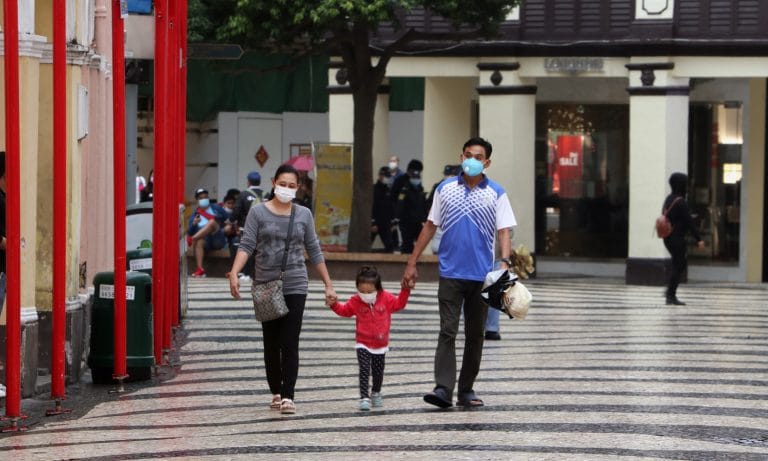
How The Coronavirus Surprisingly Affects The Marijuana Industry
Photo by Tomohiro Ohsumi/Stringer/Getty Images

The pause in production in China may have been an unexpected pleasant surprise. According to Cowen analyst Vivien Azer, the industry was reporting high levels of oil inventory. Vape pens are still the second biggest cannabis category behind flower, and in the U.S. sales rose from 21% of the market in 2018 to 23% of the market in 2019 according to data provided by Headset and Cowen.

RELATED: How Safe Do Consumers Really Feel After Recent Vaping Illness?

A TILT statement said that all of its raw materials undergo a UV sterilization process prior to entering the production floor. Medical grade ethanol, known as an antiseptic for its bactericidal and antifungal effects, is currently used to clean the assembled components at several stages of the manufacturing process.

“Our ongoing commitment at Jupiter is to employee and customer safety, and the highest level of manufacturing processes,” Mr. Scatterday said. “We are optimistic for the future, and we appreciate our customers’ continued confidence and support.”

This article originally appeared on Green Market Report.

Can You Trust CBD Ads On Social Media?

Despite CBD’s wide reaching popularity, purchasing these products requires a good amount of research and care.

Social media is a great place to look for products, because whether it’s Instagram or Facebook, these platforms can easily connect you with stuff you enjoy. There’s also an algorithm that keeps track of your online behavior, showing you products that fit your tastes. As of late, however, social media has become a space filled with ads and sponsored posts. This should make us all think twice before hitting that purchase button, especially when it comes to CBD.

While it’s easy to trust clothing brands and the like, Instagram and other social media sites have a complicated relationship with health supplements, which is the category where CBD falls.

RELATED: How To Spot Fake CBD

Despite not having FDA approval, many businesses have tried to cash in on CBD, developing their own versions of the product and trying to get as many people as possible invested in their business. Add this to the fact that influencers are now getting paid to sponsor products they likely don’t even try out, and you get high odds of purchasing something that isn’t worth your money.

Which Royals Have Secret Social Media Accounts?
Photo by rawpixel.com

Different studies have demonstrated that marijuana related health claims made on social media are mostly made up of lies and exaggerations. These statements are made without having any scientific support, the majority of them spread by bots. These claims are even more off base when applied to CBD, a compound that has different businesses claiming it can cure all sorts of diseases.

RELATED: Social Media Bans On CBD Ads Make No Sense

CBD stands in a precarious position right now, with many businesses capitalizing on the fact that there are no guidelines, regulations and that people are vastly misinformed. While influencers are great sources of information for makeup products, music recommendations and video game reviews, when it comes to elements that could have a significant impact on your health, you’re better off confiding with an expert or doing your own research.

Before purchasing a CBD product, it’s always important to verify the website, look for certificates of analysis (COA) and try to get a complete picture of what’s in the product. It might not be a fun process, but it will likely connect you with a product that actually delivers on its promises and that will leave you with a positive impression regarding the compound.

Study Finds Link Between Depression And Marijuana Use During Pregnancy

0

Researchers from Columbia University found that women with depression are more than three times as likely to use cannabis during pregnancy.

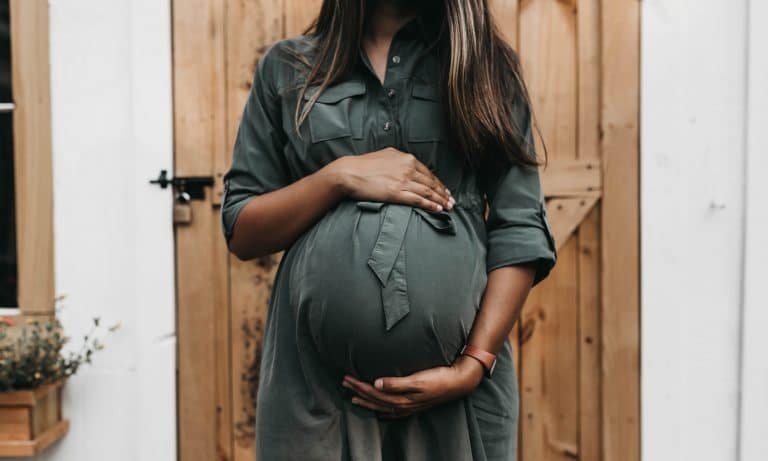
Using marijuana while pregnant is among the most debated topics in the cannabis space right now. Some studies found babies exposed to marijuana in their mother’s womb were later undersized and could result in premature births. Others question the efficacy of such research. We don’t know if the damage caused is because of the THC cannabinoid, or if inhaling smoke of any substance is to blame.

What we do know is that more women than ever are using marijuana while pregnant. In California, cannabis use during pregnancy doubled between 2009 and 2016. And now, new research from Columbia University has determined that depression could play a meaningful role on whether a pregnant woman does or doesn’t use cannabis.

The study, published in the Drug and Alcohol Dependence journal, found that women with depression are more than three times as likely to use cannabis during pregnancy. In fact, more than one in 10 pregnant women with depression admitted to past-month marijuana use. For teenagers, that figure jumps dramatically; one in four pregnant teens with depression said they used cannabis in the past month.

RELATED: Study Links Marijuana And Pregnancy Use To Infant Health Risks

“Our findings are timely given rapidly shifting perceptions about risks associated with cannabis use and its legalization,” lead study author Renee Goodwin said in a statement. “We found the prevalence of cannabis use was much higher among those with depression who perceived no risk (24%) relative to those who perceived moderate-great risk associated with use (5.5%).”

pregnancy and marijuana use, prenatal exposure
Photo by freestocks.org via Pexels

Researchers analyzed data from the 2005-2018 National Survey on Drug Use and Health, which is a cross-sectional annual survey of Americans ages 12 and older. Scientists considered the individual a “current cannabis user” if they had used marijuana at least once in the past 30 days. They then investigated what role depression had in these responses, as well as if the perception of risk associated with marijuana influenced decision making.

Pregnant women without depression varied greatly on using cannabis depending on that risk level. Those who perceived no risk used marijuana (16.5%) significantly higher than those who perceived moderate-great risk (0.9%). When compared to women with depression, though, both groups used cannabis at substantially lower levels.

RELATED: Here’s What Pregnant And Breastfeeding Women Need To Know About CBD

But scientists remained most concerned about pregnant teenagers with depression, believing more education is needed.

“As brain development is ongoing until age 25, cannabis use in this group may increase risks for both mother and offspring,” said Goodwin. “Our results provide recent nationally representative estimates suggesting that education and intervention efforts should be targeted at pregnant teens.”

The Truth About MMJ Card Protection In Employment

The truth is, the federal government and the disability laws put in place do not protect employees who consume medical marijuana.

The United States government defines disability as: a person who has a physical or mental impairment that substantially limits one or more major life activities, a person who has a history or record of such an impairment, or a person who is perceived by others as having such an impairment.

In 1990, the Americans with Disabilities Act (ADA) was signed into law, banning discrimination against those with physical and invisible disabilities. Among its five titles is ADA Title I, which applies to employment.

With this law in place, one would think that the ADA protects disabled individuals with a legal medicinal marijuana card (MMJ card) in their legal state. The truth is, the federal government and the disability laws put in place do not protect employees who consume marijuana.

What is The Americans with Disabilities Act (ADA)?

The ADA is a federal disability rights law that prohibits discrimination on the basis of disability in: employment, state and local government, public accommodations, commercial facilities, transportation, and telecommunications. 

The law prohibits private employers, state and local governments, employment agencies, and labor unions from discriminating against qualified individuals with disabilities during the application process, when considering hiring and firing, when considering promotions and compensation, and other terms, conditions, and privileges of employment.

Is It Possible For Medical Marijuana To Go Bad?
Photo by Rouzes/Getty Images

The ADA Interactive Process

Employees and applicants with a disability/medical condition can request a reasonable accommodation from their employer/prospective employer that would allow them to do the job in question. Examples of reasonable accommodations:

  •         Larger computer monitors
  •         Altered shift for treatments
  •         Moving to a new position
  •         Allowing breaks for medicine consumption

When the employer learns of the employee’s/prospective employee’s medical condition/disability, the employer must start the interactive process. Not doing so is an ADA violation and grounds for an Equal Employment Opportunity Commission (EEOC) complaint filing on the employee’s behalf.

RELATED: Will Testing Potential Employees For Marijuana Become A Thing Of The Past?

Part of the interactive process is reviewing the essential job functions of the position in question. At this stage, the employer and employee should identify potential barriers to performing the job. This includes learning about exact limitations and the type of accommodations that would be most effective.

The Reason Employers Can Say No to Marijuana 

During the interactive process, an employer can return an answer of “no accommodation” if the accommodation is a request to consume medicinal marijuana (this is not the case in certain states- more on this later). This is allowed because marijuana/ cannabis remains federally illegal.

Cannabis hemp is federally legal, however, cannabis marijuana (cannabis with more than 0.3% THC) is not. Employers are allowed to discriminate against an MMJ card holder/cannabis patient- simply on the basis of their form of medicine.

States that Have Laws Protecting MMJ Card Holders/ Cannabis Patients

There are about 3,099,934 MMJ card holders/cannabis patient’s in the United States. Thankfully, a number of states have stepped in to offer state level employment protections for those with MMJ patients, including: Arizona, Arkansas, Illinois, Maine, Massachusetts, Minnesota, Connecticut, Nevada, New Jersey, Delaware, New York, Oklahoma, Pennsylvania, Rhode Island, West Virginia, and New Mexico.

RELATED: End Of Pre-Employment Drug Testing Doesn’t Mean You Can’t Still Be Fired For Marijuana

In these states, there is some level of protection for marijuana/cannabis consumption. Other states have passed laws that prohibit discrimination against MMJ card holders/cannabis patients based solely on drug tests, including: New York, Arizona, Pennsylvania, Oklahoma, Connecticut, Delaware, Illinois, Maine, Minnesota, and Nevada.

Federal Employees/Contractors and The Federal Drug Free Workplace Act 

Federal level projections are somewhat in place for federal employees and contractors. Though the Federal Drug Free Workplace Act requires entities that contract with the federal government to enforce zero-tolerance drug policies; the act doesn’t regulate drug use outside of work hours, and doesn’t require drug testing.

It’s important for employees and prospective employees to research laws for the state that they are employed in. Equally important is diving into employer policies regarding medication/”drug” use. It is important to know your rights so that you are able to effectively discuss your needs and the employers obligation under state law(s).

As China’s Hemp Industry Suffers, US Hemp Growers Prepare To Pounce

U.S. hemp producers happen to be 7,000 miles closer to the U.S. market than Chinese hemp producers.

The U.S. hemp market continues to heat up for a variety of reasons, mainly because the general populace is finally starting to understand the difference between cannabis as marijuana and cannabis as hemp (and the benefits of CBD and other cannabinoids derived from cannabis). In this post I’ll discuss why China’s pain can be U.S. hemp producers’ gain.

Basic principles of economics dictate that in the U.S. hemp market where demand stays constant (or increases) and supply decreases due to something like a coronavirus in China, the price of that good increases (sometimes substantially), enriching existing suppliers and drawing more suppliers into the market.

And it is also true that where there is available supply (U.S.) with the same or better good that can make up for the decreased market supply without substantially increasing the cost of that good, those suppliers will fill the void, equalizing supply and demand. China’s export-led hemp industry, with its normally outsized international presence, is no exception.

U.S. hemp producers happen to be 7,000 miles closer to the U.S. market than Chinese hemp producers. And do not forget that China’s hemp industry is only now starting to diversify from its industrial hemp products into consumer hemp products, so many U.S. hemp producers and extractors are ahead of their Chinese competitors.

Virtually all of China’s industries have been hit hard by the effects of the novel coronavirus (COVID-19). China is still basically on lockdown due to COVID-19, which means that most businesses are hobbling at best as they try to comply with government directives to get workers back to the factories and get production back up to capacity, with all of the attendant problems you can imagine in trying to do so under a nationwide epidemic.

RELATED: FDA And USDA Start Making Sense On Hemp CBD

But Chinese farms keep producing hemp, which will lead to a glut of raw and finished products in certain industries. These products require an export market; China has no significant domestic market to absorb its hemp production. This export bottleneck is less of an issue in one of China’s hemp centers in northeast Heilongjiang Province, where the average temperature in winter hovers barely above 0 degrees. But it certainly matters in China’s other hemp center of southwest Yunnan Province where its average temperature in winter is comfortably above freezing and has multiple growing seasons.

I recently read a good article in Hemp Industry Daily that said U.S.-based hemp growers will not be the only ones to benefit from China’s current virus-related meltdown and trade friction. It said, “this newest issue underscores the vulnerabilities in the global marketplace that vape and other cannabis and hemp companies rely on for products ranging from LED lighting to packaging supplies.”

dont get too excited about hemp mania and cbd just yet
Photo by Nastasic/Getty Images

Two of my co-authors, Adams Lee and Griffen Thorne, provided insight on that topic almost a year ago (see here). So opportunities also abound for cannabis-related companies to renegotiate contracts with Chinese suppliers, many of whom have already started reneging on current contracts as they point to force majeure clauses in their contracts.

And as I mentioned in a prior blog post, U.S.-based hemp companies need all of the good news they can get as they try to compete with China, but it will probably not come from the Phase One trade deal:

When the trade agreement was made public, some honed in on the appearance of hemp in the trade agreement, the relatively recently de-scheduled industrial crop in the U.S., thanks to the 2018 Farm Bill (Agricultural Improvement Act of 2018). One prominent marijuana publication published an article the day after the trade agreement was made public, on January 16, claiming that, “China Must Import More Hemp From U.S. Under New Trade Deal.” That is an overly generous interpretation of the trade agreement. . . The short gloss is that China may buy more hemp from the U.S. under the new trade deal, but China is definitely not obligated to buy more (or any) U.S. hemp as a result of the trade deal.

RELATED: The Surprising Way The Coronavirus Affects The Marijuana Industry

As one economics professor described to me recently, “The phase one trade deal is basically dead.” That reality, coupled with the current COVID-19 pain, means that China will be offline for some time to come, and that means U.S. hemp producers prepared for export markets will find less competition in the international marketplace.

If you are interested in keeping up with China-focused legal developments, check us out on our multiple award-winning China Law Blog.

Jonathan Bench is an attorney at Harris Bricken and this article was originally published on the Canna Law Blog.

Canada Sells Value Weed To Combat Black Market

Canadians want cheap weed and retailers have finally figured out they should be the ones giving it to them.

Legalizing marijuana is only half the battle in weeding out black market dealers. In California, there are three illegal sellers for every one regulated dispensary. Add to that the fact that California gram prices rank near the top of legal recreational markets — plus the state has some of the highest taxes on weed — and you understand why consumers flock to the black market, which claims up to 80% of all California marijuana sales. Now Canada sells value weed to combat black market. Turns out price is a factor for purchases.

According to latest data from Statistics Canada, legal marijuana increased by 107% in the country, but 70% of all cannabis sales go to illegal sources. In its first year of legal marijuana, Canadian retail sales totaled just over $1 billion. An impressive number, but the marijuana black market totaled between $5 to $7 billion during that same time period.

RELATED: Forget High Grade Marijuana, Consumers Just Want Cheap Weed

Big marijuana players, like Tilray and Aurora Cannabis, bet early on that what Canadian consumers wanted was high-grade, top-of-the-line product. But they bet wrong, as quality goods beget lofty prices. Statistics Canada reported that in Q4 of last year, legal marijuana averaged CA$10.30 ($7.83) per gram while consumers could find an average of CA$5.73 ($4.36) per gram on the black market. That resulted in a difference of CA$4.57 ($3.47), representing the second-widest margin between the two since Canada’s marijuana laws took hold in late 2018.

how the costco of cannabis will upend marijuana black market
Photo by Yarygin/Getty Images

In response, Canada’s biggest marijuana players have pivoted to creating spin-off “value brands” of its marijuana goods. Canopy Growth, for example, will release a one-ounce product called “Twd. 28” (an ounce contains 28 grams) where consumers should expect to pay an average price of $4.00 per gram, with THC counts between 13-25%.

“All of this is designed to draw consumers from the illicit market and into legal channels,”  Adam Greenblatt, Canopy’s business development lead, told CNBC. “It’s there to provide more variety and more of a value offering to ideally mature the market. Low-cost cannabis attracts bulk purchasers, people on the illicit side who would buy their cannabis by the ounce. People who buy cannabis by the ounce have been toughest to convert.”

RELATED: Canadian Teenagers Stopped Smoking Weed After Legalization

Aurora announced in a company conference call last month the demand for cheap weed was jumping higher and higher. The market share for cheap weed—qualified as less than CA$9, or $6.79 USD—had risen from 2% last summer to about 17% now. Aurora will soon release its “Daily Special” value brand, sold in three size topping out at 15 grams. Meanwhile, Tilray will introduce “The Batch,” which will alos be sold in three sizes, with a maximum of 7 grams.

“The Batch is a new no-frills cannabis brand focused on delivering quality cannabis flower and pre-rolls at competitive prices,” Tilray’s Chief Marketing Officer Adine Fabiani-Carter told CNBC. “We expect our new product format and offerings to increase revenue and profitability over the long term.”

The market has spoken and what it wants is cheap marijuana. Canadian retailers have finally figured out they should be the ones giving it to them.

How Long Can Coronavirus Live On Surfaces

The coronavirus has steadily made its way through different countries, creating different hot spots for the illness.

The coronavirus has been steadily spreading since a cluster of cases were first reported in Wuhan, China in late December. As the year evolves and the virus makes its way to different countries, it’s very important to stay informed, to protect yourself and to prevent panic. How long can coronavirus live on surfaces.

Although the virus is scary and, on occasions, severe, the majority of people affected have experienced mild symptoms. According to the Journal of the American Medical Association, about 80% of the people who’ve contracted the disease in China have only experienced symptoms that are manageable and able to be cured.

While there’s still a lot we don’t know about COVID-19, the virus appears to spread by respiratory droplets. These are released when contaminated people cough and sneeze, which is why it’s important for ill people to limit their contact with others. These droplets become contagious when they land on you directly, or on a shared surface that you come into contact with.

RELATED: How To Protect Yourself From The Coronavirus While Traveling

According to early evidence, COVID-19 particles can survive for a period of 9 days if the room is at a comfortable temperature.

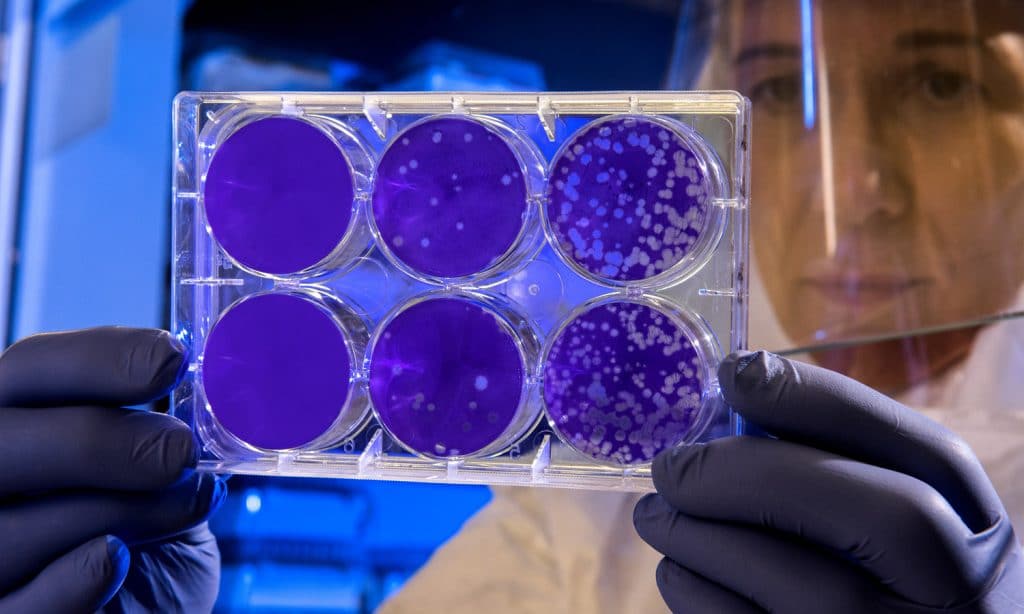
How Long Does The Coronavirus Live In Surfaces?
Photo by Andrew Neel via Unsplash

It’s also believed that the virus could be spread by people who don’t wash their hands often, especially after they use the bathroom. When utilizing public bathrooms, it’s important to be careful and to wash your hands thoroughly afterwards, minding what you touch and minimizing hand to face contact.

The Huffington Post explains how important it is to wipe all public surfaces when interacting with them, like your work desk or the table where you sit down in a coffee shop. Data indicates that public touch screens contain large amount of dangerous bacteria, the kind that’s found in people’s guts, highlighting how most people don’t wash their hands after using the bathroom, or at least they don’t do so correctly (you should be washing in warm water with soap for a minimum of 20 seconds).

RELATED: The Surprising Way The Coronavirus Affects The Marijuana Industry

When it comes to how to clean these surfaces, the COVID-19 is a lipid-containing virus, meaning that it can be killed by most disinfectant wipes. These tools should be used once and then they should be tossed; once a wipe is used it will keep that bacteria, spreading it to other surfaces if it’s reused once more. Experts recommend utilizing ethanol and bleach-based wipes, letting the product lay on the surfaces in order for them to do their job effectively.

Ask Our Experts: Cannabis Vs. Coronavirus

While it’s possible that the industrial hemp industry could eventually help provide various biomedical applications worthy of future examination, solutions are not immediately forthcoming.

Q: Given both the outbreak of the coronavirus and the subsequent spread of rumors and urban myths, is there any known benefit of cannabis regarding the potential epidemic?

A: The answer is no.

Despite popular demand for answers and remedies against legitimately publicized health risks during the cyclical flu season or the newfound onset of the Wuhan coronavirus, there is no known role for cannabis to play against either.

In January, the U.S. Food and Drug Administration (FDA) cracked down on hand-sanitizer giant Purell for making unfounded claims that its products prevent or help stop the spread of viruses. The FDA has likewise recently warned about overbroad claims regarding hemp and cannabidiol (CBD) sold as medicine, dietary supplements, and additives in food, cosmetics and skincare products.

Regarding the coronavirus, the first thing to recognize is the difference between bacteria and viruses: While bacteria are single-celled microorganisms that can thrive in a wide range of environments, viruses are even smaller, and require living hosts (i.e., humans, plants or animals) to multiply and survive.

RELATED: FDA And USDA Start Making Sense On Hemp CBD

This flu season in the United States, the Centers for Disease Control and Prevention (CDC) reports that influenza has sickened an estimated 19 million Americans, with 140,000 hospitalized and 10,000 deaths. By comparison, as of the CDC’s most recent update on Feb. 3, there were 11 confirmed cases of coronavirus in the U.S., with at least 293 people placed under investigation.

Ask Our Experts- Cannabis Vs. Coronavirus
Photo by CDC via Unsplash

Unfortunately, despite recent runs on them which threaten to create shortages for healthcare professionals needing them for other purposes, there is scant evidence suggesting that surgical-style masks prevent airborne viruses or bacteria (since masks are too loose, lack any air filter, and leave one’s eyes exposed).

While it is possible that the industrial hemp industry could eventually help provide various biomedical applications worthy of future examination, solutions are not immediately forthcoming; meanwhile even those rushing to produce a vaccine have no guarantee of doing so before the end of the current outbreak (the third since SARS in 2002-2003).

RELATED: 5 Ways To Stay Well When Everyone Else Is Getting Sick

Health officials meanwhile recommend that the most effective means to avoid catching viruses is for people to cover their mouths when coughing or sneezing, regularly wash hands with warm water and soap, avoid touching their eyes or noses, and otherwise maintain fit and healthy lifestyles.

The post Ask Our Experts: Cannabis vs. Coronavirus appeared first on New Frontier Data.

The preceding article is from one of our external contributors. It does not represent the opinion of Benzinga and has not been edited.

This article originally appeared on New Frontier Data.

Don't Miss Your Weekly Dose of The Fresh Toast.

Stay informed with exclusive news briefs delivered directly to your inbox every Friday.

We respect your privacy. Unsubscribe anytime.