

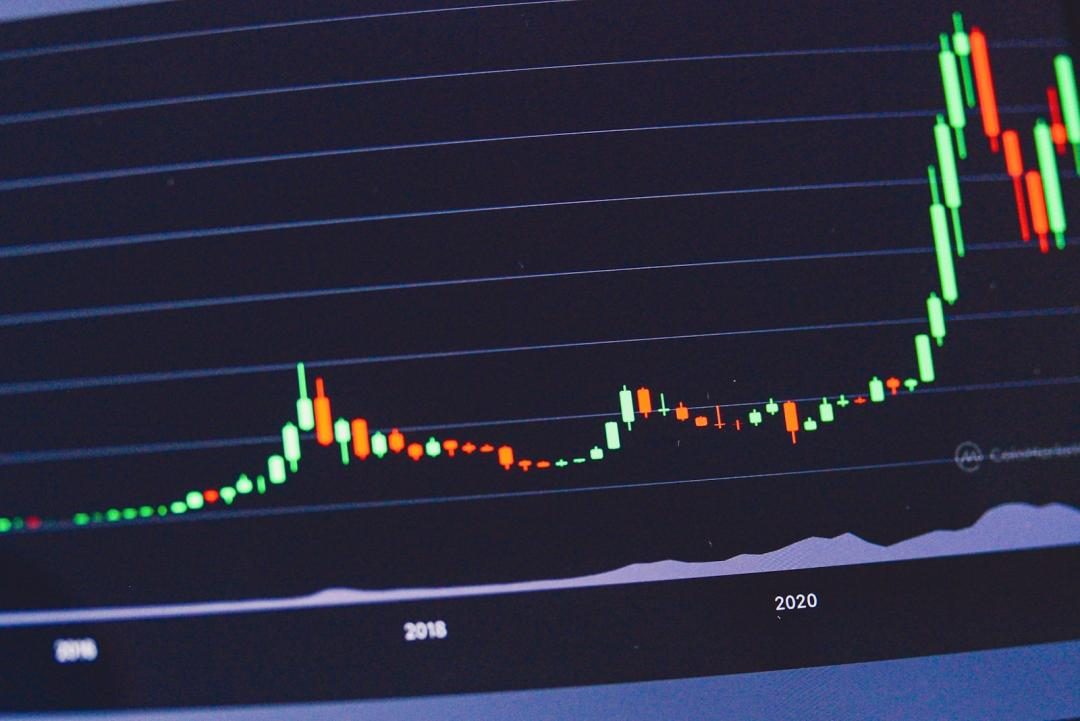
Cannabis prices are climbing as consumer demand grows, squeezing marijuana businesses, challenging affordability and reshaping the legal weed market.
Two presidents who have made promises about rescheduling weed and the industry is waiting. Now rising marijuana prices challenge cannabis industry as demand grows. The industry full of mom and pop businesses has spent years battling falling prices, oversupply and fierce competition. Now, a different challenge is emerging: marijuana prices are climbing in some markets even as consumer demand continues to grow, creating new pressures for businesses, retailers and consumers.
In California, outdoor-grown cannabis is averaging about $334 per pound, up from levels closer to $200, a substantial increase for growers and wholesale buyers accustomed to a market where prices have steadily eroded. While higher prices may offer some relief to cultivators struggling with thin margins, they also raise questions about affordability, retail pricing and whether the legal cannabis industry can capitalize on growing consumer interest.
The shift highlights a complicated reality for legal marijuana. Stronger demand does not automatically translate into a healthier industry, particularly when production costs, taxes, regulatory requirements and competition from illicit sellers continue to influence the economics of cannabis.
RELATED: Cannabis Becomes America’s New Daily Health Habit
For years, cannabis cultivators in mature legal markets have faced a familiar problem: too much product chasing too few profitable sales. California’s large cultivation sector, favorable outdoor growing conditions and extensive legal market have contributed to significant price pressure, leaving some growers struggling to cover expenses.
An increase from $200 to $334 per pound represents a roughly 67% jump. For cultivators who can sell their harvest at those levels, the difference could be meaningful. Higher wholesale prices can help offset labor, water, energy, packaging, transportation and compliance expenses which have risen over time.
But the impact is not uniform. Growers may still face higher operating costs, while distributors and retailers must decide how much of the additional expense to pass along to consumers. And because wholesale prices vary by product quality, location, season and transaction terms, an average price does not tell the whole story.
The bigger question is whether the increase reflects sustained demand, tighter supply, higher production costs or a combination of factors.

Consumer interest in cannabis has expanded as legalization has spread, marijuana products have become more widely available and attitudes toward cannabis have evolved. Legal markets now serve a broader range of customers, from experienced consumers to adults interested in edibles, beverages, concentrates and other alternatives to traditional flower.
This demand creates opportunities for the industry, but it also complicates pricing. Consumers may be purchasing more cannabis products overall while remaining highly price-conscious. A shopper who encounters higher prices at a licensed dispensary can compare products, wait for promotions, buy less or seek cheaper alternatives.
For legal operators, the challenge is to convert increased interest into sustainable revenue without driving customers away.
Higher wholesale prices could help struggling farms recover some lost ground. However, if retail prices rise too quickly, dispensaries may find it harder to compete, particularly in states where consumers have access to lower-cost products or unlicensed sellers.
California illustrates the tension between a large legal cannabis market and the continuing presence of unlicensed sales. Legal operators must comply with testing, licensing, packaging, tracking and tax requirements illicit sellers often avoid.
When legal cannabis becomes more expensive, the price gap can become a decisive factor for consumers. This creates a difficult balancing act: licensed businesses need prices which cover the real cost of operating legally, but they also need to remain competitive.
Higher wholesale prices could strengthen cultivators’ finances, yet the benefits may be limited if retailers cannot pass those costs along or if customers turn to cheaper alternatives.
RELATED: What If Workers’ Compensation Covered Medical Marijuana
Rising marijuana prices are not necessarily bad news. After years of price compression, cultivators may welcome a market offering better returns. Strong consumer demand can also encourage investment in product development, retail experiences and more efficient growing practices.
Still, the industry needs more than a temporary price increase. Long-term stability depends on balancing supply with demand, controlling operating expenses, improving access to legal markets and creating a regulatory environment in which compliant businesses can compete.
For consumers, the effect will depend on how much of the wholesale increase reaches dispensary shelves. For growers, it will depend on whether higher prices last long enough to restore profitability. For retailers, success will hinge on keeping customers engaged without sacrificing already-tight margins.
The cannabis market may be entering a new phase in which the challenge is no longer simply moving excess product. It is managing a changing balance between supply, demand and price.
The central question is whether rising marijuana prices signal a healthier industry or another round of volatility. Until growers, retailers and consumers find a sustainable balance, higher prices could offer relief to some cannabis businesses while creating new challenges for the market as a whole.
