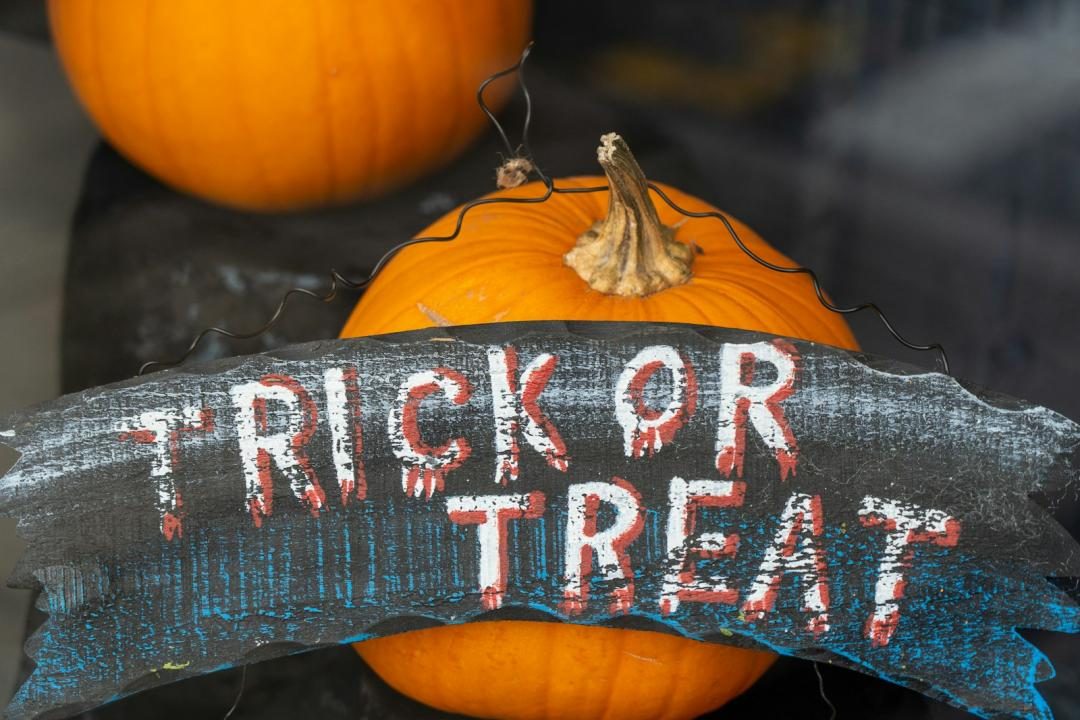
Chocolate prices have soared, but cannabis edibles cost far more than ordinary Halloween treats. The decades-old fear of drugged candy has little evidence behind it.
Kids going “trick or treating” over the decades have changed, especially in the last 10 years, but one things has stayed the same…the myth over small kids getting “dangerous candy” from razor blades to weed, the stories leave on. But in today’s world, Halloween marijuana candy scare makes no financial sense.
Every October, the warnings return: Check your children’s Halloween candy because someone might be giving away marijuana edibles to unsuspecting trick-or-treaters. There is just one glaring problem with the theory – Cannabis costs real money, like giving away beef. Handing something so costly to strangers for free makes little economic sense.
Chocolate has become wicked expensive, too. Cocoa prices surged after poor harvests and disease damaged production in West Africa, sending costs through the supply chain and into grocery-store candy aisles. Yet even as families pay more for Halloween chocolate, cannabis-infused treats remain a considerably more expensive proposition than ordinary candy.
RELATED: Best Ways To Reduce Your Halloween Hangover
The idea strangers are secretly loading children’s Halloween bags with marijuana is one of the most persistent urban legends surrounding the holiday. Researchers who have tracked reports of poisoned or contaminated Halloween treats for decades have found little evidence to support the widespread panic.
The marijuana version of the story gained traction in 2014, when Colorado and Washington began legal recreational cannabis sales. Suddenly, marijuana gummies and other edible products were more visible, and warnings from police departments and anti-legalization advocates began circulating ahead of Halloween. But reports of THC products being discovered or accidentally consumed are not proof anyone was deliberately handing them out to children.
A 2017 Washington Post investigation found no documented cases of children being poisoned by marijuana-laced Halloween candy. The newspaper traced the growing panic to warnings from law enforcement officials were repeatedly amplified by news outlets, often without evidence the products had been intended for trick-or-treaters.
The economics make the scare even harder to swallow.
Chocolate prices have been under pressure from a global cocoa supply crunch. A Wells Fargo Agri-Food Institute report cited by Reuters in October 2025 said cocoa costs had more than doubled since early 2024. Severe weather and crop disease in West Africa, which produces roughly 70% of the world’s cocoa, contributed to a sharp decline in production. Manufacturers responded with higher prices, smaller packages and fewer seasonal offerings.
This makes the annual Halloween candy run more expensive for families. But a fun-size chocolate bar and a cannabis edible are not equivalent purchases.
Cannabis flower alone averaged about $8.92 per gram in the United States in 2025, according to compiled industry pricing data. Processed edibles have their own pricing, which varies by product, potency, brand and state. A person buying legal cannabis is paying for the cannabis, manufacturing, packaging and regulatory compliance, not simply a few cents’ worth of sugar and cocoa.
There is no single national price for a THC gummy or chocolate, and the comparison depends on the product. Still, the idea someone would routinely distribute expensive commercial cannabis edibles to random children for free is difficult to reconcile with the cost of buying those products in the legal market.