

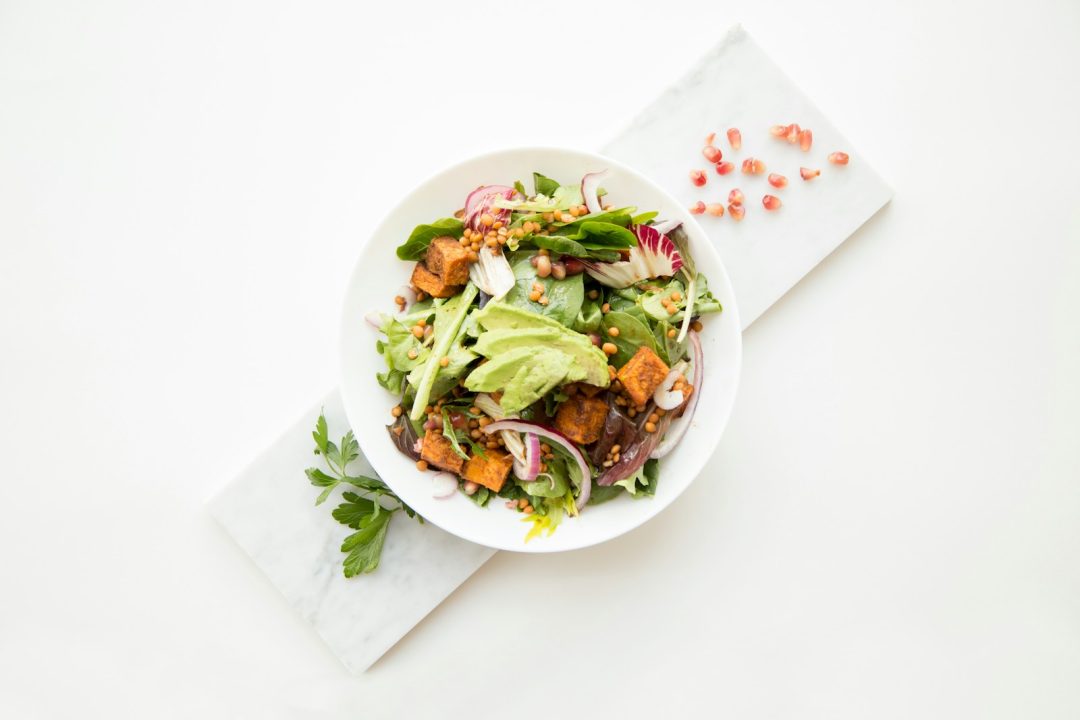
With rising prices reshaping habits, the question grows louder — are expensive salads on the way out for good.
Once a reliable sign of upscale casual dining — the $12–$18 “power” salad, piled with avocado, microgreens and protein — are expensive salads on the way out? After years of steady growth as consumers chased healthier, Instagram-ready meals, several data points and industry signals suggest demand is softening and menus are shifting to broader, more value-oriented offerings.
Salad chains like Sweetgreen and fast-casual brands who helped normalize high-priced salads are feeling the squeeze. Sweetgreen, the poster child for premium salads, reported a sharp drop in same-store traffic and recently posted a double-digit decline in comparable sales, prompting analysts to question whether consumers are tiring of paying top dollar for leafy bowls.
RELATED: Can Microdosing Marijuana Help You
Why now? Inflation, menu fatigue and shifting demographics all play a role. Restaurant prices climbed through 2024–25, squeezing discretionary dining budgets; consumers increasingly compare a $15 salad to cheaper, filling alternatives and to the cost of cooking at home. National trend reports show salads remain common on menus, but average ticket growth is modest — consumers paid about $11–$12 on average for salads in mid-2024, a small increase rather than runaway inflation. The gap between premium offerings and what customers are willing to pay is narrowing.
Demographics matter. Younger consumers — Gen Z and budget-conscious Millennials — helped fuel plant-forward menus but are simultaneously the cohorts most likely to cut back on eating out during economic uncertainty. Many prioritize variety, flavor and value over expensive perceived “healthy” status symbols. Meanwhile, older diners who once favored pricier entrées may be trading down or choosing different formats such as family plates, pizza and bowls which feel like better value.
The city factor is important too. High-cost dining markets such as Seattle are amplifying the problem: residents there already pay well above the national average for takeout and dining, prompting price sensitivity and less frequent restaurant visits. Local restaurant surveys show many operators planning more price increases, reduced hours, or menu trimming as sales soften — a pressure cooker for operators who once relied on high-margin salad offerings.
Is this unique to salads? Not entirely. The industry is witnessing a broader recalibration: premium menu items were up-priced during the pandemic and staffing-cost surge — from specialty bowls to some protein-heavy dishes — are being reexamined. Chains and independents are diversifying menus and adding value items or bundling to keep traffic steady. Some operators are shortening menus to focus on core sellers and launching promotions to lure budget-minded customers back.
RELATED: What About A Cannabis Cocktail/ Holiday Party
What comes next for the salad? Expect evolution rather than extinction. Salads that offer clear value — protein-forward bowls, shareable composed plates or hybrid items that feel like a meal — will persist. Operators that reprice smartly, highlight local or seasonal ingredients, and integrate loyalty or bundled offers may revive demand without alienating loyal customers. For diners, the era of paying a premium simply for a bowl of greens may be giving way to a more pragmatic, flavor-forward, and value-conscious salad scene.
