
Explore the hidden tricks grocery stores use to get you to spend more, driven by psychology and smart design.
Ever walked into a grocery store for “just milk and bread” and left with a cart full of snacks, flowers, and a rotisserie chicken you didn’t plan on buying? You’re not alone. Today’s stores are carefully designed to influence how you shop — and how much you spend. From store layout to sensory cues, retailers use subtle psychological tactics to encourage bigger baskets and impulse buys. Here are the hidden tricks grocery stores use to get you to spend more.
Most supermarkets place essential items like milk, eggs, and bread at the back of the store. This forces shoppers to walk past dozens of tempting displays before reaching their intended purchase. Along the way, you encounter seasonal promotions, end-cap deals, and eye-catching packaging designed to trigger impulse decisions.
RELATED: Immersive Events Redefine Millennial Nights
Wide aisles near the entrance create a relaxed feeling, while narrower aisles deeper inside subtly slow your pace, increasing the time you spend browsing. The longer you linger, the more likely you are to add extra items to your cart.
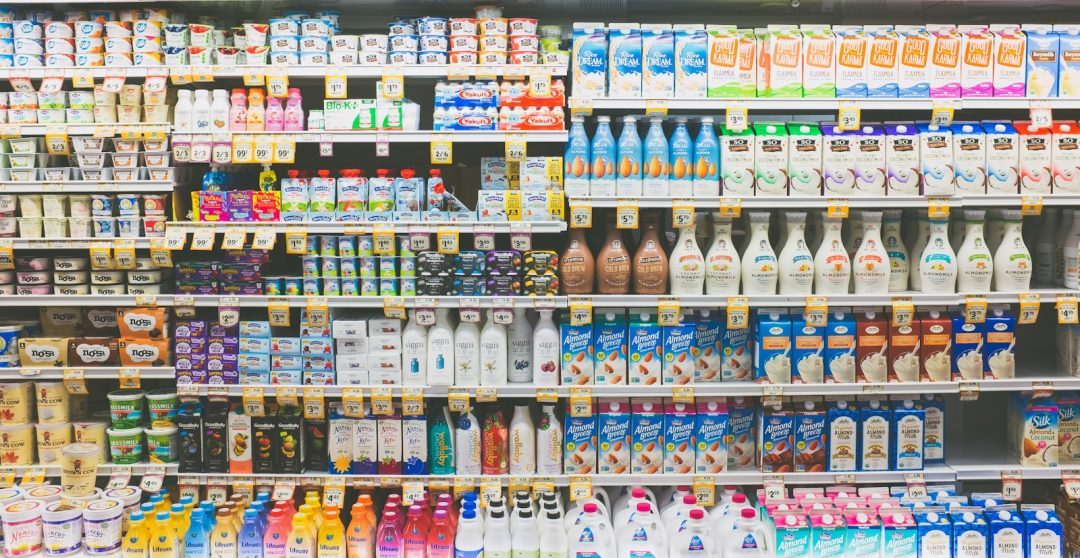
Product placement on shelves follows a simple rule: eye-level equals sales. Brands pay premium fees to have their products placed at adult eye level, where shoppers are most likely to notice and grab them. Cheaper or store-brand alternatives are often placed on lower or higher shelves, requiring extra effort to find.
For children, sugary cereals and colorful snacks are placed at kid eye level, strategically positioned to spark “pester power” — when kids urge parents to buy what they see.
Grocery stores are sensory environments. Soft lighting and warm colors create a welcoming atmosphere, while background music is often slow-paced to encourage leisurely shopping. Studies have shown slower music can increase time spent in-store — and total spending.
Then there’s the smell of freshly baked bread or rotisserie chicken near the entrance. These aromas aren’t accidental; they stimulate appetite and create a sense of comfort, making shoppers more likely to buy ready-to-eat foods and treats.
Promotions like “Buy One, Get One Free” or bulk discounts create a sense of urgency and value — even when you didn’t need the extra item. Stores also use charm pricing (e.g., $4.99 instead of $5.00) to make products feel cheaper.
Large shopping carts are another subtle tactic. Bigger carts make purchases look smaller, encouraging shoppers to fill the space. Some stores have quietly increased cart sizes over the years for this very reason.
RELATED: Science Confirms Choosing Joy Boosts Mind and Body
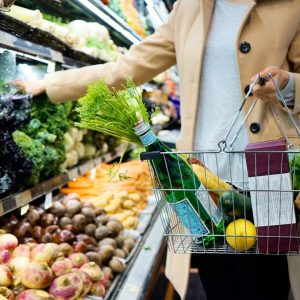
Understanding these tactics can help you stay in control of your grocery budget. Try shopping with a list, avoid shopping when hungry, and stick to the perimeter of the store where fresh staples are typically located. Taking a moment to compare unit prices can also prevent overspending on misleading “deals.”
Grocery stores aren’t trying to trick you — they’re using proven retail strategies to boost sales. But with awareness and a plan, you can outsmart the system and leave with exactly what you came for — milk, bread, and maybe just one treat.
