
Think you know Pop-tarts? Their surprising history, celebrity fans, global reach, and cultural moments say otherwise.
Think you know Pop-Tarts? Think again. The frosted rectangle lurking in your pantry has a longer, stranger, and more culturally loaded history than most people realize—and it’s still very much alive in 2026.
Pop-Tarts were born in 1964, the result of a corporate pastry arms race. Kellogg’s beat rival Post to market with a shelf-stable toaster pastry inspired by new food-processing techniques originally designed for military rations. The first flavors were modest—strawberry, blueberry, brown sugar cinnamon—but the idea was revolutionary: breakfast could leap from box to toaster to mouth in minutes. Americans bought them by the millions, often eating them cold, untasted by heat or parental supervision.
RELATED: Why Anxiety Feels Worse Than Ever
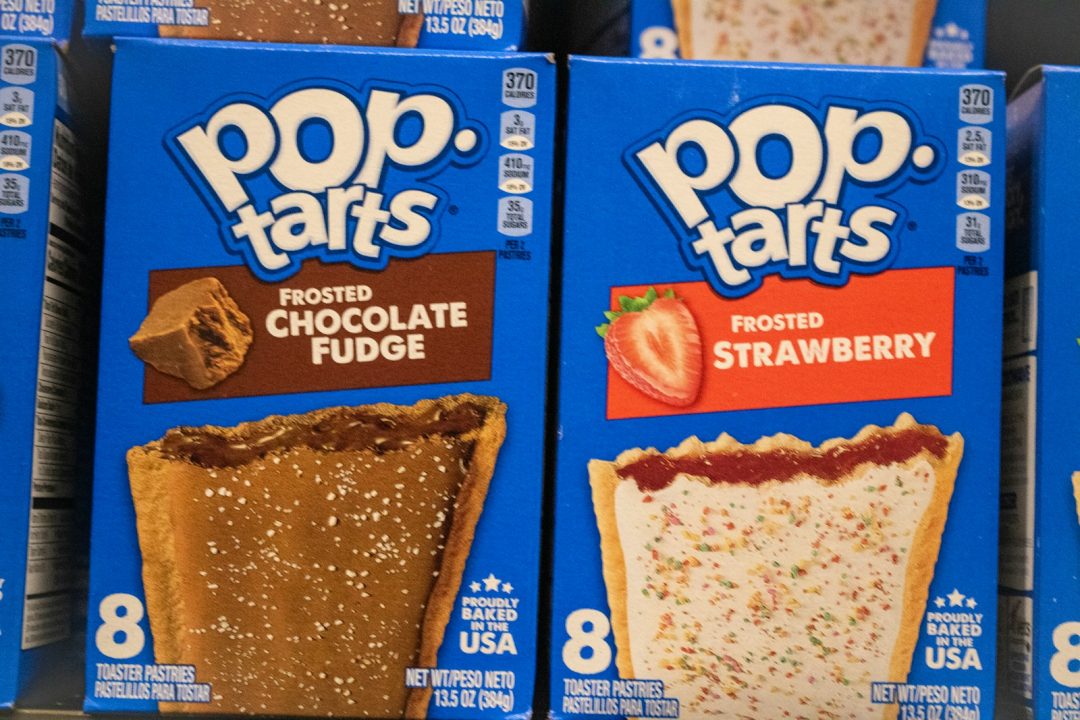
By the 1970s and 80s, Pop-Tarts had become less about breakfast and more about identity. The introduction of frosting in 1967 turned the pastry from practical to indulgent. By the time the neon colors and dessert flavors arrived—chocolate fudge, s’mores, wild berry—Pop-Tarts had fully embraced their role as a sugar-forward comfort food masquerading as a meal.
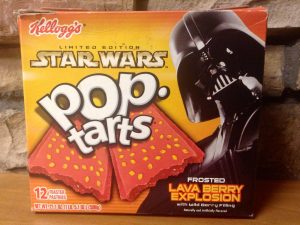
Their cultural footprint is surprisingly deep. Pop-Tarts have appeared in movies, sitcoms, rap lyrics, and museum exhibits. In 2014, a strawberry Pop-Tart sold for thousands of dollars on eBay after appearing to resemble a religious icon. More recently, the brand’s self-aware marketing and absurdist mascots have made it a recurring meme presence, beloved by Gen Z for its irony and by millennials for nostalgia.
Celebrities openly admit their loyalty. Jerry Seinfeld has referenced Pop-Tarts as a childhood staple. Billie Eilish has mentioned them as a tour snack. Post Malone has declared strawberry his favorite, while Chrissy Teigen has confessed to keeping them around despite knowing better. They sit at the intersection of guilty pleasure and cultural shorthand.
Pop-Tarts are also enjoying an unlikely renaissance in the culinary world. Chefs like Christina Tosi have nodded to them as inspiration for playful desserts. Dominique Ansel has referenced them when discussing American snack nostalgia. Even high-end bakeries have produced “chef-y” versions—handmade toaster pastries filled with seasonal fruit or brown butter ganache—proof the format has culinary legs.
RELATED: Is CBD Next On The Fed’s Hit List
Globally, Pop-Tarts have quietly spread. Canada and the UK are longtime fans, while flavors tailored to local tastes appear in markets like South Korea and Japan. American snack culture, amplified by social media, has made the Pop-Tart a recognizable symbol of U.S. indulgence abroad, even where it’s considered more novelty than breakfast.
Today, Pop-Tarts sell billions annually and continue to roll out new flavors while reviving old favorites. They’re not pretending to be health food. They’re not chasing trends. They’re simply doing what they’ve always done: offering a sweet, weird, comforting bite of Americana which somehow keeps surviving every food revolution.
So yes, you know Pop-Tarts. But you probably didn’t realize just how much history fits inside that shiny foil pouch.
