

As UFC Eyes a Historic White House Event, Cannabis Reform Could Become Part of the Conversation.
For years, the Ultimate Fighting Championship (UFC) has been one of the most influential sports organizations in the world. What began in 1993 as a niche combat sports experiment has evolved into a global powerhouse with hundreds of millions of fans, sold-out arenas, and some of the most recognizable athletes in sports. Along the way, the UFC has also become one of the most prominent professional sports organizations to soften its stance on cannabis.
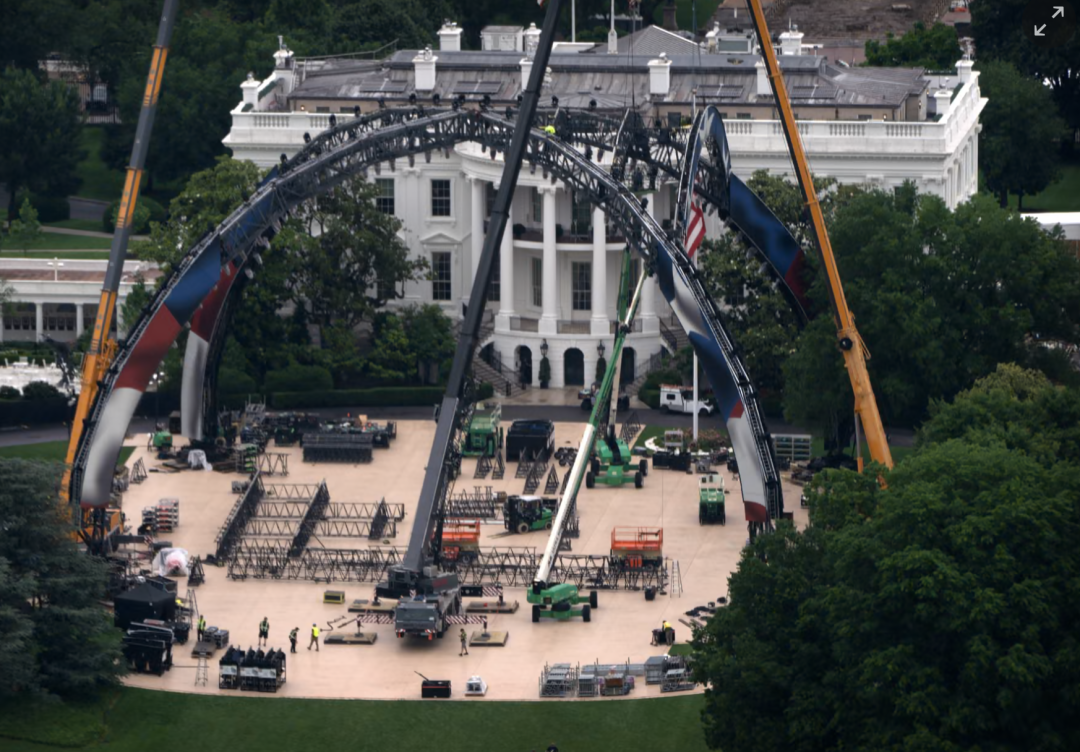
Now, with discussions surrounding a potential UFC event on the White House grounds as part of America’s upcoming 250th anniversary celebrations, some cannabis advocates are asking an intriguing question: Will UFC’s embrace of cannabis help push rescheduling? Can their star fights influence the federal government’s ongoing debate and nudge the current president into action?
RELATED: Is The WNBA’s Marijuana Shift A Sign of the Future for Professional Sports
The UFC’s relationship with cannabis has changed dramatically over the years. Like most major sports organizations, the promotion once operated under strict anti-marijuana policies. Fighters who tested positive for THC often faced suspensions, fines, public criticism, and damage to their careers.
However, as scientific understanding and public opinion evolved, so did the UFC’s approach. In 2021, the UFC and the United States Anti-Doping Agency (USADA) effectively stopped penalizing athletes solely for the presence of THC in their systems outside of competition-related impairment concerns. The move reflected a broader recognition cannabis is not a performance-enhancing substance in the traditional sense and may play a role in recovery and wellness for some athletes.
The UFC’s shift mirrored changes occurring throughout professional sports. The NFL, NBA, MLB, and other major leagues have all relaxed cannabis-related policies in recent years. Yet the UFC may occupy a unique position because of its audience demographics and close ties to military, law enforcement, and veteran communities.
Veterans represent a significant portion of the UFC fan base. Many fighters themselves come from military families or have publicly supported veteran-focused charities and causes. This connection matters because veterans have become one of the strongest voices advocating for expanded medical cannabis access.
Many former service members report using cannabis to help manage chronic pain, post-traumatic stress disorder (PTSD), anxiety, and sleep disorders. Research into cannabis and cannabinoids continues to evolve, but veterans frequently cite cannabis as an alternative to prescription medications, including opioids, sleep aids, and certain anti-anxiety drugs.
Patients suffering from chronic illness have also become a major part of the cannabis reform movement. Medical marijuana programs now serve millions of Americans seeking relief from conditions ranging from cancer-related symptoms and multiple sclerosis to chronic pain and treatment-resistant conditions. For these patients, federal cannabis restrictions continue to create barriers to research, banking, insurance coverage, and healthcare access.
RELATED: This Sports Giants Arena Is Starting To Sell THC Drinks
