Sunday, May 10, 2026
Home Blog Page 1046

Believe It Or Not, You Can Smoke Marijuana If You Have Asthma

In 1975, Dr. Donald Tashkin, a lung expert and medicine professor at UCLA, and his team put the highly contested notion, “you shouldn’t smoke cannabis if you have asthma” debate to rest; they studied the effects of smoked cannabis on eight subjects with “clinically stable” bronchial asthma, specifically monitoring the behavior of the specific airways. As a control, they administered placebo cannabis as well.

Bronchospasm, is the abrupt narrowing of the airway and the primary characteristic of asthma and bronchitis. Researchers induced bronchospasm on four different occasions: first, by the inhalation of methacholine, a synthetic choline that causes wheezing and shortness of breath; second, by exercise on an electric stationary bicycle or treadmill.

Naturally, methacholine and exercise caused decreases in airways. A 40-55 percent decrease was noted for the methacholine and a 30 to 39 percent decrease was noted for the heavy exercise.

Here’s where the experiment takes off: After the methacholine-induced bronchospasm, patients were given the placebo cannabis, which produced little to no changes in the behavior of the airway. However, the cannabis with 2 percent THC (the chemical that results in some type of high) immediately corrected the bronchospasm and resulting hyperinflation.

Similarly, after the exercise-induced bronchospasm, the placebo cannabis led to a gradual return of the airways, but took about 30-60 minutes. On the contrary, the cannabis applied an “immediate reversal” of the exercise-induced asthma and resulting hyperinflation.

Dr. Tashkin was among the first to make the connection between reducing asthmatic symptoms and consuming cannabis and since then other researchers have followed suit and proved this connection.

A study from the European Journal of Pharmacology, published in 2012 outlined that CBD (the cannabis compound that’s non-psychoactive) was highly effective in decreasing inflammation in acute lung injuries. Scientists in this study applied CBD to inflammatory cells and concluded that the compound has “potent immunosuppressive” properties.

Another study from 2015, found in the Mediators of Inflammation journal noted that CBD, not only decreased inflammation, but can aid in the reduction of the hypersecretion of mucus.

In case it wasn’t clear, smoking weed will not induce an asthma attack. If anything, science proves it might actually help it.

10 Types Of Marijuana That Are Good For Meditation

For most people in today’s bustling society, the notion of slowing down and appreciating the world around oneself is an afterthought or romantic daydream. As individuals “go through the motions” of prescribed routines at work and at home they spend their days in a mental-state akin to autopilot. With this cerebrally nullifying aptitude, it is all too easy to let the days transform into unexceptional mosaics of complacent scenes—memories becoming unintelligible with time. However, the spiritual practitioners of Buddhism have developed mental calisthenics through mediation practices that set forth to sharpen the mind in the most mundane of experiences. Most importantly, meditation calms the mind and helps one attain focus on the present moment—this ideal is in sharp contradiction to the standard hapless wanderings of pre-occupied awareness.

While Buddhist meditation is an immensely powerful tool in the development of an acute consciousness liberated from “autopilot,” this practice is not easy to master. As a result, many cannabis enthusiasts utilize the plant as an aid to meditation. For many, the use of marijuana brings about a state-of-consciousness that appreciates the subtleties of everyday life. Therefore, the responsible use of cannabis can help one focus on the present moment, which is one of the true goals of Buddhist practice.

Know that there are multiple ways to consume marijuana, you can eat or drink it, rub it into your skin, vape, smoke and much more. Ask the budtenders at your local dispensary which products have the strains listed and then pick how you want to put it into your body.

For those spiritually curious cannabis aficionados, here are 10 types of marijuana that are good to use for meditation:

Mother’s Helper

This Northern Lights #5 and Chocalope mix is said to aid in attentiveness—an essential element in any mediation practice.

J1

Denoting a pungently spicy Jack Herer and Skunk #1 cross, J1 is utilized by artists to aid in the creative process. These same imaginative manifestations are vital in appreciating the present moment.

Shaman

This aromatic strain is said to have some mild psychedelic effects—perhaps some colorful visuals will arise smoking this marijuana then sitting still with the eyes closed.

Lamb’s Bread

This famous Rastafarian inspired sativa strain balances an energetic feeling with a soothing mental high; it is sure to keep one content while sitting in the lotus posture.

Northern Lights

https://giphy.com/gifs/BTTC3DrzlEfQY

Even though Northern Lights is designated as an indica, it’s somewhat sedative-like high helps the consciousness become transfixed in meditative bliss.

Afghan Diesel

As a hybrid of two infamous marijuana strains, Afghani and Diesel, its high offers the best of two worlds. Moreover, Afghan Diesel’s effects present a balance between awareness and calm—essential elements in mindfulness.

Hindu Kush

This world-renowned indica varietal hearkens from the Hindu Kush region of Western Asia and Hindu Sadhus have been utilizing its contemplative properties for millennia.

White Widow

As a, Dutch original genetic, White Widow has been on scene for decades. Even more, its high is replete with creative energy—an excellent vehicle for Buddhist insights.

Flubber

This potent indica is said to relax the body and muscles, a notion essential for yogic and meditative poses.

Blue Mystic

https://giphy.com/gifs/blueberry-inflation-ciij-lbKWm3jBYhY0U

Blue Mystic is another indica which has a calming effects on the physical being. Also, its blueberry aroma will compliment the smell of incense in a meditation room.

Research Deep Dive: Little-Known Health Effects Of Medical Marijuana

As marijuana use becomes ever more socially and legally acceptable in the developed world, researchers are scrambling to understand how the plant — more potent today than ever before — impacts our health. Marijuana is now legal in 28 U.S. states for medical use and in eight for recreation. But policy has far outpaced science, with almost every clinical study calling for further inquiry and many researchers complaining their work is stymied by federal regulations, which still treat cannabis as an illegal substance.

Judging by the available research, ample evidence exists to say that marijuana can treat pain, nausea and multiple sclerosis. It can harm lungs and the developing adolescent brain. Under certain circumstances, it can be addictive and increase the likelihood of auto accidents, low birth weight and, in cases of heavy use, schizophrenia.

The open questions about marijuana and its derivatives are far more numerous. How do benefits balance against side effects? How well can these substances treat seizures? How exactly do they affect the brain? How dangerous are the barely regulated chemicals used in processing weed for commercial use, like butane, pesticides and food additives? What other regulatory loopholes could lead to dangerous effects on consumers?

Without more rigorous study, these questions will remain unanswered and new ones will crop up, leaving policymakers and citizens to argue based on piecemeal research and personal convictions instead of adequate empirical data.

What’s In It And How It’s Used 

Cannabis has dozens of chemical compounds unique to the plant, known as cannabinoids. The one most famous for the high it gives is tetrahydrocannabinol (THC). But another one, cannabidiol (CBD), is largely non-psychoactive and is often the focus of research on marijuana’s medicinal properties: It may lessen the frequency and intensity of seizures and may even improve cognitive function in adults. Medical marijuana is generally higher in CBD. Both THC and CBD are present in the cannabis plant as inactive acids. Heating — whether by smoking, vaporizing, baking, infusion or other methods — transforms them into active compounds.

What We Know

A January 2017 report by the National Academies of Sciences, Engineering, and Medicine reviews most of the known research published since 1999 about marijuana and its impacts on health, making for one of the most comprehensive reads available. “The Health Effects of Cannabis and Cannabinoids” draws almost 100 conclusions, arguing that enough evidence exists to declare that marijuana can be used to treat pain, chemotherapy-induced nausea, and multiple sclerosis.

The report finds substantial evidence that marijuana use may: worsen respiratory function and cause bronchitis (when smoked); increase the likelihood of car accidents; and cause heavy users to develop schizophrenia. It also shows that males who both smoke cigarettes and use marijuana are more likely to develop an addiction to weed than either females or those who don’t smoke cigarettes. Starting to use marijuana before age 16 also raises the risk of addiction. For expectant mothers, considerable evidence suggests that marijuana can negatively impact birthweight.

The report finds moderate evidence: that marijuana use impairs learning, memory and attention, especially in adolescents; that it may improve cognitive performance among some people with certain psychotic disorders; and that it does not worsen schizophrenia. (There is no evidence it can treat the disorder.)

No known association has been found with lung cancer and there is limited evidence that marijuana use increases the risk of heart attacks.

Why We Don’t Know More 

One problem in compiling the report, and in exploring the health effects of marijuana more generally, is a dearth of studies and funding for research because of federal regulations, said the lead author, Marie McCormick, during a March 2017 event at Harvard’s T.H. Chan School of Public Health.

For one thing, researchers complain about their limited legal access to real weed, the kind people outside of labs use: “It is often difficult for researchers to gain access to the quantity, quality, and type of cannabis product necessary to address specific research questions on the health effects of cannabis use,” the National Academies report declares.

The Drug Enforcement Agency (DEA) classifies marijuana as a Schedule I narcotic. By definition, that means, like heroin, it is highly prone to abuse and has no medical purpose — a rating that Scientific American has called “highly controversial and dubious.” So researchers cannot simply use what they might buy on a street corner or even at a pot shop in states where it is legal under local laws.

The plant clinical researchers do use comes from a farm at the University of Mississippi that the National Institute on Drug Abuse (NIDA) licenses to grow marijuana for research purposes. But scientists complain that what they receive is far less potent than marijuana consumed by the public and even looks like an entirely different plant. The result, The Washington Post declared in 2017, is “akin to investigating the effects of bourbon by giving people Bud Light.”

In August 2016, the DEA announced it would loosen control over the cultivation of government marijuana, though it remains unclear when the changes will go into effect.

Other difficulties studying the effects of marijuana relate to metrics. There is no standard definition of what constitutes frequent use, moderate use or low use, noted Staci Gruber of McLean Hospital at the Harvard event. Researchers have yet to look closely at the effects of marijuana use on those who smoke or eat it once or twice a month. Federal health surveys, moreover, do not ask detailed questions of users.

Kids And Pot

One question that has loomed large as more places have legalized marijuana use is, “How bad is it for children?”

Two recent studies observe that regular marijuana use is likely much worse for children before age 16 than it is for adults. A 2015 study in Developmental Cognitive Neuroscience found that kids who start using marijuana before age 16 may have lower cognitive function than people who start using later: “Given that the brain undergoes significant development during adolescence and emerging adulthood and that the frontal cortex is among the last of the brain regions to mature, it is perhaps not surprising that individuals with earlier exposure to [marijuana] have difficulty with tasks requiring frontal/executive function.” A 2014 study in Psychopharmacology also found a correlation between smoking marijuana and impulsive behavior, especially among those who begin regular use before they turn 16.

Other research includes studies on addiction, IQ and the links between legalization and usage:

  • One 2017 review in The Lancet notes that while about 1 in 11 people who use marijuana will develop a dependence, that number almost doubles among people who started as adolescents.
  • 2011 study of twins — where one uses pot and one does not — finds no evidence to associate the drug with a lower IQ, though it calls for more research.
  • 2016 study in Drug and Alcohol Dependence analyzes the design of medical marijuana laws and use by adolescents. Looking at 45 states, it finds slightly higher use of marijuana among teenagers in states where medical marijuana is legal (22.7 percent in the previous 30 days) compared to states where it is not (19.8 percent). But after adjusting for demographics and other factors, the authors discover a small decline in adolescent use in those states where medical marijuana is legal.
  • Research in Washington and Colorado before and after recreational marijuana was legalized in both states in 2012 found perceptions of its harmfulness fell among youth in Washington but not in Colorado, where medical marijuana had already been well-established. Eighth- and 10th-grade students in Washington increased their usage over the same period; youth marijuana consumption in Colorado did not appear to change, the authors report in JAMA Pediatrics.

The Canadian Pediatric Society in 2016 released a position statement recommending that Ottawa — where full recreational legalization is being considered — take a number of steps to keep marijuana out of the hands of anyone younger than 18 and regulate the amount of THC in legal marijuana products.

“Dang, That’s Strong!”

It’s not your parents’ grass anymore: The marijuana available today is many times more potent than it was in the days of “Reefer Madness” or Woodstock. In 2015, the American Chemical Society reported that THC content in some marijuana strains had roughly tripled in three decades.

One of the most potent products on the market is butane hash oil, sometimes known as marijuana wax. Used in increasingly popular “vape pens” and in the production of edibles, it is made by passing butane (a liver-damaging, explosive and all-around dangerous hydrocarbon gas) through marijuana buds to make a viscous liquid and then evaporating off some of the butane. It is illegal in many states. Not only is the production process dangerous, but smoking “wax made with butane leaves small molecules that adhere to the lungs and creates a black spot much like miners’ lung,” says a handout from the Department of Health and Human Services.

Medical Marijuana

With medical marijuana now available in more than half of U.S. states and a growing number of countries, the plant is being used to treat all sorts of ailments including pain and chemotherapy side-effects such as nausea, loss of appetite, and insomnia. Each of these uses is addressed (and generally endorsed) in the 2017 National Academies report.

A major area of study is the use of medical marijuana in treating epileptic seizures, discussed separately below. Other research has explored its effects on cognitive function, on the use of opiates and on the use of recreational marijuana:

  • One 2016 study in Frontiers in Pharmacology finds signs that medical marijuana may help improve cognitive function in adults. The researchers suspect this is because some medical marijuana products contain higher amounts of CBD and other cannabinoids than does recreational marijuana, “which may mitigate the adverse effects of THC on cognitive performance.”
  • Some scholars see a decline in the use and abuse of opiates by cannabis users, though the National Academies report uncovers no evidence to support or refute this finding.
  • Writing in JAMA Internal Medicine in 2014, Marcus Bachhuber of the Philadelphia Veterans Affairs Medical Center and his colleagues find “medical cannabis laws are associated with significantly lower state-level opioid overdose mortality rates.” Patients seem to be using marijuana as an opioid substitute; marijuana is far less addictive and dangerous than drugs derived from the opium poppy. A 2016 study by Columbia University researchers confirms those findings and observes that states with medical-marijuana laws have fewer opioid-related car accidents.
  • 2015 study sees an association between medical marijuana and the lower use of addictive opioids as pain medication; it also reports fewer opioid-related deaths. At the same time, the paper finds a correlation between the availability of medical marijuana and higher rates of recreational marijuana use.

A 2017 study in Drug and Alcohol Dependence finds no indication that CBD, the “medical” cannabinoid, might be addictive.

Treating Epilepsy

A fast-growing body of research suggests that CBD — now sometimes called Charlotte’s Web after a CBD-based medicine that reportedly helped a severely ill child — might alleviate treatment-resistant seizures among epilepsy patients. In 2013 the Food and Drug Administration (FDA) allowed tests of Epidiolex, a CBD oil concentrate developed by GW Pharmaceuticals, which is not yet commercially available.

In 2016, the American Epilepsy Society (AES) called on the federal government to support further research into the use of marijuana to treat the neurological disorder. “Robust scientific evidence for the use of marijuana is limited. The lack of information does not mean that marijuana is ineffective for epilepsy. It merely means that we do not know if marijuana is a safe and effective treatment for epilepsy, which is why it should be studied using the well-founded research methods that all other effective treatments for epilepsy have undergone,” the AES statement says.

It also calls on the DEA to review its classification of marijuana as a Schedule I drug: “AES’s call for rescheduling is not an endorsement of the legalization of marijuana, but is a recognition that the current restrictions on the use of medical marijuana for research continue to stand in the way of scientifically rigorous research into the development of cannabinoid-based treatments.”

2016 study of CBD in Lancet Neurology finds a 36.5 percent decline in monthly seizures among 162 patients suffering severe, childhood-onset, treatment-resistant epilepsy. The trial was open, meaning patients knew what they were receiving, which is not a preferred way to do medical research; the authors call for randomized controlled trials. Besides the decline in seizures, they find side effects including fatigue, diarrhea, decreased appetite and convulsions.

A number of recent studies — such as this 2017 paper in Epilepsy Behavior and this 2014 paper in Epilepsia – summarize the research and anecdotal evidence that CBD can help control epileptic seizures. They both call for randomized, controlled research trials that are double-blind – i.e., where neither the patients nor the doctors know who is receiving the drug and who is receiving a placebo.

The National Academies report takes a dimmer view of the available clinical data, noting that it consists “solely of uncontrolled case series, which do not provide high-quality evidence of efficacy.” It acknowledges the need for more research into CBD’s potential effect on neurological disorders such as epilepsy and seizures, but concludes that “there is insufficient evidence to support or refute the conclusion that cannabinoids are an effective treatment for epilepsy.”

Regulations, Pesticides, Food Production

Some of the biggest holes in research concern the production of marijuana and its derivatives, including the use of pesticides and the preparation of edibles. Like other deficits in research they stem in part from the disconnect between federal and state laws on marijuana.

In agriculture, pesticides are usually regulated by federal bodies such as the Environmental Protection Agency and approved for specific crops after the pesticide manufacturer pays for testing that the EPA deems reliable. But because the EPA is a federal agency, it will not label a chemical safe for marijuana. So regulation is handled by individual states, which often lack the capacity to investigate problematic pesticides. State governments “have never been made to play the detective role in this,” Andrew Freedman, the former director of the Office of Marijuana Coordination for the state of Colorado, tells Journalist’s Resource.

States where marijuana is legal have been known to recall batches believed to have been exposed to unapproved pesticides such as the insecticides imidacloprid or pyrethrin. (Some states have websites with regulatory information, including CaliforniaColorado and Washington.) Some researchers, meanwhile, express concern about lobbying by the chemical industry to weaken pesticide regulations. Very little has been published about the effects of marijuana pesticides on human health.

Another area in need of study is the production of edibles. The FDA has not approved any product containing CBD as a dietary supplement, but, at the time of writing, has not aggressively enforced federal laws that the FDA interprets to ban marijuana compounds in food.

Marijuana marketing is another topic worthy of greater scrutiny. A 2015 commentary in The New England Journal of Medicine sounds the alarm about the popularity of edible snacks containing THC that are “packaged to closely mimic popular candies and other sweets.” Citing the risk of consumption by children, the authors, two researchers at Stanford, call on the federal government and the courts to regulate the sale of edibles.

Other Resources

The number of American cannabis users is rising. According to an August 2016 Gallup Poll, 13 percent of Americans say they use the drug, up from 7 percent in 2007. Slightly older data from the National Survey on Drug Use and Health, published by the U.S. Department of Health and Human Services, say over 22 million Americans aged 12 or older have used marijuana in the past month. That is 8.4 percent of the population.

Journalist’s Resource has reviewed literature on how crime and drunk driving tend to fall after marijuana legalization. We also have looked at potential tax revenue from legal weed.

The National Institute on Drug Abuse regularly updates its fact sheet on marijuana.

This story originally appeared on the webpage for Journalist’s Resources, based at Harvard’s Shorenstein Center on Media, Politics and Public Policy

Poll: South Carolinians Strongly Support Medical Marijuana

South Carolinians want medical marijuana. According to a poll released this week, 61 percent of people surveyed would support cannabis as a treatment for various ailments. Only 31 percent opposed the idea.

The survey, conducted in December by Mason-Dixon Polling & Strategy, involved phone interviews with 625 registered South Carolina voters. The poll has a margin of error of 4 percent.

According to the Independent Mail:

The poll showed the lowest support for medical marijuana is in the Upstate, where 53 percent of respondents expressed support and 35 percent were opposed. Support for medical marijuana topped the 60-percent threshold in every other part of South Carolina, according to the poll.

“The numbers in the poll are positive,” Jill Swing, founder of SC Compassionate Care Alliance, told the Independent Mail.

This is not the first poll that shows South Carolina’s support for medical marijuana. A 2o16 survey revealed that nearly 4 in 5 residents – or 78 percent – support legalizing medical marijuana.

The 2016 poll results were encouraging for state Sen. Tom Davis, a Republican who supports the idea. According to a report in The State:

“People on a very broad basis, regardless of age, regardless of political affiliation, they recognize that cannabis has medicinal benefits,” said Davis, who also successfully pushed a 2014 law that allows S.C. residents with severe epilepsy to use a cannabis extract called cannabidiol as treatment. The derivative has low levels of THC, the substance in marijuana that gives users a “high.”

There are 29 states that have approved medical marijuana programs. In South Carolina, there were three bipartisan medical marijuana measures introduced in the state’s General Assembly last year, but none won passage.

Rep. Jonathon Hill, a Republican from Townville who supports medical marijuana, said the recent poll “confirms what we already knew,” according to the Independent Mail.

“I am hopeful of passing something this year,” said Hill, adding that he believes medical marijuana could serve as a “far less addictive and dangerous” alternative to opioids.

“We are going to save lives” if medical marijuana becomes legal in South Carolina, he said.

Mark Ruffalo Just Came Out As Pro-Cannabis On Twitter

Sometimes, the smallest gesture goes a long way. Mark Ruffalo is somehow both a prolific actor and Twitter user—we thought that when we saw his tweet last week where he took a pro-cannabis stance.

Now, this isn’t a game-changing tweet by any means. Because we’ve experienced many celebrities jumping aboard the pro-cannabis bandwagon as of late, but only offering simple comments like, “Yeah I think they should legalize it.”

It helps, but doesn’t educate people on the financial and health benefits of legalizing cannabis. So Ruffalo—an Avenger, no less—tweeting “grow cannabis” in reference to a Washington Post that promotes “[l]egalizing marijuana nationwide would create at least 132 billion in tax revenue and more than a million new jobs” is a comment that makes an impact. It also isn’t the first time Ruffalo has publicly stood on the pro-cannabis side.

He also once told a funny anecdote on the Graham Norton Show about accidentally smoking marijuana on stage. Without naming names, Ruffalo mentions a “young actor” replacing a fake prop joint with a real one on stage, and Ruffalo inhaled it good.

What You Should Know About Medical Marijuana And Pancreatitis

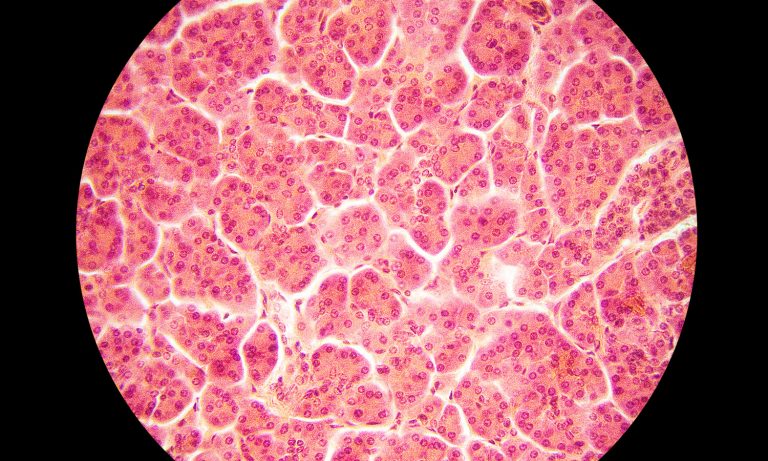
The pancreas is a large gland between the stomach and the small intestine. It is where the majority of your digestive enzymes come from and is also the body’s supplier of insulin. Because it trades in such caustic stuff, the pancreas occasionally gets burned by its own product—say if there’s a blockage from a gallstone. These painful episodes are called “pancreatitis.”

If pancreatitis lingers long enough (usually the result of heavy drinking) the gland can become scarred and inflamed. Cysts can form; there can bleeding and infection, and the damage can spread to other vitals, such as the heart, lung, and kidneys.

There’s not a lot the docs can do to treat chronic pancreatitis. They can flush out the gland with IV drips, remove any blockages, cut away dead tissue, and abjure the patient to mend their ways by giving up drinking, smoking, and fatty foods. Beyond that, they just medicate the pain, usually with opioids.

If you’re new to Rx, allow us to give you this tip: Treating inflammation is one thing at which cannabinoids are very good. So, if an ailment is characterized by swelling from an over-enthusiastic immune response, someone will inevitably recommend medical cannabis. Whether there is reliable evidence that cannabis works in this particular instance is another story, however.

In the case of pancreatitis, there’s not much medical evidence. And the results are mixed.

A 2013 study that appeared—appropriately enough—in the journal Pancreas found that the cannabinoid CBD had an anti-inflammatory in diseased mouse pancreases. An earlier study, from 2007, found not only that cannabinoids lessened inflammation, they also lessened pain.

That second point is very important. In fact, the report itself calls pain management not just the cornerstone but the “key cornerstone” of chronic pancreatitis treatment. Currently opioids are prescribed, but, as you may know, the nation is in the grip of a serious opioid-abuse epidemic. If cannabis could be used as a low-risk alternative, that alone would be a significant advance. Healing the pancreas would be icing on the cake.

On the other hand (to get all Tevya), there are a couple studies that suggest cannabis use can actually cause pancreatitis. To put them in perspective, though: One study acknowledges that the evidence is anecdotal, and the other calls these cases “rare.”

So the tentative takeaway: Cannabis seems to offer more help than harm, but is not the fix some say it is.

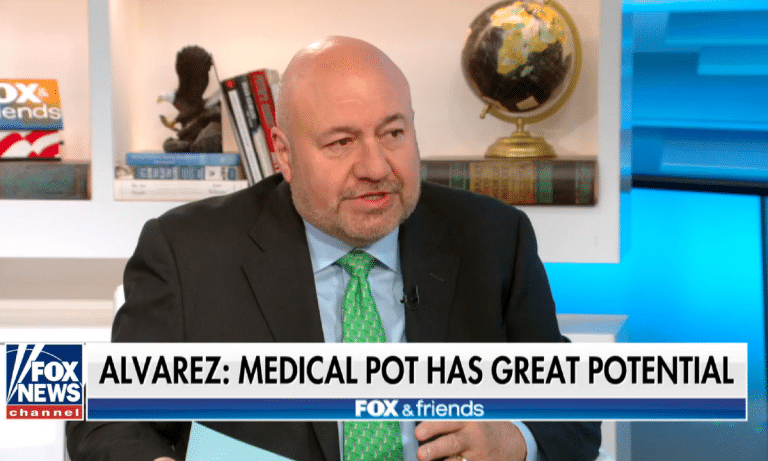
Fox & Friends: ‘It’s Time To Legalize Marijuana And Move On’

This is a snapshot demonstrating how far public opinions on marijuana have come—Fox & Friends is airing pro-marijuana legalization segments on its broadcast. What’s more? The medical expert stating the pro-legalization opinion was Dr. Manny Alvarez, who serves as FOX News senior managing health editor.

“The genie is out of the bottle,” Alvarez said:

He also wrote an extensive op-ed on Fox News’ website telling Congress to legalize marijuana and remove it from the Schedule I classification. He pleaded that Jeff Sessions’ returned crusade against cannabis is a losing battle and “is taking us backwards.”

Via FOX News:

One of the most important steps we can take in furthering research into medical marijuana and its components like CBD is to decriminalize it on a national level, removing it from the list of narcotics, where it currently sits with the likes of heroin and cocaine.

The federal government needs to endorse the medical marijuana industry to further important research and make it available to patients who are not responding to synthetic medications or other treatments.

To be fair, this isn’t the first time Alvarez has expressed pro-marijuana views. He’s previously evinced belief that marijuana has positive medicinal benefits—with some sideways approval going as far back as 2012—and supported further researching those possible benefits in an objective, scientific way. However, because marijuana remains a Schedule I Drug, it remains extremely difficult for scientists to research the drug in any academic manner.

But this is the first time that Alvarez has even supported recreational marijuana legalization. During the segment, he cited statistics that 88,000 people died from alcohol-related illnesses in 2017 alone while there were no reported deaths caused by cannabis usage. The hosts tried to walk back old arguments that marijuana is a possible gateway drug to more dangerous substances, which Alvarez refuted as anecdotal hearsay.

You can watch the whole segment above.

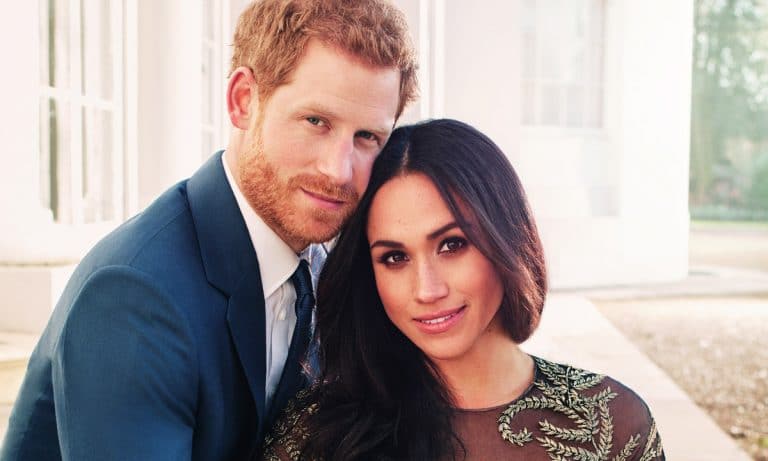
The UK Is Going To Make A Ton Of Money Off Harry And Meghan’s Wedding

It’s perhaps the most anticipated wedding of the year. When Meghan Markle and Prince Harry tie the knot May 19, it’s going to be a spectacle, to be certain. But while the gorgeous couple gets showered with all the attention, the UK stands in the shadows, giggling like a schoolgirl over the thought of raking in 500 million pounds during the festivities (that’s about $686 million).

Reuters reports the country is expected to see a major boost to its economy thanks to the flocking of tourists who want to get as close as they can to the matrimonial action.

Citing the Office for National Statistics., they point out that an additional 350,000 visitors flocked to the UK in April 2011 when William and Kate exchanged vows. A similar surge is expected this time around.

Chief executive David Haigh of the business valuation consultancy Brand Finance tells Reuters, “We think approximately 200 million pounds will come from tourism, travel, hotels” with another 150 million from parties and about 50 million from sales of commemorative T-shirts, hats and other items.

As for the wedding itself, Haigh says the Royal event will be worth about 100 million pounds in free international advertising for Britain.

https://giphy.com/gifs/euronews-prince-harry-meghan-markle-3ohjVaV9eEW9vGNWvu

Path Set For Recreational Marijuana Legalization In New Jersey

Incoming New Jersey governor Phil Murphy campaigned on the promise of cannabis legalization and New Jersey lawmakers have once again introduced legislation to do just that.

On the first day the new Democrat-led state legislature convened, Democratic state Sen. Nicholas Scutari introduced a bill that would allow for the legal sale and usage of recreational marijuana. This is the same legislation introduced at the last session and Scutari had also put forth the measure in 2014.

However, GOP Chris Christie was governor at the time and he’s made it known he is a staunch opponent of cannabis. Just last year Christie said it would be “beyond stupid” to legalize marijuana amidst the opioid crisis.

Under the proposed legislation, individuals could possess up to an ounce of marijuana, 16 ounces of cannabis-infused product in solid form, 72 ounces of liquid form, and seven grams of concentrate. The bill would ban open marijuana consumption as well as home growing operations. In addition, New Jersey could authorize licensing commercial cannabis grow and retail facilities within a year following the bill’s passage.

Via WHYY:

Other highlights include instituting strict regulations on the production and sale of marijuana, providing municipalities the ability to adopt ordinances governing the operation or prohibiting, and establishing a sales tax rate of 7 percent in the first year that escalates to 25 percent in the fifth year.

Murphy will officially take office as New Jersey Governor on Tuesday.

What Jeff Sessions Doesn’t Understand About Medical Marijuana

On Jan. 4, Attorney General Jeff Sessions rescinded the Cole memo, a 2013 document that limits federal enforcement of marijuana laws. This opens the door for a crackdown in the nine states with legal recreational marijuana.

The Cole memo is one of two documents that prevent the US Justice Department from treating marijuana as a Schedule I drug, defined as a substance with no accepted medical treatment and high potential for abuse. The other is the 2014 Rohrabacher–Farr amendment. This legislation bars the Department of Justice from spending any funds to keep states from implementing their own laws about “the use, distribution, possession or cultivation of medical marijuana.”

The amendment’s language needs to be reinserted into law each year – and it’s currently set to expire on Jan. 18. That would leave patients in the 29 states with legal medical marijuana without their treatments and at risk of prosecution.

I have researched the safety and effectiveness of a number of drugs with abuse potential and natural products alike. Just because a drug has abuse potential doesn’t mean it’s always bad and just because it’s natural doesn’t mean it’s always safe. While I’m no fan of legalizing recreational marijuana use, I believe there has to be special dispensation for patients with a legitimate medical need.

Medical Marijuana Works

There are approximately 1.2 million users of medical marijuana in these 29 states. Some of the most common ailments include pain or muscle spasms, nausea and vomiting, cancer, PTSD, seizures and glaucoma.

The body has a system of receptors that can be stimulated by the chemicals in marijuana, called cannabinoids. In animal studies, cannabinoids have been used to treat symptoms like harmful weight loss, vomiting, seizures and fluid pressure in the eyes.

There isn’t much human research on medical marijuana, thanks to the product’s illegal status and a lack of federal research funding. Large trials are nearly impossible to conduct, since products are often adulterated and the concentrations of cannabinoids vary from plant to plant.

Even so, human trials from around the world and pockets of the US offer modestly strong evidence of marijuana’s benefits in a number of disorders, such as intractable nausea and vomiting, chronic pain and severe muscle spasms and epilepsy.

For example, a study published in May looked at the effects of cannabidiol– an active marijuana compound that does not cause euphoric high or hallucination – on children with Dravet syndrome, a rare genetic disorder characterized by frequent, severe drug-resistant seizures. Those who took cannabadiol cut their median number of convulsive seizures per month in half, from 12 to six. These findings may be applicable to other people with hard-to-treat seizures.

I bring up this example because it uses the highest quality study design. Also, seizures are not subjective symptoms like pain or nausea that may incur skepticism from critics.

When Patients Become Criminals

In such a dispensary, pharmacists know the exact amount of the active chemicals that each product contains. Unlike illegal marijuana, their products aren’t contaminated with heavy metals, bacteria, fungi, herbicides or pesticides. In my home state of Connecticut, medical marijuana is legal. Doctors are required to certify that potential medical marijuana users have a disease for which there is adequate medical evidence for marijuana’s benefit. The patient then visits a licensed dispensary facility, where a pharmacists helps to select the type of product that would work best.

What if patients can no longer access these products? They will either have to go without and lose the benefits of their treatment, leading to moderately intense marijuana withdrawal symptoms, such as insomnia, chills, shakiness and stomach pain.

Or, they might try to switch to the black market, where products may be inconsistent and prosecution is possible. In so doing, they would be supporting organized crime and exposing themselves to additional dangers. I especially worry about children with epilepsy who might have to use illegal marijuana that gives them a high due to the tetrahydrocannabinol (THC) rather than a legal version with little to no THC.

A Balanced Approach

Since 2014, the Rohrabacher-Farr amendment has been routinely included in the appropriations language with support from both parties. But in the past year, things have broken down. So far, the amendment has survived through resolutions to extend government spending, but it’s unclear whether it will appear in the new federal budget.

Sessions has already written to members of Congress asking them not to support this amendment, saying it inhibits the department’s authority. A new subcommittee at the Department of Justice plans to assess the legalized use of marijuana.

The ConversationLegal recreational marijuana comes with potential benefits and drawbacks to society, and I’m not sure yet that we know what the impact will be over the long term. But the research on medical marijuana is clear: Marijuana has legitimate medical uses. It should not be a Schedule I drug and should not be denied to patients. There’s virtually no upside to banning a potentially effective therapy for patients with diseases like cancer, multiple sclerosis and epilepsy.

C. Michael White is  professor and head of the Department of Pharmacy Practice at University of Connecticut

This article was originally published on The Conversation. Read the original article.

Don't Miss Your Weekly Dose of The Fresh Toast.

Stay informed with exclusive news briefs delivered directly to your inbox every Friday.

We respect your privacy. Unsubscribe anytime.