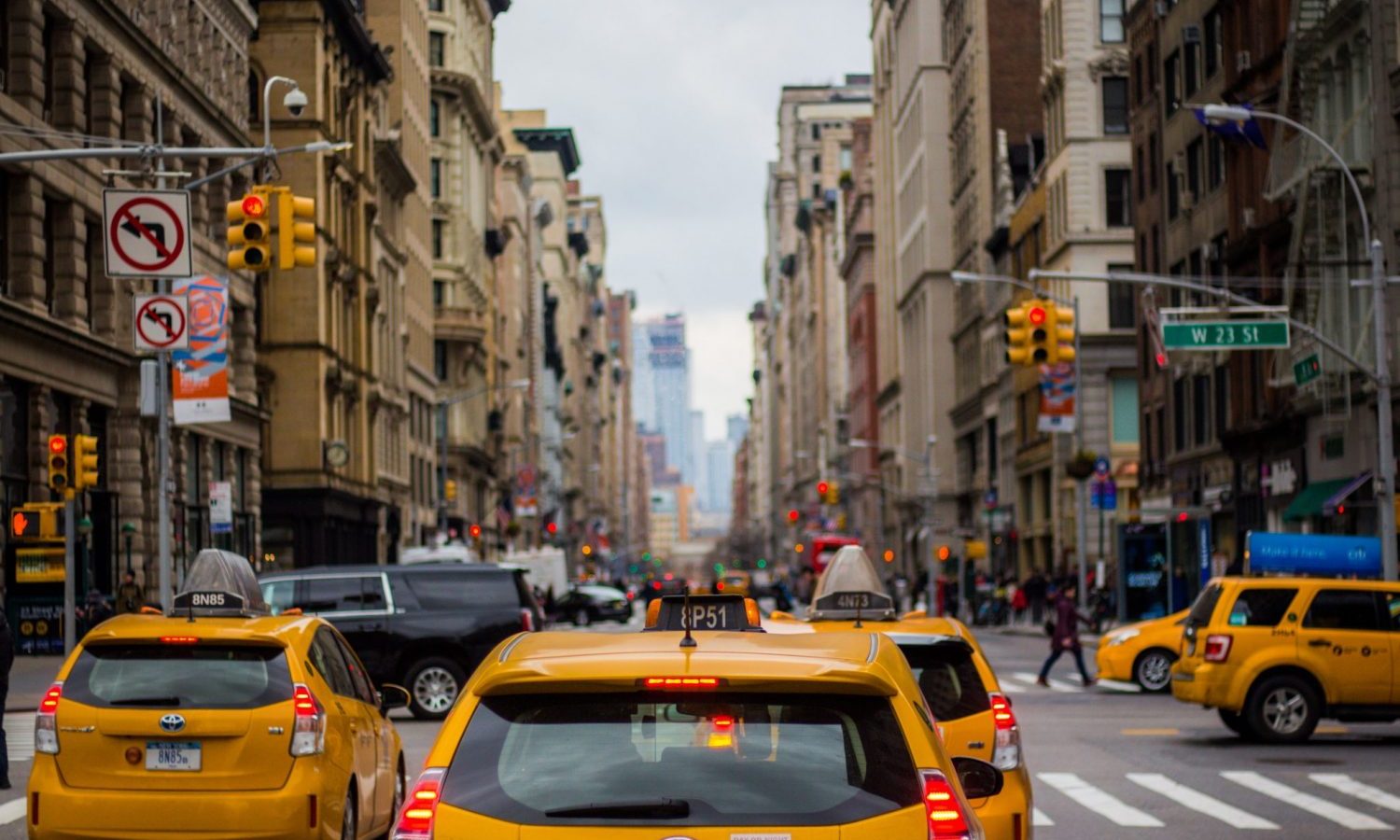
A new survey shows that many marijuana users are misinformed when it comes to driving under the influence of cannabis.
A survey from Virginia shows that residents don’t think marijuana is as dangerous as other drugs when it comes to driving.
The Virginia Cannabis Control Authority (CCA) said that the results were “troubling” and that they’d be working towards addressing these issues at the start of the new year.
Photo by Cappi Thompson/Getty Images
The survey was conducted by consulting firm Stratacomm, which collected over 700 responses from various residents of Virginia over the age of 16.
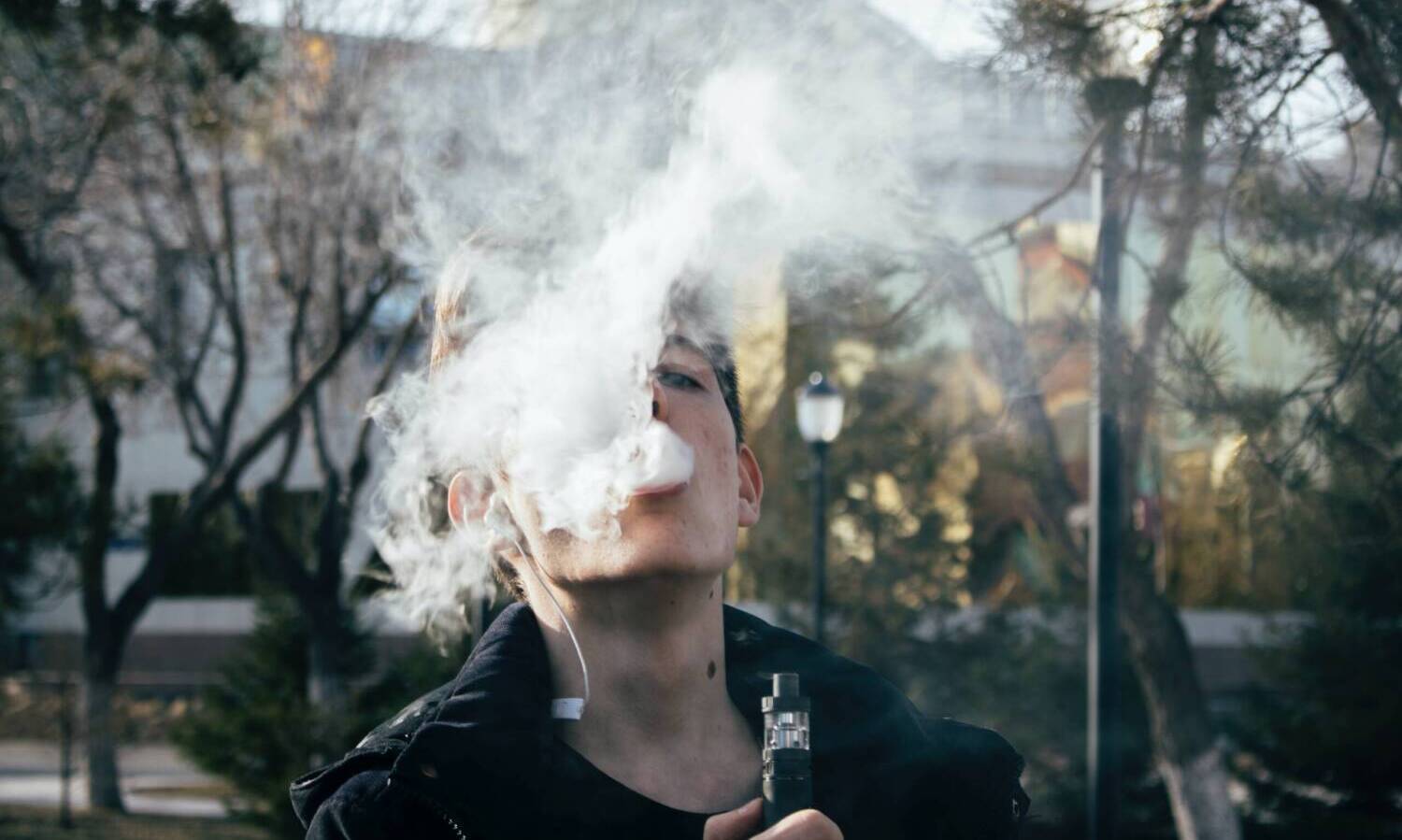
Approximately 14% of Virginians said they’d driven high a few times over the past year. It also said that only 26% of drivers believed driving high is an “extremely dangerous” activity. The data shows that texting (60%) and drinking (49%) are considered riskier when taking up the wheel.
More data shows 47% of drivers don’t “always have a plan for a sober ride” and that 24% of them have been passengers in cars operated by a high driver. A third of respondents claim high drivers are slower and more cautious drivers, which means they’re usually safe.
“As a public safety and public health agency, the CCA currently has no greater priority than creating a well-funded, aggressive, and sustained campaign aimed at reducing the incidence of marijuana-impaired driving,” said Jeremy Preiss, head of the CCA.
Marijuana possession and home growth were legalized in the state in 2021 and there’s still no efficient way of keeping track of drivers who are high and behind the wheel. Still, despite the fact that Virginians are misinformed, authorities believe these results shouldn’t be used against legalization.
“These recent findings should not be a deterrent to lawmakers moving forward with implementing retail access,” said Virginia NORML Executive Director JM Pedini. “Adult use marijuana laws have generally been associated with few changes in traffic safety and it is important that we finish the job that we started in Virginia.”
Could an issue over pigs affect the entire cannabis industry? It may seem like an odd connection, but it could be the Dormant Commerce Clause that brings these disparate industries together.
The Dormant Commerce Clause is known for its effect on interstate commerce, an issue that has vexed states wanting to create residency requirements for cannabis licensing. It could also single-handedly take down social equity efforts within the states.
Photo by CasarsaGuru/Getty Images
What Is the Dormant Commerce Clause?
According to Wikipedia, the Dormant Commerce Clause (DCC) is used to prohibit state legislation that discriminates against, or unduly burdens, interstate, or international commerce. The general idea is that interstate commerce should be decided as a Federal issue versus a state issue.
The first clear holding of the Supreme Court striking down a state law under the Dormant Commerce Clause came in the 1873 case Reading Railroad v. Pennsylvania. In this situation, the state of Pennsylvania tried to tax the railroads for traveling through the state, but the Supreme Court ruled against the state.
Justice Anthony Kennedy wrote that: “The central rationale for the rule against discrimination is to prohibit state or municipal laws whose object is local economic protectionism, laws that would excite those jealousies and retaliatory measures the Constitution was designed to prevent.”
This seems to be the heart of the DCC: protecting local economies at the expense of other states. The term “burden” enters the picture when a state enacts a law that protects itself but hurts someone in another state.
But who decides what the burden is? The courts.
A case about cantaloupes in Arizona, Pike vs. Bruce Church, set the stage for the general interpretation of the DCC. That case dates back to 1970. Church grew cantaloupes in Arizona but shipped them to California for packing. Arizona wanted Church to pack them in Arizona and slap an Arizona label on the fruit. It would’ve cost the farmer $200,000 to pack the fruit (valued at $700,000) in Arizona, and thus the state law was considered a burden. Arizona lost its case because of the burden imposed on the cantaloupe farmer.
Photo by Tingey Injury Law Firm via Unsplash
How the DCC Is Used in Cannabis
Since cannabis is federally illegal, many states that legalized medical and adult-use cannabis decided to limit license holders to residents. This seemed like a logical approach.
For example, when Colorado became one of the first states to legalize and regulate adult-use cannabis there was a requirement to live in the state. This caused a boom in the creation of the industry, and caused numerous people to move to the state in order to get into the cannabis industry.
However, recently several states, such as Maine, have lost this requirement in courts. The reason most cited is the Dormant Commerce Clause. Even though cannabis is federally illegal, it was decided that cannabis could still be recognized under federal laws.
New York is the next target for this claim, as Green Market Report reported. In that case, a Michigander is suing the state about its requirement for residency to get a license during the initial phase that is focused on social equity applicants.
Bring in the Pigs
Here’s where the pig story comes in. Recently, the Supreme Court heard a case from California on an animal welfare initiative. California’s Proposition 12 wants to ban in-state sales of pork from pigs born to mothers confined in small spaces. Currently, the state gets 99% of its pork from other states, and those pig farmers say they are the ones that will have to pay the price for this law. They argue it violates the doctrine.
Apparently conservative Justice Neil Gorsuch isn’t a fan of the Dormant Commerce Clause and used the pork case as a way to challenge it.
“As I understand California’s position charitably, it’s that Californians, 63% of them, voted for this law. They don’t wish to have California be complicit, even indirectly, in livestock practices that they find abhorrent, wherever they occur, in California or anywhere else,” Gorsuch said. “Why isn’t that a correct understanding of California’s asserted moral interest, and why isn’t that an in-state moral interest?”
Law360 wrote: “Instead of taking Justice Gorsuch’s invitation to attack the doctrine head-on, some justices considered ‘correcting’ the current test for dormant commerce clause cases established by Pike (the earlier referenced cantaloupe case). Justice Ketanji Brown Jackson, the court’s newest member, suggested the Pike test ‘might not be nuanced enough.’”
Photo by Kenneth Schipper Vera via Unsplash
Law 360 also said that Justice Brett Kavanaugh at least seemed to entertain the idea of abandoning the doctrine.
“To the extent we have historically overinterpreted the commerce clause … you couldn’t correct that without correcting also a historical underinterpretation perhaps of the export/import clause and the privileges and immunities clause,” Justice Kavanaugh said.
The pork producers’ attorney, Timothy S. Bishop of Mayer Brown LLP, agreed and said it was “too late” to do so.
“There are very few so deeply entrenched principles in American constitutional law as the dormant commerce clause going back to Cooley, and it serves a very important function,” Bishop said.
Bishop was referencing the 1851 decision in Cooley v. Board of Wardens that recognized a limit on a state’s ability to regulate national commerce.
According to Law 360, the stakes of the case are not simply fodder for academics. Upholding California’s attempt to dictate the farm conditions for out-of-state pigs would undermine the principles of the Dormant Commerce Clause and could lead states to target one another with burdensome regulations.
The Supreme Move
So far, the Supreme Court has only talked amongst themselves about the DCC.
“Until there are conflicting decisions on the DCC, the Supreme Court probably won’t take it on,” said Michael Schwamm of Duane Morris, a legal firm that has a cannabis specialty.
In other words, if New York were to win its case requiring residency for a cannabis license while Maine lost its case, that could spark interest in tweaking the DCC.
This group of justices has shown in other cases that some things that were considered settled law apparently aren’t.
Photo by Baris-Ozer/Getty Images
Interstate Commerce
The other argument for the DCC in cannabis, aside from residency requirements, is that some markets want to be able to transport cannabis across state lines. They argue this will make operating a company more efficient. Instead of duplicative operations in multiple states, companies could streamline their operations. For example, they could grow the cannabis in a cheaper state and truck it in.
Companies in states where oversupply is the problem really want this option, and MSOs that have grown to be huge operations would love to consolidate various parts of the chain.
The people most against this idea are states that have invested a great deal in developing the industry in distressed areas. Losing jobs and commerce to a cheaper cannabis production state is not an attractive option. A small craft farmer might not be able to compete price-wise with a corporate farm from California.
Take New York for example. Cultivation facilities have popped up in depressed areas, and farmers have gotten excited about the crop because they think they will get to supply a state where demand is expected to be huge. If interstate commerce is allowed, cheaper cannabis brought in from Oregon could undercut those farmers.
On the other hand, a smaller state like Vermont would love to have interstate commerce as an option to sell way more than its residents can consume.
Toss out the DCC or carve out waivers and some states could continue to enjoy home-grown cannabis. Otherwise, much of that in-state investment goes up in smoke.
Photo by Aleksandr_Kravtsov/Getty Images
Social Equity
The next issue to consider is whether DCC effectively kills social equity clauses. If state residency can’t hold up to DCC, how can social equity licenses be held up?
It’s the same philosophy. A state can’t carve out certain recipients for the licenses, which would mean the programming in New York for previously incarcerated cannabis offenders can’t get that special help. All of the attempts to help give back to those hurt by the war on drugs is a bust.
In other words, those cheering for interstate commerce could be hurting social equity applicants if they are successful.
Crystal Ball
Looking into the crystal ball, it’s a big stretch to think that the Supreme Court could push back on the DCC – or is it? Many thought Roe vs. Wade was settled law, and the Justices shot that down.
Could the DCC get tweaked instead? Could the definition of burden get tightened up? Could cannabis be allowed to remain single-state operations or will DCC end that? Will interstate commerce win out over social equity efforts?
The pigs may forecast what’s in store for cannabis.
Cannabis by itself is not bad for your lungs, but smoking it is. Smoking weed leads to the deposit of four times the amount of tar than smoking tobacco, and may increase the risk of lung cancer.
Smoking anything is bad for your lungs. That’s because when you smoke, you’re inhaling burned plant matter and chemicals. These chemicals include toxins and carcinogens which can damage your lung tissue.
Air pocket in between the lungs and the chest wall
Chronic bronchitis
Chronic cough
Increased risk for respiratory conditions
Injury to the cell linings of the large airways
Killing lung cells that defend against dust and germs resulting in the development of mucus
Large air bubbles in the lungs of young to middle-aged adults who are heavy weed smokers
Lower respiratory tract infections
Phlegm production
Risk of infection if the smoker has an immunosuppressive disease such as HIV infection
Risk of infection if the smoker on immunosuppressive drugs
Weakened immune system
Wheeze
Photo by Anna Shvets from Pexels
Is there tar in marijuana?
Tar is a sticky substance that’s left behind when plants are burned. It’s made up of chemicals and toxins that can damage your lung tissue. When you smoke weed, you’re inhaling tar.
Cannabis smokers tend to have more tar build-up in their lungs than tobacco smokers. This is because they usually hold the smoke in their lungs for longer than tobacco smokers. This increases the amount of time that harmful chemicals are in contact with the lung tissue resulting in more tar exposure.
The answer to the question you’ve been wondering, “Is weed bad for your lungs” is that weed itself is not bad for your lungs, but smoking weed is bad for your lungs.
Can smoking weed damage your lungs?
Yes, smoking cannabis damages human lungs. Researchers at the University of Otago have found that “prolonged cannabis use led to over-inflated lungs and increased the resistance to airflow to a greater extent than tobacco.”
This finding was particularly eye-opening as it suggested that impaired oxygen extraction, which is the result of over-inflated lungs and lungs resistant to airflow, may be precursor symptoms to the condition respiratory doctors refer to as Bong Lung.
Bong Lung is a very severe form of emphysema, a disorder in which the lungs’ air sacs are harmed and swelled, producing breathlessness. Very little is known about Bong Lung except for that it is a condition that appears in chronic weed smoker lungs.
The lungs of a weed smoker, especially a chronic weed smoker, become impaired over time. Weed smoke harms lung tissue which leads to scarring, injury to the small blood vessels, and respiratory issues.
Photo by KatarzynaBialasiewicz/Getty Images
Can you get lung cancer from smoking weed?
Aresearch report published by the National Institute on Drug Abuse found that cannabis smoke can result in heavy coughing due to irritation in the throat and lungs. Coughing after smoking weed is due to the toxic chemicals and tar in the smoke, many of which are similar to the harmful chemicals found in tobacco smoke.
While long-term studies on smoking weed and the prevalence of lung cancer do not exist yet, researchers believe there could be a correlation between lung cancer and smoking weed.
Can smoking weed cause lung cancer?
Cannabis contains the following carcinogenic compounds:
Benzoprene
Benzanthracene
Phenols
Vinyl chlorides
Nitrosamines
Each of the carcinogens listed above is found in cannabis smoke at higher rates than in tobacco smoke. Benzoprene and Benzanthracene are particularly alarming. The rate of benzoprene found in cannabis smoke is 50% more than that found in tobacco smoke. The rate of benzanthracene is 75% more than that found in tobacco smoke.
In addition, cannabis smokers tend to smoke weed by taking long slow steady deep inhalations that are held longer than tobacco smoke leading consumers to deposit an average of four times the amount of tar than they would expose themselves to from tobacco smoke.
This leads many researchers to believe that the answer to the question “Can you get lung cancer from smoking weed” is “Yes.”
Key takeaways: how does smoking weed affect lungs?
The lungs of a weed smoker become impaired over time, leading to respiratory issues.
Smoking weed leads to the deposit of four times the amount of tar than smoking tobacco.
Smoking weed may increase the risk of lung cancer.
Cannabis is not bad for your lungs but smoking weed is bad for your lungs.
With just one week before Missourians go to the polls to weigh in on cannabis legalization, debates around its benefits and potential policy change are heating up.
Cannabis legalization activists have been tireless in their push for the cause for months, while those opposing policy changes are using every opportunity to speak up in opposition.
Dr. Daniel Mamah, a Washington University psychiatrist and director of the Washington Early Recognition Center, recently came out in favor of prohibition, claiming that he has seen firsthand various psychiatric disorders related to early and regular cannabis use.
“Very, very often, we have people that come in, and we ask them, ‘When did your symptoms start?’ And they would link it to ‘When I started using weed’ or ‘When I started to increase my doses,'” Mamah said, per the St. Louis Dispatch.
Photo by FatCamera/Getty Images
He also urged voters to consider the health impacts of cannabis on Nov. 8, adding that debates around Amendment 3 — the ballot measure seeking to legalize cultivation, processing and sales of marijuana to adults — are focused mainly on clearing criminal records and the economic side.
“With marijuana, there is still a lot to be studied,” Mamah continued. “People think it is just this wonder drug that cures all or it’s purely natural…but the reality is it has risks, different kinds of risks.”
Cannabis Activists Still Going Strong
On the other end of the spectrum, the Law Enforcement Action Partnership (LEAP) has praised the long-awaited policy change.
“We have watched as marijuana arrests and convictions taxed the resources of our local police departments and caused real harm to neighborhoods,” said Lt. Diane Goldstein, executive director of LEAP. “What people don’t see behind the scenes is that law enforcement has a duty to respond any time dispatch receives a call about these low-level marijuana offenses. They divert our attention from responding to and solving more serious crimes. These calls are a distraction and don’t serve the public interest.”
As a non-profit group of criminal justice professionals, including police, prosecutors and judges, LEAP aims to find alternatives to arrest and incarceration by “addressing the root causes of crime and healing police-community relationships.”
John Payne, campaign manager for Legal Missouri 2022, which has taken a few hits along the road, said “the tax revenues will be used equally to support veterans’ services, pay for drug treatment and counseling, as well as fund public defenders.”
He added that recreational cannabis policy reform would “return critical resources to local police, but it will also bring new revenue streams to Missouri’s veterans.”
Here is a list of medications and conditions that are currently thought to have adverse effects when mixed with cannabis.
Marijuana is considered a relatively safe drug, and as time passes medical professionals are finding more and more uses for it as a medicine. From helping those with multiple sclerosis to an FDA approved medical derived from cannabis to treat epilepsy, cannabis is finding its footing and rooting itself firmly in the medical community. But beware, there are certain drugs you don’t want to mix with marijuana.
While marijuana can have often-desirable effects, these effects can sometimes be dire those with certain medical conditions or mixed with prescription medication for health reasons.
Testing and research is limited, as marijuana is still illegal on a federal level. However, here is a list of medications and conditions that are currently thought to have adverse effects when mixed with cannabis.
Opioids and Sedatives
Opioids and sedatives come with their own risks even when they are not combined with other substances. When they are combined with marijuana, however, their effects can be heightened and amplified, which can be dangerous for those who combine these substances.
“Marijuana’s biggest-known impact is with opioids (for pain), sleep medications, muscle relaxants and alcohol because all affect the central nervous system,” according toSalem Health, which also mentions that when marijuana is used with sedatives and hypnotics it can have an addictive effect.
It is important to be up front and honest with your physician if you are prescribed opioids or sedatives but also want to use marijuana for recreational or medical purposes. At the very least, your physician can recommend some drugs over others or suggest a dosage that will not put your health at risk.
Photo by Cappi Thompson/Getty Images
Blood Thinners
Marijuana and blood thinners are another potentially dangerous combination. Marijuana can cause blood thinners to work excessively well, which can have dangerous consequences. “Marijuana can increase the levels of the blood thinner warfarin in the body, which can lead to excessive bleeding,” according to NBC News. Marijuana combined with certain blood thinners can thin your blood out to dangerous levels, so it is imperative you know whether or not the blood thinning drugs you are taking might be affected by marijuana use.
Even if the drugs may not cause severe side effects like excess bleeding, they may otherwise change the drugs effectiveness. ”Using marijuana while on a statin or a blood thinner can change how these drugs work in the body,” lead author Dr. Muthiah Vaduganathan, a cardiologist at the Brigham and Women’s Hospital in Boston, told NBC News.
Anxiety or Depression Medication (SSRIs & Benzodiazepines)
Another group of drugs that can have negative and even dangerous consequences when mixed with marijuana are medications meant to treat anxiety and depression. More specifically, SSRIs (like Cipralex or Prozac) and also Benzodiazepines (like Xanax or Valium) can both have adverse effects when mixed with marijuana.
One reason it is a bad idea to mix these drugs with marijuana is that both types of drug are mood altering. “The challenge for people who have mood disorder or depression is that every time they’re using cannabis, they’re taking another psychoactive drug,” Dr. Timothy Brennan, director of the Addiction Institute at Mount Sinai West and Mount Sinai St. Luke’s Hospitals, told Women’s Health. “And that can make it very challenging for a patient or physician to figure out what drug is actually having an effect on what,” Brennan continued.
This also means that marijuana can potentially negate the positive effects these mood and anxiety medications are having.
Photo by Christina Victoria Craft via Unsplash
Tamoxifen
While medical marijuana is often prescribed to cancer patients undergoing treatment, one medication in particular should never be taken with marijuana. Tamoxifen, which is one drug used to combat breast cancer, may have its benefits negated when combined with marijuana. “If pot interferes with the processing of tamoxifen, it could cause the breast cancer patient to receive little to no benefit from the drug,” Philip Lazarus, a professor of pharmaceutical sciences at Washington State University, told WebMD. This should be a sobering reminder to always consult your physician about your cannabis use when you are on any type of life saving or critical medication.
Continued Challenges With a Lack of Research
While the medications we listed above could be dangerous or pose risks when mixed with marijuana, there still needs to be more research conducted. Unfortunately, even though (as we’ve reported) more people now smoke marijuana than cigarettes in this country, there have been limited trials on how pharmaceuticals interact with marijuana.
“So even while many people may use marijuana, tight federal restrictions limit researchers’ ability to study cannabis as approved medications are typically studied, including evaluating whether it can safely be taken with medications,” according to U.S. News. This is one strong argument as to why there needs to be a reclassification of marijuana. Taking marijuana off the Schedule I drug list would allow for significantly more research on the substance, and would improve how we understand the ways it interacts with other substances in our body.
Horror movies are known to be often tied to physical sensations and mental explorations. In fact, many times they become a vehicle to experience flashes. They are also synthesized as a lysergic capsule that makes what explodes on the screen vibrate in the body. For this reason, sometimes, due to its introspective side, you might want to consider these horror movies you should not watch when high!
They have an introspective side, so here are horror movies you should NOT watch when high!
Photo by JESHOOTS.com from Pexels
So, with this list designed especially for El Planteo, various experts in the field rummaged through the depths of their video libraries to warn us about these dark films. In short, films to avoid if you’ve smoked marijuana.
Trances should be skipped if one was sensitively predisposed and does not want to cross the threshold of the shadows toward that striking, but not always nice “other side” of the mind.
Moreover, experts would not recommend to anyone who has taken any illegal substance to watch The Trip, by Roger Corman. People who consume any substance could have a ‘bad trip’.
In a second instance, Blue Sunshine is about the delayed effects of a hallucinogenic substance in the 60s. Which, years later, people start to get bald and start killing other people. That’s also a bit of an awkward movie to watch for anyone who has experienced or tried to evade our reality through banned substances.
Subconscious Cruelty (1999) from Karim Hussain is a film/essay about pleasure and enjoyment in the suffering of a human being. The human and his two cerebral hemispheres are in eternal conflict: on the one hand, logic; and, on the other hand, momentum. The images are disjointed, deeply eschatological, and strong. Everything we describe may seem ideal, but NO!
Chances are, Hussain’s film will leave you shivering in a fetal position, understanding absolutely nothing of what you saw and, at the same time, understanding it so well that you scare yourself.
Additionally, all the installments of the Guinea Pig saga. Do you think you like gore and that you tolerate it perfectly? Guinea Pig is not a movie to watch while out of your mind; you need to be very connected to the idea that “it’s just a movie”.
Charlie Sheen saw it and called the police because he mistook it for a snuff movie (literally) because he didn’t know that it wasn’t convenient for him to see high (and we have no proof or doubt that he was).
Moreover, the most current of the anti-recommendations is Lamb, a 2021 Polish film directed by Valdimar Jóhannsson, in which a couple raises a humanoid sheep named Ada and puts all kinds of clothes on it: from kid dresses to jumpsuits.
El Planteo believes that “If you watch the film high, it’s very likely that this crossover between a farm animal and a human infant will start to seem sinister and disturbing very quickly.”
The truth is that it is difficult to think about what horror movie NOT to watch while high because, for someone who loves horror as much as I do, it seems to me that most of the flashy and psychedelic ones improve when you are high.
But there is one that I can tell you not to watch because you could have a bad trip, and that is Tusk, Kevin Smith’s body horror comedy. It’s a bizarre one that I hate and love at the same time, with Johnny Depp and a bunch of well-known actors, in which a kid is turned into a walrus.
The process is a cringe, a joke, and total disgust, but the problem with being high is the underlying subtext. If you are one of those who smoke and get caught persecuting yourself, you can take the pessimistic and existentialist vision that you have in the background too seriously and become depressed, very depressed, or very angry. This movie, itself seeks that, imagine if you get stoned.
If you smoke a joint, never see Where the Dead Go to Die, the closest thing to a cursed video coming out of a creepypasta in the cinema.
A strange collage of hellish visions, violence, and surreal nightmares with rough 3D animation, typical of a video game so rudimentary that it makes it more disturbing, a semi-anthology with an insane general plot full of torture, parricide, incest, bestiality, pedophilia and diabolical pacts that it works better the less sense it makes. An exercise in extreme provocation with its own intuitive mythology.
The equivalent of an amateur comic fanzine from the ’90s in a home animation style, whose chaotic style has coherence and adds a pertinent texture of dirt and ugliness. It is crazy, not suitable for any palate that, under psychotropic effects, can lead to very, very bad vibes.
According to El Planteo, “the movie not to watch if you smoked a joint is Darren Aronofsky’s Mother! Rare movie, with Jennifer Lawrence and Benicio del Toro.” A very symbolic film, which has sequences that, for people with anxiety or for those who start to flash it badly, can be very complicated. They may become violent watching this movie. I don’t think I should tell it, it’s more to enjoy it.
Keep in mind that it is very symbolic, very strange. It does not have a very armed plot. The plot is used as an excuse to tell something, what the director wants to symbolize with the characters and events. It happens inside a house, throughout the year. And it has sequences that look like a bad trip, really.
Another movie that we recommend avoiding if you consumed a “strange substance” is John Carpenter’s The Thing. That it is an experience, in itself, paranoid, grotesque and that, in a “special mood”, it can maximize that experience and take you to really unpleasant places.
With all that paranoia and that catalog of monstrosities, “I wouldn’t dare to watch it like this.” The Thing is a movie you might want to avoid in that mood.
Another movie you should avoid if you have smoked or consumed “something very special” is Hellraiser. It is a Clive Barker film with those creatures, the Cenobites, who come from the underworld to apply the idea of pleasure that has to do with torment. Having consumed “something weird” you can flash it in an unexpected way.
The mystique that constantly surrounds this film by Gaspar Noé has almost become an urban legend. Its mixture of psychedelia, unconventional camera movements, hypnotizing music, and highly aesthetic photography with very nice colors and neon lights made Climax stand out as a “psychedelic movie”.
The truth is that this 2018 film seems to have all the necessary elements to want to see it stoned and fall into the clutches of the dream that Noah wants to induce us to. But more than a dream, Climax can become a nightmare.
In 2020 we did an episode of our podcast talking about “drugs and terror” and featured Climax. Not only does the drug play an important role in the development of the plot, but many people included it in their lists of movies to watch while stoned.
However, “we believe that this is not a movie to watch stoned, or at least to watch stoned and have a good time.”
Why? Because the concept of this movie is basically going through a bad trip. We see how several characters find themselves in a situation of confinement, very claustrophobic, and they fall into a limitless spiral that brings them closer to collective madness.
“Climax” is actually a very big anxiety trigger. This movie is uncomfortable and, seeing it in an altered state, can make you fall into the same spiral as the characters. Seeing it smoked can make you go through a bad trip and get you into the depths of that nightmare.
Here are horror movies you should NOT watch when high! You can’t say we didn’t warn you.
While Halloween and marijuana seems like a perfect pairing for the cannabis enthusiast, it’s important to remember that there are right and wrong ways to infuse the celebration with weed.
Halloween is perhaps the most unique holiday celebration of the year. It’s the only day where you can dress like pretty much anything and run amok in the streets without anyone so much as batting an eye. Not only that, but it’s spooky and creative energy tends to lend itself nicely to a little THC.
From haunted houses to costume parades, all sorts of Halloween happenings can be heightened by cannabis. Marijuana is a one way to take your spooky or comical Halloween adventure to the next level, but there are definitely some precautions you should take before you set off on your fright fest.
While Halloween and marijuana seems like a perfect pairing for the cannabis enthusiast, it’s important to remember that there are right and wrong ways to infuse the celebration with weed. In order to make sure you and those around you have a safe and memorable halloween weekend, we laid out some essential do’s and don’ts for you to follow.
Photo by smileitsmccheeze/Getty Images
Embrace the Halloween Snacks and Treats
Halloween is not exactly a gourmet holiday like Thanksgiving or Christmas. It is, however, perhaps the best day of the year for the munchies. From rice crispy treats and candied apples to mountains of bite sized candy bars and sweet candies, Halloween is a genuine munchies heaven.
“The Munchies,” as any cannabis user knows, and as wereported, are very much a real and scientific side effect of cannabis. Embrace the moment, and indulge in all the sweets and otherwise forbidden treats that this holiday has to offer. Maybe consider having a big salad earlier in the day to make you feel less guilty later. And no matter how high you get, remember to brush your fangs before you retire to your coffin for the night.
Don’t Eat All the Candy
It can happen to the best of us. You decided to stay in instead of going out, and you are ready for all the trick-or-treaters. But the doorbell isn’t ringing, so you take a peak into the candy bowl and take one piece. Suddenly the bowl is half gone and the bell won’t stop ringing. Don’t be that house that has to turn off its light because you ate all the trick-or-treater candy.
To avoid this, have your own stash. Select the candy you like best, and make that your trick or treat snack. Just consider whatever is leftover an added bonus for you and your household, the next day.
Photo by Sarah Gualtieri via Unsplash
Arrange Safe Transportation to Your Destinations
According to the National Highway Traffic Administration (NHTA), on Halloween, “during the years 2015-2019, there were 126 people killed in drunk-driving crashes.” Not only does this shed light on the fact that Halloween is a dangerous day to be on the road, but it also means police presence will be in full effect.
Halloween is a popular day for police to have sobriety checkpoints and road blocks where they conduct field sobriety tests. Just because you think you are no longer high does not mean that you can’t still get arrested for a marijuana related DUI, especially if you consumed marijuana in the last few hours, or have it on your person. Take a ride service or public transportation and make sure you stay safe.
Embrace the “Spooky,” Avoid Paranoia
Of all holidays, Halloween can be the most mind-bending and emotionally jarring. There are crowds of people dressed in all sorts of wild costumes, and everyone – friends and strangers alike – wants to scare you.
One side effect of cannabis is paranoia, and the last thing you want to add to your Halloween is increased paranoia. Sure, there are ways to cope with cannabis-induced anxiety and paranoia, but it’s better to not let it even get to that point, especially on this wild weekend. Instead, make sure you take the right dose of a strain that has been reliable to you in the past. Don’t use Halloween as an excuse to test out a new strain if you can avoid it. Go with what works.
Photo by KatarzynaBialasiewicz/Getty Images
Get Your Costume and Plans in Order Before You Get High
Don’t make the rookie move of getting high before you get your costume together. The odds are you may completely lose motivation, or take your costume into a strange and incomprehensible direction. Most of all, it can make you very late.
It is easy for Halloween night to slip away from you while you’re vibing with your costume in front of the mirror. So make sure you get your costume and plans in order before you pop your edible or roll a joint. It will help get you out the door on time.
Be Sure To Label Your Edibles
With so many brownies, cupcakes, chocolates and gummies everywhere, your weed edibles can easily get lost in the shuffle. Make sure you keep your stash in its packaging and on your person. Also, if you decide to make a batch of edibles for your friends at a party, label them and portion them out appropriately.
Never leave this precious gift unattended or unlabeled. It is best practice to individually wrap and label them, and hand them out personally. It’s a nice touch and definitely the safest route.
Don’t Be a Zombie (Unless That’s Your Costume)
Remember that halloween is a long day, and can involve lots of walking, dancing and bar hopping. Don’t get so stoned right off the bat that you just want to sit in the corner like a mummy – even if that’s what you’re dressed as. Portion control is key on holidays like this. Learn how toconsume the proper edible dose if you are at all unsure and plan on consuming instead of smoking your weed. It makes sure you have energy to spare and will keep you safe and in control on this often daunting holiday.
Photo by Keira Burton from Pexels
Know the Marijuana Possession Laws In Your Area
Before you embark on your Halloween cannabis journey, make sure you know your state’s marijuana possession laws. Just because you bought the marijuana legally does not mean you can take it anywhere.
For example, “open containers” of marijuana should never be brought into a car. Also, many haunted houses are on municipal or even federal land, which can be a no-go for cannabis possession. Make sure you know where you are going, as cannabis may be forbidden in these areas.
As we have previouslyreported, just because marijuana is legal doesn’t mean you won’t still get arrested for having it. Many private clubs also have door policies that prohibit cannabis, so read up on your destinations and your laws before you venture out.
A new study conducted in rats found some adverse side effects that appeared when marijuana was used during pregnancy. These side effects greatly affected one gender.
Marijuana use during pregnancy has long been controversial. While the plant seems perfectly geared for treating some of pregnancy’s most annoying side effects (nausea, digestive issues, physical aches, anxiety, etc.), consuming any type of substance is likely to impact the fetus.
Using pregnant rats as subjects, researchers found that THC affected the offspring’s brains, particularly in the areas of the brain that process anxiety and addiction.
Interestingly, male offspring were much more affected than females, with researchers saying that males were “badly hit on almost every metric”. Male offspring were likely to have more anxiety, with their addiction and reward systems severely impacted, especially in the long term, being more prone to depression, anxiety, and poor emotional regulation.
“[At adulthood], the females often [experienced] no anxiety, no brain activity changes, no depression, no reward processing alterations and really very few protein changes as well,” said study lead Mohammed H. Sarikahya, PhD.
He also said that the study achieved these results while using a six percent dose of THC; average THC levels are now well over 12 percent.
Now that marijuana is becoming more and more common, it’s important to inform the public about its side effects and for researchers to study the plant fully, from learning more about its properties to understanding its effect on pregnancies. While it’s good that the drug is being embraced for its medicinal value, it’s also important to learn and acknowledge its side effects.
The months-long litigation over marijuana’s Scheduled 1 drug designation in Nevada is finally over. Weeks after a Clark County District Court judgeweighed in on a closely-followed lawsuit filed against the Nevada Board of Pharmacy determining that the listing of cannabis as a Schedule 1 drug is against the state’s constitution, the final ruling was issued on Wednesday, reported The Nevada Independent.
Photo by FatCamera/Getty Images
With the new decision, which follows an interesting precedent at the state court level that sought to remove cannabis’s Schedule 1 designation, Judge Joe Hardy stripped the Board of Pharmacy of the ability to regulate cannabis.
The judge said that the board “acted outside of its authority when it failed to remove cannabis from the list of Schedule I substances” even though voters amended the state constitution to legalize medical marijuana.
“If the [pharmacy] board designates a substance as a ‘controlled substance,’ but the designation falls outside the authority delegated by the Legislature, the designation is invalid,” the new ruling said.
Nevada legalized medical marijuana use in 2000 followed by another ballot in 2017 that legalized recreational cannabis sale and use.
Photo by RODNAE Productions via Pexels
Background
American Civil Liberties Union (ACLU) of Nevada won a clear victory in September after filing the lawsuit in April 2022. Judge Hardy sided with the ACLU’s argument that marijuana has an accepted medical use.
“The notion that a state agency is able to engage in unlawful actions because it’s happening at the federal government – it’s just not the way it works,” said Athar Haseebullah, executive director of the ACLU on July 15 after the first hearing. “They don’t work for the feds. We didn’t sue the DEA here. We sued the State Board of Pharmacy because this is a state action.”
The plaintiffs — Cannabis Equity and Inclusion Community (CEIC) and Antoine Poole through counsel of the ACLU — sought injunctive relief, alleging that despite the passage of the Nevada Medical Marijuana Act and the Initiative to Regulate and Tax Marijuana, the state via the Pharmacy Board failed to comport with the will of Nevada voters, the state Constitution and revised statutes.
“The ruling today that cannabis cannot be scheduled as a Schedule 1 substance by Nevada’s Board of Pharmacy without violating the Nevada Constitution reaffirms what the people of this state have known for decades, that marijuana has medicinal value and can be safely distributed to the public,” said Chris Peterson, Legal Director for ACLU of Nevada.
More than 70% of cannabis businesses say that the “lack of access to banking or investment capital” is their top challenge, according to a recent survey.
Members of the NAACP’s Board of Directors have approved a resolution calling upon Congress to enact legislation that explicitly allows banks to provide financial services to state-licensed cannabis businesses.
Federal law discourages banks and other financial institutions from maintaining relationships with marijuana-related businesses because the plant remains classified as a Schedule I controlled substance. According to data provided by the US Treasury Department earlier this year, only about 11% of all US banks and about 4% of all US credit unions are “actively providing banking services to marijuana-related businesses.” Survey data compiled in February by Whitney Economics reported that over 70% of participating cannabis businesses say that the “lack of access to banking or investment capital” is their top challenge.
House members have advanced legislation, the Secure and Fair Enforcement (SAFE) Banking Act, amending federal law on seven separate occasions. Nonetheless, members of the Senate have yet to take up the bill. In recent weeks, however, some Senators have expressed an appetite for advancing an expanded version of the Act immediately following the midterm elections.
Photo by Kindel Media via Pexels
The NAACP resolution states: “The SAFE Banking Act could enable cannabis businesses with social equity licenses, diverse ownership licenses, or other licenses made available by states with medical- and adult-use cannabis laws that aim to foster a diverse and equitable industry, to better compete in the industry if it was coupled with the federal descheduling of marijuana and explicitly provided for fair terms and rates for Black-owned and social equity licensed cannabis businesses.”
According to polling data compiled by Morning Consult in September, 65% of respondents “support allowing cannabis-related businesses to have access to banking services in states where cannabis is legal.” Moreover, 63% of voters agree that allowing cannabis-related businesses to access the banking system will help improve public safety, and 58% say that it is “important” that members of the US Senate vote to establish a safe harbor for licensed cannabis businesses.
In 2019, the NAACP for the first time called upon Congress “to remove cannabis from the list of federal controlled substances and provide federal grants to states seeking to implement entrepreneurship opportunities and job creation in the cannabis industry for low-income individuals and people of color from communities that have been disproportionately impacted by marijuana arrests and prosecutions.”
In written testimony to Congress, NORML previously stressed the need for banking policy reform, stating: “No industry can operate safely, transparently, or effectively without access to banks or other financial institutions and it is self-evident that this industry, and those consumers that are served by it, will remain severely hampered without better access to credit and financing. Ultimately, Congress must amend federal policy so that these growing numbers of state compliant businesses, and those millions of Americans who patronize them, are no longer subject to policies that needlessly place them in harms way.”
NORML’s full Congressional testimony is online here.