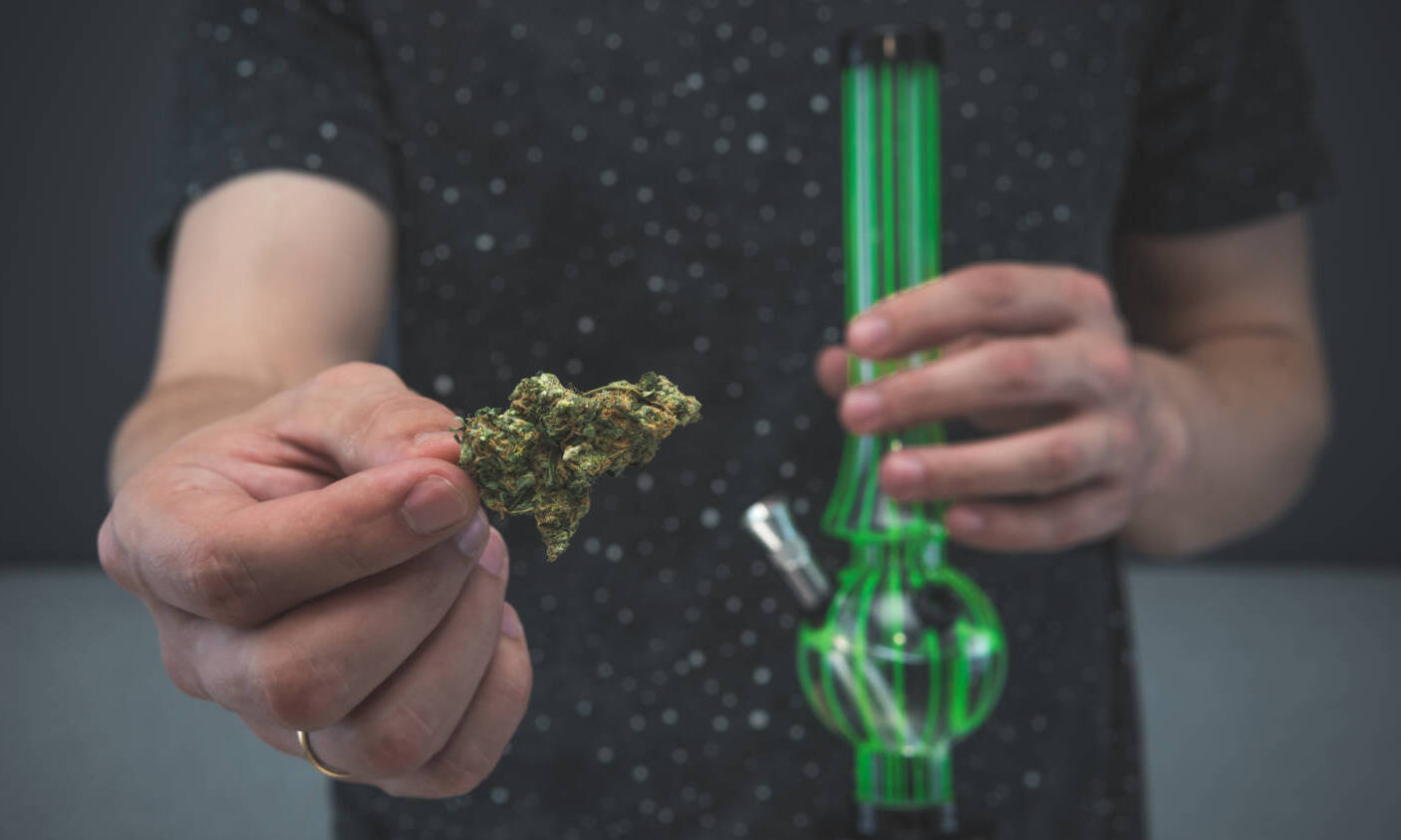
The Republican governor of Virginia is asking state lawmakers to give him more tools to crack down on largely unregulated cannabis products and retailers, particularly hemp-derived goods such as delta-8 and delta-10 edibles.
Gov. Glenn Youngkin included several such requests in his 2023 state budget proposal, including asking for $2.1 million and 15 new positions within the state Department of Agriculture and Consumer Services (VDACS) to “eliminate intoxicating cannabis-derived products from unregulated channels,” a spokesperson for Youngkin told the Virginia Mercury.
Youngkin also requested $513,000 in new funding for the state attorney general’s office, so the agency can hire five more “cannabis consumer protection investigators.”
Attorney General Jason Miyares already pledged to go after retailers selling possibly illegal cannabis goods, such as knockoff edibles that are colorfully packaged and can be easily confused with mainstream candy.
Photo by IRA_EVVA/Getty Images
The move by Youngkin comes amid the ongoing absence of a fully regulated and operational adult-use cannabis market, which is not slated to launch until next year sometime. State lawmakers still have to agree on a regulatory system for the industry, and at least one bill to do that has been introduced this year.
The crackdown, however, will also contribute to market uncertainty, since many businesses that could be affected believe they were operating within the bounds of the law, WRIC reported.
“These products do need some kind of regulation so that consumers are getting a safe and effective product. At the same time, the way the state is going about this has been very confusing,” said one Richmond-based hemp goods retailer who sold delta-8 and delta-10 edibles before state inspectors told him to cease and desist last year.
A spokesman for the VDACS told WRIC that his agency has made more than 5,300 site inspections since July to enforce new rules on hemp goods and that less than 7% of vendors were selling illegal marijuana or hemp goods. There are currently 12 companies involved in administrative hearings to determine whether the goods they were selling were legal or not, WRIC reported.
If you’re someone who enjoys getting high, but can’t seem to find the ambition to start a workout routine, perhaps it’s time to try one of these popular exercises proven to pair perfectly with a little pot.
As marijuana stigmas slowly fall away, the act of lighting up a joint or popping an edible is becoming as acceptable as opening a bottle of wine. Getting stoned is now an after-work nightcap equivalent, and “high” is the preferred mental state for many travelers. You might even have noticed that THC is becoming infused into some of America’s favorite workouts.
Colorado University recently published astudy in which “results indicated that the majority (81.7%) of participants endorsed using cannabis concurrently with exercise.” That number is very telling, even for a state that has legalized recreational marijuana and has a thriving cannabis industry.
The samestudy went on to state that “approximately half reported that it increases their motivation to exercise.” So, if you’re someone who enjoys getting high but can’t seem to find the ambition to start a workout routine, perhaps it is time to try one of these five popular exercises that are proven to pair perfectly with a little pot.
Yoga
Photo by Carl Barcelo via Unsplash
Yoga and marijuana have been friends for a long time. Many yoga practitioners speak to the mellowing qualities of THC and how they can greatly enhance a guided yoga practice.
“It really does facilitate getting out of the head and quieting the ego concerns of what has already happened in the past and what may happen in the future,” Dee Dussault, founder of Ganja Yoga told Yoga Journal.
Many yogis and even yoga studios in states with legalized recreational marijuana have begun to publicly combine cannabis into their yoga practices. Marijuasana, for example, is a company that “infuses” the practice of yoga and cannabis – and they have successfully made business out of it. There are many other small businesses like Marijuasana, and likely many more due to sprout up in states that have just passed legalization measures.
Running
Photo by Alexander Redl via Unsplash
Running and marijuana was discussed a great deal recently thanks to a heated olympic controversy. One thing to come out of the controversy was knowledge that many athletes, especially runners, use cannabis.
Not only does marijuana have mental benefits, but it also has proven pain relief benefits that may be attractive to high-endurance athletes like runners.
In a 2019 study of athletes published in the journal PLOS One, “Of the 1,161 participants 302 (26.0%) were current cannabis users.” The study cited the pain relief benefits of cannabis as one potential reason so many professional athletes use cannabis.
Even if you don’t plan on winning a gold medal any time soon, it is good to know that after a long run, cannabis can assist in numbing the pain. This may be all you need to help stick to a consistent workout routine.
Pilates
Photo by Kampus Production via Pexels
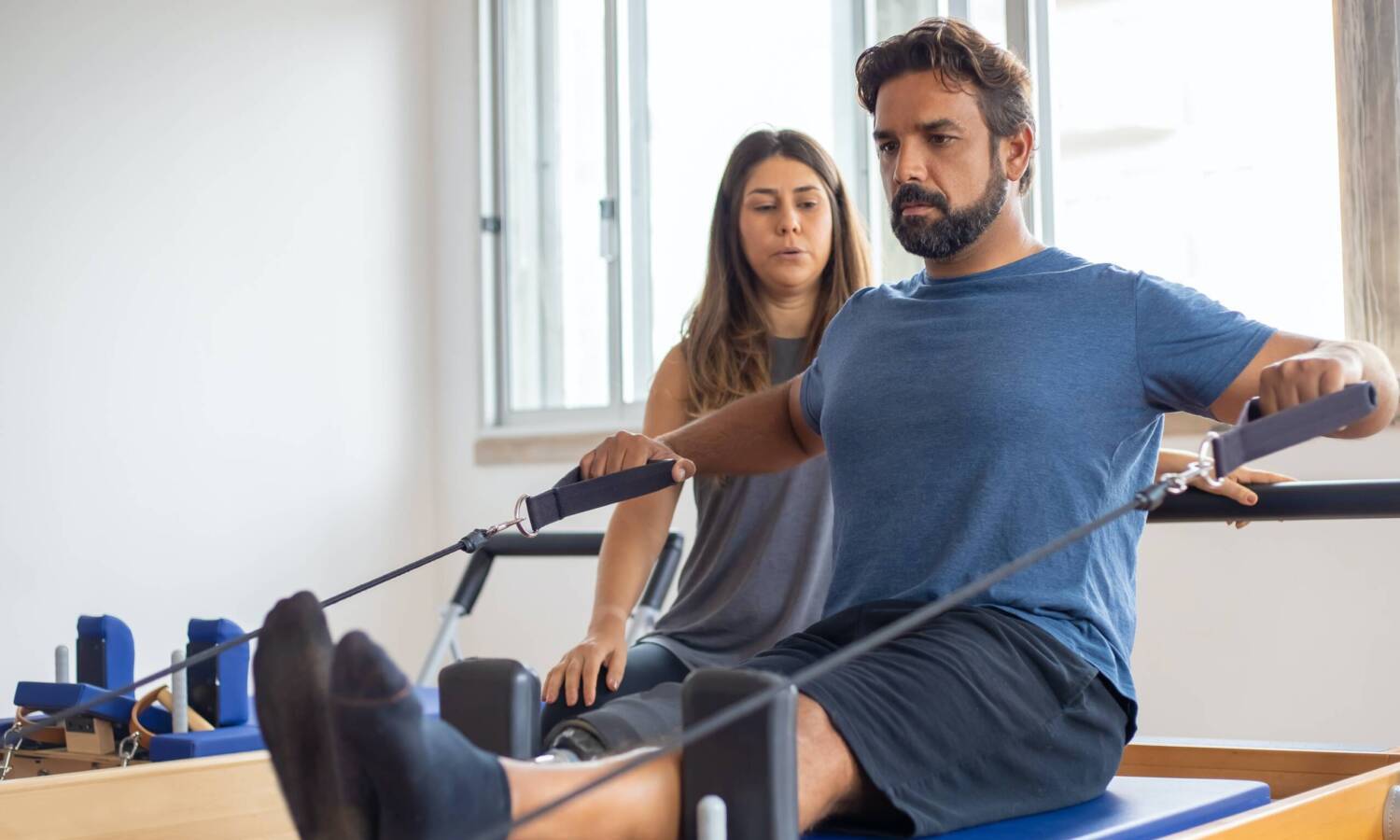
Pilates has been a popular exercise for many years, and resurged as a favorite for many during times of quarantine. Adding a dose of THC to pilates and other low-impact repetitive exercises can be a great combination.
Not only does cannabis potentially help with any pain or aches, but the THC can help focus you during your workout, just as it would during a yoga practice. Several groups have formed in states where recreational marijuana is legal. In fact, a “Puff-n-Pilates” event may be happening at an exercise studio near you.
Stationary Biking
Photo by Josh Nuttall via Unsplash
Pilates are not the only workout class style of workout that have found a mass of stoned followers. “Pelostoners” and other cycling groups that like to pair stationary biking with marijuana are popping up throughout social media.
While biking on roads under the influence of THC may be dangerous and is certainly illegal, it can be great fun to cycle safely indoors while slightly “elevated.”
Many cyclists use marijuana because “It’s pain relieving properties can ease the strain on the body while its mind-altering effects can help some athletes get in the zone to push a little harder when the workout gets really tough,” according to anarticle in Canada Cycle Magazine.
Hiking
Franck Michel/Flickr
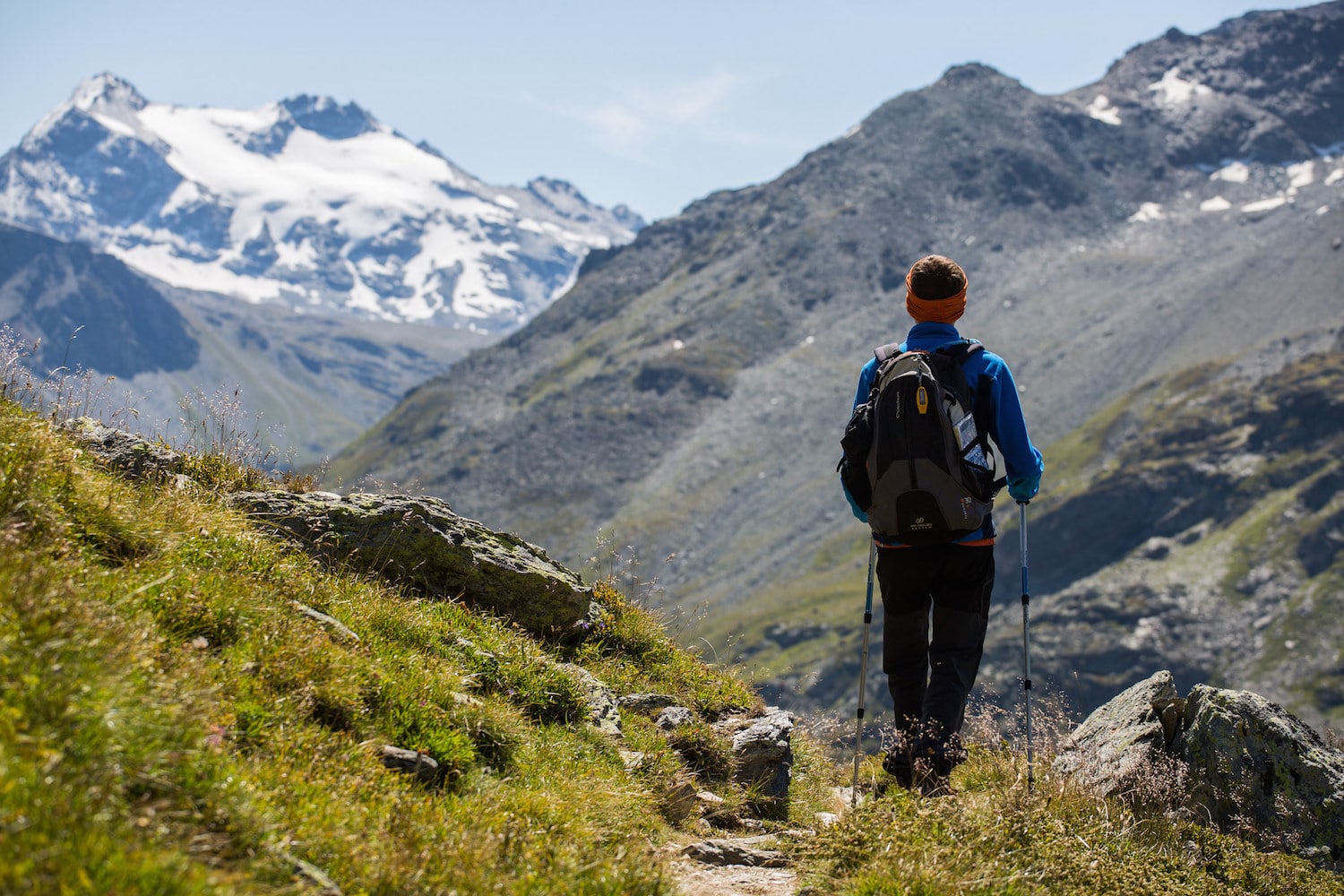
Cannabis and hiking have gone hand and hand for generations. Many nature lovers who are looking to disconnect can find an even further sense of peace and calm when sparking up a joint while sitting at a beautiful vista.
Combining your high-cardio hike with cannabis can be highly motivating. It is important to note that you should avoid any dangerous or treacherous hikes when under the influence of cannabis. Always ensure that you are considering your safety before you combine cannabis with any activity. Stay within the law, stay safe and stay motivated.
Many patients assume they aren’t going to have adverse side effects from cannabis because they often don’t view it as seriously as they would a prescription drug.
There has been an increase in the rate of cannabis-related visits to the emergency department among adults in California, a new study shows. According to the findings, published in the Journal of the American Geriatrics Society, cannabis-related emergency department visits went from a total of 366 in 2005 to 12,167 in 2019.
Researchers with the University of California San Diego School Of Medicine used a trend analysis of data from the Department of Healthcare Access and Information.
While cannabis is often prescribed to alleviate chronic pain, especially among the elderly, there is also an increased risk of adverse effects on health associated with psychoactive substances — including marijuana.
“Many patients assume they aren’t going to have adverse side effects from cannabis because they often don’t view it as seriously as they would a prescription drug,” said Benjamin Han, a geriatrician in the Division of Geriatrics, Gerontology, and Palliative Care in the Department of Medicine at UC San Diego School of Medicine.
Photo by Westend61/Getty Images
“I do see a lot of older adults who are overly confident, saying they know how to handle it… yet as they have gotten older, their bodies are more sensitive, and the concentrations are very different from what they may have tried when they were younger,” he added.
According to the study, cannabis can slow reaction time and impair attention, which may lead to injuries and falls; increase the risk for psychosis, delirium, and paranoia; exacerbate cardiovascular and pulmonary diseases and interact with other prescription medications.
The unintended consequences may require emergency care.
“Although cannabis may be helpful for some chronic symptoms, it is important to weigh that potential benefit with the risk, including ending up in an emergency department,” Han said.
Education and discussions with older adults about cannabis use should be included in routine medical care, Han advised.
“We have much to learn about cannabis, given all the new forms of it and combinations of THC (tetrahydrocannabinol) and CBD (cannabidiol), and this will inform our understanding of risks and possible benefits, too,” researchers said.
Photo by simpson33/Getty Images
Cannabis Is Medicine Not A Non-Legal Drug
Alison Moore, a co-author of the study, said current substance uses screening questionnaires typically lump cannabis/marijuana with non-legal drugs, such as cocaine and methamphetamine, which can lead to patients being hesitant to answer.
Providers can then ask how frequently cannabis is used, for what purpose (i.e., medically for pain, sleep, or anxiety or recreationally to relax) and in what form (i.e., smoked, eaten, applied topically).
“Once the provider has this type of information, they can then educate the patient about potential risks of use,” Moore concluded.
Here is everything that you need to understand about how CBD impacts a drug test and what you should do to be on the safe side.
Since hemp was legalized in 2018, increasingly more Americans have been turning to hemp-derived cannabidiol (CBD) to improve their general health and wellness. Recent statistics reveal that 1 in 3 Americans have tried a CBD product, with a majority of users being aged between 18 and 29. However, the close relationship between CBD which is federally legal and THC which is not, poses a challenge to CBD users in the work space. Will CBD show up on a drug test?
Most workplaces, including major sports leagues, have strict anti-drug policies and subject employees to frequent drug tests. Failing a drug test can have dire consequences such as being put on probation or even losing a job opportunity or career. It is therefore not surprising that many people are concerned about CBD showing up on a drug test.
The truth is that it is very unlikely that CBD will show up and cause you to fail a drug test. CBD is chemically different from the psychoactive cannabinoid THC which is usually screened for in most drug tests. Therefore, having CBD in your system should not be a cause of concern, unless the CBD product had some THC in it. That’s where the challenge lies. Even negligible amounts of THC can be picked by some drug tests.
The quality of most of the CBD products in the market leaves much to be desired. Some CBD products are made from marijuana and contain high amounts of THC. While a third-party test should pick this up, some CBD products are not subjected to independent testing while others have product labels that are misleading. It’s easy to be deceived into believing that a CBD product has zero THC while in actual sense it has significant amounts of THC.
False positives for THC may also arise in drug testing. This happens when a test falsely indicates the presence of THC.
Photo by KLH49/Getty Images
How Do (Marijuana) Drug Tests Work?
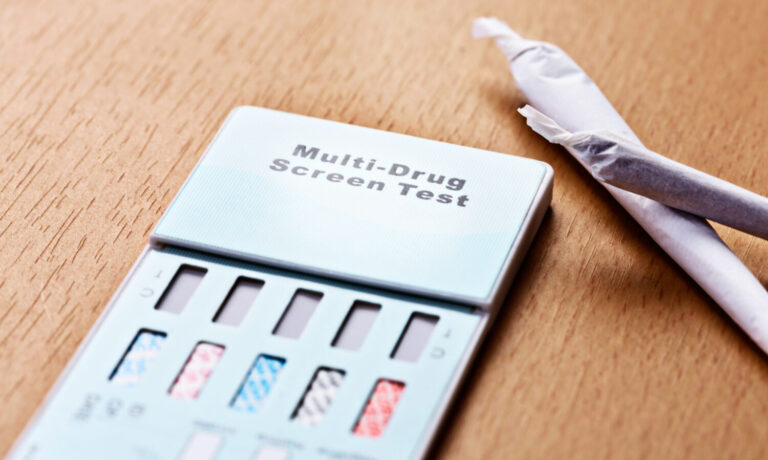
Marijuana drug tests use biological samples such as saliva, urine, blood, or hair to test for the presence of THC in the body. The most common drug test is the five panel test that tests for the presence of active metabolites from PCP, cocaine, marijuana, opiates, and amphetamines. The nine panel test screens additional drugs including barbiturates and benzodiazepines.
Urine is the most frequently used biological sample in drug tests. However, simpler tests that use oral fluids have now become commonplace. They are non-intrusive, easy to use, and give instant results. Most marijuana tests have a cutoff level of 50 ng/ml. This means that a test will turn out positive if the THC level exceeds this amount. However, some tests will detect as little as 15 ng/ml of THC.
What’s The Difference Between Drug Screening and Drug Tests?
The two terms are often used interchangeably but they actually mean different things. Drug screening involves quick and efficient testing that produces instant results. They confirm the presence of a drug; it’s either present in a sample or it is absent. They are also relatively affordable, but may not be as accurate. Therefore, they are mostly used to confirm the presence of a drug but are usually followed up with a drug test when the screening result is positive.
Drug tests are more accurate than drug screens. They also require a longer waiting time as the sample is sent to the lab for specific testing that gives detailed information. Drug testing is often used to confirm the results from a drug screen.
Will CBD Show Up On A Drug Test?
Drug tests screen for the presence of THC, the psychoactive compound in cannabis sativa and not CBD, which is non-psychoactive. Therefore, CBD should not show up on a drug test.
Most CBD products contain little amounts of THC. Legal hemp derived CBD should not exceed 0.3% THC. However, some drug tests are very sensitive and will pick up trace amounts of THC and hence give a positive result. In such a case, it may be necessary to carry out a specific drug test that will show the exact amount of THC in one’s system. A false positive result is recorded when a test picks THC erroneously.
Causes of False Positive Results
Getting a false positive result after consuming a CBD product can be quite scary. However, you need not worry if that happens to you. If you are sure that you haven’t consumed a marijuana product but still turn a positive drug test, it is your right to request for a repeat test. Here are a few reasons why you might get a false positive result after consuming CBD:
Consuming a CBD supplement that has high amounts of THC
Consuming a CBD product that is contaminated with THC
Inhaling second-hand marijuana smoke in an enclosed space
Photo by 400tmax/Getty Images
How to Avoid False Positives
False positive results don’t surface frequently. They only occur in about 5-10% of cases. Here are three things that you can do to avoid false positive results.
Purchase CBD Products From A Reputable Source
Reputable CBD vendors will subject their products to third-party testing. The certificate of analysis from the independent testing should show the exact concentration of THC in the CBD product. You should not purchase CBD products that exceed 0.3% THC or those that lack third-party testing results.
Avoid Medications Prior to the Drug Test
If you can avoid taking medications prior to the drug test, do so. Otherwise, you can consult with your pharmacist to let them know that you’re about to go through a drug test and hence they should eliminate or substitute drugs that may trigger false positive results for marijuana testing.
CBD Isolate Versus Broad Spectrum Versus Full Spectrum
CBD products come in three forms; isolate, broad spectrum, and full spectrum. CBD isolate contains pure CBD with zero THC. This is the most ideal form of CBD to ingest when you’re about to take a drug test. Broad spectrum CBD does not contain THC, but it may contain THCA which converts to THC when it is exposed to heat. Full spectrum CBD contains small amounts of THC. If you consume full spectrum CBD regularly and have a slow metabolism, you might turn in a false positive result for marijuana. But again, the chances of this happening are very slim.
Photo by Morrison1977/Getty Images
Will Consuming CBD Make Me Fail A Drug Test?
It is highly unlikely that consuming CBD will cause you to fail a drug test. Standard drug tests screen for the psychoactive cannabinoid called THC that causes the typical marijuana high. Therefore, drug tests should not test positive due to the presence of CBD.
However, you should be wary of CBD products that have THC in them as they may cause you to fail a drug test. Always check results from third-party testing to ensure that the THC concentration does not exceed 0.3%. One sure fire way to be on the safe side when consuming CBD products is to ensure that it has zero THC.
Some medications may also trigger false positive results. In very unlikely circumstances, second-hand smoke from a marijuana smoker might be the reason why you fail a drug test. In case you doubt your drug tests results, always request for a repeat test and let the employer know all the reasons why you might be having false positive results.
Cannabis data company BDSA expects flower to command the most market share in New York’s legal market, but the firm also believes the vape category will be stronger in the New York market than in other emerging markets.
New York is predicted to be the largest new market for adult-use cannabis, according to data provider BDSA.
“With nearly 15 million residents over the age of 21 and tens of millions more tourists visiting the state annually, New York is one of the most exciting cannabis opportunities in 2023,” said Roy Bingham, co-founder and CEO of BDSA. “Despite some expected growing pains in the early years, the market is expected to be the second-largest contributor to sales growth through 2026, following Florida.”
Photo by Michael M. Santiago/Getty Images
Growing pains indeed. New York launched its legal adult-use industry with just one dispensary in Manhattan, with another planned later in January – unlike New Jersey, which launched its fully legal market in April 2022 with numerous stores all opening on the first day.
The state also will be competing with Connecticut, which begins its adult-use sales on Jan. 9 with multiple locations ready to go.
So what does New York have going for it?
BDSA believes that New Yorkers will prefer to buy in their home state versus driving across state lines to make their cannabis purchases. Bingham also thinks the New York market will benefit from being a popular tourist destination.
Vape Power
Like other states, BDSA expects flower to command the most market share in New York’s legal market, but the firm also believes the vape category will be stronger in the New York market than in other emerging markets.
BDSA tracked medical cannabis sales in New York and found that, in November, the vape and flower categories each accounted for 35% of that market’s sales. In contrast, the vape category only accounted for 27% of adult-use sales in the first three months of New Jersey’s adult-use market.
BDSA Consumer Insights determined that New Yorkers have a propensity for flower-based products and are 35% more likely than the aggregate of consumers in adult-use states to prefer joints they have rolled themselves.
They are also 27% more likely to prefer “spliffs” (a joint containing tobacco that consumers must roll themselves).
Photo by Jon Cartwright/Getty Images
No More Shame
New Yorkers are getting more comfortable with owning their cannabis use.
“Consumer Insights data reveal strong growth within the state, with 45% of those surveyed claiming to be past six-month consumers, an approximate 17% increase in consumer penetration since fall 2021,” BDSA noted. “An additional 27% of New York adults indicate they’re likely to consume in the future. ”
Bingham said that this nascent New York market reminds him of the early days of Colorado, which also began as a collection of independent retailers.
“We have always had independent stores, and we have hundreds of them,” Bingham said. “At the moment it’s tiny, but it will be bigger than the medical market.”
Cannabis doesn’t necessarily enhance or detract from your ability to achieve. However, depending on your physical and emotional condition, it can provide some benefits to you as a person.
For the vast majority of my friends and acquaintances, 2022 was a difficult year. Lots of growth! I can definitely say that last year was one of the hardest ones of my life, where I was challenged beyond my “self” and was forced to grow into something else.
Nonetheless, I managed to be insanely productive last year. I completed several books, created numerous websites, built products, wrote articles, courses, etc. — all the while being a stoner.
This proves that cannabis and procrastination isn’t intrinsically connected, irrespective of the fact that it’s far more fun to procrastinate stoned. However, in my personal life, I have found that when I learned how to use cannabis more efficiently, I was able to overcome procrastination. This is because it has nothing to do with the weed and much more to do with the self.
Photo by Volodymyr Bondarenko / EyeEm/Getty Images
Procrastination is the act of delaying or postponing tasks or activities. It is a common problem that can lead to stress, decreased productivity, and feelings of inadequacy. There are many reasons why people procrastinate.
One reason is fear of failure. People may be afraid that they will not be able to complete a task to their satisfaction or that they will not be able to meet the expectations of others.
Another reason is a lack of motivation. People may not find a task interesting or rewarding, so they put it off. Procrastination can also be a coping mechanism for stress or anxiety.
Instead of facing a difficult task, people may engage in activities that provide immediate gratification or avoidance.
To overcome procrastination, it is important to identify the root cause and develop strategies to address it. Setting specific and achievable goals, breaking tasks into smaller steps, and seeking accountability can all help to overcome procrastination.
Furthermore, seeing that we’re in the beginning of the year and there are many people going to be doing their New Year’s Resolutions, I thought it would be good to work on how you can actually achieve the goals you have set up for yourself!
Photo by IRA_EVVA/Getty Images
Why don’t people achieve their resolutions?
Before we can advance, it’s important to understand why people fail. This is irrespective of whether you smoke weed. In fact, people who smoke weed tend to do the things they like anyhow, and therefore, when you can align your “tasks” with something you like to do – it becomes much easier to follow through.
However, I think it’s probably in our best interest to explore the reasons why people fail their new year’s resolutions. These include:
Lack of planning: Many people make resolutions without a clear plan or strategy in place to help them achieve their goals. Without a specific plan, it can be easy to become overwhelmed or lose motivation.
Unrealistic goals: Some people set unrealistic goals for themselves, which can be difficult or impossible to achieve. This can lead to frustration and ultimately give up on the resolution.
Procrastination: Putting things off until later can be a major barrier to achieving resolutions. People may be tempted to put off tasks or activities until a later time, leading to a lack of progress or even giving up on the resolution altogether.
Lack of accountability: It can be helpful to have someone to hold you accountable for your actions and progress towards your resolution. Without someone to check in with, it can be easy to become sidetracked or lose motivation.
Limited motivation: Many people struggle to stay motivated when pursuing a new year’s resolution. Without a strong reason for achieving the goal, it can be easy to lose focus or give up.
Lack of support: Having a supportive network of people can be crucial in achieving new year’s resolutions. Without a supportive network, it can be more difficult to stay motivated and on track.
As you can see, none of these elements have anything to do with weed and it’s important to be able to focus on these elements to set yourself up for success.
We’ll talk about how to overcome these issues a little bit further. But I want to reiterate the fact that when it comes to achieving ones goals, everybody struggles until they have addressed these issues.
Photo by José Antonio Luque Olmedo/Getty Images
What are the best tips to achieve your resolutions, according to science?
Since everyone is all about the “science” these days, I decided to let “science” help us out in solving the issues listed above. Therefore, I simply went and looked at the common problems and did some research and this is what I found.
Here are some tips that may help you achieve your New Year’s resolutions based on scientific research:
Make specific, achievable goals: Research has shown that people are more likely to achieve their goals when they are specific and achievable. Instead of resolving to “exercise more,” set a specific goal, such as “exercise for 30 minutes at least 3 times a week.”
Write down your goals: Studies have found that people who write down their goals are more likely to achieve them compared to those who don’t. Writing down your goals also helps you clarify what you want to achieve and helps you track your progress.
Use positive self-talk: Positive self-talk, or telling yourself that you can achieve your goals, can increase your confidence and motivation. Instead of saying “I can’t do this,” try saying “I can do this!”
Find a support system: Having a support system, such as friends or family members who can encourage and motivate you, can make it easier to achieve your goals. You can also seek support from a coach, therapist, or other professional.
Be consistent: Consistency is key to achieving your goals. Make sure to take consistent action towards your goals and don’t give up when you face setbacks.
Set small, achievable goals: Setting small goals that are easy to achieve can help you build momentum and increase your motivation. As you achieve small goals, you can gradually increase the difficulty of your goals. This is not the same as the first point on “specific and achievable”. This is about the “magnitude” of the goal. For example, “I need to finish 100 of X vs I just need to finish 10 of X 10 times…it provides shorter dopamine feedback loops helping you stay motivated.
Reward yourself: Celebrate your progress and accomplishments by rewarding yourself. This can help you stay motivated and keep moving forward towards your goals.
Don’t be too hard on yourself: It’s important to be kind and compassionate to yourself. Don’t beat yourself up if you don’t achieve your goals immediately. Instead, focus on making progress and learning from your mistakes.
The fact is that in all likeliness, you’re going to be failing at some of your goals. Some people punish themselves for failure, but when have you ever really “learned anything” when you were being shouted at?
Odds are that you didn’t! Therefore thinking that scolding the self for failure is a way to make you fail less is folly. Rather, accept that sometimes things won’t pan out the way you want — and that it’s not always your fault either.
It’s best to focus on the things that you can change, the things that you can impact, and from there, keep on fueling the fires of motivation instead of trying to stomp out whatever isn’t going the way you want it to!
Photo by monkeybusinessimages/Getty Images
How can I use weed as a motivational tool for getting stuff done?
Cannabis doesn’t necessarily enhance or detract from your ability to achieve. However, depending on your physical and emotional condition, it can provide some benefits to you as a person.
These positive side effects can help you achieve your goals especially if you are physically impaired by disease or some psychological issue.
There are several potential positive effects of cannabis on a person, including:
Pain relief: Cannabis has been found to be effective in reducing chronic pain, especially neuropathic pain.
Decreased anxiety: Cannabis can help reduce anxiety and stress, making it a useful treatment for anxiety disorders.
Increased focus: Cannabis can help increase focus and concentration, making it useful for people with ADHD or other cognitive disorders.
Increased creativity: Cannabis has been found to increase creativity in some people, making it useful for those in creative fields. This despite the recent study that claims its “all in your mind”.
As you can imagine, “pain” is a very potent distractor and if cannabis can help mitigate the experience of pain, it will open up some bandwidth to “get shit done”.
Similarly, some people are paralyzed with anxiety about doing “things”. Therefore, smoking a hit or two of weed can jostle the mind enough to allow you to turn the anxiety into excitement. When we’re more relaxed and able to “get into the moment”, we can get things done.
By increasing sleep, mood, focus, and creativity, we can utilize these elements to help us achieve the things we want.
However, perhaps there is a way we can use specific strains to help us achieve more focus, energy, so we can use that as fuel for getting things done?
Photo by Cappi Thompson/Getty Images
What are the best cannabis strains for focus and energy?
While there are thousands of different strains, we’ll take a look at the general overview of strains and you can use this to choose your own approach. Of course, I’m not a big fan of the semantics I’m going to use in this following section, as they are not descriptive enough about the particular pheno. However, since most people think about weed in these terms, I might as well use their language to get my point across.
Having said that…
There are several cannabis strains that may be helpful for increasing focus and energy. Some popular options include:
Sativa strains: These strains are known for their uplifting, energizing effects and are often used to increase focus and productivity. Some popular sativa strains include Green Crack, Durban Poison, and Super Lemon Haze.
Hybrid strains: Hybrid strains can have both sativa and indica characteristics and may be helpful for increasing focus and energy while also providing some relaxation. Some popular hybrid strains for focus and energy include Jack Herer, Pineapple Express, and Jillybean.
High-CBD strains: CBD is a non-intoxicating cannabinoid found in cannabis that is known for its potential to reduce anxiety and stress, which can increase focus and energy. Some popular high-CBD strains for focus and energy include Harlequin, ACDC, and Cannatonic.
As mentioned, this is a very rudimentary way of looking at cannabis. However, in “principle” the information is good. You’ll want to focus on high Sativas which will allow you to have the energy and creativity you seek, but to balance it out with some CBD – so you’re not entirely zonked out of your mind.
Ultimately, you’re going to need to experiment with different strains and different quantities in order to find the sweet spot. You also need to know “when to smoke” and “when to abstain” in order for it to work in your favor.
As mentioned earlier, cannabis doesn’t necessarily “help you achieve” or “not achieve” your goals (this all comes from within), but this doesn’t mean that you can’t use it for this purpose. You simply need to get clear on what it is you want, know when to consume and what to consume — and then keep on going forward.
I also recommend to not work on too many goals simultaneously, rather focus on a few solid ones that will have the most impact in your life. When you begin achieving these, you’ll get addicted to achieving….and then nothing can stop you!
Over 65% of Marylanders chose to legalize recreational cannabis in the November midterms. Starting in July, adults over 21 will be allowed to legally possess up to an ounce-and-a-half of marijuana and 10 grams of cannabis concentrates.
Lawmakers are now expected to set up a regulatory framework for the new and emerging market, as the state General Assembly is scheduled to return to Annapolis for its 90-day session later this week.
To that end, researchers at Cannabis Public Policy Consulting conducted a study to examine what the demand for cannabis looks like, reports WYPR News.
Photo by nito100/Getty Images
Michael Sofis, director of research at the firm, and Mackenzie Slade shared the results during last week’s briefing with lawmakers working on a marijuana legalization issue.
Based on their findings, Sofis predicted a robust retail market, as Marylanders who use marijuana tend to consume an average of 25.4 grams on a monthly basis. This is nearly five grams more than users in other states where recreational cannabis use is legal, according to the study, which included thousands of Marylands.
Moreover, according to the survey, cannabis consumers would set aside $14 per gram of marijuana and drive up to 20 minutes to purchase the product.
“That was really shocking to me,” Sofis said. “It reflects a certain level [of], I wouldn’t say passion, but an underlying motivation for cannabis.”
Marijuana Advocates Call For Implementing Equity
Meanwhile, Prince George’s County’s residents and cannabis advocates are urging lawmakers to pay attention to expungement, equitable access for business owners, and reinvesting in communities as they move forward with the marijuana regulatory framework, reported DC News Now.
“We wanted them to have a very strong lens of equity in relation to how these laws are created, as well as the distribution of funds and profits from this particular cell of this drug,” said Jana Parker, member of PG ChangeMakers. “I think we have a really great opportunity in the state of Maryland to set the precedents for really kind of righting the wrongs that incarcerating individuals on marijuana and cannabis have done, particularly in the capacity of you’re now moving to, you know, legalize this particular drug and sell it and get massive profits in the millions and billions of dollars.”
Photo by OlegMalyshev/Getty Images
MSOs Are Getting Ready To Kick Off Sales
Lawmakers are expected to finalize rules and regs for licensing, taxes and more before July 2024. Those running some of the largest multi-state operators already functioning in the state’s medical marijuana market, like Curaleaf Holdings Inc., Verano Holdings Corp., TerrAscend Corp., and Trulieve Cannabis Corp. are getting ready to kick off sales of recreational marijuana.
James Leventis, EVP of compliance and government affairs at Verano, told Benzinga’s Nina Zdinjak recently that recreational cannabis sales should benefit cannabis operators of all sizes. Adult-use cannabis “will bring tremendous economic growth, tax revenue and career opportunities benefiting businesses, individuals and communities statewide.”
Matt Darin, CEO of Curaleaf, agreed with Leventis’ comments.
“There is a lot of room for growth by operators of all sizes while ensuring that the state meets its social equity goals,” he said. “Maryland borders a legal state, so this gives the local industry an opportunity to gain back market share by allowing consumers to buy closer to home.”
While more research is needed to get a clear picture of marijuana’s effect on the economy, this is good news for marijuana proponents, and for anyone who’s interested in getting a job in a new and developing field of work.
New research has found a connection between legal marijuana and more job opportunities.
Conducted by researchers from San Diego State and Bentley Universities, the study examined survey results from 2002-2020 in an attempt to explore the impact of legal marijuana on the economy.
Photo by Michael M. Santiago/Getty Images
The analysis was published by the National Bureau of Economic Research and found that legal adult marijuana laws had little impact on work productivity, a topic that’s long been a concern for anti-proponents of the drug. Instead, the data discovered evidence of more job opportunities and rates in the nascent industry, especially in adults over the age of 30.
Other demographics that were positively impacted included young racial minorities and people working within the agriculture sector.
“These results are consistent with the opening of a new licit industry for marijuana and (especially for older individuals) a substitution away from harder substances such as opioids,” said researchers.
While the research is related to the topic of productivity and weed, it differed from similar studies in focusing wholly on economic trends post-legal marijuana and in the fact that there’s a new industry and thus a new source of jobs.
Researchers theorized that not only did legal cannabis result in more work opportunities, it also kept users away from more dangerous substances.
Photo by BraunS/Getty
When it comes to the black market and its harms, the establishment of a legal market eliminated criminal activity and a source of oppression for marginalized people, among them, young men of color, who have been historically targeted by law enforcement.
“Longer-run labor market effects may differ as we learn about the effects of RMLs on cognitive development and human capital acquisition of those under age 21, which could take time to unfold and be reflected in market level effects on productivity, wages, and/or employment,” concludes the study. “Moreover, the labor market effects of reductions in criminal records could also take time to unfold.”
While more research is necessary to develop a clear picture of marijuana’s effect on the economy, this is good news for marijuana proponents, and for anyone who’s interested in getting a job in a new and developing field of work.
Dry January is becoming increasingly common. Here’s how weed can help you.
The holidays are a time of overindulgences, when you drink and eat too much and time doesn’t feel real. Dry January has grown in popularity due to these reasons, providing people with plenty of health benefits that can impact their lives over the course of the year.
Though that all sounds amazing, for a lot of people, giving up on alcohol for an entire month is not an easy ask. While it may be easy to stick to these rules at home, once you enter the outside world, temptation will likely strike. Here’s where weed comes in.
While replacing one behavior with another may not be the answer, if you consume marijuana with some calm and a clear head, the drug may help make the month breeze by, while also boosting your energy and allowing you to stick to your sober goals. Here are three things marijuana can do to help you stick to dry January:
For habitual and social drinkers, Dry January can be difficult to stick to. Adding weed into the mix may help you curb some of your cravings, especially when spending time with friends or doing an activity that usually involves alcohol. Weed could relieve some of the pressure associated with going out.
Weed may prevent extreme behaviors
Photo by Tegra Stone Nuess/Getty
While Dry January has plenty of health benefits, it’s also associated with some extreme behaviors. For example, once people quit drinking for a month, it could give them a false sense of security and encourage them to drink more in the following month, getting rid of the health benefits that they carefully constructed. While weed affects your brain and your body, it provides a very different reaction for your body, eliminating hangovers and calories that accompany alcohol.
Lastly, weed can be a helpful addition to Dry January because it’s very fun. January is already a tough month, the unofficial Monday of the year, coming in the wake of the holidays and holiday breaks. Weed might help make the weeks more bearable and allow you to focus on your mental and physical health.
In December, the City of Detroit notified the first 33 successful applicants for adult-use marijuana retail licenses that they had been approved.
Michigan-based Cloud Cannabis began adult-use cannabis sales on Friday at its Detroit location, becoming one of the first dispensaries to do so in the city.
“Today marks the beginning of an exciting new period for both Cloud and the city of Detroit,” said Jacob Saboo, Co-Founder & Head of Retail at Cloud Cannabis. “We are proud to bring our premier retail experience to the city’s recreational customers, while sharing meaningful insights in cannabis education and a first-class portfolio of products with the local community. With big things ahead for Cloud in 2023, we couldn’t think of a better way to kick off the new year.”
Photo by Anton Petrus/Getty Images
Detroit Delays
While Michigan started adult-use sales in December 2019, municipalities had the right to opt-out. The college town of Ann Arbor embraced recreational cannabis with enthusiasm, while Detroit found itself mired in lawsuits that delayed a rollout.
“Our goal from the day voters approved the sale of adult use marijuana was to make sure we had a city ordinance and a process in place that provides fair and equitable access to these licenses and the courts have affirmed that we’ve done just that,” said Mayor Mike Duggan. “Council President Pro-Tem Tate, and our Department of Civil Right, Inclusion & Opportunity and Law Department deserve a great deal of credit for making this historic day possible. The City’s ability to accept applications was delayed in July after two separate lawsuits were filed following City Council approval of the modified adult-use marijuana licensing ordinance in April, and a judge temporarily halted the process before reversing course and upholding the City’s ordinance.”
Council President Pro-Tem James Tate said, “Three months ago, a Wayne County Circuit Court judge declared our ordinance “unambiguous” and “a fair licensing process”. Despite clear rulings issued by the courts, various plaintiffs continue their frivolous attempts to dominate the adult-use cannabis industry in the city in an effort to leave Detroiters and other Social Equity applicants out of the market.” Judge Friedman ruled against the Temporary Restraining Order that would have prevented Detroit from moving forward with its current Adult-Use Marijuana Ordinance.
Ringing Up Sales
In addition to Cloud Cannabis, House of Dank also fired up sales in the Motor City this week. The company has two locations, one on 8 Mile and the other on Fort St.
“Going recreational in Detroit is a huge milestone for us,” Crystal Jamo, House of Dank’s general manager, told the Detroit Free Press. “Just because we’ve been waiting for it for so long that, like, ‘Pinch me, is it real?’”
Cloud Cannabis is located at 16001 Mack Ave. and situated on the border of Detroit Grosse Pointe, Cloud’s Detroit dispensary offers flower, pre-roll, concentrate, and vape products from top-tier Michigan brands including Mitten Extracts, Wonderbrett, Stiiizy, Pressure Pack, Backpack Boyz, CREAM, Northcoast, and more. The company said a grand opening celebration event will come at a later date.
First 33
In December, the City of Detroit notified the first 33 successful applicants for adult-use marijuana retail licenses that they had been approved. The City’s Office of Marijuana Ventures & Entrepreneurship determined the following 13 non-equity applicants, and 20 equity applicants met all the necessary criteria to be awarded a license: