Thursday, December 25, 2025
Home Blog Page 168

Where Do Weed Taxes Go? The Answer Varies Depending On Where You Are

Most states allocate their cannabis tax revenue towards various public health and safety, education and social equity programs.

By Andrew Ward

Due to the ongoing U.S. federal prohibition of cannabis, states must implement their own regulations and various excise and sales taxes. Excise taxes in many Western U.S. states tend to hover 15% while others such as Washington charge 37%.

Additional charges may come in the form of additional municipal taxes, per ounce cultivation rates, potency and other measures, depending on regulations.

Cannabis markets typically see varying success with the revenue they generate, as well as what the money goes towards.

How States Tend To Allocate Cannabis Tax Revenue

“Most states allocate their cannabis tax revenue towards various public health and safety, education and social equity programs,” says Laura Bianchi, a partner at cannabis legal firm Bianchi & Brandt.

Funds also often go toward programs aimed at combating substance abuse and the effects of the drug war.

“Programs that provide transparency to the public, including a clear understanding of the use and application of such revenue is essential,” Bianchi said. “Tax models that track the use and impact of those funds is also important both from a public policy, community support and efficiency perspective.”

States must also balance the benefits of cannabis taxes without making the illicit market appealing to consumers, she says.

RELATED: Cannabis Legalization Is A Boon For Real Estate, New Jobs And Tax Revenue, New Data Shows

In Oregon, funds are allocated towards education, the city, police and government health boards, but not social justice reform.

“You are seeing more states write this in their legislative passing of legalization,” said Kendra Freeman, co-founder and chief product officer of Portland, Oregon-based CBD brand Mendi. Illinois and Michigan have more robust social equity plans, she added.

How High Are Cannabis Taxes In Your State?
Photo by Hillary Kladke/Getty Images

Police Funding

Freeman is among those in the cannabis community who say funds should not go towards policing so long as the war on drugs and arrest disparities continue.

“Cannabis was made illegal to keep BIPOC in poverty and to keep them locked up,” Freeman said. “We have a lot of work to do to untangle that.”

Bianchi empathized while stating that the manner isn’t cut and dry.

“Unfortunately, I do not think a simple yes or no is appropriate,” she said. The legal partner noted the unique needs of each state.

RELATED: These States Have The Highest Cannabis Sales Taxes In America

“If a state has a population of people who have been disproportionately affected by marijuana criminalization, then it might be worthwhile to allocate a portion of revenue towards police education and training,” said Bianchi.

While understanding the possible need for police funding, Bianchi opined that the process starts with targeted education, training and community involvement.

cannabis taxes
Photo by Rex_Wholster/Getty Images

Uniform Tax Code Prospects

Often, the fragmented cannabis market leads to calls for standardization, usually via federal legalization.

Such calls for standardization typically back reform legislation, such as the MORE or SAFE Banking Acts. That said, a unified tax code for the market isn’t uniformly well-received or seemingly feasible in the near future.

“Uniformity in the cannabis industry would be great. However, that’s something we won’t likely see until federal legalization and the allowance of interstate commerce,” Bianchi says, adding that a unified code would be needed at that point to avoid double taxation.

Original publication: October 12, 2020.

This article originally appeared on Benzinga and has been reposted with permission.

This Many People Are Allergic To Orgasms (Yes, Orgasms!)

0

New research features the story of a 27-year-old man who would break out in hives and experience flu-like symptoms after orgasm.

There’s a technical term for orgasm allergies. Postorgasmic illness syndrome (POIS) is an affliction that affects mostly men, with less than 1,000 reported cases in the country.

The symptoms of the condition are similar to allergies that occur from other sources, with men experiencing a runny nose, itchy eyes, and even memory problems post-orgasm. There’s a cure though, so not all is lost.

This Practice Could Boost Women's Sex Drives
Photo by Thought Catalog via Unsplash

The strange illness was reported in ScienceDirect, with the authors publishing their findings in November’s issue of Urology Case Reports. “All symptoms occur immediately (e.g. second), soon (e.g. minutes), or within a few hours after ejaculation that is initiated by coitus, and/or masturbation, and/or spontaneously (e.g. during sleep),” reads the article.

RELATED: Study Claims Men Have Higher Risk Of Cancer Than Women Due To This

Study authors shared the case of one particular subject, a 27-year-old healthy male who first began experiencing symptoms of POIS at age 18. After orgasms, the subject would break out in hives and experience flu-like symptoms. He spent years visiting different doctors and found no cure. By the time he met up with the study’s authors, he was abstaining from all forms of sexual activity.

The male in question relayed that his first allergic reaction occurred after he had recovered from acute epididymitis, a condition that causes inflammation in the scrotum. Researchers theorized that the infection that caused the disease might have triggered this immune response, which continued to present itself over the years.

RELATED: These People Have The Most Sex, According To New Poll

Finally, researchers managed to get the allergy under control by prescribing an antihistamine, which is used to treat the common cold, allergies, and the like. The medication along with the suggestion to increase his frequency of orgasms resulted in a 90% decrease in allergic reactions. A happy ending!

Puerto Rican Senator Proposes Bill To Erase Marijuana Possession Charges

A senator in Puerto Rico commended President Biden’s pardon and filed a bill to pardon marijuana possession.

A senator in Puerto Rico has filed for a bill that would erase charges for low-level marijuana possession. The decision was influenced by President Biden’s marijuana pardon, which was issued last week, and asked fellow governors and lawmakers to take on this mindset when dealing with their residents.

The bill was proposed by Sen. Jose Vargas Vidot, an independent, who commended Biden’s pardon while explaining that these types of marijuana offenses no longer made sense.

Why Uruguayans Prefer Black Market Over Legal Marijuana
Photo by Jeff W via Unsplash

While the bill hasn’t been released, a summary of the new proposals was published on the government’s website, including the marijuana bill. It explains the bill in Spanish, claiming that the amendment would allow for the personal possession of the drug and would eliminate all penalties associated with the personal consumption of the drug.

Telemundo Puerto Rico reported some of the statements made by Vidot.

“President Biden had the bravery that many haven’t had here. Verbalizing that it makes no sense for there to be legal repercussions for the simple possession of cannabis. In Puerto Rico, we made the step to introduce medical cannabis but we lacked the bravery to decriminalize it. If we’re saying that cannabis has medical benefits then it makes no sense to criminalize the person who consumes it. It’s time to change that,” he said.

RELATED: State-By-State Guide To Marijuana Related DUI Rules And Regulations

Sen. Vidot outlined that the new bill would allow people to carry up to 5 grams of marijuana. This number would help lawmakers differentiate between personal use and distribution, which would remain penalized.

He also talked about drug access in prisons, a problem that plagues their institutions and that results in prisoners developing drug problems. “People who report that they weren’t drug users before their convictions start this process of consumption and addiction while incarcerated,” said Vidot, who is the first senator in Puerto Rico to bring the idea of decriminalizing marijuana to the table.

RELATED: Will Governors Have To Follow Biden’s Cannabis Pardon?

Despite Biden’s marijuana pardon and encouragement for governors to follow through, senators and lawmakers will likely make their decisions based on their political leanings, especially now that we’re weeks away from elections.

Does Weed Speed Up Your Metabolism

0

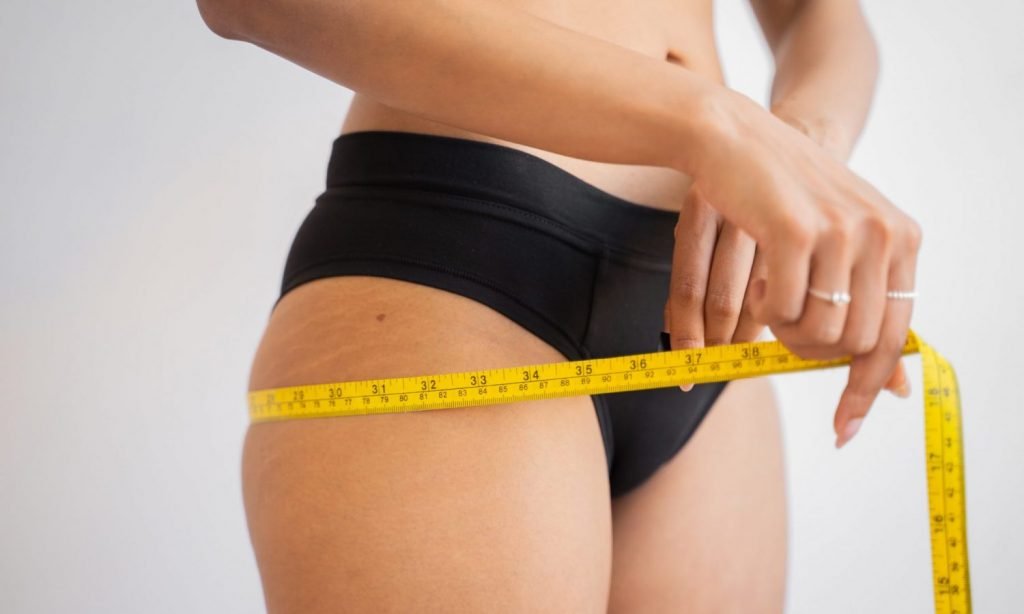
If you’re looking to potentially speed up your metabolism and drop a few pounds in the process, marijuana may be a good option for you.

A recent study suggested that marijuana may speed up your metabolism, which could lead to weight loss in the long run. Does that mean that weed helps you lose weight? Or is this just another baseless claim?

In this article, we’ll take a look at the research on marijuana and metabolism to find out if there is any truth to this claim. Spoiler alert: there is!

Does marijuana affect metabolism?

Much of the discussion surrounding weed use for weight loss was prompted by a 2011 review of two national surveys conducted from 2001 to 2003.

According to the review, obesity rates are higher among people who have not used cannabis compared to those who use cannabis three or more times per week.

Similarly, a 2010 study published in The American Journal of Drug and Alcohol Abuse examined the association between marijuana use and obesity in young people and came to similar conclusions.

There is some anecdotal evidence that cannabis may help lower obesity rates and improve body mass index (BMI) by:

●    Lowering alcohol consumption

●    Increasing levels of physical activity in some people

●    Helping resolve sleep issues

●    Influencing the cortisol/stress response

●    Relieving aches and pain that may impede activity

In addition, these findings were further supported according to a 2018 review in the peer-reviewed journal Cannabis and Cannabinoid Research, which examined the relationship between cannabis use and body mass index (BMI). It found that cannabis aficionados generally have lower BMIs and obesity rates despite consuming more calories – which suggests some effects on metabolism.

weight loss
Photo by Annushka Ahuja via Pexels

Does smoking weed help you lose weight?

In short, yes, cannabis does speed up your metabolism. In theory, smoking weed could make you lose weight, although there are many factors involved in weight loss or gain. So, just how does THC boost your metabolism?

In a 1978 study, pioneering research explored the link between THC and metabolism. Researchers found that marijuana users increased their metabolic rate as soon as they smoked cannabis, with metabolic rate peaking 15 minutes after ingestion. The researchers found that THC induced immediate “stimulatory effects” in metabolism, ventilation, and respiratory response to carbon dioxide. At least some of these effects were mediated by the beta sympathetic nervous system.

RELATED: Does Cannabis Help With Recovery After A Workout?

THC influences the gut biome, which can also affect weight gain or loss. For example, a bacteria group called Firmicutes is associated with obesity, but another called Bacteroidetes is not.

In an animal study conducted by the University of Calgary in Canada, overweight mice with high-calorie intake were administered THC. This led to a normalization of their gut bacteria, which contributed to their weight loss.

What are the best strains for boosting metabolism?

Jessica Gerlock, a certified personal trainer, shed over 100 pounds by smoking marijuana and found that Sativa-type strains gave her the most energy and focus. According to Jessica, cannabis helped her moderate her eating, her post-workout recovery, and boosted her performance in strenuous sports. And more research seems to support that Jessica may have indeed been on to something when she added cannabis to her weight loss routine.

In 2013, researchers in the American Journal of Medicine found that marijuana consumers were better able to metabolize carbohydrates than non-consumers, leading to more successful weight loss outcomes.

RELATED: Is There A Lethal Dose Of Cannabis?

If you are already familiar with cannabinoids such as THC and CBD, it may be worth getting to know THCV, which has shown promise for controlling appetite. THCV can be found in Girl Scout Cookies, Durban Poison, and THCV capsules or sublingual tabs.

cannabis weight loss
Photo by Shidlovski/Getty Images

Does marijuana slow metabolism in some people?

While some strains of marijuana may make you feel more relaxed, mellow, and chill, there is currently no evidence to support the claim that it slows metabolism in certain people. So, if you’re looking to slow down your active metabolism, you might want to steer clear of high-THC marijuana. But if you’re looking to speed it up, it might be just what you need.

Final thoughts on cannabis and metabolism

So, if you’re looking to potentially speed up your metabolism and drop a few pounds in the process, marijuana may be a good option for you. Of course, we always recommend talking to your doctor before making any significant changes to your diet or exercise routine. But with legalization on the rise, it’s worth considering how marijuana could fit into your wellness plan. And don’t forget — Jointly is here to help you every step of the way! Download our app today and start tracking your progress towards better health and fitness.

Get Started on Your Cannabis Wellness Journey

Have you started your cannabis wellness journey? Jointly is a new cannabis wellness app that helps you discover purposeful cannabis consumption so you can achieve your wellness goals with cannabis and CBD. On the Jointly app, you can find new cannabis products, rate products based on how well they helped you achieve your goals, and track and optimize 15 factors that can impact your cannabis experience. These 15 factors include your dose, the environment in which you consume cannabis, who you are with when you ingest, how hydrated you are, the quality of your diet, how much sleep you got last night, and more. Download the Jointly app on the App Store or the Google Play Store to get started on your cannabis wellness journey.

Sam Anderson is the content Director at Jointly, a cannabis wellness company powered by a proprietary data platform to help people reach their full potential. The company was created on the premise that purposeful cannabis consumption is the key to unlocking a better you. This article originally appeared on Jointly and has been reposted with permission.

Nebraskans For Medical Marijuana Withdraws Lawsuit Against Secretary Of State — What’s Next?

A judge ruled in favor of Nebraskans for Medical Marijuana in June, granting a temporary injunction preventing Gov. Evnen from enforcing it, but that was later reversed by a three-judge panel.

By Nina Zdinjak

Nebraskans for Medical Marijuana withdrew its lawsuit against Secretary of State Bob Evnen on Thursday. The lawsuit argued the state’s requirement that 5% of registered voters in 38 counties need to sign a petition to place the initiative on the ballot is unconstitutional.

The dismissal, filed by the ACLU of Nebraska on behalf of Nebraskans for Medical Marijuana, came after a 2-1 decision from the U.S. Court of Appeals for the Eight Circuit reinstated the state’s requirement in August.

Crista Eggers, the organizer behind the petition for Nebraskans for Medical Marijuana, sued Evnen in federal court in May, claiming the requirement violates the Equal Protection Clause of the century-old 14th Amendment wherein a single voter who signed a petition in Arthur County has the same power as 1,000 residents of Douglas County who signed the same petition, reported Omaha World-Herald.

U.S. District Court Judge John Gerrard ruled in favor of Nebraskans for Medical Marijuana in June, granting a temporary injunction preventing Evnen from enforcing it, but that was later reversed by a three-judge panel.

legal marijuana
Photo by Olena Ruban/Getty Images

With the multi-county requirement, the medical cannabis proposals fell short by some 9,000 signatures each, which are needed to be on the November general election ballot.

RELATED: As Suicide Rates Surge, Nebraska Gov. Says There’s No Evidence Cannabis Helps Veterans With PTSD

The first one would require lawmakers to pass laws protecting physicians who recommend medical cannabis treatment and patients who use it. The other would compel the legislature to set up rules for the medical cannabis program.

The three judges on the 8th Circuit Court cited the fact that the right to petition was created under state law and not the U.S. Constitution, meaning the group’s rights weren’t violated.

State senators Anna Wishart of Lincoln and Jen Day of Omaha announced plans to present bills for medical marijuana legalization in the next legislative session, which will start in January.

This article originally appeared on Benzinga and has been reposted with permission.

Do You Experience Withdrawal If You Stop Using Cannabis Cold Turkey

0

Withdrawal symptoms experienced when quitting marijuana will not always be severe for everyone. Here’s why.

In recent years, the attitude of the majority of people towards cannabis has changed, mostly from negative to positive. In the past, cannabis was often viewed as a potential threat for drug abuse in young people, which gave it a bad reputation in different communities. More states have legalized marijuana for both medical and recreational use because of the abundance of positive research, the endless work of marijuana advocates, and so on. Now that cannabis is legal, there have been a lot of debates and discussions among cannabis users and enthusiasts regarding several cannabis related issues, including the million-dollar question: do you experience withdrawal if you stop using cannabis cold turkey?

First, is cannabis addictive? Well, marijuana can be additive; it all depends on how you use it. So if not properly dosed and you abruptly stop consuming cannabis, you may experience what is termed as “withdrawal.” In America, reports show that more people (1 in 6) may become addicted to cannabis especially if they use marijuana before 18 years of age.

The symptoms of cannabis withdrawal 

The symptoms will tell you if you are suffering from withdrawal, and these include:

  • Irritability makes the individual feel like something is missing.
  • Reduced appetite because marijuana is known for boosting our appetite.
  • Sleep disorders like insomnia which can be prolonged
  • Chills even when it’s not cold
  • Headaches
  • Depressed and anxious feelings
  • A loss of focus and concentration
  • Consistent sweating
  • Stomach issues

The symptoms mentioned above can range from mild — especially for those who take cannabis in small doses — to severe symptoms for those who take it a lot. But the symptoms are not dangerous or life-threatening, yes they are unpleasant, but you don’t have to fear for your life.

It should be noted that if you smoke marijuana less frequently, you may not experience withdrawal symptoms when you stop smoking it. The withdrawal becomes very hard when the consumer is a regular smoker.

More importantly, the longer you’ve used marijuana, the higher the possibility of your withdrawal process getting heightened, thus, making the symptoms worse. So what causes these symptoms?

The causes of withdrawal symptoms 

The withdrawal symptoms of marijuana may not be as hard as withdrawal symptoms from other substances such as alcohol, opioids, cocaine, and heroin. A person’s withdrawal symptoms from using these other substances can be dangerous, so these are entirely different from marijuana withdrawal symptoms.

Cannabis Withdrawal- How Bad Is It Really?
Photo by rawpixel.com

Now those who take marijuana experience physical and psychological symptoms caused by your body having to adjust to not having a constant supply of delta-9 tetrahydrocannabinol (THC).

The THC compound is a primary psychoactive ingredient in marijuana, so when you smoke marijuana regularly, your brain cultivates a tolerance for it.

RELATED: Marijuana Withdrawal Is Real: What You Need To Know

As you smoke more marijuana, your brain starts to depend on the supply of THC, but when you stop smoking, the brain adjusts to not having it. Your body needs to become accustomed to this new state of not having THC, and this is when you start to experience the unpleasant symptoms.

The symptoms can be increasingly unpleasant such that some people go back to smoking marijuana which increases the problem. While the problem is difficult in itself, going back to marijuana is not a good choice, so we must understand the concept of managing the symptoms effectively.

Managing and preventing withdrawal symptoms 

One of the reasons why some people see withdrawal as an arduous process is that they cannot manage it and also don’t know how to prevent it. If you want to stop smoking, the first step to take is to speak with your doctor about the aftermath of your quitting smoking.

Marijuana Withdrawal Is Real: What You Need To Know
Photo by Irene Rodriguez/EyeEm/Getty Images

The doctor or substance abuse specialist may not give you any peculiar instructions on what to do, but it is a great idea to talk to someone first about your decision. The person will inspire and support you through your transition phase while also holding you accountable.

RELATED: Is Marijuana Addictive? Let’s Discuss

People decide to quit smoking marijuana for different reasons. Still, if you have been smoking regularly before the decision to quit, it will take a while before you ease into a marijuana-free life. On the other hand, if you smoke less frequently, you can quit entirely without feeling any need for additional support.

These withdrawal management tips will help you in the first 24-27 hours:

Get the right people around you, those who understand how important quitting is to you. You should inform and get friends, family members, and other people in your life to help you go through this phase.

Exercise is also helpful. If you can work out for up to 30 minutes daily, you will get a natural mood boost which aids with the removal of toxins.

New Study Confirms Cannabis Users Are Not Lazy Stoners After All
Photo by Bruno Nascimento via Unsplash

Always eat healthy foods that give your body a consistent supply of nutrients and minerals. So go for fresh fruits, lean protein, and vegetables. If you have been taking junk foods, now is a good time to stop because such processed foods will cause you to feel sluggish.

RELATED: Cannabis Withdrawal: How Bad Is It Really?

Hydration is also crucial as drinking enough water will help you at this time. Please avoid soda, sugary and caffeinated beverages.

If you can survive the first 24-72 hours, you will do better with your withdrawal experience.

Helpful steps to take while dealing with withdrawal symptoms 

Join support groups and take therapy seriously because you will need other people to help you manage the situation.

Detoxification centers are short-term programs that help people go through this post-marijuana process.

If you don’t feel perfect after taking these steps, please go to a rehabilitation center for assistance.

Be patient with the process and DO NOT entertain a relapse with marijuana.

Withdrawal symptoms experienced when quitting marijuana will not always be severe for everyone. More so, marijuana withdrawal symptoms are milder than those you may feel with other substances such as cocaine and heroin. The symptoms are not dangerous, and some of the symptoms stop within the first 72 hours after you quit. Lastly, you may also need a therapist or someone to hold you accountable through the process.

Will Governors Have To Follow Biden’s Cannabis Pardon?

Biden’s cannabis pardon will affect the lives of thousands of people. Does this mean governors will have to follow the president’s lead?

President Biden’s pardon of non-violent marijuana offenses feels like a prelude to a new cannabis era. Through a hopeful lens, the move represents a time when more and more states are legalizing cannabis and the drug has almost bipartisan approval. Realistically, it’s a little more complicated than that.

Biden’s pardon served as a guidance, one that governors are free to disregard. POLITICO interviewed several experts and politicians who believe Biden’s decision won’t influence Republican governors, especially since elections are within weeks. In the case of Democrats, these governors likely already have pardons in place for these types of offenses.

Why Uruguayans Prefer Black Market Over Legal Marijuana
Photo by Jeff W via Unsplash

“I don’t think that it’s going to rise to a high enough level of concern in the short term, and probably not even in the longer term,” said Gregg Peppin, a Republican political strategist, when discussing the Republican party and their plans for the November elections.

“The battle lines have been hardened as it relates to the issues of this election. Republicans are campaigning on economic issues and public safety,” he said.

RELATED: The Winners And Losers From Biden’s Big Pardoning News

Even if some governors wanted to follow Biden’s advice, their state’s legislation might make that difficult, having laws that prevent mass pardons for certain groups of people. POLITICO suggests that this is the case with states like Minnesota, Louisiana and Kansas.

In theory, Biden’s pardon should affect around 6,500 people with federal possession convictions. It’s unclear how this will occur though since the Justice Department will have to figure out who fits the administration’s criteria and it’s very likely that some people deserving of a pardon will miss out due to bureaucracy.

RELATED: Biden Announces Pardons For All Federal Marijuana Possession Convictions

As always, marijuana will continue to progress and evolve slowly, with political parties pushing for their agendas while thousands of people ride along with the consequences. Despite the complexities that surround this topic, Biden’s pardon marks the most significant marijuana news in decades, and is a moment that should be celebrated by marijuana enthusiasts of all sorts.

Biden’s Cannabis Pardons Don’t Apply To The Troops, But There’s A Silver Lining

While it is true that the President has autonomous power to change some punishments under the Manual for Courts-Martial, significant reform to the Uniform Code of Military Justice must be made by Congress.

By Nina Zdinjak

President Biden announced a historic move last week: pardoning all prior federal offenses of simple cannabis possession. The action is estimated to benefit some 6,500 Americans, while some 40,000 people who were convicted on a state level remain unaffected unless all state governors listen to Biden’s suggestion and do the same.

What about the military?

It turns out that Biden’s cannabis pardons do not apply to members of the U.S. military, a White House official told Military.com.

military marijuana
Photo by DerwoodPhotography/Getty Images

A representative of the Biden Administration confirmed to the outlet that the President’s pardon “does not extend to UCMJ offenses,” referring to the Uniform Code of Military Justice — the federal body of laws enacted by Congress that applies to military service members.

While it is true that the President has autonomous power to change some punishments under the Manual for Courts-Martial, significant reform to the Uniform Code of Military Justice must be made by Congress.

According to the Manual for Courts-Martial, a cannabis possession charge can lead to a dishonorable discharge, forfeiture of pay and a two-year maximum punishment, although it is commonly much less in real life.

“It looks like there are many steps that the lawmakers need to do before we can even begin to process whatever comes,” Pentagon spokesman Maj. Charlie Dietz said.

RELATED: Senators Introduce Amendments For Legalizing Medical Cannabis For Veterans

On the bright side, even though the President’s pardons won’t help active military service members or retirees who have been charged under the UCMJ, it would extend the number of applicants who otherwise wouldn’t be able to qualify because of their record. As many as 77% of young Americans are unable to qualify for military service, with drug and alcohol abuse accounting for 8%, according to a Pentagon study.

Eric Carpenter, an associate professor of law at Florida International University with a specialty in military justice confirmed that the UCMJ is the first authority for service members, before federal or state laws.

Veterans Can Use Medical Marijuana, They Just Have To Pay For It
Photo by Bumblee_Dee/Getty Images

Professor Carpenter further explained that Biden’s action hints to federal prosecutors nationwide that simple cannabis possession charges are not worth pursuing, which could also help raise the number of people eligible to apply for military service.

“This will open up a lot of people to come into the services,” Carpenter told Military.com. “But once they’re in, the UCMJ will apply to them.”

It is important to note that, according to recent surveys, more Americans now smoke pot than cigarettes and as many as 50% of all recruits come from a state where cannabis is now legal at least for medical purposes.

Military Members Aren’t The Only Ones That Won’t Benefit From Biden’s Pardon

Immigration rights advocates were especially angry because “this pardon does not apply to individuals who were non-citizens not lawfully present in the United States at the time of their offense,” reported Marijuana Moment.

Rep. Alexandria Ocasio-Cortez (D-NY) was one of the first politicians to publicly raise awareness of this issue.

Air Force’s Recent Policy Changes

With marijuana use being more common every year, some military branches took matters into their own hands, prior to Biden’s action, and are working on new regulations that would give a second chance to applicants who test positive for THC.

RELATED: Air Force, Space Force Will Give Second Chance To Applicants Who Test Positive For THC

Recruits who otherwise qualify to serve but tested positive for THC at Military Entrance Processing Stations (MEPS) might be granted a waiver, Maj. Gen. Ed Thomas, commander of the Air Force Recruiting Service told Air Force Times in an interview published in September.

He emphasized that applicants who test positive for THC while at MEPS are “permanently” prohibited from entering the Air Force or Space Force. However, with more states legalizing marijuana, the number of THC-positive applicants is rising.

“We have to be realistic today,” Thomas continued. “We need to exercise common sense.”

This article originally appeared on Benzinga and has been reposted with permission.

How Does Cannabis Impact Women’s Fertility And Ovulation?

0

While there are few studies so far analyzing the effects of cannabis products and women’s ovulation, the current findings are promising.

Cannabis-consuming women in child bearing age may be concerned about the impact of their habits. Everything we put into our body can increase or decrease our chances of conceiving a baby. However, age is the most important factor that determines a woman’s fertility; all females are born with a finite number of eggs, and the quality and quantity of those eggs will both reduce with age.

Other factors also include genetics, hormones, medical history, and lifestyle. Women who are overweight or underweight, have irregular sleeping patterns, consume alcohol and smoke tobacco typically have a reduced chance of conceiving especially above the age of 35. But what about cannabis?

Smoking Marijuana
Photo by RODNAE Productions from Pexels

Marijuana is the most widely used recreational drug especially among adults of child-bearing age. Additionally, cannabidiol (CBD) products are also widely used among women of all ages especially for treating several conditions affecting the reproductive system.

Studies and Polls Indicate How Cannabis Affects Fertility

2018 poll of women in the United States and Canada was conducted by researchers at the Boston University School of Public Health. The results, which were shared in the Journal of Epidemiology and Community Health, was the first study to analyze any associations between conception probability and cannabis consumption.

More than 4,000 (4,194) women aged of 21 to 45 participated in the Pregnancy Study Online (PRESTO), which was focused on women who were in stable heterosexual relationships, not using any fertility treatment or contraception. The women were also given the choice to invite their male partners for the poll.

The results showed that from 2013 through 2017, some 12% of female subjects and 14% of the males admitted to using marijuana two months before answering the PRESTO survey. They engaged in 12 follow-up cycles, after which it was found that the probability for conception was similar among the heterosexual couples who consumed marijuana as well as those that didn’t.

“Given the increasing number of states legalizing recreational marijuana across the nation, we thought it was an opportune time to investigate the association between marijuana use and fertility,” explains Lauren Wise, the study’s lead author and a Boston University professor of epidemiology.

Other studies show that CBD may help women who struggle with hormonal imbalances. Several hormonal abnormalities decrease the chances of ovulation and can interrupt it, making pregnancy unlikely and even impossible.

Hormonal imbalances can be tricky to treat. Oftentimes it presents in cysts and may require the use of surgery, lifestyle changes, and medication — many times two or more treatment methods, just to be successful.

smoking marijuana
Photo by Mayara Klingner / EyeEm/Getty Images

But a study has shown that consuming CBD can be beneficial in regulating secretion of cortisol, a stress hormone. High levels of cortisol in the body can affect other hormones such as sex hormone and thyroid-stimulating hormones. Because of this, any method that is effective in reducing cortisol is beneficial for supporting overall hormone balance. On top of that, CBD is rich in omega fatty acids as well as gamma linolenic acid, which help stabilize hormones.

RELATED: Reality Check: Does Using Cannabis Damage Your Fertility?

Another study from 2017 analyzed the impact of cannabinoids on endometriosis. “Pain management for patients with endometriosis needs to be more effective, target the hormonal and immunologic environment, downregulate proliferation while enhancing apoptosis, and normalize the invasive mechanisms and neuroangiogenesis processes. ECS  (endocannabinoid system) modulation appears to be a good therapeutic strategy by potentially combining all these factors,” concluded the study authors.

Excess estrogen production in a woman’s body can result in numerous fertility issues. High estrogen levels are linked to ovarian cancer, endometriosis, insulin resistance, irregular periods, and difficulty conceiving. Estrogen is produced within the varies, and other enzymes within the body also help control production and metabolize it.

RELATED: Does Using Cannabis Decrease Your Sperm Count?

Studies have found that CBD in cells is effective in inhibiting the production of estrogen by limiting an enzyme called aromatase, which produces it from testosterone. Aromatase inhibitors are utilized for decreasing estrogen production in women post menopause and those who have breast cancer.

newborn
Photo by Christian Bowen via Unsplash

Another study has revealed that CBD is useful in helping the body metabolize estrogen by increasing cytochrome p450 enzymes which help to break it down.

These studies point to the anti-estrogenic abilities of cannabidiol, which are helpful for women who struggle with hormone-related fertility, ovulation, and health problems.

Conclusion

The human endocannabinoid system helps to maintain balance in many important biological processes. These include fertility, stress, mood, and immunity among others. The endocannabinoid system also affects the endocannabinoid system, which is why the use of CBD and cannabis products can help provide stability for hormonal imbalances.

While there are few studies so far analyzing the effects of cannabis products and women’s ovulation, the current findings are promising. This is especially true because women often have to resort to painful and invasive treatments to manage hormonal imbalances, and problems affecting fertility and ovulation.

For women who are keen to explore the use of CBD and cannabis for treating ovulation and fertility issues, make sure to do as much research as possible on your own. It’s also advisable to speak to a fertility specialist or your gynecologist, preferably one who already has experience using cannabis or CBD products. These come in a wide range of forms and products, some of which may be more suitable than others for your specific needs.

This article originally appeared on Cannabis.net and has been reposted with permission.

What A Medical Cure For Being Too High Could Look Like

0

A pill to cure the symptoms of a cannabis overdose would be a blessing, saving emergency medical professionals a lot of time and energy.

Maybe you ate too many pot brownies, or perhaps you thought you could smoke the whole blunt on your own. Regardless of how you did it, at one time or another most cannabis users have found themselves way too high for their own good. 

While a marijuana “overdose,” medically called Acute Cannabinoid Overdose (ACO), is rarely linked to fatality, it can still be an altogether terrible and even terrifying experience. Sometimes the negative side effects of ACO are so bad that people end up in the emergency room. While medical professionals can monitor these patients and try to treat specific symptoms, there is no cure-all for being too high. At least there wasn’t, until now. 

smoking marijuana
Photo by Dejan Marjanovic/Getty Images

A drug is in the works from the pharmaceutical company Anebulo that aims to treat cannabinoid intoxication, and quickly. “ANEB-001 is being developed with the intent to quickly and effectively reverse the negative effects of cannabinoid intoxication within one hour of administration,” according to the Anebulo Pharmaceuticals website. This drug aims to target the human CB1 receptors, thus blocking THC’s ability to have its intense and negative effects on those who have over-consumed.

RELATED: Is There A Lethal Dose Of Cannabis?

The drug is still in the testing phase, but is showing promise, as it has now entered phase two of clinical trials. If the drug is successful and works as quickly as it aims to, it may greatly assist emergency medical personnel when dealing with patients who have mistakenly gotten too high. The timing for this drug may also be very fortunate. Marijuana is, after all, more prevalent than ever before in mainstream American society. 

It is, however, important to note that just because marijuana is becoming legal in more places it does not mean more people are experiencing ACO as a result of this legalization. According to a 2021 study that tracked hospitalizations within states that recently legalized marijuana, “Legalization was not associated with a change in the rate of cannabis-related ED visits in our study. More research is needed regarding changing methods of cannabis ingestion and trends among specific age groups.”  

There is one trend, interestingly, that has healthcare professionals and others nervous about cannabis toxicity, and it isn’t legalization. According to a recent study on cannabinoid toxicity published by StatPearls, “Despite the wider availability of cannabis, most significant cannabinoid toxicity is likely due to the abuse of synthetic cannabinoids, which are known to have more adverse effects.” It is synthetic marijuana, and to a lesser extent, the wide availability of strong THC edibles (getting into the wrong or unaware mouths) that has the potential to really spike cannabis-related trips to the emergency room.

cannabis bud
Photo by eskymaks/Getty Images

RELATED: You Got Way Too High — How Can You Bring It Down A Notch?

This drug to cure cannabinoid overdose could come in very handy to emergency medical workers faced with these new more potent methods of consuming marijuana. After all, while ACO is not likely to cause death, it can require significant and immediate medical attention. And even with this medical attention, the current remedies are limited. According to Opiant Pharmaceuticals, “There are no FDA approved medicines to treat Acute Cannabinoid Overdose. Current treatment is largely supportive and symptom-driven, requiring emergency medical attention and in some instances, hospitalization.”

This is certainly not an ideal scenario for patients or doctors. This means a pill to cure the symptoms of a cannabis overdose would be a blessing, saving emergency medical professionals a lot of time and energy.

Don't Miss Your Weekly Dose of The Fresh Toast.

Stay informed with exclusive news briefs delivered directly to your inbox every Friday.

We respect your privacy. Unsubscribe anytime.