“This is a huge step forward toward a more just criminal justice system and more rational drug policy. Now it’s time for Congress and states to put an end to our failed policies…”
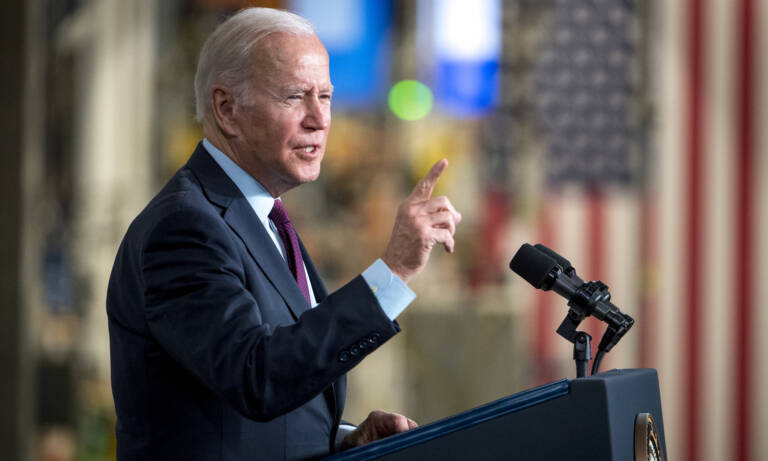
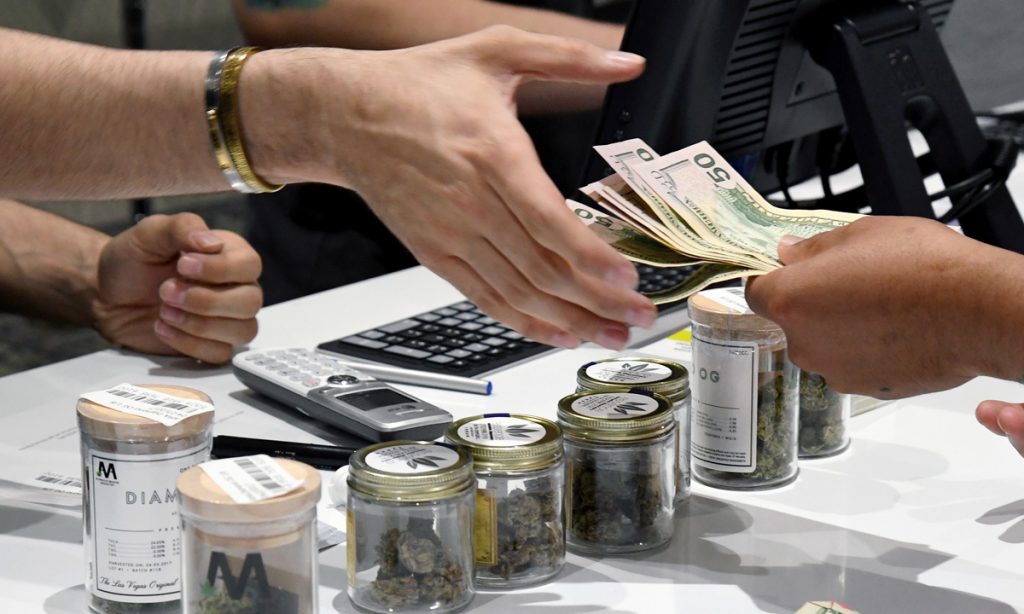
President Joe Biden announced he will pardon all prior federal offenses for simple marijuana possession, the White House announced Thursday, sending cannabis stocks soaring.
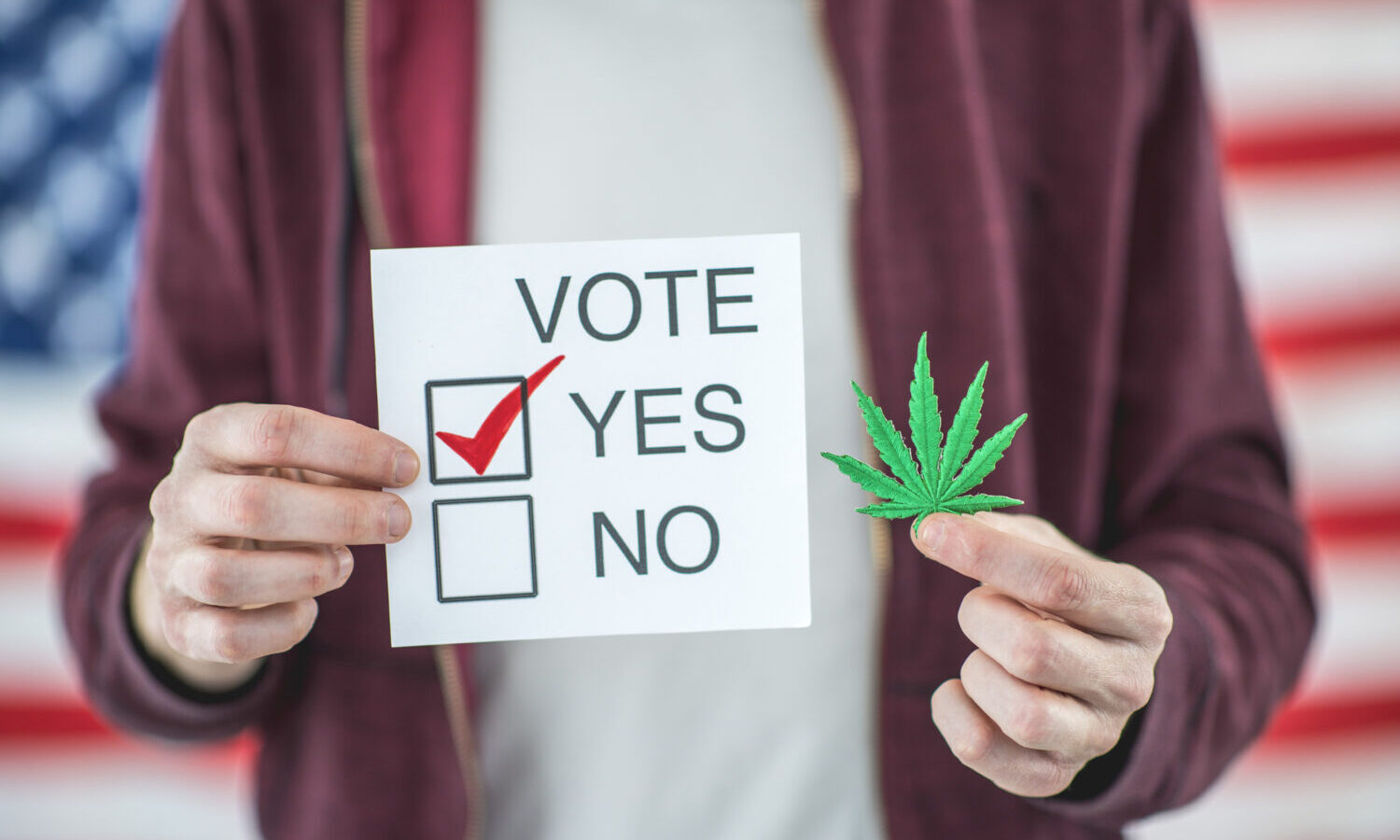
The historic move signals the possibility of broader marijuana reform, something cannabis activists have been seeking for a long time and the majority of U.S. voters support.
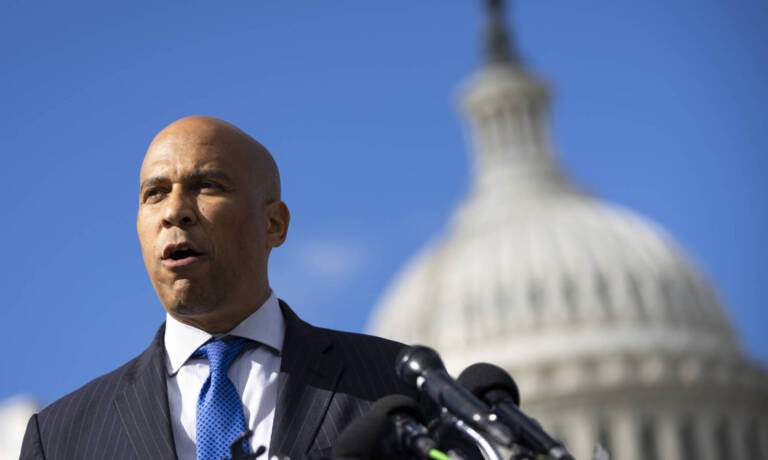
Senator Cory Booker (D-NJ), one of the co-sponsors of the Cannabis Administration and Opportunity Act (CAOA), which would decriminalize and deschedule cannabis on the federal level and promote social equity, praised the news.
“President Biden’s executive order is transformative for the lives of thousands of people and families harmed by our broken cannabis laws,” Booker stated. “This is a huge step forward toward a more just criminal justice system and more rational drug policy.
“Now it’s time for Congress and states to put an end to our failed policies by legalizing and appropriately regulating cannabis, taxing cannabis, reinvesting proceeds in communities disproportionately harmed by the War on Drugs, and expunging criminal records for nonviolent drug offenses.”
A year ago, Booker pushed the Department of Justice (DOJ) to use its power under the Controlled Substance Act of 1970 (CSA) to commence the procedure of removing cannabis from the list of Schedule 1 drugs.
Then again, in July 2022, Booker urged the Biden Administration to use its power to remove cannabis and issue pardons to all individuals convicted of nonviolent marijuana-related offenses.
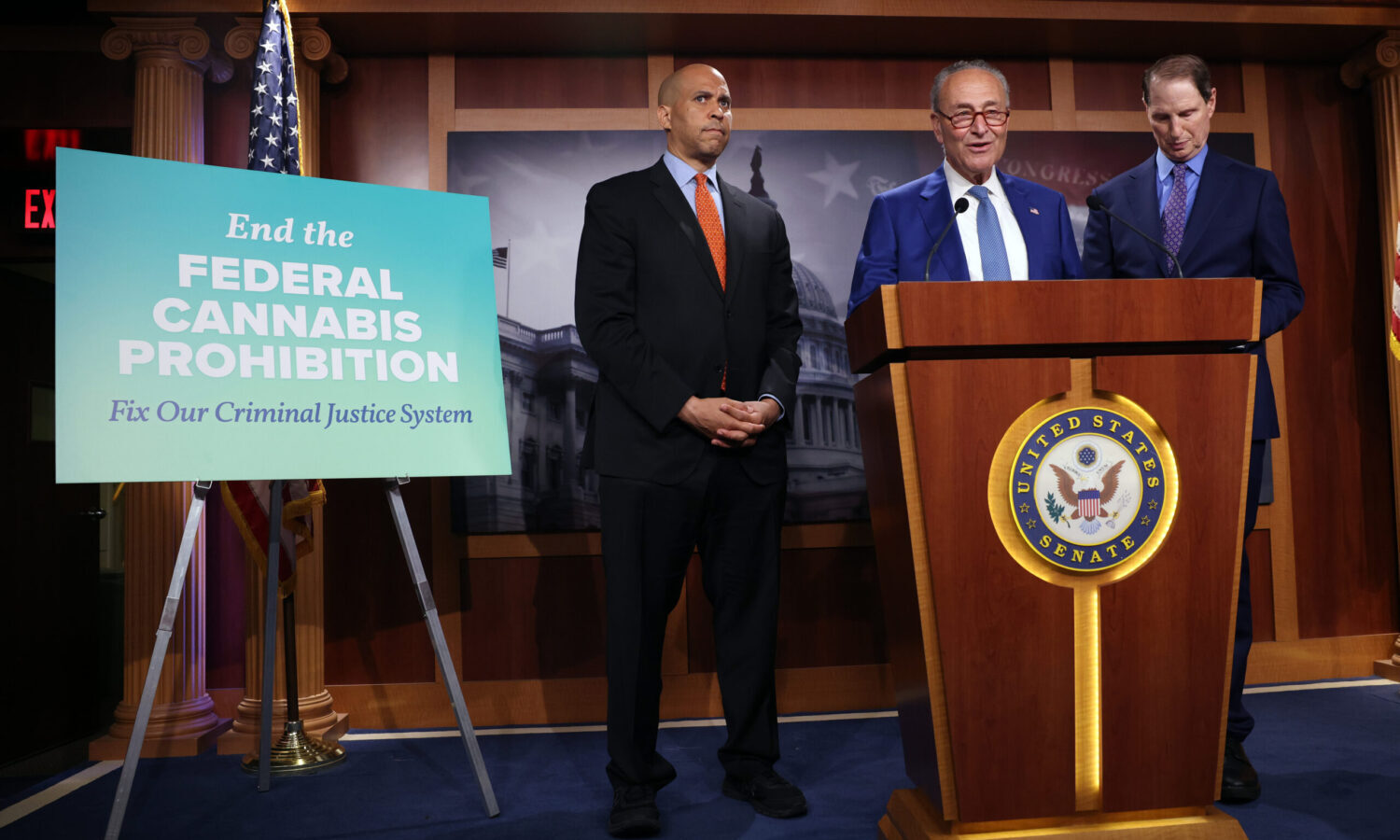
U.S. Senate Majority Leader Charles Schumer (D-NY) (C), joined by Sen. Cory Booker (D-NJ) (L) and Sen. Ron Wyden (D-OR) / Photo by Kevin Dietsch/Getty Images
Is Federal Marijuana Legalization The Next Step?
Even though many industry experts doubt that federal cannabis legalization will come about quickly, they believe that at least one piece of legislation has the potential to pass the Senate soon. Sponsors of the Secure and Fair Enforcement (SAFE) Banking Act, led by Sen. Jeff Merkley (D-OR), recently discussed the urgency of cannabis reform this session, reiterating the public safety imperative of providing the industry access to the traditional financial system.
The banking reform bill, which the House passed for the sixth time in July as part of the National Defense Authorization Act, has never been voted on in the Senate.
Cantor’s Zuanic recently met with lawmakers in the nation’s capital and said congressional leaders are ready to pass banking legislation for the cannabis industry in the upcoming elections.
He noted that the passage of “SAFE Plus” is likely during the Congressional lame-duck period between the November midterms and the swearing-in of the new Congress in January 2023.
The SAFE Banking Plus Act is an updated version of a bill that contains provisions to protect financial institutions that provide services to state-legal cannabis businesses. It also contains some equity components.
“We think that talk of a SAFE Plus (bill) is something that should be taken seriously,” Zuanic told investors in a Zoom call. “It’s not just a jingle. It’s not a pipe dream. It’s something that’s ongoing. There are discussions at high levels in the Senate between co-sponsors of the SAFE Banking bill on the Republican side with Senate leadership.”
In the end, Biden’s pardons definitely give hope to those who wish to see SAFE Plus pass the Senate and create a positive and more functional environment for the booming cannabis industry.
How long it’ll take for your marijuana to start working is dependent on a few things. Here’s what you should know before you smoke weed, pop an edible, or use a sublingual.
It’s crucial to keep in mind that the length of time it takes weed to kick in varies from person to person due to three primary factors. First, how quickly your body metabolizes cannabinoids such as tetrahydrocannabinol (THC) and cannabidiol (CBD) will dictate the time it takes before the effects become noticeable. This factor is related to your unique endocannabinoid system.
Second, how you consume cannabis (your ingestion method) makes a huge difference in how long it takes for weed to kick in.
Finally, how empty or full your stomach is when you ingest cannabis, as in how much you’ve eaten that day, can also impact the time it takes for weed to kick in.
How long does it take to get high after smoking weed?
When trying to determine how long does it take to get high after smoking weed, you should know that smoking or vaping weed (inhalation) is the quickest way to get high. When you smoke weed, THC travels through your lungs and directly into your bloodstream. From there, the onset of the high comes on nearly instantly, although it can be anywhere from 5 to 15 minutes, and lasts 1–4 hours. While vaping marijuana produces a similar onset and high to smoking, the psychoactive effects from vaping are often stronger.
How long does it take to get high off edibles?
How long does it take to get high off edibles infused with cannabis? For new cannabis users or those who previously only smoked or vaped weed, you may be wondering, “how long does it take edibles to work?” The time it takes edibles to kick in varies much more than if you smoke weed. When you smoke weed, you are primarily feeling the effects of THC.
However, when you eat a cannabis edible, you also get 11-OH-THC (11-hydroxy-THC), which is a metabolite of THC produced when you orally ingest THC products. Since edibles require digestion and being processed by your liver before the active ingredients reach your brain, this process takes much longer. This means you might start to feel effects of edibles within 30 to 60 minutes, but it can take as long as two hours for the high to set in. While THC levels in the blood do not peak until 3 hours later, the high can last more than 8 hours.
Photo by Vanessa Nunes/Getty Images
How long does it take to get high off cannabis sublinguals?
We have discussed edibles and flower, but how long does it take to get high off cannabis sublinguals? THC sublinguals are discreet and perfect for a range of wellness uses. Sublingual simply means something is placed under your tongue, where it dissolves instantly. Our mouth’s mucous membranes are highly permeable, so they’re great for rapidly delivering substances.
If you’ve ever used Listerine strips, you have a general idea of what sublingual means in terms of the rapid dissolvability of a substance that isn’t swallowed. Cannabis sublinguals act similarly. Most often in the form of strips or tablets, this convenient delivery system kicks in faster than edibles and tinctures (most tinctures are not kept in mouth long enough for oromucosal absorption.) Weed sublinguals typically take 15 to 30 minutes to take effect compared to edibles, which take up to 60 to 90 minutes, depending on the ingredients.
Another difference between edible and sublingual consumption is that cannabis sublinguals bypass the gastrointestinal tract. By dissolving in your mouth instead of eating or drinking it, sublingual cannabis strips avoid the effects of “first pass metabolism” in your liver. Generally, if the sublingual product is placed under the tongue (not on top), you should feel the results within 15 minutes.
As for the taste, it varies from brand to brand. They tend to taste fruity or minty, so use caution and take care not to confuse them with your minty mouthwash strips. There is no one-size-fits-all answer to how long it takes for weed to kick in, but we can tell you that the time varies depending on a few varying factors.
So, the next time you and your friends are smoking, vaping, or trying out tasty edibles and someone asks how long it will be before they feel the effects, you can confidently tell them that it depends on many different aspects, including individual metabolism. And if you’re curious about how long it will take for weed to kick in for you specifically, download the Jointly app to track your cannabis experience.
While the marijuana industry wants cannabis to be de-scheduled, some have argued that moving the cannabis plant to a lower Schedule 2 or 3 drug could be even worse as the whole industry could be handed over to pharmaceutical companies.
As my phone lite up with news about President Biden’s big cannabis industry news, I immediately realized politics are a game of give and take, so why right now, Joe? Why did President Biden pick Thursday to announce the pardoning of thousands of cannabis offenders and tell his Attorney General Merrick Garland to expeditiously review the cannabis plant’s listing as a Schedule 1 drug?
Could it be a coincidence that Biden’s marijuana announcement coincides with the Federal government ‘s announcement that they have enough evidence to charge Joe’s son, Biden Hunter, with federal crimes related to tax and gun-purchase charges? Throw up a good will headline to cover the stench coming for Hunter Biden’s laptop?
A group of Republicans just formed an anti-legalization wave in the Senate this week based around family values and “more research is needed” rhetoric. Is the push for “looking at the scheduling listing” a push for Big Pharma to get cannabis as a schedule 2 drug and take control of the industry? Big money and lobbyist tend to get things done.
Inquiring minds want to know!
Let’s break down the winners and loser from Thursday’s announcement from the White House.
“There are thousands of people who have prior Federal convictions for marijuana possession, who may be denied employment, housing, or educational opportunities as a result. My action will help relieve the collateral consequences arising from these convictions,” Biden said in a statement released on Thursday afternoon.
He went on to urge all governors to do the same with regards to state offenses, saying, “Just as no one should be in a Federal prison solely due to the possession of marijuana, no one should be in a local jail or state prison for that reason, either.”
The president also called on the Secretary of Health and Human Services and the Attorney General to begin the administrative process to review how marijuana is scheduled under federal law.
Marijuana is currently classified in Schedule 1 of the Controlled Substances Act under federal law. This classification puts marijuana in the same schedule as for heroin and LSD and even higher than the classification of fentanyl and methamphetamine, two drugs that are fueling the ongoing overdose epidemic across the country.
As ESPN would say, who won and lost yesterday’s trade?
Photo by Gleti/Getty Images
Winners
People with Federal Marijuana Convictions
While they may not get time back in life that simple marijuana chargers destroyed, they will get their records cleaned up for the sake of jobs, housing, voting, and a variety of other avenues that are closed to “convicted felons”. No matter what you think of the rest of the statement, this is the best news in years for the marijuana industry and people convicted of simple marijuana offenses since 1972. Win, win, win!
Outside of the cannabis industry itself, no one really cares about these details of origin around Delta-8 and 9 from hemp and the “real deal” stuff. If the president is starting steps to legalize cannabis, no one is going backwards with a fine-tooth comb and looking to ban hemp products. The wave of federal legalization has begun and no one outside of the industry has the interest or time to start reversing the Farm Act of 2018 and banning hemp products now.
Also, as you will read later in this article, if this is a move by Big Pharma to get control of the cannabis industry as a schedule 2 drug, then Delta-8 from hemp could be the only game left in town!
Websites and Cheap Licenses
Think about what Amazon did to brick and mortar, now transfer that to cannabis. Did all brick-and-mortar stores disappear? No, but did it put thousands of stores out of business.
If you have cannabis traffic on your website and you can get a cheap license in Oklahoma or Colorado, guess what? You are now taking market share from every MSO in America.
The MSO moat built on archaic federal laws is starting to crumble, and you better be ready for the 10 or 20 “Amazon’s of Weed” to pop up and start shipping the with a legal license as soon as the federal law allows it. With a website with traffic and a cheap rec license, all you would need is a room for inventory and a UPS account and you immediately start cutting into Trulieve’s and Cufaleaf’s revenue.
Smartest investment now for MSOs is to buy up every cannabis website they can for their traffic, and then convert that traffic into loyal customers when the moment comes. Start building your digital moats, not the ones with real sidewalks.
The Marijuana Industry
They are going to be listed as both winners and losers, and you will see why in a minute. Obviously, a big headline and tons of people are going to get legal relief that they have needed for decades. This pushes legalization to the forefront of everyone’s morning newsfeed and gets people excited again about legal cannabis.
Photo by FatCamera/Getty Images
Losers
MSOs
Yes, multi-state operators serving mid-grade weed, you are in trouble. To mimic Jeff Bezos, your already shrinking margins are my opportunity. If you think numbers and margins were bad the past 5 months, wait until interstate commerce starts and oversupplied states can ship to undersupplied states, as well as small suppliers who can now ship across America if they know how to get traffic to their website. Your margins are going to get razor thin, and your “legal moat” is starting to get chipped away with yesterdays’ announcement.
Ironic, I know. While letting people get a clean record is a huge win, these programs set up to help those affected by the War on Drugs (Biden a big part of that by the way) are hanging on by a thread in some states. If this is a step toward interstate commerce and full legalization, delivery licenses for SE and EE applicants will lose 90% of their value over time. The moat and laws that protect MSOs are all trying to be used to help SE and EE businesses, but they will get crushed with full federal legalization. That did not happen, but with Merck Garland told to review schedule classification, the wheels are in motion.
The Marijuana Industry
The second part of the announcement from the White House should be very worrisome for weed. While the marijuana industry wants cannabis to be de-scheduled, the likes of Steve DeAngelo have argued that moving the cannabis plant to a lower schedule 2 or 3 drug could be even worse as the whole industry could be handed over to pharmaceutical companies.
Is Big Pharma behind this Biden push? If you believe Biden is not a weed fan at all, and politics is all about money and maneuvering, maybe try reading behind the lines on this one. Class 3 or 4 is better than 1 for sure, but 2 may be awful and deep-pocketed Big Pharma lobbyists may be burning up the phones to the Senate as we speak. A true trojan horse if that is the grand plan.
President Joe Biden announced he will pardon all prior federal offenses of simple marijuana possession, the White House announced Thursday.
The pardons will also apply to anyone in Washington DC convicted of simple possession of marijuana, a senior administration official told reporters.
“No one should be in jail just for using marijuana,” Biden said.
More than 6,500 individuals with prior convictions for simple weed possession will be impacted by the pardons and thousands more will be pardoned under D.C. law.
“As I said when I ran for President, no one should be in jail just for using or possessing marijuana,” Biden said.
“It’s legal in many states, and criminal records for marijuana possession have led to needless barriers to employment, housing, and educational opportunities,” he continued. “And that’s before you address the racial disparities around who suffers the consequences. While white and Black and brown people use marijuana at similar rates, Black and brown people are arrested, prosecuted, and convicted at disproportionate rates.”
Biden also called on all governors to follow his example and said that he would ask the attorney general and the Department of Health and Human Services to review marijuana’s classification under federal law as a schedule one drug, the same classification as heroin and LSD.
A majority of U.S. voters support federal marijuana legalization, a new Morning Consult/Politico survey shows.
The poll, conducted from Sep. 30 to Oct. 2, 2022, asked a representative sample of 2,005 registered voters if they would like to see cannabis legalized on the federal level. The results were as expected and in line with other surveys conducted over the last several years.
Key Highlights
Three in five voters (or 60%) agree recreational cannabis use should be legal versus 27% against it. The remaining 13% are undecided.
Federal cannabis reform is supported by 71% of Democrats, 61% of independents and some 47% of Republicans. It is important to note that, at the same time, 41% of Republicans are against it, compared to only 16% of Democrats and 24% of independents.
As many as 72% of Black and 67% of Hispanic voters favor legalizing weed, compared to 58% of white voters.
The most support (71%) for legalization comes from voters aged 35-44, followed by the 18-34 age group with 69%.
One of the most recent cannabis-related surveys by Rasmussen Reports revealed that the majority of Americans don’t think cannabis is dangerous.
While the Rasmussen Reports poll focused mostly on people’s perception of marijuana, another from an April YouGov survey looked at how many Americans would like to see cannabis legal. The results revealed that 60% wanted legalization and 27% did not.
All this data confirms the results of a 2021 Gallup poll, which showed as high as 68% support for cannabis legalization.
Photo by FatCamera/Getty Images
How Close Is Federal Reform?
In July, long-awaited U.S. Senate legislation that would decriminalize and deschedule cannabis on the federal level and promote social equity was unveiled. Known as the Cannabis Administration And Opportunity Act (CAOA), by Senators Chuck Schumer, Ron Wyden and Cory Booker, the bill proposes comprehensive marijuana reform.
Since then, however, CAOA has come under criticism. It’s too complex, critics say, and many cannabis industry experts such as Cantor Fitzgerald’s Pablo Zuanic and Emily Paxhia, co-founder of cannabis investment fund Poseidon Asset Management agree that chances of the bill passing the Senate are slim.
“There is too much packed into CAOA for this to get through,” Paxhia recently told Benzinga. “This was a Hail Mary bill put forth by Schumer and the supporting democrats.”
In the meantime, Sen. Wyden noted how challenging it will be to get CAOA passed the Senate.
“A 50-50 majority in the Senate will make passing our bill a difficult feat, but I hope we can, at minimum, pass some key reforms this Congress,” Wyden told The American Prospect.
Biden Still Not There
During the 2020 presidential campaign, Biden repeatedly said he wanted to see marijuana decriminalization as well as automatic expungement of prior cannabis convictions. After nearly two years in the Oval Office, the President has granted clemency to dozens of individuals with non-violent federal drug convictions and commuted the sentences of 75 people who were serving time at home because of the pandemic. He also issued three pardons.
The Biden Administration has been avoiding meaningful steps while dodging questions on marijuana decriminalization for months. It seems likely he’ll continue to remain silent on the issue, at least until after the midterms.
Photo by Baris-Ozer/Getty Images
There’s Still Hope For One Bill
Fortunately, though, many experts believe that at least one piece of legislation has the potential to pass the Senate. Sponsors of the Secure and Fair Enforcement (SAFE) Banking Act, led by Sen. Jeff Merkley (D-OR), recently discussed the urgency of cannabis reform this session, reiterating the public safety imperative of providing the industry access to the traditional financial system.
The banking reform bill, which the House passed for the sixth time in July as part of the National Defense Authorization Act, has never been voted on in the Senate.
Cantor’s Zuanic recently met with lawmakers in the nation’s capital and said congressional leaders are ready to pass banking legislation for the cannabis industry in the upcoming elections.
He noted that the passage of “SAFE Plus” is likely during the Congressional lame-duck period between the November midterms and the swearing-in of the new Congress in January 2023.
The SAFE Banking Plus’Act is an updated version of a bill that contains provisions to protect financial institutions that provide services to state-legal cannabis businesses. It also contains some equity components.
“We think that talk of a SAFE Plus (bill) is something that should be taken seriously,” Zuanic told investors in a Zoom call. “It’s not just a jingle. It’s not a pipe dream. It’s something that’s ongoing. There are discussions at high levels in the Senate between co-sponsors of the SAFE Banking bill on the Republican side with Senate leadership.”
A new study published in the medical journal Neuropharmacology reveals that low-dose THC plus specific types of therapy can work to help people manage PTSD symptoms.
Post-traumatic stress disorder (PTSD) is a serious mental condition that affects some people after they have experienced or witness an event that is shocking, traumatizing, or dangerous.
While most people can recover from the intense emotions that come with facing a traumatic situation, other people struggle with recovery and thus develop PTSD. It’s more common for war veterans and anyone who has served in the military to have PTSD because of the many different types of traumas that the role exposes you to such as deployment to war zones, accidents in training, seeing and hearing gun shots, bombs, and so much more. However, regular civilians can also suffer from PTSD after experiencing mental, physical, or sexual assault, a serious accident, miscarriages, domestic abuse, and much more.
PTSD is one of the more difficult conditions to treat especially when the traumatic event experienced is severe. This painful memory becomes deeply embedded in the brain, making it difficult to forget. There are varying degrees of PTSD though: some with mild conditions can get better right away after a few sessions of psychotherapy, while others will need medication, psychotherapy, and a lot of time to feel much better.
Thankfully, there is hope for traumatized individuals in the form of marijuana.
A new study published in the medical journal Neuropharmacology reveals that low-dose THC plus specific types of therapy can work to help people manage PTSD symptoms. The researchers from Wayne State University utilized double-blind trials on 51 individuals who were either given doses of 7.5mg of THC, or a placebo pill. They were then made to undergo functional magnetic resonance imaging (fMRI), a medical procedure that analyzes even minimal changes in the brain’s blood flow, enabling the researchers to assess the mental state of participants.
They were given emotional regulation tasks after they were given THC or the pills. These tasks included making them face triggering images, which were done repeatedly, so that the participants could analyze the images and give them the opportunity to regulate their emotions. This process is referred to as cognitive reappraisal.
“Cognitive reappraisal is one therapeutic emotion regulation strategy that has been widely studied among individuals with mood and anxiety disorders, and numerous differences in brain activation patterns have been shown between individuals with and without PTSD during tasks of cognitive reappraisal,” they wrote.
The researchers found that those given THC were successfully able to manage any negative emotions. THC was also found to activate parts of the brain among which are normally known to be deactivated in people who have PTSD. “THC may prove to be a beneficial pharmacological adjunct to cognitive reappraisal therapy in the treatment of PTSD,” wrote the study authors.
Photo by Kilito Chan/Getty Images
Other Studies
There have been many other studies documenting the efficacy of cannabinoids for treating PTSD.
In a 2021 study, the FDA regulated a study for the first time to analyze the benefits of inhaled cannabis among people with this condition. The double-blind, placebo-controlled study was peer-reviewed. Participants were given either 11% CBD, 9% THC, or a blend with both 8% THC and CBD.
“This study served as the first randomized placebo-controlled trial comparing the therapeutic potential of varying ratios of THC and CBD for treating symptoms of PTSD,” explains the study’s lead author, Dr. Marcel O. Bonn-Miller. They specifically found that those who consumed 9% THC experienced the most significant improvements though they note that more research is needed to determine the most effective doses. “It would help to determine the minimally-effective doses of THC needed to safely treat individuals suffering from PTSD,” said Bonn-Miller. “It will also mitigate risks of cannabis dependence in this vulnerable population,” he adds.
Then in 2020, an observational study which was published in Cannabis and Cannabinoid Research analyzed 150 PTSD patients over the course of a year. The researchers wanted to examine the difference among people who medicated with cannabis and those who did not. The study did not make use of controls though patients were analyzed every 3 months using self-administered tests that helped researchers understand the frequency of cannabis use and consumption methods.
The researchers discovered that patients who medicated with cannabis demonstrated a significant reduction in PTSD symptoms throughout the year. They were also more than twice as much likely to no longer meet the clinical criteria for post-traumatic stress disorder.
Photo by LanaStock/Getty Images
Why Cannabis Works
It’s extremely common for people with PTSD to turn to substances such as alcohol and drugs to distract them from the nightmares and negative emotions. However, other booze and other drugs can only make it worse. On the other hand, cannabis and CBD products are the safest substances to medicate with for PTSD.
The human body’s endocannabinoid system helps to regulate bodily processes including those that are imbalanced due to trauma. These include the hormones responsible for sleep, memory, and fear. Consuming THC and CBD interact with your very own healing endocannabinoid system, thus influencing processes that can help you recover from PTSD. Many people can already access PTSD in states that have made it a qualifying condition for medical marijuana. Determining how much to take to help mitigate your symptoms may require some trial and error process since everyone reacts differently.
More research is ongoing to determine how we can maximize the cannabis plant to recover from PTSD. In the meantime, you can reach out to a marijuana-informed doctor to learn more about using cannabis for managing PTSD symptoms.
“I don’t think that with the drug epidemic that we have across this state… that adding and giving more access to that does anything to benefit Arkansas, so I certainly wouldn’t be supportive of [marijuana],” Sanders toldreporters this week.
Jerry Cox, Family Council Action Committee’s executive director, said on Tuesday that Arkansas “does not need another drug problem.”
The anti-marijuana campaign will feature social media graphics and videos. The organizers are also planning a two-week city tour around the state, reported KARK.
If approved, the measure would allow adults 21 and over to possess and use marijuana without a medical use card.
Responsible Growth Arkansas, the group behind Issue 4, is firm in its push to legalize the plant.
“Recent polling shows statewide support is nearly twice as high as the opposition,” Responsible Growth spokesperson Eddie Armstrong said. “We plan to continue getting the message out and ask people to make their own choices at the ballot box in November.”
The Talk Business & Politics-Hendrix College’s recent survey showed that 59% of likely voters in Arkansas are in favor of the ballot measure, with just 29% opposed and 13% undecided.
Photo by ChrisSteer/Getty Images
Gov Says No On Marijuana Legalization, Supreme Court To Decide On Whether The Vote Will Count
Meanwhile, Gov. Asa Hutchinson (R), U.S. Sens. Tom Cotton (R-AR), and John Boozman (R-AR) are among the conservative voices asking voters to oppose the initiative.
“This November, I’m voting NO on Issue 4 to legalize recreational marijuana in Arkansas, and I hope you’ll join me,” Hutchinson said, linking to a website for an anti-legalization advocacy group called “Safe and Secure Communities.”
Sarah Huckabee Sanders (R), who is running for governor, has the same stance on the issue.
“I don’t think that with the drug epidemic that we have across this state, frankly across the country, that adding and giving more access to that does anything to benefit Arkansas, so I certainly wouldn’t be supportive of that [marijuana],” she told reporters this week.
Safe and Secure Communities recently filed a motion in the Arkansas Supreme Court arguing that a proposed constitutional amendment to present to voters was “misleading, fraudulent, and illegal” under state law because the ballot measure’s title did not preserve the state’s medical THC limit.
Over the past year, Colombia’s president, Gustavo Petro, has criticized the War on Drugs and has asked countries all over the world to rethink their stance on these substances.
Colombia appears to be the next country on its way to marijuana legalization. On Tuesday, lawmakers approved a bill to legalize and regulate marijuana all across the country, earning almost unanimous support. It’s a first step towards legalization.
The proposed ruling would set the groundwork for legal cannabis sales, ensuring that revenue is distributed across municipalities and can support issues like public health and education.
Photo by Guillermo Legaria/Getty Images
The proposal includes a breakdown of how cannabis legalization would work and impact the country. In Spanish, the bill explains several things, making it clear that the legal use of the drug is meant for people that are of age and promoting a message that echoes what Colombia’s president has been saying ever since he was elected, which is to remove the criminal aspect associated with the drug and to focus on harm reduction and public health.
“With this legislative act, we will promote strategies that benefit farming and we will implement tools to battle marijuana’s illegal trafficking, betting on public health and social growth,” reads the bill.
Over the past year, Colombia’s president, Gustavo Petro, has criticized the War on Drugs and has asked countries all over the world to rethink their stance on these substances.
“The War on Drugs has lasted 40 years. If we do not correct the course, and this continues another 40 years, the United States will see 2.8 million die of overdoses,” said Petro when addressing the United Nations. “You will see millions of African Americans be imprisoned in their private prisons.”
“I propose to you, as President of one of the most beautiful and bloodied countries on Earth, to end the War on Drugs and thus allow our people to live in peace.”
Previously, Petro had informally talked about legalizing marijuana and seeing what benefits that could provide for the country. “Let’s see if by exporting cannabis we make a few dollars because in part of the world the drug is legal,” said Petro in a translation per Noticias RCN. “Why can’t the farmers from Cauca plant cannabis?,” he said, referencing a region in Colombia known for its prolific farming.
Petro has yet to make any statements or shows of support for the bill that was approved on Tuesday.
The marijuana market is growing on native lands, which are exempt from the state’s rules and regulations.
Marijuana stores are popping up in unexpected places. In NY, native lands are selling weed with tribal members have taken matters into their own hands, creating a functioning marijuana business that’s exempt from the state’s law. This means that marijuana shops are popping up in unorthodox locations, including gas stations, which are coming up with deals like handing out a joint per every 10 gallons of gas sold.
The New York Times reports that this phenomenon is occurring in different locations with different tribes getting a jump on the legal cannabis market, even though state dispensary applications are in the process of earning approval.
New York state legalized marijuana in March 2021, creating a state of confusion as they geared up for a functioning legal market. Some tribes have taken the green light of legalization to create marijuana markets of their own, which are then supported by their tribal governments, which have created rules and regulations to support the nascent business.
These tribes are located in different areas of the state, from the Canadian border to smaller tribes on Long Island. Businesses that have popped up in gas stations tend to operate in the back of the building and have become a source of income for tribal governments, free of the state’s influence, at least for the time being.
“Because we don’t need a license from the state, because we don’t have to have permission to enter in the industry from the state, we are a true, authentic Native American cannabis business,” said Chenae Bullock, a member of the Shinnecock tribe and manager of Little Beach Harvest the tribe’s leading marijuana business. “This business is going to not only provide jobs, and establish careers in an industry, but also have business-to-business with other tribal members.”
Unlike other marijuana businesses that have gotten a headstart on cannabis, marijuana businesses on tribal lands are not subject to the state’s Office of Cannabis Management (OCM). “What’s happening on tribal lands right now, it’s outside our purview,” said Chris Alexander, director of the OCM.
While many have criticized the slow pace of the OCM, taking months to start accepting applications for dispensaries, Alexander disagrees and says that he’s proud of the progress the organization has made and how quickly they’ve been in taking in applications.
In addition to the sales decline, wholesale prices seem to be dipping to record lows, which is why a group of Colorado growers is asking the state to stop issuing cultivation licenses.
With sinking weed prices, cultivators want to halt new licenses. Colorado cannabis companies blame oversupply and are demanding change.
Medical marijuana (MMJ) sales in Colorado have significantly declined. So far this year, total sales have reached more than $1 billion, yet MMJsales for July reached just over $18 million, “the lowest monthly figure ever recorded since January 2014,” whenretail sales were legalized in Colorado.
In addition to the sales decline, wholesale prices seem to be dipping to record lows, which is why a group of Colorado growers is asking the state to stop issuing cultivation licenses, reports Westword.
According to the data from the Colorado Department of Revenue, the price per pound of all commercial cannabis reached a record low in September. The coalition of thirty cannabis cultivators and dispensary ownership groups in Colorado says oversupply is the main culprit.
“For the first time since legalization was implemented, marijuana sales and the revenue generated from marijuana taxes will be substantially lower than the previous calendar year,” the coalition wrote in a Sep. 15 memo. “The problem is further exacerbated by the country’s broader economic situation, with record-high inflation driving down sales of consumer goods. Despite a decrease in demand, the supply of marijuana continues to increase, with new licenses being issued and additional cultivation capacity being authorized to current licensees.”
Photo by traffic_analyzer/Getty Images
Similar Scenario In Michigan
The Great Lakes State seems to be facing the same issue. As a result, its largest cannabis operators recently launched an offensive meant to keep competitors from getting into the market.
Responding to demands from lobbyists for some of the state’s big growers, the Legislative Service Bureau drafted new legislation to prohibit the Michigan Regulatory Agency from issuing any new cultivation licenses.
The draft legislation effectively calls for a moratorium on licenses for an undetermined period of time.
The legislation should be presented after the November election.
Prices for recreational weed in Michigan dramatically dropped. In August, the average price of $1869 per pound fell 3.9% sequentially and 47.5% from year-over-year.
This article originally appeared on Benzinga and has been reposted with permission.