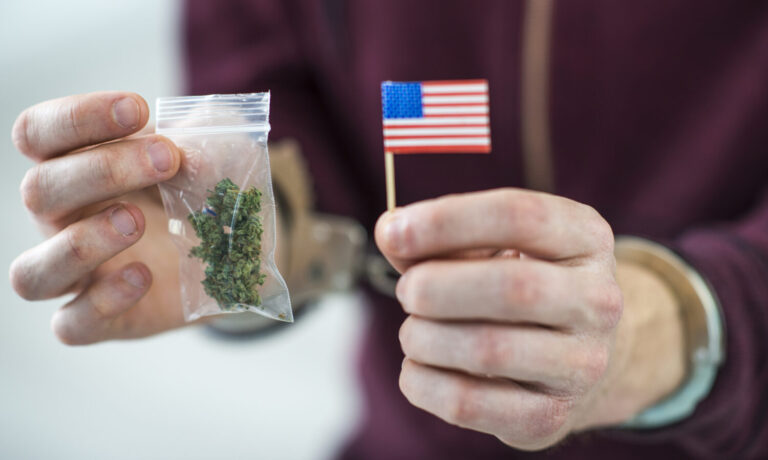
With midterms approaching, cannabis is often in the spotlight of debates. Pennsylvania gubernatorial nominee Attorney General Josh Shapiro, who has expressed support for cannabis policy change previously, reiterated his support for marijuana legalization.
“Continuing to criminalize adult personal marijuana use is a waste of limited law enforcement resources, taxpayer dollars, disproportionately impacts minority communities, and does not make our communities safer — which is why I support legalization under key conditions,” Shapiro told Broad and Liberty earlier this week when asked if he would support legislation to legalize recreational marijuana.
As part of Broad + Liberty’s Candidate Spotlight Series, Shapiro’s opponent Doug Mastriano (R), was asked the same question. However, Mastriano’s campaign remained silent, even though the gubernatorial candidate earlier had called cannabis legalization a “stupid idea.”
Photo by Baris-Ozer/Getty Images
Meanwhile, Shapiro laid out what marijuana legalization should encompass, highlighting a criminal justice component. “Those convicted for nonviolent possession of small amounts of marijuana must have their records expunged,” he said.
Secondly, Shapiro emphasized that the cannabis industry “must be regulated and taxed responsibly.” Lastly, he said that attracting businesses to Pennsylvania is essential in creating “good-paying jobs” and boosting the Commonwealth’s economy.
“I’m not interested in subsidizing out-of-state companies to come in and make a quick buck off of Pennsylvanians’ backs,” Shapiro continued. “If we do that, marijuana legalization can lead to a fairer criminal justice system and a stronger economy for Pennsylvania.”
Democrats Pushing For Marijuana Legalization
Interestingly, the number of Democratic politicians who are becoming more vocal regarding marijuana policy reform is on the rise as the midterms approach.
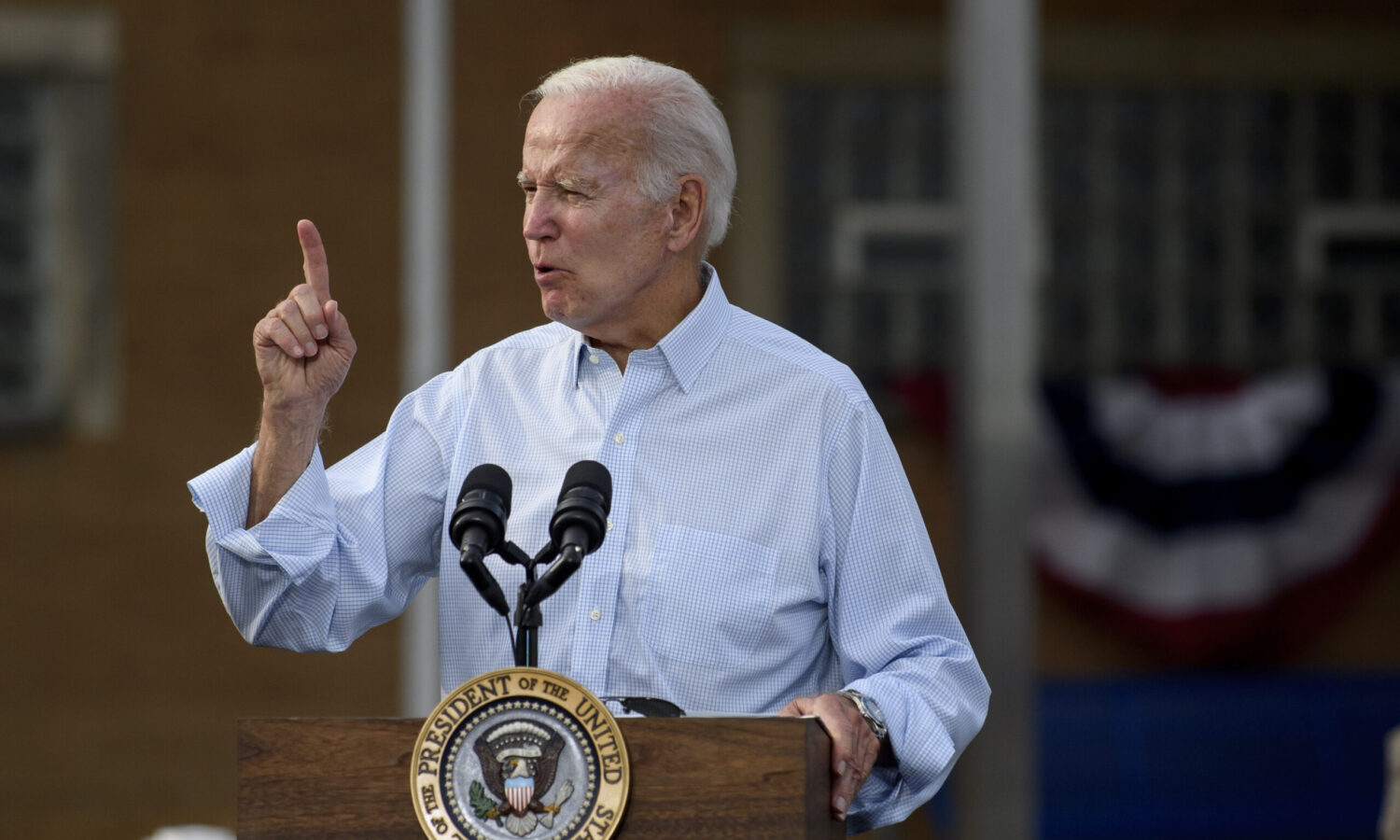
Pennsylvania Lt. Gov. John Fetterman recentlyurged President Joe Biden to deschedule marijuana from a Schedule I drug and work to decriminalize it. Shortly after, the two politicians crossed paths in Pittsburgh and discussed potential changes to the status of cannabis under the Controlled Substances Act prior to his speech at a union hall on Labor Day.
White House press secretary Karine Jean-Pierre told reporters at a news briefing last week that she didn’t “have anything right now to announce,” in response to Fetterman’s request to Biden to deschedule cannabis prior to his Pittsburg visit.
Still, Jean-Pierre highlighted that Biden “believes that there are too many people serving unduly long sentences for nonviolent drug crimes, a disproportionate number of whom are black and brown.”
It is becoming clear that those who oppose marijuana policy reform would rather take voters out of the equation altogether.
By Paul Armentano, NORML Deputy Director
Those who wish to perpetuate the failed public policy of cannabis criminalization have lost the hearts and minds of the American public. And they know it.
With public support for marijuana policy reform reaching super-majority status in recent years, prohibitionists and other political opponents have largely abandoned efforts to try and influence public opinion. Rather, they are now relying on gamesmanship to prevent voters from weighing in on the issue. In some cases, they are even willing to overturn the will of the electorate to get their way.
This was the case last election. In Mississippi and South Dakota, reform opponents successfully litigated to nullify election results for a pair of marijuana legalization measures, thereby nullifying the votes cast by 73% and 54% of voters respectively.
Photo by Prostock-Studio/Getty Images
That same year in Nebraska, members of the state Supreme Court struck down a proposed medical cannabis access initiative months after it had been approved by the Secretary of State’s office. Polling in the state showed that 77% of Nebraskans backed the initiative, but they never got the chance to show their support at the polls. Months later, Florida’s Republican attorney general successfully brought suit to preemptively deny a proposed 2022 legalization initiative from appearing on the ballot.
Opponents are engaging in similar tactics this election cycle. In Arkansas, they are seeking to invalidate voters’ pending decision on a statewide proposal to legalize marijuana possession and retail sales. Although the measure will appear on the November ballot, it is now up to justices on the state Supreme Court to determine if the votes will ever be counted. In a filing before the court, opponents of the measure have cynically called upon judges to “protect the interests and rights of [the minority of] Arkansans who oppose the legalization of recreational marijuana.” (Statewide polling from earlier this year identified majority support for legalization among voters.)
In Missouri, representatives of a leading prohibitionist organization have joined legal efforts to try and disqualify a citizens’ initiative legalizing marijuana use by adults and providing legal relief for those with prior low-level convictions. Earlier this month, Secretary of State John Ashcroft issued a certificate of sufficiency to the Legal Missouri 2022 campaign, formally placing their initiative on the November ballot.
But now opponents contend that election officials erred in doing so, opining that they may have miscounted. (Opponents’ basis for this claim appears to rest solely on initial media reports speculating that advocates risked falling short of signature requirements in one or two districts. Campaign proponents had vociferously denied these reports.) A statewide survey, published earlier this month, finds that 62% of registered voters back legalization.
Photo by FatCamera/Getty Images
Finally, in Oklahoma, election officials engaged in extensive delays prior to verifying that advocates had gathered the requisite quantity of signatures to qualify an adult-use legalization measure for the November ballot. Now officials are claiming that, because of those delays, there may be insufficient time to formally certify the measure ahead of the coming election. (The issue remains in litigation.)
In a healthy democracy, those with competing visions on public policy vie for voters’ support and abide by their voting decisions. In this case, however, it is becoming clear that those who oppose marijuana policy reform would rather take voters out of the equation altogether. Whether or not one personally supports or opposes cannabis legalization, these cynical and undemocratic tactics ought to be a cause of deep concern.
“Now that the president has delivered on a progressive policy of student debt relief, he has seen an uptick in the polls, he’s united the base…” said one influential Democrat.
As the midterms edge closer and closer, Democrats believe they have a window to push their agenda for marijuana reform.
Per The Hill, Democrats are pressuring Biden, trying to figure out what’s possible in terms of marijuana reform before the midterms in November. They believe the momentum gained by Biden’s previous decisions that leaned liberal — student loans, health care, and tax reforms — might positively impact marijuana decriminalization.
Photo by Jeff Swensen/Getty Images
“Now that the president has delivered on a progressive policy of student debt relief, he has seen an uptick in the polls, he’s united the base, put Republicans on the defensive, and Democrats across the country seem to be riding the wave as well,” said influential Iowa Democrat Stacey Walker. “Along with several members of President Biden’s senior leadership team, we all agreed that at the very least the president should decriminalize marijuana and reschedule it through executive action at the federal level.”
Over the past weeks, other Democrats have echoed these statements, focusing on the benefits that this decision could have on the millions of people that have been negatively impacted by marijuana legislation in the past.
Democratic Senate hopeful John Fetterman publicly asked Biden to take action. “It’s long past time that we finally decriminalize marijuana,” said Fetterman. “The president needs to use his executive authority to begin descheduling marijuana, I would love to see him do this prior to his visit to Pittsburgh. This is just common sense and Pennslyvanians overwhelmingly support decriminalizing marijuana.”
A group of Democrats including Cory Booker, Elizabeth Warren, and more, sent a letter to Biden, asking the president to remove the drug from the list of federally controlled substances. “I think Biden understands the larger issues at play here and I’m encouraged by that,” said Booker.
Marijuana legislation has taken great leaps over the past decade, with dozens of states decriminalizing and establishing recreational and medical markets. The American population is also supportive of marijuana, with polls showing that the majority of people believe in legalizing both medical and recreational marijuana.
With so many beneficial compounds found in the cannabis plant, these can help supercharge your body with inflammation-fighting and immunity-boosting goodness.
Intermittent fasting is one of the most popular health trends today. Generally defined as abstaining from food and drink for a set number of hours, there are multiple ways that one can fast and still enjoy its health benefits.
Whether you choose to fast every day for at least 10 hours or more, fasting has been proven to improve health in many ways, including: autophagy (the body’s natural way of cleaning out damaged cells), promoting weight loss, improving cognitive function, reducing insulin resistance, fighting inflammation, improving heart health, and so much more. Fasting daily, or even during specific days in a week or month, is a practice that more people are doing.
Photo by Shidlovski/Getty Images
In addition, it has been a growing trend for people to integrate cannabis into their healthy lifestyles. Individuals also use cannabis before or after a workout. A recent survey of 600 individuals in states where adult-use cannabis is legal showed that 81.7% of people recommended using marijuana with their workout. “The majority of participants who endorsed using cannabis shortly before/after exercise reported that doing so enhances their enjoyment of and recovery from exercise, and approximately half reported that it increases their motivation to exercise,” said the study’s authors.
Cannabis certainly complements a healthy lifestyle in several ways:
Motivation for exercise
Workout recovery
Stress relief
Fights inflammation
…and so much more. Having said that, will consuming cannabis break your fast?
Cannabis & Fasting
Depending on how you consume cannabis, the answer varies. The good news is that if you inhale or vaporize cannabis, then it won’t break your fast. Feel free to have a few puffs in the morning even during your fasted state prior to a workout. Cannabis does not contain any calories nor macronutrients, so smoking it will not result in an insulin response. On the other hand, it can still provide you with all the health benefits of the plant and even assist with fasting, autophagy, fat loss, and gut rest.
Cannabis oils will also break your fast. Most cannabis oils use coconut oil as a carrier oil, which has calories.
However, take note that cannabis-infused edibles and drinks will definitely break your fast. Edibles and drinks contain calories and various macronutrients that will stimulate an insulin response in your body and thus break the fast. This is why inhalation is the best way to consume marijuana if you are fasting.
Some individuals still continue to consume under 20-50 calories to gently break a fast, depending on how strict you are or the type of fast you are doing. There are many who are still able to fast effectively or stay in ketosis even while consuming under 50 calories when fasting. Cannabis-infused black coffee, tea, or coconut carrier oils are acceptable in small amounts while still providing you with the metabolic and weight loss benefits of fasting.
Photo by i yunmai via Unsplash
Take note, though, that some people experience an increased appetite when consuming THC in any form. So if you are one of those people who are prone to the munchies, you may be better off smoking high-CBD or CBD strains while fasting. In addition, some people may also experience mild stomach upset when consuming CBD coconut oils on an empty stomach. If you have a sensitive stomach, you may be better off inhaling cannabis instead of CBD oils.
Consuming CBD can actually be beneficial for people who practice intermittent fasting. A study found that CBD engages different receptors in the human body, as opposed to THC which stimulates the CB1 receptors which are responsible for appetite stimulation. It suggests that CBD can be beneficial for those who are trying to suppress their appetite while fasting
Cannabis Use Supports Fasting
People use cannabis because of the myriad of health benefits. One of these is to regulate and balance hormones to improve many important bodily processes including sleep and metabolism. As a result, you can experience more energy, burn calories, and sleep better just because of fasting alone. Of course, eating well and exercise will boost these health benefits.
For those who are looking to regulate hormones, cannabis can also support your fasting. The endocannabinoid system helps to regulate stress, fertility, immunity, memory, our moods, sleep, and many other functions. When consuming THC and CBD products, it helps to regulate some of the most important hormones in the body including cortisol, melatonin, and insulin. This is also the same reason why many women use cannabis products to correct any hormone imbalances.
It’s also good to know that cannabis can help support your weight loss goals. This is one of the most popular benefits of fasting, and a reason why many people practice it in the first place. The ability of cannabis to regulate insulin and help maintain a healthy body mass index might be the little push you need to shed a few unwanted pounds.
Photo by Ivan-balvan/Getty Images
On top of that, studies show that cannabis helps promote autophagy. This, in turn, helps reduce neuron changes associated with age while increasing longevity.
Conclusion
Using the right cannabis products can complement your wellness routine, intermittent fasting included. With so many beneficial compounds found in the cannabis plant, these can help supercharge your body with inflammation-fighting and immunity-boosting goodness.
If you are new to combining cannabis with fasting, remember to listen to your body. It will take any body some time to adjust to fasting so it’s always good to start slow: begin with 10 hour fasts, and gradually work your way up to your desired fasting plan.
While there’s no strain that will specifically boost your immune system, you can use these strains to lower stress levels that will then strengthen your immunity.
The ongoing pandemic awoke an important discussion that people haven’t had for a while; how to boost the immune system. People are popping vitamins and eating citrus fruits in a bid to protect themselves from the virus, while some folks have been looking into marijuana as well.
But are there strains that protect against the virus or a prevention treatment that people can look into? We take a dive into what we already know and have.
Does Cannabis Work for Colds and Viruses?
First, one’s immune system would have to be compromised for them to get the virus, which then lets us know what we need to guard. While eating foods rich in vitamin C is great, people also need to manage their stress levels so as not to weaken the immune system. Cannabis helps lower stress, which in turn helps strengthen the system. If you can help it, don’t overthink the pandemic or the virus. Instead, focus on getting through one day at a time.
Second, it helps to be cautious when smoking during these times. You would be putting yourself and others at risk if you passed a joint around, even if the people you are smoking with are known to you personally. The best way to combat this virus is to eat right, observe personal hygiene, lower stress levels through cannabis if you are a user, and mask up as has been recommended. It would also do no harm to try the best cannabis strain for pain if you have inflammation or general fatigue. While it will not protect you from the virus, it will give you relief from pain.
Photo by LightFieldStudios/Getty Images
While marijuana is known to treat conditions such as epilepsy and cancer, you don’t just get to pick up any strain and hope for the best. It is recommended that you see a doctor who will administer the right one for your condition as well as the required dosage.
Let’s look at some of the strains known for pain relief, inflammation, and fighting fatigue.
Best Strains for Pain Relief
Though there are quite a number of these on the market, these two are the best known for pain relief.
Blackberry Kush has been known for long as one of the strains that relieve pain, among other things. Given its levels of THC, it is quite strong and known to treat severe headaches and migraines while also releasing an uplifting effect to the user. Some users say it also helps with eating and sleeping disorders, anxiety, and stress.
Terpenes: Pinene, Bisabolol, Sabinene, Phellandrene, and Geraniol
Feelings associated with its use: Creativity, Concentration, Talkative, Calmness
The lower levels of tetrahydrocannabinol in this strain do not make it any less effective than others. It only means the anxiety and paranoia associated with higher levels of THC are countered while releasing a relaxed mood and easing pain for users. It is ideally used by those who suffer chronic pain.
Best Strains for Inflammation
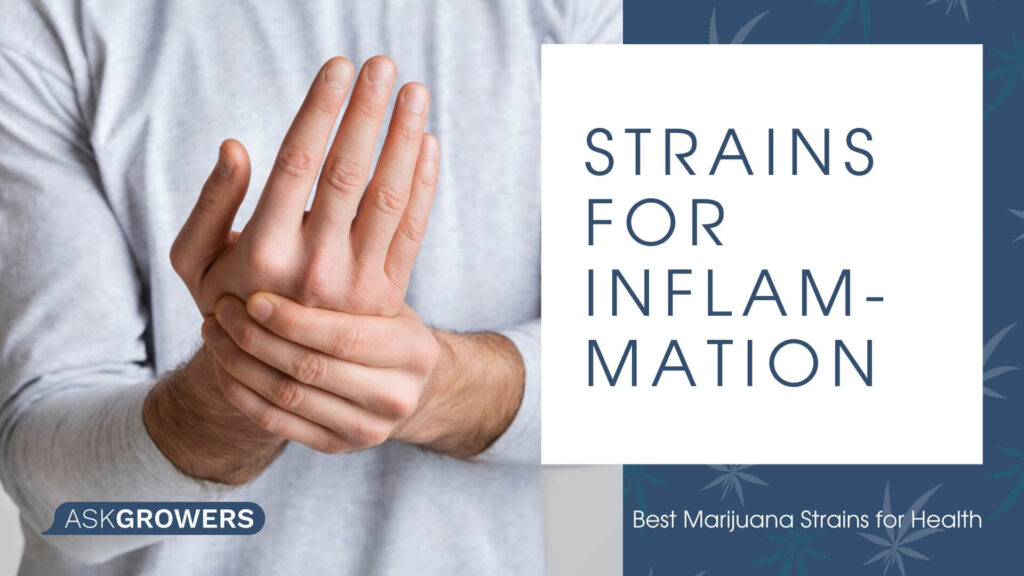
Cannabis is generally known for its anti-inflammatory properties, though the best-known strains for this are GSC and AC/DC.
This award-winning strain has been used for a long by patients to combat nausea, loss of appetite, severe pain, and even inflammation. It is also one of the best cannabis strain for sleep because when the body is relaxed and not in pain, you are able to fall asleep. Unless growers come up with an even better option, GSC is likely to stay at the top of the tables for a long time.
Terpenes: Limonene, Valencene, Sabinene, and Ocimene
Feelings associated with its use: Creativity, Giggly, Arousing.
People suffering from chronic pain that is made worse by THC are recommended to go for this strain. Being low on THC, it will not make you high, but will work on pain and have a calming effect. AC/DC is common among users suffering from epilepsy and the consequences of chemotherapy.
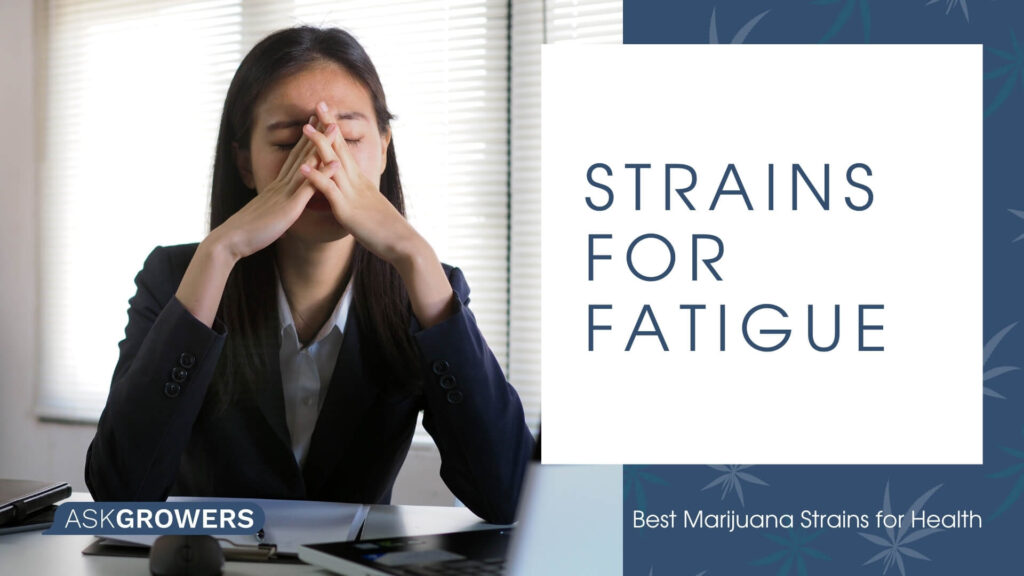
Best Strains to Fight Fatigue
Cinex and Cannatonic have different compositions, but they are both ideal for fighting fatigue. Since they also help calm the mind, they are some of the best cannabis strains for mental health too.
Terpenes: Limonene, Linalool, Valencene, and Phellandrene
Feelings associated with its use: Focus, Creativity
This strain’s composition makes it a calming, uplifting option for those suffering from severe mood swings. It also treats chronic pain, migraines, and spasms effectively.
Feelings associated with its use: Relaxation, calmness
Due to its high levels of THC, this strain leaves the user with a relaxing high that even the most stubborn insomniac is likely to be knocked out. Other common uses include pain relief for Arthritis, Bipolar disorder, and Muscular dystrophy.
Conclusion
While you will easily find a specific cannabis strain for anxiety, you will not find one that fights viruses and boosts the immune system. Since scientists have yet to prove that an existing strain can combat viruses, you should not use cannabis for this purpose. What you can do is use it to lower stress levels that will then strengthen your immunity. Important Note: Do not smoke cannabis if you have any respiratory conditions. There are other more appropriate ways, such as edibles and topical application on localized pain.
During social worker investigations, a parent’s or guardian’s use or possession of cannabis is treated in the same manner as their use or possession of alcohol and prescription drugs.
Gov. Gavin Newsom (D) signed a bill including provisions for social workers who are called to investigate child welfare to treat parental cannabis use in the same manner that they do for alcohol.
However, Assemblymember Reggie Jones-Sawyer (D), who sponsored the legislation, said in a summary of the bill that “cannabis use alone should not be a basis for state intervention into family life.”
“As is the case with alcohol and prescription medication, parents and guardians should be allowed to safely and legally use cannabis without fear of having their children permanently removed from their care, provided there are no other concerns regarding the child’s safety,” Jones-Sawyer added.
Photo by Kindel Media via Pexels
What Is The Law All About?
According to the legislation, the state Department of Social Services (DSS) is required to update “all regulations, all-county letters, and other instructions relating to the investigation of a minor” to stipulate that “when a social worker is investigating an alleged case of child abuse or neglect, a parent’s or guardian’s use or possession of cannabis is treated in the same manner as a parent’s or guardian’s use or possession of alcohol and legally prescribed medication.”
Last year, the Superior Court of New Jersey, Appellate Division, held that a parent’s recreational cannabis users cannot suffice as the sole or primary reason to terminate that parent’s rights – unless the Division of Child Protection and Permanency (Division) proves case-specific evidence that the marijuana usage endangers the health, safety or welfare of the child.
Cannabis Developments In California
Newsom recently signed two other marijuana bills. One of them amends an existing law that allows registered patients to use MMJ products in hospitals while the other legislation provides protections for medical cannabis patients against discrimination in health care, reported Marijuana Moment.
Among the measures awaiting Newsom’s signature is legislation that would provide job protections for people who use cannabis outside of work. The proposed bill, passing through both houses of the legislature, would prohibit people from losing their jobs for smoking marijuana outside of work. Specifically, it would prohibit companies from punishing those who fail a certain type of drug test.
A new study shows that cancer is on the rise across the globe and that’s mostly caused by an unhealthy lifestyle.
A new study has some concerning results for people under the age of 50. It suggests that cancer is on the rise for this demographic and that the problem is global, affecting most countries.
The study, published in the journal Nature Reviews Clinical Oncology and conducted by researchers from Brigham and Women’s Hospital, shows that since the 1990s, a variety of cancers including breast, colon, kidney, and more, are on the rise for people under the age of 50. The research suggests that a sedentary lifestyle and bad diet are responsible for these developments.
Photo by Annie Spratt via Unsplash
Study authors conducted an analysis of a variety of data that showed the importance of people’s diet, lifestyle, weight, environmental exposure, and microbiome — factors that have all dramatically shifted over the years.
“Each successive group of people born at a later time have a higher risk of developing cancer later in life, likely due to risk factors they were exposed to at a young age,” said Dr. Shuji Ogino, a professor and physician-scientist in the Department of Pathology at the Brigham.
Ogino said that this risk of early onset cancer is predicted to increase with every new generation, mostly due to people partaking in behaviors that are cancer risk factors and our culture’s reinforcement of these. Highly processed foods, alcohol consumption, sleeping less, leading a sedentary lifestyle, and more, have all been on the rise since the 1950s.
Researchers didn’t go into any specific cancer that has become more common over the years. Instead, they focused on the fact that people are less healthy that in years past, thus being more at risk of cancer. They claim that in order to paint a clearer picture for future generations, it’s important for studies on cancer to include young children, tracking their health and development over longer periods of time.
Said Dr. Ogino, “This is not only more cost effective considering the many cancer types needed to be studied, but I believe it will yield us more accurate insights into cancer risk for generations to come.”
Medical cannabis is a promising alternative to opioid-based medications. But the research on cannabis, particularly for the treatment of cancer-related pain, is lacking in understanding, and the findings are debatable.
Urologic cancers are cancers that attack the structures and organs of the female and male urinary tract as well as the male reproductive structures. Urologic cancer is the general term for cancers of the kidney, testicles, bladder, penis, and prostate.
The Cancer Society of America believes that urological cancers make up about 23% of all commonly diagnosed cancer. The treatment and diagnosis of urological tumors have greatly improved considerably due to better detection, sophisticated imaging, and the discovery of disease-specific molecular markers.
Urologic cancers (or malignancies of the urinary system ) are suspected of having connections to genetic, lifestyle, environmental, and other factors. Methods for treating and identifying urologic malignancies have gotten better over time, and patients are now given a variety of alternatives based on their needs and goals.
Photo by fstop123/Getty Images
Cannabis and Medical Treatment
Cannabis sativa L. is the most significant source of phytocannabinoids and has been employed as a herbal treatment for generations. The endocannabinoid system (ECS) is made up of endogenous ligands (endocannabinoids), receptors, and metabolizing enzymes. It is crucial for many pathological and physiological processes.
In order to influence the onset or spread of diseases, including cancer, synthetic cannabinoids and phytocannabinoids may interact with the elements of the endocannabinoid system or other cellular pathways. Cannabinoids have mostly been used in cancer patients’ palliative care to treat pain, treat nausea, and increase appetite.
A recent study which was published in the journal Cancer Medicine looked into the link between the incidence of urological malignancies and cannabis use. Researchers examined the cannabis usage of 151,945 people who had information on cannabis usage in the UK Biobank between 2006 and 2010.
“Crude and maturity level incidence ratios of various urological malignancies were examined in the total cohort and subgroups,” according to the study’s methodology. “For survival analysis, Cox regression was used,” according to the study undertaken by academics from France, the United Kingdom, and China.
For the result of the study, according to the researchers, frequent prior use of marijuana was found to be a strong defensive factor for prostate cancer and renal cell carcinoma in multivariable analysis. Another link was seen between previous cannabis usage and bladder cancer, as well as renal cell carcinoma in women but not in males. The study also discovered no link between testicular cancer and the use of cannabis.
In conclusion of the research, it was stated that there was a link between preexisting cannabis usage and reduced risk of prostate cancer, bladder cancer, and renal cell carcinoma. The inverse relationship between marijuana and both bladder cancer and renal cell carcinoma is found only in females and not found in males.
Researchers from the Upstate University Hospital in Syracuse, New York, studied the use of marijuana by people with cancer for palliative purposes. All the trial participants were registered in the medical marijuana registry of the state.
In line with previous research, 85% of individuals (the majority) reported improvements in their symptoms after using cannabis, with almost half reporting decreases in discomfort. In line with earlier studies, a sizable portion (45%) of the participants reported reducing their use of opioid painkillers. Less than 4% of subjects reported any negative effects from using medical marijuana products.
The scientists came to a conclusion that “medical cannabis seems to have an essential function in the palliation of symptoms in advanced malignancies with few adverse effects.” Prioritize prospective research that looks into this therapeutic approach.
Effects of Medical Cannabis on Cancer-Related Pain
Opioid analgesics have historically been the principal treatment for cancer-related pain. Ninety-five percent of patients reported treatment success in a recent Cochrane collaborative evaluation of opioids as treatment for cancer pain, which thoroughly evaluated 152 publications with 13,524 patients. However, most patients did not adequately estimate pain reduction.
Photo by FatCamera / Getty Images
The studies that served as the foundation for the treatment choice were outdated, had small sample sizes, and had negative reaction rates that ranged from 11 to 77%, leading one researcher to conclude that the quality of the findings in support of opioid medications is low. That is likely one of the factors contributing to the majority of oncologists’ perception of opioid treatment as risky and the need for alternative medicines.
Medical cannabis is a promising alternative to opioid-based medications. The research on cannabis, particularly for the treatment of cancer-related pain, is lacking in understanding, and the findings are debatable. The effects of cannabis on cancer-related pain and, sparsely, on other cancer symptoms have been the subject of relatively few randomized clinical trials and even fewer cohorts. As a result, there is only a minimum recommendation for using marijuana to relieve cancer pain.
Although these studies relied on randomized clinical experiments, the majority of them had tiny sample sizes, necessitating further research. A more current meta-analysis revealed that Nabiximols had no beneficial effect on cancer pain. However, a recent study found that the majority of cancer patients asked their oncologist for medical cannabis treatment.
Patients typically tolerate the negative effects resulting from these cannabinoids, which are classified as mild to moderate in severity. The most frequent negative effects include sleepiness, xerostomia (dry mouth), vomiting, and nausea. The use of cannabinoids as a treatment for cancer-related pain is usually regarded as harmless.
However, drug-to-drug interactions need to be considered. Recent prospective and retrospective investigations found that administering immunotherapy along with medical cannabis treatment resulted in lower response rates.
Bottom Line
Owing to the fact that it is a relatively new phenomenon, more findings or research has to be carried out in regard to the full effect or benefit of cannabis as a treatment for cancer. However, studies are already showing some positives. The recent study on cannabis and urological cancers has shown that rye use of medical cannabis has helped patients alleviate the pain caused by cancer.
Of the 808 study respondents, 77% reported positive effects — with 28% citing reduced pain, 18% noting improved sleep, and 22% experiencing reduced anxiety.
An online study conducted by Realm of Caring, a cannabis nonprofit advocacy organization, and researchers at Johns Hopkins University School of Medicine found that “medical cannabis consumption can improve the quality of life for those who could not find reprieve from traditional methods.”
Study results, published in Frontiers in Pharmacology, showed that medical cannabis helped mitigate various neurological disorders and pain-related ailments that were impacting participants.
Photo by Visivasnc/Getty Images
“Realm of Caring takes part in IRB-approved (Institutional Review Board) research to ensure we are truly helping individuals to improve their quality of life,” said Sasha Kalcheff-Korn, executive director for Realm of Caring.
Method: Study participants who consumed medicinal cannabis were invited to complete anonymous surveys to provide feedback about their experiences. “Of the 808 study respondents, 77% reported positive effects — with 28% citing reduced pain, 18% noting improved sleep, and 22% experiencing reduced anxiety.
“This research spotlights several concerns that we actively address, such as providing information to the medical community, partnering with quality product companies for more affordable options, and providing free one-on-one support to alleviate unwanted side effects. Realm of Caring will continue to collect and publish data to ensure we fulfill our mission,” Kalcheff-Korn added.
Study participants also described many of the issues they face as medical cannabis patients, such as difficulty in finding adequate providers who know how to dose cannabis, what strains are most helpful to alleviate specific ailments and which consumption methods work best with their treatment plan.
“Regarding patient concerns, commonly reported problems included a lack of information for medical cannabis support (with 16% of participants citing this concern), as well as 12% reporting prohibitive costs as an additional apprehension,” reads a press release.
Through research and education, the Realm of Caring (RoC) aims to facilitate the mainstream acceptance of cannabinoid-based therapies and build an empowered community. In addition, RoC reiterated its commitment to researching novel healthcare options aimed at improving quality of life.
An employee that lost her job due to testing positive for marijuana was protected by the Office of Employee Appeals in D.C. She was reimbursed for all back pay and benefits.
A medical marijuana patient who was fired from her job back in 2020 for being intoxicated while at the office has won a big court battle. The D.C. Office of Employee Appeals (OEA) recently ruled in the worker’s favor, reversing her termination and ordering the responsible parties to reimburse her for all back pay and benefits that she missed out on.
Marijuana Moment reports that the employee petitioned for termination in April 2021. She said that the Office of Unified Communications “falsely accused” her of being impaired while on the job, and that her supervisors used the fact that her eyes were red and that she was talking quietly as sufficient reasons to demand a drug test.
Photo by RapidEye/Getty Images
She explained that her eyes could’ve been red due to lack of sleep and that, at the time, she was capable of doing her work properly. She said that she hadn’t used cannabis on the day of the drug test, but that she had used it over the weekend before the drug test. She then provided the necessary paperwork to show that she was a medical marijuana patient.
“OUC was negligent in how it handled the process for reasonable suspicion of impairment from drugs,” said Monica Dohnji, senior administrative judge for OEA. Dohnji added that supervisors had no evidence that their employee was sufficiently impaired and she wasn’t able to complete her duties.
“Because Employee was allowed to perform her duties and did in fact adequately do so after being observed by her supervisors, I find that [the supervisors] did not reasonably believe that Employee’s ability to perform her job was impaired,” wrote the judge in the final ruling. “As such, I further conclude that a reasonable suspicion referral was unwarranted.”
As marijuana becomes legal in a variety of states, lawmakers are trying to create protections for residents. The process is slow and there’s much to be done, with most states having some form of protection for medical marijuana patients. Still, as time passes, more laws are appearing and protecting workers from drug tests and losing their jobs over using a drug that’s legal in their state.