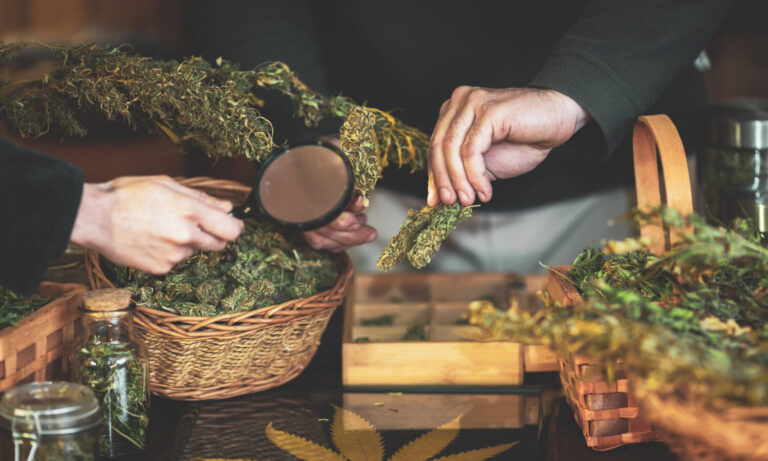
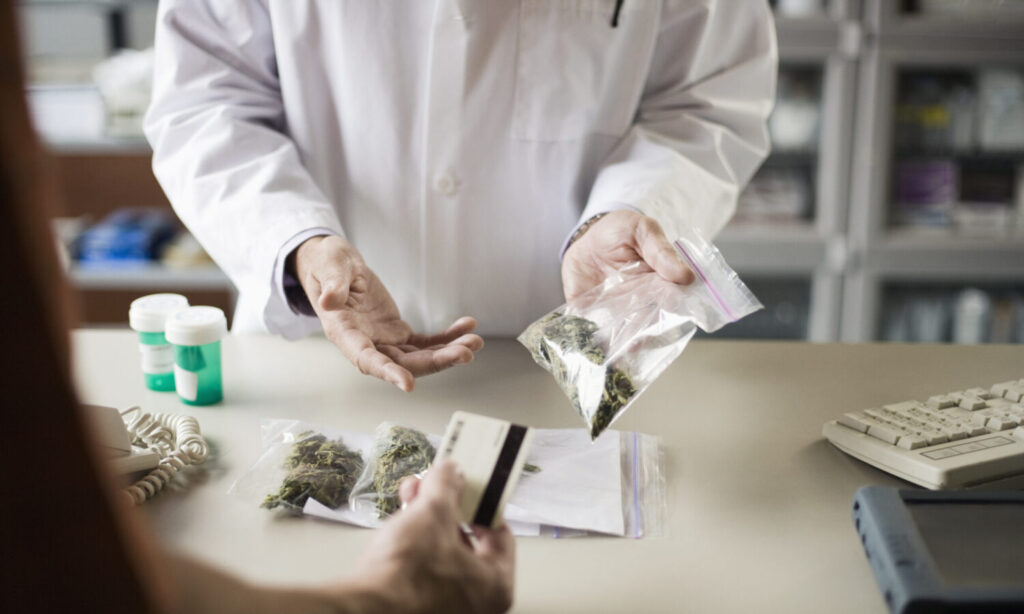
The Office of Cannabis Management announced how many cannabis licenses they would award, revealing how many dispensaries will likely open per borough.
New York regulators are a few short months away from launching legal marijuana sales. Over the past year, responsible parties have been preparing laws and setting the stage just for this moment.
On Thursday, the Office of Cannabis Management (OCM) released a regional breakdown of possible dispensaries, showing just how many licenses would be awarded per region.
Photo by Jupiterimages/Getty
The OCM will award up to 150 licenses across 14 regions in the state. Big boroughs like Manhattan and Brooklyn have more licenses and thus are likely to have more dispensaries.
The region with the most room for licenses is Manhattan, with 22 of them. Closely following are Long Island and Brooklyn, with 20 and 19 licenses respectively. Other highly populated areas like Queens and The Bronx follow closely behind, with 16 and 10 licenses each.
The OCM is currently gearing up to provide CAURD licenses to applicants, which are the ones provided to people who’ve been “justice-involved.” CAURD stands for Conditional Adult-Use Retail Dispensaries and will be the first licenses to be provided to the public, benefitting those who’ve struggled the most due to the penalization of cannabis.
“CAURD licensees are positioned to make New York’s first legal cannabis sales before the end of 2022, speeding the delivery of investments into communities across New York State that were impacted by the disproportionate enforcement of cannabis prohibition,” reads the official website.
The application process is supposed to be simple and cheap, requiring no outside help from lawyers or other parties.
“The primary goal of the CAURD license is to create opportunities for New Yorkers harmed most by the prohibition of cannabis,” OCM spokesperson Aaron Ghitelman told Marijuana Moment. “Part of that is granting up to 150 CAURD licenses to individuals who themselves, or their close family members, have had past eligible cannabis-related offenses and have ownership stakes in profitable businesses.
New York will start accepting dispensary applications on August 25, with the goal of having these businesses up and running by the end of the year.
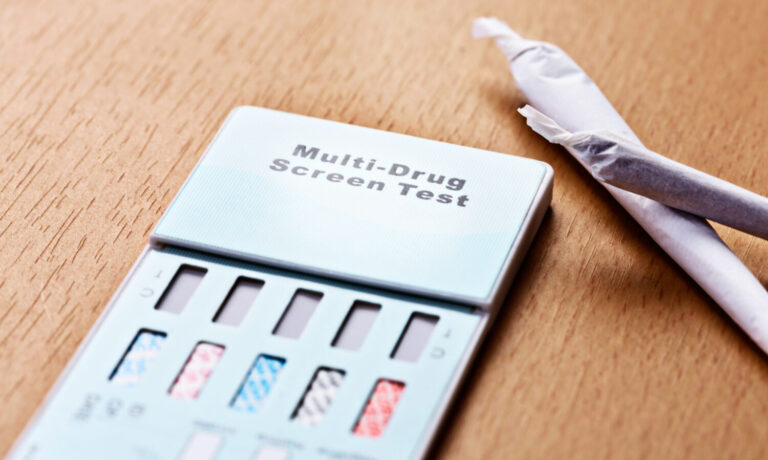
While employees are not explicitly banned from using hemp-derived CBD, which is legal under the 2018 Farm Bill, USFS warned that those using it “could test positive for illegal drug use.”
Despite an increasing acceptance of marijuana use among Americans, policies penalizing federal workers over their off-the-clock marijuana use in states where the plant is legal still exist.
The U.S. Forest Service (USFS) is another federal agency urging its employees not to use cannabis, reported Marijuana Moment. “There have been no changes to the panel of drugs contained in the list of Schedule I drugs under the Controlled Substance Act,” USFS’ human resources division said in a notice posted on Monday.
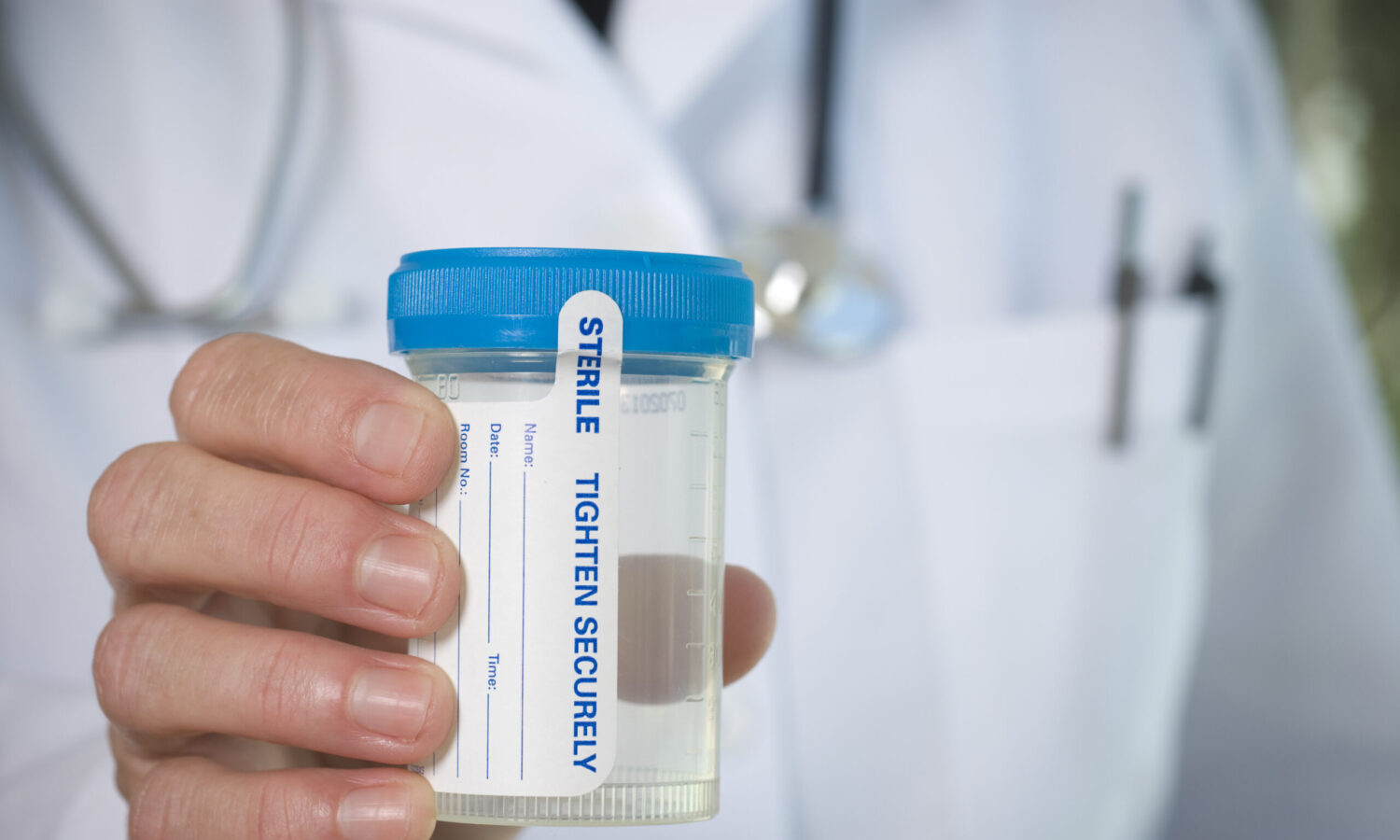
The agency warned employees that it would conduct random tests on those reasonably suspected of cannabis use. Workers in ‘Test Designated Positions’ will be tested regularly. In addition, repercussions for positive tests include “discipline up to removal for the first finding of illegal drug use.”
The notice warns: “All Forest Service employees must remain drug-free and refrain from illegal drug use whether on or off duty regardless of state laws.”
While employees are not explicitly banned from using hemp-derived CBD, which is legal under the 2018 Farm Bill, USFS warned that those using it “could test positive for illegal drug use.”
“It can be inaccurately labeled as having no to low levels of Tetrahydrocannabinol, and yet actually contain high levels,” the agency said.
Photo by KLH49/Getty Images
The Largest Government Labor Union Works On Policy Change
Meanwhile, the American Federation of Government Employees (AFGE) recently accepted a resolution supporting cannabis legalization and urging the removal of policies penalizing federal workers over their off-the-clock marijuana use in states where the plant is legal.
Titled “Resolution to Support Deleting Responsible Off-Duty Marijuana Usage from Suitability Criteria,” the measure notes that there’s an “increasing acceptance of marijuana use in American society, including for medical treatment for veterans of the armed forces and others,” while pointing out that “federal regulations unreasonably cast marijuana usage as a matter of concern for security reasons.”
While some municipal departments like the New York City Fire Department (FDNY) are considering changing their cannabis testing policy, it seems significant changes will occur once and when marijuana becomes federally legal.
Which Industries Drug Test Workers The Most And The Least?
It’s good to know that transportation and warehousing and the utility sectors both had higher testing rates than the others.
On the other end of the spectrum are accommodation and food services, arts, entertainment and recreation, information, educational services and financial sectors, which all have the lowest testing rates.
A new survey shows some concerning numbers for young adults, who are consuming more cannabis, psychedelics, vaped nicotine, and alcohol.
Marijuana and psychedelics use among young adults has reached an all-time high, according to a federal survey. The data was collected by the National Institute of Health (NIH) and shows a jump back to form following a year of low usage of all substances from young adults due to the pandemic.
The survey was conducted on 19 to 60-year-olds from April to October 2021 and found that 43% of young adults (of ages 19 to 30) claimed to have used cannabis 20 or more times over the course of the previous month — a 34% increase from previous survey results. These increases were also present in people aged 54 to 50, but to a lesser degree.
Photo by Zummolo/Getty Images
Researchers who conducted the survey are surprised by these findings, which show that young adults are not only more interested in cannabis and psychedelics than previous generations, but also in nicotine vaping and alcohol.
According to the NIH, reports of binge drinking by young adults (defined as having five or more drinks in a row in the past two weeks) returned to pre-pandemic levels in 2021 after significantly decreasing in 2020.
“High-intensity drinking, defined as having 10 or more drinks in a row in the past two weeks, was at its highest level since it was first measured in 2005, reported by 13% of young adults in 2021, compared with 11% in 2005. However, past-month and past-year alcohol use, and daily drinking have been on a downward trend in young adults for the past 10 years.”
There are a lot of factors that are contributing to this issue. Aside from a more lax attitude in the case of marijuana and, to some extent, psychedelics, these numbers are also a reflection of young adults’ mental health in the US, which has likely plummeted following the pandemic.
Dr. Nora Volkow, director of the NIH, called the results “very concerning.”
“What they tell us is that the problem of substance abuse among young people has gotten worse in this country, and that the pandemic, with all its mental stressors and turmoil, has likely contributed to the rise,” she said.
As marijuana gets legalized across the United States, we can expect these numbers to rise in tandem. While it’s true that marijuana is less dangerous than the government made it out to be in years past, there are still consequences to its usage, particularly in the case of young adults. It’s important for state governments to legalize the drug responsibly, sharing the pertinent information with the public in ways that stick.
When choosing a sunscreen, try to check the ingredients used and try to pick one with broad-spectrum protection that is capable of guarding against both types of UV rays.
It’s not unusual that many of us may not take enough precautions to protect our skin. While a few will make time to apply and reapply sunscreens, despite taking these precautions, they’ll sometimes still suffer from tortuous sunburns.
Around the world, aloe is commonly used to rectify the effects of sunburns, but this article will be exploring whether or not cannabidiol (CBD) products are a good option for treating sunburn.
Many of us, irrespective of skin tone or age, have experienced the inflammation and reddening of the skin after staying too long outside. Sunburn, thankfully, has several natural remedies, each needing a specific duration of time to yield results.
Photo by rawpixel.com
A breakdown of how sunburn works
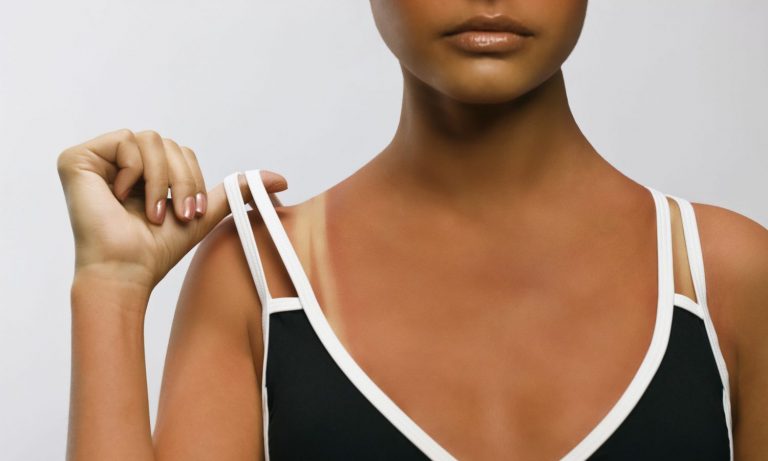
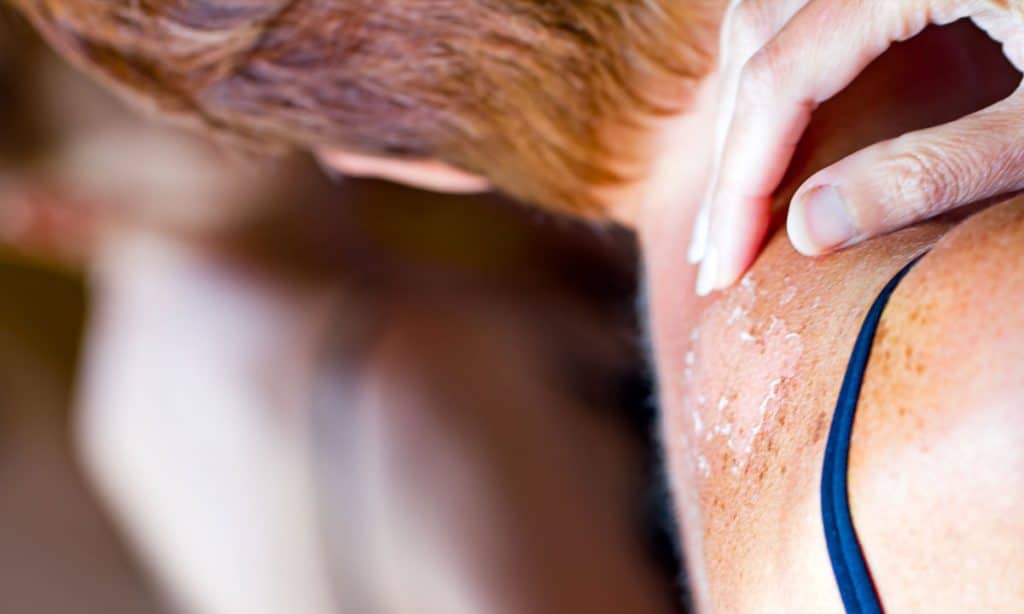
The sun gives off ultraviolet (UV) rays and the skin has a limit on the number of UV rays it can tolerate. When this limit is reached, these rays begin to elicit or trigger an inflammatory response in the body. Some liken this inflammation to scalding themselves with something hot.
There are two types of UV rays: UVA and UVB. The first has a longer wavelength and can cause very intense damages like aging and cancerous growth, while the second has a shorter wavelength and is responsible for sunburns.
Fortunately, our skin can tolerate passive episodes of sunburn and with the right products, it can repair damaged cells. Care has to be taken to not overexpose the skin to more damage than it can tolerate.
The immune system and sunburn
Depending on the level of damage, sunburn can be classified as first, or second-degree burns. Medical practitioners claim that sunburn alone cannot cause third-degree burns.
Sunburn can only damage the outer and underlayer of the skin; that is the epidermis and dermis.
The immune system works immediately to correct the damages done as soon as the skin is no longer exposed to these harmful rays. Several symptoms will be noticed a few hours after the exposure.
Some of these symptoms include;
Redness
Pain
Nausea
Cold
Peeling skin
Fever
Weakness
Faints
Low blood pressure
Patients often explain that they can spend several hours in the sun without feeling anything, only to get home and start experiencing these symptoms.
CBD and sunburn
Studies have shown that CBD has an anti-inflammatory quality. It has been used to treat conditions like muscle pain in rheumatoid arthritis and neuropathic pain. It has also been useful in patients with psoriasis and acne.
Photo by Jesse Schoff via Unsplash
This is why researchers think CBD would be a good option for the prevention or aftercare of sunburns.
Board-certified dermatologist and brand ambassador for Medterra CBD, Dr. Jeanette Jacknin, claims CBD has a high potential to make the skin heal from sun damage. She based her claims on studies that show the hearing effects of CBD on wounds.
Although there is still a need for more research, it has been suggested that CBD can be mixed into existing sunburn precautions, such as sunscreen.
Accordingly, CBD compounds have been extracted and infused into lotions for their anti-inflammatory magic effects.
CBD lotion
Presently, preclinical research is being carried out to look into the effects of CBD on not only sunburns, but on other dermatological inflammatory diseases. But, science has established that our skin is a complex ecosystem that is partially modulated by the existing endocannabinoid system.
Yep! You have cannabinoid receptors spread across your skin which react uniquely with CBD.
CBD compound may influence how the user feels and thinks, as a result, it minimizes the symptoms perceived by the user.
Photo by Moose Photos via Pexels
Most of these benefits are still not clearly defined, but some benefits that have justified its use as a major ingredient in skincare lotions include:
Inability to get the user high.
Very low level of toxicity.
May soothe irritated skin.
Reduce the rate of skin aging.
Works well with other ingredients.
Promotes a well-balanced immune reaction.
Applying CBD products to sunburn
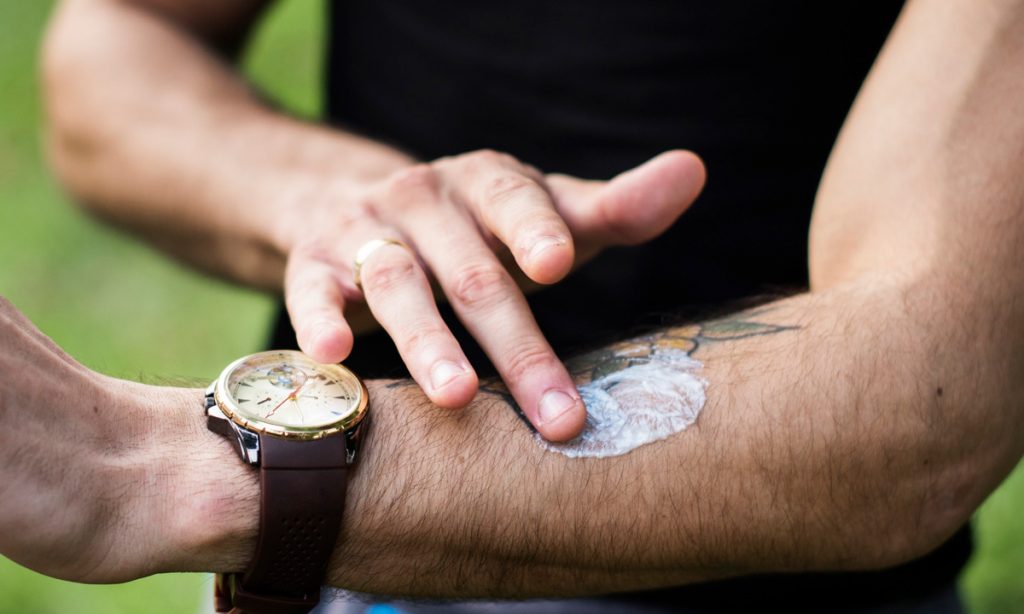
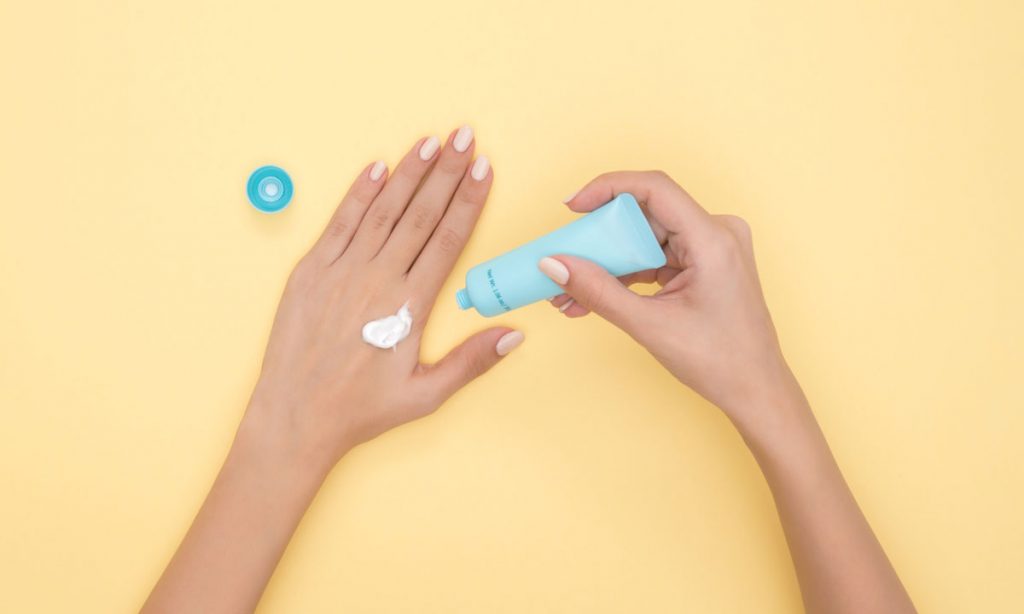
Topical creams and lotions that have been infused with CBD compounds are effective for localized effects. These lotions are directly applied to the affected areas, and results can be observed a few hours after it has been used.
First-time users are always advised to apply a very small amount to unaffected parts of the skin to observe reactions. In addition to CBD lotions, CBD tinctures, capsules, vapes and oils can be ingested.
The oral consumption of CBD may help tackle the psychological effects of sunburn, especially when the physical symptoms have been successfully managed.
Photo by mikroman6/Getty Images
The lack of toxicity in CBD compounds makes it easy to experiment with different approaches and, thus, the best method of use can be adopted. For example, the method best suited for you may be the direct application of CBD cream and the consumption of some drops of CBD oil under the tongue.
You can’t know until you try.
Is CBD the best way to treat sunburn?
Each person has a different genetic makeup, and the amount of sunburn that can damage your skin cells beyond repair may differ from mine. Hence, prevention is the best method of treating sunburn.
When choosing a sunscreen, either containing CBD or not, try to check the ingredients used and try to pick one with broad-spectrum protection that is capable of guarding against both types of UV rays.
Remember that the sun doesn’t have to shine that much for your skin to burn; most UV rays can penetrate the clouds and get to you quick!
Basic skincare for sunburn includes:
Keep skin moisturized
Stay in a cool place
Reduce inflammatory products
Drink water
Finally
If you’ve tried all you can and symptoms persist, contact your doctor ASAP.
With more research, the viable therapeutic benefits of CBD regarding sunburn will be discovered and used to create better lotions for quick relief of patients.
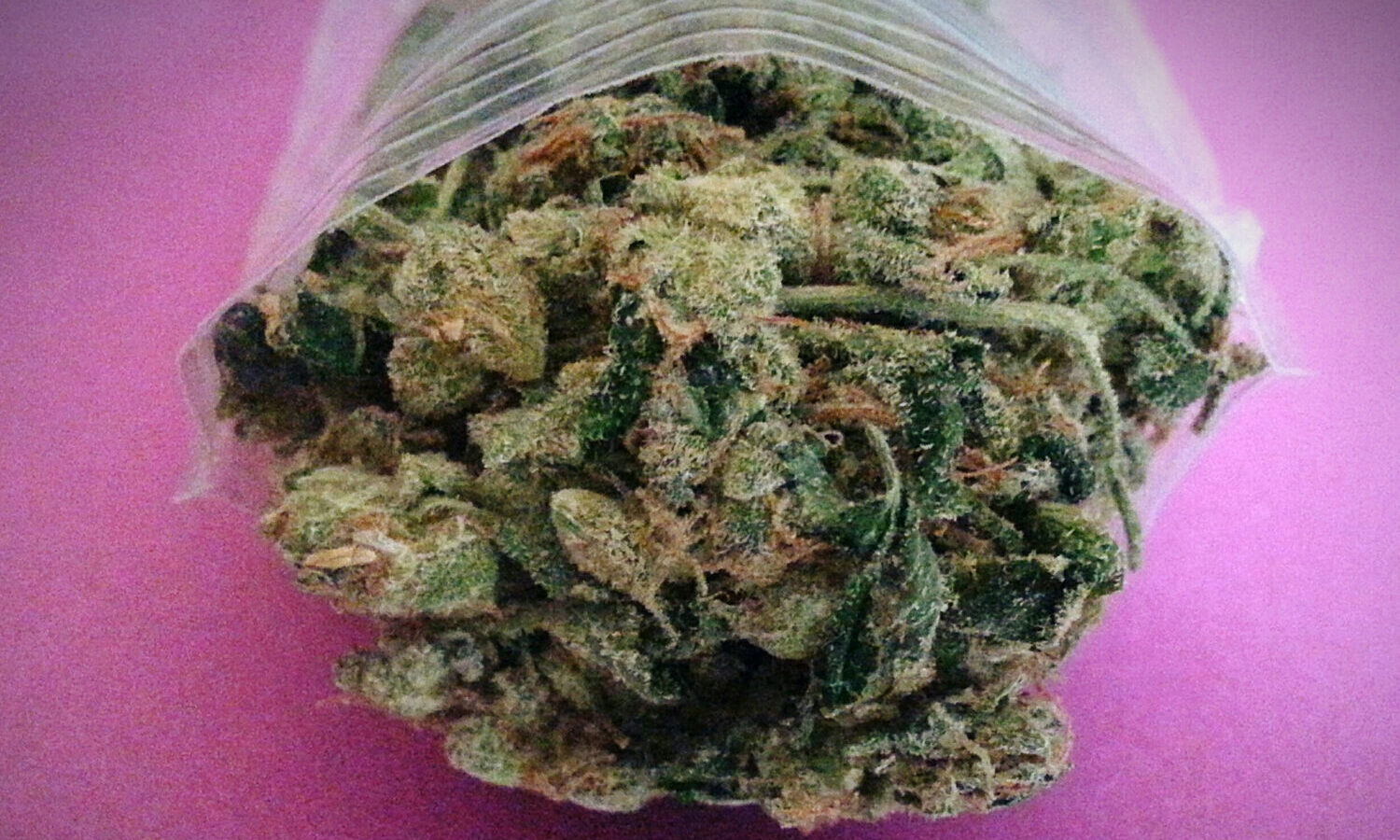
Good weed has been grown and harvested properly. It has been cured and trimmed well, and doesn’t have any mold, mildew, or contaminants. Here are some other visual clues to look for.
When you go to a dispensary for the first time, it can be hard to know what good weed looks like. A lot of novice cannabis consumers make the mistake of spending too much money on low-quality cannabis because they don’t know what good weed looks like.
By the time you’re done reading this article, you will be able to visually identify high-quality cannabis so that you can make the most out of your dispensary visits.
What does weed look like?
Before we answer the question “what does good weed look like” let’s dive into the basics: “what does weed look like?”
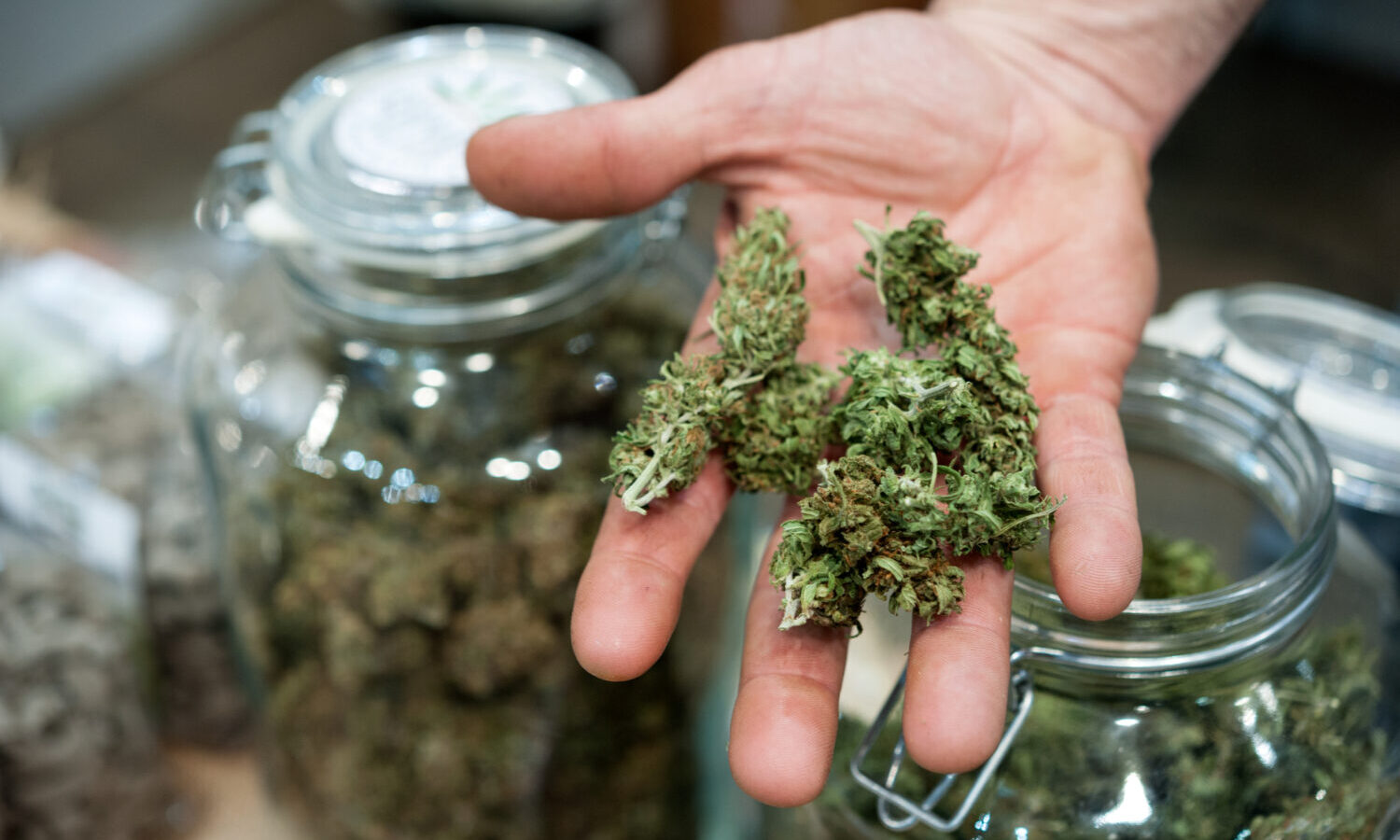
When cannabis flower bud is ground up it looks somewhat like dried oregano.
According to the DEA: “Marijuana is a dry, shredded green/brown mix of flowers, stems, seeds, and leaves from the Cannabis sativa plant. The mixture typically is green, brown, or gray in color and may resemble tobacco.”
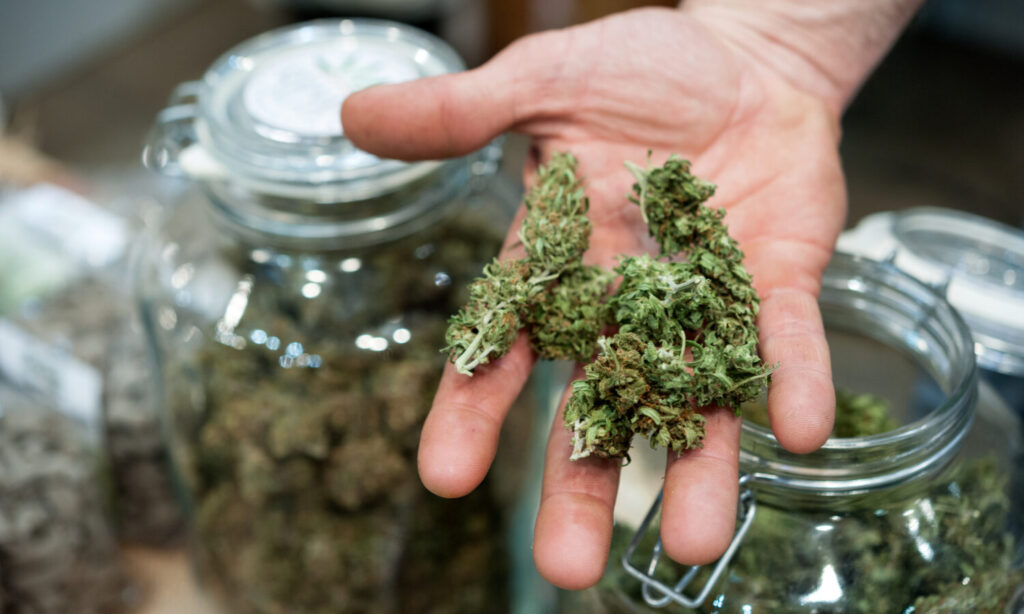
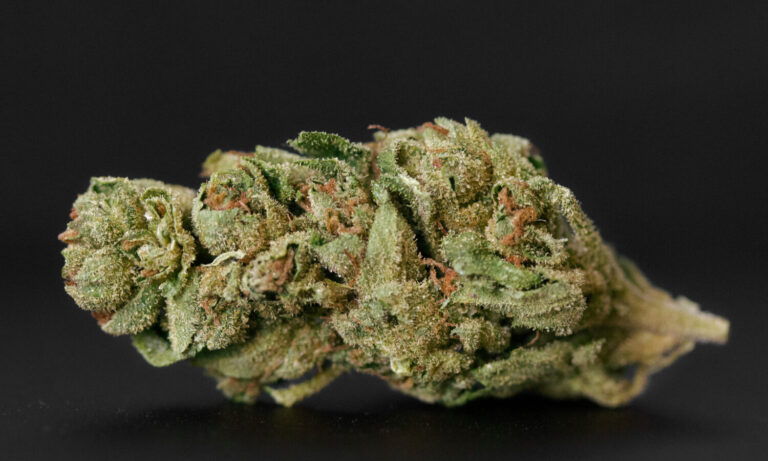
In general, cannabis has varying tones of green and brown, and visual variances include the absence or presence of amber, orange, red, and blueish-purple hairs. Additionally, you may see trichomes, which can be glistening clear to milky white and sometimes even red.
Photo by Zummolo/Getty Images
What does good weed look like?
Now that you know what weed looks like, let’s answer the main question: “what does good weed look like?”
Good weed is cannabis that has been grown and harvested properly. It has been cured and trimmed well, and doesn’t have any mold, mildew, or contaminants.
Cannabis sold in a legal dispensary has to pass a mold and mildew lab test. Unfortunately, humidity, air circulation, light, temperature fluctuations, and/or poor packaging can cause approved cannabis to develop mold or mildew before you get it. Make sure to visually inspect your cannabis before smoking it.
Buying cannabis tainted with mold or mildew is not only a waste of money, but is also dangerous. If ingested, both mold and mildew can cause health problems.
To make sure you are buying good weed that is not tainted with mildew or mold, avoid weed that has:
A thick spider web texture on the flower (mildew)
Cotton-candy like gray or white webbing around the bud (mold)
Fine grey or white power that resembles powdered sugar, this texture is different from than desired trichome/kief dust (mildew)
Gray spots, which can hide in the interior of a bud and are only visible when breaking apart a bud (mold)
Sawdust like powder that is different from kief dust (mildew)
Slime (mildew)
Unusual dark spots (mildew)
Yellow or grey fuzz (mildew)
Now that you’ve learned visual clues to identify weed that isn’t good, let’s get into what good weed looks like.
What does good weed look like? How to pick top-shelf flower
Good weed is like fresh produce. A fresh head of romaine lettuce has rich green colors, is not wilted, and looks good. Similarly, healthy, vibrantly colored cannabis will likely “look good” to you. High-quality cannabis usually has:
Rich green tones
Vibrantly colorful hairs (may be green, orange, red, amber, or purple)
White or amber-red frosty trichomes
Packaging that includes details about how it was grown
Packing that includes details about when it was harvested, so you know how fresh it is.
Photo by Christina Hempfling / EyeEm/Getty Images
Is colorful weed stronger?
There is no scientific evidence to support the claim that colorful weed (i.e. weed with amber-orange, red, or blueish-purple hues) has a higher cannabinoid content than weed with only green tones. But decades of cannabis users feel that colorful weed is often stronger and higher quality than weed that is brown. Of course, that is not always the case.
Color in cannabis flower comes primarily from anthocyanins, which are the same compounds that give blackberries and blueberries their color. The temperature that the cannabis is grown and cured at has a major impact on whether anthocyanins are produced and retained. (Want to know how to grow purple weed?)
While there is not a definitive rule, colorful weed often indicates careful growing and curing, which often means the cannabis is high quality.
Is brown weed bad for you?
If you are wondering “why is my weed brown?” or if brown weed is bad for you, we can settle your mind. There is no evidence to suggest that brown weed is bad for you.
However, brown weed is often lower in quality than green or purple weed and has a reputation for being harsher and worse tasting than colorful weed. Some cannabis strains are naturally brown, and others become brown due to the growing conditions.
What should good weed look like?
Now when you enter a dispensary, you will know how to visually identify high-quality cannabis flower.
Good weed has rich green tones. It can have hues of orange, red, blue, and purple. And good weed should have a white frosting of trichomes, which is where the cannabinoids are stored.
The State Election Board needs to receive an executive proclamation no later than 5 p.m. Friday, which is when county election boards certify the results of the primary runoff elections.
The initiative to legalize recreational marijuana in Oklahoma was certified by the secretary of state’s office on Monday and is now heading to the state Supreme Court for the signature count, reports Tulsa World.
Oklahomans for Sensible Marijuana Laws (OSML) turned in over 164,000 signatures in July, which is far more than the approximately 95,000 they need to qualify State Question 820 for the ballot. The secretary of state’s office revealed that over 117,000 signatures were turned in.
However, it’s unclear if Oklahomans will have a chance to vote on the marijuana legalization question this fall.
Once Senate gives its approval, members of the public will have a 10-day window to challenge the petition’s validity. Meanwhile, Oklahoma Election Board Secretary Paul Ziriax wrote in a recent letter to Gov. Kevin Stitt that August 29 is a deadline to get the initiative on the ballot. However, as a practical matter, the Oklahoma State Election Board needs to receive an executive proclamation no later than 5 p.m. Friday, which is when county election boards certify the results of the primary runoff elections, according to Tulsa World.
“This ‘practical deadline’ ensures that county election boards have time to prepare ballots to meet the 45-day deadline to send absentee ballots to military voters,” Ziriax wrote.
If and once voters approve it, marijuana use will be legal for adults over 21 to purchase and possess up to one ounce of cannabis and cultivate up to six mature plants and six seedlings for personal use.
Photo by FatCamera/Getty Images
Medical Marijuana Legalization Question Will Not Appear On Nebraska November Ballot
Nebraskans will have to wait at least until 2024 to vote on medical marijuana legalization, as Nebraskans for Medical Marijuana (NMM) failed to submit enough valid signatures to place the two initiatives on the November ballot.
“Certified letters have been mailed to the sponsors notifying them of the results of the signature review,” Secretary of State Bob Evnen (R) said in a press release.
The state said Monday that the campaign was roughly 10,000 signatures short for each measure, reported Marijuana Moment.
The first one would require lawmakers to pass laws protecting physicians who recommend medical cannabis treatment and patients who use it. The other would impose legislature to set up rules for the medical cannabis program.
“To say I’m devastated would be an understatement,” Crista Eggers, the organizer behind the petition drive, said Monday in an email to supporters. “Suffering Nebraskans should never be faced with having to move themselves or their families out of the state they call home just to access health care.”
NY Officials Announce Marijuana Conviction Expungement Clinics
New Yorkers with past cannabis offenses will have an opportunity to expunge or reduce marijuana-related convictions on their criminal record as officials in Erie County announced two upcoming marijuana conviction expungement clinics to be held in Buffalo in the coming weeks.
The first informational clinic is scheduled for Thursday, August 25, while the second event will take place on Saturday, September 24. Both clinics will be held at Elim Christian Fellowship on 70 Chalmers Avenue in the City of Buffalo.
“Now that New York State has legalized recreational cannabis, we must act on behalf of the people whose lives have been unfairly impacted by a marijuana-related conviction on their criminal record,” Erie County District Attorney John Flynn said. “In particular, African Americans have been disproportionally impacted by the criminalization of cannabis, which has hindered their pursuit of certain opportunities in life.”
Your gut and your sex drive are more intimately connected than you think. Here’s what you should know.
Gut health is one of those things that affects much more than one area of your body. While your stomach is probably not the first thing you think about when you hear the word sex, it’s an important factor.
Studies have found links between probiotics and better sex, meaning that by improving people’s microbiome, people are often in a better mood for sex. Here’s what you should know about the link between sex and gut health.
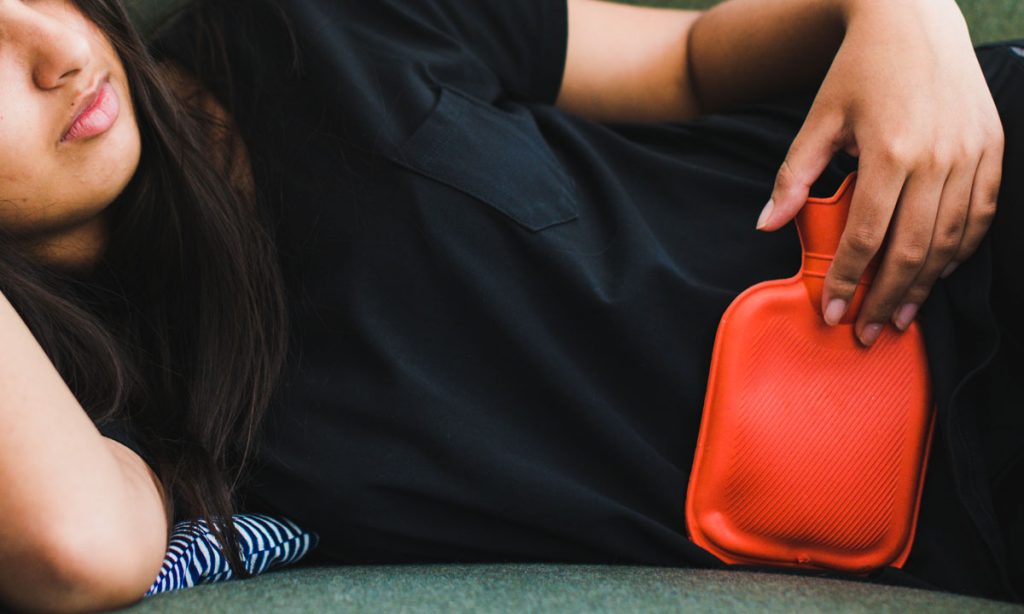
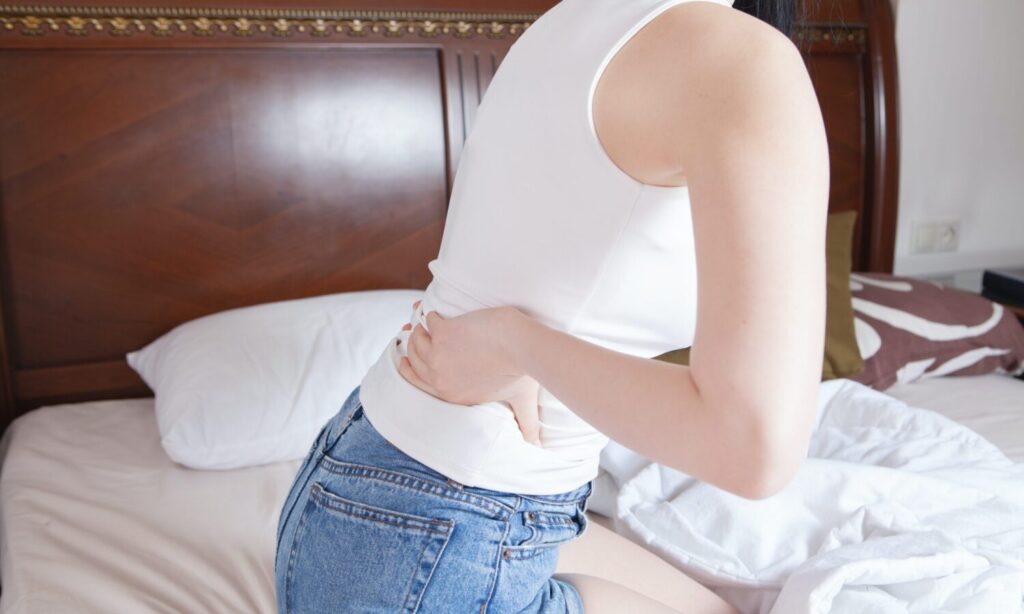
For starters, it’s pretty difficult to focus on having sex and good time if your stomach feels off. It’s tough to have pleasant sex when you’ve eaten too much, or are feeling bloated and with cramps. Conditions like IBS negatively affect people’s sex lives and libidos.
Higher odds of lower serotonin levels and higher risk of UTIs
Photo by Sasun Bughdaryan via Unsplash
Your serotonin levels, which regulate your mood and can help you feel happy and relaxed, are affected by what’s going on in your stomach. These levels can be altered by IBS, nausea, and more, making it more difficult for you to have fun while having sex.
In the case of UTIs, an unchecked gut microbiome could cause bacterial growth that results in vaginal infections.
Your stomach has a strong connection with your brain. When people are hungry or experiencing indigestion, the feeling can be similar to that of anxiety, causing your brain to produce more cortisol and increase their stress levels.
Once your stress levels are increased, a variety of factors make it tough for people to have good sex. “During times of stress, we need to survive, not procreate,” Alicia H. Clark, Psy.D., told SELF. Stress puts your body in a different mindset, increasing blood flow for survival activities — like a faster heart rate — and putting sex in the back burner.
Several politicians have become quite conservative since smoking weed, and a few even condemn its use and existence on American soil.
Politicians’ personal experiences with marijuana have a long and evolving history in America. From Bill Clinton’s famous claim that he smoked marijuana but didn’t inhale, to George W. Bush admitting to smoking weed in his youth in a private (recorded) conversation, the examples are plentiful.
Regardless of how the information becomes public, marijuana in politicians’ personal lives can be a tricky path to navigate. This is understandable, as these politicians either currently or have previously had a hand in setting public policy, which as it stands still upholds a federal prohibition on marijuana. So the idea of someone who has experimented with marijuana but upholds its illegal status is, well, curious to say the least.
Barack Obama was open about his past marijuana use in his memoir, but many other politicians have been vague and apologetic about their past run-ins with Mary Jane. In fact, several politicians have become quite conservative since smoking weed, and a few even condemn its use and existence on American soil.
While many political figures have admitted to smoking weed, here are a few that have admitted to marijuana use while opposing its use for others.
Sarah Palin
Photo by Flickr user Gage Skidmore
Sarah Palin is back in the news these days, as she is running for an open seat in the House of Representatives this midterm election. Years before this current election cycle, Palin admitted to smoking marijuana. She dismissed the action by saying she did not care for it, but admitted to inhaling (unlike Clinton). Her reasoning for not supporting marijuana legalization back when she ran for Vice President, even after smoking herself was, “she doesn’t support legalizing the drug, fearing the message it would send to her five children,” according toCBS News.
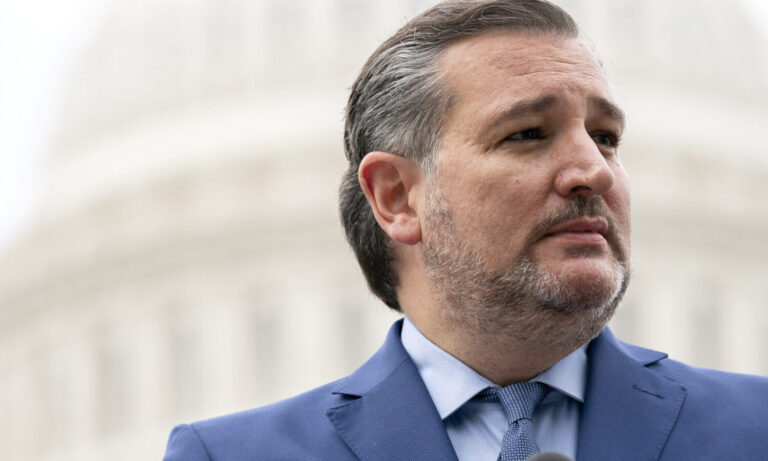
Ted Cruz
Ted Cruz is used to being accused of hypocrisy at this point in his career. From comments on gun violence to a trip to tropical Mexico when his state had frozen over, this man is no stranger to controversy. Still, his stance on marijuana and his own history with it are nothing short of contradictory.
In regards to his marijuana use in his youth, a spokesman for Cruz blamed it on lack of judgment as a youth and said, “When he was a teenager, he foolishly experimented with marijuana. It was a mistake, and he’s never tried it since.’Teenagers are often known for their lack of judgment, and Sen. Cruz was no exception,” according toThe Daily Mail.
As a politician, Cruz has not made any attempts to legalize marijuana in Texas in his nearly 10 years as Senator.
In fact, according to Forbes, he has “failed to sponsor any of the bills that would allow states to set their own marijuana policies, from the CARERS Act to the aptly-named STATES Act.”
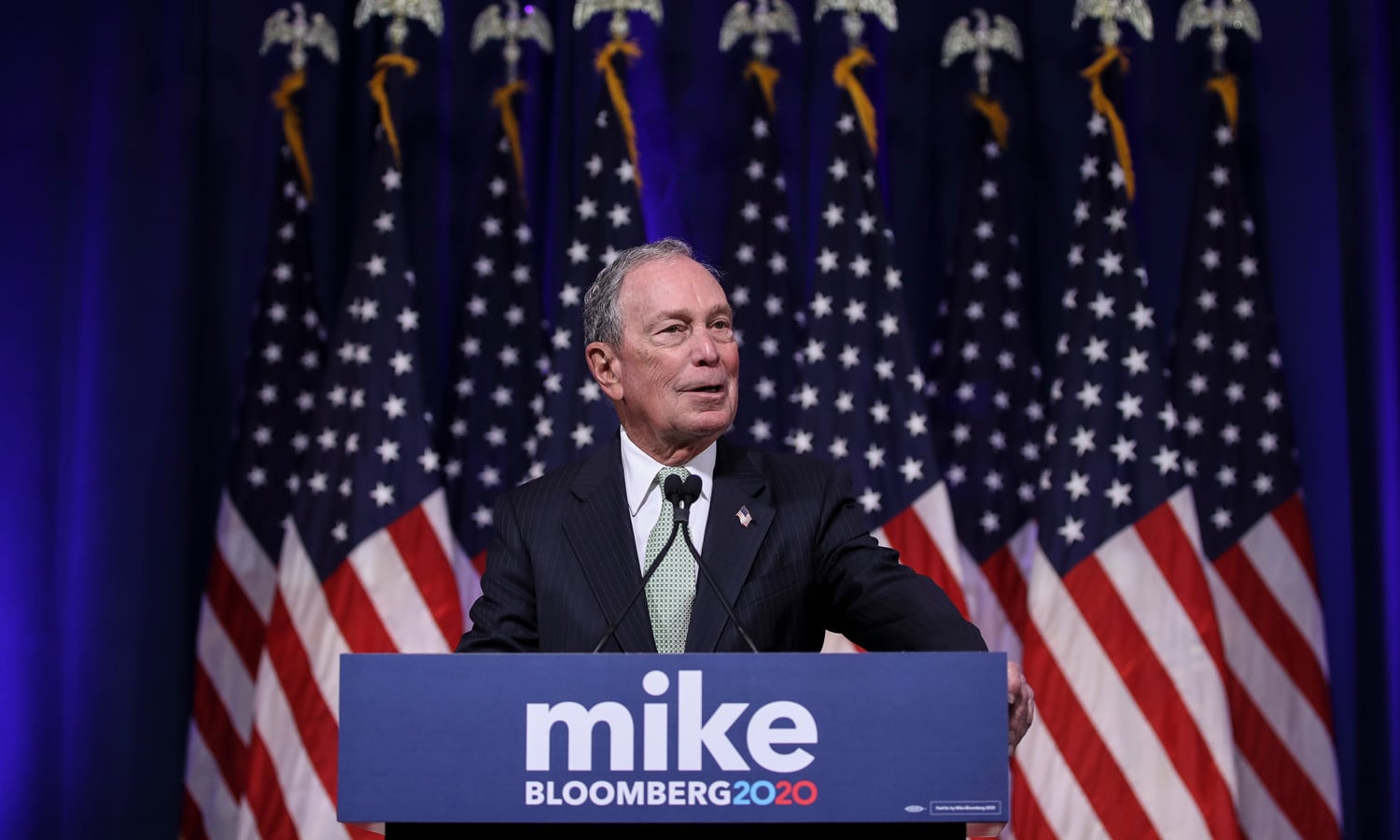
Michael Bloomberg
Photo by Drew Angerer/Staff/Getty Images
Former Mayor and Presidential candidate Michael Bloomberg has admitted to smoking marijuana, but was very vocal about his views about legalization. Not only did Bloomberg oppose legalizing recreational marijuana for fear of its consequences on New York, but also went so far as to call medical marijuana “one of the greatest hoaxes of all time,” on a WOR-AM radio show, as reported byThe New York Post.
Newt Gingrich
Few politicians have had as hard a line on drugs like marijuana as Newt Gingrich. In fact, at one point he championed the “Drug Importer Death Penalty Act of 1996.” If thisbill had passed, those convicted of importing drugs (just a few ounces of marijuana for example) could get life in prison, or the death penalty if they were repeat offenders. Just when you think the idea of this bill is already crazy enough, prepare to have your mind blown by his history with marijuana.
“What makes the bill even more amazing is that Gingrich himself is a confessed pot smoker. When he was young, he said, experimenting with drugs “was a sign we were alive and in graduate school in that era.” Wrote Ezra Klien forThe Washington Post. One could argue it is a bit dangerous for a man to want to execute people for smuggling in a substance he himself had partaken in. Perhaps this is why he never had a successful presidential bid.
One staffing head feels companies aren’t raising wages to meet the cost of living increases, and says companies are replacing higher-paid employees with lower-wage individuals.
Cannabis professionals are divided over whether the industry is paying a living wage. With a range of points to consider, opinions are formed by various market metrics. From base salary to cost of living to P&L sheets, sources made cases for both sides of the argument. Like much of cannabis, the answer remains far from definitive at this time.
Opinions Split Over Living Wage
Using data and first-hand experience, cannabis staffing company heads split on if the industry paid a living wage.
Kelsea Appelbaum, VP of Partnerships at Vangst, feels wages are meeting the standard. Using company data, she said average hourly salaries for roles such as budtenders, warehouse workers, extractors and cultivators range from $14 to around $30 per hour.
Applebaum pointed toward the company’s 2021 salary guide, highlighting roles like lab worker ($16 to $21 per hour), production techs ($14 to $30) and budtender ($14 to $25 per hour plus tips) as examples of the varied pay scales.
Liesl Bernard, CEO at temporary staffing firm CannabizTeam, cited her company’s annual salary report to conclude that most temp workers made above minimum wage.
The company’s report noted that industry salaries rose 4% in 2021, with senior executives increasing upwards of 10%.
“Close to 40% of these workers are also offered full-time positions within their first six months on the job,” said Bernard. She did not elaborate on full-time salaries but did report most offers included insurance and possibly additional benefits.
Photo by Kindel Media via Pexels
Opposing viewpoints didn’t offer data but anecdotes to reach their conclusions.
Danielle Schumacher, co-founder and CEO of THC Staffing Group, feels companies aren’t raising wages to meet the cost of living increases.
She reported seeing hourly and salary rates decrease in 2022, with companies replacing higher-paid employees with lower-wage individuals.
“I’m seeing cannabis companies no longer offering benefits or less than they used to,” Schumacher said, saying public companies and ones in ownership transitions seemed most likely to do so.
On the other hand, Appelbaum said that an upcoming Vangst white paper of unpublished data from their 2021 report would indicate that respondents felt cannabis benefits packages met or exceeded their previous non-cannabis position.
In the report, 20% of respondents felt industry benefits were better than their last job, with 40% feeling benefits matched their previous positions.
In either case, companies should consider if employees can make ends meet.
Jojo Benje, VP of People and Strategy at cannabis payroll and HR platform Wurk did not offer data but reported that employees at production, cultivation and dispensary roles aren’t receiving wages that match ongoing inflation concerns.
He warns companies that employees not making a living wage could upend company progress.
“Can’t run a business without happy people,” Benje said.
Photo by Olena Ruban/Getty Images
Numerous Points Considered
Marketplace and industry comparisons drove much of the sources’ rationales.
“While $14 per hour may not be a living wage in Denver or Los Angeles, it is in other low-cost legal states,” Vangst’s Applebaum said.
CannabizTeam’s report touched on several factors shaping pay, including company size and candidate experience. Location served as a prime factor as well.
The report dove into various markets and pay changes over the past year. San Francisco, CA (+64%), Stamford, CT (46.9%) and Washington, DC (40.1%) topped the list for industry salary increases.
Springfield, IL (-14.2%), Tulsa, OK (-11.6%) and St. Louis, MO (-9.6%) led in salary decreases during the period.
Nico Pento, Esq. of the firm Bianchi & Brandt agreed that regional cost of living is critical.
“There’s a common misconception about wages in the cannabis industry that is being perpetuated by groups like the United Food and Commercial Workers International Union and other unions looking to exploit the industry while it is in its infancy,” said Pento.
In September 2021, UFCW International called on federal and state lawmakers to ensure the nascent space created “high-quality, better-paying jobs” for employees. The group cited an Economic Policy Institute report that estimates unionized cannabis workers could make between $2,810 to $8,690 more per year than non-union professionals.
Photo by Jeremy Poland/Getty Images
Pento added that the cost of operations is a prime concern, noting that cannabis operators have higher risks associated with compliance, licensing, regulations and taxes.
“The cost of doing business as a cannabis operator is significantly higher than in any other business sector,” he said.
Kara Bradford, CEO and co-founder of Viridian Staffing, agreed, noting that brands face additional taxes and costs than other industries. While P&L sheets have to remain positive, she encourages brands to look beyond the bottom line.
“It would be really nice for companies to make sure they are keeping in mind cost of living when looking at the cost of labor,” she said.
To help companies ensure they are considering living wages in their region, Bradford points clients toward Massachusetts Institute of Technology’s (MIT) living wage calculator.
The free online resource breaks livable wages down by US county, household sizes and up to two working adults in the home. Bradford feels the calculator benefits brands looking to shape a compensation plan or company pay philosophy.
She directs clients to the tool, “To at least have this as a data point and hopefully a baseline instead of just looking at minimum wages.”
“Clean weed” is becoming more popular on the West Coast. But is it better than regular weed?
Clean products are nothing new. But “clean weed” is a different thing altogether, a new phenomenon that will likely grow more common, at least according to some experts.
The Los Angeles Times reports that clean weed has been making its rounds in San Francisco, becoming one of the most in-demand items in dozens of dispensaries. The product takes its name like many other “clean” products, known for their environmentally friendly processes and for the transparency in their components.
Photo by Volodymyr Bondarenko / EyeEm/Getty Images
“Clean weed” depends on the maker, but it suggests that the cannabis in question is grown organically, with the least amount of pesticides used. These products shouldn’t need the help of chemicals to be grown.
This label matters more when discussing vape products. Traditionally, vapes are extracted by submitting the THC to a chemical material like butane, ethanol, or CO2. Completing this process without these elements is not easy, but it’s possible, in a more complicated yet cleaner method that submits the cannabis to “a combination of mechanical agitation and changes in temperature.”
When discussing the perks of “clean weed” vs “traditional weed,” the LA Times spoke to Dr. Peter Grinspoon, a primary care physician and cannabis specialist at Massachusetts General Hospital, who compared clean cannabis to organic foods, using fruits as an example.
“The regular piece of fruit has a little bit of pesticide on it, but at a level where if it gets through, the government says, ‘This is not going to harm you,’” said Dr. Grinspoon. “I haven’t seen any studies that show you’re less likely to get cancer if you eat organic vegetables, but everybody thinks intuitively they’re healthier. And everybody will pay more for [them], and I think it’s sort of the same situation.”
Now more than ever, consumers seem to be concerned with their health and the things that they put into their bodies. The cannabis industry in particular has been the recipient of a lot of criticism, especially in the case of vapes, which have been linked with a variety of health conditions, most pressingly EVALI, a disease that affects people’s lungs due to chemicals present in some vape cartridges.
It makes sense then for the cannabis industry to try to get ahead of the competition by using any means at their disposal, including the more laborious process of labeling and making “clean weed.” More than making a product that is good for customers, this trend is smart marketing.