This study isn’t the first to find a link between THC and PTSD, but it is the first to see THC’s impact during cognitive reappraisal tasks for individuals with PTSD.
PTSD is an aftereffect of soldiers giving their all for the country and democracy. A new study shows THC has a positive effect on Post-traumatic stress disorder (PTSD).Published in the journal Neuropharmacology and conducted by researchers from Wayne State University, the study found that the combination of a specific type of therapy and moderate amounts of THC were particularly beneficial for people with PTSD.
Photo by Christina Hempfling / EyeEm/Getty Images
Researchers conducted a double-blind experiment on 51 participants. These subjects were randomly given 7.5 mg of THC or a placebo pill and were kept under supervision and timed. Participants were scanned on an fMRI with researchers conducting regular check-ins on their mental state.
After consuming their pills, at the peak of THC’s effect, researchers provided participants with emotional regulation tasks, like showing participants triggering images and repeating this with the goal of having them reappraise them, and thus successfully regulating their emotions.
Results showed that only participants who’d consumed THC were able to reduce and manage their negative emotions. The compound also activated areas of their brains that are normally stunted in people with PTSD. “THC may prove to be a beneficial pharmacological adjunct to cognitive reappraisal therapy in the treatment of PTSD,” wrote the study’s authors.
This study isn’t the first to find a link between THC and PTSD, but it is the first to see THC’s impact during cognitive reappraisal tasks for individuals with PTSD, which is important. When patients are able to successfully reappraise their emotions they’re more likely to repeat this behavior in the future, reducing anxiety and negative responses. This suggests that THC could become an effective way of treating these patients and improving their symptoms.
PTSD patients are some of the most vocal proponents of the benefits of medicinal cannabis, with many claiming that THC helps them with their migraines, panic attacks and overwhelming emotions.
“They think we’re all getting rich, and things are going extraordinarily well, but if you’re on the inside of the industry, you understand the harsh reality that we’re dealing with right now,” said one dispensary CEO.
Marijuana sales in Colorado have been on a steep decline since February this year. While the total marijuana sales for the first half of 2021 topped $1.1 billion, the state managed a paltry $906 million for the same period this year.
In June, there was a conspicuous decline in marijuana sales of 22% compared to 2021 June sales. The month-on-month decline for May was at 1%. This decline has persisted for four consecutive months and the trend is likely to continue if appropriate measures are not put in place.
In June, legal marijuana sales were at $146 million. This is the fourth month to have experienced a steady decline. EmJ Dispensaries CEO Tom Scudder of reports that sales at his medical dispensaries have gone down a whopping 50% in the past year. Speaking to KRDO he said, “They think we’re all getting rich, and things are going extraordinarily well, but if you’re on the inside of the industry, you understand the harsh reality that we’re dealing with right now, and it’s a pretty tough situation.”
Byron Buck, a store manager at a dispensary in Dabarado attributes the decline to unsteady laws that are crippling the medical marijuana industry in Colorado. “Declining medical marijuana sales are due to potency limits, and HB-1317 which has all but crippled the medical marijuana industry here in Colorado Springs. It limits the amount a person can purchase whenever they come into the dispensary so they don’t get the necessary medication that the doctors have prescribed.”
He also added that the post-COVID economic recession could be a contributor. HB-1317 is a bill that was created to regulate the sale of marijuana concentrates. This limits the amount of concentrate that an individual can purchase from a cannabis dispensary at a time. In some cases, patients are not able to purchase their prescribed doses of medical marijuana, says Byron.
However, this theory has been disputed. If someone really wants to purchase cannabis they can always ask a friend or family to make the purchase on their behalf. It appears that the theory of economic recession and patients spending less on cannabis purchases holds more water.
What’s causing the free fall of marijuana sales in Colorado?
Unfortunately, it’s not clear why marijuana sales in Colorado are declining so fast. Colorado was the first state to legalize adult-use cannabis back in 2012 when Amendment 64 was incorporated into the Colorado constitution. The state has enjoyed a vibrant medical and recreational market for the longest time. Things have however changed in the last four months and the legal industry is struggling to remain afloat.
A study found that legal states that allow people to grow the plant in their homes were less likely to report cases of vaping illness.
Lung disease and injuries associated with vaping were a big concern in 2019, when EVALI first appeared. While the disease has decreased in incidence, it left a significant stain on the vaping industry, with the government banning some of these products and the public being more careful with the vapes they purchase.
A study found some interesting data regarding state marijuana laws and vaping lung injuries. It found that states with legal marijuana are less likely to have cases of EVALI disease, which makes a lot of sense. It also found that states with home cultivation policies have even fewer cases of EVALI disease.
Published in ScienceDirect, the report was funded by the National Institute on Drug Abuse and showed some of the benefits of legalization, including the prediction from many that providing the public with regulated marijuana products would curb the rise of EVALI disease.
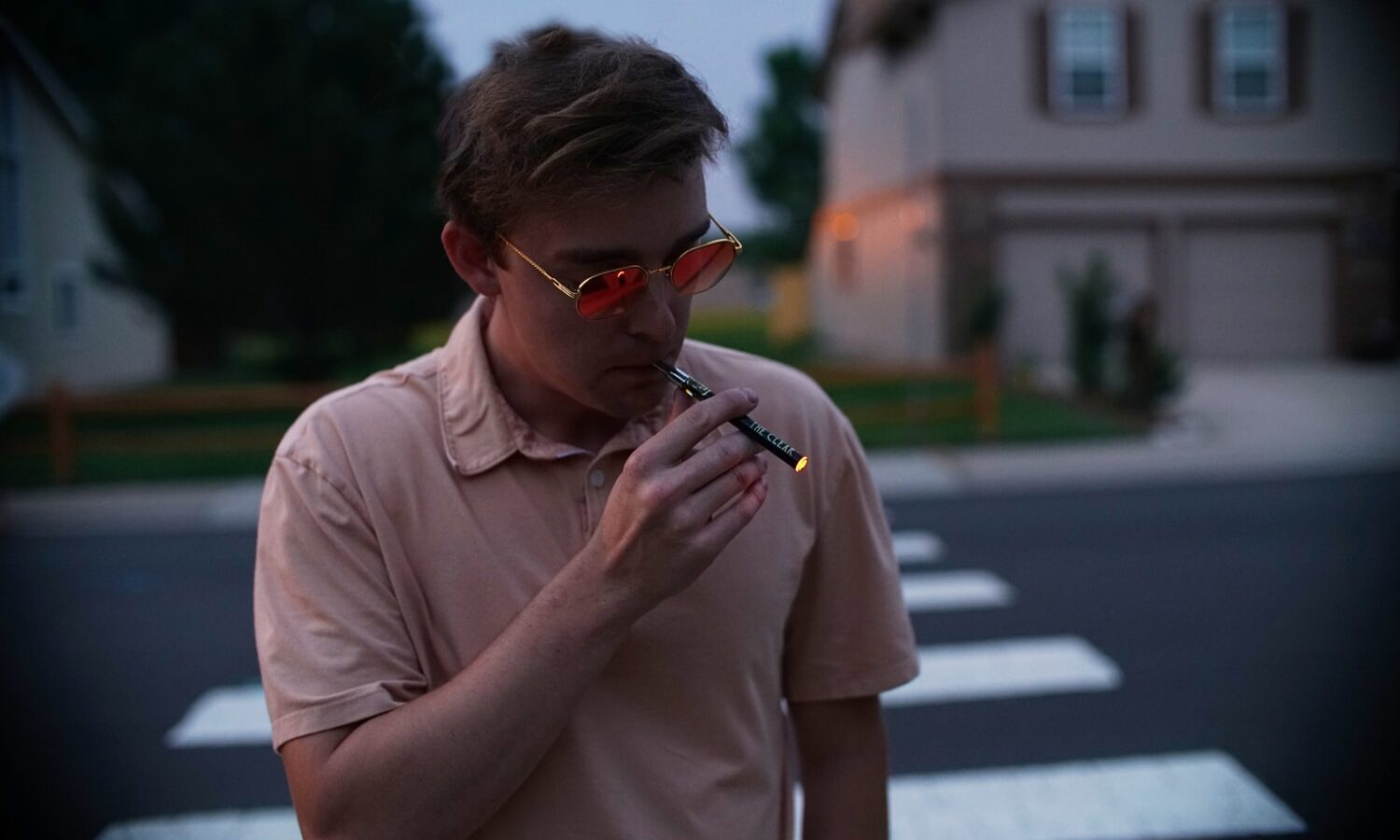
Photo by Clear Cannabis via Unsplash
Results show that EVALI was 42% less likely in states with legal recreational marijuana. States that allowed the home cultivation of marijuana had even better results, reporting a 60% of lower incidence of EVALI.
“Marijuana policy attributes linked to lower EVALI incidences were also associated with reduced likelihoods of vaping as one’s primary mode of use,” conclude the study’s authors. “As additives in informally-sourced vaping concentrates could drive future EVALI cases, marijuana policy design should account for effects on mode of use in licit and illicit markets, to limit the scope of future outbreaks.”
The EVALI outbreak peaked in 2019, with medical experts naming vitamin E acetate as the culprit. This element was present in most affected lungs and was later banned in different states in the US.
This year, the Food and Drug Administration banned the sale of Juul vape products because of concerns over the product’s effects and its high usage rates in teens. While the ban was unrelated to the vaping epidemic, it doesn’t paint a good picture for Juul and for the vaping industry as a whole.
There are several methods, but every form of concentrate represents much more potent THC or CBD content than its flower predecessor.
As the marijuana industry continues to explode in growth, the methods of cannabis consumption seem to evolve just as quickly. Flower cannabis represents only a small portion of most dispensary retail operations. And as time goes on, concentrates are becoming more popular and diverse.
As this niche market begins to outsell other marijuana products, it is important to understand exactly what marijuana concentrates are.
What Are Marijuana Concentrates?
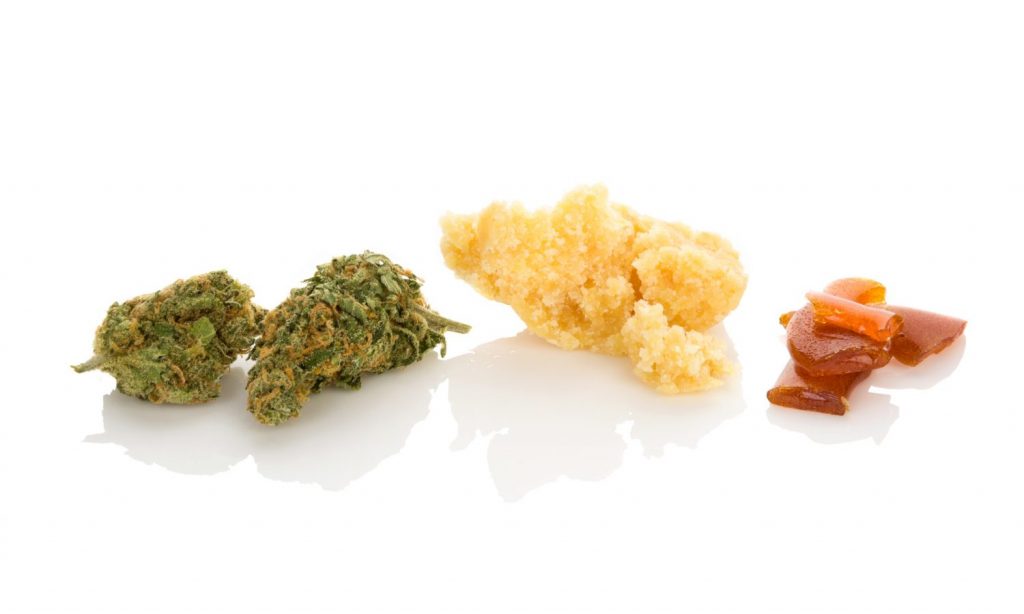
Concentrates are just that, concentrated forms. There are several methods, but every form of concentrate represents much more potent THC or CBD content than its flower predecessor. Flower normally has a THC content that ranges from 10% to 25%, but concentrated products can exceed 80%.
Photo by eskymaks/Getty Images
The way a concentrate is extracted or made affects the final product. This also affects how it is consumed. Some concentrates are smoked while others are vaporized. Some can be applied to the skin while others can be eaten or even drunk.
Common Forms of Concentrates
There is a long list of concentrates on the market currently, and the list will likely continue to grow as other niche markets continue to form. There are several concentrate varieties that are popular and worth noting as a starting point of knowledge for those who want to learn more.
Hash
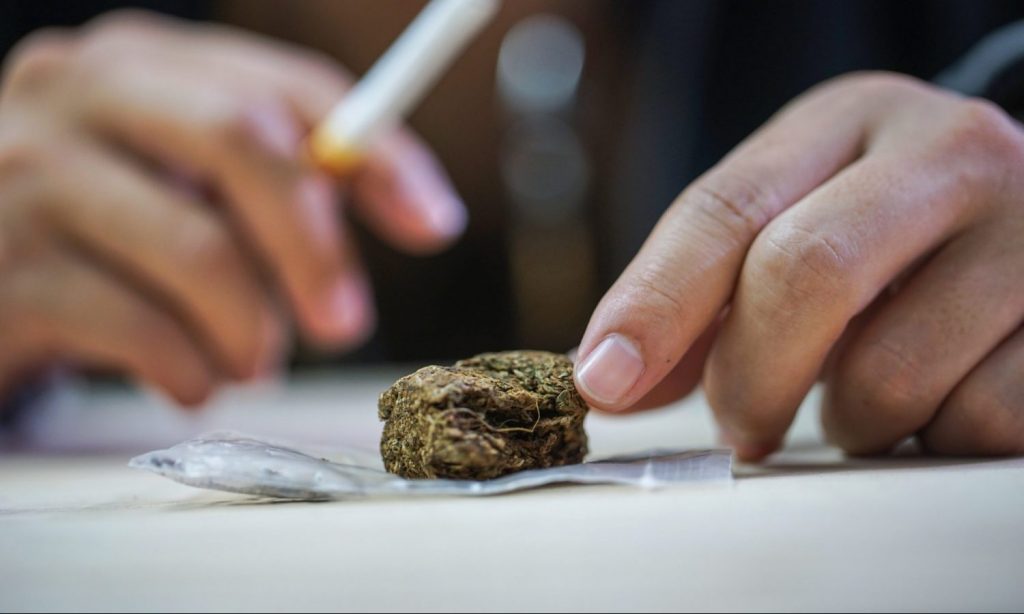
Hash is the “OG” concentrate. It has been enjoyed for centuries, and has made quite a comeback with the boom of concentrates. Hash is typically fragrant, and is often pressed into a dense ball before consumption.
Photo by krisanapong detraphiphat/Getty Images
Shatter
Shatter is a form of butane hash oil. Those who seek to find shatter often do so because it is widely considered to be the purest form of concentrate. It is usually a clear solid substance with a smooth texture. It can resemble glass, and just like glass it can shatter — hence the name.
Live Resin
Live resin is extracted directly from a fresh flower after it is flash-frozen. This method preserves a lot of the cannabis aroma and terpenes so it is a great choice for those who love that rich marijuana flavor. But, Is Resin A Good Replacement If Marijuana Supplies Go Dry?
Photo by Kampus Production from Pexels
Rosin
Rosin is a common concentrate that many peoplecreate themselves using fresh flower, a hair straightener and parchment paper. It has become wildly common recently as it is accessible and easy to create. Need some repurposing inspiration? Here’s What To Do With Marijuana Rosin Chips.
Wax
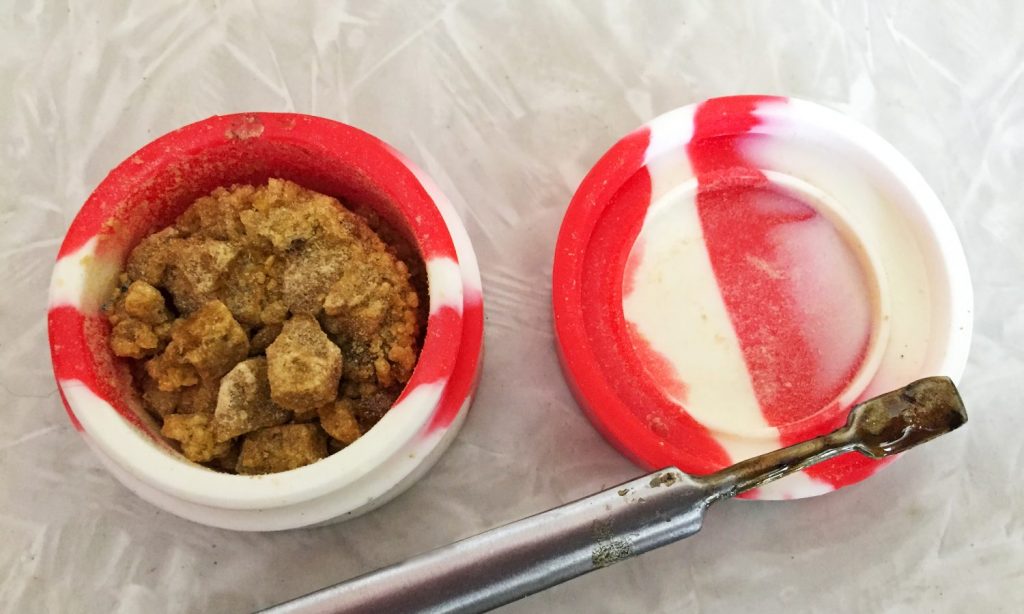
Wax, or dab wax, is possibly the stickiest form of concentrate. Dabs are concentrated doses — typically about the size of a Tic-Tac breath mint — of marijuana. Dabs are manufactured by extracting THC, most commonly by using a solvent such as butane. The end product is a potent oil often referred to as wax, honey, shatter, budder, crumble or butane hash oil (BHO). Here’s the difference between Dabbing Wax Vs. Vaping Wax.
Crumble is formed from wax. Once in wax form, if it goes into a vacuum or drying process it turns into crumble. Crumble can be formed or broken into pieces for dabbing.
Oils
Marijuana concentrates also come in oil form. The most common packaging is in a syringe (for topical use or ingestion) or in cartridge form. Oil is commonly used in e-cigarette style vape devices, producing a similar vapor to that of an e-cigarette, only infused with concentrated THC. Want more information? This is the #1 Difference Between Cannabis Oil And CBD Oil.
Tinctures
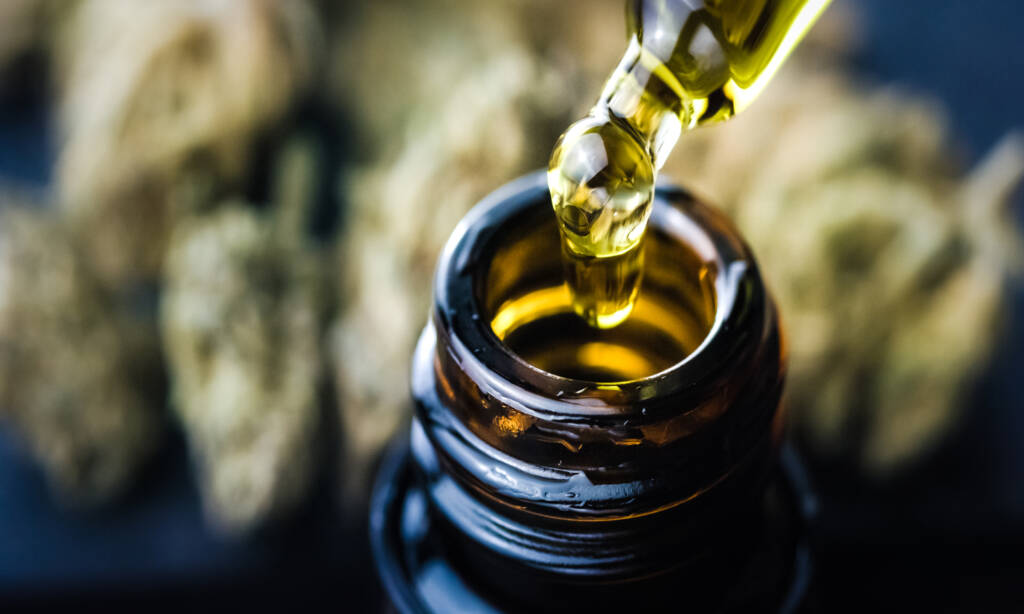
Tinctures are alcohol-based marijuana concentrates. Tinctures are growing in popularity asTHC cocktails gain popularity. Tinctures are commonly ingested orally using a dropper, and can be added to food or beverage as well.
Photo by 24K-Production/Getty Images
Are Concentrates Safe?
Concentrates should certainly be handled carefully. Just like with any form of THC, one should carefully research and monitor their consumption.
If all precautions are taken, a concentrate can be a great way to enjoy marijuana. In fact, its concentration can help dosing more precisely. Instead of “guessing” how you will feel after one joint, you can have a strong understanding of how one drop of tinctures or oil will affect you. As always, be sure to err on the side of caution when trying highly concentrated marijuana.
A 2020 study, conducted by CU Boulder researchers, suggested that although THC levels increase significantly in those who consume concentrates, boosting blood levels of THC more than twice as much as smoking conventional weed, the effects of the drug itself were not necessarily significantly greater.
According to coauthor Kent Hutchison, a professor of psychology and neuroscience at CU Boulder who also studies alcohol addiction, the study does not apply to inexperienced users, who should still be extremely cautious with concentrates.
“Does long-term, concentrated exposure mess with your cannabinoid receptors in a way that could have long-term repercussions? Does it make it harder to quit when you want to?” said Hutchison. “We just don’t know yet.”
For more information on concentrates, we recommend:
The confusion as to whether it is synthetic or not comes into play when there is human involvement in the mass production of THC.
A lot of people are perplexed about the present state of things in relation to delta-8 THC. This is a cannabinoid that can be retrieved naturally from the cannabis plant. Still, some people are uneasy about it, thinking it might be synthetic.
Unfortunately, even delta-8 THC consumers are among the people who do not completely understand the compound and wonder if it is synthetic or natural due to the high level of danger posed by other synthetic cannabinoids.
Noting all the issues that have been associated with synthetic THC in the past, might delta-8 be the same?
What Is Delta-8?
Delta-8 is a cannabinoid in cannabis that has gained popularity due to its similarity to delta-9 THC, the primary component of marijuana that gets you intoxicated, causing euphoria, symptom relief, sedation, happiness, and so much more. Vast amounts of THC can be found in most strains of cannabis.
The scientific name of delta-8 THC is delta-8-tetrahydrocannabinol. Some other people just call it “D-8“. The effects from delta-8 THC are comparable to that of regular delta-9 THC. They are, however, much less potent.
Photo by Oksana Smith / EyeEm/Getty Images
Is Delta-8 THC Natural?
Delta-8 THC is a compound that appears naturally in cannabis and hemp plants without any human involvement. For this reason, it can be considered a wholly natural cannabinoid and not synthetic. Some people, however, believe it to be man-made since it exists in marijuana plants only in small quantities and needs a special procedure to make a consumable available.
The process of making delta-8 THC, in most cases, involves extracting cannabidiol (CBD) from hemp plants that are legal federally and converting it into delta-8 THC, making use of an acid conversion. The concentration of CBD in hemp is way more than that of delta-8 THC, so producers can obtain a high yield of delta-8 THC when using this process, thus making the production of delta-8 THC financially feasible.
However, to produce a large quantity of delta-8 THC, you would need human intervention in the process; the compound itself exists naturally in the cannabis plant.
What Is a Synthetic Cannabinoid?
The CB1 and CB2 receptors in the endocannabinoid system are stimulated by both natural and synthetic cannabinoids. There are no synthetic cannabinoids in nature. They wouldn’t exist at all if they weren’t created in a laboratory.
JWH-018 and HU-210 are two of the most well-known non-classical cannabinoids, and both are frequently found in the herbal blend known as “Spice” or K2. These substances were regarded as legal a number of years ago. These goods were offered by head shops as “legal highs” or “legal cannabis substitutes.” Many of these substances weren’t safe, which was the problem.
The US government and a number of other nations opted to completely outlaw synthetic cannabinoids in the 2010s after numerous hospitalizations, addiction problems, and even a few fatalities.
Photo by Jose Luque / EyeEm/Getty Images
The non-classical cannabinoids in this class were the most troublesome ones. Any synthetic cannabinoid that has no resemblance to the cannabinoids produced by plants but nevertheless has the ability to influence the endocannabinoid system is referred to as non-classical.
Because delta-8 is a traditional cannabinoid found in nature, it is not a synthetic cannabinoid. There are currently well over 100 identified traditional, natural cannabinoids. Delta-9, delta-8, CBD, CBN, CBG, CBDV, and THCV are a few examples. On the CB1 and CB2 receptors, these cannabinoids exert a similar but typically less powerful impact.
Are Synthetic Cannabinoids Regulated?
To no one’s surprise, a lot of synthetic cannabinoids are regulated. Nonetheless, fresher compounds or analogs of the older compounds are presented in the market very often. This enables producers to go around the restrictions, at least till the new compound is impeded as well.
One thing people might see as an upside of taking synthetic cannabinoids is that they are not detected under the common marijuana drug tests. Their cheap nature is another typical reason for their popularity.
According to the study, drug-induced psychosis only lasts as long as the drug’s effects do, despite the fact that it is transient. The reactions may prompt people to call for emergency services. In addition, such cases of drug use that promote psychosis might have long-term psychological repercussions.
This is why it’s crucial for us to have a conversation about whether D-8 is a manufactured substance. The medicine can be avoided by susceptible people if they are aware of it beforehand.
So, Is Delta-8 THC Synthetic?
The answer is no. In both hemp and marijuana, delta-8 THC is the naturally occurring cannabis component. To obtain any appreciable amount of this chemical, however, one typically needs an enormous amount of plant material. This is the rationale behind some producers’ decision to obtain it through the synthesis of CBD (instead of delta-9 THC) as opposed to directly extracting it from hemp.
Even though this process is fairly pricey, it is still much more affordable and practical than extracting delta-8 straight from hemp. Although it may sound artificial, it is not. Hemp growers are in the process of crossing various hemp strains to produce a more significant delta-8 yield, which will make delta-8 more practical, tenable, and lawful for all parties involved.
Bottom Line
Delta-8 tetrahydrocannabinol is very natural as it is extracted directly from the cannabis plant itself. The confusion as to whether it is synthetic or not comes into play when there is human involvement in the mass production of THC. Does it matter if it’s synthetic or not? You would have to look at the effects that can be had from synthetic cannabinoids. But we do not have to worry, as delta-8 THC is entirely safe for consumption.
A new study shows a link between medical marijuana users and cigarette smokers.
A new study found that medical marijuana patients are more likely to smoke cigarettes. Published this month in the American Journal of Addictions,the research is some of the first to look into the connection between medical marijuana patients and cigarettes, something that is a concern for health practitioners.
Researchers acknowledged that there has long been a relationship between recreational cannabis use and nicotine use. This makes a lot of sense since smoking one substance makes it more likely to some others. With this study, researchers wanted to get some clarification on the case of medical marijuana, especially since these users are meant to be using the drug for health concerns.
Researchers went to a medical marijuana dispensary and surveyed over 600 patients between the ages of 18 and 89, asking them how they consumed their cannabis, and about their cannabis and nicotine use. They found that about 40% of medical cannabis users were also nicotine users. For reference purposes, about 14% of adults in the U.S. are nicotine consumers.
“Between the higher rates of nicotine use in those using medical cannabis, the fact that cigarette smokers opt to smoke cannabis as well, and that those people also are seeking to quit using nicotine presents a strong argument that dispensaries provide tobacco control messaging at the point of sale to encourage cigarette smokers to quit,” co-author Marc Steinberg told Rutgers Today. “The strategy also could increase the chances that a medical cannabis user would vape the product, which is a less harmful route than smoking.”
Warnings and recommendations from dispensaries may be a way to educate the public on the perils of smoking any substance. While pesky, these suggestions may educate consumers and let them know that smoking is harmful and that there are other methods of consuming cannabis that provide the same benefits minus the lung damage.
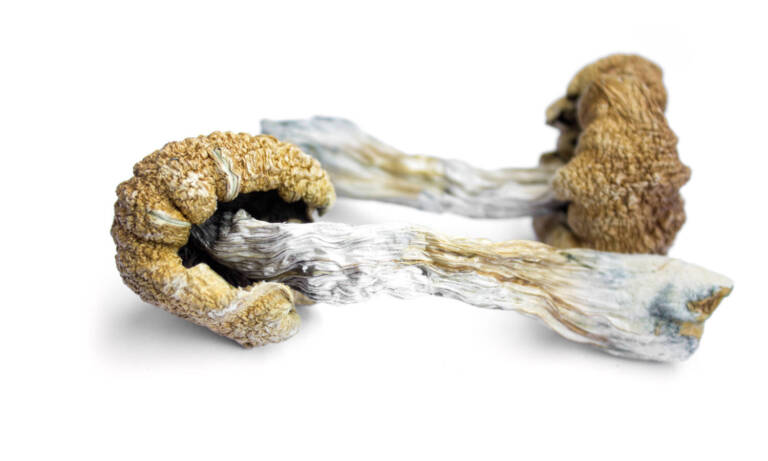
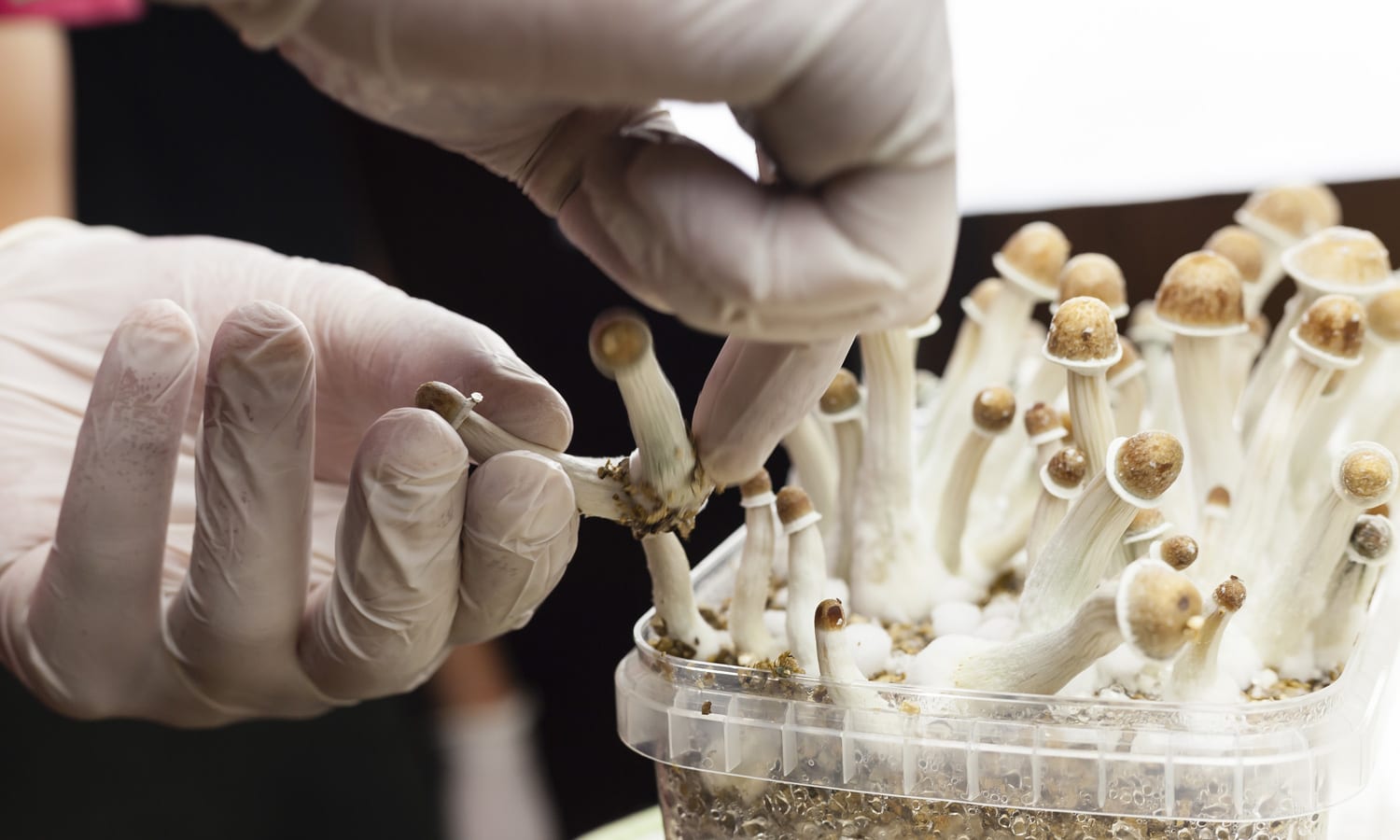
A recent clinical study led by NYU Langone found that psilocybin, the psychoactive ingredient in magic mushrooms, reduced heavy drinking by 83%, compared with a 51% reduction among those who received an antihistamine placebo. It shows a potential solution for alcohol addiction might be magic mushrooms.
Psychedelic treatment for alcoholism became popular in the 1960s and 1970s, when LSD studies showed that the substance reduced alcohol misuse. Yet that possibility ceased to be considered until now.
Photo by crotography/Getty Images
The Results: Psilocybin Helps Reduce Alcohol Cravings
The randomized study with 93 alcohol-dependent participants showed that those receiving two doses of psilocybin together with psychotherapy saw an 83% reduction in heavy drinking habits measured over eight months, while the subgroup offered an antihistamine placebo with psychotherapy showed a 51% reduction.
More specifically, in the 12 weeks before the study, the participants drank alcohol for an average of 60 days. Of that total, about half were heavy drinking days -that is, five or more drinks for a man and four or more for a woman per day.
Everyone in the study started drinking less after the first four weeks of therapy; the percentage of heavy drinking days dropped from half to a quarter. But that number dropped even lower for those taking psilocybin.
At the end of the study, the psilocybin group drank heavily on around 10% of the days when they drank, while the antihistamine group was still drinking heavily on almost a quarter of drinking days. What’s more, the daily alcohol consumption was also lower in the psilocybin group.
All 93 participants received 12 psychotherapy sessions before, between and after psilocybin administrations.
It is important to note that the study found no serious adverse events among participants who received psilocybin.
Further evidence of psilocybin’s effectiveness? 48% of participants treated with the psychedelic stopped consuming alcohol entirely after the eight months, compared to 24% in the placebo group.
Comments And Further Steps
In view of the study results, senior author and psychedelics researcher at NYU Michael Bogenschutz said: “Our findings strongly suggest that psilocybin therapy is a promising means of treating alcohol use disorder, a complex disease that has proven notoriously difficult to manage.”
Bogenschutz is also the author of a 2015 research on the same topic, The study found that, after receiving a sole dose of psilocybin, the 10 alcohol-dependent participants showed a 40 to 60% drop in alcohol use and addiction, and that those who had more intense trips were more benefited by the treatment.
Study participant Jon Kostas, who received psilocybin, had tried all sorts of treatments before, including Alcoholics Anonymous, rehab and visiting various specialists. “I’d say it saved my life. This eliminated all my cravings to the point where it cured my alcoholism. And I don’t categorize myself as an alcoholic anymore.”
It is still unclear why psychedelics help people drink less: the combination of psilocybin with therapy is key to the treatment approach, so it’s not possible to determine what the effects of the psychedelic would be on its own, nor why or how the combination might eventually help.
“We just need to start doing some mechanistic studies to find out what is actually going on. And the truth is, we don’t know,” Bogenschutz said. Nonetheless, he posits that these substances might be helpful for the brain to change and grow in areas affecting thought and behavior, which in turn could make people more open and receptive to therapy.
Magic mushrooms are not only believed to have the ability to treat alcohol addiction, but other substance abuse issues as well.
“As research into psychedelic treatment grows, we find more possible applications for mental health conditions. Beyond alcohol use disorder, this approach may prove useful in treating other addictions such as cigarette smoking and abuse of cocaine and opioids,” Bogenschutz said.
The team is currently preparing to conduct a similar yet larger trial to further demonstrate that magic mushrooms can -and should- be used in diagnostic and clinical settings aiming to help cure different types of addictions. “If these effects hold up in future trials, psilocybin will be a real breakthrough in the treatment of alcohol use disorder,” Bogenschutz concluded.
So fingers crossed a potential solution for alcohol addiction might be magic mushrooms.
While the neuroprotective benefits of CBD have been studied in the past, not much had been covered regarding its potential in the prevention or treatment of peripheral neuropathy until now.
A new study published in the official journal of the Multinational Association of Supportive Care in Cancerhas shown that oral cannabidiol (CBD) is effective in preventing peripheral neuropathy that occurs following chemotherapy treatment. The study was conducted by researchers from the Department of Clinical Oncology and Palliative Care at Zealand University Hospital in Denmark.
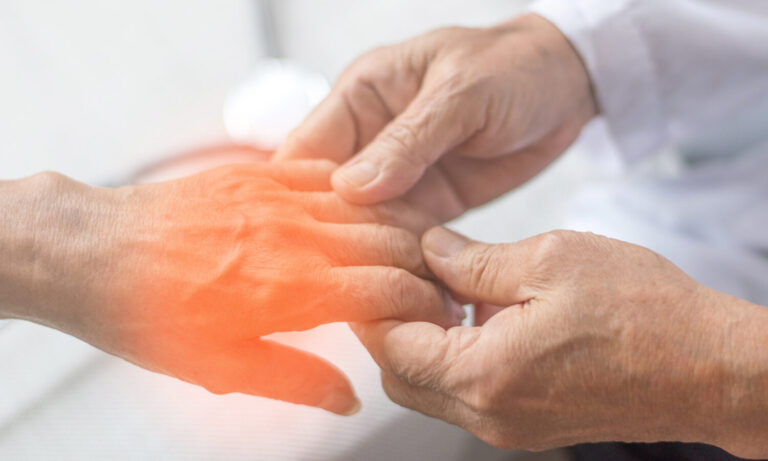
Peripheral neuropathy (PN) is a condition that affects nerves in the extremities (feet and hands) causing them to become weak, painful, and numb. Several factors may cause PN including diabetes, injuries, and exposure to toxins such as chemotherapy drugs. Common treatments for PN include the use of anticonvulsants (such as diazepam) antidepressants (such as amitriptyline) and pain medications (mild opioids).
While these treatments help to relieve PN symptoms, they neither prevent it nor address the underlying issue. Those suffering from PN often find that they have to be on PN medication for extended durations and this of course presents the risk for addiction and other adverse effects.
Photo by Caiaimage/Sam Edwards/Getty Images
What’s CBD and How Can it Help?
Cannabidiol is one of the numerous phytocannabinoids that are present in cannabis. The therapeutic benefits of CBD in several areas have been confirmed by research. This includes the treatment of seizures, chronic pain, and social anxiety disorders among others.
This recent study was conducted to investigate the potential of CBD in preventing peripheral neuropathy in cancer patients receiving chemotherapy treatment (oxaliplatin or paclitaxel). The patients were offered two 150 mg doses of CBD. The treatment started a day prior to chemotherapy treatment and was continued for eight days. A control group (patients that did not receive CBD treatment) was also created.
At the end of the study, the researchers concluded that CBD attenuates the early symptoms of chemotherapy-induced PN without causing any major adverse effects.
What’s next?
While the neuroprotective benefits of CBD have been studied in the past, not much had been covered regarding its potential in the prevention or treatment of peripheral neuropathy. From this new research, it’s apparent that CBD can offer hope to those suffering from chemotherapy-induced peripheral neuropathy. This finding warrants further research in the form of randomized clinical trials.
Meanwhile, check out this interesting study that shows that CBD and THC have a greater benefit-safety profile compared to opioids used to manage chronic pain.
Even with elaborate and accurate equipment, there are likely to be many legal battles fought over how legitimate the equipment is.
As marijuana becomes legal and regulated in many states, law enforcement is often struggling to keep up with the times. There is definitely a learning curve when something that was illegal suddenly becomes legal, and this is particularly true with marijuana. In fact, determining whether someone is under the influence of cannabis remains a difficult thing to prove in a court of law.
When comparing roadside alcohol testing to marijuana testing, a 2019 Congressional Research Service report concluded, “Based on current knowledge and enforcement capabilities, it is not possible to articulate a similarly simple level or rate of marijuana consumption and a corresponding effect on driving ability.”
Alcohol is fairly easy to test for, and this makes it easy to enforce drunk driving laws. Using precise agreed upon alcohol levels using accurate testing tools have made it straightforward for citizens to follow the law and simple for police to enforce it. Cannabis, however, is already proving to be a far more complicated substance to test for. It is so complicated that the Federal Government plans to spend $1.4 million to study how marijuana compounds concentrate on breathing in hopes of creating a reliable breathalyzer test.
Photo by Cappi Thompson/Getty Images
Thisstudy, known as “Breath Measurements of Acute Cannabis Use (BRACE): towards Reliable Determination of Recent Use,” is the latest effort by the government to quantify levels of marijuana impairment. One new approach this study aims to take is to accurately measure cannabis on the breath. “To resolve the challenges of determining recent cannabis use from a single breath sample, we propose a paradigm shift: two breath samples spaced a short interval apart.” The idea here is that the change, ( great or small) in the two measurements, could accurately determine how recently cannabis consumption occurred. This, however, is a new concept and is yet to be seen as legitimate.
The fact is, alcohol and cannabis just do not react the same with the human body, which means testing for THC the same way may never be as effective as the powers that be want it to be. “We’re applying the alcohol rules to a substance that doesn’t play by them,” Nick Morrow, a retired Los Angeles Sheriff’s Department narcotics investigator told CNN. While it is normal to want to test people the same for marijuana as you do alcohol, especially when on the road, it really is two different breeds, which is why this $1.4 million dollar investment might seem like a lot of money to come up with a breathalyzer, but really it is a drop in the bucket — and a long shot at that.
Another aspect that separates cannabis from alcohol is the fact that it affects people differently. That is to say, if you give someone several shots, their motor functions are all but certain to change. Cannabis has different effects on people, and sometimes affects the same person differently depending on a variety of factors. This means the standard field sobriety tests used to help determine drunk driving do not hold the same weight when it comes to cannabis. “You could absolutely have people under the influence of marijuana who had poor physical coordination,” Colorado attorney Chris Halsor told Discover Magazine in regards to cannabis sobriety tests. “And you could also have people who were completely baked out of their minds and could ace them.”
Photo by JasonDoiy/Getty Images
Another variable at play is the theory that blood and saliva may not be accurate tools to measure marijuana intoxication levels in general. A 2021 study from The University of Sydney suggests that blood and saliva are not reliable ways to test for marijuana impairment. According to a recent study by the University of Sydney, blood and oral fluid THC concentrations are relatively poor or inconsistent indicators of cannabis-induced impairment. If more studies come out to suggest the same, then even the most accurate THC breathalyzer may still not be an accurate tool for deciding whether or not a person is under the influence.
If the University of Sydney study is any indication, testing for marijuana intoxication is likely to be a long and difficult journey to prove definitive. Still, this newest study and its fresh approach at multiple measurements is a unique look at how cannabis intoxication might present itself on a person’s breath.
Even with elaborate and accurate equipment, there are likely to be many legal battles fought over how legitimate the equipment is. This, combined with no Federal guidelines to guide states, there may even be wildly different laws and testing methods based on which state you are driving in — so buckle up, this may be a bumpy ride.
Scientists are asking responsible parties for the name ‘monkeypox’ to be changed, thus avoiding racist and homophobic rhetoric.
Monkeypox isn’t exactly the most fitting name for a disease that’s infected many, and scientists want to do something about it.
The disease is spreading fast, being contracted from person to person, with gay men having higher odds of catching it. Monkeypox is similar to smallpox and, per the New York Times, obtained its name in the 50s, after Danish scientists first spotted the virus in lab monkeys.
Now that monkeypox has grown into a global concern, public health experts have been urging responsible parties to come up with a new name for the virus, one that’s more accurate and based on facts. They hope that by doing this they can quiet homophobic, racist and ignorant rhetoric.
Dr. Tulio de Oliveira, who works in a university in South Africa, wrote an open letter alongside other scientists to the World Health Organization, asking them to change the disease’s name as soon as possible. “Names matter, and so does scientific accuracy, especially for pathogens and epidemics that we are trying to control,” he said.
The open letter criticized the media coverage of the issue, which makes it appear like the disease came from Africa and like the majority of the spread remains on that region, which is not true. Dr. Ifeanyi Nsofor, a public health expert in Nigeria, called the monkeypox spread reminiscent of the AIDS crisis, a time when Africa was blamed on the spread of the pandemic due to poor medical attention. He says that the fact that monkeypox affects men who sleep with men makes the two situations all the more similar.
Concerns regarding the spread of monkeypox are rising in the U.S., with there being over 16,000 cases. While there are vaccines, there are shortages and misinformation, resulting in a confusing enviroment.
The disease spreads through person to person contact and can be caught via contaminated surfaces. While children and women can get it, men who have sex with men are the demographic that’s more exposed.
On August 5th, a report from the CDC said that 99% of monkeypox cases ocurred among men, with 94% of them reporting recent sexual contact with males. This is why it’s important for these men to get their vaccines, especially if they live in a big city or an area where there are a lot of cases.