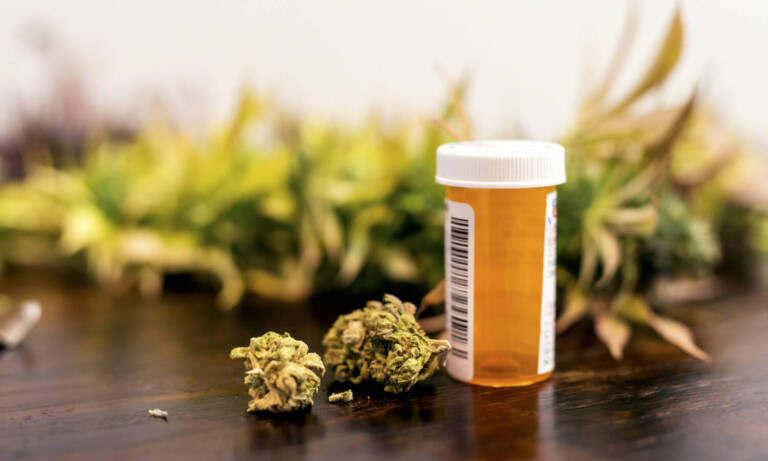
With the modification of the Swiss Narcotics Law, which changed the legal status of cannabis, patients can now obtain medical marijuana through a simple prescription from their doctor.
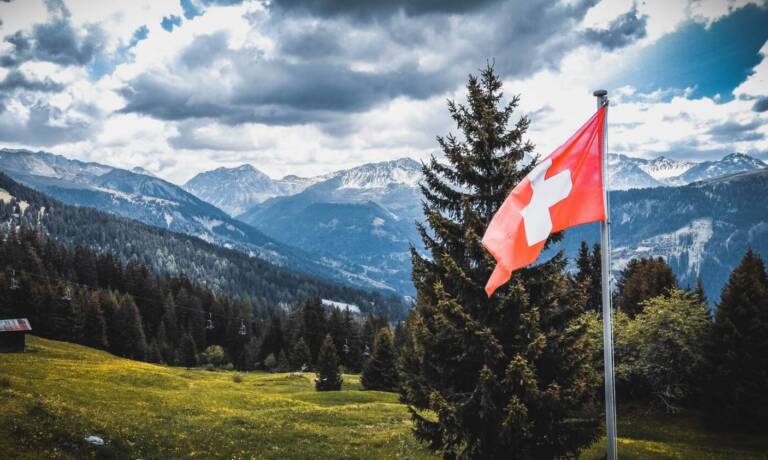
Starting September 15, Basel City will begin the first Swiss project on the legal sale of cannabis in pharmacies. The project will help evaluate the effects of new regulations on the recreational use of cannabis and combat black market distribution.
The Federal Office of Public Health approved the pilot in April. As a part of the project, the University of Basel, its psychiatric clinics and health department will participate.” Six cannabinoid products – four types of cannabis flowers and two types of hashish – will be sold in nine pharmacies selected by the authorities,” said Lukas Engelberger, health minister.
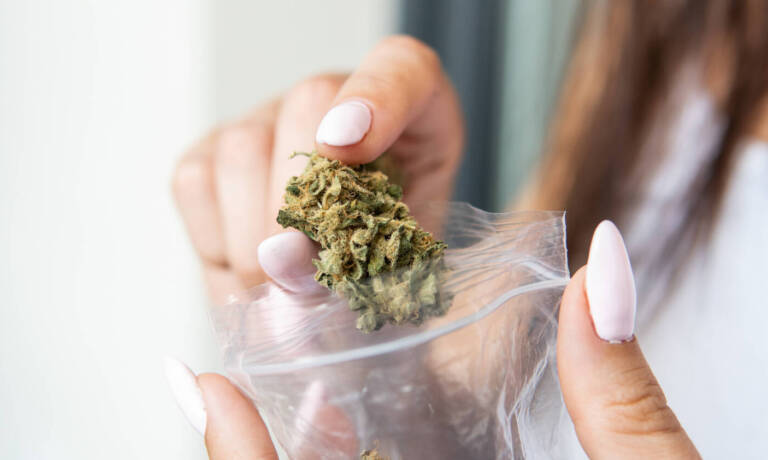
Cannabis users over 18 can now register to participate, with the number of participants limited to 370. In addition, pharmacies will charge prices around those set on the black market for products with THC content. A gram will therefore cost CHF8-CHF12 ($8.40-$12.60).
The Swiss parliament laid the legal basis for such small-scale initiatives in September 2020. After that, also other local authorities, including Zurich, Geneva and Bern, applied to roll out similar trials.
Legal Prohibition For Adult-Use Cannabis
In 2008 almost two-thirds of Swiss voters rejected an initiative to decriminalize cannabis consumption. Despite a legal ban, the health office estimates there are 220,000 regular consumers of cannabis in Switzerland.
However, since August 1, medical cannabis is legal in Switzerland. With the modification of the Swiss Narcotics Law, which changed the legal status of cannabis, patients can now obtain medical marijuana through a simple prescription from their doctor. Before medical cannabis was legalized patients had to apply to the Federal Office of Public Health.
As reported by Forbes, the new legislation enables the export of medical cannabis for commercial purposes. Companies should apply for authorization from Swissmedic, the Swiss surveillance authority for medicines and medical devices.
According to EU standards, available medical cannabis contains high levels of CBD and less than 1% THC.
A new YouGov poll showed that Americans are becoming more liberal in their drug policy stance. Of the 40% of respondents who admitted changing their minds on drug policy, nearly half (48%) said they’ve adopted a “more liberal” perspective on the issue, reported Marijuana Moment. Twenty-six percent of those asked touted a “more conservative” viewpoint, while the rest said their opinion has “changed in some other way.”
Among the top reasons why people change their minds about political issues are learning about “new facts or information” and acquiring insights about the world as they mature, followed by “events occurring in the world” that have nudged them to rethink their stance.
Other top issues why people are more likely to change their opinion during their lifetime are foreign policy, health care, the death penalty and immigration.
The survey was conducted online earlier this month and included 1,000 U.S. citizens aged 18 and over.
Meanwhile, a recent poll by Gallup revealed that half of Americans said marijuana has a negative impact on society. The new results surprised many, considering that 68.7% of Americans think cannabis should be legal, as per another Gallup poll.
Interestingly, adults who have tried cannabis believe cannabis’ impacts on consumers (70%) and society in general (66%) are positive, while on the contrary, the majority of those who have never tried it say they believe its effects are negative on both society (72%) and users (62%).
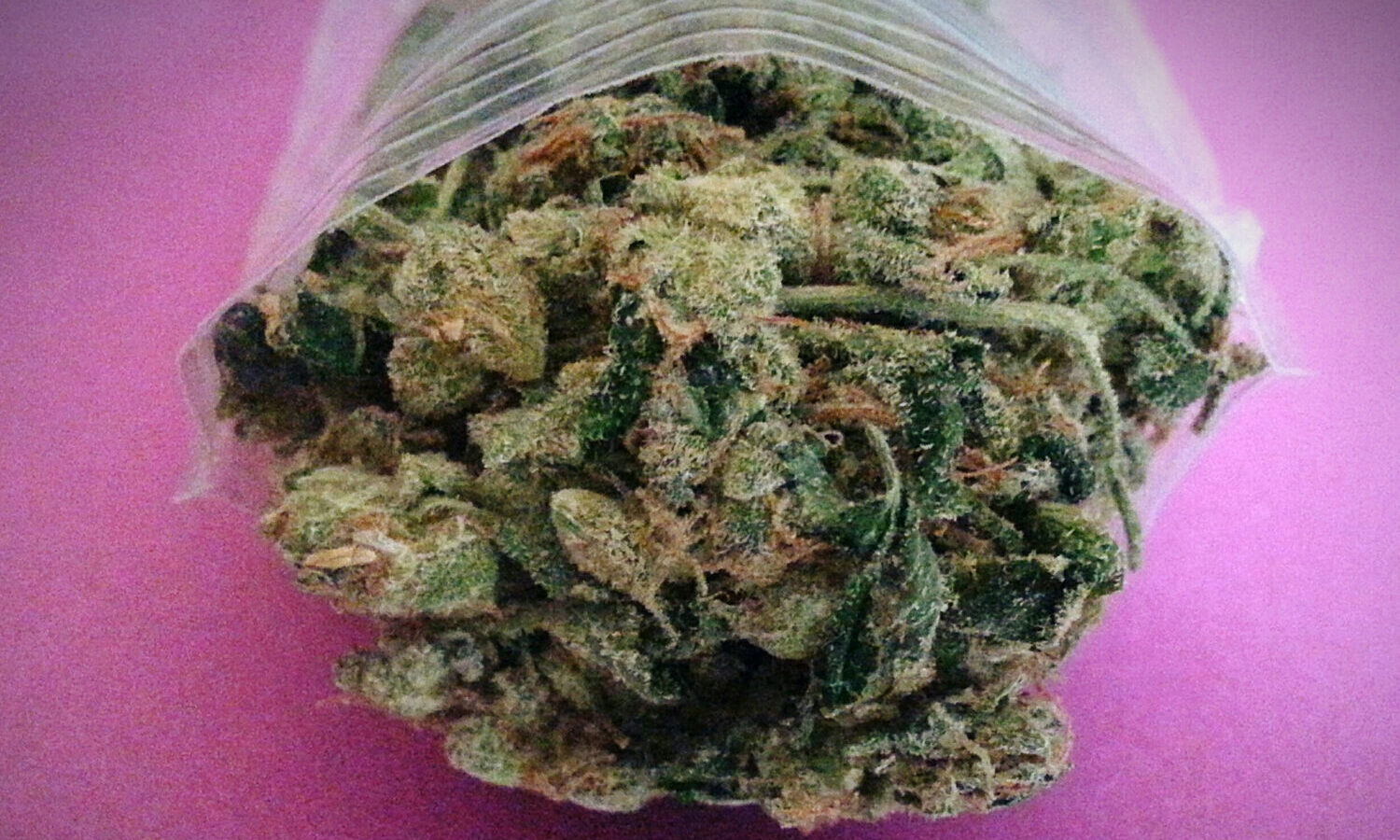
As you begin to purchase more expensive cannabis flowers, you may notice that the buds become stickier. This is because some of these plants were bred to contain a lot of trichomes, so they are highly potent.
Have you ever wondered why your weed is so sticky? With cannabis, many things can affect the overall experience. Some people prefer their weed to be really “sticky,” as that signals that the cannabis flower is high quality.
So, why is it that some cannabis is sticky-icky while other strains are dry and crumbly? This article will explore the science behind weed stickiness and teach you everything you need to know about sticky cannabis.
Why is weed sticky?
The secret lies in the trichomes, a subject the stickiest buds are well versed in. Trichomes, also called weed crystals, are small hair-like growths on a plant. Marijuana plants are full of them. But they do far more than just look good. Trichomes contain resin, which gives cannabis its power.
Often referred to as ‘essential oil,’ cannabis resin is a gooey, thick substance that may be translucent or have a red or orange color. Many plants and trees produce resin. However, cannabis resin contains cannabinoids, which makes it unique.
Photo by Christina Hempfling / EyeEm/Getty Images
As it turns out, trichomes on weed are resin glands. The sticky bud clearly indicates that many trichomes have formed on the flower. As trichomes increase, so does resin production. A higher resin content means more terpenes, THC, and cannabinoids. A resinous weed with crystals may have better medical potential, a stronger high, and a better smell and taste than if it has minimal resin (or is not sticky).
As you begin to purchase more expensive cannabis flowers, you may notice that the buds become stickier. This is because some of these plants were bred to contain a lot of trichomes, so they are highly potent.
Sticky marijuana resin is often compared to tree sap. You can imagine how similar the two are if you’ve ever felt sap in your hand. Just like cannabis, you can attribute the smell of sap to terpenes—the compounds in tree sap.
If you have ever heard of hash, hash is just cannabis resin. Hash is a concentrate formed by compressing the parts of the cannabis plant that contain resin. (Want to learn how to make hash at home?) Additionally, some people refer to the remnants of weed residue as resin, which may originate with the word residue. This article will restrict the term ‘resin’ to natural substances produced by plants.
Interestingly, the strain Pinkman Goo is considered to be one of the most resinous strains. The buds of this indica strain, a cross between Granddaddy Purple, Grape Ape, and Northern Lights #5, are densely covered in resin. According to laboratory tests, samples with the “goo glob” contain 4% additional THC than samples without the goo. This is evidence that a significant amount of THC is contained in resin. The resin contributes to the sweet flavor of the strain. Many people report that Pinkman Goo provides very relaxing effects.
Sticky weed vs. dry weed
It’s no mystery why sticky weed is prized by cannabis connoisseurs: it’s often more potent and flavorful. However, is dry bud less desirable because it’s not sticky? It turns out both have their benefits.
Dry weed has a bad reputation. However, it is often more affordable, and it is still effective, so many people prefer dry weed for this reason. Even though the cannabinoids and terpenes are not as abundant as in sticky weed, plenty are still available.
Photo by Cavan Images/Getty Images
Some weed is simply dry because it contains less resin and fewer trichomes. Consequently, the product is less potent. It may be that the plants were left to dry for a long time, thus losing some potency, or that strain may not contain as many trichomes as stickier varieties.
However, really dry weed indicates that the cannabis is past its prime. You can still use it, but it will have lots much of its flavor and some of its potency. As the plant gets older, it becomes drier. Still, it should remain sticky if stored properly. Nevertheless, you shouldn’t assume that you can stash sticky bud and pull it out a year later with its trichomes still intact.
Is sticky weed good?
Sticky-icky is a term you have probably heard, and it typically refers to good weed! When it’s cured properly, cannabis flower is moist and sticky to the touch. If the weed doesn’t have those specific characteristics, it’s likely not as high quality or flavorful. There are a lot of slang names for lower-quality weed, so low-quality cannabis is often called ’round-town brown’ or ‘reggie.’
Depending on your situation, you should choose your weed carefully. For example, you don’t need to use very sticky weed for edibles since you can achieve the same effects and save money by using dry weed. Even though sticky weed isn’t ideal for baking and can be expensive to share, it remains a preferred choice for many users.
Furthermore, if you’re gathering with friends, buying drier marijuana in larger quantities might be more economical. Sticky buds tend to be more expensive per gram. By choosing dried flowers, you will be able to get substantially more bang for your buck.
If you want an exceptional cannabis consumption experience and can afford it, sticky weed is the way to go. Due to the potency, many find that using less is more cost-effective than using drier variations.
If you want a strong and long-lasting high, go for the super sticky stuff. But if you’re trying to save money or don’t need such a powerful punch, dry weed will do the trick.
The US has ample reasons to choose from, but has yet to pick one singular cause strong enough to push the country into a post-prohibition era for marijuana.
Marijuana policy in the United States has been in the news a lot, but often it is the lack of action the country is making that is making headlines. Whether it is the MORE Act floating in limbo and failing, and a strongly worded letter urging a change in marijuana laws to the President from his strongest allies, America’s federal policy on marijuana is not “visionary” at the moment.
While the nation and many of its individual states have changed significantly in the last decade when it comes to opinions on marijuana, it can be argued that federal policy has fallen far behind the American psyche, and perhaps even the global consciousness. While America maintains its timid stance on marijuana, surrounding counties have taken concrete action.
What reasons have other countries have found reasons to legalize and decriminalize marijuana while the US remains unable to find its rationalization?
Photo by ChrisSteer/Getty Images
Mexico
If you ask our closest neighbor to the south why legalizing marijuana is a good idea, the response will likely involve hopes of decreasing violent crime. Mexico’s supreme court voted 8-3 last year to decriminalize marijuana, thus legalizing its medical use and cultivation. This decision came “after advocates pushed for decriminalization as a means to reduce drug-fueled cartel violence in the country,” according toCNN. While drug-fueled violence was not the only justification for this decision, it is one worth noting in that the justification for a change in marijuana policy can come from all sorts of places.
Thailand
While the US continues its debate on marijuana, Thailand made history as the first Asian country to legalize marijuana on a medical level. The country has made it clear that smoking joints in public is still very much punishable by law, but it has legalized marijuana as medicine. Even if it is medical marijuana that has gotten the green light, Thailand can still use this as a chance to boost tourism.
“Thailand mainly wants to make a splash in the market for medical marijuana,” according toNPR. With so few places with legalized cannabis nearby, it has a great opportunity on its hands. After all, “It already has a well developed medical tourism industry and its tropical climate is ideal for growing cannabis,” the article continued. Thailand is also releasing many inmates serving sentences for non-violent marijuana crimes, which is something many American lawmakers are pushing for (still unsuccessfully) with marijuana decriminalization bills.
Malta
Thailand was not the only country making international headlines for its marijuana legalization. Malta became the first European nation to legalize marijuana in late 2021. While it has not opened up cannabis lounges or dispensaries, it has legalized usage and cultivation of cannabis. Its reasons for this are fairly similar to Mexico’s.
“The government said that the new law was aimed at ending the criminalization of people for smoking the drug and at reducing criminal trafficking,” according to theNew York Times. Legalizing and thus regulating it, rather than fighting a criminal underground market seems to be a motivating factor in several countries that have legalized weed before the US.
Switzerland
Most recently, Switzerland lifted its ban on medical marijuana, and has thereby legalized medical cannabis as of August. The new move even allows for the export of medical cannabisallows for the export of medical cannabis. One of the main reasons for this shift, it seems, has to do with the growing popularity of medical cannabis and the increased level of administrative legwork that developed as a result of this popularity. “The Federal Council justified the legalization of medical cannabis in the country by stating that the demand for authorizations has increased in recent years. This entailed a considerable administrative burden and slowed down medical treatment,” according to Forbes. In 2019 alone, the health ministry issued 3,000 exceptional permissions.
There are a variety of reasons why countries are making major progress in cannabis legalization while the United States lags. From hope, to decreased crime, all the way to increasing medical tourism, the justifications are varied. The US has ample reasons to choose from, but has yet to pick one singular cause strong enough to push the country into a post-prohibition era for marijuana.
A letter published in the Le Monde explores several options for cannabis legalization in France. Through the launching of a consultation process, the European country seeks to culminate in proposing a new law to legalize recreational cannabis.
Among the 31 senators that co-signed the letter calling for the launch of the consultation process were Socialist, Ecologist and Republican groups, such as socialists Patrick Kanner, and David Assouline, senators from the North and from Paris respectively.
Decriminalization Is Not An Option
The senators rejected the notion of decriminalization, saying it is a demagogue option, which would perpetuate the existing ban. Days ago, Le Monde, which has called the current situation in France ‘unsustainable’, published the call to the senators, saying it is time to face reality head-on.
“Almost 18 million of our fellow citizens have used cannabis recreationally, according to a recent report by the National Assembly,” stated the senators’ report. “Although it is banned, 1.5 million consume it regularly.”
Indeed, Senators argue that legalization is a social issue that should be adopted by public authorities. According to them, the Government must respond to existing legitimate concerns.
“Decriminalization is a ‘cynical and populist’ option that is characterized by the maintenance of the prohibition with the elimination of the penalties incurred,” reads the letter. Moreover, senators continued saying that, “decriminalization merely buys social peace with a certain cynicism and they go on to categorically reject this demagogue and populist option.”
Photo by Florian Wehde via Unsplash
Legalization: A Solution To Protect Youth
According to the letter, this legal measure could be compared to existing public policies for tobacco and alcohol or even gambling. It also said that “legalization will provide the means to act more effectively to better protect citizens and especially young people.”
In addition, the senators concur that with legalization the state could obtain tax revenue, boosting the economy, especially in the areas of justice and law enforcement.
A new Gallup poll shows that Americans are divided on cannabis and how it affects users and society at large.
A new Gallup poll shows that Americans are confused when it comes to cannabis and its effect on society. Results show that 49% of Americans consider cannabis to be a positive influence, while half (50%) consider it negative. When discussing marijuana’s effect on consumers, more than half (53%) of those polled consider it positive while 45% of them consider it negative.
The results were shared this week and show that marijuana consumers are more likely to have positive opinions of the drug, and that young adults are increasing in consumption numbers.
Photo by Zummolo/Getty Images
A deeper look at the results shows that opinions are largely based on whether or not those polled are marijuana users themselves. Adults who said they’ve tried marijuana (50% of them) believe the drug to be positive on users and society at large. Adults who haven’t tried marijuana tend to be more conservative, thinking the drug has negative effects.
Despite people’s personal opinions on the drug and its effects, the majority of people believe cannabis should be legalized. And even if they don’t think the drug is a positive influence on society or on individuals, cannabis is seen in a more positive light than alcohol.
Other interesting facts include an expected increase in marijuana experimentation and larger numbers of regular consumers of the drug, which stand at 16% and is the highest record yet. Marijuana consumers tend to be marijuana smokers, with 57% of them claiming to also consume edibles.
When discussing specifics like gender and age, men are more likely to say they’ve experimented with marijuana but cannabis consumers are split evenly between men and women. The age group that consumes the most marijuana is those aged 18 to 34. In terms of education level, adults with a college degree are as likely to consume cannabis as those who don’t have a degree. In the case of political parties, Republicans are less likely to consume cannabis when compared to Democrats.
While marijuana’s acceptance in society has been steadily improving, the laws that regulate it move slowly and are out of step. The fact that marijuana is illegal on a federal level is something that surprises people who are young and who live in states that have legal programs in place.
Thailand’s health minister, Anutin Charnvirakul, said Wednesday that tourists visiting the country with the sole purpose of smoking marijuana are not welcomed.
“We don’t welcome those kinds of tourists,” Charnvirakul told reporters when asked about cannabis consumption as it regards tourists, reported Reuters.
The news comes on the heels of recent reports about cannabis cafes as a possible boost to the country’s damaged tourism industry. The number of visitors dropped to 2 million in the first half of 2022 from nearly 40 million in 2019. Locals were seeking to revive tourism through cannabis cafes that had already been attracting foreign visitors.
In 2018, Thailand became the first Southeast Asian country to legalize medical marijuana. Some four years later, it took those cannabis regulations to the next level and became the first in the region to decriminalize marijuana.
Photo by Florian Wehde via Unsplash
Soon thereafter, Thailand faced harsh criticism, mostly for the lack of cannabis regulations. While lawmakers are working on a new set of rules, both tourists and locals should be aware that some rules do indeed exist. For example, those caught smoking marijuana in public face a three-month jail sentence or fines of up to 25,000 baht ($705.82).
Anutin also said that recreational cannabis use can be examined once there is more research and a better understanding of the plant.
“It might come in the near future,” he said.
However, there are still countries dealing with the challenges of developing their own medical marijuana policies, and one aims to look to Thailand. Recently, neighboring Malaysia announced plans to learn from Thailand’s policy, as the country researches medical marijuana.
“We are developing our own framework for the usage of cannabis for medical purposes, and want to learn from Thailand,” a Malaysian official told Reuters on condition of anonymity.
There are some drawbacks to living with another person, especially if you two do not live similar lifestyles or have different views on cannabis usage in the home. Here’s how to deal with it.
Marijuana legalization has liberated those who regularly use cannabis and live in states where it has recently become legal. While recreational marijuana has eliminated a lot of difficulties and roadblocks for those who indulge in smoking weed, it has created some new challenges, and magnified a few existing conflicts. One area that has grown increasingly more complicated is weed etiquette in the home when you have a roommate.
Having a roommate certainly has its pros and cons: they split your rent, walk your dog, and listen to you when you have something (or nothing at all) to say. There are, however, some drawbacks to living with another person, especially if you two do not live similar lifestyles or have different views on cannabis usage in the home. If you have a roommate, this might have you wondering what proper weed etiquette is these days now that we are in this new age of cannabis freedom.
Check the Lease
Before you start wondering what is polite or impolite, you should first determine what is allowed and what is prohibited in your rental. More and more properties have very clear smoking policies. No-smoking policies do not simply refer to cigarettes. They can also apply to marijuana, and do not necessarily have to specify the type of smoke, as long as they are specific about the rules.
Photo by cottonbro via Pexels
According to the legal websiteNolo, “A clear no-smoking policy prohibits all forms of smoking, including smoking marijuana for medical reasons.” These no-tolerance smoking policies are quite serious.
If you signed the lease and agreed to no-smoking terms, the violation can land you on the street. “A landlord who has included a no-smoking policy in a lease or rental agreement can terminate the tenancy of or evict a tenant who smokes,” the article continues. Make sure you are aware of your lease and its fine print, especially if you have a roommate or neighbor who is likely to rat you out to your landlord for smoking.
Keep Things Ventilated and Prevent Secondhand Smoke
Once you establish what is allowed and what is forbidden, you can move on to the “should” and “should nots” of smoking weed when you have a roommate. One thing you should always make sure of before sparking up a joint in your home is proper ventilation. Proper ventilation will prevent smoke from circulating throughout the home. The best policy is to smoke by an open window with a fan on.
This is important, as your roommate might be worried about secondhand marijuana smoke. Getting high or failing a drug test from secondhand smoke is unlikely unless you are in a sealed room with lots of marijuana smoke. Even so, that does not mean a strong scent won’t upset or worry your roommate – especially if he or she may need to pass a drug test at some point.
According toHealthline, “catching a whiff of marijuana fragrance through your apartment window or entering a room where people were smoking several hours ago is very unlikely (maybe even impossible) to affect you at all.” So proper ventilation, and keeping the smoke flowing out the window as much as possible will help keep things safe and calm.
Ventilation also helps get rid of the smell, and the smell can be the biggest gripe from a roommate who doesn’t smoke weed. If marijuana smell and usage is causing friction in the home, do your best to eliminate the issue. The odds are, the smell of weed and accessories are the main source of frustration from your roommate. Keeping your weed and accessoriesstashed in your room out of sight is always the best policy to keep the home looking (and smelling) great for everyone.
As we have previouslyreported, there are all sorts of ways to get rid of and hide the smell of weed, from fragrance sprays to open windows.
Remember that even if weed is legal in the state where you live, it doesn’t mean you should be hotboxing your apartment, especially if you have roommates. If marijuana smoke is a point of contention between you and your roommate, consider alternatives like vaping or edibles. After all, marijuana should alleviate the stress in your life, not cause it.
A new study by Dana-Farber Cancer Institute researchers indicates that despite a commitment by dispensary workers to educate users about medical cannabis, dispensaries often prioritize sales over education and the level of on-the-job training at dispensaries is notably uneven.
“If the results are confirmed by a larger, quantitative study, they obligate the medical community to ensure patients have reliable sources of guidance about medical cannabis,” said the study authors. ”Patients with cancer are using cannabis for medical purposes — and oncology teams tend to offer little guidance about its use — patients are often turning for advice from staff at cannabis dispensaries.”
About The Study
The study, published in the journal JCO Oncology Practice, is based on accurate interviews with 26 workers at cannabis dispensaries in 13 states. Researchers conducted phone interviews with employees on positions as managers, and consumer experience.
Photo by Health Korvola via Getty
“Our study opens the door to discussing that we as clinicians may not be able to completely defer responsibility for advising patients to the dispensaries,” said Ilana Braun, MD, the study’s first author and a physician at Dana-Farber and Brigham and Women’s Hospital. “We need to figure out ways to address this issue.”
The results revealed a hearty dedication to their field. However, inconsistent level of cannabis therapeutics training among dispensary staff was notorious.
“The dispensary personnel we interviewed are really passionate about what they’re doing and are trying really hard to give good advice. They’re working hard in their off hours, paying for their own coursework, and doing whatever they can to learn,” Dr. Braun added.
According to the researchers, dispensaries often make hiring decisions based more on sales skills than expertise in cannabis therapeutics. Many dispensary workers said that workplace training in cannabis therapeutics was unstandardized and weak.
“We’re hearing from patients that they want this information from their oncology team,” study co-author Manan Nayak, Ph.D., of Dana-Farber said.
“Right now, the system is set up so that everyone—oncologists and dispensary personnel—is working in silos. It falls to the patient to find out where to go, get information from dispensary personnel, try different products, and maybe report back to their oncologist. The onus is often on the patient to communicate with the dispensary. There needs to be a way to close the loop between the dispensary and the clinical team,” Nayak added.
Photo by nattrass/Getty Images
The Key: Cannabis Education
A previous study by Braun and her colleagues noted that “although 80% of the oncologists we surveyed discussed medical marijuana with patients and nearly half recommended the use of the agent clinically, less than 30% of the total sample actually consider themselves knowledgeable enough to make such recommendations.”
In the absence of clinical guidance, dispensary personnel often become the default source of information on medical cannabis, the research suggested.
In a 2020 article based on interviews with cancer patients, Braun’s team found that almost all respondents received the majority of their medical cannabis advice from non-medical sources, primarily dispensary staff, on topics ranging from the doses to the properties of the different strains.
“If patients are being deferred to the dispensaries, we wanted to know who works there, how they’re trained, and what they tell patients with cancer,” Braun concluded.
New research shows that there are significant benefits to going for a walk right after a meal.
A walk after eating reducing odds of get this this disease. It is an activity that provides plenty of health benefits. According to some new evidence, when done right after a meal, the activity can help diabetics and can even prevent the appearance of type 2 diabetes.
Published in the journal Sports Medicine, the study was a meta-analysis of seven different studies. It found that walking had a direct impact on people’s insulin and blood sugar levels, thus impacting the risk of diabetes.
While the studies had different participants and parameters, they tracked people’s responses after sitting, standing up, walking, and more throughout the day. In five of the studies, participants didn’t have diabetes or pre-diabetes, while in the other two they were accounted for.
Those who walked right after consuming meals saw gradual changes in their blood sugar levels. When these walks were committed within 60 to 90 minutes after a meal, results were even stronger and better for all involved. Results showed that benefits were reaped even after walking for 1 or 2 minutes after a meal, showing that everyone has control over this part of their diet and can complete a brief walk whether they’re in the office or at home.
These results are particularly important for diabetics, who must prevent sudden spikes in their blood levels. Still, they’re also beneficial to healthy adults, since these sudden changes can increase the risk of type 2 diabetes.
Aside from helping diabetics and those who are at higher risk for the disease, walks have been linked with a variety of positive behaviors, including maintaining your weight, improving your mood and energy levels, and positively affecting your cardiovascular health, which is the number 1 cause of death in the country.