A new study shows evidence of intermittent fasting, especially when limited to these hours.
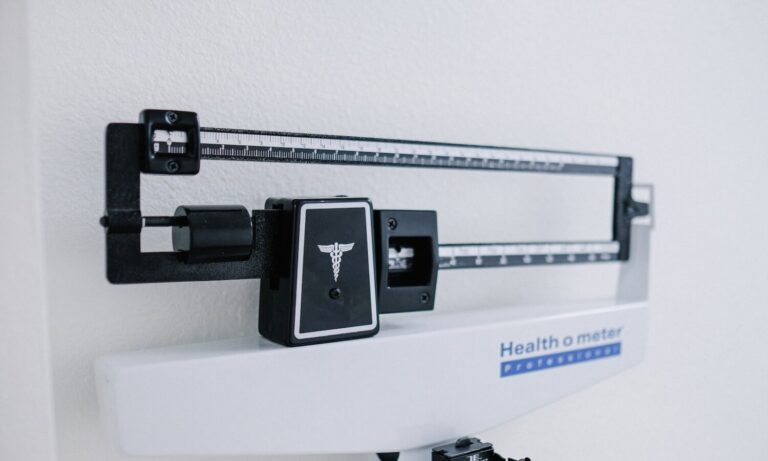
A new study found an efficient way of losing weight. The research, published in JAMA International Medicine and conducted by researchers of the University of Alabama at Birmingham, found that one of the most efficient ways of losing weight was “early time-restricted eating (eTRE),” a method that limits people’s food intakes to certain hours of the day.
The clinical trial was randomized and conducted on 90 subjects that lived in the United States and had obesity. All participants were between the ages of 25 to 75, with a majority of women. It was conducted between the years 2018 and 2020.
Photo by Louis Hansel via Unsplash
The study found that participants who limited their eating to the hours of 7 am and 3 pm lost about 5 pounds more when compared to other participants. These participants also had lower blood pressure, with researchers concluding that the technique likely helped treat hypertension and obesity.
While it may sound extreme to consume foods only between the hours of 7 a.m. and 3 p.m., this technique is nothing new and is commonly known as intermittent fasting. Researchers claimed that if participants stuck to this schedule for 5 days a week, they still reported benefits.
Still, researchers claim the study had a limited scope, especially since it was only conducted on people with obesity. “Our study has a few limitations, including being modest in duration, enrolling mostly women, and not achieving our intended sample size, partly owing to the Covid-19 pandemic,” they wrote.
They plan on expanding the study to envelop a wider scope of people and to develop a clearer picture of intermittent fasting.
Aside from helping people lose weight, the practice helped treat subjects’ fatigue, depression, and made them feel more energized. While no one should make abrupt changes to their diet based on one study, the evidence joins a large body of work that highlights the strengths of intermittent fasting and of consuming meals at the right times.
There is no simple answer to this question. It essentially depends on your personal needs, your budget and your lifestyle.
It’s only been 15 years since the first vaporizer appeared on the market. But in that time, vaping has evolved into an $18 billion industry, and one that is predicted to grow tenfold by 2030. Vaping is predominantly associated with nicotine as a healthier alternative to cigarettes, but there is growing enthusiasm for vaping cannabis. This trend is expected to continue, especially as legalization continues to spread across both the USA and Europe.
Vape manufacturers are reacting accordingly, and there is a wider choice of vape pens on the market than ever before, many of which are aimed specifically or predominantly at cannabis consumers.
Basic principles
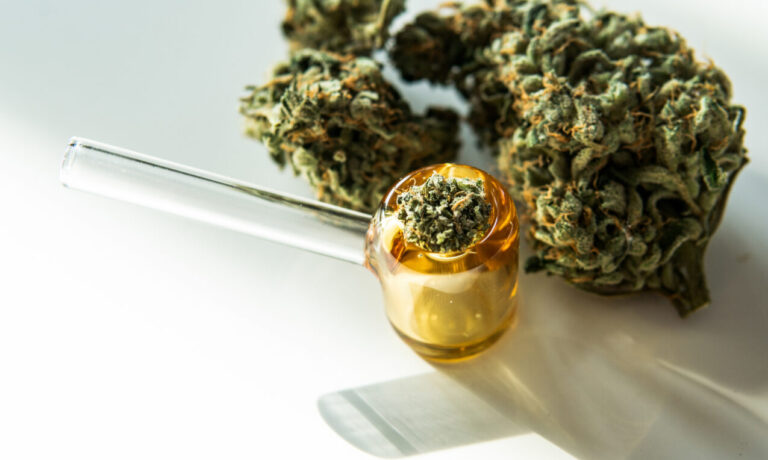
Before we get into the details of the different types of vaporizers on the market today, it’s worth taking a step back to understand the basic principles of vaping. A vape pen contains an element or coil that heats your cannabis and converts it into a vapor that you inhale. This differs from smoking cannabis where you instead use combustion, that is, you set fire to it and inhale the smoke.
Vaporization involves significantly lower temperatures than combustion, and research strongly indicates that this allows for more cannabinoids to be released. The result? A smoother flavor and potentially enhanced benefits for medical marijuana users.
It is also strongly indicated that, as with cigarettes, vaping cannabis is better for your health. There are fewer toxins and carcinogens in a cannabis joint that there are in a regular cigarette, but set fire to any plant material and compounds such as benzene, toluene and naphthalene will be released – not things you want to be inhaling if you can avoid it.
Clearly, then, there are compelling reasons you might want to consider vaping as a way of consuming cannabis, and we can see why the market is growing at a CAGR of around 30 percent. These are exciting times in the world of vaping and there is a wider choice of vape pens on the market than ever before.
CBD vape pens
CBD’s popularity has gone through the roof over recent years as more people have got wise to its therapeutic benefits. Vaping CBD is convenient, discreet and offers better bioavailability than other methods such as capsules or tinctures. A CBD vape pen typically consists of a tank for your CBD vape juice attached to a rechargeable thread battery. Small, sleek and unobtrusive, it is easy to slip into your pocket or handbag.
THC oil pens
Sometimes known as a weed pen, this is a simple but technologically innovative device that is made up of a battery that powers a heating coil to heat cannabis oil stored in a cartridge. CCELL have led the way in advancing these beyond the traditional “vape style pens” and creating devices that are more akin to fashion accessories.
As well as looking good, they are very user friendly, so are popular with those who are new to vaping. The DART was CCELL’s first system, and its unusual appearance – it is not much larger than a USB stick and similarly shaped – took the world by storm. Other models including BELLO, PALM and M3 have followed. Each has its own distinctive look.
However, there is more to these pod vapes than their appearance. The CCELLs use custom ceramic heating elements that give an optimal flavor, and high quality electrical components. They also have the benefit of being highly discreet – as well as being small, they produce minimal odor, so it is possible to use them in public without drawing attention to yourself.
Portable dry herb vape pods
Dry herb vaping allows you to enjoy your weed the way that nature intended but by vaporization instead of combustion. The major advantage here is that there are none of the solvents or mystery ingredients that you might worry about when using vape juice or concentrates – it’s just weed and nothing else.
This type of vaporizer is like a tiny oven that heats up your weed to just the right temperature by either convection or conduction. Dry herbs vaporize at a lower temperature than concentrates, delivering what many people feel is a cleaner and more natural flavor.
Dry herb vape pods have advanced in leaps and bounds over the past couple of years. Innovative products like the Daypipe are as sleek and stylish as the latest oil pods, and they offer amazing convenience. That particular model, for example, allows you to chamber eight separate 0.2g bowls of weed that you can then enjoy throughout the day or night as you wish – no hassle and no mess.
A dry herb pod does need to be kept clean, but this is not a major undertaking with the latest models and only takes a couple of minutes of your time.
Desktop vaporizers
These monsters could not be more different to the small and discreet pods we have considered so far. They use convection to heat either concentrates or dry herbs, depending on the type. Desktop vapes have been around for years, but the latest models such as the Volcano include up-to-the-minute tech such as an app by which to operate them from your smartphone.
They nevertheless look somewhat archaic beside the latest pods, but still, desktop vapes have their place. There’s no substitute if you wish to vape socially with others, and the fact that they are mains operated means they are mighty powerful and can keep going for as long as you want.
Which is right for you?
It should be clear by now that there is no simple answer to this question. It essentially depends on your personal needs, your budget and your lifestyle.
Most medicinal and recreational users will opt for the pod-style vapes as they are so convenient and there are dozens of styles to look through. However, if consuming cannabis is a highlight of your social interactions, then it’s definitely worth trying out a desktop vape for the extra enjoyment that a shared experience can bring.
Our environment and the decisions we make in our daily life can impact our ECS in remarkable ways, giving us the power to improve our wellbeing naturally.
According to experts in cannabis wellness, there are 15 factors that can impact your cannabis experience. In some ways, your unique endocannabinoid system (ECS) may be the most important factor impacting your cannabis experience.
In this article, we will present a clear breakdown of the ECS; we will explore how this remarkable system bridges the body and mind; and we will discuss different ways you can impact your ECS to improve your health and wellbeing.
Your Unique Endocannabinoid System
Did you know that your ECS is unique? If you have ever tried a cannabis product that helps your friend relax and refresh, but when you take it you feel energized and uplifted, that may be because your ECS is different from your friend’s.
Not only is there genetic variation in the human ECS, but also the decisions you make in your day-to-day life can influence your individual ECS. For example, your diet, stress levels, sleep, and exercise can change your endocannabinoid tone.
Endocannabinoid (eCB) tone refers to the overall state of your ECS. Specifically, eCB tone reflects the levels of eCBs, their synthesis and catabolism, and “the relative density of cannabinoid receptors in the brain.”
What Does the Endocannabinoid System Do?
The primary function of the ECS in organisms is to maintain homeostasis, or to maintain stability in an organism’s internal environment in response to changes in the external environment. The homeostatic role of the ECS is summarized as, “relax, eat, sleep, forget, and protect.” Additionally, the ECS plays an important role in regulating cell division, neuroplasticity, metabolism, pain, emotional memory, inflammation, and immune processes.
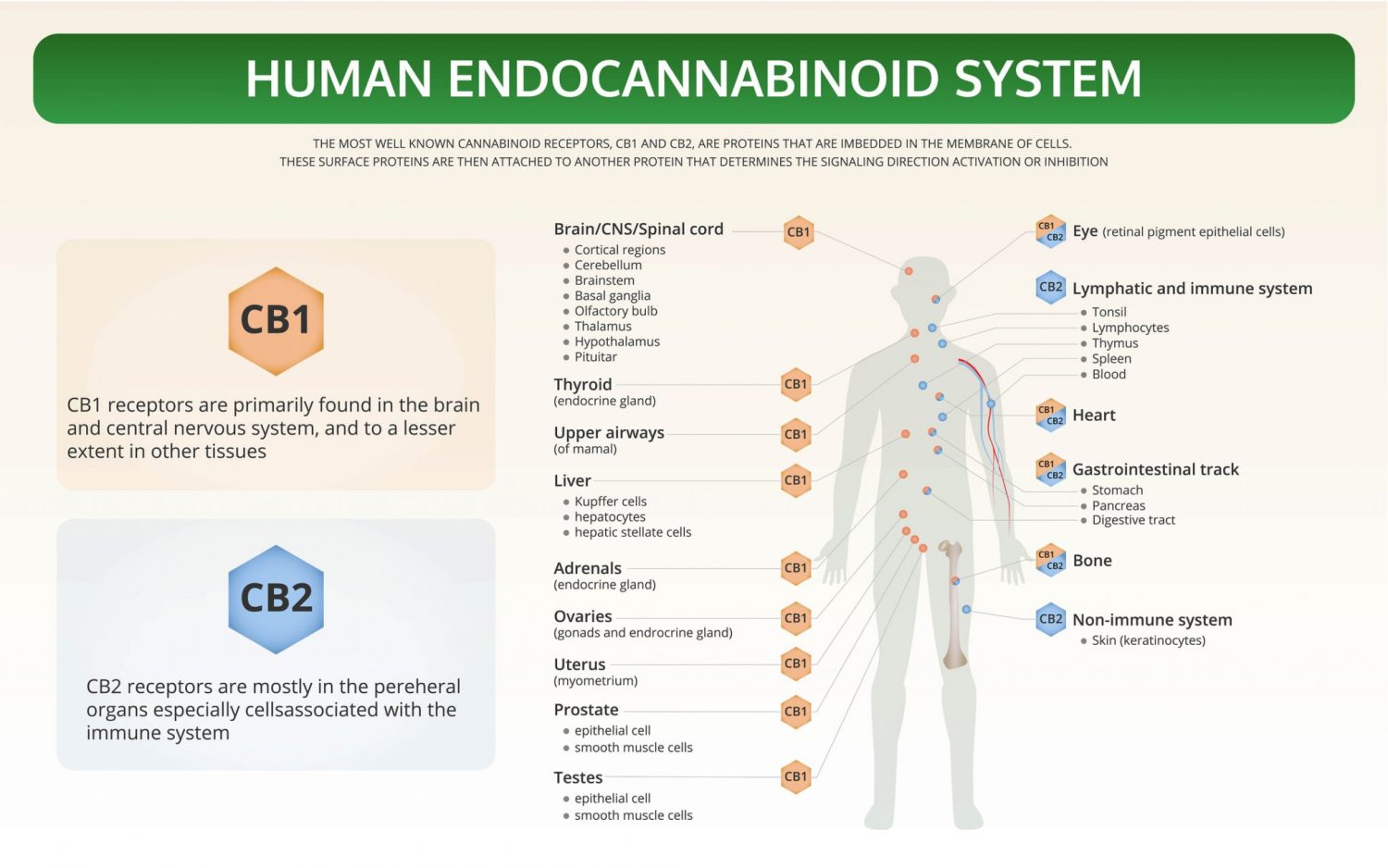
In humans, the ECS is made up of the type 1 cannabinoid receptor (CB1) and the type 2 cannabinoid receptor (CB2), the endogenous ligands (AEA and 2-AG) that are also known as eCBs, and the enzymes that produce and degrade the ligands.
Ligands are signaling molecules that bind to receptors on cells. When a ligand binds to a receptor on a cell, it produces an effect in the cell. Usually receptors only accept one (or a few) specific ligands. The eCBs 2-AG and AEA are found “in all tissues, organs and bodily fluids thus far investigated.”
Both eCBs activate the CB1 and CB2 receptors, as well as the vanilloid receptor (TRPV1), which plays a role in sensing temperature and pain. CB1 and CB2 receptors are part of the superfamily of “G-protein coupled receptors,” which means they are proteins in the membranes of cells used to convert extracellular signals into intracellular responses.
CB1 receptors are found on neurons throughout the brain and the peripheral nervous system, as well as in muscle tissue, bone, and variety of other tissue types. CB2 receptors are primarily found on immune cells, although they are also found on bone and liver cells, as well on neurons in the brain and peripheral nervous system.
What Are Endocannabinoids?
While CB receptors are composed of proteins, eCBs are lipids. Lipids are organic compounds that don’t dissolve in water (fats and oils). As a result, the ECS can be described as a “complex network where endogenous bioactive lipid signals are produced by cells and released ‘on demand’.”
As we discussed, eCBs are ligands to the CB receptors. The eCB 2-AG is a “moderate affinity, CB1/CB2 full agonist”, while AEA is a “high affinity, CB1-selective partial agonist” and a low affinity, CB2 partial agonist. In biology or biophysics, affinity refers to the strength by which two or more molecules bind. High affinity means a strong molecular interaction.
When a ligand activates a receptor to produce a cellular response, it is called an agonist of that receptor. When a ligand binds to a receptor, does not produce a cellular response, and blocks agonists from binding, it is called an antagonist.
AEA is a partial agonist of CB1 and CB2, which means that AEA can activate the CB receptors, but is unable to “induce maximal activation.” 2-AG is a full agonist of CB1 and CB2 receptors, so it can induce maximal activation of both receptors.
2-AG and AEA are released when an organism needs them (“on demand”), but the eCBs are rapidly broken down after they activate CB1 or CB2. As a result, eCB concentration is determined by the rate at which the enzymes break them down. AEA is catabolized by the enzyme FAAH, and 2-AG is catabolized by the enzyme MAGL, as well as other enzymes.
What is the Endocannabinoidome?
Scientists have found a variety of “CB1 receptor interacting peptides and a series of arachidonic acid derivates that generate endocannabinoid-like effects”, as well respective receptors and enzymes for these molecules. This expanded ECS is called the endocannabinoidome (eCBome).
Recent research indicates that the non-euphoric effects of cannabinoids like CBD or THCV are due to their interactions with the eCBome.
How Does the Endocannabinoid System Work?
How does the ECS maintain homeostasis in an organism?
You can think of the ECS as “a lipid-signaling system…that modulates neurotransmitter release.” When eCBs (or exogenous cannabinoids) bind to CB receptors on neurons, the release of that neurotransmitter is suppressed. For example, if eCBs attach to a GABAergic neuron, the release of GABA will be suppressed.
Why Does THC Get You High?
Cannabis contains a wide variety of chemical compounds including hundreds of cannabinoids, terpenes, flavonoids, and other compounds. Many of these compounds exert complex biological effects. However, THC is the primary intoxicating cannabinoid in cannabis. But why does THC get you high?
THC mimics the eCBs in your body and binds to CB1 receptors in your brain, creating a euphoric effect. Researchers have found that the expression of CB1 receptors in the brain “correlates with the psychoactive effects of cannabis.”
Specifically, CB1 receptors are found in areas of the brain related to “appetite, memory, fear extinction, motor responses, and posture,” all of which are affected by THC. CB1 receptors are concentrated primarily on presynaptic terminals of GABAergic and glutamatergic neurons in the brain. GABA is the primary inhibitory neurotransmitter and glutamate is the primary excitatory neurotransmitter, and their balance determines the brain’s overall level of excitation.
Photo by Feodora Chiosea/Getty Images
The Evolution of the ECS
Scientists have determined that the ECS has ancient evolutionary roots. Cannabinoid receptors are found in “mammals, birds, amphibians, fish, sea urchins, mollusks, leeches, and Hydra vulgaris,” which has the simplest nervous system of any known organism. Insects and protozoa do not have an ECS.
Genetic researchers have traced back the diverse cannabinoid (CB) receptor genes to one ancestral CB gene that predates the divergence of vertebrates and invertebrates. As a result, the “primordial CB receptor” evolved at least 600 million years ago, around the time of the Cambrian explosion. Now that we have a solid understanding of the ECS, we can explore how genes, environment, and actions may impact your ECS—and also your cannabis experience.
Do Genes Affect Your Cannabis Experience?
A 2018 literature review titled “Pharmacogenetics of Cannabinoids” notes that a “patient’s response to cannabinoid treatment may have a genetic background, which depends on gene polymorphism involved in the action, metabolism, and the transport of these substances in the organism.”
Pharmacogenetics is a field of study that tries to determine why individuals experience variable responses to the same drug. For example, some people are unable to feel the effects of edibles even when they eat very high doses of THC.
Studies have shown that two people can have completely different levels of THC metabolites if one of them produces a certain form of an enzyme. The enzyme is called CPY2C9 and it comes in different forms depending on which variant of the CPY2C9 gene one has. A rare subtype of this gene produces a variant of the enzyme that metabolizes THC faster than normal, making it exceedingly difficult for these individuals to feel the effects of edibles.
However, cannabis can be taken through a variety of ingestion methods, so you can still get wellness benefits from cannabis even if edibles don’t work for you. Individuals with this genetic variant will still feel the effects of inhaled cannabinoids.
In the next section, we will explore some controversial findings regarding genetic variations in the human ECS.
What Do My Endocannabinoid Genes Mean?
Many gene testing services can tell you which ECS gene variants you carry. Genes are sequences of nucleotides in DNA that encode the synthesis of a gene product, which is either RNA or protein.
Genes can acquire mutations in their sequence, which are called variants. Variants can encode slightly different versions of a protein.
Two widely studied gene variants in the ECS are the CNR1 gene, which encodes the CB1 receptor, and the FAAH gene, which encodes the enzyme FAAH. As discussed, FAAH breaks down the eCB AEA. People with gene variants of CNR1 or FAAH will have slightly different versions of the CB1 receptor or the enzyme FAAH. In recent years, researchers have been trying to link these genetic variants to different disorders or phenotypes.
For example, researchers have studied a CB1 polymorphism in humans and associated it with a “protective effect…against stress-related” disorders like depression or PTSD. A 2015 New York Times article titled “The Feel Good Gene” discussed a genetic variation of the FAAH gene that results in people having lower levels of FAAH. Less FAAH breaking down AEA means increased levels of AEA.
In animal studies, mice genetically engineered to have this gene display lower levels of anxiety behavior and decreased “fear learning.”
It is important to note that the New York Times article draws some dubious conclusions. The article claims that people with this genetic variant are lucky because they are resistant to anxiety, more easily able to forget fearful experiences, and thus will be less likely to be addicts. However, other studies have shown the opposite: that this genetic variant is associated with “increased risk for addiction” in humans.
In reality, numerous studies have indicated that environment trumps genetics when it comes to addiction, mental health, and disease. If you have taken a genetic test and determined which ECS gene variants you have, you should consider it to be interesting data, not something that determines your life or future.
Photo by RODNAE Productions via Pexels
Rare Genetic Variations of the ECS
In some rare cases, genetic variation in the ECS produces remarkable situations. For example, researchers studied a woman who experienced no pain while giving birth and who had never experienced anxiety. She reported frequently burning herself without pain, only noticing when she smelled her burning skin, but healing rapidly and without scars. Additionally, she reported never panicking, even in dangerous or fearful situations.
She had a gene that produces a variant of FAAH that is less effective than normal, increasing levels of AEA. However, researchers also discovered she had a rare mutation in a “pseudogene” they called FAAH-OUT. The combined effect was a “loss of function of FAAH in the patient.”
Her remarkable inability to feel pain was thought to be related to her increased levels of AEA, which led to increased signaling at CB1 receptors. As for her lack of anxiety, physical and emotional pain are distinct, but brain regions that process emotional and physical pain overlap.
In the next section, we will dive into the ways your environment, emotional state, and actions can impact your ECS—for better or for worse.
How the ECS Links Your Body and Mind
One of the most important functions of the ECS in mammals is to return an organism to homeostasis after stress. Essentially, stress (including psychological stress) affects your ECS. In short, stress impacts your ECS and your ECS impacts your stress response. That’s why researchers believe the ECS “represents a microcosm of…mind-body medicine.”
When mammals experience stress, they have increased activity in the hypothalamic-pituitary-adrenal axis (HPA axis). The hypothalamus is a gland in the brain that is involved in hormonal responses and controls the activity of the pituitary gland, which secretes hormones into the bloodstream. In general, the HPA axis serves to mobilize a response to stress. The amygdala is another brain region involved in stress, particularly a section called the basolateral amygdala (BLA). The amygdala is one of two almond shaped clusters deep in the brain that govern the fear response.
The amygdala is the primary gateway through which sensory information is converted into an emotional response. Sensory information enters the BLA, where it is processed before it is sent out to the emotional processing portion of the brain. As a result, a mammal’s emotional arousal is thought to be governed by how sensory information is processed in the BLA.
Researchers have studied the role of the ECS in stress-induced anxiety. They found that if you disrupt eCB signaling in the amygdala, either through genetic modification or with a drug, the effects will mirror stress-induced anxiety.
They injected a CB1 antagonist (blocks eCBs from activating CB1 receptors) into the BLA of rats. Blocking CB1 receptors in the BLA caused an increase in HPA activation, a spike in anxiety behaviors, and a decline in fear extinction. Fear extinction is the ability to forget fearful memories, and “deficits in extinction learning are the hallmark of human anxiety disorders.”
The researchers concluded that “eCB signaling in BLA constrains activation of the stress response and anxiety.” Specifically, CB1 activation inhibits HPA axis activation, which decreases stress and anxiety. They also determined that “collapse of endocannabinoid signaling in the amygdala underlies stress-induced anxiety.”
How Stress Impairs the Endocannabinoid System and How to Fix It
When a mammal experiences stress, the HPA axis is activated and stress hormones are released. Additionally, FAAH is activated, rapidly breaking down AEA in a variety of regions in the brain, including the amygdala.
Less AEA results in less CB1 signaling on glutamatergic (Glu) neurons in the BLA. Less CB1 signaling on Glu neurons means that more glutamate is released, increasing excitation in the amygdala. A negative feedback loop is triggered when there is a “hypersecretion” of cortisol (excess secretion), which triggers “on demand” synthesis of eCBs. The eCBs activate CB1 receptors on Glu neurons and diminish or suppress the output of Glu, returning the organism to homeostasis.
After an acute stress, “AEA-CB1 signaling [in the BLA] becomes particularly important in the mitigation of stress-induced anxiety.” Chronic stress alters the ECS and causes a downregulation of CB1 receptors in the brain, decreased levels of eCBs, and impaired eCB signaling. As a result, neurons have less eCB signaling on CB1 receptors and neuronal excitability goes up.
Researchers have found that “prolonged psychological stress and sleep deprivation…inactivate BLA AEA-CB1 signals.” So, if you have ever found yourself feeling cranky or a little anxious due to sleep deprivation, it might be because eCB signaling in your BLA is temporarily impaired.
Stress management and a variety of other activities may reverse the effects of chronic stress on eCB signaling. For example, mice given access to a running wheel recover chronic stress induced deficits to their ECS. Additionally, “clinical anecdotes suggest that stress-reduction techniques, such as meditation, yoga, and deep breathing exercises impart mild cannabimimetic effects.”
How Exercise Boosts Your ECS
Many of the benefits of exercise are related to its effects on your ECS. For example, the famous “runner’s high” has been found to be caused by eCBs rather than endorphins.
Essentially, exercise acts as a stressor that activates the HPA axis and the ECS, elevating levels of eCBs and increasing CB1 signaling.
Exercise produces different effects in different regions of the brain. For example, exercise increases CB1 signaling in the hippocampus, which is how exercise affects motivation, memory, and neuroplasticity. The hippocampus is a part of the brain that plays a role in memory formation.
In animal studies, exercise has been found to increase reward signaling in the brain, decrease stress, and increase fear extinction. Exercise produces these benefits by impacting the hypothalamus.
Specifically, exercise increases levels of AEA in the hypothalamus, increases HPA activation, and increases CB1 and dopamine signaling.
Different types of exercise, or exercising in different conditions, may produce different effects on the ECS. For example, strenuous hiking at high altitude significantly increases serum AEA from baseline, more so than strenuous hiking at normal altitude.
Photo by Bruno Nascimento via Unsplash
How Your Actions Impact Your ECS
Your daily decisions can impact your ECS in a variety of ways.
For example, when you use high doses of cannabis regularly, you build up a tolerance that is largely due to your brain decreasing expression of CB1 receptors, so there are less CB1 receptors to which THC can bind.
There are a variety of activities other than exercise that have been shown to positively impact your ECS. For example, massages have been shown to increase serum AEA by 168%, while singing in a choir was found to increase serum AEA by 42%.
In animal studies, social play enhanced CB1 activation in the amygdala and nucleus accumbens, a part of your brain involved in reward and motivation. As we established, enhanced CB1 signaling in the amygdala is associated with lower anxiety. Remarkably, this mechanism (enhanced CB1 signaling in the amygdala) may be one of the reasons ice baths and cold exposure is associated with mental health benefits.
How Cold Affects the ECS
Many prominent figures from former Twitter CEO Jack Dorsey to Lady Gaga have touted the mental health benefits of cold-water exposure, as popularized by Wim Hof. Please note that cold exposure is a significant stress on the body and can be dangerous. We are not discussing the treatment of any stress or anxiety disorders. The information below is for educational purposes, is based on animal studies, and is not meant to be prescriptive of what one should do. Please consult your doctor before making any changes to your lifestyle or routine.
A recent study sheds light on the remarkable way that cold alters the ECS. A group of researchers observed that exposing rats to cold led to a significant reduction in anxiety and depressive behaviors. Given the evidence that eCB signaling in the amygdala gates the stress and anxiety response, they hypothesized that cold might alter eCB signaling in this region of the brain.
Remarkably, they found that one hour of cold exposure led to a 40% increase in density of CB1 receptors in the amygdala. The researchers concluded that this effect may be responsible for the dramatic decrease in stress and anxiety behaviors they observed following cold exposure.
How Cannabis Impacts Your ECS
Cannabis can have either a stimulating or a suppressive effect on your ECS. Cannabis and cannabis products are “complex polypharmaceuticals, consisting of dozens of cannabinoids, as well as terpenes, flavonoids, and other compounds.”
Acute cannabis exposure may “kickstart” the ECS by increasing CB1 receptor density, increasing sensitivity of CB1 receptors to cannabinoids, and increasing AEA biosynthesis. However, chronic, high dosing of THC produces the opposite effect. CB1 receptors are downregulated, and tolerance goes up. The dividing line between “acute” and “chronic” cannabis use is a grey zone and likely differs among individuals.
However, cannabis is not just THC, and different compounds in cannabis have distinct effects. For example, CBD boosts neurogenesis (generation of new neurons) in the hippocampus. Adding CBD to THC enhances CB1 expression in the hippocampus and hypothalamus. Additionally, CBD has been shown to inhibit “the cellular uptake of AEA and its breakdown by FAAH,” increasing AEA signaling. CBG is also a relatively potent inhibitor of AEA cellular reuptake.
In conclusion, the ECS is a complex system that is critically important for our wellbeing. Our environment and the decisions we make in our daily life can impact our ECS in remarkable ways, giving us the power to improve our wellbeing naturally. We hope this article has inspired you to get started on your cannabis wellness journey and harness the power of your unique ECS.
Sam is the content Director at Jointly, a cannabis wellness company powered by a proprietary data platform to help people reach their full potential. The company was created on the premise that purposeful cannabis consumption is the key to unlocking a better you.
Illegal synthetic cannabis known under many street names such as Ak-47, K2, Spice, Scoobie Snacks, Mr. Nice Guy and 24-Karat Dream is less commonly used in states that have legal marijuana programs, a Washington State University-led study recently confirmed.
The research published in the Journal of Clinical Toxicology revealed a 37% drop in poisoning reports from illicit synthetic cannabinoids in these states with legal recreational cannabis use, writes Medical Express.
“This study shows some potential public health benefits to the legalization and regulation of adult use of cannabis,” said study lead author Tracy Klein, a WSU associate professor of nursing. “Based on both past research and this current study, it’s evident that users who have a choice to use a less toxic product would potentially do so.”
Photo by Jorge Alberto Mendoza Mariscal/Getty Images
What Are Synthetic Cannabinoids?
It is important to distinguish between synthetic cannabinoids and the actual marijuana plant, as they are far from the same thing. The name is crafted based on the fact that these synthetic drugs are made of molecules that bind to the same receptors to which cannabinoids such as THC, CBD, and others, actually found in the cannabis plant also attach.
Basically, they are designed to be similar to THC, but often these synthetic analogs have stronger binding affinity and greater potency to the CB1 receptors, which makes them toxic. They are known to cause severe impairment and even death.
According to data from the Centers for Disease Control and Prevention, a 17-year-old boy “suffered a cardiac arrest after reportedly taking a single “hit” of K2/Spice.”
Study Highlights
The researchers analyzed data from the National Poison Data Data System from 2016 to 2019, before the COVID outbreak. They categorized the states into three categories: 1) permissive — allowing both medical and adult use 2) medical — allowing only medical use and 3) restrictive — banning almost all marijuana use.
In the sample that was assessed, there were 7,600 poisoning reports associated with synthetic cannabinoid use, out of which, as much as 65% required medical assistance. There were also 61 deaths.
More than half of these positioning report calls (56) happened in a state with restrictive marijuana policies, the study revealed. Some 38.6% happened in states with medical cannabis programs, and just 5.5% happened in states with legal recreational cannabis use.
Klein further highlighted that future research is needed to identify the use of these drugs and the differences between them. The study doesn’t focus on synthetically derived delta-8, for example.
“We know that there are many cannabinoids being developed and on the market—and the regulators are struggling to catch up,” said Klein.
Co-authors of the study count Janessa Graves from WSU College of Nursing, Julie Dilley of the Multnomah County Health Department and Oregon Healthy Authority, and Dr. Erica Liebelt of the University of Arkansas College of Medicine.
Photo by Jorge Alberto Mendoza Mariscal via Getty
Why Would Anyone Take Synthetic Marijuana?
There are in fact a few synthetic cannabinoids made solely for medical use, such as dronabinol and nabilone. Dronabinol was approved in 1985 by the FDA as Marinol for the treatment of AIDS-related anorexia and later for the treatment of chemotherapy-induced nausea and vomiting. Nabilone is also created and used to treat severe nausea and vomiting caused by cancer drug treatment.
Other illegal synthetic cannabinoids, like K2 or Ak-47, have no medical purposes. So, why would anyone use them?
“These products are made in a powdered format and could be sprayed on or added to something that looks exactly like natural cannabis. So, in a party situation, I could see that someone could use this unintentionally,” said Klein, as reported by CNN Health.
Another problem is testing for these drugs.
“You can’t easily test for illicit cannabinoids. A lot of times, we only find out if a patient has been using them because they’re hospitalized or because they’re dead,” Klein said.
According to CDC, another reason some people turn to synthetic cannabinoids is to avoid a positive result on drug screening conducted as “a condition of employment, in substance abuse treatment programs, or in the criminal justice system.”
A new study finds a possible reason why more men have cancer when compared to women.
It’s more likely for men to have most types of cancer than women. The reasons behind this phenomenon have never been clear, but experts have suggested that lifestyle and behavioral decisions might be to blame. Now, a new study reveals that the issue might be more complicated and that genes might play a part in the differences between cancer diagnosis in men and women.
Published in the journal Cancer, the study favors biological sex differences over behavioral differences. Researchers analyzed a large sample of data from males and females who participated in a diet and health study that lasted over a decade, specifically between 1995 to 2011.
Photo by freestocks via Unsplash
Over those years, 17,951 cancers arose in men while only 8,742 cancers appeared in women. The only types of cancer where men were of lower risk than women were thyroid and gallbladder cancers. Men had particularly higher risks of esophageal cancer, larynx, bladder, and gastric cardia when compared to women.
Researchers noticed that men had higher risks of most cancers even after adjusting for risk behaviors and exposure to carcinogens, suggesting that genetic differences might play a part.
“Our results show that there are differences in cancer incidence that are not explained by environmental exposures alone. This suggests that there are intrinsic biological differences between men and women that affect susceptibility to cancer,” said Dr. Sarah S. Jackson, lead author of the study.
These results, while in their early stages, are important and could impact the way in which cancers are diagnosed. Researchers could pay special attention to men when screening for cancers, accounting for genetics aside from lifestyle and behavioral factors.
Gustavo Petro is Colombia’s first left-wing president and used his inaugural address to lay out some of the most pressing issues his administration would be dealing with in the coming months.
In his inaugural speech, newly elected president of Columbia Gustavo Petro vowed to take his country in a new direction, preventing punitive drug policies that have increased death and violence all over Latin America.
His statements were viewed positively by some politicians in America, including Democratic representative Jim McGovern, who said he looked forward to working with Petro and thinking of new approaches to drug policy.
“Security is measured in lives, not deaths” – welcome words from newly inaugurated President @petrogustavo of #Colombia.
I look forward to working together to end hunger, consolidate peace, strengthen human rights and rule of law, rethink drug policy, and much more. https://t.co/aQkvoiljph
Petro is Colombia’s first left-wing president and used his inaugural address to lay out some of the most pressing issues his administration would be dealing with in the coming months.
When discussing drug policies, Petro decried Colombia’s previous efforts, claiming that they’ve only made it easier for international drug cartels to operate and thrive.
“For peace to be possible in Colombia, we need dialogue and understanding, to look for common paths and produce changes,” he said. “Peace is possible if you change, for example, the politics against drugs.”
Petro said that a public health approach to drug use might foster better results, a school of thought and long-term strategies that have been echoed by a variety of experts all over the world.
Petro called out the US and other developed nations to change and evolve drug policies that foster prohibition, thus enabling conflicts in Latin America.
“It’s time for a new international convention that accepts that the war on drugs has failed,” he said. “Of course peace is possible. But it depends on current drug policies being substituted with strong measures that prevent consumption in developed societies.”
Rep. Jim McGovern shared his support on Twitter. “I look forward to working together to end hunger, consolidate peace, strengthen human rights and rule of law, rethink drug policy, and much more,” he wrote.
Petro is a polarizing figure in Colombia and was elected president this past June 19th. He is a former member of M-19, a Colombian guerrilla group, and beat out conservative parties by connecting with voters that are concerned and affected by rising poverty levels and violence.
Perhaps one day, pain patients will no longer need to rely on medication as a band-aid solution for pain, instead using psychedelic medicine along with psychedelic therapy to rewire and reset the brain.
Psychedelic drugs have been making headlines not just in culture, but in the medical community as of late. “Classical” psychedelics such as psilocybin, LSD, DMT, and mescaline have been getting the attention of doctors for their ability to effectively and safely treat a range of conditions that even conventional psychedelics have struggled to treat with success: depression, anxiety, and trauma.
There are dozens of studies, and growing, pointing to the efficacy of various psychedelics in treating mental health disorders. But what about physical pain?
Few But Promising Studies
This field of science is by no means new: one of the first studies analyzing psychedelics’ ability to treat pain dates back to 1938 when Austrian-born physician, Eric Kast, escaped from the Nazis and settled in the United States. He took on a job as anesthesiologist at the Cook County Hospital in Chicago. Kast was keen to learn about measuring pain responses, and in 1962 he developed the mechanical pain-producing device, an apparatus that was used to enable subjects apply pain on themselves.
Two years after, was attracted to the properties of LSD which he administered to 50 pain patients. Their pain was caused by a variety of conditions ranging from gangrene to cancer. They were given synthetic opioids but later on in the study, they were given 100 micrograms of LSD, which is an extremely high dose in any measure. “When compared with LSD-25, both [other] drugs fell short in their analgesic action,” he wrote in 1964.
Unfortunately, his studies weren’t expanded upon but it was a hallmark study for a time.
Photo by Merlin lightpainting from Pexels
Compared to studies on mental illness, there are very few studies so far analyzing how psychedelics can affect physical pain. However, those that are there, are surely promising.
Chronic Pain
An investigation by researchers from the Imperial College in London assessed 11 participants who reported self-medicating with psychedelic drugs. There were large variations in the doses, type of substances taken, frequency of use, and longevity of effects though the most common psychedelic consumed by the participants were psilocybin mushrooms while others took ketamine.
The respondents were asked to engage in a 1 hour discussion surrounding their chronic pain and the impact of psychedelics on it. The results of the discussion were then analyzed by researchers, who found that pain scores dropped dramatically during and after the consumption of psychedelics. The positive feedback from participants ranged, with 7 saying they had more control over their pain and life, 8 felt more compassionate towards themselves and others, 4 said that they were more motivated to take care of themselves, and all said the experience changed their perspectives and relationships with pain.
General acceptance of their situation as well as agency and confidence were found to help improve overall pain management and wellbeing.
Migraines
Another study showed surprising results on the impacts of psilocybin on migraines. People who consumed psilocybin reported less migraines during the trial period compared to those who were given a placebo. “This exploratory study suggests there is an enduring therapeutic effect in migraine headache after a single administration of psilocybin,” reads the study.
Co-Morbidities
In some studies, there seems to be a link between emotional and physical pain. More often than not, when psilocybin is able to address an emotional symptom, a physical symptom – usually pain, improves as well.
“Looking at the depression and PTSD studies, you can see quite conceivably how psychedelics might help people change the relationship they have with their chronic pain,” says James Close, an Imperial College London doctoral student. “There’s preclinical data suggesting the positive effect on the psychological mechanisms and neural pathways associated with this. The domains of pain, anxiety, and depression are all connected. If you treat one, another often gets better,” he said, in a Thred article by Sofia Phillips.
Close thinks there is a relationship between persistent physical pain and deep-rooted habits in the brain. Hallucinogens perhaps are able to promote plasticity in the brain, enabling the brain to start over.
Meanwhile, there are other studies suggesting that psychedelic drugs’ ability to promote neuroplasticity in the brain can help us perceive pain less because in doing so, new brain connections have been formed. It also creates new pathways in the brain that change how we perceive pain.
Photo by eskymaks/Getty Images
Companies Expressing Interest In Psychedelics
The limited research we have has piqued the interest of life science companies to delve deeper into the science of how psychedelics affect our perception and experience of pain. There are a few notable companies in the field to date, such as Tryp Therapeutics, who last year announced their plans to undergo a Phase 2A clinical trial at the Chronic Pain & Fatigue Research Center at the University of Michigan Medical School. The trial will examine the impact of TRYP-8802, an oral formula containing synthetic psilocybin which will be administered to patients together with psychotherapy for the treatment of fibromyalgia.
The science is all still very much in its infancy, but it seems like we can expect significant results in the near future. More importantly, it provides pain patients of all kinds with a new kind of hope: that perhaps one day, they no longer need to rely on medication as a band-aid solution for pain but instead psychedelic medicine together with psychedelic therapy may rewire and reset the brain, so as to change our relationship with pain as a whole.
Returning to world travel and current events has recently brought cannabis travel back into the spotlight. People are traveling again despite ongoing COVID-19 worries and increasing Moneypox cases. At the same time, the 9-year sentence of WNBA star Brittney Griner in a Russian court for two cannabis cartridges sparked outrage and worries about traveling with cannabis. So here are the best and worst countries to get caught with weed.
Griner’s case closely resembles Marc Fogel’s, who was sentenced to 14 years in a Russian prison in June. Fogel was found in possession of less than one ounce of medical cannabis at a Russian airport. He claimed to be unaware that medical cannabis was illegal in the country.
No matter the person or country, it’s wise to be aware of the local cannabis laws and the nation’s approach to policing, even as cannabis acceptance grows.
The World Warming On Weed
A September 2021 global cannabis growth report released by New Frontier Data found that 70 countries have legalized or decriminalized cannabis in some form.
In North America, Canada has approved adult use, the United States has state-by-state legality and Mexico’s Supreme Court legalized cannabis, but a marketplace hasn’t been established. Meanwhile, the Caribbean is starting to see its first signs of access to medical reform.
South America has seen a wave of reform, with various nations allowing low- or high-potency medical access. Several countries in central and northern South America and Central America prohibit cannabis in all forms.
Photo by Tetiana Strilchuk/Getty Images
Africa remains largely prohibitive of cannabis. However, a handful of nations have legalized low-THC medical access. Like Mexico, South Africa’s court legalized cannabis, but a marketplace has not been established.
Most of Oceania remains opposed to cannabis in all forms. However, a few nations and US island territories have taken action on medical or adult use. Australia and New Zealand have medical cannabis laws, with the latter losing a narrow adult use ballot initiative in 2020.
Asia and Eurasia collectively remain the strictest block of land on cannabis. So far, only a few southern counties and South Korea have legalized low-THC medical use.
Countries like India allow exceptions, such as allowing the consumption of cannabis leaves for the traditional edible bhang. Other parts of the world, including Jamaica and Pakistan, have legalized or tolerate cannabis among various religious and tribal groups.
The Worst Nations To Get Caught With Pot
The topic is a bit more nuanced than it may seem at first glance. Depending on the criteria, a person can pinpoint various nations as the best and worst for pot possession.
Global possession laws vary, as do opinions on the best and worst places to get nabbed.
In Iran, offenders can be lashed or face a death sentence depending on the kilograms. Contrasting reports in recent years have claimed the nation has removed the death penalty for cannabis, while others claim executions have continued.
Like Iran, several nations, including Singapore and Saudi Arabia, use lashings as punishment. Malaysia, North Korea, Vietnam, the Philippines, Thailand, China, Taiwan and other regional nations are also reported to execute offenders.
Death and long sentences aren’t the only parameters worth considering. Even short stints in harsh prisons can result in severe punishment.
Depending on the nation and facility, a person may be exposed to high levels of violence, overcrowding, hunger and other adverse health risks. Some court systems are so backed up that people can be detained pretrial for years while awaiting their day in court.
Photo by Dmitriy83/Getty Images
The Best Countries To Get Caught With Pot?
Nowhere is the honest answer. But if push came to shove, there are nations with friendlier regulations and prisons for cannabis possession offenses.
The best place to get popped is in a legalized or decriminalized nation where people can avoid prosecution, save for a possible fine. Uruguay and Canada, the two countries to legalize adult use, top the list.
Countries or parts of countries have taken measures to decriminalize the plant. As of August 5, 2022, the following have decriminalized or allowed possession through similar legislation:
Antigua and Barbuda
Argentina
Australia
Austria
Belgium
Belize
Bermuda
Bolivia
Chile
Colombia
Costa Rica
Croatia
Czech Republic
Dominica
Ecuador
Estonia
Georgia
Israel
Italy
Jamaica
Luxembourg
Moldova
Mexico
Netherlands
Paraguay
Peru
Portugal
Saint Kitts and Nevis
Saint Lucia
Saint Vincent and the Grenadines
Slovenia
South Africa
Spain
Switzerland
Thailand
Trinidad and Tobago
Several additional nations are reported to ban the plant but don’t enforce the law. In rarer cases, autonomous zones, like Freetown Christiania in Copenhagen, Denmark, are allowed to sell, possess and consume cannabis.
What About The United States?
The United States presents an interesting state-by-state approach to cannabis laws and sentencing.
As many noted in recent years, the growing legal status of the plant appears to conflict with America’s ongoing imprisonment of individuals for cannabis offenses.
It is estimated that over 40,000 individuals are in state or federal prison for cannabis-related charges and that people continue to be arrested on new cases. Others have suggested the figure is closer to 31,000 as arrests decline in recent years.
Getting on a plane right now isn’t an option for many. And with gas prices coming down, it might be a better idea to hit the road instead. Here are some weed-friendly destination ideas.
Road trips are back in fashion in a big way. The pandemic catapulted them back into popularity so much so that vans and other road trip vehicles were snatched up and rented out in record time. Current gas prices and uncertain economic times, however, may have many Americans staying close to home.
Still, if you’re a weed lover getting a bit stir crazy while you wait for gas prices to return to normal, there are some great road trips in states where marijuana is legal that are worth investing in. Some might require saving, while others can be more approachable if timed right.
Here are five unforgettable road trips that are worth saving up for if you love the open road and recreational marijuana.
San Francisco To Humboldt County
Photo by tom balabaud from Pexels
This is, in many ways, the Mecca of weed road trips. It is best to start in San Francisco, as it is easier to load up on essentials and rent a car in the city rather than the wilderness. San Francisco is the first place to ever have a medical marijuana dispensary in the United States, at The San Francisco Cannabis Buyers Club, opened byDennis Peron.
Enjoy the slow pace of route 1 along the coast, and soak up the natural beauty. Eventually you will arrive in the Emerald Triangle’s most famous area, Humboldt County. As we have previouslyreported, Humboldt is known for cultivating some of the best marijuana in the world, and its small towns have all sorts of marijuana-themed activities. This area is also home to some of the largest trees in the entire world. Avenue of The Giants is perhaps the most breathtaking wooded drive you may take in your life. You do not need any weed to marvel at the wonder of the ancient giant Redwoods throughout Humboldt county.
Shelter Cove and Trinidad are two fantastic Humboldt coastal towns worth your time before you begin your return back towards the Golden Gate. It is important to note that while this is certainly a must-do for any true marijuana and road trip lover, it is also a bit pricey. California gas, hotel and car rental prices are some of the highest in the entire country, so this might be a trip to save up for.
Arizona To New Mexico
Photo by Dino Reichmuth via Unsplash
Arizona and New Mexico have some of the most beautiful and iconic desert scenery in the U.S. To top it off, both states have legalized recreational marijuana, which makes an Arizona to New Mexico road trip more enticing than ever. Remember that although marijuana is legal in both states, you cannot bring one state’s weed into the other. Make it easy on yourself and finish your Arizona supply before you head to New Mexico.
Even though (according to theNPS policy) marijuana is illegal in National Parks, make sure you find a way to legally visit The Grand Canyon and The Painted Desert/Petrified Forest in Arizona. But the most famous desert drive is through Monument Valley, in Northern Arizona. From Monument Valley you can make your way to the culturally rich and delicious city of Santa Fe. Santa Fe also boasts a good variety of cannabis dispensaries, making it a great place to sleep and safely sample some of New Mexico’s finest herb.
There are a plethora of ornate towns, from Wild West themed ghost towns to iconic UFO sighting locations like Roswell. There is a rich history for you to learn along this dusty trail, and also some great one-of-a-kind shopping. Try and plan this trip for early fall, as this is when temperatures (and prices) drop down and make this a very affordable road trip vacation.
An Alaskan Adventure
Photo by Tobias Tullius via Unsplash
A road trip in Alaska is the ultimate trip for those who love wilderness, cannabis and lots of driving. Alaska is a vast state, but a road trip through this untouched natural playground can be highly rewarding.
Gas is not the cheapest in Alaska (it is the third highest, just behind Hawaii and California, according toU.S.News), but the state does make it easy, and often free, to sleep in your car. You can even camp for free on the side of the road, which is something you will see more often than you would think while exploring this state. This is also a great option for those who have summers off but aren’t a big fan of 100 degree days at the beach. Alaska has pleasant but cool summer weather, and up to 20 hours of daylight for much of the summer.
For those who want a taste of the Emerald Triangle but perhaps on a tighter budget, you may want to consider A road trip from Oregon to Seattle. The Emerald Triangle stretches into Oregon, allowing you to sample the same ideal marijuana conditions, but at a fraction of the price. In fact, according tosalary.com, living costs are 19.9% higher in Los Angeles than in Portland, Oregon’s largest city.
While you may pay 20% less, you will still get all sorts of breathtaking beauty. From lush old-growth forests to quaint seaside towns along cliffs, an Oregon Coast roadtrip is nothing short of breathtaking. Sure, Oregon’s gas prices are still thefifth highest in the nation, but this trip won’t break the bank nearly as much as a California coast trip.
Reno To Las Vegas
Photo by Nicola Tolin via Unsplash
If you love cannabis but are on a budget, and want to see nature but also love a party – look no further than a road trip from Reno to Las Vegas. Both Reno and Las Vegas are known for gambling and nightlife, but now they also have legal marijuana. Since both cities have successful casinos, it is often easy to find very reasonable hotel room rates, which can help cut down on your costs.
Lake Tahoe is a great stop to enjoy a bit of nature and tranquility between these two high energy destinations. Once you arrive in Las Vegas, however, you might be able to be one of the first cannabis enthusiasts to enjoy a cannabis lounge. As we previouslyreported, Nevada passed legislation to allow cannabis lounges in the state. This means at the end of a day of driving you can mix and mingle with a joint in a modern Vegas-style lounge environment. Not a bad way to end a day on the road.
Almost a thousand strains of cannabis owe their existence to the amazing Hindu weed. Of all the strains of Kush weed, the closest to the landrace original Hindu weed is the OG Kush.
When an experienced cannabis user hears the slang “kush”, the first thing that comes to mind is high-quality weed. That’s what the kush strain is — a highly potent weed. Here is your guide to kush weed and all you need to know.
Officially, Kush is a term used to classify a family of Indica-dominant cannabis strains. Unofficially, it is the go-to term used by the western world to qualify high-quality black market cannabis.
Photo by Zummolo/Getty Images
The ancestry of the kush weed can be traced to the region known as the Hindu Kush — it was also named after this region. The Hindu Kush region is located within the mountains between the Pakistan and Afghanistan borders. It is one of the best regions for growing native marijuana due to its soil features which is perfect for the growth of the plants and the fact that the area is in a deep valley and shielded by hillsides.
Kush weed can also be cultivated in various places around the world. The plant has adaptable characteristics that make it very resistant to unfavorable environmental elements. Due to this, it is highly preferred among growers.
Presently, over 900 varieties of weed originate from the Hindu Kush, and there is a likely chance that the original strain is extinct.
History Of The Rise of Kush Weed
It is not uncommon to see popular strains of kush bagging the respected marijuana awards globally. This is all thanks to the hippies who were actively involved in distributing the kush cannabis seed to western countries in the 1960s and 1970s. Countries like Turkey, America, Canada, Pakistan, India, and several European countries were stops along the route followed by these young hippies then.
Not long after these hippies concluded their adventure, the Hindu Kush region was thrown into political turmoil. This unrest which has been in effect since 1978 has since then made the export of Hindu kush seeds difficult— more reasons to thank the hippies that transported enough kush seeds to begin a ” kush revolution” in the West.
Various marijuana strains have been birthed during this revolution. And these Kush strains have been at the forefront of the Indica-dominant hybrids scene. Many predict that the Hindu Kush marijuana will have a higher number of progenies than Genghis Khan.
Growing Kush Weed
The Hindu Kush is a landrace strain with a pure and undiluted genetic composition. Its genes were completely isolated before it was first cross-bred. This is why its progenies have very stable and effective indica breed features.
Like most Indica cannabis, the kush seeds are relatively more durable and can adapt to various cultivation techniques and environmental factors than the Sativa strains— They can adapt to colder, intense climatic conditions with average water consumption in somewhat arid areas.
Inexperienced farmers can try cultivating kush weeds due to their hardy disposition that makes them able to survive through a few rookie mistakes.
A lot of cannabis farmers tweaked their farming techniques to suit the growth of Hindu Kush variations. Majorly because the Kush seeds took less period for flowering than their Sativa counterparts. With these seeds, marijuana breeders were able to cultivate more cannabis and record more yield.
Impact of Kush Weed On A First Time User
Kush weed has these magical effects that made it popular among cannabis users around the world.
Like most Indica-dominant marijuana, the consumption of Kush weed will induce a sedative and calming effect in the user. They make users feel exceptional relief.
The high associated with the Kush weed is intense and it comes with a euphoric and happy feeling that does not affect your cognition— this is amazing. Imagine getting high and still retaining your mental clarity. Although, I must state that this also depends on the user’s tolerance. For some, it might make them drowsy and remain fixed to their couch.
Strains of Kish weed are also used medically for their pain-relieving properties. It helps with a patient’s insomnia and reduces their anxiety and depression by keeping them in a meditative state. To be on the safer side, medics recommend that kush marijuana be used in the evenings.
The intensity of these effects depends largely on the strain of kush consumed.
Overall, smoking kush weed produces effects that are smooth and rewarding.
Characteristic Features of Kush Weed
AROMA
The varieties of kush weed have different scents. Some of which include;
Floral
Pungent
Incense
Hash spice
Herbal
Citrus
Earthy
Sweet fruit
Pungent
And so many more.
APPEARANCE
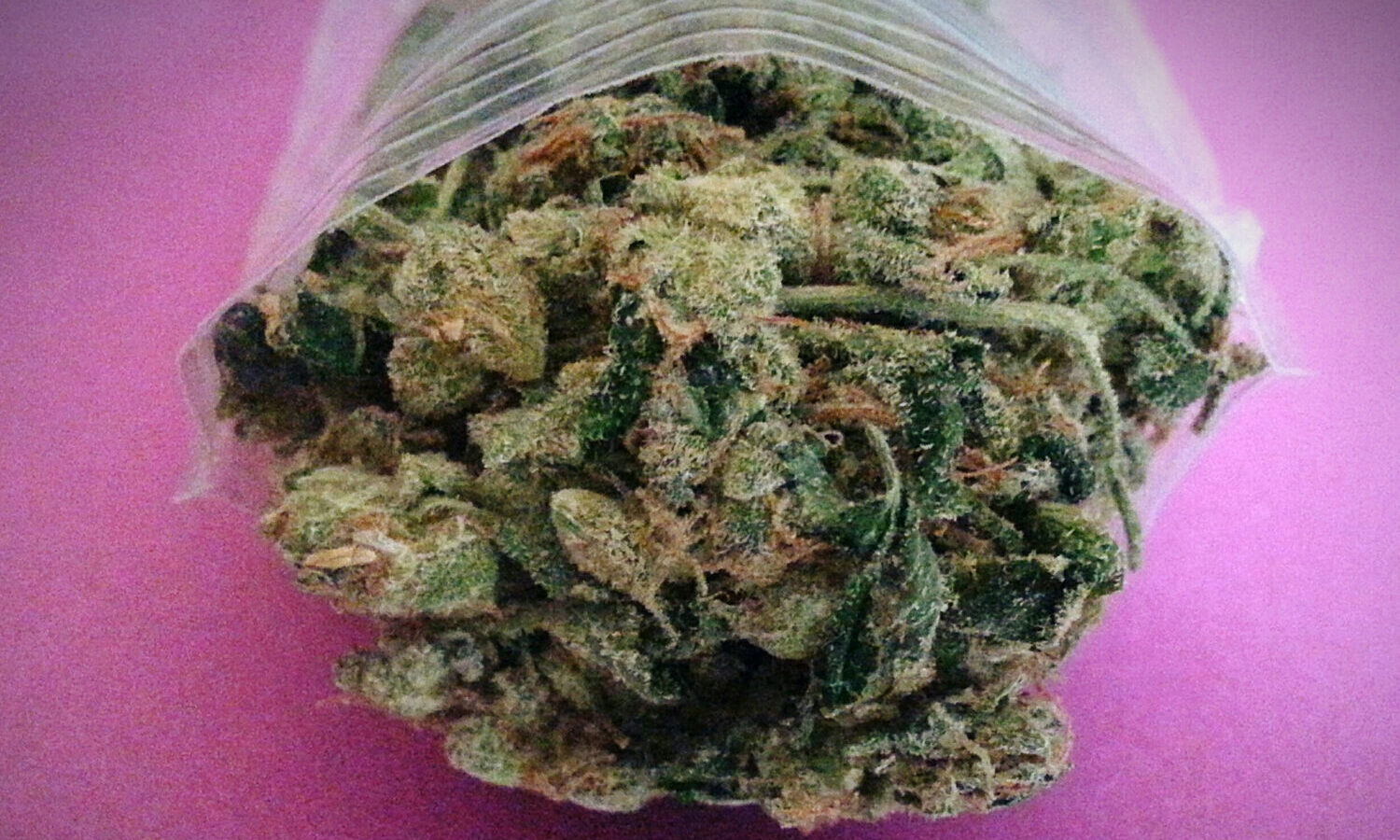
Strains of Kush weed have dense-looking buds that are small in size. It can have various colors, but most times they are deep green with a subtle purple shade on the leaves. The pistols on the plant can either be orange, bronze, or rusty in color when it’s time for the plant to be harvested.
FLAVOR
The flavors of various kush weed strains include:
Grape
Floral
Citrus
Earthy
Diesel
Herbaceous
Etc.
Varieties of Kush Weed
Kush weed is a common backcrossing choice for breeders because they have stabilizing features that help in hybrid genetics.
Several Indica-dominant hybrids can be traced to the Hindu Kush. Some breeders are working on producing pure Sativa Kush strains because they’re rarely found in circulation.
The most popular Hindu kush strains around the world include:
Of all the strains of Kush weed, the closest to the landrace original Hindu weed is the OG Kush. The OG is well recognized over the world for its intricate terpene attributes as well as its highly pleasant aroma. Nowadays, newer strains of kush weed are made from backcrossing OG kush with another strain of indica or Sativa cannabis.
Bottom Line
Almost a thousand strains of cannabis owe their existence to the amazing Hindu weed. With all this information, you have all you need to lecture another rookie on the detailed characteristics of the Kush weed. Also, now you know what to expect when you consume the spicy flavored kush weed, enjoy!