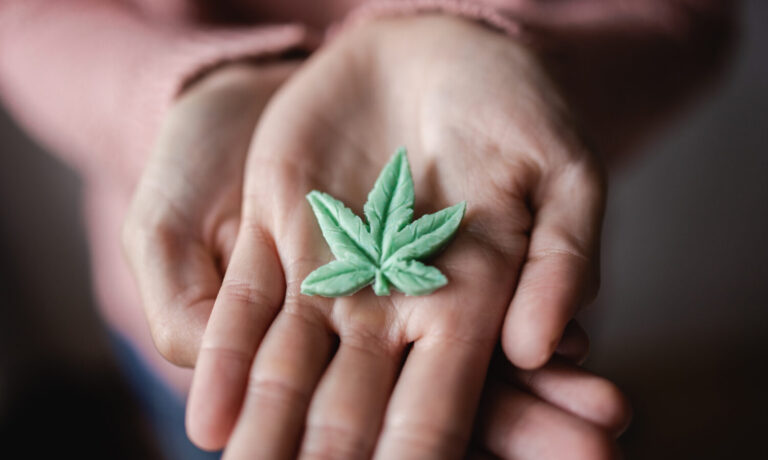
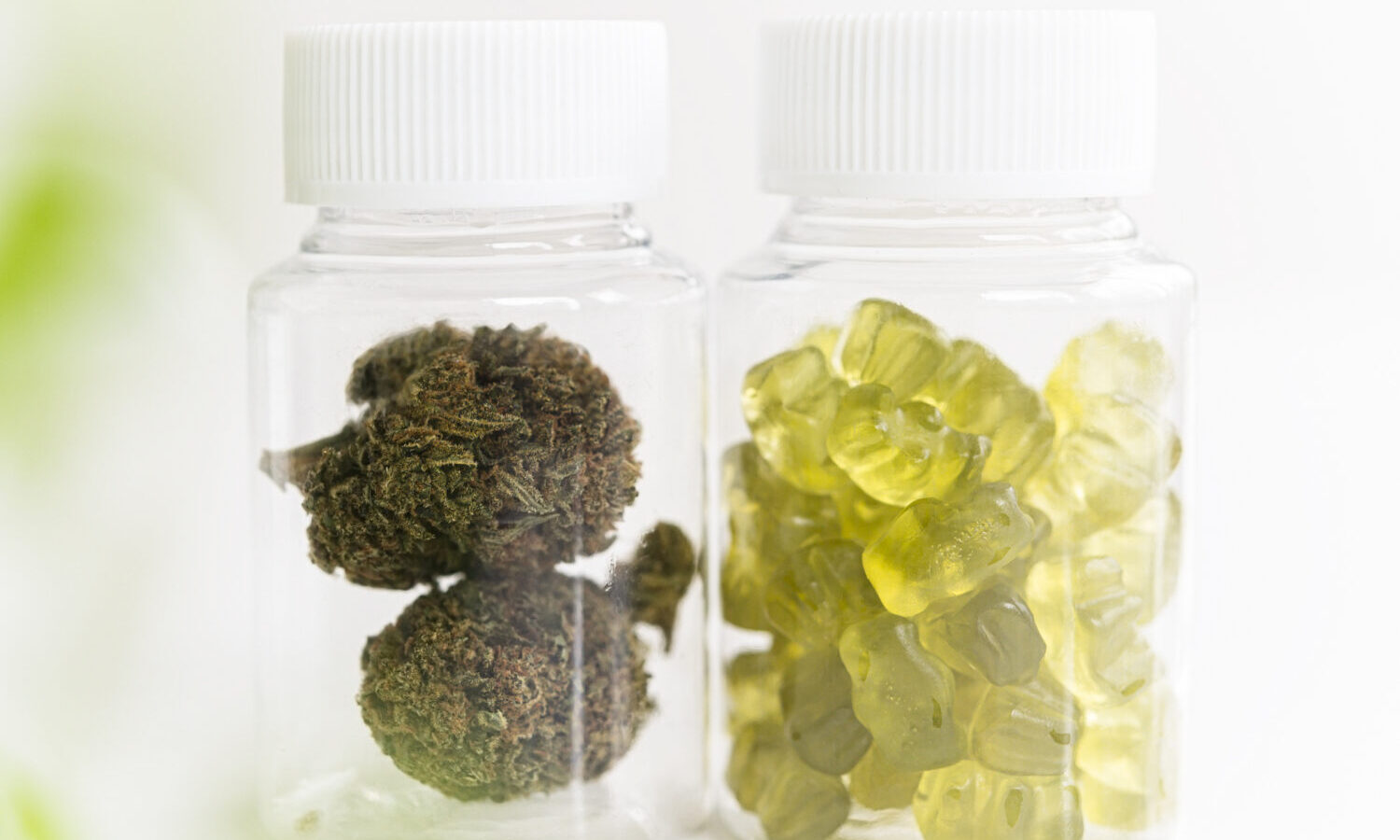
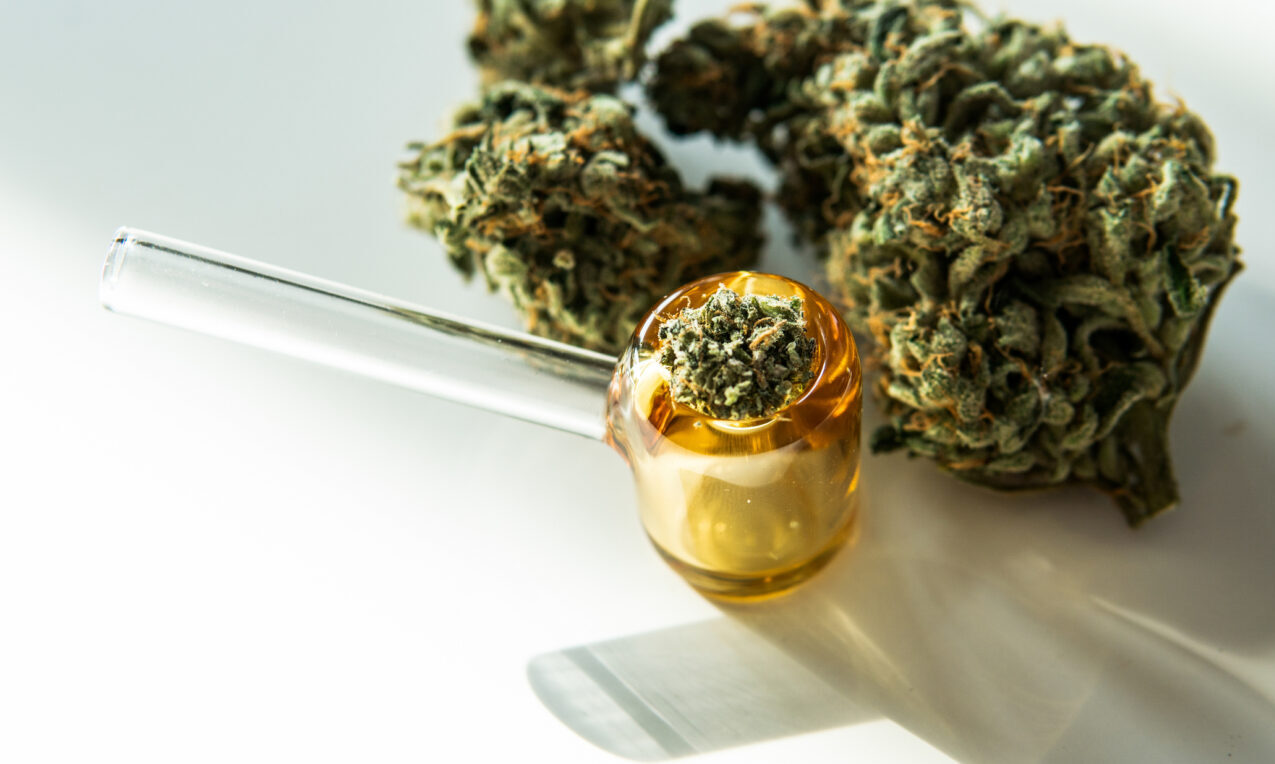
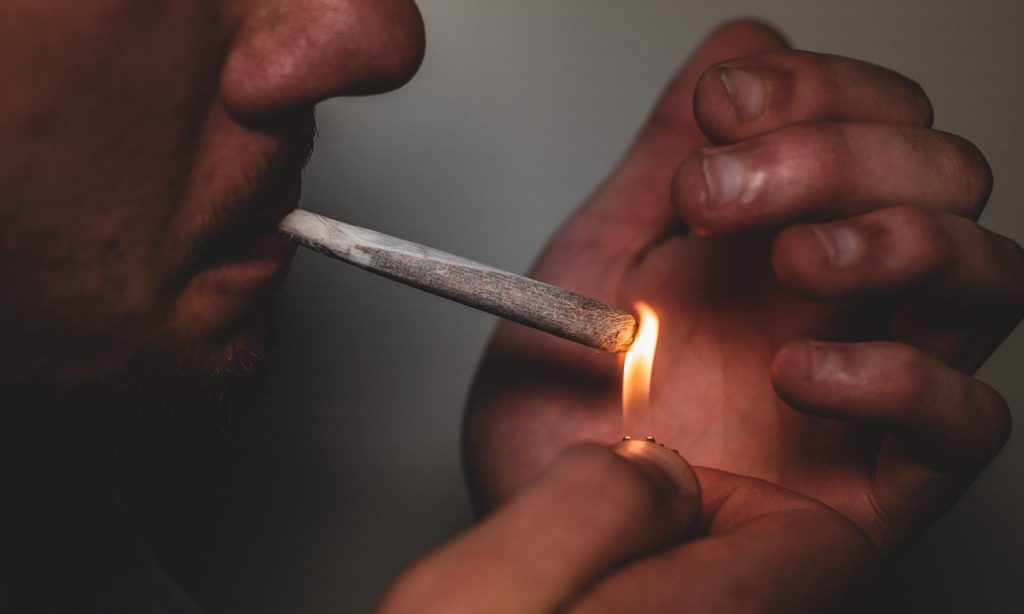
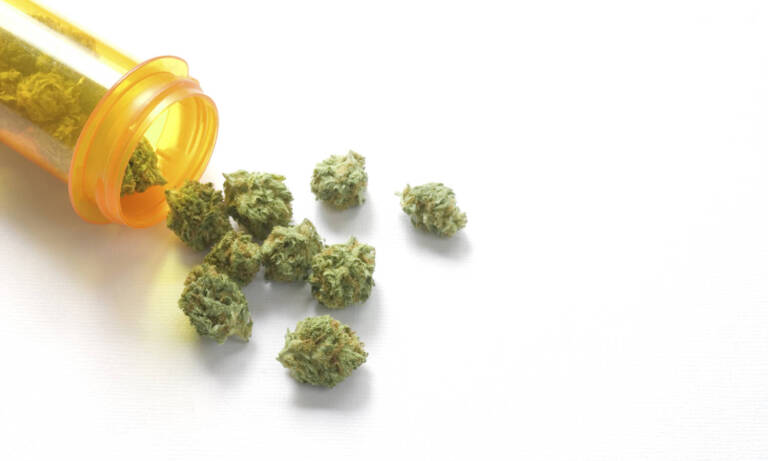
Consumers now have the liberty of choosing from so many products and methods of consumption that you can tailor your dose and experience just the way you like it.
Microdosing is a form of consuming drugs in such a way that you avoid getting extremely high. Once associated with psychedelic and hallucinogenic drugs such as magic mushrooms and LSD, more people have discovered the benefits of microdosing marijuana over the last few years. As opposed to macrodosing or getting as high as you possibly can, the point of microdosing is to enable the user to still stay productive and focused in a task.
There really is no right or wrong way to consume marijuana. Whether you prefer to microdose to up your creativity or medicate, or macrodose because you want to feel extremely relaxed or buzzed, it’s all down to personal preferences. There are also many ways you can consume marijuana these days — some are better suited for microdosing while others are best for macrodosing.
Photo by Jamie Grill/Getty Images
Microdosing Marijuana
A microdose of marijuana is considered between 1 to 2.5 mg of tetrahydrocannabinol (THC), the psychoactive substance of the plant. This is considered the minimum effective dose.
Microdosing small amounts such as these provide the user with the plant’s medicinal and therapeutic benefits without getting too high that you can no longer function. People microdose for many reasons.
General wellness and stress reduction: Studies show that microdosing marijuana is the most effective way to relieve stress and feel happier. Users experience a range of benefits when used for this purpose, such as an increase in physical and mental energy as well as improvements in clarity and focus — particularly when consuming sativa dominant strains. Microdosing indica dominant strains can better relax you at the end of a stressful day.
Medicinal benefits: Microdosing has been shown to be the ideal way to medicate for a variety of conditions. These include pain, migraines, insomnia, post-traumatic stress, Alzheimer’s, and much more.
Productivity: Many artists and creative professionals rely on microdosing to help them get work done. In fact, people in just about any kind of industry can benefit from microdosing cannabis. The right strains and products can enhance clarity and help you tick things off your to-do list. Anyone who has ever gotten too high at work can tell you that being too stoned can actually counter productivity; microdosing may be the answer especially if you also have medical conditions to treat but need to get things done.
Having said that, certain ways to medicate marijuana are more ideal for microdosing. These forms of consumption can help you take controlled, small dosages for your specific needs:
Edibles: buying edibles provides an exact way to get small doses. Edibles these days run the gamut when it comes to dosage, which is specifically indicated by the manufacturer in the packaging. You can choose from a variety of edibles that have already been pre-dosed including gummies, candies, chocolates, and even beverages. Edibles take longer to hit, usually 20 minutes to an hour or even more, but its effects can last for hours.
Tinctures: these herbal extracts are made by soaking up marijuana plant material in oils, vegetable glycerin, or alcohol. Tinctures are always made with dropper bottles, so depending on how high you want to get, you can opt for low-dose tinctures and customize your very own dose. Just place a drop or two of it under your tongue, and its effects can be felt within minutes.
Vape pen: Taking a small hit off a vape pen can give you a controlled dose. This method is ideal for microdosing only for those who know how vape pens work. You may accidentally take a very large puff and get much higher than you expected.
Macrodosing weed means taking enough weed to get you really high. For some, this can be as little as 10mg of THC while others with a higher tolerance require taking as much as 25mg of THC or even more.
People macrodose for many reasons: some medical patients need to take a significantly larger amount of THC to feel any relief from their pain or other conditions. There are also some people who simply enjoy being really blazed as they engage in activities such as playing video games, cooking, socializing, or simply unwinding.
Macrodosing marijuana can impact significant benefits aside from pain relief. Users can experience bliss, euphoria, empathy, mild hallucinations, color enhancement, and even depth distortion. To those who are new to taking such large amounts of THC, some anxiety, and paranoia so it’s best to be aware that your macrodosing trip can easily go sideways if you aren’t prepared. It is also not recommended to drive or operate any kind of machinery when you are macrodosing so be sure that you are in a safe setting where you can enjoy your high for several hours. A trip can be as long as 12 hours especially if you consume concentrates.
However, you can easily counter this by having some CBD with you; taking CBD can mitigate the effects of getting too high with THC.
Certain types of cannabis are made specifically for macrodosing. Cannabis concentrates are the perfect example. You can easily consume up to 90% of THC in just one hit, making it efficient to macrodose without having to smoke too much. Other ways you can macrodose include using a bong, smoking several puffs from a joint, or consuming edibles with a high amount of THC in them.
Conclusion
There are many benefits to both microdosing and macrodosing. As we said earlier, there’s no right or wrong way. Consumers now have the liberty of choosing from so many products and methods of consumption that you can tailor your dose and experience just the way you like it.
A new study found cannabis could help with lower COVID hospitalizations. According to the researchers “cannabis may actually lead to reduced disease severity and better outcomes despite a five-fold greater concomitant use of tobacco amongst cannabis users compared to non-users in our study population.”
Researchers aimed to assess whether cannabis users hospitalized for COVID-19 had improved outcomes compared to non-users.
The study published in the Journal of Cannabis Research showed that cannabis users had better outcomes, including a decreased need for ICU admission or mechanical ventilation.
“Cannabis users had significantly better outcomes compared to non-users as reflected in lower NIH scores (5.1 vs 6.0), shorter hospitalization (4 days vs 6 days), lower ICU admission rates (12% vs 31%), and less need for mechanical ventilation (6% vs 17%),” the study continued. “ICU admission was 12 percentage points lower and intubation rates were 6 percentage points lower in cannabis users.”
About The Study
The authors stated that “the better results could be due to the medicinal properties, including anti-inflammatory effects, of some cannabinoids.”
The researchers noted that the link between cannabis usage and better COVID outcomes makes sense.
“Out of the 1,831 COVID patients in the study, 69 patients reported active cannabis use, which was just 4% of the total patients,” the study, conducted at two California hospitals, stated. “It is important to point out that differences in overall survival were not statistically significant between cannabis users and non-users.”
Methods
The method used a retrospective analysis of patient data, which included comparing NIH COVID-19 Severity Scores, the need for supplemental oxygen, intensive care unit admission, mechanical ventilation, length of hospitalization, and in-hospital death for cannabis users and non-users.
“Given the diverse ways in which cannabis can be introduced into the body, our grouping of inhaled and ingested cannabis should introduce little variability to an already highly variable cohort of cannabis users,” the study explained about methods of consumption.
“Pooling all cannabis users, regardless of administration method, gives our study more power in analysis while minimizing the risk of overfitted data.”
Conclusions
The study concluded that “cannabis users were more likely to have lower levels of inflammatory markers at admission compared to non-users. This effect was sustained during their hospital course, with cannabis users continuing to have lower inflammatory markers compared to non-users.”
In addition, researchers said, “this is the first study looking at clinical outcomes of cannabis users hospitalized with COVID-19.”
However, the authors concluded that “further studies, including prospective analyses, will help to better understand the relationship between cannabis and COVID-19 outcomes.”
When it comes to consuming anything, whether we’re talking about food or drugs, it’s always good to do it in moderation.
We can all agree that when you abuse something, even if it’s cannabis, it will eventually become detrimental to your health and wellbeing. For some, there comes a point in time when they ask themselves, “Should I stop smoking weed?”
It’s an important question and, often times, on pro-cannabis threads, people who ask these types of questions are dismissed. There’s a sense of fanaticism within the cannabis culture that doesn’t help people who are earnestly seeking advice on these topics.
Being someone who has been smoking cannabis for more than two decades (on and sometimes off), I have spoken to my fair share of people who asked me that question. And so, I have decided to answer some of the more frequently asked questions on the topic in the following article. To do this, I always ask people to think about their motivations for wanting to stop or take a break from cannabis.
Photo by Cavan Images/Getty Images
I feel foggy, unmotivated when I’m smoking
If this resonates with you, then odds are that you’re smoking too much pot. Cannabis does help “take the edge off,” but it’s also not meant to be a permanent state of being.
Some might say, “You smoke weed every day!” to which I respond, sure, but I’m not “stoned all day”. I wake up early, do a bunch of work, and perhaps take a toke every now and then.
Maybe right after having spent several hours working I would take one or two tokes from some mild weed, get up and go for a walk, let go of the stress and then come back and eat some food, refuel and do some breath work or meditate or take a nap.
As you can see, this is using cannabis in a way that helps my day, but if you’re smoking bong rips first thing in the morning, you need to reexamine your relationship to cannabis and ask yourself, “Why do I need to get this f***ed up every morning?”
Understanding why you’d much rather be zonked to go through life would allow you to identify the issue you’re avoiding.
I’m not saying quit smoking weed; I’m saying, take a break and deal with the root cause of your relentless need to dull your baseline-awareness.
I feel guilty about smoking weed and lie to those around me
Another reason why you may want to quit smoking weed is because of guilt. This rings true for those who have to hide what they do due to “other people’s perception” of it.
Perhaps you live in your parent’s house and simply don’t have enough cash to get a place of your own. It happens. Here you’re pitted against two concepts: do I stay true to myself or bend to the will of others? Choosing either will feel terrible because this is a prime example of a “no-win situation,” especially if there is no possible way of budging the perception of the other party involved.
In these cases, quitting for a time may not be a bad idea, especially if you feel guilty about it. It’s either that or confessing to your parents about your use and simply ripping that scab wide open.
The way I see it — and this is entirely a personal opinion as my editor is going to label this blog post — is that ultimately you have to be true to yourself.
Guilt is not a way of life, and thus, you must either resolve it by fessing up to those around you and trust that you’ll be fine “eventually” or to quit until you can do it guiltlessly.
The other option is to simply accept the fact that you can’t ever satisfy everyone and ultimately the person who needs to be “okay” with what you do is you.
Just know one thing: whatever you do, it will affect those around you in one way or another.
I only smoke weed because everyone else does
If you don’t like something, don’t do it.
If you’re doing it because your friends do it and won’t accept you if you don’t, find better friends.
If this resonates with you, quit smoking weed immediately.
I got busted for pot and am on probation
I mean, if you’re smoking pot while on probation then you’re either the bravest most “zero-fucks-given” person on the planet or Jason Mendoza from The Good Place.
If it was me I’d not be smoking weed when I’m under the watchful eye of Johnny law. Weed is good, it’s a medicine, but freedom is better.
Sometimes you have to play the game to survive. iI you’re currently in a bind because of weed, take a year or two off. You have your entire life ahead of you to smoke as much weed as you want.
But for now, you need to lay low.
Here’s some general advice
When it comes to consuming anything, whether we’re talking about food or drugs, or even doing something like breathwork or going to the gym or anything of the sorts, it’s always good to do it in moderation. If you feel like you need to take a break from weed then give it a try. See how much you depend on it.
Newly published data shows that legal cannabis programs can curb the use of synthetic cannabis over time.
Synthetic cannabis is a problem for everyone, affecting those who are for and against cannabis legalization. While people who oppose legal cannabis are concerned with people’s health and with what remains unknown about cannabis, proponents of legal cannabis claim that these programs can curb the use of synthetic cannabis.
The findings were published in the journal Clinical Toxicology, which analyzed data from the National Poison Data System and discovered over 7,600 exposures to synthetic cannabis through the years 2016 to 2019. Researchers say that about 65% of users required medical attendance and recorded 61 deaths. Most importantly, state level medical cannabis programs were responsible for decreasing the use of synthetic cannabis over time.
Synthetic cannabis are man-made drugs with high toxicity levels, designed to produce the high of cannabis without the medicinal benefits. It has been linked with mental and physical damage and even the death of some users.
Researchers who conducted the study divided the data into three categories: permissive states, medical states, or restrictive states. States that experienced the most significant drop were permissive ones, with medical states following closely behind.
In an accompanying statement, the study’s authors said that these findings support what proponents of legal cannabis have been saying all along — having an option for legal cannabis put limitations on the black market and can result in healthier options for people.
“Based on both past research and this current study, it’s evident that users who have a choice to use a less toxic product would potentially do so,” said Tracy Klein, co-author of the study.
Synthetic cannabis is illegal in all states and is commonly known as Ak-47, K2, Spice, Scoobie Snacks, Mr. Nice Guy, and more alternate names. The drug produces a similar high to that of cannabis and is undetected in most standard drug tests, which is likely why there’s a market for it.
On August 4, a proposed initiative to legalize recreational marijuana was turned down by the State Board of Election Commissioners. The commissioners dismissed the amendment, with one of the main issues being the level of THC allowed in cannabis edibles. Now, THC levels are generating a new controversy over medical marijuana.
A federal lawsuit filed on July 12 in Little Rock, is now looking to use federal Racketeer Influenced and Corrupt Organizations (RICO) statutes, which were created to target organized crime. Arkansas is seeking to use RICO to go after medical marijuana suppliers in the state that allegedly sold cannabis with lower-than-advertised potency.
Pete Edwards, Don Plumlee and Jakie Hanan, the plaintiffs, argue that at some point they bought medical marijuana that had THC 25% lower than what was advertised, and, asked to be ruled a class action, reported wreg.com
Photo by Visivasnc/Getty Images
In addition, the plaintiffs argued that the marijuana business is subject to the federal RICO Act since large-scale marijuana production and sale is illegal under federal law.
“If successful, it could ultimately impact accessibility to medical marijuana in the state,” reported local media.
The lawsuit names California-based marijuana testing service Steep Hill, Inc. and its Arkansas subsidiary, Steep Hill Arkansas, the co-owners of Steep Hill Arkansas, Dr. Brandon Thorton and Brent Whittington, Osage Creek Cultivation, Bold Team LLC, and Natural State Medicinal.
Both industries have their own set of inflation problems, and their own ways of coping. What does this mean for the consumer?
If there are two things Americans can’t escape right now, it’s rising prices and the discussion of rising prices. There is no denying that inflation is dangerously high, with the most recent inflation rate at about 9.1% according toBloomberg. Still, not all areas of the economy are being affected in the same way. Take marijuana and alcohol, for example.
While the marijuana and alcohol industries have both been hit by rising costs and supply shortages, their prices are not growing at the same rate as many other consumer goods. In fact, marijuana prices are down. But as you look closer at these two industries you can see that just because their prices haven’t immediately skyrocketed does not mean there is no internal struggle. Both industries have their own set of inflation problems, and their own ways of coping.
One major difference between alcohol and marijuana is how it can be purchased and consumed. Marijuana is only legal in certain states, and must be purchased through a licensed recreational or medical dispensary. Alcohol, on the other hand, can be purchased and consumed in a myriad of ways. You can purchase it from the source (a vineyard or distillery), at a wholesale club, retail store, and at a bar or restaurant. All of these different methods of purchase have a different experience, and also a different price.
This wide variety of purchase methods makes alcohol affordable to pretty much all Americans, but rising costs has resulted in a decrease in some of the more expensive ways in which it is normally consumed. According to a poll by Morning Consult, “More than 8 in 10 respondents who say they’ve made adjustments are eating out at restaurants less often. Roughly three-quarters are going to bars less often.” This means that while the alcohol manufacturer may still be able to sell the same amount of product, certain aspects of the industry are suffering.
Many who might have had a few beers at a bar may be more likely to buy a 6-pack on sale at the store instead. This makes any price increases less obvious, since the consumer is likely left feeling like they have saved money when buying beer at a store rather than a bar, even if the price of their beer or wine they purchased has still gone up in price.
Even if alcohol sales have not plummeted as of yet, the cost of doing business is starting to trouble even the most successful alcohol manufacturers. This is not just an American issue either. Take the wildly popular international beer brand Heineken as an example. The brewer’s chief executive, Dolf van den Brink told The Financial Times that, “Across the board we are faced with crazy increases. There’s no model that can handle this kind of inflation.” They are not alone, with overall beer prices already up 4.3% throughout Europe, according to The Guardian.
Marijuana manufacturers, on the other hand, are having a different price problem. Marijuana must be purchased from a licensed dispensary, but increased competition in the legal market and illegal black market competition has made it difficult for companies to raise prices. As we have previously reported, “The cost of cannabis has been declining in many major markets for months, with consumers seeing prices per milligram trending down for most of the year.” As so many other prices rise and rise, the price of weed is getting more affordable.
This might seem like great news for the consumer, and for now it is, but eventually marijuana cultivators will have to pass the rising costs of business on to the consumer somehow. Since increasing prices is currently seen as too risky in the current marijuana market, many large companies have scaled back operations and even laid off parts of their workforce. This also means less variety of product at many stores. So while marijuana may appear to not be affected by inflation when you look at its shrinking prices, if you look deeper you will see the business at its core is struggling to grow.
Marijuana is still a new business, and it is enduring another test from the financial powers that be. Alcohol, on the other hand, has been through prohibitions, recessions and depressions before. This does not mean it does not struggle as much as other industries. It does mean it has a few tricks it has learned along the way, which in addition to being legal on a federal level, gives it a bit more wiggle room to set prices and grow in these times.
Regardless, both industries are reporting profits, maybe just not as much as expected. Perhaps more importantly, both alcohol and marijuana remain affordable for the consumer. That does not mean that one day one or both of these industries might have to raise prices in order to ensure they stay afloat and profitable.
Missouri’s Secretary of State Jay Ashcroft issued a certificate of sufficiency to the Legal Missouri 2022 campaign, formally placing the adult-use legalization initiative on the November ballot.
“I encourage Missourians to study and educate themselves on any ballot initiative,” Ashcroft said in a press release. “Initiative 2022-059 that voters will see on the November ballot is particularly lengthy and should be given careful consideration.”
The initiative submitted by Legal Missouri 2022, which would expand the current medical marijuana business program by allowing existing licensees to serve both medical and non-medical purchasers, received enough signatures in all eight congressional districts to be on the November 8 ballot.
Photo by FatCamera/Getty Images
Recreational Marijuana And Automatic Expungement
Alan Zagier, a spokesperson for Legal Missouri 2022 told Benzinga, “We’re very confident we’re going to make the ballot.”
John Payne, Legal Missouri 2022 campaign manager was also confident the initiative would make the ballot. “Having turned in nearly 400,000 signatures from Missourians who want to become the 20th state to regulate, tax, and legalize cannabis, we are confident about being on this November’s ballot.”
According to the proposed amendment, Missourians over 21 will be permitted to possess, consume, purchase and cultivate marijuana. A six percent sales tax would be put on the products, which could generate up to an estimated $40 million. That revenue would go to expungement costs, veterans’ services, drug addiction treatment and the public defender system.
The proposed measure would allow adults to possess (up to three ounces), purchase (from licensed retailers), and home-grow (up to six flowering plants, six immature plants, and six clones) limited quantities of cannabis. It also establishes a program to automatically review and expunge those with criminal records for non-violent marijuana-related marijuana offenses.
If the initiative passes in November, Missouri would set a precedent as the first state where voters initiated the automatic expungement of prior marijuana convictions.
A new study shows evidence of intermittent fasting, especially when limited to these hours.
A new study found an efficient way of losing weight. The research, published in JAMA International Medicine and conducted by researchers of the University of Alabama at Birmingham, found that one of the most efficient ways of losing weight was “early time-restricted eating (eTRE),” a method that limits people’s food intakes to certain hours of the day.
The clinical trial was randomized and conducted on 90 subjects that lived in the United States and had obesity. All participants were between the ages of 25 to 75, with a majority of women. It was conducted between the years 2018 and 2020.
Photo by Louis Hansel via Unsplash
The study found that participants who limited their eating to the hours of 7 am and 3 pm lost about 5 pounds more when compared to other participants. These participants also had lower blood pressure, with researchers concluding that the technique likely helped treat hypertension and obesity.
While it may sound extreme to consume foods only between the hours of 7 a.m. and 3 p.m., this technique is nothing new and is commonly known as intermittent fasting. Researchers claimed that if participants stuck to this schedule for 5 days a week, they still reported benefits.
Still, researchers claim the study had a limited scope, especially since it was only conducted on people with obesity. “Our study has a few limitations, including being modest in duration, enrolling mostly women, and not achieving our intended sample size, partly owing to the Covid-19 pandemic,” they wrote.
They plan on expanding the study to envelop a wider scope of people and to develop a clearer picture of intermittent fasting.
Aside from helping people lose weight, the practice helped treat subjects’ fatigue, depression, and made them feel more energized. While no one should make abrupt changes to their diet based on one study, the evidence joins a large body of work that highlights the strengths of intermittent fasting and of consuming meals at the right times.
There is no simple answer to this question. It essentially depends on your personal needs, your budget and your lifestyle.
It’s only been 15 years since the first vaporizer appeared on the market. But in that time, vaping has evolved into an $18 billion industry, and one that is predicted to grow tenfold by 2030. Vaping is predominantly associated with nicotine as a healthier alternative to cigarettes, but there is growing enthusiasm for vaping cannabis. This trend is expected to continue, especially as legalization continues to spread across both the USA and Europe.
Vape manufacturers are reacting accordingly, and there is a wider choice of vape pens on the market than ever before, many of which are aimed specifically or predominantly at cannabis consumers.
Basic principles
Before we get into the details of the different types of vaporizers on the market today, it’s worth taking a step back to understand the basic principles of vaping. A vape pen contains an element or coil that heats your cannabis and converts it into a vapor that you inhale. This differs from smoking cannabis where you instead use combustion, that is, you set fire to it and inhale the smoke.
Vaporization involves significantly lower temperatures than combustion, and research strongly indicates that this allows for more cannabinoids to be released. The result? A smoother flavor and potentially enhanced benefits for medical marijuana users.
It is also strongly indicated that, as with cigarettes, vaping cannabis is better for your health. There are fewer toxins and carcinogens in a cannabis joint that there are in a regular cigarette, but set fire to any plant material and compounds such as benzene, toluene and naphthalene will be released – not things you want to be inhaling if you can avoid it.
Clearly, then, there are compelling reasons you might want to consider vaping as a way of consuming cannabis, and we can see why the market is growing at a CAGR of around 30 percent. These are exciting times in the world of vaping and there is a wider choice of vape pens on the market than ever before.
CBD vape pens
CBD’s popularity has gone through the roof over recent years as more people have got wise to its therapeutic benefits. Vaping CBD is convenient, discreet and offers better bioavailability than other methods such as capsules or tinctures. A CBD vape pen typically consists of a tank for your CBD vape juice attached to a rechargeable thread battery. Small, sleek and unobtrusive, it is easy to slip into your pocket or handbag.
THC oil pens
Sometimes known as a weed pen, this is a simple but technologically innovative device that is made up of a battery that powers a heating coil to heat cannabis oil stored in a cartridge. CCELL have led the way in advancing these beyond the traditional “vape style pens” and creating devices that are more akin to fashion accessories.
As well as looking good, they are very user friendly, so are popular with those who are new to vaping. The DART was CCELL’s first system, and its unusual appearance – it is not much larger than a USB stick and similarly shaped – took the world by storm. Other models including BELLO, PALM and M3 have followed. Each has its own distinctive look.
However, there is more to these pod vapes than their appearance. The CCELLs use custom ceramic heating elements that give an optimal flavor, and high quality electrical components. They also have the benefit of being highly discreet – as well as being small, they produce minimal odor, so it is possible to use them in public without drawing attention to yourself.
Portable dry herb vape pods
Dry herb vaping allows you to enjoy your weed the way that nature intended but by vaporization instead of combustion. The major advantage here is that there are none of the solvents or mystery ingredients that you might worry about when using vape juice or concentrates – it’s just weed and nothing else.
This type of vaporizer is like a tiny oven that heats up your weed to just the right temperature by either convection or conduction. Dry herbs vaporize at a lower temperature than concentrates, delivering what many people feel is a cleaner and more natural flavor.
Dry herb vape pods have advanced in leaps and bounds over the past couple of years. Innovative products like the Daypipe are as sleek and stylish as the latest oil pods, and they offer amazing convenience. That particular model, for example, allows you to chamber eight separate 0.2g bowls of weed that you can then enjoy throughout the day or night as you wish – no hassle and no mess.
A dry herb pod does need to be kept clean, but this is not a major undertaking with the latest models and only takes a couple of minutes of your time.
Desktop vaporizers
These monsters could not be more different to the small and discreet pods we have considered so far. They use convection to heat either concentrates or dry herbs, depending on the type. Desktop vapes have been around for years, but the latest models such as the Volcano include up-to-the-minute tech such as an app by which to operate them from your smartphone.
They nevertheless look somewhat archaic beside the latest pods, but still, desktop vapes have their place. There’s no substitute if you wish to vape socially with others, and the fact that they are mains operated means they are mighty powerful and can keep going for as long as you want.
Which is right for you?
It should be clear by now that there is no simple answer to this question. It essentially depends on your personal needs, your budget and your lifestyle.
Most medicinal and recreational users will opt for the pod-style vapes as they are so convenient and there are dozens of styles to look through. However, if consuming cannabis is a highlight of your social interactions, then it’s definitely worth trying out a desktop vape for the extra enjoyment that a shared experience can bring.
Our environment and the decisions we make in our daily life can impact our ECS in remarkable ways, giving us the power to improve our wellbeing naturally.
According to experts in cannabis wellness, there are 15 factors that can impact your cannabis experience. In some ways, your unique endocannabinoid system (ECS) may be the most important factor impacting your cannabis experience.
In this article, we will present a clear breakdown of the ECS; we will explore how this remarkable system bridges the body and mind; and we will discuss different ways you can impact your ECS to improve your health and wellbeing.
Your Unique Endocannabinoid System
Did you know that your ECS is unique? If you have ever tried a cannabis product that helps your friend relax and refresh, but when you take it you feel energized and uplifted, that may be because your ECS is different from your friend’s.
Not only is there genetic variation in the human ECS, but also the decisions you make in your day-to-day life can influence your individual ECS. For example, your diet, stress levels, sleep, and exercise can change your endocannabinoid tone.
Endocannabinoid (eCB) tone refers to the overall state of your ECS. Specifically, eCB tone reflects the levels of eCBs, their synthesis and catabolism, and “the relative density of cannabinoid receptors in the brain.”
What Does the Endocannabinoid System Do?
The primary function of the ECS in organisms is to maintain homeostasis, or to maintain stability in an organism’s internal environment in response to changes in the external environment. The homeostatic role of the ECS is summarized as, “relax, eat, sleep, forget, and protect.” Additionally, the ECS plays an important role in regulating cell division, neuroplasticity, metabolism, pain, emotional memory, inflammation, and immune processes.
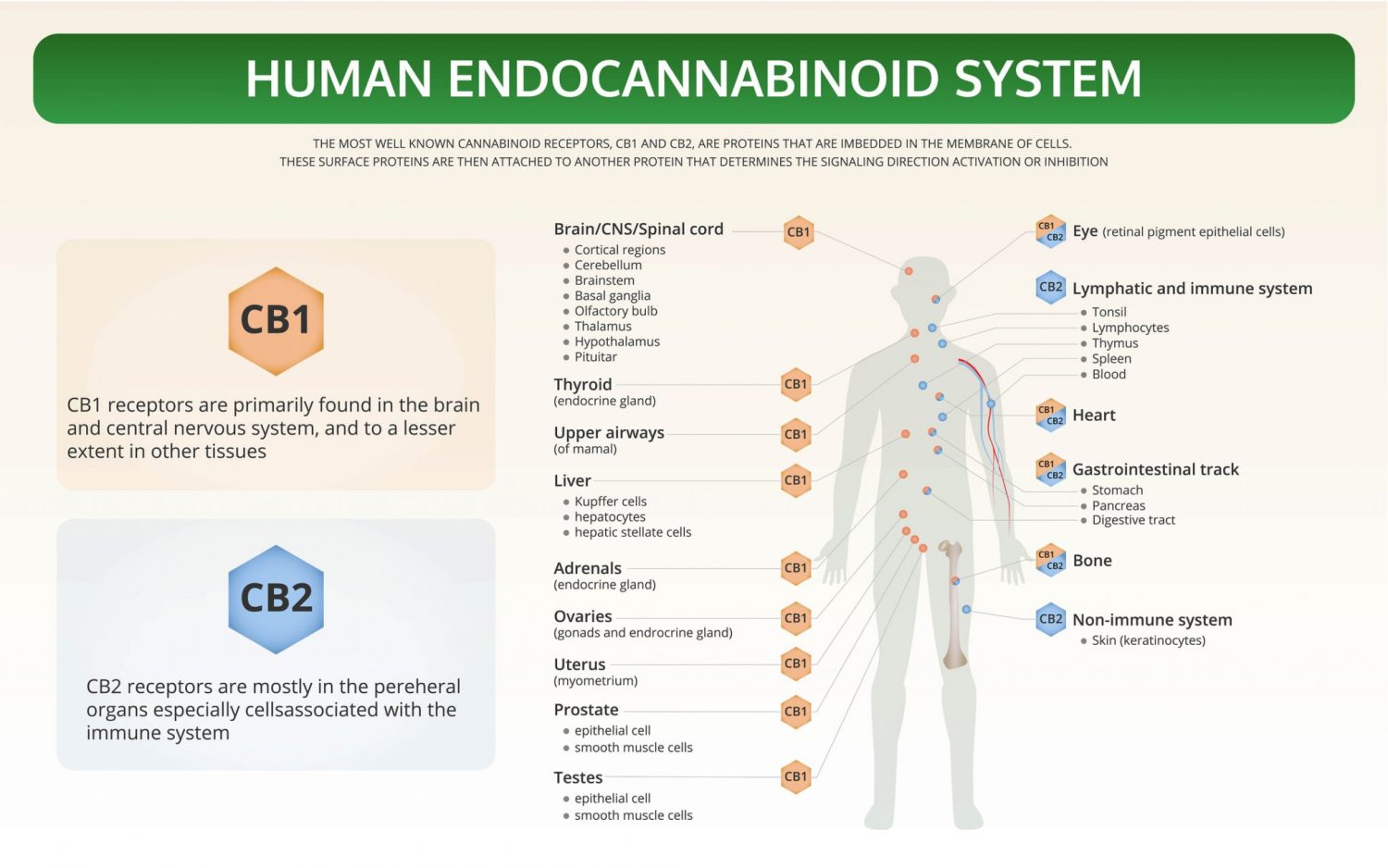
In humans, the ECS is made up of the type 1 cannabinoid receptor (CB1) and the type 2 cannabinoid receptor (CB2), the endogenous ligands (AEA and 2-AG) that are also known as eCBs, and the enzymes that produce and degrade the ligands.
Ligands are signaling molecules that bind to receptors on cells. When a ligand binds to a receptor on a cell, it produces an effect in the cell. Usually receptors only accept one (or a few) specific ligands. The eCBs 2-AG and AEA are found “in all tissues, organs and bodily fluids thus far investigated.”
Both eCBs activate the CB1 and CB2 receptors, as well as the vanilloid receptor (TRPV1), which plays a role in sensing temperature and pain. CB1 and CB2 receptors are part of the superfamily of “G-protein coupled receptors,” which means they are proteins in the membranes of cells used to convert extracellular signals into intracellular responses.
CB1 receptors are found on neurons throughout the brain and the peripheral nervous system, as well as in muscle tissue, bone, and variety of other tissue types. CB2 receptors are primarily found on immune cells, although they are also found on bone and liver cells, as well on neurons in the brain and peripheral nervous system.
What Are Endocannabinoids?
While CB receptors are composed of proteins, eCBs are lipids. Lipids are organic compounds that don’t dissolve in water (fats and oils). As a result, the ECS can be described as a “complex network where endogenous bioactive lipid signals are produced by cells and released ‘on demand’.”
As we discussed, eCBs are ligands to the CB receptors. The eCB 2-AG is a “moderate affinity, CB1/CB2 full agonist”, while AEA is a “high affinity, CB1-selective partial agonist” and a low affinity, CB2 partial agonist. In biology or biophysics, affinity refers to the strength by which two or more molecules bind. High affinity means a strong molecular interaction.
When a ligand activates a receptor to produce a cellular response, it is called an agonist of that receptor. When a ligand binds to a receptor, does not produce a cellular response, and blocks agonists from binding, it is called an antagonist.
AEA is a partial agonist of CB1 and CB2, which means that AEA can activate the CB receptors, but is unable to “induce maximal activation.” 2-AG is a full agonist of CB1 and CB2 receptors, so it can induce maximal activation of both receptors.
2-AG and AEA are released when an organism needs them (“on demand”), but the eCBs are rapidly broken down after they activate CB1 or CB2. As a result, eCB concentration is determined by the rate at which the enzymes break them down. AEA is catabolized by the enzyme FAAH, and 2-AG is catabolized by the enzyme MAGL, as well as other enzymes.
What is the Endocannabinoidome?
Scientists have found a variety of “CB1 receptor interacting peptides and a series of arachidonic acid derivates that generate endocannabinoid-like effects”, as well respective receptors and enzymes for these molecules. This expanded ECS is called the endocannabinoidome (eCBome).
Recent research indicates that the non-euphoric effects of cannabinoids like CBD or THCV are due to their interactions with the eCBome.
How Does the Endocannabinoid System Work?
How does the ECS maintain homeostasis in an organism?
You can think of the ECS as “a lipid-signaling system…that modulates neurotransmitter release.” When eCBs (or exogenous cannabinoids) bind to CB receptors on neurons, the release of that neurotransmitter is suppressed. For example, if eCBs attach to a GABAergic neuron, the release of GABA will be suppressed.
Why Does THC Get You High?
Cannabis contains a wide variety of chemical compounds including hundreds of cannabinoids, terpenes, flavonoids, and other compounds. Many of these compounds exert complex biological effects. However, THC is the primary intoxicating cannabinoid in cannabis. But why does THC get you high?
THC mimics the eCBs in your body and binds to CB1 receptors in your brain, creating a euphoric effect. Researchers have found that the expression of CB1 receptors in the brain “correlates with the psychoactive effects of cannabis.”
Specifically, CB1 receptors are found in areas of the brain related to “appetite, memory, fear extinction, motor responses, and posture,” all of which are affected by THC. CB1 receptors are concentrated primarily on presynaptic terminals of GABAergic and glutamatergic neurons in the brain. GABA is the primary inhibitory neurotransmitter and glutamate is the primary excitatory neurotransmitter, and their balance determines the brain’s overall level of excitation.
Photo by Feodora Chiosea/Getty Images
The Evolution of the ECS
Scientists have determined that the ECS has ancient evolutionary roots. Cannabinoid receptors are found in “mammals, birds, amphibians, fish, sea urchins, mollusks, leeches, and Hydra vulgaris,” which has the simplest nervous system of any known organism. Insects and protozoa do not have an ECS.
Genetic researchers have traced back the diverse cannabinoid (CB) receptor genes to one ancestral CB gene that predates the divergence of vertebrates and invertebrates. As a result, the “primordial CB receptor” evolved at least 600 million years ago, around the time of the Cambrian explosion. Now that we have a solid understanding of the ECS, we can explore how genes, environment, and actions may impact your ECS—and also your cannabis experience.
Do Genes Affect Your Cannabis Experience?
A 2018 literature review titled “Pharmacogenetics of Cannabinoids” notes that a “patient’s response to cannabinoid treatment may have a genetic background, which depends on gene polymorphism involved in the action, metabolism, and the transport of these substances in the organism.”
Pharmacogenetics is a field of study that tries to determine why individuals experience variable responses to the same drug. For example, some people are unable to feel the effects of edibles even when they eat very high doses of THC.
Studies have shown that two people can have completely different levels of THC metabolites if one of them produces a certain form of an enzyme. The enzyme is called CPY2C9 and it comes in different forms depending on which variant of the CPY2C9 gene one has. A rare subtype of this gene produces a variant of the enzyme that metabolizes THC faster than normal, making it exceedingly difficult for these individuals to feel the effects of edibles.
However, cannabis can be taken through a variety of ingestion methods, so you can still get wellness benefits from cannabis even if edibles don’t work for you. Individuals with this genetic variant will still feel the effects of inhaled cannabinoids.
In the next section, we will explore some controversial findings regarding genetic variations in the human ECS.
What Do My Endocannabinoid Genes Mean?
Many gene testing services can tell you which ECS gene variants you carry. Genes are sequences of nucleotides in DNA that encode the synthesis of a gene product, which is either RNA or protein.
Genes can acquire mutations in their sequence, which are called variants. Variants can encode slightly different versions of a protein.
Two widely studied gene variants in the ECS are the CNR1 gene, which encodes the CB1 receptor, and the FAAH gene, which encodes the enzyme FAAH. As discussed, FAAH breaks down the eCB AEA. People with gene variants of CNR1 or FAAH will have slightly different versions of the CB1 receptor or the enzyme FAAH. In recent years, researchers have been trying to link these genetic variants to different disorders or phenotypes.
For example, researchers have studied a CB1 polymorphism in humans and associated it with a “protective effect…against stress-related” disorders like depression or PTSD. A 2015 New York Times article titled “The Feel Good Gene” discussed a genetic variation of the FAAH gene that results in people having lower levels of FAAH. Less FAAH breaking down AEA means increased levels of AEA.
In animal studies, mice genetically engineered to have this gene display lower levels of anxiety behavior and decreased “fear learning.”
It is important to note that the New York Times article draws some dubious conclusions. The article claims that people with this genetic variant are lucky because they are resistant to anxiety, more easily able to forget fearful experiences, and thus will be less likely to be addicts. However, other studies have shown the opposite: that this genetic variant is associated with “increased risk for addiction” in humans.
In reality, numerous studies have indicated that environment trumps genetics when it comes to addiction, mental health, and disease. If you have taken a genetic test and determined which ECS gene variants you have, you should consider it to be interesting data, not something that determines your life or future.
Photo by RODNAE Productions via Pexels
Rare Genetic Variations of the ECS
In some rare cases, genetic variation in the ECS produces remarkable situations. For example, researchers studied a woman who experienced no pain while giving birth and who had never experienced anxiety. She reported frequently burning herself without pain, only noticing when she smelled her burning skin, but healing rapidly and without scars. Additionally, she reported never panicking, even in dangerous or fearful situations.
She had a gene that produces a variant of FAAH that is less effective than normal, increasing levels of AEA. However, researchers also discovered she had a rare mutation in a “pseudogene” they called FAAH-OUT. The combined effect was a “loss of function of FAAH in the patient.”
Her remarkable inability to feel pain was thought to be related to her increased levels of AEA, which led to increased signaling at CB1 receptors. As for her lack of anxiety, physical and emotional pain are distinct, but brain regions that process emotional and physical pain overlap.
In the next section, we will dive into the ways your environment, emotional state, and actions can impact your ECS—for better or for worse.
How the ECS Links Your Body and Mind
One of the most important functions of the ECS in mammals is to return an organism to homeostasis after stress. Essentially, stress (including psychological stress) affects your ECS. In short, stress impacts your ECS and your ECS impacts your stress response. That’s why researchers believe the ECS “represents a microcosm of…mind-body medicine.”
When mammals experience stress, they have increased activity in the hypothalamic-pituitary-adrenal axis (HPA axis). The hypothalamus is a gland in the brain that is involved in hormonal responses and controls the activity of the pituitary gland, which secretes hormones into the bloodstream. In general, the HPA axis serves to mobilize a response to stress. The amygdala is another brain region involved in stress, particularly a section called the basolateral amygdala (BLA). The amygdala is one of two almond shaped clusters deep in the brain that govern the fear response.
The amygdala is the primary gateway through which sensory information is converted into an emotional response. Sensory information enters the BLA, where it is processed before it is sent out to the emotional processing portion of the brain. As a result, a mammal’s emotional arousal is thought to be governed by how sensory information is processed in the BLA.
Researchers have studied the role of the ECS in stress-induced anxiety. They found that if you disrupt eCB signaling in the amygdala, either through genetic modification or with a drug, the effects will mirror stress-induced anxiety.
They injected a CB1 antagonist (blocks eCBs from activating CB1 receptors) into the BLA of rats. Blocking CB1 receptors in the BLA caused an increase in HPA activation, a spike in anxiety behaviors, and a decline in fear extinction. Fear extinction is the ability to forget fearful memories, and “deficits in extinction learning are the hallmark of human anxiety disorders.”
The researchers concluded that “eCB signaling in BLA constrains activation of the stress response and anxiety.” Specifically, CB1 activation inhibits HPA axis activation, which decreases stress and anxiety. They also determined that “collapse of endocannabinoid signaling in the amygdala underlies stress-induced anxiety.”
How Stress Impairs the Endocannabinoid System and How to Fix It
When a mammal experiences stress, the HPA axis is activated and stress hormones are released. Additionally, FAAH is activated, rapidly breaking down AEA in a variety of regions in the brain, including the amygdala.
Less AEA results in less CB1 signaling on glutamatergic (Glu) neurons in the BLA. Less CB1 signaling on Glu neurons means that more glutamate is released, increasing excitation in the amygdala. A negative feedback loop is triggered when there is a “hypersecretion” of cortisol (excess secretion), which triggers “on demand” synthesis of eCBs. The eCBs activate CB1 receptors on Glu neurons and diminish or suppress the output of Glu, returning the organism to homeostasis.
After an acute stress, “AEA-CB1 signaling [in the BLA] becomes particularly important in the mitigation of stress-induced anxiety.” Chronic stress alters the ECS and causes a downregulation of CB1 receptors in the brain, decreased levels of eCBs, and impaired eCB signaling. As a result, neurons have less eCB signaling on CB1 receptors and neuronal excitability goes up.
Researchers have found that “prolonged psychological stress and sleep deprivation…inactivate BLA AEA-CB1 signals.” So, if you have ever found yourself feeling cranky or a little anxious due to sleep deprivation, it might be because eCB signaling in your BLA is temporarily impaired.
Stress management and a variety of other activities may reverse the effects of chronic stress on eCB signaling. For example, mice given access to a running wheel recover chronic stress induced deficits to their ECS. Additionally, “clinical anecdotes suggest that stress-reduction techniques, such as meditation, yoga, and deep breathing exercises impart mild cannabimimetic effects.”
How Exercise Boosts Your ECS
Many of the benefits of exercise are related to its effects on your ECS. For example, the famous “runner’s high” has been found to be caused by eCBs rather than endorphins.
Essentially, exercise acts as a stressor that activates the HPA axis and the ECS, elevating levels of eCBs and increasing CB1 signaling.
Exercise produces different effects in different regions of the brain. For example, exercise increases CB1 signaling in the hippocampus, which is how exercise affects motivation, memory, and neuroplasticity. The hippocampus is a part of the brain that plays a role in memory formation.
In animal studies, exercise has been found to increase reward signaling in the brain, decrease stress, and increase fear extinction. Exercise produces these benefits by impacting the hypothalamus.
Specifically, exercise increases levels of AEA in the hypothalamus, increases HPA activation, and increases CB1 and dopamine signaling.
Different types of exercise, or exercising in different conditions, may produce different effects on the ECS. For example, strenuous hiking at high altitude significantly increases serum AEA from baseline, more so than strenuous hiking at normal altitude.
Photo by Bruno Nascimento via Unsplash
How Your Actions Impact Your ECS
Your daily decisions can impact your ECS in a variety of ways.
For example, when you use high doses of cannabis regularly, you build up a tolerance that is largely due to your brain decreasing expression of CB1 receptors, so there are less CB1 receptors to which THC can bind.
There are a variety of activities other than exercise that have been shown to positively impact your ECS. For example, massages have been shown to increase serum AEA by 168%, while singing in a choir was found to increase serum AEA by 42%.
In animal studies, social play enhanced CB1 activation in the amygdala and nucleus accumbens, a part of your brain involved in reward and motivation. As we established, enhanced CB1 signaling in the amygdala is associated with lower anxiety. Remarkably, this mechanism (enhanced CB1 signaling in the amygdala) may be one of the reasons ice baths and cold exposure is associated with mental health benefits.
How Cold Affects the ECS
Many prominent figures from former Twitter CEO Jack Dorsey to Lady Gaga have touted the mental health benefits of cold-water exposure, as popularized by Wim Hof. Please note that cold exposure is a significant stress on the body and can be dangerous. We are not discussing the treatment of any stress or anxiety disorders. The information below is for educational purposes, is based on animal studies, and is not meant to be prescriptive of what one should do. Please consult your doctor before making any changes to your lifestyle or routine.
A recent study sheds light on the remarkable way that cold alters the ECS. A group of researchers observed that exposing rats to cold led to a significant reduction in anxiety and depressive behaviors. Given the evidence that eCB signaling in the amygdala gates the stress and anxiety response, they hypothesized that cold might alter eCB signaling in this region of the brain.
Remarkably, they found that one hour of cold exposure led to a 40% increase in density of CB1 receptors in the amygdala. The researchers concluded that this effect may be responsible for the dramatic decrease in stress and anxiety behaviors they observed following cold exposure.
How Cannabis Impacts Your ECS
Cannabis can have either a stimulating or a suppressive effect on your ECS. Cannabis and cannabis products are “complex polypharmaceuticals, consisting of dozens of cannabinoids, as well as terpenes, flavonoids, and other compounds.”
Acute cannabis exposure may “kickstart” the ECS by increasing CB1 receptor density, increasing sensitivity of CB1 receptors to cannabinoids, and increasing AEA biosynthesis. However, chronic, high dosing of THC produces the opposite effect. CB1 receptors are downregulated, and tolerance goes up. The dividing line between “acute” and “chronic” cannabis use is a grey zone and likely differs among individuals.
However, cannabis is not just THC, and different compounds in cannabis have distinct effects. For example, CBD boosts neurogenesis (generation of new neurons) in the hippocampus. Adding CBD to THC enhances CB1 expression in the hippocampus and hypothalamus. Additionally, CBD has been shown to inhibit “the cellular uptake of AEA and its breakdown by FAAH,” increasing AEA signaling. CBG is also a relatively potent inhibitor of AEA cellular reuptake.
In conclusion, the ECS is a complex system that is critically important for our wellbeing. Our environment and the decisions we make in our daily life can impact our ECS in remarkable ways, giving us the power to improve our wellbeing naturally. We hope this article has inspired you to get started on your cannabis wellness journey and harness the power of your unique ECS.
Sam is the content Director at Jointly, a cannabis wellness company powered by a proprietary data platform to help people reach their full potential. The company was created on the premise that purposeful cannabis consumption is the key to unlocking a better you.