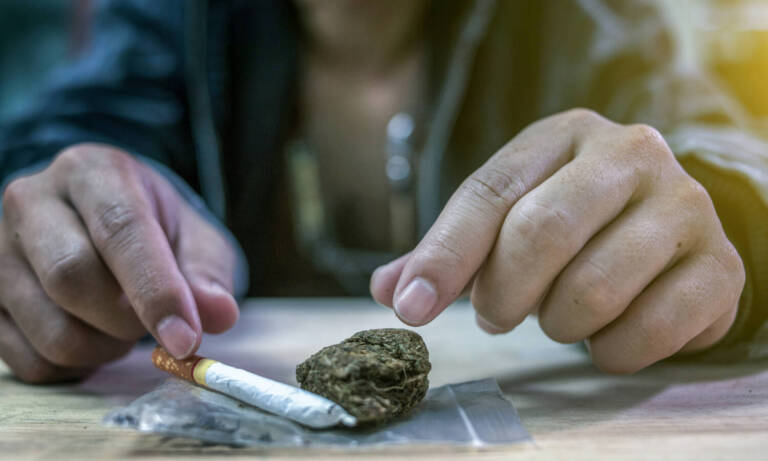
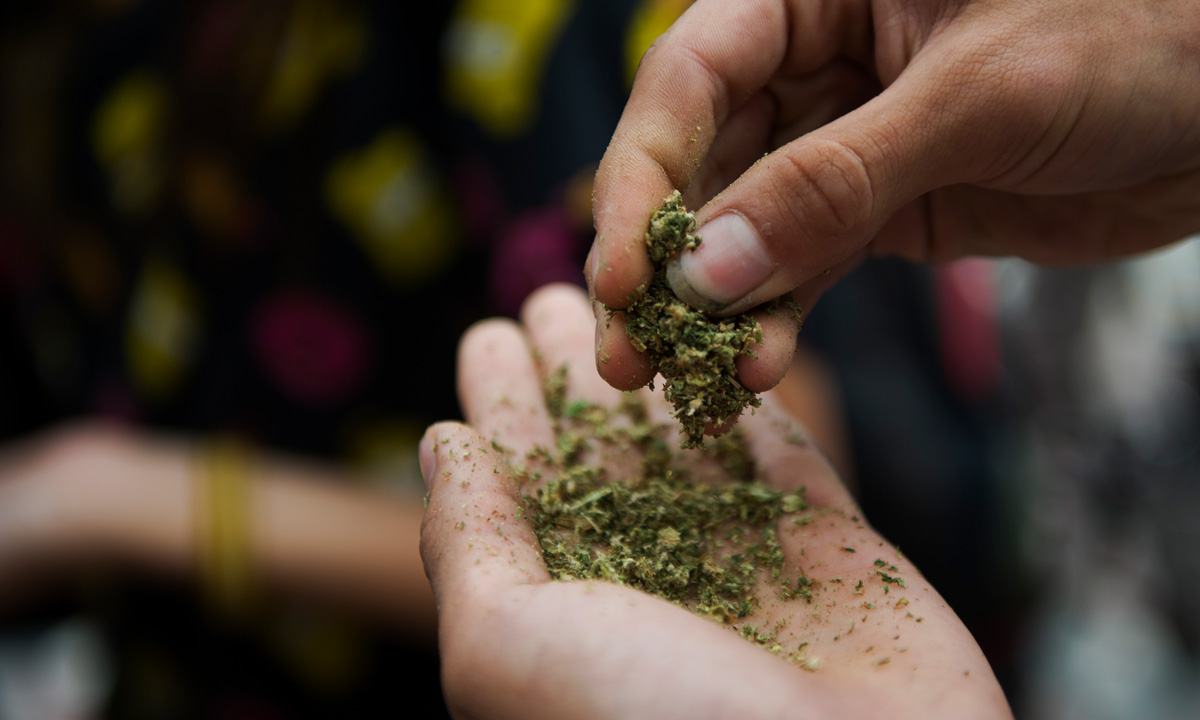
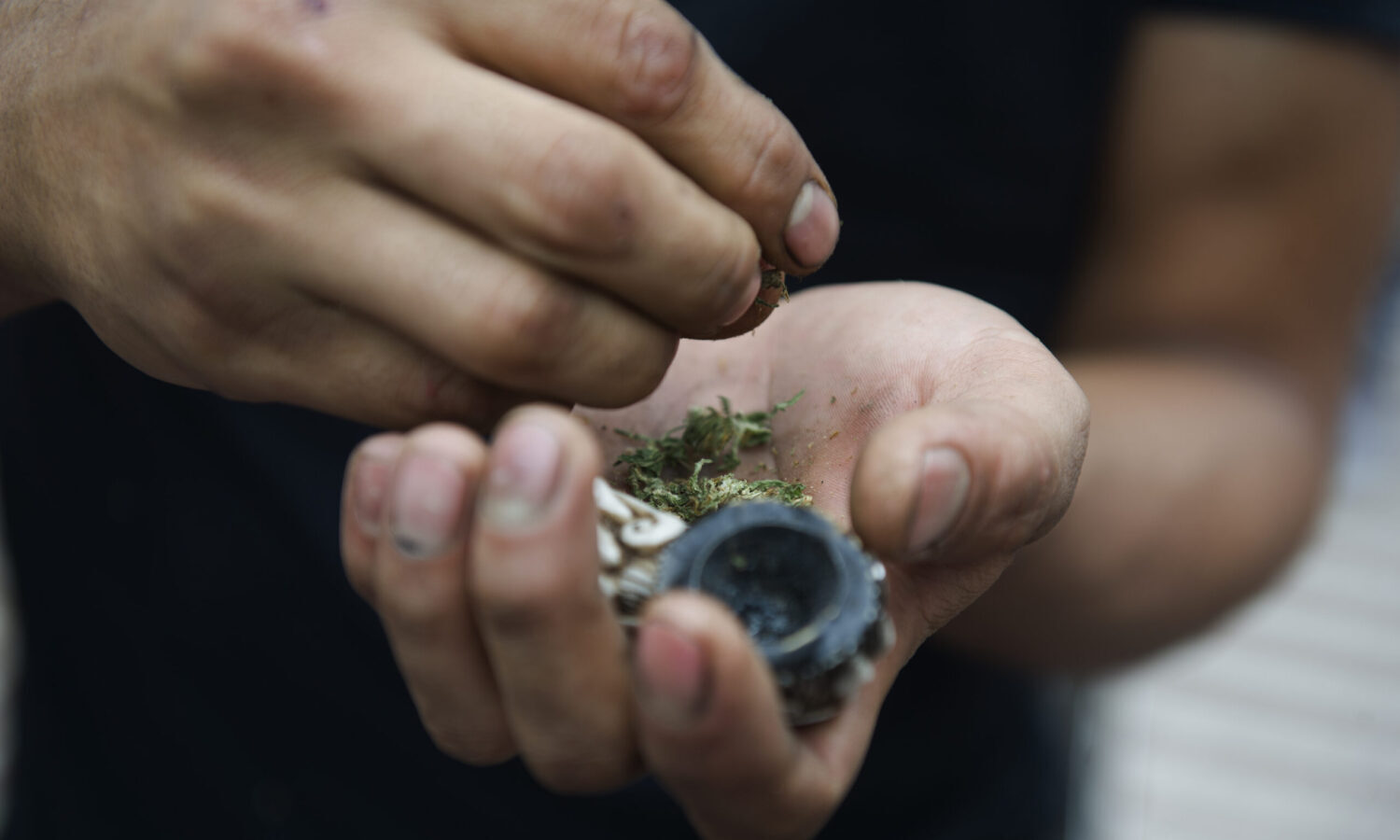
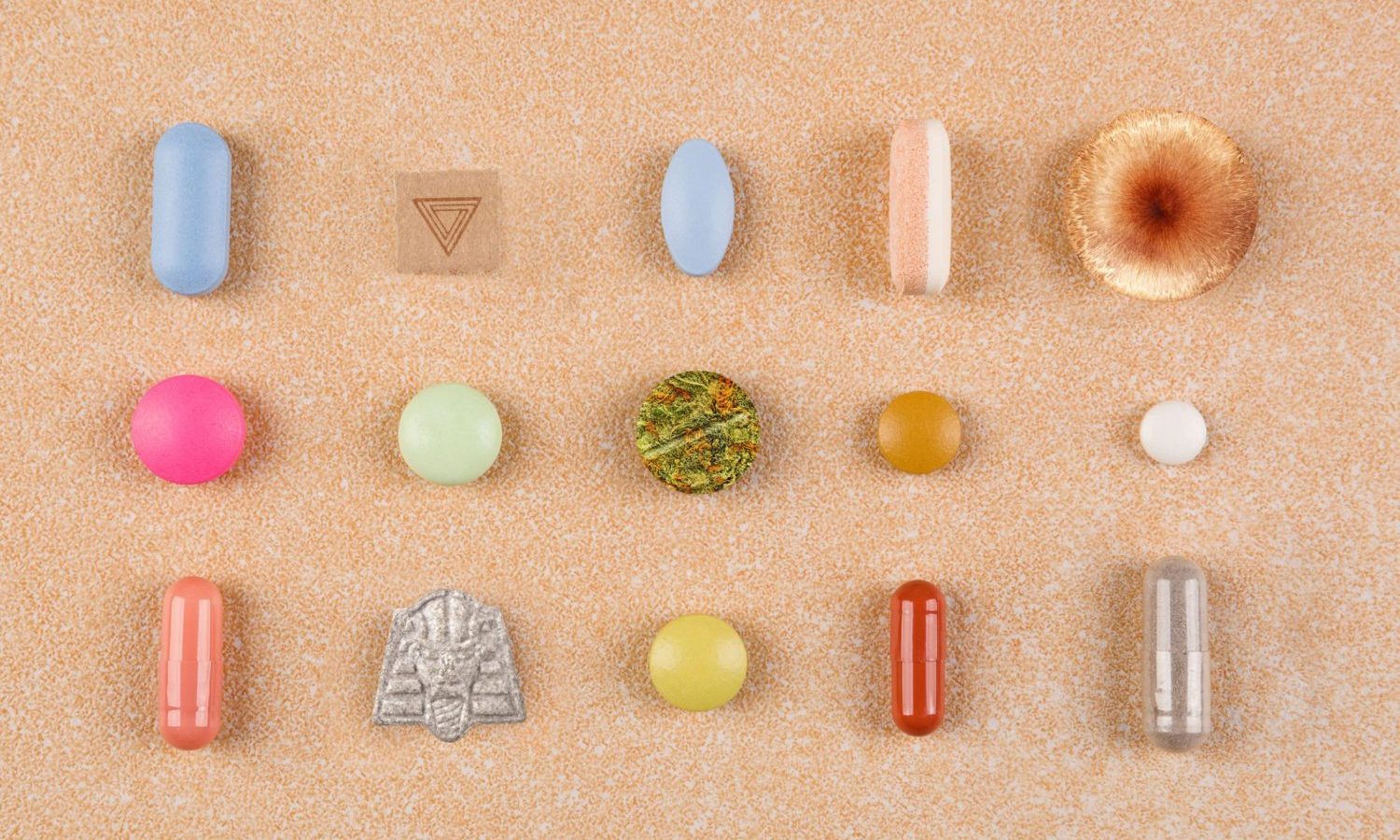
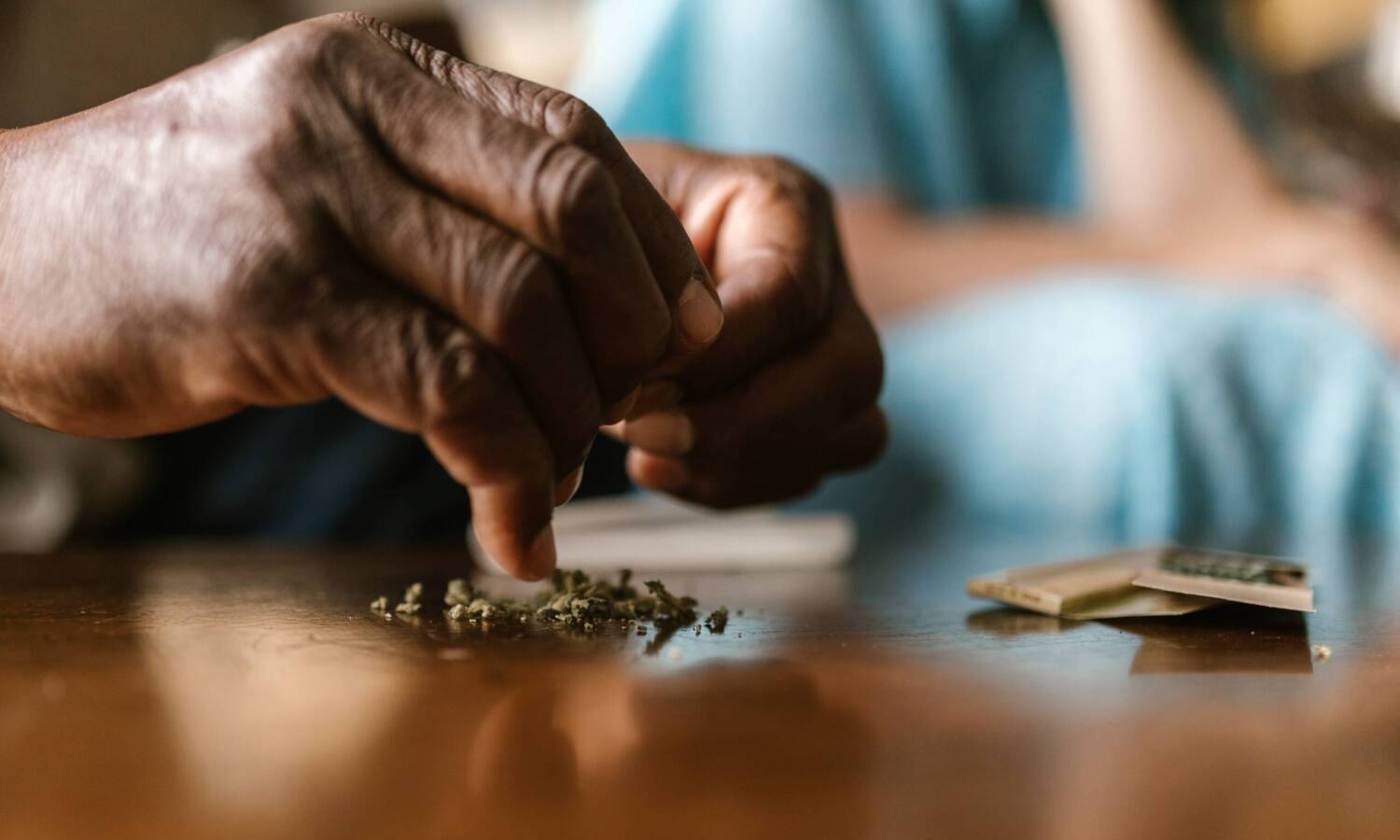
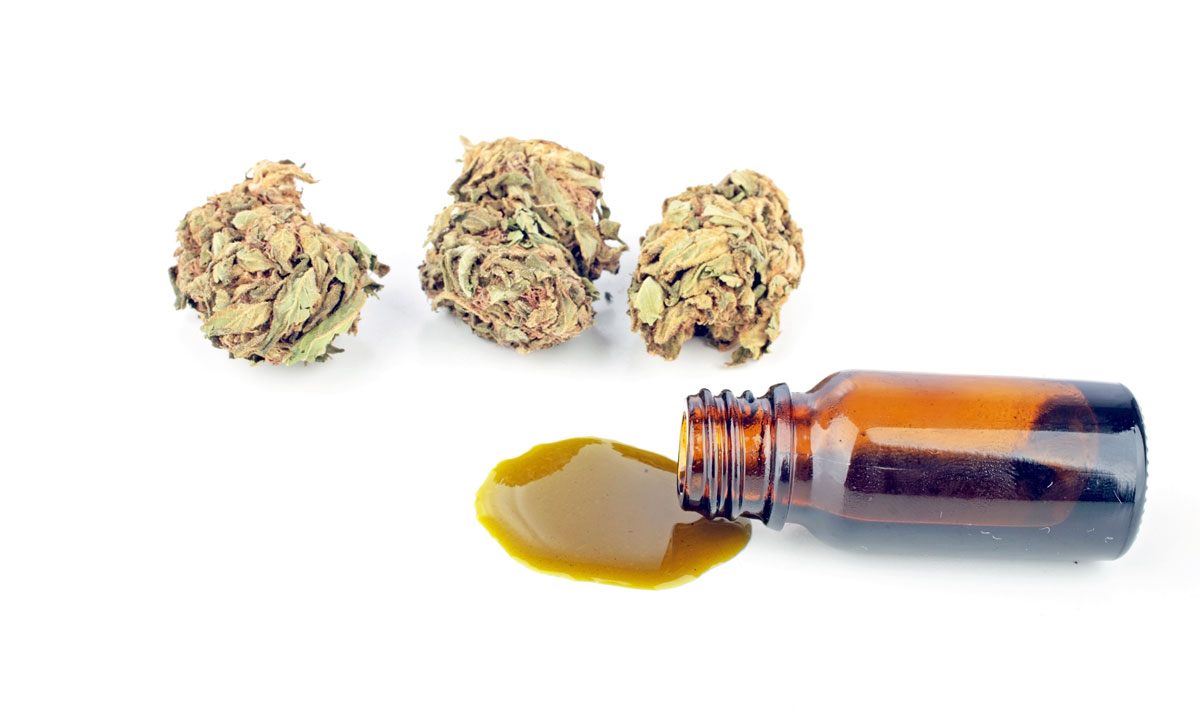
Illegal synthetic cannabis known under many street names such as Ak-47, K2, Spice, Scoobie Snacks, Mr. Nice Guy and 24-Karat Dream is less commonly used in states that have legal marijuana programs, a Washington State University-led study recently confirmed.
The research published in the Journal of Clinical Toxicology revealed a 37% drop in poisoning reports from illicit synthetic cannabinoids in these states with legal recreational cannabis use, writes Medical Express.
“This study shows some potential public health benefits to the legalization and regulation of adult use of cannabis,” said study lead author Tracy Klein, a WSU associate professor of nursing. “Based on both past research and this current study, it’s evident that users who have a choice to use a less toxic product would potentially do so.”
Photo by Jorge Alberto Mendoza Mariscal/Getty Images
What Are Synthetic Cannabinoids?
It is important to distinguish between synthetic cannabinoids and the actual marijuana plant, as they are far from the same thing. The name is crafted based on the fact that these synthetic drugs are made of molecules that bind to the same receptors to which cannabinoids such as THC, CBD, and others, actually found in the cannabis plant also attach.
Basically, they are designed to be similar to THC, but often these synthetic analogs have stronger binding affinity and greater potency to the CB1 receptors, which makes them toxic. They are known to cause severe impairment and even death.
According to data from the Centers for Disease Control and Prevention, a 17-year-old boy “suffered a cardiac arrest after reportedly taking a single “hit” of K2/Spice.”
Study Highlights
The researchers analyzed data from the National Poison Data Data System from 2016 to 2019, before the COVID outbreak. They categorized the states into three categories: 1) permissive — allowing both medical and adult use 2) medical — allowing only medical use and 3) restrictive — banning almost all marijuana use.
In the sample that was assessed, there were 7,600 poisoning reports associated with synthetic cannabinoid use, out of which, as much as 65% required medical assistance. There were also 61 deaths.
More than half of these positioning report calls (56) happened in a state with restrictive marijuana policies, the study revealed. Some 38.6% happened in states with medical cannabis programs, and just 5.5% happened in states with legal recreational cannabis use.
Klein further highlighted that future research is needed to identify the use of these drugs and the differences between them. The study doesn’t focus on synthetically derived delta-8, for example.
“We know that there are many cannabinoids being developed and on the market—and the regulators are struggling to catch up,” said Klein.
Co-authors of the study count Janessa Graves from WSU College of Nursing, Julie Dilley of the Multnomah County Health Department and Oregon Healthy Authority, and Dr. Erica Liebelt of the University of Arkansas College of Medicine.
Photo by Jorge Alberto Mendoza Mariscal via Getty
Why Would Anyone Take Synthetic Marijuana?
There are in fact a few synthetic cannabinoids made solely for medical use, such as dronabinol and nabilone. Dronabinol was approved in 1985 by the FDA as Marinol for the treatment of AIDS-related anorexia and later for the treatment of chemotherapy-induced nausea and vomiting. Nabilone is also created and used to treat severe nausea and vomiting caused by cancer drug treatment.
Other illegal synthetic cannabinoids, like K2 or Ak-47, have no medical purposes. So, why would anyone use them?
“These products are made in a powdered format and could be sprayed on or added to something that looks exactly like natural cannabis. So, in a party situation, I could see that someone could use this unintentionally,” said Klein, as reported by CNN Health.
Another problem is testing for these drugs.
“You can’t easily test for illicit cannabinoids. A lot of times, we only find out if a patient has been using them because they’re hospitalized or because they’re dead,” Klein said.
According to CDC, another reason some people turn to synthetic cannabinoids is to avoid a positive result on drug screening conducted as “a condition of employment, in substance abuse treatment programs, or in the criminal justice system.”
A new study finds a possible reason why more men have cancer when compared to women.
It’s more likely for men to have most types of cancer than women. The reasons behind this phenomenon have never been clear, but experts have suggested that lifestyle and behavioral decisions might be to blame. Now, a new study reveals that the issue might be more complicated and that genes might play a part in the differences between cancer diagnosis in men and women.
Published in the journal Cancer, the study favors biological sex differences over behavioral differences. Researchers analyzed a large sample of data from males and females who participated in a diet and health study that lasted over a decade, specifically between 1995 to 2011.
Photo by freestocks via Unsplash
Over those years, 17,951 cancers arose in men while only 8,742 cancers appeared in women. The only types of cancer where men were of lower risk than women were thyroid and gallbladder cancers. Men had particularly higher risks of esophageal cancer, larynx, bladder, and gastric cardia when compared to women.
Researchers noticed that men had higher risks of most cancers even after adjusting for risk behaviors and exposure to carcinogens, suggesting that genetic differences might play a part.
“Our results show that there are differences in cancer incidence that are not explained by environmental exposures alone. This suggests that there are intrinsic biological differences between men and women that affect susceptibility to cancer,” said Dr. Sarah S. Jackson, lead author of the study.
These results, while in their early stages, are important and could impact the way in which cancers are diagnosed. Researchers could pay special attention to men when screening for cancers, accounting for genetics aside from lifestyle and behavioral factors.
Gustavo Petro is Colombia’s first left-wing president and used his inaugural address to lay out some of the most pressing issues his administration would be dealing with in the coming months.
In his inaugural speech, newly elected president of Columbia Gustavo Petro vowed to take his country in a new direction, preventing punitive drug policies that have increased death and violence all over Latin America.
His statements were viewed positively by some politicians in America, including Democratic representative Jim McGovern, who said he looked forward to working with Petro and thinking of new approaches to drug policy.
“Security is measured in lives, not deaths” – welcome words from newly inaugurated President @petrogustavo of #Colombia.
I look forward to working together to end hunger, consolidate peace, strengthen human rights and rule of law, rethink drug policy, and much more. https://t.co/aQkvoiljph
Petro is Colombia’s first left-wing president and used his inaugural address to lay out some of the most pressing issues his administration would be dealing with in the coming months.
When discussing drug policies, Petro decried Colombia’s previous efforts, claiming that they’ve only made it easier for international drug cartels to operate and thrive.
“For peace to be possible in Colombia, we need dialogue and understanding, to look for common paths and produce changes,” he said. “Peace is possible if you change, for example, the politics against drugs.”
Petro said that a public health approach to drug use might foster better results, a school of thought and long-term strategies that have been echoed by a variety of experts all over the world.
Petro called out the US and other developed nations to change and evolve drug policies that foster prohibition, thus enabling conflicts in Latin America.
“It’s time for a new international convention that accepts that the war on drugs has failed,” he said. “Of course peace is possible. But it depends on current drug policies being substituted with strong measures that prevent consumption in developed societies.”
Rep. Jim McGovern shared his support on Twitter. “I look forward to working together to end hunger, consolidate peace, strengthen human rights and rule of law, rethink drug policy, and much more,” he wrote.
Petro is a polarizing figure in Colombia and was elected president this past June 19th. He is a former member of M-19, a Colombian guerrilla group, and beat out conservative parties by connecting with voters that are concerned and affected by rising poverty levels and violence.
Perhaps one day, pain patients will no longer need to rely on medication as a band-aid solution for pain, instead using psychedelic medicine along with psychedelic therapy to rewire and reset the brain.
Psychedelic drugs have been making headlines not just in culture, but in the medical community as of late. “Classical” psychedelics such as psilocybin, LSD, DMT, and mescaline have been getting the attention of doctors for their ability to effectively and safely treat a range of conditions that even conventional psychedelics have struggled to treat with success: depression, anxiety, and trauma.
There are dozens of studies, and growing, pointing to the efficacy of various psychedelics in treating mental health disorders. But what about physical pain?
Few But Promising Studies
This field of science is by no means new: one of the first studies analyzing psychedelics’ ability to treat pain dates back to 1938 when Austrian-born physician, Eric Kast, escaped from the Nazis and settled in the United States. He took on a job as anesthesiologist at the Cook County Hospital in Chicago. Kast was keen to learn about measuring pain responses, and in 1962 he developed the mechanical pain-producing device, an apparatus that was used to enable subjects apply pain on themselves.
Two years after, was attracted to the properties of LSD which he administered to 50 pain patients. Their pain was caused by a variety of conditions ranging from gangrene to cancer. They were given synthetic opioids but later on in the study, they were given 100 micrograms of LSD, which is an extremely high dose in any measure. “When compared with LSD-25, both [other] drugs fell short in their analgesic action,” he wrote in 1964.
Unfortunately, his studies weren’t expanded upon but it was a hallmark study for a time.
Photo by Merlin lightpainting from Pexels
Compared to studies on mental illness, there are very few studies so far analyzing how psychedelics can affect physical pain. However, those that are there, are surely promising.
Chronic Pain
An investigation by researchers from the Imperial College in London assessed 11 participants who reported self-medicating with psychedelic drugs. There were large variations in the doses, type of substances taken, frequency of use, and longevity of effects though the most common psychedelic consumed by the participants were psilocybin mushrooms while others took ketamine.
The respondents were asked to engage in a 1 hour discussion surrounding their chronic pain and the impact of psychedelics on it. The results of the discussion were then analyzed by researchers, who found that pain scores dropped dramatically during and after the consumption of psychedelics. The positive feedback from participants ranged, with 7 saying they had more control over their pain and life, 8 felt more compassionate towards themselves and others, 4 said that they were more motivated to take care of themselves, and all said the experience changed their perspectives and relationships with pain.
General acceptance of their situation as well as agency and confidence were found to help improve overall pain management and wellbeing.
Migraines
Another study showed surprising results on the impacts of psilocybin on migraines. People who consumed psilocybin reported less migraines during the trial period compared to those who were given a placebo. “This exploratory study suggests there is an enduring therapeutic effect in migraine headache after a single administration of psilocybin,” reads the study.
Co-Morbidities
In some studies, there seems to be a link between emotional and physical pain. More often than not, when psilocybin is able to address an emotional symptom, a physical symptom – usually pain, improves as well.
“Looking at the depression and PTSD studies, you can see quite conceivably how psychedelics might help people change the relationship they have with their chronic pain,” says James Close, an Imperial College London doctoral student. “There’s preclinical data suggesting the positive effect on the psychological mechanisms and neural pathways associated with this. The domains of pain, anxiety, and depression are all connected. If you treat one, another often gets better,” he said, in a Thred article by Sofia Phillips.
Close thinks there is a relationship between persistent physical pain and deep-rooted habits in the brain. Hallucinogens perhaps are able to promote plasticity in the brain, enabling the brain to start over.
Meanwhile, there are other studies suggesting that psychedelic drugs’ ability to promote neuroplasticity in the brain can help us perceive pain less because in doing so, new brain connections have been formed. It also creates new pathways in the brain that change how we perceive pain.
Photo by eskymaks/Getty Images
Companies Expressing Interest In Psychedelics
The limited research we have has piqued the interest of life science companies to delve deeper into the science of how psychedelics affect our perception and experience of pain. There are a few notable companies in the field to date, such as Tryp Therapeutics, who last year announced their plans to undergo a Phase 2A clinical trial at the Chronic Pain & Fatigue Research Center at the University of Michigan Medical School. The trial will examine the impact of TRYP-8802, an oral formula containing synthetic psilocybin which will be administered to patients together with psychotherapy for the treatment of fibromyalgia.
The science is all still very much in its infancy, but it seems like we can expect significant results in the near future. More importantly, it provides pain patients of all kinds with a new kind of hope: that perhaps one day, they no longer need to rely on medication as a band-aid solution for pain but instead psychedelic medicine together with psychedelic therapy may rewire and reset the brain, so as to change our relationship with pain as a whole.
Returning to world travel and current events has recently brought cannabis travel back into the spotlight. People are traveling again despite ongoing COVID-19 worries and increasing Moneypox cases. At the same time, the 9-year sentence of WNBA star Brittney Griner in a Russian court for two cannabis cartridges sparked outrage and worries about traveling with cannabis. So here are the best and worst countries to get caught with weed.
Griner’s case closely resembles Marc Fogel’s, who was sentenced to 14 years in a Russian prison in June. Fogel was found in possession of less than one ounce of medical cannabis at a Russian airport. He claimed to be unaware that medical cannabis was illegal in the country.
No matter the person or country, it’s wise to be aware of the local cannabis laws and the nation’s approach to policing, even as cannabis acceptance grows.
The World Warming On Weed
A September 2021 global cannabis growth report released by New Frontier Data found that 70 countries have legalized or decriminalized cannabis in some form.
In North America, Canada has approved adult use, the United States has state-by-state legality and Mexico’s Supreme Court legalized cannabis, but a marketplace hasn’t been established. Meanwhile, the Caribbean is starting to see its first signs of access to medical reform.
South America has seen a wave of reform, with various nations allowing low- or high-potency medical access. Several countries in central and northern South America and Central America prohibit cannabis in all forms.
Photo by Tetiana Strilchuk/Getty Images
Africa remains largely prohibitive of cannabis. However, a handful of nations have legalized low-THC medical access. Like Mexico, South Africa’s court legalized cannabis, but a marketplace has not been established.
Most of Oceania remains opposed to cannabis in all forms. However, a few nations and US island territories have taken action on medical or adult use. Australia and New Zealand have medical cannabis laws, with the latter losing a narrow adult use ballot initiative in 2020.
Asia and Eurasia collectively remain the strictest block of land on cannabis. So far, only a few southern counties and South Korea have legalized low-THC medical use.
Countries like India allow exceptions, such as allowing the consumption of cannabis leaves for the traditional edible bhang. Other parts of the world, including Jamaica and Pakistan, have legalized or tolerate cannabis among various religious and tribal groups.
The Worst Nations To Get Caught With Pot
The topic is a bit more nuanced than it may seem at first glance. Depending on the criteria, a person can pinpoint various nations as the best and worst for pot possession.
Global possession laws vary, as do opinions on the best and worst places to get nabbed.
In Iran, offenders can be lashed or face a death sentence depending on the kilograms. Contrasting reports in recent years have claimed the nation has removed the death penalty for cannabis, while others claim executions have continued.
Like Iran, several nations, including Singapore and Saudi Arabia, use lashings as punishment. Malaysia, North Korea, Vietnam, the Philippines, Thailand, China, Taiwan and other regional nations are also reported to execute offenders.
Death and long sentences aren’t the only parameters worth considering. Even short stints in harsh prisons can result in severe punishment.
Depending on the nation and facility, a person may be exposed to high levels of violence, overcrowding, hunger and other adverse health risks. Some court systems are so backed up that people can be detained pretrial for years while awaiting their day in court.
Photo by Dmitriy83/Getty Images
The Best Countries To Get Caught With Pot?
Nowhere is the honest answer. But if push came to shove, there are nations with friendlier regulations and prisons for cannabis possession offenses.
The best place to get popped is in a legalized or decriminalized nation where people can avoid prosecution, save for a possible fine. Uruguay and Canada, the two countries to legalize adult use, top the list.
Countries or parts of countries have taken measures to decriminalize the plant. As of August 5, 2022, the following have decriminalized or allowed possession through similar legislation:
Antigua and Barbuda
Argentina
Australia
Austria
Belgium
Belize
Bermuda
Bolivia
Chile
Colombia
Costa Rica
Croatia
Czech Republic
Dominica
Ecuador
Estonia
Georgia
Israel
Italy
Jamaica
Luxembourg
Moldova
Mexico
Netherlands
Paraguay
Peru
Portugal
Saint Kitts and Nevis
Saint Lucia
Saint Vincent and the Grenadines
Slovenia
South Africa
Spain
Switzerland
Thailand
Trinidad and Tobago
Several additional nations are reported to ban the plant but don’t enforce the law. In rarer cases, autonomous zones, like Freetown Christiania in Copenhagen, Denmark, are allowed to sell, possess and consume cannabis.
What About The United States?
The United States presents an interesting state-by-state approach to cannabis laws and sentencing.
As many noted in recent years, the growing legal status of the plant appears to conflict with America’s ongoing imprisonment of individuals for cannabis offenses.
It is estimated that over 40,000 individuals are in state or federal prison for cannabis-related charges and that people continue to be arrested on new cases. Others have suggested the figure is closer to 31,000 as arrests decline in recent years.
Getting on a plane right now isn’t an option for many. And with gas prices coming down, it might be a better idea to hit the road instead. Here are some weed-friendly destination ideas.
Road trips are back in fashion in a big way. The pandemic catapulted them back into popularity so much so that vans and other road trip vehicles were snatched up and rented out in record time. Current gas prices and uncertain economic times, however, may have many Americans staying close to home.
Still, if you’re a weed lover getting a bit stir crazy while you wait for gas prices to return to normal, there are some great road trips in states where marijuana is legal that are worth investing in. Some might require saving, while others can be more approachable if timed right.
Here are five unforgettable road trips that are worth saving up for if you love the open road and recreational marijuana.
San Francisco To Humboldt County
Photo by tom balabaud from Pexels
This is, in many ways, the Mecca of weed road trips. It is best to start in San Francisco, as it is easier to load up on essentials and rent a car in the city rather than the wilderness. San Francisco is the first place to ever have a medical marijuana dispensary in the United States, at The San Francisco Cannabis Buyers Club, opened byDennis Peron.
Enjoy the slow pace of route 1 along the coast, and soak up the natural beauty. Eventually you will arrive in the Emerald Triangle’s most famous area, Humboldt County. As we have previouslyreported, Humboldt is known for cultivating some of the best marijuana in the world, and its small towns have all sorts of marijuana-themed activities. This area is also home to some of the largest trees in the entire world. Avenue of The Giants is perhaps the most breathtaking wooded drive you may take in your life. You do not need any weed to marvel at the wonder of the ancient giant Redwoods throughout Humboldt county.
Shelter Cove and Trinidad are two fantastic Humboldt coastal towns worth your time before you begin your return back towards the Golden Gate. It is important to note that while this is certainly a must-do for any true marijuana and road trip lover, it is also a bit pricey. California gas, hotel and car rental prices are some of the highest in the entire country, so this might be a trip to save up for.
Arizona To New Mexico
Photo by Dino Reichmuth via Unsplash
Arizona and New Mexico have some of the most beautiful and iconic desert scenery in the U.S. To top it off, both states have legalized recreational marijuana, which makes an Arizona to New Mexico road trip more enticing than ever. Remember that although marijuana is legal in both states, you cannot bring one state’s weed into the other. Make it easy on yourself and finish your Arizona supply before you head to New Mexico.
Even though (according to theNPS policy) marijuana is illegal in National Parks, make sure you find a way to legally visit The Grand Canyon and The Painted Desert/Petrified Forest in Arizona. But the most famous desert drive is through Monument Valley, in Northern Arizona. From Monument Valley you can make your way to the culturally rich and delicious city of Santa Fe. Santa Fe also boasts a good variety of cannabis dispensaries, making it a great place to sleep and safely sample some of New Mexico’s finest herb.
There are a plethora of ornate towns, from Wild West themed ghost towns to iconic UFO sighting locations like Roswell. There is a rich history for you to learn along this dusty trail, and also some great one-of-a-kind shopping. Try and plan this trip for early fall, as this is when temperatures (and prices) drop down and make this a very affordable road trip vacation.
An Alaskan Adventure
Photo by Tobias Tullius via Unsplash
A road trip in Alaska is the ultimate trip for those who love wilderness, cannabis and lots of driving. Alaska is a vast state, but a road trip through this untouched natural playground can be highly rewarding.
Gas is not the cheapest in Alaska (it is the third highest, just behind Hawaii and California, according toU.S.News), but the state does make it easy, and often free, to sleep in your car. You can even camp for free on the side of the road, which is something you will see more often than you would think while exploring this state. This is also a great option for those who have summers off but aren’t a big fan of 100 degree days at the beach. Alaska has pleasant but cool summer weather, and up to 20 hours of daylight for much of the summer.
For those who want a taste of the Emerald Triangle but perhaps on a tighter budget, you may want to consider A road trip from Oregon to Seattle. The Emerald Triangle stretches into Oregon, allowing you to sample the same ideal marijuana conditions, but at a fraction of the price. In fact, according tosalary.com, living costs are 19.9% higher in Los Angeles than in Portland, Oregon’s largest city.
While you may pay 20% less, you will still get all sorts of breathtaking beauty. From lush old-growth forests to quaint seaside towns along cliffs, an Oregon Coast roadtrip is nothing short of breathtaking. Sure, Oregon’s gas prices are still thefifth highest in the nation, but this trip won’t break the bank nearly as much as a California coast trip.
Reno To Las Vegas
Photo by Nicola Tolin via Unsplash
If you love cannabis but are on a budget, and want to see nature but also love a party – look no further than a road trip from Reno to Las Vegas. Both Reno and Las Vegas are known for gambling and nightlife, but now they also have legal marijuana. Since both cities have successful casinos, it is often easy to find very reasonable hotel room rates, which can help cut down on your costs.
Lake Tahoe is a great stop to enjoy a bit of nature and tranquility between these two high energy destinations. Once you arrive in Las Vegas, however, you might be able to be one of the first cannabis enthusiasts to enjoy a cannabis lounge. As we previouslyreported, Nevada passed legislation to allow cannabis lounges in the state. This means at the end of a day of driving you can mix and mingle with a joint in a modern Vegas-style lounge environment. Not a bad way to end a day on the road.
Almost a thousand strains of cannabis owe their existence to the amazing Hindu weed. Of all the strains of Kush weed, the closest to the landrace original Hindu weed is the OG Kush.
When an experienced cannabis user hears the slang “kush”, the first thing that comes to mind is high-quality weed. That’s what the kush strain is — a highly potent weed. Here is your guide to kush weed and all you need to know.
Officially, Kush is a term used to classify a family of Indica-dominant cannabis strains. Unofficially, it is the go-to term used by the western world to qualify high-quality black market cannabis.
Photo by Zummolo/Getty Images
The ancestry of the kush weed can be traced to the region known as the Hindu Kush — it was also named after this region. The Hindu Kush region is located within the mountains between the Pakistan and Afghanistan borders. It is one of the best regions for growing native marijuana due to its soil features which is perfect for the growth of the plants and the fact that the area is in a deep valley and shielded by hillsides.
Kush weed can also be cultivated in various places around the world. The plant has adaptable characteristics that make it very resistant to unfavorable environmental elements. Due to this, it is highly preferred among growers.
Presently, over 900 varieties of weed originate from the Hindu Kush, and there is a likely chance that the original strain is extinct.
History Of The Rise of Kush Weed
It is not uncommon to see popular strains of kush bagging the respected marijuana awards globally. This is all thanks to the hippies who were actively involved in distributing the kush cannabis seed to western countries in the 1960s and 1970s. Countries like Turkey, America, Canada, Pakistan, India, and several European countries were stops along the route followed by these young hippies then.
Not long after these hippies concluded their adventure, the Hindu Kush region was thrown into political turmoil. This unrest which has been in effect since 1978 has since then made the export of Hindu kush seeds difficult— more reasons to thank the hippies that transported enough kush seeds to begin a ” kush revolution” in the West.
Various marijuana strains have been birthed during this revolution. And these Kush strains have been at the forefront of the Indica-dominant hybrids scene. Many predict that the Hindu Kush marijuana will have a higher number of progenies than Genghis Khan.
Growing Kush Weed
The Hindu Kush is a landrace strain with a pure and undiluted genetic composition. Its genes were completely isolated before it was first cross-bred. This is why its progenies have very stable and effective indica breed features.
Like most Indica cannabis, the kush seeds are relatively more durable and can adapt to various cultivation techniques and environmental factors than the Sativa strains— They can adapt to colder, intense climatic conditions with average water consumption in somewhat arid areas.
Inexperienced farmers can try cultivating kush weeds due to their hardy disposition that makes them able to survive through a few rookie mistakes.
A lot of cannabis farmers tweaked their farming techniques to suit the growth of Hindu Kush variations. Majorly because the Kush seeds took less period for flowering than their Sativa counterparts. With these seeds, marijuana breeders were able to cultivate more cannabis and record more yield.
Impact of Kush Weed On A First Time User
Kush weed has these magical effects that made it popular among cannabis users around the world.
Like most Indica-dominant marijuana, the consumption of Kush weed will induce a sedative and calming effect in the user. They make users feel exceptional relief.
The high associated with the Kush weed is intense and it comes with a euphoric and happy feeling that does not affect your cognition— this is amazing. Imagine getting high and still retaining your mental clarity. Although, I must state that this also depends on the user’s tolerance. For some, it might make them drowsy and remain fixed to their couch.
Strains of Kish weed are also used medically for their pain-relieving properties. It helps with a patient’s insomnia and reduces their anxiety and depression by keeping them in a meditative state. To be on the safer side, medics recommend that kush marijuana be used in the evenings.
The intensity of these effects depends largely on the strain of kush consumed.
Overall, smoking kush weed produces effects that are smooth and rewarding.
Characteristic Features of Kush Weed
AROMA
The varieties of kush weed have different scents. Some of which include;
Floral
Pungent
Incense
Hash spice
Herbal
Citrus
Earthy
Sweet fruit
Pungent
And so many more.
APPEARANCE
Strains of Kush weed have dense-looking buds that are small in size. It can have various colors, but most times they are deep green with a subtle purple shade on the leaves. The pistols on the plant can either be orange, bronze, or rusty in color when it’s time for the plant to be harvested.
FLAVOR
The flavors of various kush weed strains include:
Grape
Floral
Citrus
Earthy
Diesel
Herbaceous
Etc.
Varieties of Kush Weed
Kush weed is a common backcrossing choice for breeders because they have stabilizing features that help in hybrid genetics.
Several Indica-dominant hybrids can be traced to the Hindu Kush. Some breeders are working on producing pure Sativa Kush strains because they’re rarely found in circulation.
The most popular Hindu kush strains around the world include:
Of all the strains of Kush weed, the closest to the landrace original Hindu weed is the OG Kush. The OG is well recognized over the world for its intricate terpene attributes as well as its highly pleasant aroma. Nowadays, newer strains of kush weed are made from backcrossing OG kush with another strain of indica or Sativa cannabis.
Bottom Line
Almost a thousand strains of cannabis owe their existence to the amazing Hindu weed. With all this information, you have all you need to lecture another rookie on the detailed characteristics of the Kush weed. Also, now you know what to expect when you consume the spicy flavored kush weed, enjoy!
Patients with advanced cancer respond favorably to medicinal cannabis, according to a study published in the journal Cureus on a trial that included participants enrolled in the NY state’s medical cannabis registry.
Researchers affiliated with Upstate University Hospital in Syracuse evaluated the use of marijuana by cancer patients for palliative purposes.
“The goals of this study were to review the characteristics of patients who received medical marijuana under our ambulatory palliative care program and to determine barriers to access and use of medical marijuana in this population,” reads the study.
“Data from June 2017 to June 2020 were analyzed. Patients were included if they had a diagnosis of cancer, were certified by a qualified practitioner in the New York Medical Marijuana Program, and received care at Upstate Medical University,” stated the study. “Patients were excluded if no marijuana certificate was found or if they transferred care.”
Results
“Ninety-three patients (51.5%) received at least one prescription from a New York licensed marijuana dispensary while 72 (39.13%) were certified but never obtained any medical marijuana,” according to the study that involved 184 patients.
“For patients who took at least one dose of medical marijuana, 48.14% experienced an improvement in pain, 44.95% used fewer opioids, and 85.11% had an improvement in at least one symptom. Adverse effects were low at 3.72%.”
Although more prospective research is needed to optimize delivery and dose, per the study “medical marijuana appears to have an important role in palliating symptoms of advanced cancers with few adverse effects.”
“Prospective studies examining this treatment modality should be prioritized,” the authors concluded.
Similar Study, Similar Results
A Technion study published in Frontiers in Pain Research showed that half of the patients enrolled in the research discontinued their other pain medication after six months of medical cannabis treatment.
“Traditionally, cancer-related pain is mainly treated by opioid analgesics, but most oncologists perceive opioid treatment as hazardous, so alternative therapies are required,” said author David Meiri, an assistant professor at the Technion Israel Institute of Technology.
Yes, it takes time and some dedication, but once you have your potions on hand and travel through your day balancing your emotional and physical wellbeing, you’re going to thank yourself for sticking with the discipline.
One of the best things I have ever incorporated into my “cannabis smoking” was harvesting the stems and excess leaf and putting it into a jar filled with 100% proof alcohol. Every time I break up a bud, I toss that excess into the jar, give it a shake, and place it back into the dark closet in my kitchen. But why do this at all?
This stem-infused tincture is filled with cannabinoids. It’s an alcohol-based tincture, meaning it helps disinfect and clean out wounds, bites, and scratches. When you combine it with the cannabinoids your extracting from the leaf and stem, you’re adding medical properties to the mix.
Photo by 24K-Production/Getty Images
For example, here’s a short list of some of the medical properties you add to the tincture;
Anti-inflammatory properties
Anti-viral properties
Anti-bacterial properties
Anti-anxiety properties
Anti-tumor effect
etc.
The point of today’s article isn’t to show the long list of medical benefits of cannabinoids (not to mention terpenes and flavonoids), rather, we’re going to take our classic cannabis tincture and begin to create variety.
At the end of this article, you will be able to not only create a classic cannabis tincture such as the Green Dragon, but you will also learn how to infuse other essential oils into the tincture to take your holistic effectiveness to a whole new level.
First, let’s take a quick recap of the process of making Green Dragon or your basic cannabis tincture.
Cannabis Tincturing 101: Edible vs. Non Edible Tinctures
I think it’s important to mention that there are two main types of tinctures available – those that can be ingested and those that can’t. The Green Dragon is an edible tincture since it uses a high grain alcohol such as 100-proof vodka or any other consumable alcohol with a high proof rating. Preferably 90-proof and higher.
The first thing you’ll want to do is to grind up your herbs as finely as possible. With Green Dragon, it doesn’t matter if you grind up stems, the extraction process will take care of any unwanted elements.
Once ground up, you’ll move onto decarboxylating it. To do this, you’ll place it in the oven at 170º F and keep the cannabis in there for no more than 15 minutes.
Quickly remove your herbs and set it aside. Now, take your jar and fill it with the alcohol. Fill it about ¾ of the way. Then, simply add your herbs and close the jar. Make sure to shake it up.
For the next week, you’ll keep the jar in a dark place and you’ll give it a shake once a day. It’s best if you wait more than a week (closer to 2-3 weeks), however 1 week is enough to get a lot of cannabinoids in the tincture.
After you’ve soaked your concoction, you’ll need to strain it into a new jar using the cheesecloth. Make sure to remove all plant matter. You can strain it again if the first time didn’t do the trick.
Once more, transfer it into a sealable jar.
If you have a dropper on hand, then you can simply pour out some of the Green Dragon into the dropper.
In order to create the “topical only” you can use any type of high proof surgical alcohol. These can be purchased virtually anywhere. As you could imagine, this type of tincture is not to be consumed. If you are planning on consuming the tincture, you will have to do the Green Dragon Method or the alternative recipe provided in the article linked above.
The next thing on our list will be to begin extracting the essential oils from these other flowers, herbs, and weeds.
The tincturing process is virtually the same for all of these herbs and plants, and I would recommend creating specific jars for each extraction. That way, you can mix and match different oils and create specific effect-inducing tinctures. For example, making a tincture that makes you go to sleep and another that picks you up.
Today, I’ll be walking through a few concoctions you can make at home.
First, let’s talk about the main extractions you’ll want to make; You can also NOT make them and head out to an apothecary near you to find all of these essential oils without the effort. However, I’m the type of guy who likes to get my hand dirty and understand the process of extraction. For me, I find it far more satisfying to have a bunch of jars with different extracts sitting in a closet, where I can mix and match my own concoctions as I see fit.
If you are going to be doing the extracts, make sure that you do it right for each one of them. For example, making an extract from orange peels follow the exact same protocol as the Green Dragon infusion – using high proof alcohol and a jar – however, the time of infusion is different.
When you’re extracting the essential oils from the peel, it will take between 1-2 months to have a full extraction.
This is why I highly recommend that you keep good records when you start infusing and also to do mass infusions in a single day. Get as much of the ingredients you can and try to do as many infusions as you can. It’s far more worth your time to spend an entire weekend infusing and creating your tincture system than it is to do it over time.
Of course, not everyone will have all the ingredients listed here on hand, and so, perhaps you start with the most accessible first and then work your way to infusing more “rare” elements.
The point here my fellow cannabis enthusiasts, this is almost as addictive as growing your own weed. When you master advanced tincturing, you’ll open up a whole new world of possibilities for yourself. At the end of the article I’ll be supplying a few blends for you to start you off on your journey.
Let’s go full tincture.
Lavender – Lavender is considered an “all purpose” extract and can help for calming you down, releasing muscle tension, clearing the mind of mental fog so that you can focus. Lavender can be extracted in a similar fashion as the Green Dragon and the process takes roughly a week to complete. The longer you leave the concoction, the better. For my personal extractions, I wait between 3-5 weeks at least.
Orange – You’ll want to start your Orange extraction sooner than later. This is because you extract the essential oils from the peels themselves and this takes a long time. Make sure to remove all the white pulp and only leave the orange peel to extract. The pulp makes the tincture turn bitter, which defeats the point of this aromatic and energy inducing tincture. Just smelling this tincture will wake up the nervous system and get a jolt of energy in you. It takes about 2-months to fully extract it, so be sure to make a bunch!
Lime – Similar to the orange extract, lime is an “upper” and can help you clear up mental fog, boost energy levels, and just perk up your day. Just like with the orange extract, this takes months to complete so it’s best to make a lot of tincture from the get go. Yes, this might make the whole process of extracting the properties more expensive, but you’ll thank me when you only need to do this once or twice a year.
Basil – Basil is another super plant you’ll want to add to your garden. Recently, I was walking my dog when he came by this bush. After he pissed all over it, this whiff of sweet aromas came up and I realized it was the plant. I snapped a bit and took it home to clone. When I researched what it was, it turned out it was Basil. I then proceeded to check out the medical benefits of Basil and this is what I found;
Alleviate Nausea
Anti inflammatory
Helps with indigestion
Helps with constipation
Helps with respiratory illnesses
May alleviate asthma symptoms
May have antibacterial properties
Possible insect repellent
Possible anti-fungal agent
Stress Relief
Improve blood circulation
Pain Relief
It isn’t recommended for people who are pregnant or breast feeding. I’m not sure why, but virtually every source I checked recommended the same.
There are two ways to extract essential oils from basil, the extraction method or the infusion method. The Green Dragon is an infusion method.
Here’s a snippet from DIYNatural.com where they talk about the extraction method using a Crockpot.
Ingredients & Supplies for DIY Essential Oils
a crockpot with a lid
distilled water
enough fresh plant material to fill the crockpot about half full (at least 3-4 cups, chopped)
time
Process
Place the plant material in the crockpot and cover it with water. The water shouldn’t fill more than ¾ of the volume of the crockpot. Put the lid on upside down. (The concave structure will allow any steam that forms to condense and fall back into the pot. If you don’t have a lid, you can use a plate.)
Turn the crockpot on high to heat the water. Once the water is hot, turn it down to low. Simmer on low for 3-4 hours.
After the plant material is cooked down, turn it off and let it cool. When it is cool, place it inside of the crockpot into the refrigerator. If your crockpot doesn’t come apart, you can place the whole unit in there, or transfer the liquid into another container. Leave it in overnight.
The next day, pull the crockpot out of the refrigerator. A thin film of oil will form on the top and will be hard after cooling. (These are your DIY essential oils!) Carefully lift the oil off of the water. Work fast – it will start to melt quickly!
Place this into a bottle and cap. Label contents well. There may be a small amount of water-based liquid on the bottom. You can gently heat the oil to turn the liquid to steam and release it from the oil. Don’t heat the oil for too long as it can lose its potency.
Store in a colored glass container away from light and heat.
This method can be used for other sources on this list.
Cinnamon – Cinnamon is another thing that can make you feel alert and focused. I personally prefer to do an alcohol infusion with cinnamon since it’s fairly straightforward. Also, if you’re going to be fusing on extracting the most medical benefits from a plant/peel, I’d focus my energy rather on limes and oranges, over cinnamon. An alcohol infusion is more than enough to mix with your cannabis tincture.
Ginger – Ginger has a lot of medical benefits. It can help with inflammation, it has antioxidant properties, helps with nausea, helps with weight loss, helps with osteoarthritis, may help drastically lower blood sugars, can help with chronic indigestion, may help lower cholesterol, contain substances that may prevent cancer, helps fight infections. You can extract it similar to Green Dragon waiting between 3-5 weeks.
Peppermint – Peppermint is said to help with, IBS, nausea, digestive issues, common colds, headaches, reducing inflammation, and much more. You can make the infusion or extraction method here. I personally always work with infused tinctures first, and then make essential oils later since they take more time to complete.
Frankincense Essential Oil – Frankincense is known as the “King of Essential Oils” and for good reason. It helps boost the immune system, regulates Cytokine production, slows hypersensitivity, Increases immunoglobins, Improve T-cell interactions, fights pain and inflammation, prevents and treats cancers, and much more. In order to make an alcohol tincture from Frankincense and Myrrh, you’ll want to follow this detailed process here. It takes about 8 weeks for a full extraction.
I only wrote about these because I found them most fascinating, however, there are plenty of other extractions one can do. This is only meant to whet the appetite for this exploration. Getting into this kind of tincturing will make you feel like an Old Timey wizard of sorts…and the result will be potions of health!
Photo by MysteryShot/Getty Images
Let’s Make Some Blends!
Alright, now let’s get into some basic blends. Please note, I am NOT an expert in this. At most, I’m an amateur learning. But this is what I’ve found thus far;
(All of these will be for 10 ml bottles)
GET PUMPED!
Alright, you’re in need of a JOLT of energy. Try this blend;
Cannabis tincture 2.5 ml
Orange or Lime Tincture (or a combo) 2.5 ml
Ginger 1 ml
1 ml Basil
1 ml Rosemary
2 ml Peppermint
This will have a very peculiar taste, however, it gets the job done. Typically, you’ll want to have a “Sativa Cannabis Tincture” or a strain that gives you a boost. If you have an all purpose cannabis tincture, this will work too since you’re going to be adding the citrus, Gingerol, basil, etc. All of these are designed to keep you going, keep you focused, and relaxed in the process.
Take 3-5 drops in the morning and see how you feel. Take 3-5 drops every time you need a pick me up.
MOTIVATION NOW!
The next one on the list is meant for mental focus and motivation.
4 ml of Cannabis Tincture
3 ml of Frankincense
1.5 ml Black Pepper essential oil
1.5 ml Lime Tincture
This one is great for being creative, studying, remaining focused on your work. Simply take 3-5 drops of this in the morning and you’ll feel rather quickly the creative juices flowing.
THE CHILL SPILL
The final tincture recipe on the list is the “Chill Spill” which is a tincture to get you calm and relaxed, ready to get some R&R.
5 ml Cannabis Tincture
3 ml of Cinnamon Tincture
2 ml of Orange Essential Oils
1 ml of Ginger Tincture
If you want to curl up and feel warm and cozy, this will do the trick. The good thing, is that the taste of this one is awesome. So you can make a warm tea, drop in 5-10 drops into it, and sip yourself to Lala Land. If you’re a person who is also very anxious all the time, this blend could be perfect for you throughout the day. Simply take 2-3 drops whenever you feel anxious, give it 10-15 minutes, and you should feel relaxed afterward.
Final Words
Mark my words, this is a rabbit hole that has a lot of return on investment. Yes, it takes time and some dedication, but once you have your potions on hand and travel through your day balancing your emotional and physical wellbeing, you’re going to thank yourself for sticking with the discipline.
Of course, if you don’t have the patience, then just go ahead and buy the essential oils. Just be warned that it might turn out to be slightly expensive.
Fortunately, now you know how to make it yourself at home. Do you make your own blends? Let us know which blend works best for you!
BONUS: By saving all of your stems and soaking it in alcohol, you are still infusing cannabinoids. The time for extraction just takes a bit longer, at least 8 weeks.
Last Sunday, the Massachusetts House and Senate both passed cannabis compromise legislation poised to create a more equitable environment in the legal marijuana industry.
Senate Bill 3096, which aims to advance diversity in the sector and regulate the host community agreement (HCA) between cannabis companies and municipalities, also includes the proposed study on medical marijuana consumption in schools.
While the measure is now on its way to Gov. Charlie Baker’s desk, the American Academy of Pediatrics opposes “medical marijuana outside the regulatory process of the US Food and Drug Administration,” an academy spokesperson told the Boston Herald on Tuesday.
Photo by Olena Ruban/Getty Images
“The cannabis control commission, in consultation with the department of elementary and secondary education and the department of public health, shall conduct a study on the possession, administration, and consumption of medical marijuana, as defined in chapter 94I, at public or private schools in the commonwealth as it relates to students,” the proposed measure states.
Athol Official Shaun Suhoski Fights For Existing Host Community Agreements
Meanwhile, Athol Town Manager Shaun Suhoski urged Gov. Baker in a letter to rework the legislation to address host community agreements already signed by municipalities and marijuana businesses that include so-called “community impact fees,” reported Athol Daily News.
“For all of the good in this legislation with respect to social equity, there is also a dose of inequity with the potential invalidation of over 1,000 existing contracts, negotiated in good faith, between the cannabis industry and communities incentivized to host a new and previously illegal business,” Suhoski said.
What’s in the bill? The measure stipulates that 15% of the money in the Marijuana Regulation Fund, fueled by the state’s cannabis excise tax, various operational fees, and industry penalties, should be allocated to a new Social Equity Trust Fund. The new fund would provide grants and loans to people from communities most affected by the drug war who are now interested in joining the cannabis industry.
Furthermore, the new bill also gives Cannabis Control Commission the central authority over assessing and authorizing host community agreements before a cannabis operation receives its final license.
Photo by Olena Ruban/Getty Images
However, Suhoski said that the measure’s final version that advanced through both chambers leaves space for the regulatory body to throw out or amend existing host community agreements when they come up for renewal.
“There is no exemption for the existing host community agreements,” Suhoski explained, “There’s so much good in the bill, but the one item, at the very expense of cities and towns — the great majority of which negotiated in good faith, in many cases following the terms that the cannabis industry presented to the community. They are contract law, and the final bill that sits on the governor’s desk would now subject these existing agreements to come under a state agency review rather than the court system, which is how contract law is adjudicated.”