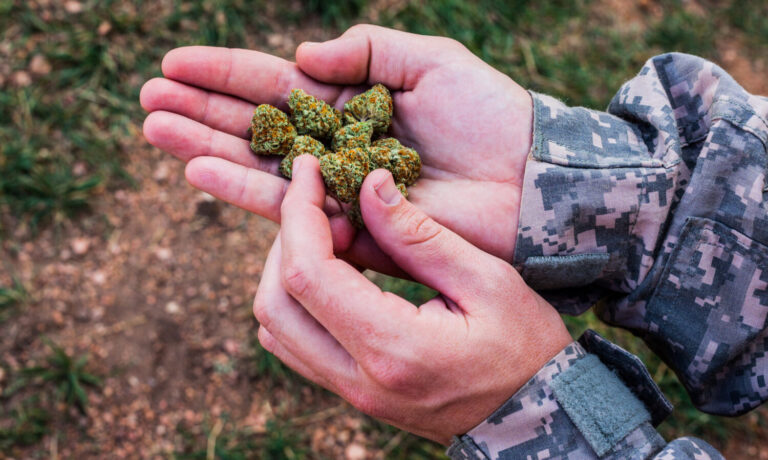
Missouri’s ballot initiative to legalize marijuana for adult use in 2022 is currently short of the necessary signatures in four of the six Congressional districts necessary to make the ballot. However, the effort to bring recreational marijuana to legalization next November in the state is still very much in play.
“We’re very confident we’re going to make the ballot,” Alan Zagier, a spokesperson for Legal Missouri 2022, told Benzinga.
Photo by ChrisSteer/Getty Images
Approaching Deadlines
John Payne, the Legal Missouri 2022 campaign manager, has also expressed faith that the initiative will make the ballot.
“Having turned in nearly 400,000 signatures from Missourians who want to become the 20th state to regulate, tax, and legalize cannabis, we are confident about being on this November’s ballot,” he said.
The Legal Missouri 2022 initiative would “expand the current medical marijuana business program by allowing existing licensees to serve both medical and non-medical purchasers.”
Moreover, 144 licenses would be given for what will be known as “microbusiness facilities,” with six dispensaries and 12 wholesale facilities in each congressional district. Also, it would require expungement of marijuana offenses from criminal records.
Local elections officials will have until July 26 to complete the review of signatures from their counties. If it’s enough, Secretary of State Jay Ashcroft will have until Aug. 9 to issue a statement certifying that recreational marijuana will be added to the ballot.
A new study finds a link between states with legal cannabis and more car crashes.
While data regarding marijuana’s effect on driving has been analyzed, results haven’t been conclusive. But now a new study claims to have found a link between legal marijuana and car crashes.
Published in the Journal of Studies on Alcohol and Drugs, researchers saw an uptick of 6% in states with legal marijuana. States that hadn’t legalized marijuana didn’t see an uptick in car accidents.
The study’s data shows that fatal car crashes experienced an increase of 2%, making researchers believe that marijuana may cause more accidents but doesn’t make for a deadlier driving environment. They theorize that this is due to marijuana’s effect of slowing down people’s reaction time, something that may cause them to drive more slowly and thus be involved in accidents that are less deadly.
In a press release, lead researcher Charles Farmer argued that while legalizing marijuana provided some benefits, it also came with a cost. “Legalization removes the stigma of marijuana use, while the onset of retail sales merely increases access,” he said. “But access to marijuana isn’t difficult, even in places without retail sales. Users who previously avoided driving high may feel that it’s okay after legalization.”
Still, with the data that’s available, researchers can’t prove that marijuana consumption causes more car accidents. “Studies looking for a direct causal link between marijuana use and crash risk have been inconclusive,” says the study’s lead author. “Unlike alcohol, there is no good objective measure of just how impaired a marijuana user has become. Until we can accurately measure marijuana impairment, we won’t be able to link it to crash risk.”
Over the years, different companies have tried to come up with an accurate technology that measures cannabis impairment. There hasn’t been any luck yet, with marijuana affecting people in vastly different ways than alcohol, and providing for a highly individualized experience. While two people may consume the same amount of cannabis, their bodies could experience vastly different reactions.
In 2019, the environmental company Re Waste estimated that between 12.7 and 14.1 million pounds of plastic from cannabis packaging ended up in landfills between October 2018 and August 2019.
Since cannabis became legal in Canada, sustainability still leaves room for improvement, mitigating the millions of pounds of plastic packaging that legal marijuana produces every year.
According to reporting by Leafly, in 2018—the first year of cannabis legalization in Canada—solid black plastic containers were the most visible containers on the market. Additionally, several brands have opted to package their cannabis products in fancy-looking but non-recyclable packaging.
Also, jars, which are common for selling flowers, take decades to decompose, which pump toxins into the soil and eventually make their way into the nearest ocean. It is difficult to quantify the market plastic waste problem, but the overall impact has been negative.
In 2019, the environmental company Re Waste estimated that “between 5.8 and 6.4 million kilograms (or between 12.7 and 14.1 million pounds) of plastic from cannabis packaging ended up in landfills between October 2018 and August 2019.”
“Plastic waste and the cannabis industry tend to go hand in hand, but our specialized process works to mitigate the impact of this plastic waste on the environment,” Re Waste said on its website.
In the meantime, cannabis sales and the variety of products available have only increased. A CBC report found that “for every gram of cannabis sold legally, up to 70 grams of plastic waste was generated.”
“It’s really shameful,” said Remi Robichaud of Moncton, Canada. “Being a coastal province, they should do something about the amount of plastic that goes into our ocean.”
What Are The Sustainable Measures Taken In The US Cannabis Market?
Marijuana packaging waste is an issue that involves the incipient industry—extending from regulators and producers to consumers. However, industry-wide efforts to promote the implementation of the use of recycled materials and encourage consumers to recycle packaging are visible.
As an example,Vermont’s Cannabis Control Board recently released its “Guidance on Packaging,” to reduce the amount of plastic waste being generated by the industry in the state.
According to the guidance, “packaging intended for consumer purchase at retail locations needs to be reusable and not plastic. All packaging should be capable of repeated recovery, sanitation, and reissue into the supply chain for repeated use.”
Examples of reusable, non-plastic packaging materials mentioned in the document include glass, tin, cardboard, and bamboo.
Based upon over a decade of data, cannabis use was markedly more prevalent in states where recreational use is legal for adults, relative to states where it was not.
Does the legalization of recreational cannabis increase overall consumption? Researchers from Columbia University Mailman School of Public Health and The City University of New York found that it does.
The study, published online in the journal Drug and Alcohol Dependence, found that marijuana consumption and cannabis use are on the rise nationwide — especially in states where recreational use is legalized.
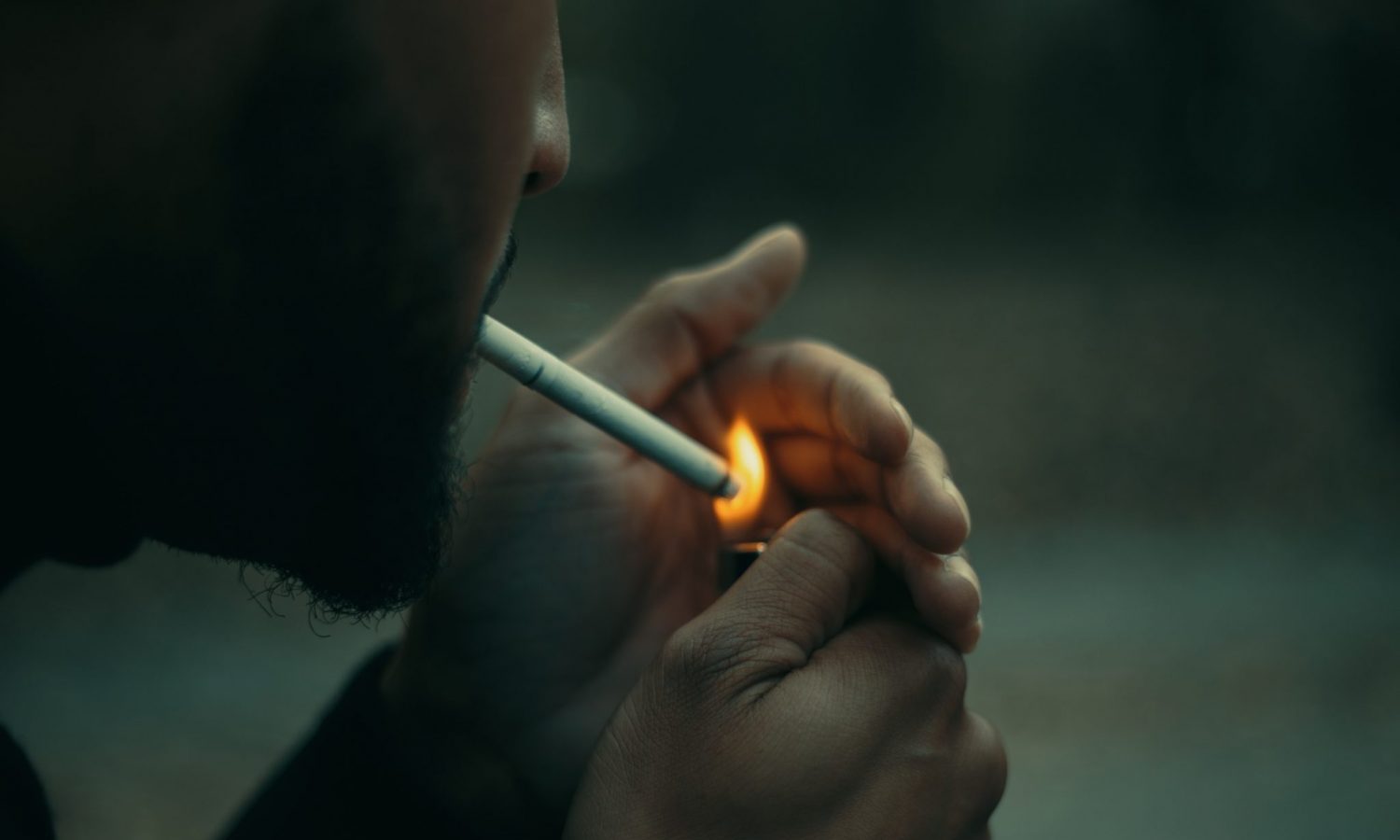
Photo by Donny Jiang via Unsplash
Cigarette Smokers More Likely To Use Cannabis
According to the researchers who used data from the 2004–2017 National Survey on Drug Use and Health:
Cannabis was up to 10 times more common among those who smoke cigarettes than in non-smokers.
Roughly 33% of cigarette smokers aged 12 and older residing in states where recreational marijuana is legal, use cannabis occasionally.
Some 18% reported using marijuana on a daily basis.
Drastically lower consumption is evidenced among non-smokers, with one in 10 admitting to using cannabis over the past month.
Up to 3% of respondents use it daily.
“Based upon over a decade of data, cannabis use was markedly more prevalent in states where recreational use is legal for adults, relative to states where it was not in 2017,” Renee Goodwin, Ph.D., adjunct associate professor of epidemiology at Columbia Mailman School and professor of epidemiology at CUNY, and the lead author of the study, said.
During the period observed in the study, cannabis use increased “as fast, or faster,” in states where marijuana use was prohibited by law, Goodwin emphasized.
Does Marijuana Legalization Lead To Increase In Teen Use?
The study also found that 73% of cigarette smokers aged 12-17 reported using cannabis in the past month, while nearly a third used it regularly.
The new findings build on recent observational research published in the May 26, 2022, online issue of Addiction which found that the legalization of recreational marijuana increases youth consumption. Researchers at the RAND Corporation and the University of Southern California went a step further proving that the vicinity of cannabis dispensaries is not a determining factor when it comes to marijuana use rates among young people.
Moreover, recent findings published in the Journal of Clinical Psychology even pointed out there are links between teen cannabis use and schizophrenia, regardless of whether they used it frequently or infrequently.
In terms of the impact marijuana has on brain health, American Heart Association’s scientific statement published recently in the Association’s journal, Stroke, shed a light on many uncertainties around cannabis usage.
“There’s a lot of uncertainty in the medical community about the health effects of marijuana,” said Fernando D. Testai, M.D., Ph.D., FAHA, writing group chair, professor of neurology and rehabilitation at the University of Illinois. “This scientific statement is intended to guide health care professionals in having a balanced and intentional discussion with patients about the potential known and unknown effects of marijuana on brain health.”
Several surveys revealed a decline in young people’s use of marijuana and other controlled substances — as part of a broader trend that dates back to 2013 — attributing it to regulated access for adults that then minimizes the risk of adolescent marijuana use.
The Coalition for Cannabis Policy, Education and Regulation’s (CPEAR) report published earlier this year even revealed that state-level cannabis legalization usually doesn’t cause an increase in youth consumption.
A new survey shows how many people’s menstrual cycles were affected by the COVID vaccine.
Like all vaccines, COVID vaccines have side effects. Still, since everyone is talking about them and their circumstances are so peculiar, their effects are dissected and analyzed than your average flu shot.
Among these side effects, there’s one that’s concerning to people who have periods, with many of them reporting that the COVID vaccine affects these days of the month, something that can be scary. Researchers conducted a survey on a large number of people with menstruation, noticing some trends and patterns that can reassure anyone who’s experienced fluctuations with their period closely following their COVID vaccine.
The study, published in the journal Science Advances, is the largest to date. Researchers analyzed answers from more than 39,000 people between the ages of 18-80, from participants all over the globe who had been vaccinated and had not contracted COVID prior to their shots.
Results showed that 44% of respondents experienced no change in their menstrual cycles. Of those who did experience changes, 42% reported heavier bleeding after vaccination, and 14% reported lighter periods.
“I think it’s important that people know this can happen, so they’re not scared, they’re not shocked, and they’re not caught without supplies,” study author and biological anthropologist Katherine Lee told The New York Times.
Other factors highlighted by the study include the fact that older people, people taking birth control, and people who’d been pregnant in the past or had conditions like endometriosis or polycystic ovarian syndrome were more likely to experience heavier periods post-vaccine.
Hispanics and Latinos, and people who experience side effects like fever or fatigue after their vaccine were more likely to experience disrupted periods.
While it’s not known why vaccines trigger these changes in some people, researchers have a few theories. The hypothalamus secretes the hormones responsible for regulating periods, and it can be influenced by outside factors, like a shot. The endometrium has also been linked to people’s immune systems in the past, making it reasonable for it to be affected when subjecting the body to new pathogens.
Temporary menstrual changes following a vaccine are normal and can be thought of as temperature or blood pressure changes. As long as these irregularities are temporary and the changes are nothing extraordinary, there shouldn’t be a cause for concern.
Many of the main differences between amateur brewers and growers come down to the laws surrounding the product.
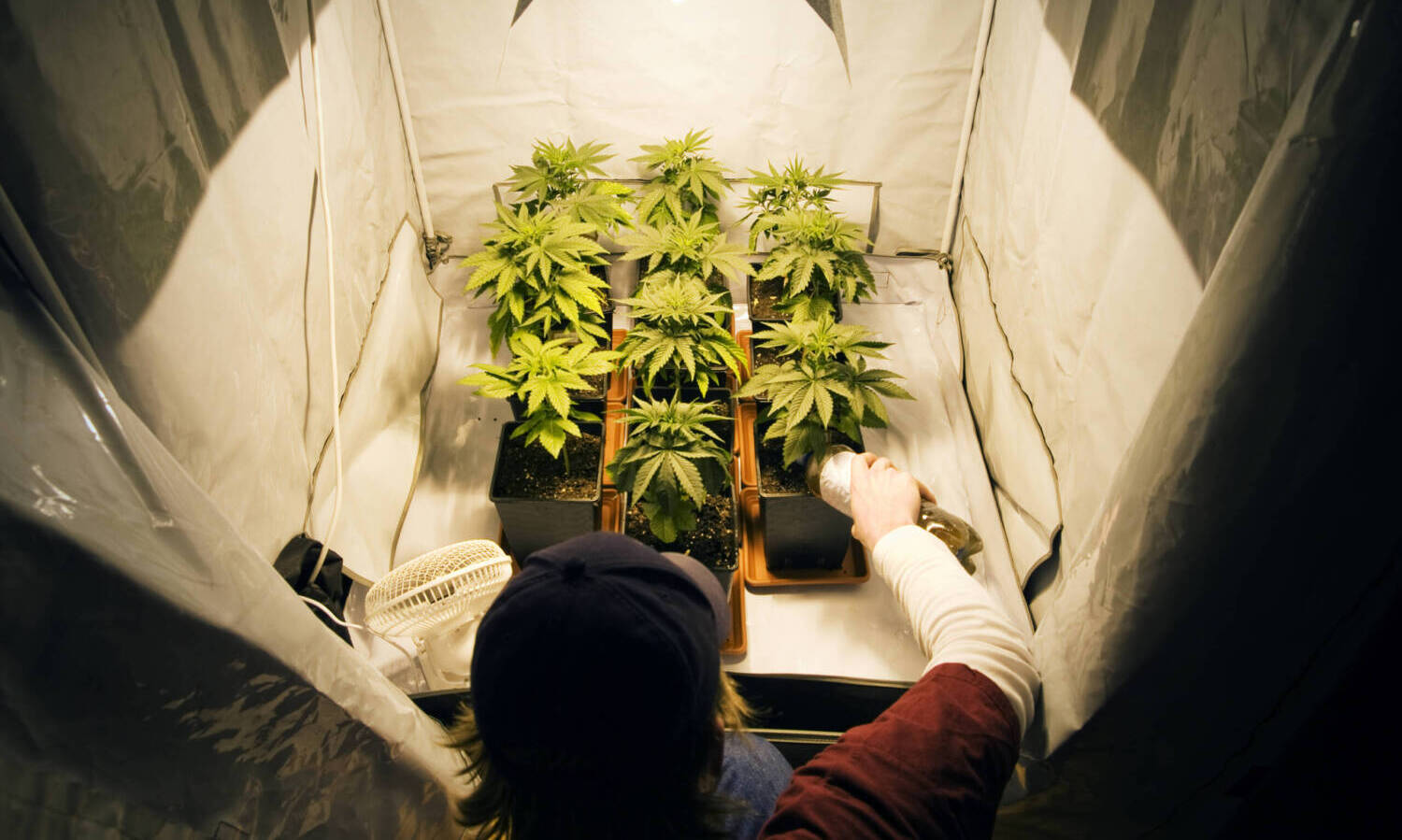
In recent history there has been a growing interest in both home brewing beer and home growing marijuana. Home brewing kits have become a commonplace gift to give a male partner who enjoys craft beer. Meanwhile, year after year more states re legalize marijuana, and allow citizens to legally grow marijuana on their own property.
The art of homebrewing and that of marijuana home cultivation might have two very different end products, but a lot of the motivating factors are the same. The end goal for both groups is to create a superb product that is unique and can be enjoyed by themselves or shared with others. But apart from the fact that both of these groups are creating products that create a state of euphoria and relaxation, what else do they have in common? There are, in fact, several similarities and also a few key differences between these two groups.
The first similarity within these two groups is that both home brewers and home growers are in the vast minority of consumers. Approximately6% of cannabis users grow their own marijuana, while there are an estimated 1.1 million homebrewers in the US, according to the American Home Brewers Association, which is less than half of 1% of the population. It is important to note, however, that this sliver of a percentage of the population, according to the same American Home Brewers Association statistics, creates 1% of the total US beer production.
Another similarity between the two groups is that the majority of both are men. While New Frontier reported that 6 in 10 marijuana cultivators are men, the numbers are far higher for home brewers. According to a 2021 Brulosophy homebrewerssurvey, 98.4% of homebrewers identified as male. This number makes it clear that home brewing is currently viewed more as a boys club, while home growing is a hobby or art form that both male and females feel comfortable and inclined to pursue.
Both of these hobbies are also popular in the youthful to middle-aged tier of individuals. As far as marijuana home growers are concerned, according to the New Frontierdata, “nearly 1/3 (31%) of them being among ages 18-34, and nearly half (49%) being among ages 35-54.” Similarly, according to the Brulosophysurvey, 39.5% of home brewers are between 30-39, with another 26.6% between 40-49. It appears this 25-50 age range is a popular sweet spot for both of these home crafting hobbies.
It is important to note, however, that the laws surrounding marijuana cultivation may be skewing these numbers in slightly different directions than they would be if marijuana were legalized. For example, while 31% of of the cultivators were reported being between 18-34, a Statistica poll reported, “More than half of respondents (54%) aged between 18 and 24 years old said they would definitely or probably grow cannabis types if it were legal in the United States in 2020.” In other words, if marijuana were legal, we may see very different demographics at play.
In fact, many of the main differences between these amateur brewers and growers come down to the laws surrounding the product. Brewing your own beer is legal everywhere in the United States, and hardly regulated (unless of course you intend to sell your product). So it is no surprise that 31% of home brewers are from the South and 26% are from the Midwest, according to the American Home Brewers Association. Marijuana, on the other hand, is highly regulated and completely illegal in many states. This includes many of the southern and midwestern states where home brewing is most popular.
The motivating factors for brewing at home and growing on property are also slightly different, often due to the nature of laws and the product itself. While the majority of home growers consume both their product and products off the shelf, “Nearly three-quarters (72%) reported either exclusively or mostly consuming flower which they have grown for themselves,” according to the New Frontier results. In fact, 14% of home growers say they grow due to a lack of other resources. This is certainly a problem unique to marijuana, since there is never a lack of beer in the US.
Perhaps the main similarity for both home brewers and home growers is that both groups love what they do. Whether it is out of necessity, interest or curiosity, there seems to also be a strong enjoyment involved in this hobby. With so many opportunities out there in the world to waste time and fall into a dull routine, perhaps the main number we should all watch is how many people decide to embark on the journeys of home brewing and home growing, and hope we can continue to watch both numbers climb.
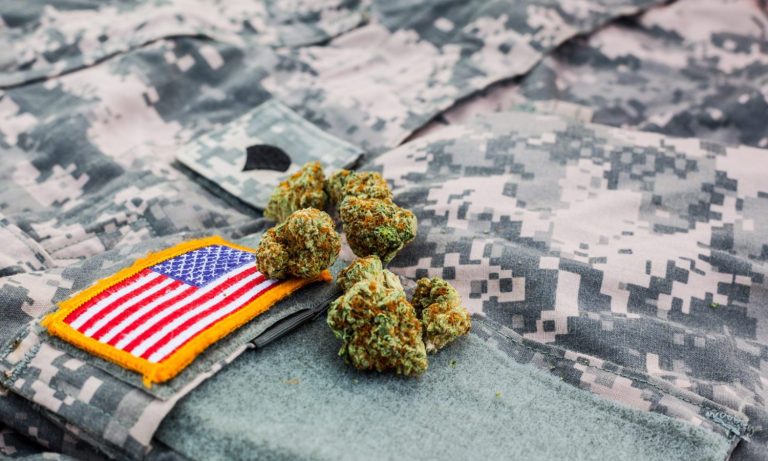
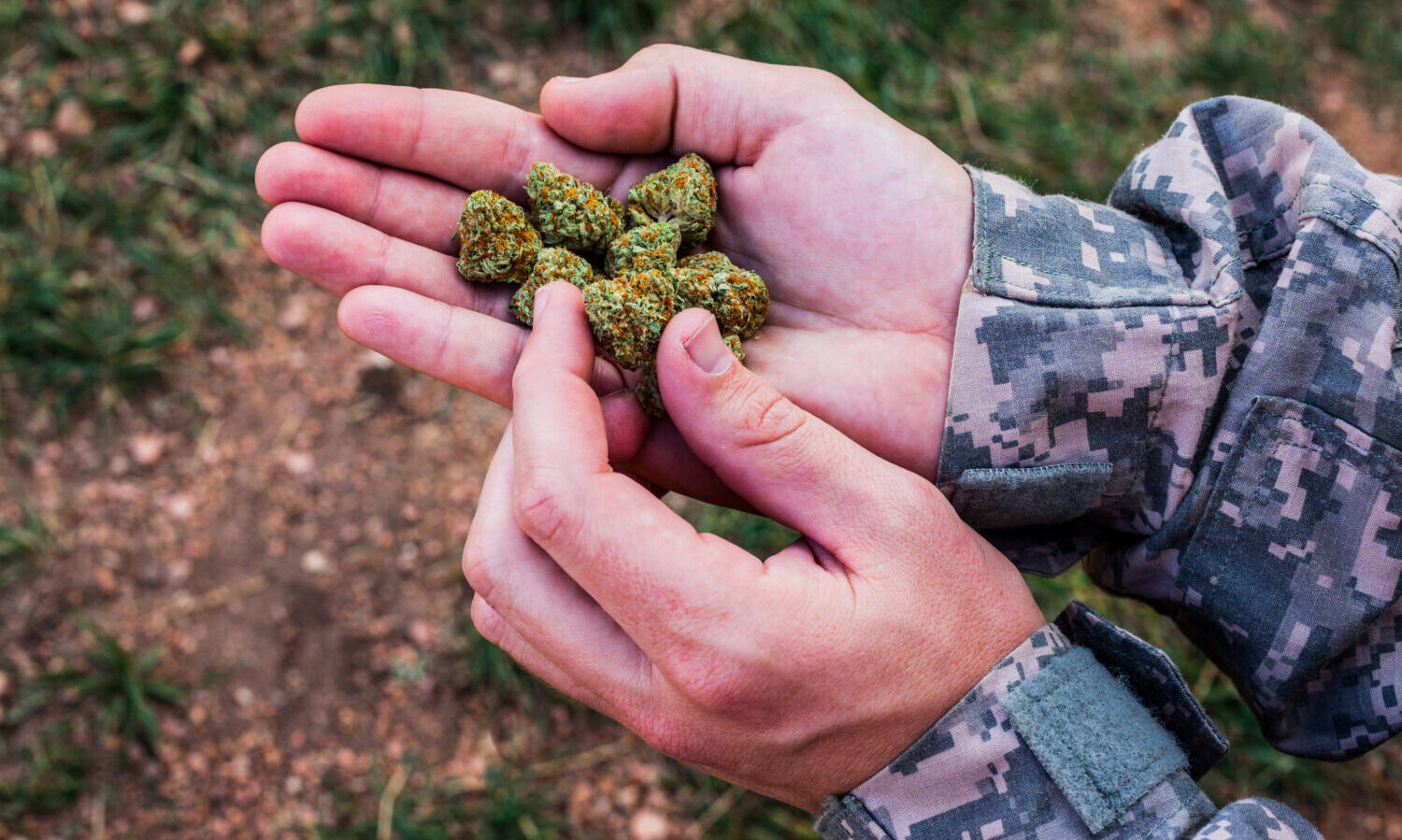
Recently, bipartisan lawmakers introduced amendments to promote medical access for veterans and provide protections for public housing residents from being evicted for cannabis charges.
The co-chairs of the Congressional Cannabis Caucus issued a joint statement criticizing the inaction of the House Rules Committee that rejected amendments to the bipartisan spending bill intended to promote veterans’ access to medical cannabis.
“We have the responsibility to provide our veterans with the care and treatments they need to overcome the wounds of war,” wrote Reps. Dave Joyce (R-OH), Earl Blumenauer (D-OR), Barbara Lee (D-CA) and Brian Mast (R-FL).
“Our outdated federal cannabis laws are interfering with our ability to fulfill that responsibility,” said the statement.
The rejected measures were intended to prevent the US Department of Veterans Affairs (VA) from enforcing its current policy of prohibiting VA doctors from recommending medical cannabis to veterans, as well as reversing a directive for the department to ban covering the costs of medical cannabis.
“Unfortunately, despite the strong, bipartisan support behind increased medical cannabis access for our veterans, Congress is allowing that interference to fester,” the bipartisan lawmakers added.
“We will not rest until Congress has addressed the perverse impact that failed federal prohibition is having on our nation’s heroes and their health.”
Ultimately, the House Rules Committee refused to consider these bipartisan amendments, while some members argued that the reform proposal was unrelated to the appropriations process.
The Safe Harbor Act and the Veterans Equal Access Act were two separate bills sponsored by the Congressional Cannabis Caucus co-chairs. Last week, an amendment did pass the House as part of a defense bill that would tackle the issue of allowing VA doctors to issue medical cannabis recommendations to veterans, reported Marijuana Moment.
Recently, bipartisan lawmakers introduced amendments to promote medical access for veterans and provide protections for public housing residents from being evicted for cannabis charges.
Rep. Eleanor Holmes Norton (D-DC), with co-sponsorship from Blumenauer and Lee, filed the above amendments to prevent the use of the U.S. Department of Housing and Urban Development (HUD) funds to enforce the federal prohibition on medical and recreational cannabis use or possession in federally assisted public housing. However, they decided to retire the amendments because they still needed to “build the necessary support” for the reform.
“We think we can build it, but we haven’t gotten that yet,” Norton said. “Cannabis is still controversial on Capitol Hill and the president still has misgivings about the issue.”
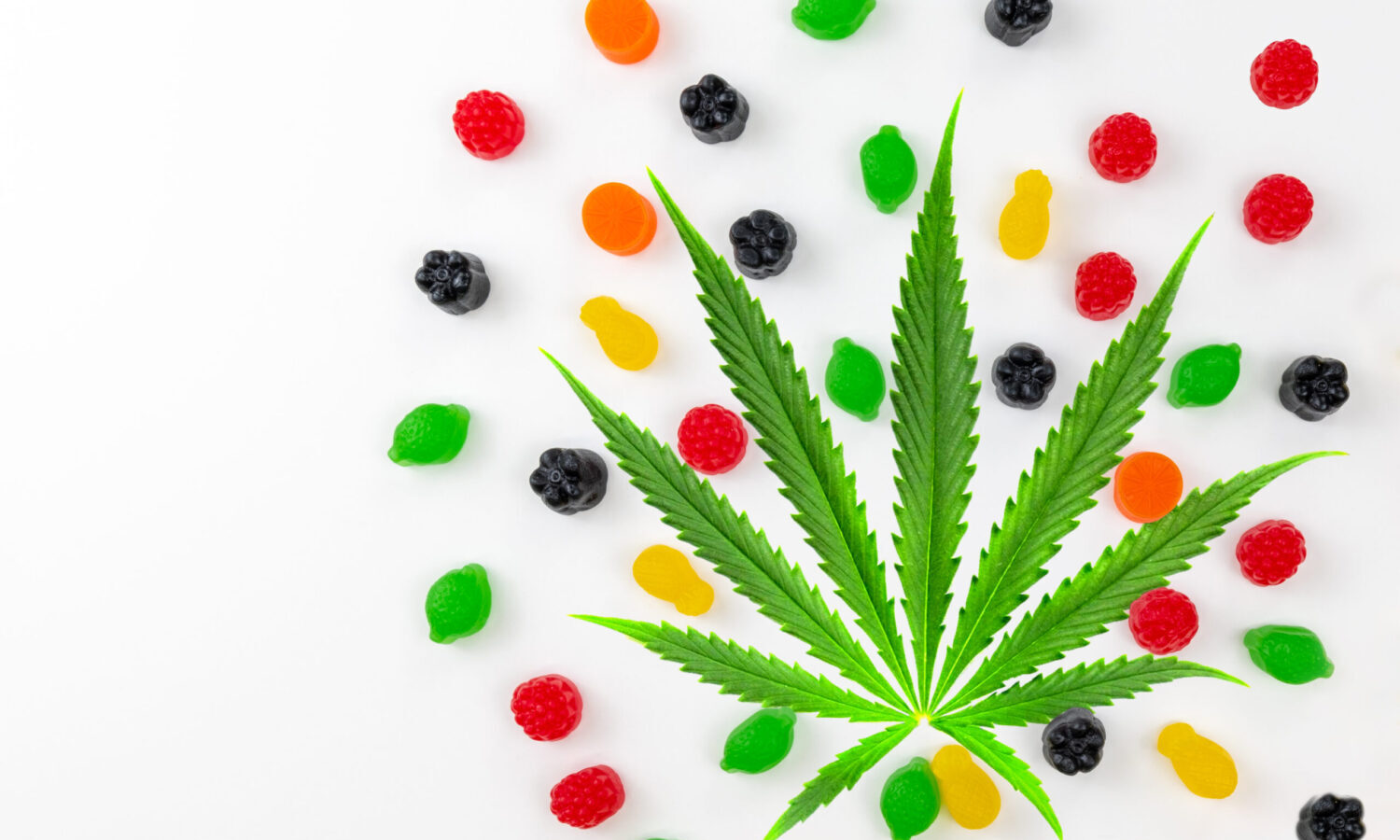
Starting August 1, 2022, Minnesota’s Patients registered in the Medical Cannabis Program will be eligible to buy gummies and chews from medical cannabis dispensaries across the state.
Registered patients who are interested in these medical marijuana edibles can make an early appointment with medical cannabis dispensary pharmacist to become pre-approved before receiving their products. It is recommended to schedule the appointment before August 1.
“The state’s medical cannabis program continues to respond to the needs of patients, and gummies and chews may be useful options for those who may have difficulty swallowing pills or tablets, do not want to smoke medical cannabis, or don’t like the taste of other forms of medicine,” said Jan Malcolm from the Minnesota Commissioner of Health.
Recently, the Minnesota Board of Pharmacy regulated some hemp-derived edible cannabinoid products. However, these edibles are separated from the above-authorized cannabis products.
Under the normative of the Minnesota Medical Cannabis Program, consultations are required when a patient changes the type of medical cannabis they receive. Currently, medical cannabis manufacturers are scheduling the consultations. Patients interested can visit the Green Goods or RISE dispensaries’ website for more information.
Moreover, the Minnesota Department of Health’s annual petition and comment process solicits public input on potential qualifying medical conditions and drug delivery methods for the Medical Cannabis Program and this year is accepting petitions through July 31.
Individuals interested in becoming a patient of the Minnesota Medical Cannabis Program must be certified by a participating healthcare professional for at least one of 17 qualifying medical conditions.
According to the Minnesota Medical Cannabis Panel, since its launch in 2015, enrollment in the program has steadily increased.
European countries that have a much bigger problem with illegal cannabis use, like France, are watching very closely what Germany is doing at the moment.
Last week, Germany, Luxemburg, Malta and the Netherlands had a meeting to discuss marijuana legalization. This marks the first instance where European countries gathered together to discuss the topic, and shows how much legalization has advanced in recent years.
Marijuana Moment reports that this is the first of many planned meetings that are expected in the future and that they could expand to include other countries in the European Union.
The context here is a wave of EU countries following the cannabis regulation trend across the Americas (& elsewhere).
These Govts face a range of practical challenges (how to regulate responsibly), as well as political obstacles re tensions with neighbours, & EU/UN laws) 2/
“This week’s Luxembourg meeting is historic,” wrote Steve Rolles, a senior policy analyst for Transform Drug Policy Foundation, in a tweet. “While these issues have already been discussed informally in various high level forums, this is the 1st EVER dedicated ministerial level multilateral meeting on non-medical cannabis regulation.”
According to a joint statement that was released after the meeting took place, these summits were conducted to develop a “common understanding” of marijuana, while confronting that the current laws are out of date.
“A structured multilateral exchange on the vast spectrum of cannabis-related issues contributes to sharing knowledge, best practices and experiences and foster finding solutions,” reads the statement. “This first structured multilateral exchange is meant to facilitate further consultations regarding regulations of cannabis for non-medical and non-scientific uses.”
Out of all the countries that gathered together, Malta is the only one that legalized marijuana, becoming the first in all of Europe. Despite The Netherlands’ track record with marijuana, the country has a complicated history with it, criminalizing its use, possession, and trade. Currently, Germany is in discussions to legalize cannabis, a decision that would impact Europe greatly, paving the way for other large countries.
“There will be a domino effect, for sure,” Justin Haucap, director of the Dusseldorf Institute for Competition Economics, told The Guardian. “European countries that have a much bigger problem with illegal cannabis use, like France, are watching very closely what Germany is doing at the moment.”
The committee members had many disputes, among which was the disagreement over whether it is suitable to push for the policy reforms via spending legislation.
The House Rules Committee on Monday rejected bipartisan spending bill amendments aimed at advancing veterans’ access to medical cannabis on procedural grounds.
Another proposal that would allow protections for individuals who use marijuana in federally assisted public housing was removed before the panel was able to vote on it.
The committee members had many disputes, among which was the disagreement over whether it is suitable to push for the policy reforms via spending legislation. Rep. Dave Joyce (R-Oh) tried to defend the intent, for which purpose he even revised the amendment after discussing it with the House Parliamentarian.
The submitted version of the amendment would ban the US Department of Veterans Affairs (VA) to use its resources to demand certain policies blocking VA physicians from recommending medical marijuana to veterans. The measure wouldn’t oblige VA to allocate money in a specific way or to change its rules, but it would have forbidden it to spend its money to push for certain marijuana policies.
The news comes on the heels of a package of bills being approved by the House as part of the National Defense Authorization Act. Reps. Earl Blumenauer and Brian Mast’s amendment codifies the ability of VA doctors to discuss and recommend medical marijuana to veterans.
Another important amendment that passed the House this way contains the language of the Secure and Fair Enforcement (SAFE) Banking Act, which would protect financial institutions that provide services to state-legal marijuana businesses from being penalized by federal regulators.