Here’s what you should know about monkeypox vaccines and avoiding the disease.
Monkeypox cases are on the rise all over the country. Currently, there are over 350 confirmed cases, with several states reporting at least one case. Once we account for the fact that there are few options for testing, it’s safe to assume that there are more infections that we don’t know about.
This environment is likely to set off your pandemic warning bells. Is there a monkeypox vaccine and can you get one? If not, how do you protect yourself?
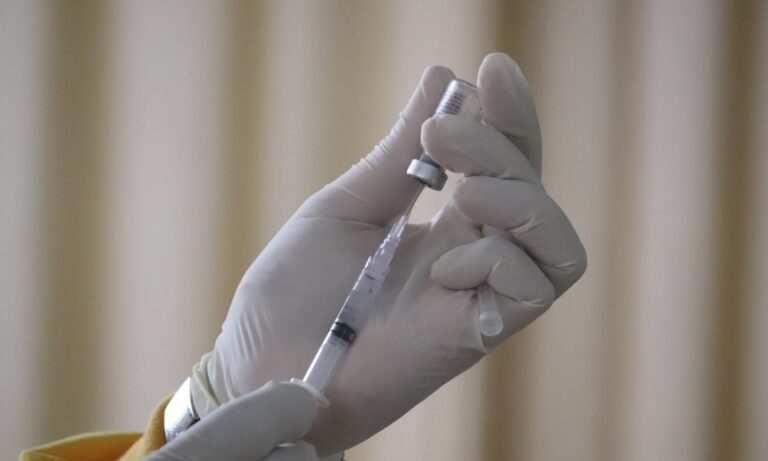
There is a monkeypox vaccine, but it’s not available to the general public just yet. While it’s understandable to freak out over yet another viral disease, it’s important to remain calm and to read up on other ways of protecting yourself, because there are several.
Monkeypox vaccines are available. While they’re not as widespread as Covid vaccines, these should be available now in small amounts, with the Department of Health and Human Services expecting more shipments later this year.
Currently, areas with higher rates of monkeypox like Florida, California, and New York, have priority for these vaccines. People who have had close physical contact with someone who was diagnosed with monkeypox, who have a sexual partner diagnosed with the disease, men who have sex with men and who’ve had multiple sexual partners in one of these areas are also on the priority list and should be able to get vaccines with relative ease.
Monkeypox is transmitted by close contact, making it especially risky between family members, close friends, and sexual partners. Keep an eye on your social circle and know that the disease can be spread by sharing clothes, towels, or utensils like plates and silverware. Monkeypox is known for its lesions which look like blisters. Interacting with them is likely to cause contagion.
To stay protected, keep your distance from people who have these symptoms and keep an eye on any skin lesions that appear on your body, visiting a doctor as soon as possible to get a proper diagnosis. If you experience symptoms, let your social circle know, that way they can get vaccinated and eliminate further routes of infection.
Cannabis research in the United States is notoriously difficult, which is why many of these new, recent discoveries on the plant’s compounds are done by researchers abroad.
Marijuana is the most widely used “illicit” drug in the entire world. It’s also the most popular, with millions of consumers now using it legally all the world thanks to many countries relaxing its stance following suit after the United States, Canada, and Uruguay.
However, from a scientific perspective, we know so little about the compounds in the plant. So far, there are 500 known compounds in the plant but only two cannabinoids — tetrahydrocannabinol (THC) and cannabidiol (CBD) — have been extensively studied numerous times over. We have been able to identify their therapeutic applications for dozens of afflictions though that’s not to say that they are the only 2 valuable compounds in the plant.
THC is the cannabinoid responsible for its psychoactive properties, and it also has important therapeutic benefits. On the other hand, CBD doesn’t cause a high but it’s widely marketed as a powerful sedative. Both have potent anti-inflammatory properties that help provide relief from pain, spasms, anxiety, depression, trauma, and more.
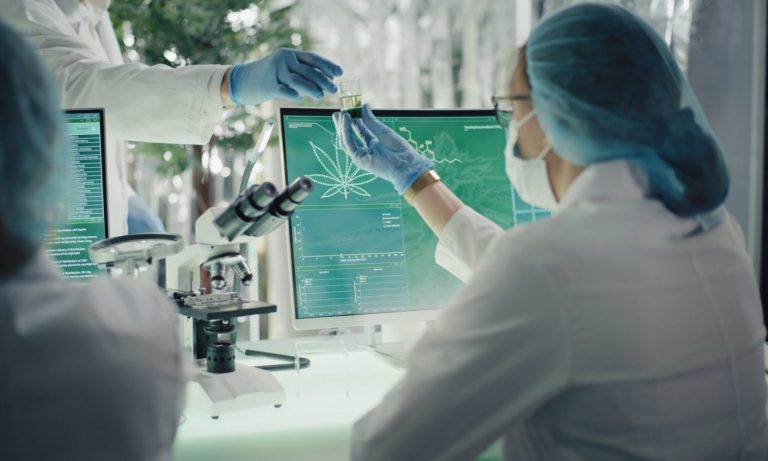
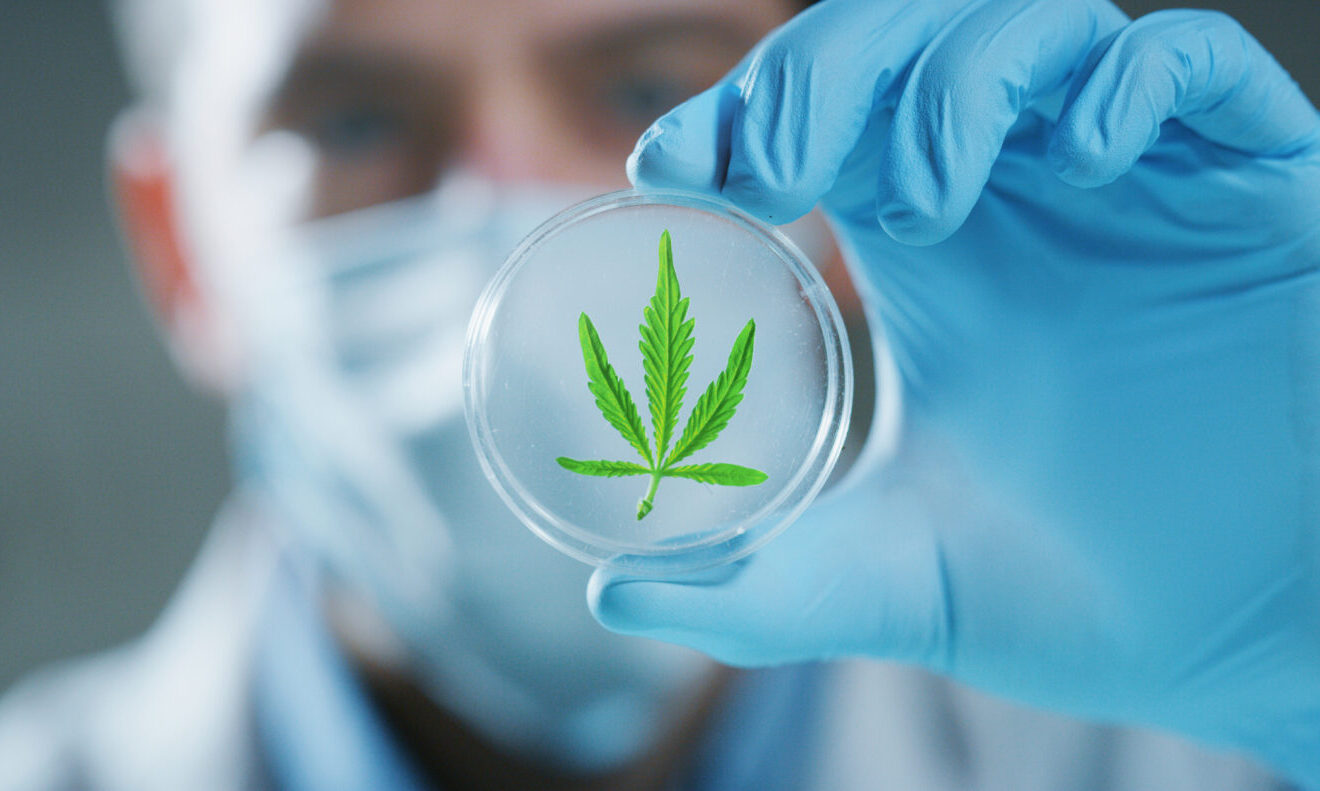
But over the last few years, scientists have been able to identify even more compounds within the plant that are beneficial for us. There are several other major and minor cannabinoids and terpenes that all have terrific medicinal value in many different ways; in addition, it also contains flavonoids and omega-3 fatty acids. Let’s look at some of the recent discoveries.
Kynurenine, Kynurenic Acid, and Tryptophan
In March 2022, Italian researchers have identified tryptophan, kynurenine, and kynurenic acid in cannabis for the first time earlier this year. Though these compounds already exist in us humans as well as mammals, kynurenine is a metabolite of tryptophan, which is an amino acid that we can’t produce ourselves. Hence, we need to rely on our food intake to get enough of it.
Through high-resolution mass spectrometry and liquid chromatography, they found that these compounds exist all over the plant though it’s in much larger amount within the leaves. It’s also interesting for the researchers that kynurenic acid is highly concentrated in cannabis compared to other plants, since it has also been found in some vegetables including potato, pumpkin, and broccoli – as well as other herbs and spices.
According to the researchers, 95% of tryptophan in the human body is metabolized into kynurenine, though some of it further degrades to kynurenic acid. The latter is piquing the interest of researchers because of its neuroprotective, anti-inflammatory, and anti-oxidative benefits especially for the heart and the brain. In addition, tryptophan metabolites are known for helping to regulate lipids and mitigating obesity.
“Considering the important role played by kynurenic acid in animals and humans, its accumulation in the leaves opens a new branch of the cannabis chemistry that makes this plant even more attractive than it already is,” they concluded.
THCP and CBDP
In 2019, Italian researchers also accidentally discovered two cannabinoids namely THCP and CBDP while studying an industrial strain of hemp. The same team discovered THCB and CBDB in the year before, but being able to identify THCP was extremely significant because it may help us better understand why some strains with low THC levels are still extremely powerful in both their high and their medicinal value.
Using mouse models, they discovered that the binding mechanism of THCP on the animals’ CB1 receptors resulted in similar effects as THC even when they only used half a dose. They found that THCP was 33 times more active on the CB1 receptor compared to THC, while it was also 5-10 times more active on the CB2 receptor. In addition, they found that THCP is easier to dissolve in fats. This is why cannabis strains that contain more THCP are more powerful compared to those that only contain THC.
On the other hand, they also discovered CBDP, also known as CBD-C7 or CBD-heptyl. Unfortunately, we still know significantly less about CBDP compared to THCP but researchers have deprioritized studying it simply because it had less efficacy binding to CB1 and CB2 receptors.
Though there’s still a lot we don’t know about THCP, the Italian researchers did discover that it may have potential for pain relief, hypomobility, and helping reduce temperature within the rectum.
“In our opinion, this compound should be included in the list of the main phytocannabinoids to be determined for a correct evaluation of the pharmacological effect of the cannabis extracts administered to patients,” said the researchers. “In fact, we believe that the discovery of an extremely potent THC-like phytocannabinoid may shed light on several pharmacological effects not ascribable solely to THC,” they conclude.
For those interested to explore what THCP feels like, you may be interested to know that some cannabis brands already sell THCP products in the market.
Conclusion
Even if marijuana is legal in one form or another in a majority of US states, researching it is a completely different beast. Cannabis research in the United States is notoriously difficult, which is why many of these new, recent discoveries on the plant’s compounds are done by researchers abroad.
Currently, cannabis is still a federally illegal substance and it’s still listed as a Schedule 1 drug at the time of writing. This hasn’t stopped researches from both near and far from studying what they can about the plant, and it looks like we can still expect exciting new discoveries in the upcoming years.
Learning about the plant should be something that supporters as well as opponents of marijuana legalization should welcome because unbiased research will only help us move forward and make more educated decisions — both for patients and doctors.
Gov. Tom Wolf is considering the bill, which was sent to his desk July 7, after passing Pennsylvania’s House of Representatives and being amended by the state senate.
A Pennsylvania General Assembly bill would protect banks, credit unions, and insurance companies that do business with legal cannabis companies in their state.
Bill 331 amends Title 12, Commerce and Trade, of the Pennsylvania Consolidated Statutes, “providing for legitimate cannabis-related business and incentive-based savings program; and imposing a penalty,” reads the bill.
Now, Gov. Tom Wolf is considering the bill, which was sent to his desk July 7, after passing Pennsylvania’s House of Representatives and being amended by the state senate.
“The law would prevent prosecution only under state laws, not federal statutes,” said Meredith Buettner, executive director of the Pennsylvania Cannabis Coalition. “Even after passage, the bank still may not be safe from the possibility of federal prosecution or interference.”
“I expect the law to improve cannabis industry access to banking services,” said Jordan Grant, director of government relations with the industry group Pennsylvania Association of Community Bankers.
After the Senate rejected the SAFE Act and therefore the Marijuana Banking Bill is still not a part of the America COMPETES Act, hopes for federal cannabis banking reform remain on hold.
“Legal cannabis companies do not have access to banks or the insurance market the way other businesses do,” said Michael H. Sampson, co-leader of the Cannabis Industry Group at the Downtown Law Offices of Leech Tishman Fuscaldo & Lampl.
However, cannabis sales in PA are estimated to total between $1.6 billion and $2 billion this year and grow from $2.2 billion to $2.7 billion, through its medical marijuana program.
Moreover, doctors in PA can prescribe cannabis for different medical conditions such as chronic pain, nausea, and multiple sclerosis. In addition, marijuana patients and caregivers have received marijuana cards in the state that allows them to purchase cannabis at dispensaries.
The Office of Cannabis Management (OCM) explains why these businesses are receiving notices and makes it clear that getting the police involved is not a priority. They claim these stores, which imply they’re selling legal cannabis, don’t follow the state’s rules and regulations for selling cannabis and put the public at risk of consuming untested products while confusing them.
The cease and desist letters serve as a warning and were sent out to 52 businesses whose odds of getting a license (once they’re available) may decrease if they continue to sell weed.
“You need a license to sell cannabis in New York. Licensed sales and a regulated market are the only way New York’s customers will be assured that the cannabis products they are purchasing have been tested and tracked from seed to sale,” said Tremaine Wright, chair of New York’s Cannabis Control Board.
“Sale of untested products put lives at risk,” she added. “I implore these illegal store operators, and any other stores pretending to be legal operations, to stop selling cannabis products immediately.”
Illegal cannabis businesses in New York have thrived over the past year, appearing in a variety of locations in the forms of pop-ups, weed trucks, and more. While a legal cannabis market is yet to be established, the state decriminalized marijuana and allows adults over the age of 21 to possess and publicly consume cannabis. They also allow them to gift cannabis to others as long as people don’t receive money or compensation in exchange.
Responsible parties are asking for patience from cannabis sellers, especially as the state gets its start and tries to prioritize those who’ve been harmed by the war on drugs. They ask communities to be forthright and to help identify illegal sellers while keeping the police as uninvolved as possible.
Businesses that received cease and desist letters were issued a warning without any police involvement or threats of arrests.
“The term ‘marijuana’ itself is pejorative and racist,” Democratic state Rep. Melanie Morgan said during 2021 testimony on House Bill 1210, which she sponsored.
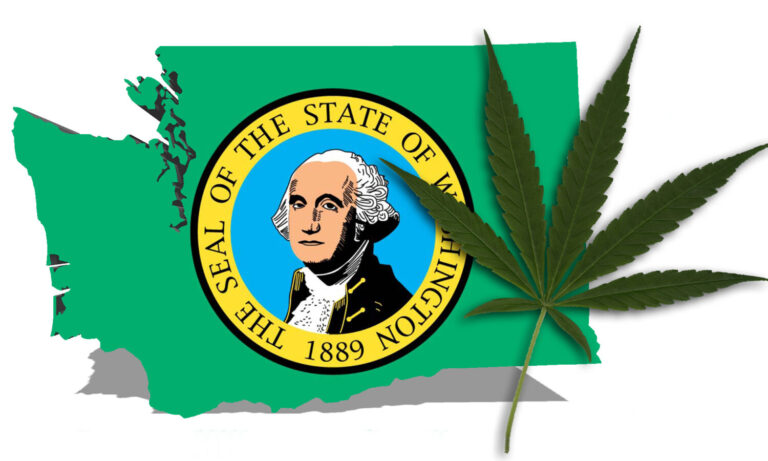
The Washington State Liquor and Cannabis Board adopted a motion to implement 2022 legislation that replaces the word “marijuana” with “cannabis” in all state laws, reported Big Country News.
Governor Jay Inslee signed the bill into law in March. With the Washington State Liquor and Cannabis Board’s adoption, the new rules are expected to take effect on August 6.
The measure refers to the racist origins of the Spanish word for weed as utilized by Harry Anslinger, who was the first commissioner of the Federal Bureau of Narcotics that later became the Drug Enforcement Administration (DEA) and played a key role in pushing Congress to pass the Marijuana Tax Act of 1937 that forbade selling and possessing cannabis.
“The term ‘marijuana’ itself is pejorative and racist,” Democratic state Rep. Melanie Morgan said during 2021 testimony on House Bill 1210, which she sponsored, according to local CBS affiliate KIRO 7 and reported by Yahoo Finance.
“As recreational marijuana use became more popular, it was negatively associated with Mexican immigrants,” Morgan noted. “Even though it seems simple because it’s just one word, the reality is we’re healing the wrongs that were committed against Black and Brown people around cannabis.”
She referred to Anslinger’s comments: “Marijuana is the most violent causing drug in the history of mankind. And most marijuana users are Negroes, Hispanic, Caribbean, and entertainers. Their satanic music, jazz, and swing result from marijuana usage.”
Jeff Kildahl, LCB’s cannabis policy and rules coordinator agreed. “Passing the bill, the Legislature found use of the term ‘marijuana’ in the United States has discriminatory origins and should be replaced with the more scientifically accurate term ‘cannabis.’” Kildahl noted that the word replacement will apply to Title 314 of the Washington Administrative Code.
I think that cannabis products, particularly those with over 10mg of THC, should indeed have warning labels — the same way that we regulate tobacco products. Here’s why.
Over the last few years, high THC cannabis has caught the attention of medical professionals and parents alike, but not in a good way. There has been an increased incidence of schizophrenia and psychosis cases attributed to consuming high THC cannabis, particularly among the youth.
On the other hand, for recreational users and other types of medical marijuana patients (including those struggling with severe depression, treatment-resistant post-traumatic stress disorder, cancer, and many more), the recent development of extremely potent cannabis — with concentrates sometimes reaching as much as 95% THC — has been nothing but good news. Sure, people say that the choices we have today are definitely not your grandparents’ weed.
Thanks to developments in genetics, we now have a wide array of THC products to choose from, ranging from 0.3% THC all the way up to the high 90s. And these types of products are available in dispensaries around the nation wherever it’s been legalized for adult use, medical use, or both.
Cannabis is Safe, But Has Never Been Touted as a Cure-All
A quick look at any search engine will show you a vast array of clinical studies done that show the efficacy and safety of cannabis for treating long list of mental and physical health disorders. There has also been a great emphasis on its efficacy with mental health issues, a serious medical problem that the industry is struggling to treat with effectiveness and precision.
According to the National Alliance on Mental Health, untreated mental health disorders costs the United States some $300 billion annually due to productivity losses. In addition, mental health illness and substance abuse disorders are commonly co-occurring issues, with many of those struggling with mental health disorders turning to dangerous antidepressants that one can easily overdose on. This leads to a (preventable) increase in the death toll. People with untreated mental health disorders, especially the more serious types such as psychosis and schizophrenia, tend to self-medicate which is why they often struggle with substance use disorders.
The real problem here is the absurdly high costs of mental health care in the country. Being able to afford a therapist or psychiatrist is something that is exclusively for the rich, while only very few can access programs that are designed to help the impoverished. I mean, average therapist and psychiatric fees start at least at $100 per appointment. Can we wrap our heads around this fact? And one with serious mental health problems would need several of these sessions throughout the year, maybe several a month even, just to get better.
No wonder people are self-medicating, which has become easier to do with increased access to legal weed. But we’re seeing results that are unfortunate.
“Studies have suggested that high potency cannabis is linked to higher likelihood of psychosis, depression, anxiety, and cannabis dependence, but these studies hadn’t been able to account for people’s early mental health symptoms, and hadn’t always taken into account whether the risks of high potency use were over and above the risks from using cannabis everyday,” says a 2020 study from JAMA Psychiatry.
So while a great majority of the population is enjoying tremendous relief from conditions that pharmaceutical drugs weren’t able to help them with, or because they simply do not want to use synthetic medications, there’s the growing minority of cases that are sounding the alarm on the easy accessibility of high THC cannabis particularly among those prone to psychosis and schizophrenia.
Cannabis advocates, even medical professionals who support the use of the drug, have never said that this miraculously medicinal plant should be seen as a cure-all.
There are certainly some circumstances wherein patients have to learn not to self-medicate with it, just in the way they could practice restraint in ensuring to follow the correct dosage for prescription drugs, or not mixing it with alcohol for fun.
Data Show Cannabis Is Generally Safe & Well-Tolerated
In numerous studies showing the efficacy of cannabis for treating a myriad of conditions, patients report that it’s usually well-tolerated.
Sure, cannabis has some well-known and common side effects. These can include paranoia, anxiety, dry mouth, red eyes, and feeling high – so much so that you’d be too impaired to drive. These are simply part of the psychoactive effects of cannabis, and science tells us that because each human being has such a unique biochemistry, we will all react to cannabis in different ways.
However, you also have to remember that cannabis is recognized as one of the safest recreational drugs in the world, even despite these minor side effects that people can experience while on it. Magic mushrooms ranks the safest, with cannabis not far behind at second place.
Furthermore, one would have to consume a ridiculously large amount of marijuana within a short time to even overdose. To date, there has not been a single case of a person overdosing from marijuana. Yes, it’s possible to take such a high amount of THC that you would feel unhinged from reality, but that would subside in a few hours.
And yes, people with cardiovascular problems should not take high THC substances. That also goes for people with severe mental health disorders, people who drive, people who have asthma, and a couple more. It’s not for everyone, but it’s certainly helping a significant percentage of the human population lead healthier and better lives.
Conclusion
To end this article, I think that cannabis should indeed have mental health warning labels. As someone who thinks that consumers should be armed with all the information they can when it comes to making a decision on their own well-being, I think that cannabis products, particularly those with over 10mg of THC, should indeed have warning labels — the same way that we regulate tobacco products.
If that is what it takes to increase access to marijuana and improve its awareness and education, which likely means more widespread legalization, then it’s certainly for everyone’s best interest.
According to a Care Quality Commission (CQC) publication, unlicensed medical cannabis prescribing in the private healthcare sector increased by 935% from 2020 to 2021 with 15 providers that offer unlicensed cannabis-based products for medicinal use registered and more being assessed.
The recent report “Safer management of controlled drugs: Annual update 2021” noted there were 37,634 items prescribed between January and November 2021 by non-National Health Service (NHS) healthcare services compared to 3,636 items prescribed between January and November 2020.
By contrast, over the same period of time, the NHS CBMPs prescribing in England was so low that data could not be reported. “The number of items prescribed within the NHS is so small that this could potentially affect patient confidentiality,” reads the report.
“Medicines licensed to cannabis-based drugs are routinely available on the NHS,” Pharmacy Minister Maria Caulfield said last April in response assessment has been made of the adequacy of access to medicinal cannabis for people who are eligible.
“However, clinical guidelines from the National Institute for Health and Care Excellence demonstrate a clear need for more evidence to support routine prescribing and funding decisions for cannabis-based products not licensed for medicinal use,” Caulfield added. “Until that evidence base is built, prescribers will remain reluctant to prescribe and the NHS will not be able to make any routine funding decisions.”
Moreover, the National Institute for Health Research confirmed — in October 2020 — that despite a call for applications, no government-funded medical cannabis trials were taking place.
“Since 2020, we have seen an 846% growth in the number of patients accessing our specialist service,” said Simon Erridge, Head of Research and Access at Sapphire Medical Clinics related to the recent surge in CBMPs prescriptions.
“The prescription of unlicensed cannabis-based medicines through the NHS has not seen the same growth (…) the National Institute for Health and Care Excellence published in 2019, that which did not show sufficient clinical benefit compared to the costs associated with these drugs,” Erridge concluded. “There is also a lack of randomized controlled trials demonstrating the efficacy of CBMPs compared to other licensed drugs.”
The letter asks the Biden Administration to use its authority for two purposes: to deschedule cannabis and to clear the names of all individuals convicted of non-violent cannabis offenses.
As marijuana faces federal legalization, Democrats are asking President Biden to step up and deschedule the drug.
The Hill reports that a group of senators sent the Biden Administration a letter this past Wednesday. It was signed by Senators Elizabeth Warren, Bernie Sanders, Cory Booker, and more.
The letter asks the Biden Administration to use its authority for two purposes: to deschedule cannabis and to clear the names of all individuals convicted of non-violent cannabis offenses. The letter highlights the medical benefits of the drug and features a recommendation by the World Health Organization to reclassify the drug and remove it from the more “restrictive classification under international drug treaties.” It also puts an emphasis on the effect that cannabis criminalization has had on communities of color.
“We ask that the Biden Administration act quickly to rectify this decade long injustice harming individuals, especially Black and Brown communities,” the letter reads.
The letter is a follow-up to the previous correspondence that occurred between Democratic senators and the Biden Administration, an exchange that was called “extraordinarily disappointing” and that was only “half a page.” Apparently, the administration is concerned over cannabis’ safety and the fact that it hasn’t been studies that deem it a safe and effective treatment for any condition.
“The Administration’s failure to coordinate a timely review of its cannabis policy is harming thousands of Americans, slowing research, and depriving Americans of their ability to use marijuana for medical or other purposes,” reads the letter.
While marijuana is becoming legalized in more and more states, it still faces an uphill battle when it comes to federal laws. While a large percentage of Democrats want to legalize it, many Republicans are against the idea, making it unlikely for both parties to reach an agreement and for the laws to change any time soon.
Even if the economy in general takes a dip, marijuana is just beginning to test the waters in many states.
A year ago, there were only whispers of a recession. Now it is starting to dominate conversations, and it has companies and citizens worried about the months to come.
A recession is not at all certain, but experts are saying the likelihood is higher than it was before. “The probability of a recession over the next 12 months is now 30%, the highest since 2020,” according to Bloomberg. This number, they said, is double the odds that were predicted just three months ago.
It is no secret that this country is in pretty shaky and uncertain financial times. Interest rates are on the rise, there have been ongoing supply chain issues, a depressed stock market and an ongoing war in Ukraine that shows no signs of letting up any time soon. “Bleak” is a word we all are hearing more than we would like these days.
But just because many facets of the economy and daily life have been negatively affected, does this mean the cannabis industry will also take a nosedive? Or can it thrive in these tough times? After all, the industry showed impressive gains during the pandemic while so many other industries teetered on the edge of collapse.
The answer to these questions is a bit complicated, but there is hope that cannabis, although not recession proof, can fare much better than other industries in tough financial times. According toInvesting Daily, “Many cannabis stocks have been caught in the downdraft, as investors shift to risk-off mode,” but that when the broader market starts to turn around, “cannabis stocks are likely to stage an even sharper upward trajectory.”
In other words, while cannabis stocks and the industry are not immune to the economic downturn, it has a tack record and ability to bounce back and rise higher than ever before.
While there is hope that cannabis can bounce back quickly, the fact remains that as finances become tight, people might not spend as much on marijuana. “Obviously, the inflation factor is happening everywhere,” Aaron Smith, CEO of the National Cannabis Industry Association, told the Denver Post, adding that some cannabis users are “probably cutting down on consumption because they’re having a hard time making ends meet or paying their bills.”
Even as many dispensaries offer their lowest rates with sales and promotions, if a consumer is struggling to pay for basic necessities, a marijuana budget simply might not exist.
It is a hard truth that the demand for cannabis is less than the demand for food and living expenses, and some may find themselves in a position where there is only enough money for the needs, rather than the wants. Still, even if a bit of financial gloom may linger in the distance, there is also hope.
Some places, like Rhode Island, have optimism when it comes to the marijuana industry. According toNBC affiliate WJAR, the State Department of Administration projects $41 million in marijuana sales in just the first seven months of marijuana legalization in the state, starting on December 1. So while the country braces in many ways for a possible economic downturn, some states like Rhode Island are hopeful that marijuana can provide welcomed prosperity to their state’s economies.
Marijuana is not recession proof, but it is certainly a desirable product and a resilient industry. It is also a young business, and even if the economy in general takes a dip, marijuana is just beginning to test the waters in many states. This means there is potential for growth in the industry, even if the country as a whole sees a slightly shrinking economy for a period of time.
A new state law allowing adult cannabis users in Minnesota to purchase edibles infused with hemp-derived cannabinoids, including small amounts of THC went into effect last Friday. Now, Democrats are touting the move as an under-the-radar way to legalize marijuana in the future, reported Minnesota Reformer.
“We absolutely did this on purpose,” House Majority Leader Ryan Winkler, DFL-Golden Valley, who is also known for pushing for cannabis reform, said on Tuesday at a press briefing. “It was an intentional step forward.”
Gov. Tim Walz signed the large-scale legislation that included provisions that provide permanent protections to Minnesota-based hemp businesses for legal sales of CBD-infused foods and drinks in early June. Besides CBD, the measure allows all hemp-derived cannabinoids to be legally sold in food items, beverages, and topicals, to name a few.
The provision was a part of a health and human services measure and it also legalized the production and sale of edible products with THC. Under the bill, the products must contain less than the federal limit of 0.3 % THC.
“Sometimes legislation benefits from a lot of publicity,” Winkler answered a question about why Democrats didn’t publicize a bill that went fairly unnoticed by the public. “Sometimes legislation benefits from the ability to do the work more quietly, but it was all done in the public eye,” Winkler said when asked why Democrats didn’t publicize a bill they’re now all celebrating.”