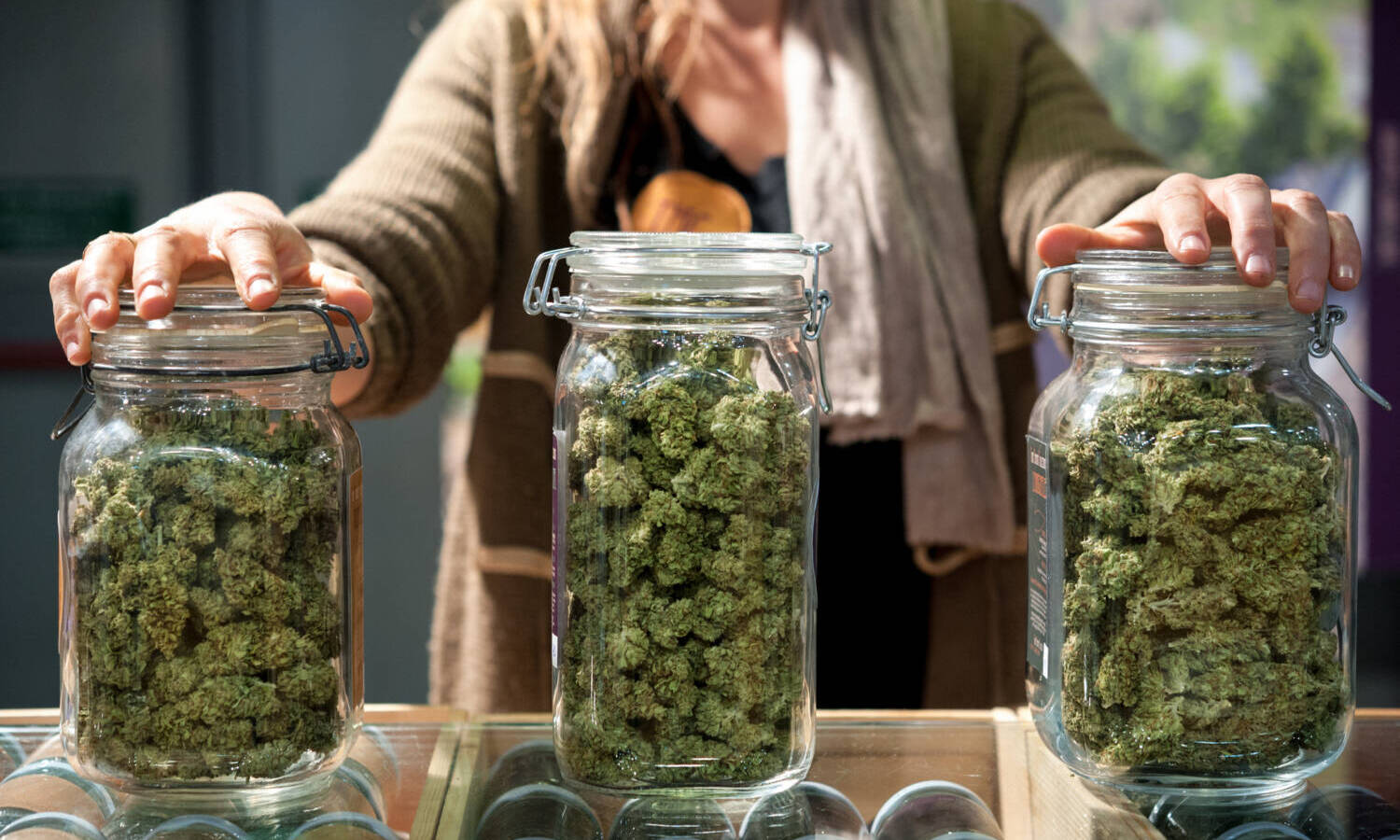
Legalize Cannabis Australia, a single issue minor political party recently proposed enabling West Australians to possess up to 50 grams of cannabis and for households to cultivate up to four plants. Upper house members of parliament Brian Walker and Sophia Moermond are planning to present marijuana legislation next year, reported WAtoday.
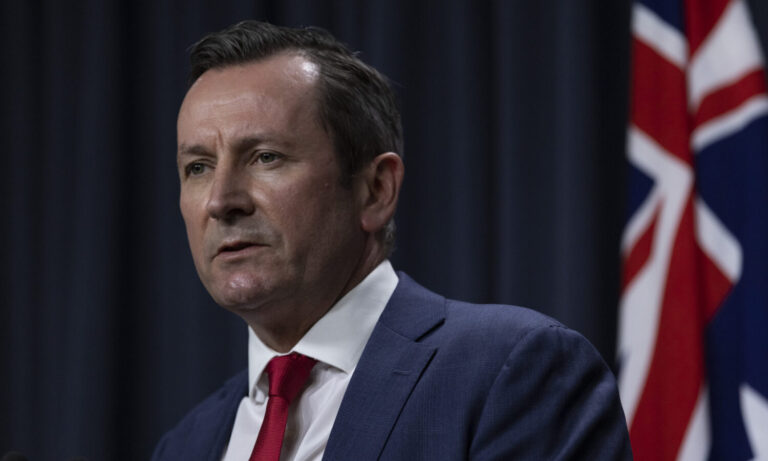
Western Australian Premier Mark McGowan, however, is not so pleased with this idea. On Tuesday, he said he’d use Labor’s control of both houses to block the bill.
“Having freely available cannabis is not our policy. They’re just proposing everyone can grow it wherever they want. That’s not what we’re doing. It’s just not an issue I want to deal with at this point in time,” McGowan told ABC radio.
“We do allow for medicinal cannabis for people with arthritis or cancer or those sorts of things. That’s the policy at this point.”
Previously under the ACT small amounts of marijuana have been decriminalized, starting Jan. 2020. The territory’s Labor government also signaled it would support a bill to decriminalize possession of small amounts of cocaine, MDMA and heroin.
Legalize Cannabis WA’s proposal would also enable licensed cannabis dispensaries.
— Dr Brian Walker MLC (@BrianWalkerMLC) June 20, 2022
“Cannabis is becoming a serious topic that Mark McGowan needs to address. This natural plant will only make WA better — socially, financially and medically,” Walker tweeted on Tuesday.
As we crawl out of the dark ages of marijuana research and knowledge, skeptics will have fewer reasons to oppose it.
Many lawmakers who oppose marijuana legalization say they need to see more research and studies on the subject before they vote to legalize marijuana on a federal level. Ample research and information is always important when voting on a major political matter. The problem, however, is that the century-long prohibition on marijuana has made it more difficult for researchers to study weed than legal substances.
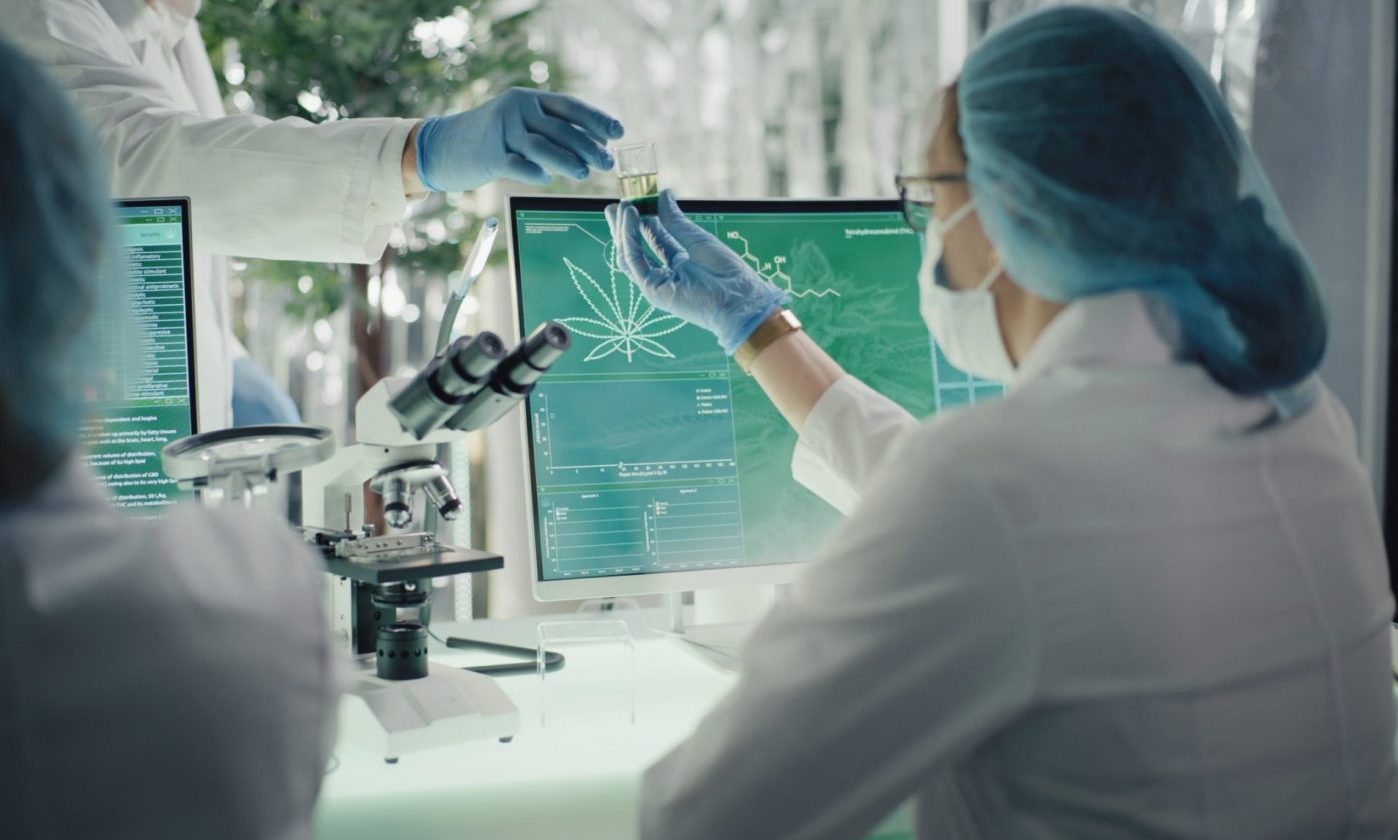
Even with marijuana becoming legal in more areas, researching the effects of cannabis is not without its red tape and difficulties. Still there is good news in the realm of marijuana research. A recent study has shown that after decades of limited scientific research on marijuana, there’s been a significant increase of research and data on the subject.
The study, published by the Journal of Cannabis Research, reveals that over the last 20 years, the number of published studies on cannabis has grown significantly. The authors point to increased funding as being a major reason for this sharp increase.
There are also implications for the future of research in the study. In regards to cannabis research moving forward, “Future research should continue to investigate changes in the publication characteristics of emerging research, as the volume of publications on this topic is expected to rapidly grow,” the study concluded.
There are several reasons this increase over time was possible. One reason is that although marijuana is illegal, the federal government has allowed researchers more access to marijuana samples than ever before. As we previouslyreported, in order to accommodate this spike in research, the DEA increased the annual marijuana production quota by 575% (from 472 kilograms in 2017 to 3,200 kilograms in 2020).
In a statement on its website about its access to marijuana for research, the DEAsaid it “took an important step to increase opportunities for medical and scientific research.” While the DEA still places marijuana in the same category as heroin and cocaine (a schedule I substance), its increased cultivation, at least, will allow scientists to compile DEA-supported concrete data on the effects of THC. This increased research may even help get marijuana out of the schedule I category in the not-too-distant future.
Another reason published research is up has to do with funding. “Overall cannabis research funding in the United States is rising steadily, from less than $30.2 million in 2000 to more than $143 million in 2018, and money to explore cannabis medical treatments is growing,” according toscience.org. It is important to note, however, that funding for medical treatments is not growing as fast as research regarding the harms of cannabis.
As we crawl out of the dark ages of marijuana research and knowledge, skeptics will have fewer reasons to oppose it. Conservatives, some medical professionals and even the President of the United States have called for more conclusive data before they can approve of marijuana legalization. They might not have to wait much longer, because the research is already under way.
The cost of cannabis has been declining in many major markets for months, with consumers seeing prices per milligram trending down for most of the year.
In the days leading up to the recent bear market entry, cannabis insiders provided Benzinga with varied opinions regarding the impact of inflation on the cannabis sector.
As fears of skyrocketing inflation fueled the bear market, some remained optimistic about cannabis, even confident in some instances.
On the other hand, several sources cited numerous pain points, including rising production costs, the unlicensed market, slowed sales momentum, and declining product prices.
Cannabis Market Concern
The cost of cannabis has been declining in many major markets for months, with consumers seeing prices per milligram trending down for most of the year. In many markets, consumers are seeing prices fall as the cost of other products rises.
Still, due to various factors, including a return to office work, the rising cost of living and slowing wage increases, the urge to buy cannabis has slowed since the end of last year.
According to Marijuana Business Daily, total sales growth across five western state markets was 15.9% in 2021 compared to 39.2% the year before.
“The entire cannabis industry is reeling from post-covid drops in retail purchases, and now the wholesale market is following suit,” said Chris Vaughn, CEO of Pacific Consolidated Holdings and California-based delivery service Emjay.
Bottom lines are being leveled by sinking cannabis flower prices. Vaughn cited a market oversaturated with options as part of the problem. He said premium flower prices fell from approximately $1100 per pound in 2021 to between $400 and $600 this year.
As prices fall, production costs are on the rise. Morgan Paxhia, co-founder and managing director at Poseidon and AdvisorShares Poseidon Dynamic Cannabis ETF said, “Businesses have seen costs rise pretty much across the board, including construction, labor, packaging and more.” Paxhia noted that cost of living increases are equally affecting consumers.
Brandon Dorsky, CEO of California-based edibles brand Fruit Slabs, feels inflation isn’t represented in most cannabis consumable prices, except for high-end products with price elasticity.
“Everyone else is scared to start pricing in inflation costs,” said Dorsky. He added that he attempted to raise prices when fruit costs went up but were pushed back by various distributors.
Conversely, operators like Somai Pharmaceuticals CEO Michael Sassano said cannabis companies had years to address rising cultivation and production costs.
“Incremental inflation for things like packaging, nutrients or extract solvents should be offset by these years of production efficiencies,” Sassano said.
Regardless, Paxhia said the slowing economy increases the probability of a recession.
“Legal cannabis has not really been tested in a macro recession, so we’ll be looking to see how consumers behave through this time,” Paxhia said.
Geoffrey Lawrence, CFO at California-based cannabis brand Claybourne Co., said consumers are pivoting back to the less expensive unlicensed market.
Lawrence feels that states can improve their marketplaces and hedge against inflation “by creating a more equitable distribution of cannabis retailers so we take the air out of the illicit marketplace while also boosting cannabis sales and tax revenues.”
Cannabis Market Confidence
Other operators and insiders appear confident about the downturn and its impact on cannabis.
“Cannabis is basically recession-proof; there will always be a need and consumers,” said Anne M. Davis Esq., co-founder of cannabis healthcare platform Bennabis.
Sweetleaf Madison Capital CFO Kevin Bush expects the sector to be “significantly less” affected than other markets.
“Whatever volatility in input pricing is derived from generalized inflation in the broader economy,” he said.
Bush added, “that amount is minuscule compared to the input price volatility resulting from much larger factors that affect price levels in the cannabis industry.” He cited state-by-state regulations and market demands as prime factors.
On the consumer side, Bush said, cannabis should see results similar to another “vice” industry, alcohol. If accurate, cannabis sales would likely continue to perform well, but consumers may switch to more affordable, less premium products.
Piecemeal regulations are always a factor in the US market. Cannabis POS company Cova Software CEO Gary Cohen cited less income availability, the return of non-cannabis public alternatives and fiercer MSO competition as causes for decreased revenues.
Photo by Olena Ruban/Getty Images
Cohen expects mature state markets with ample distribution to see their sales volume impacted more. However, newer markets with tight retail distribution may see fewer sales due to expensive products.
“I think the global supply chain will get caught up at the end of the year, and wage increases will stop increasing by then as well,” said Cohen, predicting inflation will pull back in early 2023.
Cannabis Market Uncertainty
Others say it’s too early to tell what inflation and downturn will have on cannabis.
Jordan Lams, CEO and founder of Moxie, cited numerous uncertain areas of concern, including potential company-consumer demand misalignments, results of the hiring frenzy and scarcer capital.
“This time, it’s not exclusive to capital-intensive plant-touching operators, as we’ve recently seen with major ancillary technology players’ announcing layoffs,” Lams said.
In May, Akerna Corp announced layoffs amid restructuring plans. The following month, Dutchie announced it cut 8% of its staff. The job cuts are not exclusive to the US market, with Canopy Growth Corp. announcing an 8% workforce layoff in April.
A new study found that good gut bacteria can impact depression and mental health for the better.
The stomach and the brain have an interesting connection. The stomach is one of the first places to signal anxiety or excitement, with the reverse also being true; if the stomach is upset, the brain can interpret that as a signal of anxiety or worry, creating a jumble of emotions.
A new study shows that good bacteria in the gut can have a positive impact on depression and mental health.
The study, published in the journal Translation Psychiatry, was conducted by researchers at the University of Basel in Switzerland who examined 47 volunteers with a history of depressive episodes — each given probiotic supplements over a 31-day period.
Results showed that participants who took probiotics along with their antidepressants experienced greater improvement. Their intestinal flora also changed, increasing in lactic acid-producing bacteria.
Researchers conducted a check-up four weeks later, showing that the results stopped once the probiotics were no longer consumed. “It may be that four weeks of treatment is not long enough and that it takes longer for the new composition of the intestinal flora to stabilize,” said psychiatrist Anna-Chiara Schaub, from the University of Basel.
The study showed that probiotics impacted the area of the brain that processes depression. Via fMRI scans, researchers saw that probiotics had an impact on the way people react to faces with fearful or neutral faces. Researchers don’t fully understand why, but probiotics normalized the way in which brains with depression process these experiences.
“Although the microbiome-gut-brain axis has been the subject of research for a number of years, the exact mechanisms are yet to be fully clarified,” said Schaub.
Scientists have long believed in the brain-stomach connection, with this study only adding further evidence to the theory. Still, researchers make it clear that antidepressants are still necessary and that the study needs more evidence and research to provide a conclusive answer.
There is some evidence that the strict federal stance on marijuana may loosen its posture in the not too distant future. But for now, investing in cannabis is off limits for many Americans.
Even with many states legalizing recreational marijuana, there are still several careers that prohibit the purchase and use of marijuana. After all, it is still a Schedule I substance under federal level. While these policies can at times appear to be unfair, they are at least straightforward.
Recently, however, there have been messages and instructions sent by federal organizations, including the Biden administration, suggesting that not only will using marijuana will get you fired, but any financial investments in the cannabis industry may get you sacked as well. This “clarification” has a lot of people wondering how broad this policy is, and if their mutual funds they set up to secure their future may actually be putting their security clearance and jobs in jeopardy.
Those serving in the U.S. military, working for the federal government, or those in a position that requires specific federal security clearance are currently prohibited from investing in the cannabis industry. But what does that really mean? The general consensus is that as long as you are not consciously investing in marijuana (i.e. picking out marijuana stocks intentionally), then you likely have very little to worry about.
According to ClearanceJobs, a network for professionals with federal security clearance, the level of your investment and your knowledge of the investment are both major factors. In regards to owning a mutual fund that happens to invest in marijuana stocks, the sitestates that “unless you’re personally selecting those stocks, clearance holders likely don’t need to be concerned.” A good rule of thumb is that as long as you are not a willing and active participant in the purchase of these stocks, you should be safe. Still, it is important to remember that it all comes down to how things appear.
If you work for the government or possess a particular security clearance at your job, it is not uncommon for you to be required to release information about your finances and investments. So while marijuana remains illegal on a federal level, it is imperative that your investments look squeaky clean. As the popular federal government information resource site FEDweekstates, “Be careful to avoid any federally illegal investments. Think about how your investments would look if they were being evaluated by someone who doesn’t know you.”
These policies have even come into play in the White House. According to an internal executive branch presentation obtained byPOLITICO, “Eligibility may be negatively impacted if an individual knowingly and directly invests in stocks or business ventures that specifically pertain to marijuana growers and retailers.” The presentation went on to say these willing investments in marijuana could show “questionable judgment” and “an unwillingness to comply with laws.” This shows that currently getting caught investing in marijuana is very much guilty by association.
For those in roles within the federal government, it is also important to remember that your finances can be evaluated at any time. In other words, these financial background checks do not simply happen when you accept a job, or obtain a new role.
According tomilitary.com, “Clearances now undergo continuous evaluation, so your ownership of such stocks may pop up and raise a big, red flag at any time.” The article goes further, to suggest that because ownership in marijuana stock is seen as a violation of policy as a member of the military, you could lose your clearance and even your job, and you would have no recourse.
Even as more states have legalized marijuana, the current prohibition on marijuana still casts a long shadow on many policies. There is some evidence that the strict federal stance on marijuana may loosen its posture in the not too distant future. But as of now, investing in cannabis is off limits for many Americans.
A new survey by the Colorado Department of Public Health and Environment showed that in 2021 young people were 35% less likely to use marijuana compared to prior years.
A decline in young people’s use of marijuana and other controlled substances seems to be a rising trend, as confirmed by yet another government-funded study.
After Michigan’s annual Monitoring the Future (MTF) survey showed an unprecedented year-over-year decline in 8th-graders, 10th-graders and 12th-graders, Coloradans followed suit.
The Colorado Department of Public Health and Environment’s (CDPHE) Healthy Kids Colorado Survey’s results showed that in 2021 young people were 35% less likely to use marijuana compared to prior years.
The significant drop in use for high school students over the past two years is a part of a broader trend that dates back to 2013 when the department’s biennial survey got underway, cannabis advocates say, attributing it to regulated access for adults that then minimizes the risk of adolescent marijuana use.
According to the CDPHE’s report, only 13% of surveyed students said they’ve used cannabis over the past month, versus almost 20% in 2013.
To that end, a recent study published in the Journal of the American Medical Association found that marijuana legalization laws are not associated with increased use among high school students.
“Consistent with estimates from prior studies, there was little evidence that [recreational marijuana laws] or [medical marijuana laws] encourage youth marijuana use,” reads the paper.
Moreover, a previous paper that used data from the Youth Risk Behavior Survey (YRBS) for the period 1993-to 2017 found that marijuana adoption was associated with an 8% decrease in the odds of marijuana use among high school students.
Marc Fogel pleaded guilty to smuggling, storing, transporting, manufacturing and processing narcotic drugs and was sentenced to serve his prison term at a maximum-security penal colony.
A Russian court has sentenced a former U.S. diplomat to 14 years in prison for “large-scale” cannabis smuggling.
Marc Fogel had previously worked at the U.S. embassy in Moscow, but was employed as an English teacher at the Anglo-American School in Moscow at the time of his arrest in August 2021.
“The American citizen Fogel has been found guilty,” a court in the Moscow suburb of Khimki announced in a statement. A news release said Fogel committed “large-scale drugs smuggling, large-scale illegal storage of drugs without a commercial purpose.”
Fogel was sentenced in the same jurisdiction that is hearing the case against WNBA superstar Brittney Griner whose pre-trial detention was recently extended. Griner was detained in February entering Russia for allegedly having vape cartridges with hash oil in her luggage.
From Diplomat To English Teacher To Penal Colony
As part of the investigation, Russian police released footage of searches conducted by investigators at the now closed school in Moscow.
The U.S. Embassy did not elaborate on Fogel’s case or on his diplomatic status, which he may have held, in that he was a staff member at the school when he was arrested. The school was previously run by the U.S. embassy.
Fogel, who is in his 60s, argued that a doctor recommended cannabis to him for treating pain after spinal surgery and that he was not aware that medical marijuana was illegal in Russia.
“He insists that it was medical marijuana and claims that a doctor prescribed it to him in the United States, which is allegedly confirmed by an entry in the medical record,” Alexander Khurudzhi, a member of a Moscow human rights committee, reported CBS News.
According to Russia’s Interfax news agency, Fogel pleaded guilty to smuggling, storing, transporting, manufacturing and processing narcotic drugs and was sentenced to serve his prison term at a maximum-security penal colony.
In addition to Griner, several Americans are detained in Russian prisons, and vice versa.
In April, the United States exchanged former U.S. Marine Trevor Reed, sentenced by a Russian court to nine years in prison for violence, for a Russian pilot who had been in a U.S. jail since 2010.
Due to the spread of Monkeypox, the CDC is issuing some protective guidelines for sex to prevent more people from catching the virus.
It’s that time of the year again, when the Center for Disease Control and Prevention (CDC) issues some weird sex guidelines related to a viral disease.
Due to the spread of Monkeypox, the CDC has issued a list of safe activities for sexually active people to participate in.
The list recommends for sexually active patients with Monkeypox to avoid kissing, proposing they have sex with their clothes on or while “covering areas where rash or sores are present.”
Patients are advised to wash “hands, fetish gear, sex toys and any fabrics” after having sex. The guideline also suggests sexual activities like for patients “masturbate together at a distance of at least 6 feet.”
According to the CDC, there are over 2,000 cases of Monkeypox in over 32 countries around the world — not a large number. Still, the CDC is being extra careful with its precautions.
There’s been a lot of discussion regarding Monkeypox and sexual transmission, particularly for gay men, who have reported catching the disease with more frequency. But Monkeypox is not an STD. The disease is transmitted through close contact with people, with skin-to-skin contact. The CDC states that the most common way of contracting it is by people interacting with each other’s sores and scabs or by wearing clothes that were worn by someone who was infected.
First and foremost, the CDC recommends avoiding sex if sporting sores or rashes and getting these diagnosed. If adults are going to adult, the organization then provides a list with a thorough breakdown of possible activities and ways of preventing the spread of the disease when having sex.
The new CDC list is reminiscent of the guidelines that they issued at the start of the Covid pandemic, warning people to avoid kissing, encouraging masturbation, and proposing they wear face masks while having sex. Logically, these rules make sense, but they never stop being weird.
While the legislation is mostly focused on ensuring more rigorous marijuana testing, it also addresses the number of cannabis dispensaries in the state.
A bill advancing through the Arizona legislature will ensure that cannabis customers are getting what they paid for, reported Phoenix New Times.
House Bill 2050 would require the Department of Health Services to collaborate with an outside laboratory to check whether medical and recreational dispensaries are selling what they claim.
The measure, sponsored by Phoenix Republican Rep. Justin Wilmeth, passed earlier this week on a 25-2 margin, requires the DHS to grant nonprofit medical dispensary licenses in counties where dispensaries are more than 25 miles apart.
While the legislation is mostly focused on ensuring more rigorous marijuana testing, it also addresses the number of cannabis dispensaries in the state.
Sen. David Gowan, R-Sierra Vista said voters wanted to see dispensaries in each of Arizona’s 15 counties when MMJ was first approved in back in 2010. A 2019 law sought to ensure that by directing the health department to issue new licenses in any county that didn’t have one.
Arizona & Cannabis Legalization Efforts
In the meantime, results of a recent poll demonstrate a promising shift in opinion on federal cannabis reform in the Grand Canyon state.
The survey, conducted by Change Research, found that nearly 70% of registered voters in Arizona, as well as Utah and West Virginia support federal cannabis legalization and want their senators to vote in favor of federal reform this year.
A majority of Arizona voters voted “yes” for recreational cannabis and approved Proposition 207 in 2020 as part of the five-state green wave that occurred in last November’s elections. Since then, the state has stood out from the pack by quickly implementing and launching its adult-use market in February 2021.
Thailand decriminalized marijuana earlier this month. What does this mean for the country’s weed tourism?
Earlier this month, Thailand became the first Asian country to decriminalize marijuana. The news is huge and has prompted many to consider adding a new location to their cannabis travel map.
Still, there are a few things to keep in mind as a weed enthusiast considering a trip to Thailand.
In 2018, Thailand legalized the medical use of cannabis. In January of this year, it legalized home growing, even gifting a million cannabis plants to residents in order to encourage their home growth. For tourists, the topic is more complicated.
While decriminalization generally implies that people will no longer face penalties for something, when it comes to cannabis use in Thailand, the issue is much more complex.
Like Thai residents, tourists are allowed to use cannabis if it has a medicinal purpose. They’re also allowed to purchase cannabis-infused products in cafes and restaurants, as long as these have a THC content of under 0.2%. When it comes to smoking weed for fun, the Thai government has made it clear that recreational use remains illegal.
Thailand health minister Anutin Charnviraku spoke with CNN and clarified that cannabis could only be used with a medicinal intent. When discussing recreational cannabis, he said, “Don’t come. We don’t welcome you if you just come to this country for that purpose.”
People caught smoking for recreational uses will have to pay fines of up to $800 and could face up to three months in jail. Still, authorities state that cannabis possession won’t result in imprisonment, but it should be something that tourists keep in mind if wanting to travel there.
Despite the government’s stance on marijuana, there are still ways in which medicinal cannabis could produce revenue for Thailand. The country is a hotspot for wellness and medical tourism, meaning that it could reap the benefits of medicinal cannabis on a national and international level.