Wednesday, May 6, 2026
Home Blog Page 234

High THC Weed: A New Form Of Reefer Madness Or Worth The Panic?

Many within the industry have claimed that proof backing the widespread risks of high THC levels are scant and more research needs to be done.

This article originally appeared on Cannabis.net and has been reposted with permission.
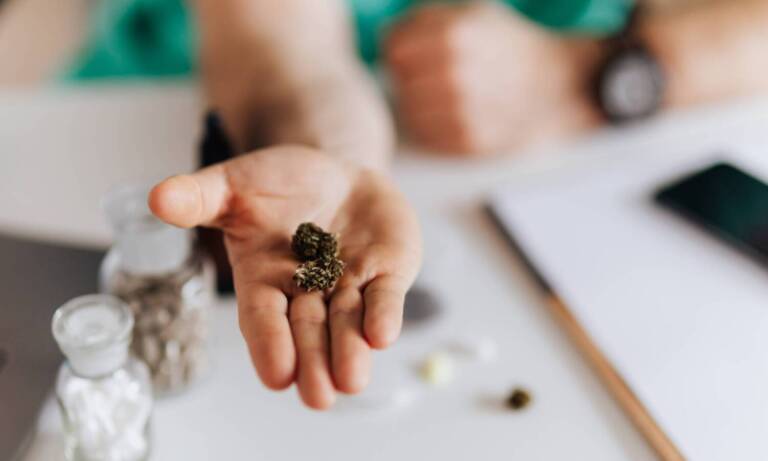
With the legislation on cannabis at the federal level set to be brought forward in the Senate, marijuana legalized states are now undergoing new research on the risks linked with high-potency cannabis products. Among the questions being asked is the possible link between these high-potency cannabis products and psychosis.

These latest high-potency cannabis products circulating the market are commonly called shatter or wax and are known to have THC levels as high as 85%-90%. Researchers, via comparison, affirmed that the THC levels in a usual joint two decades ago were approximately 5%. Considering this high level of THC, Colorado and Washington are now looking to include potency caps in their legislation.

THC
Photo by Erin_Hinterland/Pixabay

RELATED: Legal States Are Rushing To Study The Mental Health Risks Of High Potency Cannabis

During a forum held in January, Dr. Nora Volkow, the director of NIDA expressed her concerns that young adults are increasingly consuming high-potency cannabis. Volkow affirmed that she is worried about the negative effects of high THC concentration on mental health. She noted that the higher the THC levels, the higher the chances of psychosis. While the research is still ongoing, Volkow affirmed that another question waiting to be answered is if such psychosis can cause permanent schizophrenia.

Bethany Moore, during an interview with NBC News, asserted that the best way forward is to tackle these concerns through adequate labeling and testing. Apart from that, she believes states should only sell cannabis via licensed dispensaries to fully informed and legal adults. By selling cannabis only via legal dispensaries, Bethany claimed the activities of the illicit cannabis market will gradually fade.

According to several public experts, proponents of the cannabis industry are responsible for the problem of high-potency cannabis products now flooding the market. This is because most industry backers were only focused on legalizing cannabis without considering a market boom in cannabis concentrates.

In fact, a research scientist, Dr.Beatriz Carlini affirmed that they were not fully informed in 2012 before voting on the bill. She believes a lot of people who voted in support voted for the cannabis plant and nothing else. In 2020, Carlini led a research team I’m the state of Washington to study high-potency cannabis. Upon research, the team concluded that high-potency cannabis can have a prolonged negative impact on mental health.

RELATED: What Exactly Is Considered High-THC Cannabis These Days?

Carlini claimed that while there’s a better understanding of cannabis and its medical benefits, high-potency cannabis is just a different ball game. She compared the situation to strawberry icing marketing. She argued that while strawberries are healthy fruits, strawberry icing is not healthy.

Presently, the high-potency cannabis circulating on the market is legal for purchase for adults above the age of 21 years. However, teens have been able to easily get access to the products.

Efforts of State Legislative

The bill for cannabis legislation at the federal level has been introduced to the house. But while the politics play out, many now look forward to the promise of Chuck Schumer, the Senate Majority Leader he had earlier promised on the 22nd of April that he would introduce another version to the senate come April.

Meanwhile, things are moving fast in Colorado thanks to several doctors’ testimonies last yeast about the increasing cases of psychotic episodes linked to cannabis concentrate. To address the situation, a bill was unanimously passed to curb access to high-potency cannabis concentrates.

marijuana THC
Photo by Olena Ruban/Getty Images

A section of the legislation also charged the medical school at Colorado University to carry out a full review of over 800 scientific articles. The articles are said to cover the effects of high-potency cannabis concentrated on both mental and physical health. The report is said to be due come July.

Heading the team is Dr. Jon Samet who is also in charge of the project. In his words, he affirmed the study won’t be an easy one given there is a lot of messy data to organize from the studies whose authors used different methods of measurement. However, he shared his anticipation of creating the latest public research database for the state.

RELATED: Want The Best Weed In The Dispensary? Forget THC Percentage And Focus On This Instead

In the state of Washington, researchers are a step further after completing a six-month review executed by 11 scientists in 2020. The research revealed that THC has a dose-response. This implies that the more THC one consumes, the higher the negative impact on mental and physical health. This research kicked off immediately after sales of THC concentrate increased from 9% to 35% between 2014 to 2020.

The researchers also revealed that young adults were most vulnerable to the side effects and getting addicted to high THC concentrations. They then concluded that there’s a need for more police declarations and considerations to support public well-being and general health.

Carlini, who led the Washington researchers, affirmed that other states looking for guidance have also reached out to her. She added that the initial mistakes are glaring for all to see and people are ready to learn from their mistakes. Researchers from both states are now keeping in touch and consulting each other when necessary

Regarding Seattle, researchers are looking for new ways to curb access to THC concentrate. Approaches under evaluation include tax established on potency level or cap on potency which is the approcahbuded in New York and Illinois.

The research team in Washington is considering warning labels like those employed in Canada. The warning label will explicitly state the risks of high THC levels to mental health. The Washington research team’s coming report is due at the end of the year.

Photo by RODNAE Productions via Pexels

Conclusion

As it stands, Vermont is the only state that placed a potency cap on legal recreational cannabis. Meanwhile, an attempt at such has failed woefully in Massachusetts and South Dakota.

Attempts at a long-lasting potency cap have proven difficult due to strong pushbacks from the cannabis industry. Many within the industry have claimed that proof backing the widespread risks of high THC levels are scant and more research needs to be done.

However, Carlini has stood by her team and the research they executed saying she and her team stand by the conclusion reached. The higher the THC levels of cannabis, the higher the chances of dangerous side effects.

This article originally appeared on Cannabis.net and has been reposted with permission.
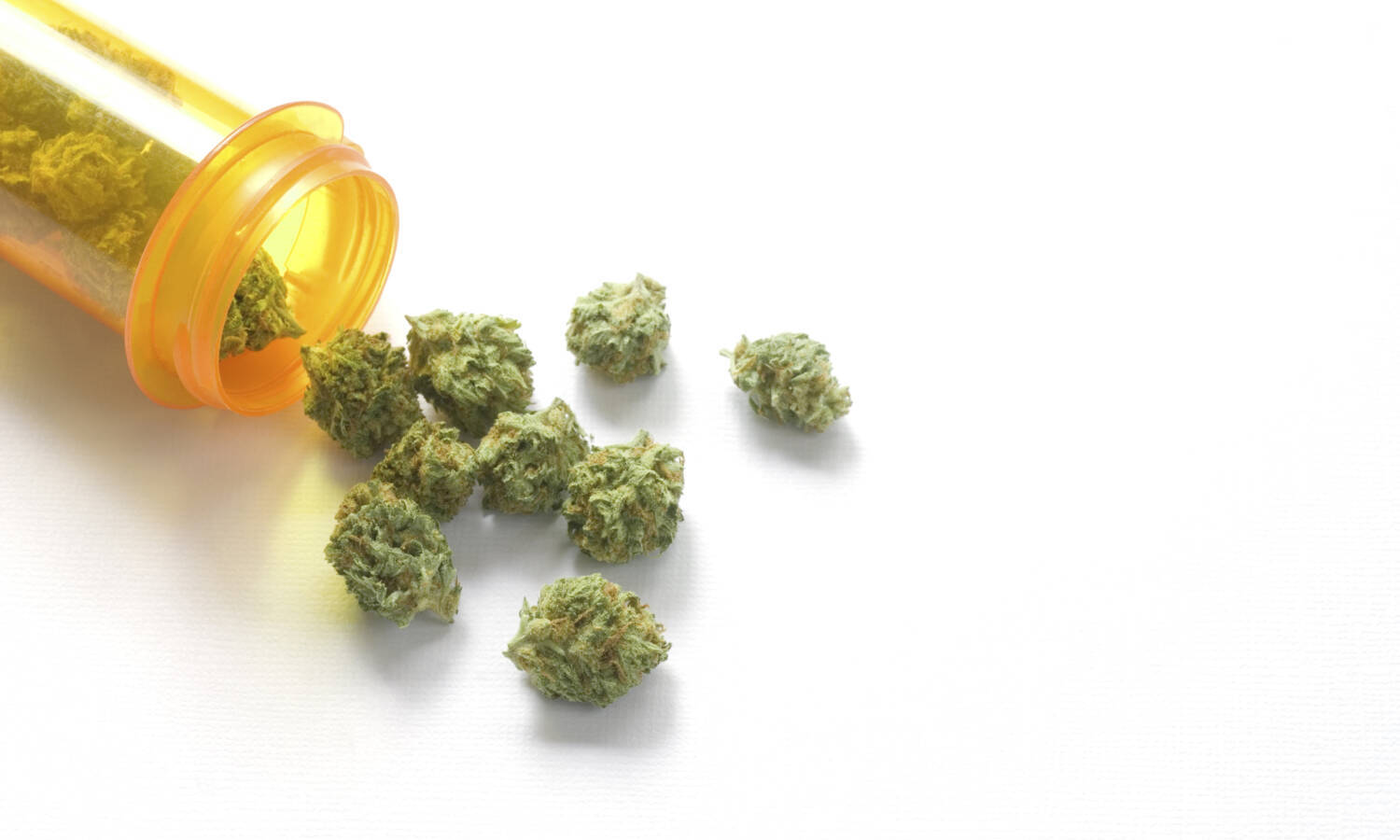
US Army Veteran With Cancer Begs Kansas Senate To Legalize Medical Cannabis As He Is ‘Running Out Of Time’

He invited Senate members to come and see for themselves what cancer is doing to him and to determine how medical marijuana could help minimize his pain and suffering, something he already knows.

By Nina Zdinjak

The Kansas House of Representatives recently appointed key lawmakers from both chambers to a conference committee that will lay out details for a medical marijuana legalization bill. Cannabis advocates called the move a clear sign that reform is inevitable and can be expected soon.

However, it seems that Senate Bill 12, which is still in committee, will not gain traction when lawmakers return on May 23 to tie up the legislative session.

legal marijuana
Photo by Ivan-balvan/Getty Images

RELATED: Federal Foot-Dragging On Cannabis Rescheduling Hampers Vital Research, Harms Veterans And Millions More

“Given we plan to only be there one day, it’s unlikely that work could be completed on that item,” Mike Pirner, a spokesman for Senate Leadership told Kansas Capitol Bureau in an email.

Without accessibility to medical marijuana, many patients in the state are struggling, some from terminal diseases, such as cancer. One of them is a U.S. Army veteran and resident of Paradise, Kansas. His name is David Auble. Despite his serious condition, Auble is not only fighting for his life, he’s also pushing for cannabis reform.

A lifelong Republican who supported Trump, Auble sent a letter to members of the Kansas Senate explaining how some cancer patients like himself are in desperate need of cannabis, and how the plant can and does help the symptoms, reported The Wichita Eagle.

Addressing the letter to Senate President Ty Masterson and members of the Kansas Senate, Auble wrote:

“I’m running out of time.

I’m fighting cancer and am running out of options for treatment. 

The steroids I’ve been on since September are making me weaker and weaker.

I can barely lift my head; my legs are tingly and I have a trachea breathing tube. You have no idea how terrifying it is when you can’t move air in or out.

This is actually my second bout with cancer. After suffering tremendous pain the first time — having part of my jaw and front of my neck removed — I learned how patients in other states have benefited from medicinal cannabis.”

The Veteran further explained that he’s been advocating for medical marijuana in the state for over five years.

Auble had previously met with Sens. Rob Olson and Dinah Sykes and a representative of the governor’s office, all of whom gave him hope and encouragement that they’d push for MMJ legalization.

Political Power Versus The Lives Of The People 

“My hope was that this session would be ‘the year’ and that treatment would be available to help my situation. With the House passing the bill in 2021, there has been plenty of time for you and other senators who have questions or concerns to learn about the benefits of medicinal cannabis,” Auble wrote.

“I’ve sent you messages, called your office and yet, I’ve heard nothing back.

“I know you were also invited to the meeting with other senators prior to the start of session. I guess if you don’t respond or engage with me, you don’t have to think about the suffering I am going through. It feels you are more worried about political power than the lives of the people you represent,” he wrote.

medical marijuana
Photo by LPETTET/Getty Images

RELATED: Kansas Democrats Unveil Plan To Put Marijuana Legalization On 2022 Ballot

Auble also revealed that while his friends suggested he get cannabis illegally, he didn’t want to do it that way. “That’s not who I am,” he said, further revealing how serious and life-threatening his condition is.

“If you won’t even help me, then my guess is you really aren’t interested in helping anyone. If you can’t make decisions for the good of the people, then you shouldn’t be making decisions at all.”

Final Plea 

“I know you return to session May 23. I am asking you to please do the right thing and help patients like myself who are suffering,” Auble wrote.

RELATED: Why The Military Should Have Reduced The Penalties For Getting Caught With Weed

In conclusion, he invited Senate members to come and visit and see for themselves what cancer is doing to him and to determine how medical marijuana could help minimize his pain and suffering, something he already knows.

Will they listen this time? We sincerely hope so.

This article originally appeared on Benzinga and has been reposted with permission.

How Many Times Can You Get COVID-19? Here’s What Experts Know

0

COVID-19 reinfections are possible, especially now that there’s Omicron variants in circulation. Here’s what experts want you to know.

Two years into the pandemic and a large percentage of the world has been infected with COVID-19. In the U.S, the most recent statistics show that almost 60% of people have had past infections. As states jump back into COVID-19 high alerts, the possibility of reinfection becomes all the more likely. But how many times can you have COVID?

That’s a difficult question to answer, but there are several things experts have learned about the virus over the past couple of years.

The New York Post spoke with infectious disease expert Dr. Michael Phillips, who provided some context and answers regarding COVID-19 reinfections. While there’s no way of knowing how many times a person can get Covid, people who were infected with Omicron appear to have less protection than those who were infected with previous variants, like Delta.

Long COVID-19 Numbers Are Increasing Long COVID-19 Numbers Are Increasing — Here's How To Know If You Have It
Photo by christopher lemercier via Unsplash

RELATED: People Who Had COVID-19 During This Month Are At Higher Risk Of Reinfection

The New York Times spoke with a variety of experts, who surmised that Omicron created a whole new set of problems, disrupting what people knew about the virus and its capabilities for reinfections. Before the variant existed, experts believed that vaccines and natural infections would kill the virus off naturally. Now, the situation is difficult to predict, since Omicron has evolved to dodge immunity.

“But thankfully, the vast majority of people [who] get the infection tend to recover without too many problems,” explains Dr. Phillips, meaning that while the subvariants that are circulating are highly contagious, they’re not likely a high risk for the majority of the population provided they’re vaccinated. The problem with this issue and with the lax mentality that most states and countries have adopted is the unpredictability of these new batches of reinfections. A large percentage of people will be fine, but those who are over a certain age or have comorbidities to contend with stand on much shakier ground.

While our knowledge of the virus suggests that getting reinfected with the same variant is unlikely, experts make it clear that it’s possible, especially if the person isn’t vaccinated, and especially now that there are Omicron subvariants in circulation.

RELATED: Long COVID Numbers Are Increasing — Here’s How To Know If You Have It

Lastly, when addressing protection from a COVID infection, Dr. Phillips explained that the average immune system can fight off COVID reinfection for three to five months after the previous round. After six months you can expect COVID antibodies to have waned significantly.

He reiterates the importance of vaccines since these prevent strong infections and help keep the virus under control. While reinfection can’t be completely ruled out, vaccines and boosters are the most efficient way of reaching a point where the virus becomes endemic and it’s not as big of a threat for people with deal with all types of conditions.

This New York State Senator Just Presented Two New Cannabis Bills

“I am proud to introduce legislation that will further support the fast-growing New York cannabis industry,” said Sen. Jeremy Cooney.

By Javier Hasse

Senator Jeremy Cooney (D-Rochester) announced Wednesday a package of two cannabis bills designed to lay additional groundwork for the future of legalized cannabis in New York State.

Senate Bill S.9217 would permit New Yorkers to cultivate cannabis in licensed personal cultivation facilities. Current regulations allow for personal cultivation eighteen months after the first adult-use sales commence. However, the plants must be grown at the individual’s personal residence.

Growing Marijuana
Photo by DaveLongMedia/Getty Images

RELATED: New York Prepares For Billion-Dollar Marijuana Industry — Here’s How

These guidelines would exclude those without sufficient open space, especially renters/tenants. This bill would authorize the Cannabis Control Board to make regulations allowing for personal cultivation in specified licensed facilities open to adult use. This will ensure individuals who do not have a residence that is suitable for personal cultivation, such as most renters and individuals living in urban communities, still have the opportunity to utilize personal cultivation in a safe and controlled setting. This is about achieving equity in the home grow process.

Senate Bill S.9218 would allow certified medical cannabis patients from other states to access NYS medical dispensaries provided they present sufficient documentation. States such as Nevada, Michigan, Ohio, and Missouri already allow for reciprocity with other states’ medical cannabis programs. New York is one of the most visited states by domestic travelers in the country, and these visitors should continue to have access to medical cannabis products throughout their stay.

“I am proud to introduce legislation that will further support the fast-growing New York cannabis industry. Since the passing of the MRTA last year, the Office of Cannabis Management has made necessary reforms to the medical cannabis program and this legislation will continue that effort by expanding access to medical cannabis for medical patients in-and-outside of New York,” said Senator Jeremy Cooney.

New York cannabi
Photo by Anton Petrus/Getty Images

“Although the legal ability to personally cultivate cannabis is several months away, we must be proactive in reducing the barriers to participate, especially for New Yorkers in urban areas who are most likely to be excluded from home grow. Renters and individuals who are unable to cultivate cannabis in their homes should still have the option guaranteed to them in the MRTA.”

The New York Cannabis Growers & Processors Association added, “The New York Cannabis Growers & Processors Association applauds Senator’s Cooney’s efforts to expand the accessibility of New York’s personal cultivation program through a bill that would allow community gardens, which if passed, will be another crucial component of achieving the vision set out by the MRTA. Renters and individuals residing in New York’s urban areas, many of the same areas most negatively affected by prohibition and the war on drugs, should have equal ability to participate in personal cultivation and enjoy the full spectrum of benefits and opportunity that legalization and the creation of an adult-use market brings to the table.

RELATED: New York’s Illicit Cannabis Market Is Booming, But Do You Know Why?

“New York State continues to forge a path to establishing a truly accessible and equitable cannabis industry, but we must continue to be mindful of where improvements can be made and pursue legislation that is reflective of our goals.”

Finally, the New York Medical Cannabis Industry Association commented, “The NYMCIA strongly supports S.9218, which will improve New York’s anemic medical cannabis program by increasing patient access and affordability. Smokable products, and whole flower, are often the most effective, most affordable, and most popular types of medicine for sick patients. New York’s medical cannabis program needs common-sense policy reforms and we urge the Legislature to pass S.9218 without hesitation.”

This article originally appeared on Benzinga and has been reposted with permission.
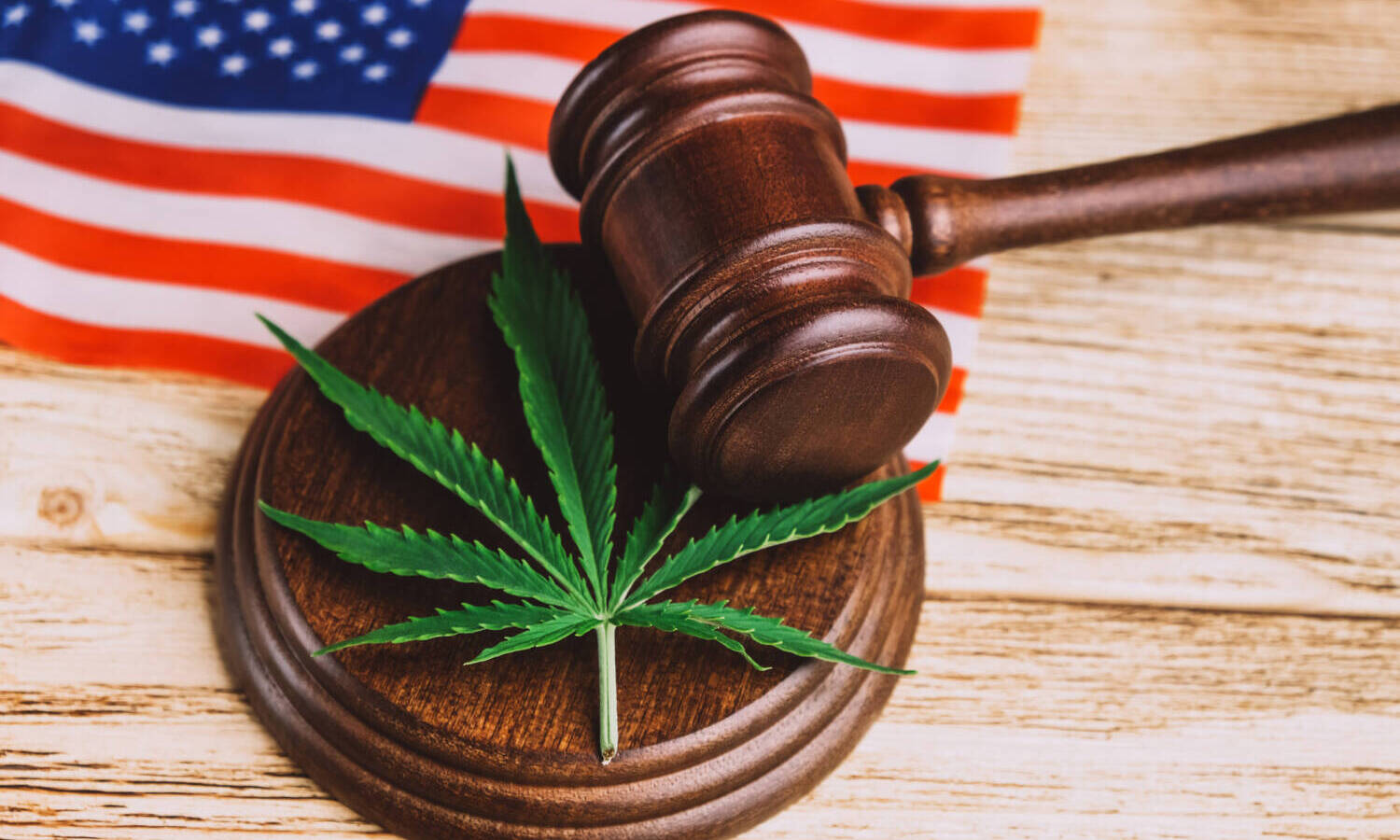
How Legal Marijuana Is Outselling Starbucks

It’s a safe bet that Americans as a whole will continue to spend even more on weed than PSLs. Here’s why.

When reports came back showing legal cannabis sales outpaced Starbucks sales in North America, it raised more than a few eyebrows. As we previously reported, in 2021, legal cannabis sales (medical and recreational combined) were between $24.5 billion and $27 billion, while Starbucks sold a reported $20.5 billion.

At first this might come as a surprise simply because Starbucks is such a famous and successful institution, while marijuana and its dispensaries are still relatively, well, green. These numbers are even more shocking once you remember the fact that marijuana is still illegal on a federal level and there is a complete prohibition on its sale and consumption in more than a dozen states.

How, then, did cannabis outsell the world’s biggest coffee retailer, and what does this mean for the future of cannabis sales?

starbucks
Photo by Omar Lopez via Unsplash

RELATED: Americans Bought More Weed Than Starbucks Coffee In 2021

Americans love a good cup of joe, but cannabis is what they really gravitate towards when times get a bit tough. And 2021 was a trying year both economically and mentally for most of us. 

Marijuana, however, proved it is a strong product in both boom times and challenging ones. “Invest in products that people will always want, in good times or bad. And when it comes to providing a product that people crave the world over, marijuana passes the test,” wrote  Investing Daily. Marijuana’s ability to thrive in all economic times make it a very marketable product.

While lockdowns and stimulus payments may have helped weed sales a bit in 2021, this growth does not appear to be a one-time thing. In fact, marijuana sales are projected to reach $33 billion in 2022, according to Fortune, which would be 32% growth from 2021. This shows marijuana on a steady growing path that may help it continue to outpace the coffee retailer and possibly other iconic companies.

Not only are existing markets showing strong sales, but several states legalized recreational weed this year and are already reporting huge numbers. “New Jersey’s launch of adult-use sales, expected in the second quarter, will likely cause the most substantial jump in any market in the U.S. in 2022,” Jessica Lukas of cannabis data company BDSA told Forbes. BDSA is forecasting sales to increase 220% in 2022 versus 2021.

marijuana coffee
Photo by Sarah Pender/Getty Images

RELATED: International Cannabis Sales Expected To Reach $35 Billion

The last two years have been tricky and uncertain times, but marijuana is growing at a steady rate. Even as state and federal lawmakers battle it out on whether or not marijuana should be legalized, the cannabis industry is poised to march ahead with record gains year after year.

This growth is likely only the beginning for an industry that has nowhere to go but up, which can only lead one to conclude that Americans as a whole will continue to spend even more on pot than pumpkin spice lattes.

How Legal Weed Has Affected Young Adults In Washington State

New research from Washington state shows that legal marijuana appears to debunk the “gateway drug” theory.

New data shows some of the benefits of legal marijuana. Published in the Journal of Adolescent Health, the data links legal cannabis sales with a decrease in the use of alcohol, cigarettes, and pain medications in young adults.

The study was conducted by researchers from the University of Washington, who noticed trends in substance consumption in people between the ages of 18 to 25 following the legalization of marijuana in their state.

Researchers explained that the study demonstrated a converse effect to what many predicted with the legalization of cannabis. “Contrary to concerns about spillover effects, implementation of legalized non-medical cannabis coincided with decreases in alcohol and cigarette use and pain reliever misuse,” they wrote.

Here's Why Young And Healthy People Should Get Their COVID-19 Vaccine
Photo by Priscilla Du Preez via Unsplash

RELATED: Another Year Where Marijuana Legalization Doesn’t Increase Use In Adolescents

While they suggest that the link between legal marijuana and the weakening of the consumption habits of other drugs should be looked into, their results “may suggest increased importance of cannabis-specific prevention and treatment efforts.”

In any case, the study proves one of the main criticisms against legal cannabis: the “gateway drug” argument, which claims that having access to marijuana facilitates the consumption of other drugs.

“Real-world data from legalization states disputes longstanding claims that cannabis is some sort of ‘gateway’ substance,” said NORML’s Deputy Director Paul Armentano. “In fact, in many instances, cannabis regulation is associated with the decreased use of other substances, including many prescription medications.”

Teen and young adult use is one of the main concerns of legal marijuana, with responsible parties concerned about the drug’s effects on young brains. The evidence that exists is conflicting and difficult to parse, made more complicated due to marijuana’s illegality on a federal level.

Vaping In Teens Continues To Increase And Could Have Long Lasting Impact
Photo by Toan Nguyen via Unsplash

RELATED: Is Teen Weed Interest Waning As It Becomes Legal? New Survey Provides Interesting Insights

“A lot of the literature on cannabis legalization is difficult to compare due to differences in state policies, the states included in each paper’s analysis, the time periods that researchers are examining, the way use is defined, and other issues,” said Nicolas Schlienz, Ph.D., research director at cannabis education platform Realm of Caring.

Studies on marijuana show how little we know about the drug and its effects on the population. In order to get an accurate picture of its effects on people and our communities, more studies are needed along with more freedom for researchers who are interested in asking the necessary questions.

What The Latest Medical Studies Reveal About CBD For Diabetes

There is still no cure for diabetes and it’s still not a condition that has been recognized by the FDA and medical authorities as one that can be treated with cannabis.

This article originally appeared on Cannabis.net and has been reposted with permission.
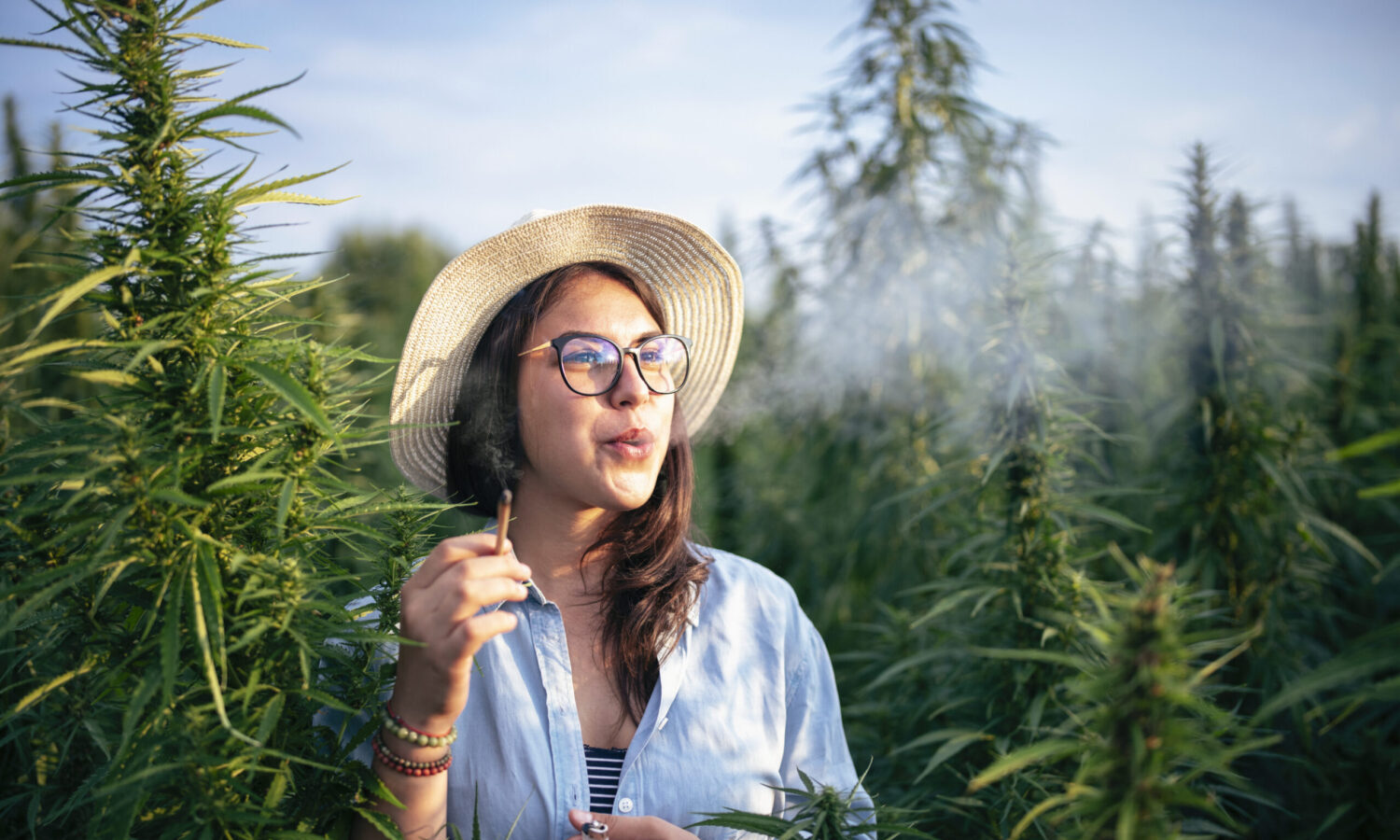
With more than 37.3 million Americans suffering from diabetes, this serious condition needs addressing. Diabetes is so common that it’s likely we all know someone who has it. Unfortunately, 1 in every 5 people who has it isn’t even sure that they have this condition.

This is not good news, because there are serious complications that can arise from diabetes, including nerve damage (neuropathy), cardiovascular disease, foot damage, kidney damage, Alzheimer’s, and much more.

diabetes
Photo by Towfiqu barbhuiya via Unsplash

RELATED: Ladies, You Can Lower Your Risk Of Diabetes By Using Cannabis Daily, According To Study

Once you have diabetes, it can be very difficult to reverse it. For type 1 diabetes, treatment will require regular insulin injections, carb counting, and constantly checking for blood sugar levels. Meanwhile, for type 2 diabetes, this involves changing your lifestyle entirely and checking for blood sugar levels, as well as some diabetes medications which may require insulin, prescription drugs, or both.

However, cannabidiol (CBD), a powerful anti-inflammatory cannabinoid and non-psychoactive component in cannabis, has been shown to be promising in the treatment and prevention of diabetes — naturally.

After all, CBD works with the endocannabinoid system which helps to regulate many important functions in the body including immunity, appetite, sleep, pain, and mood. The endocannabinoid system is also important for helping the body maintain homeostasis.

What The Studies Say

There are several studies out there that back up the claims: CBD may indeed help people suffering from diabetes.

Type 2 diabetes is the more prevalent form of diabetes among the two, and it’s strongly associated with being overweight. There have been many studies supporting the use of CBD as well as THC in preventing excess weight gain, as well as helping people keep it off. In 2020, a review revealed that CBD was promising in positively impacting factors that lead to insulin resistance, metabolic syndrome, and type 2 diabetes. Researchers also found that CBD was effective in reducing inflammation while altering the way the body metabolizes glucose.

RELATED: COVID-19 May Trigger Diabetes — Can Marijuana Help?

In an older study from 2017, researchers found out that CBD was effective in greatly reducing neuropathy caused by diabetes. Neuropathy is characterized by muscle weakness, tingling, and numbness, which would otherwise be treated through strong painkillers. With CBD, there’s no need to rely on pharmaceutical drugs any longer for the treatment of neuropathy.

A study published in the medical journal, Drug and Alcohol Dependence, in 2020, shared the results of a survey conducted from 2005 to 2018 involving 340 participants with diabetes. They were asked about their cannabis consumption including both THC or CBD in the last 30 days. The results showed that 78% of participants reported to using cannabis which wasn’t prescribed by a physician. “Diabetes patients might still use cannabis for medical reasons, but not have a prescription,” explained Omayma Alshaarawy, MBBS, PhD, lead author of the study.

In an article in EndocrineWeb, Rory Batt MSc, who researchers the link between type 2 diabetes, CBD, and the endocannabinoid system, CBD can also have benefits on pancreatic health among those with this condition. “CBD can also help to protect the pancreas from becoming destroyed by overactive immune cells. Effectively, this means someone may be able to keep producing insulin themselves for longer. However, unless they ultimately change their diet as well, they will inevitably end up with a pancreas that cannot produce insulin — but CBD could significantly extend the time until that happens.”

CBD oil
Photo by Anna Efetova/Getty Images

Last May 2021, the results of a Phase II trial revealed that taking CBD sublingually in tablet form was effective in reducing pain scores among patients who have diabetic peripheral neuropathy by around 50%. The randomized and double-blind, placebo-controlled study involved 54 patients who were suffering from painful diabetic neuropathy, affecting their feet. They were randomly given 1:1 proprietary sublingual tablets of Pure Green Pharmaceutical’s 20mg CBD, thrice a day or placebo.

Pure Green reported that the patients who were given the treatment experienced significantly reduced pain levels compared to the placebo group. Those who were given the CBD also reported statistically significant changes when it came to quality of life, and improvements for anxiety and sleep quality.

RELATED: CBD For Diabetic Use

“Achieving clinical and statistical pain relief for these patients in just a few weeks is very gratifying and frankly unexpected. Interestingly, the results of this placebo-controlled trial mirrored those of Pure Green Pharmaceuticals’ open-label pDPN trial where both studies revealed a significant drop in pain scores by approximately 50 percent. Patient safety always comes first and was our primary marker. There were no adverse events in either clinical trial to patients on treatment medication,” explained Pure Green’s Chief Medical Officer and a board-certified anaesthesiologist, Dr. Debra Kimless.

Other Ways CBD Helps Treat Diabetes

There are other ways that CBD can help with diabetes, particularly with chronic inflammation which causes blood sugar levels to keep spiking until diabetes occurs. CBD’s powerful anti-inflammatory properties helps the endocannabinoid receptors decrease inflammation, which also reduces blood sugar levels.

In addition, the endocannabinoid system plays a significant role in promoting homeostasis, as well as how the body reacts to the decrease and increase of insulin. The lack of insulin production results in diabetes, but CBD has been shown to enhance the endocannabinoid system, thus helping to increase insulin secretion and promote homeostasis.

diabetes
Photo by Oscar Wong/Getty Images

What To Do If You Want To Medicate With CBD For Diabetes

At the time of writing, there is still no cure for diabetes and it’s still not a condition that has been recognized by the FDA and medical authorities as one that can be treated with cannabis.

But given the promising studies we have available, as well as anecdotal evidence, patients with diabetes are encouraged to talk to physicians who are knowledgeable about cannabis if they want to use CBD complementary to their existing therapies to help manage the symptoms of diabetes and keep them under control.

This article originally appeared on Cannabis.net and has been reposted with permission.
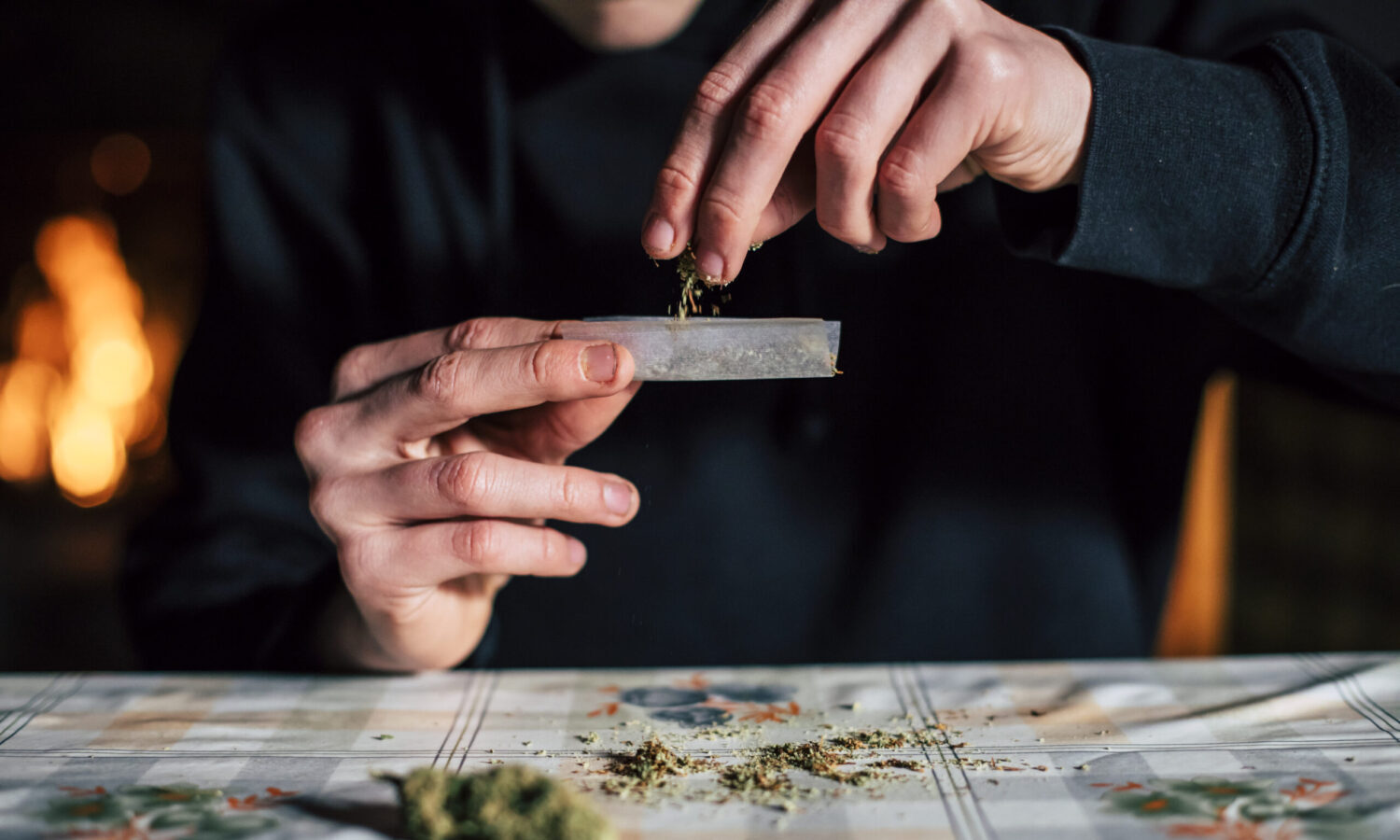
GOP Sen. James Lankford Ridicules Oklahoma Marijuana Law During Abortion Discussion

The senator made the remarks during last week’s speech on the Senate floor discussing abortion rights, which he opposes.

By Jelena Martinovic

While an increasing number of surveys show that more Republicans are supporting marijuana legalization, some GOP lawmakers are not only opposing cannabis reform, they’re mocking it.

Last week, Senator James Lankford of Oklahoma said that the state’s medical marijuana makes it too easy to obtain cannabis “no matter what” the patient’s medical condition is, reported Marijuana Moment.

medical marijuana
Photo by Esther Kelleter / EyeEm/Getty Images

RELATED: Oklahoma Gov. Implies Voters Didn’t Fully Comprehend Marijuana Bill They Approved

“We’re a state that has medical marijuana laws,” the senator said during last week’s speech on the Senate floor discussing abortion rights, which he opposes. “You have to have a medical prescription from a doctor to be able to get it. So you know how you get it? The medical marijuana place actually has a doctor that you can just call that’ll write a script to you that’ll write it for no matter what.”

You could say, ‘My left toe hurts every other Thursday,’” he added, “and they would say, ‘Great, that’s a medical condition.’”

Lankford stressed that, like marijuana, it would be too easy to get an abortion if the Democrat-led Women’s Health Protection Act becomes law.

He strongly opposed a provision in the abortion-rights bill, which was blocked in a 49–51 vote on Thursday by Senate Republicans and Democratic Sen. Joe Manchin of West Virginia.

RELATED: Alabama, How Could You? Senate Approves Forcing Women To Take Pregnancy Test To Obtain Weed

This was the second time in 2022 that the upper chamber voted on the issue, but without advancing the bill. The measure sought to ensure access to abortion nationwide.

Lankford also pointed out that under the bill, the decision is up to the discretion of the health care providers performing abortions and that it would allow them to justify abortions at any point in a pregnancy.

“We get the joke. If the person who’s actually selling the product is the one who’s actually prescribing it, that means you could do it at any point,” he said. ”So this bill is not about protecting children prior to viability. This bill is about aborting at every single stage of pregnancy.”

This article originally appeared on Benzinga and has been reposted with permission.

Marijuana Is More Popular In This State Than Politicians

A new poll from Texas shows that marijuana is more popular than the country’s Republican and Democrat representatives.

Marijuana is a topic that’s slowly separated itself from political parties and policies. In Texas, a new survey shows that the drug’s legalization is more popular than the state’s governor or the country’s president, going over political parties and the typical arguments of blue versus red.

Marijuana Moment was the first to report these findings, which were released ahead of the May 24 primary runoff elections in the state and was conducted by the University of Texas.

The university’s poll reached over 1,232 registered voters during the week of May 2. Results showed that an overwhelming majority of Texans support medical marijuana (83%) while a smaller yet still significant percentage support its recreational use (60%).

Marijuana Would Save Texas Economy, House Speaker Admits, But He Won't Pursue It
Photo by Adam Thomas via Unsplash

RELATED: Cannabis Boom In Oklahoma, Will Texas Follow Suit?

A closer look shows that support for the drug wasn’t heavily impacted by political parties; 91% of Democrats supported medical marijuana while 74% of Republicans did the same. 85% of independents agreed.

Aside from political parties influencing cannabis opinions, the poll gathered a variety of information on different political issues, including the people’s opinions on their governor and political leaders. It found that medical and recreational cannabis was more popular than Governor Greg Abbott and Governor Dan Patrick, both of whom don’t consider marijuana among their priorities.

The poll found that medical and recreational marijuana is also more popular than political figures like Joe Biden, Kamala Harris, Ted Cruz, and more.

RELATED: Beto O’Rourke’s Support For Legal Weed Gives Advocates Hope For Policy Change In Texas

Bipartisan support for marijuana has been increasing over the years and is pivotal for reaching federal legal marijuana. Marijuana’s growing acceptance is one of the topics that go against most trends; while politics remain a hot-button issue, marijuana has become one of the topics that most people agree on, no matter their age or political leanings.

Sen. Candidate John Fetterman: ‘It’s High Time We Get Our Sh*t Together And Legalize Weed’

Fetterman — an unofficial spokesman for Pennsylvania’s efforts to legalize the plant — is determined to fight for the cause on the national level if he reaches the U.S. Senate.

By Jelena Martinovic

The 2022 midterm elections are heating up as politicians on both sides are batting around different strategies to reach their goals.

A recent survey from Morning Consult and Politico revealed that four out of ten voters overall said ending cannabis prohibition should be prioritized, shedding light on Democrats’ midterm strategy.

marijuana legalization
Photo by FatCamera/Getty Images

John Fetterman, an American pro-marijuana politician serving as the 34th Lieutenant Governor of Pennsylvania and currently the top Democratic Senate candidate on Tuesday’s primary in the state, is loud and clear regarding cannabis reform.

“It’s high time that we get our sh*t together and legalize weed in PA + USA. More justice, jobs, revenue, and freedom. That’s not Reefer Madness – that’s just common sense,” reads the description on the top-selling campaign T-shirt that’s selling on Fetterman’s website for $35.

In a Twitter note from Sunday, Fetterman said that he’d recently been hospitalized after suffering a stroke. He canceled all of his public appearances in the days leading up to Tuesday’s primary election in which Pennsylvania voters are choosing a candidate to succeed Republican Senator Pat Toomey in the 50-50 chamber and a term-limited Democratic governor.

Still, Fetterman — an unofficial spokesman for the state’s efforts to legalize the plant — is determined to fight for the cause on the national level if he reaches the U.S. Senate.


View this post on Instagram


A post shared by John Fetterman (@johnfetterman)


“It never should have been illegal in the first place,” Fetterman, who has 14 years of experience as a small-town mayor, told Forbes’ A.J. Herrington in a telephone interview. “This is a plant with no known medical overdose. This is a plant now that’s helped 350,000 people, just in my state alone, with their medical issues.”

Cannabis Is Bringing More Voters

The sentiment among Pennsylvanians suggests that Fetterman’s legalization efforts make a difference.

“If [candidates] support marijuana, they’re more about the people,” Casey Lofties, 25, from York, said on Saturday in an interview. “I feel like even though they’re older, that they’re still listening to the younger people who are eventually going to be making America, America.”

RELATED: Politicians Smoking Weed To Get Elected — Is This The Cool New Trend?

Some political strategists agree that a cannabis-friendly approach could bring a win in both the primary and general elections in the race for Senate majority, Politico’s Natalie Fertig writes.

More importantly, the issue of cannabis could bring more voters into the whole polling process.

“You’re talking about a state that Joe Biden won by only 80,000 votes,” Mike Mikus, a Democratic strategist in Pennsylvania said. “So many people, new voters or people who … may have decided to sit out the election — if you bring them out because of this issue, that is how you win these campaigns.”

RELATED: Do Biden’s Views On Weed Now Make Him A Conservative?

Interestingly, Marsha Cohen, a law professor at UC Hastings College of the Law, recently said that Biden could get back some young voters if he decides to sign the MORE Act, which recently passed the House of Representatives.

“Young people may also be those least likely to be responsive to pollsters right now because they might not care. This [bill] might ‘talk’ to them,” Cohen told Newsweek.

Paul Quirk, a political scientist at the University of British Columbia in Canada, went a step further, saying that the President “would be hard-pressed to veto” legislation that supports cannabis use because he can’t allow losing the younger generation of voters, reported the news outlet.

“Vetoing marijuana legalization would make Biden public-official enemy No. 1 to many of the young voters whose support he badly needs to win back,” Quirk added.

This article originally appeared on Benzinga and has been reposted with permission.
Don't Miss Your Weekly Dose of The Fresh Toast.

Stay informed with exclusive news briefs delivered directly to your inbox every Friday.

We respect your privacy. Unsubscribe anytime.