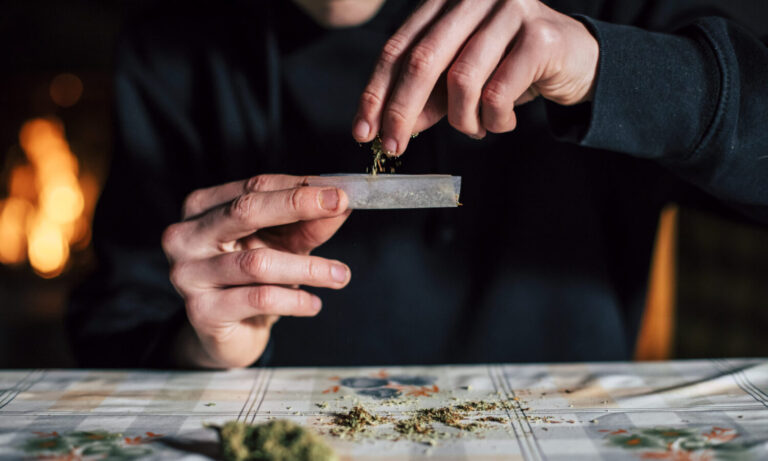
A new poll from Texas shows that marijuana is more popular than the country’s Republican and Democrat representatives.
Marijuana is a topic that’s slowly separated itself from political parties and policies. In Texas, a new survey shows that the drug’s legalization is more popular than the state’s governor or the country’s president, going over political parties and the typical arguments of blue versus red.
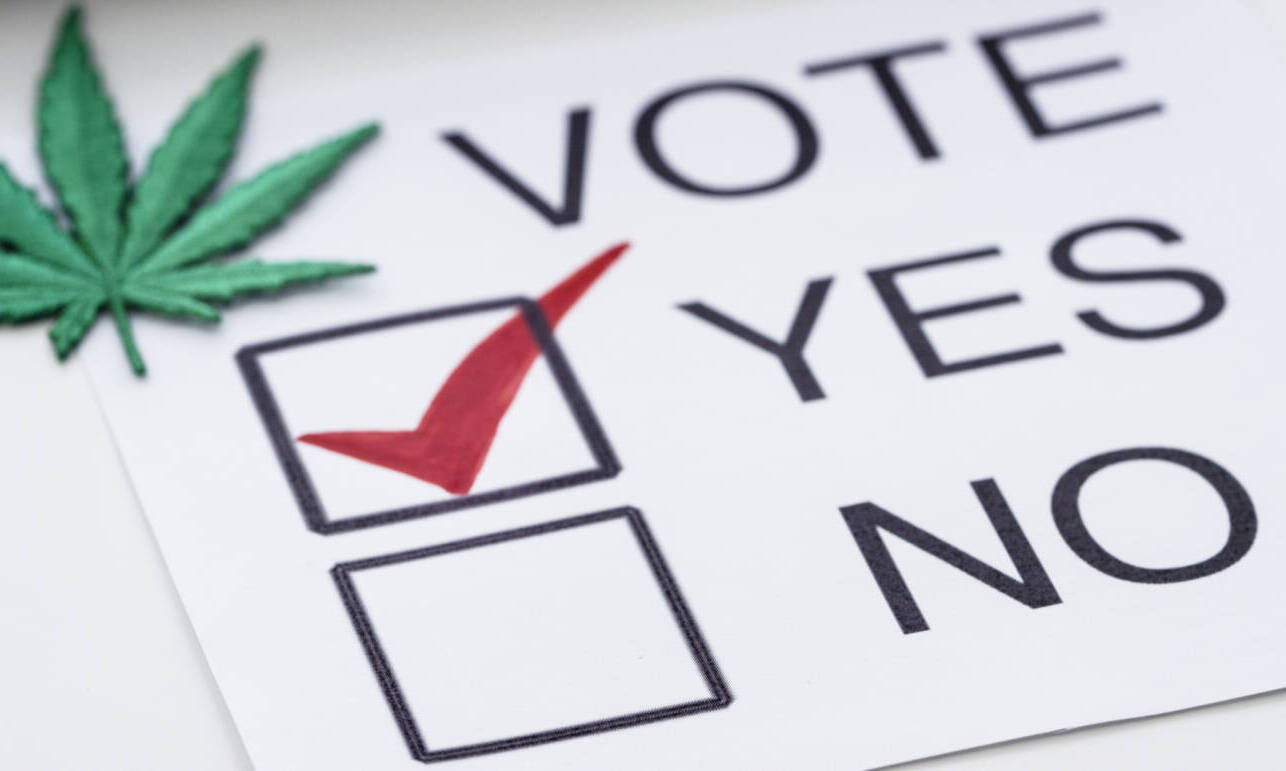
The university’s poll reached over 1,232 registered voters during the week of May 2. Results showed that an overwhelming majority of Texans support medical marijuana (83%) while a smaller yet still significant percentage support its recreational use (60%).
A closer look shows that support for the drug wasn’t heavily impacted by political parties; 91% of Democrats supported medical marijuana while 74% of Republicans did the same. 85% of independents agreed.
Aside from political parties influencing cannabis opinions, the poll gathered a variety of information on different political issues, including the people’s opinions on their governor and political leaders. It found that medical and recreational cannabis was more popular than Governor Greg Abbott and Governor Dan Patrick, both of whom don’t consider marijuana among their priorities.
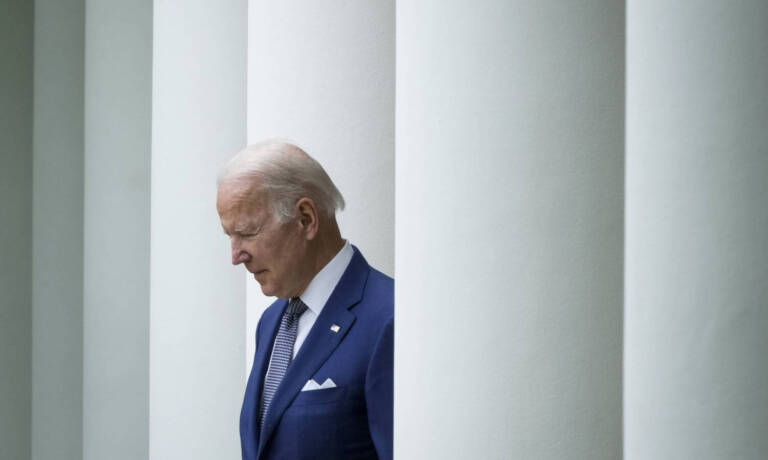
The poll found that medical and recreational marijuana is also more popular than political figures like Joe Biden, Kamala Harris, Ted Cruz, and more.
Bipartisan support for marijuana has been increasing over the years and is pivotal for reaching federal legal marijuana. Marijuana’s growing acceptance is one of the topics that go against most trends; while politics remain a hot-button issue, marijuana has become one of the topics that most people agree on, no matter their age or political leanings.
Fetterman — an unofficial spokesman for Pennsylvania’s efforts to legalize the plant — is determined to fight for the cause on the national level if he reaches the U.S. Senate.
The 2022 midterm elections are heating up as politicians on both sides are batting around different strategies to reach their goals.
A recent survey from Morning Consult and Politico revealed that four out of ten voters overall said ending cannabis prohibition should be prioritized, shedding light on Democrats’ midterm strategy.
Photo by FatCamera/Getty Images
John Fetterman, an American pro-marijuana politician serving as the 34th Lieutenant Governor of Pennsylvania and currently the top Democratic Senate candidate on Tuesday’s primary in the state, is loud and clear regarding cannabis reform.
“It’s high time that we get our sh*t together and legalize weed in PA + USA. More justice, jobs, revenue, and freedom. That’s not Reefer Madness – that’s just common sense,” reads the description on the top-selling campaign T-shirt that’s selling on Fetterman’s website for $35.
In a Twitter note from Sunday, Fetterman said that he’d recently been hospitalized after suffering a stroke. He canceled all of his public appearances in the days leading up to Tuesday’s primary election in which Pennsylvania voters are choosing a candidate to succeed Republican Senator Pat Toomey in the 50-50 chamber and a term-limited Democratic governor.
Still, Fetterman — an unofficial spokesman for the state’s efforts to legalize the plant — is determined to fight for the cause on the national level if he reaches the U.S. Senate.
“It never should have been illegal in the first place,” Fetterman, who has 14 years of experience as a small-town mayor, told Forbes’ A.J. Herrington in a telephone interview. “This is a plant with no known medical overdose. This is a plant now that’s helped 350,000 people, just in my state alone, with their medical issues.”
Cannabis Is Bringing More Voters
The sentiment among Pennsylvanians suggests that Fetterman’s legalization efforts make a difference.
“If [candidates] support marijuana, they’re more about the people,” Casey Lofties, 25, from York, said on Saturday in an interview. “I feel like even though they’re older, that they’re still listening to the younger people who are eventually going to be making America, America.”
Some political strategists agree that a cannabis-friendly approach could bring a win in both the primary and general elections in the race for Senate majority, Politico’s Natalie Fertig writes.
More importantly, the issue of cannabis could bring more voters into the whole polling process.
“You’re talking about a state that Joe Biden won by only 80,000 votes,” Mike Mikus, a Democratic strategist in Pennsylvania said. “So many people, new voters or people who … may have decided to sit out the election — if you bring them out because of this issue, that is how you win these campaigns.”
Interestingly, Marsha Cohen, a law professor at UC Hastings College of the Law, recently said that Biden could get back some young voters if he decides to sign the MORE Act, which recently passed the House of Representatives.
“Young people may also be those least likely to be responsive to pollsters right now because they might not care. This [bill] might ‘talk’ to them,” Cohen told Newsweek.
Paul Quirk, a political scientist at the University of British Columbia in Canada, went a step further, saying that the President “would be hard-pressed to veto” legislation that supports cannabis use because he can’t allow losing the younger generation of voters, reported the news outlet.
“Vetoing marijuana legalization would make Biden public-official enemy No. 1 to many of the young voters whose support he badly needs to win back,” Quirk added.
With leaders in both parties eager to move marijuana legalization forward, it seems like legalizing marijuana in some form is a low hanging fruit.
President Biden’s political career has not exactly made him the poster child for marijuana legalization. Earlier in this career, he was among the many who supported the War on Drugs and anti-marijuana legislation. With time, the President has changed and liberalized his views significantly. But has he changed them enough to keep Democrats in power?
Legalization bills are popping up on both sides of the political aisle, and the public support for marijuana legalization is at an all-time high.Two-thirds of this nation’s citizens believe marijuana should be legal, according to a recent Pew Research Centerstudy.
Meanwhile, some Republicans are going so far as to call out the President for his dated and conservative views on marijuana. This leaves many wondering exactly when and how the White House will take a stance on weed as the concept itself continues to grow in popularity among voters.
Photo by Drew Angerer/Getty Images
With all this forward momentum, and so close to a very important midterm election, it is puzzling to some as to why the President has not taken a stronger stance on marijuana legalization. “It’s almost as if the President doesn’t recognize the astounding increase in support for marijuana legalization over the last two decades,”wrote Harry Enten For CNN.
But before judging where Biden stands today, it might be wise to look back on where his views were just a few years ago on the campaign trail, when he repeatedly referred to marijuana as a gateway drug. Additionally, as we have reported before, he supported federal policies that made it easier for law enforcement to crack down on marijuana offenders, most notably his authorship of the Violent Crime Control and Law Enforcement Act of 1994.
WATCH: @JoeBiden on marijuana legalization – “There is not nearly been enough evidence…as to whether or not it is a gateway drug,” he said last night, “It’s a debate.” Biden said states should decide on legalization & that he supports medical marijuana. @CBSNewspic.twitter.com/s4CE32phLS
He softened his stance a bit later on the campaign trail to say marijuana should be decriminalized, but the legalization should be left to individual states, saying that “states should be able to make a judgement to legalize marijuana. I think that’s okay.”
Strong proponents of marijuana legalization may have been concerned when the Biden administration fired five White House staffers who admitted to past marijuana use. “Many of these staffers lived in states where cannabis use and sale is perfectly legal, casting doubt on Biden’s campaign pledge that states should be free to implement their own cannabis laws without federal intervention,” according toForbes. This action can look hypocritical, and suggests that maybe the idea of “decriminalizing” was more of a figurative concept than an actual game plan.
With marijuana being less a partisan issue than other issues, and the public noticeably supporting it, one has to wonder exactly what the holdup is. “With legalization seeming such an obvious political win, all that’s stopping Biden, current and former aides say, is public health,” according toThe Atlantic. In other words, the President wants even more evidence to prove marijuana is safe for public consumption.
While public health is certainly a reason to consider one’s stance on a myriad of issues, other lawmakers on both sides of the aisle are progressing beyond Biden’s stance on marijuana while he waits for this alleged definitive public health data.
As we previouslyreported, Republicans, including Rep. Matt Gaetz (who called him a “recalcitrant boomer”) have taken Biden’s inaction on marijuana legalization as an opportunity to undermine his understanding of the desire of American people.
While these opinions may be inaccurate, it does seem that now might be the time for the Biden administration to take some concrete action on marijuana policy. With leaders in both parties eager to move marijuana legalization forward, it seems like legalizing marijuana in some form is a low hanging fruit. The president just has to pick it off the tree.
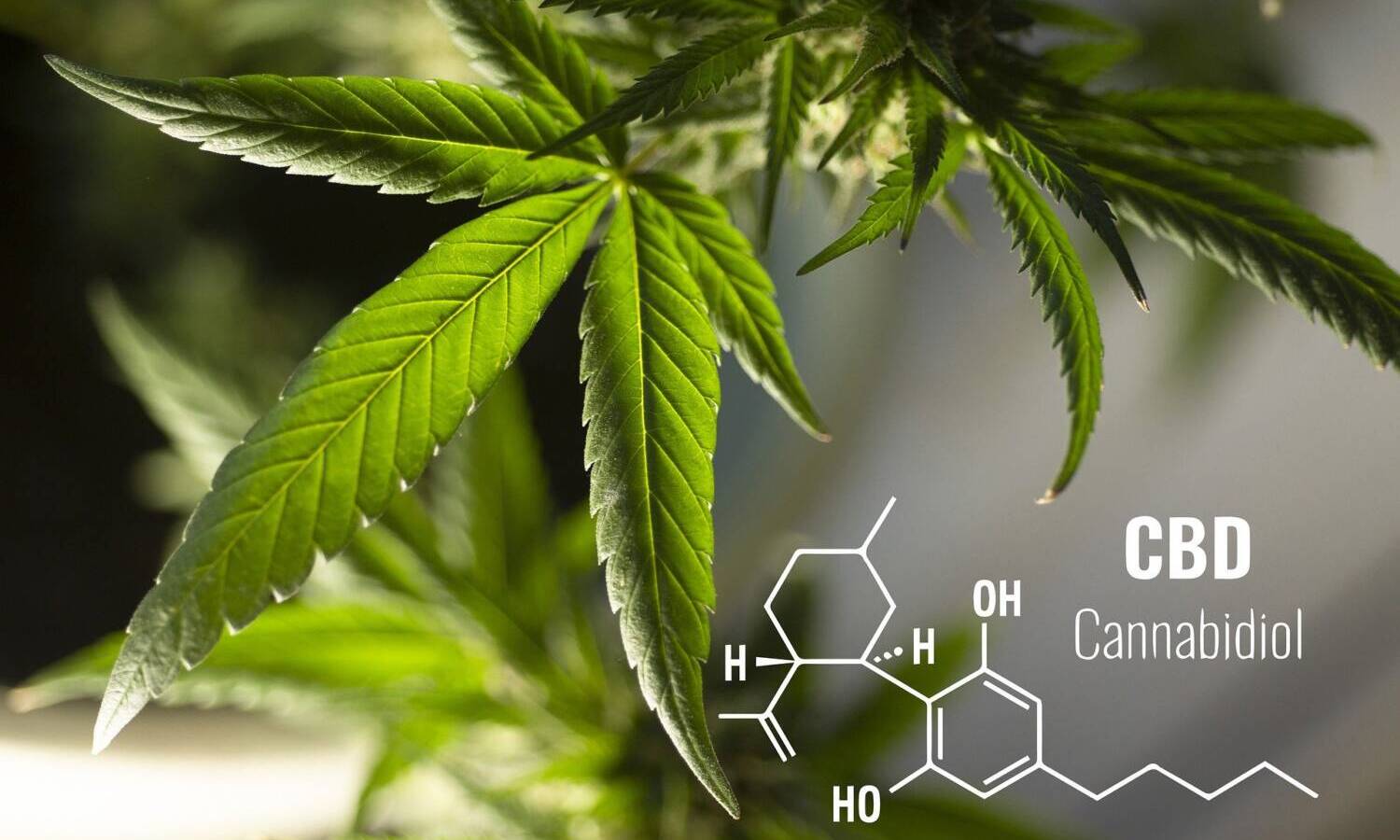
With the CBD popularity growing everyday, more and more people are trying it in various forms due to its therapeutic properties. However, despite the legalization and hype, people still don’t know much about CBD and everything surrounding it. Here are facts about CBD you might now know.
As both CBD research and consumption continue to grow, the information pool about CBD is also expanding. If you already use CBD or are thinking of buying it from online retailers, it’s better to know a thing or two before trying it.
Photo by Erin_Hinterland via Pixabay
CBD is Changing Medical World
CBD has come out as a solution to many health related conditions that were hard to treat before. Many research trials have proven the positive impact of CBD on treating a rare condition of epilepsy. In fact, the FDA has approved a CBD-based drug to treat Dravet Syndrome. It has also shown positive results to control symptoms in cancer patients. It is also used to treat depression, PTSD, anxiety, Alzheimer’s disease, heart disease, and high blood pressure. CBD might not be a panacea to treat all health problems, but it does help control many health issues that has made it a trigger to revolutionize the medical world.
CBD Can Be Given to Animals
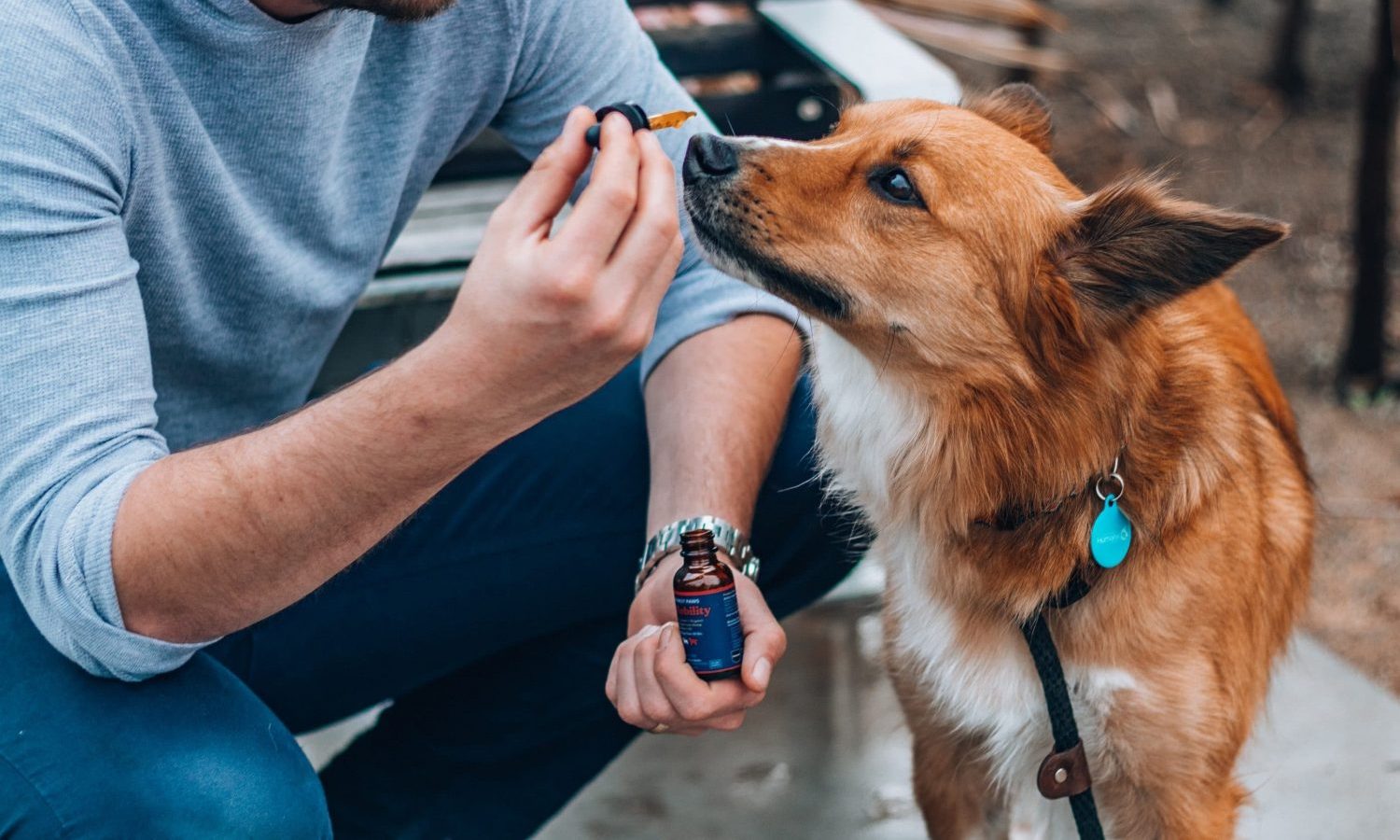
Many pet owners are giving CBD to their furry friends. You can easily find CBD products for pets, like CBD treats, oils, tinctures, etc. However, there is very little to no research on CBD’s effects on pets. Many pet owners, however, claim that CBD has helped their pets to sleep better, relieve pain, pacify anxiety and depression. If you also want to give CBD to your pets, better consult the vet and choose the best products to get better results.
Photo by Honest Paws via Unsplash
CBD Helps Battle Addiction
Unlike THC, CBD does not get you high. In fact, it directly combats THC’s effect and helps in battling against addiction. Various nicotine and opioid users have reported less craving for these drugs after using CBD products, which is why many addiction treatment centers are turning to CBD as a remedy to treat patients.
The CBD Industry Is Thriving Right Now
CBD mania has grown to an extent that the CBD industry has become one of the fastest-growing industries in history. To be more precise, the CBD industry is growing 107% per-year, and is expected to increase. The next few years will see an explosive boom in the CBD industry with equal opportunities for sellers and buyers to fetch benefits. It also means that its users will be able to consume CBD in various other amazing forms.
Most people refer to CBD as a non-psychoactive substance, which is true if by psychoactive they mean getting you high. Yes, CBD doesn’t react with CB1 receptors, and doesn’t cause high feelings. So, it is not psychoactive by this definition. But if you check the literary meaning of psychoactive, it means any substance that affects the brain and behavior. By this definition, CBD is psychoactive as it affects the endocannabinoid system of your body; it regulates the functioning of the brain’s neurotransmitters that impacts mind and behavior. So, the reality of CBD being psychoactive or not depends on which lens you are using to perceive it.
Other Hemp Compounds Increase CBD Efficiency
There are around 115 known cannabinoids in the hemp plant and CBD performs better when combined with these compounds. That’s why it is always recommended to buy broad-spectrum CBD products instead of isolates because they contain a wide range of naturally occurring cannabis extracts, terpenes, and other cannabinoids, but not THC. All of these additives work together to boost the impact of CBD and broaden the spectrum of health benefits.
CBD has been in use for a long time, but it’s still a mystery for many due to a vast pool of information and on-going research. If you want to try CBD, it is always better to know essential things about this compound to make an informed decision. Moreover, make sure to buy CBD products after carefully vetting the sellers to avoid fake sellers that are growing in numbers with the increase in CBD demand.
A new study on elderly mice might provide a new way forward, something that could target dementia and take steps in correcting it.
Researchers from Stanford University have made a breakthrough discovery regarding memory loss. They discovered it was possible to reverse memory loss in mice, animals that have a similar genetic makeup to humans. If all works well, these results could translate to humans and provide alternate ways of treating the condition.
The study, published in the journal Nature, showed that a spinal fluid infusion from young mice was able to revert memory loss in elderly mice. Per researchers, this discovery is groundbreaking and could result in a whole new set of studies and tests that could then lead to new ways of treating memory loss and Alzheimer’s disease.
The study used elderly mice, who, just like people, often have problems with their memory as a side effect of aging. Researchers then spent months devising a way to successfully extract spinal fluid from young mice, and then provided it to the elderly, hoping to encourage their brains to have better functioning.
The gamble worked, with elderly mice behaving as well as young mice in terms of completing memory tasks. Researchers called out FGF17, an element present in the spinal fluid, as one of the substances responsible for this improvement.
These results are incredibly encouraging and something that, if replicated on humans, could lead to drugs being mass-produced as new and effective ways of treating these conditions.
Dementia is a widespread side effect of aging, one that affects around 5.8 million people in the United States. While the condition is treated with medications, these are usually effective in managing symptoms and reducing the stress associated with the disease.
Stanford’s study on mice might provide a new way forward, something that could target the disease itself and take steps in correcting it, greatly improving people’s quality of life and slowing down the progression of the disease.
The use of cannabis as alternative medicine has increased over time as legalization laws came into effect. It was mainly to meet the demands of patients whose treatments have not responded effectively to regular prescribed medication.
Thus, receiving a medical marijuana card allows you to buy cannabis products legally that can help treat symptoms of your illness. While the process of acquiring a medical marijuana card may differ from state to state, there is a general procedure you can expect to follow when applying for one. With that said, here’s how you can get a medical marijuana card in your state.
Photo by megaflopp/Getty
Check If You Have A Qualifying Condition
One of the first necessary steps to acquiring a medical marijuana card is checking if you qualify for one. In any case, each state has different laws and criteria on what conditions permit issuing a card. However, the general qualifier is having a chronic illness that impacts your way of life.
It means that you cannot carry on with your daily life due to symptoms of an illness that affect your physical, emotional, and mental wellbeing. Some of these qualifying conditions include but aren’t limited to:
Cancer
Chronic Pain
Multiple Sclerosis
Parkinson’s Disease
Epilepsy, Migraines, and Seizures
HIV and AIDS
Autism
Anxiety
There are about 17 recognized qualifying conditions, all in all, depending on your state. Checking the list in your state before you apply for a card can save you time just in case you might not be eligible. This is because the entire process takes time, effort, and money while not guaranteeing that you get a card in the end. This information is available on your state’s health department website.
Consult With Your Physician
Once you have determined that you have a qualifying condition, the next step is to consult with your primary care doctor. This step is to inform them about your interest in medical marijuana and to get an expert opinion on whether your condition can be managed by marijuana in the first place. Since your doctor has your medical records and history, they’ll be able to advise you on whether you should pursue applying for a card.
In addition to this, you may need to undergo further testing to find out whether you’ll be a suitable candidate for your state’s medical marijuana program in the future. It is usually in case you’ve recently experienced worsening symptoms of your illness and if standard treatments have been ineffective on you. Your doctor can also assess whether the medical marijuana is likely to react with other medicine that you’re taking.
Make An Appointment With A Doctor Licensed to Certify Cards
In most cases, general practitioners aren’t licensed to conduct certification for medical marijuana cards. Thus, you’ll have to find a specialist in your state who has the license to do it. Most of these doctors are experts in cannabis medicine and are registered partners of your state’s medical marijuana program.
You can find their contact information on your state department’s health website. Alternatively, if you prefer being discreet, you can search the database of a licensed medical cannabis company in your state, such as a Medical marijuana doctor in Virginia.
Photo by RODNAE Productions via Pexels
The point of the appointment is for the certifying doctor to verify and interpret the severity of your qualifying condition and evaluate whether you can benefit from medical cannabis. They also need to approve that no other options for treatment are viable for you.
Be expected to ask for proof of your condition, such as medical records, MRI, and X-ray scans. This is why the previous step with your primary care doctor is necessary. After being approved by the certifying doctor, they will explain the medical marijuana program to you and advise what cannabis medication can work for you. All of the information they will give will be general advice since no doctor is allowed to prescribe cannabis products to you.
Register For Your States Medical Marijuana Program
The final step in getting your medical marijuana card is signing up to be a medical marijuana patient. Your certifying doctor would, in the meantime, send an emailed recommendation to you. You’ll need this as proof of approval to complete the signup. This step can become quite a tedious administrative process depending on how much information your state demands from you.
If you don’t want to bother with the process, some companies can complete the signup for a fee. Otherwise, you can visit your state health department’s website and fill in your details on their application form. On the website, you will find instructions on how to proceed and what they need from you.
There is a fee involved in issuing the card, and it can range from USD$20-USD$200. Once you’ve registered and have sent in your application, your health department can take up to 30 days to review and approve it.
Photo by Karolina Grabowska from Pexels
Receiving Your Medical Marijuana Card
After your application has been accepted, you will finally be issued a medical marijuana card which will be delivered to your home address via mail in a few weeks. It officially validates your status as a medical marijuana patient.
The card is valid for one year and will have to be renewed annually for the same cost paid during the application. Once you’ve received the card, you are then allowed to legally purchase medical marijuana products at approved licensed dispensaries in your area.
In some cases, you can even be permitted to grow your own medical cannabis at home if it’s deemed necessary by your certifying physician. Thus, ensure that you always have your unexpired card to show law enforcement whenever the situation calls for it.
Conclusion
Getting a medical marijuana card in your state requires you to complete several steps, which start with finding out if you qualify for one. You’ll then need to check the list of conditions for your state and visit your doctor.
After this, you’ll need to see a certifying doctor so they can write a recommendation that you need to include when filling out the card application. Once done, you have to wait for it to be mailed to you. And after receiving it, you can start using it to get the medical cannabis products you need to alleviate your condition.
If you’re truly in need of in-depth knowledge and information about how to grow and cultivate weed or general information about a specific strain of weed, you can always rely on these platforms to give you the answer.
In need of tricks and tips on how to grow healthy cannabis plants? YouTube is the place to visit as it offers various audiovisual approaches to growing healthy cannabis plants. YouTube is one of the best platforms for novice marijuana farmers can get accurate and useful information about cultivating marijuana.
So, if you need to learn how to expertly cultivate cannabis from seedlings to harvest or learn how to create your setup, Youtube is the right platform. It offers a wide and deep perspective into the modern global cultivation of cannabis
Here is a list of the top 10 best YouTube channels that offers the best knowledge about growing and cultivating cannabis plants.
Cali Green publishes some of the easiest and most accurate content on cannabis cultivation. Operated by a medical cannabis patient based in California, the changes cover topics across strain and product reviews, beginner tips, and many more.
Just recently, Cali Green published a mini-documentary that explains to viewers a complete growing cycle of the Bubble Bomb plant. The documentary carefully explains every detail starting from soil preparation to harvest. This makes the channel an incredible resource for novice and expert cannabis growers
The From Seed To Stoned YouTube channel kicked off in 2018 and since then has amassed a large following. At the time of this writing, the channel has more than 230,000 subscribers. The YouTube channel covers cannabis topics ranging from cultivation to harvesting tutorials and equipment reviews.
Apart from cannabis cultivation-related content, the YouTube channel also publishes cannabutter content, equipment giveaways, and lots more. Whether you are an expert or novice cannabis grower, we are sure you will find valuable content on the From Seed To Stoned YouTube channel.
While Home Grow Engineering is a small YouTube channel, it has a lot of cannabis content to offer. As the name implies, the channel offers remarkable insight into how to design growing equipment, as well as grow tents. The founder of the YouTube channel also published the documented process of building his apartment-friendly grow tent.
The Home Grow Engineering channel also features several videos ideal for novice growers, like the simplest equipment required to grow cannabis at home, how to nurture seedlings, basic nutrients, and so on If you’re a novice cannabis grower, Home Grow Engineering will offer you valuable information.
Mr. Canucks Grow is another Youtube cannabis cultivation channel owned by a Canadian named Matt. The Youtube channel features slots of content that explains indoor cultivation and every aspect of cannabis cultivation. The channel teaches how to transplant, feed, train, and prune cannabis including how to dry, trim and cure cannabis buds during harvest.
In addition to these, the Mr. Canucks Grow YouTube channel also regularly publishes cultivation videos that are strain-specific. In this video, Matt explains how to grow specific cannabis from seedlings to harvest. The channel also publishes several tutorials on how to make rosin, hash, and lots more.
This is arguably the biggest channel on the list. However, the level of professionalism and quality of its contents may infer otherwise. Growers Network was created in 2017 but the brand initially kicked off as a social media platform. However, the brand has evolved over the years and has been fined as one of the top cannabis brands on YouTube.
While this Youtube channel doesn’t publish the usual how-to videos, it focuses on and publishes comprehensive content about the legal marijuana industry. These videos include tours ro varnish huge processing labs and cannabis farms. Periodically, Growers Network also uploads videos concentrating on distinctive topics such as equipment financing, cannabis lighting plans, extraction, and lots more.
Dubbed the MTV of cannabis, Growing Exposed is hosted by Amanda Mackay and produced by Jeremy Deichen. The YouTube series usually involves visits to processing plants and professional cannabis farms to interview several experts in the industry. Growing Exposed also hosts a special series known as “Ask The Garden Sage” in collaboration with David Robinson.
The series covers several topics ranging from ideal humidity and temperature levels, dry vs wet trimming, time to flick cannabis plants, and lots more. If you’ve got some unanswered questions, you can visit the YouTube channel to get the answers you’ve always needed.
YouTube, run by Bud, is a YouTube channel that primarily focuses on cannabis reviews. The biggest strength for Bud is his strain reviews and this channel offers remarkable resources regarding which strain to add to your cannabis garden. Asides from strain-specific reviews, the YouTube channel also focuses on grow equipment, paraphernalia, and nutrients reviews.
Furthermore, youtube has several published tutorials on harvesting, outdoor growing, and trimming, including beginner videos explaining how to best enjoy and consume cannabis.
Created in 2018, Indica Institute is dedicated to educating both expert and novice cannabis growers in the industry. Since its establishment, the YouTube channel has been able to amass more than 100k subscribers. This is because the tutorials published on this channel are easy to understand, detailed, and cover every aspect of cultivation.
Indica Institute in its series of videos explains in detail how to grow robust mother plants, prepare yourself, take clones, and choose viable seeds. One thing we love about Indica Institute is its equipment videos which offer great insights into tools best for beginner growers.
Cannabis Lifestyle TV is operated by a cannabis enthusiast and professional grower for home cultivators. The channel regularly publishes videos on cannabis cultivation-related topics every week. It offers great videos that explain how to deal with pears such as this, powdery mildew, and more.
Cannabis Lifestyle TV product reviews are also exceptional. The host often discusses the best growing equipment, nutrients, and genetics available. So whether you’re a novice or expert cannabis grower, ensure you check out Cannabis Lifestyle TV on a regular basis.
Conclusion
If you’re truly in need of in-depth knowledge and information about how to grow and cultivate weed or general information about a specific strain of weed, you can always rely on these platforms to give you the answer. The free and quality information available on these YouTube platforms is second to none. So you should worry about DIY weed cultivation if you tricky follow the guides and steps explained on the channels.
The future of marijuana as it pertains to employment will remain mostly in limbo until federal legalization measures materialize.
When a state legalizes marijuana, citizens who once hid their marijuana use can freely purchase and partake in what was previously forbidden. While this is liberating for many people living in a state where weed is now legal, this freedom does not apply to all.
Just because marijuana is legal in a state does not mean all its residents can get high. In fact, there are several jobs and career paths that still have a complete prohibition on marijuana use. In other words, just because marijuana is legal where you live it does not necessarily mean your job can’t fire you for indulging in some THC. But what types of jobs still outlaw marijuana in states where weed is legal?
Many states have legalized marijuana in some form, but it still remains illegal on a federal level. For this reason, all federal employees are still subject to a zero tolerance drug policy. This applies to all federal employees, not just the military.
According toNORML, “Federal employees can be denied employment or terminated due to testing positive for marijuana metabolites, even if their use is in compliance with state law.” This ban currently applies to all federal employees, and even applies to veterans who may otherwise qualify for medical marijuana use.
This issue of veterans is a particular point of contention, as some believe veterans suffering from PTSD could greatly benefit from medical marijuana.The Safe Harbor Act is one bill that is hoping to rectify this issue.
Safety-Sensitive Positions
Another type of job where you can be fired for marijuana use in a legal state is a category of jobs called safety sensitive positions (SSP). “Safety-sensitive generally means that a position involves some aspect of a heightened danger that requires an employee’s full and unimpaired skills and judgment to safely execute his or her job,” attorney Mary Will told Society for Human Resources Management.
Some positions that often fit into this category include non-federal aviation and transportation workers as well as many working in the medical field. The exact list of safety sensitive positions, however, is up to the state where you live.
Each state that has adopted these safety sensitive carve-out provisions deals with them differently. The exact definition of a safety sensitive position is defined and handled differently in most states. Without federal support of legalization and oversight, the concept of safety sensitive positions will continue to vary state to state.
Medical Vs. Recreational Use
According to the National Conference of State Legislators (NCSL), as long as employees are not engaging in violations like bringing cannabis to work, and “aren’t working in a job where impairment may result in serious harm to others and aren’t working in a federally related job, employers can’t take medical cannabis use or positive drug test results into consideration when making hiring and firing decisions.”
Photo by The Cannabiz Agency/Getty Images
While this does not apply to federal workers or those that fall under the “safety sensitive positions” category, it is important to know that standard employers must take your medical marijuana prescription and usage seriously, and that it is often protected by law.
Nevada even goes so far to require employers to attempt reasonable accommodations for those who have a medical issue that requires medical marijuana use.
The Future Of Weed In The Workforce
Like much of marijuana policy, the future of marijuana as it pertains to employment will remain mostly in limbo until federal legalization measures materialize. There are, however, glimmers of hope in regards to the possible relaxing of some federal policies.
Onememo from the Office of Personnel Management may be telling as to where marijuana policy is headed as it becomes more and more difficult to find quality candidates for open positions. “As more state laws have changed, federal agencies are increasingly encountering individuals whose knowledge, skills, and abilities make them well-qualified for a position, but whose marijuana use may or may not be of concern when considering the suitability or fitness of the individual for the position,” the memo says.
While the memo has no clear intentions for future policy, it does show that perhaps the current federal policies on drug screening are limiting a lot of talent in the hiring pool. Maybe the great resignation and its lasting effects on the workforce will help federal and other employees finally enjoy recreational marijuana without fear of losing their jobs.
Fatigue can be a side effect of cannabis, one that can be difficult to control if you haven’t had experience with the drug.
There’s a reason marijuana is great for those struggling to get a good rest. The plant causes the body to naturally loosen up and relax, which is great for anyone looking to get some Zzzzs. But if you’re just looking to get high or relax a bit, fatigue is a side effect you want to avoid.
Here are some useful tricks to help you counteract the sleepy effect of marijuana.
Change your setting
Photo by Jad Limcaco via Unsplash
If you can’t go to bed or simply don’t want to, the most helpful thing to do is to change your setting. Go for a walk, start talking to a friend, eat something, preferably with protein to help you shake off the lazy feeling, or do something engrossing. A walk is particularly helpful for any and all occasions, exposing you to fresh air, new surroundings, and is something that can be done in almost all situations.
Working out is one of the world’s best natural energy boosters, helping you sleep more soundly and decreasing your fatigue. It might be too much to ask of your body to go for a run while on a sleepy high, but some light stretches will do the trick, making you feel more present and helping you get out of your head a little bit.
Take a shower
Photo by 955169 via Pixabay
If you’re at home or at a friend’s house and you start feeling that powerful marijuana-induced stupor, hop in the shower. This will help you relax and wake up, causing you to feel refreshed and ready to do something different.
Coffee or tea are always great options when you need a quick burst of energy. Some studies suggest that caffeine can enhance the effects of THC and produce a more pleasurable and effective high. You should start slow when mixing these two elements, considering that one is a depressant and the other a stimulant.
Blink reaction was that this can’t be good, right? Millions of “not very screened” people getting offers for medical marijuana cards can’t be good, right? Or is it really, really, good? A sign of mainstream acceptance, of maybe not recreational cannabis for all, but at least medical marijuana for all, if actually needed in some way.
So confusing, but for now we are going thumbs up, as mainstream coupon and deal sites hawking half-off MMJ cards must be good, as those sites only want deals that will make money and be popular. Using that theory backwards, MMJ cards must be in demand, make money for the deal site as well as Leafwell, and mainstream America must be getting very comfortable with medical marijuana.
Groupon is a Chicago based company connecting subscribers with local merchants by offering activities, travel, goods and services in 13 countries. served more than 500 cities worldwide, nearly 48.1 million active customers and featured more than 425,000 active deals globally in 48 countries.
LivingSocial is an online marketplace that allows its registered users to buy and share things to do in their city. Formerly headquartered in Washington, D.C., it has been purchased by Groupon.