Friday, May 1, 2026
Home Blog Page 239

Drivers Less Likely To Get Behind The Wheel Stoned In States With Legal Weed

0

While some states have adopted strict zero tolerance laws to combat marijuana-impaired driving, this recent study found that education, not stricter laws, is what may be needed.

A new study has concluded that self-reported driving under the influence of cannabis (DUIC) in states that have legalized recreational marijuana was lower than states where weed was illegal.

The study, published in the journal of Preventative Medicine Reports, also found that those who are frequent cannabis users in recreational legal states showed a significantly lower risk of self-reported DUIC within three hours after use compared to those living in states where cannabis is not legal. 

The main exception came in states where cannabis was legal for medical purposes, where the results found there was little difference between states with medically legal weed versus those where weed is completely illegal. 

driving while high
Photo by JasonDoiy/Getty Images

The study, which surveyed a variety of cannabis users, offered several possible reasons for this trend, including the fact that in states where recreational weed is legal, those who purchase it are likely to receive more information about the risks and responsibilities of cannabis use, while those purchasing it off the street are not.

There is also packaging and labeling to consider. “States that have not legalized cannabis cannot regulate the labeling of cannabis products, while many recreational and medical states require warning labels and instructions on products,” the authors of the study wrote.

These results present a direct contrast to other studies that are often used by those who oppose marijuana legalization, like a report by the U.S. Department of Transportation that found that marijuana presence doubled in fatally injured drivers between 2007 and 2016. 

While numbers do not lie, they can be misleading. With more states legalizing marijuana, there is much broader access to it; millions of people are within their legal rights to consume it. While the National Council of State Legislators quoted the U.S. Department of Transportation’s report, it also stated that “drugs such as marijuana can also stay in the system for weeks, thus appearing in roadside tests while no longer causing impairment.”

Could CBD Cause Impaired Driving?
Photo by William Krause via Unsplash

RELATED: Study: Consuming CBD-Rich Cannabis Has ‘No Significant Impact’ On Driving

The length in which marijuana stays in your system is one of the biggest hurdles and contentions in these kinds of accusations and criminal charges. As we previously reported, DUID cases involving marijuana get tossed out of court a lot of times in legal states simply because impairment cannot be proven. Still, this does not mean marijuana-induced driving violations do not occur and can not be prosecuted.

According to the Marijuana Policy Project, “Thirty-three states have ‘effects-based’ driving under the influence of marijuana laws that criminalize a person for driving while they are truly impaired, which is determined based on all available evidence.” There are 17 states with “per se” or “zero tolerance laws,” where, in order to prove the case, one simply needs to present blood test evidence proving there was a certain level of THC in your system.

RELATED: Driving High On Marijuana Might Not Be As Dangerous As Prescription Drugs

Regardless of whether you live in a state where weed is legal or illegal, driving safely is always important. While some states have adopted strict zero tolerance laws to combat marijuana-impaired driving, this recent study found that education, not stricter laws, is what may be needed.

In its conclusion, the study found that, “Although all states should educate its citizens about the potential dangers of using cannabis and driving, this analysis suggests that states without legal cannabis are particularly in need of DUIC prevention efforts.”

Troops Can Use CBD Products Thanks To This Congressional Move

By Jelena Martinovic

Since July of 2020, military service members have been allowed to use CBD products, after the House of Representatives approved a measure permitting the use of hemp products as well as its derivatives.

The measure passed by a vote of 336 to 71. The initiative was led by Hawaii Rep. Tulsi Gabbard, who is also a military veteran.

Veterans Can Use Medical Marijuana, They Just Have To Pay For It
Photo by Bumblee_Dee/Getty Images

Military Troops And CBD

The Congressional measure specifies that Secretary of Defense may not prohibit ”the possession, use, or consumption” of hemp or hemp-derived product to a “member of the Armed Forces” as long as the crop meets federal standards.

In addition, the possession, use, and consumption of such products must be “in compliance with applicable Federal, State, and local law.”

The measure is a part of a package of a dozen other non-cannabis amendments to the National Defense Authorization Act (NDAA).

Gabbard had been an advocate for the hemp industry for some time already. In fact, in 2019, Gabbard introduced the legislation, dubbed “Hemp for Victory Act.”

RELATED: Why The Military Should Have Reduced The Penalties For Getting Caught With Weed

The bill was designed to mandate research into a wide range of ways the use of hemp can be implemented in everyday life.

Meanwhile, in the same month, the U.S. Department of Defense’s Defense Advanced Research Projects Agency (DARPA) partnered with the University of North Carolina to study psychedelics.

veterans PTSD
Photo by RODNAE Productions from Pexels

RELATED: Congress Approves CBD Use For Military Members

The research is focused on creating “new medications to effectively and rapidly treat depression, anxiety, and substance abuse without major side effects.”

Original Publication: July 21, 2020

This article originally appeared on Benzinga and has been reposted with permission.
5 Unique Mom’s Love Language Gifts

There are many new and fun ways to spoil mom this year. Take it to the next level this time around by considering what will make them feel most loved.

Mother’s Day is Sunday, and it’s time to show them just how much they mean to us. Moms, maternal figures, and caregivers give us so much of their time and energy year and after, it’s only deserving that this Mother’s Day is extra special.   

Instead of gifting them another Starbucks gift card or redeem-me-never coupon for chores around the house, consider what kind of gift would make your mom feel loved. One way to do this is to know their love language.

There are five different love languages, which are ways of expressing and receiving love, and it’s likely your mom has a specific one or two that make her feel most loved. If none of these resonate, there’s a quiz that can help!     

6 Cannabis Gifts For Mother's Day: CBD, Pre-Rolls And More
Photo by Annie Spratt via Unsplash

Words of Affirmation 

This love language is all about verbal acknowledgments of affection, compliments, words of appreciation and encouragement.  

RELATED: 6 Cannabis Gifts For Mother’s Day: CBD, Pre-Rolls And More

Try a special way to tell her you love her. You can get her favorite podcast host or even reality TV star to send her a special Mother’s Day shoutout (check out Cameo and all the celebrities they have available). Or consider compiling a video from all the kids and family answer the question ‘why we love you.’ 

Receiving Gifts 

These people enjoy receiving gifts and symbols of love. Monetary value is usually not important but more so the thought and reflection behind the gift.  

Sensual Bath Oil  

Spoil her with luxury and a gift she would never buy herself. While gifts don’t need to be expensive, treat her to something luxurious that you know she wouldn’t want to spend the money on for herself.

This Sensual CBD bath oil ($48.00) or body butter ($50.00) from woman-owned HighOnLove can be a great place to start. Mom can enjoy a spa-worthy experience from the comfort of her own tub with HighOnLove’s CBD Bath Oil that can be enjoyed no matter if mom prefers showers or baths, as it can be applied liberally to skin while showering to hydrate skin as an every-day moisturizer, or a few drops can simply be added to warm bath water to pamper skin while releasing a soothing aroma. 

HOL body butter

HighOnLove’s pampering body butter is delicately scented with notes of floral lychee and hints of rose. It instantly replenishes mom’s skin while providing long-lasting care for dry or sensitive skin. HighOnLove’s Mother’s Day Bundle ($140.00) includes a complimentary Hand Cream and Velvet Pouch for anyone who purchases their Body Butter and Sensual Massage Candle before May 8  

Quality Time 

People who enjoy this love language want someone to spend uninterrupted time with them, make plans and be fully present in their conversations during these times.  

Gift a unique experience. Anyone can plan brunch or a wine tasting but what about surprising mom with something special. Some ideas include a picnic or colorful charcuterie board with all her favorite foods, a self-portrait session or a local food tour.  

Acts of Service

This love language includes doing favors or taking the burden off the person you are showing love to.  

UNWIND

Get her a gift that will help her relax or make her feel special. Try hiring a private chef for the night or alternatively making her favorite home cooked meal. You can also buy her something that can help her relax, such as this UNWIND Botanical Mist & Candle Setfrom CandaScent Labs. CandaScent’s UNWIND aroma is formulated with organic lavender found at high altitudes of Provence, France along with gentle notes of thyme, sage and rosemary. Its predominant aromatic molecule is linalool, a studied anti-inflammatory which has been shown to relieve pain, relax muscles, assist with sleep, and promote relaxation by decreasing cortisol levels. The set includes the UNWIND candle and UNWIND Botanical Mist for $98 (save $28) with discount code MOTHERSDAY, valid through May 8 

Touch 

These people feel loved when they receive physical signs of affection, including kissing, holding hands, and cuddling, to name a few. 

Here's What You Should Know About Getting A Massage During COVID
Photo by Katherine Hanlon via Unsplash

Spoil her with a gift that will make her senses go crazy. While a spa day may seem obvious here and certainly fits the bill, you can also try something unique such as dance classes or something to make her feel extra cozy such as a weighted blanket, robe or new luxury sheets.   

There are many new and fun ways to spoil mom this year. Take it to the next level this time around by considering what will make them feel most loved.

Americans Bought More Weed Than Starbucks Coffee In 2021

As of March 2022, states reported a combined total of $11.2 billion in tax revenue from legal, adult-use cannabis sales since 2014, when sales began in Colorado and Washington state.

By Nicolás Jose Rodriguez

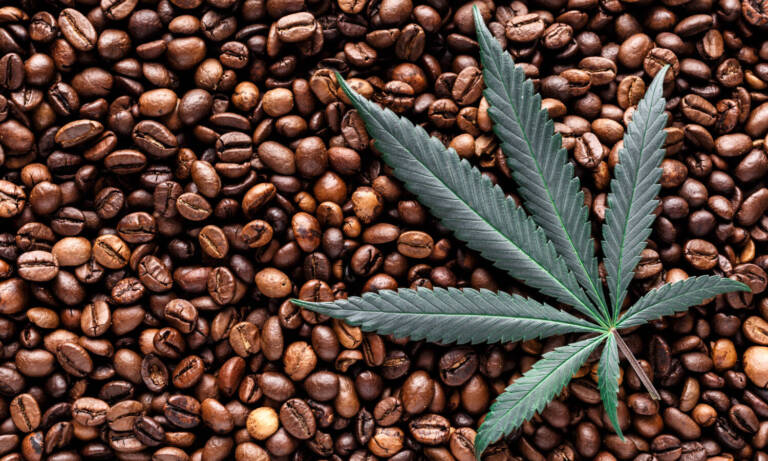
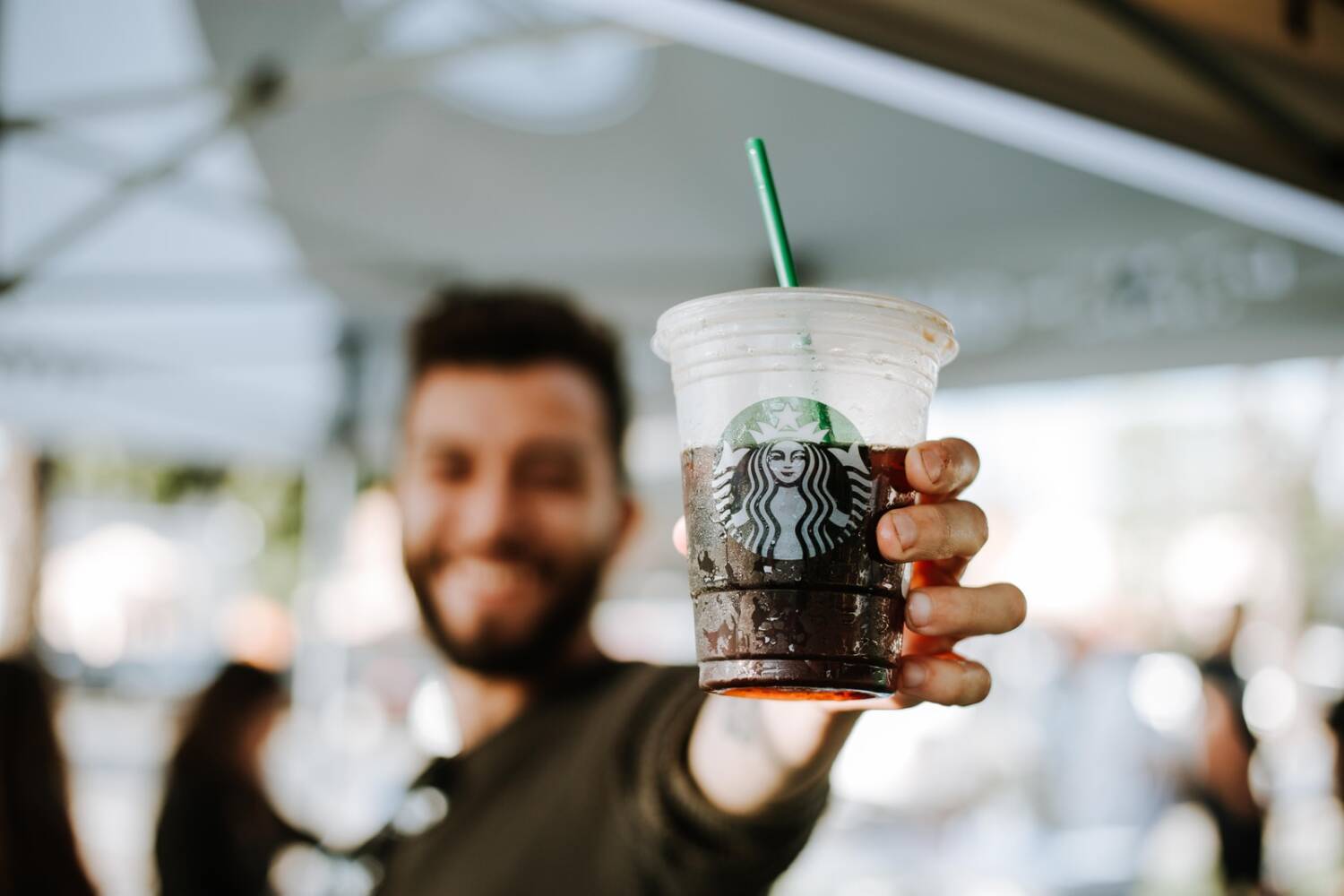
Legal cannabis sales in the United States eclipsed Starbucks Corporation sales, reported MJBizDaily, which cited the 2022 MJBiz Factbook. The development comes even though coffee is legal in all 50 states.

The cannabis industry saw an increase in sales of 30% in 2021. Starbucks’ annual revenue in North America grew by 25%.

starbucks
Photo by Omar Lopez via Unsplash

Legal recreational and medical cannabis sales landed in a range of $24.5 billion to $27 billion in 2021, while Starbucks raked in $20.5 billion in sales, the report said.

In comparison, sales of over-the-counter sleep aids — a commonly named reason for using cannabis — increased by less than 1%, and sales of pain relievers grew 5% in 2021, the report said.

Legal, Adult Use Cannabis Sales Surpass $3.7B In 2021

In April, the Marijuana Policy Project released an updated report on tax revenue generated from state-legal, adult-use cannabis that includes totals for the entirety of 2021.

In 2021 alone, legalized states generated more than $3.7 billion in cannabis tax revenue from adult-use sales, which is a 34% increase in revenue over 2020.

As of March 2022, states reported a combined total of $11.2 billion in tax revenue from legal, adult-use cannabis sales since 2014, when sales began in Colorado and Washington state.

RELATED: Cannabis Sales Are Expected To Climb This Much In 2022

Global cannabis sales for 2022 will reach just over $35 billion, a jump of approximately 22% over 2021 sales of $29 billion, according to BDSA’s most recent five-year rolling market forecast update. BDSA forecast global cannabis sales will surpass $61 billion in 2026, for a compound annual growth rate of more than 16%.

This article originally appeared on Benzinga and has been reposted with permission.

Why Are So Many Cannabis Businesses Losing Money?

Despite all the hardships that come with being in the cannabis business, it hasn’t stopped many from starting their own with the hopes that one day soon, cannabis will finally be federally legal.

According to New Frontier Data, the United States cannabis industry is poised to be worth a staggering $30 billion each year by 2025.

Cannabis legalization continues to spread across new states, while members of Congress continue to push for reform. Federal legalization is still being debated, but once it finally breaks through, the cannabis industry can reach even higher heights unlike ever before. In addition, data from Vangst shows that the legal cannabis industry employs over 420,000 people as of January 2022. They add that 280 new jobs a day, on average, were added in 2021.

cannabis sales
Photo by Cappi Thompson/Getty Images

With these statistics, why is it that many cannabis businesses struggle to see profits?

recent survey conducted by the National Cannabis Industry Association polled 396 cannabis business operators from 20 states, with a goal to “establish a baseline of data, and identify the successes and the challenges that operators in the industry are facing.” They used questions to uncover regulatory hurdles, policies, industry sentiments, successes, and demographics.

The results revealed that only 42% are enjoying profits, but it was also disappointing that non-white and female respondents said that their businesses were less successful compared to those of while male respondents.

Additionally, just 37% of operators aren’t seeing profits, reports the North Bay Business Journal (NBBJ). They also found that in California, operators had the least success in their business with just 26% of them saying that their businesses were profitable, while more than half said that they weren’t. Then there’s 20% of operators around the country who feel like they are only breaking even.

“I think we’re in the business where it’s the toughest and the profit is the hardest to get,” said North Bay cannabis grower, Mike Benziger, of Glentucky Farms. “When we became an industry driven on price rather than quality, that’s when it became tough.”

Biggest Hurdles For Cannabis Business Operators

According to the feedback, the biggest issues faced by cannabis operators are the lack of banking access, federal and state taxes, as well as market volatility. Seventy-two percent of operators said that banking access issues as well as other financial services was a major challenge for them.

RELATED: Is the Cannabis Industry Inflation-Proof?

Meanwhile, smaller business owners feel that there is strong competition from the black market while the threat of big businesses looming are also seen as a major challenge. However, no matter what size the business, taxation affects them all. The absence of a standard tax policy on the industry is bleeding many operators dry.

Successes

The sentiment from the operators is that the concerns are far too heavy for them to feel the successes. Despite that, business owners say that the previous year still brought on many achievements, highlighting the added opportunities available for minorities and women as well as a growing customer base.

marijuana money
Photo by IURII BUKHTA/Getty Images

The Painful Truth About Cannabis Businesses

When you first hear the statistics mentioned in the beginning of the article, it’s juicy enough to get anyone interested in putting up their own cannabis business. After all, there’s enough for everyone who wants to get a slice of the green pie, right?

Well, the hard truth is that while cannabis businesses surely can bring in the dough, it won’t be easy. Cannabis products are notoriously expensive to do, as well as maintain, no matter what part of the process you’re in: growing, processing, producing, or selling products. It will easily require hundreds of thousands of dollars, to as much as millions of dollars just to pay for the initial licenses, equipment, security, compliance fees, and property to name a few.

RELATED: How The Cannabis Industry Can Solve The Schedule-I Drug Research Barrier Problem

Not to mention taxes. In states where cannabis is legal, cannabis products have high taxes. For example, in Washington, cannabis products are subject to 37% excise taxes. And on top of that, since the marijuana industry is still illegal in the eyes of the federal government, you won’t be able to apply for any tax breaks or tax write-offs.

And because it’s still federally illegal, it’s also challenging and near impossible to get a loan from the bank. If you can handle not having the support of financial institutions, and have a lot of capital on your own, then you can perhaps make it work.

Any cannabis business owner, big or small, can also tell you that it’s near impossible to open a bank account. You’d have to think about where you can keep your money, which has also become a huge security issue for cannabis businesses. You can’t just hide it all under your bed. Then how are you going to ensure that it’s not going to get stolen, monitor your income and expenses, and ensure your suppliers are paid?

RELATED: Are High State Marijuana Taxes Really The Cause Of The Tenacious Black Market?

It’s a tough world for the finances of any cannabis business owner, that’s for sure.

The cash issue brings about security problems too, which is why marijuana businesses are prone to high theft and robbery rates. Operating solely on cash means that these specific businesses are a big target among thieves.

Conclusion

At the end of the day, no matter how tough it is in the industry — you could have lots of capital, an excellent business plan, and consumers that can’t wait to get their hands on your product — you still have to comply with the current rules. And despite all the hardships that come with being in the cannabis business, it hasn’t stopped many from starting their own with the hopes that one day soon, cannabis will finally be legal in the federal government.

This article originally appeared on Cannabis.net and has been reposted with permission.

Mental Health Conditions Make It More Likely For People To Develop This

A new study found that people with mental health conditions are more likely to develop chronic illnesses, even when young and “healthy.”

Mental health conditions like depression and anxiety take a toll on people’s lives. According to a new study, they might also make it more likely for people to develop chronic illnesses.

The study, published in JAMA Open Network, examined the effects of mental health on a variety of ages. Results concluded that even if a person is young, a mental health condition can impact their quality of life and lead to chronic conditions, which are generally associated with an older population.

RELATED: Study: Antidepressants Don’t Have The Desired Effect In The Long Run

People With Anxiety Or Depression May Be More Likely To Overuse Cannabis, Says Study
Photo by Fernando @cferdophotography via Unsplash

Researchers analyzed a pool of 40,360 adults from Minnesota, splitting them up per gender into three age groups: people in their 20s, 40s, and 60s. These groups were then divided according to their mental health conditions into four groups: those with depression, with anxiety, anxiety, and depression, or neither anxiety nor depression.

Results showed that all women were at higher risk of developing a chronic condition. Women in their 20s with both anxiety and depression were at highest risk of all. In the case of men, those in their 20s with depression or anxiety and depression were more likely to develop a chronic condition.

Jasmin Wertz, lecturer of psychology at The University of Edinburgh, spoke to CNN and explained the meaning and importance of the results. “We tend to think of young people as vital, fit, and healthy. We also tend to think that chronic medical conditions only affect older people. Sadly, for people who experience mental illness, the reality can look quite different,” she said.

To prevent chronic illnesses when dealing with mental health illnesses, researchers recommend staying on top of your condition, and taking the necessary medication and behavioral treatments. They also suggest staying healthy by maintaining a healthy sleep schedule, eating balanced meals and working out regularly.

RELATED: People With This Disorder Have Higher Odds Of Developing Breakthrough COVID-19

Women have long been more likely to get mental health diagnoses when compared to men. Researchers don’t understand why, but they believe it’s possible for there to be significant bias due to their genders. A study found that women are more likely to be diagnosed with anxiety or depression, while men were more likely to have substance abuse or antisocial disorders.

Why Does Cannabis Make You So Happy

The name “anandamide” literally means “the bliss molecule,” and was discovered in the early 1900s, around the exact time as THC, CBD, and other phytocannabinoids were discovered.


Why does cannabis make you so happy>. Well, Anandamide, popularly known as the cannabis bliss molecule, aka AEA (for scientists), holds the mystery of the joy cannabis gives its users.

Cannabinoids are an exciting group of compounds. Over the years, cannabis-inclined researchers or scientists have made several discoveries concerning cannabis plants, their cannabinoid and terpene profiles, as well as their unique relationship with the human endocannabinoid system (ECS). It might interest you that the human body produces a natural class of cannabinoids, one of which is the anandamides.

happy
Photo by Andre Hunter via Unsplash

General Overview of Anandamide

Anandamide is a primary endogenous cannabinoid produced in the human body. This class of cannabinoids is not as famous as their plant-derived counterparts, yet they react significantly well with one another.

The name “anandamide” literally means “the bliss molecule.” So many people assume that this compound is informally called the “bliss compound,” whereas it’s just the literal meaning of the name. Anand means bliss or delight, while amide is used to describe the molecule’s chemical formula.

Anandamide has unique traits and activities that help the ECS have a beneficial relationship with plant-derived cannabis plants. It wasn’t discovered until the early 1900s, around the exact time THC, CBD, and other phytocannabinoids were discovered. Subsequently, science journals suggested that phytocannabinoids could bind to natural receptors in the human body to showcase their impacts. Between 1990 and 1995, Dr. Rapheal Mecholam and his research team reported successfully isolating anandamide from the human brain.

As mentioned earlier, anandamide is naturally produced in the human body in low quantities. The production process is distributed through different molecular pathways using multiple enzymes. Anandamide has a relatively short half-life that starts with N-arachidonoyl phosphatidylethanolamine (NAPE), the membrane precursor. When anandamide is released into the body, it dissipates quickly.

The Importance and Function of Anandamide

The endocannabinoid system (ECS) primarily comprises the CB1 and CB2 receptors. Both receptors interact with other factors to ensure the body’s homeostatic state is maintained.

Mecholam and his team observed that the bliss molecule behaves like THC. Both compounds have a highly bindable reaction with cannabinoid receptors. Anandamide and THC are partial agonists of CB1 and CB2. They are capable of inducing effects on the CNS and the immune system. However, THC has a stronger, more innate relationship with the CB1 receptor.

RELATED: Want A Higher Quality Of Life? Use Cannabis Daily, Says New Brazilian Mental Health Study

For a more extended period, THC catalyzes multiple chemical effects. In contrast, anandamide is fragile, which is another reason it cannot induce a significant psychoactive effect. It is instead responsible for inducing feelings of pleasure, rewards, inspiration, or motivation. Its location in the brain is mainly in areas that are relevant to memory, feeding, learning, and movement. Scientists say that anandamide allows humans to make or break neutral connections that foster memory and learning.

The primary function of anandamide is homeostasis. The brain regularly releases it to keep the endocannabinoid system in proper condition.

RELATED: Anandamide: How This Natural Cannabinoid Makes Us Happy

Cannabis and anandamide have a unique, multifaceted relationship. Each cannabinoid in the cannabis plant has a different effect on the bliss molecule. Scientists would have preferred more information on the results of THC and CBD on the AEA molecule.

THC and AEA

THC and anandamide have similar profiles. They are both partial agonists of the CB1 receptor, and they have relatable chemical structures.

When the body breaks down THC, it proceeds to hijack the CB1 receptors, causing a more profound dramatic response, which manifests as psychoactivity. THC gradually influences the performance of the orbitofrontal cortex, hippocampus, basal ganglia, and cerebellum. The user can sometimes experience a lack of coordination and short-term memory.

Teenagers Now Disapprove Of Alcohol And Cigarettes, More Open To Weed And Vaping
Photo by Helena Lopes via pexels

THC and AEA stimulate the release of dopamine, which causes the user to feel pleasure. Dopamine is also involved in other actions like sex, feeding, and rewards.

The brain chemical dopamine is released when neurons transmit electrical signals to each other. The nature of the signal sent determines what choices you make in your day-to-day activities. Without dopamine, you would be unable to consciously or subconsciously get motivated, learn, switch moods, or retain a healthy attention span.

Note that the short-term irregular use of THC directly influences the brain’s reward system—for as long as the compound remains active. Periodical use of THC could relatively lower the amount of dopamine produced, causing reduced motivation and other negative emotions. The anandamide molecules are directly influenced by

CBD and AEA

CBD, the second prominent plant-derived cannabinoid, reacts with the FAAH enzyme (the chemical involved in the breakdown of AEA).

CBD is the main reason why anandamide has a short half-life because it counteracts the effect of the brain chemical—as it holds off the breakdown of the FAAH enzyme.

Extending the Availability of AEA in the Body

Increasing the amount of anandamide in the body is not only achievable by smoking or using THC-based products. There are various other ways you can augment the bliss molecule, either by consuming certain foods, performing some activities, or using other minor cannabinoid products.

The main thing is to consume substances that inhibit FAAH or contain substantial amounts of anandamide. This way, the body automatically has an elevated AEA level.

Some of the substances you can consume include CBD extract, CBD oil, black truffle, chocolate, black or long pepper, and kaempferol. Exercises and activities like cuddling or yoga, biking, and long-distance running help increase anandamide levels. It is advisable to stick to endurance activities.

Bottom Line

In the long run, responsible cannabis use would help nurture a more open perspective on life. Scientific knowledge of anandamide and its relationship with cannabinoids has come a long way since the first cannabinoid was discovered.

There’s still a myriad of information to uncover about how cannabis plants and cannabinoids could be maximized to help users feel happier in the long term. Until then, I recommend you continue using THC-based products in moderation. Always remember that with more cannabinoids, endurance-based exercises or activities, and a well-balanced meal, you stand to gain more bliss or pleasure as your AEA levels get boosted.

This article was created in partnership with Cannabis.net

March Madness: This State Led The Way In Its First Month Of Legal Sales

The new industry is projected to generate $300 million annually in sales, create 11,000 jobs and bring in $50 million in state revenue in the first year alone.

By Jelena Martinovic

After the rollercoaster that cannabis sales were on during the last four months, things settled dow in March and they remained flat.

Sales significantly dropped in January after a sharp month-over-month bounce in December, only to get back onto a growth trajectory in February.

Cannabis Sales Are Expected To Climb This Much In 2022
Photo by CasarsaGuru/Getty

RELATED: Michigan’s Cannabis Dispensaries Set New Sales Record On 4/20

In addition to the ongoing pressure from declining flower sales, overall cannabis sales were down year-over-year in 6 markets. In total, sales across the 11 markets totaled $1.49 billion during the month.

Western Markets

According to BDSA, in west-coast markets during March, year-over-year growth ranged from -28.8% in Nevada to 50.3% in Arizona.

Arizona

  • Combined sales totaled $111.7 million, up 50.3% compared to a year ago and up 9.5% from February.
  • Medical sales amounted to $45.7 million, down 39% from a year ago and up 5% sequentially.
  • Adult-use sales of $66.1 million increased 13% from February.

California

  • California sales grew by 9.5% quarter-over-quarter to $282.8 million and declined 18.9% compared to a year ago.
  • Flower sales continue to drag down overall sales, declining 28%, with pre-rolls gaining 2%.
  • Ingestibles fell 14%, while concentrates dropped 17% from a year ago during March.

Colorado

  • Sales increased 7.5% in March compared to the month before, declining 19.1% from a year ago to $167.4 million.
  • Flower, which was down 24%, drove overall sales lower, with pre-rolls declining 8%, with ingestibles dropping 17% and concentrates 16%.

Nevada

  • Sales increased 0.2% compared to February, dropping 28.8% from a year ago to $59.9 million.
  • Flower sales are the main driver of the drop here as well, with March sales declining 37% from a year ago.
  • Concentrates decreased 16%, while ingestibles declined 28% and pre-rolls fell 17%.

Oregon

  • Sales in February grew 10.2% from February to $88.5 million, decreasing 19.1% year-over-year.
  • Flower sales declined 32% year-over-year.
  • Ingestibles fell 13%, while pre-rolls remained flat. Concentrates dropped 7% year-over-year.
cannabis money
Photo by anankkml/Getty Images

East-Coast And Mid-West Markets

Year-over-year growth ranged from -6.4% in Maryland to 19.9% in Florida, which is a medical-only market, the same as Maryland and Pennsylvania.

Florida

  • Sales rose 10.3% from February to $177.2 million, up 19.9% year-over-year.
  • Flower sales grew 4%, as pre-rolls declined 16%. Concentrates increased by 34%. Ingestibles, a relatively new category for the state, improved by 73%.

Illinois

  • Sales totaled $162.7 million, up 14.4% quarter-over-quaret and up 12.3% year-over-year.
  • Flower sales increased 12%. Pre-rolls expanded 32%, while concentrates grew 12%. Ingestibles gained 6%.

Maryland

  • Sales increased by 9.6% from February to $44.9 million, dropping 6.4% year-over-year.
  • Flower sales decreased 5%, while pre-rolls fell 6%. Ingestibles declined 0.3% and concentrates slipped 10%.

Massachusetts

  • Sales increased 1.6% from February and 14.6% compared to a year ago to $141.9 million.
  • Flower sales expanded 11%, pre-rolls gained 25%, ingestibles increased 17% and concentrates rose 12%.

Michigan

  • BDSA estimated sales amounted to $153.7 million, down 0.4% quarter-over-quarter and up 3.5% from a year ago, a slowdown from the 44.4% reported in February.
  • Flower sales grew 5%, while concentrates expanded 12%. Pre-rolls increased 1%, and ingestibles declined 10%.

Pennsylvania

  • Sales increased 13.1% in March to $104 million and decreased 2.8% year-over-year.
  • Growth was depressed by the recent vape recall, as that category fell 8%. Flower sales expanded 3.1%, while ingestibles gained 2.5%.

New Mexicans Bought $22.1M Worth Of Cannabis In The First Month Of Legal Rec Sales 

In April 2021, New Mexico became the latest state to legalize adult-use cannabis after Gov. Michelle Lujan Grisham signed the Cannabis Regulation Act. A year later, the Land of Enchantment kicked off recreational marijuana sales. In the first weekend of sales, New Mexicans purchased $3.5 million worth of cannabis.

Adult-Use Cannabis Is Now Legal In New Mexico
Photo by omersukrugoksu/Getty Images

RELATED: How Much Did New Jerseyans Spend On First Day Of Cannabis Sales?

Now, after one month, the state’s cannabis sales reached $22.1 million in April, according to new data released by the Cannabis Control Division (CCD.)

Albuquerque hit a record with $8 million in recreational cannabis sold for the period, reported KRQE News. Las Cruces came in second, selling $2.06 million. Santa Fe sold over $1.8 million worth of recreational cannabis in the previous month.

“The new industry is projected to generate $300 million annually in sales, create 11,000 jobs and bring in $50 million in state revenue in the first year alone,” according to the CCD.

This article originally appeared on Benzinga and has been reposted with permission.
Legal States Are Rushing To Study The Mental Health Risks Of High Potency Cannabis

High potency cannabis has been linked with a variety of mental health conditions, most concerning, psychosis.

Marijuana legalization has picked up speed over the last couple of years. The topic has become one of those unlikely things that people with differing political parties agree on, a substance that is now accepted if not embraced by most. Still, popular opinion differs from policies, an issue made strikingly clear by how little research there is on the drug.

States that have enabled marijuana programs are now finding themselves rushing to study the drug and its possible side effects. While marijuana is associated with few serious conditions, its long-term influence is not known, especially in relation to potent versions of THC and the effect that can have on the brain.

Marijuana’s potency has increased over the years, particularly in concentrate products like wax and shatter, which can have THC levels of up to 85%. For reference, a joint with a high potency can have up to 20% of THC.

Marijuana 101: Dabbing Wax Vs. Vaping Wax
Photo by Jason W Lacey/Getty Images

RELATED: Does Cannabis Cause Psychosis? A New Study Narrows Down The Answer

Several studies have found links between THC and mental health conditions, including psychosis. While not wholly understood, the link between THC and psychosis is concerning, with a study suggesting that people who consume cannabis on a daily basis are five times more likely to have a psychotic episode.

Products with very high amounts of THC are being sold legally in dispensaries, with many users not totally understanding their effects. This is especially concerning when discussing teens, their developing brains and their increasing drug use. “We are seeing a very significant rise in psychosis associated with the consumption of marijuana,” said Dr. Nora Volkow, the director if the National Institute on Drug Abuse (NIDA). “And the higher the content of THC, the higher the likelihood of a psychotic episode.” She claims more research is necessary in order to know whether or not THC can cause schizophrenia.

Experts and responsible parties have mixed feelings on these findings. Cannabis proponents believe the best way to assuage these concerns is to establish a better legal marijuana system.

Nora Volkow
Dr. Nora Volkow, Photo by Drew Angerer/Getty Images

“The best way to address these concerns is through proper testing and labeling, as well as ensuring cannabis products are only sold to fully-informed adults through licensed facilities that are required by law to verify legal age for purchase,” said Bethany Moore, spokesperson for the National Cannabis Industry Association. Legal cannabis can facilitate research while also limiting black market cannabis, which undergoes less testing.

RELATED: National Institute On Drug Abuse To Fund Studies On Legal Marijuana

Some health experts that aren’t a part of the industry believe cannabis legalization has focused solely on the plant, neglecting to mention these risks. Researcher Dr. Beatriz Carlini said people believe cannabis is harmless and “not that scary and it has some benefits, but this [concentrated] product is just a totally different animal.”

There are several studies on the topic of cannabis concentrates and psychosis expected this year, one including a comprehensive review of the physical and mental effects of THC in over 800 patients in the state of Colorado.

Former House Speaker John Boehner Accused of Stealing Data From Marijuana Lobbyist

Boehner backed out of a deal to join a marijuana lobbying group after he allegedly stole its data and talking points to form another.

By Nicolás Jose Rodriguez

John Boehner, former speaker of the House of Representatives from 2011 to 2015, backed out of a deal to join a marijuana lobbying group after he allegedly stole data and talking points to form another, an explosive lawsuit claims, reports the New York Post.

Boehner signed an agreement in March 2018 to become co-chair of a marijuana legalization group called The 10th, after the 10th Amendment of the U.S. Constitution. However, in 2019, Boehner announced he was launching a new group called the National Cannabis Roundtable.

Photo by Chip Somodevilla/Staff/Getty Images

RELATED: John Boehner Swears He Isn’t In The Marijuana Biz For The Money, Obviously

The law firm Squire Patton Boggs, where Boehner is a partner, was a strategic adviser on the project, according to the suit filed against both Boehner and the firm by 10 Campaign’s founder, James Pericola, in the Superior Court for the District of Columbia.

Pericola alleges that Boehner’s group, which went on to become a lucrative business, cut him out of its profits despite it being nothing more than a “repackaged version” of his own.
Pericola sent the firm proprietary materials after the parties signed non-disclosure agreements, according to the suit.

As of early April 2018, the group had assembled promotional materials to launch the 10 Campaign with Boehner as co-chair, the suit alleges.

This article originally appeared on Benzinga and has been reposted with permission.
Don't Miss Your Weekly Dose of The Fresh Toast.

Stay informed with exclusive news briefs delivered directly to your inbox every Friday.

We respect your privacy. Unsubscribe anytime.