Marijuana pop-ups are appearing in a variety of states, whether there’s legal marijuana or not. Here’s why.
If you live in a big city or somewhere where there have been revisions of cannabis laws, you’ve likely seen a marijuana pop-up store. These locations come in all shapes and sizes, whether that’s a truck or a stand, all tending towards bright green logos. After two years of the pandemic, marijuana pop-ups are reappearing with a vengeance, finding exciting ways to appeal to new customers.
The majority of these pop-ups are appearing in places where selling cannabis is legal, such as a medical dispensary or adult retail shops. In cities like New York, these temporary stores are selling products despite the fact that cannabis sale remain unregulated in the state.
MJ Business Dailyinterviewed a variety of people in the cannabis industry, who talked about the importance of pop-ups in the industry, and how these companies rely in their marketing to attract the attention of prospective customers.
“Every pop-up is that little event which tells your story,” said Andreas Neumann, chief creative director of Jushi Holdings. “You have to be very creative. It’s better to have a magician than somebody standing there at a table with a tablecloth on it.”
The product’s marketing allows for plenty of inventiveness for sellers. For example, the brand Tasteology uses Gen Z’s fixation with astrology as a tool, providing Tarot readings in dispensaries. The brand Luchador, which calls itself “The Heavyweight Champion of Cannabis,” hosts free Mexican wrestling shows to get people to try out THC gummies and drops.
When it comes to pop-ups with dubious legal standing, like the dozens that have appeared throughout New York, sellers are taking advantage of the current situation in the city regarding legal marijuana. It’s not something that law enforcers are happy about.
The Gothamist reports that the state’s Office of Cannabis Management has tried to get these establishments under control, even if the consequences of their actions remain confusing. “Failure to cease this activity puts your ability to obtain a license in the legal cannabis market at substantial risk,” reads a cease and desist letter. “The unlicensed sale of cannabis is illegal and subjects you to substantial fines and possible criminal penalties.”
The consequences of having illegal pop-up stores are unknown, but lawmakers and police enforcers know they’re navigating confusing times. Marijuana in New York is on its way to becoming a business, with there being a focus on decriminalization. While the people and offices responsible may want to reign in these activities, arresting marijuana sellers and closing out businesses might send the wrong message.
All in all, it’s an exciting time to be a cannabis enthusiast and a confusing one for those interested in getting involved in the industry itself.
Hormonal imbalances happen in the human body when we either have too little or too much of one or more hormones.
Since hormones play such an important role in regulating our health, the mildest hormonal imbalance can already cause problems. That’s because hormones, which are produced in the endocrine system, are essential for delivering messages to the various organs around the body, advising them what to do and when it should be done. Major bodily processes rely on regulated hormones for many functions such as our overall metabolism, blood pressure, reproductive cycles, stress management, mood, and more.
Photo by Jamie Grill/Getty Images
Both men and women are prone to hormonal imbalances; women are vulnerable to imbalances affecting their progesterone and estrogen, while men can suffer from testosterone imbalances. Symptoms of hormonal imbalances vary widely depending on the hormones affected but these can include weight gain, acne, reduced sex drive, thinning hair, and much more.
In addition, there are some health problems that can also cause hormonal imbalances. These include polycystic ovary syndrome, diabetes, tumors in the endocrine glands, Addison’s disease, overactive or underactive thyroids, Cushing’s syndrome, and more.
How Cannabis Can Help
The endocannabinoid system plays a role in regulating our hormone production. The human body has CB1 and CB2 receptors located throughout; these are two kinds of cannabinoid receptors that bind with the cannabinoids in the cannabis plant when we consume them. Both tetrahydrocannabinol (THC) and cannabidiol (CBD) bind with these hormones in the body, helping to stabilize the endocannabinoid system which then regulates the hormones through the many functions it supports: appetite, pregnancy, mood, fertility energy, immunity, and overall homeostasis.
The association between the endocrine processes and the endocannabinoid system has been confirmed by research. “We know that the endocannabinoid system has a role in maintaining balance in the body. It also makes sure our body is acting within a narrow range of operating conditions; so-called homeostasis,” explained cannabinoid specialist Dr. Moltke. “The ECS is known to regulate stress, mood, fertility, bone growth, pain, immune function, among other things. CBD interacts with the ECS and with many other receptors in the body,” she says.
There are numerous studies showing how cannabis can help regulate hormonal balance. These studies note how the body experiences restoration after using CBD or cannabis with THC, which occurs because when cannabinoids interact with the neurotransmitters in the brain, it helps correct over or underproduction of any hormones.
Here are some hormone-related conditions cannabis can treat.
Menstrual Pain
Millions of women around the world suffer from pains caused by their periods. Whether it’s mild pain or debilitating pain, cannabis can help with PMS pain. Most of these menstrual pain cases arise because the prostaglandins increase while progesterone declines when women go through their monthly periods. The combination of these chemicals result in more inflammation while making women more sensitive to pain as well as contribute to uterine contractions, cramps, and constriction in the blood vessels.
Photo by PixelsEffect/Getty Images
Studies show that CBD helps reduce pain and inflammation that arises due to dysmenorrhea because of its interaction with neurotransmitters. Additionally, women who have chronic pain and headaches have found relief with CBD. Other studies show that CBD effectively inhibits the production of COX-2, an enzyme that triggers the production of prostaglandin. The less COX-2 levels there are, the less pain, cramping, and inflammation occurs.
Thyroid Hormones
The thyroid is the name of an important endocrine gland located in the base of the neck. This gland is critical for regulating many other hormones for major bodily functions as well as those that affect heart health, bone density, and metabolic rate. Furthermore, the thyroid gland is linked to the brain, and when there is homeostasis in the body, all functions work well.
However, dysfunctions in the thyroid gland can arise in over or underactive thyroids which then cause many other health problems. Since the endocannabinoid system also helps to regulate the thyroid, using cannabinoids can help manage the symptoms of thyroid disruptions. The studies analyzing the link between CBD and thyroid disorders is still in its early stages but what we see so far is promising, showing that this cannabinoid is indeed safe and effective for its management.
In 2015, a study revealed that the thyroid glands are home to a concentration of CB1 and CB2 receptors. These were also associated with thyroid tumor shrinkages, which also mean that it has the potential to reduce tumors. There are also other studies showing that CBD is beneficial for thyroid health because CB1 receptors helped to regulate T3 and T4 thyroid hormones.
Cortisol
Cortisol, the stress hormone, is important for letting us know if there is upcoming danger. Oftentimes, especially people who have PTSD and have been exposed to chronic stress and danger, cortisol levels stay high or are easily triggered.
CBD is renowned for its ability to relax and relieve stress. It helps calm down the GABA neurotransmitters, which then slow down the nervous system. CBD also impacts the cannabinoid receptors located in the hypothalamus, which is the part of the brain that is linked to the adrenal glands. Because of this interaction, cortisol production is reduced, thus allowing us to relax.
Using Cannabis For Hormonal Imbalances
These are just some of the many processes that cannabis can help when it comes to regulating hormones. Cannabidiol in particular is effective for stress reduction, improved sleep, anxiety relief, inflammation relief, and overall metabolic health improvement, which work hand in hand for improving your hormones.
A new study claims that consuming this diet can be helpful for young men struggling with depression.
The food we eat affects more than our weight or the way we feel. Researchers and experts know that what we put into our system affects our brain and behaviors, helping us feel better or worse, and trickling down to our sleep habits and productivity.
And now, a new study suggests that the Mediterranean diet, one of the world’s most beloved diets, can help you men battle depression.
The study, conducted by researchers from Australia, examined a group of young men with poor diets and eating habits. They submitted them to a 12-week randomized trial in order to assess the effects of a healthy diet and whether it could make these people feel better and cope with their symptoms of depression more efficiently.
Subjects were young men between the ages of 18-25 with moderate to severe depression. The group was split in two, with one group receiving therapy and another receiving a change of diet with the support of a nutritionist. The latter group showed significant upgrades in their quality of life and a decreased result in their Beck Depression Inventory Scale results.
“These results highlight the important role of nutrition for the treatment of depression and should inform advice given by clinicians to this specific demographic population,” conclude the study’s authors.
While food isn’t always viewed as an immediate solution to mental health, the fact that these results appeared within a relatively short span of time show that our understanding of health should be broader, allowing for other lifestyle changes that could help patients and improve their quality of life.
Photo by Ella Olsson from Pexels
The Mediterranean diet was voted as the best diet of the year 2022 according to U.S. News & World Report. According to voters, the Mediterranean diet is the favorite due to its impressive results and the fact that it grants the user a sense of freedom and choice, something that not a lot of diets are known for.
“All the diets that perform well are safe, sensible and backed by sound science. The diet winners also all provide adequate calories with a focus on vegetables, fruits and whole grains; a modest amount of lean protein, dairy; and an occasional treat,” explained Gretel Schueller, managing editor of health for U.S. News & World Report.
The Mediterranean Diet is based on the types of foods consumed in countries near the Mediterranean, including Spain, Greece and Italy. They’re comprised of large amounts of fruits, vegetables, fish, nuts, seeds, legumes and more.
One of the biggest mistakes cannabis enthusiasts make is not paying attention to the fine details of the law. Here’s what you should know if you want to be a responsible consumer.
With marijuana legal in some form in the majority of the U.S., many are feeling a lot more relaxed — and not just because of the weed. Cannabis users feel legally liberated in states where marijuana is legal; it’s a great feeling to know you can enjoy something you love without fear of going to jail.
While this is partially true in states where weed is legal, it’s not the whole truth. In fact, there are several ways you can still get arrested where marijuana is legal.
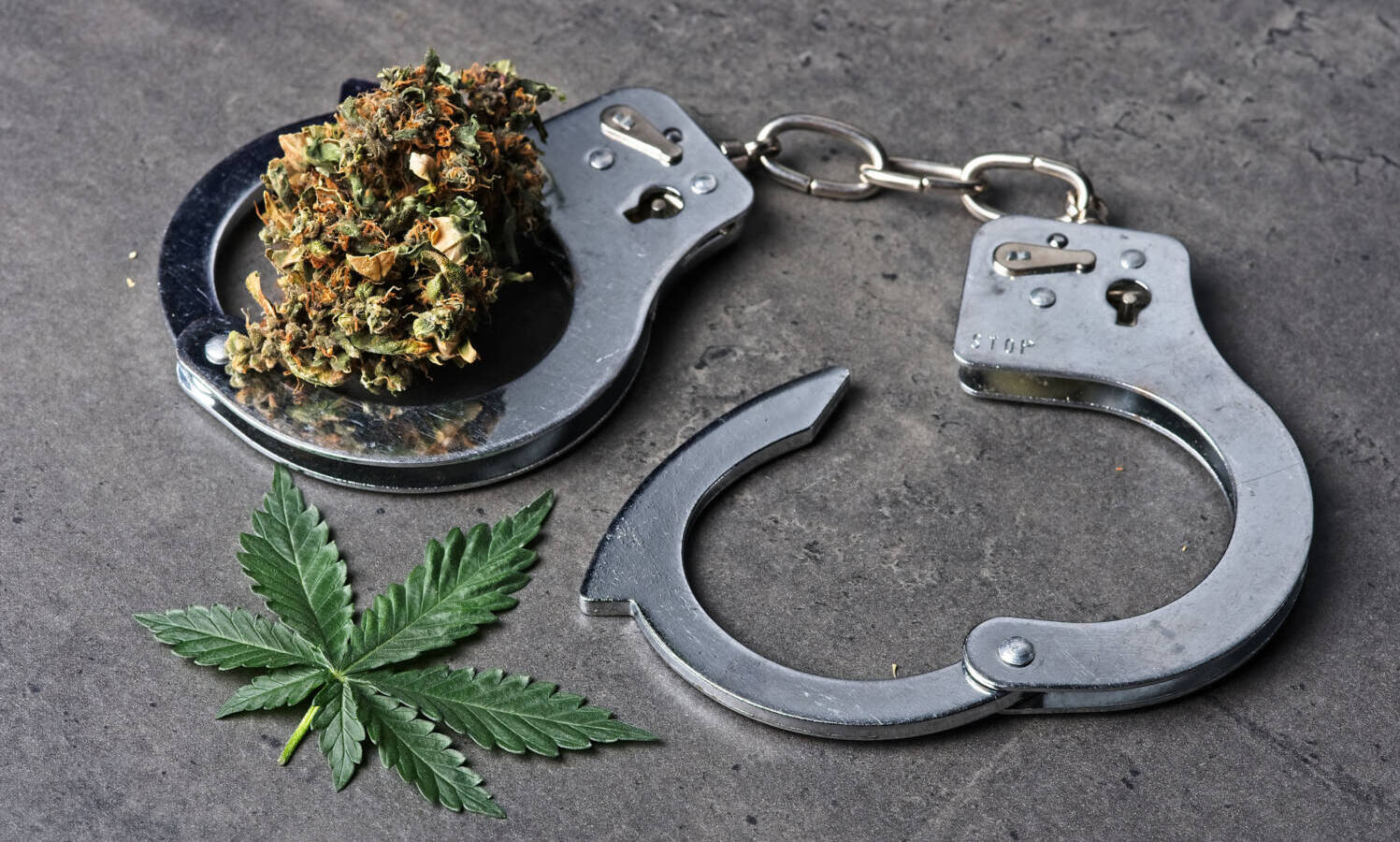
Here are 10 rules to remember when you live in a state where marijuana is legal that may just keep you out of handcuffs.
Photo by Gleti/Getty Images
Always Buy From A Registered Dispensary
There are a lot of reasons you should buy your weed directly from a dispensary. There is quality control, safety and you know exactly what you are getting. Most of all, it is the legal way. Remember that just because marijuana is legal in your state does not mean you can purchase it from an unlicensed dealer, or from a stranger off the street. This is still very much against the law.
Never Re-Sell Weed You Purchased Legally
It might feel like a simple favor, but selling your friend the weed you purchased legally, even if you are not making a profit, is illegal. While your friend may not tell on you, just remember that possession is legal, but the selling and delivery of marijuana can land you in jail.
Make Sure You Have Your Medical Marijuana Card
If you have been approved for medical marijuana in the state you live then you can legally obtain and use it for medicinal purposes. When you have marijuana in your possession be sure to have your medical marijuana card on you.
“If police accuse you of illegal drug possession, you can use this card as a form of identification to show law enforcement your status,” according to an article byLawInfo. If you do not have your card on you, however, the police may arrest you until matters are cleared up.
Don’t Over-Plant Weed On Your Property
Photo by DaveLongMedia/Getty Images
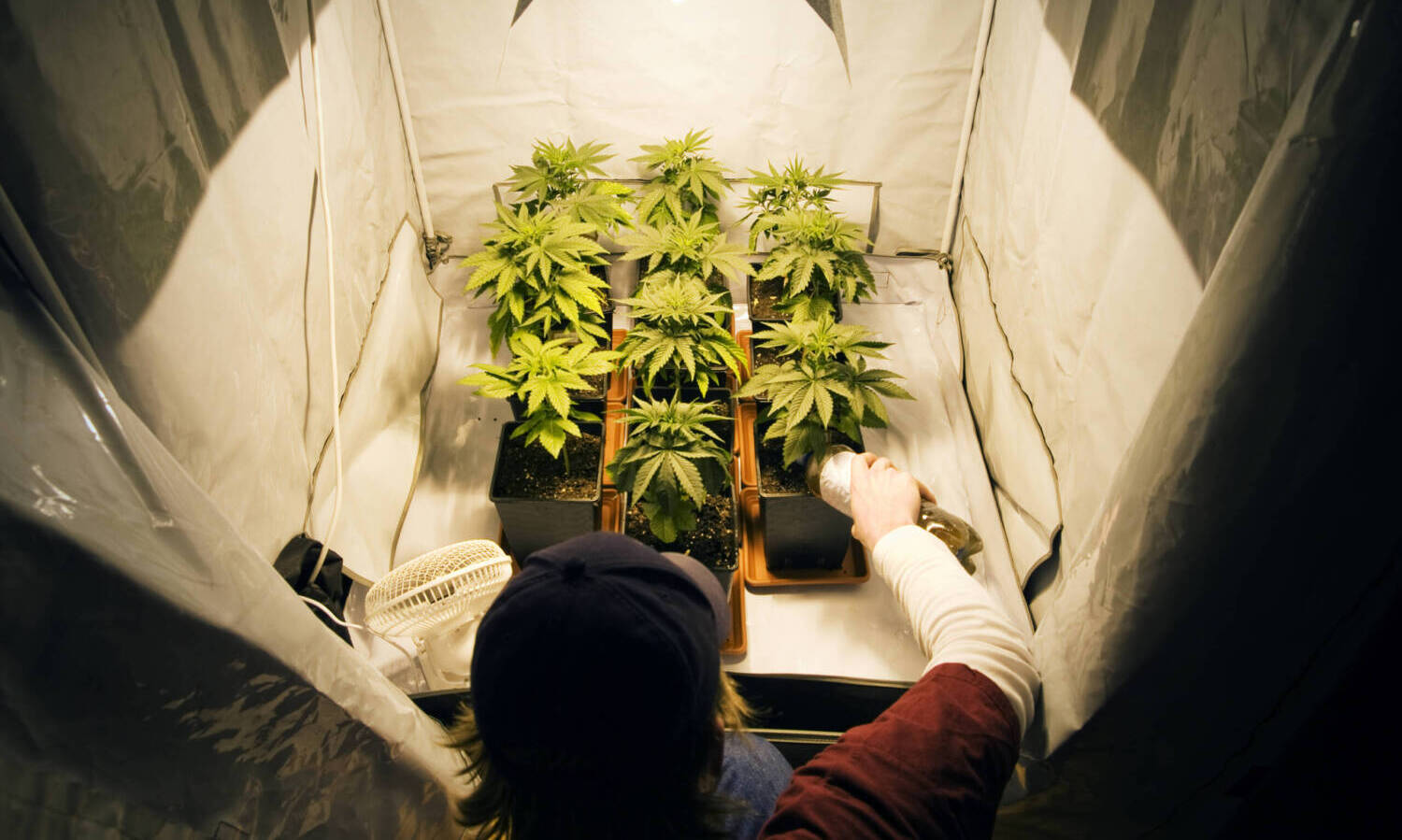
It is legal to grow weed for recreational or medical purposes in over20 states. Grow laws vary in every state. Some only allow you to grow for medical purposes. Every state has a restriction on the number of plants.
Some states even have restrictions on how many plants are allowed to flower at one time. Be sure you don’t get a greedy green thumb. Plant the legal amount so you and your plants can rest easy.
Don’t Smoke Weed Where It Is Not Allowed
Some states allow you to smoke in public and others do not. Possessing and using marijuana on federal property, however, is always illegal. “The federal law applies to offenses committed on federal property, which includes the Capitol grounds and the mall within D.C., as well as all national parks and military property nationwide,” according toNORML. This means you should think twice before sparking up at the National Mall or your Yosemite.
Don’t Carry Too Much
When you are at a dispensary you might be able to buy unlimited amounts of marijuana, but that simply is not the case. Every state has laws on the amount of marijuana you can possess. These laws are no joke either. Being caught with large amounts of marijuana can sometimes land you with felony charges in most states.
Never Purchase For, Or Partake With, Those Underage
It may feel like a no-brainer, but getting an underage person high, or providing one with marijuana is always against the law. Remember that the legal age is 21, not 18.
Don’t Send It In The Mail
Edibles might seem like a great addition to a care package, but it is an illegal act. Colorado’s official websitesays, “The United States Postal Service is run by the federal government. Since marijuana isn’t federally legal, you can’t pop it in the mail.”
Do Not Bring It Across State Lines
Individuals, and even companies, are not allowed to bring marijuana across state lines. All the marijuana you legally purchase in a state is from that state — and legally must stay there.
This is an easy thing to assume if you are traveling to a state where weed is illegal. If, however, you are going from one legal state to another you still should not cross the border with it. Keep in mind that when you fly the “friendly” skies, those skies are federal skies, not state-owned.
Don’t Drive With Weed In The Car
Photo by JasonDoiy/Getty Images
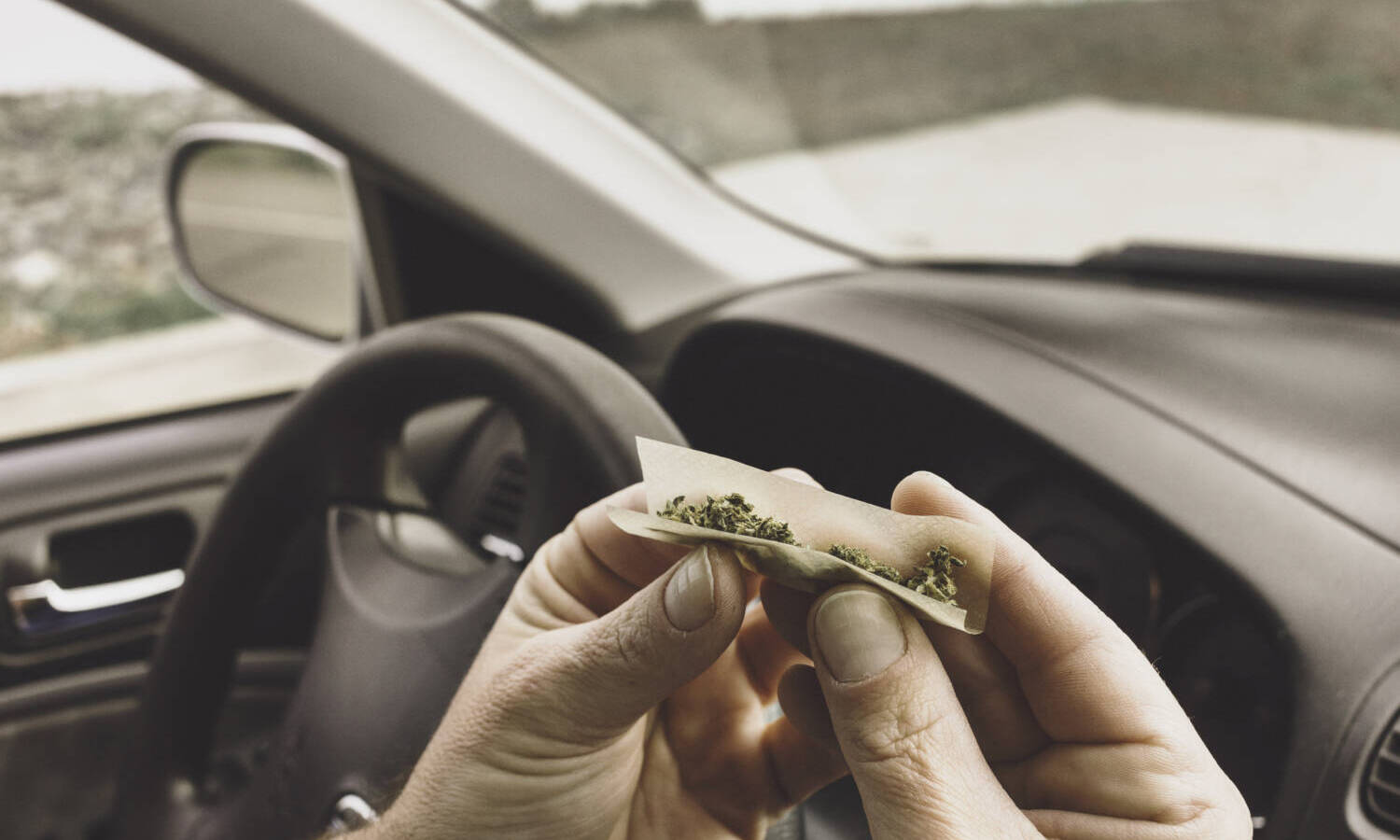
It is not always illegal to drive with weed in the car. If marijuana is unopened and in its package it is often acceptable. Opened flower and other opened forms of marijuana in motor vehicles is often illegal. Many states have adopted laws similar to “open container” laws that exist for alcohol.
Also, if you get pulled over with visible marijuana in your car — it just isn’t a good look. Be smart, and limit how often marijuana is in your vehicle when you are driving.
Cannabidiol (CBD) is no doubt increasing in popularity as well as availability. More states than ever are making it easily available to the adult public in many forms, from beverages to pills, infused edibles, tinctures, and so much more.
Data shows that 1 in 3 Americans have consumed CBD, and more than half of the population is already familiar with CBD products. People use CBD for many reasons including pain reduction, sleep, anxiety, or overall wellness.
Meanwhile, a 2019 survey by the Brightfield Group revealed that 44% of CBD consumers spend anywhere from $20 to $80 a month on CBD products.
But each day, there are new CBD consumers everywhere. After all, what’s not to love about CBD? It doesn’t get you high, it has potent healing benefits, and it helps fight inflammation as well as many other illnesses.
However, some people are still concerned about whether or not it can be detected on a blood test so they wonder how long it stays in the system.
CBD vs. THC
To get down to the answer, it’s also important to get to know the differences between THC and CBD.
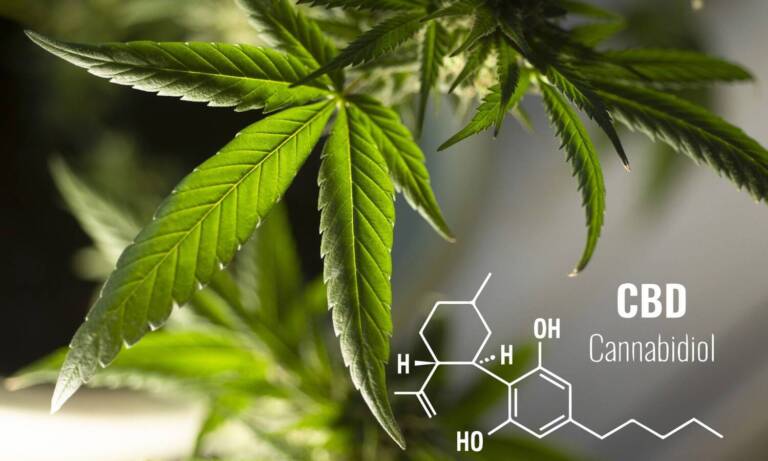
Tetrahydrocannabinol (THC) is the psychoactive compound in the marijuana plant. But CBD products are derived from hemp, which is a high-CBD cousin of cannabis. Since industrial hemp has high levels of CBD, authentic CBD products can only be derived from it even if both plants look similar but biologically speaking, the chemical makeup of each plant is extremely different.
This is why when you consume THC products, this cannabinoid is detectable through bodily fluids for long periods of time and is commonly tested for in various drug tests such as some required for work.
Drug Tests
If you are worried about failing a drug test, it’s recommended to consume CBD isolates which are the safest type of CBD on the market. CBD isolates are the purest form of CBD available, made with no other plant compounds not even in trace amounts.
With urine tests, THC can be detected from three days to as long as three months after use, while saliva tests can detect it for 24 hours after use. Hair drug tests can detect it for up to 90 days. Meanwhile, blood tests can detect THC for up to 36 hours after use.
Having said that, drug tests don’t screen for CBD since it isn’t intoxicating unless a lab test is used which is made for detecting CBD specifically. There are dozens of different types of drug tests out there, which all have varying cut-off levels. Legally speaking, hemp CBD products contain 0.3% of THC so it won’t be detected unless you consume extremely high amounts, or unless the drug test was engineered to detect CBD although it is rare for legal and employment reasons.
Photo by 400tmax/Getty Images
How Long CBD Stays In Your System
You may still be wondering about how long it stays in your system, and how long its effects will be felt. There is no standard or universal timeframe that applies to everyone because there are so many different factors that influence it, much of which is dependent on our unique body chemistry as well as the ways and frequency with which CBD was consumed.
Generally speaking, it takes around one day for CBD to be completely flushed out of your system if you took one dose. The more you consume it and at higher doses, the longer it will take for your body to flush it.
Other factors that affect how long CBD remains in your system include:
Your metabolism, weight, and age
Frequency of use
Last day of consumption
Dosage
Consumption method
Since CBD is fat-soluble, it is stored in the fat cells of the body instead of water cells. This is why the impact of your body mass index (BMI) has an influence in how fast it’s metabolized once you take it, and how quickly it’s flushed out. The higher your weight and body mass, the longer it takes to leave your system.
Additionally, CBD is available in many forms so how you administer it will have an impact on how long it takes for its effects to be felt, how long it lasts, and how long CBD will stay in your system. Vaporization is the fastest way to deliver CBD into the body, and also leaves the body just as quickly. The onset of CBD tinctures and oils is slightly longer, perhaps 15-20 minutes, though their effects can last as long as 6 hours. Since oral products like edibles and capsules need to make their way through the digestive system, the onset can take 30 minutes though sometimes as long as 90 minutes. It also takes edibles a little longer to leave the system.
Photo by 24K-Production/Getty Images
For those looking for localized pain relief, CBD topicals are a good option. You can apply anti-inflammatory CBD creams to muscles or joints, anywhere else that has pain, it provides therapeutic effects just on that area. Furthermore, CBD topicals don’t cross the bloodstream so they don’t show up in blood tests.
In a 2016 study, it revealed that participants who consumed CBD through flower, oil, and capsule form then took a urine drug test after 2 hours still had detectable CBD levels. When the urine was retested after 24 hours, traces of CBD were no longer detectable.
Conclusion
When buying CBD products, always be sure to purchase from a reputable manufacturer and one that provides third-party laboratory testing to ensure that it’s derived from the hemp plant. Hemp plants only contain 0.3% THC, which is a trace amount of the drug that won’t show up in a drug tests.
In the event that you happen to false test positively when consuming CBD for a workplace drug test, you can tell your employer that you are consuming CBD products.
At the end of the day, it’s always the safest bet to look for a Certificate of Analysis (CoA) from CBD manufacturers before using it. A CoA will tell you valuable information such as the CBD and THC content in the product as well as any contaminants that has been detected.
Evers, who is up for re-election this year, has granted more pardons during his first three years in office than any other governor in contemporary history.
On Friday, Wisconsin Gov. Tony Evers (D), a supporter of cannabis legalization, announced new pardons including nine for individuals previously convicted for cannabis-related offenses, reported High Times.
“There is power in redemption and forgiveness, especially for folks who’ve been working to move beyond their past mistakes to be productive, positive members of their communities,” Evers said in a statement. “I’m grateful for being able to give a second chance to these individuals who’ve worked hard to do just that.”
Evers, who is up for re-election this year, has granted a total of 498 pardons. According to a bulletin from his office he has “granted more pardons during his first three years in office than any other governor in contemporary history”.
A pardon “does not expunge court records,” but it is “an official act of forgiveness that restores rights lost when someone is convicted of a felony, including the right to serve on a jury, hold public office, and hold certain professional licenses,” Evers explained.
Grinders are important tools for any regular cannabis consumer. Here’s how you can clean it thoroughly and ensure it lasts for years.
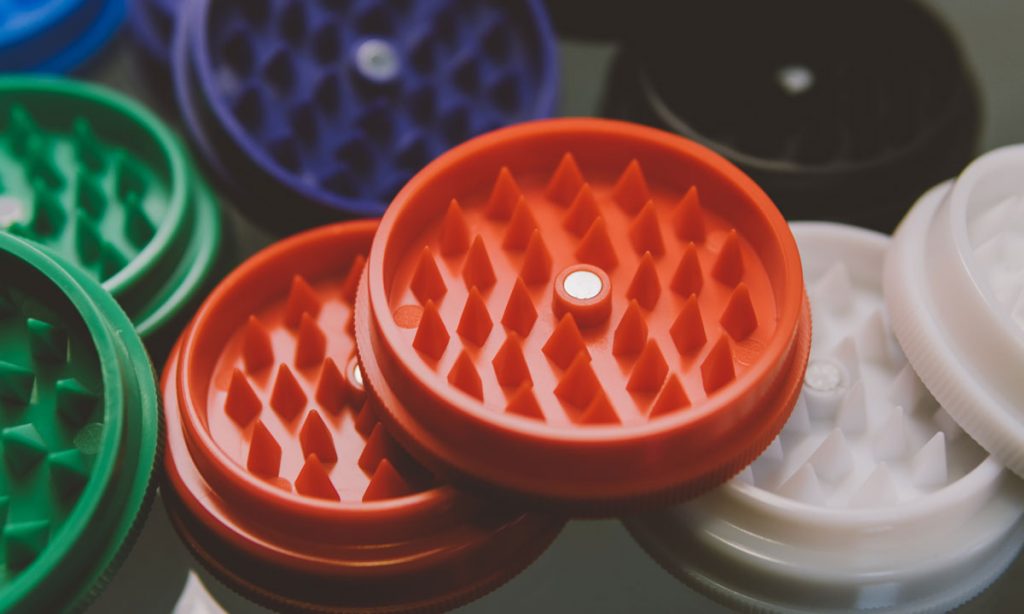
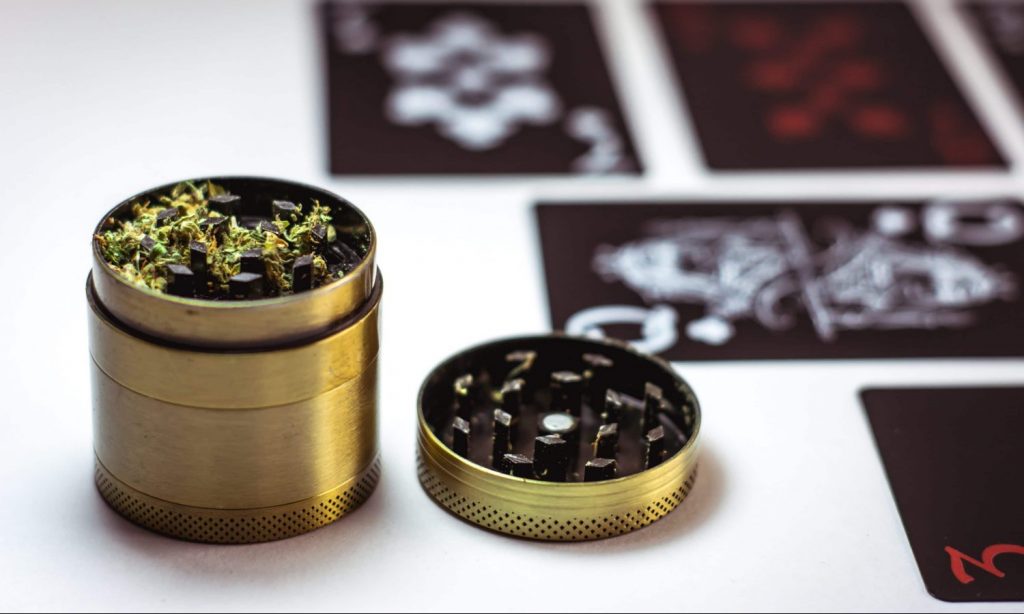
If there’s one tool that’s not absolutely necessary, but will improve your cannabis experience significantly, it’s a grinder. The device allows you to grind your weed efficiently, also serving as storage and as the simplest way to build up your kief reservoir.
While you could grind weed with your hands, scissors or even a small container with a coin inside, a grinder ensures you don’t rob your weed of trichomes and other factors that make for a stronger and more pleasant experience.
Despite the many perks that grinders have, you do have to clean them on a semiregular basis. These devices often get clogged up with weed remains and gunk, making it difficult for them to do their job effectively. If your grinder’s blades are dirty, it’ll likely rip and tear the cannabis nugs instead of cutting them, something is best to avoid when packing a bowl or a joint. Avoiding your grinder’s clean-up could also result in the build-up of bacteria and decomposed elements, something you don’t want to inhale at any point.
Photo by José Antonio Luque Olmedo/Getty Images
Cannabis grinders can come in different materials and forms. Most come in the shape of circle, with different compartments for weed and kief storage. By cleaning it often, you’ll make sure your grinder has a long life, preserving the blades and their effectiveness.
Here’s how to clean your grinder.
Separate all pieces
Photo by VasilevKirill/Getty Images
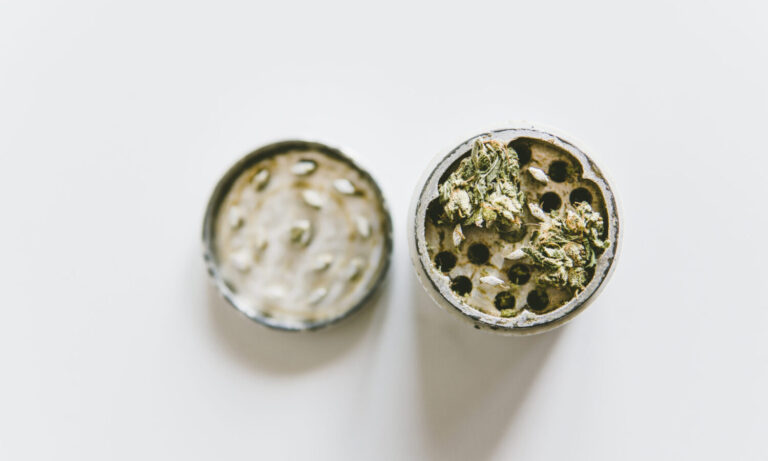
Make sure you open up all of your grinders’ compartments, removing all plant materials. Pay special attention to your grinder’s kief compartment, since this part tends to fill up without us noticing. Put it someplace safe, that way you can consume it whenever you want.
While wiping it with a clean towel and some isopropyl alcohol will get the job done, soaking the grinder in alcohol for a half-hour will do the same, eliminating scrubbing and resulting in a deeper clean. Rinse it with water and make sure you clean out any cannabis remains or gunk and dry it out.
If your grinder needs a deeper cleaning, after you separate all the pieces and clean it, you can put it in the freezer for 30 minutes. This step will freeze the plant residue, making it easier to separate from the grinder. Afterward, you can clean the grinder with a toothbrush and soak it in alcohol for 30 minutes. Rinse and dry.
National Institutes of Health said that research about the health effects of cannabis use remains limited, even though one in four cancer patients have reported using cannabis products to manage their symptoms.
In cancer patients, cannabinoids have primarily been used as a part of palliative care to help alleviate pain, reduce inflammation, relieve nausea and stimulate appetite.
However, with the field evolving rapidly over the past years, thanks to both legislative efforts and push from marijuana advocates, some early clinical trials and studies of cannabinoids in treating cancer in humans have been in motion lately.
Last week, the federal government took a step forward in promoting financing opportunities for researchers to study the benefits and risks of marijuana for patients who have cancer.
National Institutes of Health (NIH) said on Thursday in anotice of special interest that research about the health effects of cannabis use, including both potential harms and benefits, remains limited, even though one in four cancer patients have reported using cannabis products to manage their symptoms.
NIH’s National Cancer Institute said that the request seeks to “promote research in understanding the mechanisms by which cannabis and cannabinoids affect cancer biology, cancer interception, cancer treatment and resistance, and management of cancer symptoms.”
The agency provided an overview of the existing research into the connection between cannabis and cancer, as well as a list of the following areas of interest that researchers should investigate:
Understanding how exogenous cannabis and cannabinoids affect cancer development (preneoplasia through malignancy) and biology, including the tumor microenvironment;
Understanding how endogenous cannabinoid pathways influence cancer development and biology;
Defining the effects of cannabis and cannabinoids on cancer treatment (particularly targeted treatments and immunotherapy) and the development of treatment resistance;
Understanding the use of cannabis and cannabinoids in cancer interception and delineating how endocannabinoid signaling pathways may inhibit early cancers;
Defining the mechanisms of cannabis and cannabinoid action in alleviating symptoms of cancer and cancer treatment (such as pain, nausea, and neuropathy);
Understanding the combinatorial effects of cannabis and cannabinoids in conjunction with other factors (such as tobacco constituents, alcohol, microbiome or diet) on cancer biology, treatment and symptom management;
Identifying biological mechanisms underlying disparities in sex or ethnicity in cannabis and cannabinoid action in cancer biology, treatment or symptom management; and
Developing or validating new and human-relevant model systems to understand cannabis and cannabinoid action in cancer biology, treatment or symptom management.
Photo by FatCamera/Getty Images
The agency also said that epidemiological studies of cannabis use and cancer risk “have yielded limited and inconsistent results,” adding that “studies that integrate expertise from multiple disciplines, incorporate state-of-the-art, human-relevant models (e.g., organoid or patient-derived xenograft models) and utilize advanced technologies and methods are strongly encouraged.”
Cannabinoids In Cancer Treatment
So far, several studies have yielded encouraging results.
Researchers at the Medical College of Georgia at Augusta University provided some hope to those suffering from brain tumors through a new study that revealed that inhaled CBD shrinks the size of glioblastoma tumors in an animal model.
Last year, Cancer charities and the U.K.’s National Health Services (NHS) launched a study to determine whether Sativex, a cannabis-based mouth spray, combined with chemotherapy medication -temozolomide – can help kill glioblastoma tumor cells and extend the overall length of patients’ lives.
Another study, conducted by Hadassah Medical Center physicians, revealed a sixfold improvement in killing breast cancer cells when using specific Cannabotech’s (CNTC.TA) medical cannabis products in combination with standard oncology treatments and drug protocols – chemotherapy, biological and hormonal, over the existing treatment.
Moreover, Cannabotech, which is also involved in the development of a botanical drug based on an extract of the Cyathus striatus fungus and a cannabinoid extract from the cannabis plant, reported last month that in experiments conducted on a cell model, the fungus extract eliminated 100% of pancreatic cancer cells relatively selectively and without damaging normal cells.
Photo by Steffi Ratzke / EyeEm/Getty Images
Marijuana & Research
In the meantime, the York County, PA-based Groff North America recently claimed to be the first company in the U.S. to introduce its cannabis crop for legal medical research. The news came some ten months after the DEA announced it would begin approving applications allowing some marijuana growers to become federally authorized to cultivate the plant for research purposes.
White House press secretary Jen Psaki recently said that approving additional cannabis manufacturers for scientists is “a key step in promoting research because it broadens the amount and quality of cannabis available for research purposes.”
There are more studies ongoing to help shed light on how the body and endocannabinoid system in autistic people respond to cannabinoids.
Around 1% of the global population has autism spectrum disorder (ASD), and this number is gradually increasing since doctors are becoming more adept at diagnosing it. Science has been working hard to figure out ways to combat it, but it slow going. Here is the latest on medical cannabis and autism.
It can be painful and challenging to have a loved one struggling with symptoms of autism. In extreme cases, this can include self-harming, aggression, and severe anxiety. Despite all the advances in medicine, we still don’t have a cure for autism spectrum disorders, though the treatments available are mostly focused on symptom management so that these don’t disrupt the daily lives of those with this condition. Since it affects everyone differently, the symptoms vary greatly as well, which is why tailored treatment plans are necessary.
Photo by Anthony Fomin via Unsplash
Currently, psychotherapy and prescription medication are the two main types of treatments being used for individuals with autism. Many types of psychotherapy are used depending on the symptoms; these may include one or some: physical therapy, occupational therapy, assistive technology, speech therapy, or applied behavioral analysis. For medication, the FDA has only approved two: Risperdal, and Abilify, which are antipsychotic medications designed to reduce aggression and irritability.
Treating and managing autism can be extremely difficult, but thankfully, cannabis has been shown to be beneficial in children as well as adults with this condition.
What The Studies Say
A recent review led by Mariana Babayeva, a Touro College of Pharmacy in New York professor, revealed that there is a growing body of clinical studies that have shown promising results using cannabis to treat autism spectrum disorder.
“Due to its vital role in regulating emotion and social behaviors, the endocannabinoid system represents a potential target for the development of a novel autism therapy,” reads the study. The authors also added “several studies have suggested that dysfunctions in the components of the endocannabinoid system may contribute to the behavioral deficits and neuroinflammation observed in autism.”
Within the medical community, it’s also a widely accepted hypothesis that since the receptors of the endocannabinoid system can be found in the central nervous system, this explains the link between cannabinoids and improvements in autism symptoms.
In 2020, researchers from Boston’s Tufts University revealed that when they worked with kids as well as young adults who had ASD but medicated with hemp-based or cannabis products, 60% among those with aggression caused by ASD reported that they noticed improvements after treatment. Meanwhile, 91% of those who had both ASD and epilepsy saw improvements in seizures.
Then in 2021, a clinical review of existing literature on cannabis for autism concluded that, “Cannabis products have been demonstrated to reduce the number and/or intensity of different symptoms, including hyperacidity, attacks of self-mutilation and anger, sleep problems, anxiety, restlessness, psychomotor agitation, irritability, aggressiveness perseverance, and depression. Moreover, they are associated with an improvement in cognition, sensory sensitivity, attention, social interaction, and language.”
Photo by Fernando @dearferdo via Unsplash
The study’s authors then concluded that, “Cannabis and cannabinoids may have promising effects in the treatment of symptoms related to ASD, and can be used as a therapeutic alternative in the relief of those symptoms.”
In the medical community, it has become clear that while the research on cannabis for autism is still in its early stages, it has been nonetheless controversial. That hasn’t stopped families from asking doctors and seeking professional medical advice on the use of cannabis for autism symptoms because there are significant cases of anecdotal evidence that it can be helpful for many of its symptoms especially when it comes to calming down aggression and reducing seizures. Cannabidiol (CBD) has especially been noted as helpful because it’s non psychoactive, and has a long track record in treating seizures safely, even for children.
In fact, many parents feel so strongly about the use of medical marijuana for treating autism symptoms. A parent advocacy organization called the Mothers Advocating Medical Marijuana for Autism (MAMMA) has chapters in several states; in their website, one can find numerous testimonials from families who say that cannabis has helped their children. What is sad is that many of these families are medical refugees who had to relocate states just so that their kids could benefit from states with medical marijuana laws where it can be used for seizures and other symptoms. There have been families that have also sent in their testimonials anonymously, saying that they have used cannabis illegally because we still don’t have the legislations in place enabling autistic people to use cannabis.
There are currently 14 states that list autism as either a qualifying condition or a debilitating condition, but that isn’t enough. No matter where you live, you must be able to have access the medicine that can help make a difference in your life, even if you choose to medicate your child with cannabis.
Conclusion
There are more studies ongoing to help shed light on how the body and endocannabinoid system in autistic people respond to cannabinoids. While the exact mechanisms are still much of a mystery, we can at least say that cannabinoid compounds work for autism. However, the efficacy, type of cannabis product, and dosage taken all play a role too. There is some research that says THC taken with CBD is best while others say CBD alone is best.
While cannabis can help, parents who want to give their children cannabis for medicine should keep in mind that it should not be seen as a cure-all. At best, cannabis probably works more effectively with other autism therapies. Speak to your doctor or one in a state that has legalized the use of cannabis for autism to find the best route for you or your loved one.
A new study claims to erase and manage conditions like anxiety and alcohol abuse via gene editing.
The brain has control over most things in our body. This pivotal organ is responsible for our moods, memories, thoughts, and so much more. Now, a new study suggests that it could be possible to give your brain a “factory reset,” as if it were an iPhone, and that this could help get rid of conditions like alcohol abuse and anxiety.
The study, published in the journal Science, focused on localizing the region of the brain responsible for the development of alcohol abuse and anxiety, showing how gene editing can erase or control people’s predisposition to these diseases.
Researchers from the University of Illinois based this study on previous findings that linked binge drinking in adolescence to altered brain chemistry, which could impact the way these people regulate their emotions, resulting in higher odds of having anxiety or alcohol abuse. The goal of their study was to use modern gene editing and figure out if these effects could be reversed.
The study was conducted on rats that were exposed to alcohol in their adolescence. Once the rats reached adulthood, researchers measured their levels of anxiety and their desire for alcohol by conducting different tests, including maze experiments and having them choose between different liquids.
Researchers highlighted the importance of adolescent drinking, which can lead to alcohol abuse later on and, more concerning, psychiatric disorders. They found that those who drink during their adolescence have less of a protein known as Arc. The gene-editing process is called CRISPR-d Cas9, and consists of cutting out DNA and allowing it to naturally replenish itself.
“Adolescent binge drinking is a serious public health issue, and this study not only helps us better understand what happens in developing brains when they are exposed to high concentrations of alcohol but more importantly gives us hope that one day we will have effective treatments for the complex and multifaceted diseases of anxiety and alcohol use disorder,” said the study’s lead author, Subhash Pandey. “That this effect was seen bidirectionally validates the significance of the Arc enhancer gene in the amygdala in epigenetic reprogramming from adolescent binge drinking.”
The brain goes through significant changes when people are going through their adolescence. It goes through complex rewiring and pruning of neurons, making it sensitive to outside substances, like alcohol and even cannabis.