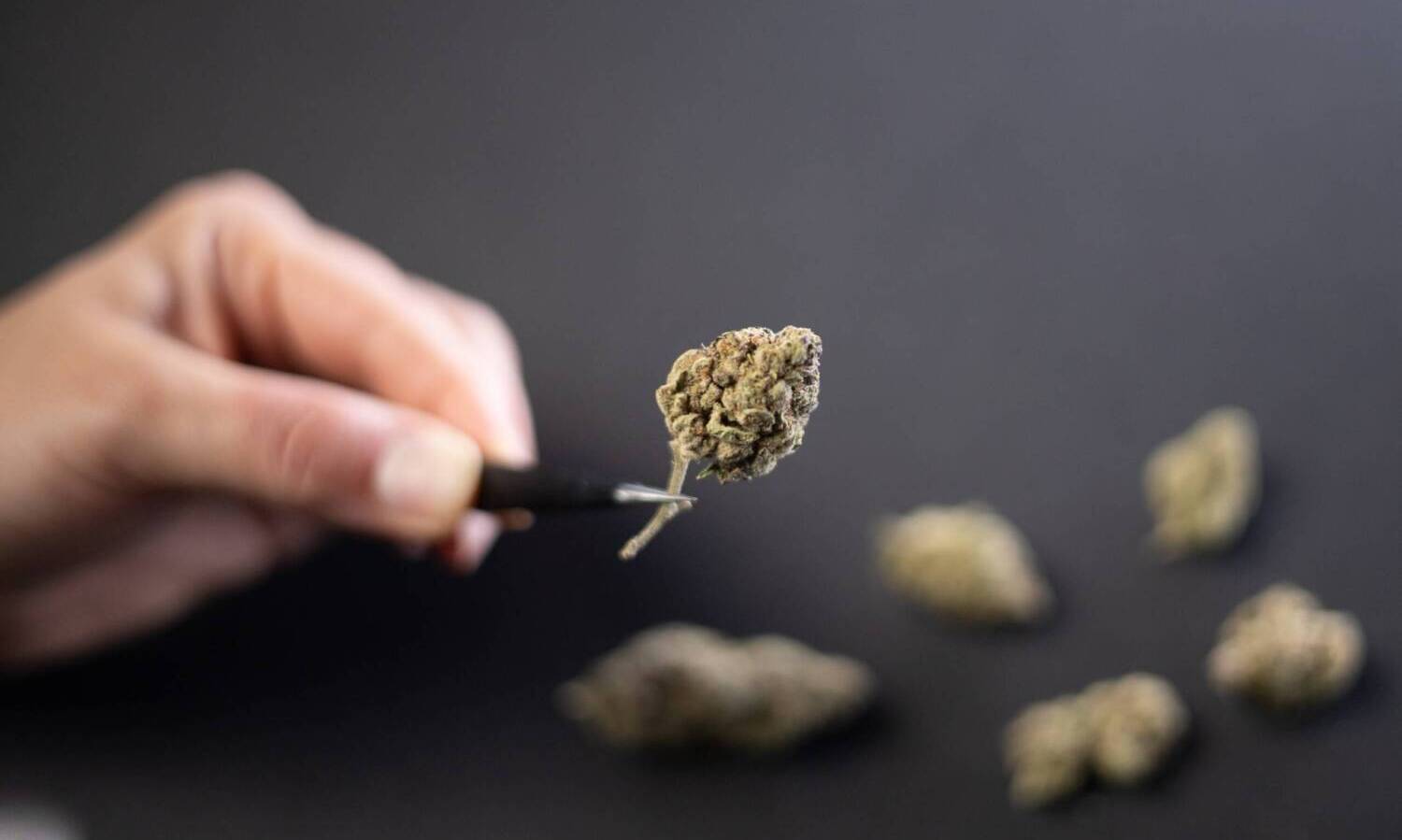
After Thailand became the first Southeast Asian country to legalize medical cannabis in 2018, this January it became the first in Asia to legally allow marijuana. Under the new regulation, which officially takes action on June 9, its residents are allowed to cultivate cannabis for personal use.
The country’s Public Health Minister Anutin Charnvirakul announced on Sunday that he plans to give away a million marijuana plants, reported Nation Thailand.
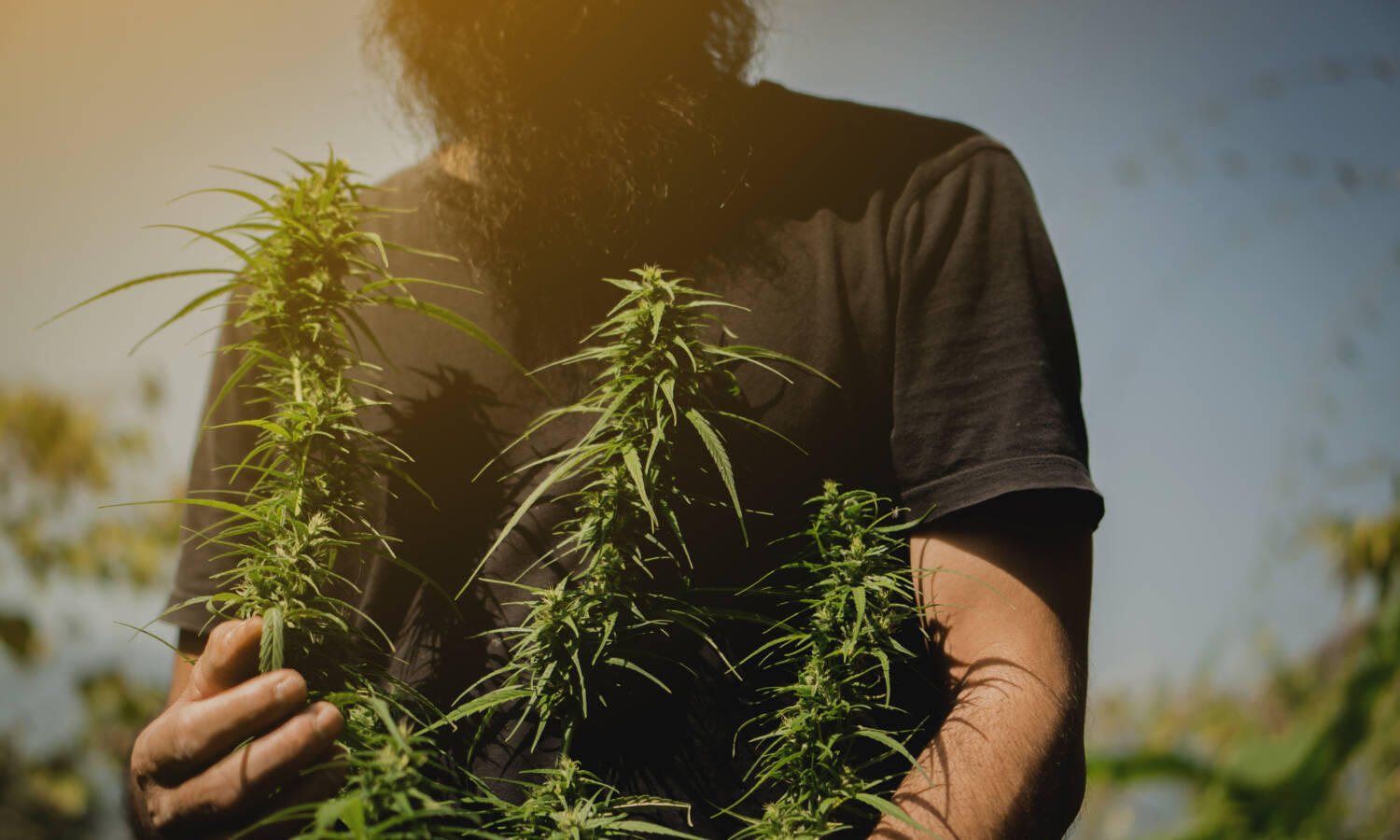
Anutin said that Thailand residents will be permitted to legally cultivate “as many cannabis plants” as they wish in their own homes as of June 9. While official registration is not required for home cultivation, all plants must be medical grade for medicinal purposes.
The Minister highlighted the advantages of commercial cannabis cultivation.
Under the law in Thailand, registered businesses are allowed to sell marijuana products with less than 0.2% THC. Anutin added that under the new law, individuals can operate marijuana-related companies.
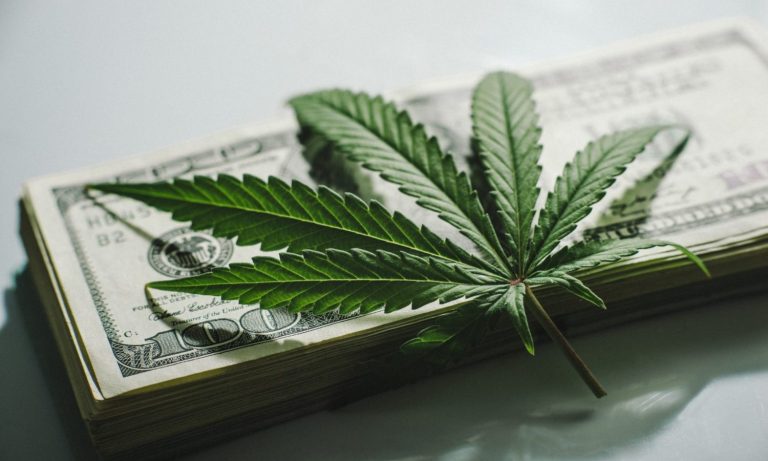
“This will enable people and the government to generate more than 10 billion baht ($289.46 million) [per year] in revenue from marijuana and hemp,” he said. “Meanwhile, people can showcase their cannabis and hemp-related products and wisdom and sell their products nationwide.”
Marijuana entrepreneurs and businesses would be allowed to compete freely, as there would be no concessions, Anutin added.
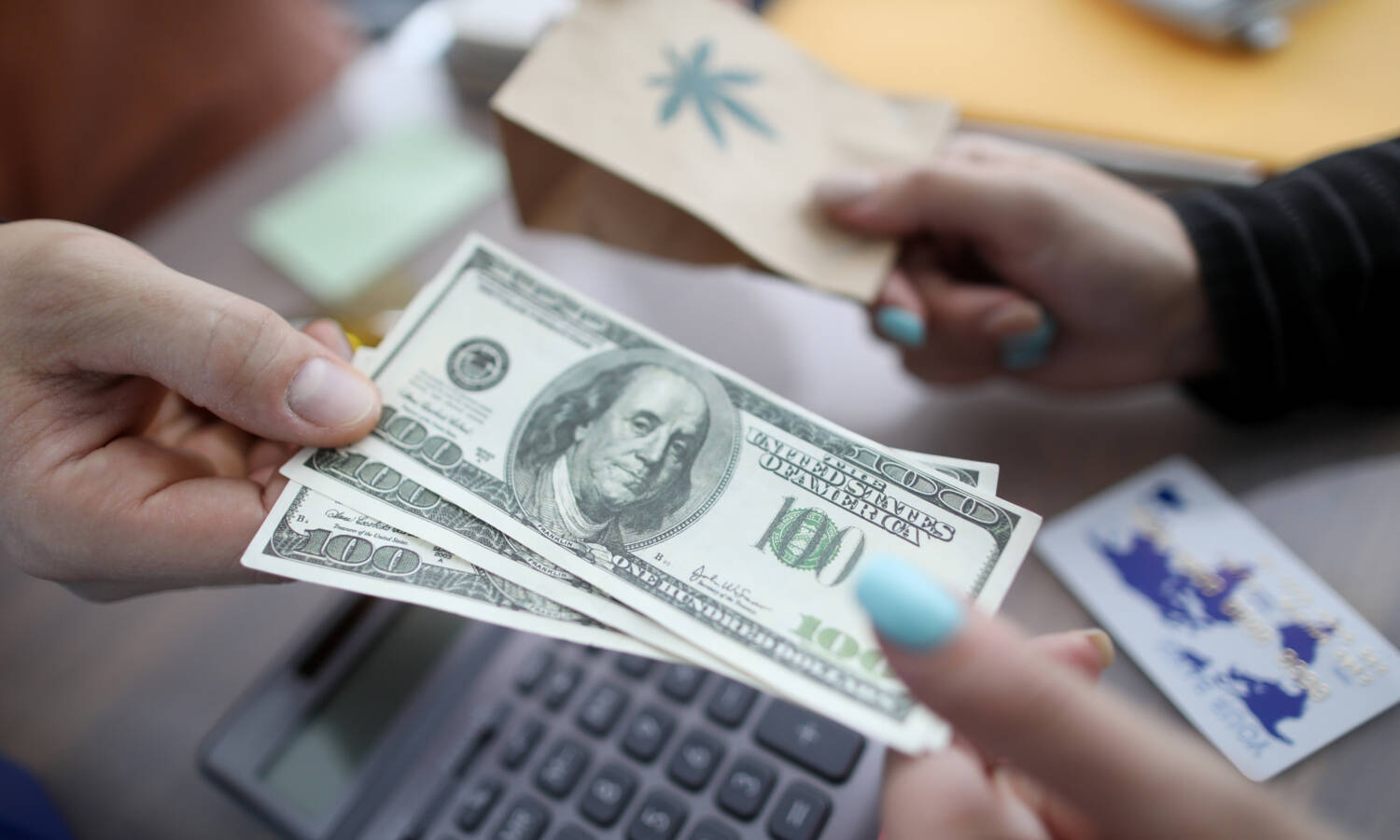
Photo by Darren Lawrence from Pexels
While small businesses selling marijuana-related products are not required to register with the FDA, bigger operators must obtain permission from the agency.
Cannabis advocates in the country believe that looser cannabis laws could help speed up economic recovery after the pandemic. It is expected that the new marijuana laws could help push for the boom in the country’s tourism industry. Experts from the travel industry have said they believe the market will blossom like the marijuana plant itself.
“Thailand is well known as a destination for medical tourism and wellness travel. So, these sectors will surely benefit from the latest developments,” commented Dirk De Cuyper, CEO of S Hotels and Resorts.
While you may want to buy legal cannabis at the age of 18, that will be quite impossible since provisions and policies put in place by weed legalized states do not permit it.
Election Day 2012 saw voters in Colorado approve a ballot initiative to legalize the recreational sale and use of cannabis. This bold step by the citizens of Colorado saw the state become the first to do so in all of the United States.
Since then, 17 other states, Guam, and Washington, D.C., have followed suit, and public support for cannabis legalization has significantly grown. However, the recreational use of cannabis is still very much illegal at the federal level.
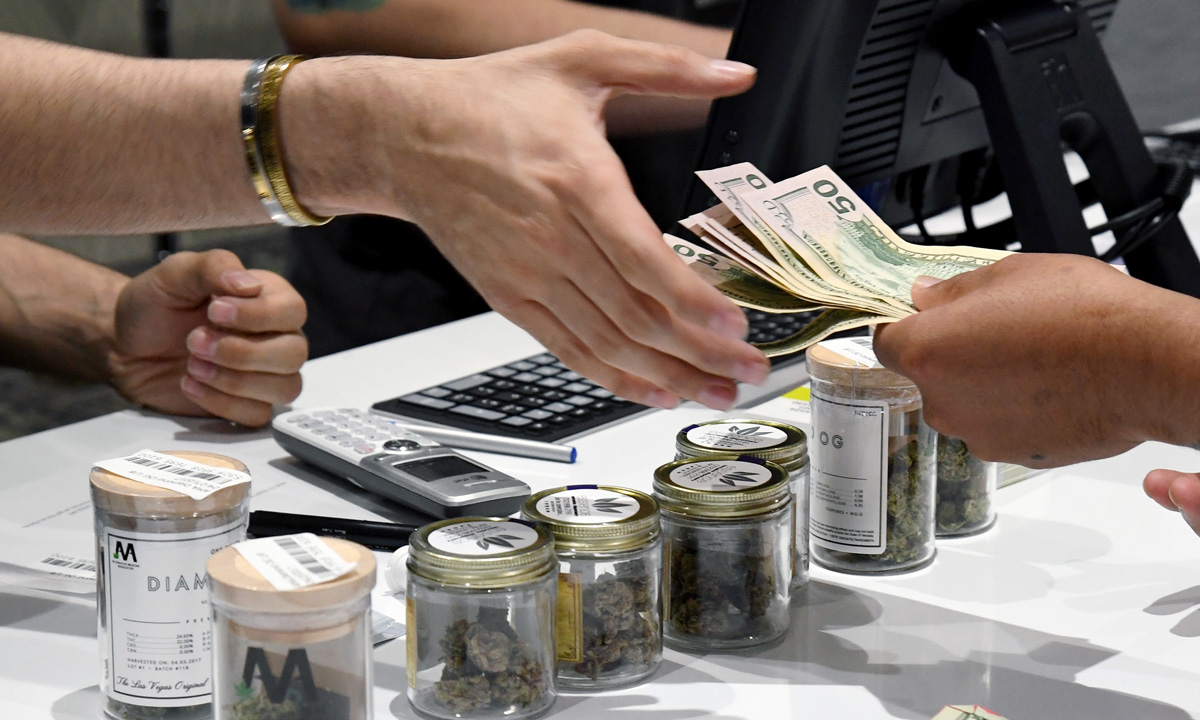
Photo by Ivan-balvan/Getty Images
While many states have legalized the recreational and medical use of cannabis, the approach and policies of each state differ. To this end, a young person needs to know what applies in each state to avoid the wrath of the law.
Here are the states where the recreational sale and use of cannabis is legal:
Colorado
Alaska
Washington
Oregon
California
Washington, D.C.
Maine
Nevada
Massachusetts
Michigan
Connecticut
Guam
Vermont
Illinois
Montana
Arizona
New Jersey
Virginia
New York
New Mexico
As mentioned earlier, each of these states has specific provisions for the buying, sale, and amount of cannabis an adult can legally possess. These states also have different rules as regards adult growing cannabis plants for personal recreational use. However, one similarity these states share is that individuals above the age of 21 years can legally buy and use cannabis for recreational purposes. Here are the provisions and legalization measures in each state.
Colorado
In Colorado, adults above the age of 21 years can give away and also possess a maximum of one ounce of cannabis. Adults are also allowed to cultivate six cannabis plants each. Although, residences are restricted to a maximum of 12 plants regardless of the number of people residing there. Public consumption of cannabis is also illegal in Colorado.
Washington
In Washington, adults above the age of 21 years can possess and buy a maximum of 16 ounces of solid cannabis-infused edibles, an ounce of cannabis, 7 grams of cannabis concentrated, and 72 ounces of liquid cannabis-infused products. However, public consumption of cannabis is also illegal in Washington, and adults are banned from growing cannabis plants for personal recreational use.
Alaska
In Alaska, adults above the age of 21 years can possess and buy a maximum of one ounce of cannabis and can cultivate a maximum of six cannabis plants. Public consumption of cannabis is also illegal in Alaska. You can visit any of the licensed dispensaries to buy cannabis legally within the state.
Oregon
The state of Oregon allows adults above the age of 21 years to buy or possess a maximum of one ounce of cannabis in public and a maximum of 8 ounces on private property. Adults are also allowed to possess a max of 16 ounces of solid cannabis-infused edibles or 72 ounces of liquid cannabis-infused products. Adults can also grow a max of four marijuana plants while public use of cannabis is illegal across the state.
Washington, D.C.
Adults in Washington D.C., can buy or possess a max of 2 ounces of cannabis and can gift a max of an ounce to another person. It is also legal for adults to grow a max of six cannabis plants in their homes. However, as of now recreational sale of cannabis is illegal in D.C.
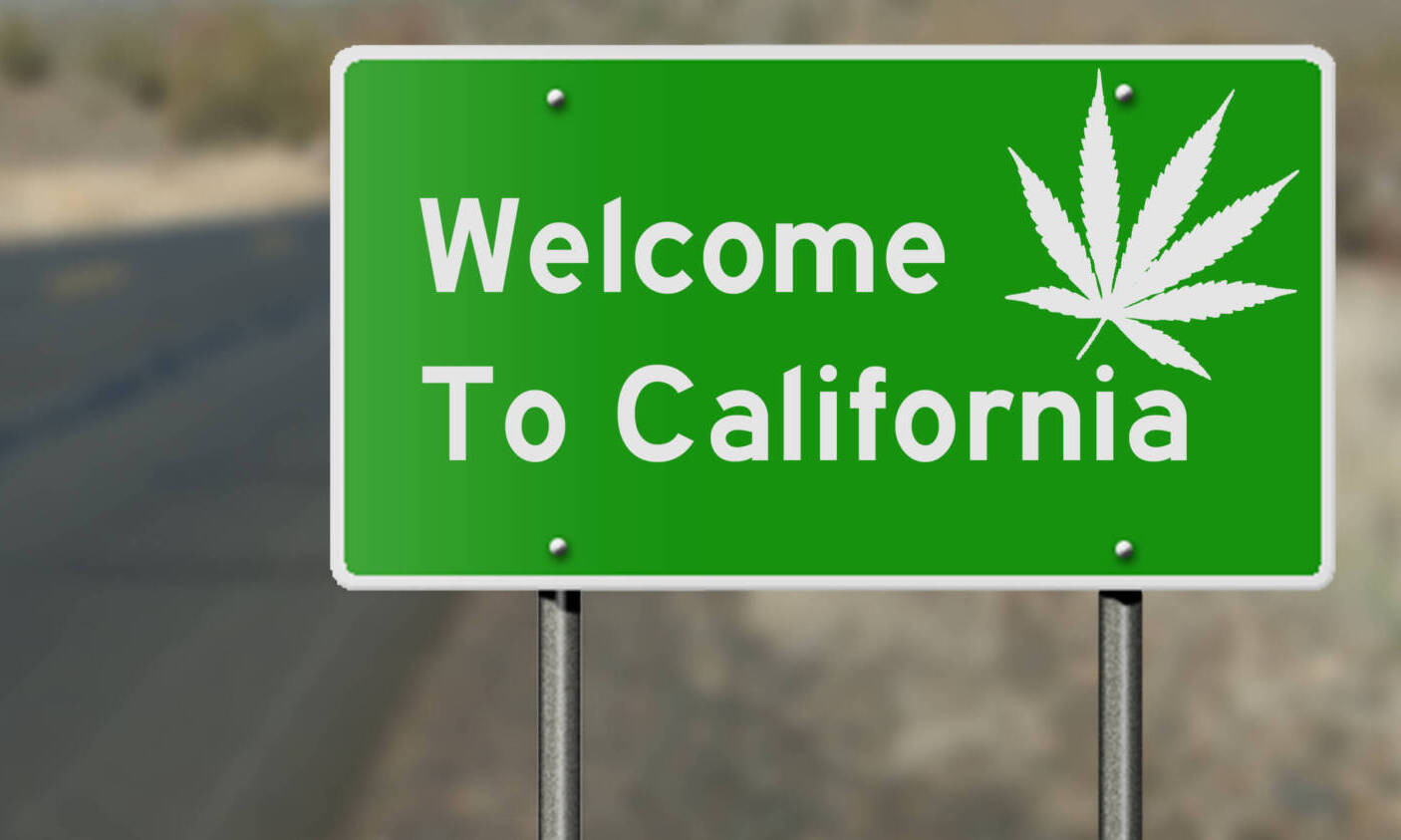
California
Adults above the age of 21 years can buy, possess, or gift a max of one ounce of marijuana and a max of 8 ounces of concentrated marijuana. Public consumption of marijuana is prohibited and illegal.
Adults above the age of 21 years can buy, possess, or gift a max of one-ounce cannabis and grow a max of 12 young cannabis plants and 6 flowering plants.
Massachusetts
Adults above the age of 21 years can possess a max of one ounce of cannabis in public space and a max of 10 ounces on private property. Adults are also allowed to cultivate six cannabis plants each. Although, residences are restricted to a maximum of 12 plants regardless of the number of people residing there.
Nevada
Adults above the age of 21 years can buy or possess, a max of one ounce of marijuana and a max of ⅛ of an ounce of concentrated cannabis. Adults are also allowed to cultivate six cannabis plants each or 12 cannabis plants for every household.
Michigan
Adults above the age of 21 years can buy or possess, max of 2.5 ounces of marijuana and a max of 15 grams of concentrated cannabis. Adults are also allowed to cultivate 12 cannabis plants for every household.
Vermont
The state of Vermont makes legal, only the possession and cultivation of cannabis plants. Both the sale and purchase of cannabis are illegal in the state. However, that will change come October 2022 once the state starts giving out licenses.
Presently, adults above the age of 21 years in Vermont can possess a max of an ounce of marijuana. Adults can also cultivate four immature and two mature cannabis plants for every household.
Guam
Adults above the age of 21 years in Guam can possess a max of an ounce of marijuana. Adults can also cultivate a max of six cannabis plants (max of three mature plants)
Illinois
The state of Illinois makes it legal for adults above the age of 21 years to possess 5 grams of concentrated marijuana, 30 grams of marijuana, and cannabis products with a maximum of 500mg of THC. While it’s legal to purchase these at the local dispensaries, public consumption is prohibited.
New Jersey
The state of New Jersey makes it legal for adults about the age of 21 years to use cannabis both for medical and recreational use. Specific provisions are still under review.
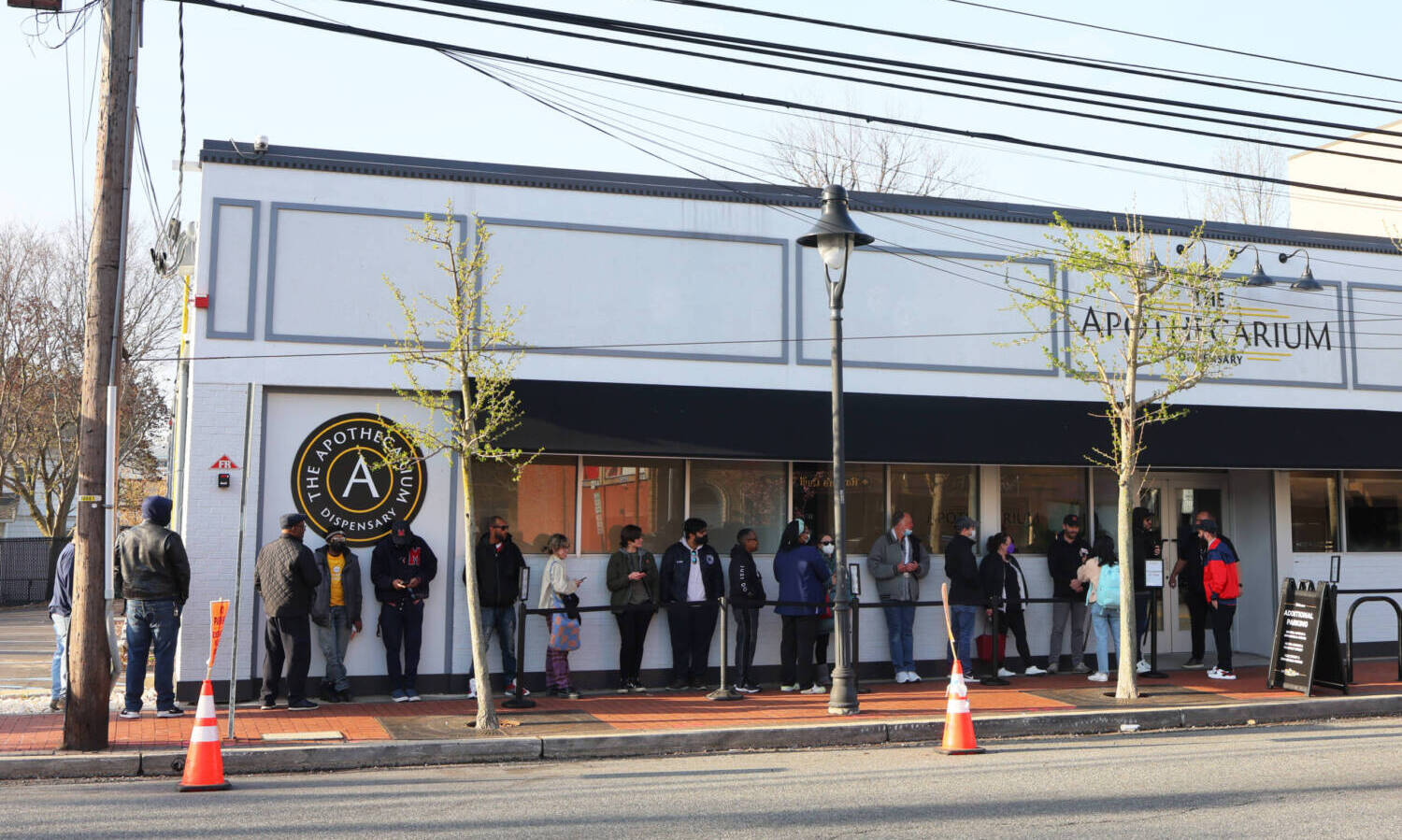
People wait to enter the Apothecarium Dispensary on April 21, 2022 in Maplewood, New Jersey. Photo by Michael M. Santiago/Getty Images
Montana
The state of Montana makes it legal for adults about the age of 21 years to use cannabis both for medical and recreational use
South Dakota
Adults in South Dakota above the age of 21 years can distribute and possess a max of one ounce of cannabis.
Arizona
Adults in Arizona above the age of 21 years can distribute and possess a limited amount of cannabis. While the provisions are still in the works, it has been speculated that public consumption will be banned and cannabis offenses will be cleared.
New York
The state of New York makes it legal for adults above the age of 21 years to possess a max of 3 ounces of marijuana for recreational use. Individuals previously convicted of marijuana will have their offense records cleared.
Virginia
In Colorado, adults above the age of 21 years can give away and also possess a maximum of one ounce of cannabis for recreational use. Adults are also allowed to cultivate a max of four marijuana plants.
New Mexico
The state of New Mexico makes it legal for adults above the age of 21 years to possess a max of 2 ounces of marijuana. Adults are also allowed to cultivate six cannabis plants each or 12 cannabis plants for every household.
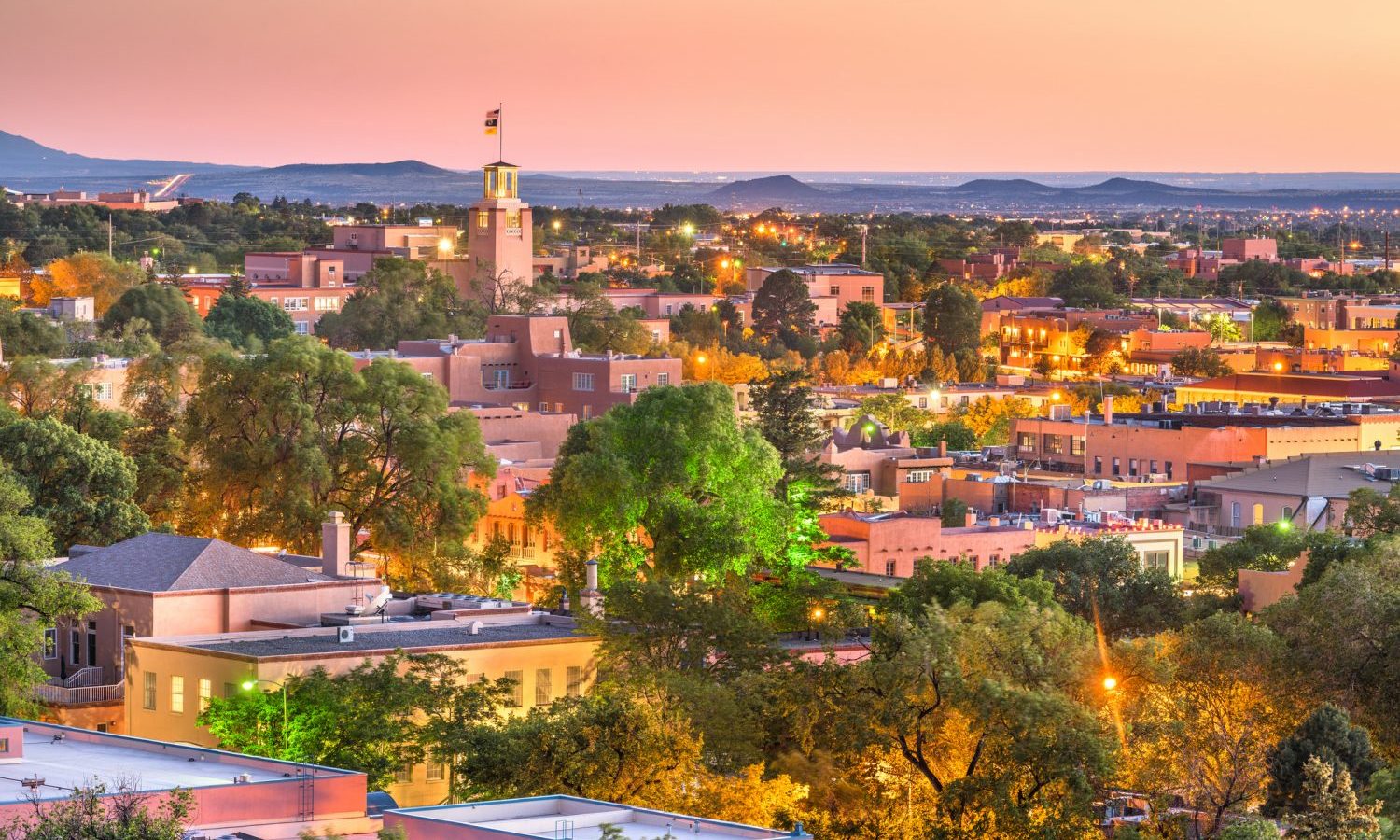
Photo by Sean Pavone/Getty Images
Connecticut
The state of Connecticut makes it legal for adults above the age of 21 years to possess a max of 1.5 ounces of marijuana for recreational use. It is also legal for adults to possess a max of 5 ounces of weed in their homes or vehicles. The sale of legal cannabis is expected to kick off in the summer of 2022.
Conclusion
While you may want to buy legal cannabis at the age of 18, that will be quite impossible since provisions and policies put in place by weed legalized states do not permit it. You will need to wait a few extra years to buy your first legal cannabis, however, it’s best you still note the provisions peculiar to your state so you don’t fall ignorant of the law.
Taxes in California are among the highest in the United States and that of course includes cannabis-related taxes, which are so exorbitant that they are hobbling what should rightly be the country’s — make that the world’s largest and potentially successful cannabis market.
High taxes and onerous regulations are keeping unlicensed cultivators out of the legal market and contributing to illicit sales, which make up whopping three-quarters of all weed sales in California today, according to a new study done by Reason Foundation, Good Farmers Great Neighbors and Precision Advocacy.
Taxed at a flat rate of about $161 a pound, on top of which there is a 15% excise tax, as well as local cultivation, manufacturing, processing, distribution and retail taxes. As a result, California raked in nearly $1 billion in cannabis tax revenue during the first three quarters of 2021, yet the cannabis industry is drowning.
Cultivation Tax Has To Go
“High taxes are undermining California’s legal cannabis market,” says Geoffrey Lawrence, director of drug policy at Reason Foundation. “California could double monthly cannabis tax revenues by 2024 by eliminating the cultivation tax. Without the cultivation tax, our data show lower cannabis prices would increase sales of legal products, increasing the state government’s general sales tax revenue and more than replacing losses from the eliminated cultivation tax.”
The Market Is Stunted
Due to exorbitant taxes, California’s legal cannabis market has not come anywhere near to meeting its expectations in terms of size. Indeed, the market is just one-third the size of that which was expected, based on its population of around 40 million and high adult weed consumption rates.
That is to say, nearly two-thirds of cannabis sales in California are still taking place on the illicit market, the study estimates.
Weed Taxes Compared To Neighboring States
California’s state and local taxes on legal cannabis are as high as $90 per ounce, or $1,441 per pound. By comparison, cannabis taxes average $340 per pound in Oregon and $526 a pound in Colorado.
Due to these lower taxes and greater access to legal products, residents in Oregon spend 378% more per capita on legal cannabis. Colorado residents spend 335% more per capita on legal cannabis than Californians spend, the report showed.
“We are experiencing first-hand a serious price compression in the California supply-chain in part as a result of the illegal market, high taxes and fees and a patchwork of inconsistent local taxes driving legal operators to the brink of a financial cliff,” said Amy O’Gorman Jenkins, president of Precision Advocacy and legislative advocate of the California Cannabis Industry Association. “We cannot allow the largest cannabis market in the world to fail.”
Farmers face the biggest challenge, and some are giving up.
“Many farmers are considering going fallow this year. Busy Bee Organics, one of the first woman-owned, sun-grown farmers in Santa Barbara, has already declared she’s not planting this year,” said Sam Rodriguez, policy director of Good Farmers Great Neighbors.
Photo by Lealnard Riengkaew / EyeEm/Getty Images
No Farmers, No Weed: What’s To Be Done?
“The immediate elimination of the cultivation tax would be a first step in addressing critical issues impacting the state’s legal cannabis market from seed to sale,” Rodriguez said.
Another shocking statistic: Oregon (pop. 4.2 million) has one legal cannabis retailer for every 6,145 residents (some say the highest per capita in the world!). Colorado (pop. 5.8 million) has one legal retailer for every 13,838 residents while California has just one legal cannabis retailer for every 29,292 residents, the study found.
Cannabis has never been easier to access. Here’s a quick guide for returning users.
As cannabis becomes legal in a growing number of states, its use is becoming increasingly popular. And while many newbies are giving it a shot, there are a lot of people who are finding themselves returning to cannabis as they enter a new stage in their lives, using it for medicinal or recreational purposes.
While more plentiful than ever, the new cannabis world can be overwhelming to navigate. With federal laws and states having different rulings on the drug and how it operates, it’s difficult to jump back in without some guidance. Fear not — here’s a basic guide for returning weed users.
One of the most common things you’ll read now when looking into cannabis is how much stronger it is when compared to years past. And while weed is stronger than it was before, it still shouldn’t be a determining factor on whether or not you’ll be consuming it or not. According to the National Institute on Drug Abuse, THC potency averaged out at 15% in 2018. 30 years ago, it averaged out at 4%.
What is CBD?
Photo by CasarsaGuru/Getty Images
The CBD trend entered full force only a couple of years ago. It’s understandably puzzling for people, some of whom don’t even know that the compound is a part of the cannabis plant, and other who don’t understand the differences between it and THC, its more psychoactive complement.
CBD and THC are just two of cannabis hundreds of cannabinoids. The main difference between the two is that THC will get you high, while CBD will most likely not. Research on CBD is new, but some believe it can be used to treat forms of anxiety, depression and promote relaxation.
What method is best?
Photo by OlegMalyshev/Getty Images
Choosing whether to eat an edible or to smoke, vape, dab, etc. is confusing. There’s too many options. The best way to choose a method is to keep an open mind and experiment what results you like best, starting off slow.
Edibles tend to produce stronger highs, making them great for recreational and medicinal use alike. The caveat is that they take a long time to affect people, something that makes it easier for them to overdose. When purchasing these products, it helps to ask your budtender and explain your current situation. They may suggest a dosage for you, something that can help you once you purchase your product and read the amount of THC per serving.
On the other hand, smoking and vaping produces quick results usually, within 30 minutes of consuming. This makes for more accessible highs, especially for beginners.
Bad highs can happen, especially with edibles. While cannabis remains a pretty safe activity, a bad high can be scary, especially if you’ve had no experience with them. These moments usually involve a lot of anxiety and stress, with symptoms like paranoia, nausea and drowsiness affecting people. The key is to stay calm and wait the high out. There are no clinical consequences to bad marijuana highs, just a bit of a stressful time.
Dispensaries are great, having experts on staff and making people feel like they’re buying a bottle of wine and not like they’re buying something illegal from their dealer. Still, each state has different rulings, meaning that dispensaries can be very different from each other. Be sure to call ahead of time or browse their website in order to get an understanding of what they have and don’t be afraid to ask questions. Times are changing and we’re living in the midst of an adjustment period; take advantage of it and use it all to learn.
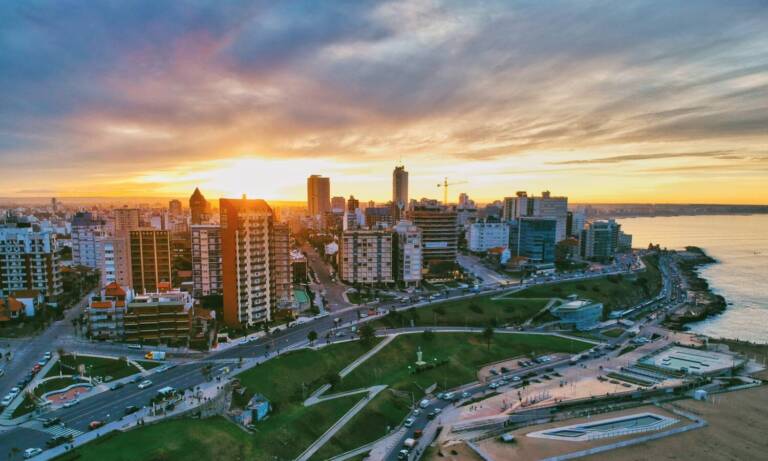
South America’s cannabis marketplace shows signs of promise as incremental progress has been underway for several years. Recently Argentina Legalizes Medical Cannabis
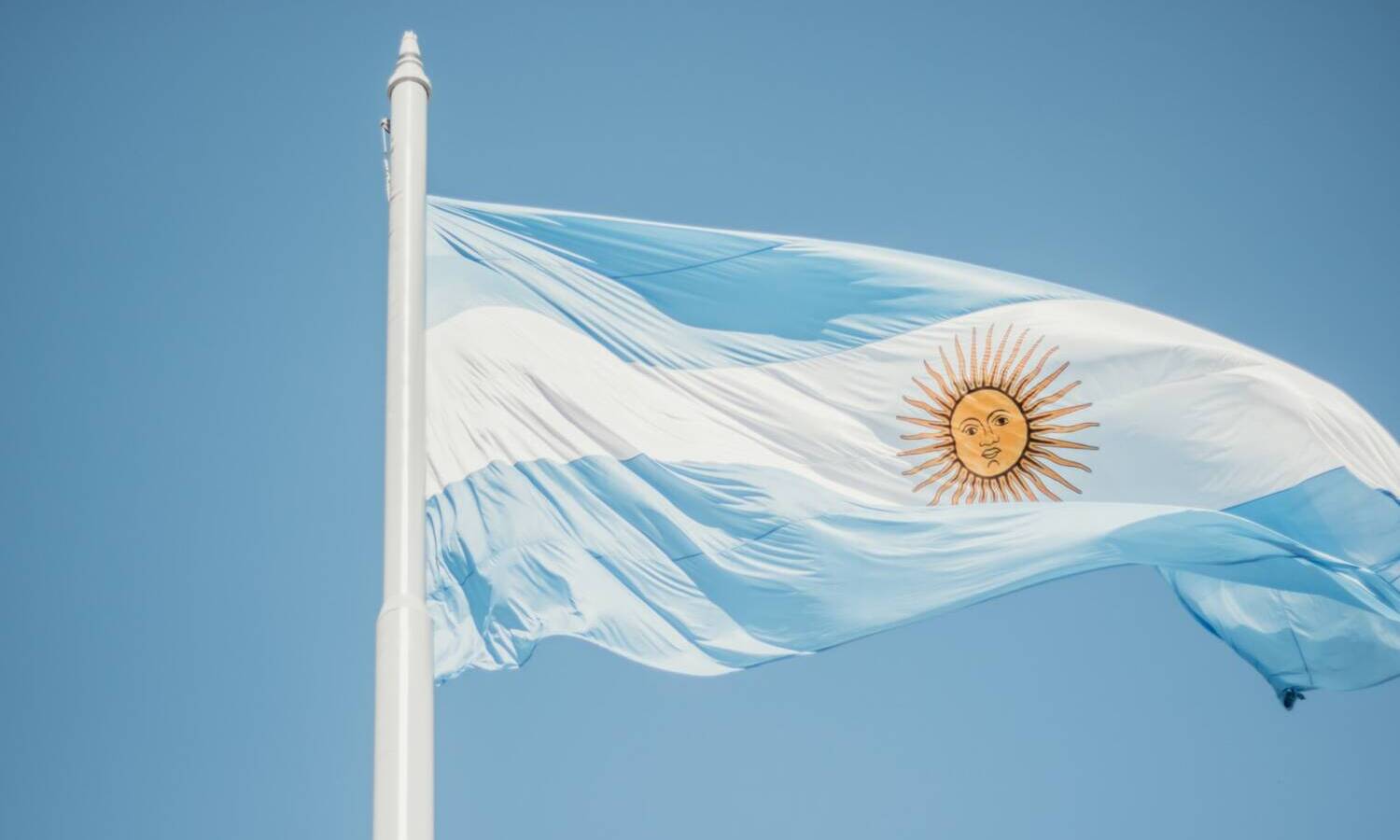
Argentina legalizes medical cannabis. Congress approved a law that will create a regulatory framework for public and private investments in the production of pharma-grade cannabis products.
The law still needs to be signed by President Alberto Fernandez. Lance Lambert, VP of marketing and business development for Nevada-based brand GreenBroz Inc., said the country’s population of over 45 million is “one to watch and be ready to take advantage of when the time is right.”
Photo by Angelica Reyes via Unsplash
The law passed the Senate last year, with ample support from state governors who are betting on cannabis to promote economic growth and sustainable development.
The legislation does not legalize recreational cannabis, rather, creates the ARICCAME (Regulatory Agency for Hemp and Medicinal Cannabis), the agency that will regulate the production of cannabis for medicinal and industrial purposes.
The agency will coordinate with state governments when and if cannabis and hemp licenses are approved, gaining a prominent role in the regulatory process.
The law also provides cannabis businesses with access to traditional banking and establishes a streamlined regulatory process for hemp producers.
Thursday’s decision in the Chamber of Deputies has been pending since July of last year when, after being proposed by the national government, it was later blocked by the opposition over disagreement on the details.
Divided Opinions
Representatives in favor of the bill emphasized the importance of legislation to guarantee safe access to healthcare, boost economic benefits and exports, and diversify economies beyond the central “Pampa” region.
Meanwhile, opponents of the bill said the legislation enlarges the government and challenges the imposition of a national tax on cannabis. There were also cultural arguments against cannabis. Conservative members of the lower chamber referred to the cannabis industry as “the advance of drug trafficking” and legitimization of the consumption of illegal substances.
“This law provides for different types of authorizations and licenses. Priority will be given to projects that promote regional development and that incorporate SMEs“, said Rep. Mara Brawer, co-sponsor of the bill.
There were a few surprises as the debate played out.
Rep. Martin Tetaz, a supporter of market deregulation and fiscal austerity, often criticized by the left, said he was in favor of the law and called for the legalization of recreational cannabis.
“I am in favor of complete legalization, and against a ‘paternalistic state’. Society does not tolerate more bureaucracy,” Tetaz said in reference to the regulatory agency that will serve as the supervising body of the cannabis production chain.
Argentina’s cannabis marketplace shows signs of promise as incremental progress has been underway for several years. The Supreme Court decriminalized the use of small amounts of cannabis in 2009. In 2017, the country approved the import of cannabis products with a doctor’s prescription, and in 2020, a bill authorized home cultivation for medical patients.
Not everyone can afford the most expensive strains on the market. These affordable alternatives with great cannabinoid profiles are a solid option.
You may be shocked to know that many of the expensive, premium cannabis strains on the market—past and present—have affordable alternatives. There’s no need for spending hundreds of dollars on growing or purchasing a cannabis strain with high-quality genetics when you can settle for its cheap counterparts.
Dispensaries in most parts of the world group strains by price. Some of these products are priced on the high side, based on their fanciful names and the expensive cultivation techniques used to produce them. Yes, all cannabis strains do not have a standard breeding process. Some strains are produced by the citizen science approach—a system where growers irregularly play around with cannabis genetics to put out something unique. This approach produces nothing laudable, but a few times, it results in cannabis strains with the best of the best genes.
Multiple strains were produced from extensive cannabis breeding practices. Here, high-tech-grade equipment and world-class genetic materials are handled by highly-skilled, experienced breeders. The products created here are often priced based on the input into the program, irrespective of the origin of the plant. Most of these strains emerge at far higher prices than regular strains.
The point is that some of these premium seeds are not worth the price tags they come with. Only a few are. While I won’t excuse the fact that these premium strains offer unique impacts, I’d like to point out that some are actually over-hyped for easy marketing and quick sales. There are far better strains with better generic qualities and “psychoactive” highs than these premium, high-priced strains.
To further drive my point home, I’ve highlighted some of the most expensive cannabis strains across the globe and relatively cheaper alternatives that you can grow or use instead. That is, at a fraction of the intended price, you get to experience a similar experience.
Fruity Pebbles
Fruity pebbles have been out of style for a while now. Most growers, breeders, and consumers can testify to how this strain came and went like it was nothing.
Fruity pebbles emerged as a limited-time offer from Alien Genetics. The seed bank geneticists created this hybrid by mixing the Granddaddy Purple, Tahoe Alien, and Green Ribbon strains. With such powerful parent strains, fruity pebbles had no choice but to live up to their tantalizingly sweet reputation.
The strain exhibited some uniquely tempting effects that leaned more towards the indica morphology. The plant grew in a dense canopy fashion and was characterized by large, broad leaves with lateral growth. The buds were laden with very high levels of THC, making the product capable of a stoning body high. Even experienced veteran cannabis users could not escape the couch-lock effect of using fruity pebbles.
During the limited period fruity pebbles were sold, the scientists at Alien Genetics did not feminize them. Even if they did, the feminized strain never hit the market. Enthusiastic growers had to buy the seeds and hope for the universe to present them with a feminized plant. This would have been acceptable if each seed wasn’t priced at $1,500. In the long run, the unreal terpene and cannabinoid profile weren’t worth the exorbitant rate.
Cheap Alternative: Runtz
Developed by Zamnesia’s genetics team, the Runtz strain is a better-tasting and more potent strain with similar effects to fruity pebbles. The breeding team discovered that Runtz was produced by crossing Zkittlez with Gelato.
Runtz has a reasonably rich terpene and cannabinoid profile. It is one of the tastiest and highly potent strains right now, with 27% THC and guaranteed large yields. It is priced at $9 per seed. Another advantage is that the seeds are feminized.
Photo by Christina Winter via Unsplash
Oracle
In 2009, a new mysterious strain gripped the cannabis sphere. Then, reports flying around claimed that the oracle strain could be the most significant breakthrough for cannabis potency. Everyone wanted to have a hit with this cultivar.
In the end, it turned out that it was all an over-hyped product. The oracle team put out a rumor that their strain has an enormous THC profile of up to 45%. The rumors also claimed the cultivar could complete its growth cycle in a shorter time than every other strain in existence. Because of these unproven anecdotal claims, the strain’s price skyrocketed to $1,000.
It wasn’t until 2013 that these claims were proven to be false. Not only did Oracle not grow in record time, but it also didn’t contain any reasonable amount of THC. It was a CBD-dominant strain as well.
Alternative: CBD Fix Automatic
It makes no sense to pay up to $1,000 for a CBD-based strain. Instead, you can purchase the CBD Fix Automatic strain, especially if you desire a similar experience as the oracle strain.
This Zamnesia-produced strain contains about 14% CBD and 0.8% THC. The hybrid emerged from a mix between Northern Light Auto and another CBD-rich descendant. It costs less than $10 per seed.
Isla OG
This cultivar has undefined origins. It first came to light when the famous rapper 2 Chainz smoked it on a 24-karat gold rolling paper. Right now, I believe that it was a perfect marketing stunt to peg its price at an excessive rate.
Expert cannabis geneticists said that they suspect sativa-dominant parents produced the cultivar. The two suspects were Hawaiian and OG Kush. The current price is unknown.
OG Kush offers a remarkably similar experience to Isla OG. All the more reason why OG Kush is often considered the strain’s potential parent.
OG Kush is popular among veteran and novice smokers alike. It is known for its high THC levels and unique flavors and aromas. With OG Kush, you get to get similar tastes and effects to Isla OG at a significantly lower rate. With $5, you can buy a seed of this feminized strain.
Bottom Line
Many breeders, including Zamnesia, offer highly potent strains for more reasonable prices. These strains were developed with the average smoker in mind. Not everyone can afford the most expensive strains on the market, so these affordable alternatives with great cannabinoid profiles aren’t out of place. Without breaking the bank, you can have a similar or better cannabis experience.
Some of our favorite stoners are TV moms. What better time to honor them than on Mother’s Day weekend?
Despite the rise in marijuana use in moms, weed moms are not as common as you’d expect when it comes to pop culture. Their characters, usually funny and laid back, tend to exist in the background, with a few key exceptions.
Still, weed moms have become increasingly popular over the years, from characters that used to be controversial, to plain cool in today’s climate.
To celebrate Mother’s Day, here are 5 TV weed moms we love.
Nancy Botwin, “Weeds”
https://www.youtube.com/watch?v=aimnmPSVy7c
“Weeds” was released in 2005 and it was ahead of its time for a variety of reasons. Not only did it touch on cannabis during a time when it was illegal, it chose to do it through a suburban mom, who throughout eight seasons grows into a ruthless drug dealer. Nancy Botwin was a complex character, much like the male protagonists of the prestige shows of the era. Flawed female characters have become more common nowadays, but “Weeds” remains impressive in its commitment to exploring Nancy’s depths, no matter how far and disastrous.
“Grace and Frankie” is currently in its seventh and final season. Initially pitched as a show about two mismatched women who end up having to live together after their husbands divorce them and marry each other, in later seasons Grace (Jane Fonda) and Frankie (Lily Tomlin) grow into best friends and companions. Frankie is also a stoner since the minute she appears onscreen, quietly luring Grace to the dark side. In short, they’re both stoners, and “Grace and Frankie” is a stoner show.
“That ’70s Show” was a family-geared sitcom set in the 1970s. The showrunners managed to imbue their series with a lot of weed, even if it wasn’t apparent to younger viewers. Kitty Forman, the mother of protagonist Eric Forman, is not only one of the funniest characters of the series, but she also has some memorable high scenes.
“Broad City” is one of the most memorable stoner shows out there. Throughout its five-season run, Ilana and Abbi got high and did stupid things in New York City. Bobbi Wexler, Ilana’s mom, who had a small recurring role, made the most of her time on screen. In one scene, she memorably gets high with her sister, played by Fran Drescher, while bonding over their family history.
Ruth, “Disjointed”
https://www.youtube.com/watch?v=hQc2fv7VZ-k
“Disjointed” stars Kathy Bates as Ruth, a cannabis advocate who hires her son and a group of budtenders to tend to her newly opened cannabis dispensary. The series lasted one season, but it was a personal project for Bates, who explained she turned to cannabis when dealing with her breast cancer diagnosis.
Many cannabis enthusiasts are slowly realizing that there is more to cannabis than cannabinoids. Terpenes are no longer being overlooked and are now gaining their deserved recognition as major players in cannabis. They affect the taste, smell, and effect of the individual strain. This makes them very important in influencing a cannabis user’s choice of preferred strain.
Cannabis plants play host to over 200 terpenes, over 100 cannabinoids, and many flavonoids. Knowing the cannabis strain that contains an adequate amount of your desired terpene is another ball game entirely. This is why we will be looking at the top three cannabis strains available right now based on terpenes.
Photo by Westend61/Getty Images
Cannabis Terpenes
Terpenes are aromatic molecules that are quite known in the plant kingdom. With over 40,000 terpenes in existence, they are equally important in citrus fruits as they are in pine forests. Cannabis terpenes however play multiple roles as they tell the smoker a great deal about the cannabis strain. By giving the strain a unique taste and aroma, you can say that terpenes give the identity of the strain.
Cannabinoids like THC and CBD are easily ascribed the power of determining the effects of a cannabis strain. THC gives rise to a psychoactive euphoric feeling while CBD produces a calm and relaxed feeling in the users.
Research however has also shown that terpenes play a role in the psychoactive effect of the plant. The synergy between cannabinoids and terpenes produces an entourage effect to further augment the physical and mental effects of cannabis strains. This makes the knowledge of the terpene profile of cannabis plants very important as it can be used to determine expected effects.
Top 3 Cannabis Strains By Terpenes
Some terpenes occur more frequently than others in cannabis strains. The percentage of these terpenes in cannabis strains also differs from strain to strain. We will focus on three of the major cannabis terpenes today and check out three strains with notable quantities of such terpene.
Myrcene
This is the commonest terpene in cannabis strains. It gives an earthy, musky, and spicy taste to most strains. It also adds a pinch of sweetness which is why it is characterized as a “complex” taste. Myrcene has also been researched to have a role in producing the relaxing effect that is common to indica strains. The top 3 cannabis strains with high myrcene content are Blue Dream, White Widow, and OG Kush.
This hybrid strain gives sativa-like strain despite containing high levels of myrcene. Its parent strains are Blueberry and Haze which accounts for the high myrcene levels. The strain is perfect for social gatherings and daytime use. It opens up the creative and artistic genius within with its high THC content of 19%.
The popularity of this particular strain started in the 1900s when it experienced a boom across the cannabis world. White Widow has different features which show that it has a blend of indica and sativa genetics. The high levels of myrcene in this strain synergize with its high THC content to give an intense euphoric sensation.
This iconic strain originates from Northern California which indicates that it possesses unique genetics. The strain has spicy and earthy notes which are indicative of its high percentage of myrcene. Entourage effect from this myrcene and THC gives a unique sensation that takes over the entire body.
Limonene is common among different types of citrus fruits. It accounts for the sweetness and pleasant characteristic taste of citrus fruits. In cannabis plants, limonene acts as a precursor for other terpenes. It also aids euphoric feeling by interacting with serotonin receptors in the brain.
The high level of limonene in Sour Diesel leaves a strong imprint on the sour taste buds of the tongue. The invigorating effect of limonene helps it to impart a strong surge of energy throughout the nervous system. The parents of Sour Diesel are Diesel and Northern Lights and the strain has a high THC content with lesser CBD content.
Do-Si-Dos
This unique strain has high limonene content with accounts for its strong bursts of sweet citrus tones. The high of the strain has a rare balance of euphoria and relaxation which makes it a special strain in all respects. It is an indica-dominant strain with 25% THC so be sure that this strain will satisfy all your needs.
This is another strain with a high percentage of limonene with intense effects. It is perfect for daytime users as it provides the needed energy to get your day going. You can do no wrong by starting your day with the strain and a fresh cup of coffee.
Pinene
This is a common terpene readily found in nature. As the name suggests, it gives pine forests their characteristic scent. This scent is also present in many cannabis strains to give distinct notes of pine and wood. Pinene produces a calm and relaxing effect and can help to modulate the high of THC.
This is another special strain from the unique Kush dynasty. The high pinene content of the strain gives a blend of fruity and tropical goodness. High levels of pinene work in synergy with THC to promote alertness and mental clarity.
This strain got its name from that popular cannabis activist Jack Herer. It is a sativa-dominant strain that contains 20% THC and a great deal of pinene to complement it. This makes the strain perfect to get your day started as you are sure to have a clear head and focused mind.
Afghan and Skunk 1 were crossed to give Critical Mass. This accounts for its high THC content of 22% and strong euphoric effects. Its high pinene content further balances this out to promote relaxation.
Bottom Line
Terpenes are a very important component of cannabis strains and many users are already catching on to this. Terpene profile has now become a factor to consider before choosing a cannabis strain as it determines a great deal. A cannabis strain with the right terpene profile can easily be the answer to all your questions.
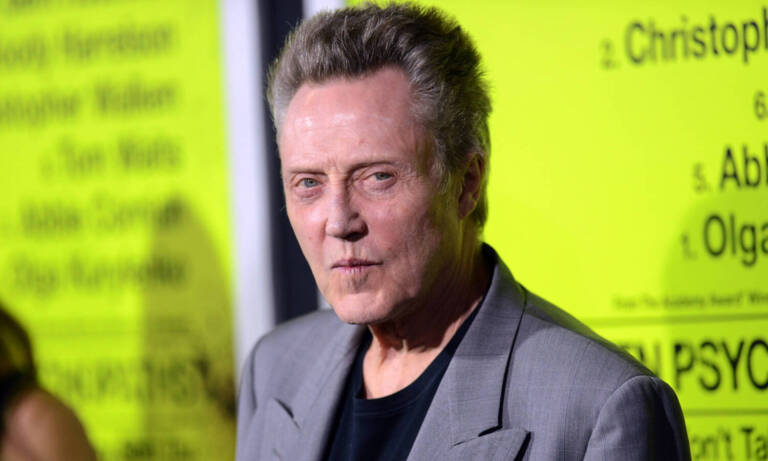
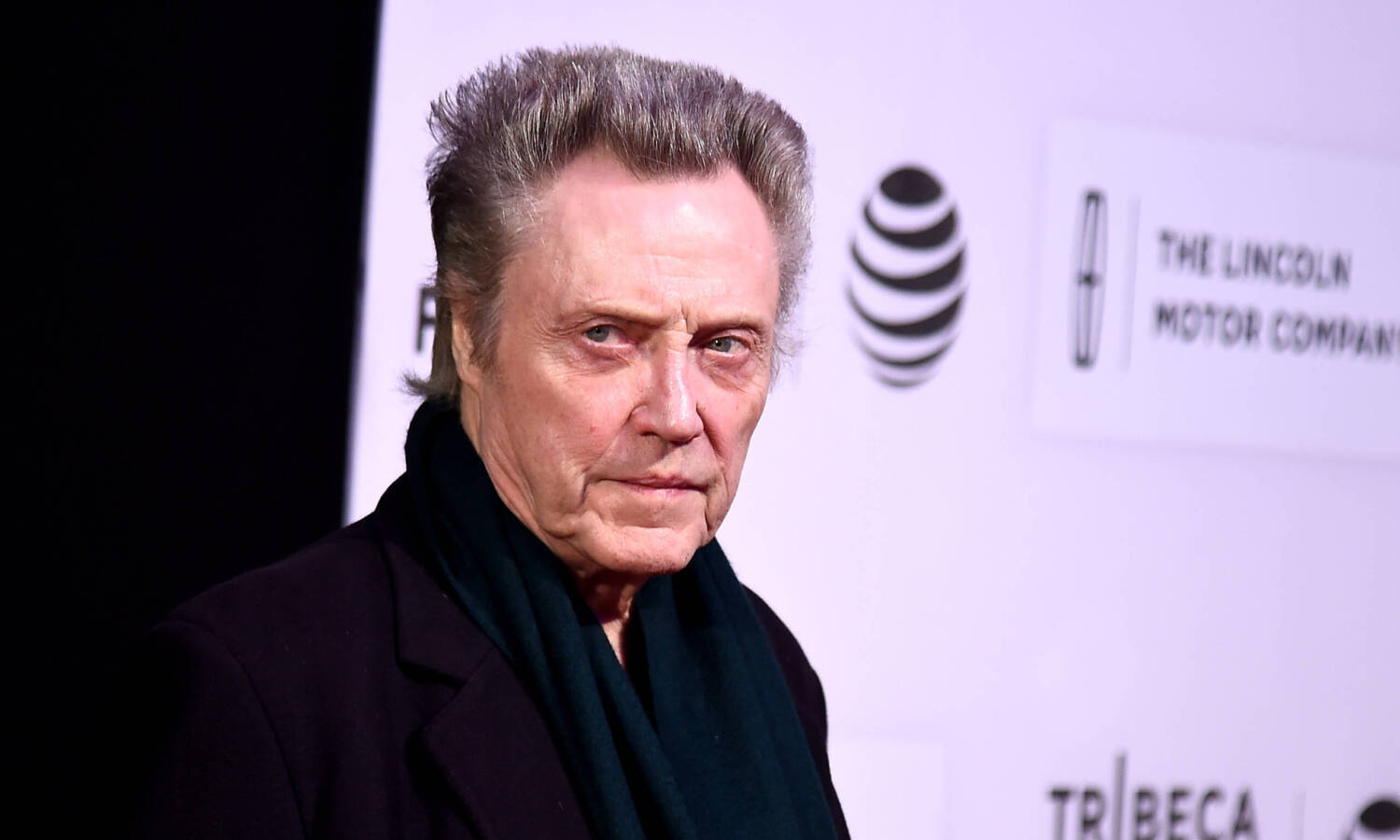
In a recent interview with the NY Times, famous American actor Christopher Walken comes out of the cannabis closet at 78.
Walken, Oscar winner and best known for his work on films such as “The Dead Zone” (1983), “Sleepy Hollow” (1999), “Pulp Fiction” (1994), “Click” (2006), and “Seven Psychopaths” (2012) — among many others — opened in a thoughtful interview in which he panned over his long career and his private life.
Photo by Ilya S. Savenok/Getty Images for Tribeca Film Festival
The 78-year-old actor said that he really enjoys reading the Sunday Times newspaper: “My friend Geoffrey Holder used to say that there is nothing better than Sunday mornings: ‘The Times with a cup of coffee, in front of Fireplace’. That is beautiful”.
At first glance, that sounds like a quote without implications, but let’s keep it in mind as the story goes on.
Christopher Walken, The Stoner
The journalist David Marchese, asked him: “This is pure conjecture, but were you ever a heavy marijuana smoker?”
“Of course,” replied Walken.
“Do you still smoke?” Marchese doubled the bet.
Walken’s response: “Of course.”
When Marchese asked what he enjoys doing when he is high, the artist revealed: “When I told that story (…), I didn’t mention that a couple of puffs of the joint also added to the equation“.
The fact that Delta-8 THC is intoxicating and is not naturally occurring could cause the FDA to take a stricter approach with Delta-8 compared to its treatment of CBD.
On May 4, 2022, the Food and Drug Administration (FDA) sent out warning letters to five companies distributing Delta-8 THC (FDA Warning Letters). This is the first time that the FDA specifically addressed products containing hemp-derived Delta-8.
In all but one of the letters, the FDA also warned about distributing products containing cannabidiol (CBD). Both Delta-8 and CBD can be derived from hemp. Hemp is a federally legal form of cannabis which has created a huge, quasi legal, market for these products. Up until this point, the FDA’s focus, when it comes to cannabis, has been on CBD. Now it appears that the FDA is also targeting Delta-8.
Photo by Hector Roqueta Rivero/Getty Images
Each of the five FDA Warning Letters alleged the following violations:
Distribution of new unapproved drugs containing Delta-8
Distribution of misbranded drugs containing Delta-8
Distribution of adulterated food containing Delta-8
Delta-8 Drugs
The FDA has not approved any drug containing Delta-8. The FDA Warning letters indicate that the five recipients are distributing unapproved drugs containing Delta-8. The FDA regulates a wide variety of products and has a system to classify those products under the Food, Drug and Cosmetics Act (FDCA). To determine whether a product is a drug, the FDA looks to how the product is marketed to establish its intended use. If medical, health or wellness claims are made about a product, regardless of what the product contains, then the product becomes a drug in the eyes of the FDA.
Here are some of the drug claims referenced in the FDA Warning Letters:
Facebook post stating “Delta-8 THC is showing a lot of promise as an antiemetic that can relieve nausea and vomiting in pediatric cancer patients undergoing chemotherapy.”
Instagram post stating “Preventing Vomiting . . . a small study suggested that Delta 8 THC is an effective option to treat vomiting during chemotherapy . . . Removes Anxiety”
A webpage titled “What is Delta 8 THC?” containing the following: “In non-medical terms, researchers linked Delta 8-THC to anti-nausea (antiemetic), anti-anxiety (anxiolytic), and pain relief (analgesic) benefits, among other effects . . . It could also protect brain cells thanks to its neuroprotective effects.”
A blog post titled, “Let’s [sic] Us Introduce You to Delta-8 THC” containing the following: “Delta-8 THC flower is an ideal option for medical users of cannabis who want to enjoy the benefits of THC without the sedative effects.”
A product webpage stating “Delta-8 consumers report many of the same effects as THC . . . and relief from some symptoms such as pain . . . Delta-8 can also help with insomnia.”
These examples were selected to illustrate that the FDA will look beyond a product’s labeling and packaging to determine whether or not it is a drug. The FDA reviews social media and websites to make its determination. In addition, claims do not need be explicit for the FDA to determine something is a drug. An outright claim that Delta-8 can cure or treat a disease constitutes a drug claim but even citing to a study on Delta-8 will put a target on your back.
In the FDA Warning Letters, the FDA also alleges that the Delta-8 drugs are misbranded because they fail to bear adequate directions for use. At this point, the FDA Warning Letters state that adequate instruction cannot be written because there are not adequate studies on Delta-8. The lack of studies also prohibits manufacturers of Delta-8 from determining safe dosing, up to the FDCA standard.
Getting a new drug approved by the FDA is incredibly expensive and therefore cost-prohibitive for most businesses. The FDA sets rigorous testing standards to establish a drug’s safety. There does not appear to be a clear path forward for the FDA to approve Delta-8 as a drug.
Delta-8 in Food
Both drugs and food are subject to the FDA’s premarket approval, but the standards are not the same. the FDA does require that food additives for use in any human or animal foods are generally regarded as safe (GRAS). The FDA has not concluded that Delta-8 is GRAS, meaning that it cannot be added to food. Unlike the allegations that Delta-8 products are unapproved and misbranded drugs, the FDA’s conclusion that the presence of Delta-8 adulterates food is based on the product’s ingredients not how it is marketed.
Comparing CBD and Delta-8 in the FDA Warning Letters
In the FDA Warning Letters, the FDA alleges that four of the five recipients (one only distributing Delta-8 products) of distributing unapproved drugs, misbranded drugs, and adulterated food containing CBD. Like Delta-8 a product containing CBD will be considered a drug based on how its marketed and if the product is food, the FDA will consider it adulterated because CBD is not GRAS (that is, “Generally Regarded as Safe” for human consumption).
Unlike Delta-8, CBD has been approved as a drug, in the form of Epidiolex, which invokes the “Drug Exclusion Rule.” The basic concept of the Drug Exclusion Rule is that once a substance is investigated as a drug, it cannot then be added to food or dietary supplements unless it was first marketed as a food or dietary supplement prior to the drug investigation. The FDA has concluded that the Drug Exclusion Rule applies to CBD because it has determined CBD was not marketed as a food or drug prior to the investigations that lead to Epidiolex.
The fact that the Drug Exclusion Rule does not apply to Delta-8 (or other cannabinoids that have not been investigated as drugs) means that it is possible that Delta-8 could be considered a new dietary ingredient (NDI) that could potentially be added to dietary supplements. Unlike food and drugs, dietary supplements do not require pre-market approval. Distributors of dietary supplements can make limited health and wellness claims (e.g., calcium is good for bone development). However, manufacturers of dietary supplements containing Delta-8 would need notify the FDA of the NDI including information that serves as the basis for the conclusion for any claims made about the product.
Delta-8 and CBD also differ in how they interact with the human body and where they come from. CBD is a non-impairing cannabinoid found in the cannabis plant, and often present in hemp due to selective breeding. Delta-8 THC does have intoxicating effects but is not as strong as Delta-9 THC, which is the compound that gets cannabis users high. Delta-8 is found only in trace amounts in the cannabis plant and is commonly developed by converting CBD to Delta-8 THC in a lab.
Photo by Kindel Media via Pexels
The fact that Delta-8 THC is intoxicating and is not naturally occurring could cause the FDA to take a stricter approach with Delta-8 compared to its treatment of CBD. Over the last eight years, the FDA has continually sent warning letters out to companies distributing CBD products. The Federal Trade Commission (FTC) also fined several CBD distributors over claims made about COVID-19. But aside from a few warning letters and fines, CBD distributors have operated with little risk of FDA enforcement that goes beyond warnings.
I believe that FDA has taken its “hands off” position in part because CBD is relatively safe and non-intoxicating. I expect that the FDA will have less tolerance for Delta-8 because it is intoxicating and generally does not naturally occur in the cannabis plant. If the FDA does take a stand against Delta-8 CBD, it could seize and destroy products, bring civil suits against manufacturers, and potentially even bring criminal charges against Delta-8 manufacturers.
If you are in the Delta-8 business, you are now on notice that the FDA has its targets on Delta-8. Now is the time to review marketing material very carefully. We will continue to monitor the FDA’s position on all forms of cannabis on the Green Light Law Blog.
Daniel Shortt is a corporate and regulatory attorney based in Seattle, Washington who works extensively with entrepreneurs in the cannabis industry. You can contact him at info@gl-lg.com or (206) 430-1336.