“On Mondays I’m ready to go, I’m feeling great, and then by Wednesday I’m definitely depleted,” said one elementary school teacher.
More than 60% of Americans have been infected wit COVID-19, according to a new survey. And while long COVID is something nobody wants, it’s been effecting educators more than most other groups.
Education Week reports that 1 in 5 educators have been infected, including principals, teachers, and district leaders. It’s estimated that educators account for about 6 million people in the U.S., suggesting that thousands of them have been afflicted with long COVID-19.
Statistics on long COVID-19 are murky, with experts estimating that 20% to 50% of people who experienced COVID-19 are now dealing with a long-term effect. These include fatigue, memory problems, brain fog, loss of taste or smell, heart and lung conditions, and more.
EW interviewed a variety of educators regarding their symptoms, which range from mild to severe. “On Mondays I’m ready to go, I’m feeling great, and then by Wednesday I’m definitely depleted,” said Kathleen Law, a 42-year-old elementary school teacher who contracted COVID-19 after being fully vaccinated. While she believes she will make a full recovery, it’s been months of experiencing these symptoms.
When discussing the condition itself, educators expressed feeling lonely and depressed, especially since long COVID-19 is such a mysterious disease, one that many people and even doctors have trouble believing. Ruthanne Grajeda, who teaches kids in Wyoming, was interned in the ICU after experiencing COVID-19 in September. Months later, she still has trouble breathing and has to carry an oxygen tank when leaving her house. “They think you should be ready and back, and it’s not like that,” she said of people’s expectations.
Buzzfeed News reports that many physicians are mistrustful of their patients, not believing their COVID-19 symptoms since there’s not a clear understanding of how the disease works and progresses. “I get that doctors are busy and drained from dealing with the pandemic for over two years,” said Lauren Scungio. “But many of the doctors I’ve seen don’t seem to be keeping up with the latest long COVID research.”
Despite the mystery that surrounds the new illness, there are researchers out there looking for ways to understand it. A new study found that people who develop long COVID-19 are likely to have lower levels of certain antibodies in their blood. They hope to develop a test with the data, preventing future long COVID-19 cases and informing those that are at higher risk of developing it.
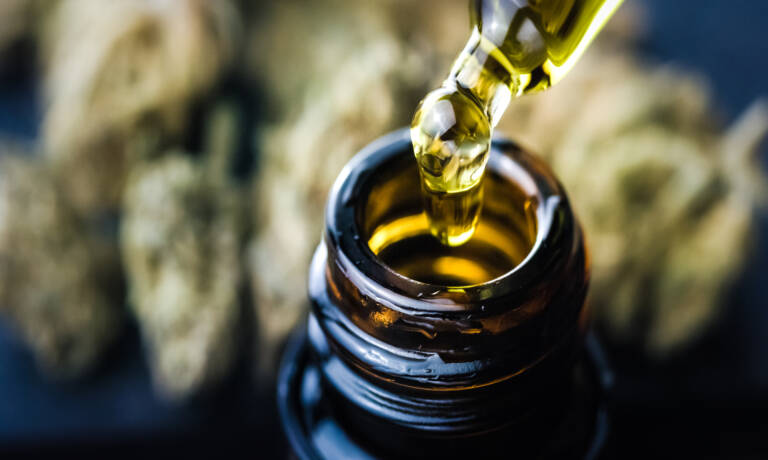
CBD is already present just about everywhere. And CBDA, CBGA, and other cannabinoids are already making their way onto the health supplement market. But what’s the difference?
CBD derived from hemp is a kind of cannabis with very low THC content, thus, it does not make you high. The Food and Medication Administration (FDA) authorized CBD as a drug in 2018 under the brand name Epidiolex for the treatment of seizures in children with severe types of epilepsy. Apart from that, CBD is used by many individuals all over the world for a variety of conditions such as anxiety, pain alleviation, sleep, and overall wellbeing.
Photo by Cristi Ursea via Unsplash
How Does CBD Work?
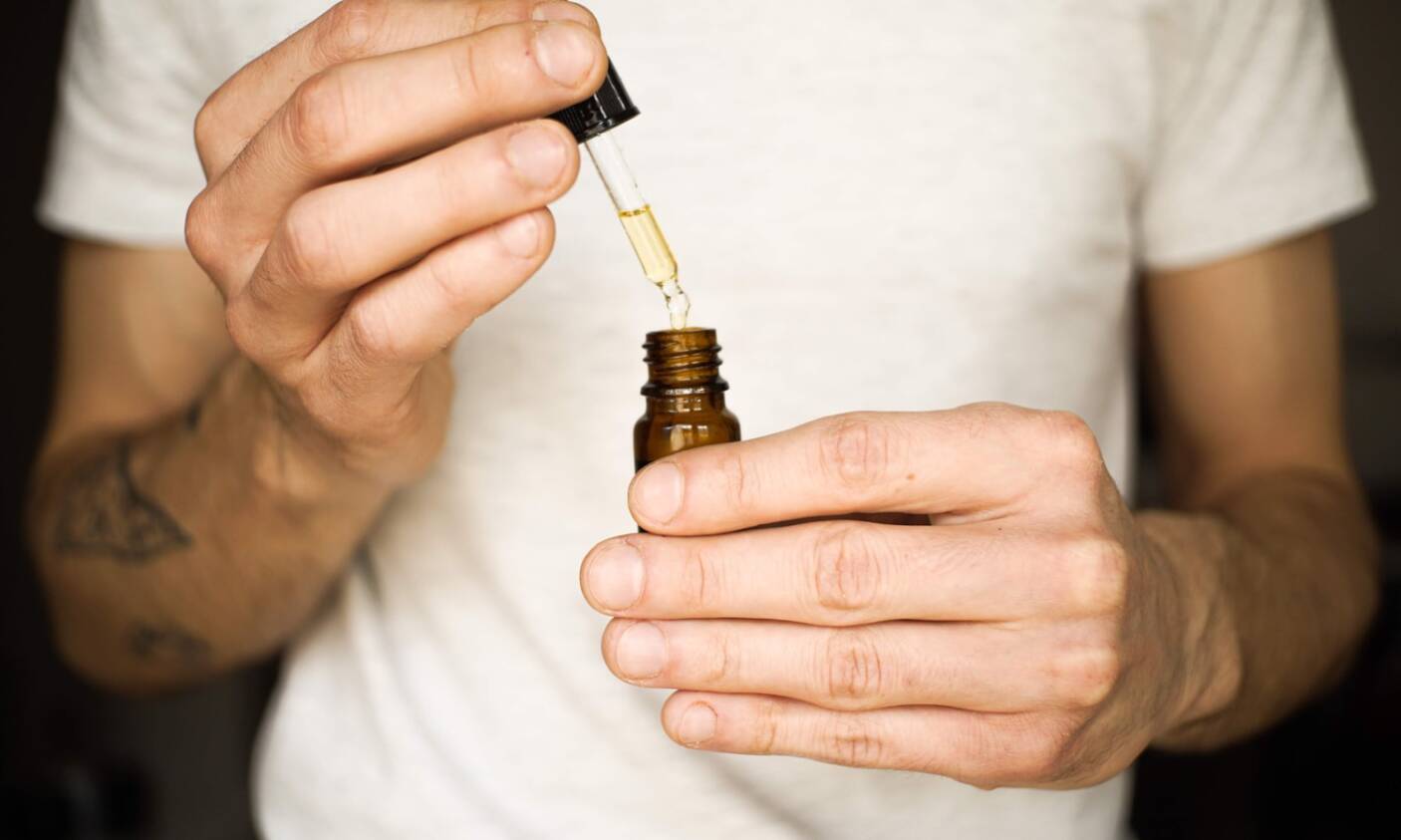
CBD is a phytocannabinoid found in cannabis and hemp plants. CBD extracted from hemp is now the only cannabinoid that is widely available in the United States. CBD, unlike other cannabinoids, does not bind to endocannabinoid receptors.
It works with the human body in the most basic way by inhibiting the breakdown of our own endocannabinoids, allowing our systems to utilize more of what it already produces naturally.
CBD oil contains phytocannabinoids, which interact with the endocannabinoid system in a variety of ways. CBD has a low affinity for both CB1 and CB2 receptors. It serves to block CB1 receptors when paired with a low dosage of THC. As a result, CBD does not have intoxicating properties and will not get you high.
Furthermore, CBD interacts with the TRPV1 receptor, which is implicated in endocannabinoid system signaling. Activating this receptor influences a variety of physiological processes depending on the stimuli.
It binds to cannabinoid receptors in the brain and body, causing inflammation and discomfort to be reduced. This makes it ideal for arthritis, injuries, and other aches and pains. CBD is also popular for mood enhancement, anxiety and depression reduction, and getting a good night’s sleep.
What Is CBDA?
CBDA (Cannabidiolic acid) acidic precursor of CBD is found in cannabis plants’ stalks, stems, leaves, seeds, and flowers. CBDA is the raw form of CBD that was previously thought to be pharmacologically inactive. It is one of the most abundant cannabinoids found in hemp seed oil; nevertheless, it is particularly sensitive to heat, light, and oxygen. Hence, it is advised to store it in opaque, sealed containers at room temperature.
CBDA is converted into CBD by a process known as decarboxylation, which involves the elimination of carbon, oxygen, and hydrogen atoms. When CBDA is decarboxylated, the chemical structure and pharmacological characteristics of CBDA are somewhat altered.
Health Benefits Of CBDA
CBDA, like its derivative CBD, has the capacity to inhibit inflammation on several levels, resulting in a powerful overall anti-inflammatory impact. Compounds with broad anti-inflammatory action are frequently useful for treating inflammation, which may be at the root of a range of chronic health disorders.
CBDA also reduces inflammation by blocking pro-inflammatory enzymes (COX-2) and instructing immune cells to reduce inflammation via TRP family receptors. As COX-2 is a driver of inflammation-related illnesses such as breast cancer, decreasing excessive COX-2 activity might be beneficial.
Another compelling reason to combine the two is that CBDA may boost the effects of other 5HT1A (serotonin receptor) activators such as CBD. This might help with anxiety, sadness, and other problems connected to serotonin function, such as nausea and vomiting.
CBGA, an acidic derivative of CBG is a non-intoxicating cannabinoid. The application of heat leads to the conversion of CBGA into CBG.
Photo by Anna Efetova/Getty Images
How Does CBGA Work?
It works as an antagonist, which may inhibit the occurrence of such a reaction. CBGA, like CBG, interacts with endocannabinoid receptors to activate their response. It is vital to note that these receptors play an active role in regulating behaviors such as mood, hunger, and pain response. The endocannabinoid system can really cause diverse responses depending on the cannabinoids, or endocannabinoids, that we eat.
CBGA is the first step in the cascade reaction that results in the three primary cannabinoid lines:
THCA (tetrahydrocannabinolic acid)
CBDA (cannabidiolic acid)
CBCA (cannabichromenic acid)
These are eventually converted into THC, CBD, or CBC, respectively. CBGA may potentially convert to CBG, however in most strains, CBGA is converted to either THC or CBD.
Health Benefits of CBGA
Inflammatory Bowel Disease (IBD)
According to 2013 research, CBGA helps in alleviating the symptoms of IBD. CBGA was shown to inhibit the formation of nitric oxide and oxidizing agents in the small intestine. As per the findings of the research, CBGA also helps in mitigating the severity of colitis in rats that were induced with it.
Metabolic Disorders
A 2019 silico research found that CBGA stimulated Peroxisome Proliferator-Activated Receptors (PPARs), boosting lipid metabolism and minimizing excessive buildup. This research still requires animal and human testing.
Cardiovascular Disease
CBGA inhibits the enzyme aldose reductase, which is the major contributor to oxidative stress that leads to diabetes problems, according to in vitro research.
CBDA, CBGA Prevents Coronavirus From Entering Human Cells
According to a study published in Oregon State University, both CBDA and CBGA prevent the entry of coronavirus into human cells. This research was led by Richard Van Breeman.
According to research on cannabis for COVID, it was found that the hemp components [CBGA and CBDA] were equally effective against strains of SARS-CoV-2, including version B.1.1.7, which was first found in the United Kingdom, and variant B.1.351, which was first detected in South Africa,” Van Breeman said.
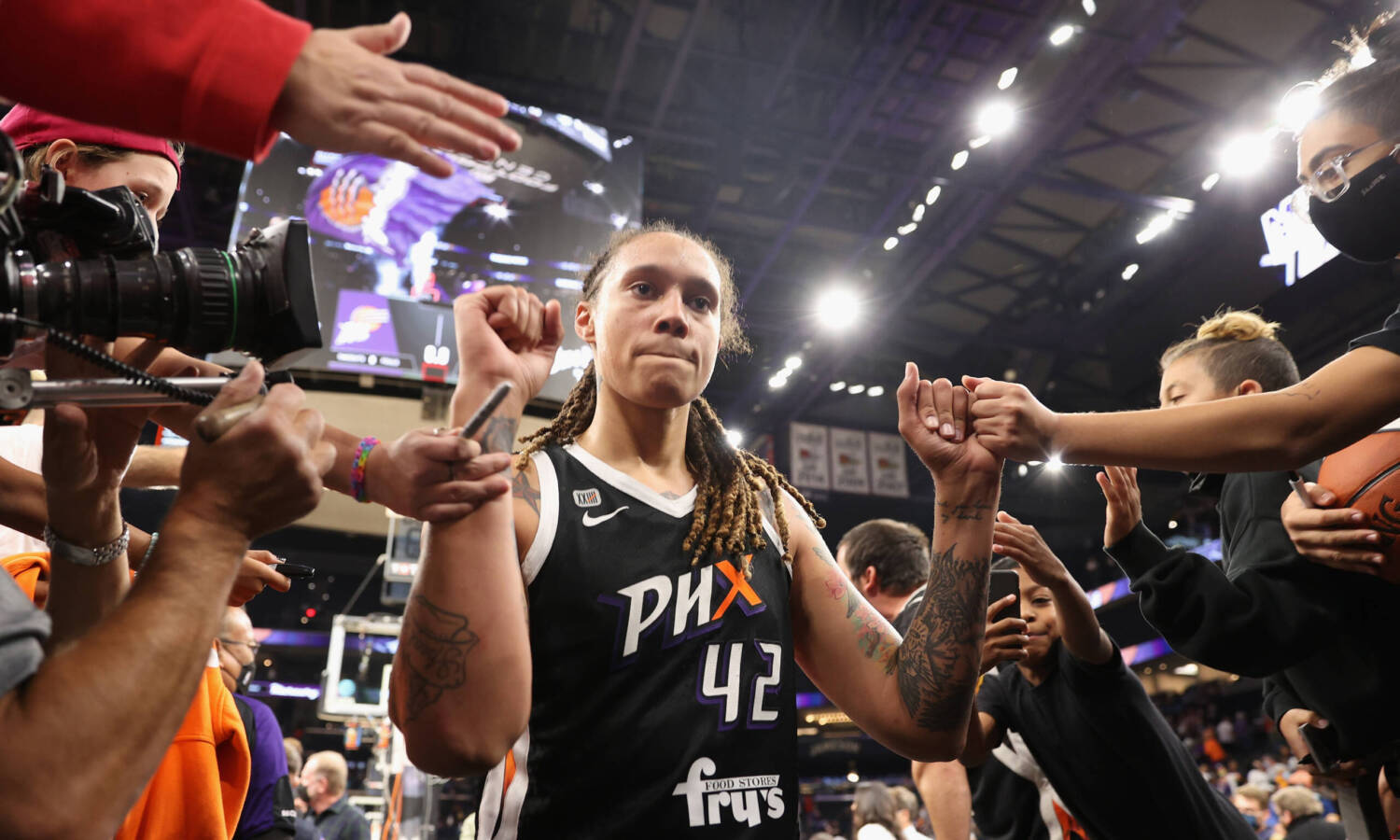
Biden administration officials said they’re “very aware that there are other Americans held in Russia,” and added that Whelan and Griner are “very much in our minds.”
The Biden administration participated in a prisoner swap with Russia last week involving the exchange of a convicted Russian drug smuggler jailed in Connecticut for Trevor Reed, a Marine veteran imprisoned in Russia since 2019. Meanwhile, the fate of WNBA superstar Brittney Griner and former marine Paul Whelan remains unclear.
What is clear is that leaders in Washington and Moscow are still speaking to each other, regardless of the daily sputtering and saber-rattling following Russia’s invasion of Ukraine.
Photo by Christian Petersen/Getty Images
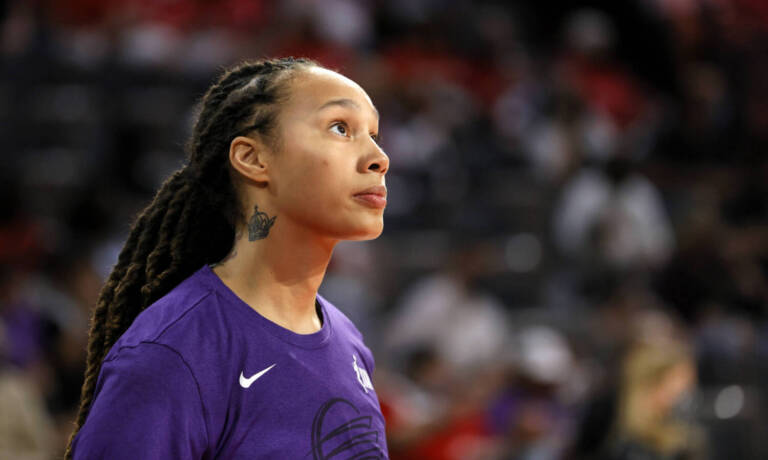
Brittney Griner
Griner, a two-time Olympic gold medalist, was arrested at the airport in Moscow on Feb. 17 for allegedly possessing cannabis oil in her baggage.
Like other female athletes who play abroad during the off-season for extra income, Griner had been playing on a Russian team for the past seven years. The huge gender pay gap in professional sports places women at additional risk.
Paul Whelan
Whelan, a former marine arrested in Moscow in 2018, was convicted of espionage and sentenced to 16 years of hard labor and is still being held in Russia.
For both Griner and Whelan, Reed’s release most likely provoked disappointment at being left behind, especially knowing that such deals are still possible, despite the vitriol between the White House and Kremlin.
Whelan Expressed His Concerns Directly to President Joe Biden: “Why was I left behind? While I am pleased Trevor is home with his family, I have been held on a fictitious charge of espionage for 40 months,” Whelan said from his Moscow prison. “Why hasn’t more been done to secure my release?”
Griner’s Wife Also Breaks Her Silence: “As I do everything in my power to get BG home, my heart is overflowing with joy for the Reed family,” Griner’s wife, Cherelle, wrote on Instagram. “I do not personally know them, but I do know the pain of having your loved one detained in a foreign country. That level of pain is constant and can only be remedied by a safe return home. For the Reed family, that day is today.”
President Biden and Secretary of State Antony Blinken released statements praising Reed’s release and promising to bring home Americans wrongfully detained abroad.
NBC reported that Biden administration officials said they’re “very aware that there are other Americans held in Russia,” and added that Whelan and Griner are “very much in our minds today, even as we are so happy for the news about Trevor Reed.”
Candidates like Thomas McDermott and Gary Chambers will continue to spring up at this crucial junction where cannabis legalization is almost a reality.
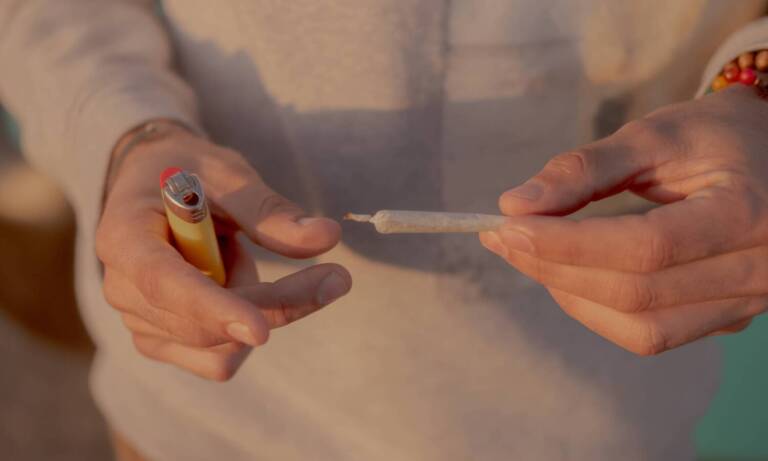
Toking in campaigns adverts looks to be the latest political trend among aspiring government officeholders. In the last election cycle, Indiana politicians were all about kissing babies and being seen with children of all races. The latest is exploiting the widespread acceptance of marijuana to gain popularity among registered voters.
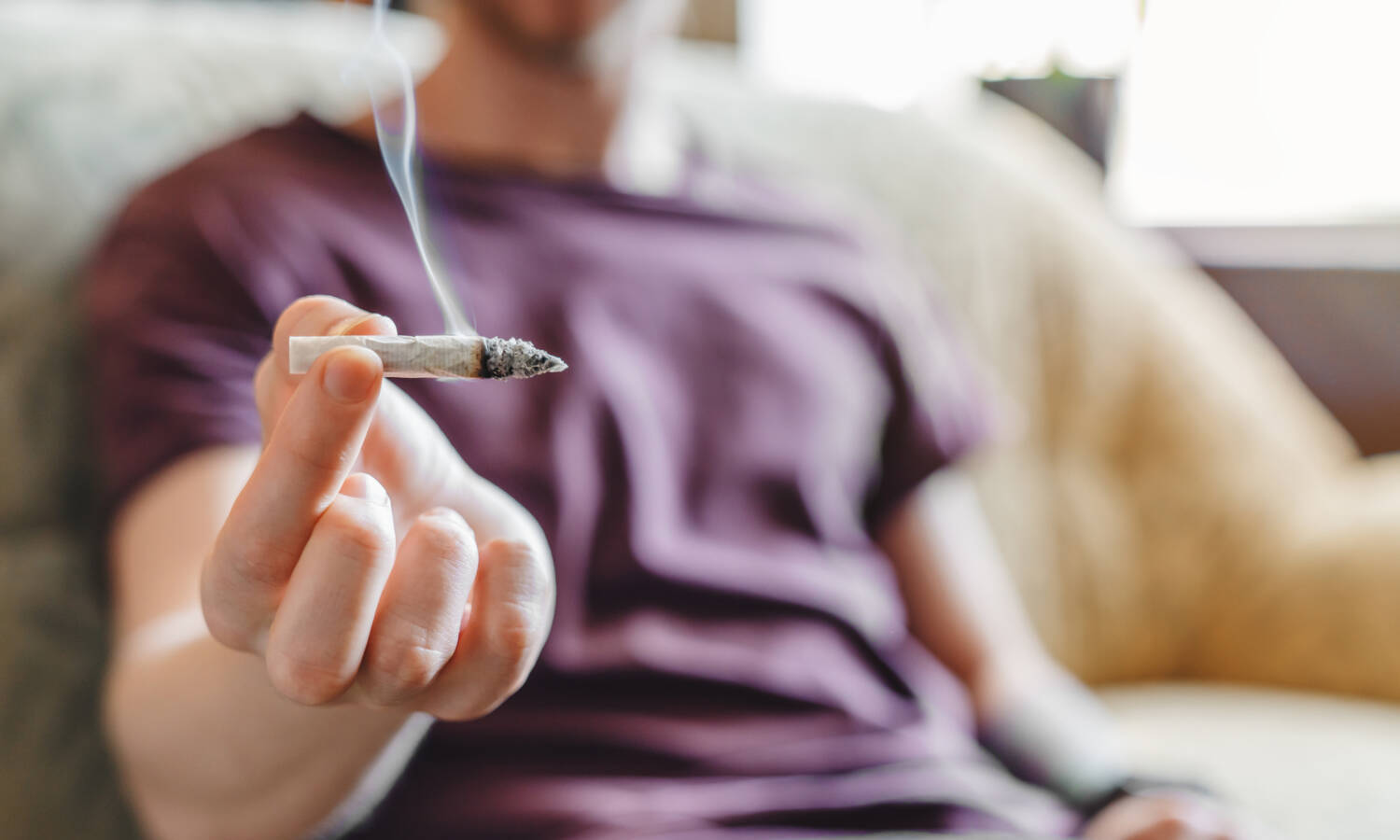
Thomas McDermott is a Democrat aspiring to take on the U.S. Senate seat in Indiana. This trend is more popular with the Democrats, as McDermott is the second Senate candidate in this election season to light a blunt or take a hit on camera. McDermott’s latest campaign ad shows him sitting in a circle with a blunt in hand in the presence of some acquaintances.
Even on #420day not many Senate candidates admit to having smoked weed. I’m not most Senate candidates. I’ve been thinking a lot about whether to launch this video where I light up. It’s an issue that’s personal & important to me & so many. #LegalizeIt ➡️ https://t.co/V7VA5PhQpipic.twitter.com/WaNq01yH49
Cannabis is growing to be a widely accepted drug in all parts of the country. Recent polls show that most registered voters would love to have federal cannabis reform as soon as possible. Expectedly, this majority will have no choice but to vote for politicians who will most likely fulfill this wish. This is where people like McDermott come in.
McDermott’s team is riding the cannabis legislation wave to clinch a seat in the U.S. Senate in Indiana. In the 70+ second campaign ad, McDermott says that the decriminalization and legalization of marijuana are important features of his campaign.
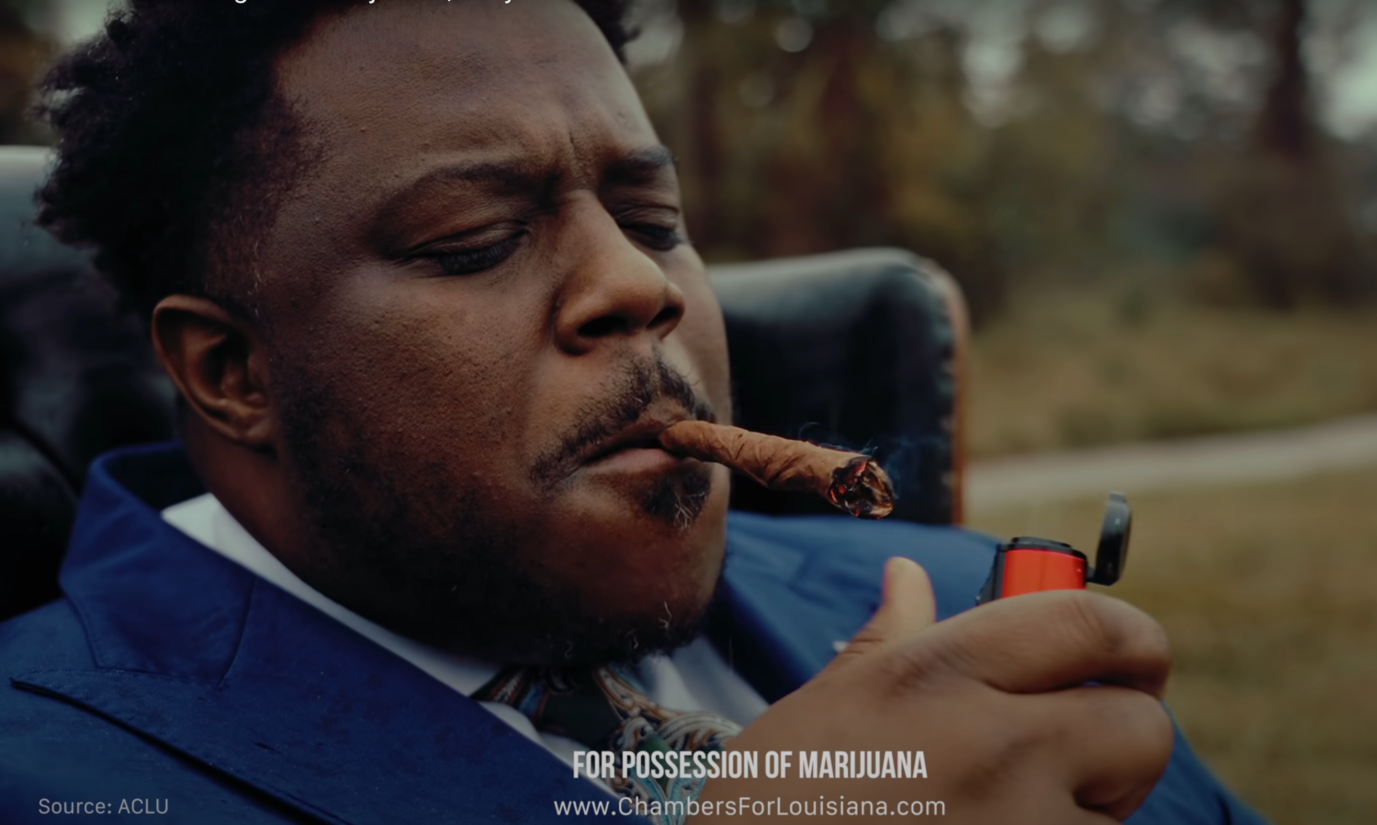
Early this year, Gary Chambers, a Democrat, rode the cannabis legalization waves and trended for a few days when his campaign video was released. In the video, he could be seen smoking pot. Chambers is currently running for the U.S. Senate in Louisiana.
Gary Chambers via YouTube screenshot
McDermott’s Race for the US Senate
McDermott is the current mayor of Hammond, Indiana. He is in the race to remove Republican Senator Todd Young from the U.S. Indiana Senate.
McDermott’s team certainly crossed their Ts and dotted their Is when planning this video. The ad itself was released on 4/20. So, it was guaranteed that thousands of weed lovers would come across the video, and it would stick for a while.
Many government officeholders are not bold enough to admit to smoking cannabis, especially those in federal government offices. McDermott revealed that he had speculated a lot about whether or not he should launch the video in question. He writes that the issue is much more critical and personal to him than many others.
Indiana shares a border with Illinois, a state where medical and recreational cannabis is legal. McDermott’s video was shot about one mile away from the state line to buttress his point.
In the campaign ad, an attorney named Shana said that she had been surrounded by creative and successful people all her adult life who love and smoke weed. She added that all these people couldn’t wait for Indiana to decriminalize cannabis totally. She said they were dying for reforms to happen. Shana went on to say that many people were overjoyed when Michigan and Illinois approved their cannabis laws for neighboring residents to use legally. She concluded by asking why Indiana couldn’t follow the trend.
A professional distiller, Mike, lauds the economic achievements realized by Indiana’s western border neighbor, Illinois. Mike highlighted the farms in Illinois where cannabis is actively cultivated, as well as the tremendous profits generated. He stressed that the Illinois legal cannabis market is not only having a wild economic impact on the state but also on smaller neighboring towns as well.
Despite McDermott’s videos, political analysts claim that the chances of him clinching the seat are low. The reason for this is that the Indiana Senate has frequently favored Republicans.
Cannabis Legalization in Indiana
In recent months, Indiana Democrats have shown more support for cannabis legalization. Last November, the party announced its full support would be thrown behind recreational cannabis reforms in 2022’s legislative sessions.
In the Democratic Party’s official statement, they pointed out that a regulated cannabis market would provide many of the state’s veterans with therapeutic options. Thousands of people booked or jailed for even the simplest marijuana crimes would also have their records expunged.
Photo by OsakaWayne Studios/Getty Images
The Indiana Democratic Party’s Chairman, Mike Schmuhl, capitalized on the successful recreational cannabis policies in Michigan and Illinois. He implied that Indiana is missing out on millions of dollars by delaying the inevitable. Schmuhl called on the Republic supermajority to join in the cause of recreational cannabis legalization. He stressed that it is in the best interest of the Hoosier state to approve a progressive law as soon as possible.
At the federal level, different measures have been introduced to legalize or partially decriminalize cannabis. Two of the most prominent measures to this effect are the SAFE bill and the MORE Act. The democratic-led House of Representatives has shown more willingness to pass cannabis reforms. On the other hand, the Senate isn’t primarily due to the split numbers of members between the Democratic and Republican parties.
Final Note
Candidates like McDermott and Chambers will continue to spring up at this crucial junction where cannabis legalization is almost a reality. As the latest ad says, the United States of America needs to legalize cannabis for all purposes. If not for anything, then for the health and economic benefits that citizens could benefit from the program.
The Indiana legislature, as well as their federal counterparts, must try to understand that the longer they keep delaying cannabis reform, the wider the cycle of criminalization will grow. States with successful cannabis programs, including New York, California, Illinois, and Michigan, can be emulated.
New Hampshire lawmakers have struck down two House-passed bills that would have legalized marijuana on Thursday, reported Marijuana Moment.
Senate members rejected the noncommercial legislation from Rep. Carol McGuire (R) in a 9-15 vote following a heated discussion on an amendment that would have removed the home-grow option and added a per se THC limit for impaired driving.
McGuire’s bill, which was poised to legalize marijuana possession and cultivation for adults, got a green light from a Senate committee two weeks ago.
While senators such as Becky Whitley (D) urged for the passage of the legalization, deeming it as an “appropriate and necessary step for us to take as the state,” other members of the chambers called it “inexpedient to legislate” in a follow-up vote.
“This bill will bring us somewhat more in line with our neighbors and with a more modern understanding of cannabis,” Whitley said before the vote. The reform will “benefit our citizens, and it will ease an unnecessary burden off of our law enforcement community.”
“New Hampshire has become an island in New England, with our overly burdensome regulations of cannabis that are out of sync with what the scientific health and social data says,” the senator said. “And most importantly, with what New Hampshire voters want.”
In the meantime, another bill — from Rep. Daryl Abbas (R) — that would have set up an adult-use market run by the state’s Liquor Commission was also defeated by the Senate, on a voice vote. The legislation was voted down by the chamber’s committee earlier this month.
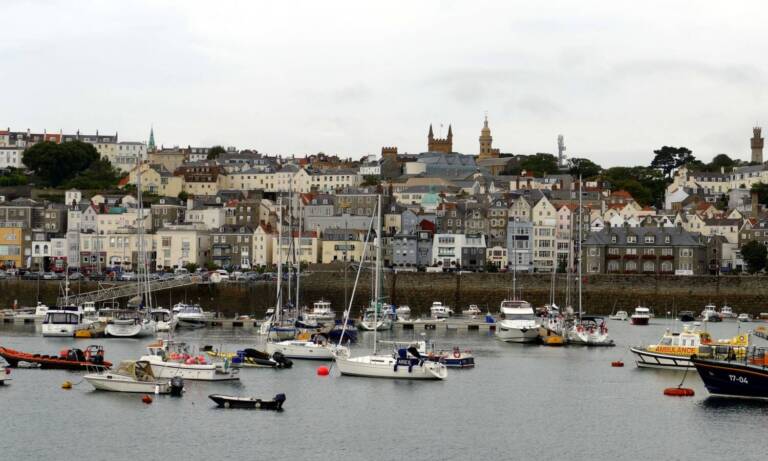
While medical cannabis programs in the U.K. and Europe have been largely driven by patient demand, the Channel Islands are looking closely at the economic benefits.
Medicinal cannabis was legalized on the Isle of Guernsey in 2020 followed by licenses for cultivation and production and more than 5,000 medical marijuana permits given to patients. Now it appears the Channel Island is looking to fully legalize all forms of cannabis.
In fact, both Guernsey and Jersey, which sit between the United Kingdom and France, have undertaken cannabis reform in a way unseen in the U.K. and all of Europe for that matter.
And another Channel Island, the Isle of Man is planning a multi-million dollar medical facility led by the Peel Group investment firm governed by billionaire John Whittaker.
Guernsey Moves Ahead With Legalization
The BBC reported that Guernsey’s Committee for Health and Social Care (HSC) suggested that while legalization is being worked on, Public Health officials should look at how regulation functions in other successful legal weed-legal countries, though it’s a short list.
To that end, a group of cross-party members of Guernsey’s parliament went on a fact-finding trip to Canada. One of the most remarkable facts they found, and probably quite appreciated, is that Canada’s adult-use cannabis market has generated some $11 billion in retail sales and sustains over 90,000 jobs annually.
Goal To Make Cannabis A Driver Of Economic Growth
While medical cannabis programs in the U.K. and Europe have been largely driven by patient demand, the Channel Islands are looking closely at the economic benefits.
For islands like Jersey and Guernsey, both of which have a mild climate for greenhouse cultivation, cannabis offers a unique opportunity to access an international market through export. Both islands are positioned to benefit from a rapid rollout that would cement their access to the growing number of EU countries that have approved medical cannabis.
Channel Islands Are Not Part Of UK Or EU
Guernsey — 25 square miles in size with a population of nearly 700,000 — as well as Jersey and the Isle of Man are self-governing and not part of the U.K or the European Union. Their self-governing status is working to their benefit on this issue.
Broad Support For Legalization Among Guernsey’s Official HSC
Support for cannabis legalization on the HSC has been championed for years by Deputy Marc Leadbeater, who is also the director of a local cannabis cultivation firm.
Leadbeater said “this doesn’t need to be the top priority for HSC in 2022” but cannabis legalization it is a piece of work “we want to get progressed.”
The increase in quality jobs and societal and economic perks of the regulated marketplace are evidently echoing among Americans, according to a new survey.
Ten years after Washington and Colorado became the first states to legalize cannabis for adult use, much has changed. Many Americans now believe cannabis has had a generally positive impact on society, not just health-wise, but in the creation of quality jobs both at the national and local levels.
This is according to the findings made by the latest Pollfish survey. The survey also revealed that more than half of the respondents attempted legal cannabis for the first time last year.
Photo by RODNAE Productions via Pexels
To carry out the survey, a total of 1,100 Americans aged 21 and above were interviewed for their opinions on cannabis. Each respondent was asked to share their thoughts on marijuana, its legalization, and consumption habits. At the end of the survey, about two-thirds of the informants strongly believe that cannabis has had a generally positive effect on society. More than half (61.5%) of the respondents also believe that cannabis plays a vital role in raising economic growth in the United States.
About 62% also felt the cannabis industry is very vital for the local economy. A total of 67.6% of the respondents also affirmed that restrictions placed on federal banking should be lifted to enable American cannabis firms to have access to funding and banking services.
It is also important to note that out of the 1,100 respondents, only 43% lived in states where cannabis is legalized for adult use. On the other hand, 22% resided in States where cannabis is completely banned, and 26% resided in states where cannabis is legalized only for medical use.
Among the respondents, more than half (67%) had acquired cannabis via legal means, and 31% claimed to use the herb for medical use. 16% admitted its use for recreational purposes, 22% for stress, 10% for wellness, and 13% for sleep. A total of 55% of the informants also claimed to have tried cannabis for the very first time since last year. Another 40% of respondents affirmed consuming cannabis once or twice every week.
Photo by Inside Creative House/Getty Images
Some respondents claimed never to have tried cannabis. About 21% affirmed not to be interested in consuming cannabis, while 33% had never used cannabis legally. However, 26.1% of these non-consumers claim to want to try cannabis purely for medical reasons, while 15% would try it out for recreational reasons, and 23.4% claim they’d try it to combat stress.
Ten-percent and 8% of the non-consumers also affirmed that they would be trying cannabis for wellness and sleep purposes. A larger percentage of non-consumers also claim they would love to try out edible products first.
Among the vital results, the survey reflected the level of support for cannabis legalization across the political scope. Respondents who identified as independents (24.0%), Republicans (25.4%), Democrats (33.4%), and others (4.8%) were asked if they would endorse pro-legalization candidates, and about 60% gave a positive reply.
The poll also indicated that three out of four Americans have the opinion that the Department of Veterans Affairs should review its policy. They believe the new policy should enable veterans to have access to cannabis for medical use based on a doctor’s prescription.
Jim Cacioppo, the founder and CEO of Jushi Holdings, which commissioned the study, claimed that more Americans have been venturing into the legal cannabis market. He affirmed that such is made possible thanks to the legalization of recreational use of cannabis that took place 10 years ago. He went on to say that this movement into the legal cannabis market had changed people’s perception of marijuana and the industry in general.
According to Jim, the increase in quality jobs and societal and economic perks of the regulated marketplace are evidently echoing among Americans. Hence, he believes the current trend will only grow and intensify with time as more people come to accept cannabis.
Medical First
About one-third (30.7%) of respondents who use cannabis stated that they use it once or twice per week. The survey showed that most consume cannabis products in the evening.
Before the survey, it was already established that cannabis is commonly used for pain control in the United States. However, while cannabis isn’t strong enough for serious pain (for instance, a broken bone), it is very effective for mild pains. In fact, a lot of Americans prefer to use cannabis for medical use instead of opiates as it is less addictive and impossible to overdose.
Evidently, marijuana has proven to be effective in easing nerve pain and pain of multiple sclerosis. A lot of patients have claimed that cannabis helps ease the pain and allows them to carry out daily activities without feeling disengaged. Similarly, cannabis also serves as a muscle relaxant, and people have testified of its efficacy to reduce tremors of Parkinson’s disease.
Several reports have also claimed the use of marijuana in treating interstitial cystitis, endometriosis, fibromyalgia, and other conditions accompanied by chronic pain. Cannabis is also used in weight loss treatment, nausea management, and glaucoma.
Conclusion
As the survey suggests, the positive impact of cannabis on society is significant, and more is expected to come. An interesting research right now is the use of cannabis in the treatment of PTSD veterans coming back from the other combat zone. This is why many now advocate that the Department of Veterans Affairs should review its policy to enable veterans to have access to cannabis for medical use.
Psilocybin, the active ingredient in “magic mushrooms,” could be part of the solution for people struggling with binge eating disorder, a condition characterized by recurring episodes of eating large quantities of food and feeling unable to stop.
Tryp Therapeutics, Inc., a biotech company in the psychedelics space, has dosed the first patient in a phase 2 study looking at this psychedelic compound in the treatment of binge eating disorder (BED).
The trial also includes psychotherapy using protocols developed in conjunction with Fluence, an education and research platform in the psychedelics space. According to Tryp, nearly 30% of people seeking weight loss treatments show signs of this condition.
As covered by Benzinga, Tryp received authorization to conduct the study in December 2021. The trial uses TRP-8802, an oral capsule containing 25mg of synthetic psilocybin, developed without IP protection.
The company chose to use a non-proprietary version of the drug “to quickly initiate clinical trials to generate initial data” while developing an improved, proprietary formulation and delivery system for psilocybin, called TRP-8803.
“This is a key study for our psilocybin-assisted therapy portfolio as we assess the effectiveness of TRP-8802 (oral psilocybin) to treat patients with BED,” said Dr. Jim Gilligan, chief scientific officer and interim CEO of Tryp Therapeutics.
“We believe that psilocybin-assisted therapy has the potential to offer a new therapeutic treatment for BED, a disorder that devastates the lives of over 250,000 people each year,” Gilligan added.
By December 2021, about 34% of the U.S. population was infected. By February 2022, these numbers had increased to 58%, marking the wave of the Omicron variant.
This number, which translates to roughly 200 million people, is much higher than the ones reported by the CDC, which tallied the count at 80.8 million cases.
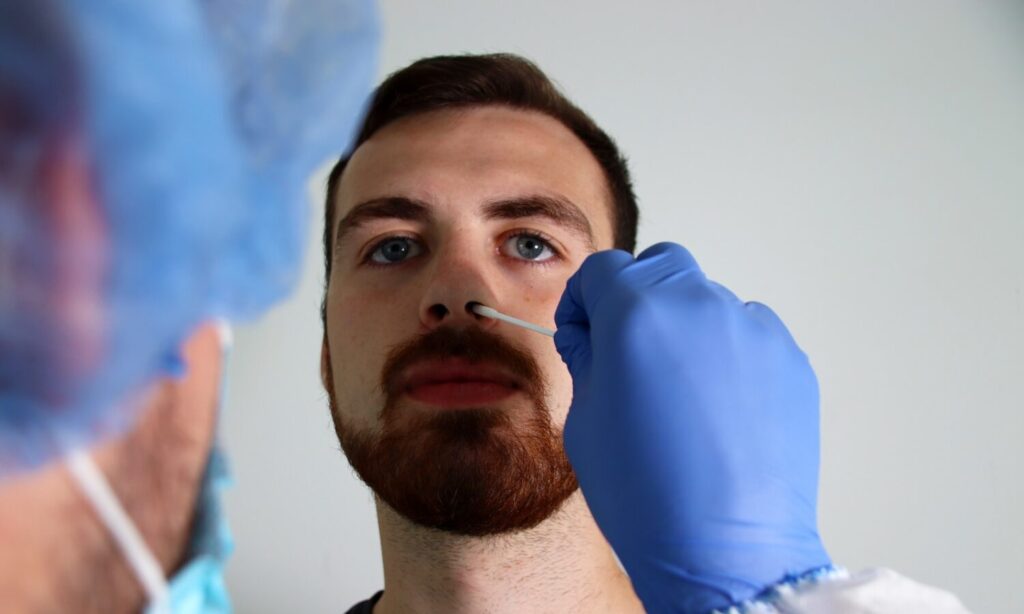
Researchers analyzed thousands of blood samples submitted for clinical testing on a weekly basis, using data on antibodies to compile the numbers. Antibodies developed out of natural infection are different than the ones that people develop due to vaccines, making it possible for researchers to pinpoint whether people were infected with the virus even if they didn’t experience symptoms or had a COVID-19 test.
Through these tests, researchers were able to spot the various waves of the virus. By December 2021, about 34% of the U.S. population was infected. By February 2022, these numbers had increased to 58%, marking the wave of the Omicron variant.
Still, these numbers might not be wholly accurate. Some caveats of the study include that reinfections were impossible to pinpoint. The evidence was also gathered through blood tests, meaning that people with access to these services are likely overrepresented and don’t paint a full picture of the COVID-19 situation in the U.S.
This discrepancy between reported cases and the reality of the disease is due to the fact that many people who contract COVID-19 don’t develop symptoms, don’t get tested at home, or simply don’t get tested at all. This new evidence shows a more accurate picture that can keep experts and the public better informed on this stage of the pandemic.
Researchers continue to stress the importance of vaccines as the main defense against the COVID-19. Vaccines are the most efficient way of protecting children, older adults, and those with immunocompromised systems, providing fuller protection than the one granted by a natural infection.
Keep in mind that today’s doctors were not taught about how cannabis works in the human body. Even if they have attended programs or workshops, it will take time for them to get up to speed regarding dosing, strains, and products.
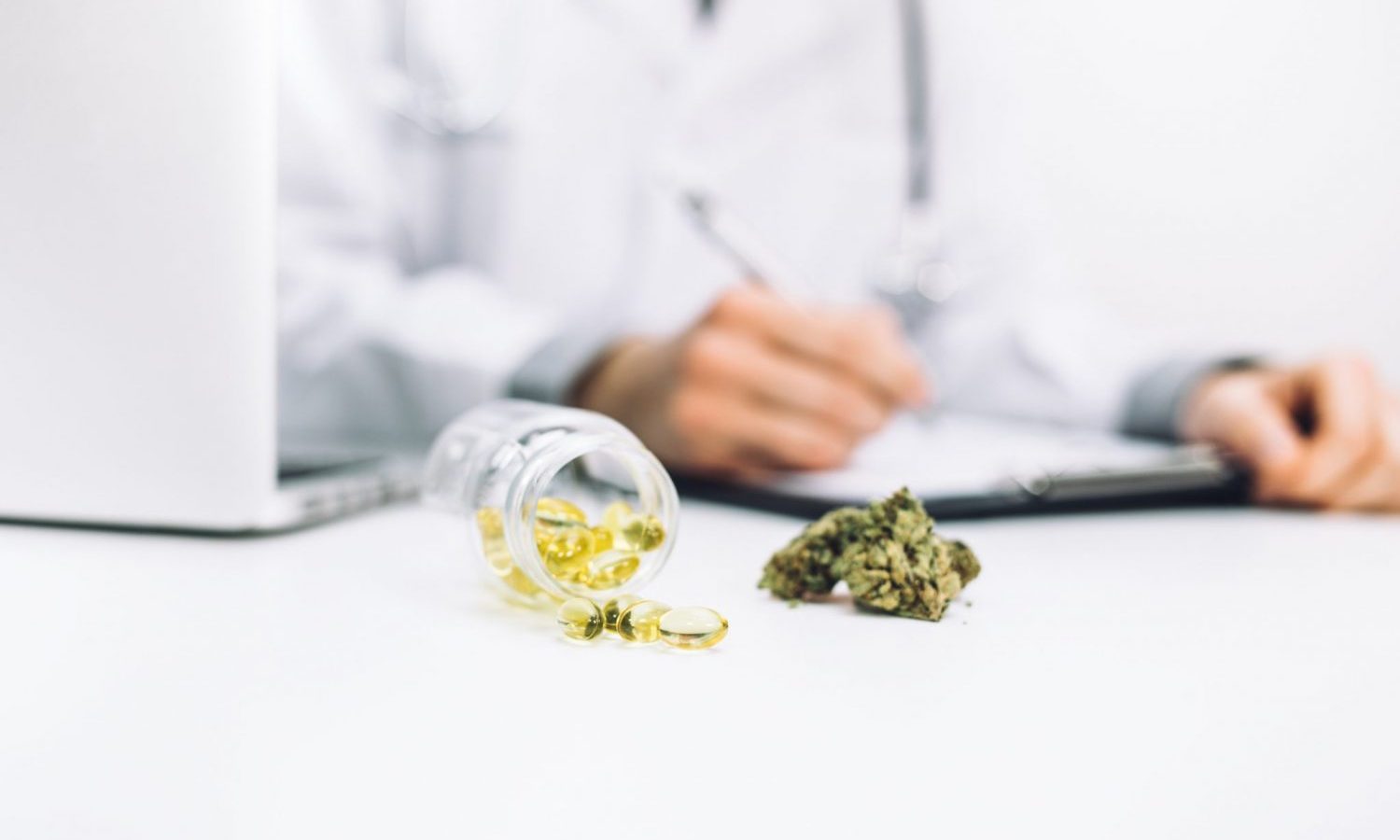
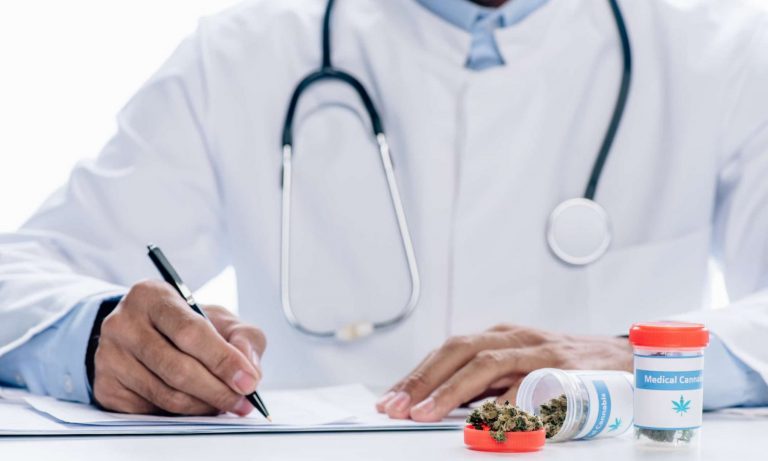
Even if recreational cannabis is legal in your state, there are certain benefits to getting a medical marijuana card for those who are using it to treat a certain condition or ailment.
Depending on the state, the benefits of an MMJ card vary but they can include cheaper prices, being able to buy more cannabis at a time, legitimately being able to purchase cannabis products of higher potency, growing your own cannabis legally, and much more. Additionally, the rules surrounding getting your own medical marijuana card will also vary depending on state laws which is why it’s critical to research the procedures involved with getting one.
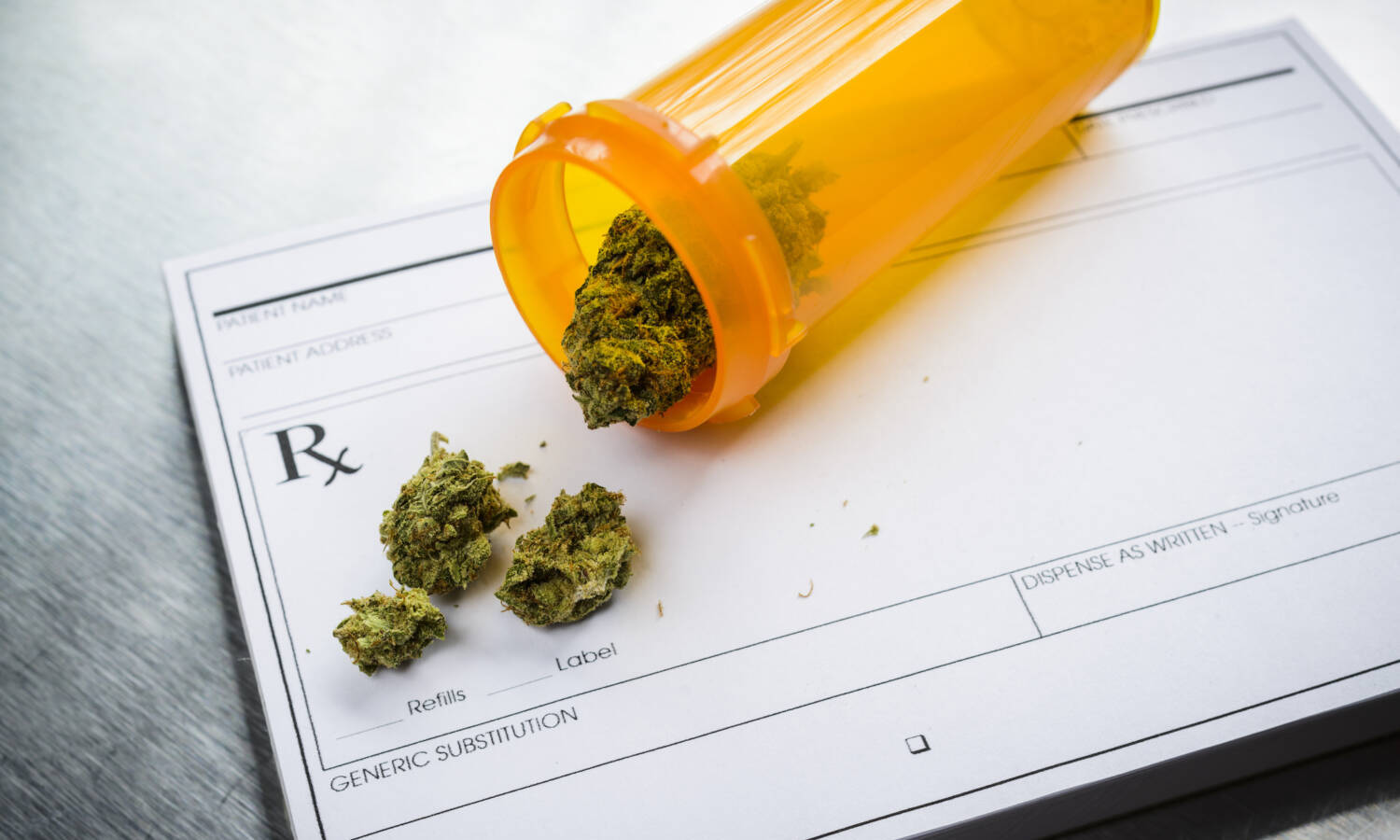
In essence, medical marijuana cards are state-issued identifications that enable patients to buy cannabis products from licensed dispensaries specifically for treating certain ailments or health problems. Patients need a recommendation from certified physicians that they are diagnosed with a condition that the state is qualified for patients to access MMJ for.
Having said that, many patients wonder if they still need to consult with their doctors regularly after obtaining an MMJ card especially if you have a minor condition. For example, you have applied for an MMJ card through your physician’s recommendation that you have glaucoma; the cannabis works well for you and you don’t feel like you need to go back for checkups. In the same light, you may also be taking cannabis for treating your anxiety, but when it works, you may feel like there’s no need to divulge this information to your doctor the next time you see one for another reason, or follow through with your physician with regards to how you’re doing.
However, it’s critical that patients still visit their doctor regularly even after they have gotten their MMJ card. Here are some reasons why:
Photo by Karolina Grabowska from Pexels
Transparency: In certain states, legally speaking, doctors can’t prescribe the use of cannabis. Whether this is true or not where you live, your provider needs to be informed that you are using cannabis as treatment for your condition. Medical providers should always be informed and comfortable so that they can ensure there are no critical interactions between other medications that you may need now or later on.
The same is true for recreational users, which is why full disclosure of cannabis use is always important for doctors.
Some cannabis products may not be right for you: So you’ve already gotten a medical marijuana card for anxiety, now it’s time to find medicine that works for you. It is well known through anecdotal evidence as well as studies that high-THC cannabis products may not be suitable for individuals with panic attacks and anxiety, so CBD products are better instead. You can get this information from a knowledgeable budtender in a licensed dispensary in your area, but if you have severe anxiety and panic attacks, this condition is something you’re going to want to monitor regularly with the help of a physician.
Budtenders are skilled, but they are not doctors, not by a long stretch. In many cases you may want to monitor your progress under the supervision of a doctor.
Combining medical marijuana with conventional therapy: There are many cases wherein ailments can be treated more effectively when conventional therapy and medical marijuana are used in conjunction. Those who know best will always be the medical professionals; this is critical in the case of potentially serious or terminal illnesses such as cancer where many patients have been successfully treated using chemotherapy together with medical cannabis but under medical supervision.
Working around the many types of cannabis products as well as the right dosage: There are so many different types of cannabis products out there in various forms and dosages. One may certainly work better for you than others, and your doctor can help you identify when it’s time to shift your treatment plan to another.
For example, if you suffer from chronic body pains and have been vaping cannabis for it, you may find that the effects don’t last for a very long time. If you consult with your doctor, they may be able to recommend cannabis edibles instead, or a stronger concentrate that you can take before bed to help you get some shut-eye.
What If You Get Objections From Your Doctor?
If you are only looking for a doctor to consult with after you have gotten your MMJ card, or have to switch doctors for any reason, be prepared to experience objections from doctors.
Not all doctors out there are supportive of cannabis use, nor are they knowledgeable about it. Some may be supportive initially but not know enough about it to discuss further, and they may recommend you to another colleague of theirs who does. While it’s wise not to assume that your doctor is well-versed in cannabis as medicine, you can find out by asking them if they have attended any recent education programs focusing on cannabis. If they answer no, then you can move on to another doctor.
Keep in mind that today’s doctors were not taught about how cannabis works in the human body. Even if they have attended programs or workshops, it will take time for them to get up to speed regarding dosing, strains, and products that their patients need. This is also why it’s important for you to do your own research as a patient.
Conclusion
Regular consultation with your doctor, even if you have your MMJ card, is essential for supervision and monitoring. When it comes to minor conditions that you can easily treat with cannabis, it’s fine to consult with a budtender. If you aren’t sure or the condition has a chance of worsening, be sure to consult with your physician regularly.